Herb 6 Liver Comfort Infusion Blend

Regular price 96,00 zł

BUY 3 GET 1 FOR FREE! (Add 4 to your cart)

Free Shipping
in Spain & Portugal
EU Shipping €6.90
Free from €59
Secure Payment
Safe & secure checkout

Organic Farming

Certified Organic

Vegan icon - Elliotti

Vegan

Gluten free icon - Elliotti

Gluten-free

Organic Herbal Infusion for Liver Function, Bile Flow & Digestive Comfort

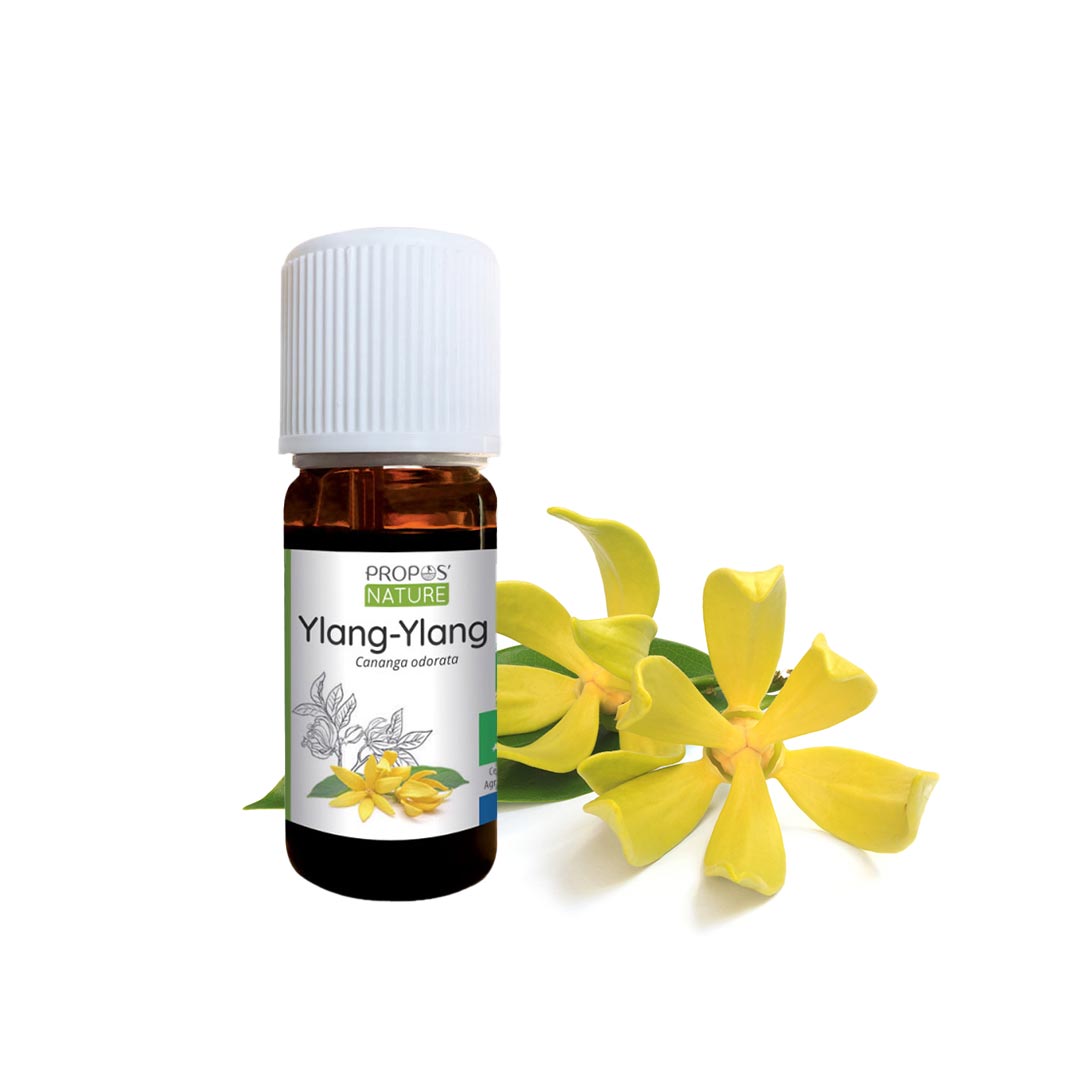
Herb 6 Liver Comfort is an organic herbal infusion created for those times when digestion feels heavy and you want to give particular attention to the liver and biliary system as part of your daily herbal routine.

The blend brings together fennel seed, Roman chamomile flower, peppermint leaf, dandelion leaf and rosemary leaf, five aromatic and bitter plants with a long history of use in European herbal traditions. Rather than relying on a single herb, the formula combines plants traditionally associated with both digestion and the hepatobiliary system.

Dandelion is the main liver herb in the blend, helping to maintain normal liver function and supporting the bile system, which plays an important role in the digestion of fats. Rosemary complements dandelion by promoting the natural flow and drainage of bile from the liver. Peppermint supports normal digestion, while fennel and Roman chamomile round out the blend with their gentle, aromatic character.

Together, these five herbs make Herb 6 particularly suited to an after-meal routine, especially after rich or fatty foods, or whenever you want to give your liver and digestion some extra attention.

This makes Herb 6 particularly interesting after periods of rich or heavier eating, when you want a more intentional digestive herbal routine, or during a seasonal herbal cleanse. It can also be enjoyed simply as a bitter-aromatic infusion after meals.

Unlike capsules or concentrated extracts, Herb 6 turns liver and digestive care into a simple herbal ritual. The loose herbs are infused in hot water, allowing you to experience the aroma, flavour and character of the plants themselves.

A blend of five organic herbs

  • Fennel seed (Foeniculum vulgare) – 30%
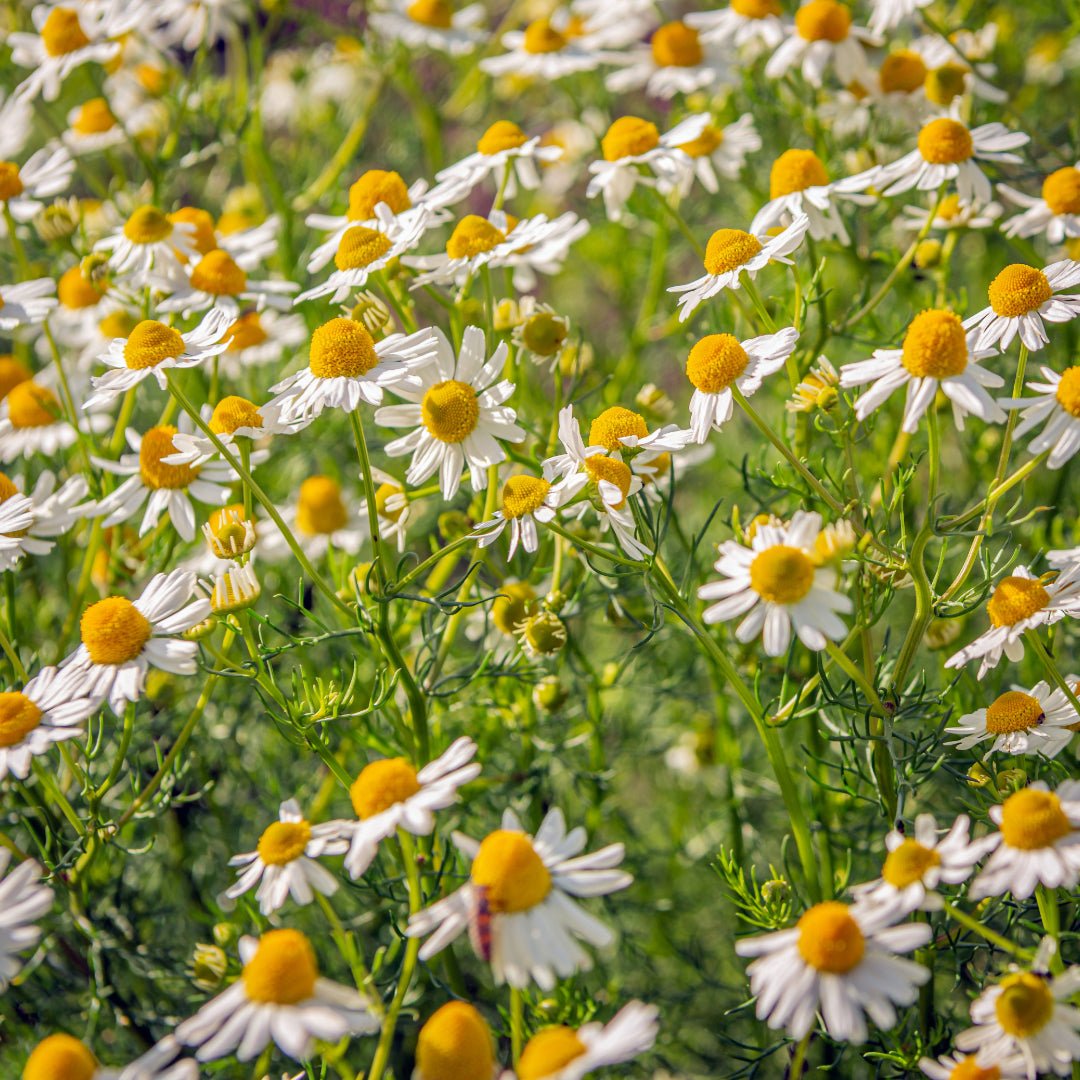
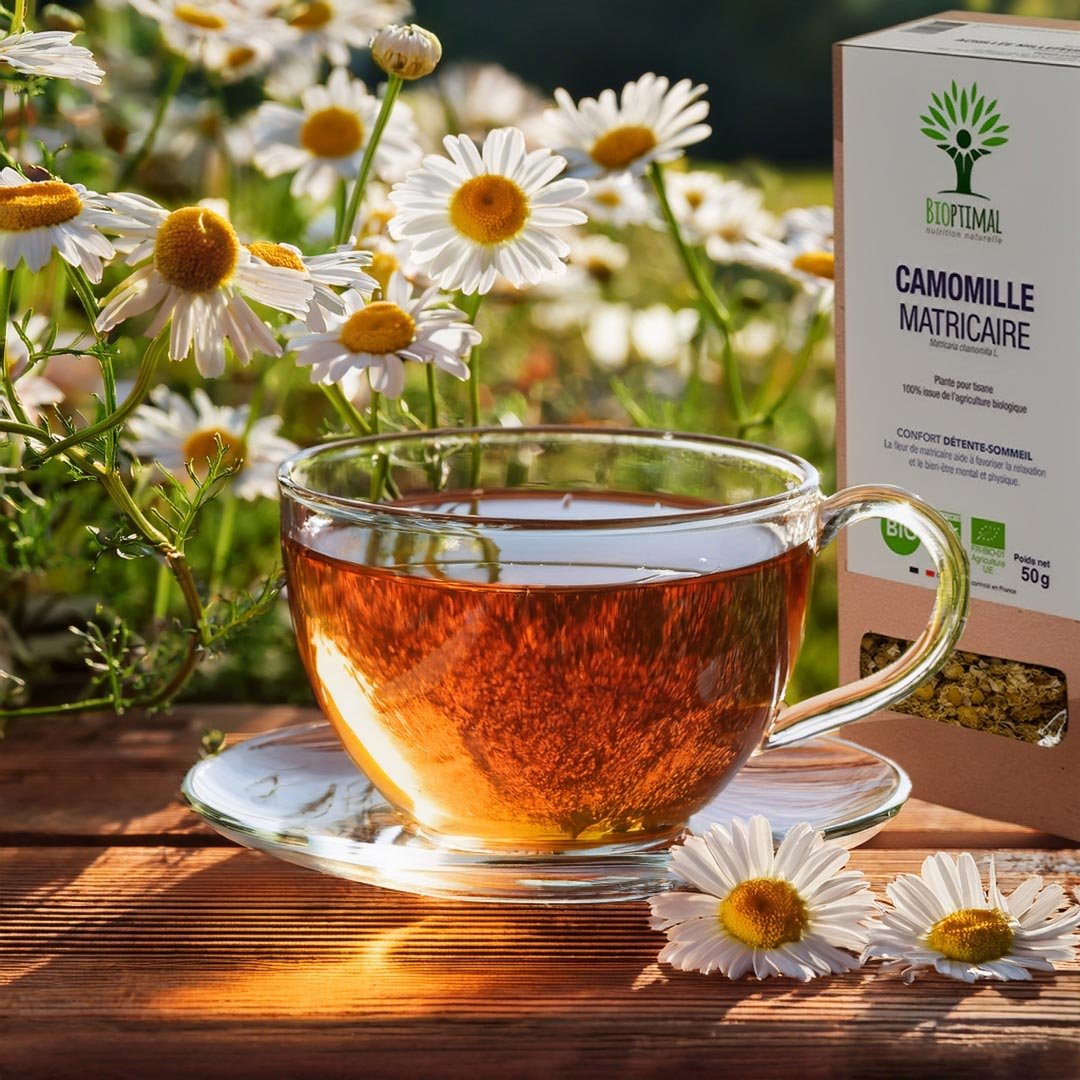
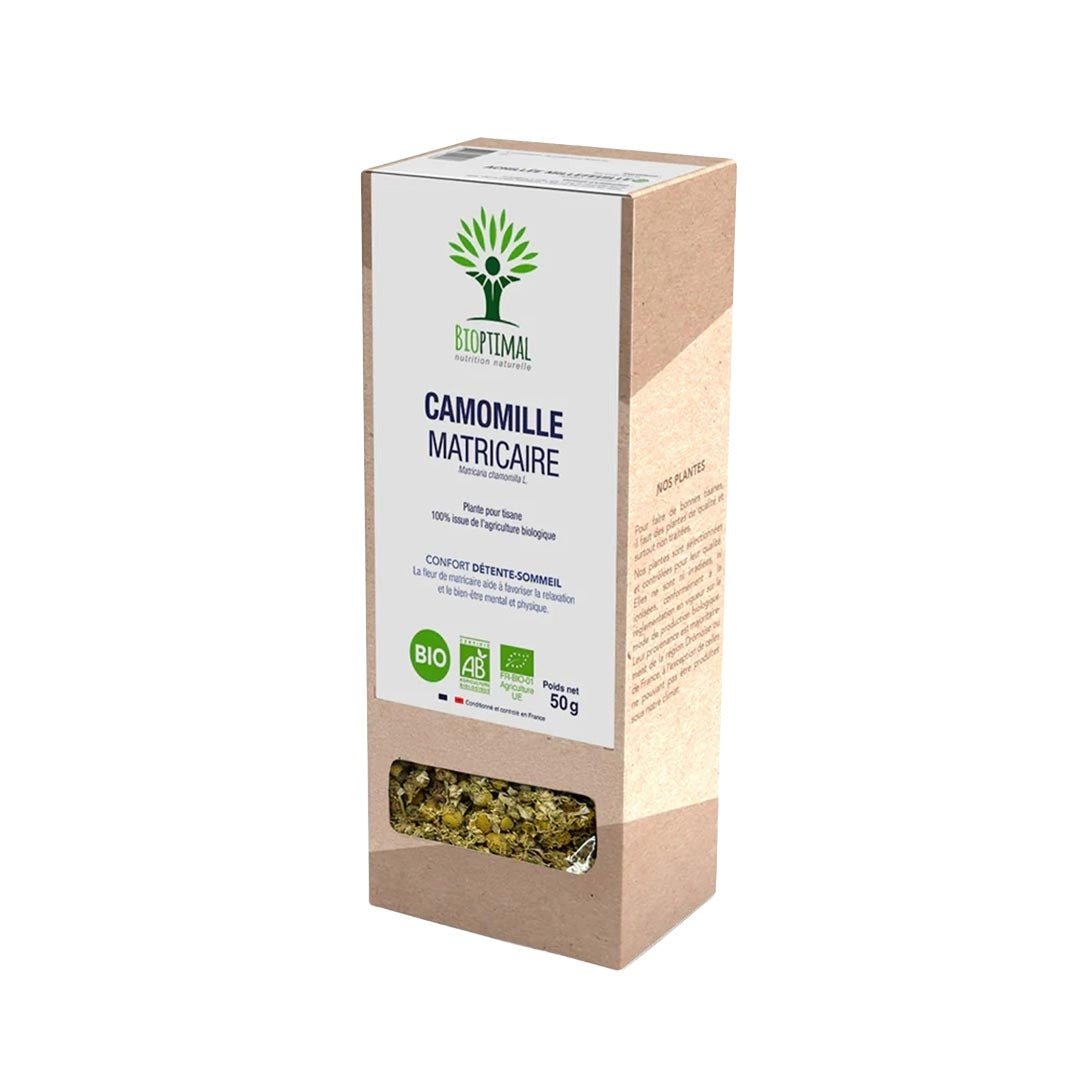
  • Roman chamomile flower (Chamaemelum nobile) – 20%
  • Peppermint leaf (Mentha × piperita) – 20%
  • Dandelion leaf (Taraxacum officinale) – 20%
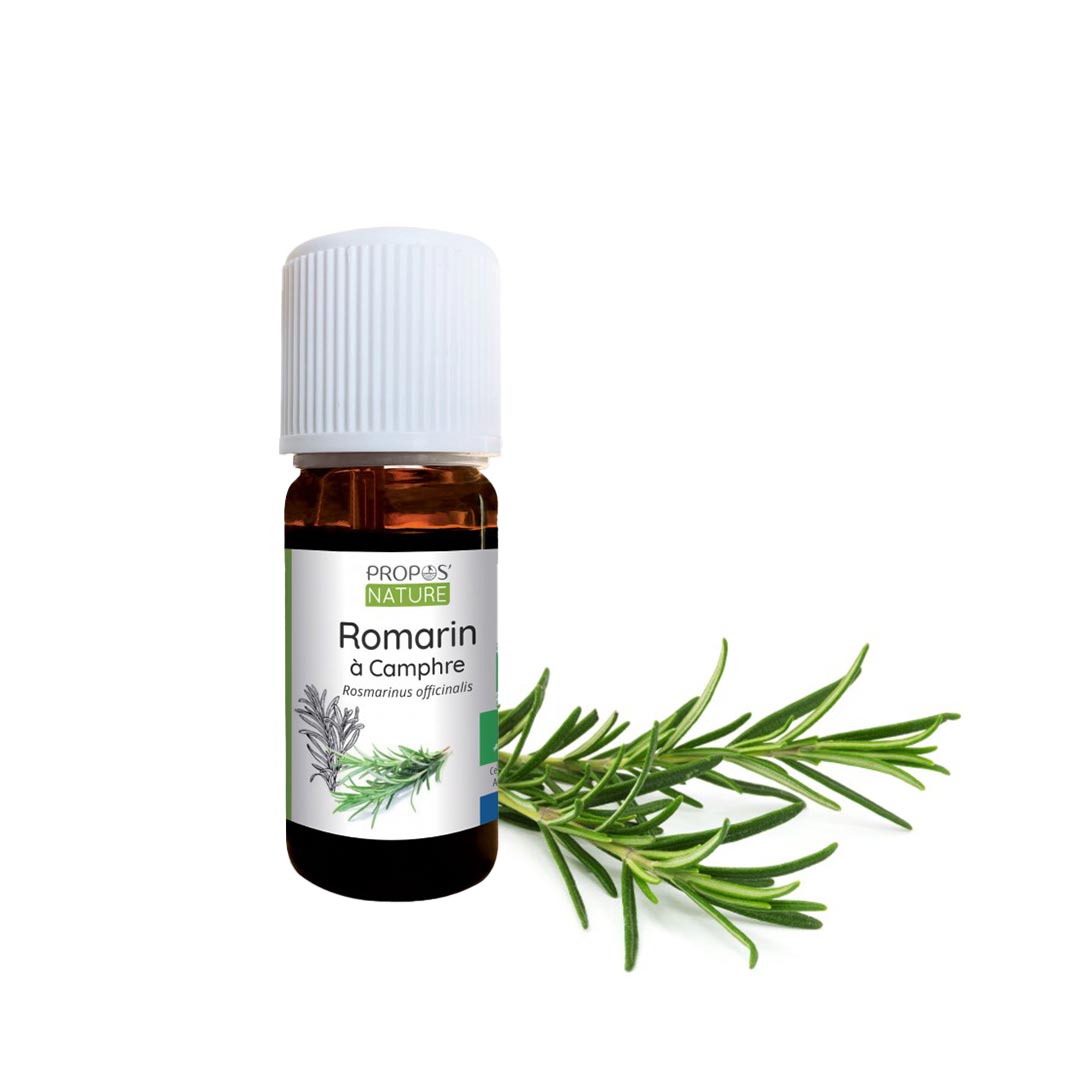
  • Rosemary leaf (Rosmarinus officinalis) – 10%

All ingredients are from certified organic farming.

More information

🌿Botanical Information

Fennel
Foeniculum vulgare
Plant part: Seed
Proportion: 30%

Roman Chamomile
Chamaemelum nobile
Plant part: Flower
Proportion: 20%

Peppermint
Mentha × piperita
Plant part: Leaf
Proportion: 20%

Dandelion
Taraxacum officinale
Plant part: Leaf
Proportion: 20%

Rosemary
Rosmarinus officinalis
Plant part: Leaf
Proportion: 10%

All five plants are from certified organic farming.

🌿Why These Five Herbs Work So Well Together

Herb 6 is more than a mixture of five digestive herbs. The formula combines bitter, aromatic and gently soothing plants, with each contributing something different to the character of the infusion.

Dandelion is the main liver-focused plant in the blend. It helps maintain normal liver function and supports the normal functioning of the bile system. Bile is produced by the liver and released into the intestine, where it helps the body digest fats. This makes dandelion particularly interesting in a blend intended to accompany digestion and liver function.

Rosemary complements dandelion and is traditionally associated with the liver and digestion. It promotes hepatobiliary drainage, meaning the natural movement of bile through the liver and biliary system. Its distinctly aromatic, slightly bitter character also gives the infusion some of its more stimulating herbal personality.

Peppermint brings the digestive side of the formula into focus. Its fresh, cooling leaves are widely appreciated after meals and contribute to normal digestive function. They also balance the deeper bitter notes of dandelion and rosemary, making the infusion fresher and more pleasant to drink.

Fennel is the largest ingredient at 30%. Its naturally sweet, anise-like seeds give the blend warmth and roundness and have a long tradition of use in herbal infusions enjoyed after meals. Importantly, fennel also softens the bitterness of the liver-focused herbs, making Herb 6 suitable as a regular infusion rather than something that tastes overtly medicinal.

Roman chamomile completes the formula. Its flowers bring a softer, gently aromatic character that sits beautifully alongside fennel and peppermint and rounds out the stronger flavours of rosemary and dandelion.

🌿What Does It Taste Like?

Expect a fresh, aromatic and gently bitter herbal infusion, rather than a sweet tea. Fennel provides a naturally sweet, anise-like note, peppermint brings freshness, and Roman chamomile adds softness. Dandelion and rosemary contribute the more distinctly herbal and bitter notes characteristic of the blend.

The result is particularly well suited to drinking after a meal, when its aromatic and slightly bitter character feels most at home.

Usage tips

Use 3 to 4 tablespoons (12–16 g) per litre of water per day.

Pour hot water over the herbs, cover and leave to infuse for at least 30 minutes for a fuller herbal infusion. Strain before drinking.

Drink the prepared infusion throughout the day, ideally divided into 2–4 cups. It can be particularly enjoyable after meals.

For a longer herbal infusion, the herbs may be left covered for several hours before straining. This produces a considerably stronger and more bitter-tasting preparation.

For one 250 ml cup: use approximately 3–4 g of the blend.

Certification

- Certified Organic Product
- Certified Organic Agriculture (AB certified)
- Origin of raw materials: EU/non-EU
- Country of manufacture: EU/non-EU

Composition

Ingredients: Fennel seed (Foeniculum vulgare) 30%, Roman chamomile flower (Chamaemelum nobile) 20%, peppermint leaf (Mentha piperita) 20%, dandelion leaf (Taraxacum officinale) 20%, rosemary leaf (Rosmarinus officinalis) 10%*.

*Ingredients from certified organic farming.

100% organic herbal infusion blend.

A little history

Herb 6 brings together five plants with deep roots in European and Mediterranean herbal tradition. Some were valued for their bitterness, others for their aromatic seeds, leaves or flowers, and together they represent a very old European practice: preparing plants in hot water and drinking them as part of everyday life, particularly around food and digestion.

Dandelion (Taraxacum officinale)
Long before dandelion became an unwanted visitor in modern lawns, it was gathered as both a food plant and a household herb. The young leaves were eaten as bitter spring greens, while the leaves and roots also found their way into traditional herbal preparations. Its characteristic bitterness made dandelion particularly associated in European herbalism with the liver, bile and digestion, and springtime preparations of bitter plants became part of seasonal herbal traditions.

What makes dandelion especially interesting is that practically the whole plant has been used. The leaves could be eaten or infused, the roots prepared separately, and even the flowers had culinary uses. In Herb 6, it is specifically the leaf that is used.

Rosemary (Rosmarinus officinalis)
Few herbs are as closely connected with the Mediterranean as rosemary. It grows naturally in the dry, sunlit landscapes of southern Europe, where its intensely aromatic leaves have been used for centuries in food, herbal preparations and household traditions.

Historically, rosemary became associated with digestion and the liver in European herbal practice, while its aromatic character also made it popular in preparations used after rich foods. But rosemary's history reaches far beyond herbalism. The Greeks and Romans associated it with remembrance, and later European traditions made rosemary a symbol of memory, loyalty and fidelity, appearing at both weddings and funerals.

Its culinary history is equally important. Rosemary's resinous, slightly bitter flavour works particularly well with richer foods, which helps explain why the herb became so firmly established in Mediterranean kitchens as well as herbal cupboards.

Peppermint (Mentha piperita)
Peppermint has a somewhat different story because the peppermint we know today is a natural hybrid mint, generally understood to have arisen from watermint and spearmint. It became an important cultivated herb in Europe, particularly from the 17th and 18th centuries onwards.

Its high menthol content gives the leaves their unmistakable cooling aroma and flavour. Peppermint became one of Europe's classic herbs for preparations associated with digestion, the stomach and the period after eating, while also becoming enormously popular simply as a refreshing herbal infusion.

In Herb 6, peppermint has another practical role. Its bright freshness cuts through the more bitter character of dandelion and rosemary and makes the finished infusion considerably more refreshing.

Fennel (Foeniculum vulgare)
Fennel has been part of Mediterranean food and herbal culture since antiquity. The plant was known to the ancient Greeks and Romans, and its aromatic seeds became valued both as a spice and as an ingredient in herbal preparations.

Fennel has a particularly strong historical association with food and digestion. Its seeds were chewed, incorporated into cooking and prepared in infusions, and this tradition survives today in many European cultures where fennel tea is still a familiar drink after eating.

There is also a very practical reason fennel makes up the largest proportion of Herb 6. The seeds have a naturally sweet, warm, anise-like flavour, which rounds out the sharper bitterness of dandelion and rosemary. So fennel contributes not only to the traditional character of the formula but also to the way the infusion actually tastes.

Roman Chamomile (Chamaemelum nobile)
Roman chamomile has a particularly beautiful place in European herbal history. Native to western and southern Europe, the low-growing aromatic plant has been cultivated for centuries for its small, intensely fragrant flower heads.

The flowers became familiar in traditional preparations associated with digestion, relaxation and settling after food, while their gentle aromatic character made Roman chamomile a much-loved infusion herb in its own right.

Even its name tells part of the story. Chamaemelum comes from Greek words meaning approximately “ground apple”, referring to the sweet, apple-like fragrance released by the plant. In Britain, Roman chamomile later became famous as a chamomile lawn plant, creating fragrant ground cover that released its scent when walked upon.

🌿Five Plants, One European Herbal Tradition

What makes Herb 6 interesting is how these traditions meet in a single cup. Dandelion and rosemary bring bitterness and the historic connection with liver and bile traditions. Peppermint and fennel bring the strong European association with digestion and after-meal preparations. Roman chamomile adds the softer, aromatic tradition associated with both digestion and relaxation.

Together, they create something very characteristic of traditional European herbalism: bitter, aromatic and fragrant plants combined not only for their individual uses, but also for the way they complement one another in an infusion.

Precautions for use

Not recommended in case of hypersensitivity to peppermint and asteraceae

Packaging & storage

Store in a cool, dry place, protected from direct sunlight, heat and moisture.

Once opened, the herbal blend can be kept in its original packaging or transferred to a clean, dry, airtight glass jar or metal container. Store in a cool, dry place away from direct sunlight, heat and moisture.

FAQ

🌿 Why is it called Liver Comfort?
The name reflects the traditional herbal character of the blend, particularly the inclusion of dandelion and rosemary alongside aromatic digestive herbs such as fennel and peppermint.

🌿 Is Herb 6 very bitter?
No. Dandelion and rosemary provide some bitterness, but fennel gives a naturally sweet, anise-like note, while peppermint and Roman chamomile make the infusion fresher and softer. It is herbal and aromatic rather than intensely bitter.

🌿 Can I drink Herb 6 cold?
Yes. It can be prepared in advance and enjoyed warm, at room temperature or chilled. In warmer weather, it also makes a refreshing unsweetened herbal drink.

🌿 Can I combine Herb 6 with other herbal infusions?
Yes, but because Herb 6 is already a carefully balanced five-herb formula, there is no need to add anything for everyday use. If you want to change the flavour, a little lemon is an easy addition.

🌿 Is this a tea or a herbal infusion?
Technically, it is a herbal infusion, not a true tea. Tea comes from Camellia sinensis, whereas Herb 6 is made entirely from fennel, Roman chamomile, peppermint, dandelion and rosemary.

🌿 Does Herb 6 contain caffeine?
No. None of the five plants naturally contains caffeine, so Herb 6 is a caffeine-free herbal infusion.

Volume

50g

Botanical Supplements, Chosen with Care

At Elliotti, we believe a good supplement should be easy to understand. What is in it, how much should you take, where does it come from, and why has this particular formula been chosen?

Our Bioptimal range brings together food supplements made in France, with a focus on carefully selected ingredients and straightforward formulations. Some feature a single botanical, while others combine plants or nutrients in formulas designed for a particular type of daily routine.

We look beyond the front of the pack. Ingredients, daily amounts, quality, certification, recommended use and precautions all matter when we decide what belongs at Elliotti.

Explore the product information above to understand exactly what is in this formula and how to use it.

Hi, I’m Susann!
I’m a holistic aromatherapist and naturopath, and I know that choosing between different botanicals and supplements is not always straightforward.
If you have questions about a product, its ingredients, how to use it or the differences between our botanical preparations, you’re always welcome to ask me. Personal guidance is part of the service at Elliotti, at no extra cost.

Send me an e-mail at susann@elliotti.com