

Kitchen Cleaning
Natural solutions for everyday kitchen cleaning
From washing dishes and wiping worktops to tackling grease, burnt-on food and limescale, different kitchen jobs call for different cleaning solutions.
Here you'll find natural cleaning essentials for dishes and dishwashers, worktops and surfaces, sinks and taps, ovens and hobs, cookware and kitchen appliances.
Choose what you need to clean and we'll help you find the right product for the job.
Dishes & Dishwasher
For everyday washing-up, dishwasher cleaning and hard-water care. Not sure what you need? Start with the job you want to do.
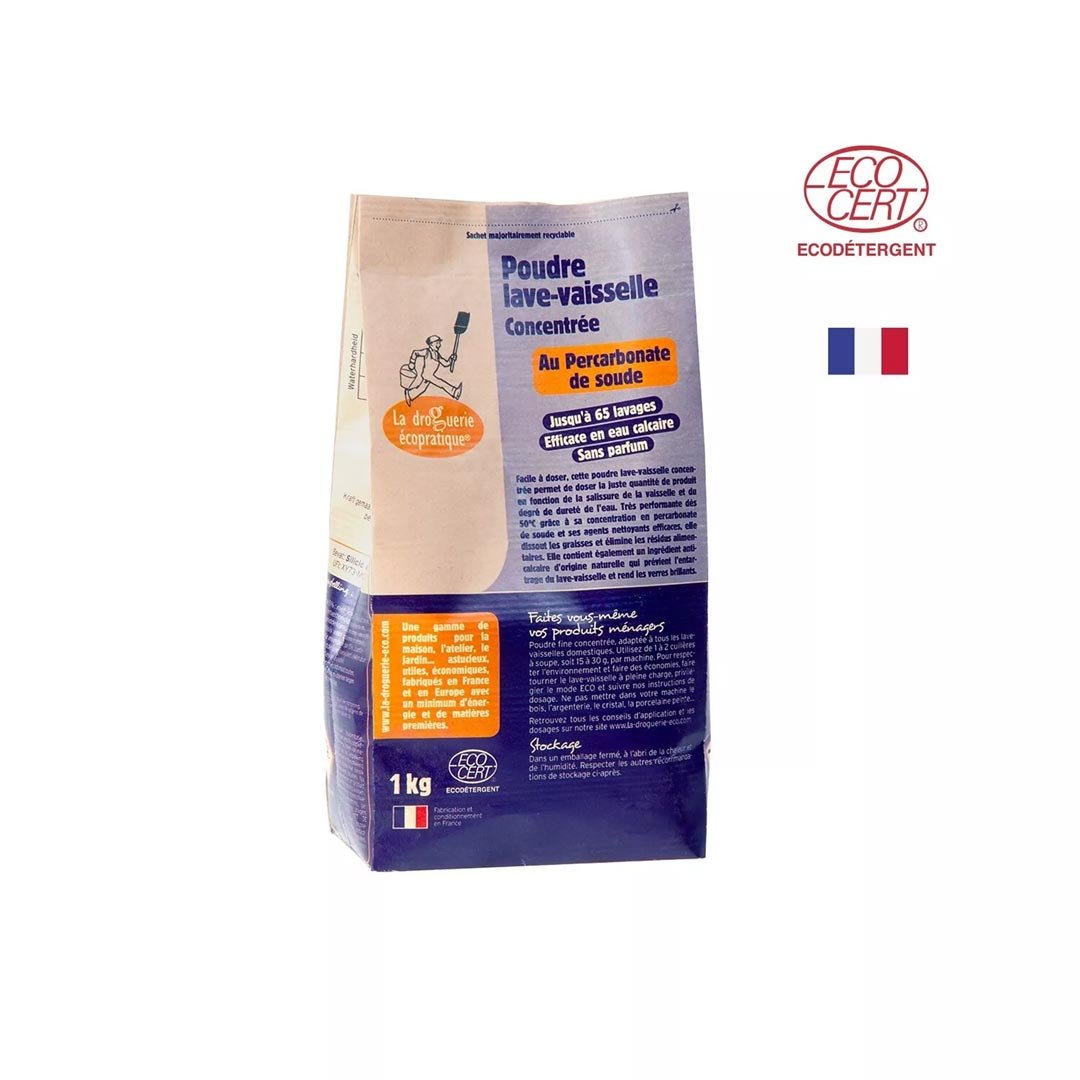
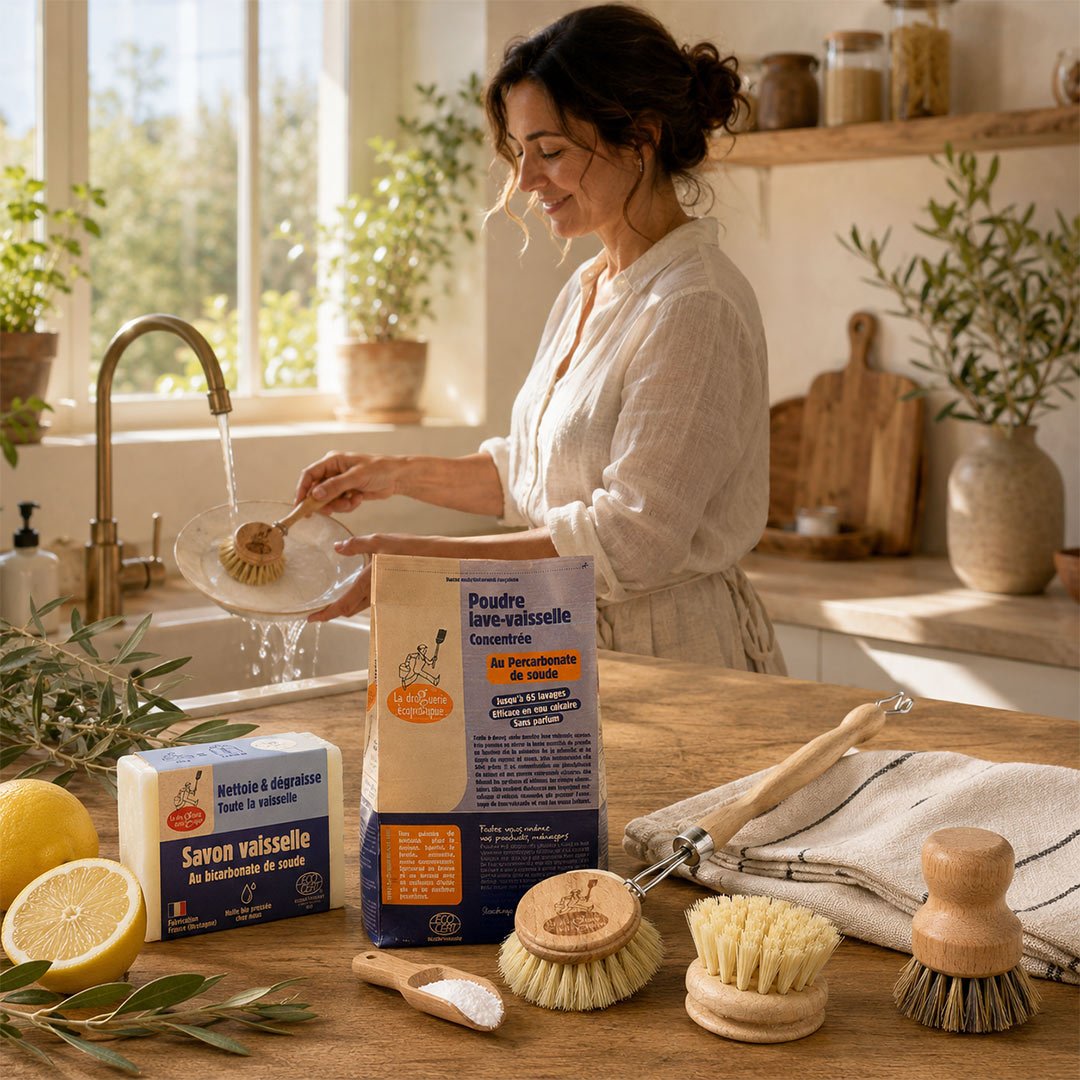
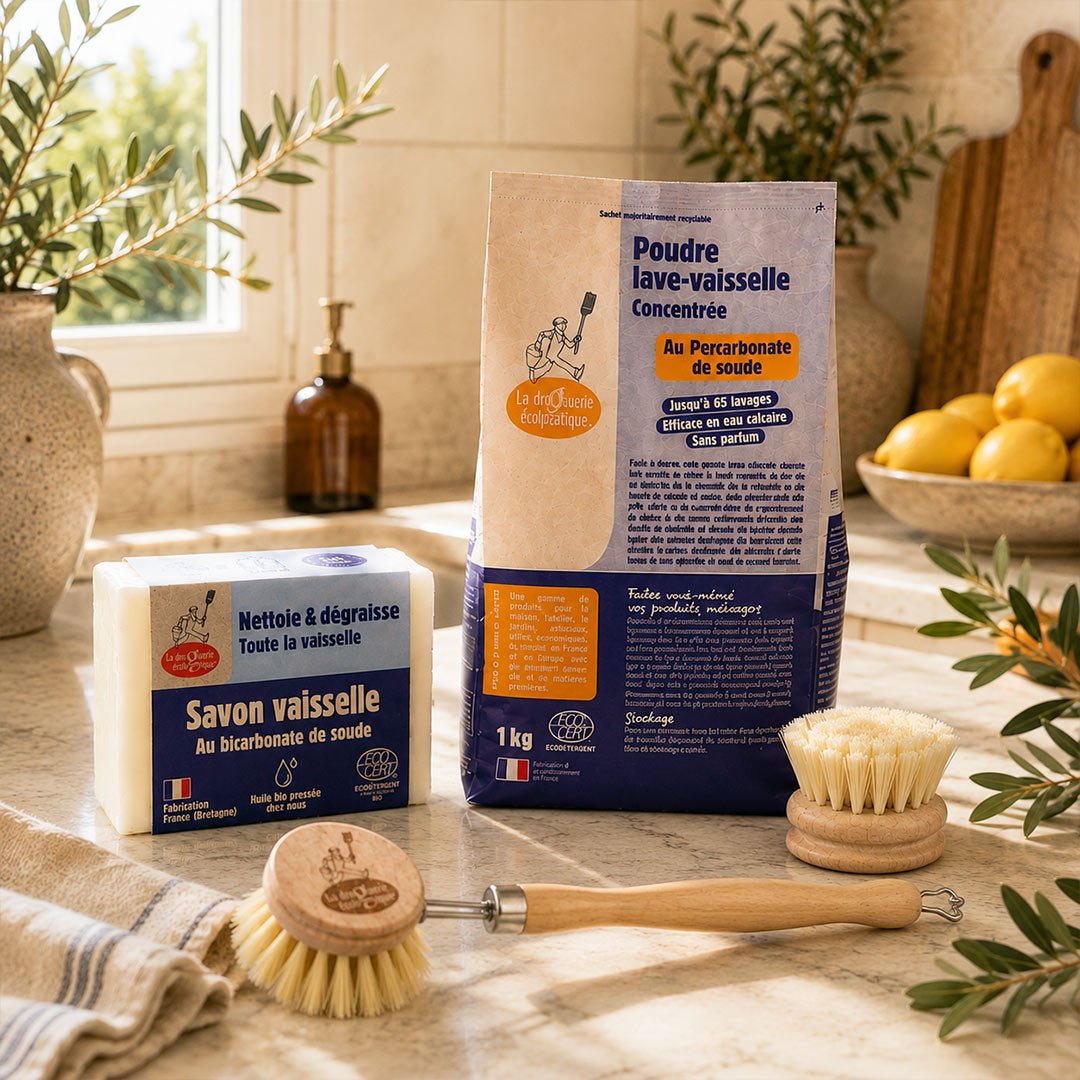
Dishwasher Powder
Your everyday detergent for washing dishes, glasses and cutlery in the dishwasher. Use it for the normal wash cycle.
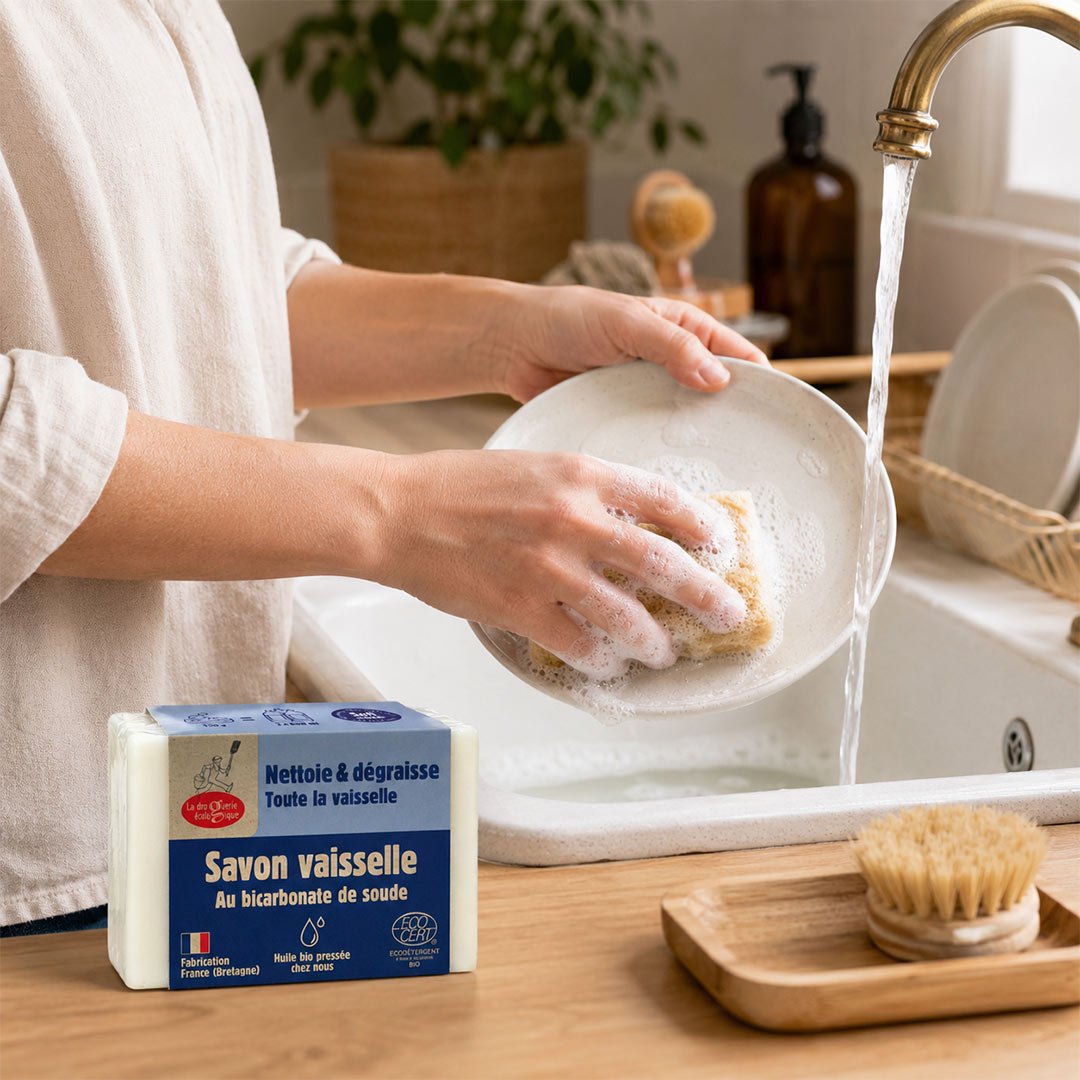
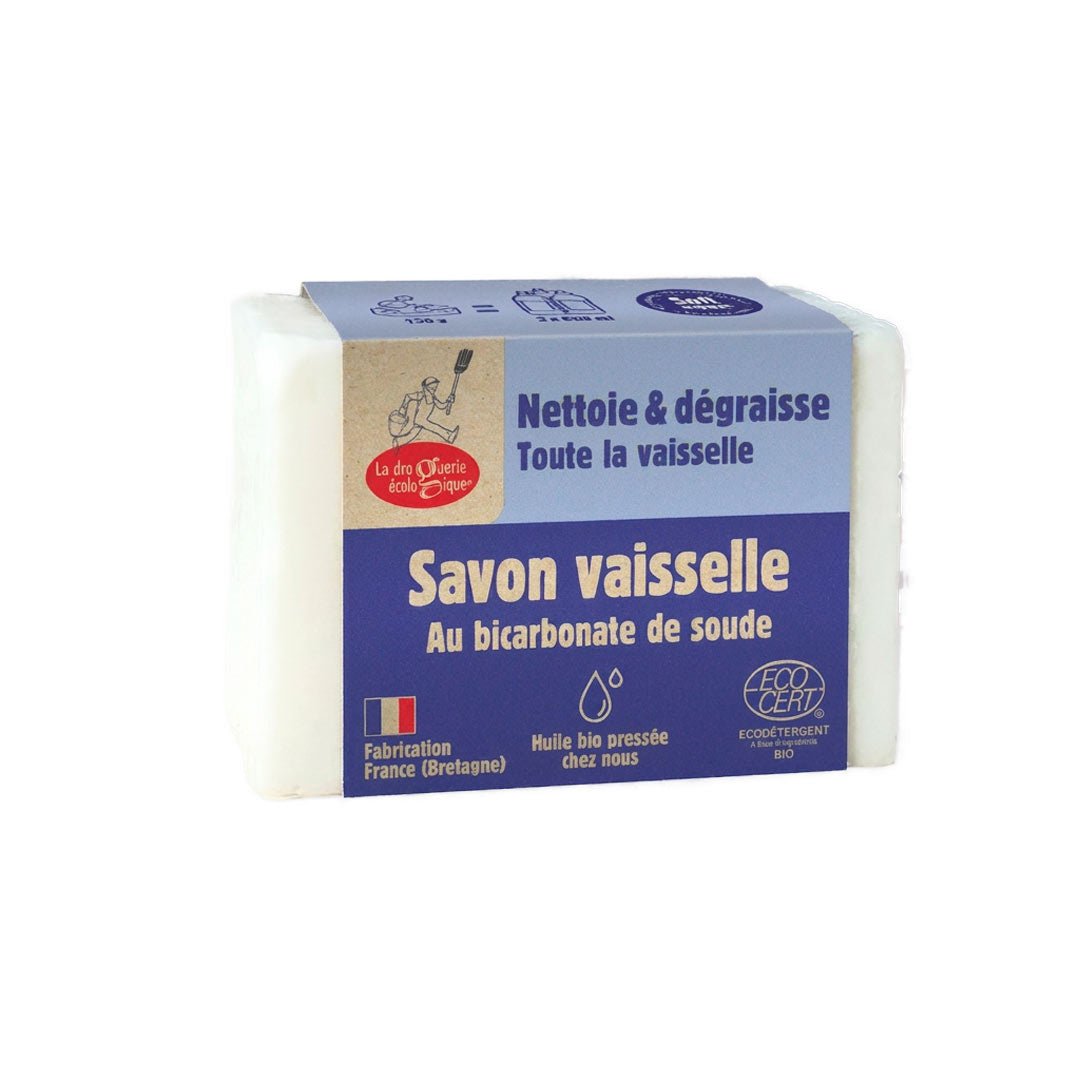
Solid Dishwashing Soap
A concentrated solid soap for washing dishes, glasses, cutlery, pots and pans by hand. Rub a damp dish brush or sponge directly over the soap, then wash as usual. A practical choice if you prefer a solid, low-waste alternative to liquid washing-up liquid.
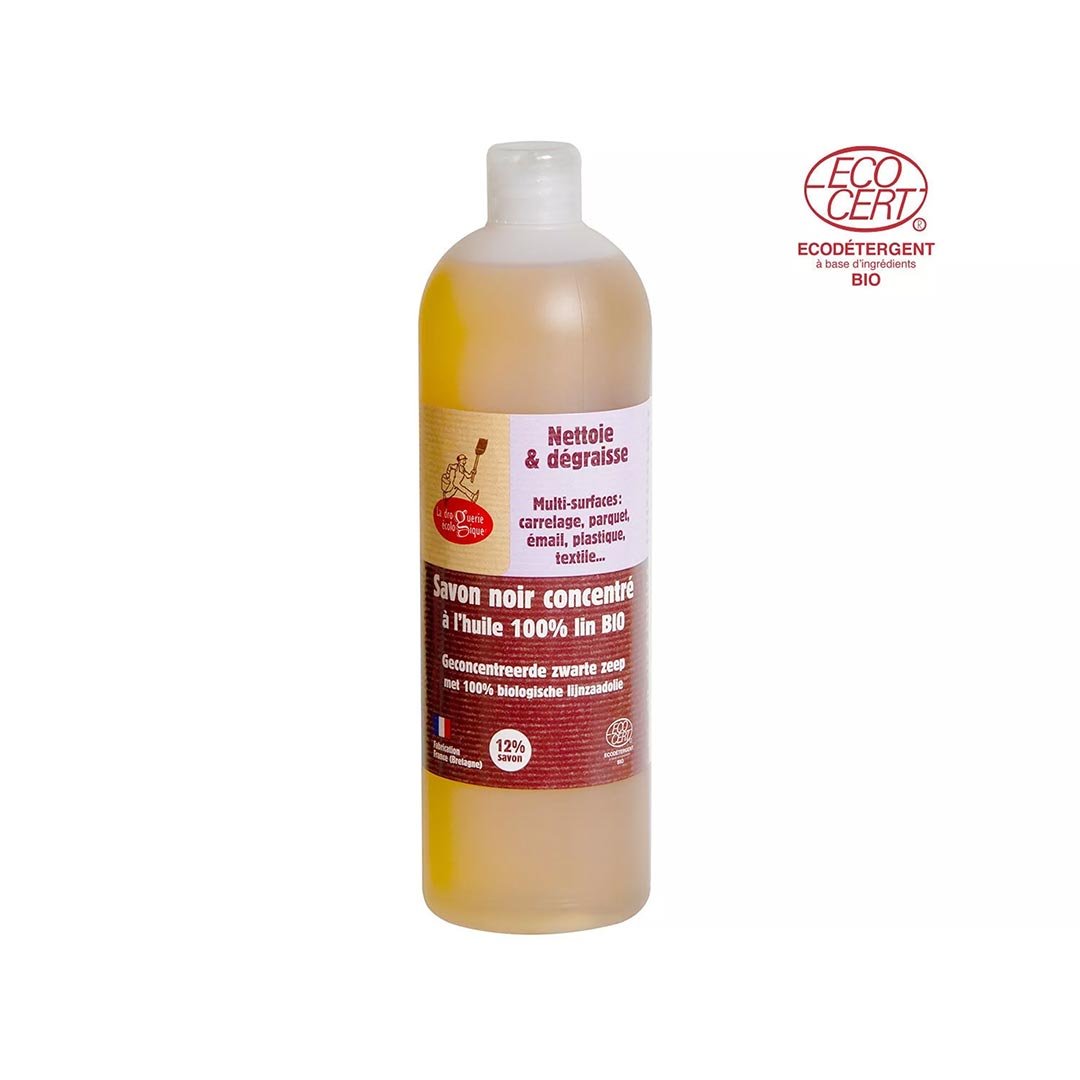
Liquid Dishwashing Soap
For everyday washing-up by hand. Add a small amount to your washing-up water or sponge to clean dishes, glasses, cutlery, pots and pans. A familiar and convenient choice if you prefer a liquid washing-up product.

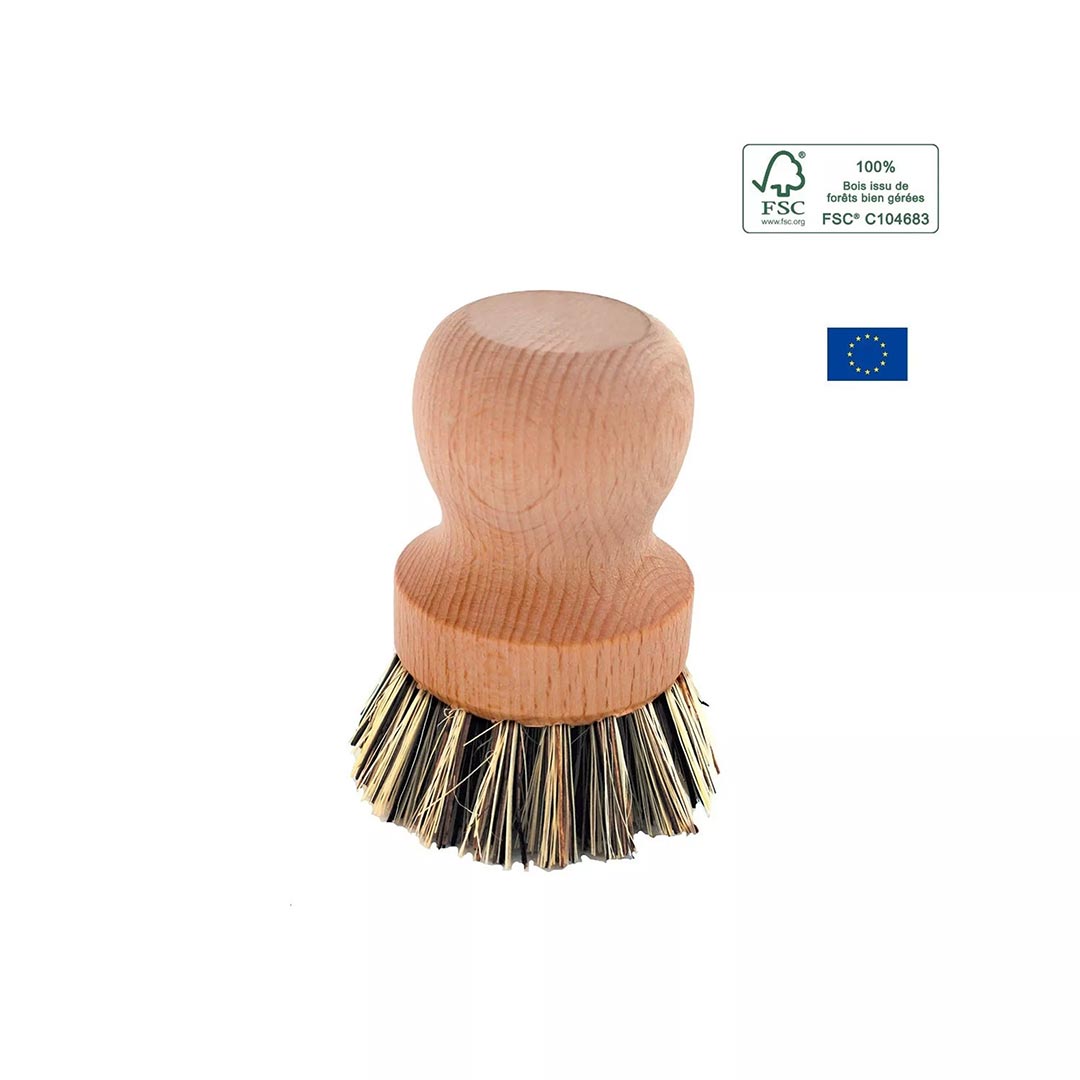
Dish Brushes
For washing and scrubbing dishes, cookware and kitchen utensils by hand. Choose a replaceable-head brush to keep the handle and simply change the brush head when worn.
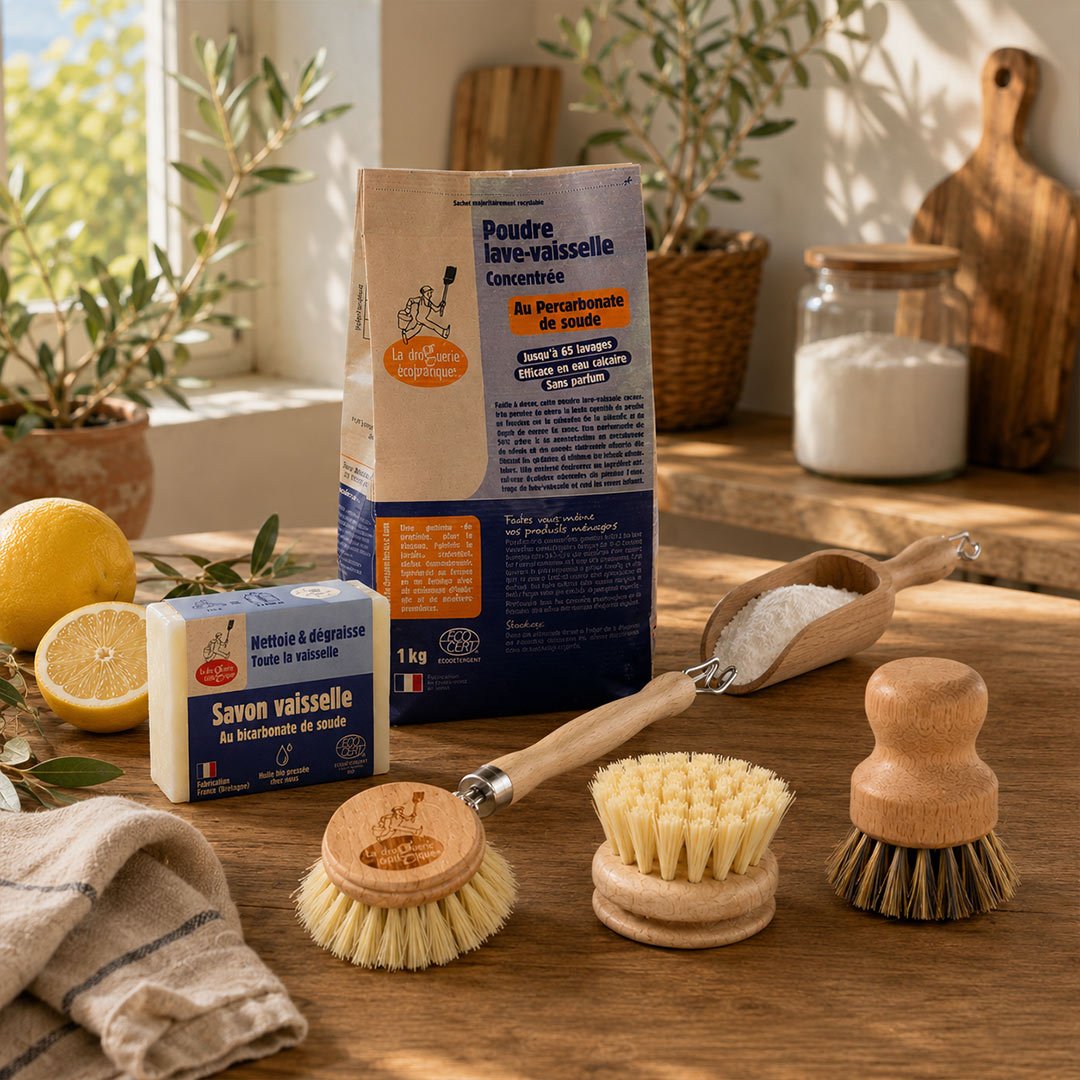
Dishwashing Kits
A practical way to get the essentials for natural dishwashing together, particularly if you are just getting started.

Citric Acid
Choose citric acid when hard water and limescale are the problem. Ecodis recommends adding citric acid to the dishwasher in hard-water areas. It is also useful for descaling kettles and coffee machines, so you will find it again in our Limescale & Kitchen Appliances section.
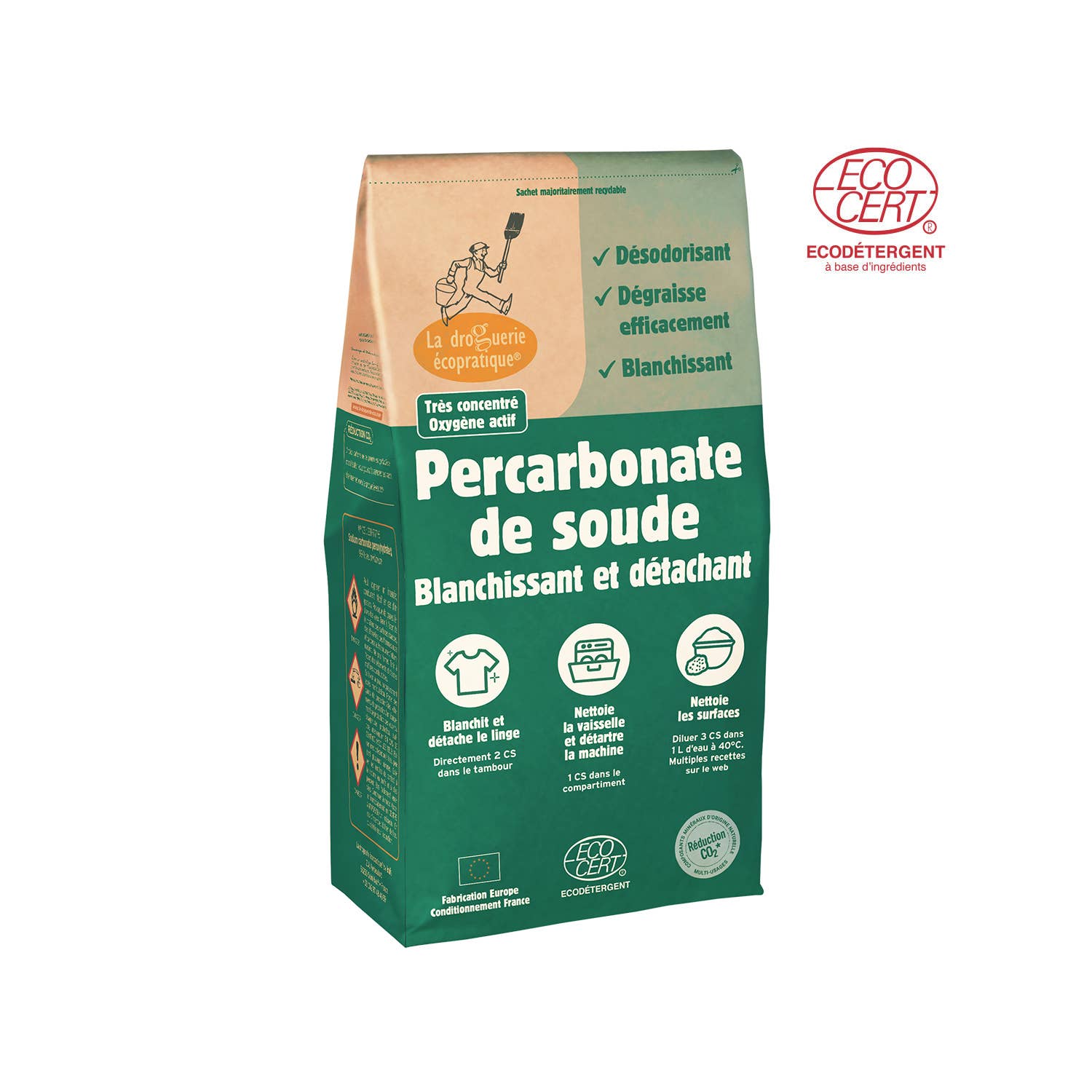
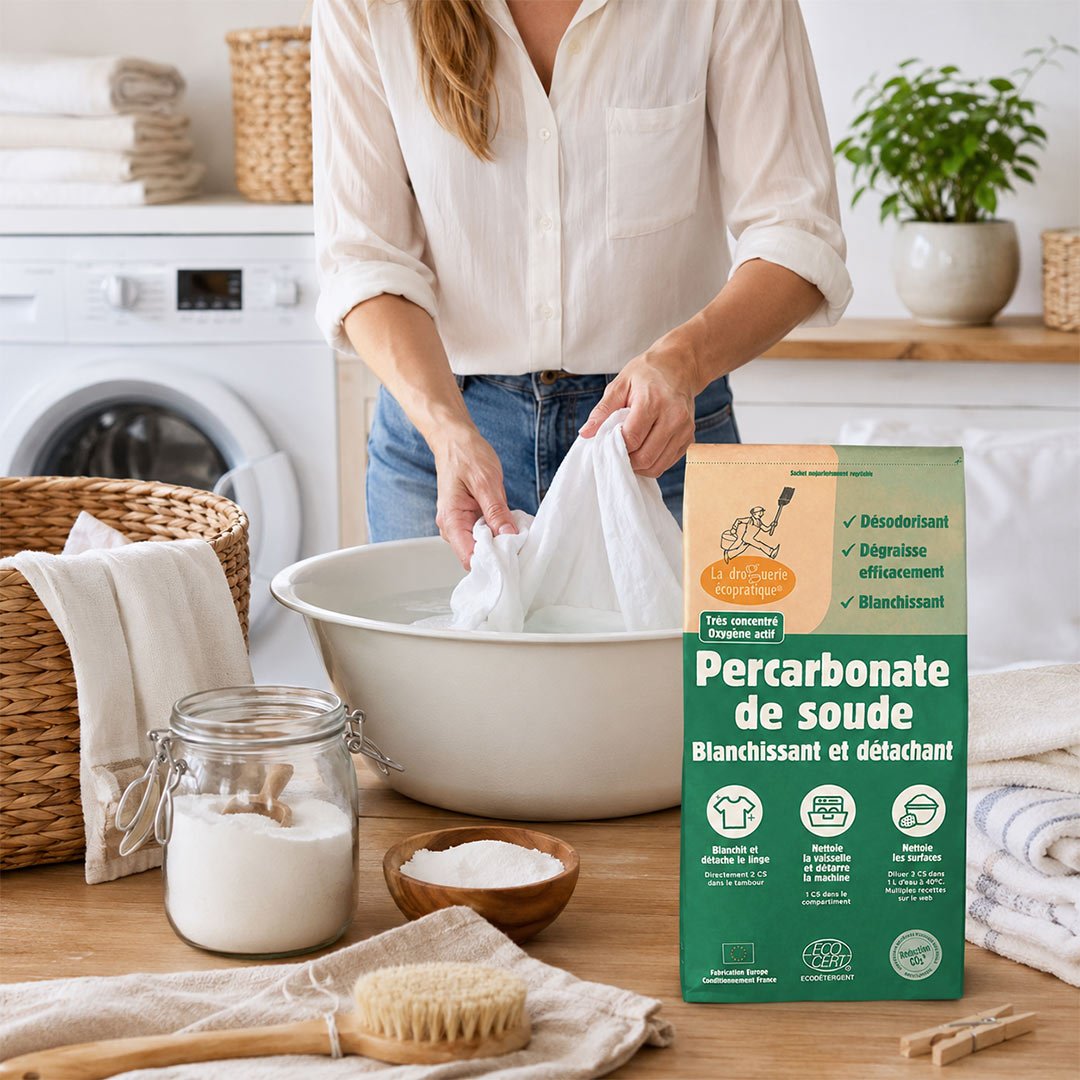
Sodium Percarbonate
For times when your dishwasher needs extra cleaning power, particularly for heavily soiled loads or when dishes need a more thorough clean. Add 1 tablespoon alongside your usual dishwasher detergent. It is an occasional boost rather than a replacement for your everyday dishwasher detergent.
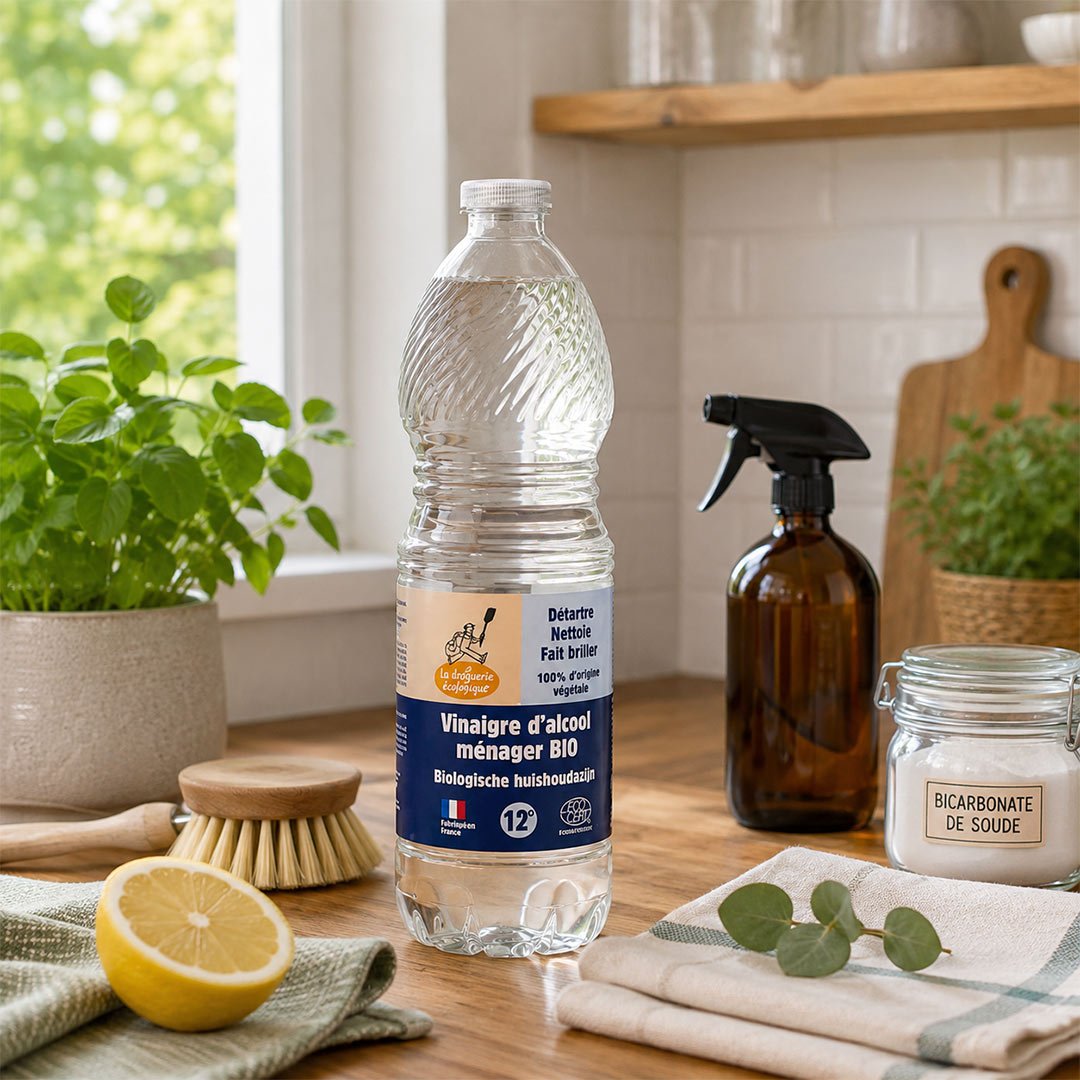
Alcohol Vinegar 12%
Useful for glassware and as a simple rinse-aid option. Diluted Alcohol Vinegar helps leave glasses clean and sparkling and can be particularly useful as a rinse aid in hard-water areas.
Choose Alcohol Vinegar when you want to reduce water marks and mineral residue on glassware and dishes.
Not sure what to choose?
Everyday dishwasher load = Dishwasher Powder
Washing up by hand = Solid or Liquid Dishwashing Soap
Hard water & limescale = Citric Acid
Extra dishwasher cleaning = Sodium Percarbonate
Glassware & rinse aid = Alcohol Vinegar
Want the essentials together = Dishwashing Kit

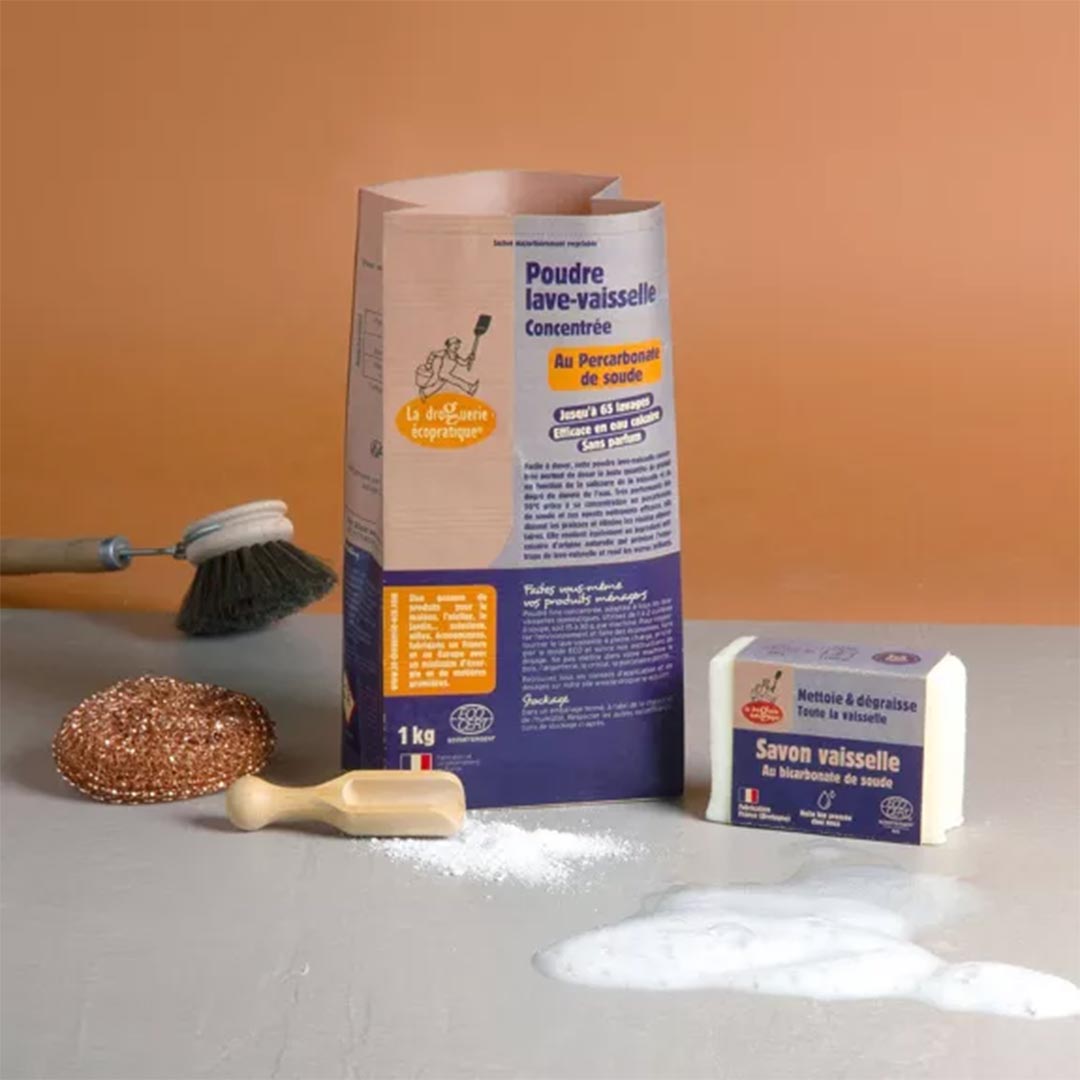




Alcohol Vinegar
A good choice for quick, everyday cleaning when you mainly want to wipe away light dirt, marks and everyday kitchen residues. It is easy to dilute and use in a spray bottle, making it particularly practical for frequently cleaned surfaces.
Choose vinegar when you want a simple everyday surface cleaner rather than something for heavy grease or stubborn dirt.
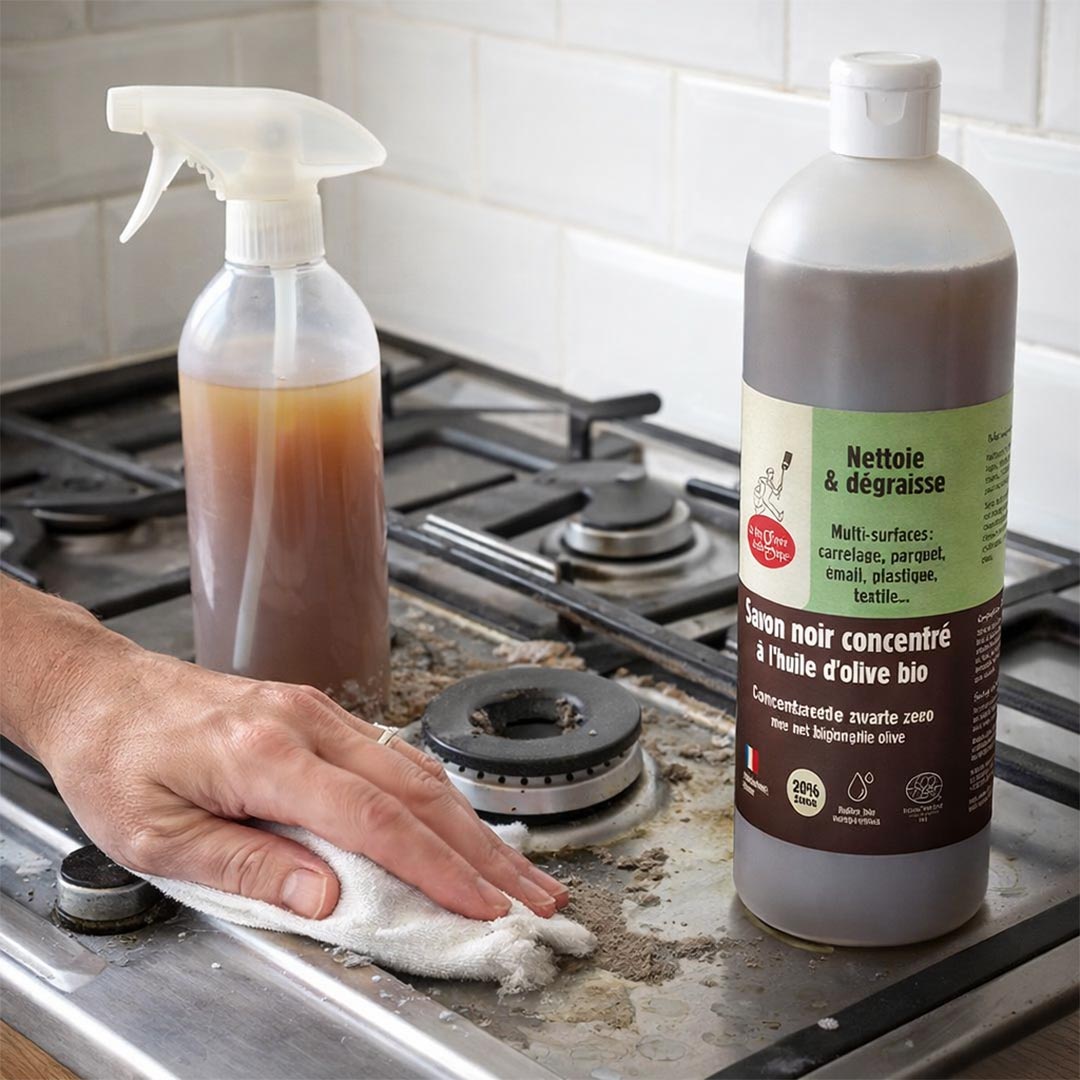
Liquid Black Soap
Choose liquid black soap when the surface needs more actual washing and degreasing, rather than just a quick wipe-down. It is particularly useful for kitchen surfaces where cooking leaves behind greasy or more persistent dirt.
Because it is already liquid, it is convenient for regular, more thorough kitchen cleaning and easy to dilute in water.
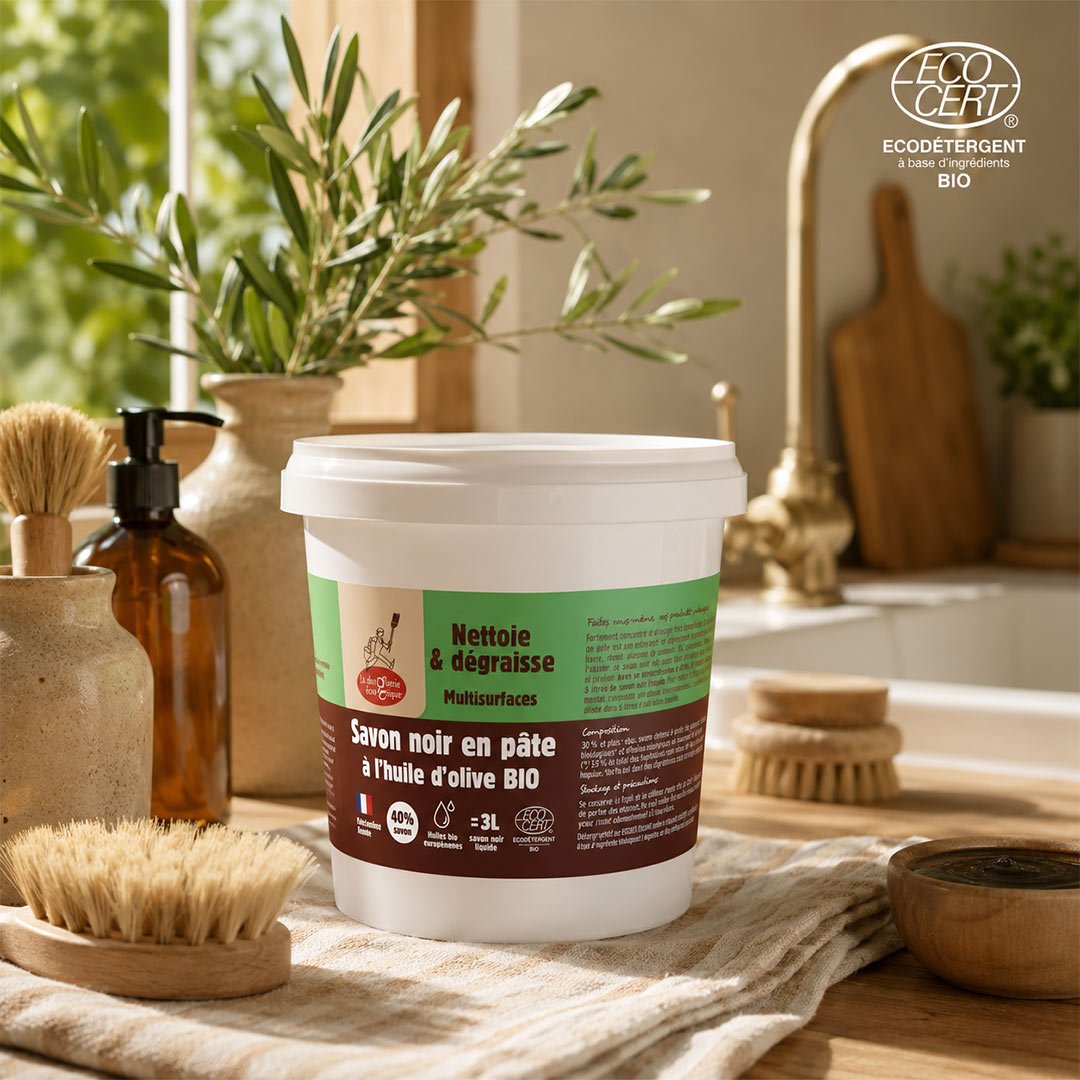
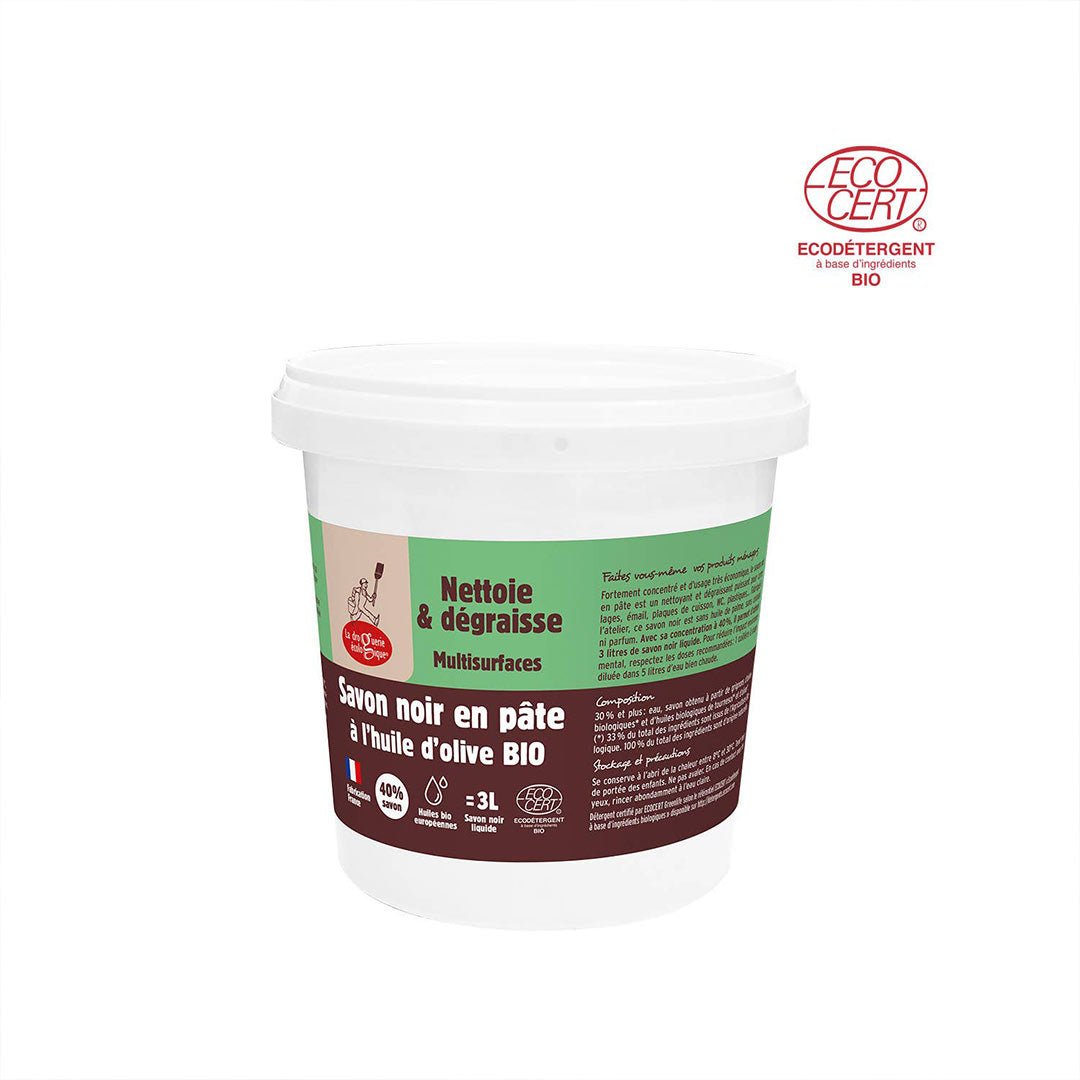
Black Soap Paste
Black soap paste gives you the same type of versatile cleaning ingredient in a more concentrated form. It is useful when you want to prepare your own diluted cleaning solution or need black soap for more demanding cleaning jobs.
Choose the paste if you prefer a concentrated, economical multi-purpose cleaner that can be adapted according to the job.
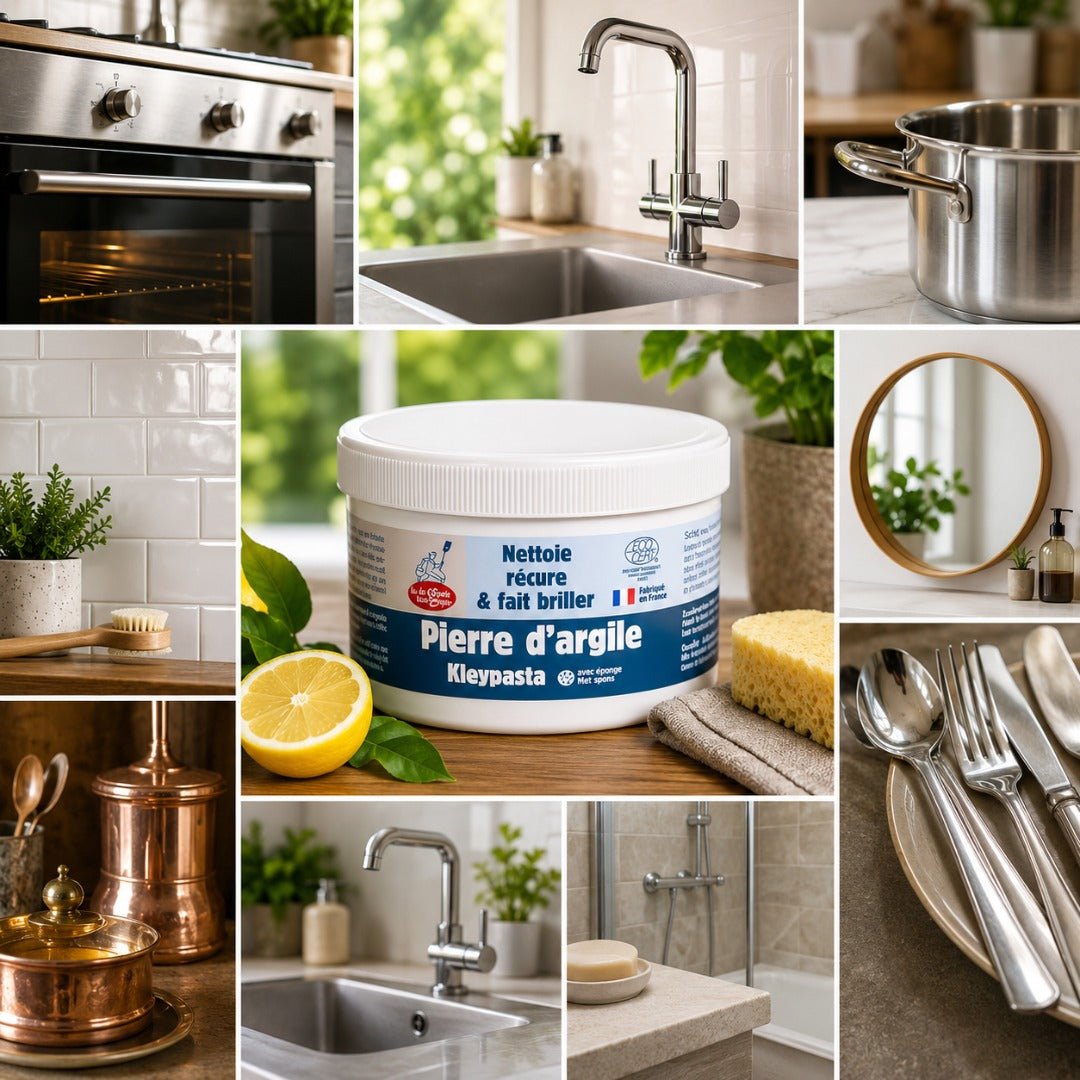
Clay Stone
Clay stone is the choice when wiping or washing alone is not quite enough. Its gentle mechanical cleaning action helps remove more persistent marks and residues from suitable hard surfaces.
It is particularly interesting for ceramic, tiles and other compatible hard mineral surfaces, where you want to clean and lightly scrub at the same time.
Unlike vinegar or liquid black soap, this is a product you reach for when the surface needs a little extra physical cleaning action.
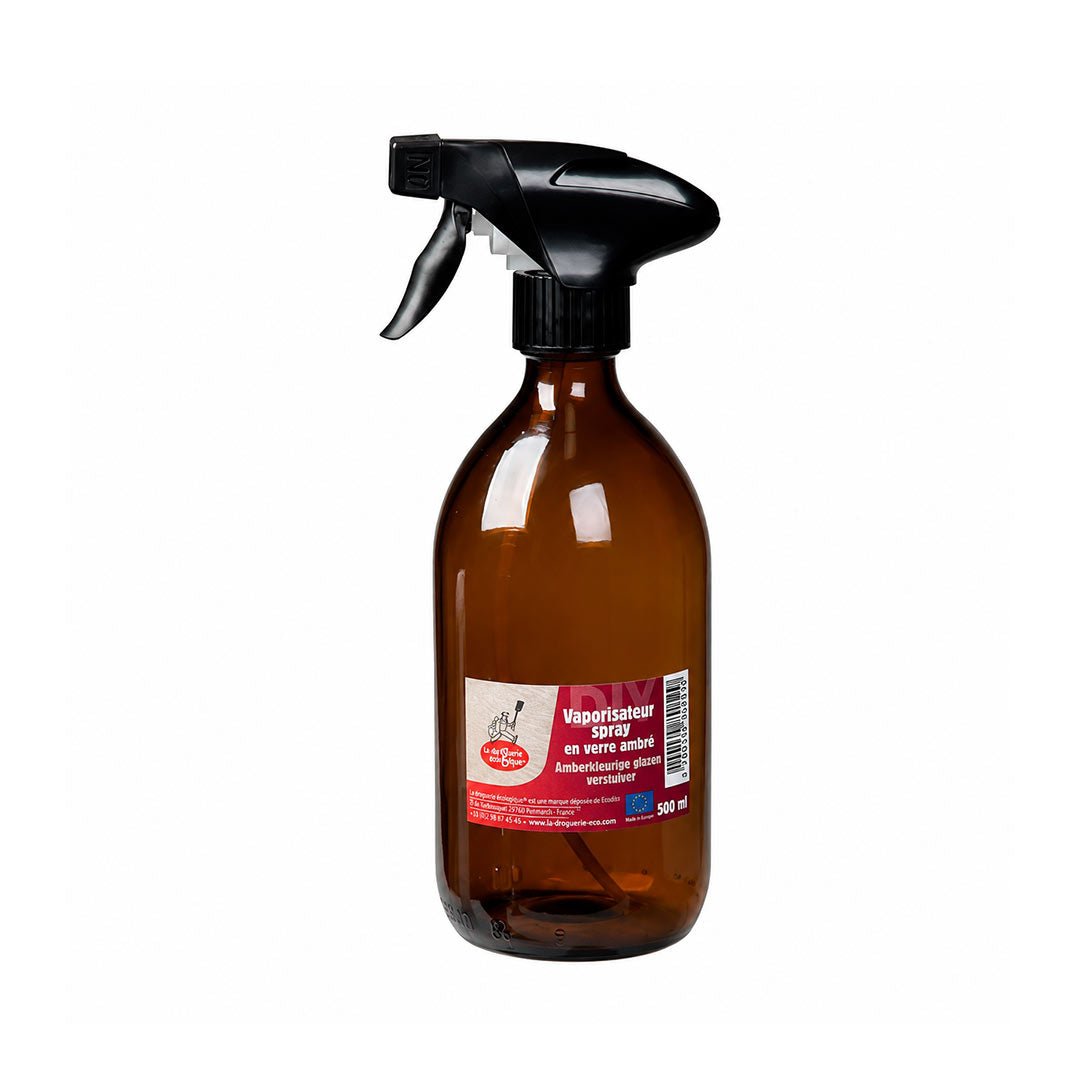
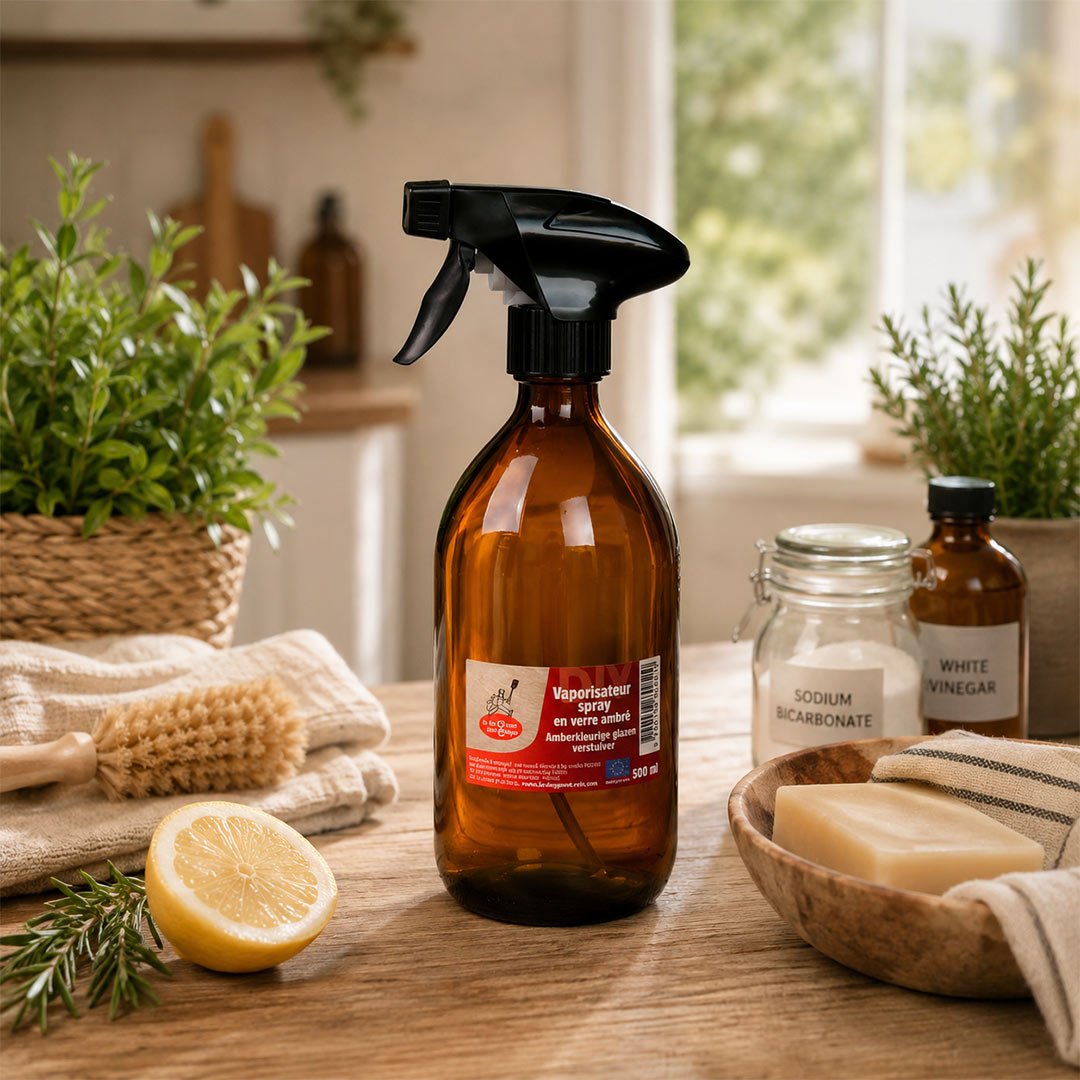
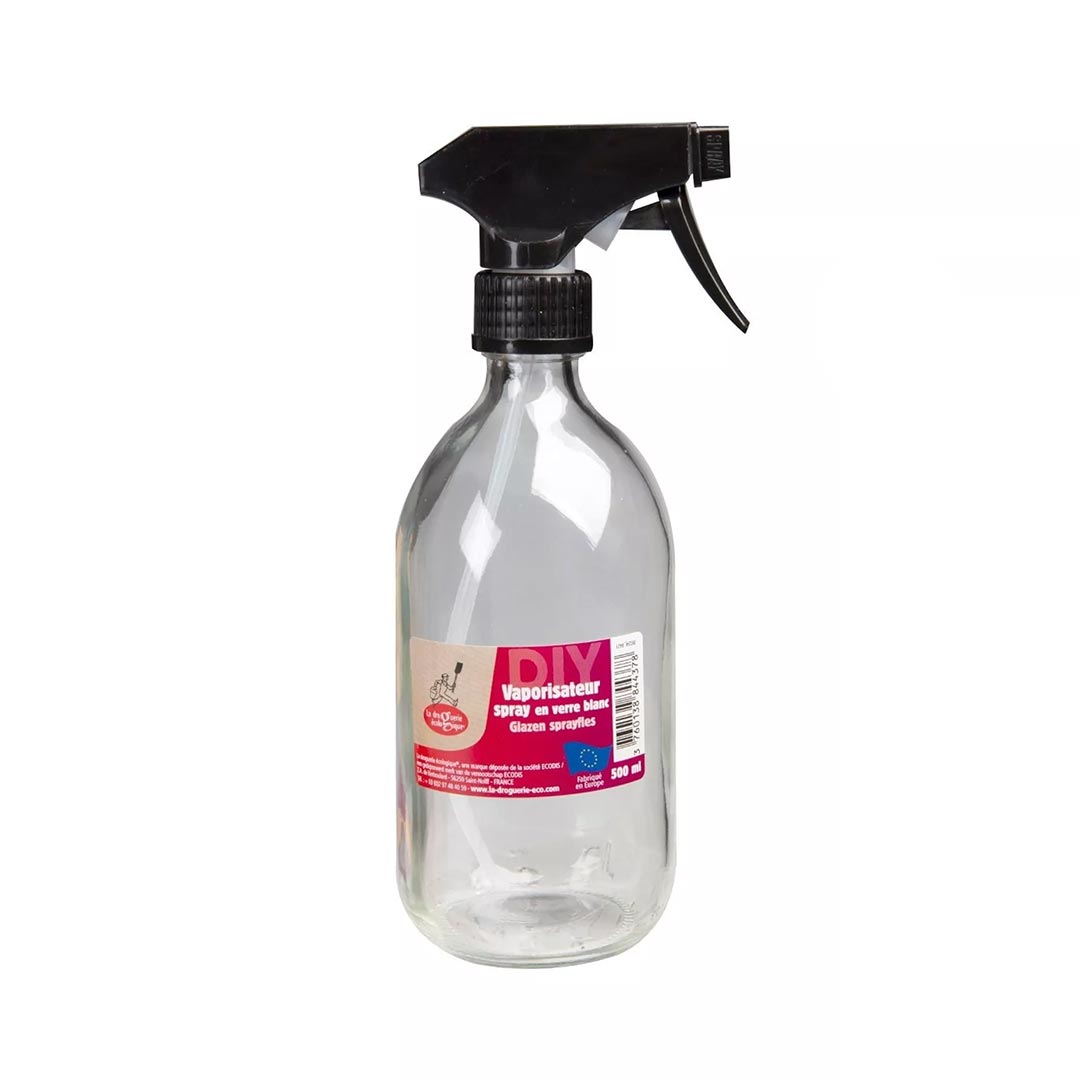
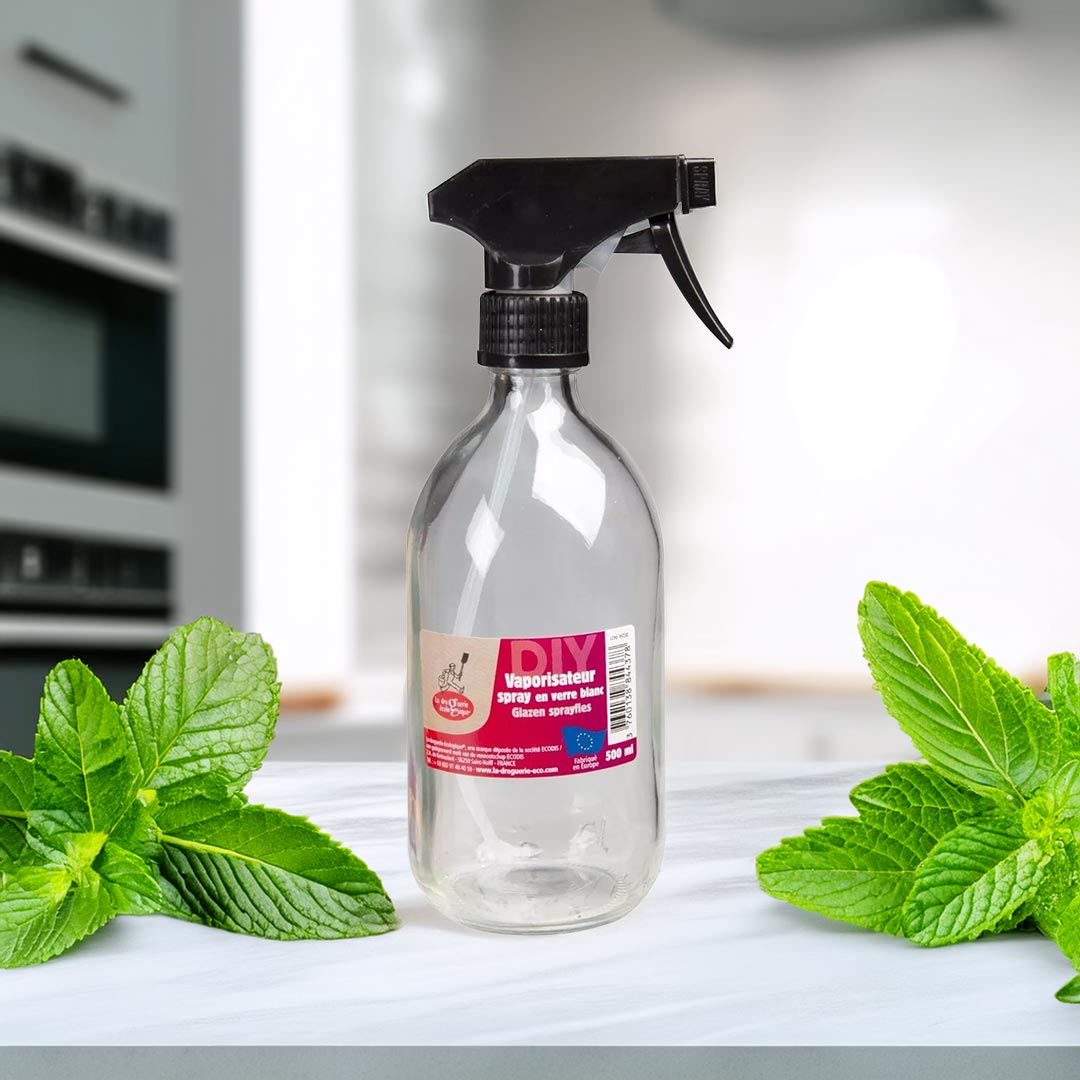
Spray Bottle
A spray bottle turns diluted vinegar or another suitable cleaning preparation into an easy everyday surface cleaner. It helps distribute a small amount evenly rather than pouring more product onto the surface than you need.
Not sure what to choose?
Vinegar = quick everyday cleaning
Black soap = washing + grease
Black soap paste = concentrated and adaptable
Clay stone = stubborn dirt + physical cleaning action
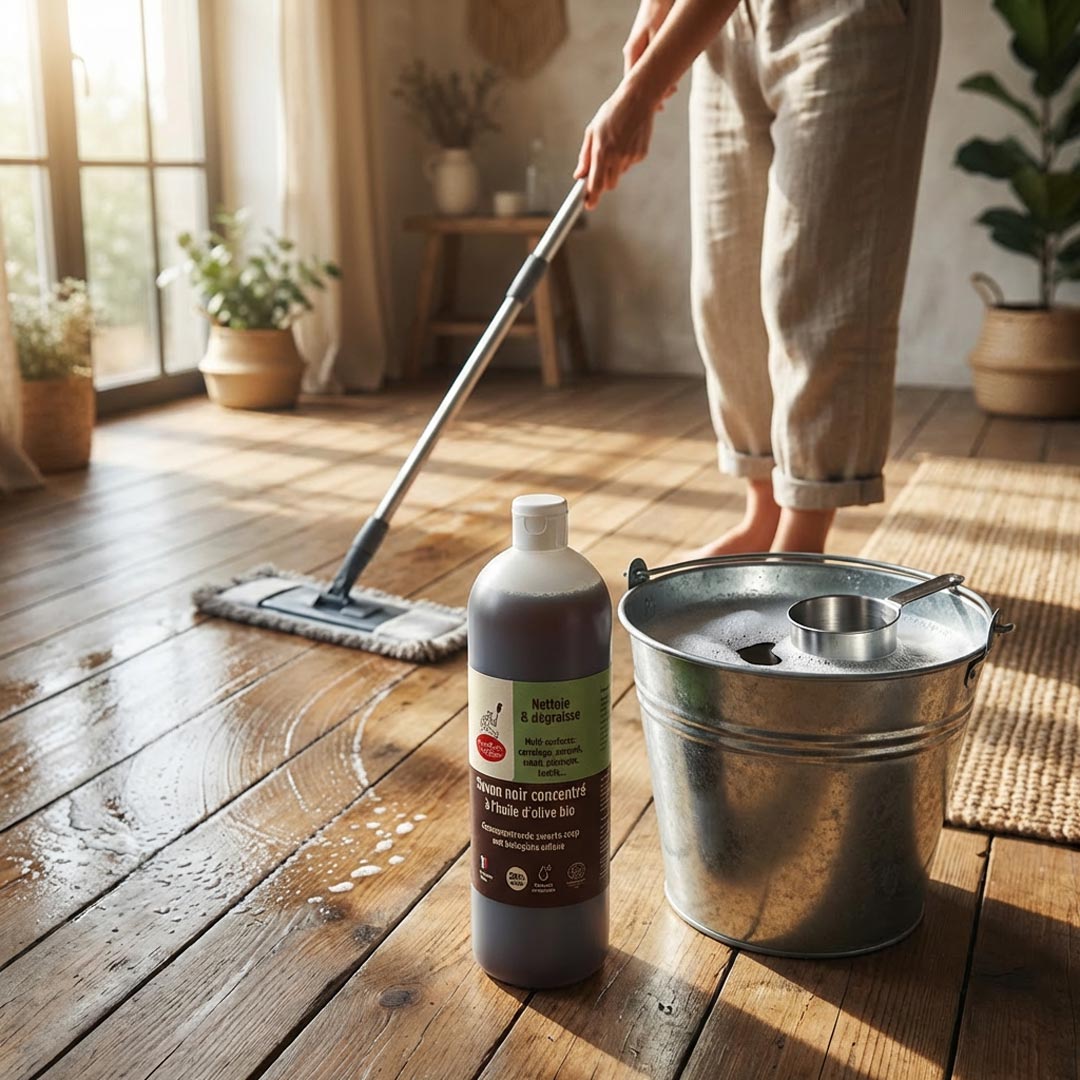

Clay Stone
A particularly useful choice for ceramic and stainless-steel sinks when you want more than an everyday wipe. Clay Stone combines cleaning with gentle mechanical action, helping to remove marks and residues while leaving suitable hard surfaces looking clean and polished.
Choose Clay Stone when your sink needs cleaning and polishing at the same time, particularly on ceramic or stainless steel.
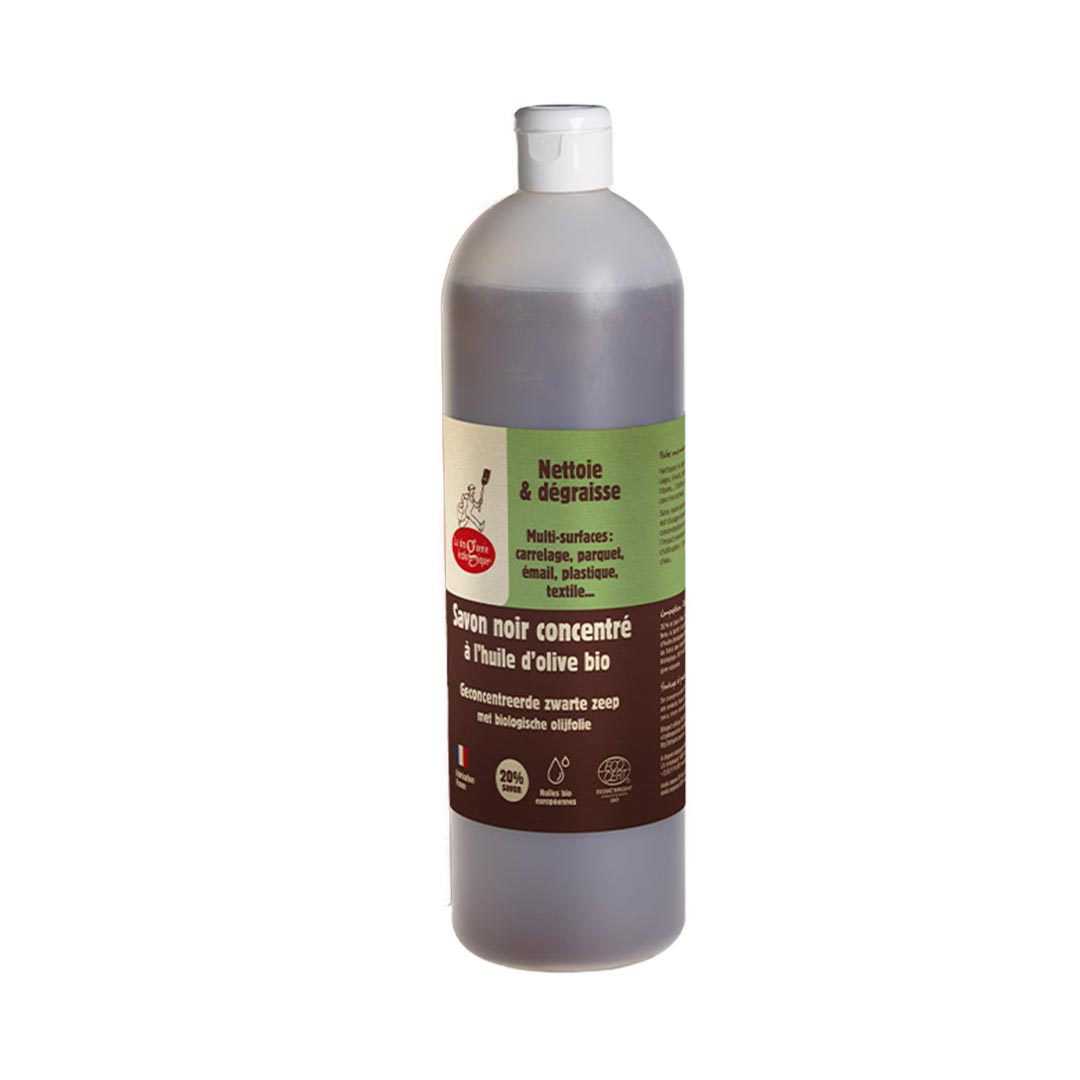
Black Soap
A versatile choice for regular, more thorough cleaning, particularly when the problem is everyday dirt or greasy kitchen residues rather than limescale.
Black Soap is also particularly useful for stone sinks, where it can be diluted in hot water and used with a brush.
Choose Black Soap when you want to wash and degrease the sink without specifically needing a descaler.
Sodium Percarbonate
Percarbonate has a different role here. Rather than being your everyday sink cleaner, it is useful when a suitable sink needs a deeper clean and whitening.
It is particularly interesting for sinks that have become dull or discoloured and need more than routine cleaning.
Choose Sodium Percarbonate when whitening and deeper cleaning are the goal, rather than everyday grease or limescale removal.
Alcohol Vinegar
A practical choice for regular cleaning around sinks and taps, particularly when light water marks and mineral deposits begin to appear.
It is useful for routine maintenance before limescale becomes heavily established.
Choose Alcohol Vinegar for everyday water marks and lighter mineral deposits.
Citric Acid
When limescale has built up, Citric Acid is the more targeted choice. It is particularly useful around taps and other suitable acid-resistant surfaces where mineral deposits have become more stubborn.
Choose Citric Acid when the problem is specifically stubborn limescale, rather than ordinary dirt or grease.
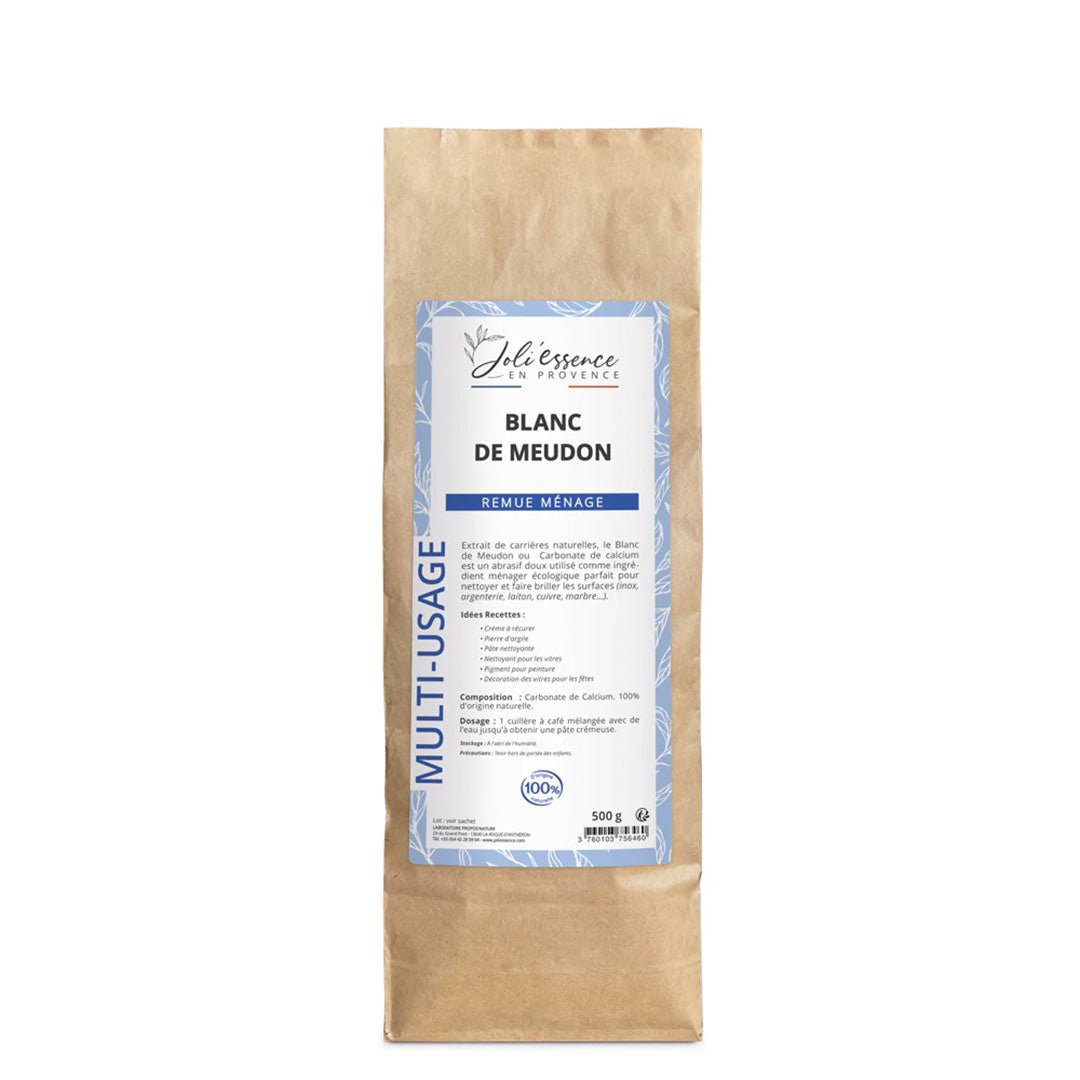
Blanc de Meudon
A fine mineral powder particularly useful for cleaning and restoring the shine of stainless steel and other suitable metal surfaces. It provides gentle polishing action without being used as a conventional chemical descaler.
For a stainless-steel sink, simply sprinkle a little Blanc de Meudon onto a damp sponge, rub the surface, then rinse and dry.
Choose Blanc de Meudon when your stainless-steel sink or metal fittings look dull and you want to clean and bring back their shine.
Not sure what to choose?
Everyday dirt & grease: Black Soap
Cleaning & polishing ceramic or stainless steel: Clay Stone
Cleaning & restoring shine to stainless steel & suitable metals = Blanc de Meudon
Deeper cleaning & whitening: Sodium Percarbonate
Light water marks & regular maintenance: Alcohol Vinegar
Stubborn limescale: Citric Acid
Know your surface: Sinks and taps can be made from ceramic, stainless steel, resin, acrylic, stone, brass and other materials. Always check that the product is suitable for the material before use, particularly when using acidic cleaners such as vinegar or citric acid.

Black Soap Paste
A good starting point for greasy kitchen surfaces and cooking residues. Black Soap helps with the kind of grease that builds up around ovens, cookers and extractor hoods and is useful when an everyday surface cleaner is no longer enough.
Choose Black Soap when the main problem is grease rather than burnt-on deposits.
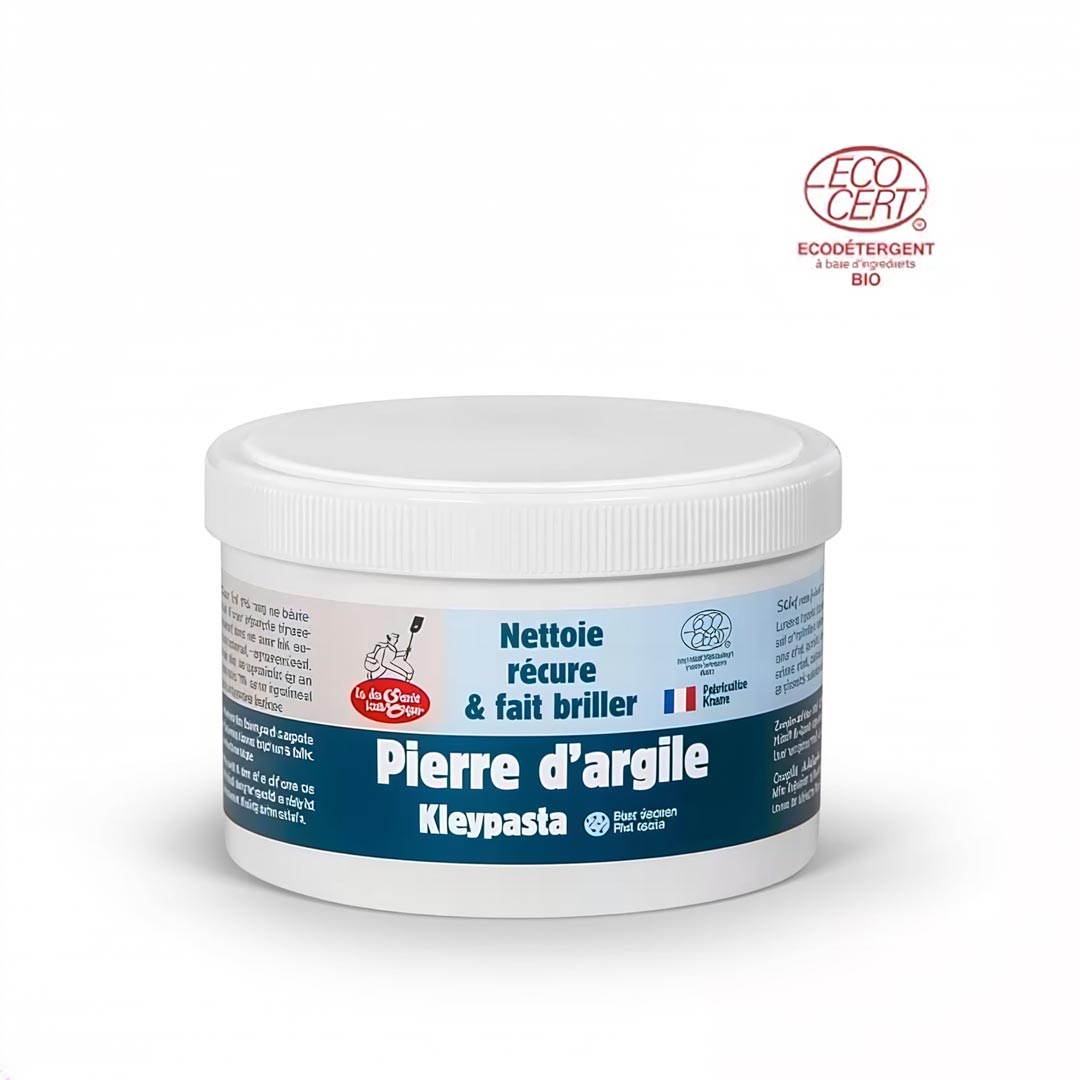
Clay Stone
A practical choice for hobs and other suitable hard surfaces where grease and cooking marks need some gentle mechanical cleaning as well as washing.
It is particularly useful when wiping alone does not remove the marks, but you do not need the stronger approach used for heavily burnt-on residues.
Choose Clay Stone for greasy marks and residues that need gentle scrubbing.
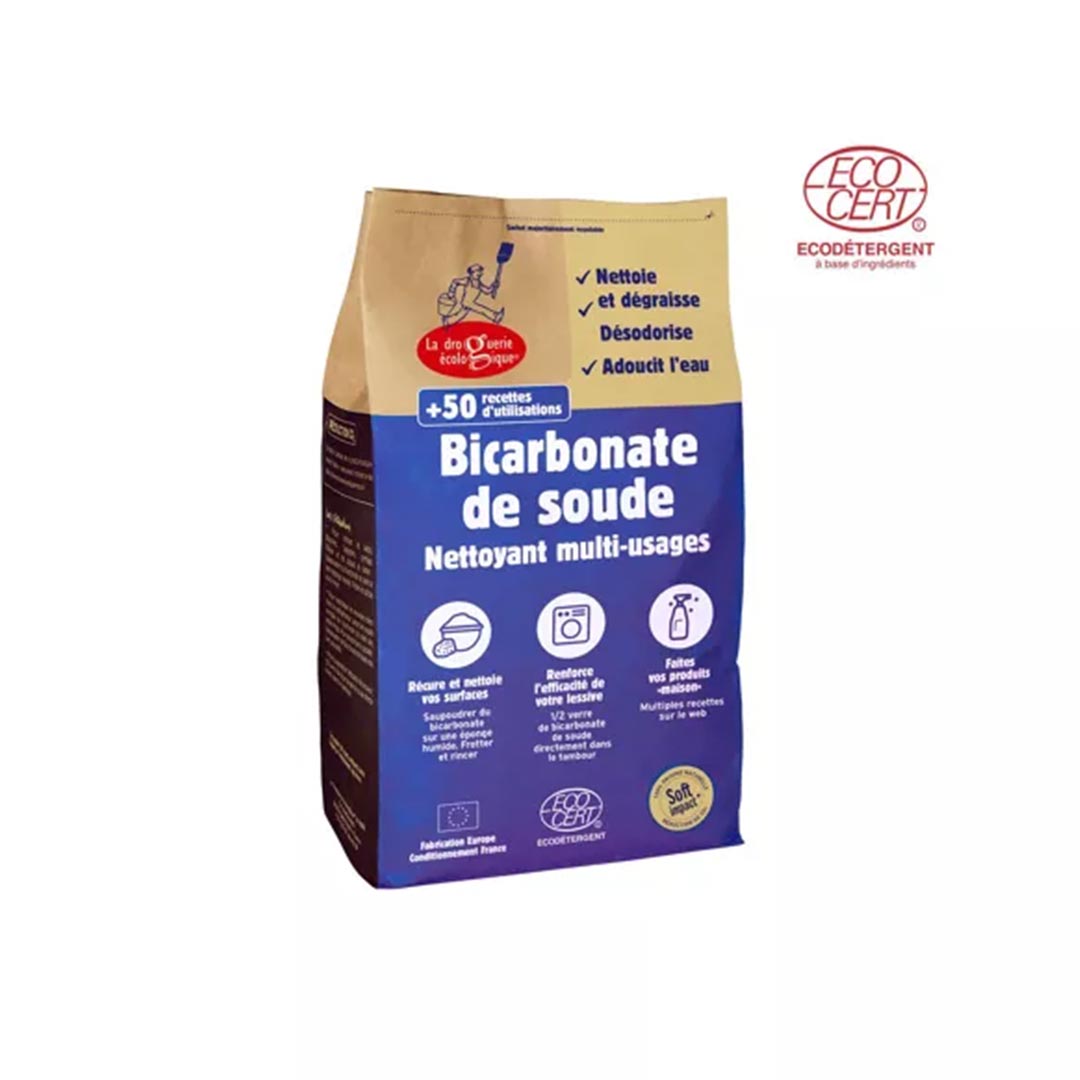
Sodium Bicarbonate
Useful for stubborn cooking residues and burnt-on food. Its fine powder provides gentle abrasive action and makes it particularly useful when deposits need to be loosened and scrubbed away.
Choose Sodium Bicarbonate when you are dealing with stuck-on or burnt-on residues rather than ordinary surface grease.
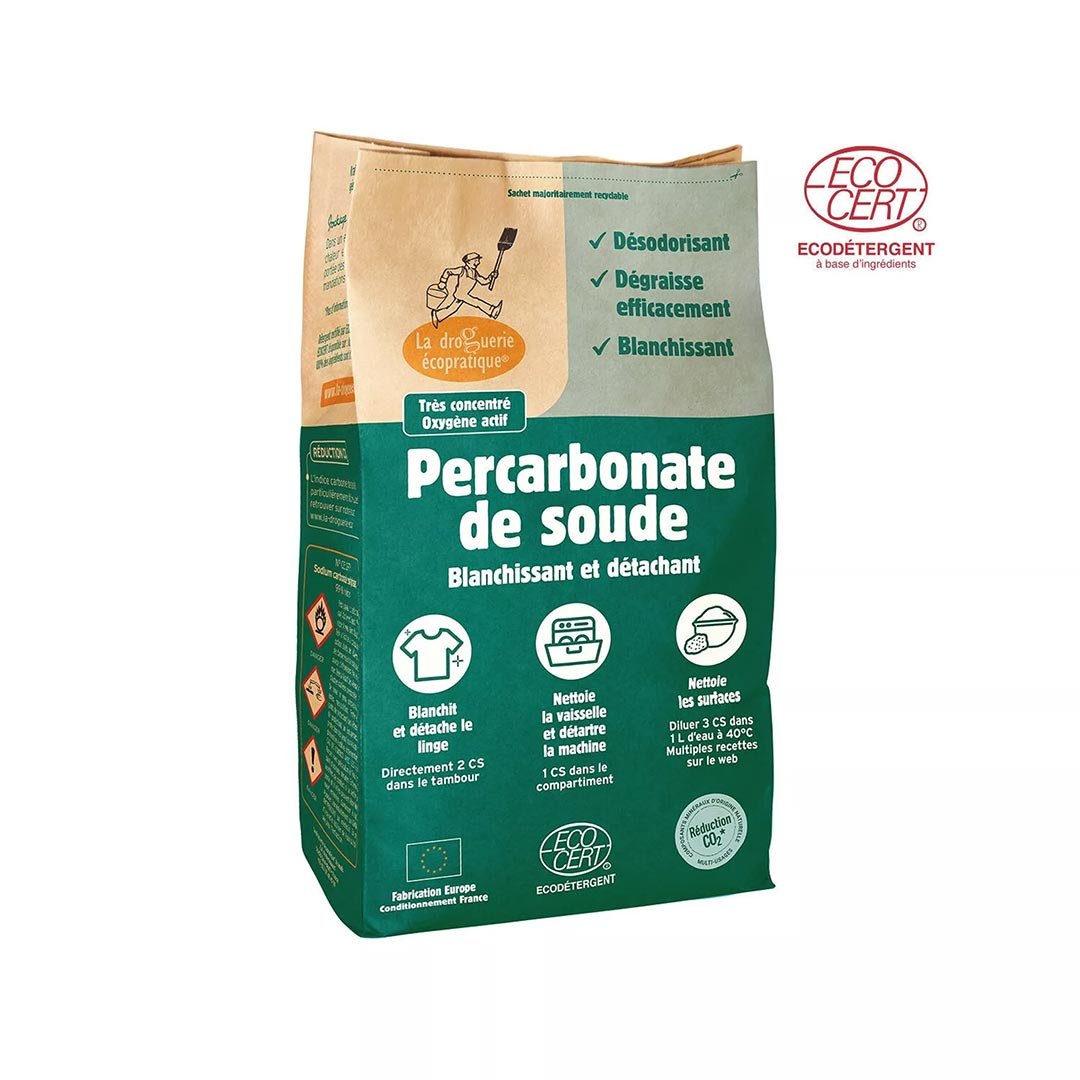
Sodium Percarbonate
For more intensive cleaning when grease and cooking residues have become particularly difficult to remove. It is particularly useful for jobs such as oven trays, racks and extractor hood filters, where residues can build up over time.
Choose Sodium Percarbonate when the job needs deeper cleaning beyond your everyday degreaser.
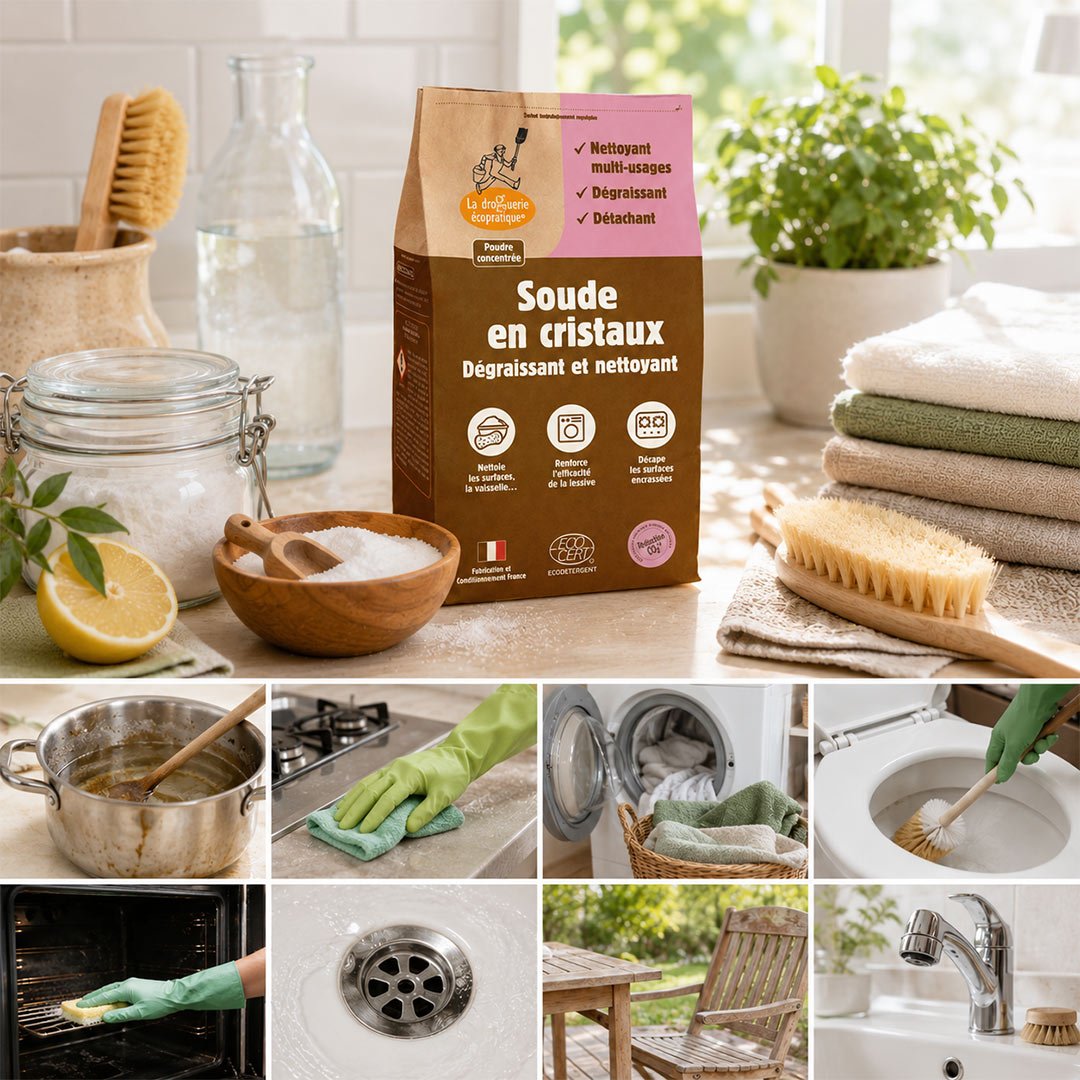
Soda Crystals
A powerful choice for heavy grease and very dirty kitchen equipment. Soda Crystals are particularly useful when grease has accumulated over time and a normal surface cleaner or Black Soap is not enough.
Choose Soda Crystals for the toughest degreasing jobs, rather than routine everyday cleaning.
Not sure what to choose?
Everyday cooking grease: Black Soap
Greasy marks that need gentle scrubbing: Clay Stone
Stuck-on & burnt-on food: Sodium Bicarbonate
Deeper cleaning of trays, racks & filters: Sodium Percarbonate
Heavy, built-up grease: Soda Crystals
Know your surface: Ovens, hobs, extractor hoods and cookware contain different materials and finishes. Always check material compatibility before cleaning, particularly on delicate, coated, aluminium, ceramic or induction surfaces.


Citric Acid
The most targeted choice for descaling kitchen appliances. Citric Acid dissolves mineral deposits and is particularly useful when limescale has built up inside kettles and suitable coffee machines.
Because it comes as a powder, you prepare only the amount of descaling solution you need.
Choose Citric Acid when you want a dedicated descaler for more noticeable limescale build-up.
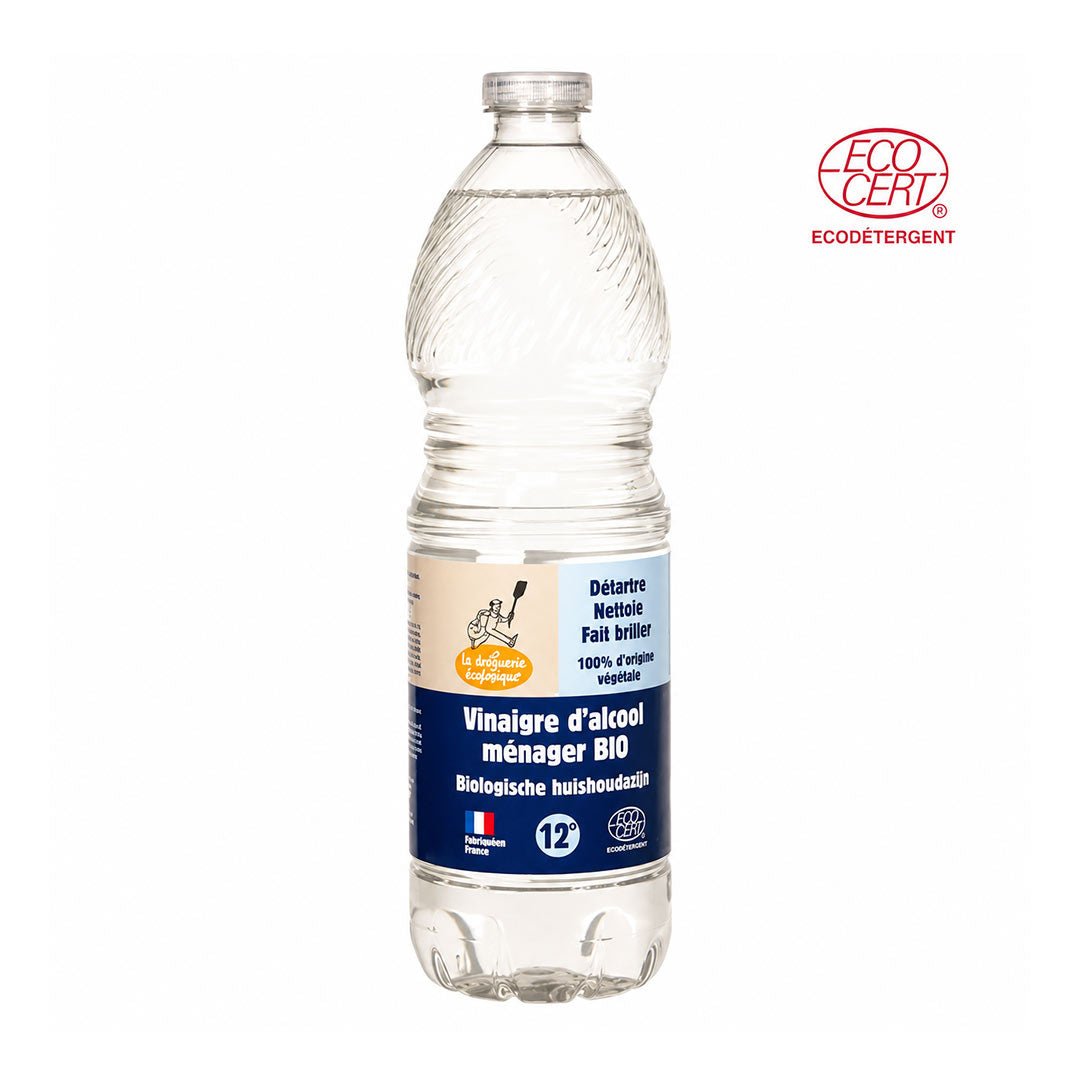
Alcohol Vinegar
A practical choice for regular maintenance and lighter mineral deposits. Vinegar is already liquid and easy to use, making it convenient when you want to deal with water marks and light limescale before heavier deposits develop.
It can also be useful for cleaning suitable coffee carafes and other kitchen items affected by hard water.
Choose Alcohol Vinegar when you want a convenient liquid option for lighter deposits and routine maintenance.
Not sure what to choose?
Regular maintenance & lighter mineral deposits: Alcohol Vinegar
More noticeable limescale: Citric Acid
Descaling kettles: Citric Acid
Descaling suitable coffee machines: Citric Acid
Coffee carafes & light hard-water deposits: Alcohol Vinegar
Before descaling an appliance: Always follow the appliance manufacturer's cleaning instructions and check which descaling products are suitable for the materials and components inside your appliance.

Sodium Bicarbonate
A useful first choice for stuck-on and burnt-on food in suitable pots and pans. Its fine powder provides gentle abrasive action that helps loosen residues that ordinary washing-up may leave behind.
Choose Sodium Bicarbonate when you need extra scrubbing action for food residues and burnt-on deposits.
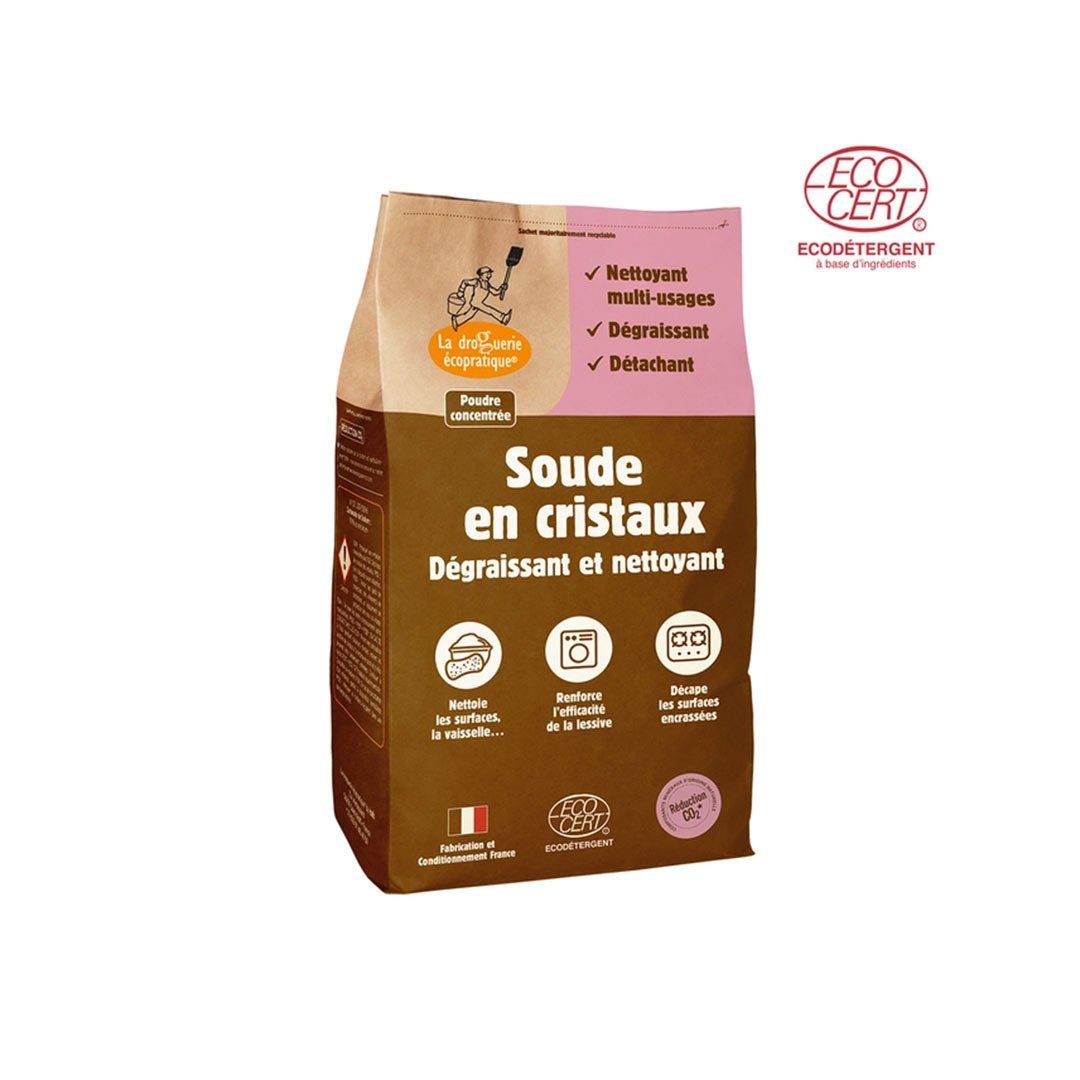
Soda Crystals
For more difficult burnt-on residues when ordinary washing-up or bicarbonate is not enough. Soda Crystals are a stronger cleaning option for suitable cookware and can be used for particularly stubborn cooking deposits.
Choose Soda Crystals when you are dealing with heavily soiled or badly burnt cookware rather than everyday cleaning.
Sodium Percarbonate
Useful for deeper cleaning of suitable kitchen items, particularly where staining, discolouration or persistent residues have developed.
It is also useful for certain items beyond cookware, including glass or ceramic teapots and plastic food containers with lingering residues or odours.
Choose Sodium Percarbonate when the aim is deeper cleaning rather than simply scrubbing away grease.
Clay Stone
A practical choice for suitable stainless-steel cookware and hard kitchen surfaces when marks and residues need gentle mechanical cleaning.
Choose Clay Stone when you want to clean and polish suitable cookware at the same time, rather than soak or deep-clean it.
Black Soap
Useful for greasy cookware and washable kitchen utensils that need a more thorough wash than ordinary washing-up liquid provides.
Choose Black Soap when grease is the main problem, rather than burnt-on food or staining.
Not sure what to choose?
Stuck-on & burnt-on food: Sodium Bicarbonate
Very stubborn burnt-on cookware: Soda Crystals
Deeper cleaning & discolouration: Sodium Percarbonate
Cleaning & polishing suitable stainless steel: Clay Stone
Greasy cookware & utensils: Black Soap
Know your cookware: Always check the material before choosing a cleaner. Aluminium, non-stick coatings, enamel, stainless steel, cast iron, glass, ceramic and wood can require very different care, so not every cleaner is suitable for every pot, pan or utensil.
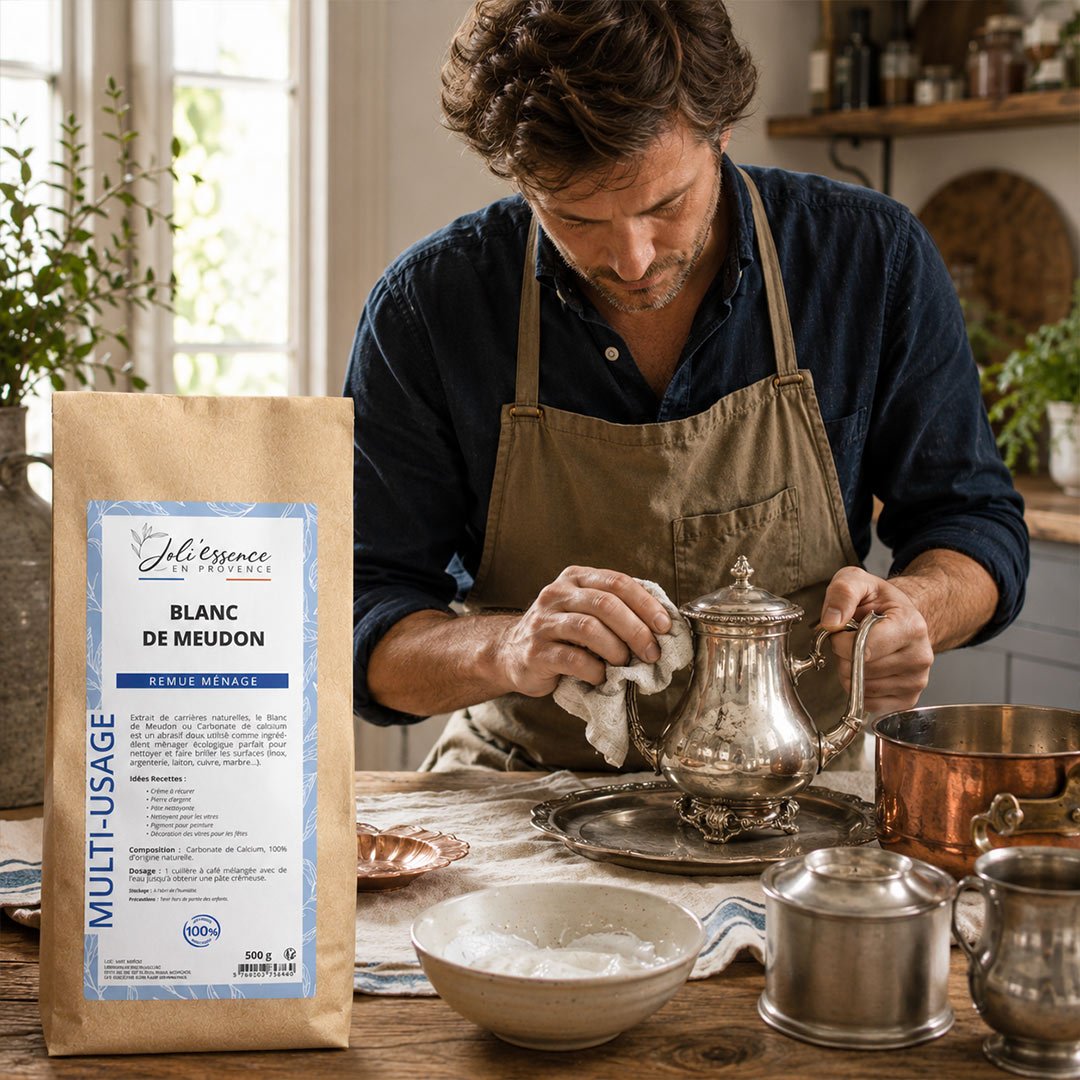
Blanc de Meudon
A traditional fine mineral powder particularly useful for cleaning and restoring the shine of metal surfaces. In the kitchen, it can be used on stainless steel, copper, brass and tin, as well as other suitable metals.
Mix the powder with a little water to make a paste, apply it to the surface, rub gently, then rinse and dry.
Choose Blanc de Meudon when your metal cookware, utensils or kitchen surfaces have become dull and you want to clean and bring back their shine.