
Aromaterapia dla kotów
Nasza linia aromaterapii dla kotów została stworzona z głębokim szacunkiem dla kociej wrażliwości.
Koty inaczej reagują na olejki eteryczne, dlatego każdy produkt jest starannie dobrany, delikatnie opracowany i oparty na składnikach roślinnych odpowiednich dla ich wyjątkowej fizjologii.
Wykorzystując certyfikowane składniki organiczne, ta kolekcja wspiera spokój, komfort i równowagę skóry dzięki aromaterapii o niskim dawkowaniu, stosowanej z rozwagą – zawsze z dobrem Twojego kota w centrum.
What does your cat need?
If you are not sure where to begin, start with your cat’s current need. Choose one gentle direction, begin simply, and observe your cat’s response.
Stress & Anxiety
Skin & Recovery
General Calm & Balance
Breathing & Grounding
Emotional Sensitivity
Restlessness & Sleep
Start with one oil at a time, use low dilution, and let your cat’s behaviour guide the pace.























Jak aromaterapia może wspierać Twojego kota
Koty są niezwykle wrażliwymi i intuicyjnymi istotami. Ich organizm, zmysły i metabolizm znacznie różnią się od naszych – dlatego do aromaterapii należy podchodzić z precyzją, szacunkiem i głębokim zrozumieniem.
Stosowana prawidłowo, aromaterapia może stać się skutecznym, naturalnym sposobem wspierania równowagi emocjonalnej Twojego kota, zdrowia skóry oraz ogólnej witalności.
Dlaczego olejki eteryczne działają na koty inaczej
Koty przetwarzają substancje inaczej na poziomie biochemicznym.
1. Metabolizm wątroby
Koty nie mają kluczowych enzymów potrzebnych do rozkładania niektórych związków występujących w olejkach eterycznych. W efekcie substancje te mogą gromadzić się w organizmie, zamiast być bezpiecznie usuwane.
To oznacza:
- Substancje nieszkodliwe dla ludzi mogą gromadzić się w organizmie kota
- Nawet niewielkie dawki, powtarzane z czasem, mogą stać się toksyczne
Dotyczy to w szczególności:
- Fenoli (np. goździk, oregano)
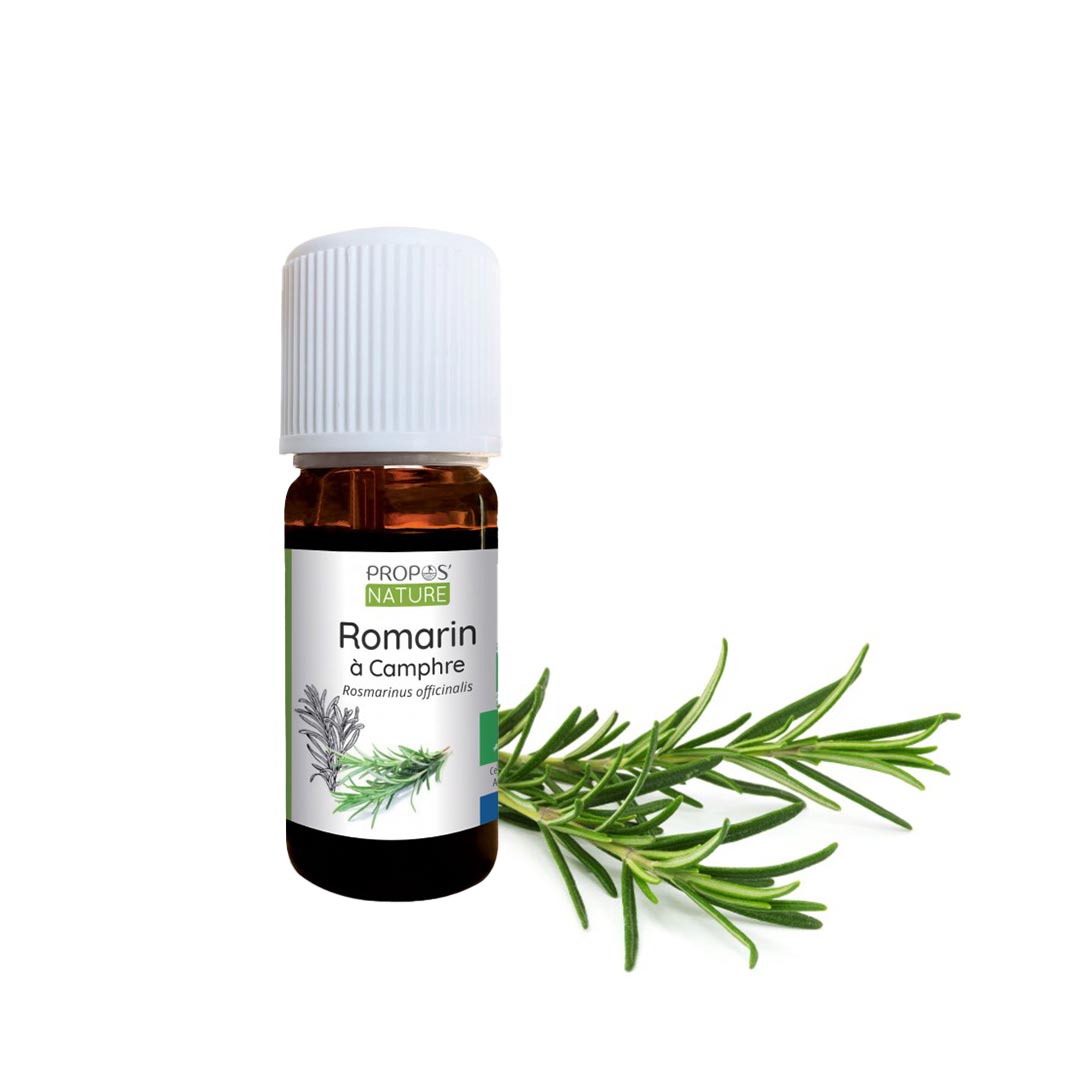
- Ketonów (np. szałwia, rozmaryn CT kamforowy)
- Limonenu (występującego w olejkach cytrusowych)
2. Wchłanianie przez skórę
Oleje eteryczne są szybko wchłaniane przez skórę.
Skóra kota jest:
- Cieńsza
- Bardziej przepuszczalna
Oleje eteryczne są lipofilowe (rozpuszczalne w tłuszczach), co oznacza, że:
- Szybko przenikają przez skórę
- Błyskawicznie trafiają do krwiobiegu
Dlatego stosowanie ich bez rozcieńczenia nie jest tylko „zbyt mocne” – jest biologicznie nieodpowiednie.
3. Wrażliwość sensoryczna
Koty mają bardzo dobrze rozwinięty węch.
- Intensywne zapachy mogą przeciążać układ nerwowy
- Ekspozycja powinna zawsze pozostawać dobrowolna
- Intensywne zapachy mogą wywoływać stres, unikanie lub pobudzenie
Dlatego ekspozycja oparta na wyborze (umożliwienie kotu odejścia) jest niezbędna.
Kot, który odchodzi, komunikuje to jednoznacznie.
Korzyści z aromaterapii dla kotów
Wsparcie fizyczne
- Pomaga łagodzić podrażnienia skóry, rany i drobne infekcje
- Wspiera komfort mięśni i stawów
- Wspomaga równowagę układu oddechowego
- Zapewnia naturalne wsparcie przeciwzapalne i przeciwdrobnoustrojowe
Wsparcie emocjonalne i układu nerwowego
- Zmniejsza stres, lęk i strach
- Wspiera relaks i sen
- Pomaga w czasie zmian, podróży lub stresu środowiskowego
Holistyczna witalność
- Wspiera układ odpornościowy
- Zapewnia ochronę antyoksydacyjną
- Wspomaga ogólną równowagę i dobre samopoczucie
- Związki aromatyczne wpływają na układ limbiczny poprzez inhalację, co bezpośrednio oddziałuje na nastrój, reakcję na stres i zachowanie.
Safe and Unsafe Essential Oils for Cats
Cats are far more sensitive to essential oils than humans and dogs. Their liver metabolism, delicate skin, and highly developed sense of smell mean that oil selection must be done with great care. Below you’ll find a practical overview of oils generally considered more suitable for cats, oils that require extra caution, and oils that should be avoided.
| Essential Oil | Latin Name | Status | Why |
|---|---|---|---|
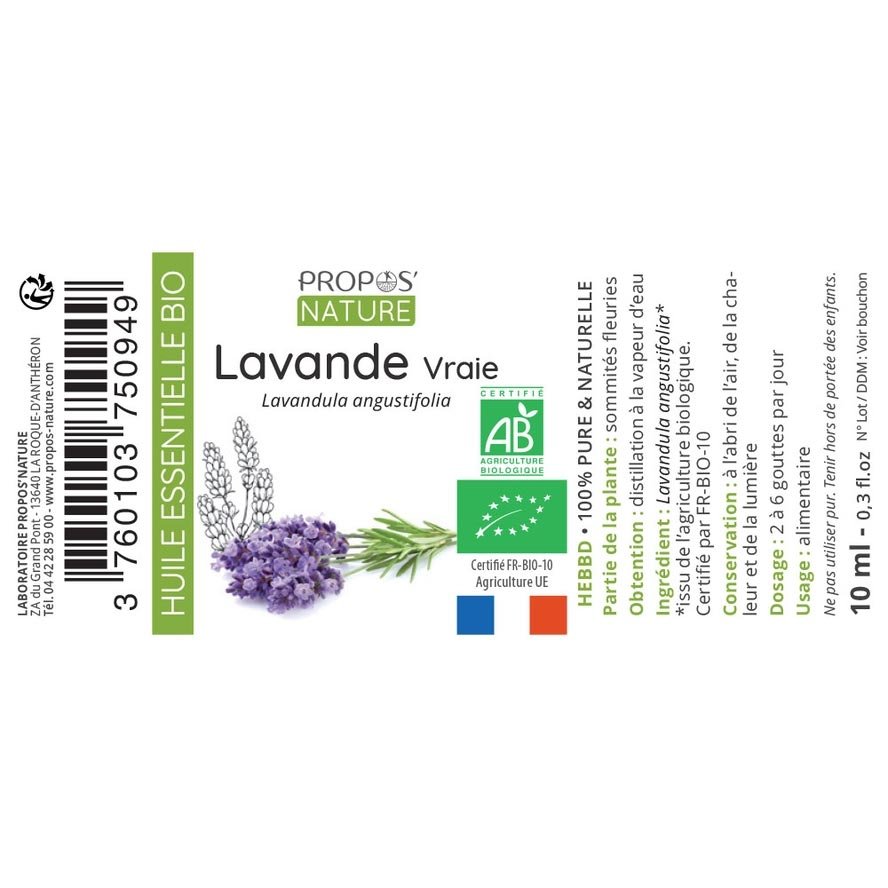
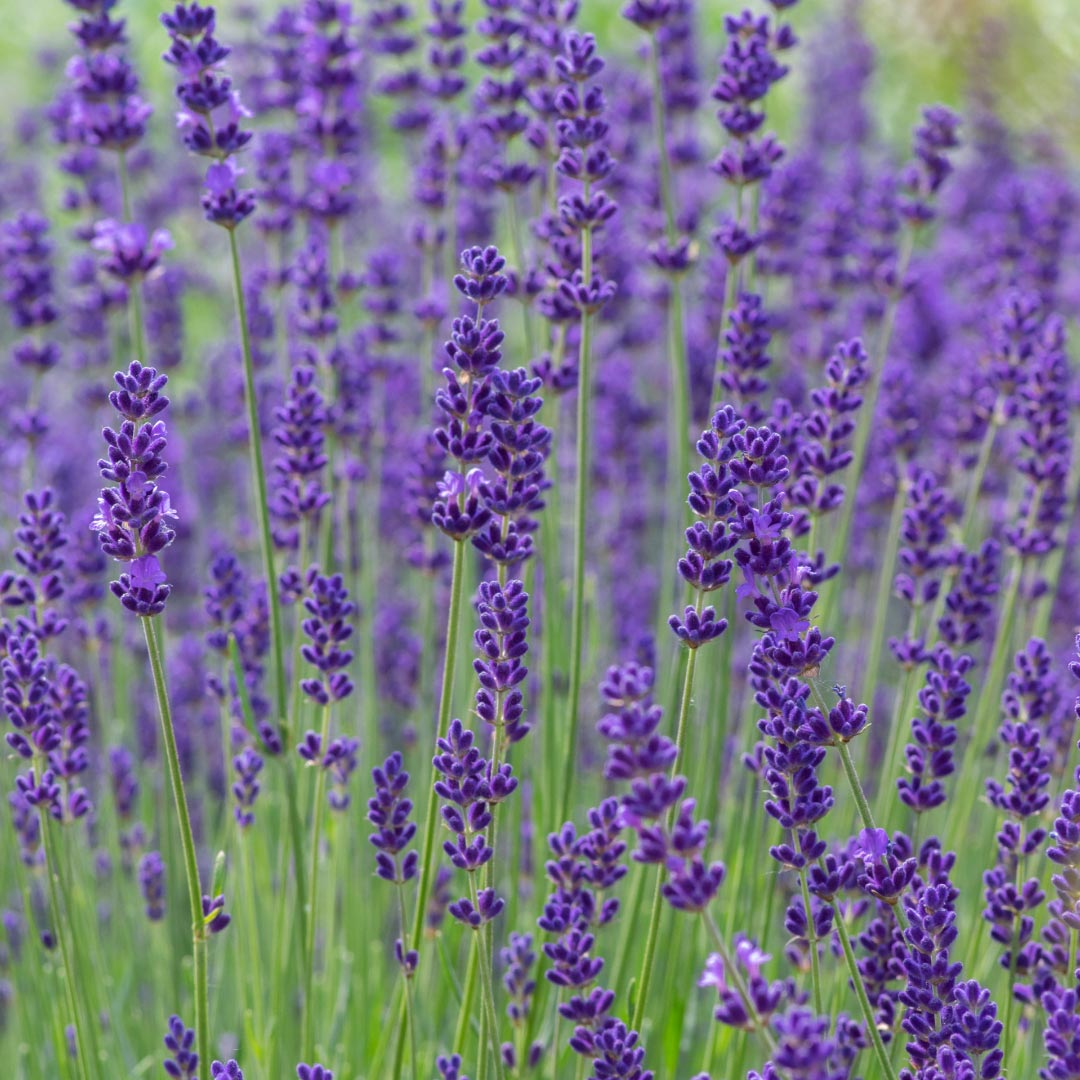
| Lavender | Lavandula angustifolia | Generally well tolerated | Gentle, calming, skin-supportive, and commonly used in feline aromatherapy when properly diluted. |
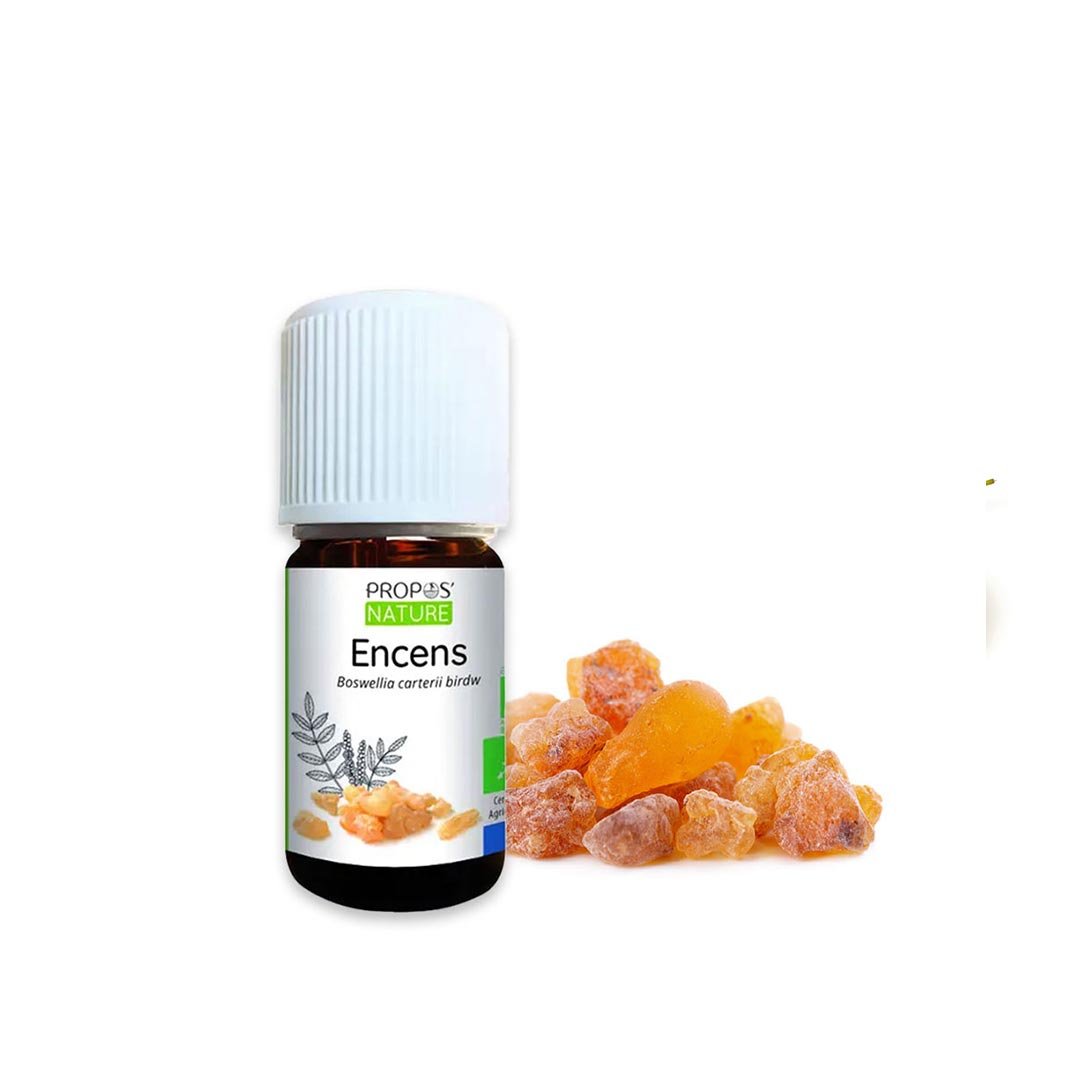
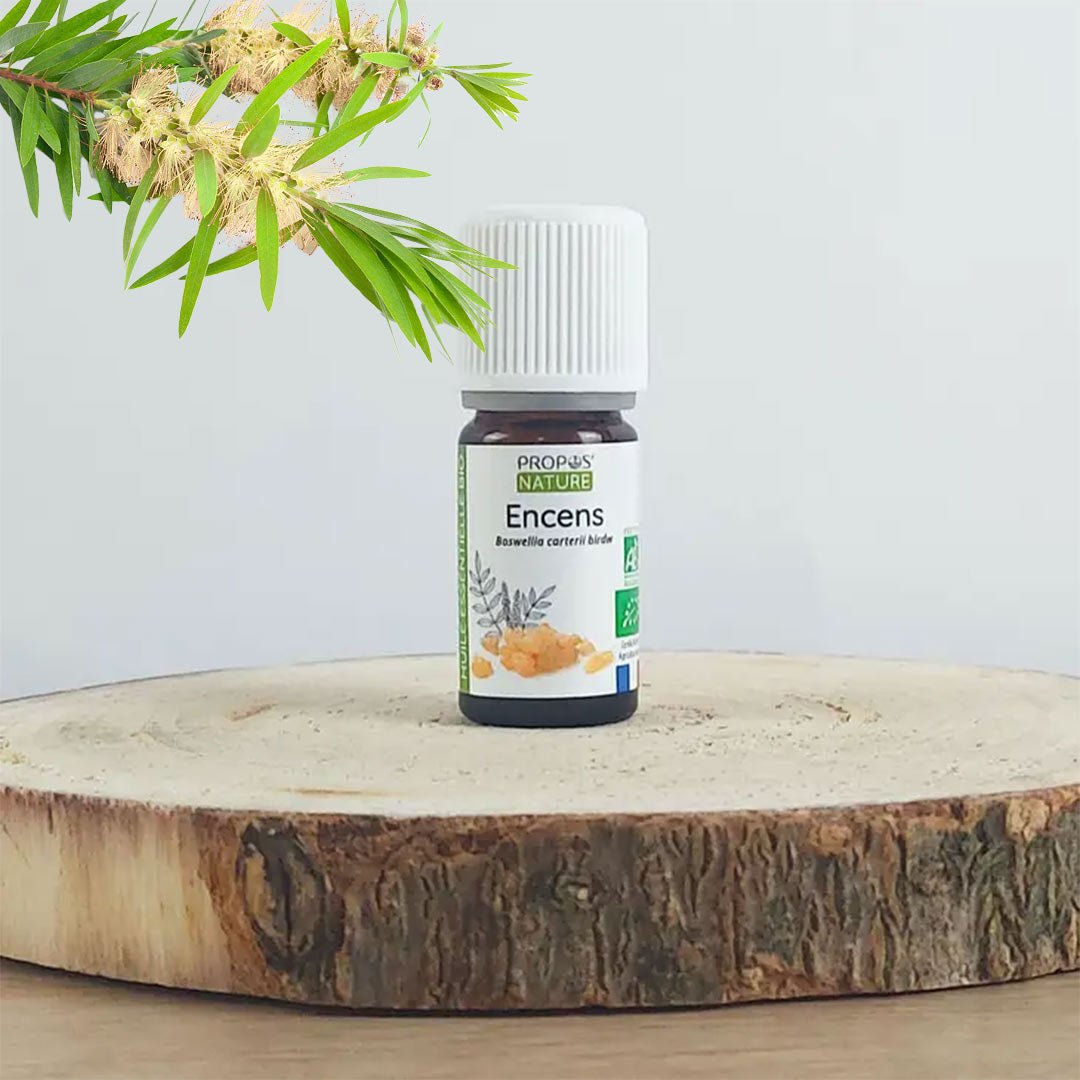
| Frankincense | Boswellia carteri | Generally well tolerated | Grounding, soothing, and commonly used for emotional and skin support. |
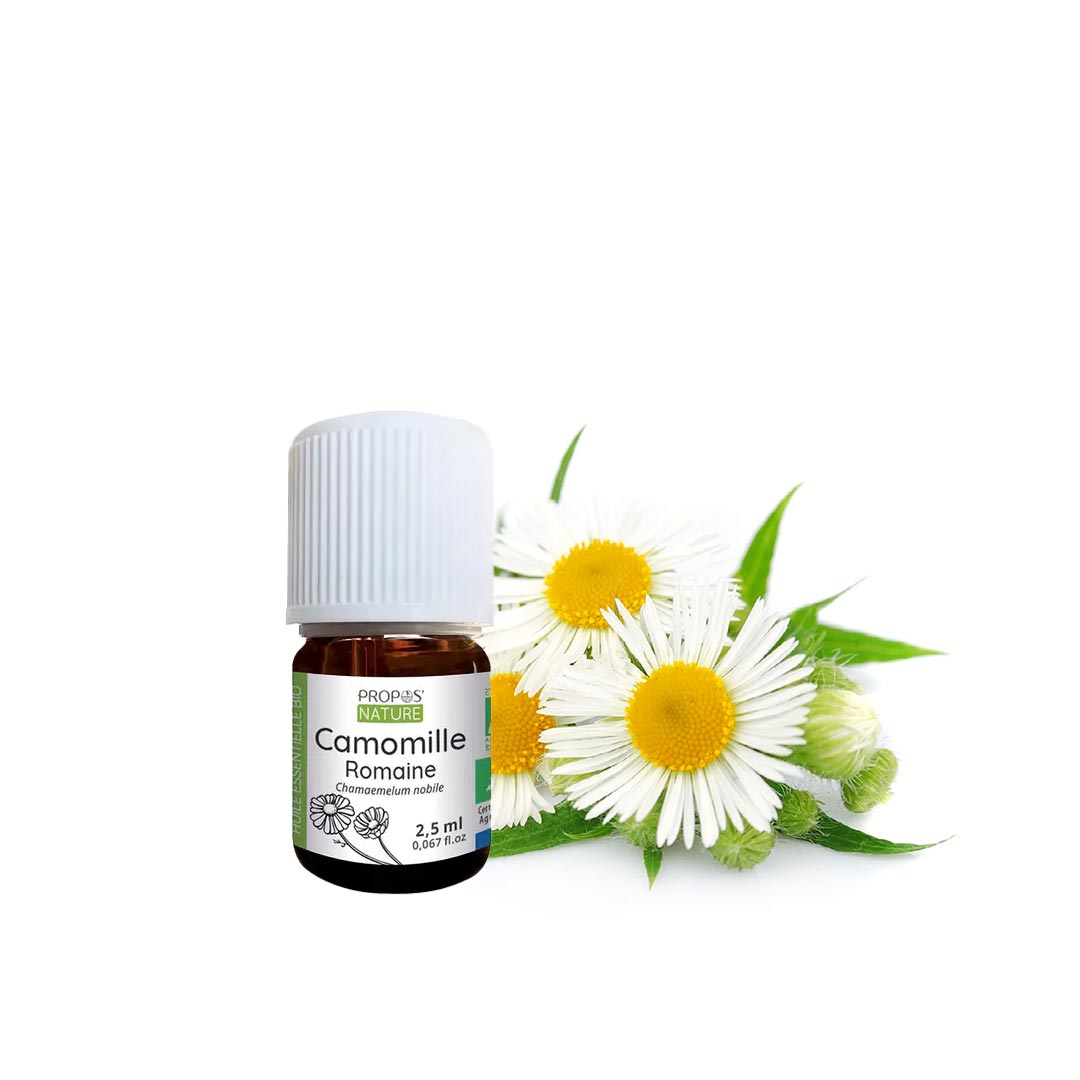
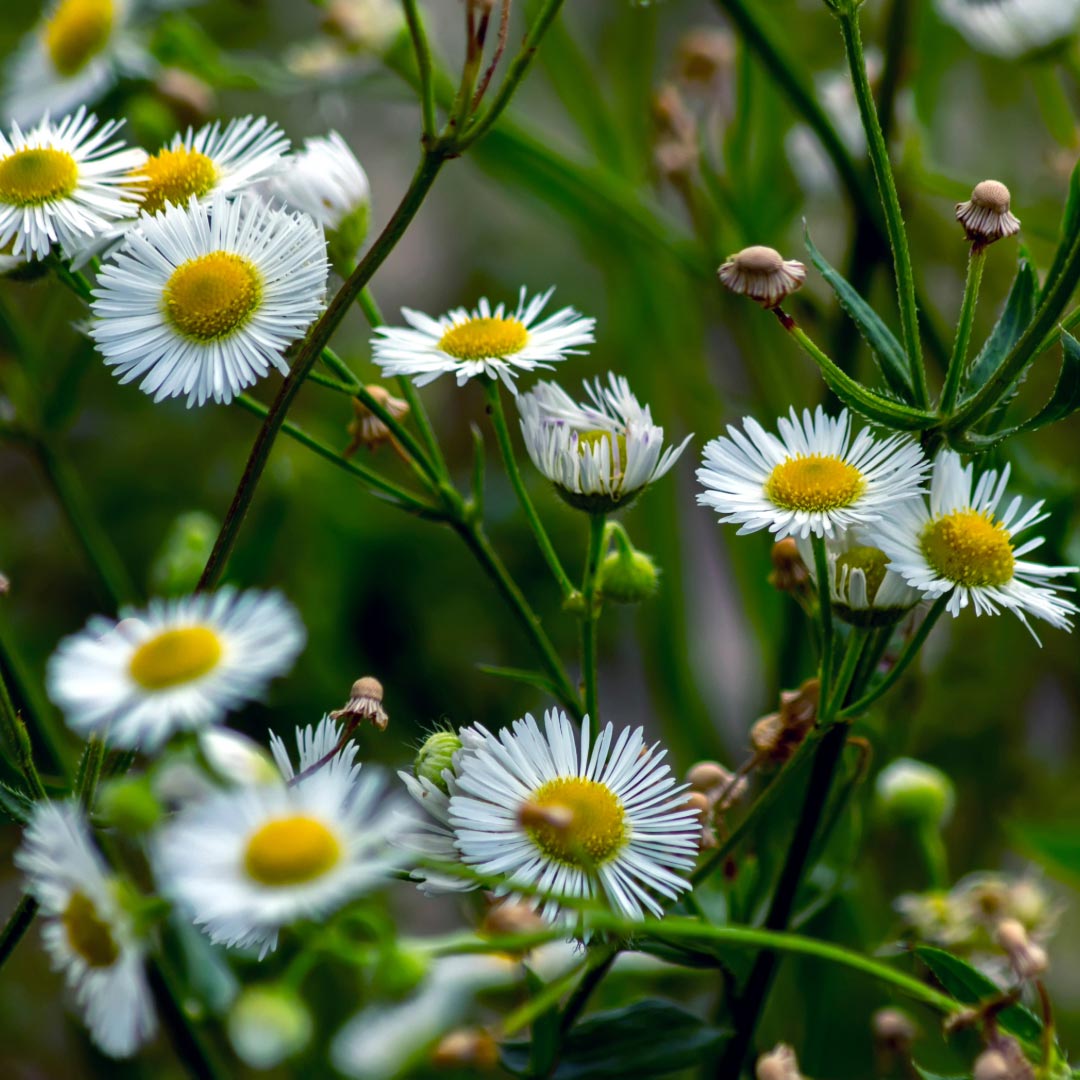
| Roman Chamomile | Chamaemelum nobile | Generally well tolerated | Traditionally valued for calming, fear, restlessness, and sensitive skin. |
| Geranium | Pelargonium graveolens | Generally well tolerated | Often used for emotional balance and gentle skin support. |
| Clary Sage | Salvia sclarea | Generally well tolerated | Balancing and calming when used sparingly and correctly diluted. |
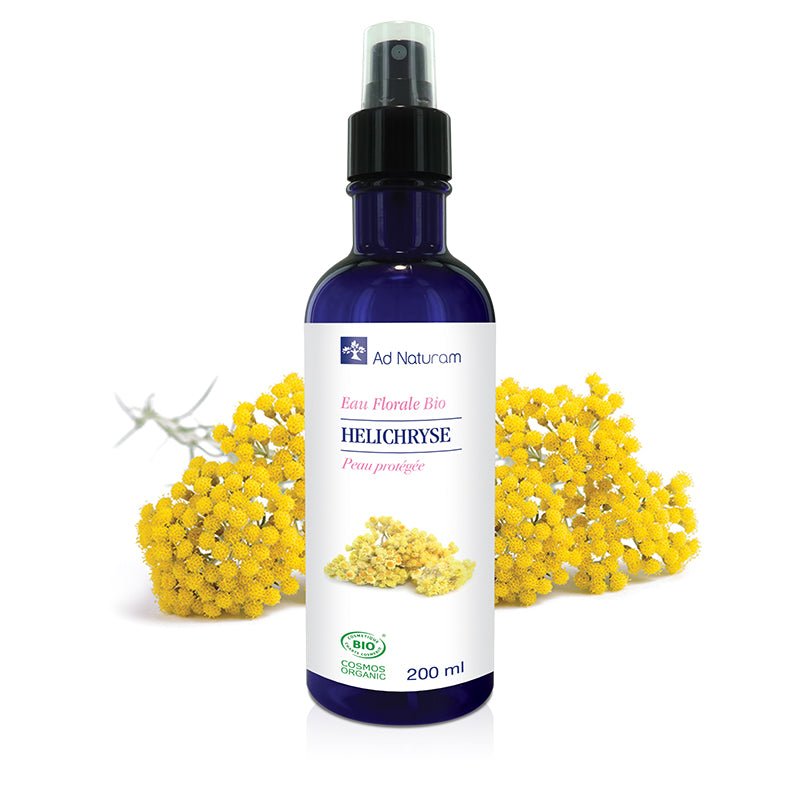
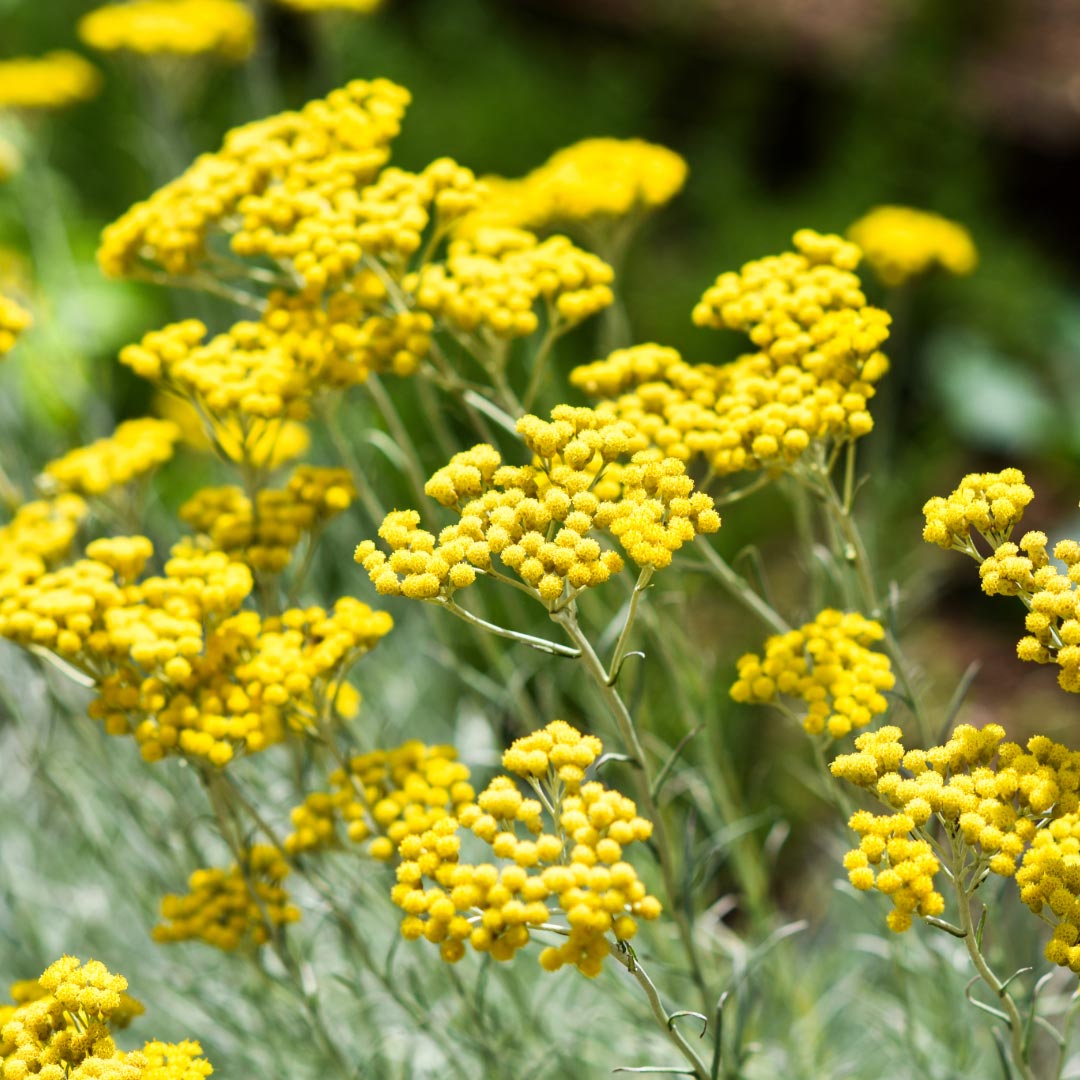
| Helichrysum | Helichrysum italicum | Generally well tolerated | Traditionally used for skin, nervous system support, and minor discomfort. |
| Valerian | Valeriana officinalis | Generally well tolerated | Traditionally used for relaxation, stress, and nervous tension. |
| Elemi | Canarium luzonicum | Generally well tolerated | Used for skin support and gentle restorative care. |
| Fir oils | Abies sibirica, Abies alba, Abies balsamea | Generally well tolerated | True fir oils are generally softer and less aggressive than sharper conifer oils. |
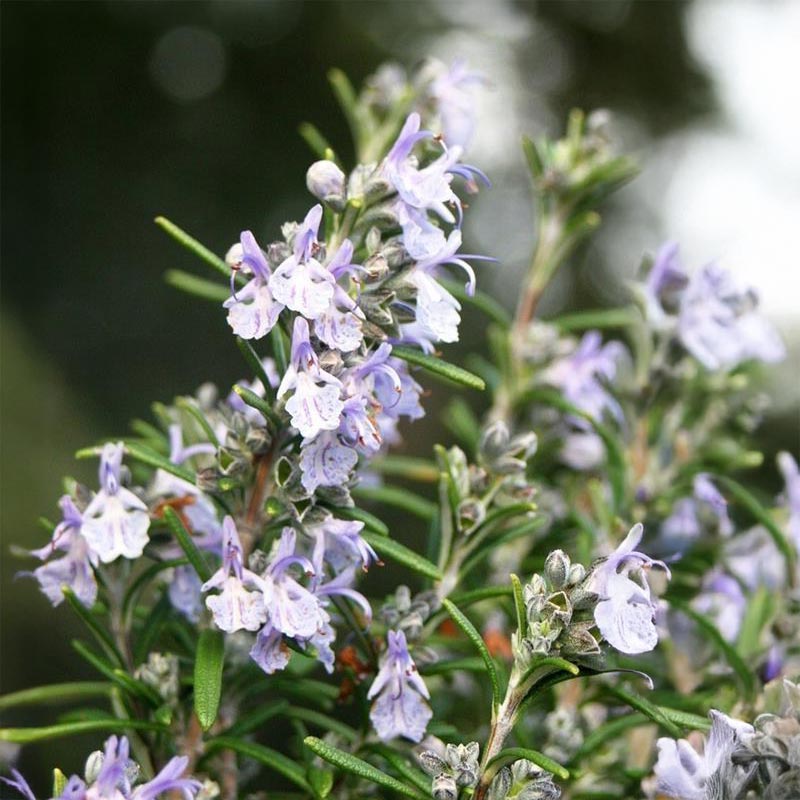
| Rosemary | Rosmarinus officinalis ct. cineole | Use with care | Chemotype matters. The cineole chemotype is milder than stronger rosemary types. Avoid casual use of rosemary ct. camphor. |
| Tea Tree | Melaleuca alternifolia | Avoid | Frequently associated with feline toxicity and not suitable for cats. |
| Lemon | Citrus limon | Avoid | Citrus oils contain limonene, which cats metabolise poorly. |
| Orange | Citrus sinensis | Avoid | Part of the citrus family and not considered suitable for feline use. |
| Bergamot | Citrus bergamia | Avoid | A citrus oil with constituents that are unsuitable for cats. |
| Lime | Citrus aurantiifolia | Avoid | A citrus oil that should be kept out of feline aromatherapy. |
| Tangerine / Mandarin | Citrus reticulata | Avoid | Also part of the citrus family and not suitable for cats. |
| Clove | Syzygium aromaticum | Avoid | High in phenols, which are too aggressive for feline metabolism. |
| Cinnamon (Cassia) | Cinnamomum cassia / Cinnamomum aromaticum | Avoid | Very strong and rich in compounds that cats do not tolerate well. |
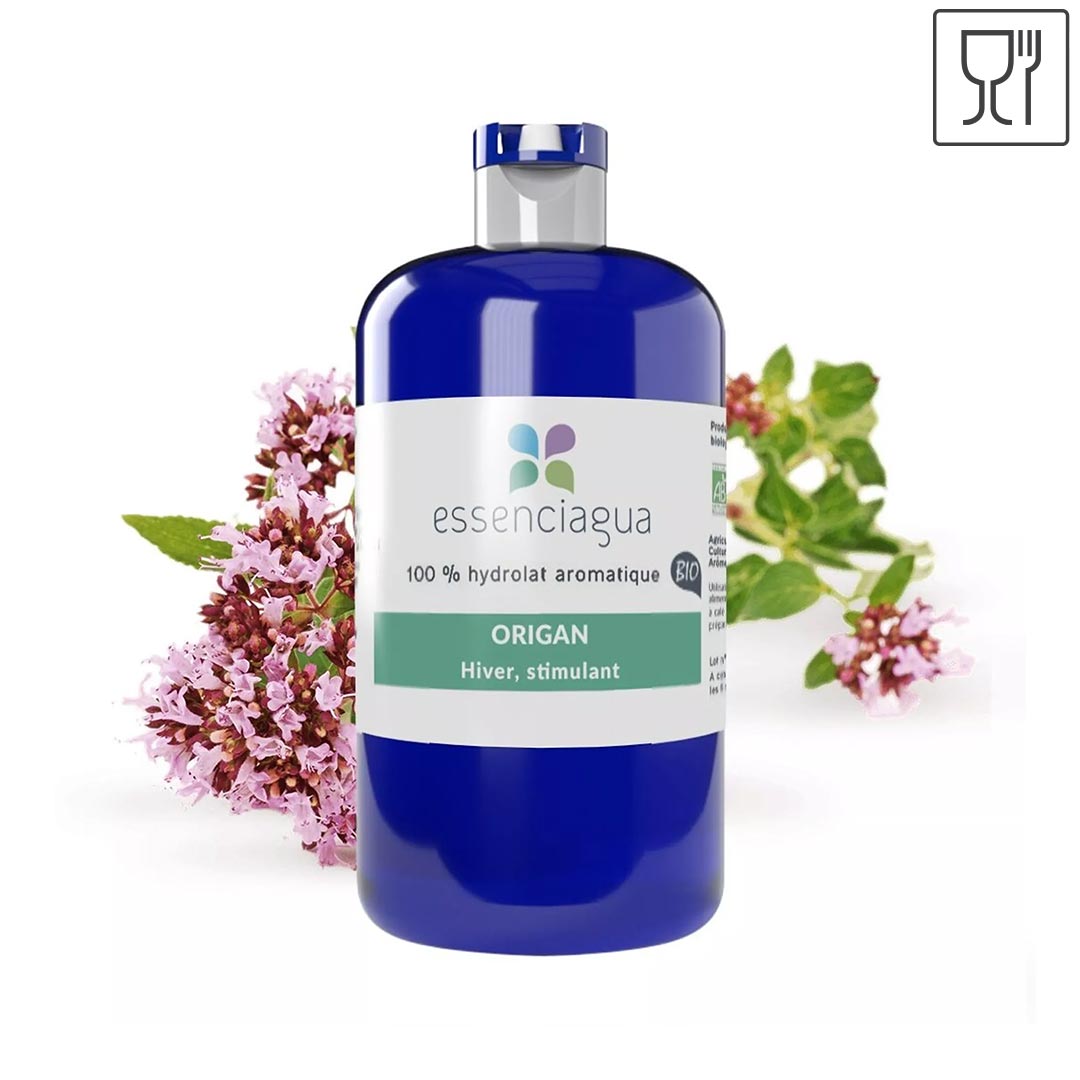
| Oregano | Origanum vulgare | Avoid | High in phenols and far too strong for cats. |
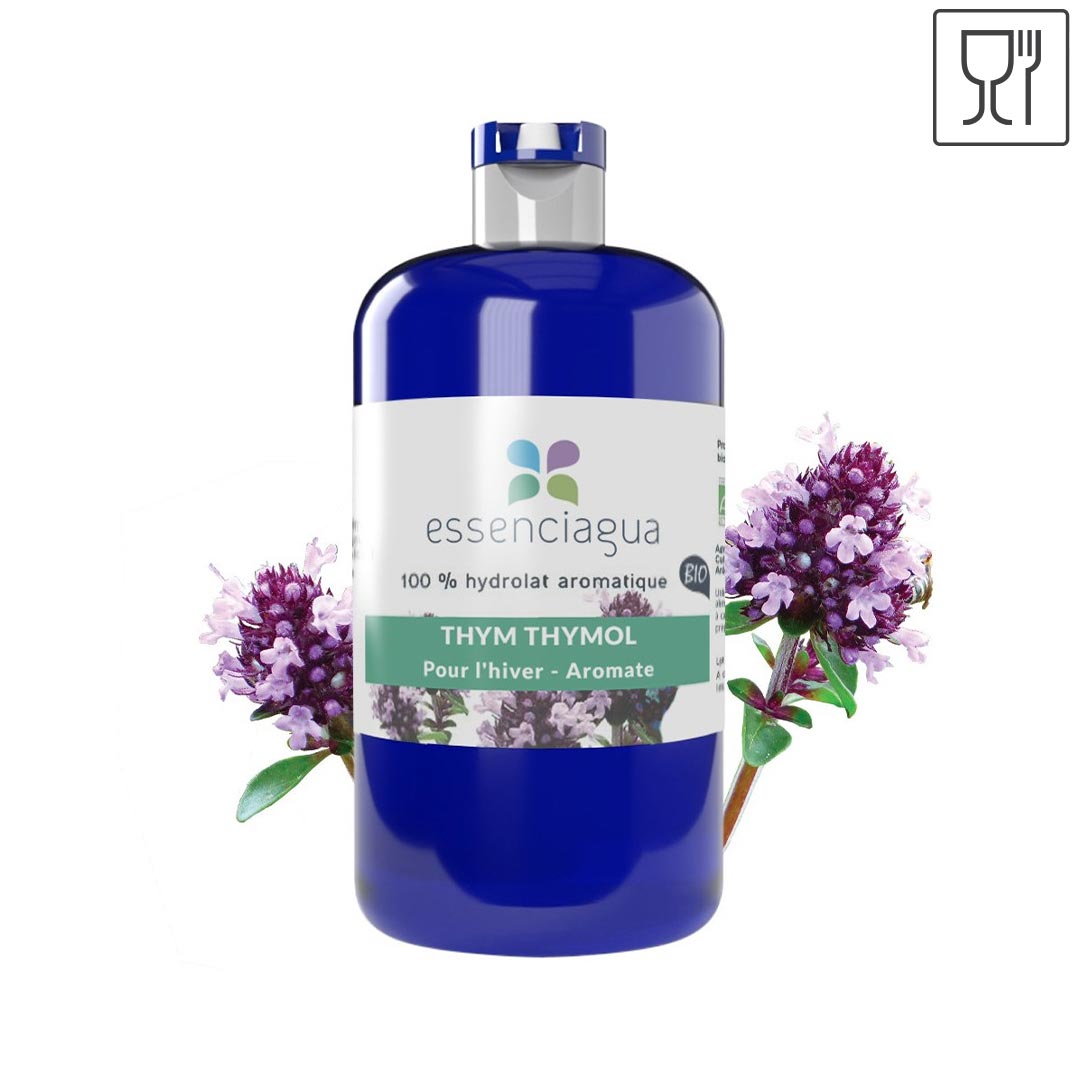
| Thyme | Thymus vulgaris | Avoid | Contains strong phenolic compounds that are unsuitable for cats. |
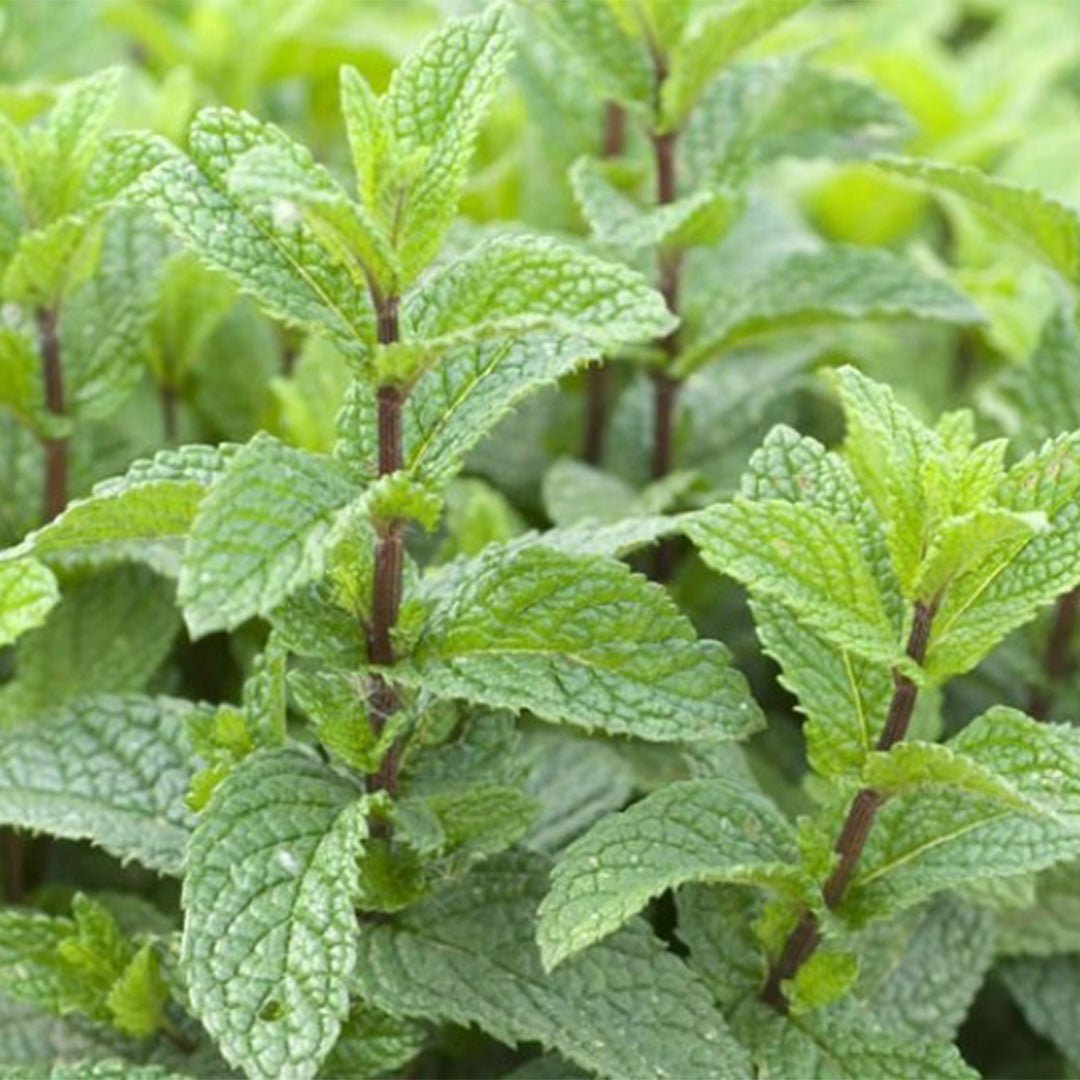
| Peppermint | Mentha × piperita | Avoid | Too stimulating and not considered appropriate for feline use. |
| Birch | Betula lenta | Avoid | A strong oil that should not be used with cats. |
| Wintergreen | Gaultheria procumbens | Avoid | Too strong and not compatible with safe feline aromatherapy practice. |
Important note on safe use
Cats are especially sensitive to essential oils high in phenols, ketones, and limonene. These compounds are more difficult for the feline liver to process.
Even oils generally considered safer should always be used with restraint, proper dilution, and careful observation of the cat’s response.
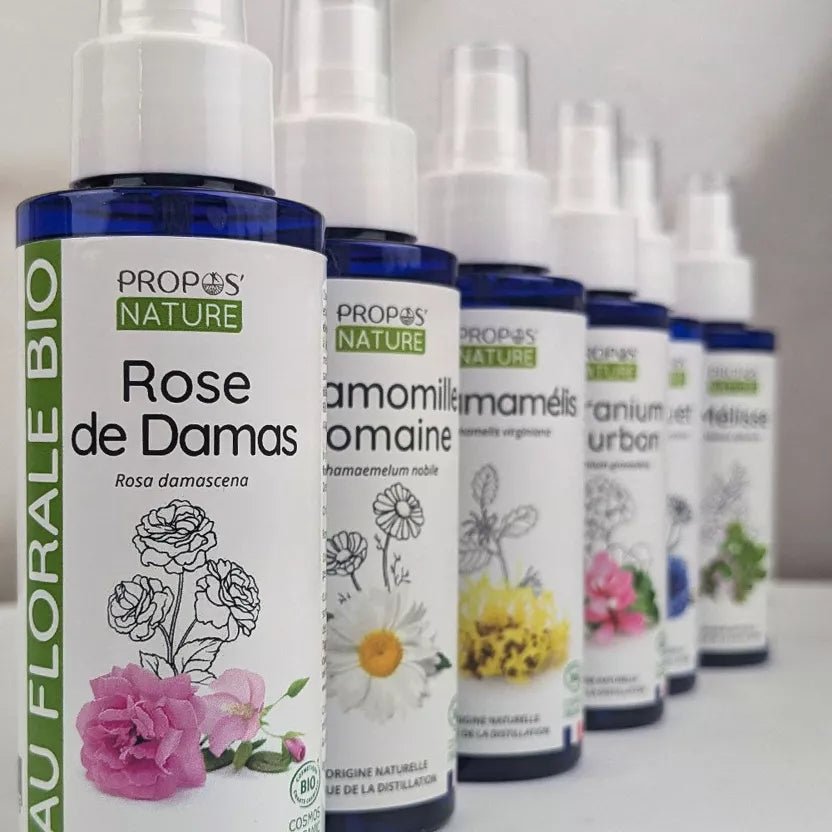
For very sensitive cats, hydrosols are often the gentler option.
How to Use Aromatherapy with Cats
Aromatherapy for cats requires a minimal and precise approach. Use low concentrations, observe your cat’s response, and prioritise gentle methods.
1. Diffusion
Primary method. Provides gentle exposure through inhalation without direct contact.
How to use
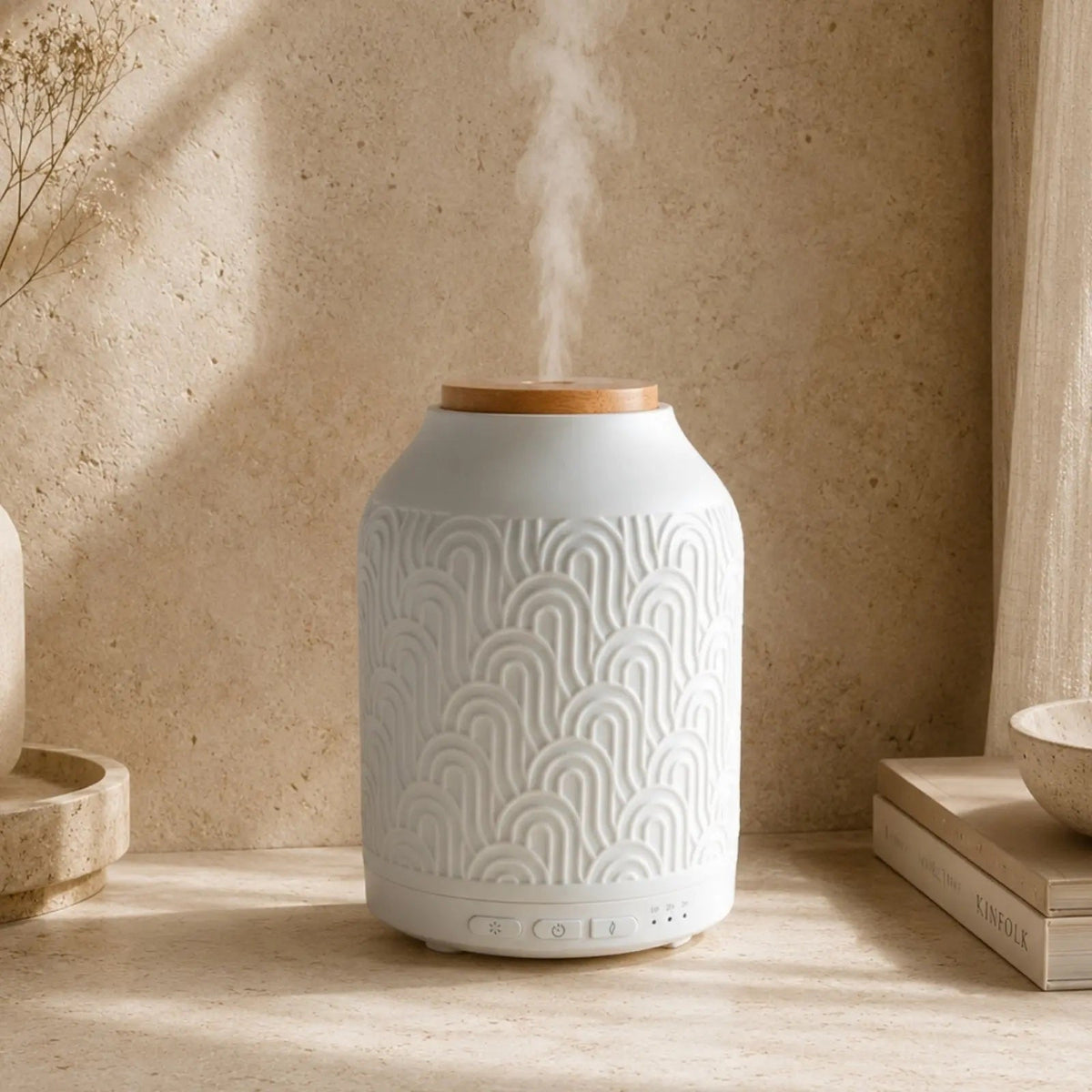
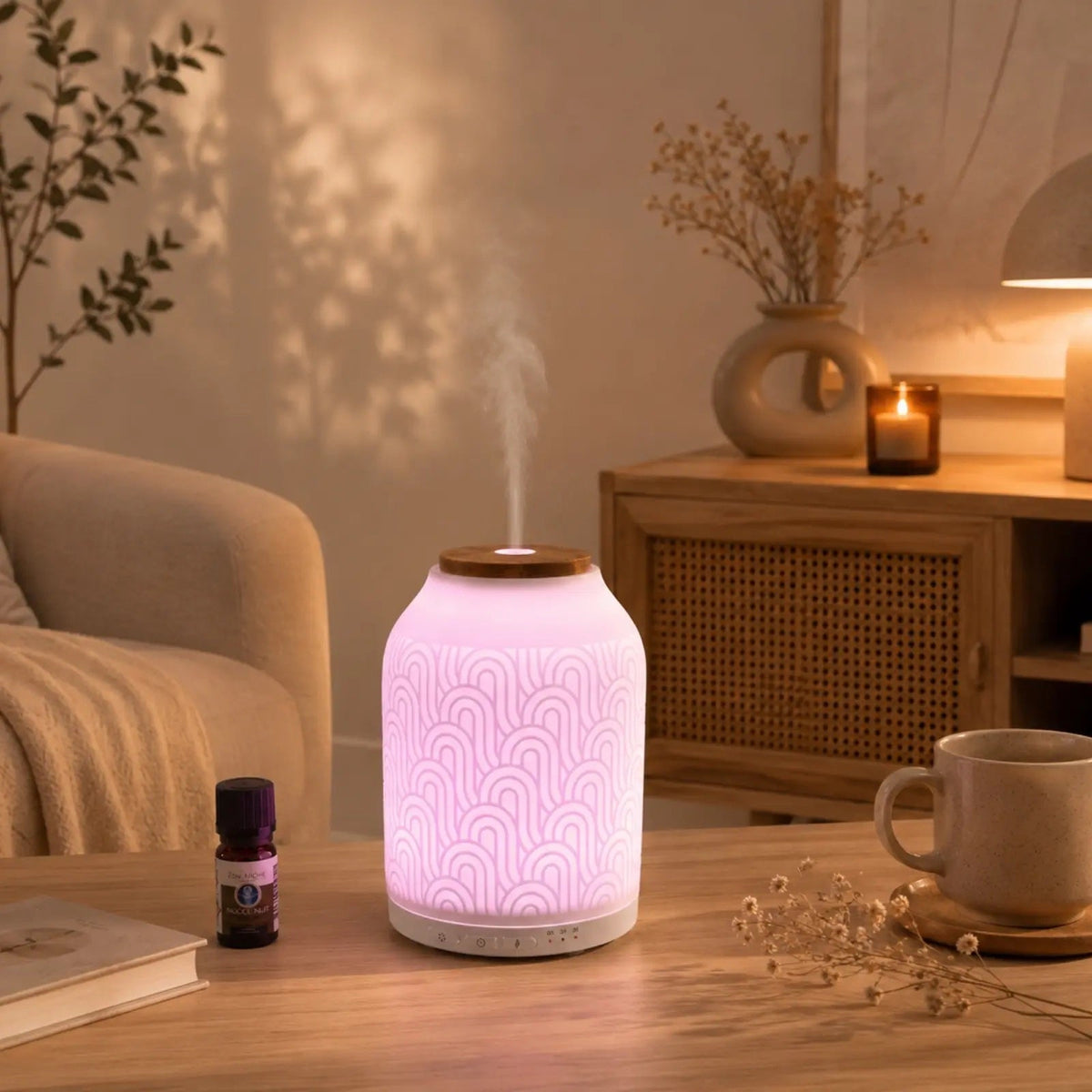
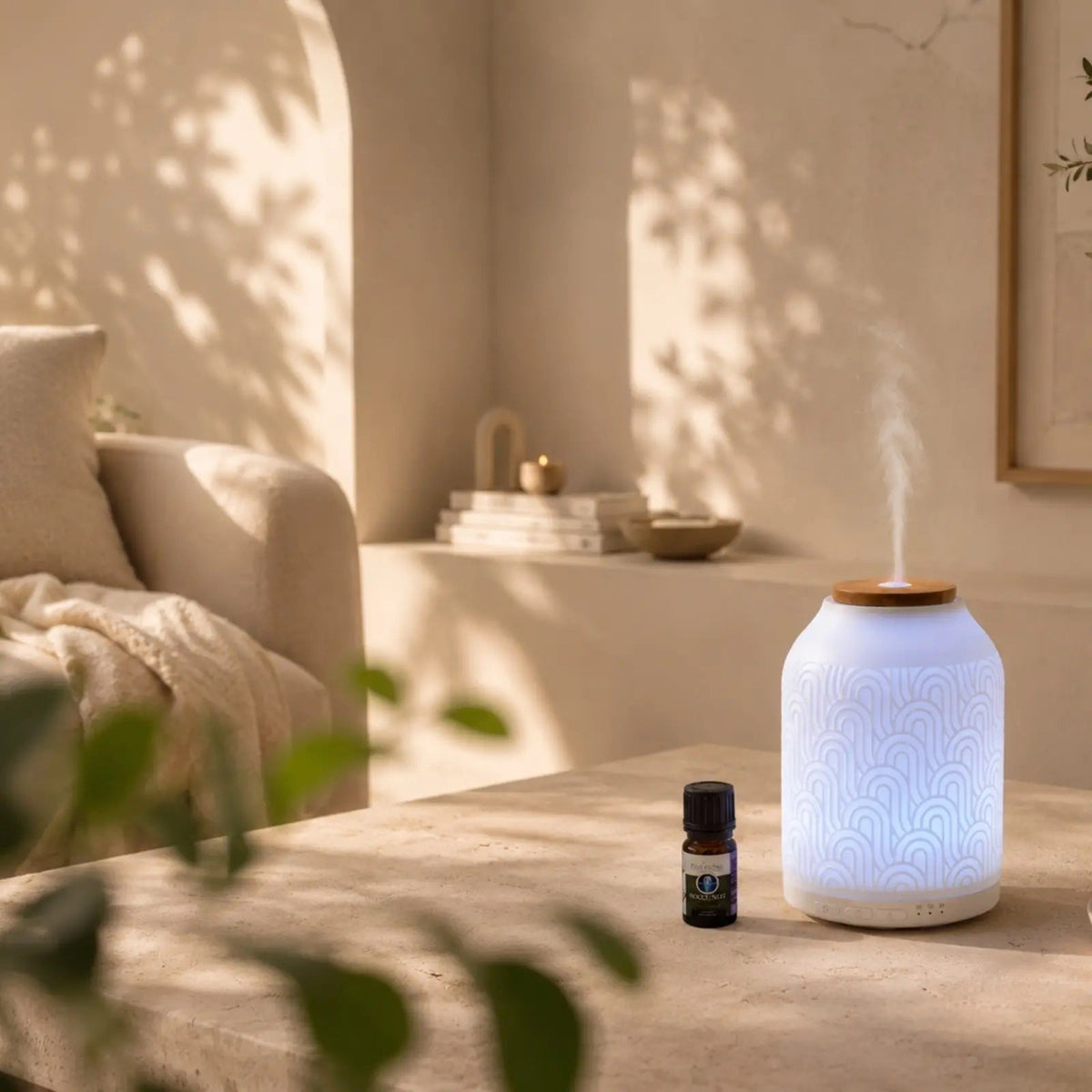
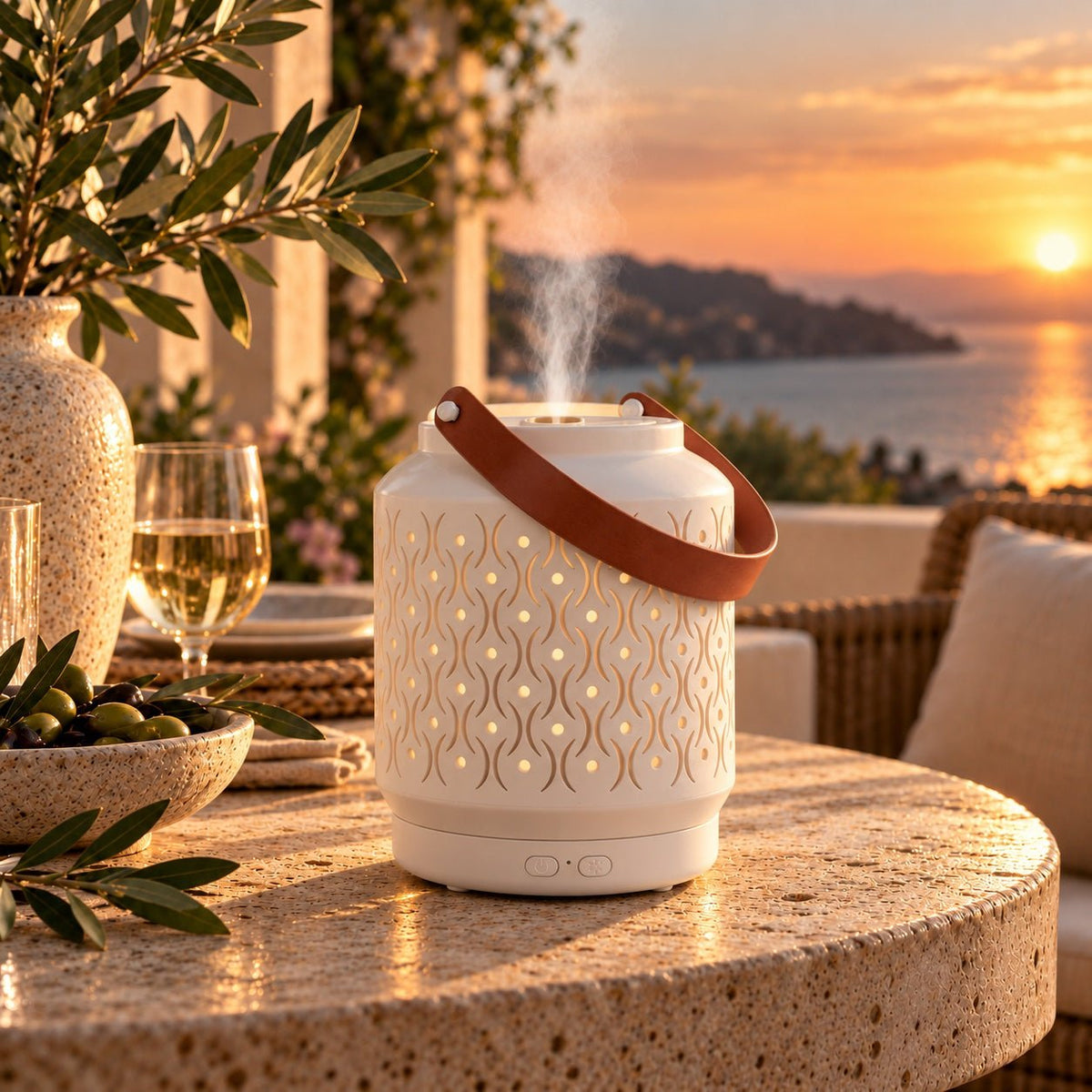
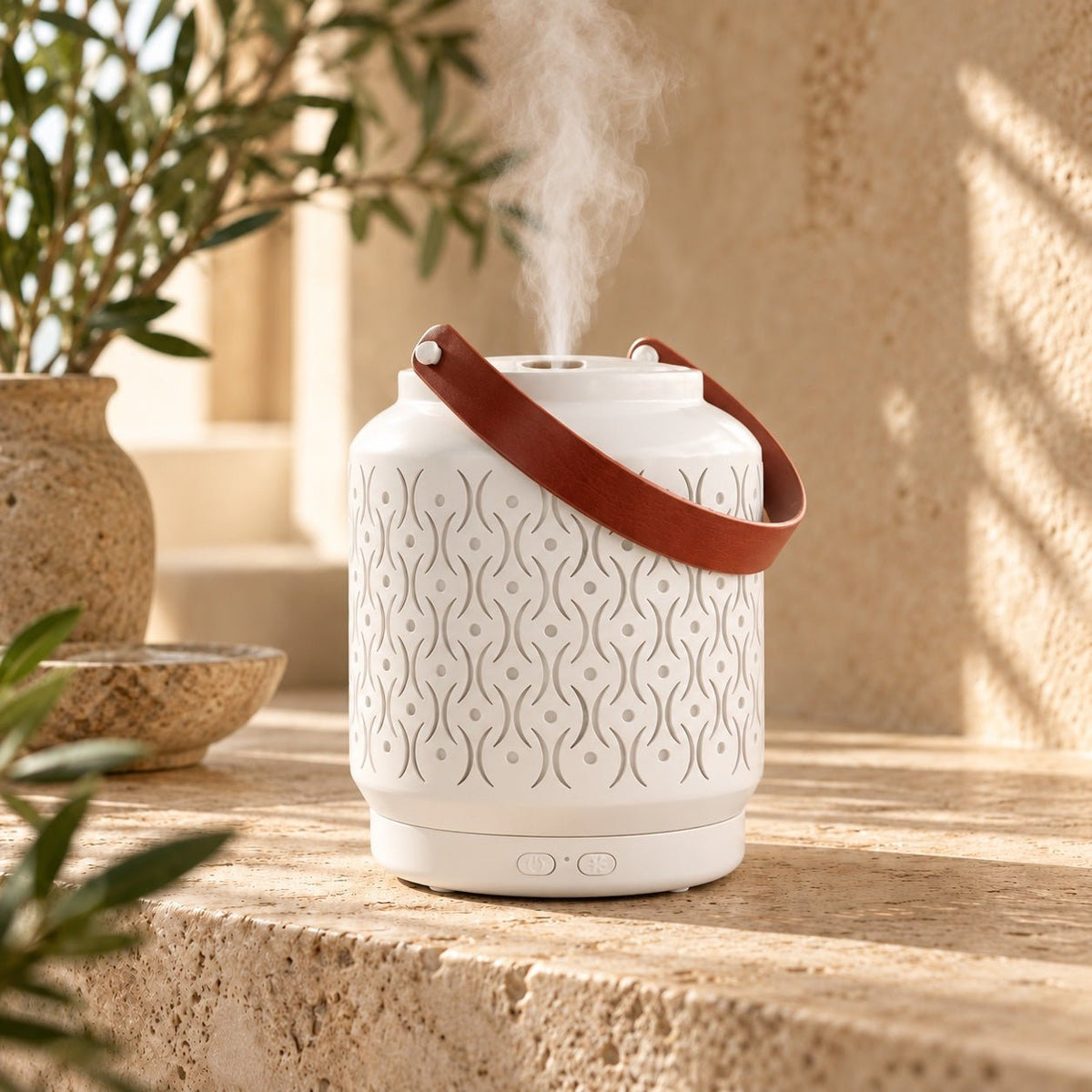
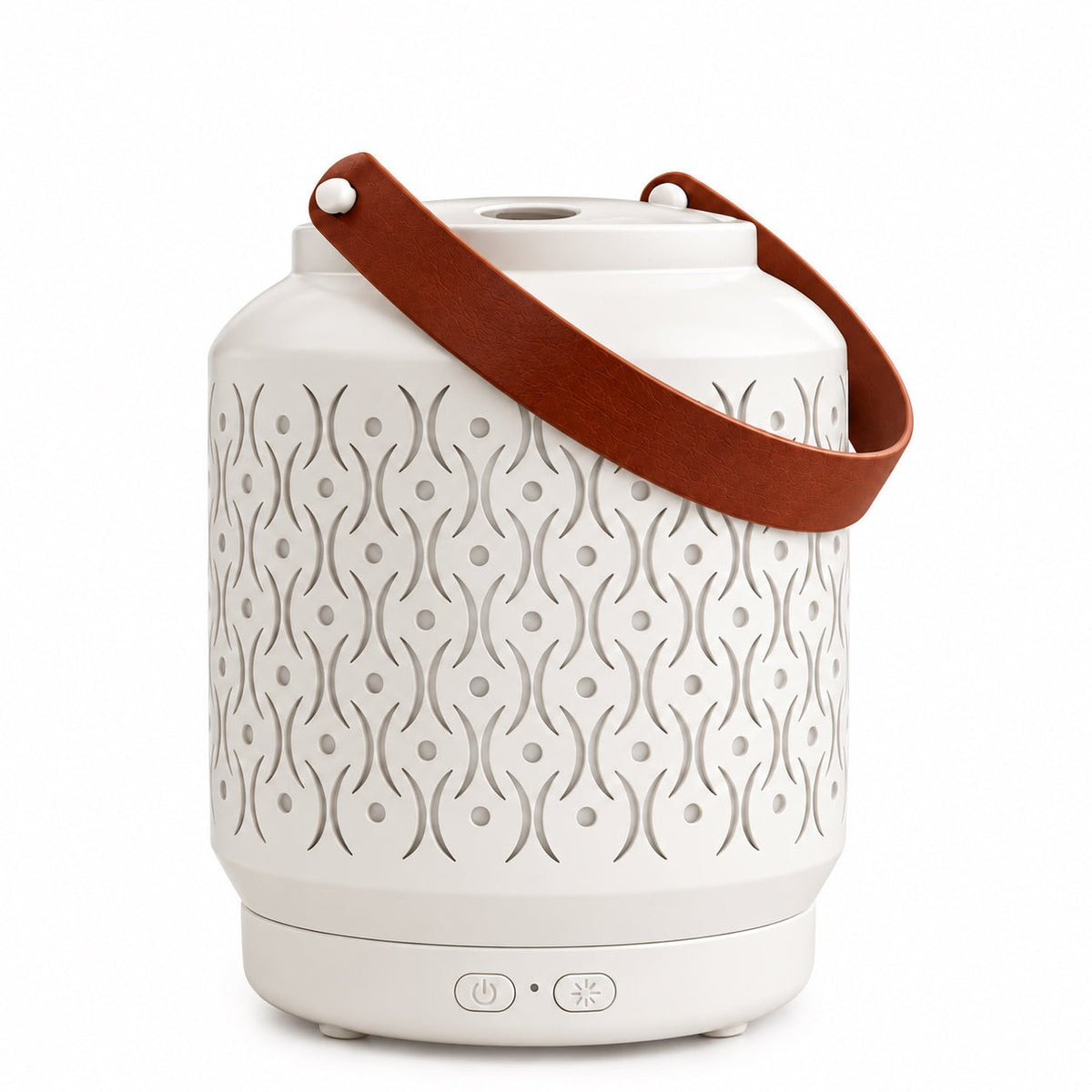
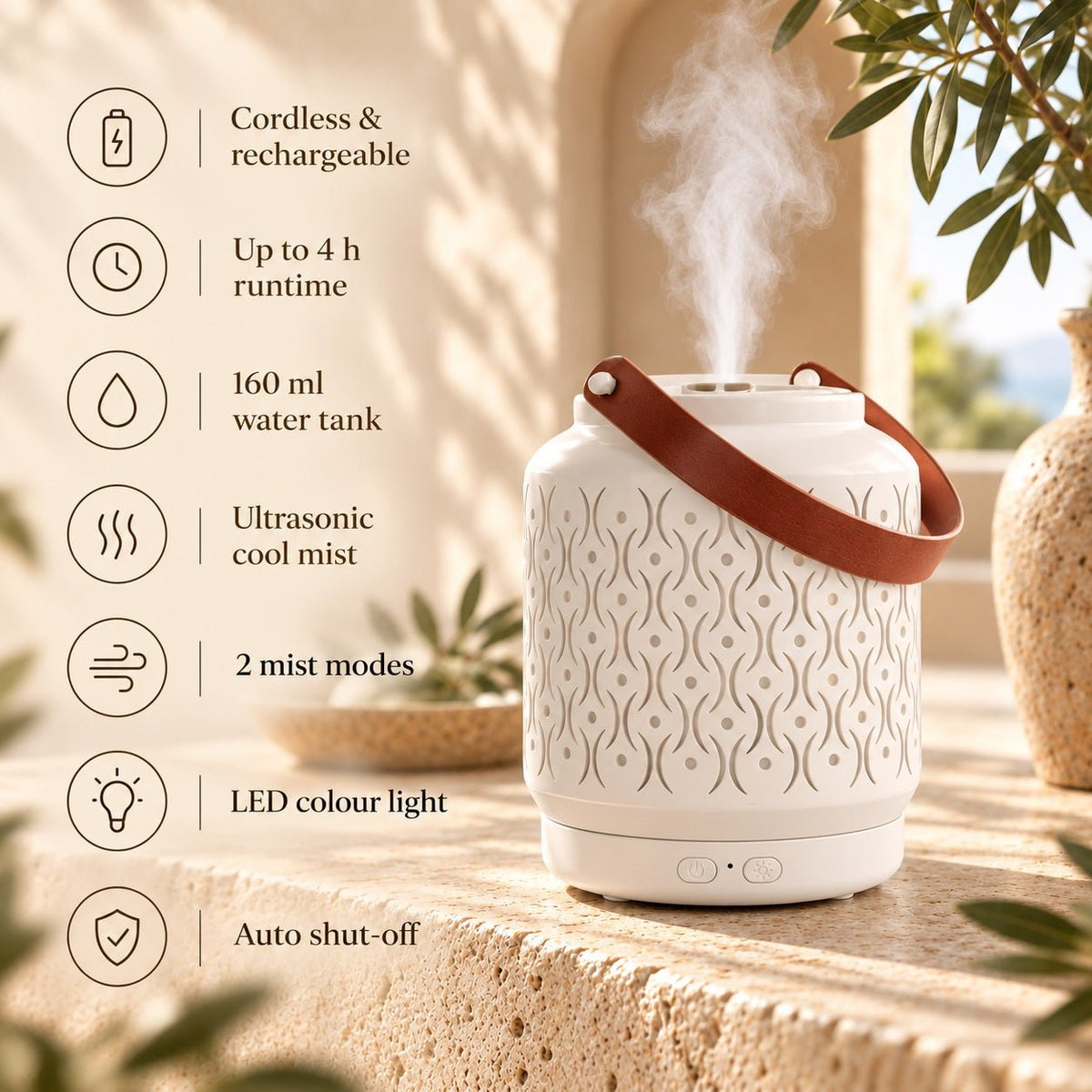
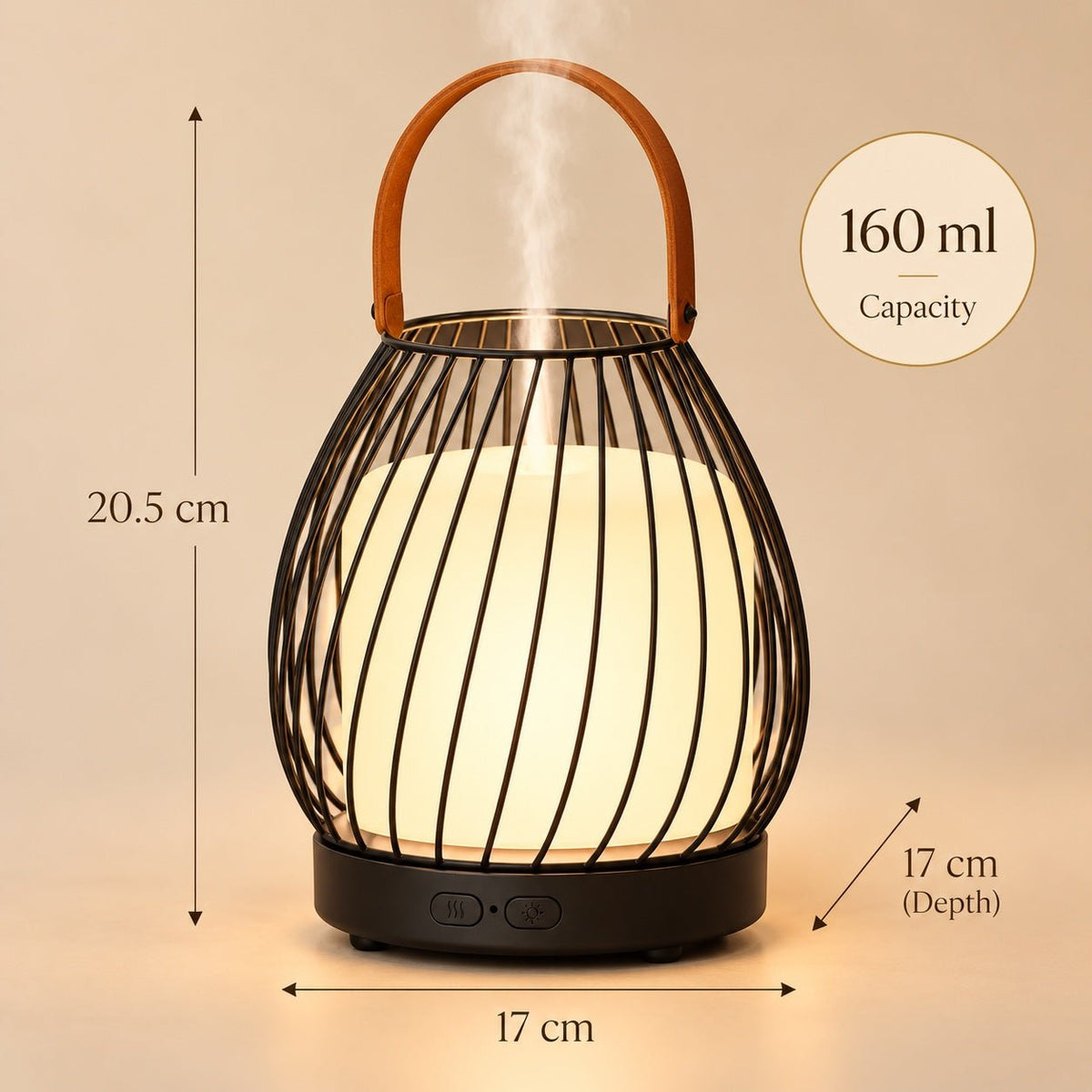
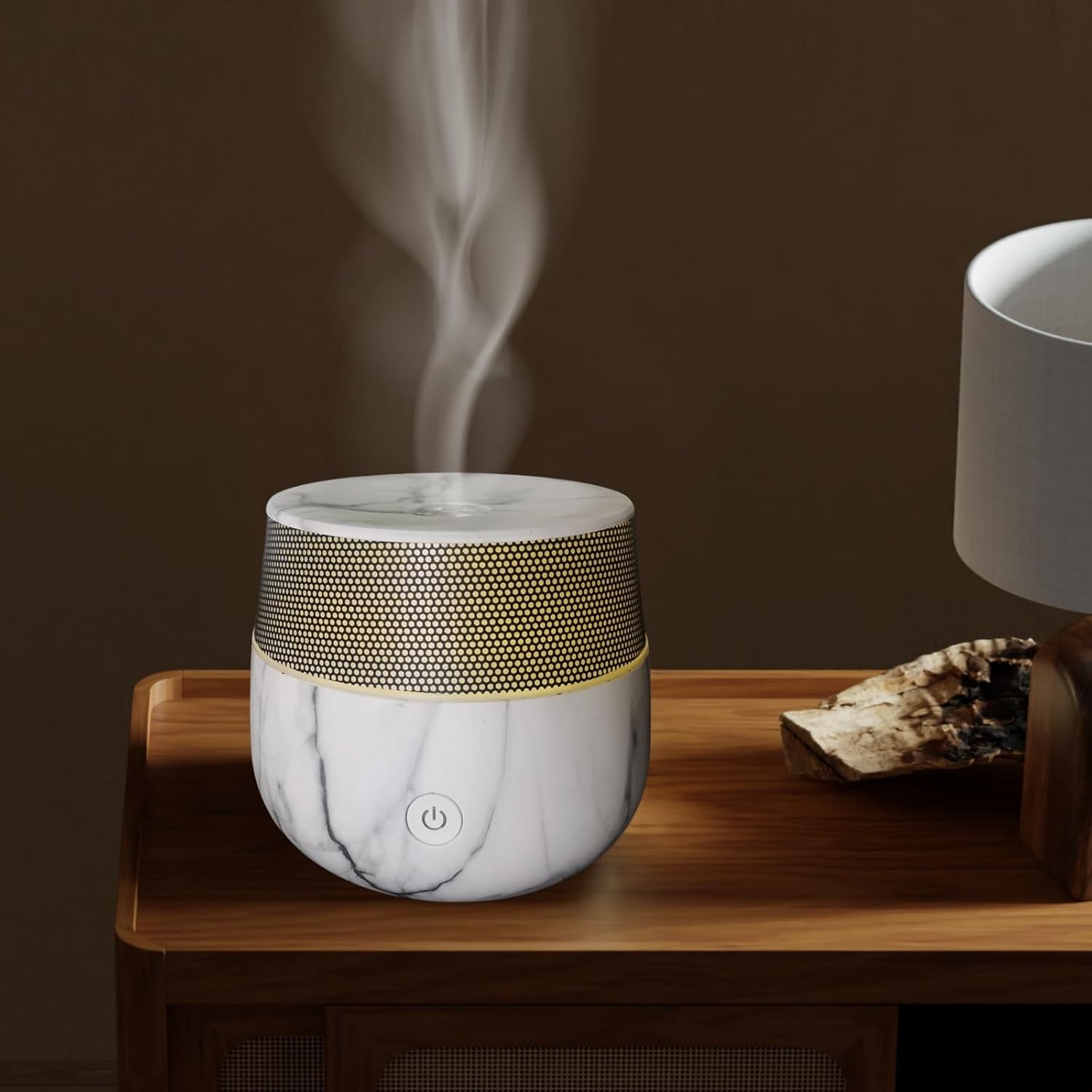
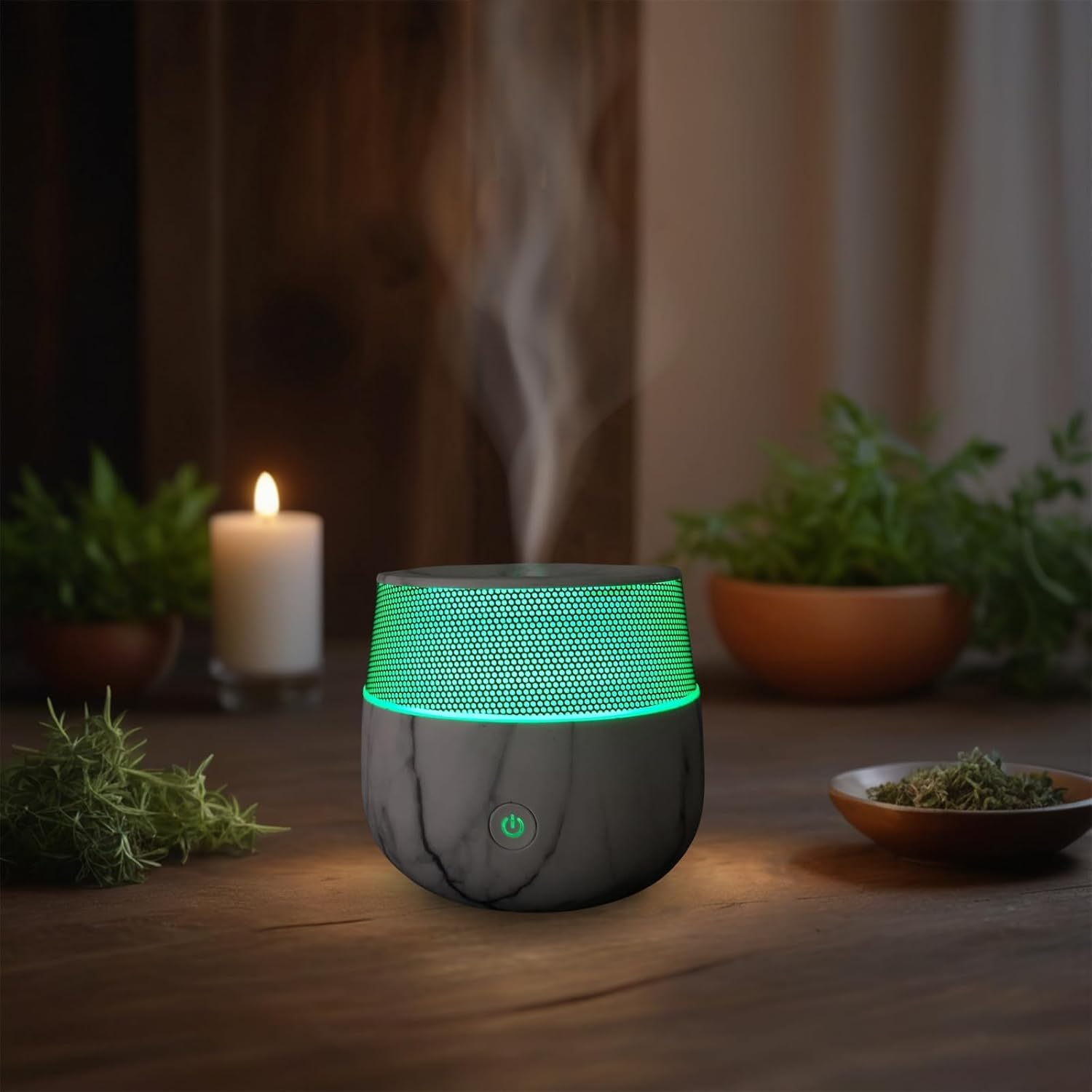
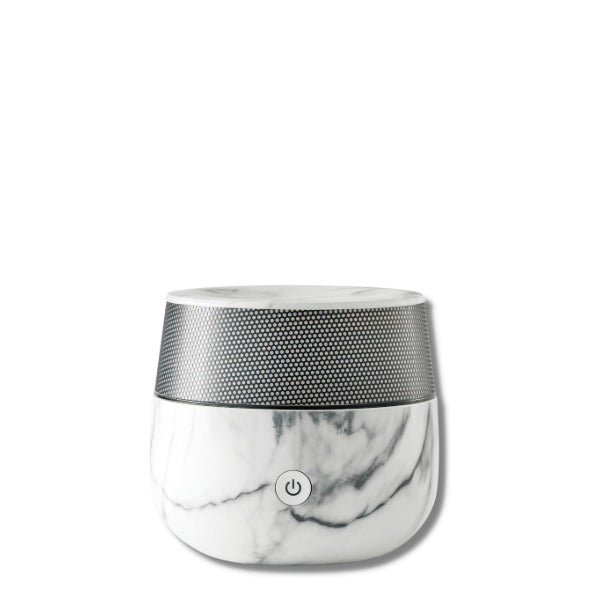
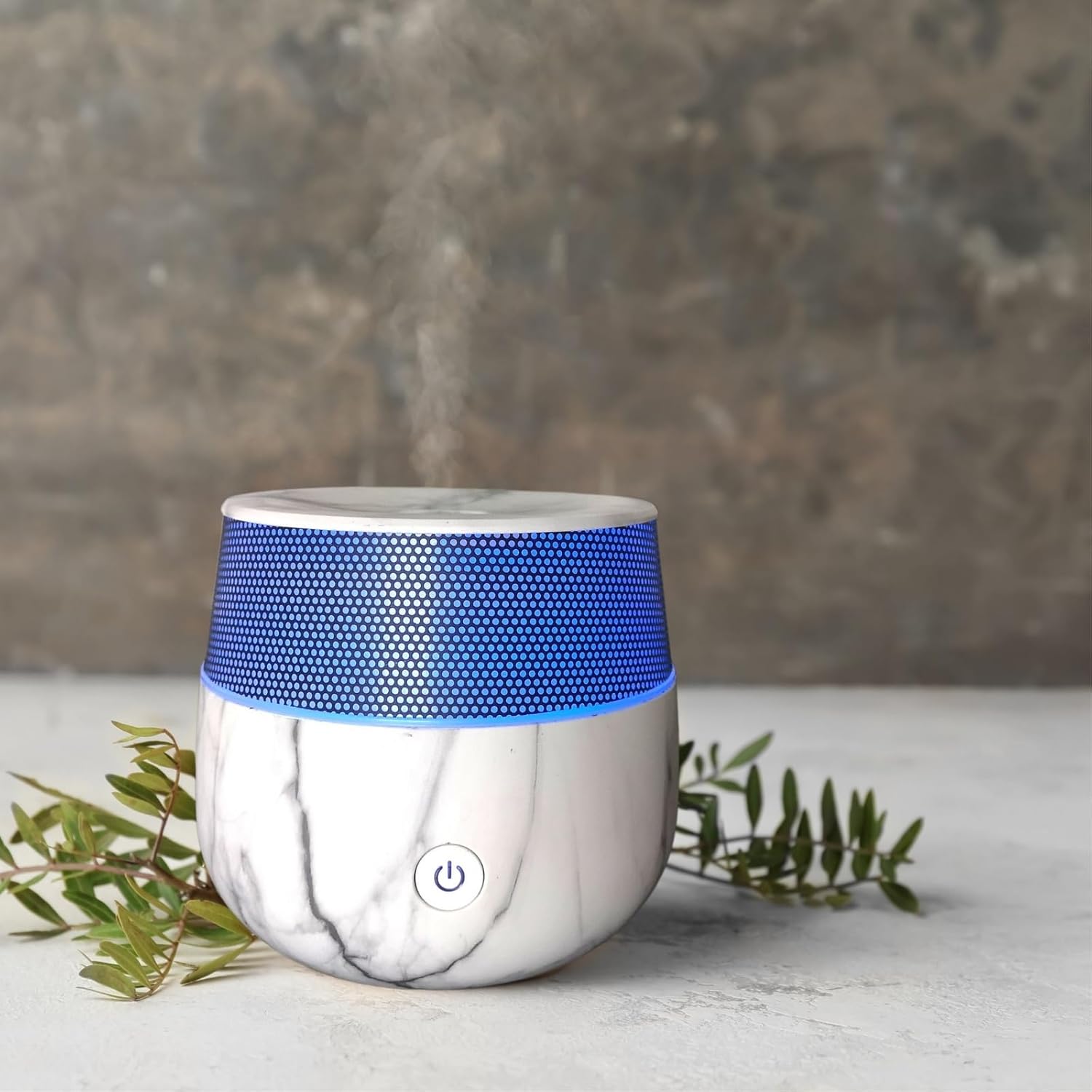
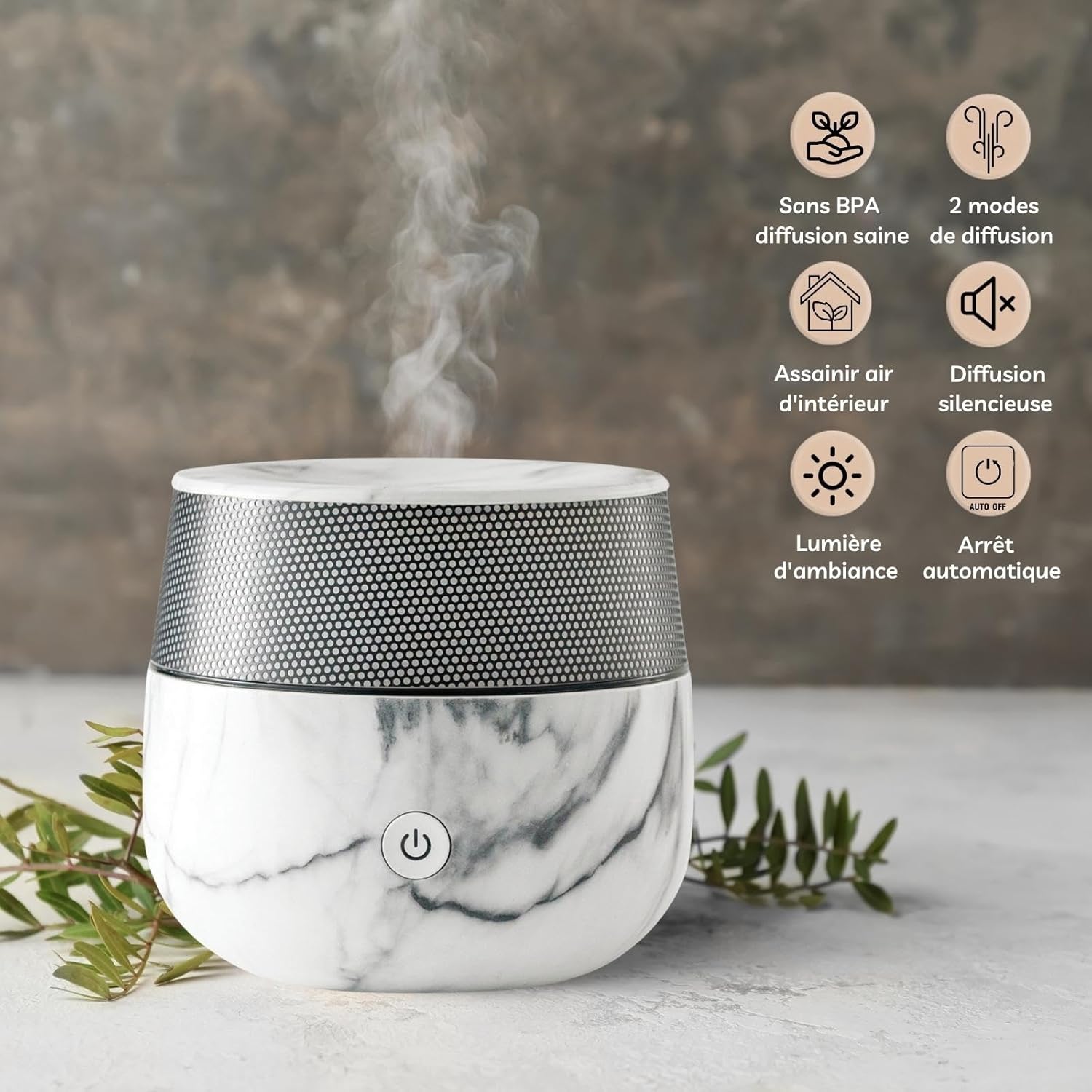
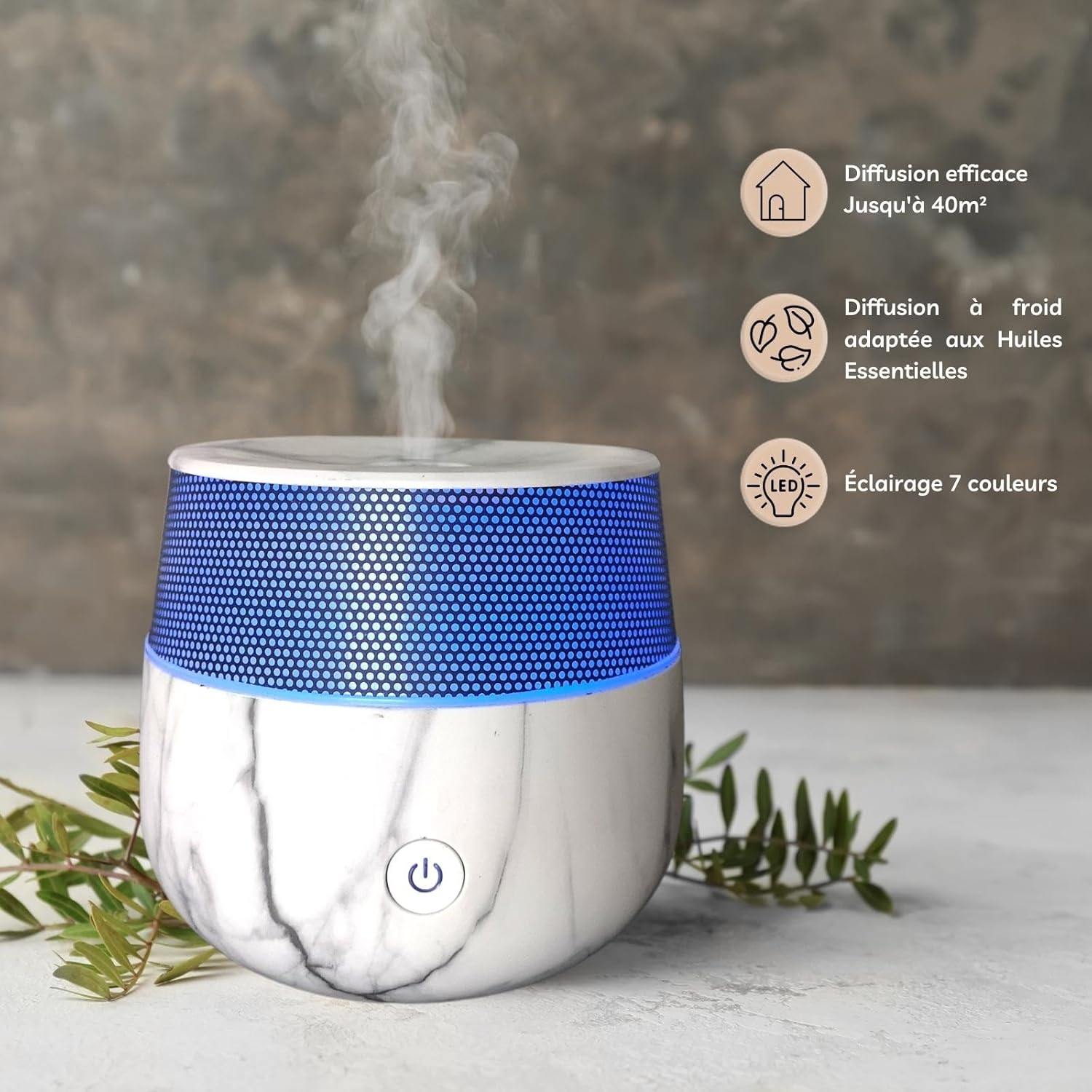
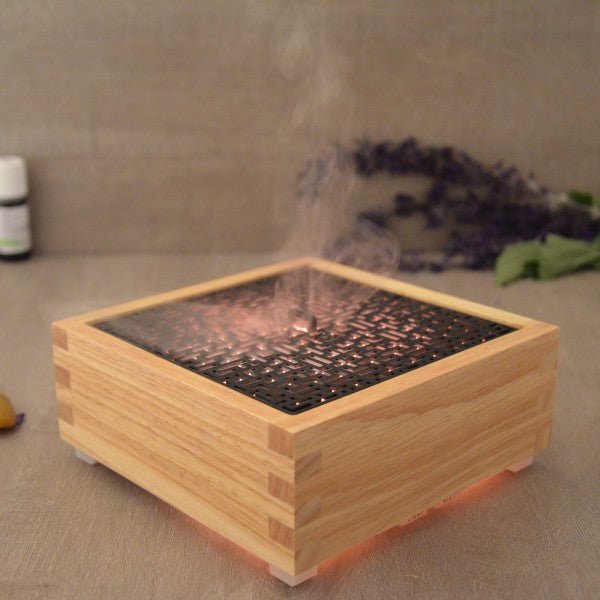
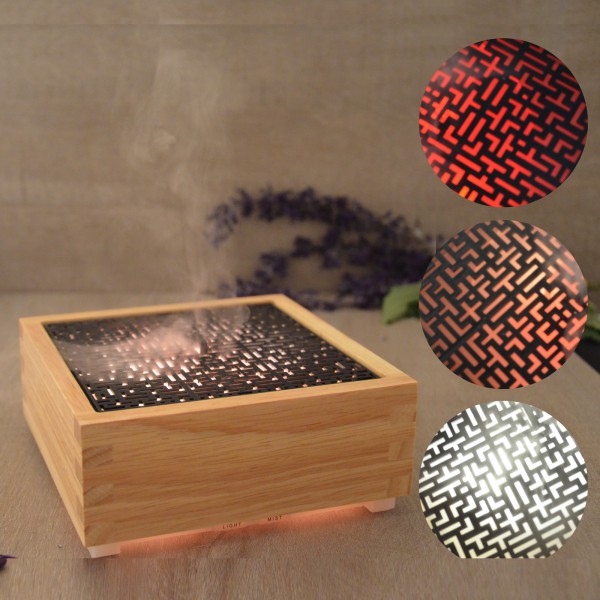
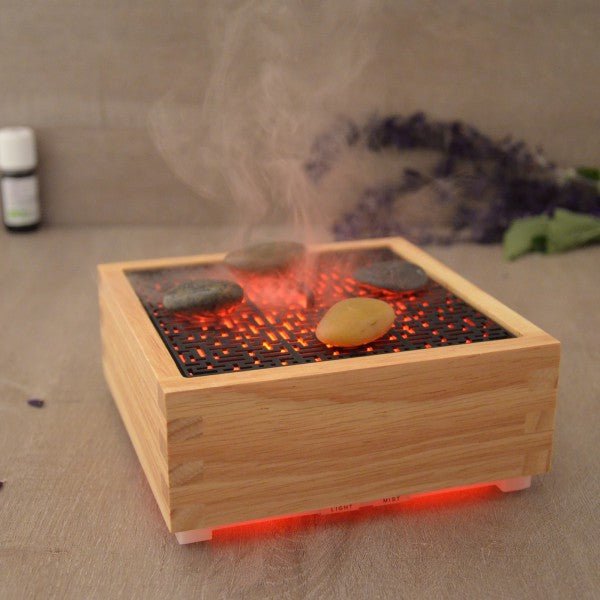
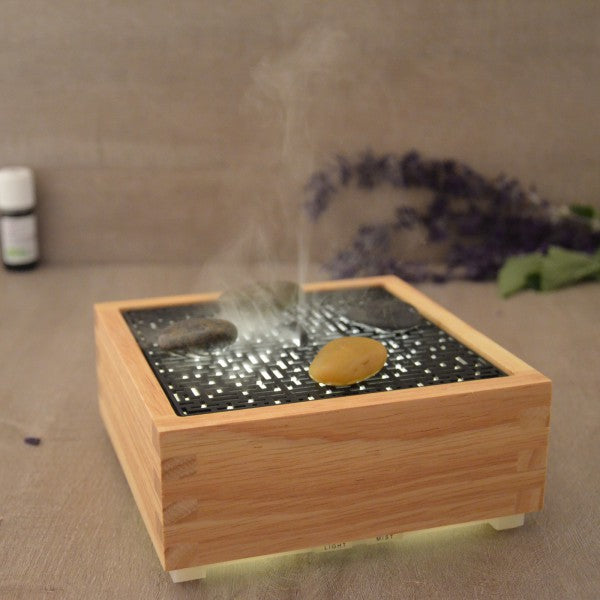
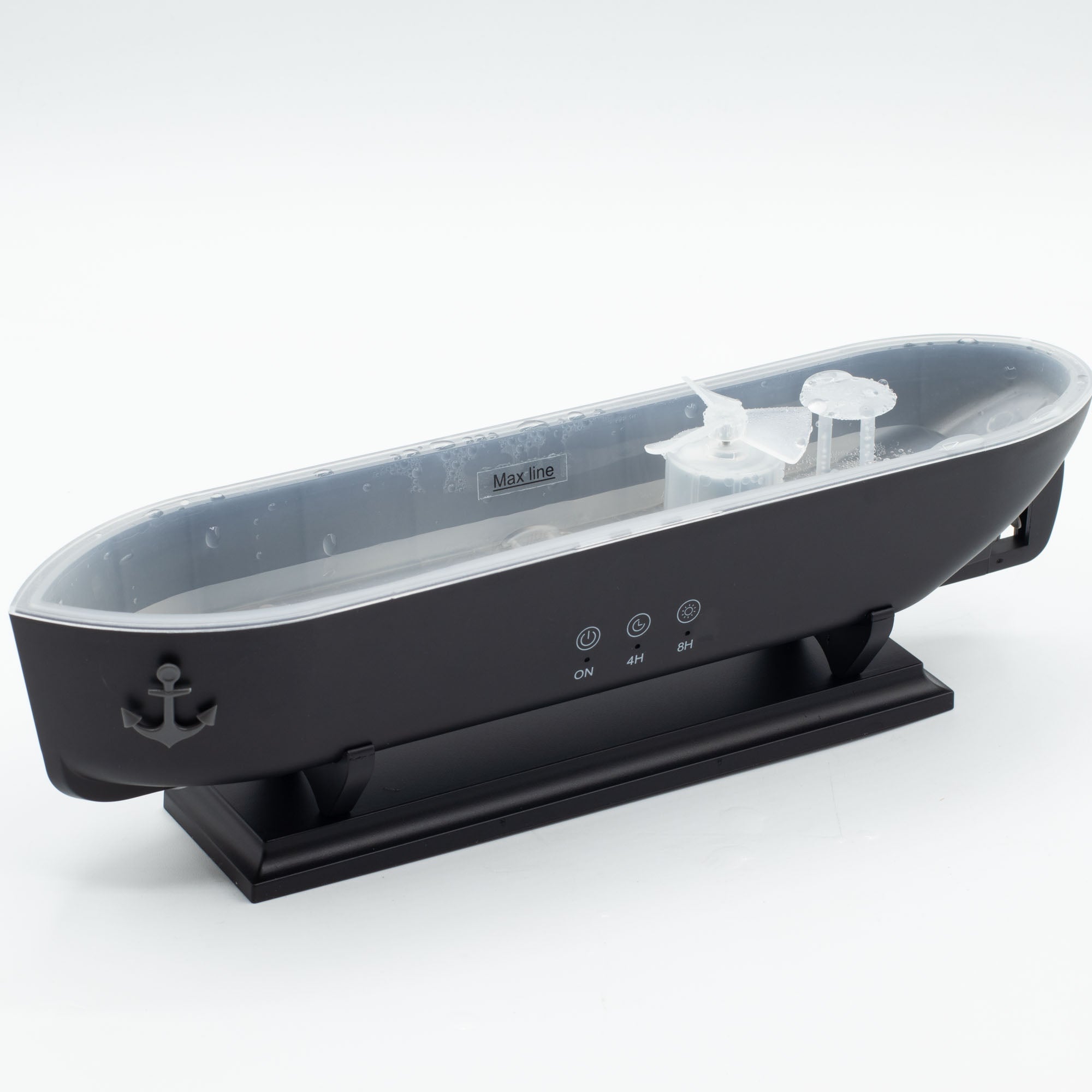
- Use a water-based diffuser (ultrasonic diffuser)
- For a 100 ml water tank: add 1 drop essential oil
- If well tolerated, you may use up to 2 drops
Best practice
- Diffuse for 10–20 minutes at a time
- Ensure good ventilation
- Always allow your cat to leave the room
Start with the lowest amount — cats respond best to subtle aromatic exposure.
2. Topical Application
Targeted use only. Always dilute before applying to the cat.
Precise dilution guideline
• 1 drop essential oil in 20 ml carrier oil (≈ 0.25%)
• For sensitive cats: 1 drop in 30–40 ml carrier oil
Suitable carrier oils
- Jojoba
- Coconut oil
- Olive oil
- Sweet almond oil
Apply to
- Spine
- Shoulders
- Base of the neck
Avoid face, paws, and sensitive areas.
3. Hydrosols
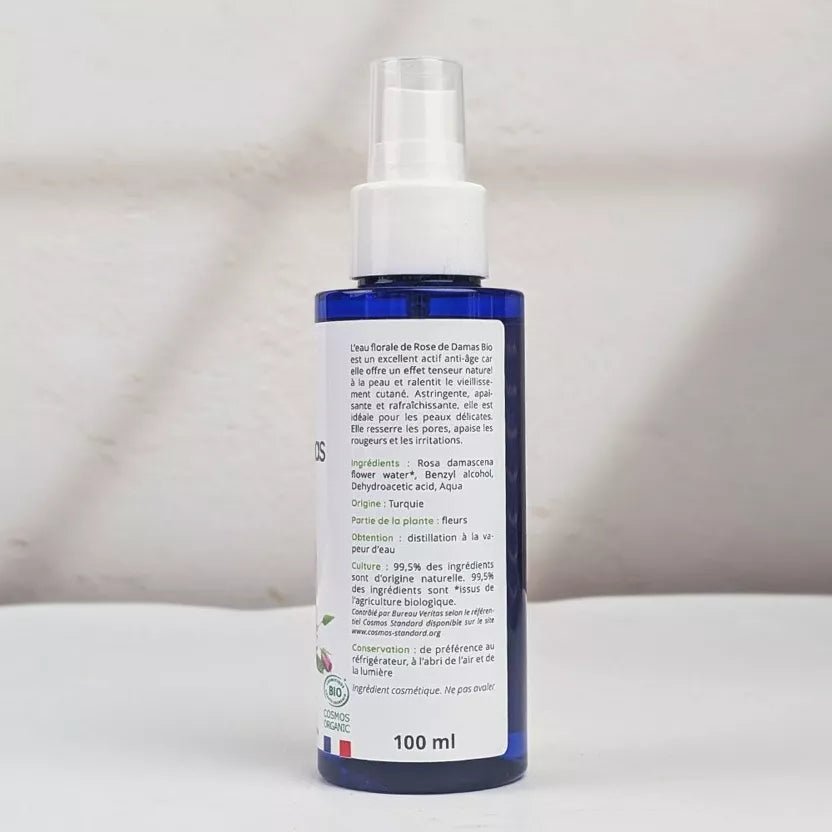
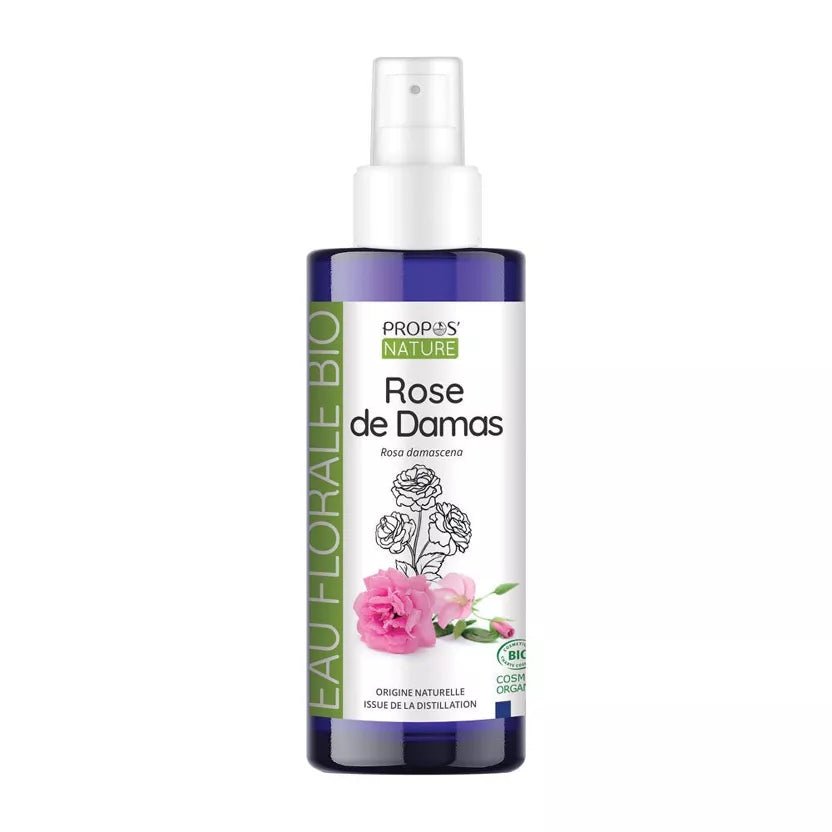
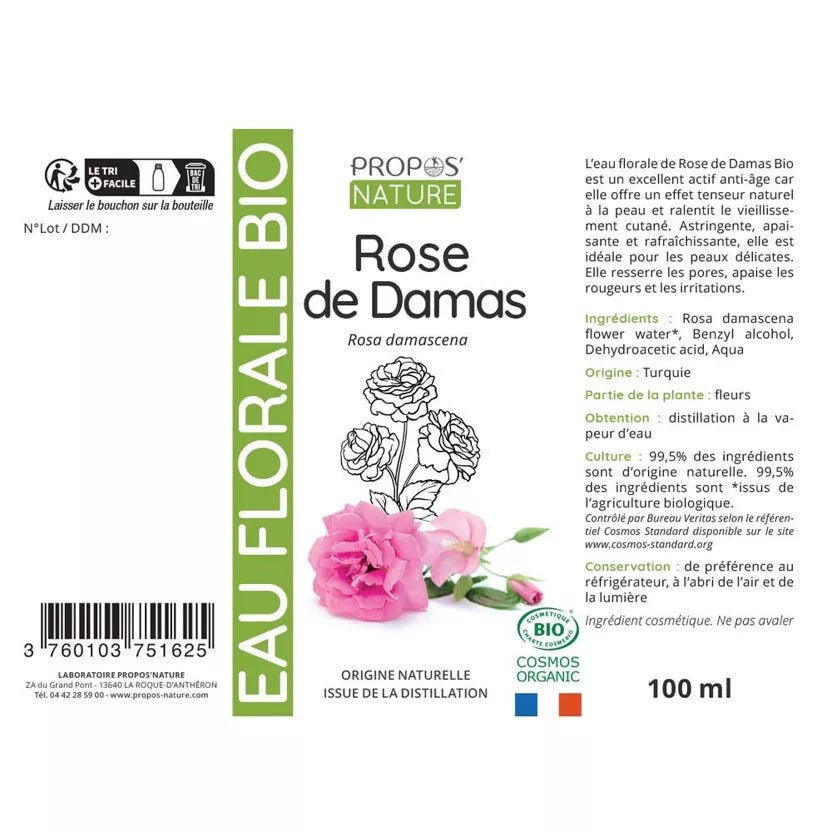
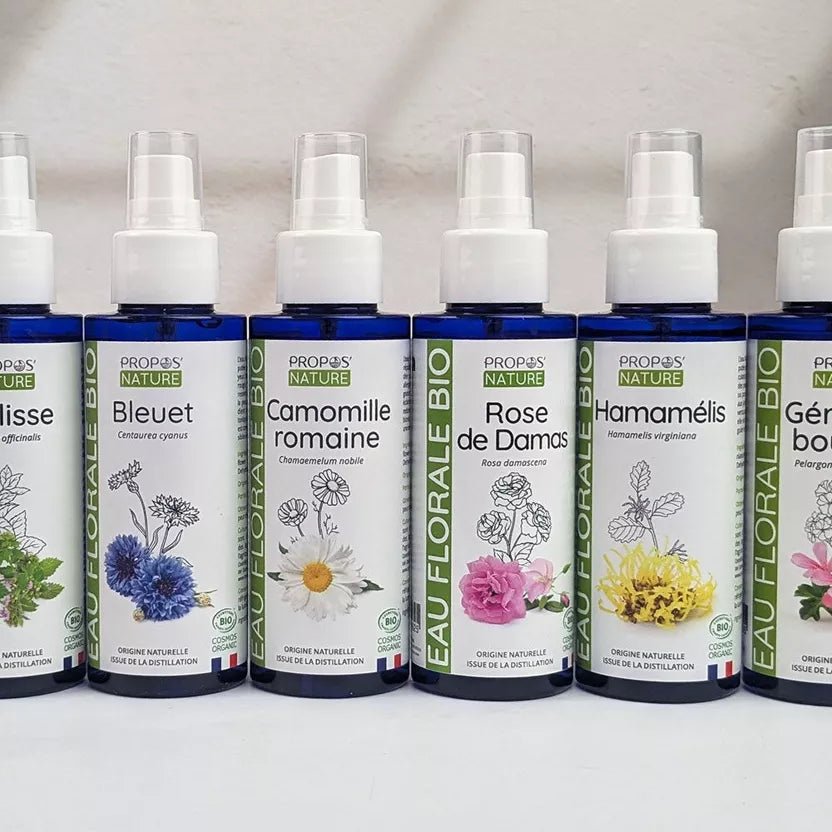
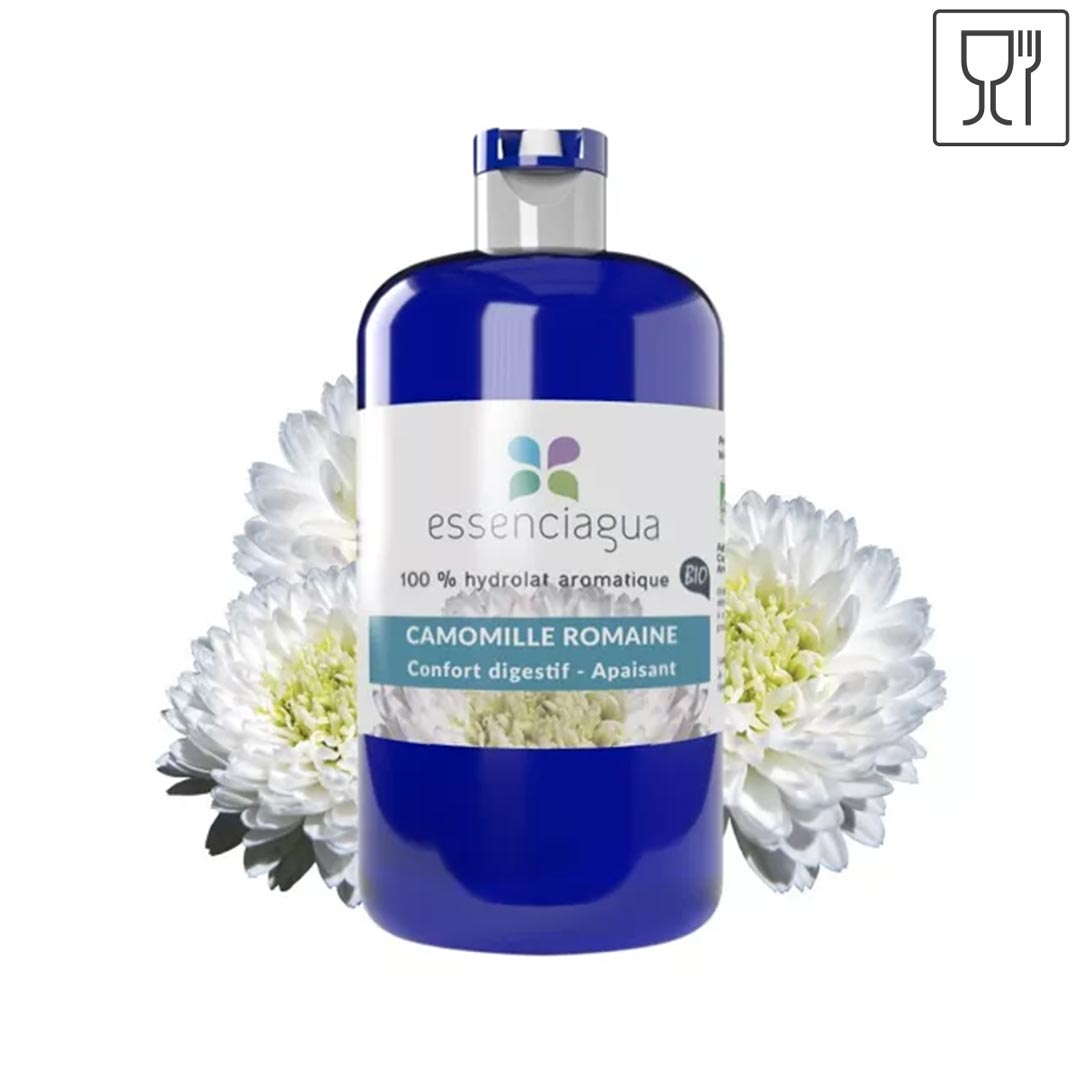
Preferred for sensitive cats. Hydrosols provide a much gentler aromatic approach and are often better tolerated than essential oils.
- Lower concentration of active compounds
- Water-based and well tolerated
- Suitable for regular and long-term use
Quality matters
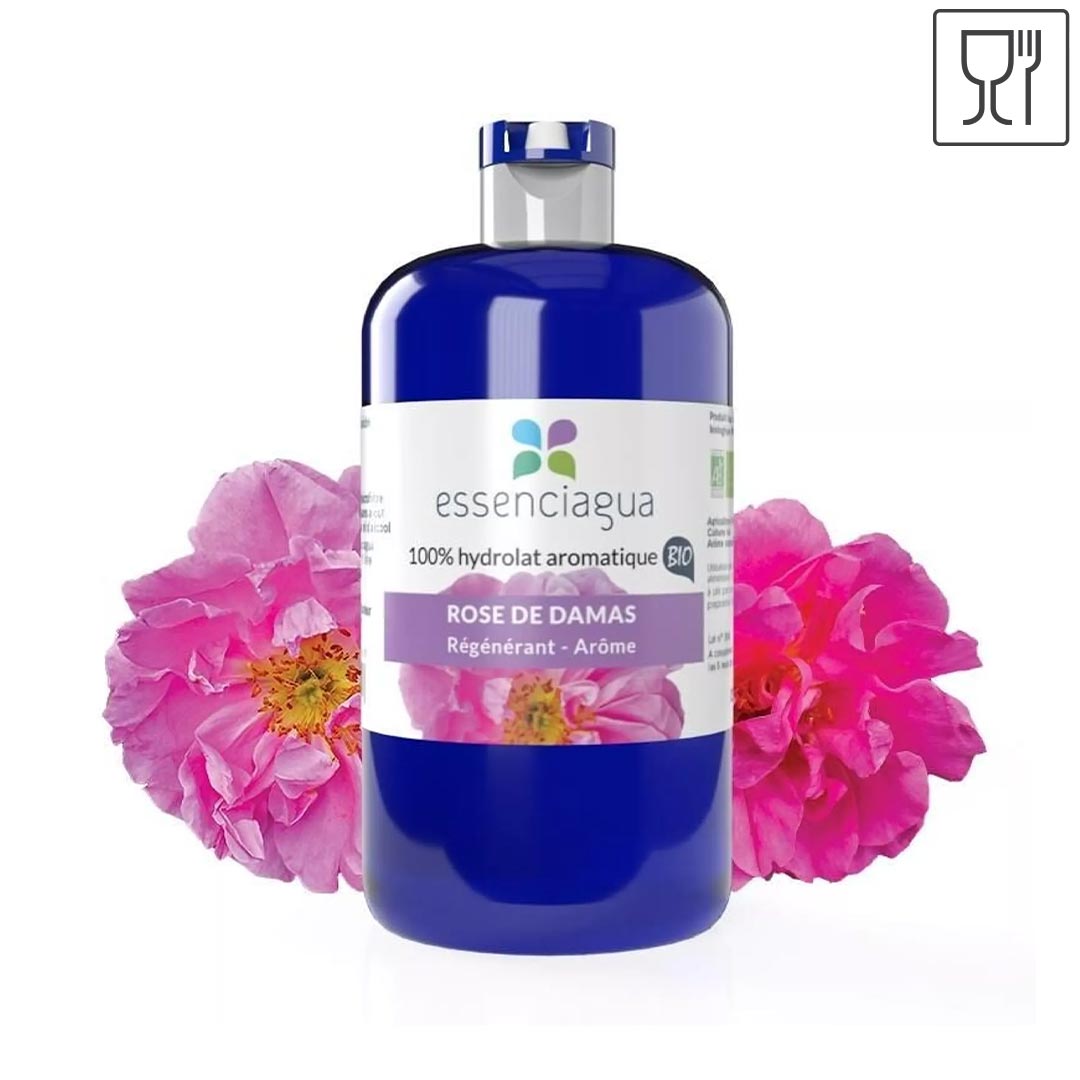
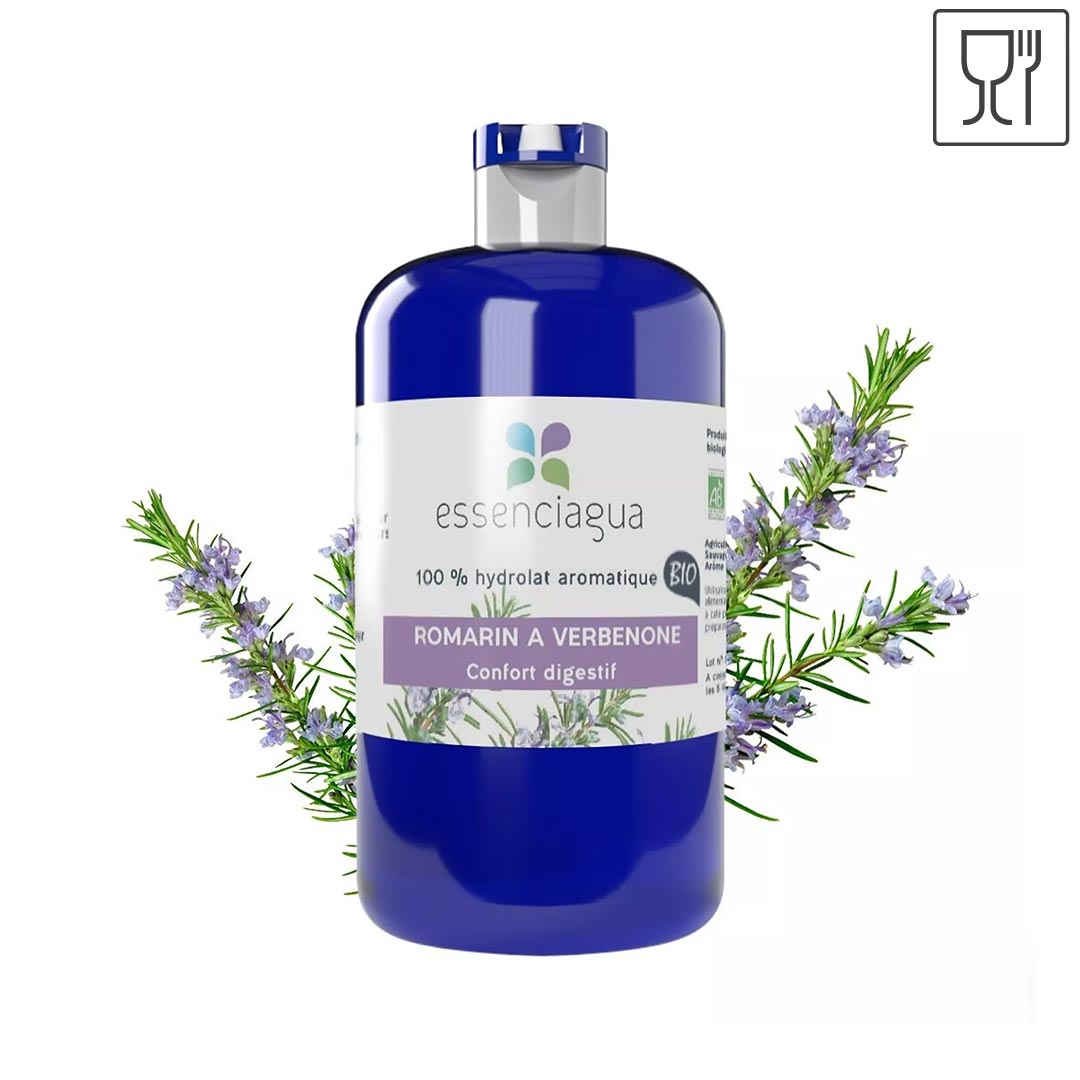
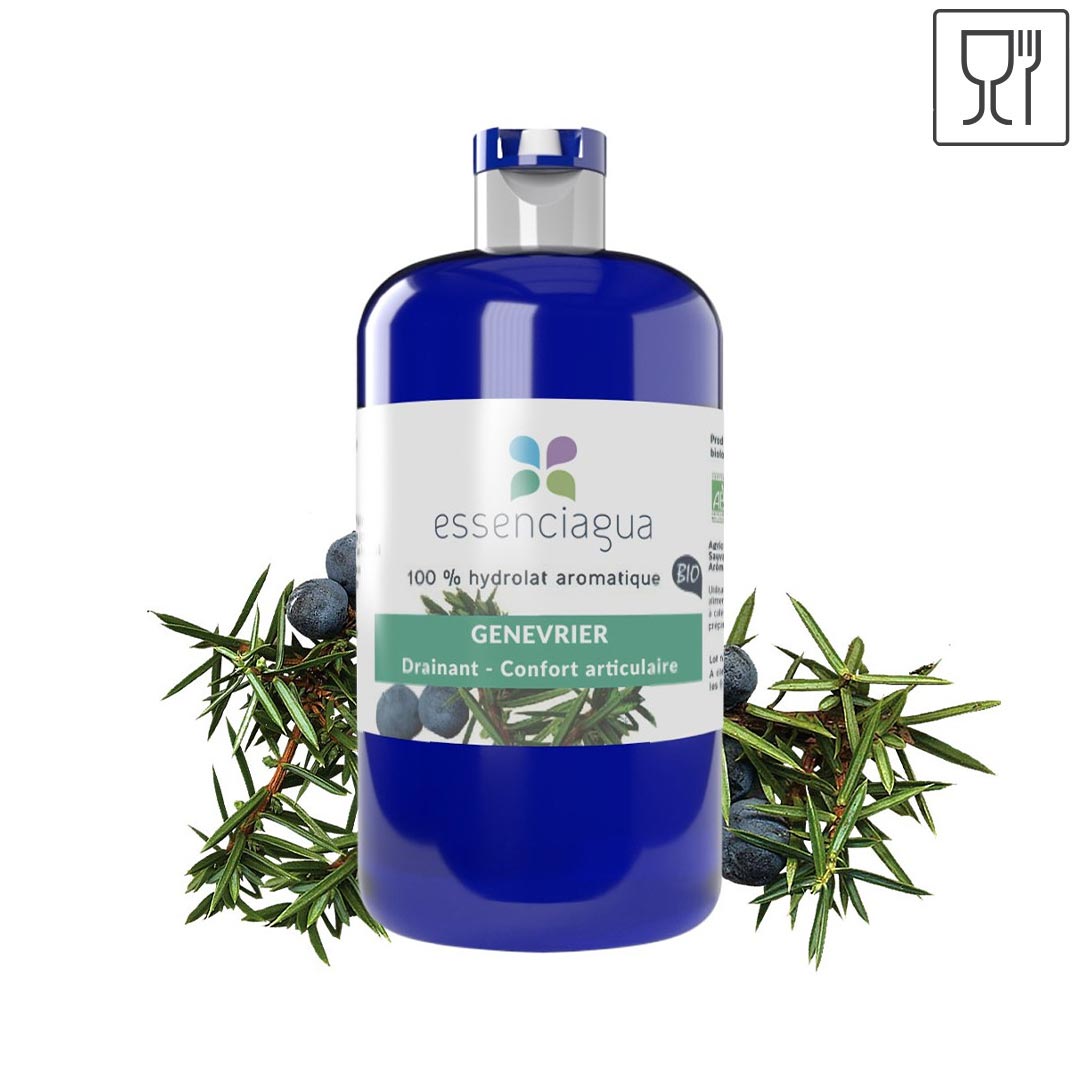
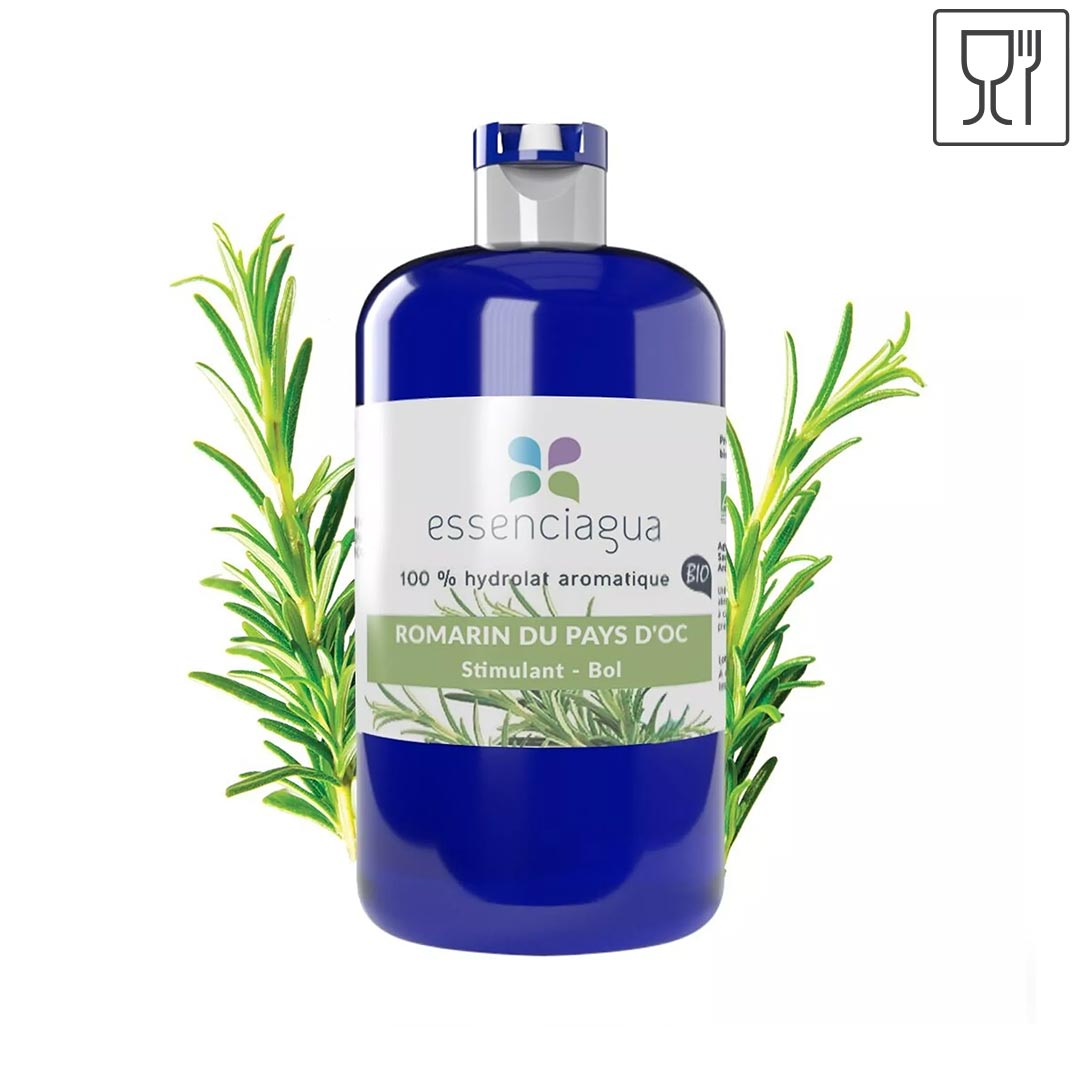
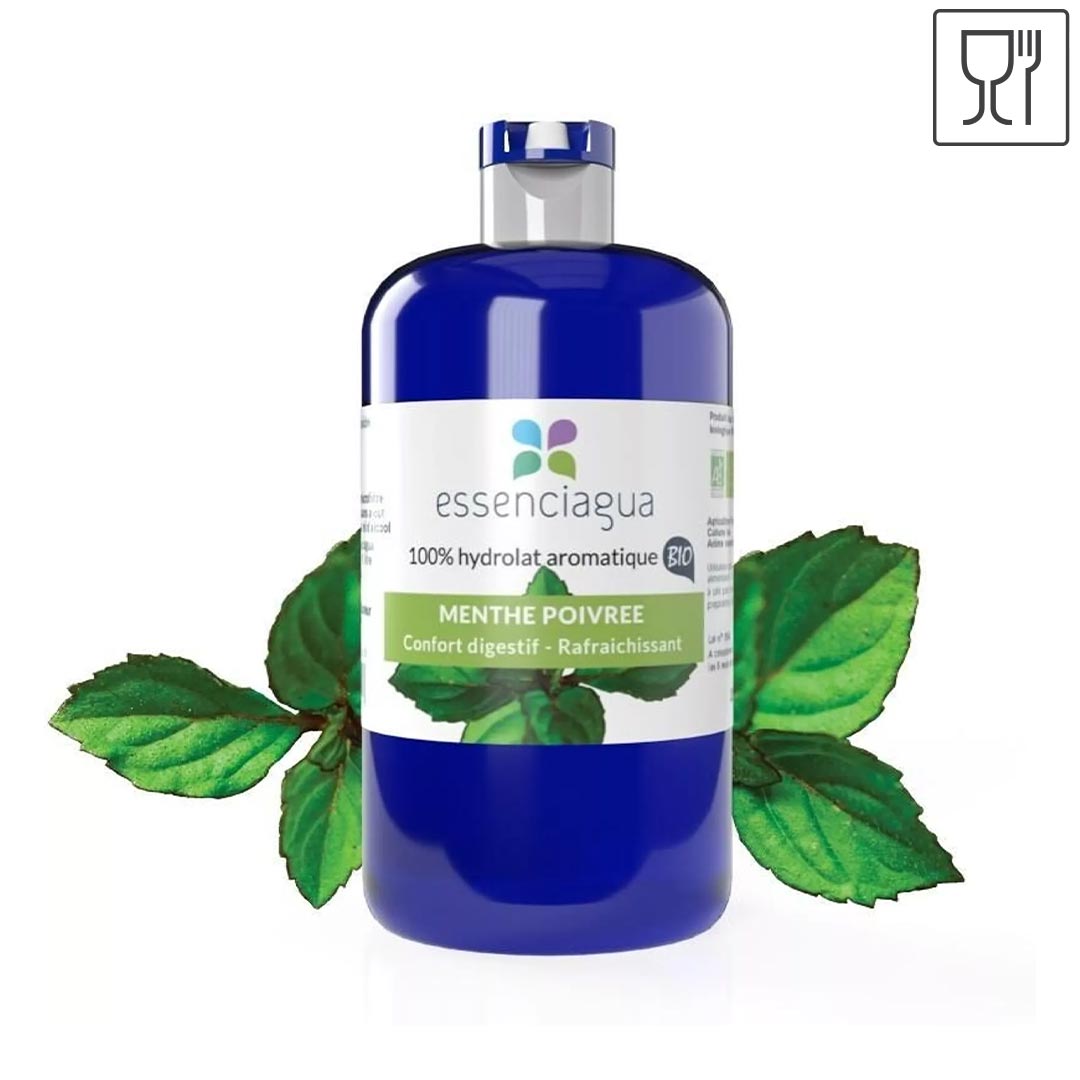
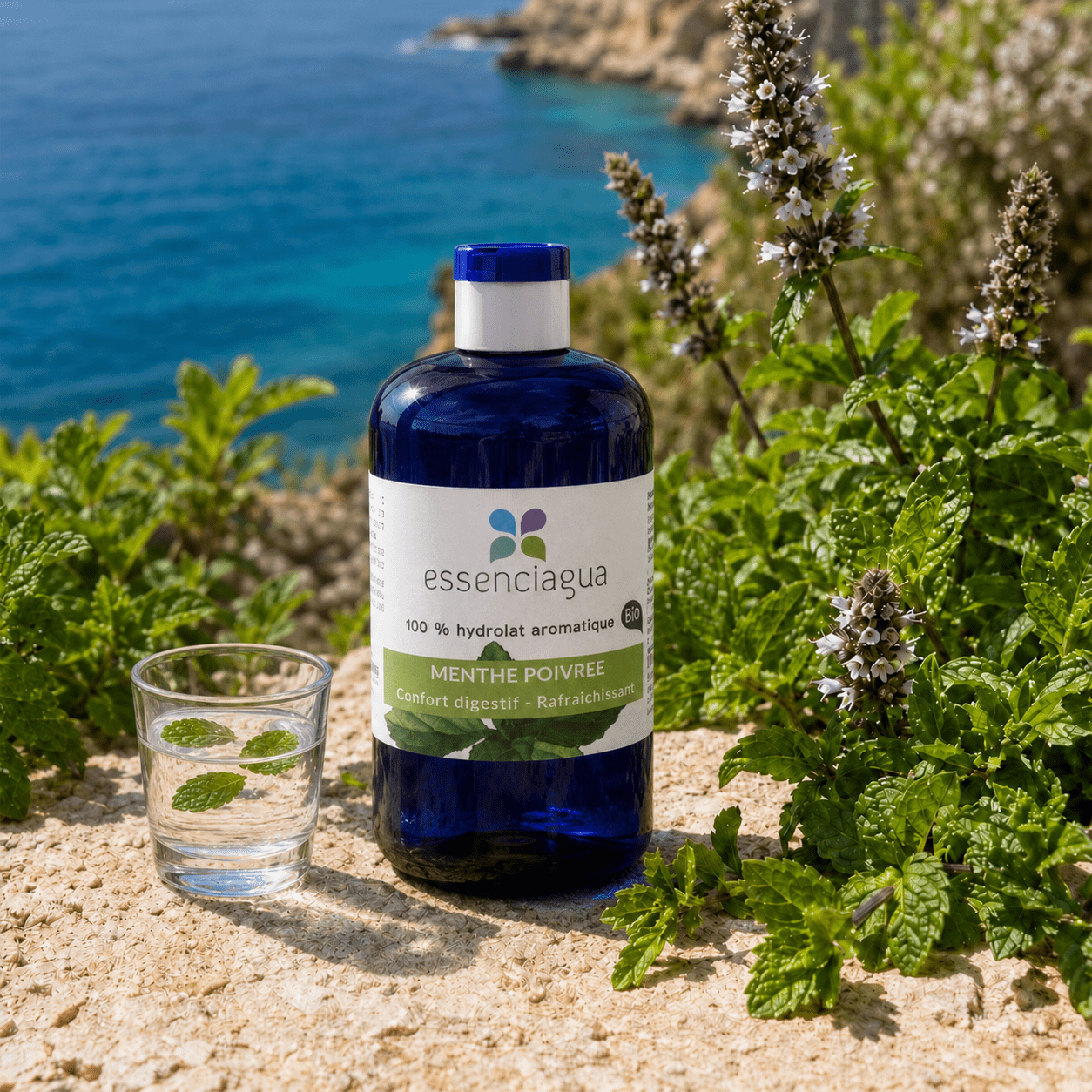
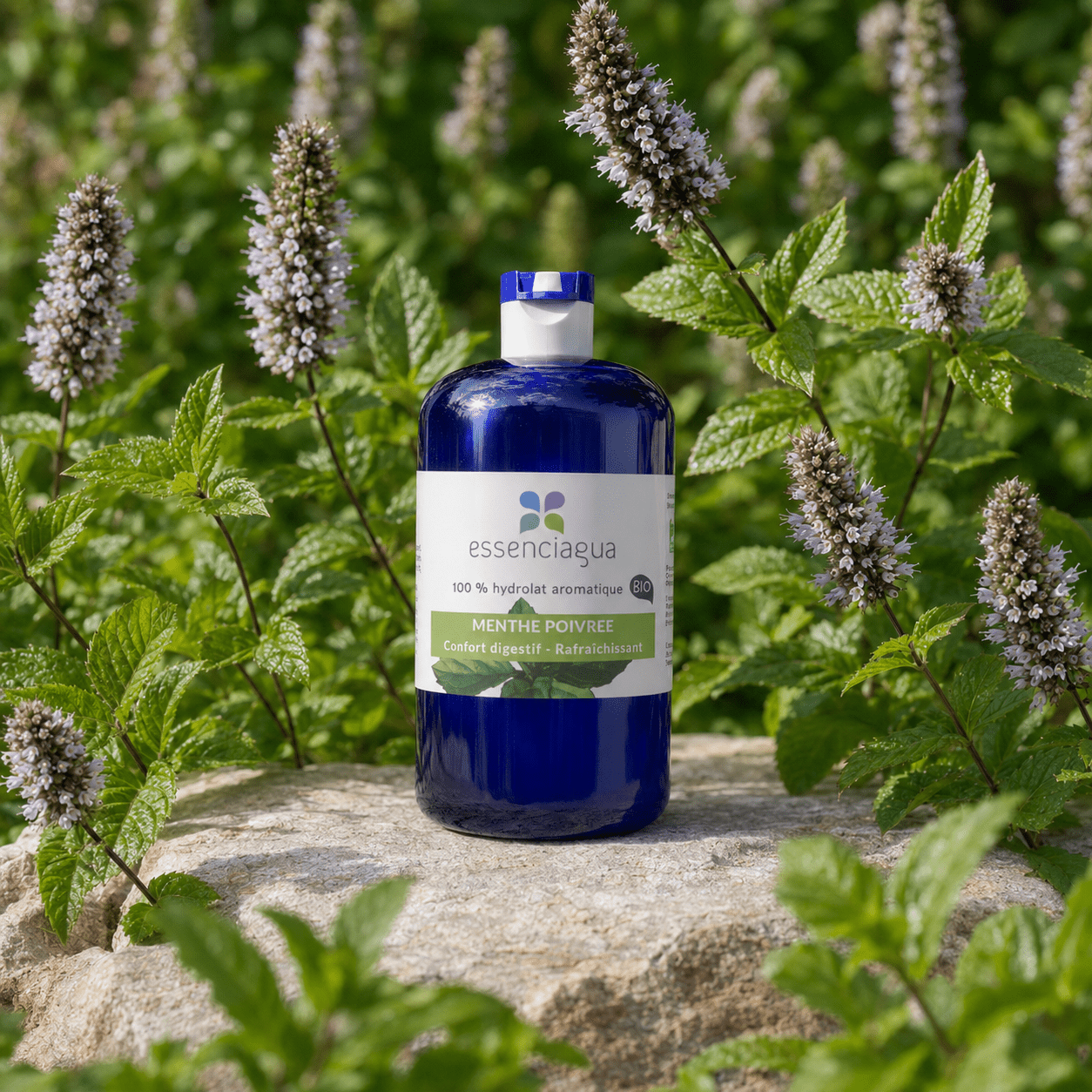
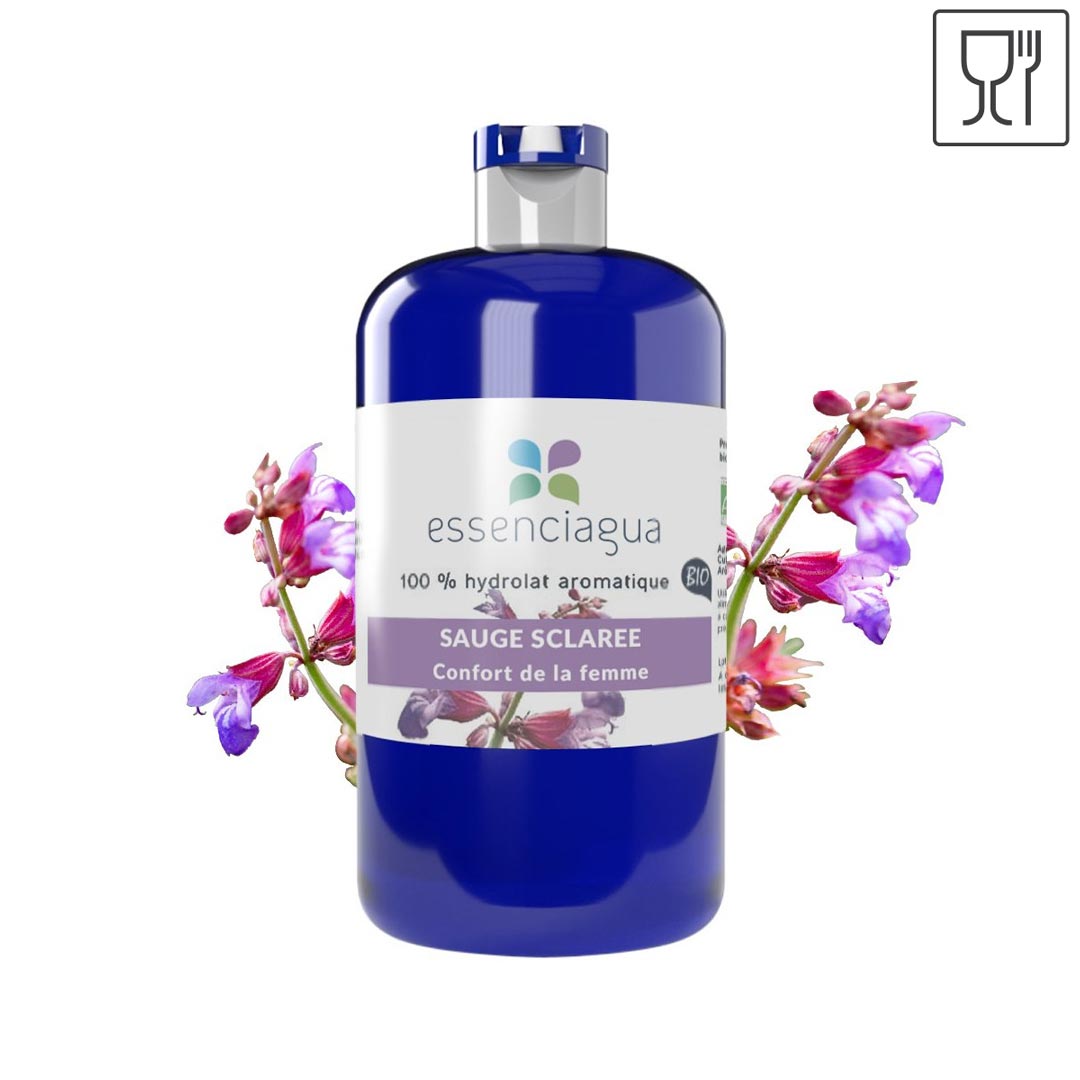
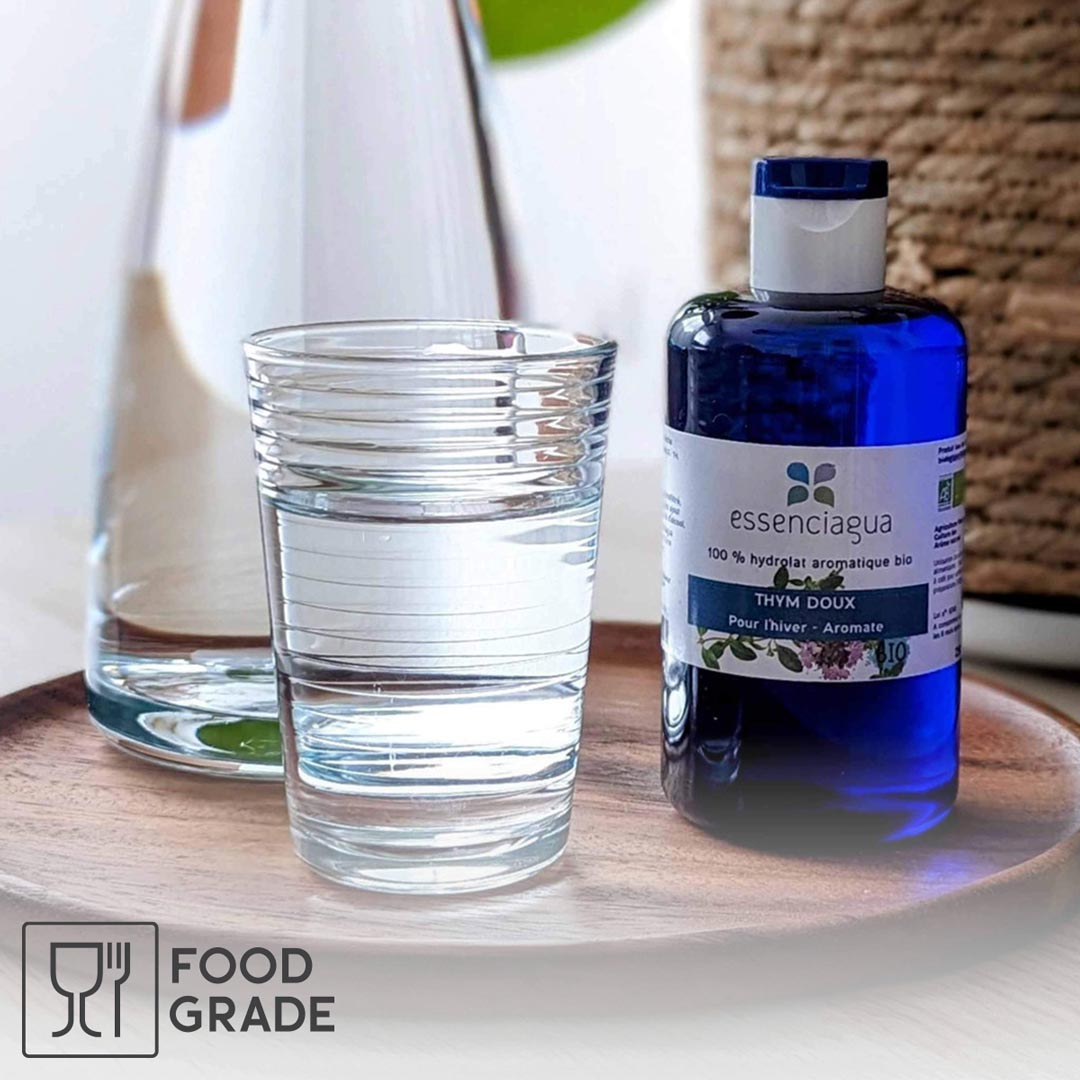
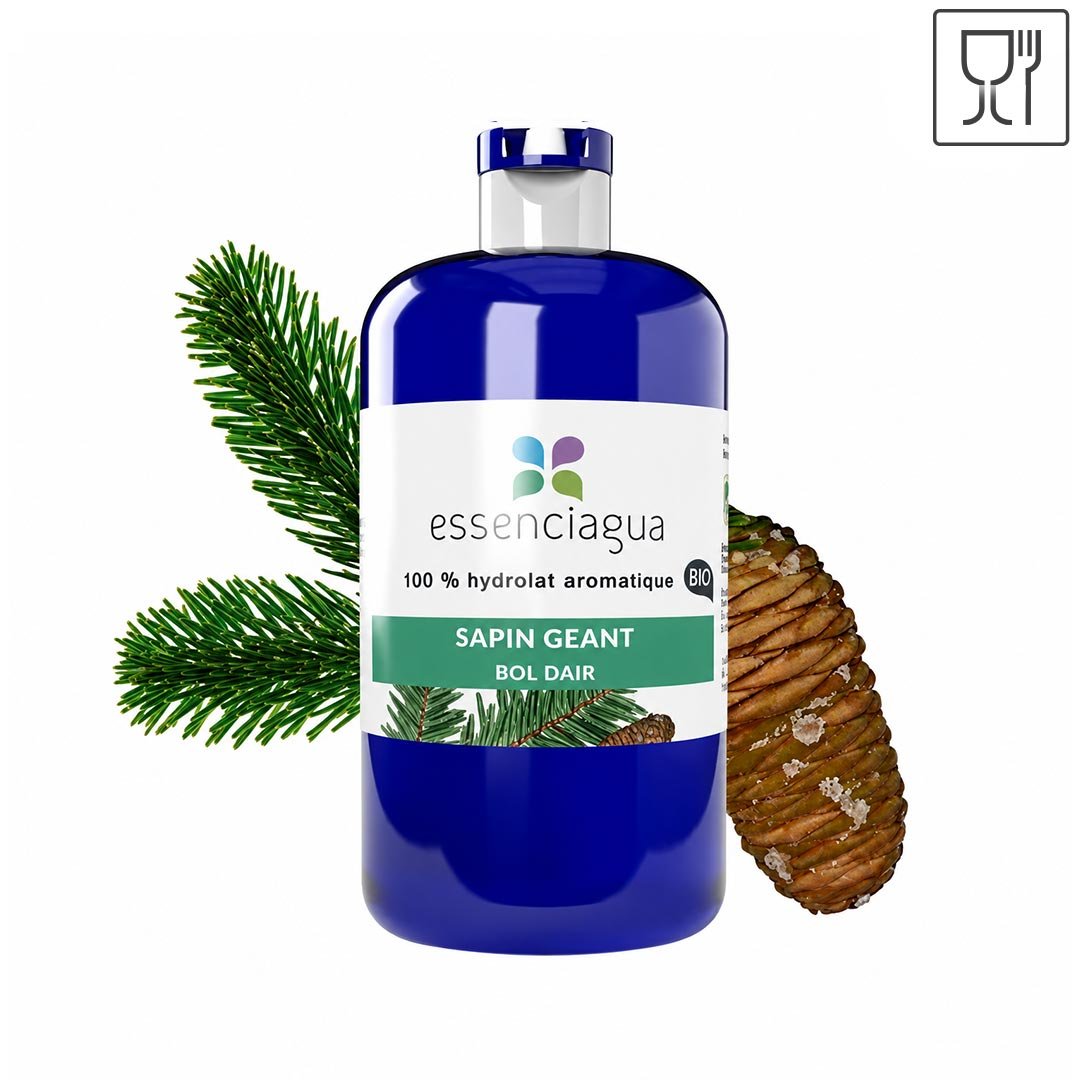
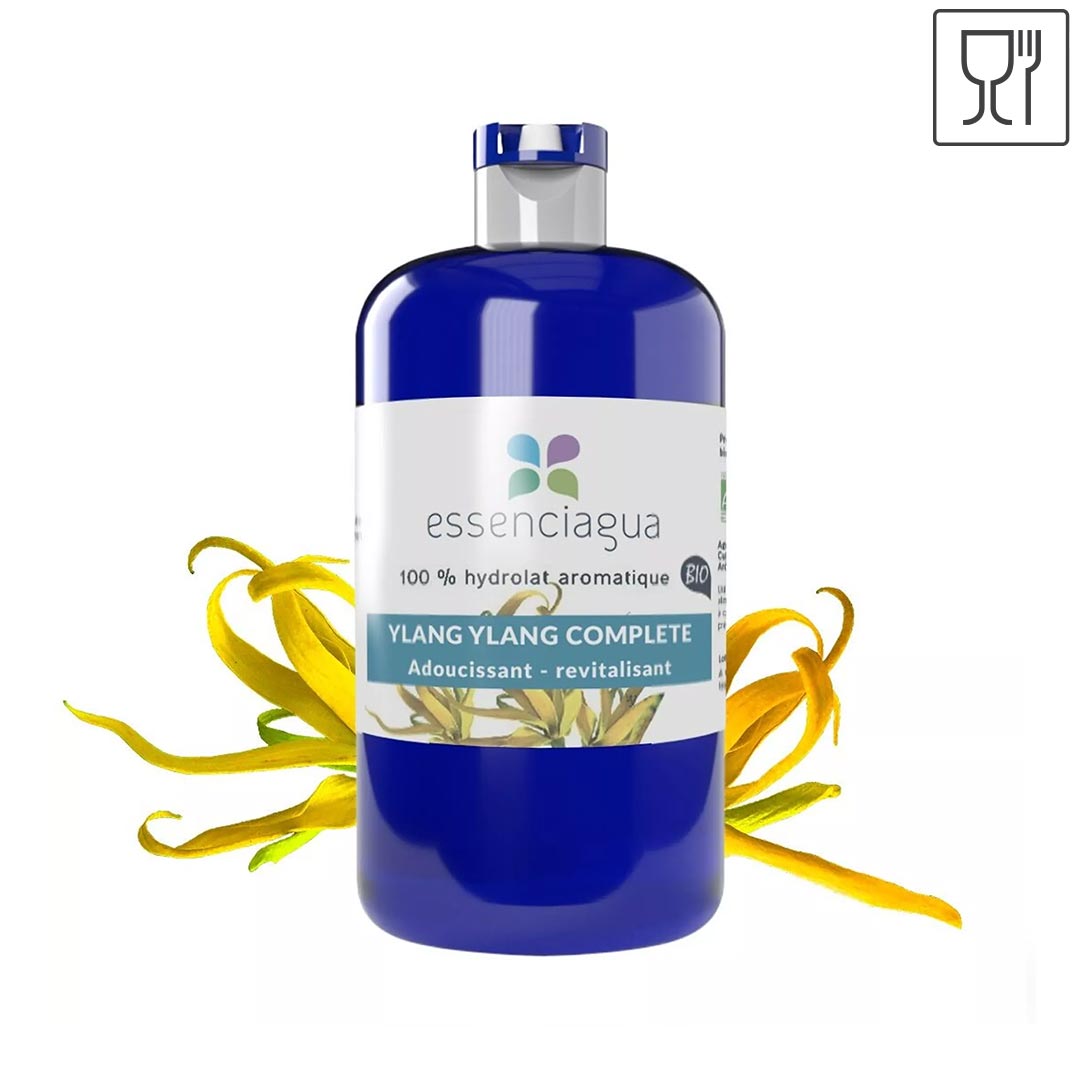
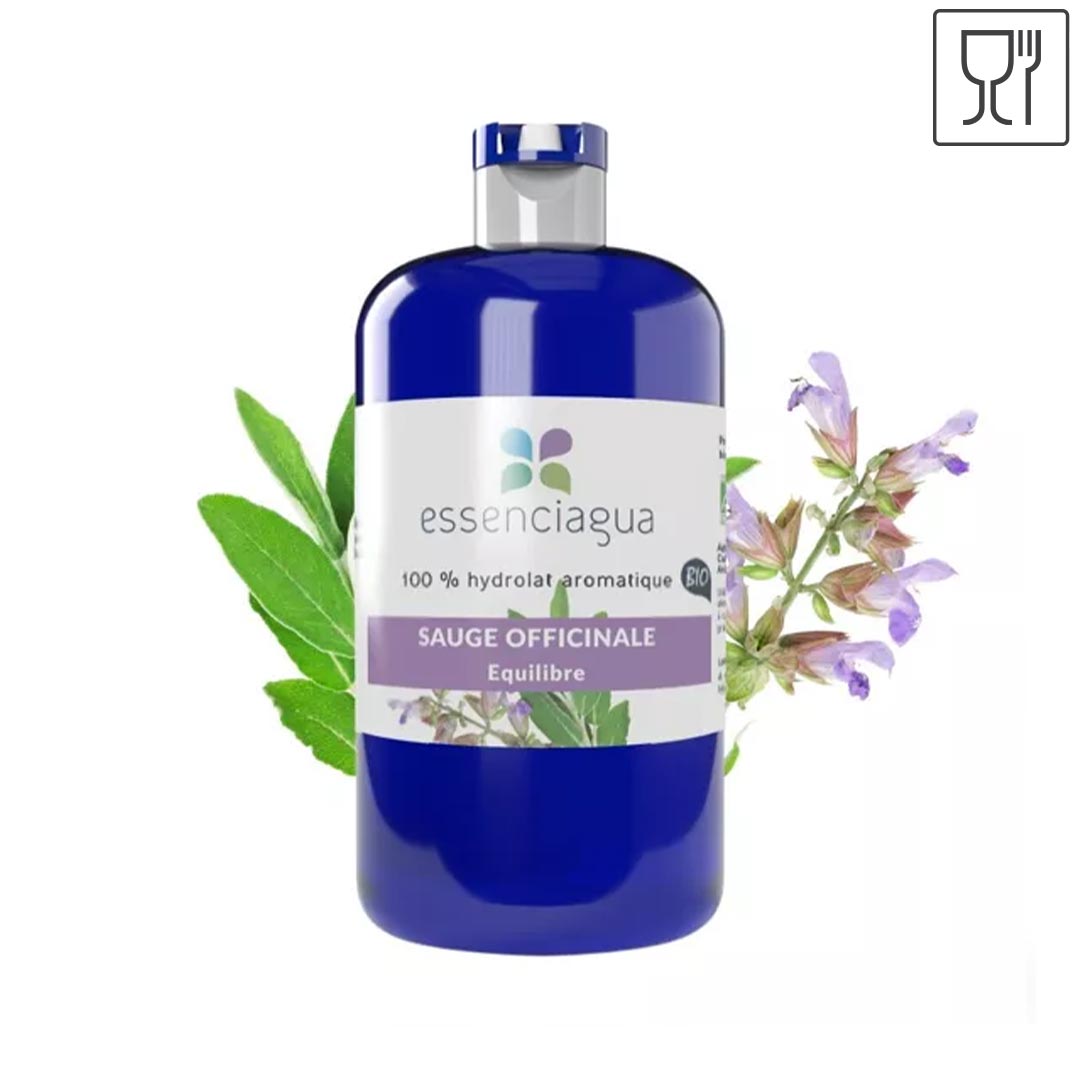
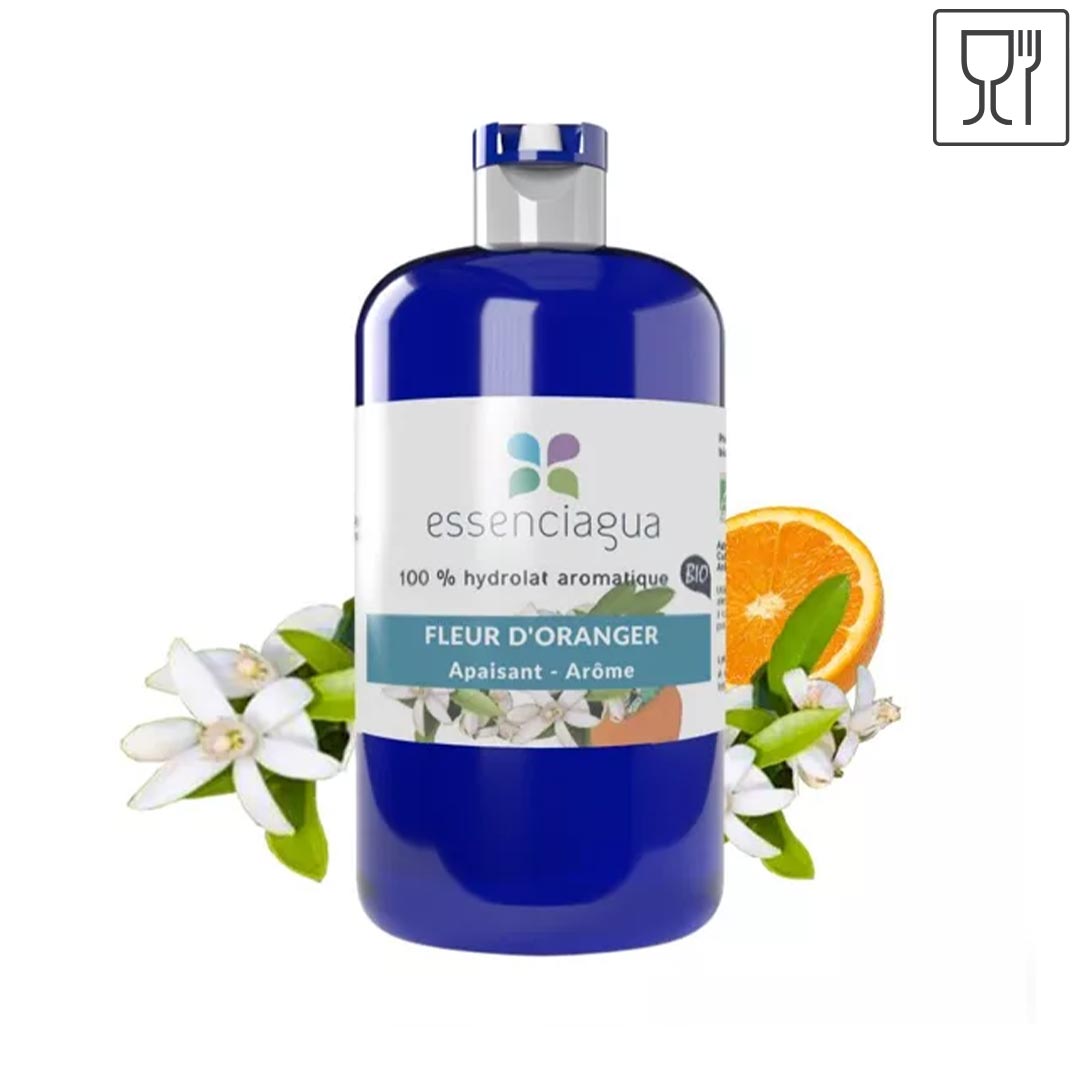
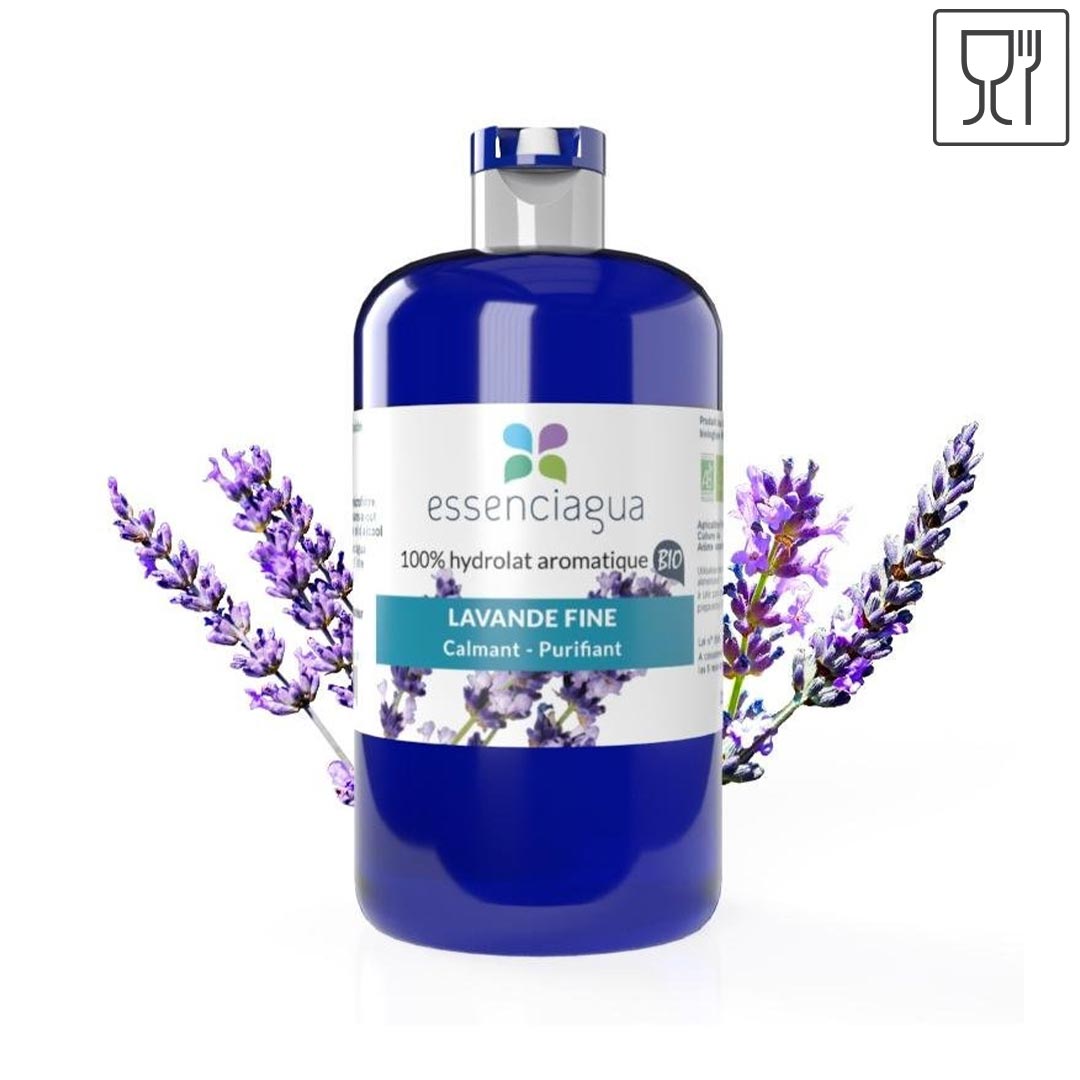
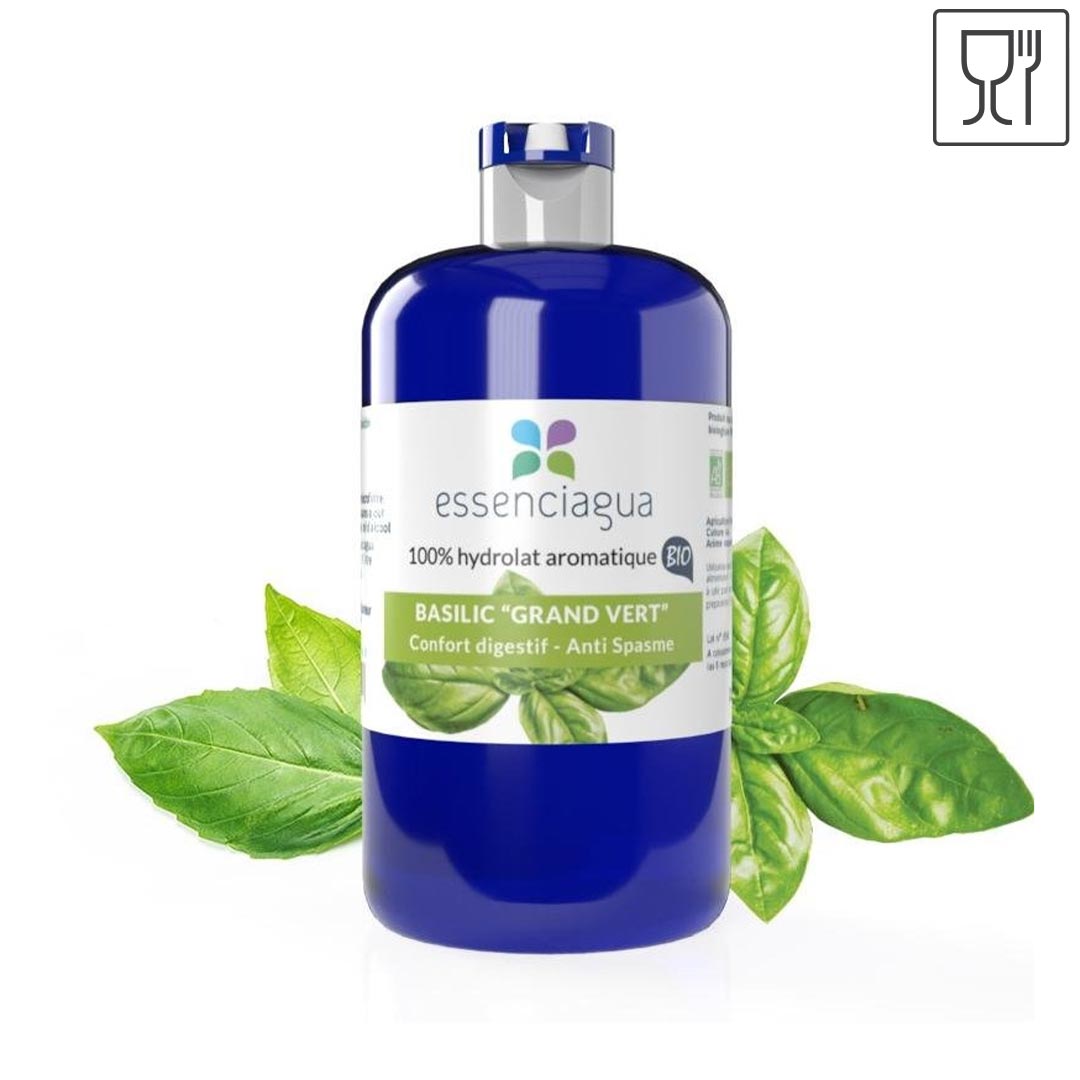
Use only certified organic, food-grade hydrosols (such as Essenciagua quality). Lower-grade hydrosols are not suitable for internal or regular use.
Ways to use hydrosols
- Lightly mist bedding, blankets, or resting areas
- Use in the environment for gentle aromatic support
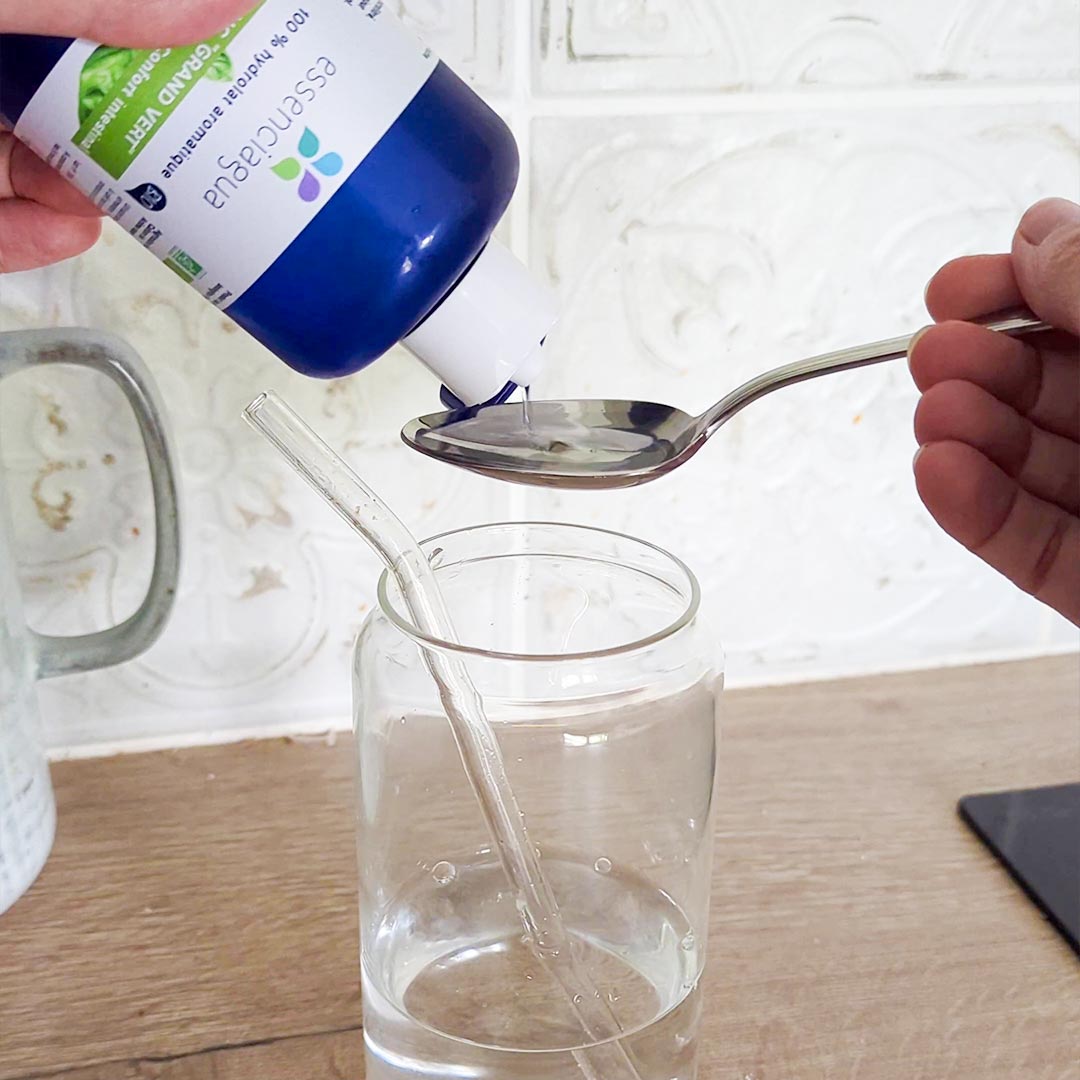
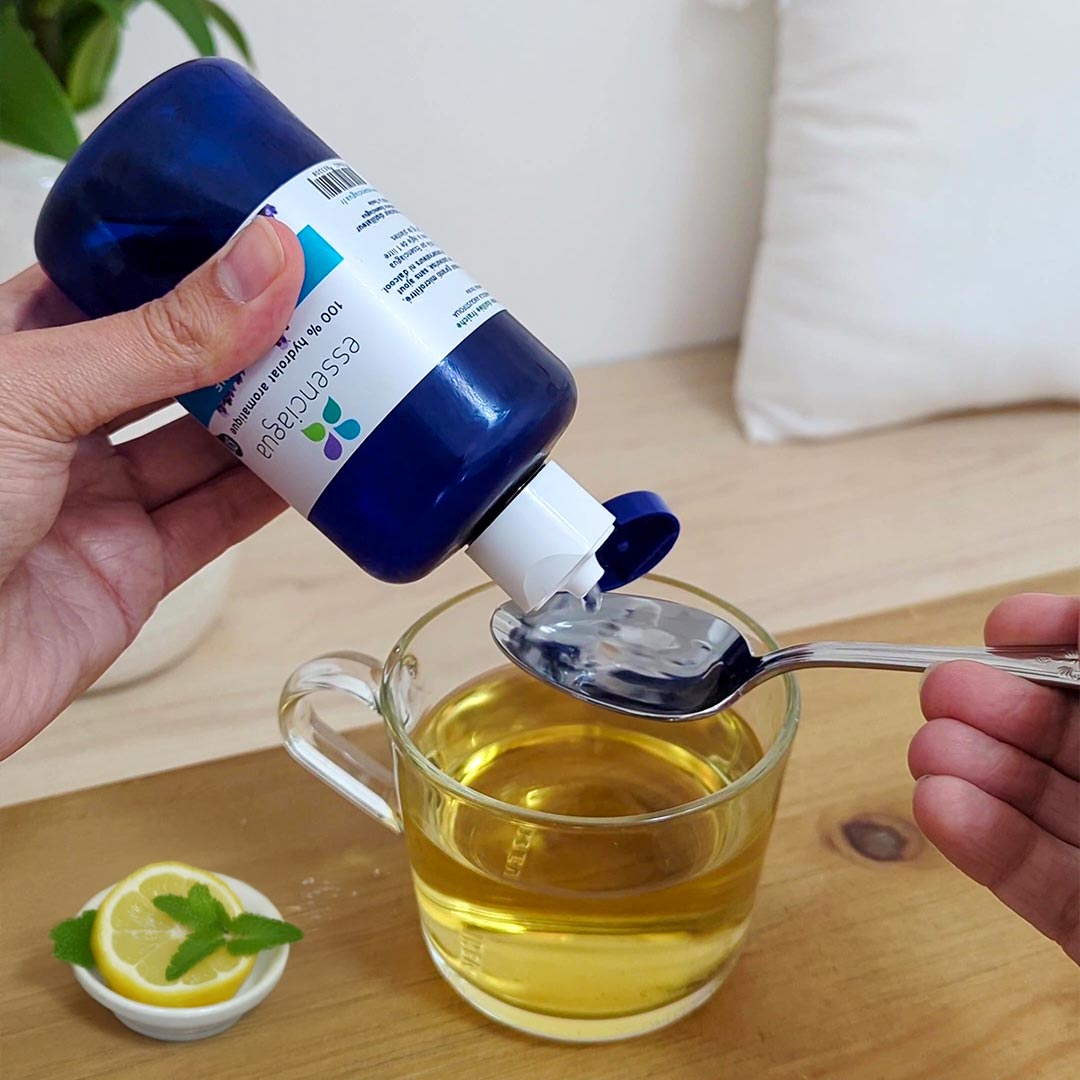
- Add a couple of drops to your cat’s water bowl
Many cats instinctively choose what they need — and avoid what they don’t.
4. Gentle Bonding Method
A subtle way to introduce aromatherapy while strengthening trust.
How to prepare
Dilute 1 drop of essential oil in 20–30 ml carrier oil.
How to apply
- Place one drop of the diluted blend into your hands
- Rub your hands together
- Gently stroke your cat
Less is more — the scent on your hands is enough.
Supports
- Emotional balance
- Trust and connection
- Nervous system calming

Metoda z miską wody
- Dodaj kilka kropel do jednej miski z wodą
- Zawsze zapewnij drugą miskę ze świeżą, czystą wodą
- Pozwól kotu swobodnie wybrać
Which Essential Oil for Your Cat?
Each essential oil has its own character and area of support. Below is a simple guide to oils commonly chosen for cats when used gently, correctly diluted, and with respect for feline sensitivity.
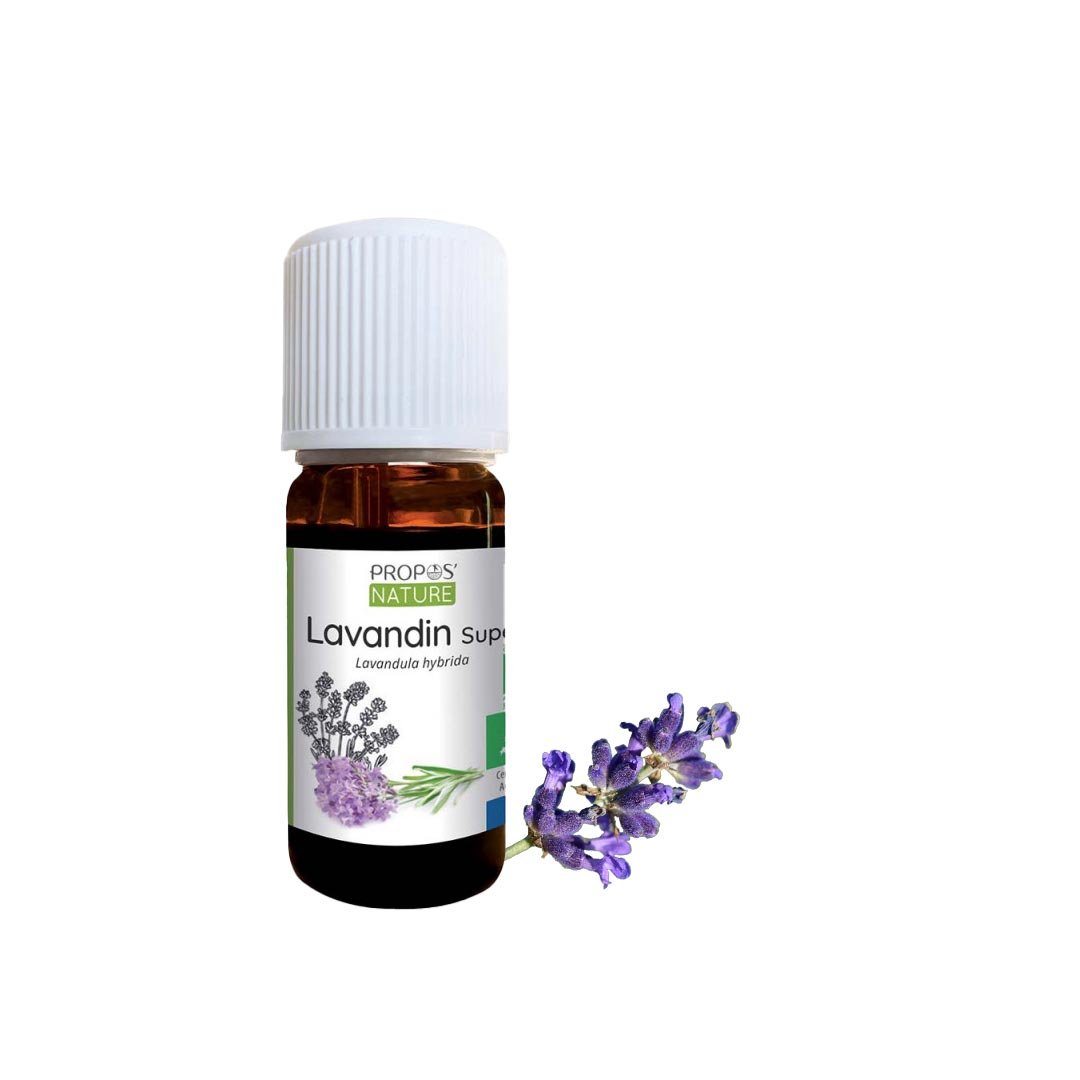
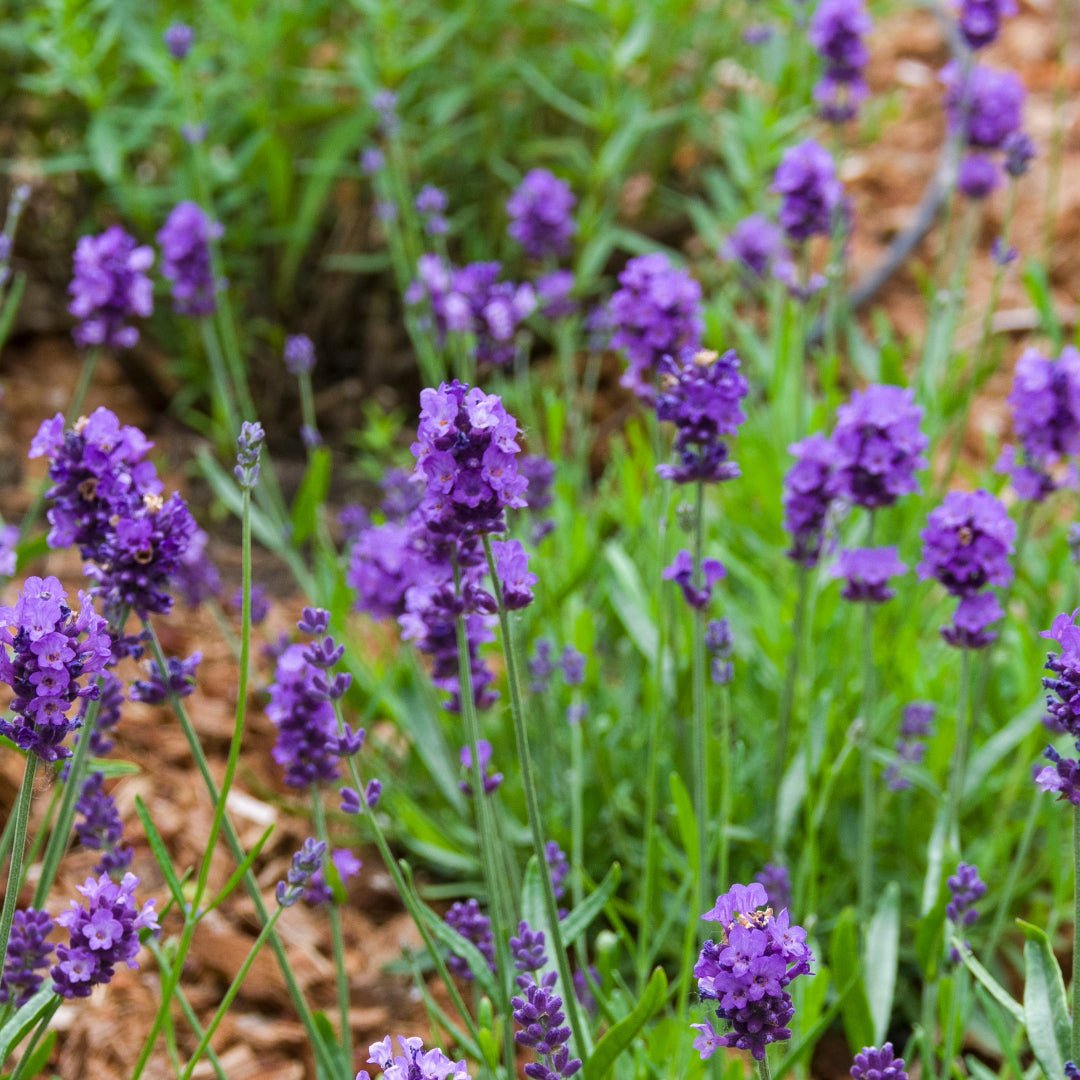
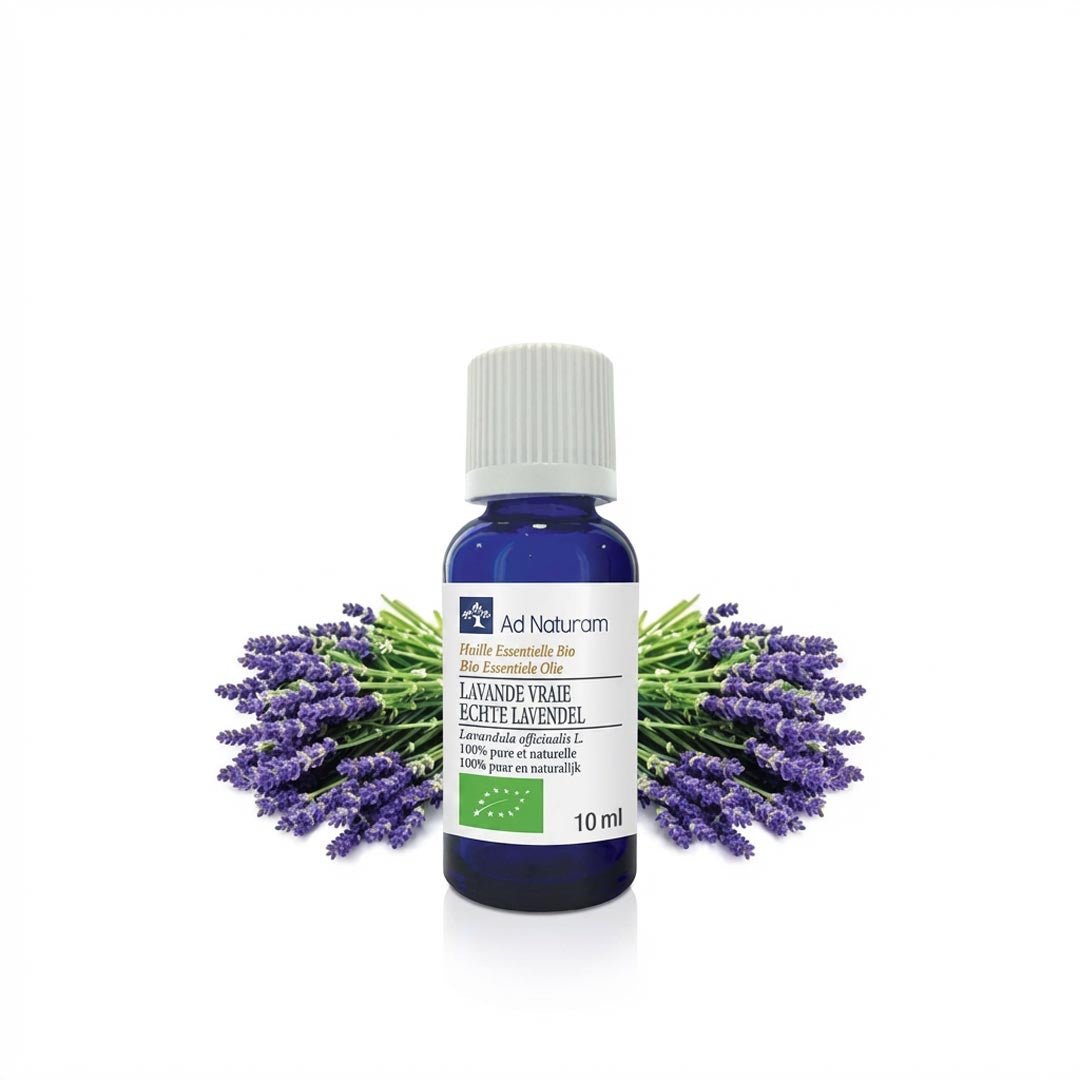
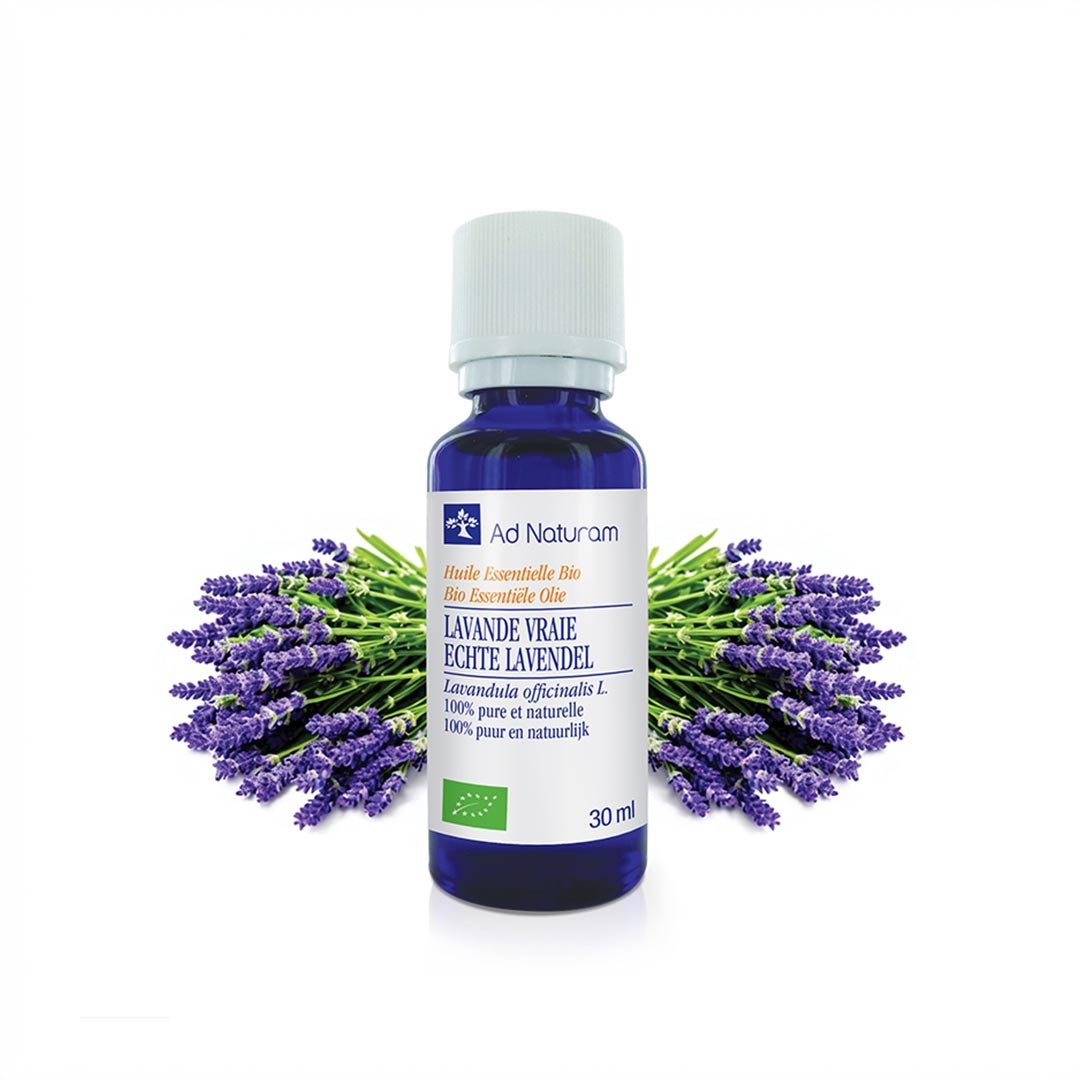
Lavender
Lavandula angustifolia
Supports: Calm, skin, relaxation
A gentle, versatile oil often used for stress, restlessness, skin irritation, and emotional comfort.
Frankincense
Boswellia carteri
Supports: Balance, skin, grounding
A grounding and soothing oil traditionally used to support emotional balance, skin care, and general resilience.
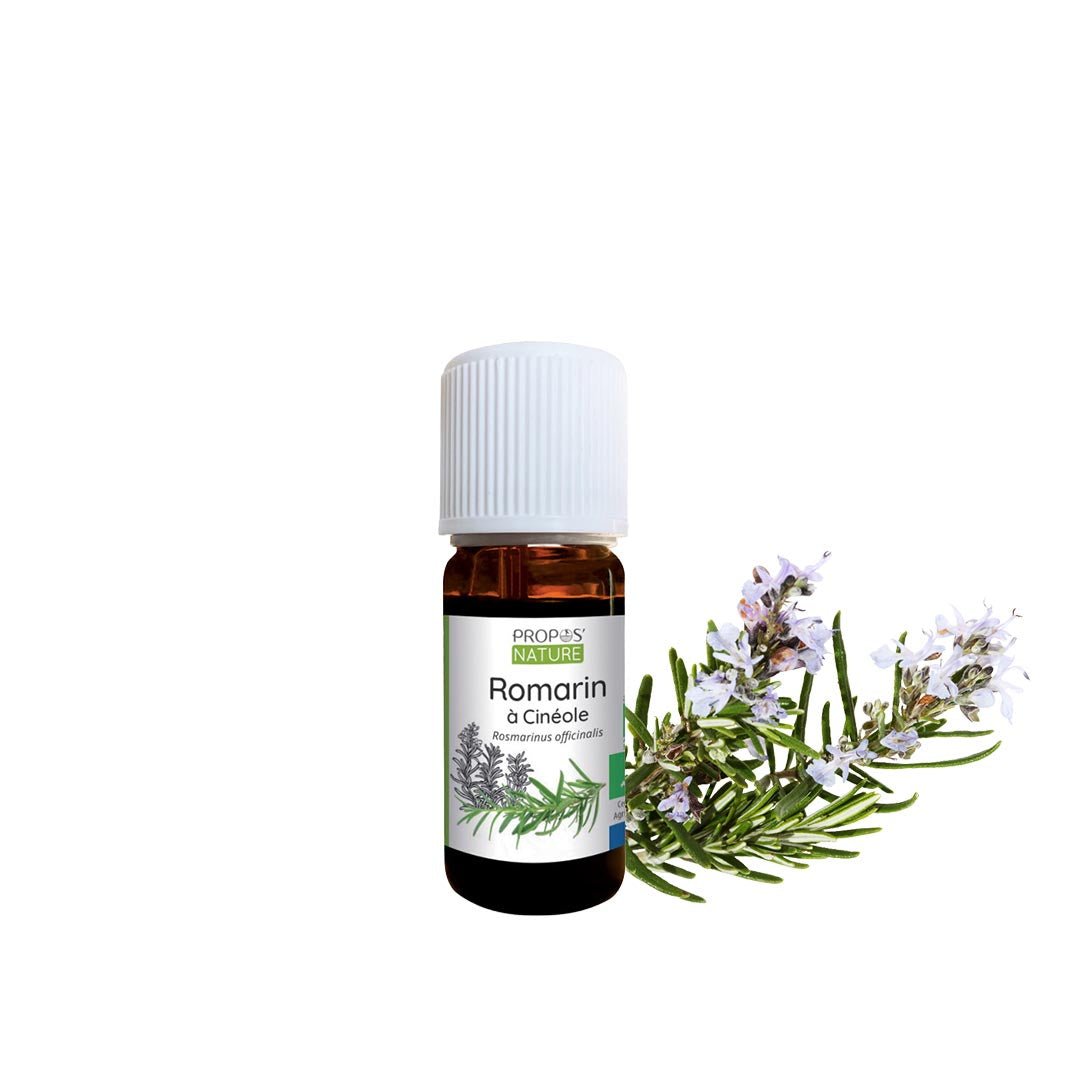
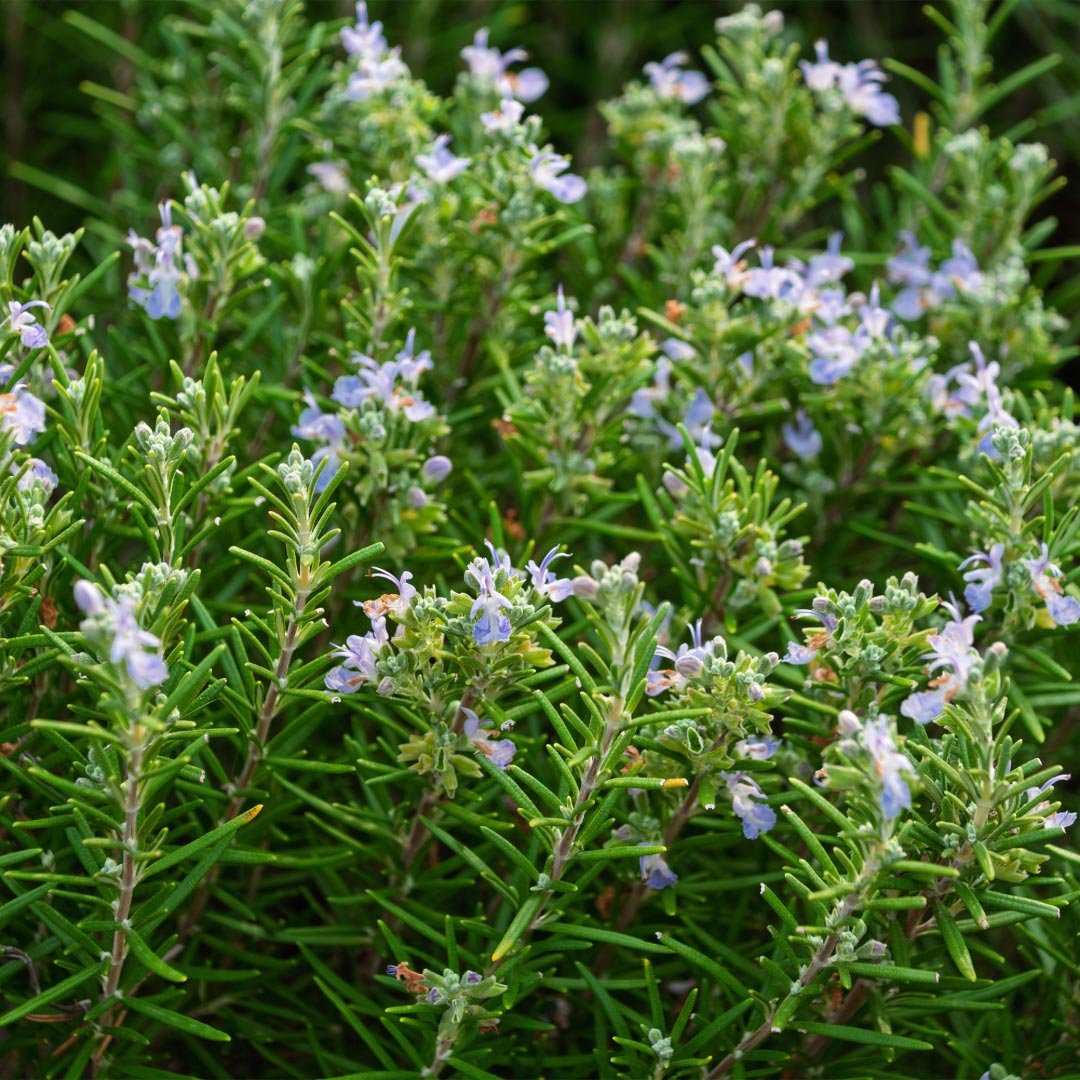
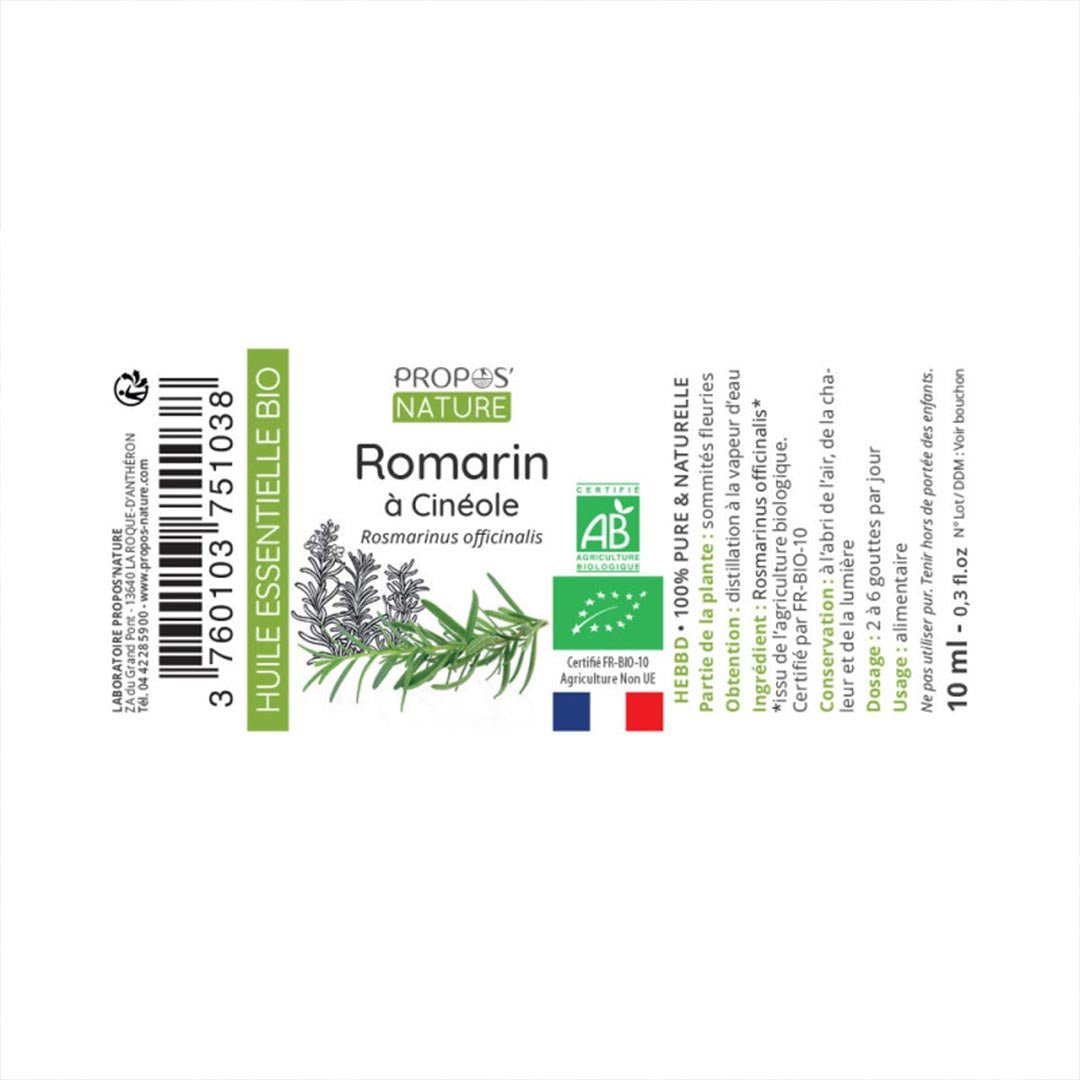
Rosemary ct. Cineole
Rosmarinus officinalis ct. cineole
Supports: Clarity, vitality
Chosen for its fresher, milder profile. Use cautiously and always well diluted, as chemotype matters.
Elemi
Canarium luzonicum
Supports: Skin, comfort, restoration
A resin oil traditionally appreciated for restorative skin care and gentle support for tired tissues.
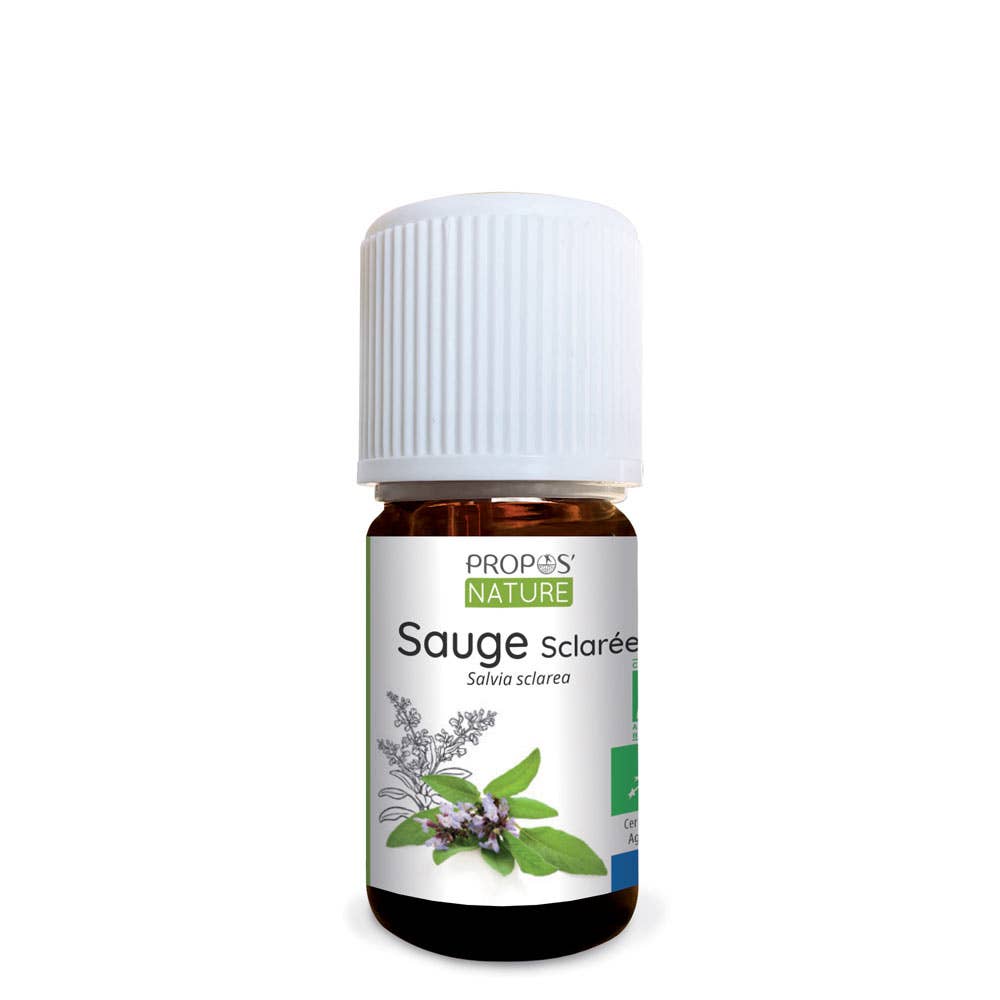
Clary Sage
Salvia sclarea
Supports: Mood, stress, balance
A balancing oil used to support emotional steadiness, calm, and relaxation.
Geranium
Pelargonium graveolens
Supports: Emotional balance, reassurance
Often chosen to help calm nervous, unsettled cats and create a sense of reassurance.
Roman Chamomile
Chamaemelum nobile
Supports: Anxiety, skin, muscle comfort
One of the best choices for sensitive, anxious, or emotionally reactive cats. Also gentle for skin and muscular comfort.
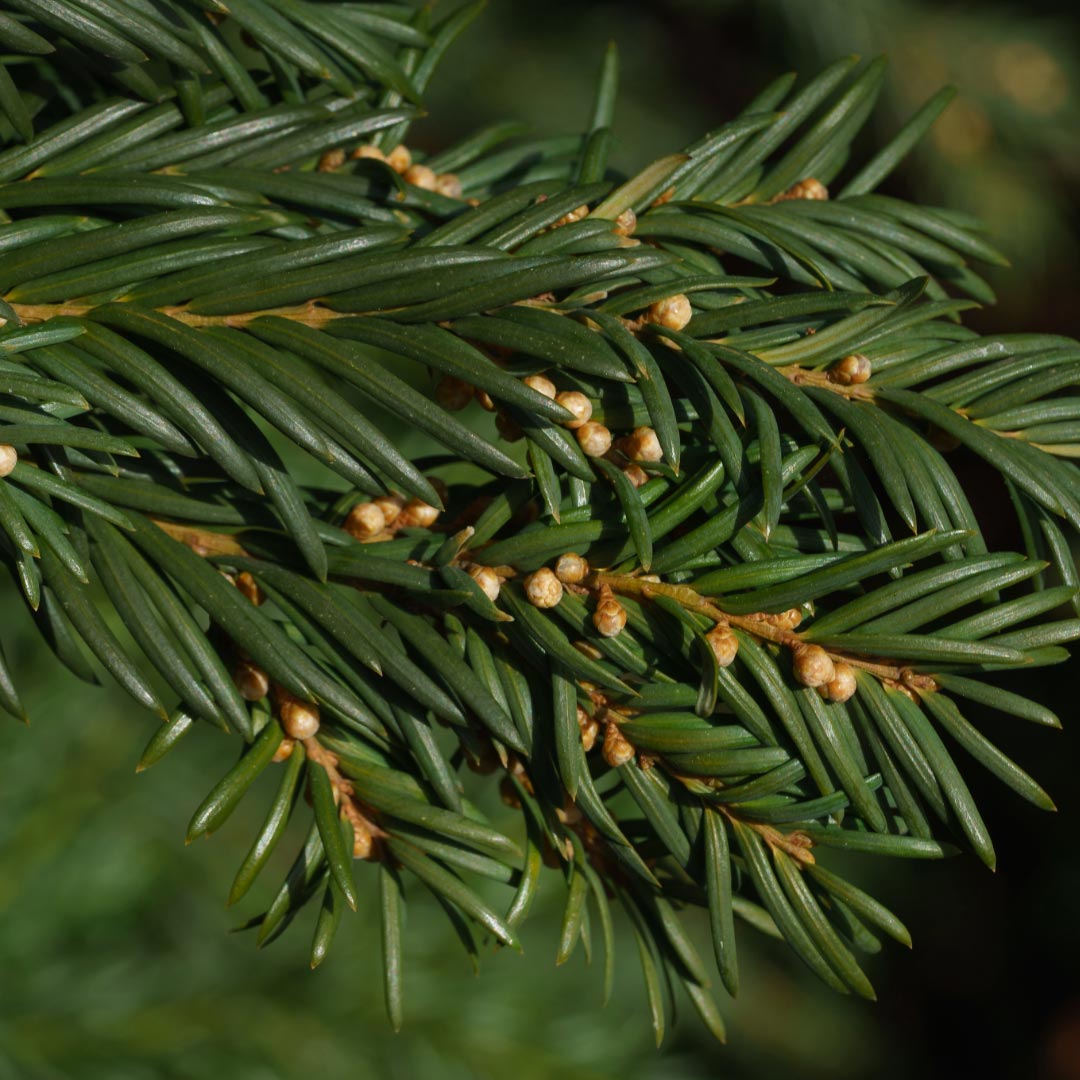
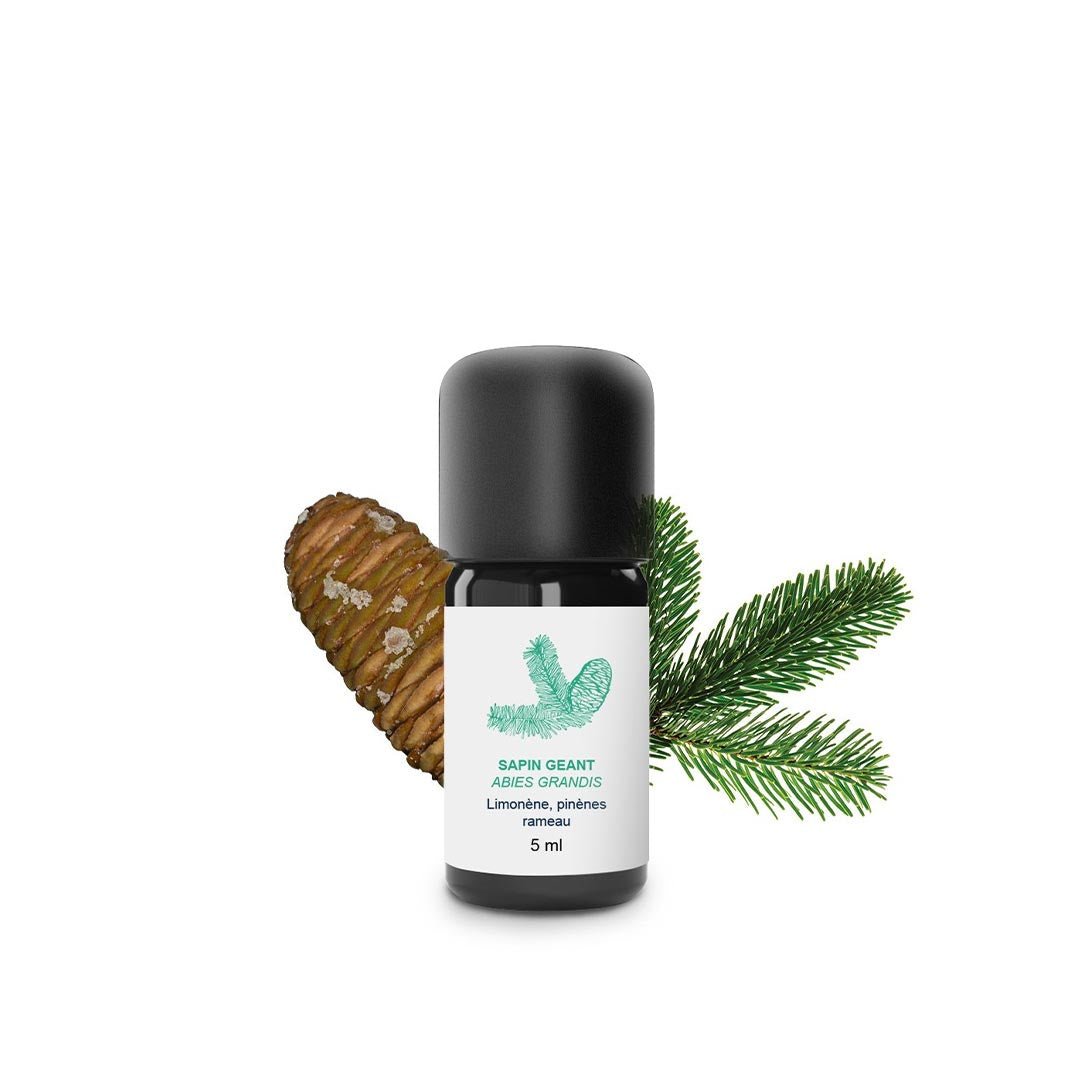
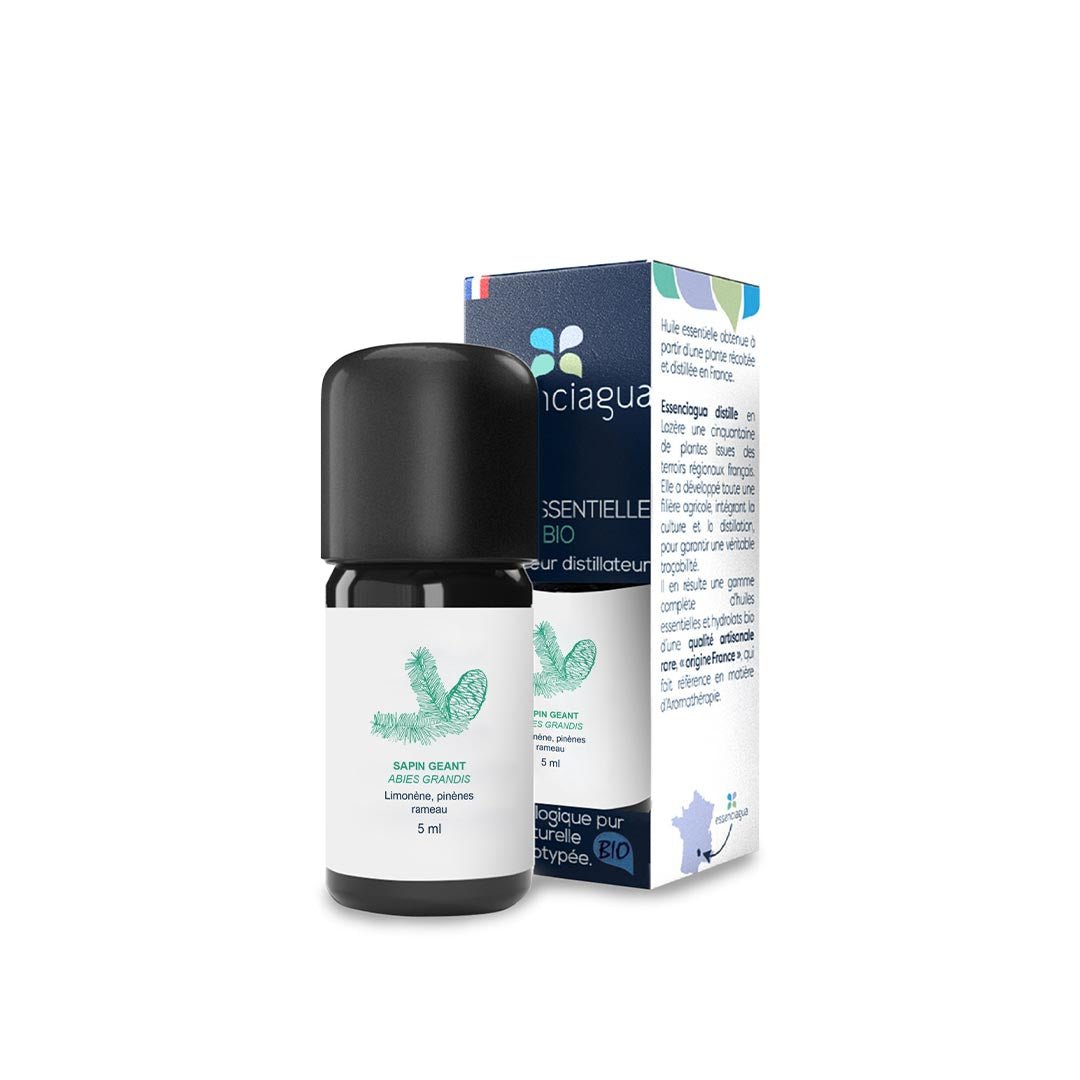
Fir (Grand Fir)
Abies grandis
Supports: Breathing, tension, grounding
A fresh, grounding conifer oil used for respiratory support, muscular tension, and a calm atmosphere.
Fir (Silver Fir)
Abies alba
Supports: Breathing, relaxation, grounding
Also known as Sapin Pectiné, this fir oil offers a softer aromatic profile, supporting calm breathing and a relaxed environment.
Valerian
Valeriana officinalis
Supports: Restlessness, sleep, anxiety
A deeply calming oil for cats needing stronger support for nervous tension, restlessness, or trauma-related stress.
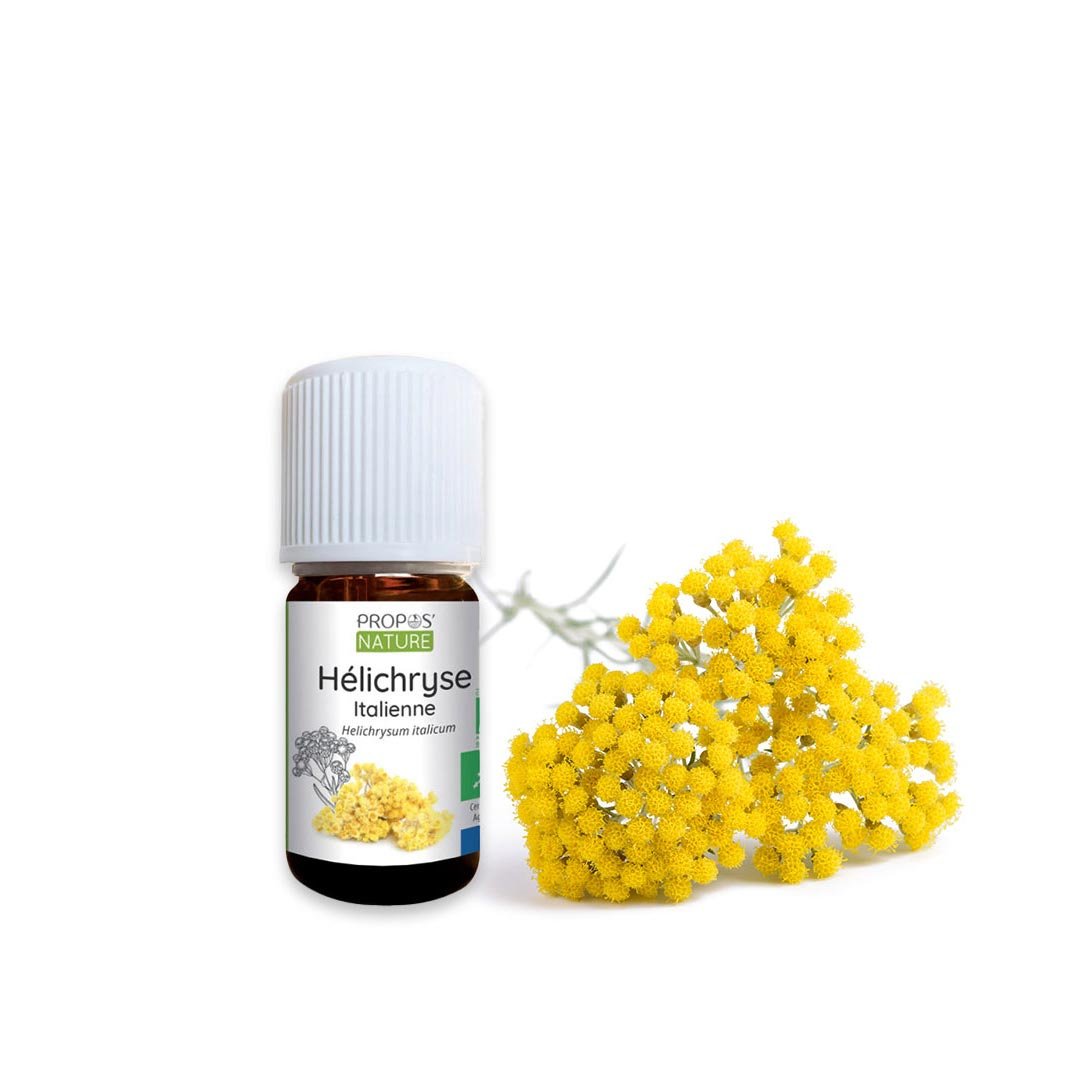
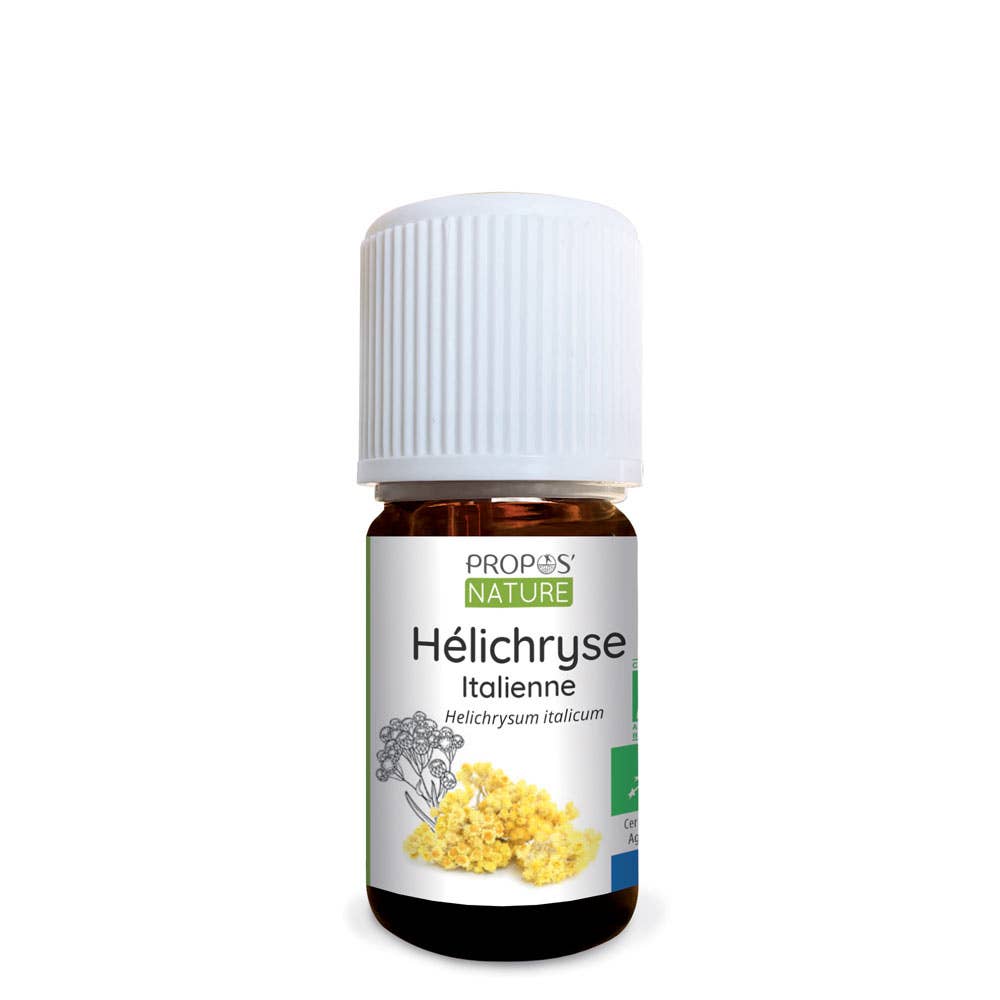
Helichrysum
Helichrysum italicum
Supports: Skin, recovery, comfort
Known for restorative skin support and gentle help during recovery or minor physical discomfort.
Always use essential oils for cats with care: choose certified organic high-quality oils, dilute correctly, and let the cat’s response guide the method and amount used.


Essential Oils That Require Extra Care with Cats
Some essential oils can be used with cats in specific situations, but they require experience, higher dilution, and careful observation. These oils are not intended for regular or casual use.
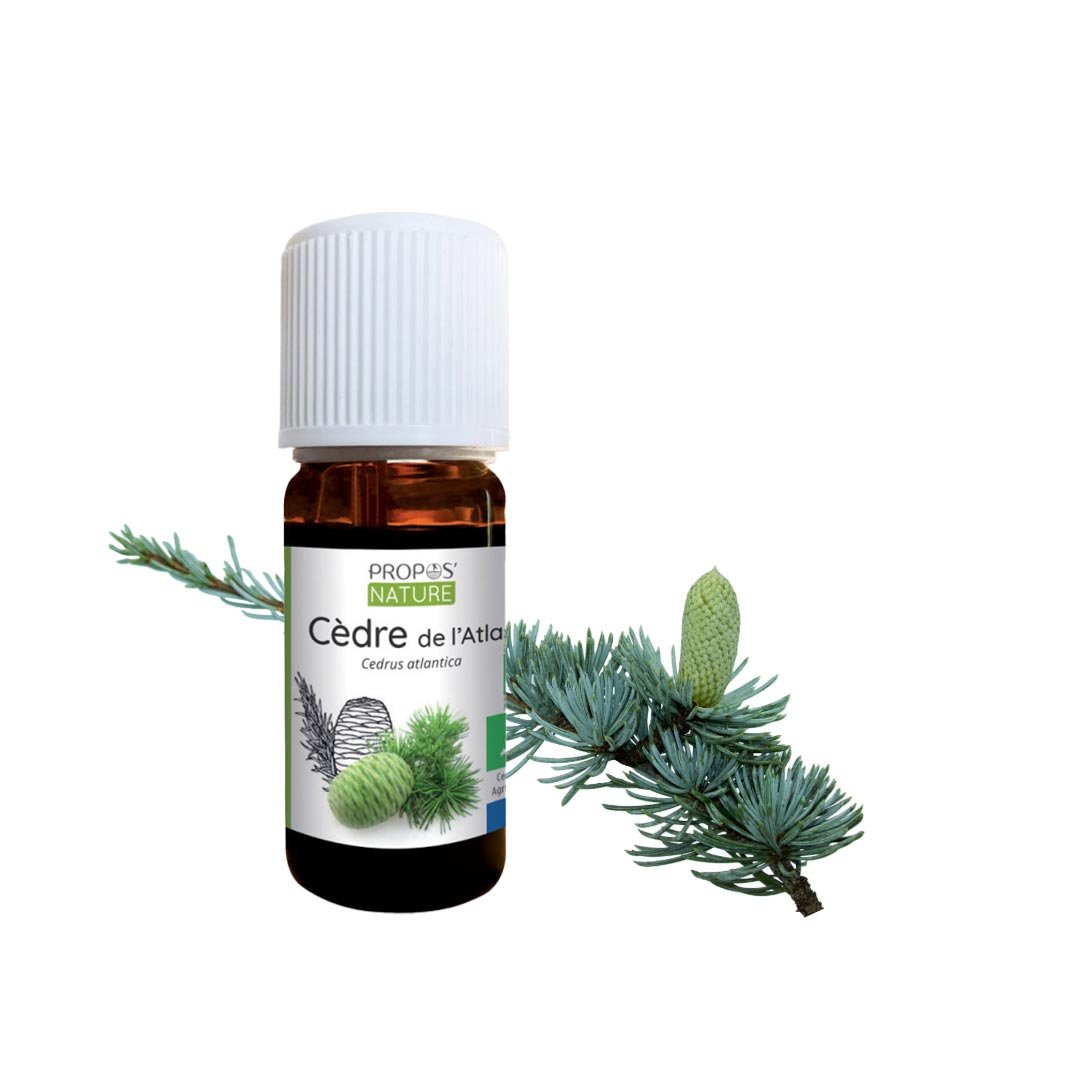
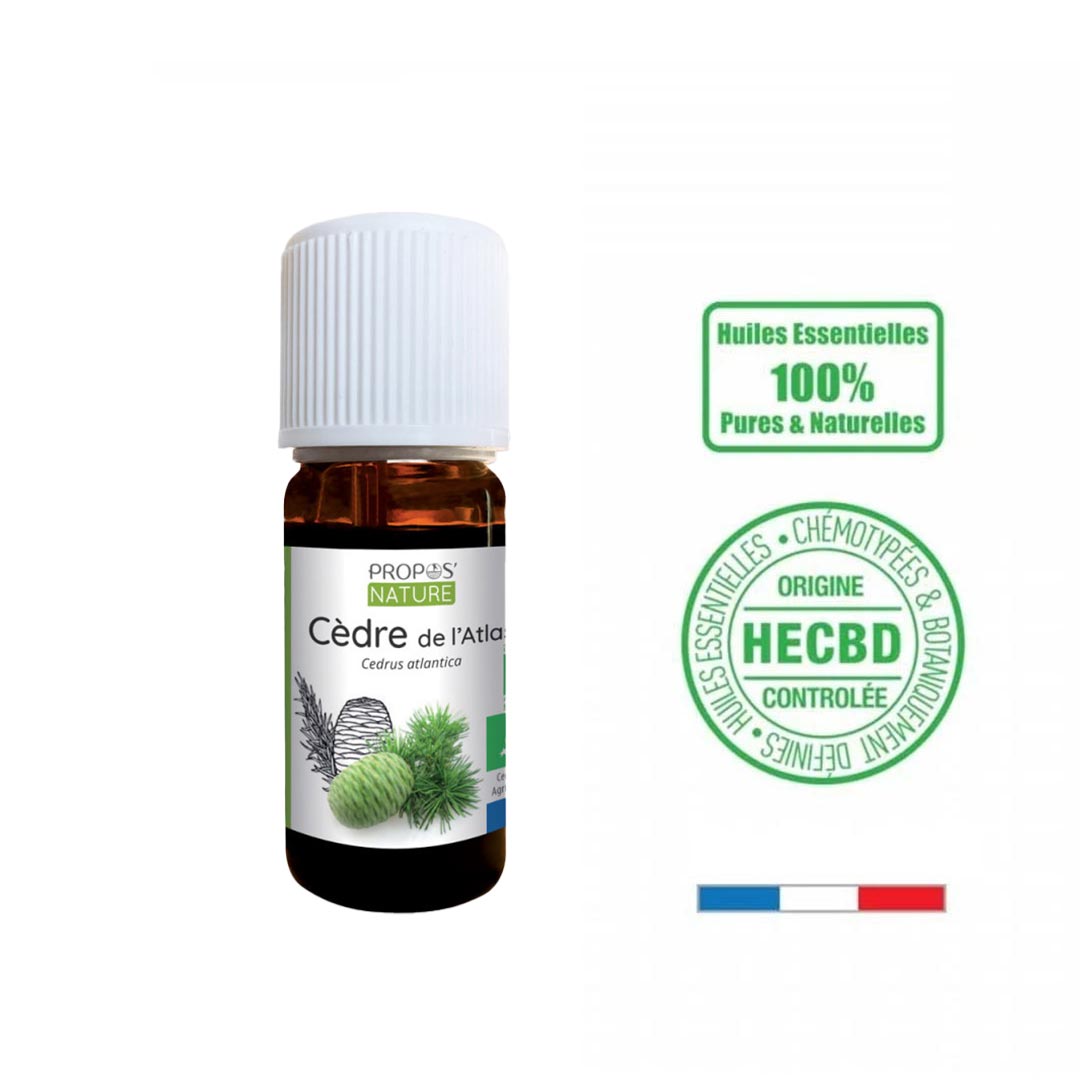
Atlas Cedarwood
Cedrus atlantica
Supports: Grounding, skin
May support skin balance and emotional grounding. Use sparingly and in low dilution.
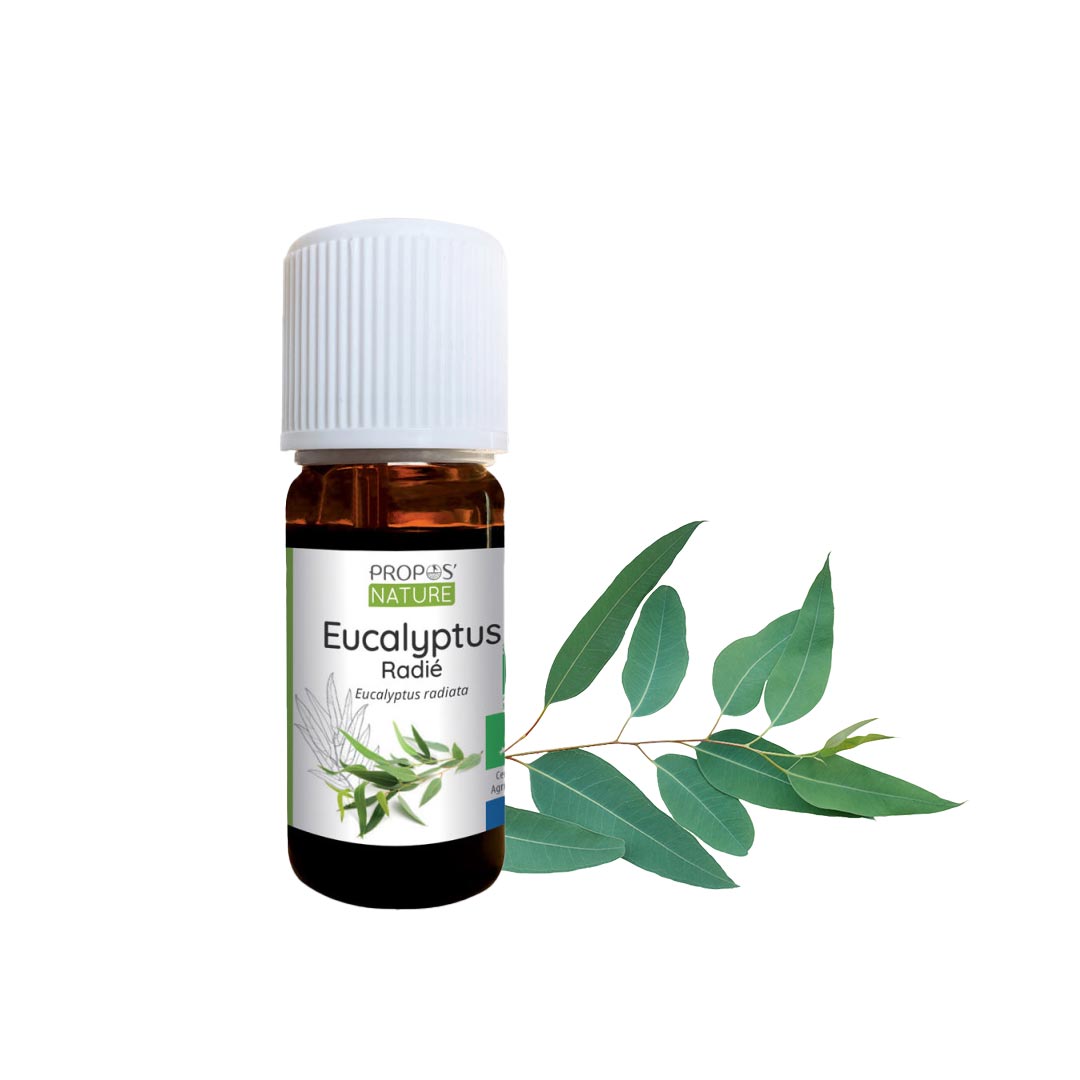
Eucalyptus Radiata
Eucalyptus radiata
Supports: Breathing
A milder eucalyptus type, but still requires cautious use and minimal exposure.
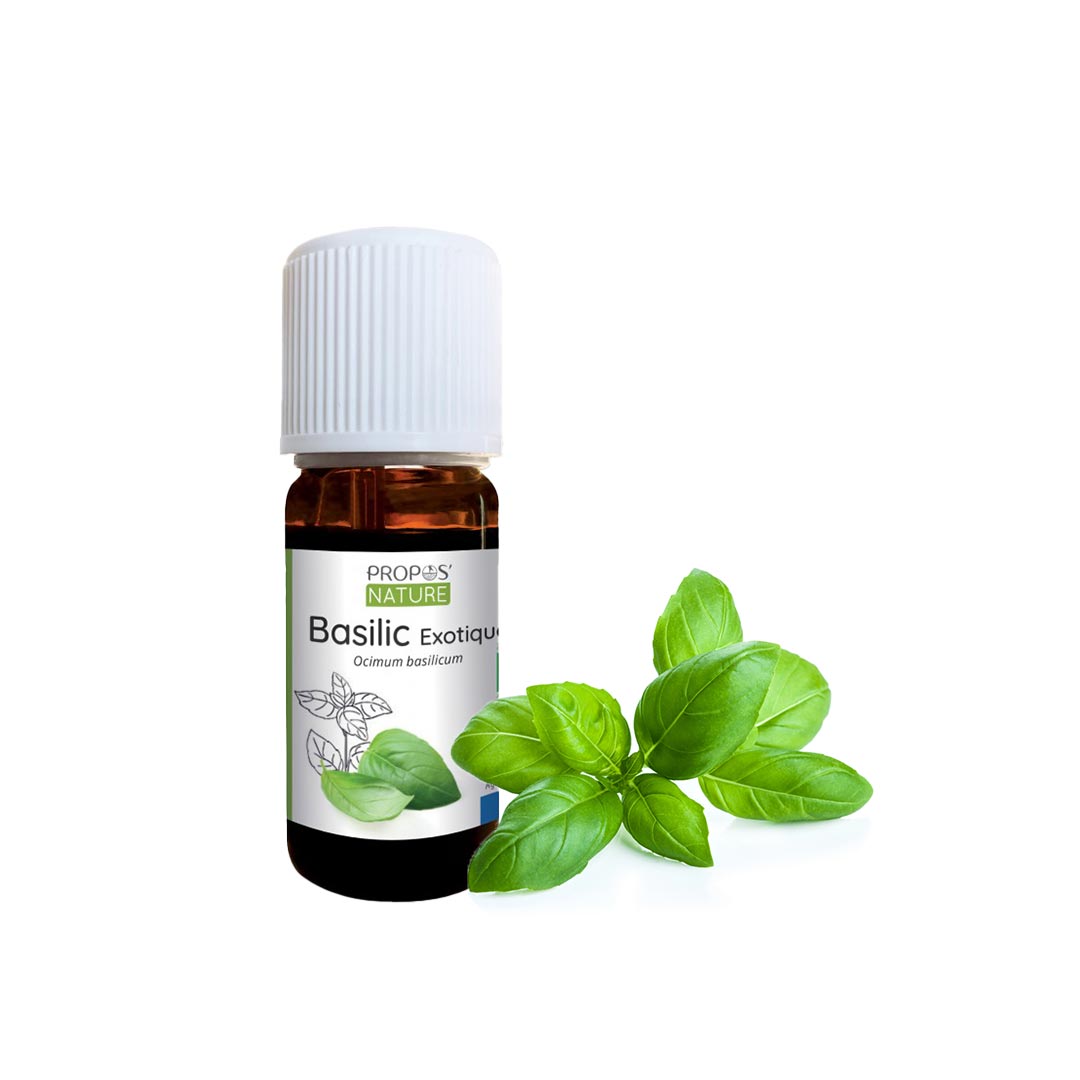
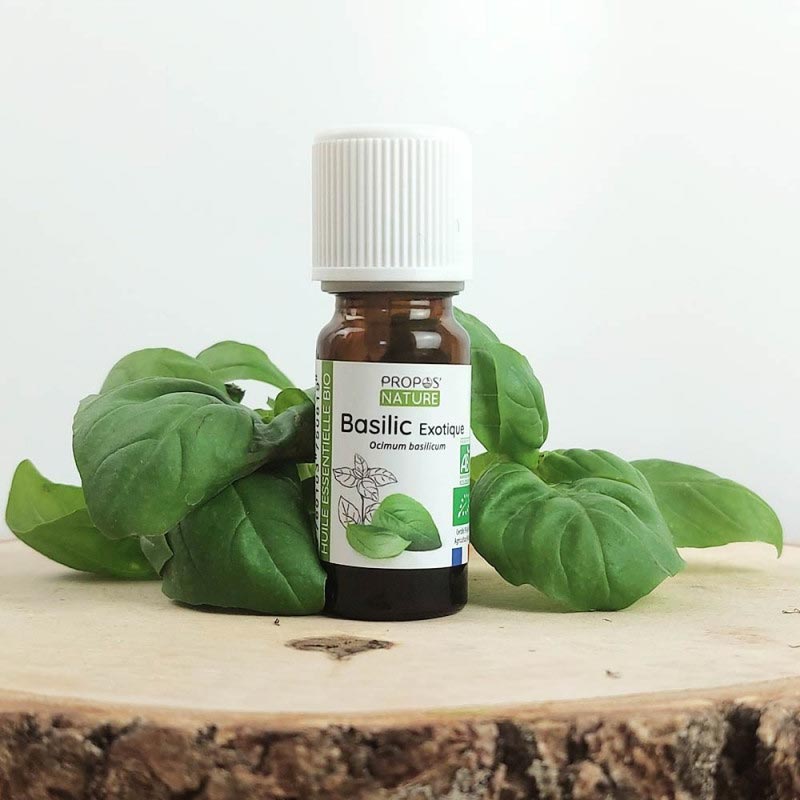
Sweet Basil
Ocimum basilicum
Supports: Digestive balance
Traditionally used for digestive support. Use occasionally and with care.
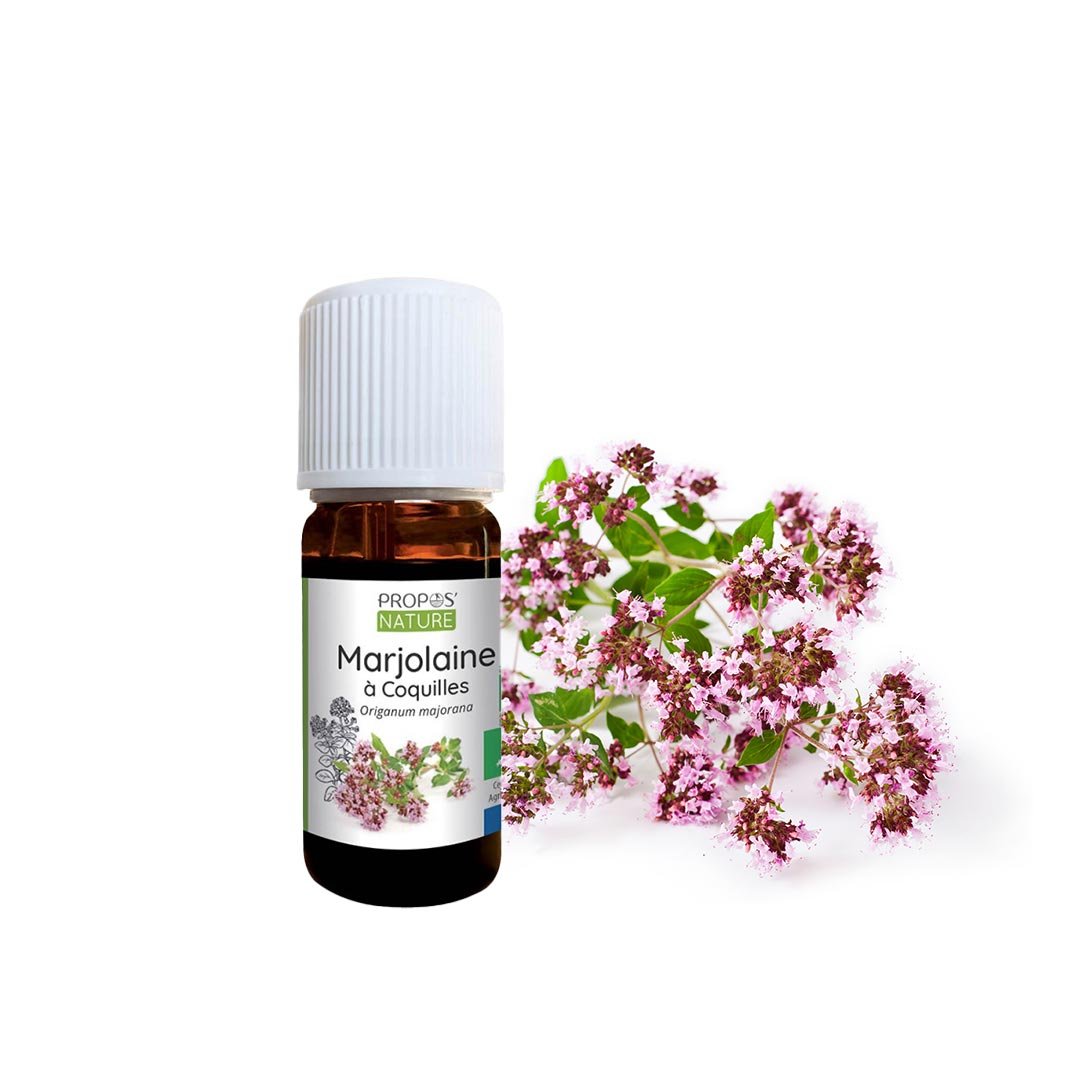
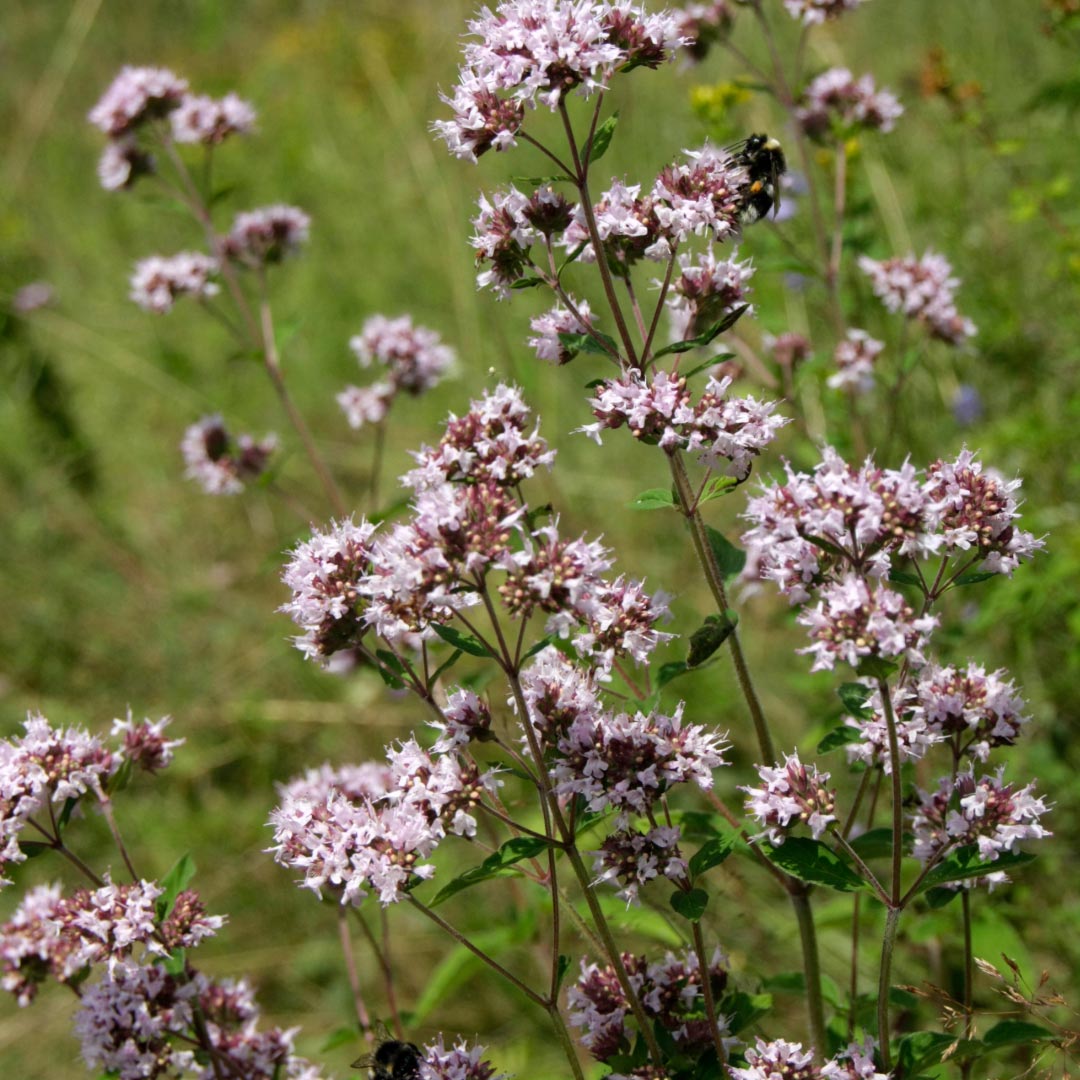
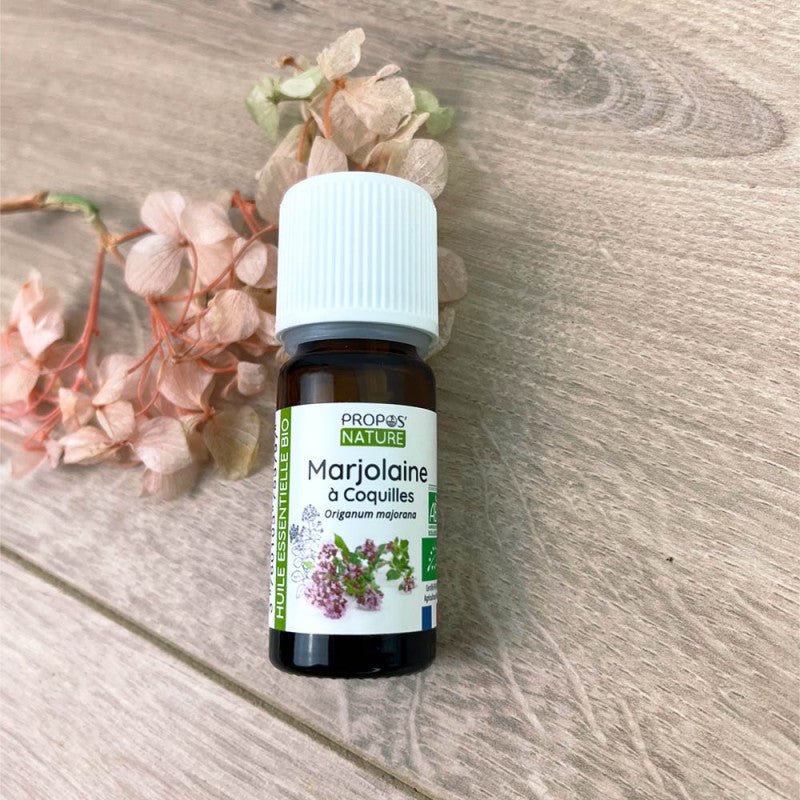
Marjoram
Origanum majorana
Supports: Relaxation, muscles
May support muscular relaxation and tension. Use with proper dilution.
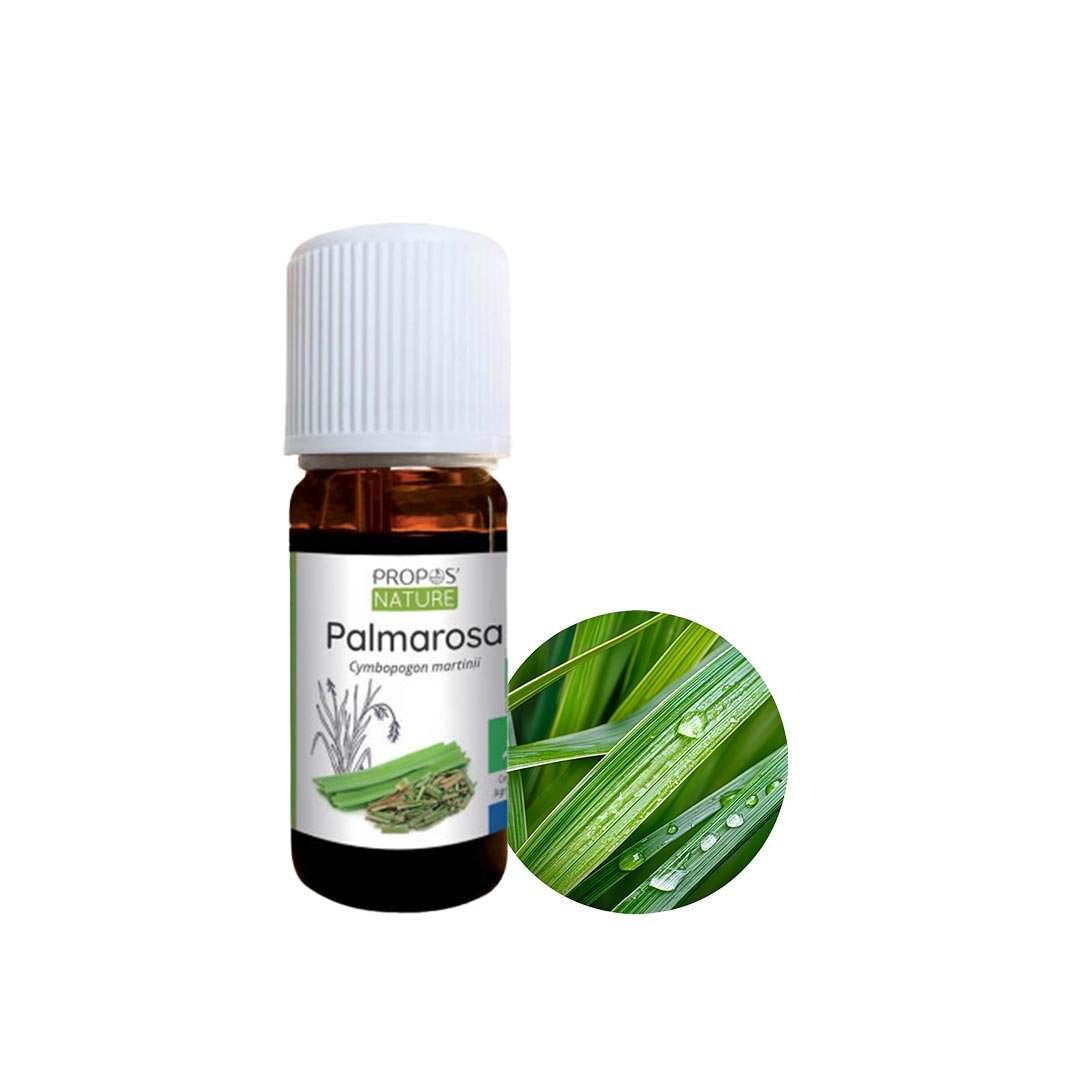
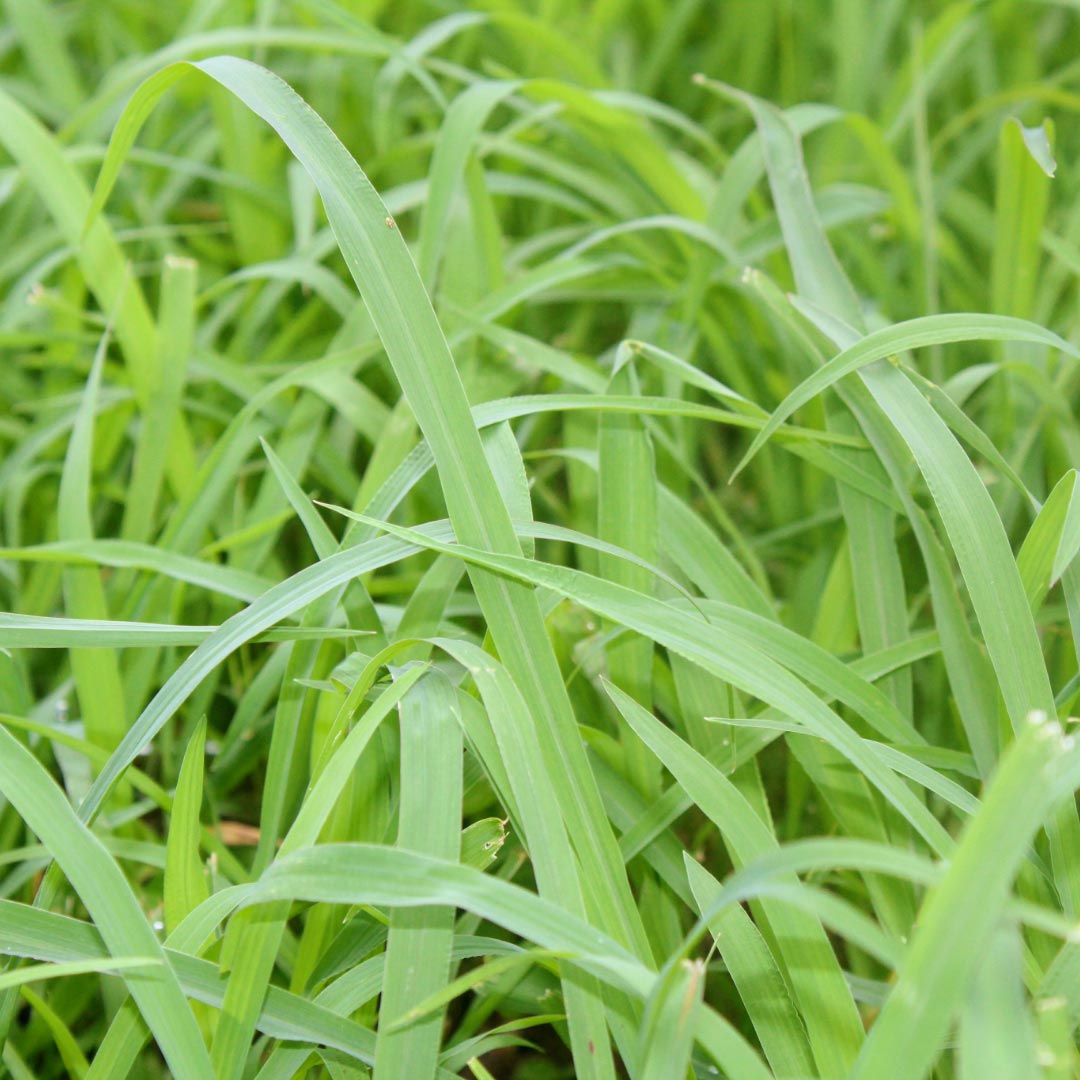
Palmarosa
Cymbopogon martinii
Supports: Skin, balance
Gentler than many oils, but still best used occasionally and diluted.
Patchouli
Pogostemon cablin
Supports: Skin, grounding
A rich oil. Use minimally and observe your cat’s response.
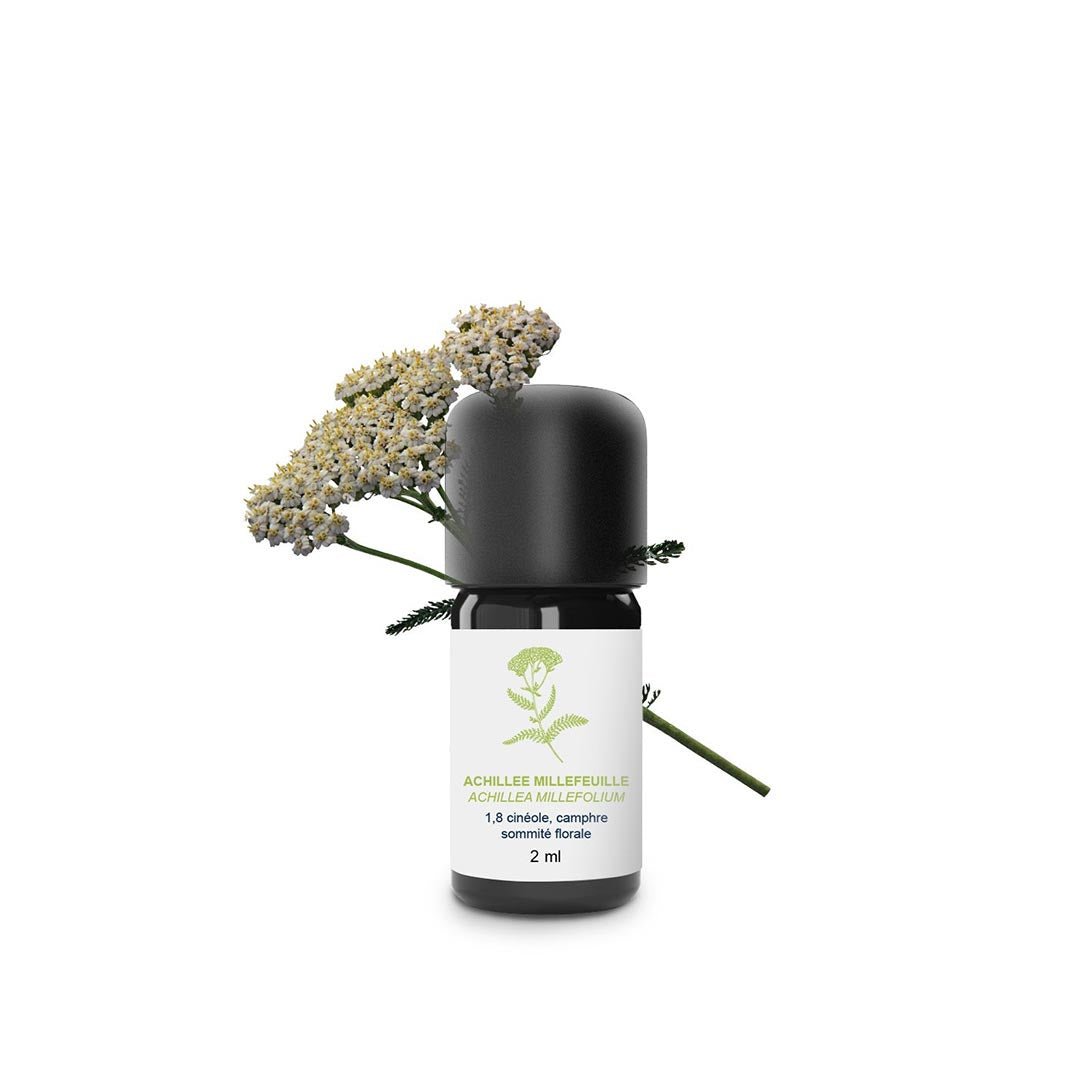
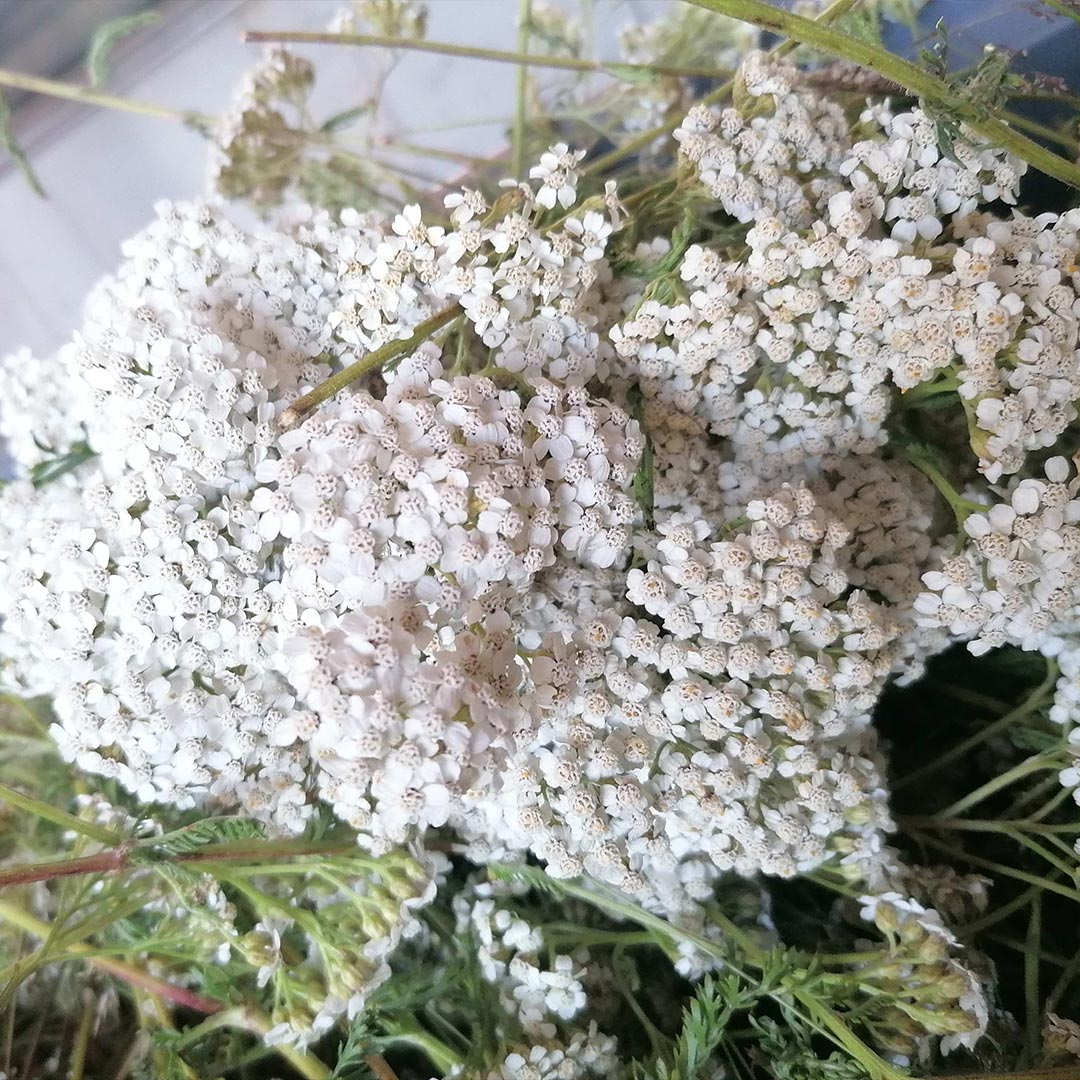
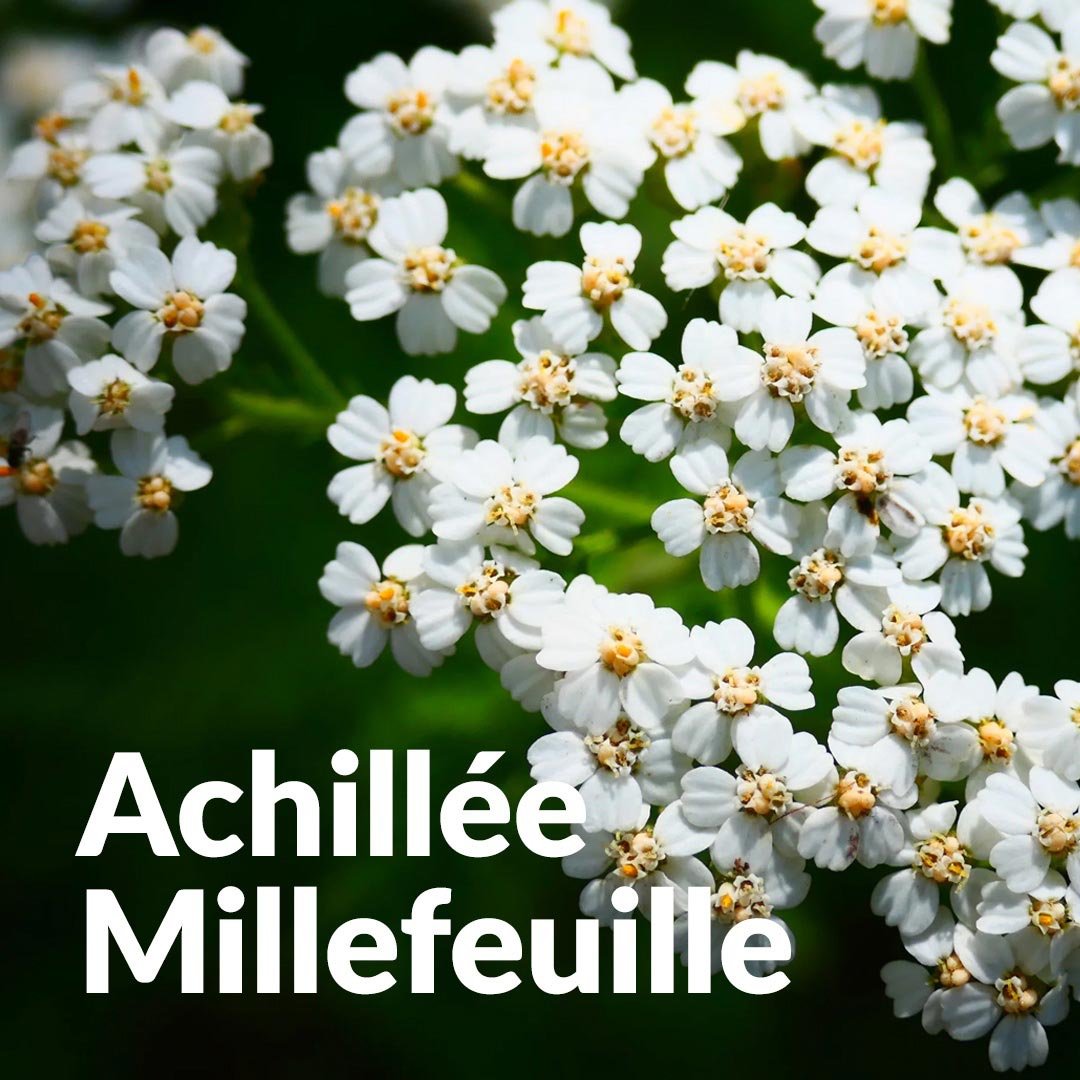
Yarrow
Achillea millefolium
Supports: Skin, inflammation
A potent oil. Use only in very low dilution.
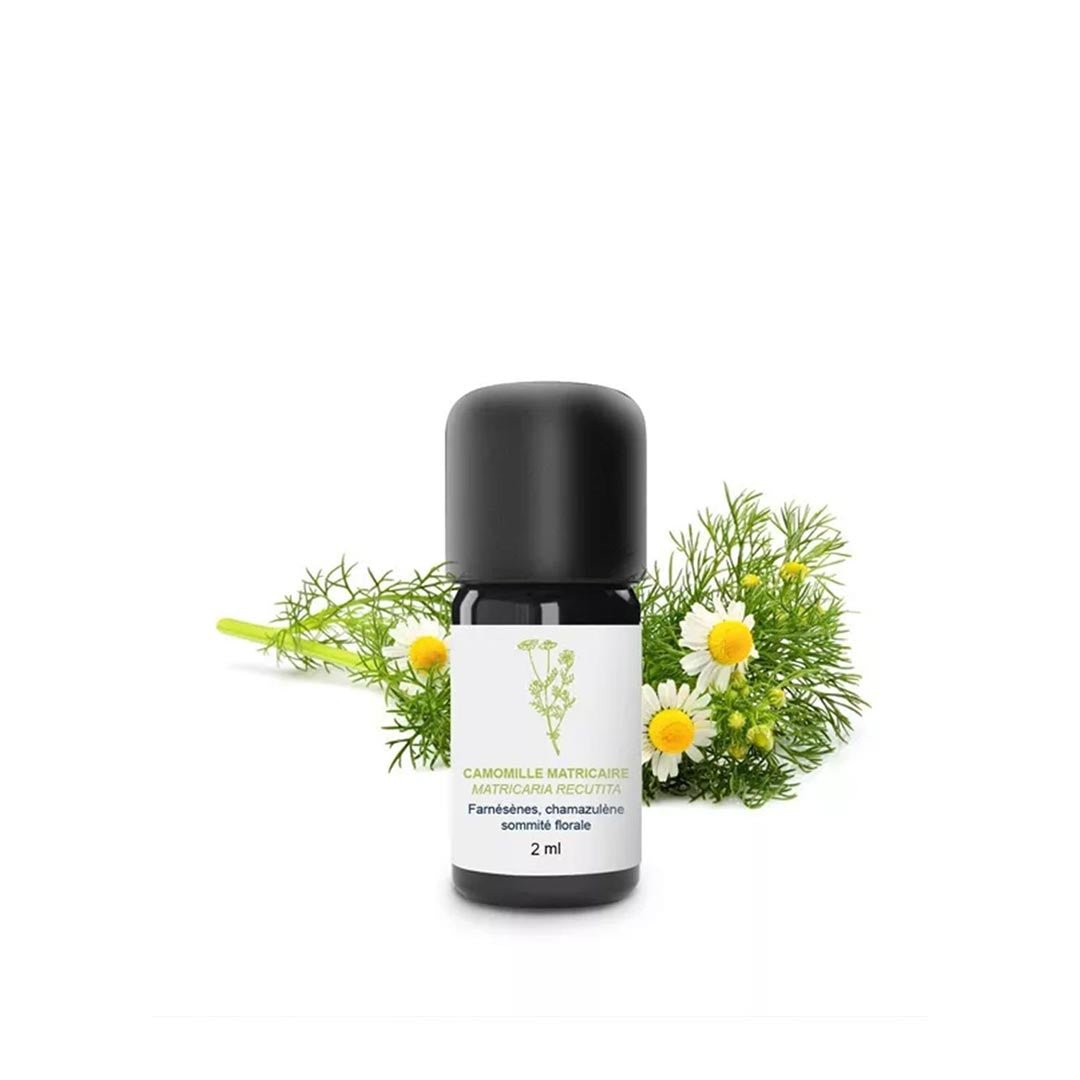
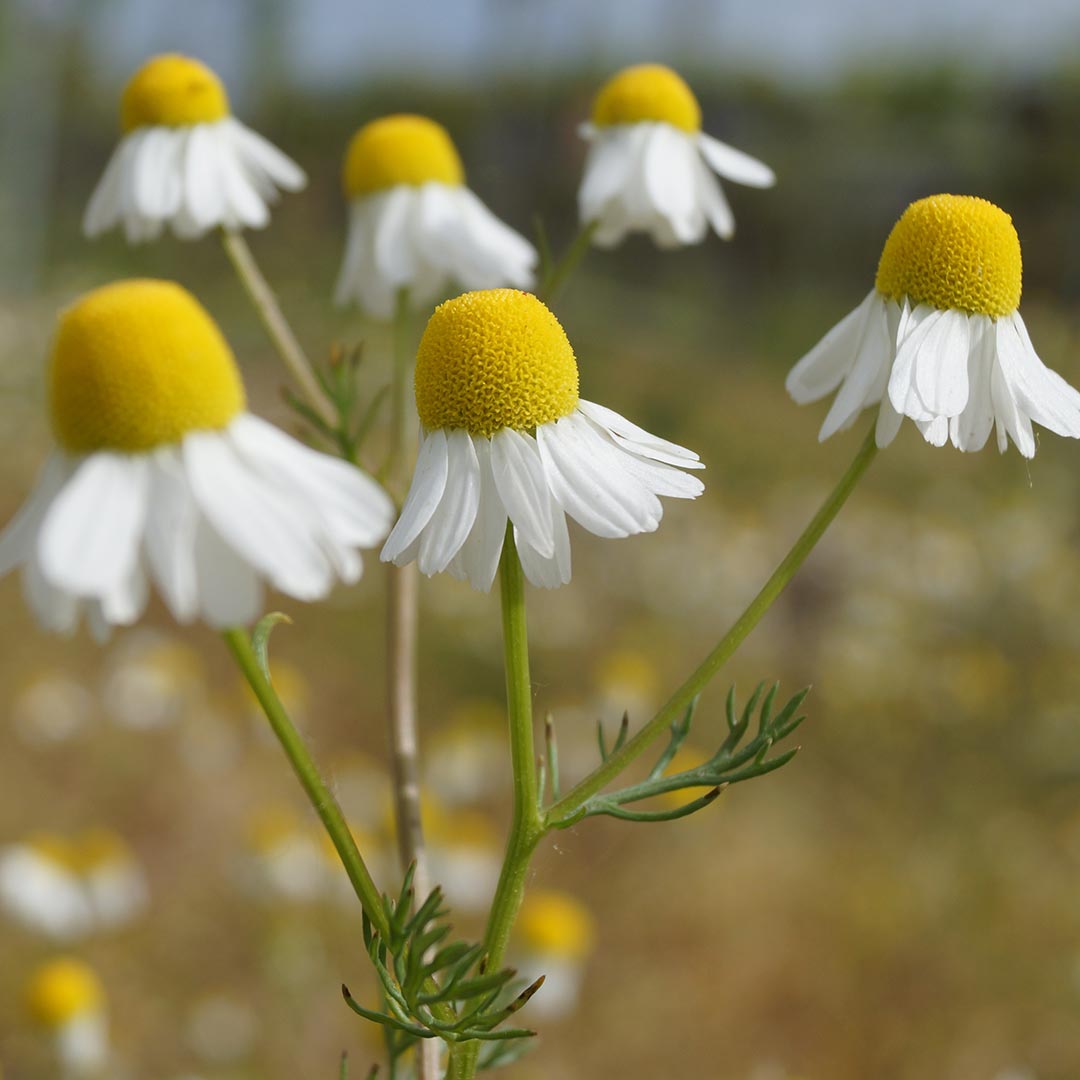
German Chamomile
Matricaria recutita
Supports: Skin, inflammation
More potent than Roman chamomile. Use with extra care.
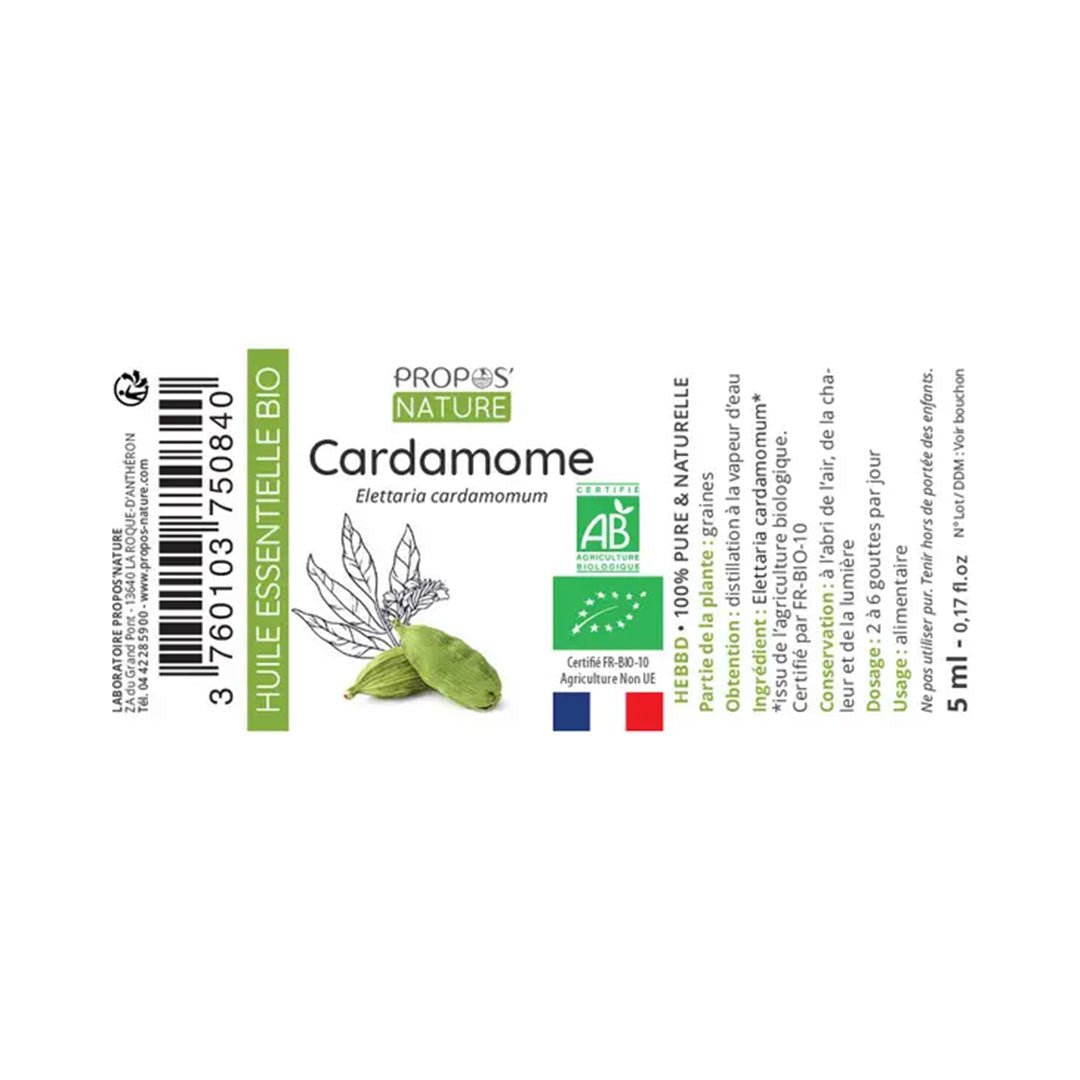
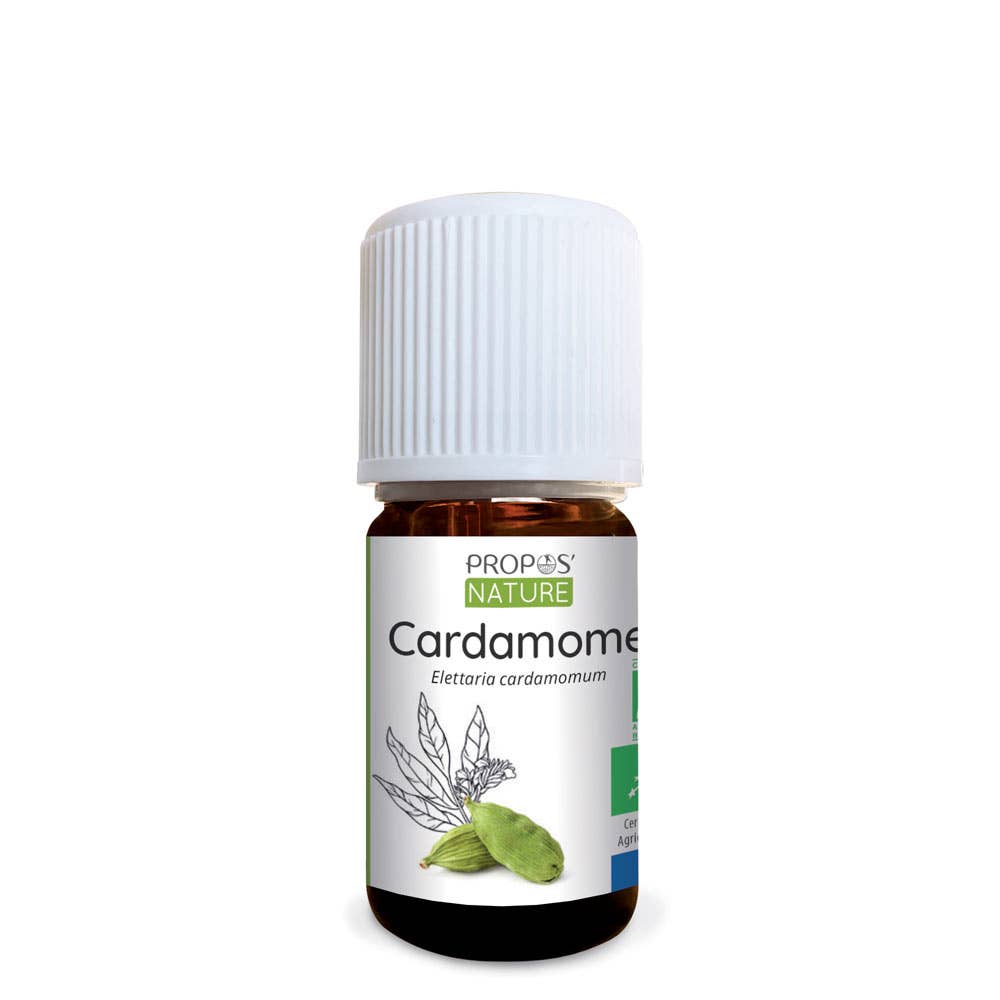
Cardamom
Elettaria cardamomum
Supports: Digestive comfort
Traditionally used for digestive imbalance. Use sparingly.
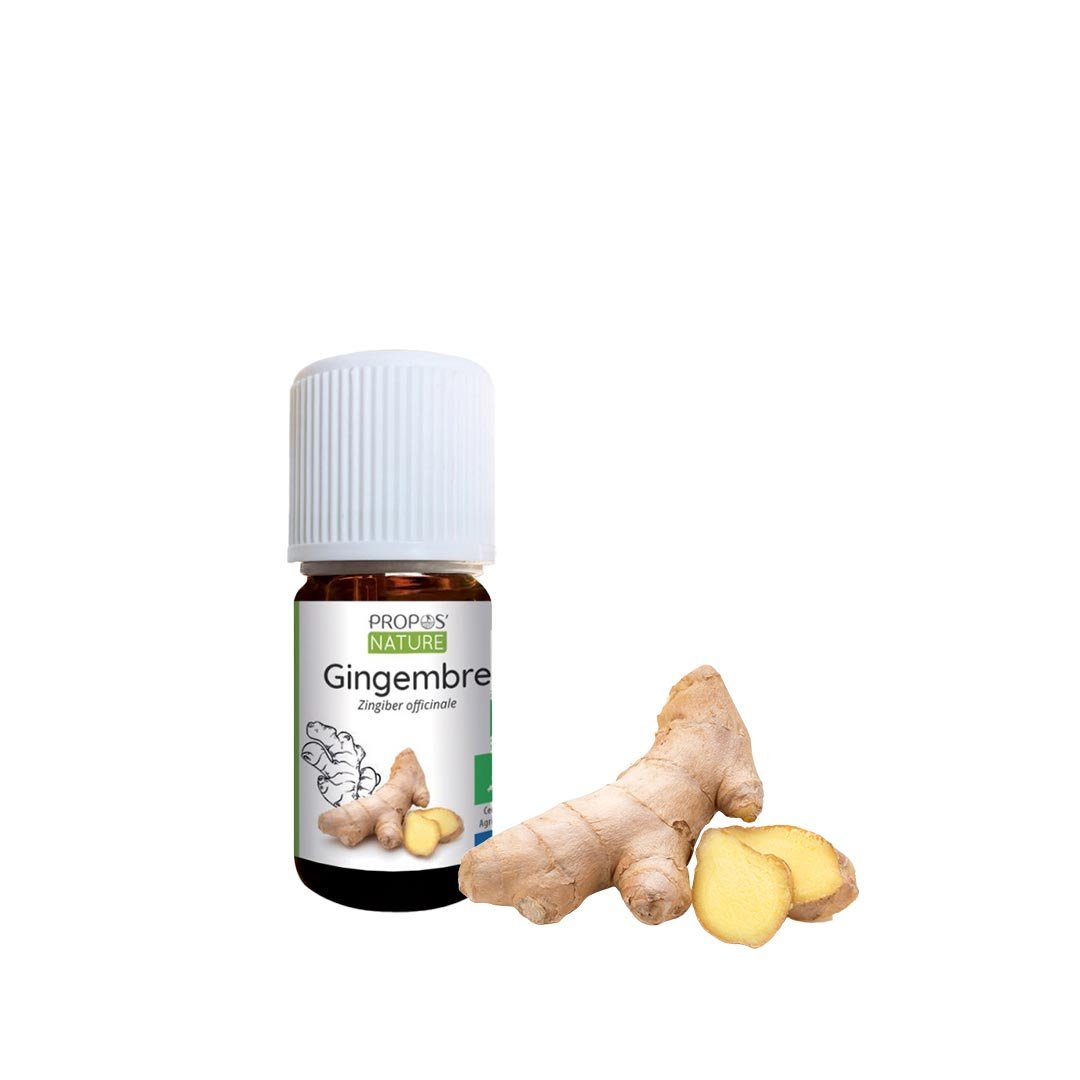
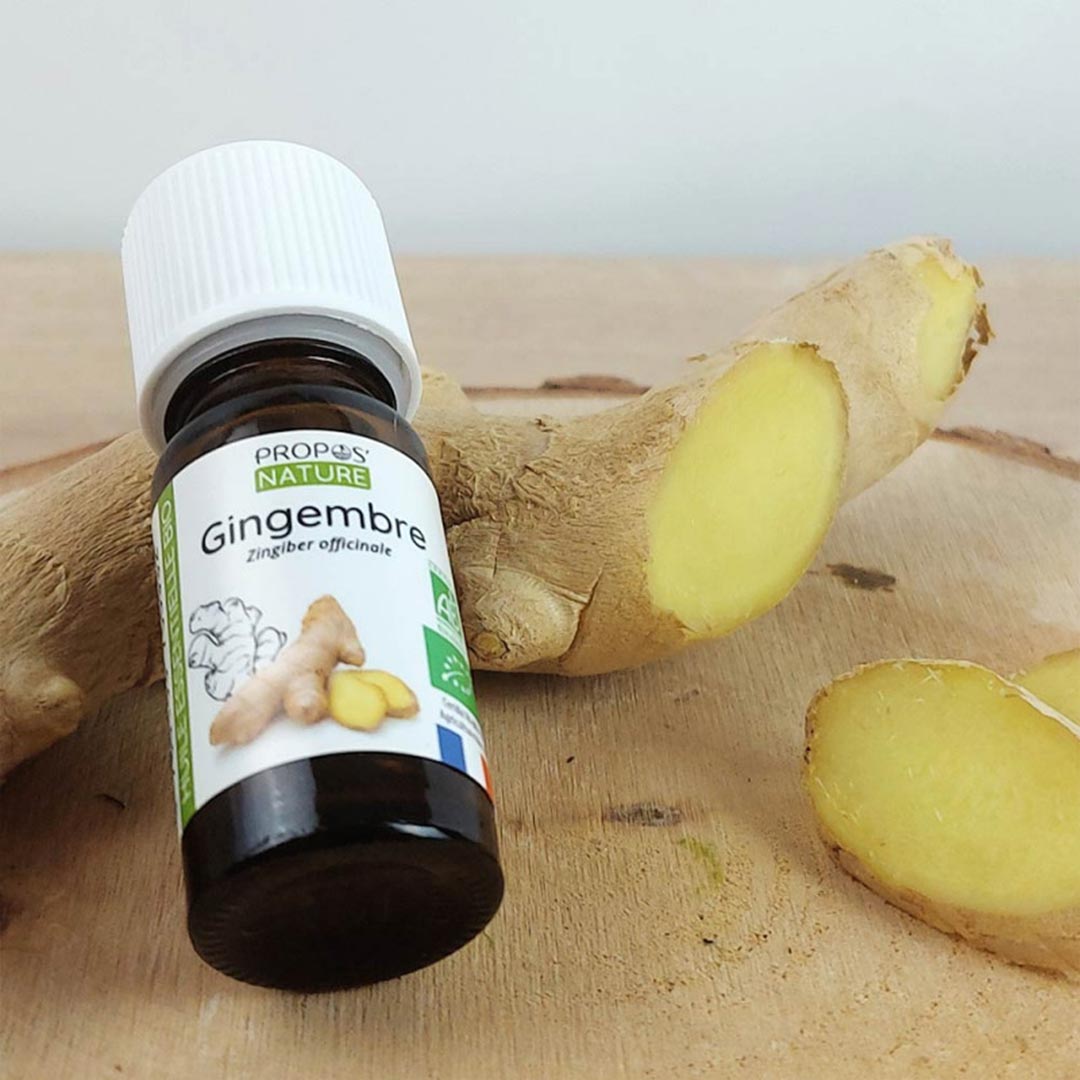
Ginger
Zingiber officinale
Supports: Digestion, joint comfort
A warming oil used when needed. Always use in very low dilution.
These oils are best reserved for occasional use. Always prioritise low dilution, gentle methods, and your cat’s natural response.





























Delikatne uzdrawianie hydrolatami
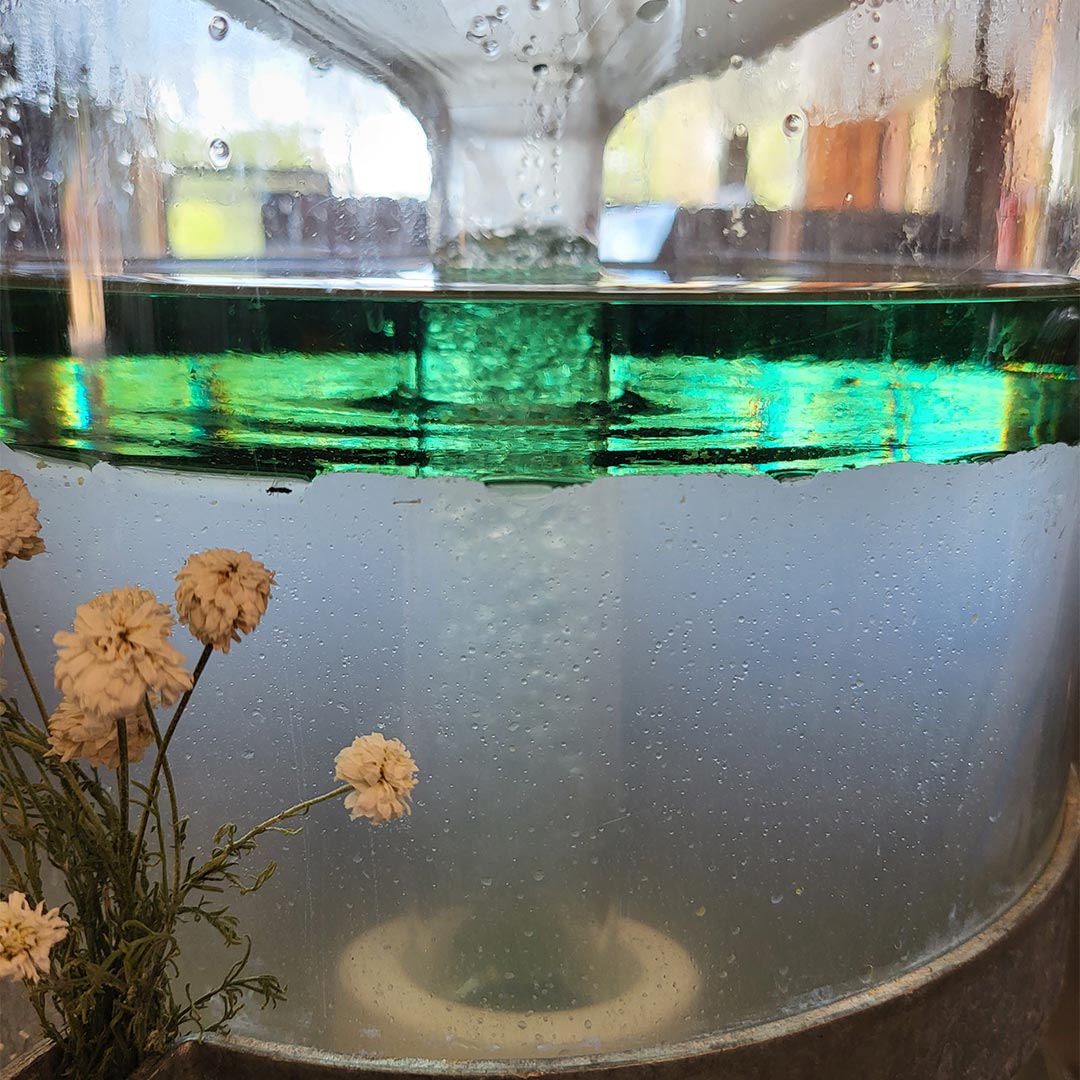
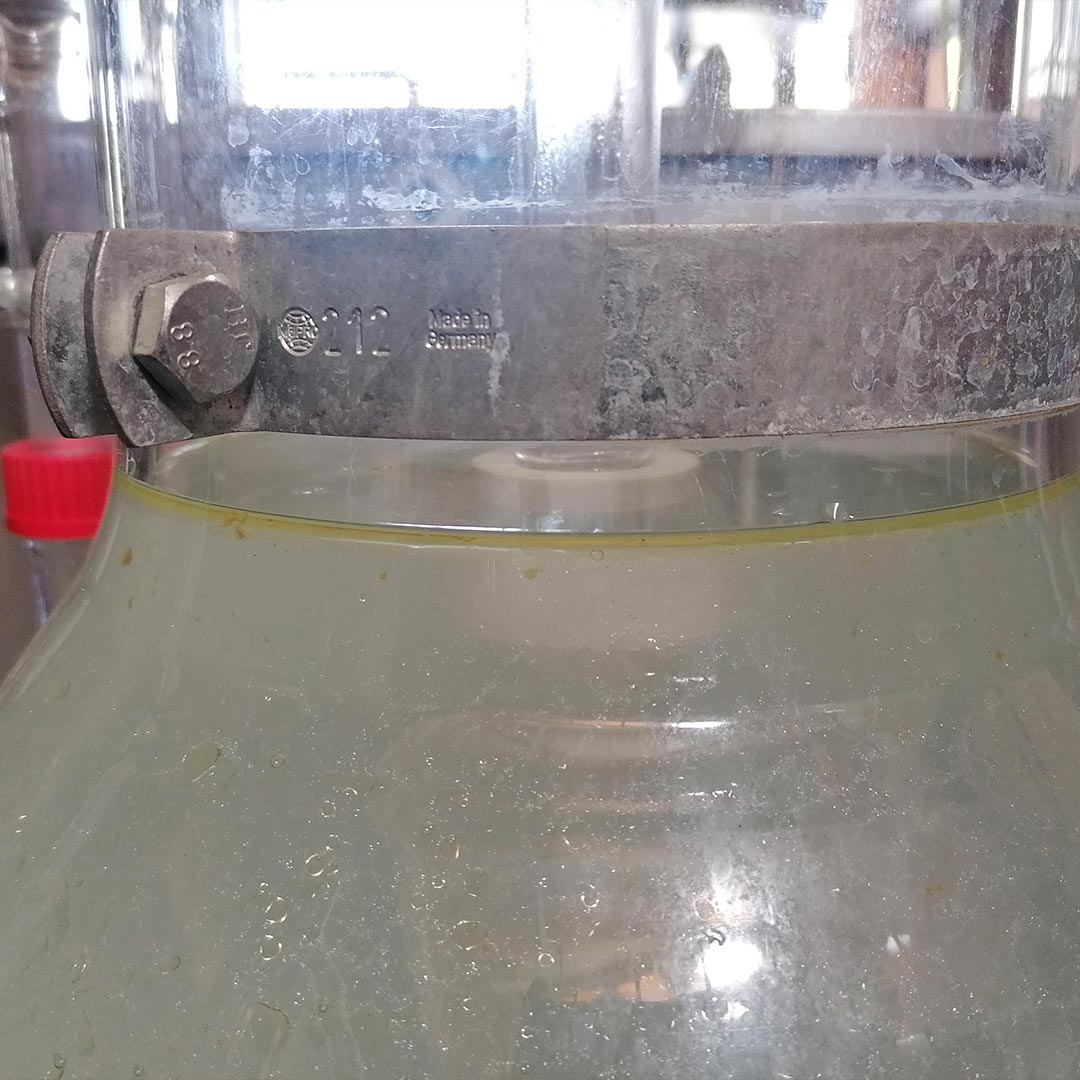
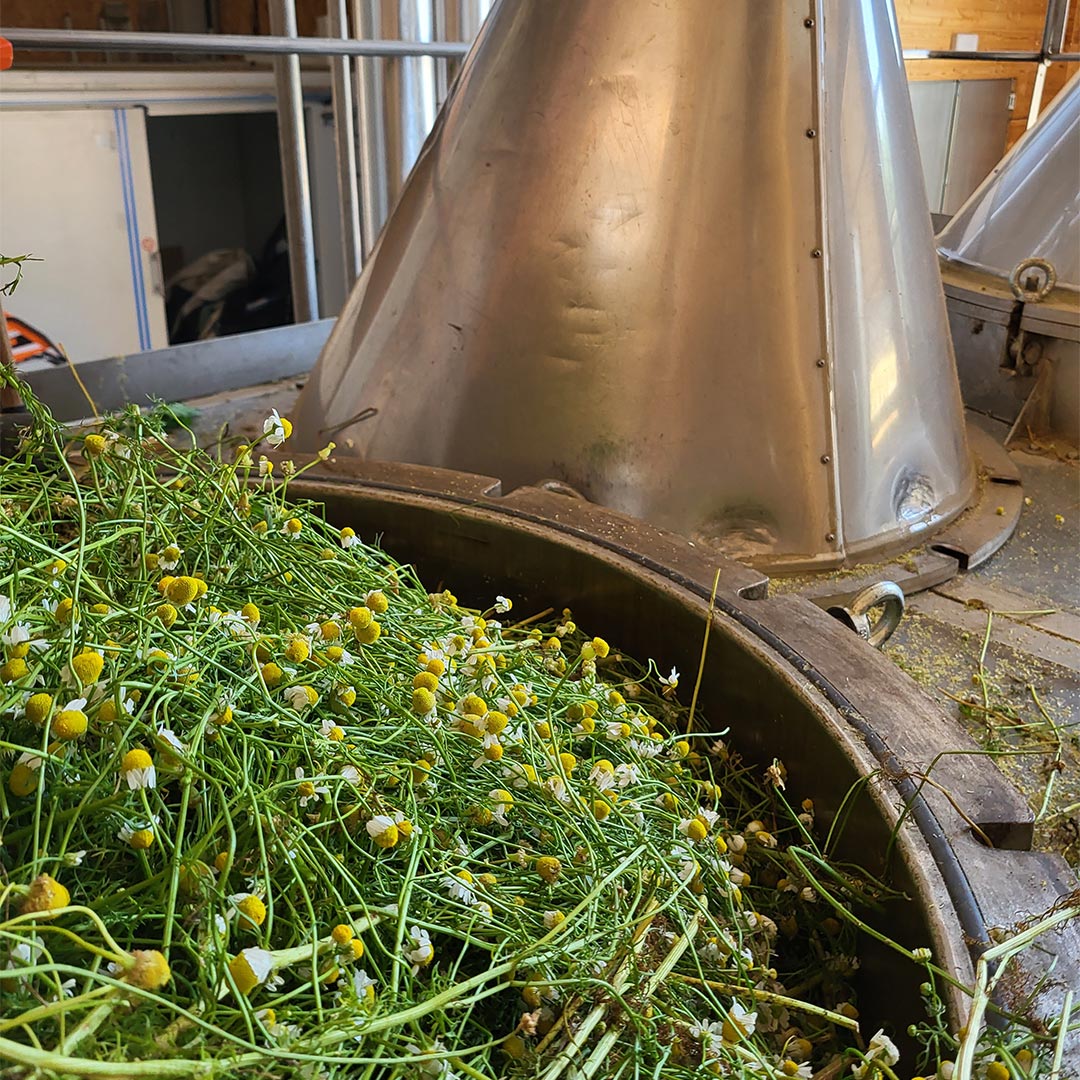
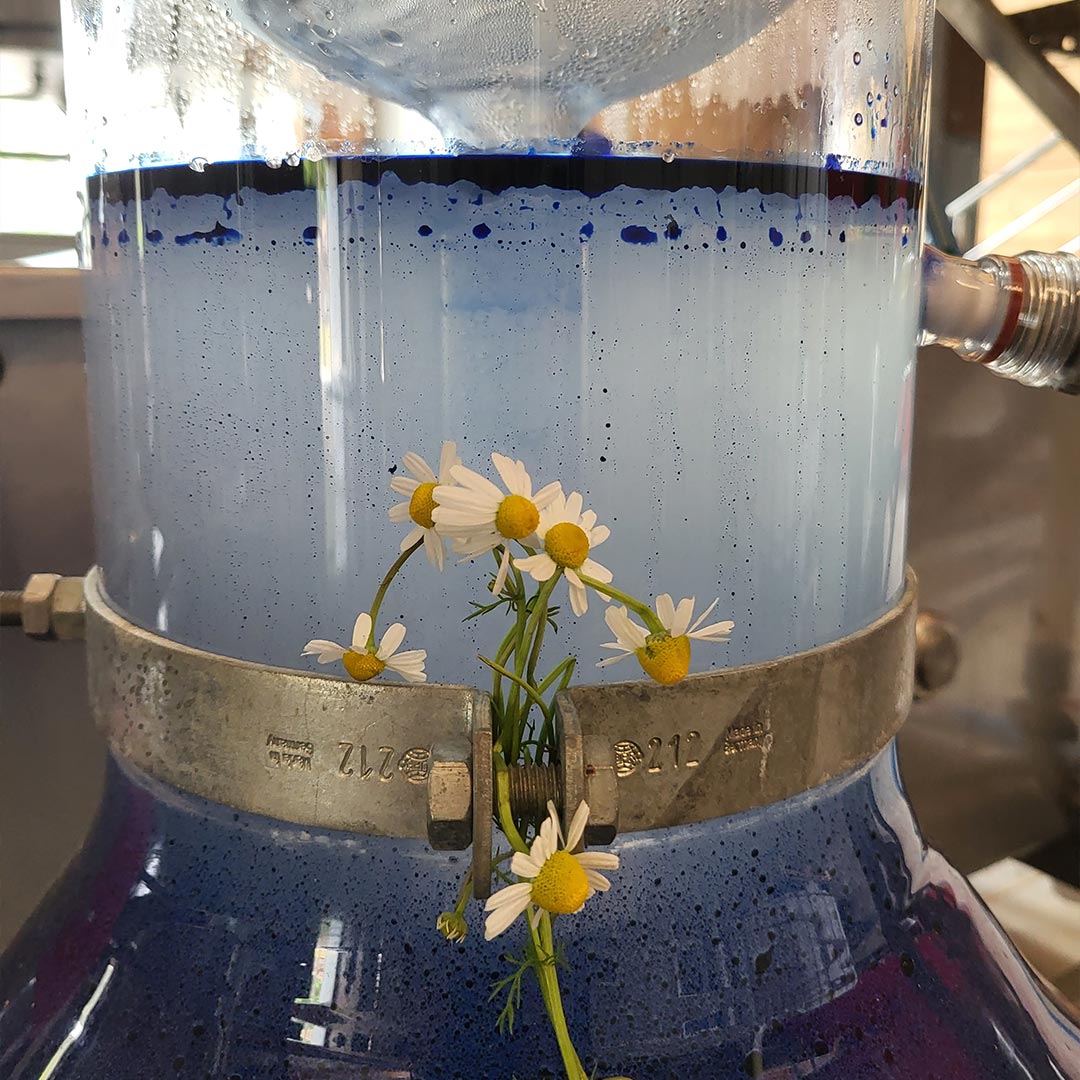
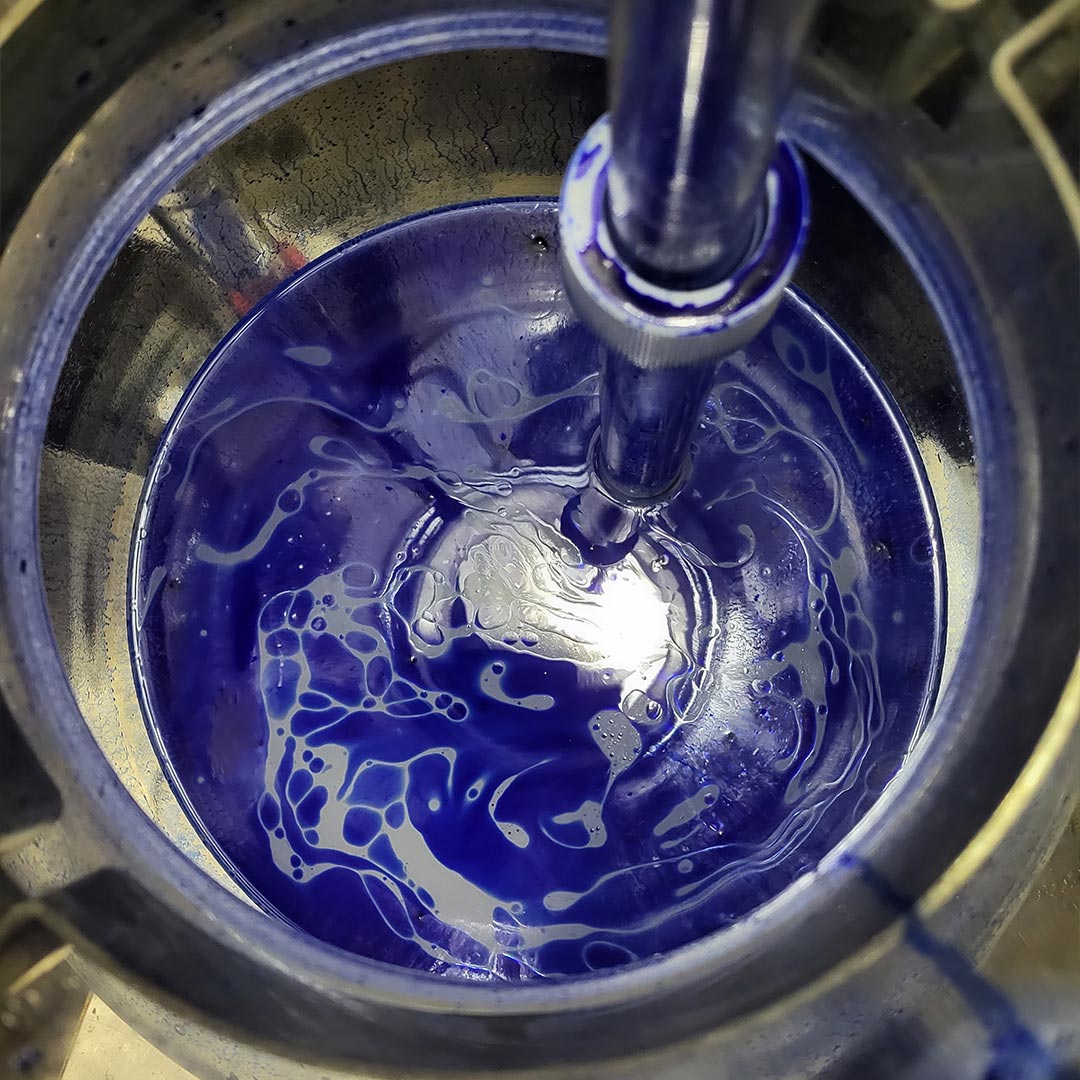
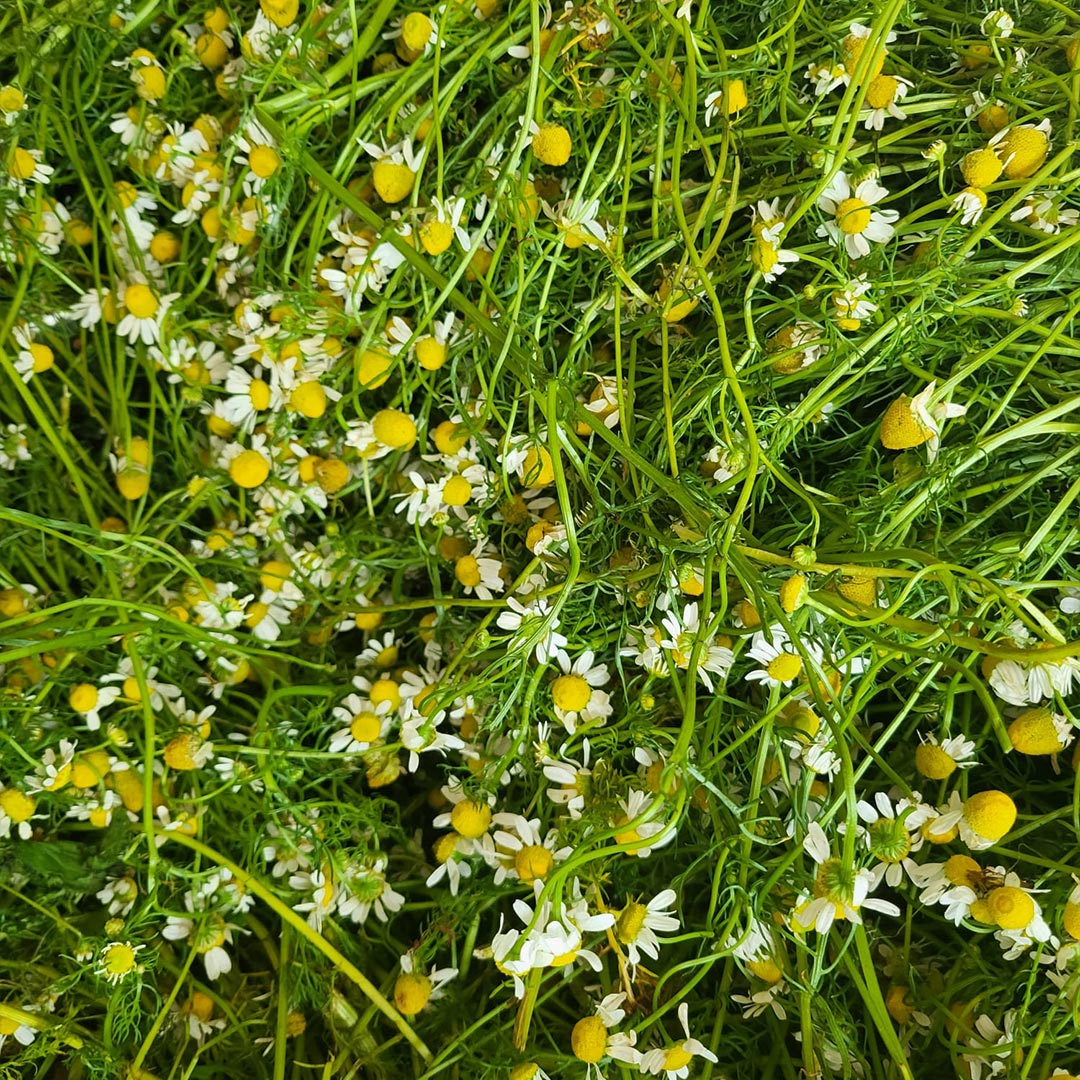
Hydrolaty to łagodny dar natury — oferują kojący i skuteczny sposób wspierania dobrostanu zarówno ludzi, jak i naszych ukochanych zwierząt. W przeciwieństwie do olejków eterycznych hydrolaty są na bazie wody i łatwo wchłaniają się w organizmie, dzięki czemu stanowią łagodniejszą, a zarazem skuteczną alternatywę dla ziół. Działają szybko, przywracając równowagę i harmonię w bezpieczny, naturalny sposób.
Hydrolaty dla kotów: bezpieczny i kojący wybór
Wiele olejków eterycznych może być dla kotów zbyt intensywnych, natomiast hydrolaty zapewniają bezpieczny i delikatny sposób wprowadzania roślinnego wsparcia. Zawarte w nich związki rozpuszczalne w wodzie są łatwo metabolizowane i wydalane przez organizm, co czyni je doskonałym narzędziem dla kociego dobrostanu.
Możesz dodać kilka kropli kojącego hydrolatu do miseczki z wodą, pozwalając kotu wąchać lub popijać według potrzeb. Jeśli kot odczuwa stres, gdy Cię nie ma, relaksujący hydrolat może przynieść ukojenie. Przy sztywności stawów lub dyskomforcie odrobina hydrolatu imbirowego może zapewnić łagodzącą ulgę. W domach z wieloma kotami miseczki z rozcieńczonym hydrolatem ustawione w różnych miejscach mogą pomóc zmniejszyć napięcie, pozwalając każdemu kotu korzystać z niego wtedy, gdy tego potrzebuje.
Jeśli wolisz jeszcze prostszą metodę, spryskaj odrobiną hydrolatu miskę z wodą, swoje dłonie lub powietrze i pozwól kotu samodzielnie zdecydować, w jaki sposób z niego skorzysta. Niektóre koty lubią ocierać się o dłonie spryskane hydrolatem, „wchłaniając” jego korzyści na poziomie energetycznym.
Jeśli masz nieśmiałego lub wycofanego kota, który woli zachować dystans, postawienie obok miseczki z wodą z dodatkiem hydrolatu może być delikatnym sposobem zachęcenia do interakcji bez presji. Pamiętaj tylko, aby zawsze obok stała również miseczka z czystą wodą — tak, by kot miał pełną swobodę wyboru.
Jak rozcieńczać hydrolaty dla kotów
Aby przygotować hydrolat dla kota, napełnij małą miseczkę lub spodek około 100ml wody. Dodaj 3–4 krople wybranego hydrolatu, ale nie mieszaj — dzięki temu kot może sam wybrać preferowaną intensywność. Może wąchać mocniejszy aromat w pobliżu rozpraszających się kropli albo pić wodę z łagodniejszej strefy dalej od nich.
Jeśli kot wydaje się zaciekawiony, ale po obwąchaniu miseczki spogląda na nierozcieńczoną butelkę, może chcieć nieco większego stężenia. W takiej sytuacji możesz dodać kilka kropli więcej — maksymalnie do 10 kropli na 100ml wody.
Hydrolaty dla skóry i domu
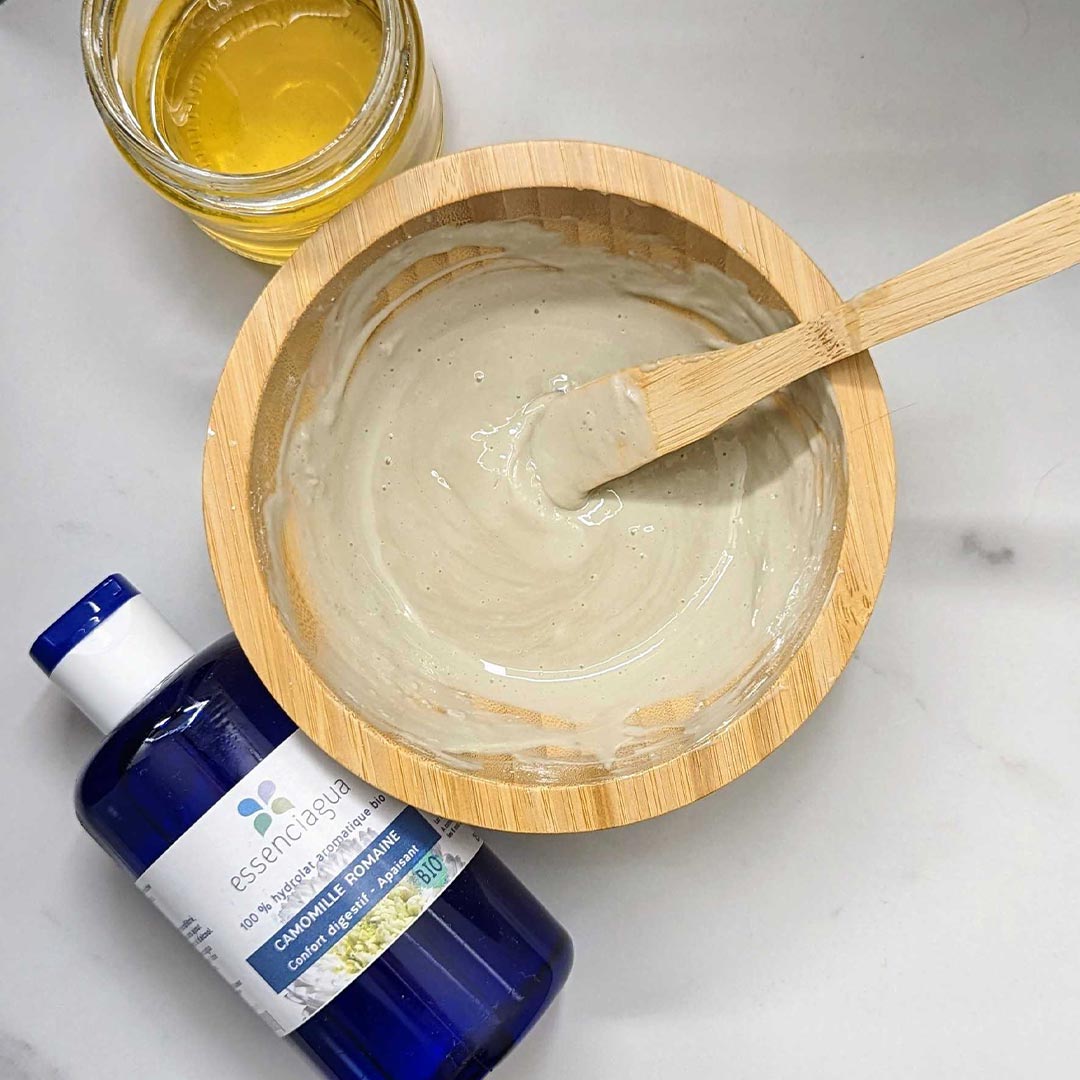
Hydrolaty nie służą wyłącznie wsparciu emocjonalnemu — świetnie sprawdzają się także w pielęgnacji skóry i domu. Po rozcieńczeniu można je stosować miejscowo, aby ukoić podrażnienia, złagodzić swędzenie, a nawet odstraszać szkodniki. Są też doskonałym, naturalnym odświeżaczem powietrza bezpiecznym zarówno dla Ciebie, jak i Twoich kocich przyjaciół.
Dzięki swojej delikatnej, kojącej mocy hydrolaty są pięknym sposobem na wspieranie równowagi — niezależnie od tego, czy dbasz o własny dobrostan, czy tworzysz spokojną, harmonijną przestrzeń dla swoich zwierząt.