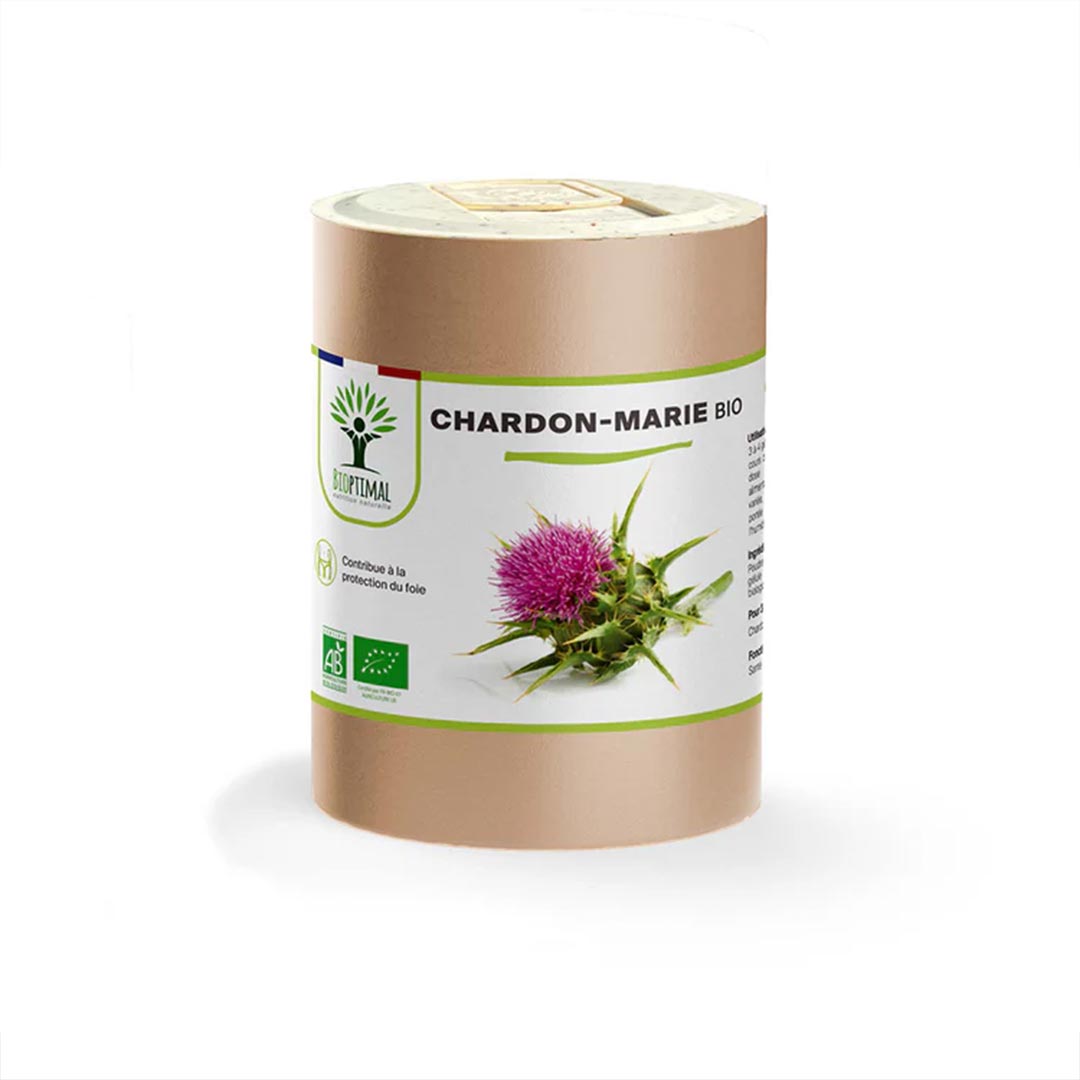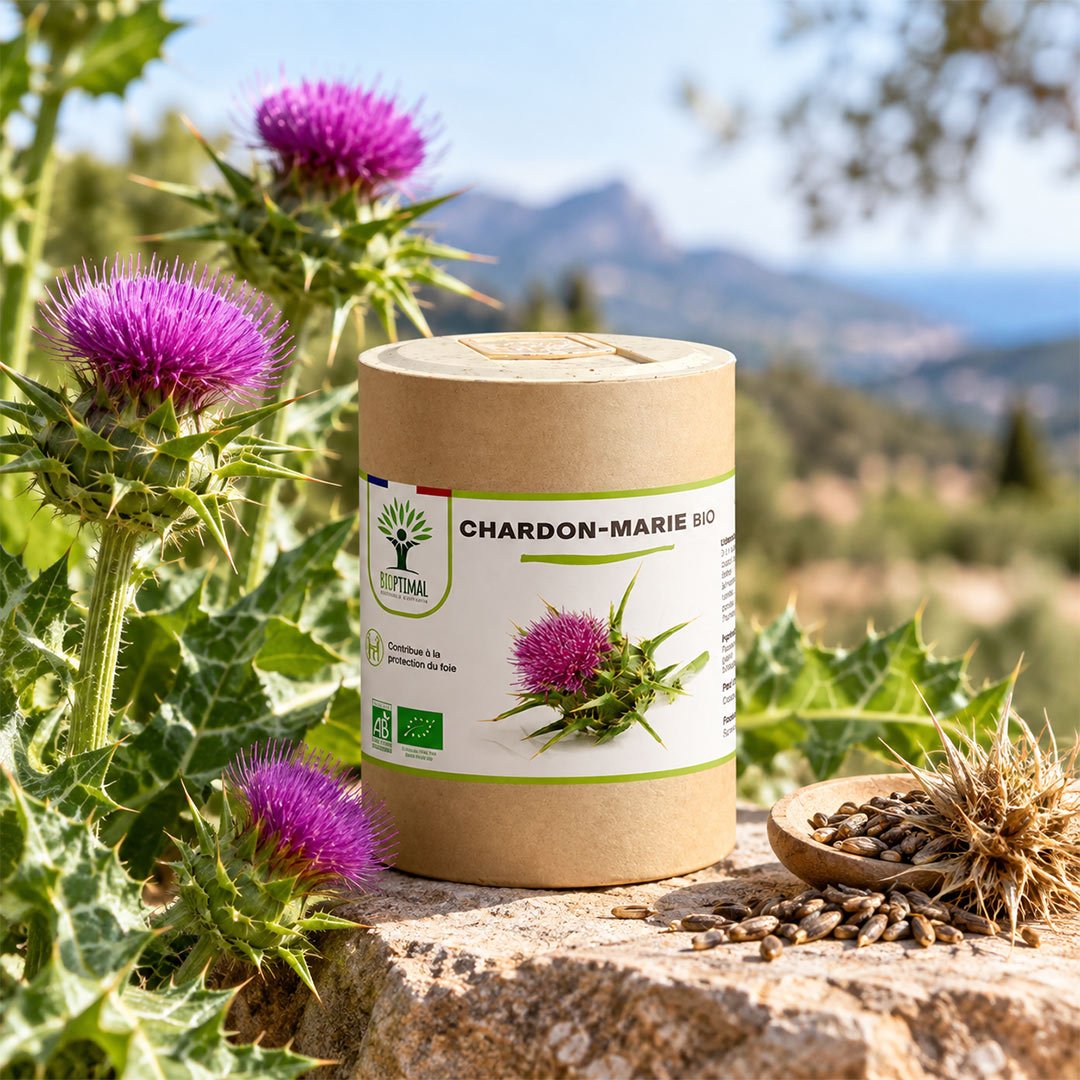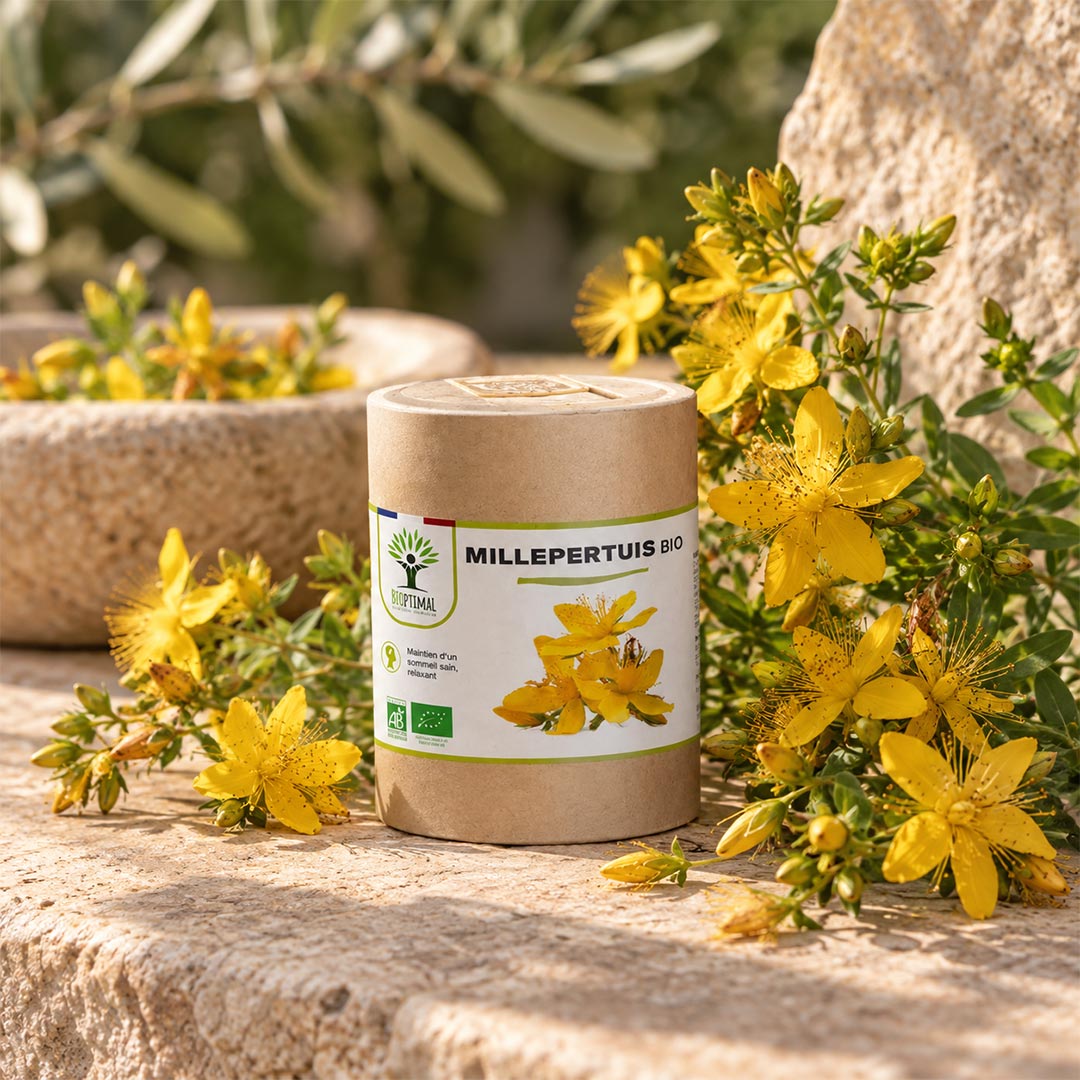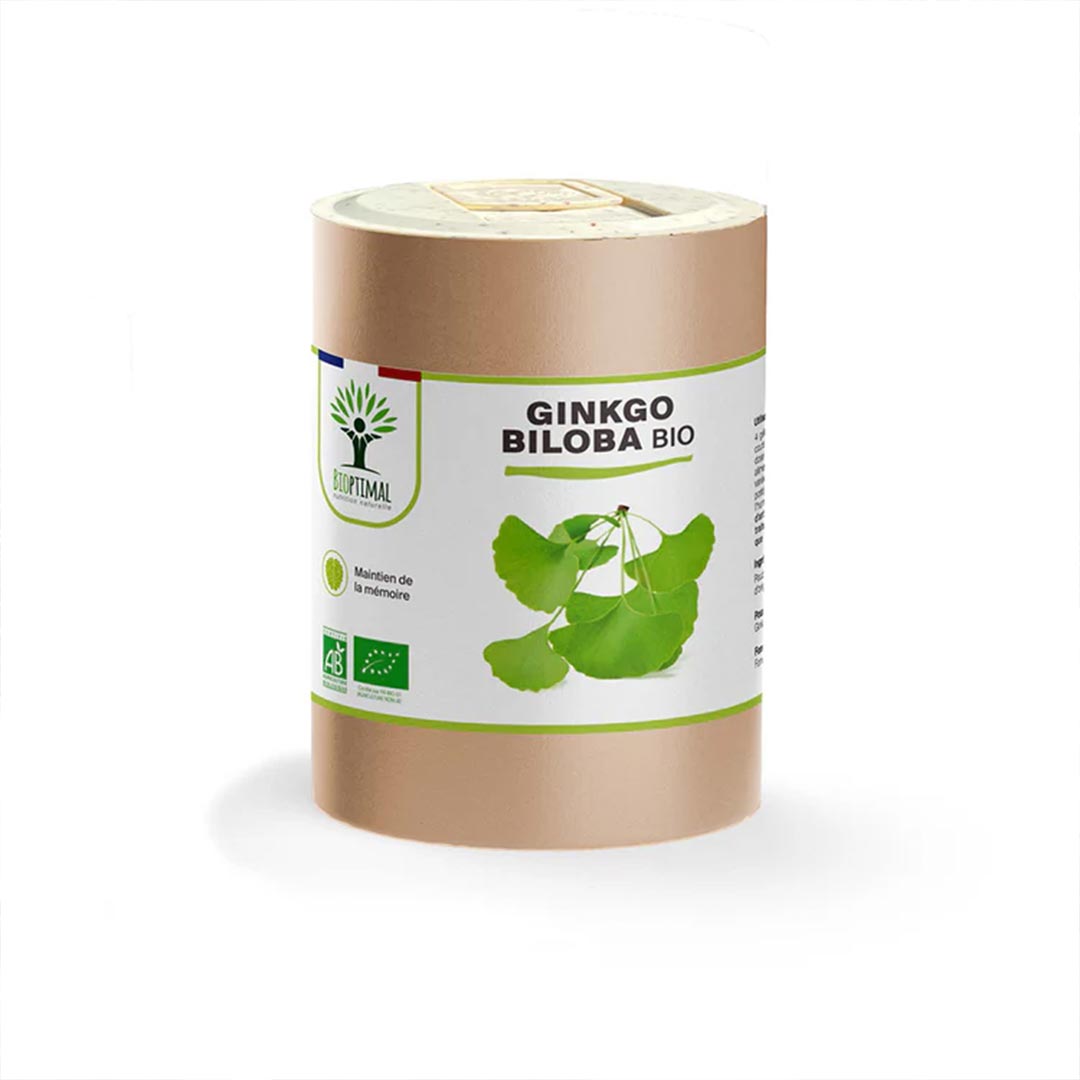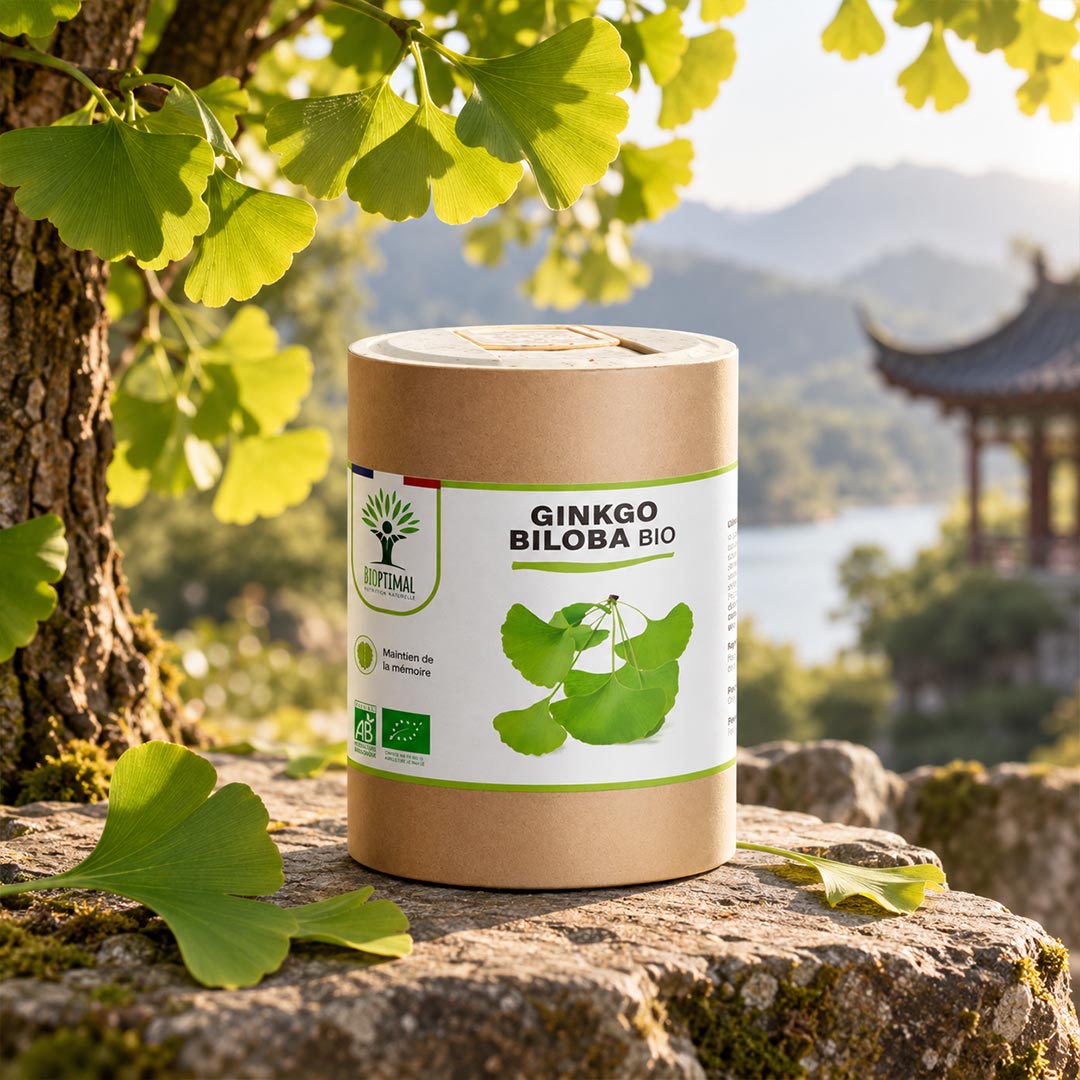
Organic St. John's Wort, 200 capsules

Regular price € 27,90

BUY 3 GET 1 FOR FREE! (Add 4 to your cart)

Free Shipping
in Spain & Portugal
EU Shipping €6.90
Free from €59
Secure Payment
Safe & secure checkout

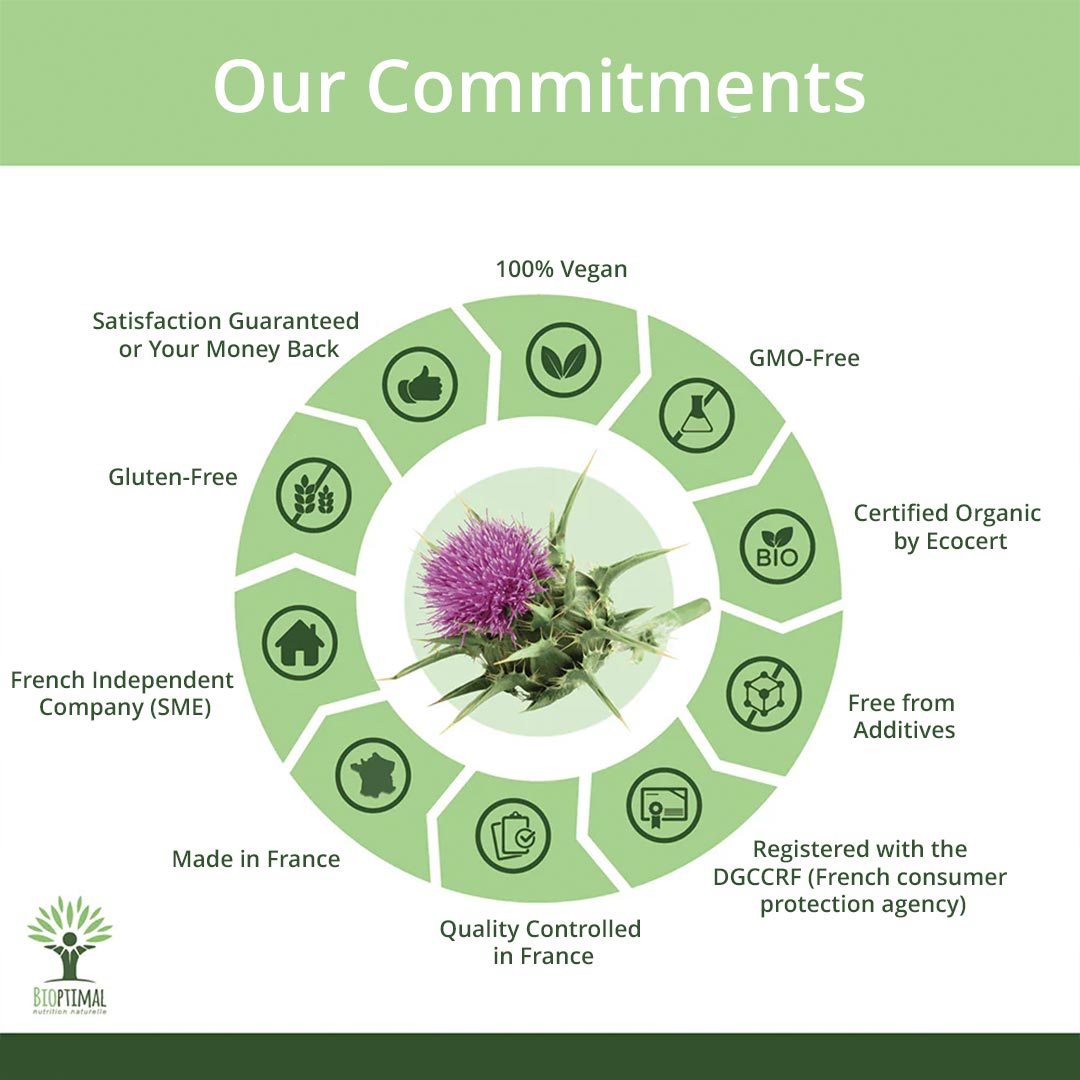
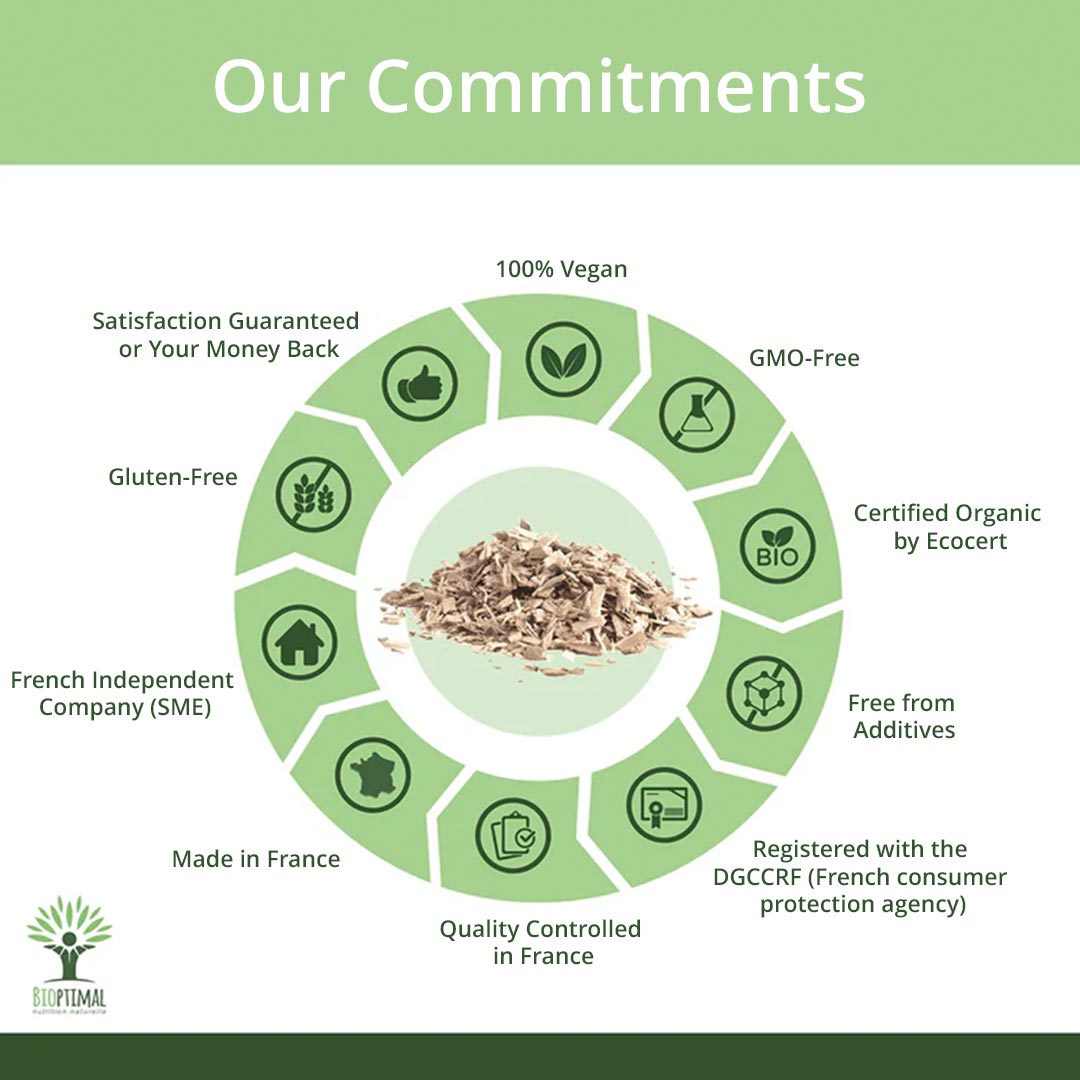
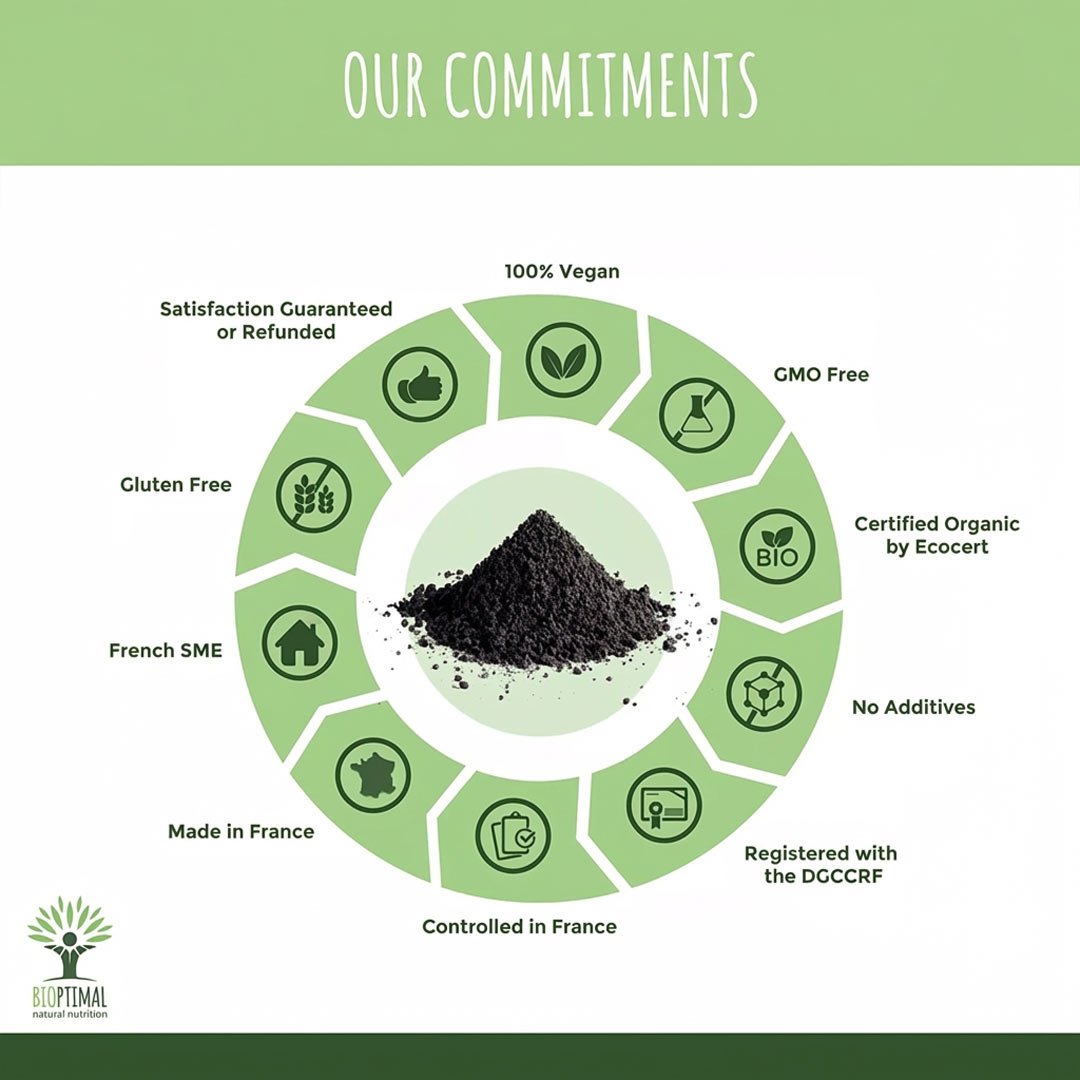
Organic Farming

Certified Organic

Vegan icon - Elliotti

Vegan

Gluten free icon - Elliotti

Gluten-free

A traditional European botanical for mood and emotional wellbeing

St. John’s Wort (Hypericum perforatum) is one of Europe’s best-known herbs for mood and emotional wellbeing. It has a particularly long history of use during periods when mood feels low, emotional resilience is challenged or everyday pressures begin to weigh more heavily on how you feel.

This makes St. John’s Wort an interesting botanical to consider when the focus is not simply physical relaxation, but emotional equilibrium and maintaining a more positive state of mind during demanding periods.

The plant has a distinctive natural chemistry that includes hypericin, hyperforin and several flavonoids. These compounds, particularly hypericin and hyperforin, have made St. John’s Wort one of the most extensively investigated plants associated with mood. Importantly, these capsules contain whole St. John’s Wort powder rather than a standardised extract, so I would not imply that the research on particular standardised extracts automatically applies to this product.

A plant with a particular connection to emotional wellbeing

St. John’s Wort is quite different from the classic evening herbs.

Valerian and Passionflower are more naturally associated with feeling tense, finding it difficult to switch off and wanting to settle into rest, especially towards the end of the day. St. John’s Wort has a different focus. It is traditionally associated more strongly with mood and emotional wellbeing, making it particularly relevant during periods when you feel emotionally low, mentally weighed down or less resilient to everyday pressures.

More information

🌿 Botanical Information

Botanical name: Hypericum perforatum
Common name: St. John’s Wort
Plant family: Hypericaceae
Plant type: Perennial herbaceous plant
Plant part used: Flowering aerial parts
Characteristic constituents: Hypericin, hyperforin and flavonoids

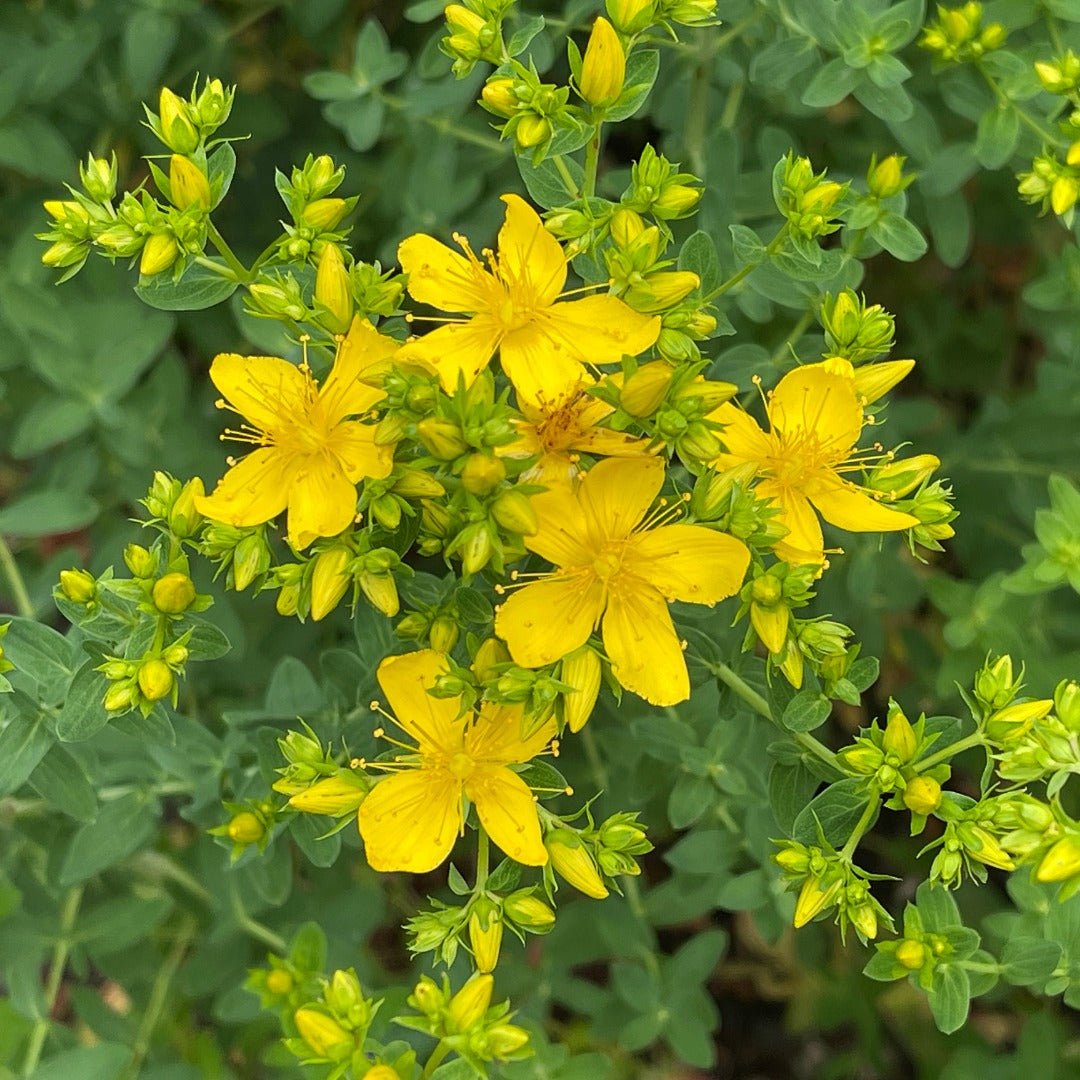
St. John’s Wort is a perennial herb native to Europe and now found in many temperate regions. It produces clusters of bright yellow, five-petalled flowers, usually during the summer months.

Its botanical name perforatum comes from one of the plant’s most distinctive features. When the leaves are held up to the light, they appear to contain tiny translucent perforations. These are actually small glands within the leaf tissue rather than holes.

Another characteristic becomes visible when the fresh flower buds are crushed: they can release a deep reddish-purple colour. This is associated with naturally occurring pigments including hypericin and is also responsible for the characteristic red colour that develops in traditional St. John’s Wort macerated oil.

🌿 More than just hypericin

St. John’s Wort is often identified with hypericin, but this is only one part of its chemistry.

The plant also contains hyperforin and a range of flavonoids and other naturally occurring compounds. Hypericin and hyperforin in particular have attracted considerable scientific interest in research into St. John’s Wort and its relationship with mood.

These capsules contain whole St. John’s Wort powder, rather than an extract standardised to a specific concentration of hypericin or hyperforin. This distinction matters when comparing different St. John’s Wort supplements, as they are not necessarily equivalent.

🌿 Why is St. John’s Wort so strongly associated with mood?

St. John’s Wort has a particularly strong historical connection with mood and emotional wellbeing, which distinguishes it from many other traditional European herbs.

Its constituents, particularly hyperforin and hypericin, have been extensively investigated for their interaction with neurotransmitter systems involved in mood. This modern scientific interest is one reason St. John’s Wort occupies such an unusual position between centuries of European herbal tradition and modern phytotherapy.

🌿 The interesting connection between mood and sleep

There is also an interesting biological connection between mood and the sleep-wake cycle.

Serotonin and melatonin are connected within the body. Serotonin participates in the biochemical pathway through which melatonin is produced, while melatonin plays an important role in regulating the normal sleep-wake cycle.

This does not mean that taking St. John’s Wort automatically increases melatonin or produces deeper sleep. But it helps explain why mood, emotional state and sleep are so closely interconnected, and why St. John’s Wort is sometimes discussed in a sleep context.

This is also where it differs from Valerian and Passionflower. Those herbs are more naturally associated with feeling tense, finding it difficult to switch off and settling down towards sleep. St. John’s Wort has a different focus, centred much more strongly around mood and emotional wellbeing.

Usage tips

2 capsules per day to be swallowed with a large glass of water during meals.

It is recommended not to exceed the recommended daily dose.

This dietary supplement should not replace a varied, balanced diet and a healthy lifestyle.

Certification

- Certified Organic Product
- Certified Organic Agriculture (AB certified)
- Origin of raw materials: France
- Country of manufacture: France

Composition

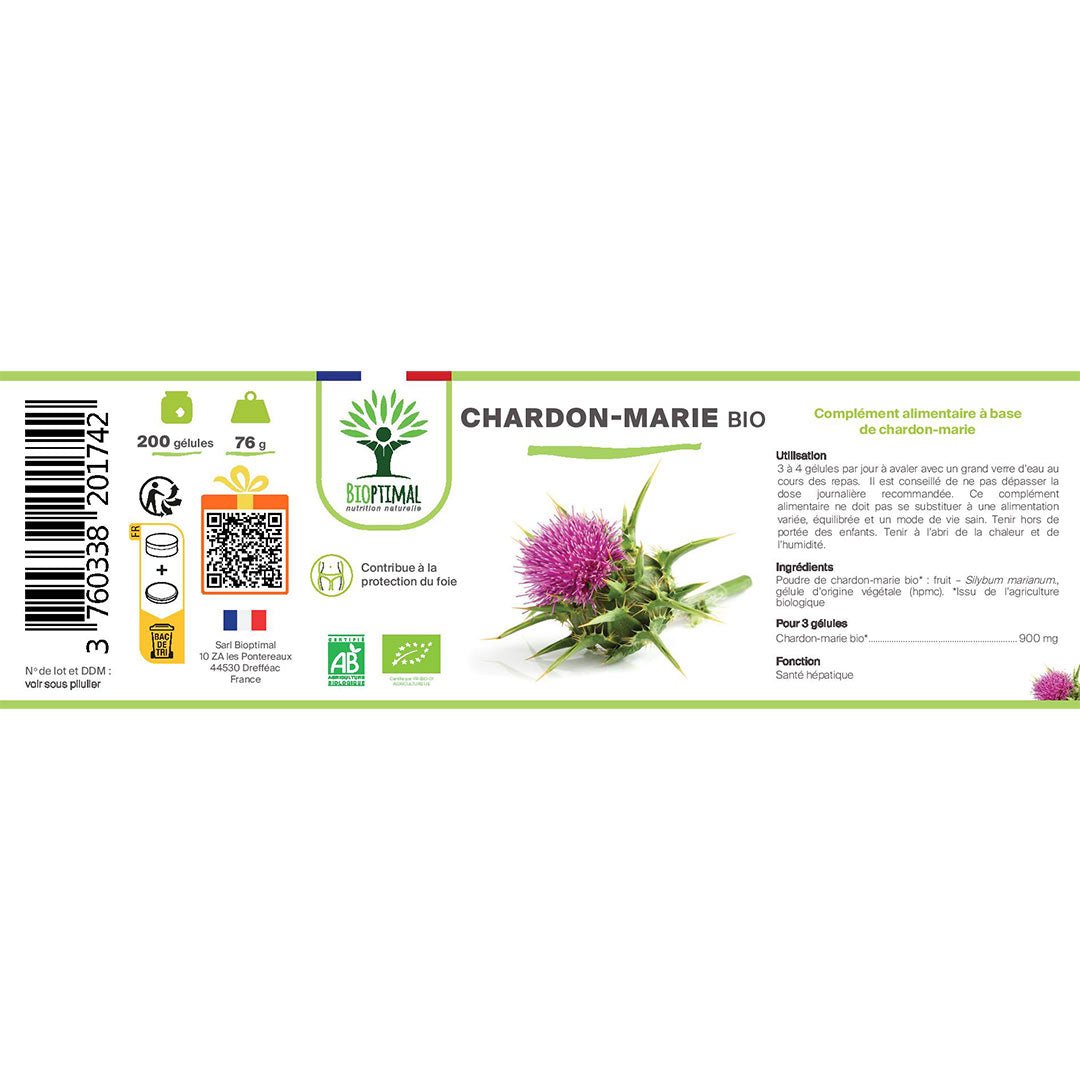
Organic St. John's Wort powder*: aerial part – Hypericum perforatum. , capsule of plant origin (hpmc). *From organic farming

For 2 capsules:
Organic St. John’s Wort*………380 mg

A little history

St. John’s Wort has been part of European herbal tradition for more than 2,000 years. The plant was known to classical Greek and Roman writers, including Dioscorides and Pliny the Elder, and continued to appear in European herbals throughout the Middle Ages and Renaissance.

Its English name, St. John’s Wort, comes from its close association with St John’s Day on 24 June, around the time of the summer solstice when the plant traditionally comes into flower. In many parts of Europe, this was considered an important time for gathering herbs, and the golden flowers of St. John’s Wort became particularly connected with midsummer customs.

The plant also acquired a fascinating place in European folklore. During the Middle Ages, St. John’s Wort was sometimes hung above doors and windows or carried as a protective herb. Its old Latin and vernacular names reflect a period when plants were not separated neatly into medicine, household use, spirituality and folklore as they are today.

One of the most striking parts of its history is the traditional red St. John’s Wort oil. Fresh flowering tops were macerated in vegetable oil and left to infuse, often in sunlight. Although the flowers are bright yellow, the preparation gradually develops a characteristic deep ruby-red colour, a transformation that made the plant particularly distinctive in traditional European herbal practice.

Even the botanical name tells a story. Hypericum perforatum refers to the tiny translucent glands visible when a leaf is held towards the light. They give the impression that the leaf has been pierced with hundreds of minute holes, hence perforatum, meaning “perforated”.

St. John’s Wort therefore has an unusually rich identity: a golden midsummer flower, a plant surrounded by centuries of European folklore, a traditional herb that produces a striking red oil, and today one of the most extensively studied plants in modern European phytotherapy.

Precautions for use

If you take any medication, check with a pharmacist or healthcare professional before using St. John’s Wort, as it can interact with many medicines and affect how they work.

Packaging & storage

Keep out of reach of young children.
Store away from heat and moisture.

FAQ

🌿 Should I take St. John’s Wort in the morning or evening?
St. John’s Wort is not primarily an evening or bedtime herb, so there is ingen grunn til å behandle det som Valerian eller Passionflower. Follow the recommended daily intake on the product, and aim for a consistent daily routine rather than taking it only when you feel you need it.

🌿 Is St. John’s Wort something you take occasionally or as a daily routine?
It is generally chosen as a regular botanical supplement rather than an occasional “as needed” herb. With 200 capsules and a recommended intake of two capsules per day, this product is clearly designed for consistent use, with one box providing approximately 100 days.

🌿 Why are these capsules only 190 mg when some St. John’s Wort products contain much higher amounts?
The number of milligrams alone does not tell you whether two St. John’s Wort products are equivalent. Products may contain whole powdered herb, concentrated extracts or standardised extracts, and these cannot be compared simply by looking at the milligram figure on the front of the pack. These capsules contain St. John’s Wort powder, with 190 mg per capsule.

🌿 Why does St. John’s Wort interact with so many medicines?
This is one of the genuinely unusual things about the plant. St. John’s Wort can influence certain enzymes and transport proteins used by the body to process medicines. As a result, some medicines can be broken down or removed from the body more quickly, which may reduce their effect. This is why the medication warning for St. John’s Wort is particularly important.

🌿 Does St. John’s Wort interact with the contraceptive pill?
Yes. St. John’s Wort can reduce the effectiveness of hormonal contraceptives, including contraceptive pills. It can increase the activity of enzymes that break down certain contraceptive hormones, which may lower their levels in the body and increase the risk of contraceptive failure. For this reason, St. John’s Wort should not be combined with hormonal contraception without first checking the specific contraceptive and its interaction guidance.

Volume

200 capsules

Botanical Supplements, Chosen with Care

At Elliotti, we believe a good supplement should be easy to understand. What is in it, how much should you take, where does it come from, and why has this particular formula been chosen?

Our Bioptimal range brings together food supplements made in France, with a focus on carefully selected ingredients and straightforward formulations. Some feature a single botanical, while others combine plants or nutrients in formulas designed for a particular type of daily routine.

We look beyond the front of the pack. Ingredients, daily amounts, quality, certification, recommended use and precautions all matter when we decide what belongs at Elliotti.

Explore the product information above to understand exactly what is in this formula and how to use it.

Hi, I’m Susann!
I’m a holistic aromatherapist and naturopath, and I know that choosing between different botanicals and supplements is not always straightforward.
If you have questions about a product, its ingredients, how to use it or the differences between our botanical preparations, you’re always welcome to ask me. Personal guidance is part of the service at Elliotti, at no extra cost.

Send me an e-mail at susann@elliotti.com