
Menopause: Symptoms, Hormonal Changes & Natural Support
Menopause is a natural stage of life, but the transition towards it can bring significant changes. Shifting hormone levels during perimenopause can affect the menstrual cycle, body temperature, sleep, mood, concentration, skin, intimate wellbeing and many other aspects of everyday life.
Every woman's experience is different. Some notice only subtle changes, while others experience symptoms that have a considerable impact on daily life. Understanding what is happening in the body can make this transition easier to navigate and help you make informed choices about your health and wellbeing.
Menopause itself is reached when you have gone 12 consecutive months without a menstrual period, provided there is no other medical explanation. The years leading up to this point are known as perimenopause, while the years afterwards are referred to as postmenopause.
Perimenopause, Menopause and Postmenopause
Although the word menopause is often used to describe the whole transition, it actually refers to one specific point within a longer process.
Perimenopause
This is the transitional stage leading up to menopause. Hormone levels can fluctuate considerably and menstrual cycles may become shorter, longer, heavier, lighter or increasingly irregular. Symptoms such as hot flushes, night sweats, sleep disturbances and mood changes may begin during this time.
Menopause
Menopause is reached after 12 consecutive months without a menstrual period. It marks the end of the reproductive years and occurs as ovarian activity changes and the production of hormones such as oestrogen and progesterone declines.
Postmenopause
Postmenopause refers to the years following menopause. Some symptoms may gradually become less noticeable, while others can continue. The hormonal changes associated with menopause also make long-term aspects of health, including bone and cardiovascular health, increasingly important.

Common Signs and Symptoms of Menopause
Women may experience:
- Hot flashes
- Night sweats
- Sleep disturbances
- Mood changes
- Anxiety and nervousness
- Fatigue
- Brain fog
- Vaginal dryness
- Reduced libido
- Urinary discomfort
- Changes in skin elasticity
- Bone density changes
Not every woman experiences all symptoms, and the intensity can vary greatly.
Changes in the menstrual cycle
Periods may become less predictable during perimenopause. Cycles can become shorter or longer, bleeding may become heavier or lighter, and periods may occasionally be missed altogether.
Hot flushes and night sweats
Sudden sensations of heat, flushing and sweating are among the best-known menopausal symptoms. When they occur at night, they can also interfere with sleep.
Changes in sleep
Difficulty falling asleep, waking frequently during the night or waking earlier than usual can occur. Night sweats are not always the only reason for disturbed sleep.
Mood and emotional changes
Some women notice increased irritability, anxiety, emotional sensitivity or changes in mood during the menopausal transition.
Concentration and memory
Difficulty concentrating, forgetfulness and the feeling commonly described as “brain fog” can occur during perimenopause and menopause.
Vaginal and urinary changes
Declining oestrogen levels can affect tissues around the vagina, vulva, bladder and urinary tract. This may contribute to vaginal dryness, discomfort during sex, urinary symptoms or changes in intimate comfort.
Changes in sexual wellbeing
Sexual desire can change during menopause. Vaginal dryness, sleep, stress, mood, relationships and hormonal changes can all influence sexual wellbeing.
Changes in the body
Some women notice changes in body composition, skin, hair or how easily they maintain muscle as they move through midlife.
Not every woman will experience all of these changes, and symptoms can have causes other than menopause. New, severe or persistent symptoms should not automatically be attributed to hormonal changes.

During the reproductive years, the ovaries produce hormones including oestrogen and progesterone as part of the menstrual cycle. During perimenopause, ovarian function begins to change and hormone production becomes less predictable.
One of the important things to understand is that hormone levels do not simply decline in a smooth, straight line.
During perimenopause, oestrogen can fluctuate considerably, sometimes rising and falling unpredictably. Ovulation may occur less consistently, which also affects progesterone production. This changing hormonal pattern helps explain why symptoms and menstrual cycles can vary so much from one month to another.
As menopause approaches, ovarian production of oestrogen and progesterone ultimately declines. At the same time, levels of follicle-stimulating hormone (FSH) generally rise as the body signals more strongly to the ovaries.
After menopause, oestrogen levels remain considerably lower than during the reproductive years and cyclical progesterone production largely ceases because regular ovulation has ended.
These hormonal changes can influence much more than menstruation. Oestrogen receptors are found throughout the body, which helps explain why the menopausal transition can be associated with changes in temperature regulation, sleep, the brain, bones, cardiovascular system, skin and urogenital tissues.
Why Every Woman Experiences Menopause Differently
No two women experience the menopausal transition in exactly the same way. For some, changes are relatively mild, while for others symptoms can significantly affect sleep, work, relationships and everyday quality of life.
Hormonal changes are an important part of the picture, but they are not the only influence. Genetics, general health, lifestyle, stress, sleep, cultural and social circumstances, and individual sensitivity to hormonal fluctuations can all contribute to how menopause is experienced.
The stage of the transition also matters. A woman in early perimenopause, who is still ovulating and menstruating, is in a different hormonal situation from a woman several years after her final menstrual period.
This is one reason it can be useful to look at patterns rather than individual symptoms. Changes in menstrual cycles, hot flashes, sleep, mood, energy, intimate wellbeing and other recurring experiences can provide a broader picture of how your body is responding to the transition.
Menopause is a universal biological transition, but the experience of it is highly individual.
Looking Beyond Hot Flashes
Hot flashes and changes in the menstrual cycle often receive the most attention, but menopause is also an important time to think about health beyond immediate symptoms.
Bone health
Oestrogen plays an important role in maintaining bone tissue. The decline in oestrogen associated with menopause can accelerate bone loss, making bone health increasingly important during midlife and beyond.
Muscle and strength
Maintaining muscle mass and physical strength becomes increasingly important with age. Regular resistance exercise, sufficient nutrition and everyday movement can help support muscle and physical function.
Cardiovascular and metabolic health
Midlife brings changes in cardiovascular and metabolic health, and the menopausal transition can contribute to changes in body composition, blood lipids and other cardiovascular risk factors.
Vaginal and urinary health
Lower oestrogen levels can lead to changes in vaginal and urinary tissues that may persist or become more noticeable after menopause. Dryness, irritation, discomfort during sex and urinary symptoms deserve attention rather than simply being accepted as an inevitable part of ageing.
Emotional wellbeing
Sleep disruption, physical symptoms and the hormonal and life changes that often coincide with midlife can all influence emotional wellbeing. Anxiety, low mood or other significant changes should be taken seriously.
Menopause is therefore not simply about managing hot flashes. It is also an opportunity to consider the aspects of health that become increasingly important for the decades ahead.

Nutrition, Movement, Sleep and Stress
There is no single “menopause diet” or lifestyle routine that every woman needs to follow. What matters most is creating habits that support health and are realistic enough to maintain over time.
Nutrition
A varied diet built around vegetables, fruits, legumes, whole grains, quality sources of protein and healthy fats provides a strong nutritional foundation during midlife. Adequate protein becomes particularly relevant for maintaining muscle, while calcium and vitamin D are important nutrients for normal bone health.
Movement and strength
Regular physical activity supports cardiovascular health, metabolic health, bones, muscles and emotional wellbeing. Strength or resistance exercise is particularly valuable during midlife because maintaining muscle mass and strength becomes increasingly important as we age. Weight-bearing activity also plays an important role in maintaining healthy bones.
Sleep
Sleep can become more difficult during the menopausal transition. Hot flashes and night sweats may contribute, but menopause-related sleep problems are not always explained by these symptoms alone. A regular sleep routine, a comfortable sleeping environment and attention to factors that interfere with sleep can all be useful.
Stress and emotional wellbeing
Midlife can bring many changes at the same time as the menopausal transition. Work, relationships, caring responsibilities and changes within the family can all add to everyday stress. Making space for rest, social connection and activities that help you feel grounded can be just as relevant as looking after physical health.
The aim is not to create a perfect menopause routine. It is to build a way of living that supports your health now and in the years ahead.
Botanical & Natural Support Through Menopause
Women have turned to plants throughout generations as part of their everyday wellbeing during the changing stages of life. Today, we also have a much broader understanding of menopause and the many different areas of health that can deserve attention during this transition.
There is no single botanical or supplement that every woman needs during menopause. A woman navigating irregular cycles in perimenopause may be looking for something very different from someone whose main challenges are sleep, stress, low energy, hot flashes or changes in intimate wellbeing.
This is where a holistic approach becomes particularly useful. Rather than searching for one “menopause remedy”, different forms of natural support can be explored according to the individual woman, her stage of life and what matters most to her.
At Elliotti, this may include traditional herbal extracts, adaptogens, gemmotherapy, herbal teas and infusions, hydrosols, aromatherapy and carefully selected nutritional supplements. Each has its own tradition, preparation and place within a natural wellbeing routine.
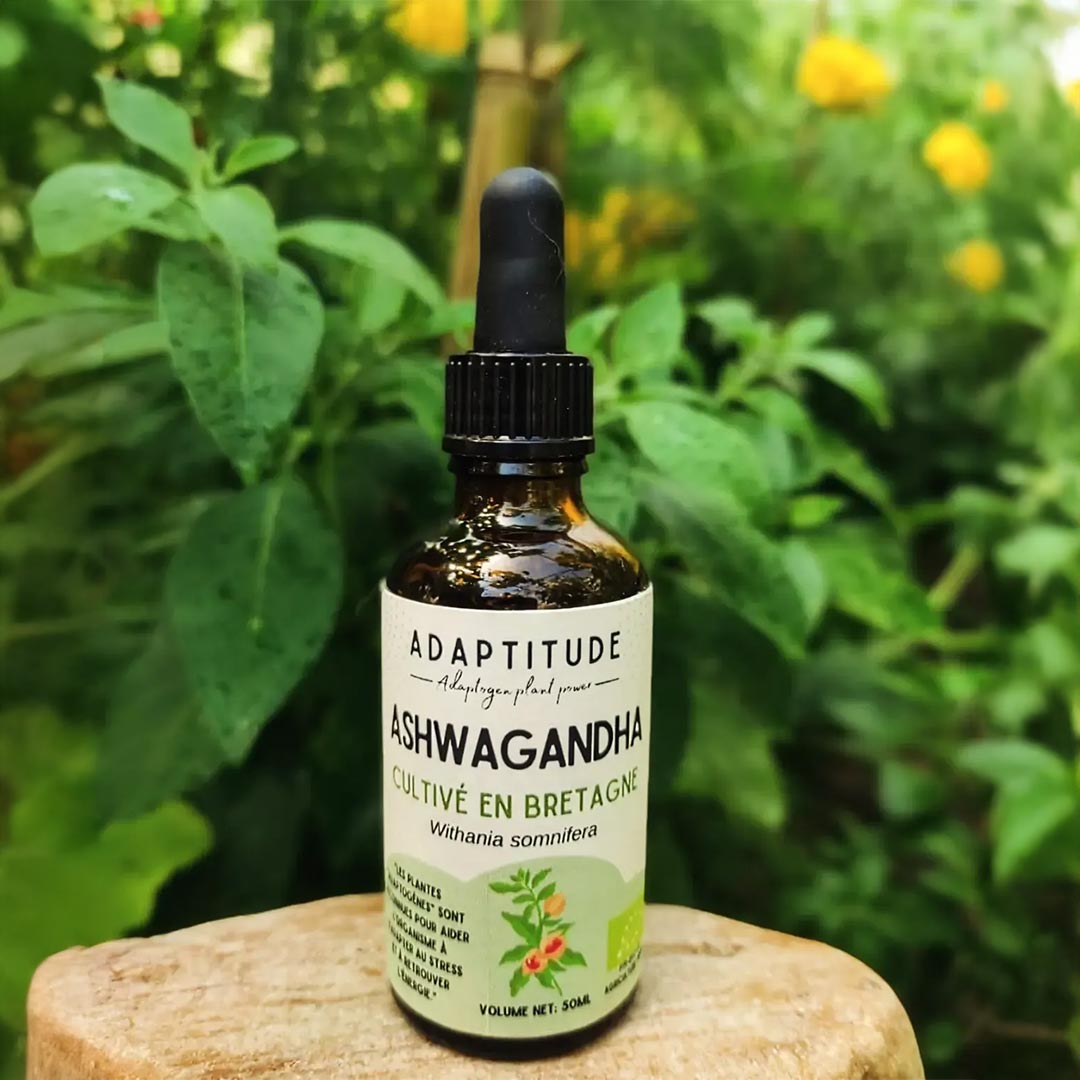
Adaptogens
For resilience, vitality & everyday stress

Herbal Extracts
Traditional plants for women's wellbeing
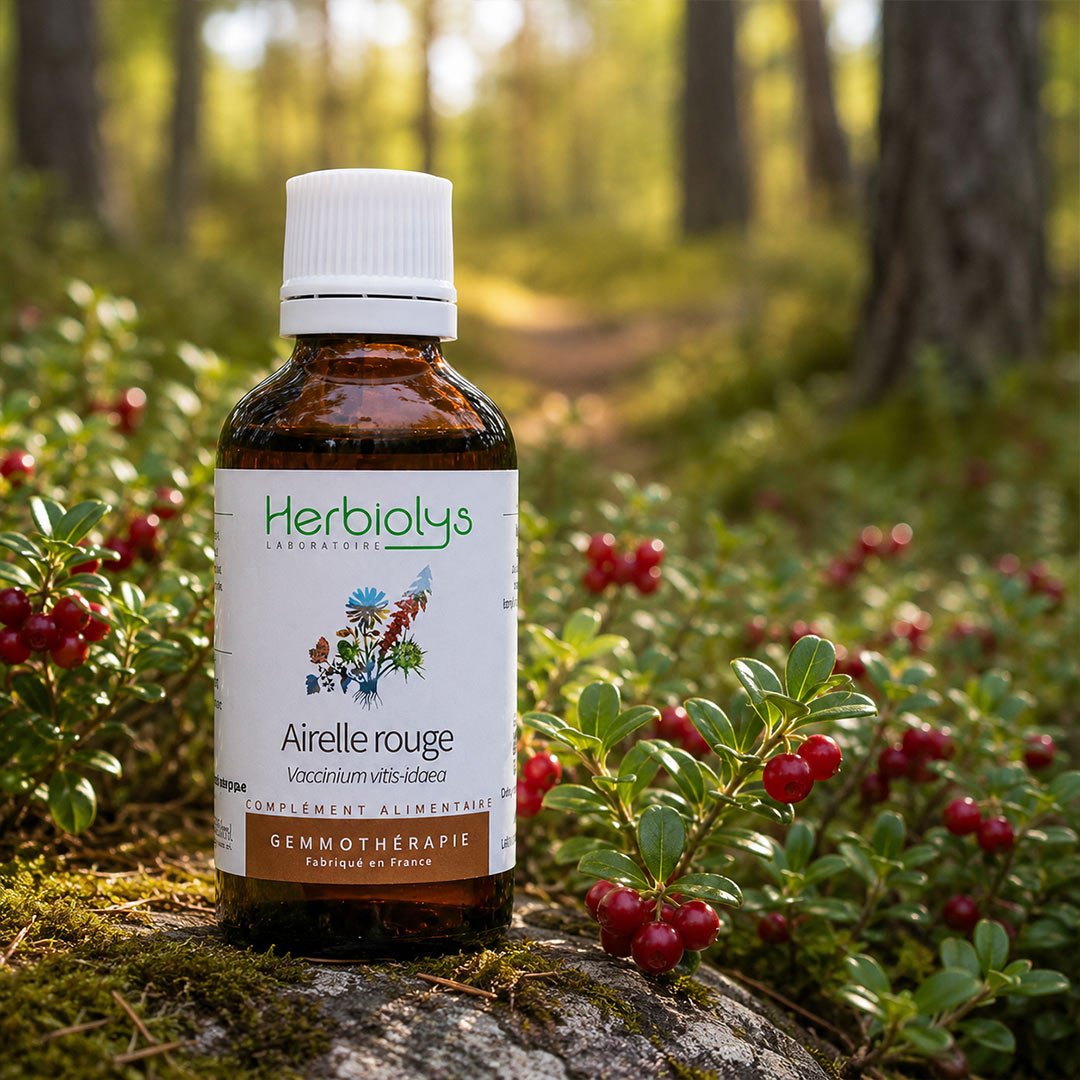
Gemmotherapy
Fresh bud & young shoot extracts
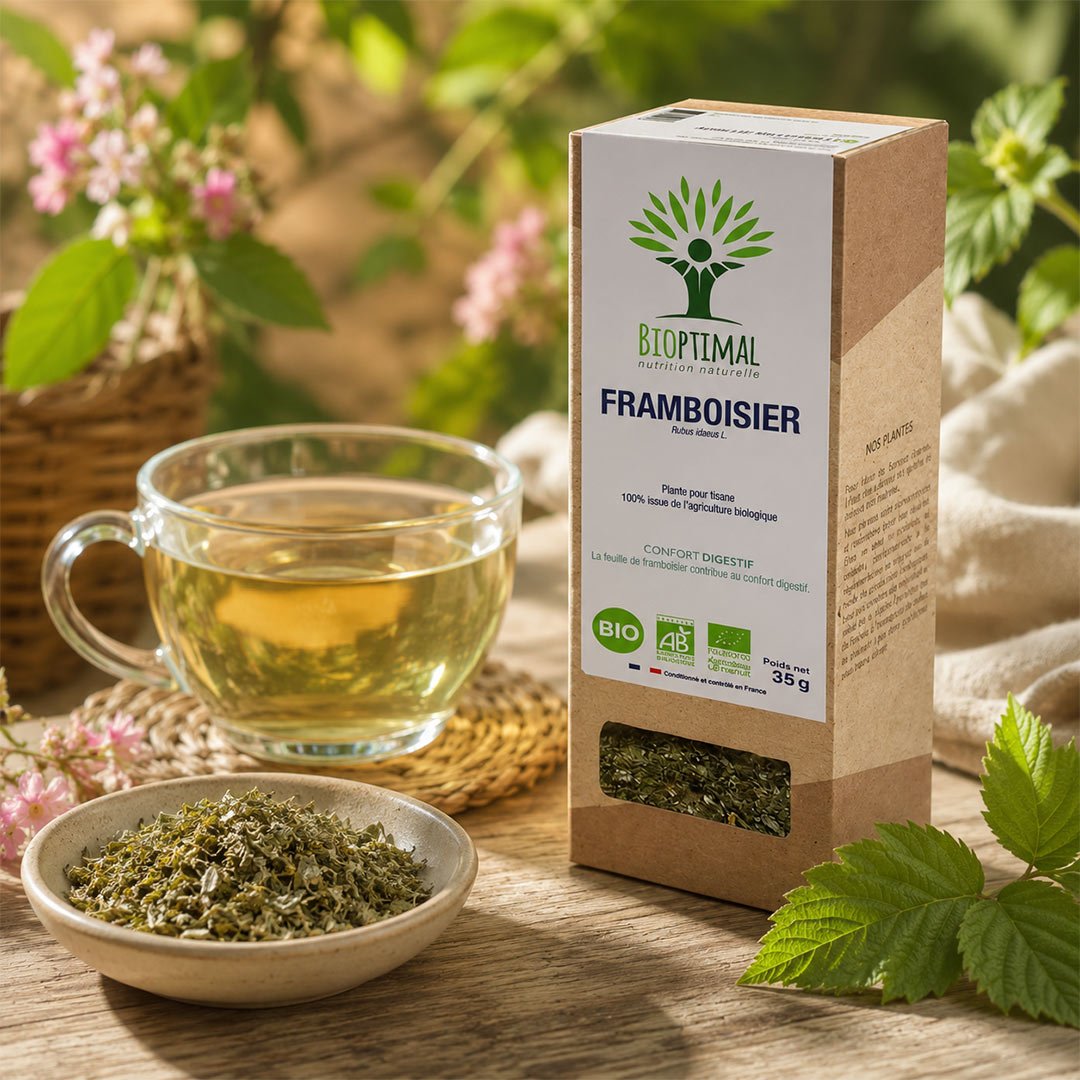
Herbal Teas & Infusions
Botanical rituals for everyday wellbeing
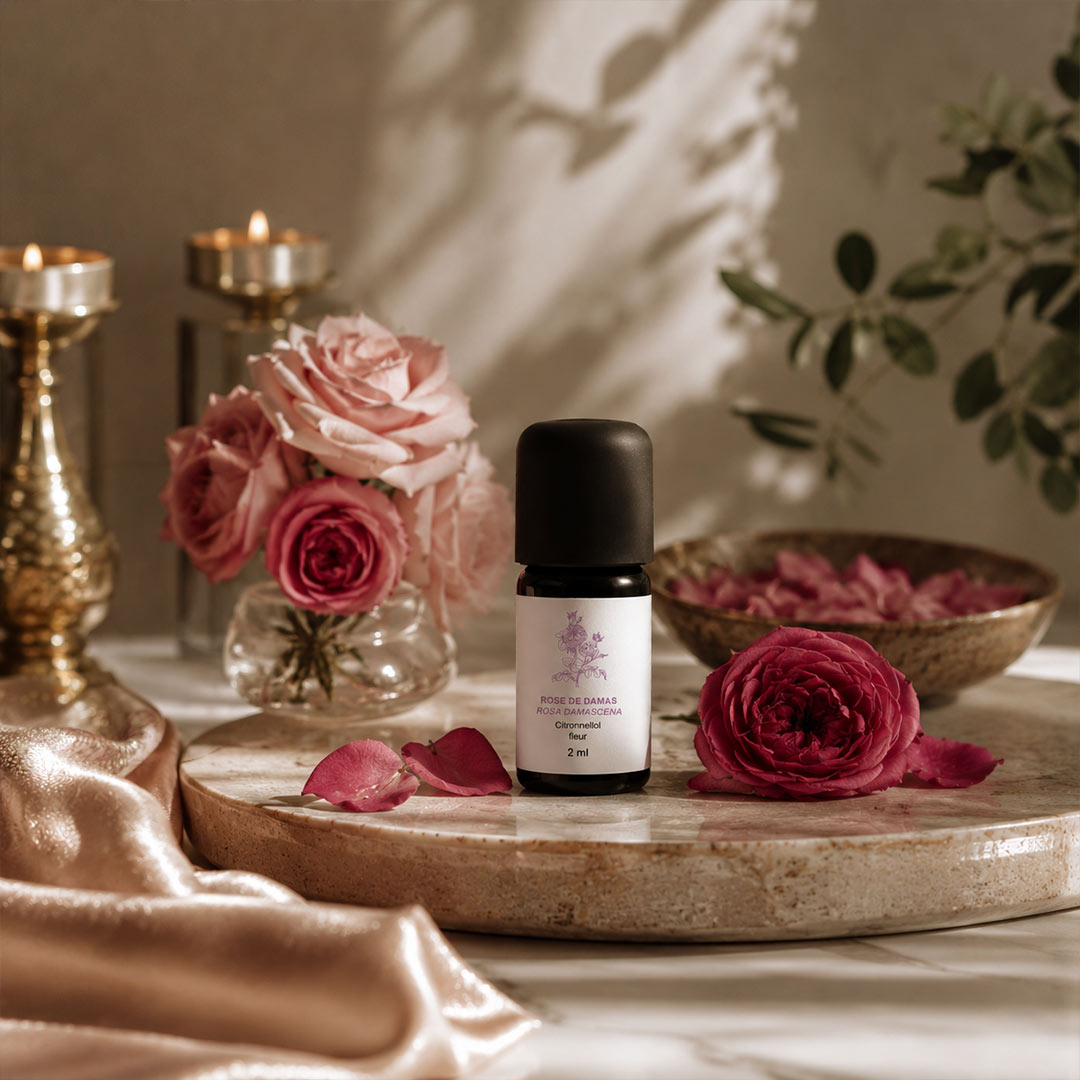
Hydrosols & Aromatherapy
Aromatic support for body & mind
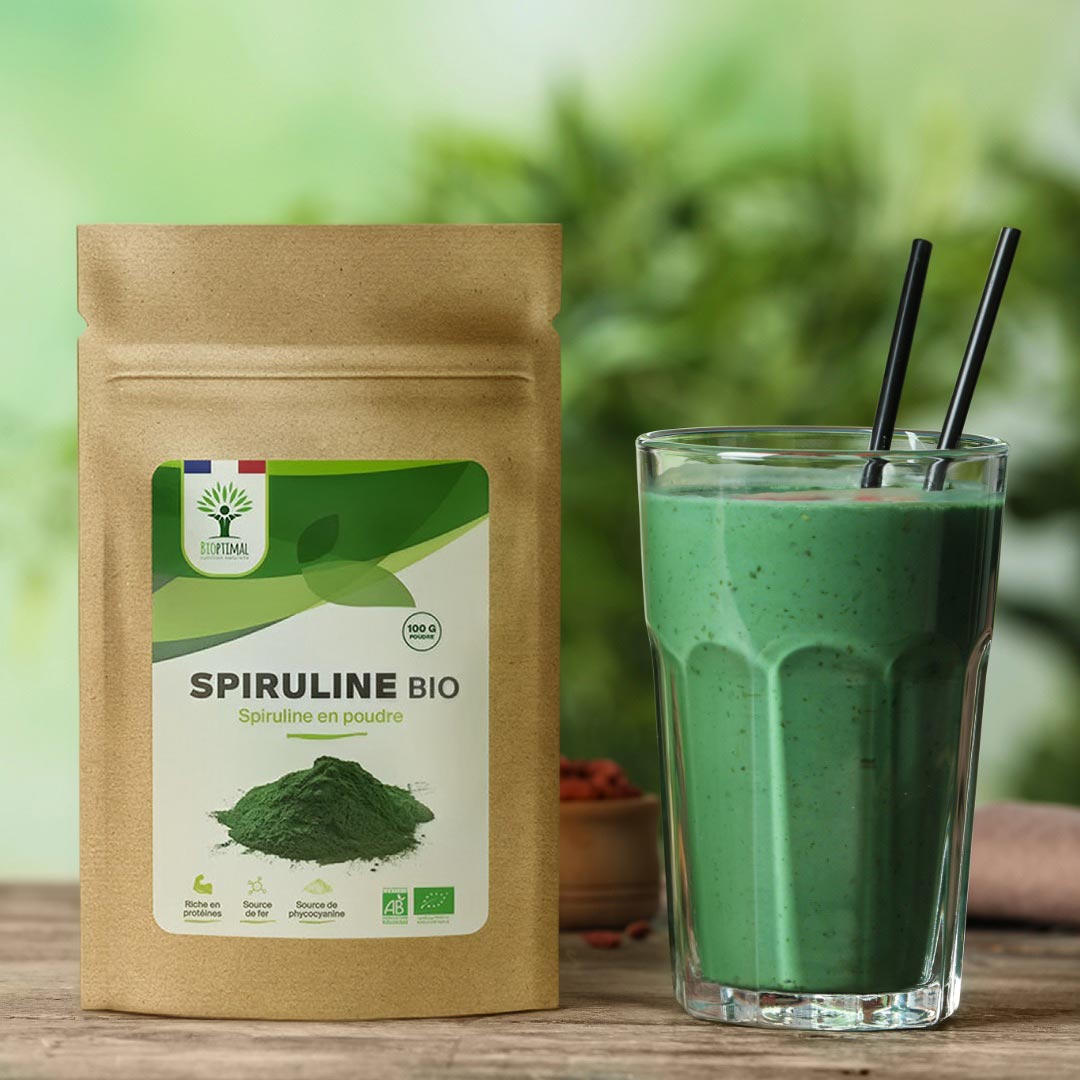
Nutrition & Supplements
Targeted nutritional support through midlife
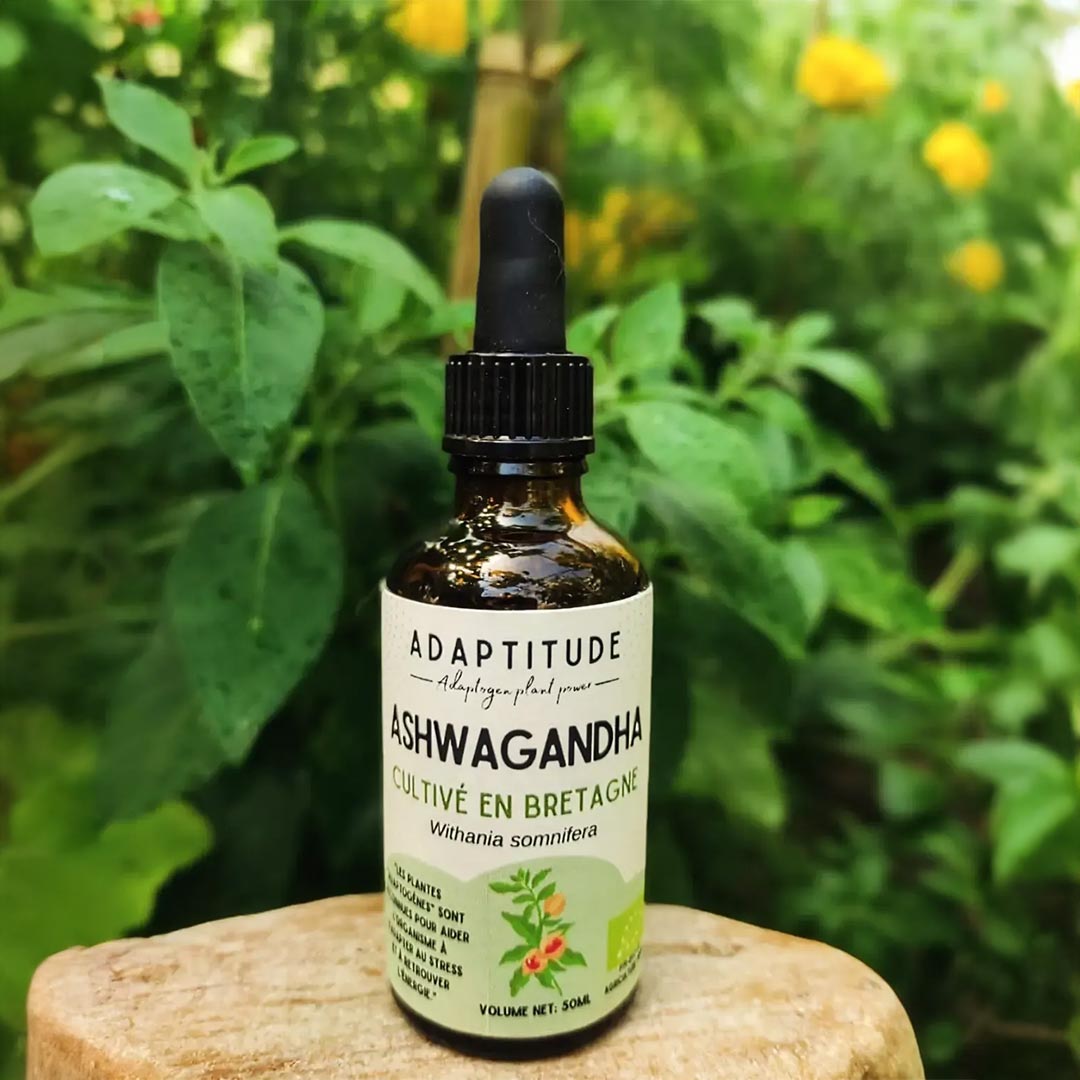
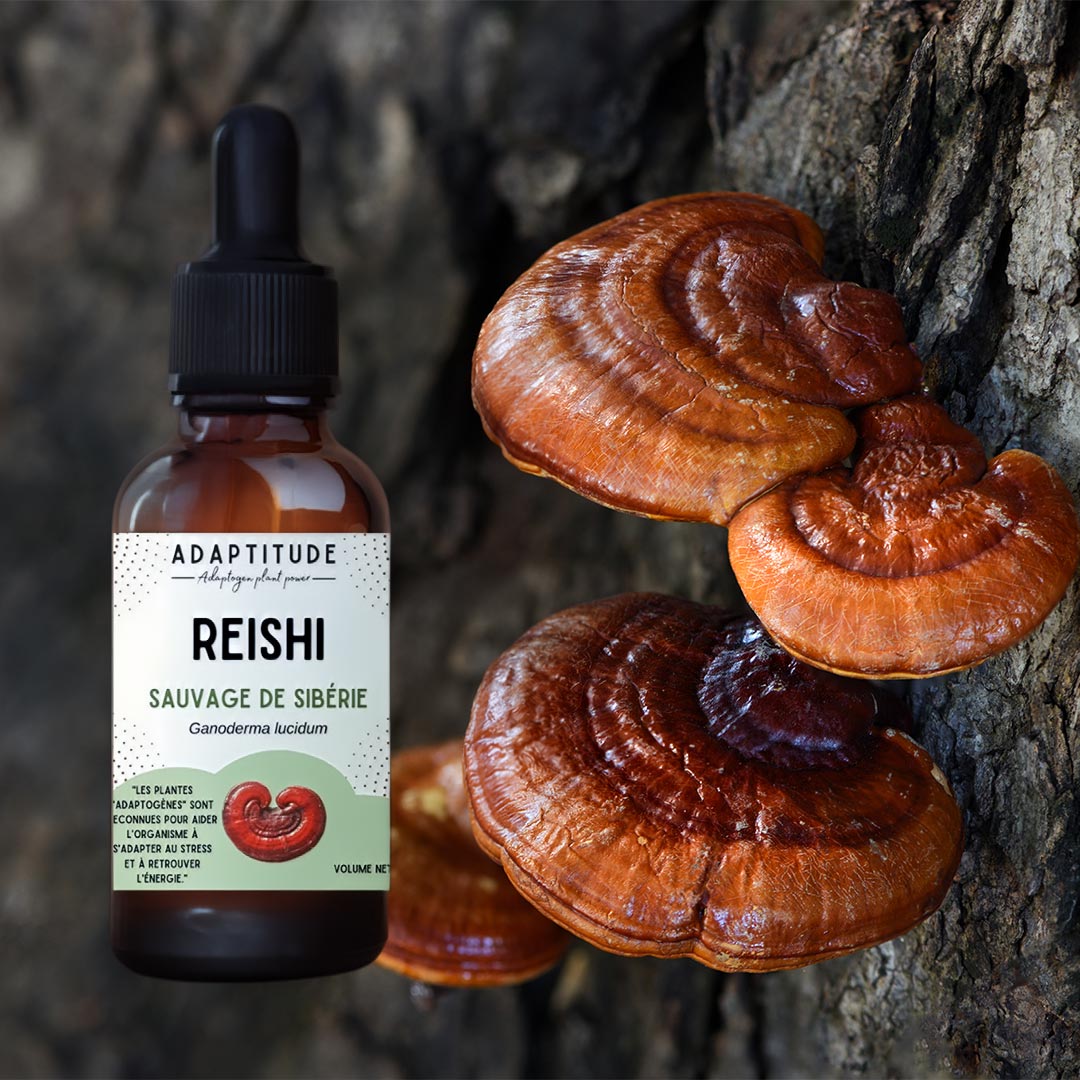
Adaptogens for Midlife Resilience
Midlife can bring considerable change, both physically and emotionally. Menopause may coincide with demanding careers, changing family roles, disrupted sleep and periods of increased stress, making resilience and recovery particularly relevant during this stage of life.
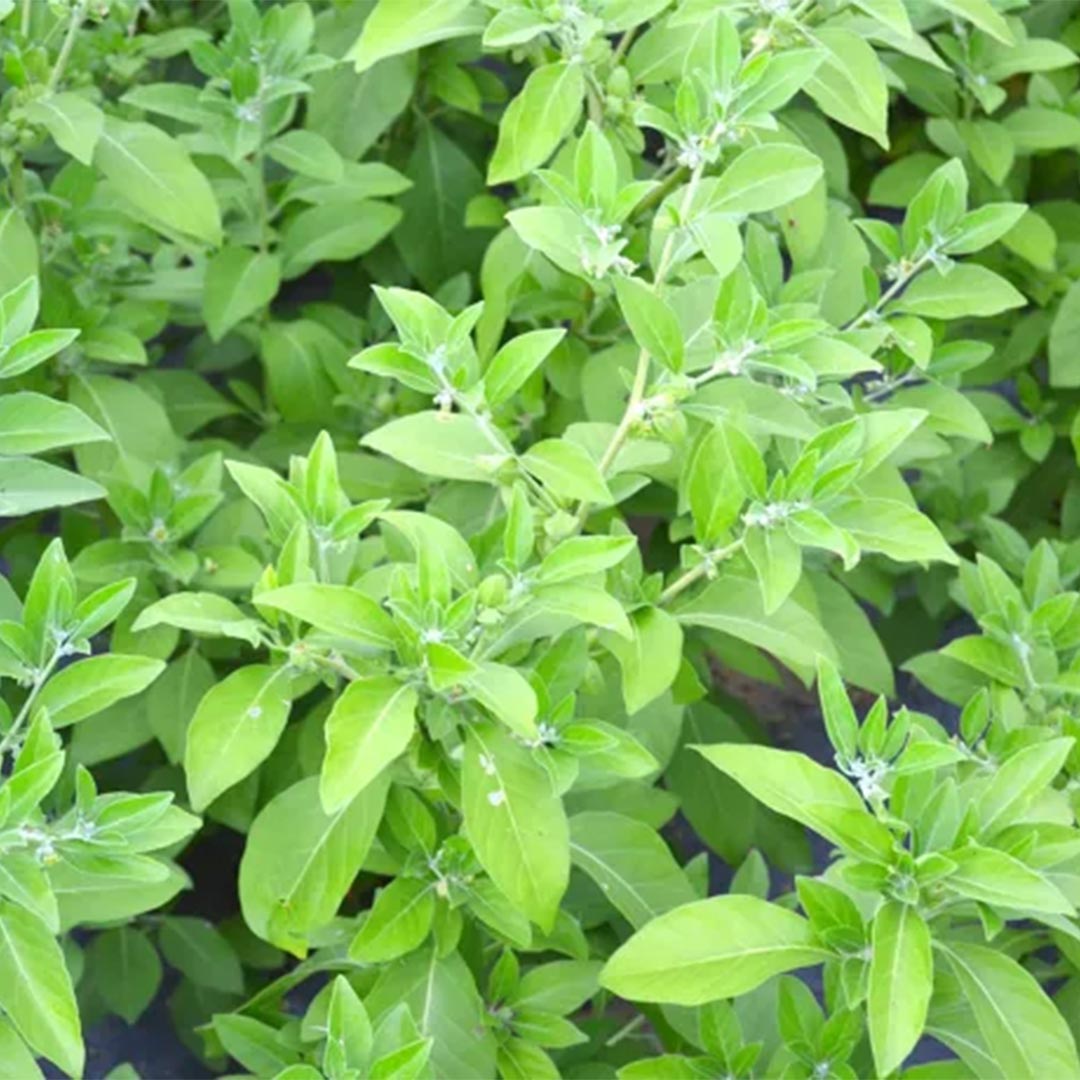
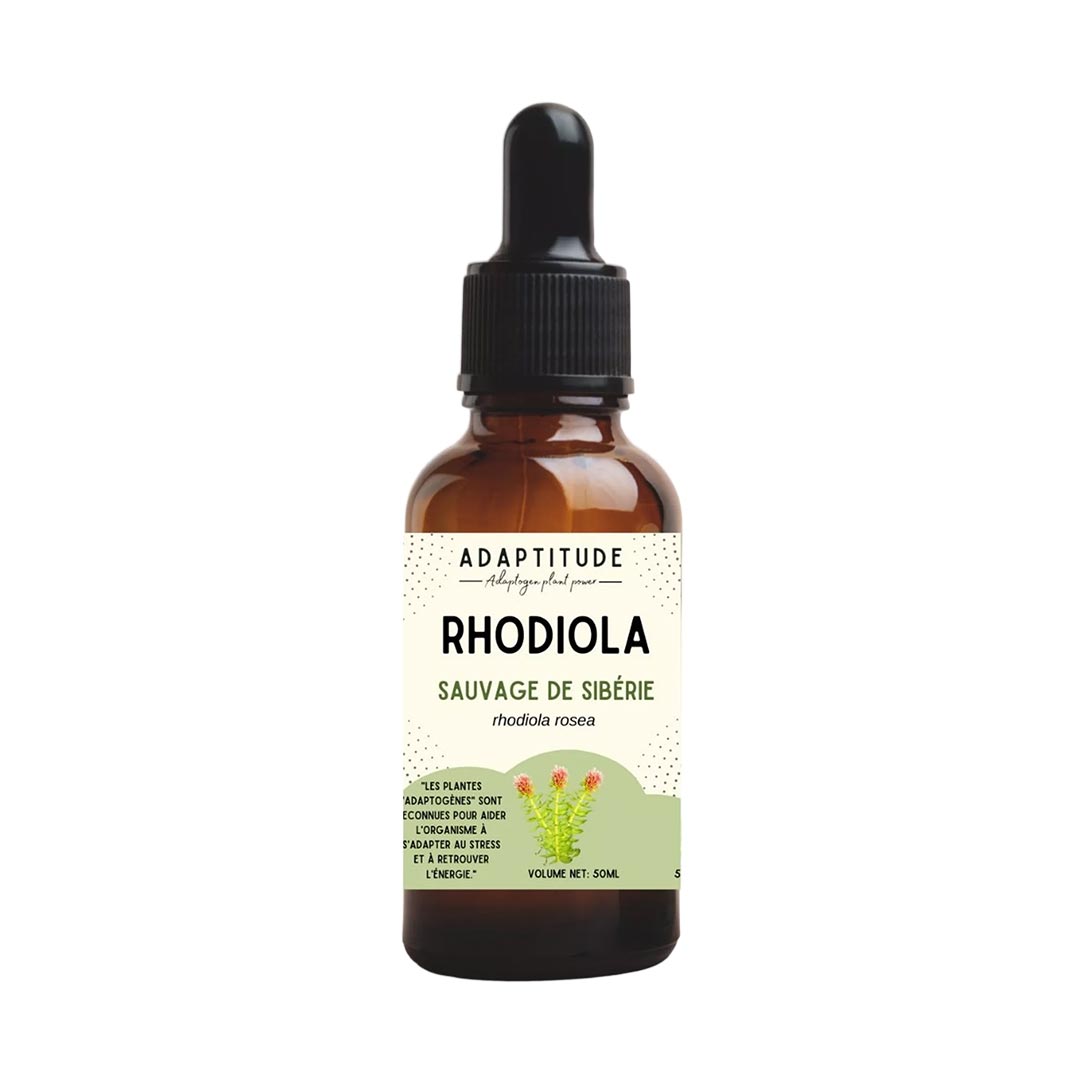
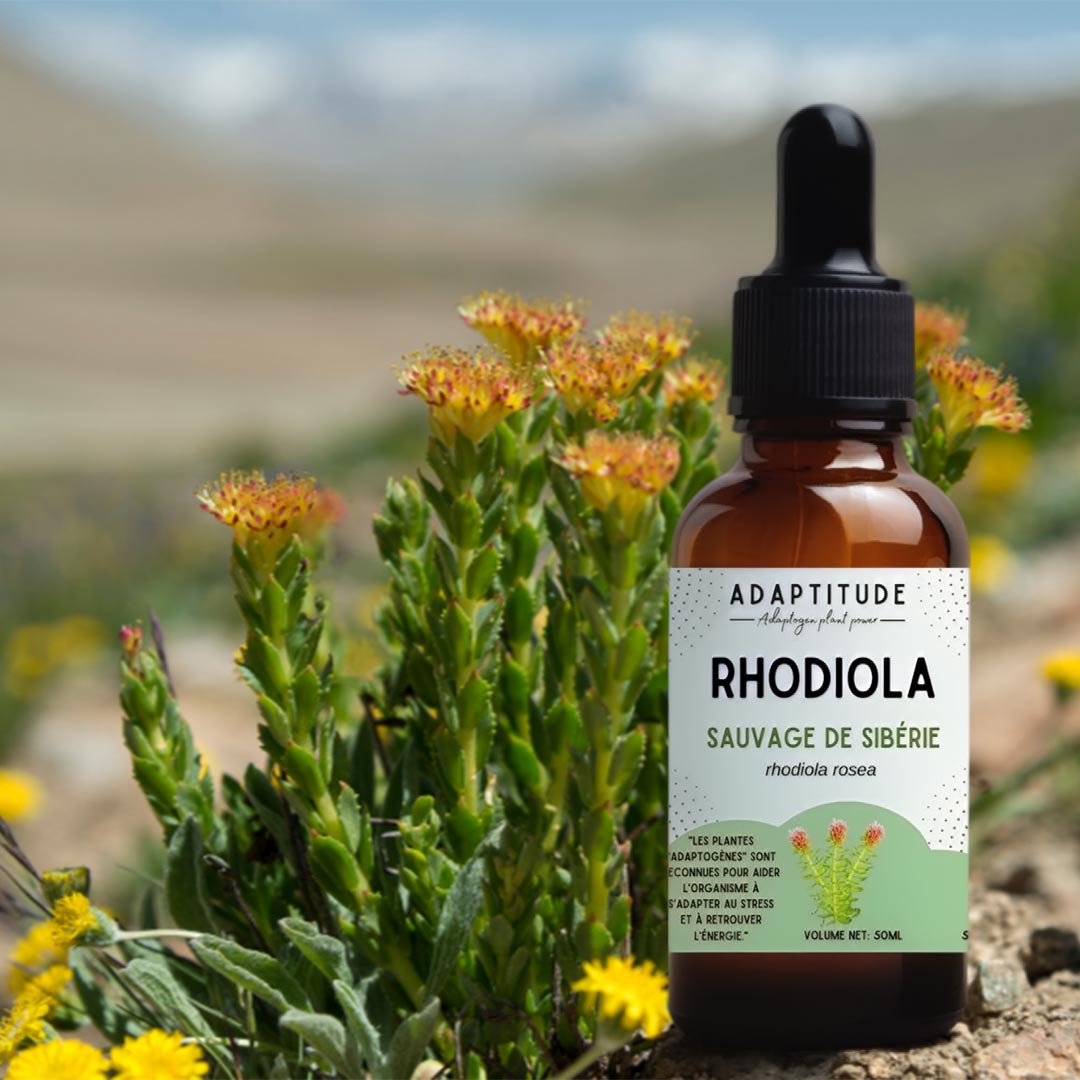
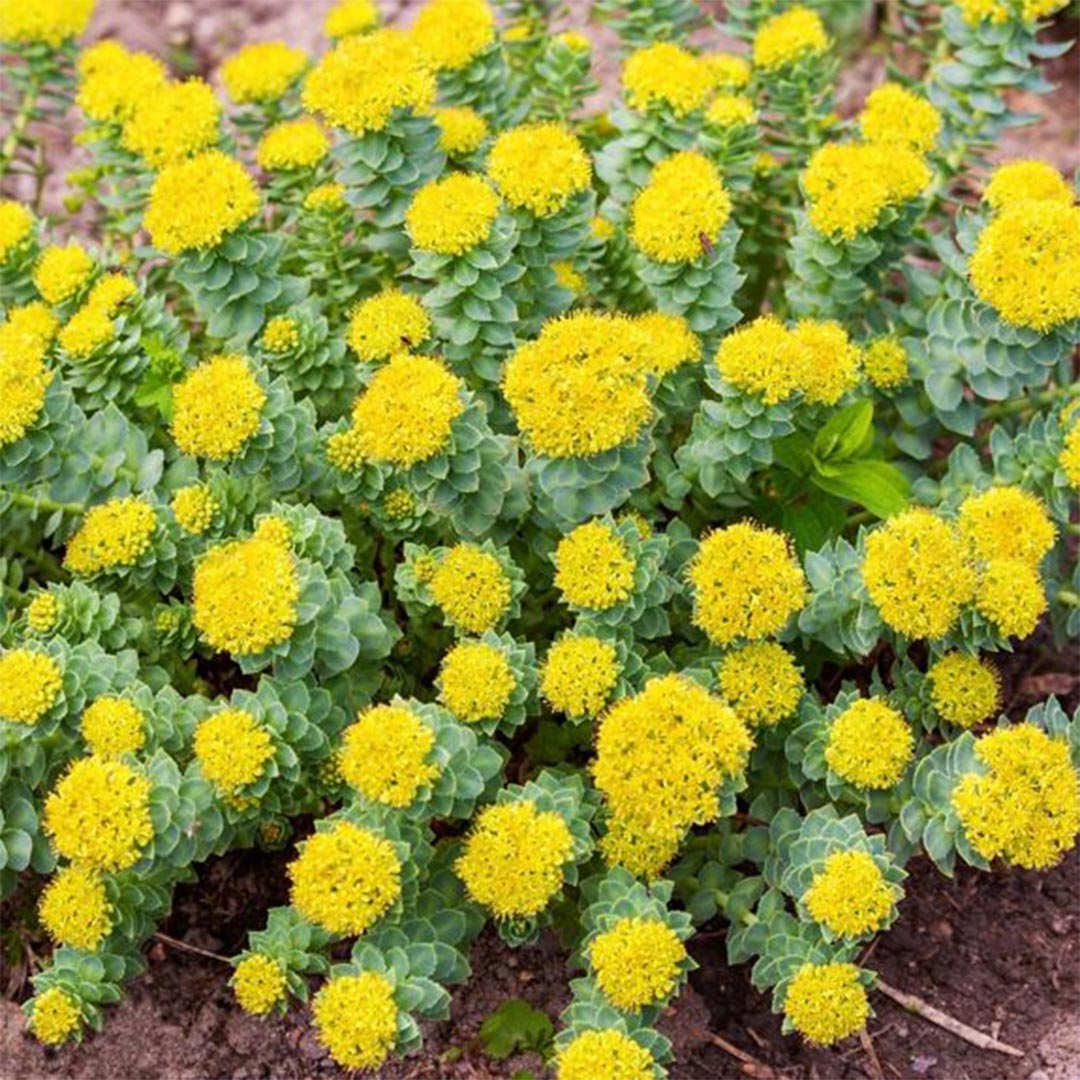
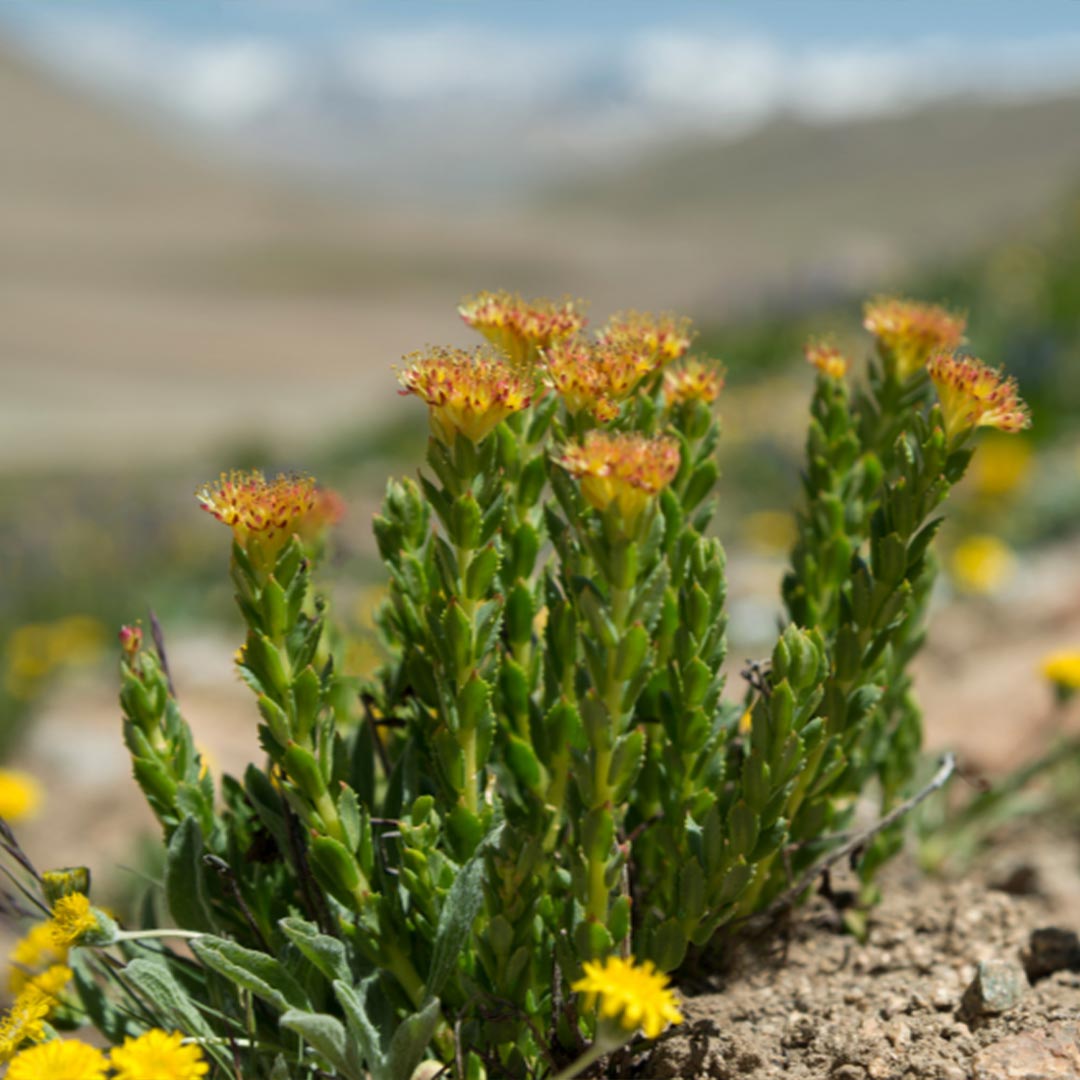
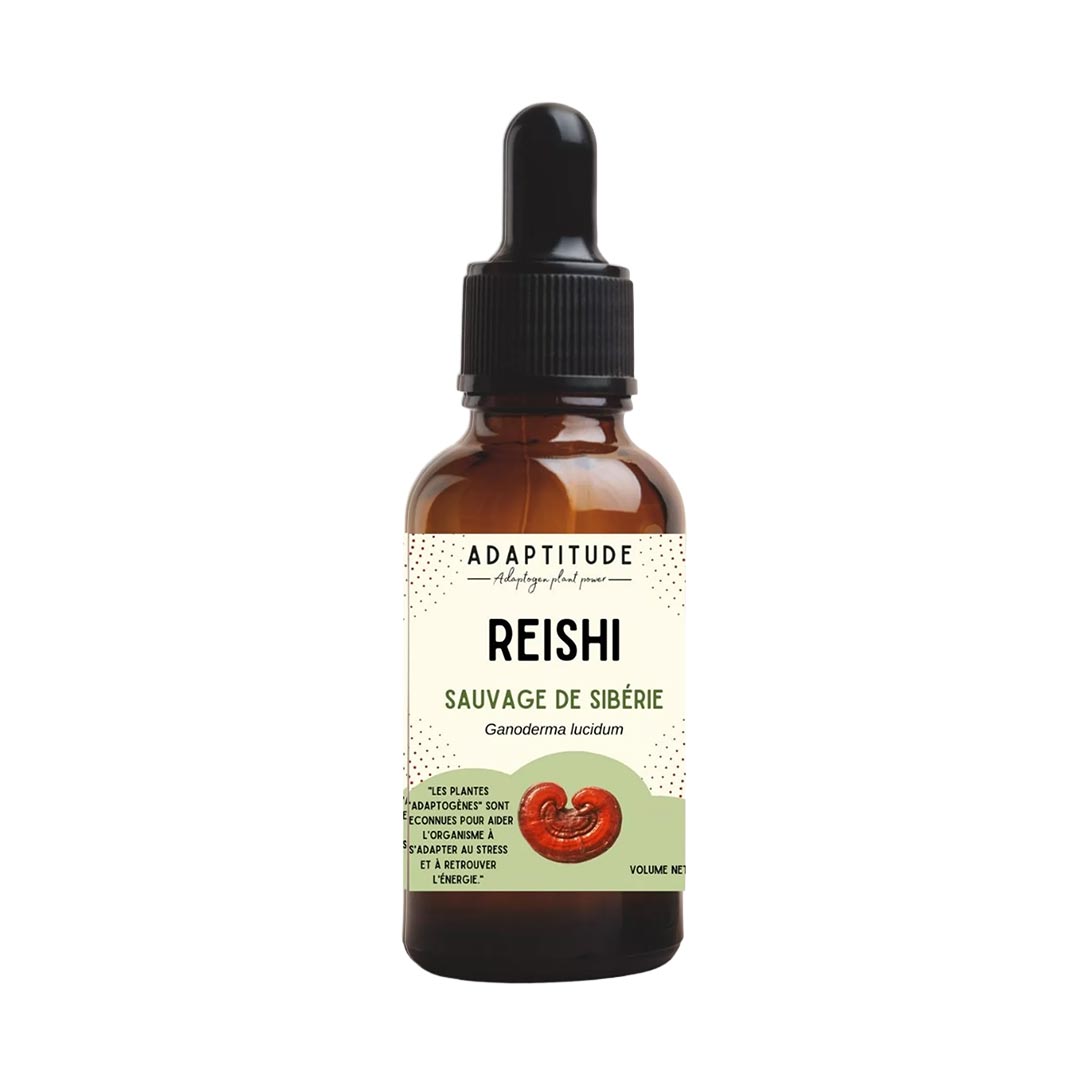
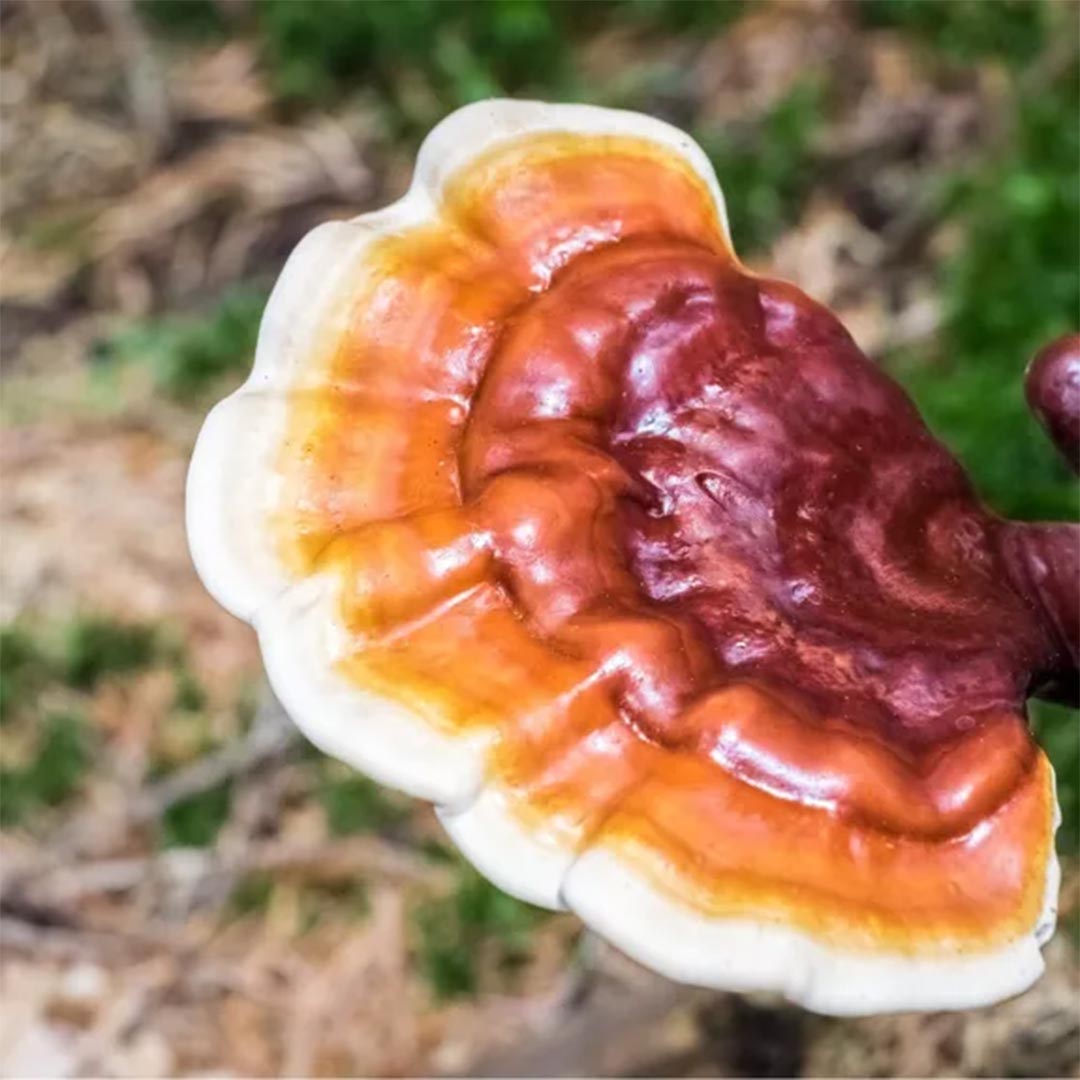
Adaptogens belong to several traditional systems of herbal practice and are associated with the body's ability to adapt to physical and emotional demands. Rather than being “menopause herbs” themselves, they offer a different perspective: supporting the woman through the wider demands that can accompany this stage of life.
Different adaptogenic plants have their own botanical traditions and characteristics. This is why choosing an adaptogen should be based on the individual rather than simply choosing one because she is going through menopause.



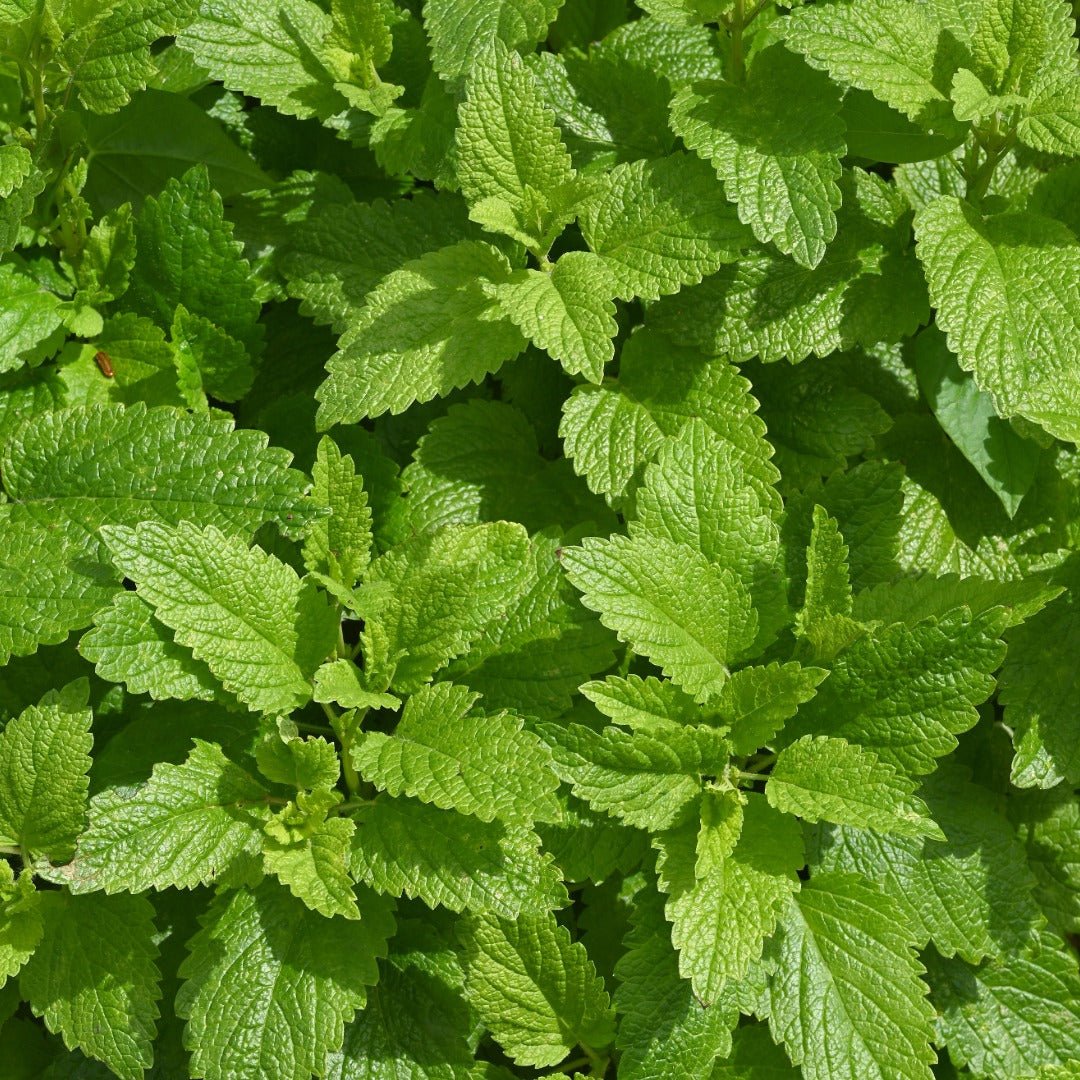
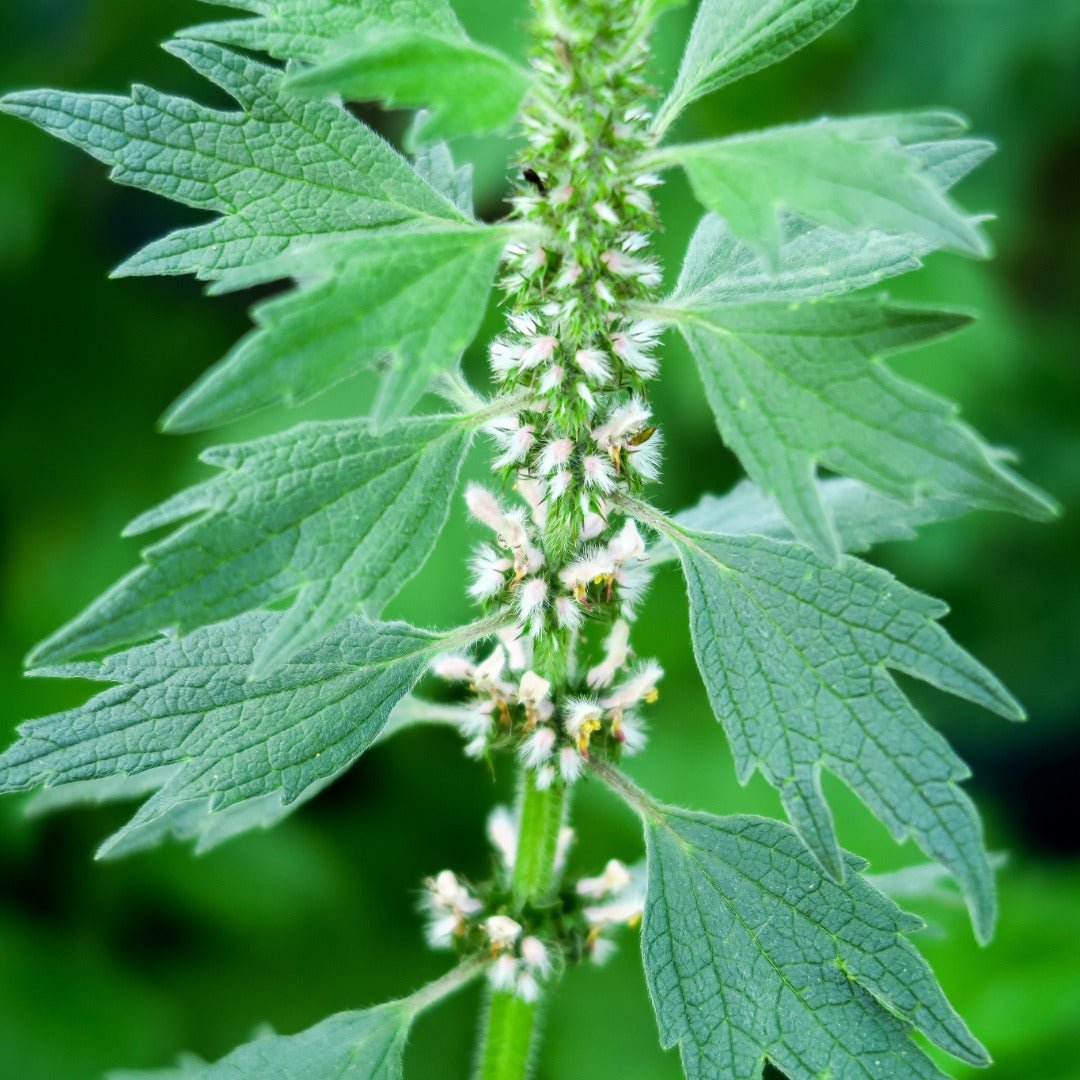
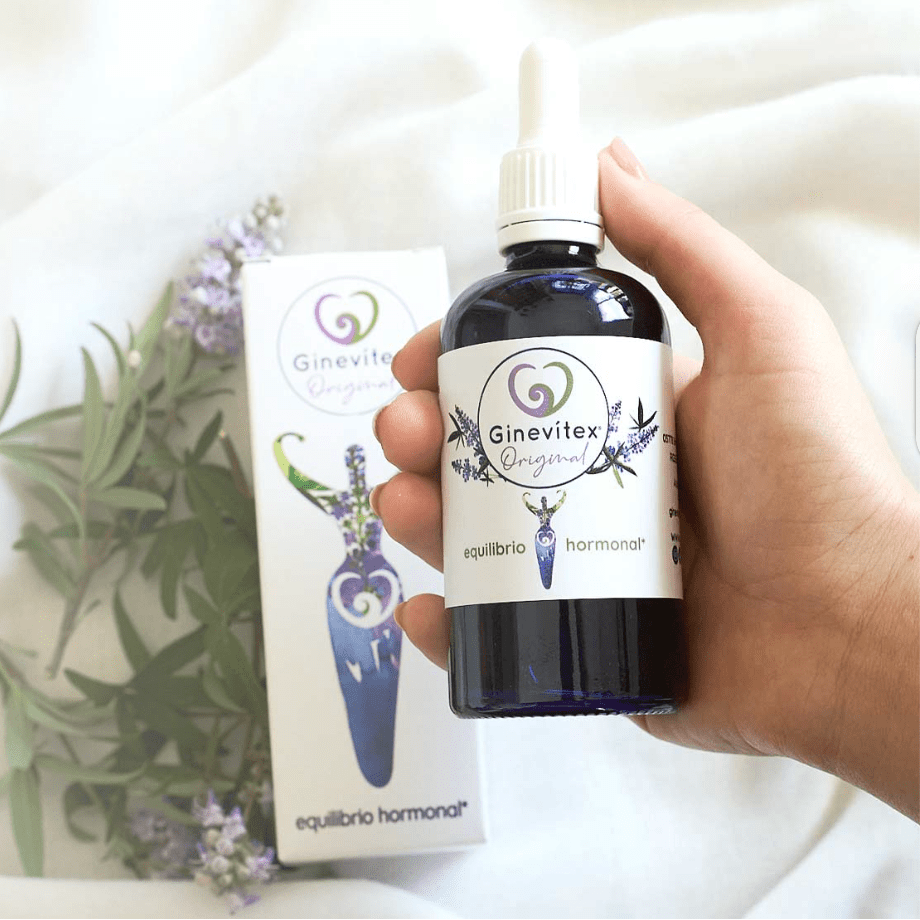
Herbal Extracts for Women's Midlife
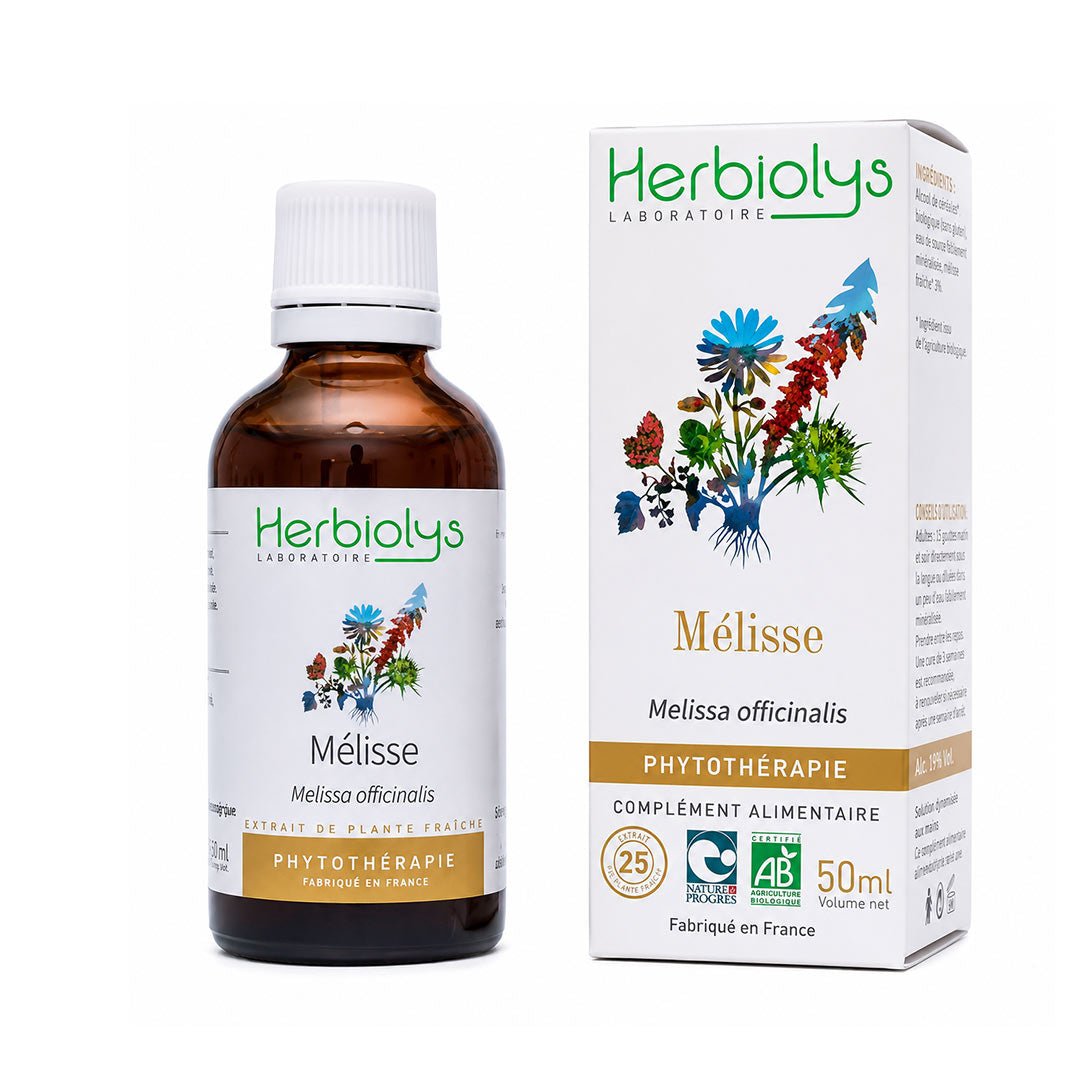
Herbal extracts offer a concentrated and practical way to incorporate traditional plants into everyday life. During perimenopause and menopause, the most appropriate plant will depend on the individual woman and the changes she is experiencing.
Rather than looking for one universal “menopause herb”, herbal traditions draw on different plants according to the stage of the transition and the wider picture, including menstrual changes, sleep, emotional wellbeing and the many adjustments that can accompany midlife.
This individual approach is an important part of phytotherapy: the plant is chosen for the woman, not simply for the word menopause.








Gemmotherapy Through Midlife
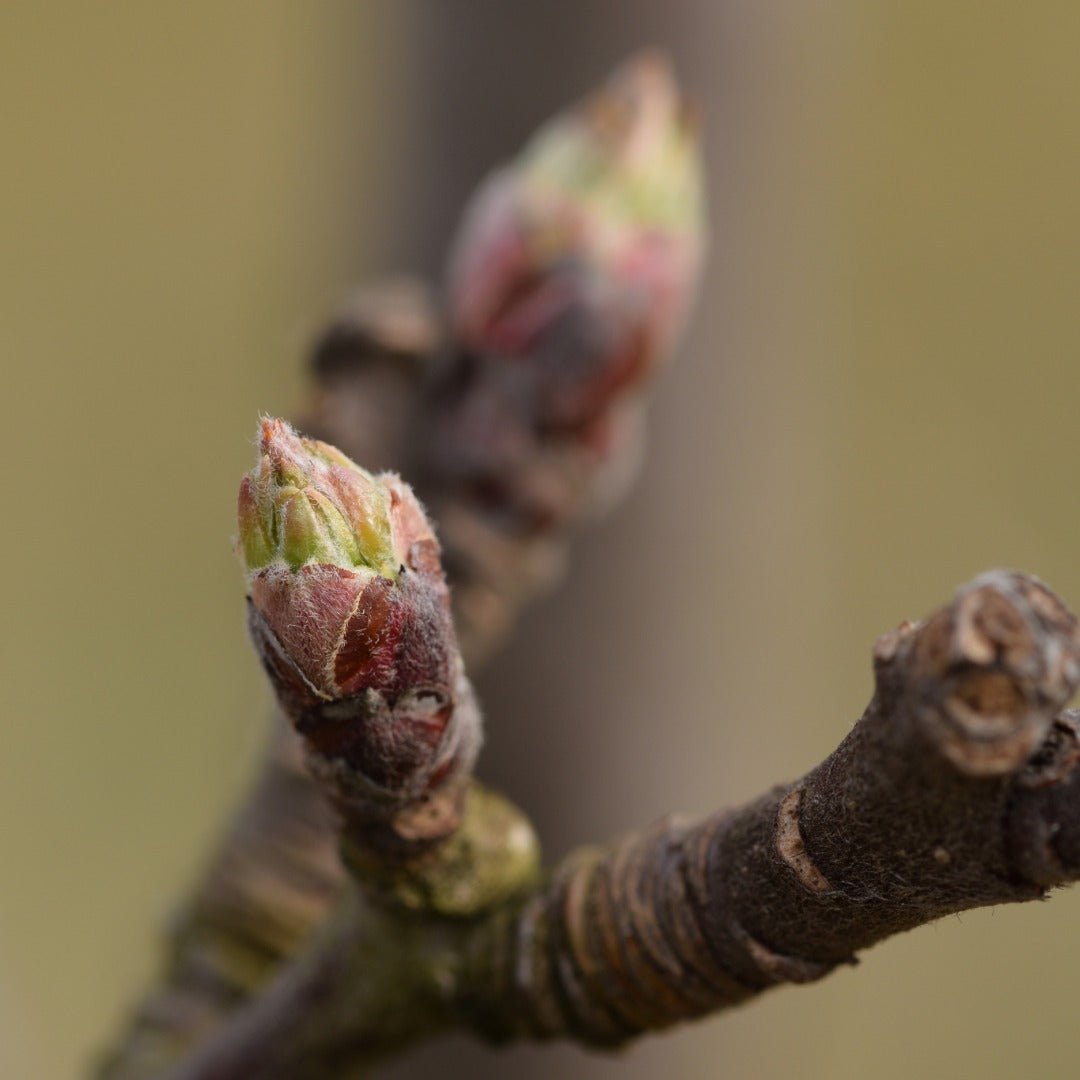
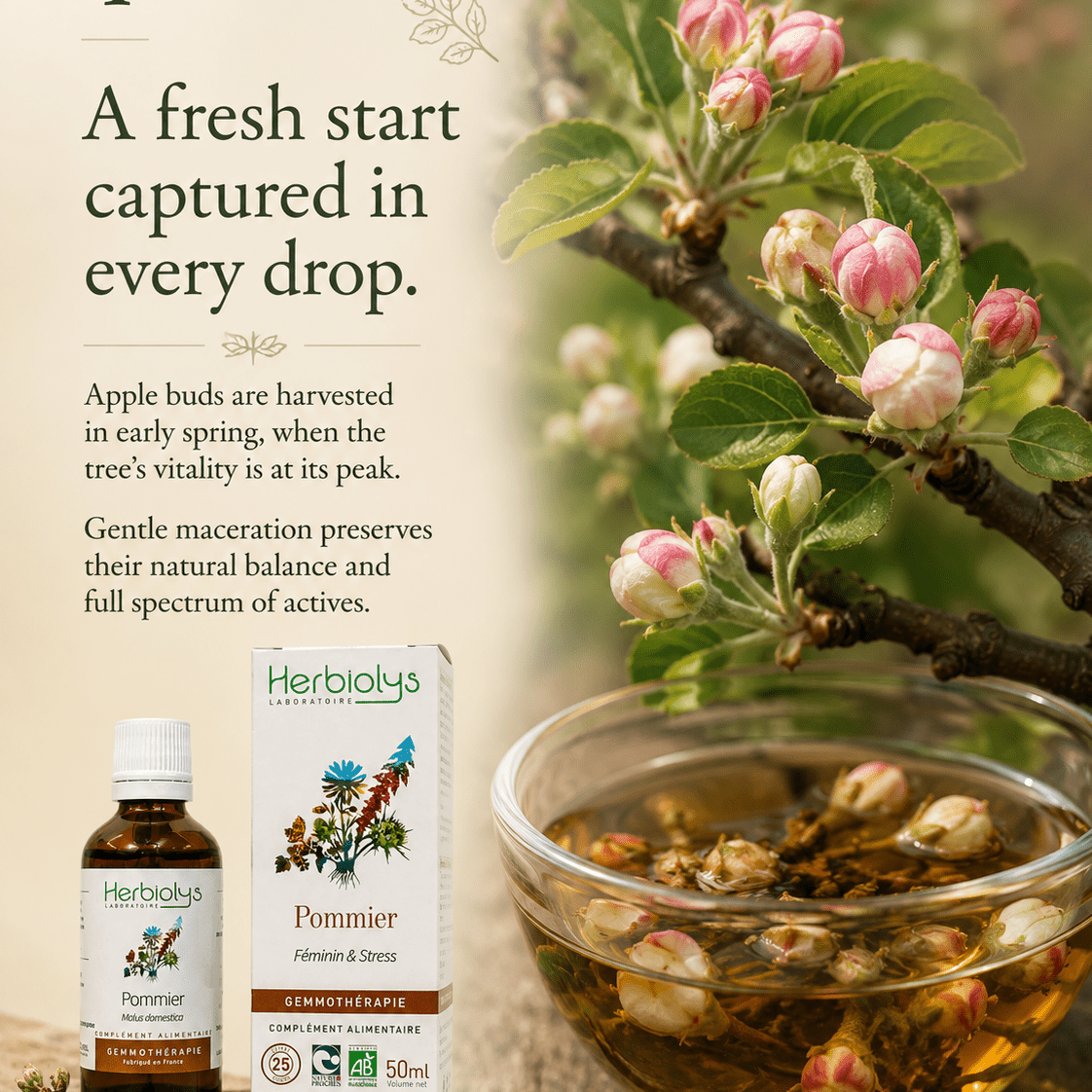
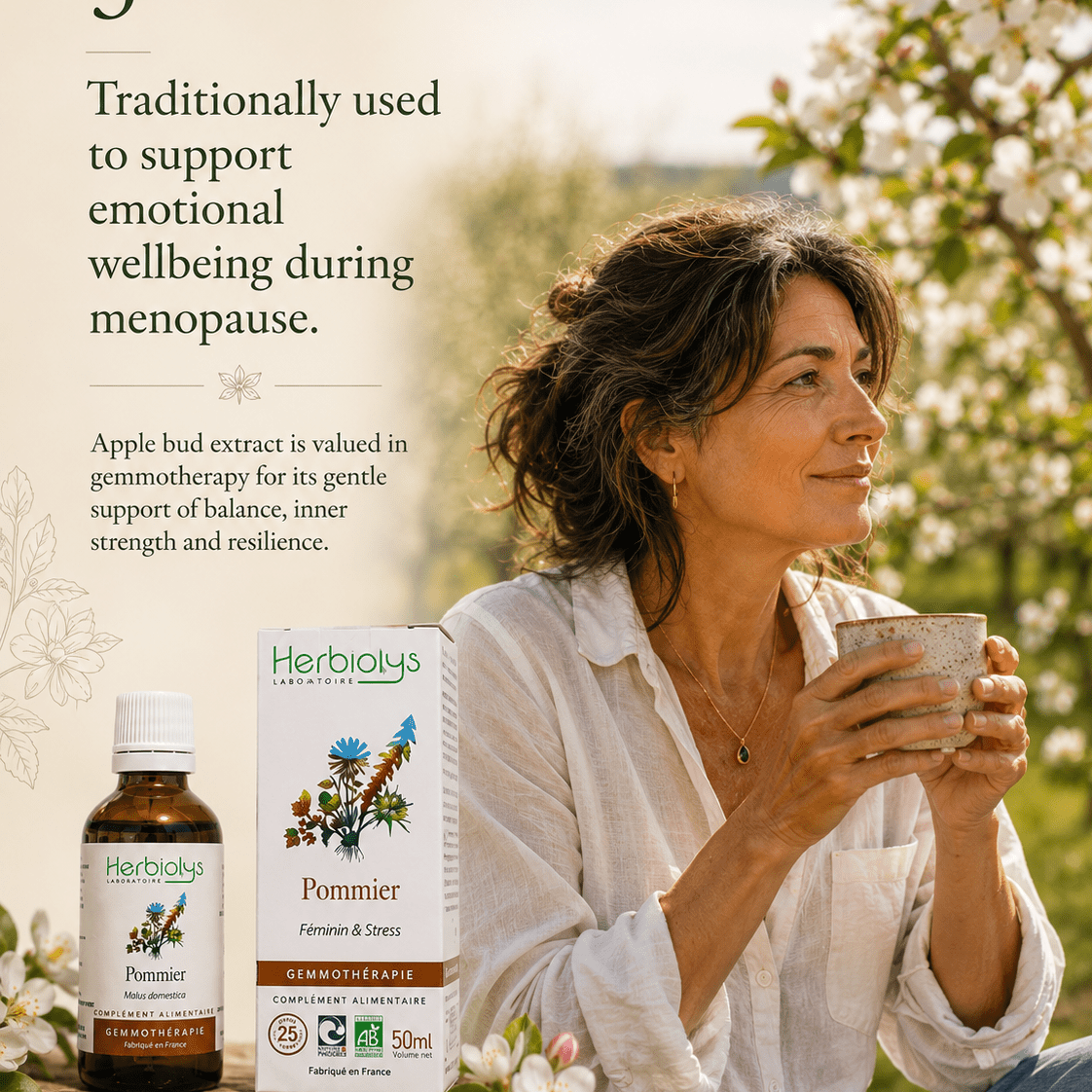
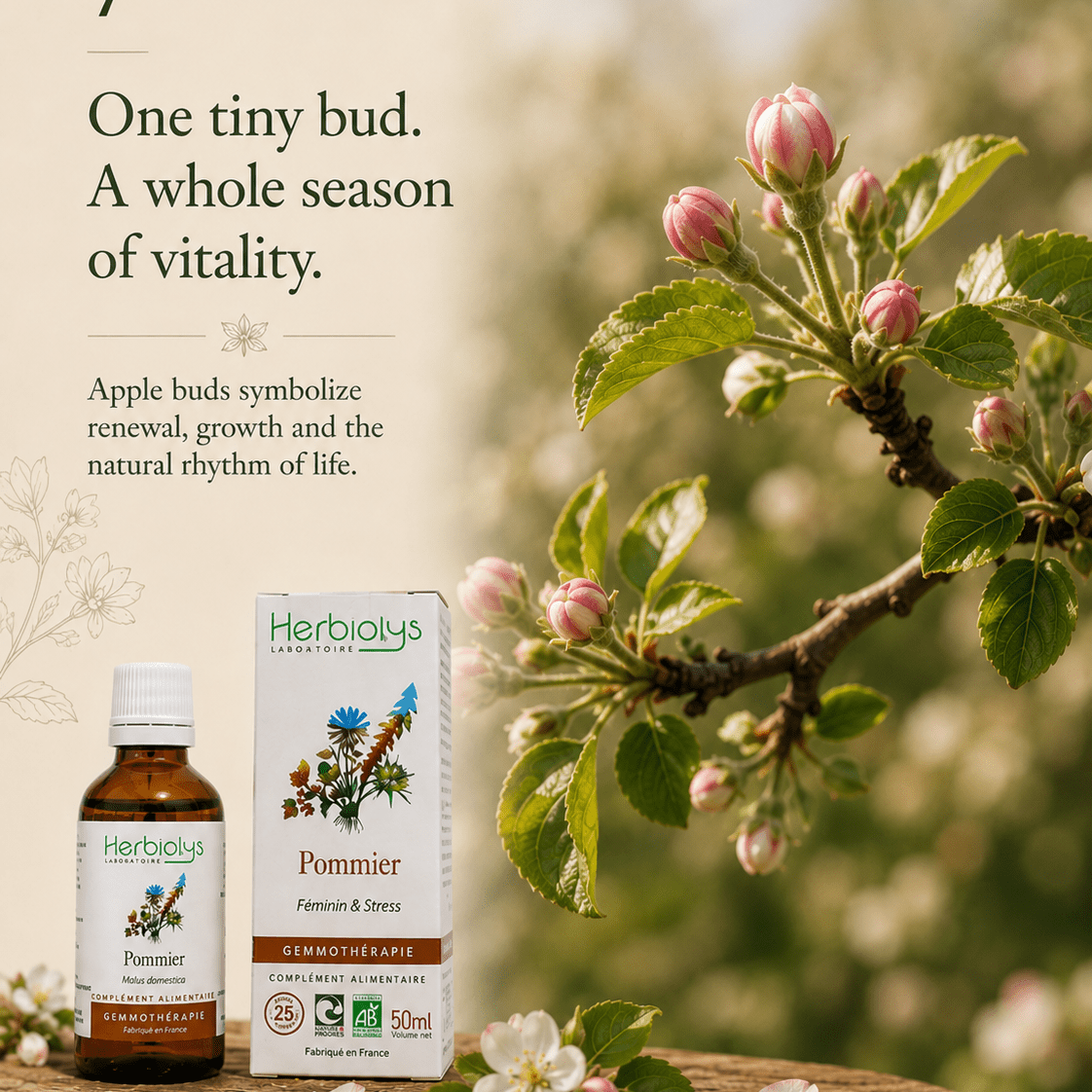
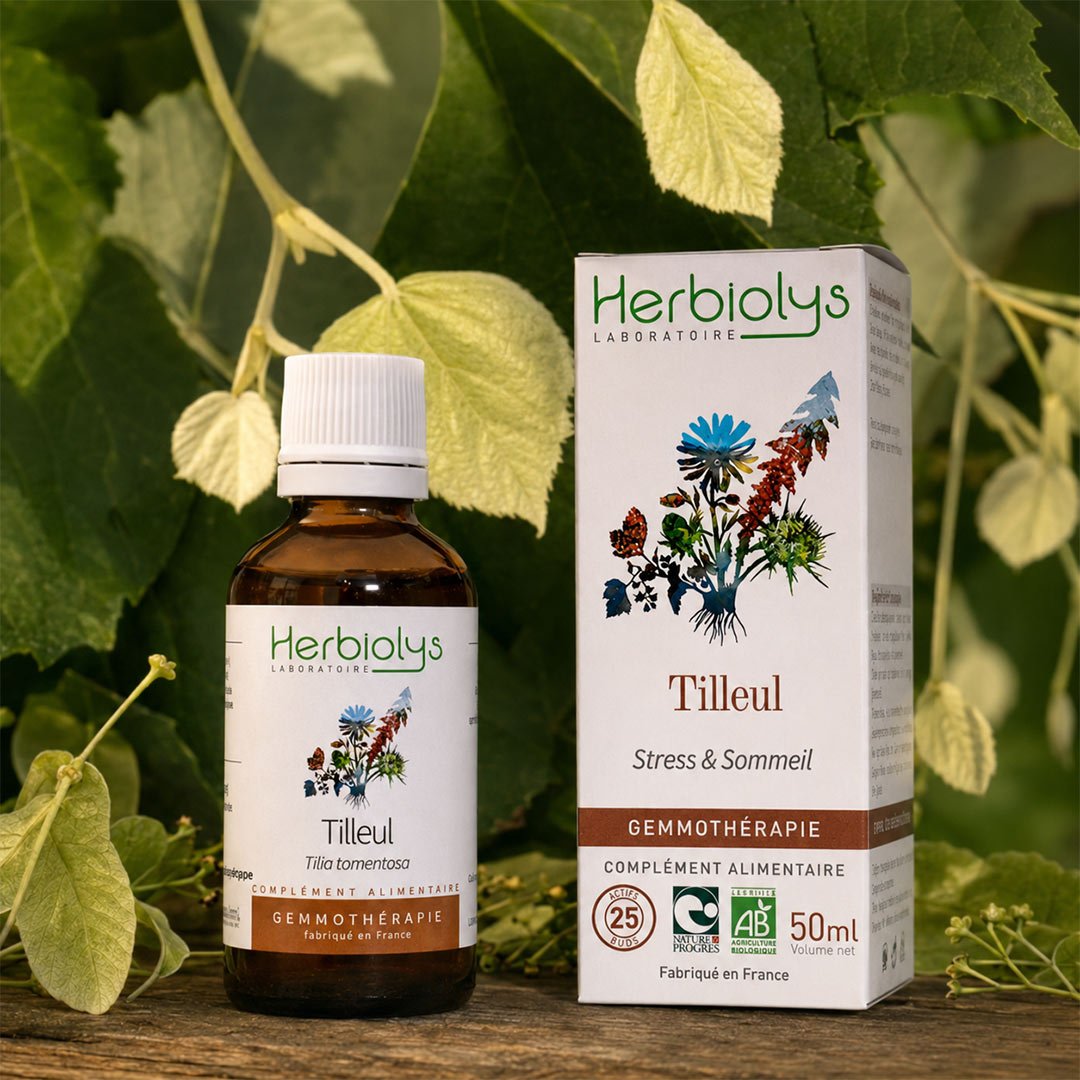
Gemmotherapy uses extracts prepared from fresh buds and young shoots, capturing plants at an early stage of growth. Within European gemmotherapy traditions, different bud extracts are selected according to the individual and the wider patterns that accompany different stages of life.
During midlife, this may include plants traditionally associated with women's botanical practice alongside others chosen for areas such as rest, emotional wellbeing and everyday resilience.











Herbal Teas & Infusions for Everyday Wellbeing
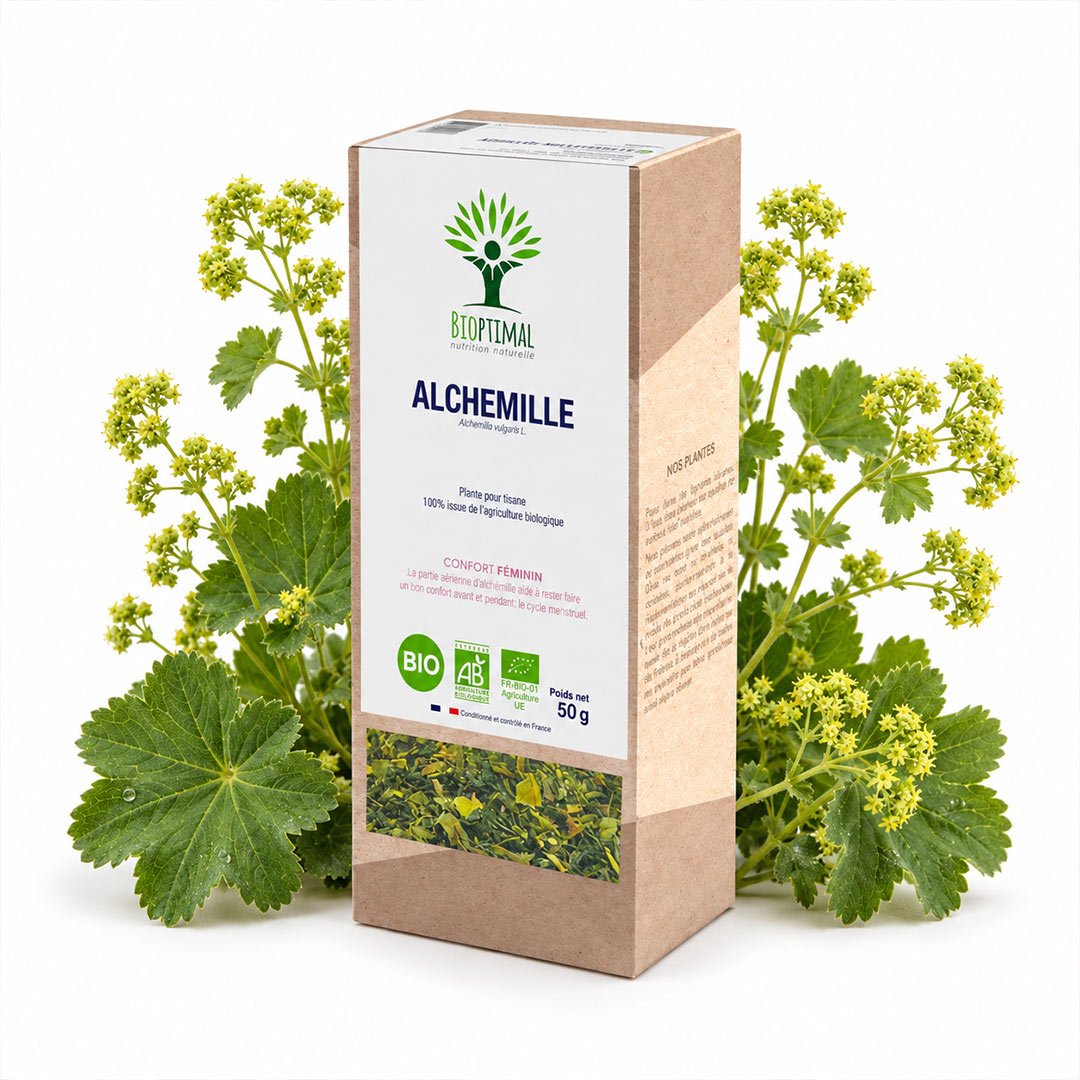
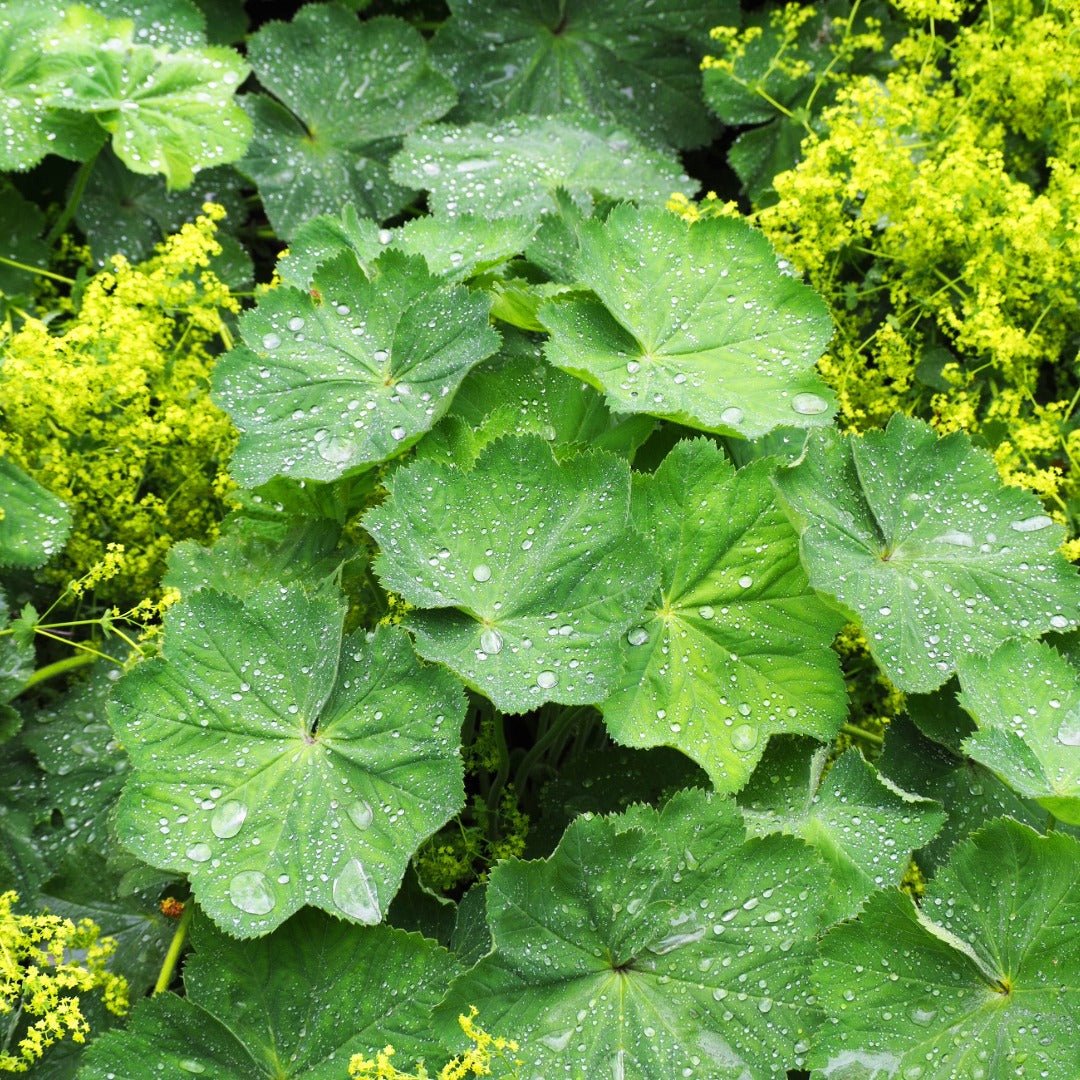
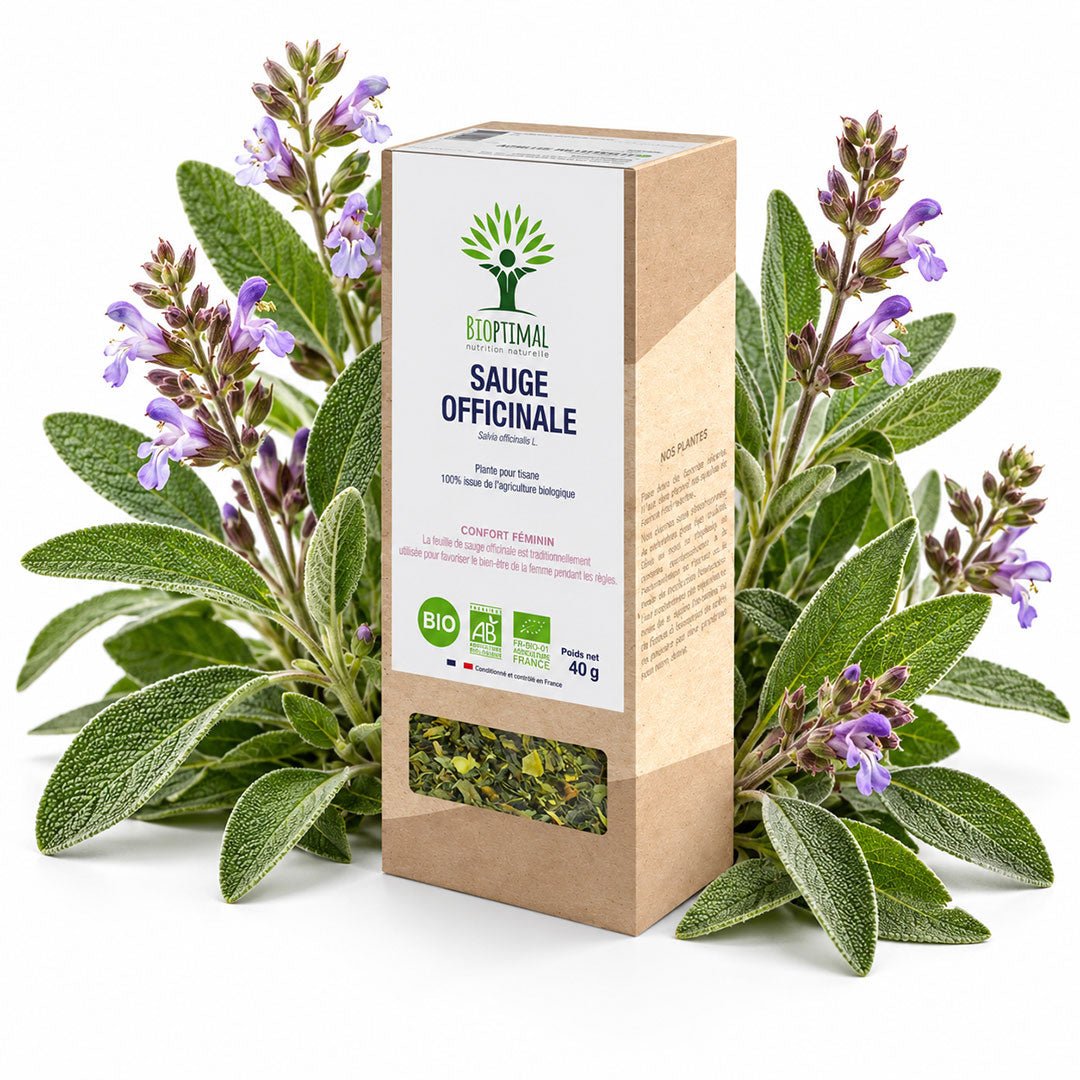
Herbal teas offer one of the simplest and most traditional ways to bring plants into everyday life. The preparation itself can become part of the ritual: taking time to pause, prepare an infusion and enjoy the aroma and character of the plants.
During perimenopause and menopause, different herbs may be chosen according to individual preferences and needs. Some have a particularly long association with women's herbal traditions, while others are appreciated as part of routines centred around relaxation, digestion or everyday wellbeing.
Rather than searching for one universal “menopause tea”, explore the plants and blends that best fit your own daily rhythm.







Aromatherapy Through Midlife
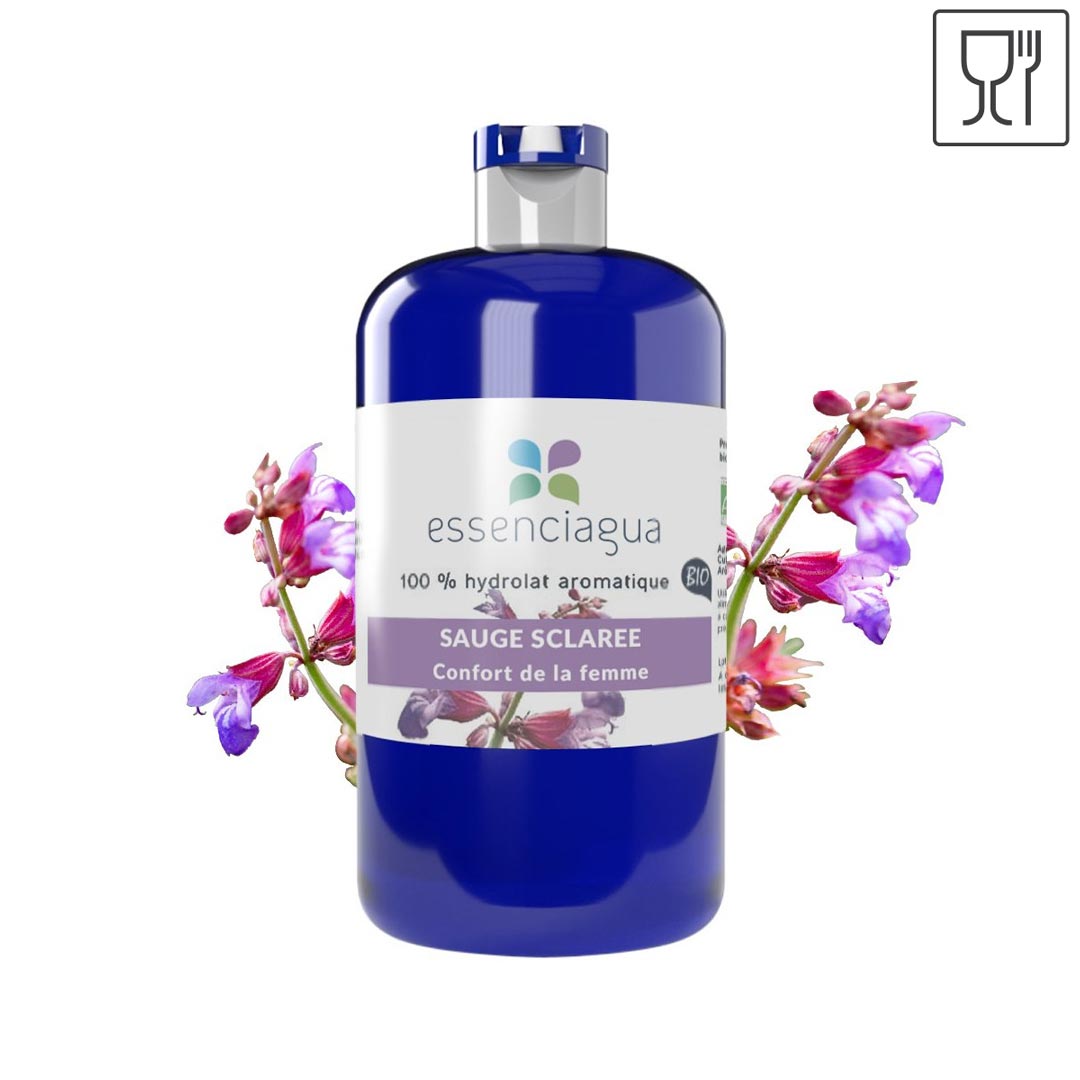
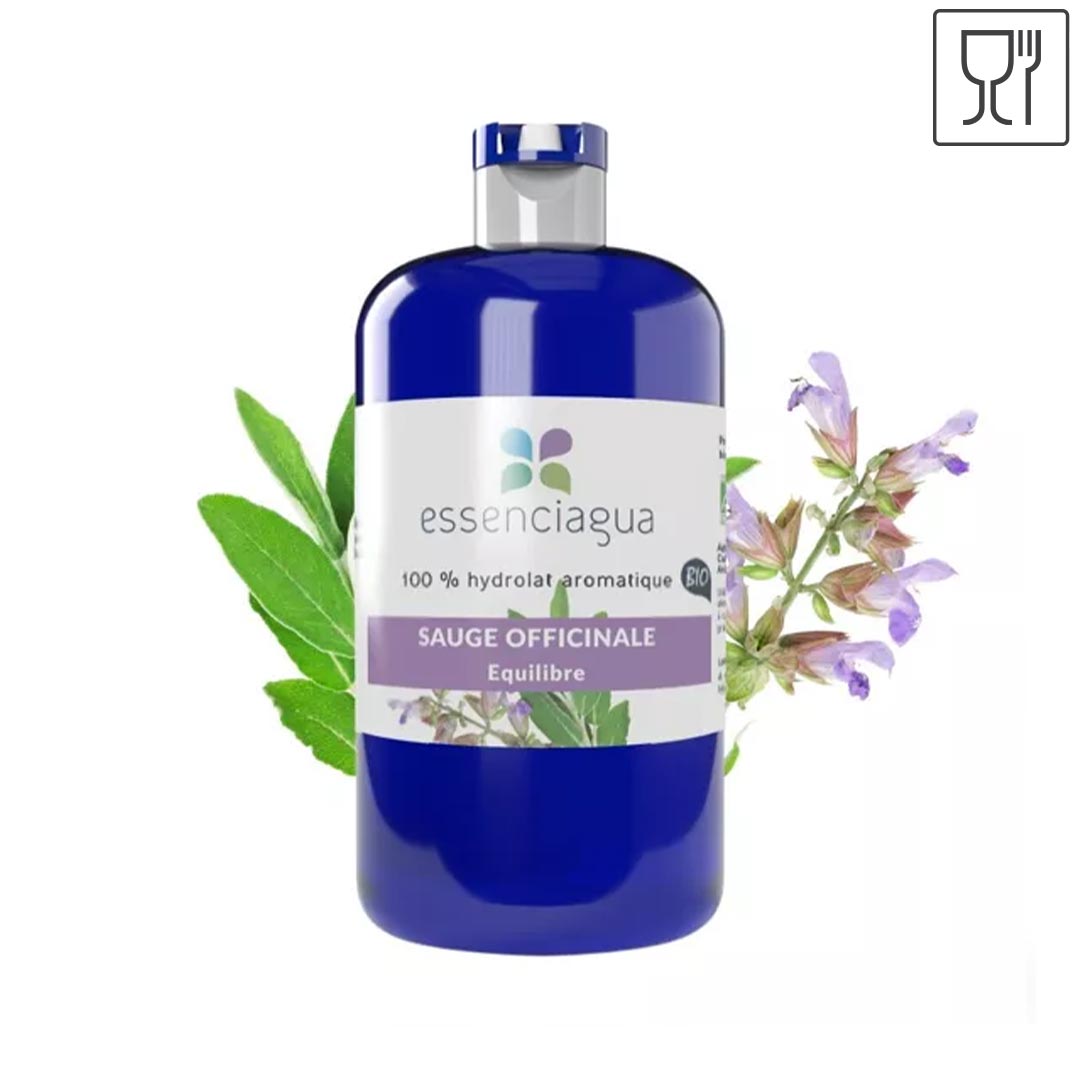
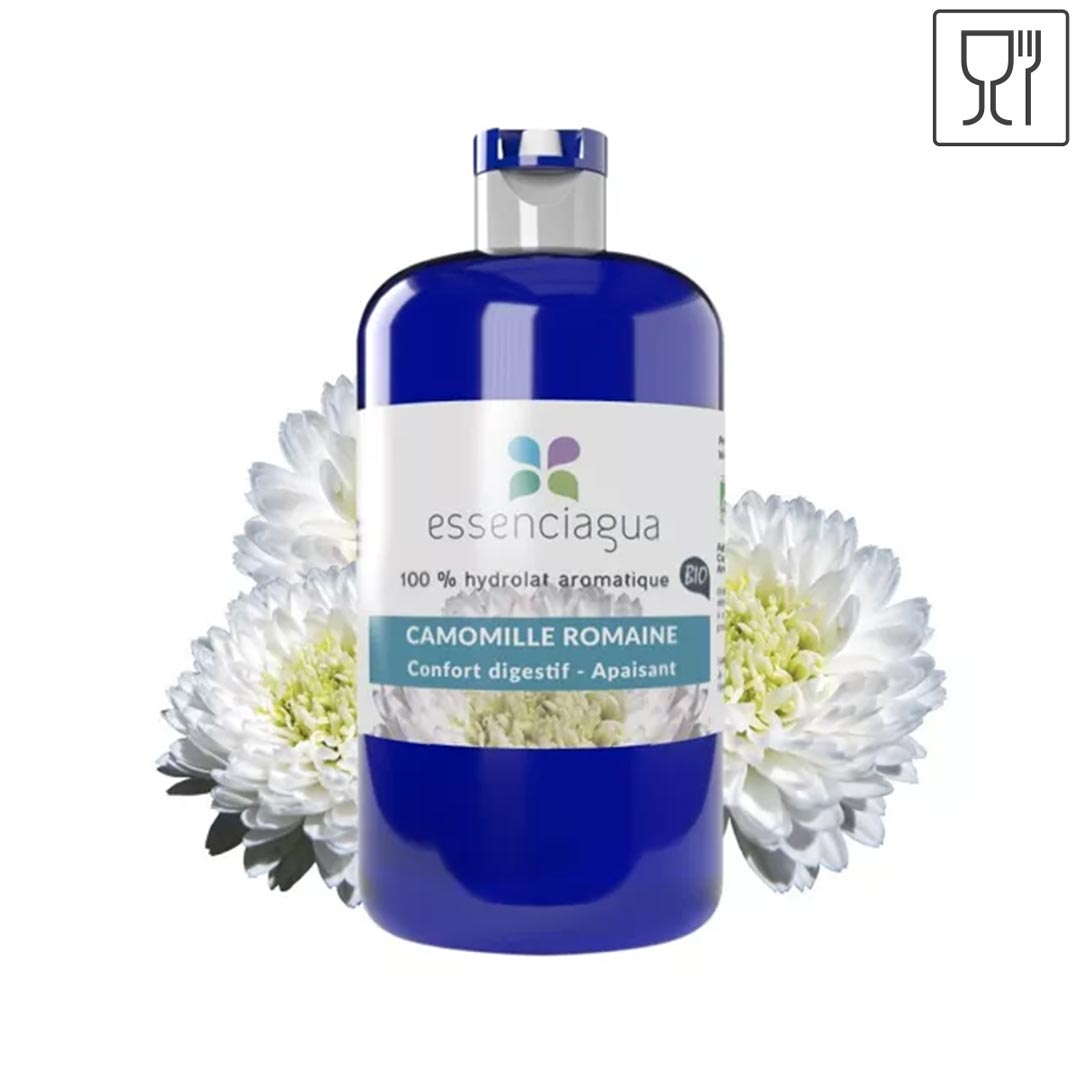
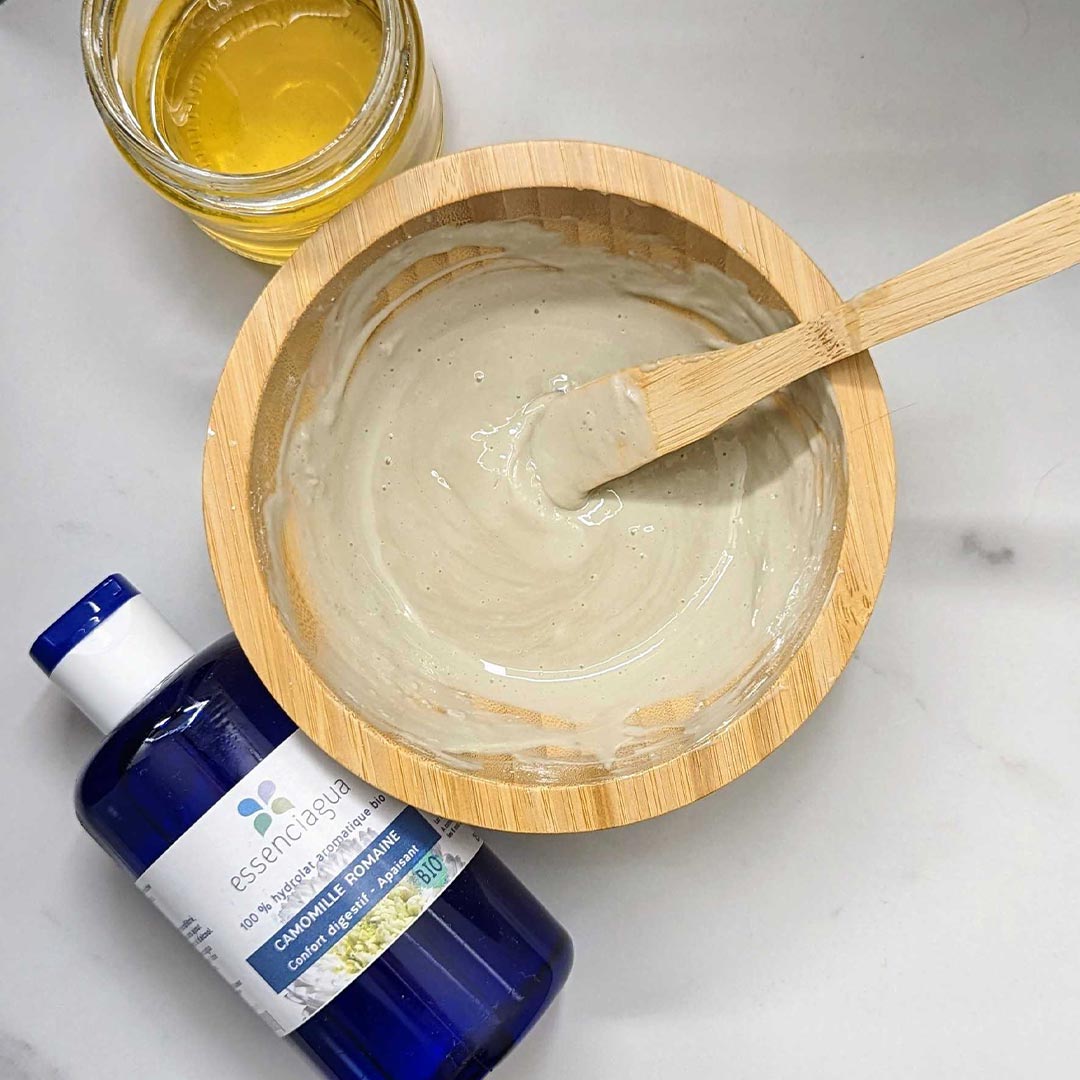
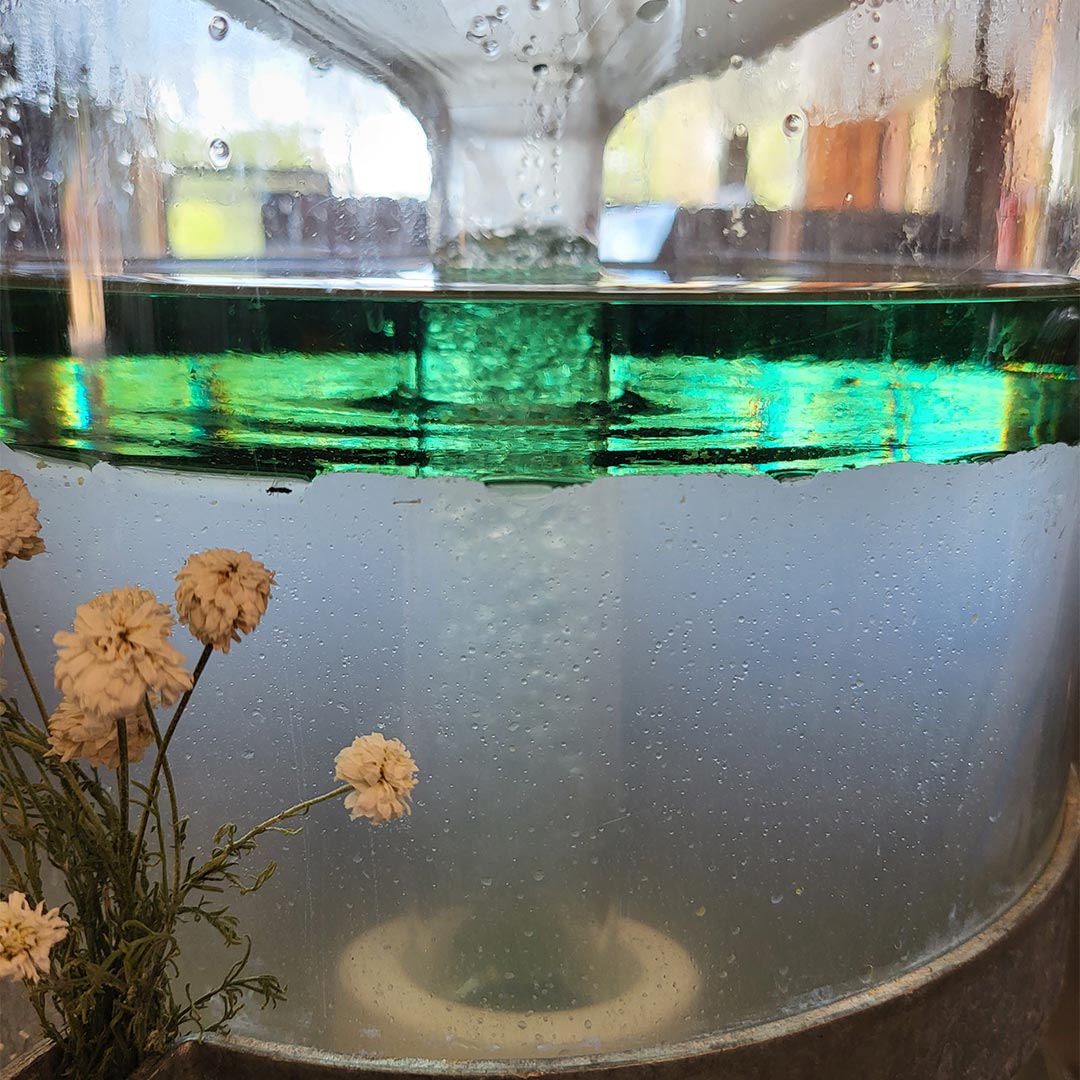
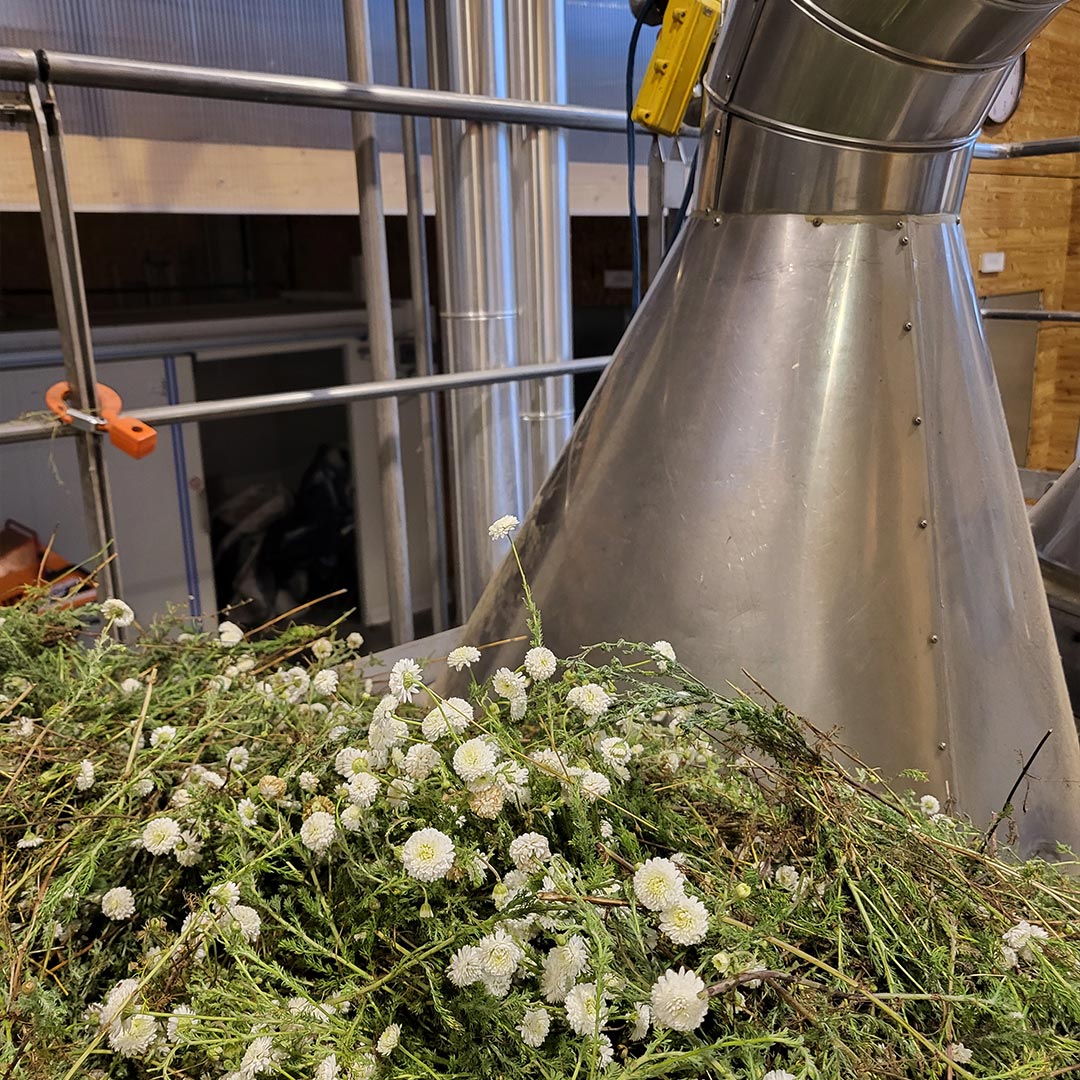
Aromatic plants offer another way to support everyday wellbeing through the menopausal transition. Essential oils and hydrosols can become part of simple rituals centred around relaxation, rest, personal care and creating moments of calm during the day.
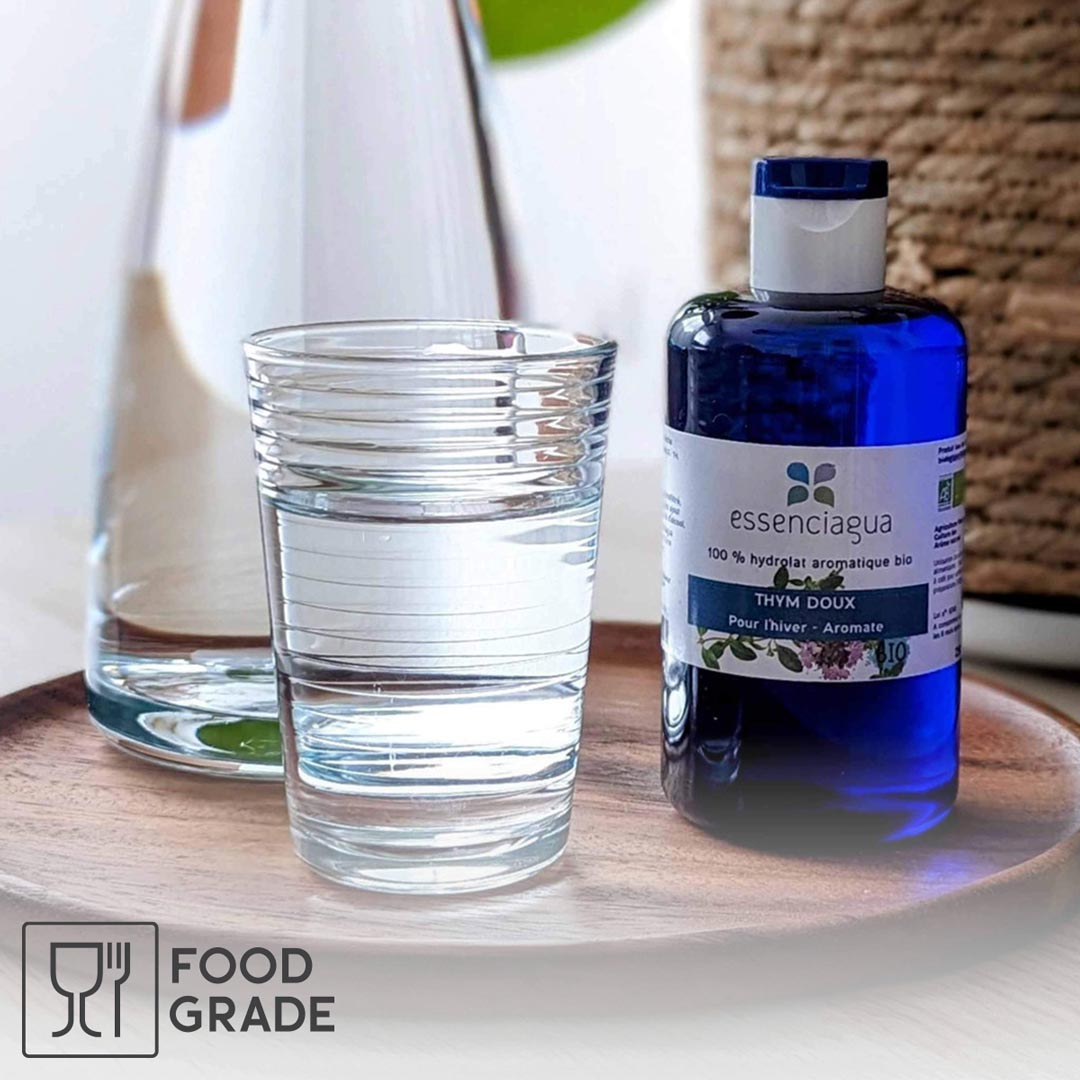
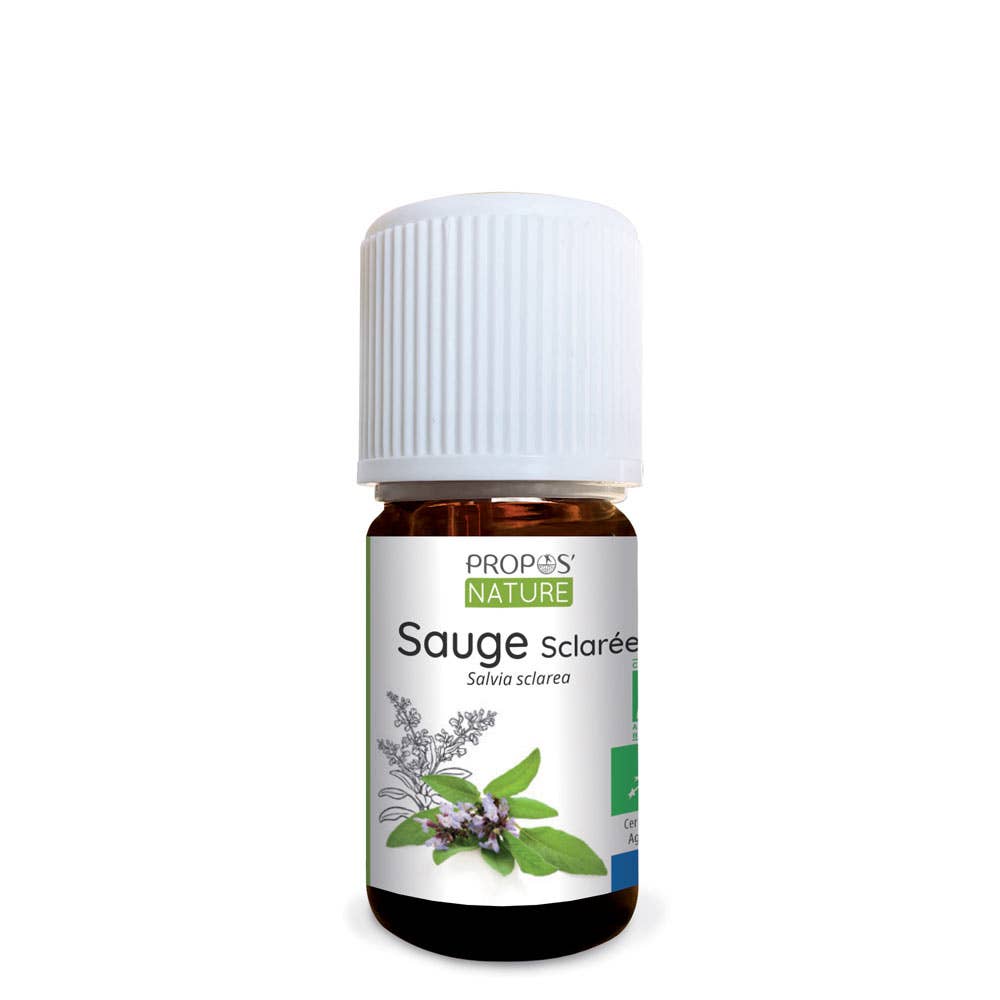
Hydrosols provide a particularly gentle aromatic experience, while essential oils offer a much more concentrated form of the plant's volatile aromatic compounds. Because they are very different preparations, they should always be used according to the appropriate method for each product.
Aromatherapy does not need to be complicated. A familiar aroma before bedtime, a hydrosol incorporated into a daily routine or a carefully chosen essential oil in a diffuser can all turn ordinary moments into intentional moments of self-care.













Nutrition & Supplements Through Midlife
A varied and nourishing diet remains the foundation of good nutrition throughout menopause and beyond. However, midlife is also a time when certain nutrients deserve particular attention, especially in relation to bones, muscles, energy metabolism and overall nutritional status.
Nutritional supplements are not a substitute for a balanced diet, nor does every woman need the same supplements. Individual needs can vary according to diet, lifestyle, age, health and nutritional status.
When supplementation is appropriate, choosing nutrients for a clear nutritional purpose is more useful than looking for a single “menopause supplement”.