Licorice Organic Infusion, 100g

Regular price € 9,99

BUY 3 GET 1 FOR FREE! (Add 4 to your cart)

Free Shipping
in Spain & Portugal
EU Shipping €6.90
Free from €59
Secure Payment
Safe & secure checkout

Organic Farming

Certified Organic

Vegan icon - Elliotti

Vegan

Gluten free icon - Elliotti

Gluten-free

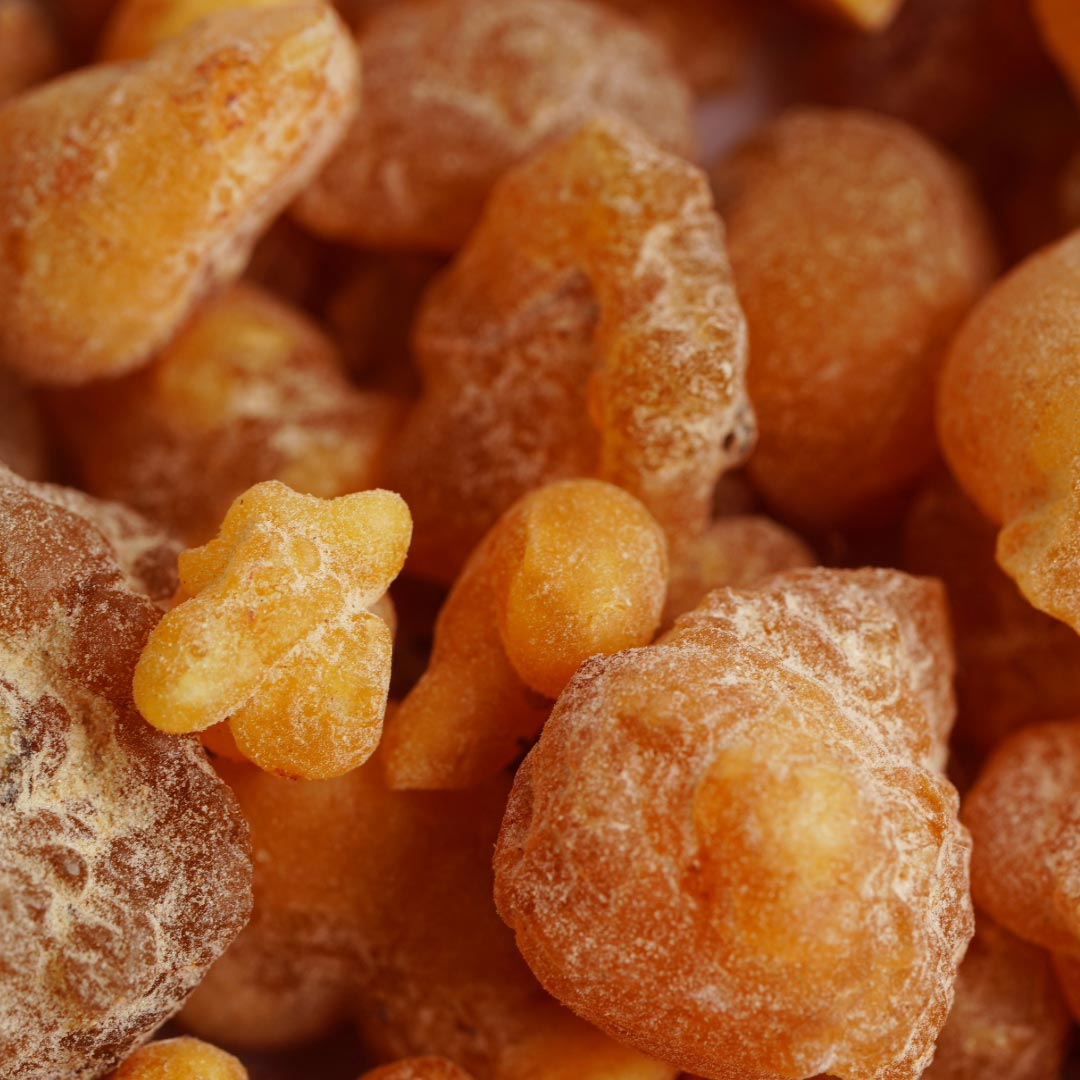
Our Organic Licorice Root Infusion is a naturally sweet, comforting herbal tea made from 100% organic licorice root. Traditionally used across herbal systems for centuries, licorice is valued as a deeply harmonising plant - supporting digestive comfort, soothing the throat, and bringing an overall sense of balance to the body.

What makes licorice so special

Licorice is one of those rare herbs that shows up in many traditions because it does “a little of everything” in a supportive way.

One of its best-known natural compounds is glycyrrhizin, a saponin found in the root. In traditional Chinese and Japanese herbal practices, licorice has been used for centuries in wellness routines connected to detoxification support, digestive balance, hormone harmony, and stress and energy levels. It is also traditionally appreciated for how it can support and harmonise herbal blends, helping other herbs work well together.

Licorice root is also traditionally described as having soothing, protective qualities, and it has long been valued for its supportive role in the body’s natural resilience.

Digestive comfort

Licorice is traditionally consumed to support digestion, especially for those with a sensitive stomach. It contains naturally occurring substances that help support the normal function of the stomach and intestinal lining, contributing to digestive comfort and balance - particularly after meals or during periods when digestion feels “off.”

Respiratory and throat comfort

As an infusion, licorice has a softening, soothing effect on the throat, pharynx, and vocal cords. It’s traditionally used to calm an irritated, tickly throat and is especially appreciated during seasonal transitions or when you want extra throat comfort.

Usage tips

Add the recommended amount of licorice root to a glass or porcelain teapot or cup. Pour hot water (maximum 80°C) over the herbs, using 150–250 ml per cup or 14–18 g per litre of water (approximately 4–5 tablespoons per day).

Cover and allow to infuse for 5–10 minutes, stirring gently from time to time. Strain before drinking.

Traditionally, dried licorice root has also been used as a natural chewing stick, appreciated for its pleasant taste and oral-care benefits. It can be grated and used in cooking, prepared as a decoction, or applied externally as a compress to help soothe irritated skin.

Certification

- Certified Organic Product
- Certified Organic Agriculture (AB certified)
- Origin of raw materials: Spain
- Country of manufacture: Spain

Composition

100% Organic Licorice Root - Glycyrrhiza glabra

A little history

Licorice (Glycyrrhiza glabra, meaning “sweet root”) has been used continuously for over 4,000 years, across cultures that rarely agreed on anything - except that this root was worth keeping.

In ancient Mesopotamia and Egypt, licorice was already prized. It appears in some of the earliest known medical texts, and remarkably, licorice root was found in the tomb of Tutankhamun, placed there to accompany him into the afterlife. Egyptians prepared a sweet drink from licorice called mai sus, valued for refreshment and throat comfort - practical even in the desert heat.

In Traditional Chinese Medicine, licorice (known as Gan Cao) became one of the most important herbs in the entire pharmacopeia. It was rarely used alone; instead, it earned a reputation as “the great harmoniser.” Practitioners used it to balance formulas, moderate harsh herbs, support digestion, and promote overall vitality. Even today, it appears in a large percentage of classical Chinese herbal formulas.

Meanwhile, in Greek and Roman medicine, physicians such as Hippocrates, Dioscorides, and Galen wrote about licorice for respiratory comfort, digestion, and endurance. Roman soldiers are said to have carried licorice root on long marches to help quench thirst and maintain stamina - an ancient form of functional travel food.

Across Ayurvedic tradition in India, licorice (Yashtimadhu) was valued for its nourishing, soothing, and rejuvenating qualities, particularly for the digestive tract, respiratory system, and voice. It was considered supportive for both physical strength and mental clarity.

During the Middle Ages in Europe, licorice became a staple in monastery gardens. Monks cultivated it not only as a medicinal plant but also as a natural sweetener long before refined sugar became common. By the Renaissance, licorice was firmly embedded in European herbalism and later found its way into syrups, lozenges, and infusions.

What’s striking is not just how long licorice has been used - but how consistently. Across continents and centuries, people independently discovered the same qualities: soothing, balancing, gently strengthening, and surprisingly versatile.

Licorice isn’t a dramatic, flashy plant. It doesn’t shout. It steadies. And that quiet reliability is exactly why it has survived every medical fashion cycle humanity has invented.

Precautions for use

Dosage for adults only.
Avoid long-term use.
Contraindicated in hypertensive and heart failure patients. Pregnant women should not exceed 3 g per day.
Do not use for extended periods.

Packaging & storage

Store away from heat and moisture.

Volume

100g

Botanical Supplements, Chosen with Care

At Elliotti, we believe a good supplement should be easy to understand. What is in it, how much should you take, where does it come from, and why has this particular formula been chosen?

Our Bioptimal range brings together food supplements made in France, with a focus on carefully selected ingredients and straightforward formulations. Some feature a single botanical, while others combine plants or nutrients in formulas designed for a particular type of daily routine.

We look beyond the front of the pack. Ingredients, daily amounts, quality, certification, recommended use and precautions all matter when we decide what belongs at Elliotti.

Explore the product information above to understand exactly what is in this formula and how to use it.

Hi, I’m Susann!
I’m a holistic aromatherapist and naturopath, and I know that choosing between different botanicals and supplements is not always straightforward.
If you have questions about a product, its ingredients, how to use it or the differences between our botanical preparations, you’re always welcome to ask me. Personal guidance is part of the service at Elliotti, at no extra cost.

Send me an e-mail at susann@elliotti.com