
Menstrual Pain: Causes and Ways to Find Relief
Are you looking for natural ways to relieve period pain?
Understanding Menstrual Pain
Menstrual pain is common, but the experience can vary considerably from one person to another. For some, it means mild cramping or discomfort around the beginning of a period. For others, the pain can be intense enough to interfere with work, sleep, exercise and everyday activities.
The medical term for painful menstruation is dysmenorrhoea. Menstrual cramps are closely connected to contractions of the uterus and substances called prostaglandins, which play an important role during menstruation. We will look more closely at how this works later in the article.
While period pain is common, severe pain should not simply be something you are expected to endure. Particularly intense pain, pain that becomes progressively worse, or a significant change from your usual menstrual pattern can sometimes be associated with conditions such as endometriosis or adenomyosis and is worth discussing with a healthcare professional.
Understanding what happens in the body during menstruation is a useful first step. From there, we can explore practical ways to care for yourself during your period and some of the approaches that may help make menstrual days more comfortable.

Understanding and Alleviating Menstrual Pain
Menstrual pain can have different causes, and understanding what is happening in your body can make it easier to find an approach that works for you.
For many women, simple measures such as warmth, gentle movement, rest and relaxation can make menstrual days more comfortable. Traditional botanical preparations and herbal teas also have a long history of use as part of women's self-care during menstruation. When needed, conventional pain-relieving medicines may also be helpful. What works best will depend on the intensity of the pain and your individual experience.
Physical and emotional wellbeing are closely connected, and the menstrual cycle can influence how we feel from one phase to another. Paying attention to your own cycle, energy levels, mood and physical sensations can help you recognise patterns and better understand what your body needs throughout the month.
Rather than simply accepting recurring pain as something you have to live with, it is worth becoming familiar with your own menstrual pattern. If pain is severe, changes significantly, or regularly interferes with everyday life, speak with a healthcare professional to investigate whether there may be an underlying cause.

Listening to Your Body
Menstruation is a natural biological process and an important part of the reproductive cycle. Experiencing your period with greater awareness can be an opportunity to listen to your body, slow down when needed and approach these days with care, respect and self-compassion.
Across generations, women have developed their own rituals around menstruation, drawing on warmth, rest, nourishing foods and botanical traditions. Plants have long been part of this history, and Vitex agnus-castus is one of the botanicals with particularly deep roots in European and Mediterranean traditions surrounding women's wellbeing.
There is something valuable in combining this traditional knowledge with what we understand today about the menstrual cycle and the body. Learning to recognise your own patterns and what helps you feel more comfortable can make menstrual self-care a more conscious and personal part of your routine.


Understanding What Causes Menstrual Cramps
Menstrual cramps are closely connected to the natural processes that take place in the uterus during menstruation.
One of the key players is a group of naturally occurring substances called prostaglandins. They are involved in the contractions that help the uterus shed its lining during a period.
Higher levels of prostaglandins are associated with stronger uterine contractions and can contribute to more intense menstrual cramps. This is one reason why some women experience only mild discomfort while others have considerably more painful periods.
Understanding this process gives us a useful starting point for exploring the different ways menstrual discomfort can be managed and when recurring or severe pain deserves further investigation.
Progesterone, Prostaglandins and Menstrual Pain
Hormonal changes throughout the menstrual cycle influence many of the processes that take place before and during menstruation.
Progesterone rises after ovulation during the luteal phase of the cycle. If pregnancy does not occur, progesterone levels fall towards the end of this phase. This hormonal change contributes to the breakdown of the uterine lining and the beginning of menstruation.
At the same time, prostaglandins are released in the uterus. These naturally occurring substances help the uterine muscles contract so that the lining can be shed.
When prostaglandin activity is higher, the contractions can become stronger and more painful. Higher prostaglandin levels are associated with more severe menstrual cramps and may also contribute to symptoms such as nausea, diarrhoea, headache and lower back discomfort in some women.
This helps explain why menstrual pain often begins shortly before or at the start of bleeding and tends to be strongest during the first days of a period, when prostaglandin activity is typically higher.
Understanding these natural processes does not mean that severe pain should simply be accepted as part of menstruation. Persistent or particularly intense menstrual pain deserves attention, especially when it interferes with everyday life.

Supporting Yourself Throughout Your Period
Every menstrual cycle is different, and so is the experience of period pain. Some months may feel relatively easy, while others can bring more cramping, tiredness or a greater need to slow down.
Rather than expecting every cycle to feel exactly the same, it can be helpful to pay attention to your own patterns. Notice when discomfort begins, how long it lasts and whether factors such as sleep, stress, movement and your daily routine seem to make a difference.
During your period, simple forms of self-care can be surprisingly valuable:
- Use warmth: A warm bath, shower or heat pad on the lower abdomen can be comforting when cramps appear.
- Keep gently moving: Walking, stretching or gentle yoga may feel better than complete inactivity for some women.
- Make space for rest: If your body is asking for a slower pace, allowing yourself additional rest can be an important part of menstrual self-care.
- Eat and drink regularly: Staying hydrated and choosing nourishing meals can help you feel better during days when appetite, digestion or energy may feel different.
- Create moments of relaxation: Deep breathing, meditation, massage or simply taking some quiet time can make your period feel less overwhelming.
Most importantly, get to know your own cycle. Keeping a simple record of your period, pain and other symptoms over several months can make patterns easier to recognise and can also provide useful information if you decide to discuss your menstrual health with a healthcare professional.

Why Period Pain Can Affect More Than Your Uterus
Prostaglandins are best known for their role in uterine contractions during menstruation, but their effects are not necessarily limited to the uterus.
This helps explain why menstrual cramps can sometimes be accompanied by other symptoms. Some women experience nausea, loose stools or diarrhoea, headaches, lower back discomfort or a general feeling of being unwell, particularly during the first days of their period.
The experience varies considerably from one woman to another and can also change from cycle to cycle.
If digestive symptoms occur during your period, keeping meals simple, drinking enough water and paying attention to foods that feel comfortable for you can be helpful. Rest, warmth and gentle movement may also make these days easier, depending on what feels best for your body.
Very heavy bleeding, severe or worsening pain, fainting, or symptoms that regularly prevent you from carrying out normal daily activities should not simply be dismissed as a difficult period. In these situations, it is important to speak with a healthcare professional.
Interested in discovering Vitex agnus-castus?
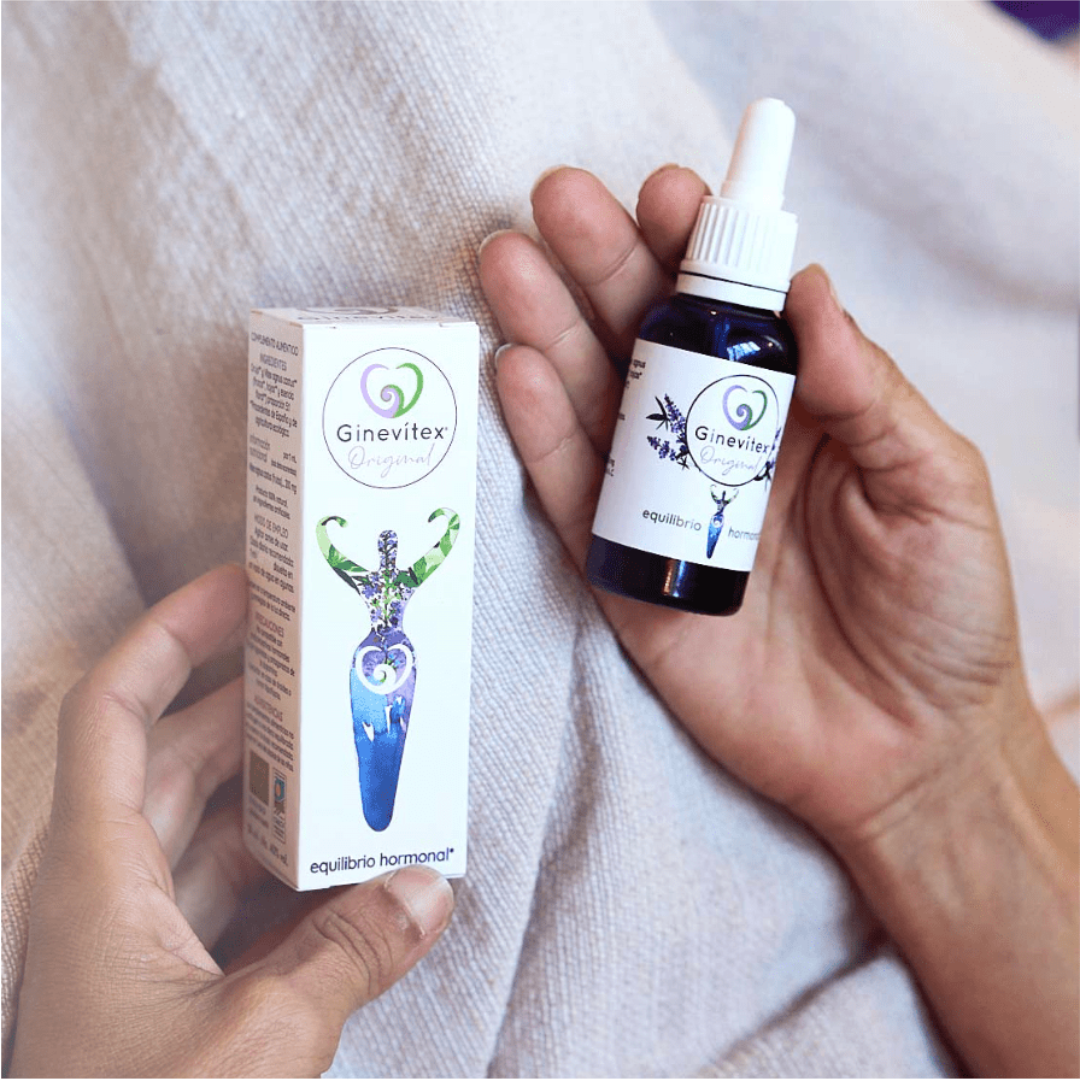
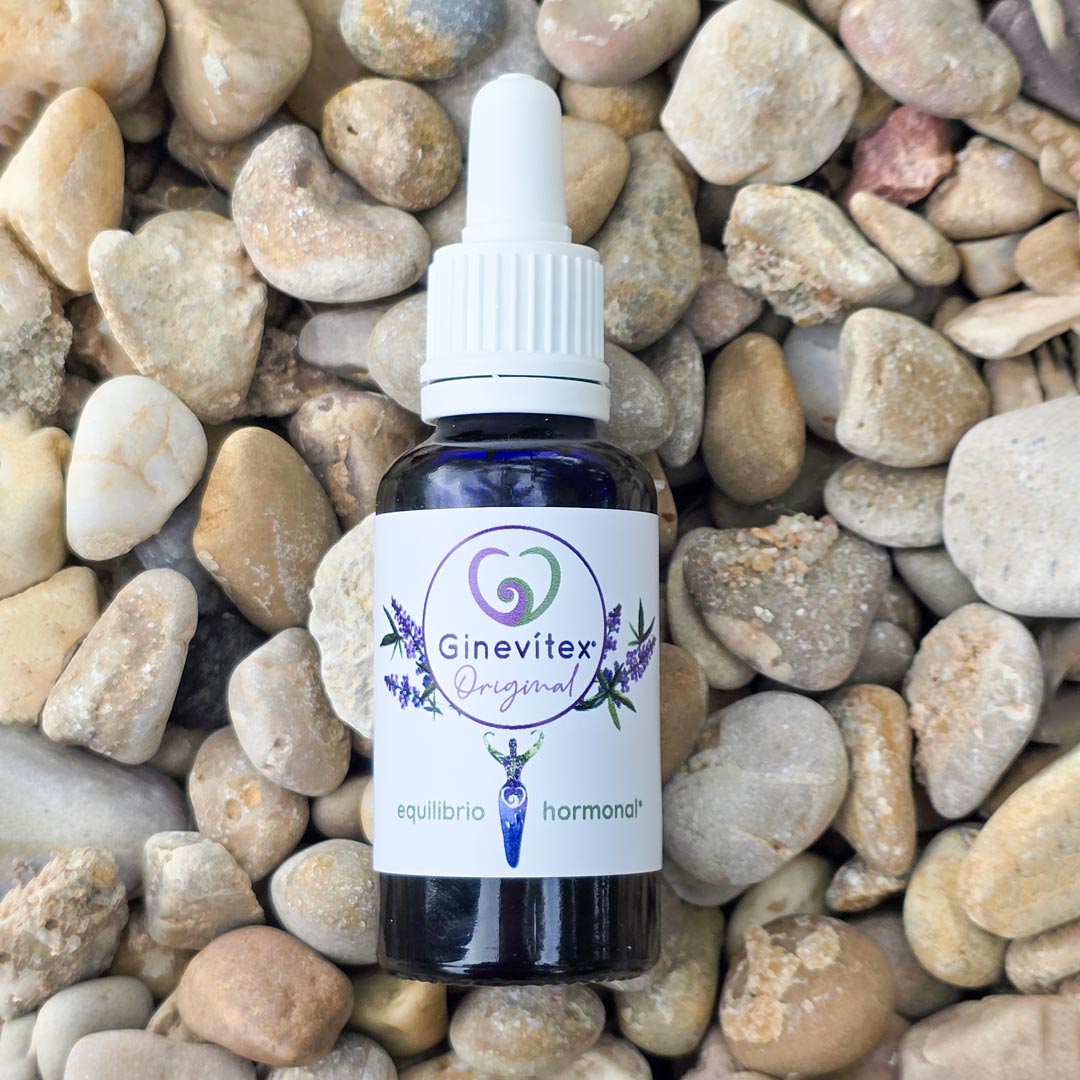
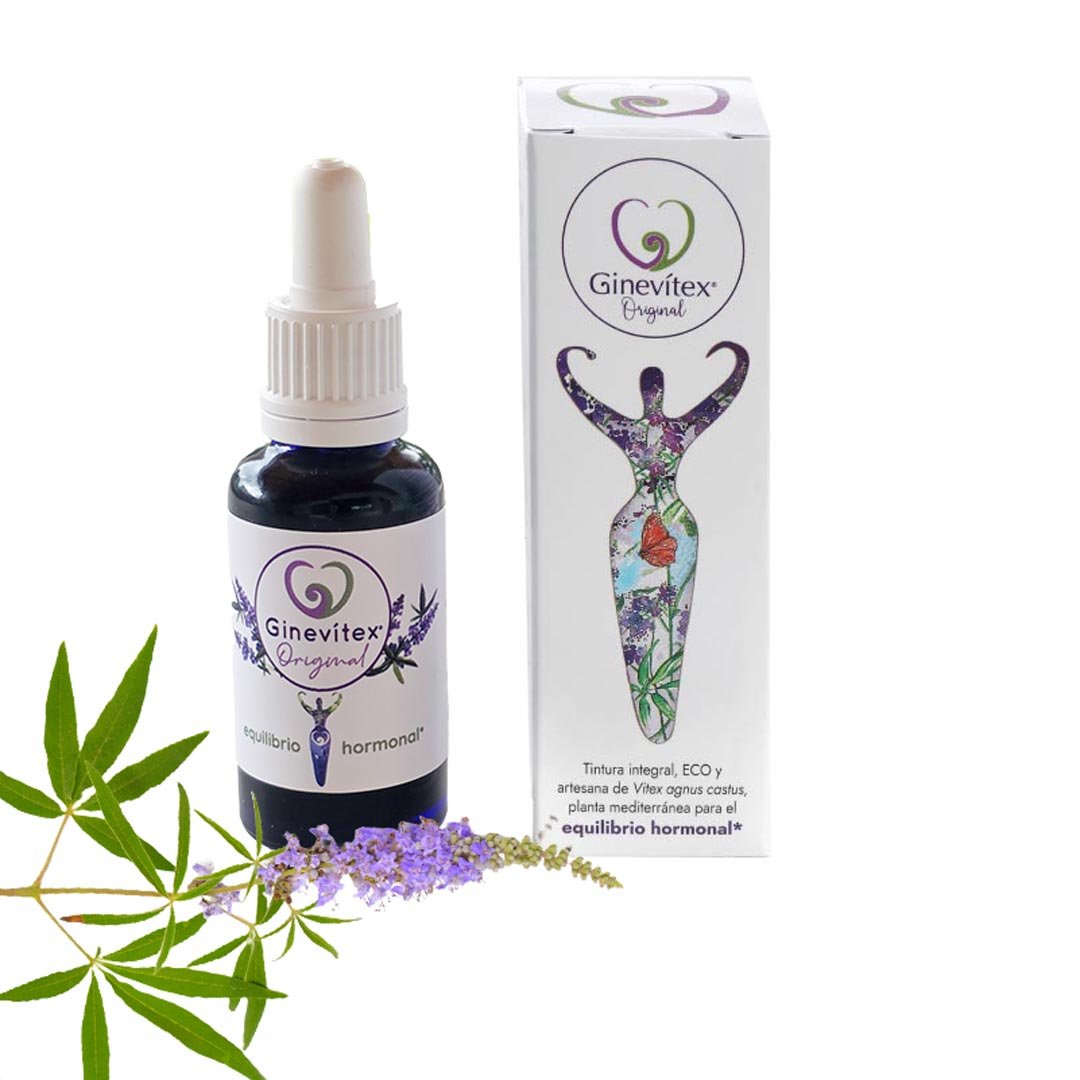
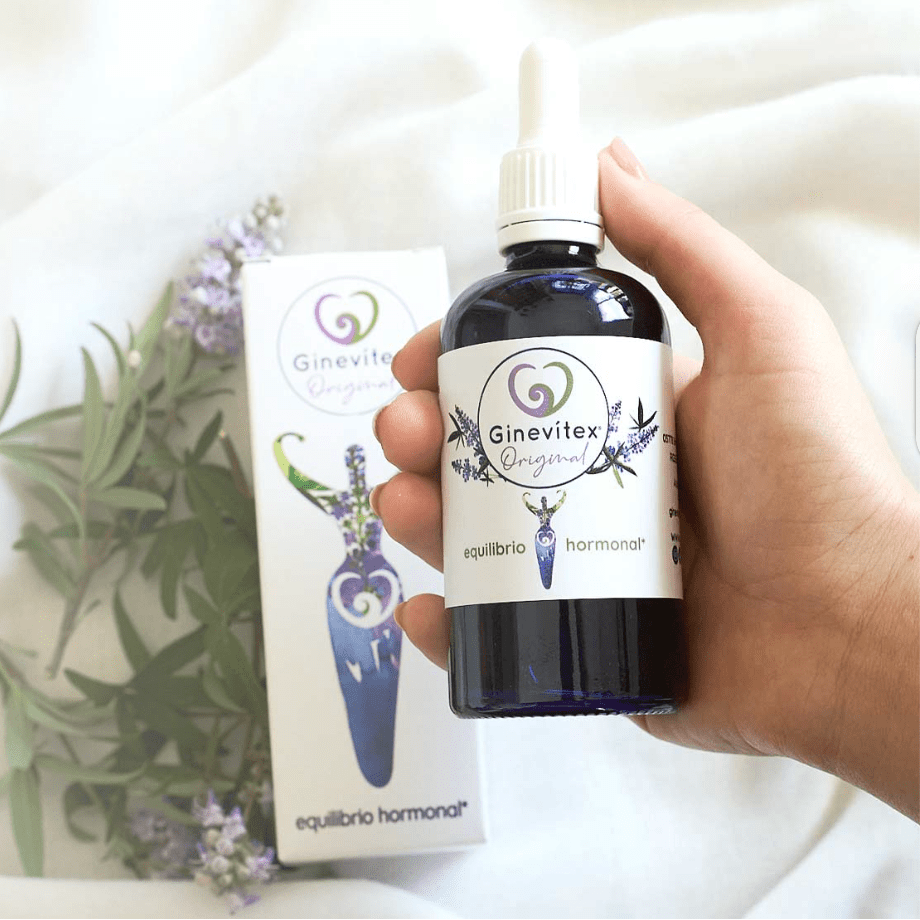
Explore Ginevítex®, a distinctive organic preparation combining Vitex fruits, leaves and flower essence in a traditional liquid format.




Still have questions about Ginevítex®?
Here are a few things that are useful to know before choosing Ginevítex®:
- Ginevítex® is a distinctive organic Vitex preparation. It combines the fruits and leaves of Vitex agnus-castus with a specially prepared flower essence in a traditional liquid format.
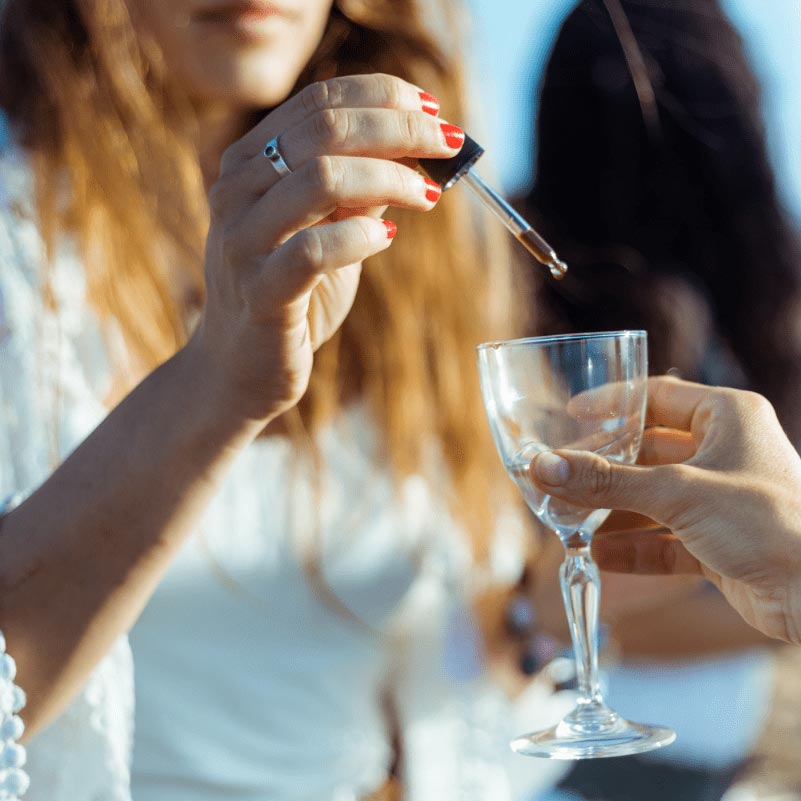
- The recommended daily amount is 1 ml, approximately 30 drops. It can be taken once daily, preferably in the morning before breakfast, or divided into 15 drops in the morning and 15 drops later in the day. Ginevítex® is not addictive and, according to the manufacturer, can be used continuously over a long period of time.
- Ginevítex® is made according to the natural rhythm of the plant. Leaves, flowers and fruits are gathered at different stages of the growing season and brought together in a formula that reflects the producer's whole-plant philosophy and traditional preparation methods.
Want to learn more about the ingredients, preparation, precautions and how to use Ginevítex®?