

Ultra-Nebulizer Diffusers
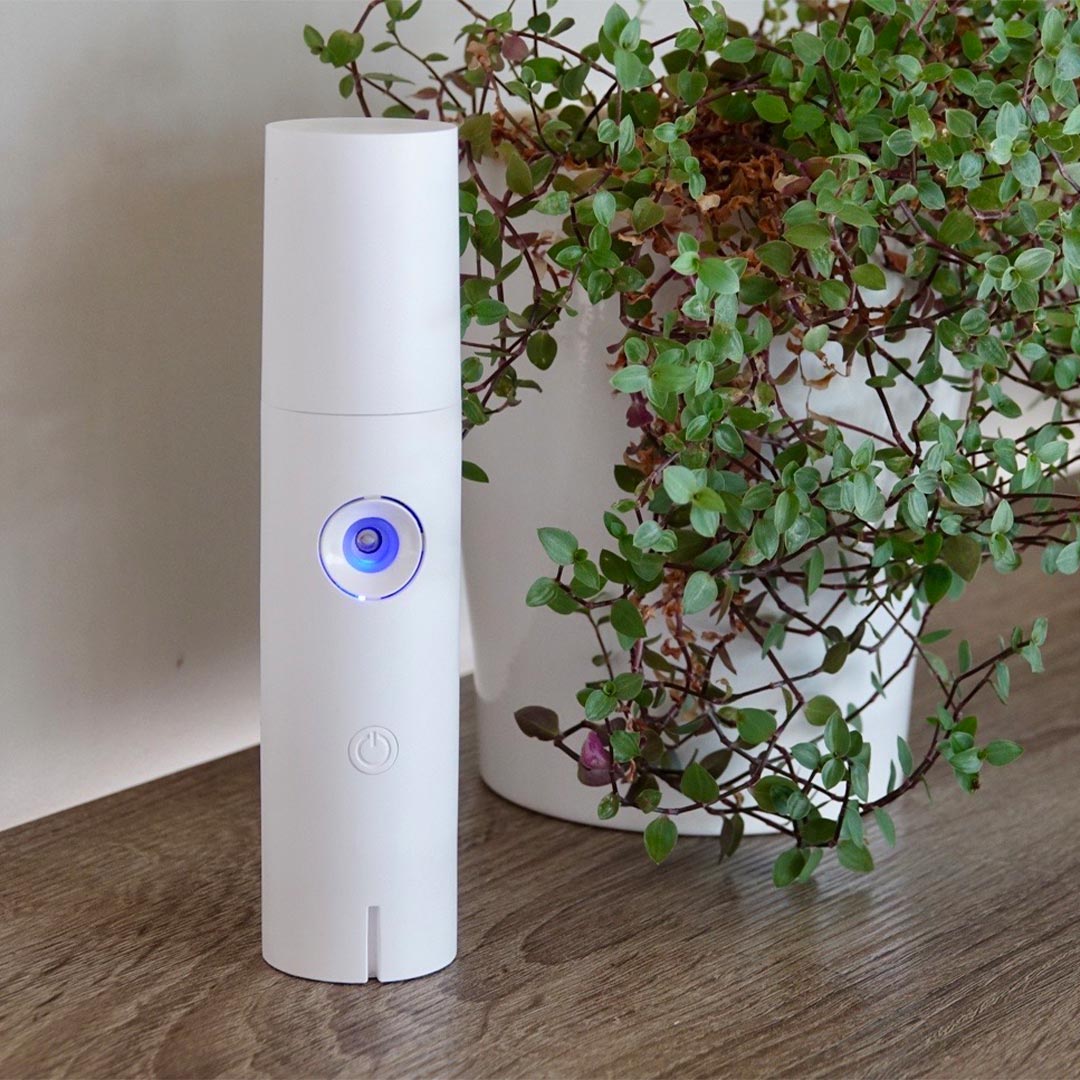
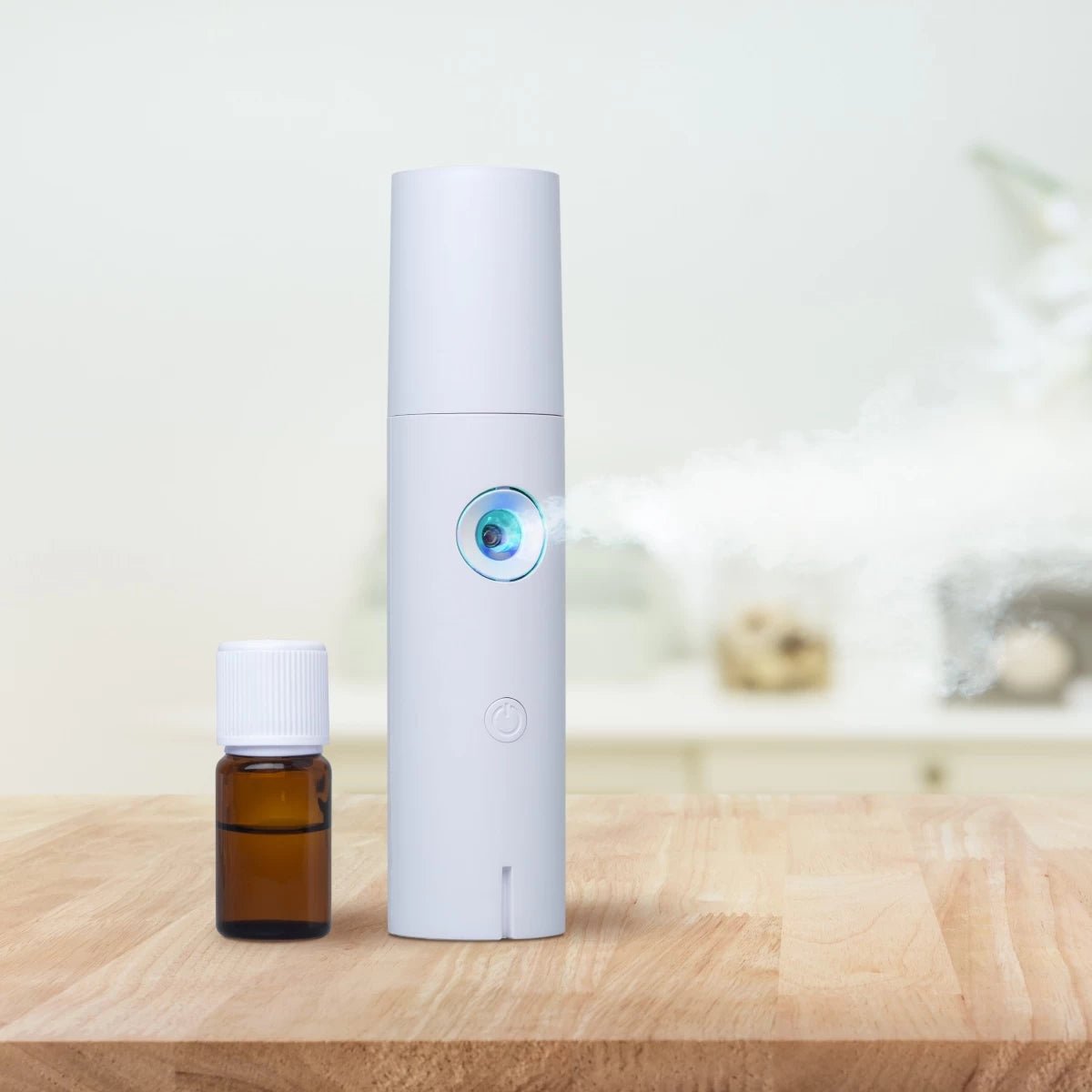
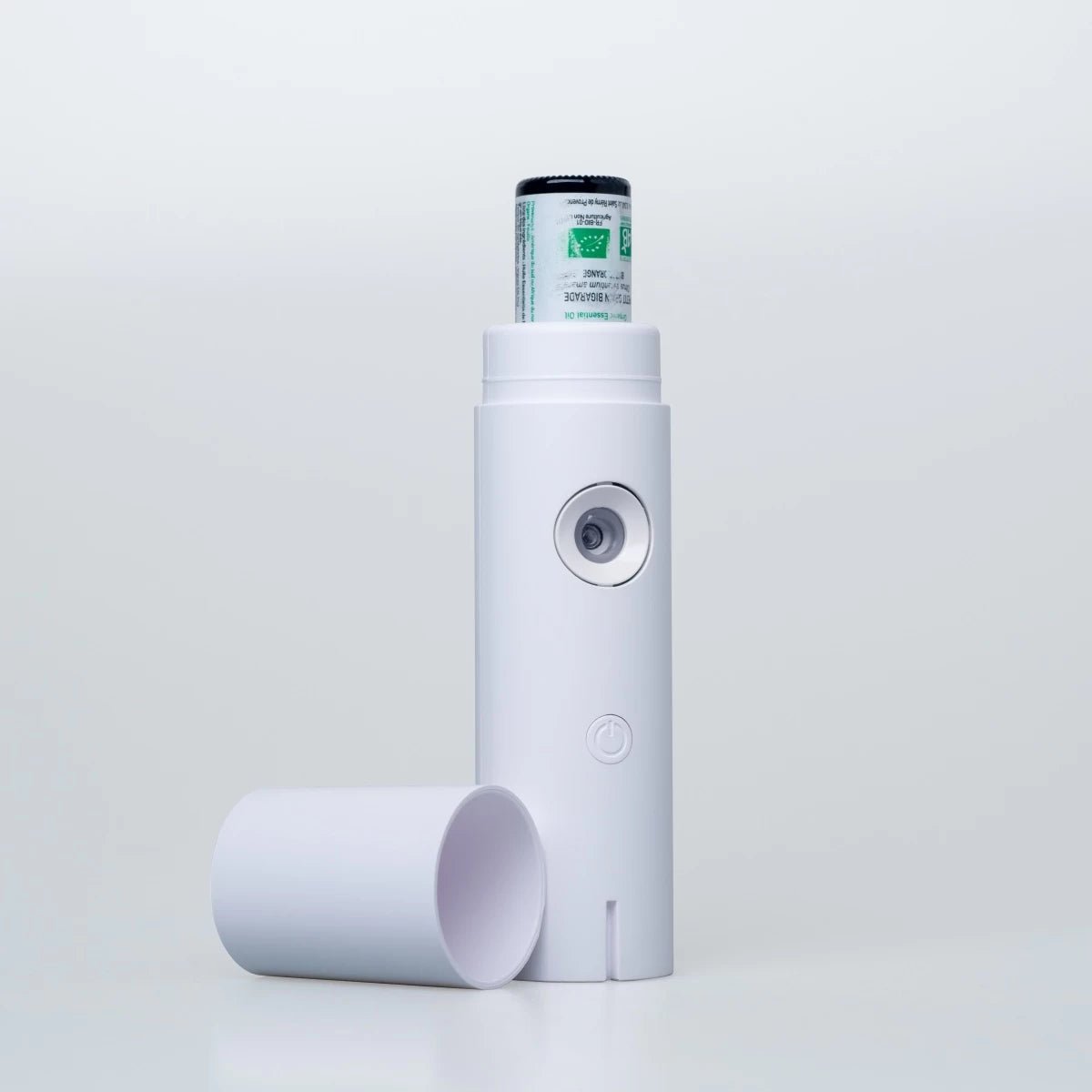
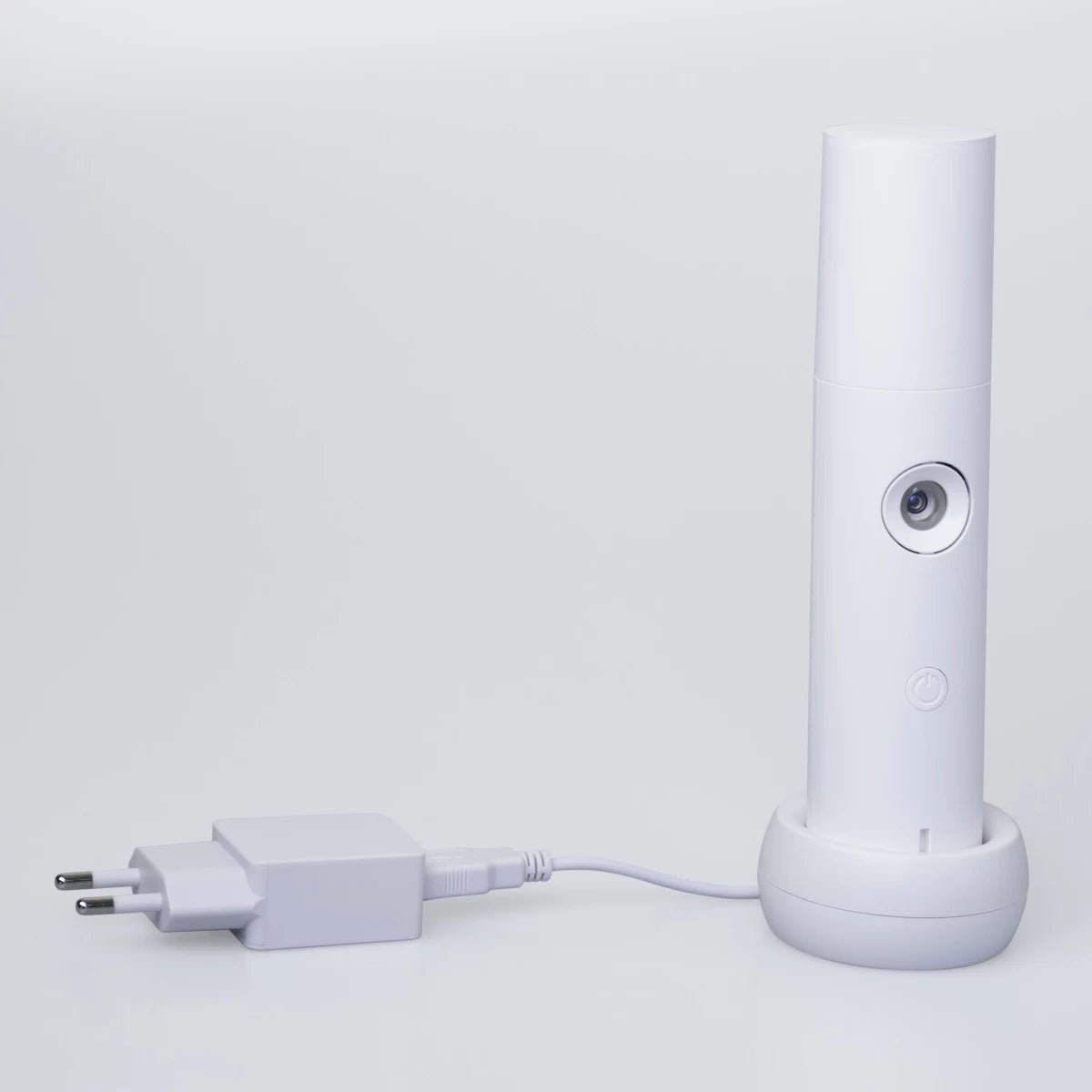
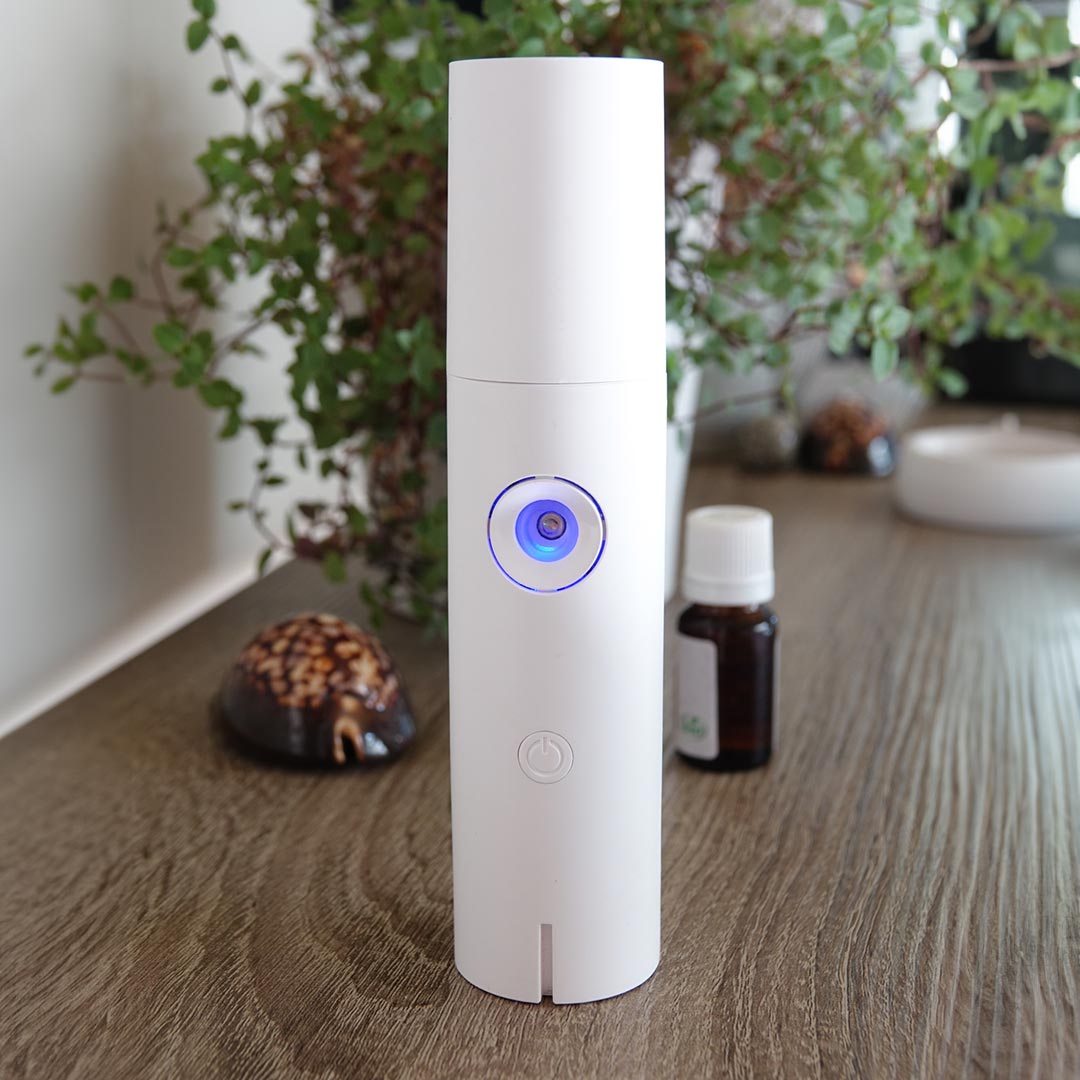
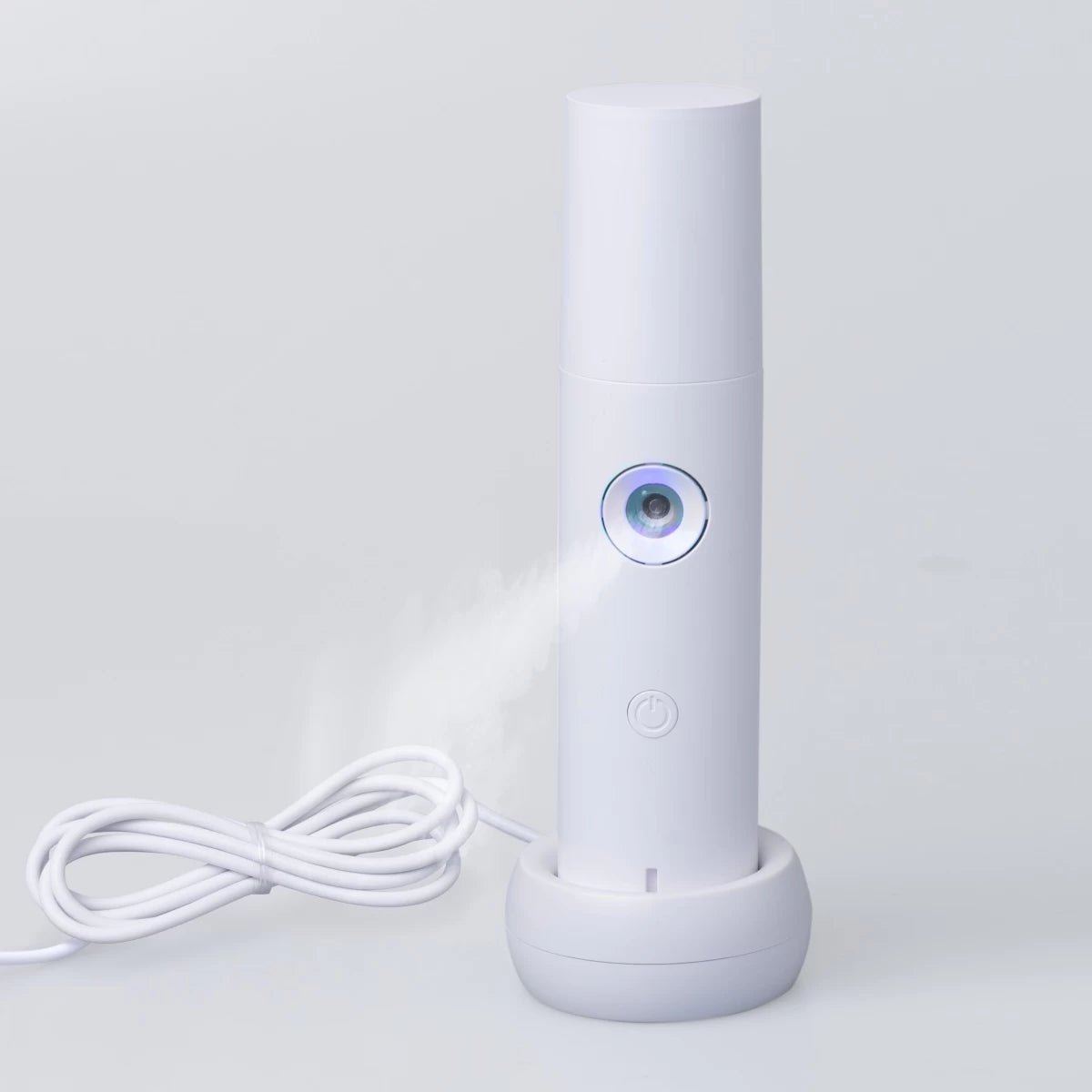
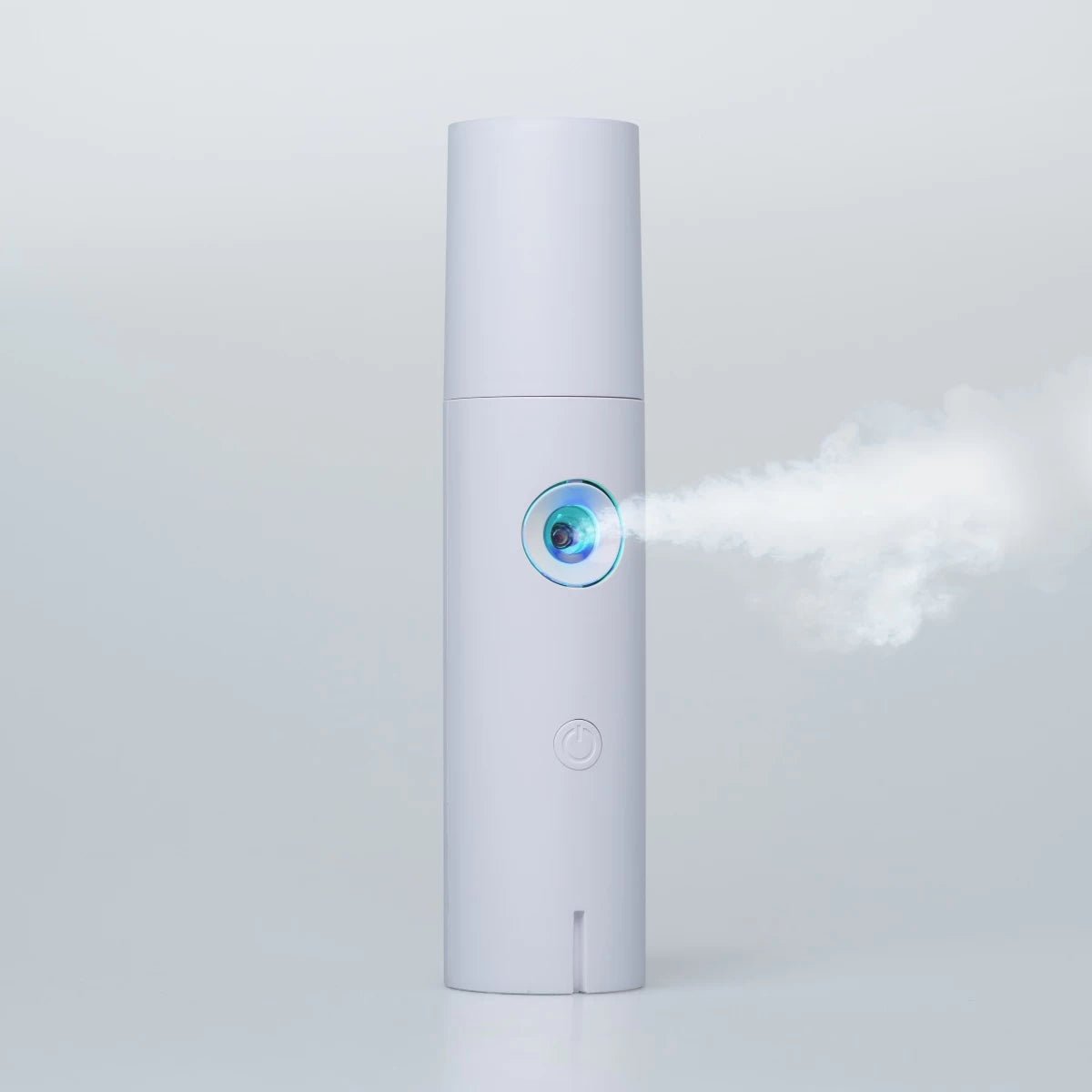
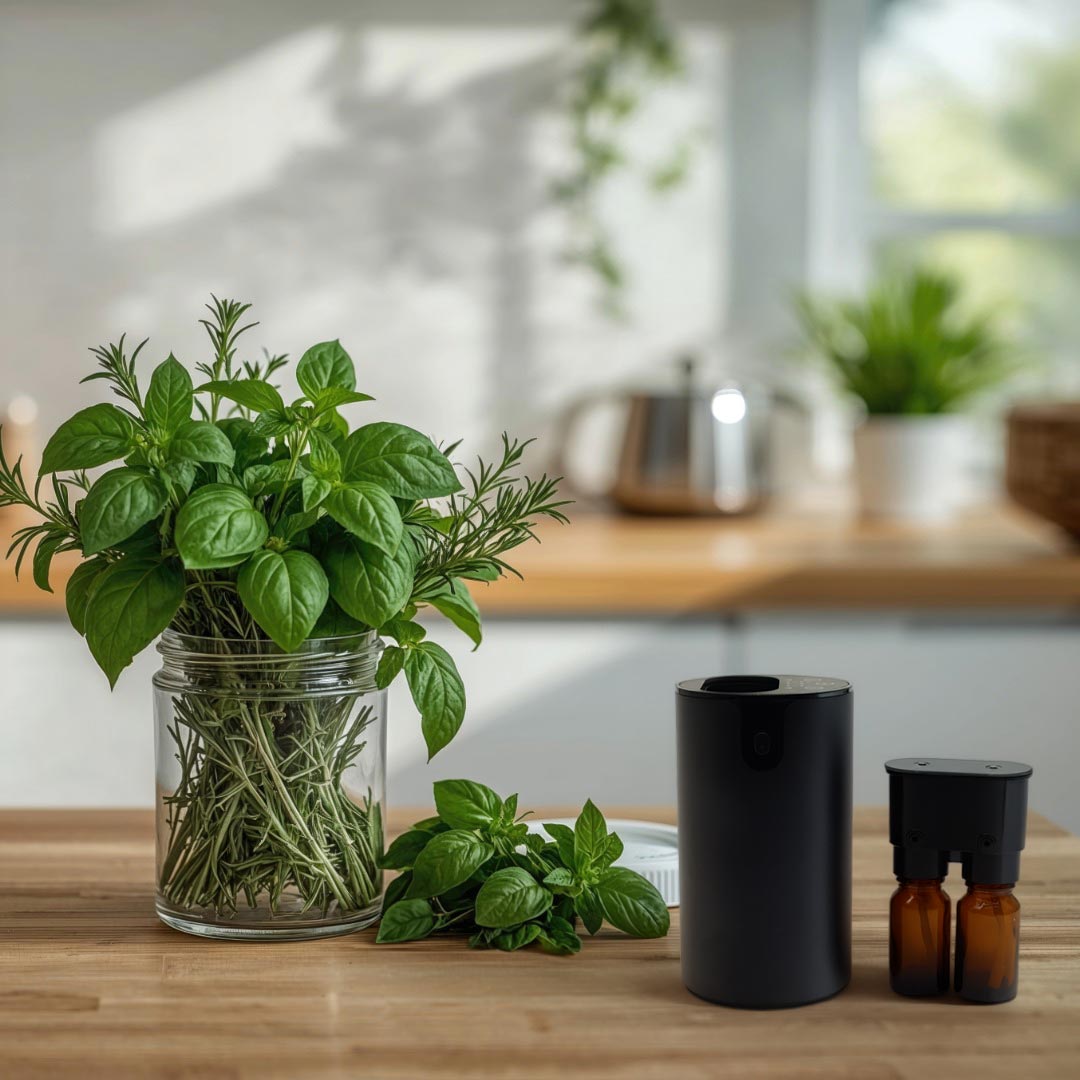
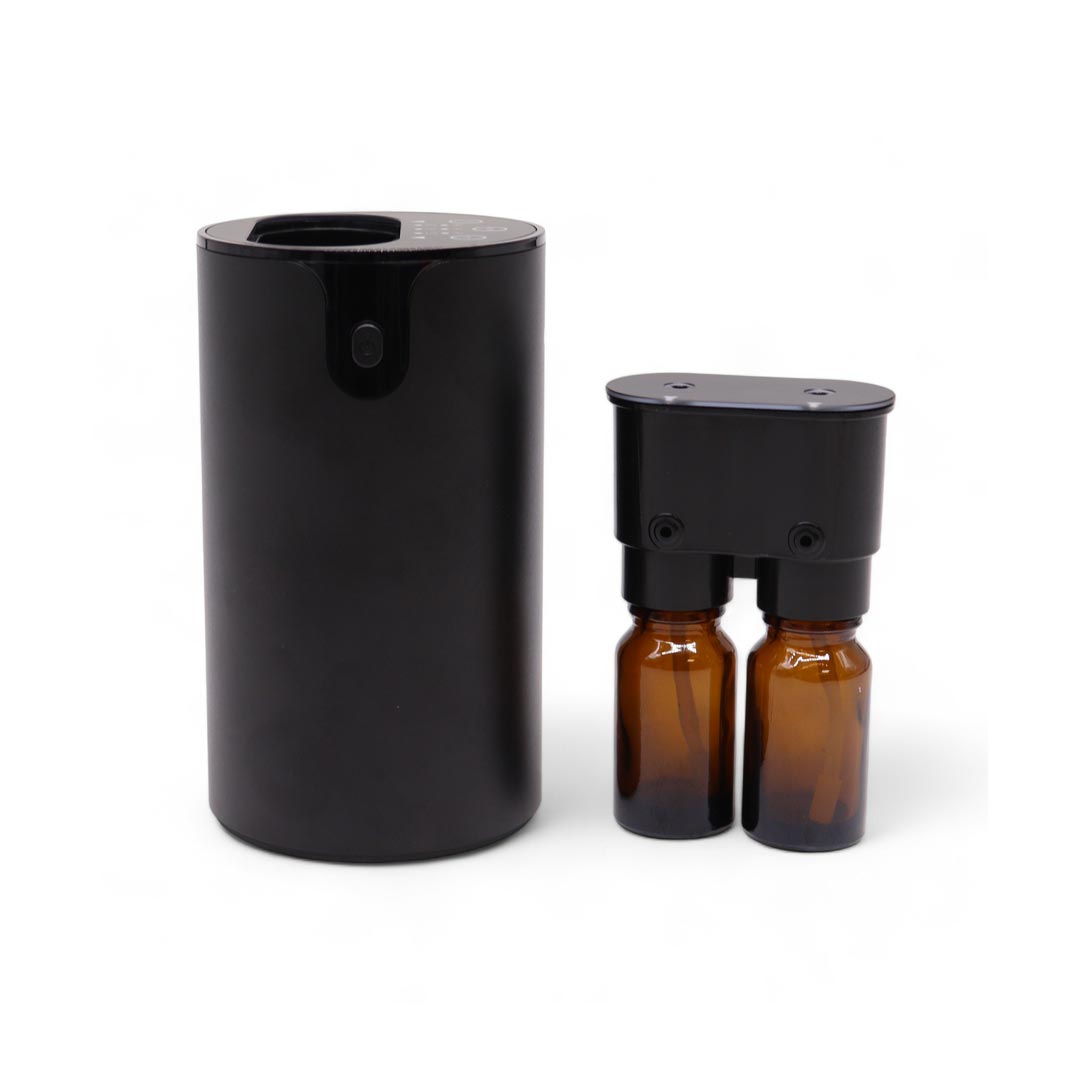



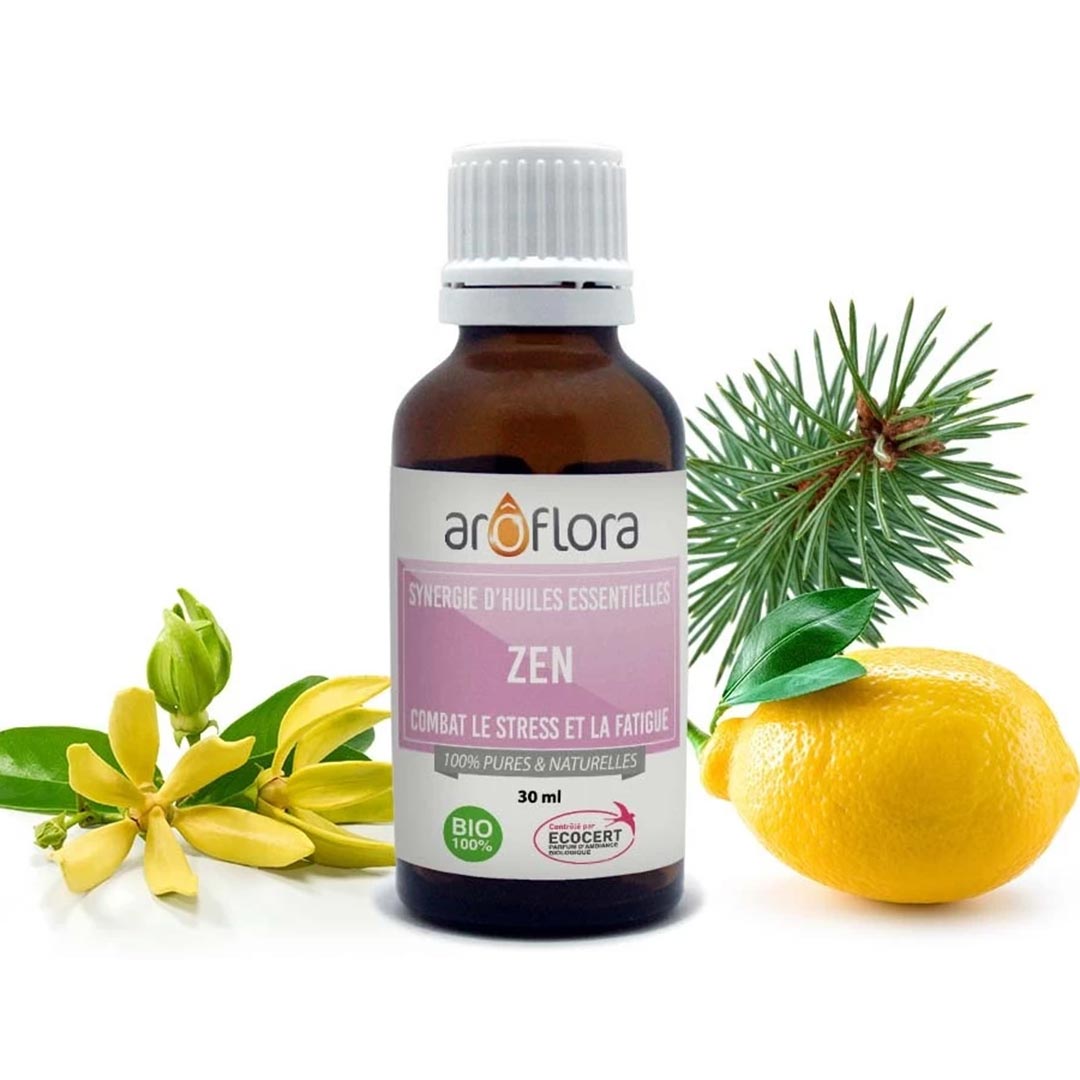



Here's how essential oils affect you
Our ability to smell depends on small molecules in the air. When we inhale these molecules, they are recognized by receptors in the nose. The information is transported via the nerves to the brain, including the parts responsible for emotions, behavior and memory. The fragrance molecules dissolve in the blood and thus make the active properties work.
For example. if you have a headache or migraine, you can use one or more of these essential oils in a diffuser: chamomile, lavender, marjoram, neroli, rosemary.
Try and feel!
The different types of diffusers









Blog posts

Ashwagandha or Rhodiola: Which Adaptogen Should You Choose?
Ashwagandha and Rhodiola are two of the most popular adaptogenic plants, yet they work in very different ways. While Ashwagandha is known for its calming, grounding effect on the nervous system, Rhodiola is valued for supporting energy, focus, and resilience under pressure. Understanding how each adaptogen responds to different stress patterns can help you choose the one that truly matches your body’s needs.

The Safe Essential Oil Guide for Parents: How to Use Aromatherapy with Children
Discover how to use essential oils safely and effectively with your children. This parent-focused guide explains proper dilutions, age-appropriate use, and the best oils for everyday care - giving you the confidence to support your child’s health naturally.

Organic or Certified Organic? Why the Difference Matters
Not all products labeled “organic” are truly organic. Many rely on greenwashing - using trendy words without the rigorous standards behind them. Certified organic products, however, are independently verified, traceable from soil to bottle, and free from hidden chemicals. Learn why choosing certified organic matters for your health, your home, and the planet.
