
Sun Safe, Earth Safe: Organic Plant-Based Sun Care Products
As the sun intensifies, the importance of sun protection becomes crucial. Many turn to sunscreens without considering their impact on health and the environment. Commercial sun care products, while effective, contain chemicals that can harm both. This guide explores the dangers of conventional sunscreens, the benefits of natural, organic alternatives, and the importance of choosing plant-based options for better health and environmental sustainability.

Potential Harm of Commercial Sun Care Products:
Chemical Absorption:
Many commercial sunscreens contain chemicals like oxybenzone and octinoxate, which can be absorbed into the skin and disrupt hormone balance.
Skin Irritation:
Some ingredients in commercial sunscreens, such as artificial fragrances and preservatives, can cause skin irritation and allergic reactions.
Environmental Impact:
Chemical sunscreen ingredients have been found to harm marine life, especially coral reefs, when washed off into the ocean.

Benefits of Natural Organic Plant-Based Sun Care Products:
Gentle on Skin:
Natural sunscreens often contain ingredients like zinc oxide and titanium dioxide, which provide broad-spectrum protection without causing irritation.
Environmentally Friendly:
Plant-based sun care products use biodegradable ingredients that are safer for marine ecosystems.
Nutrient-Rich:
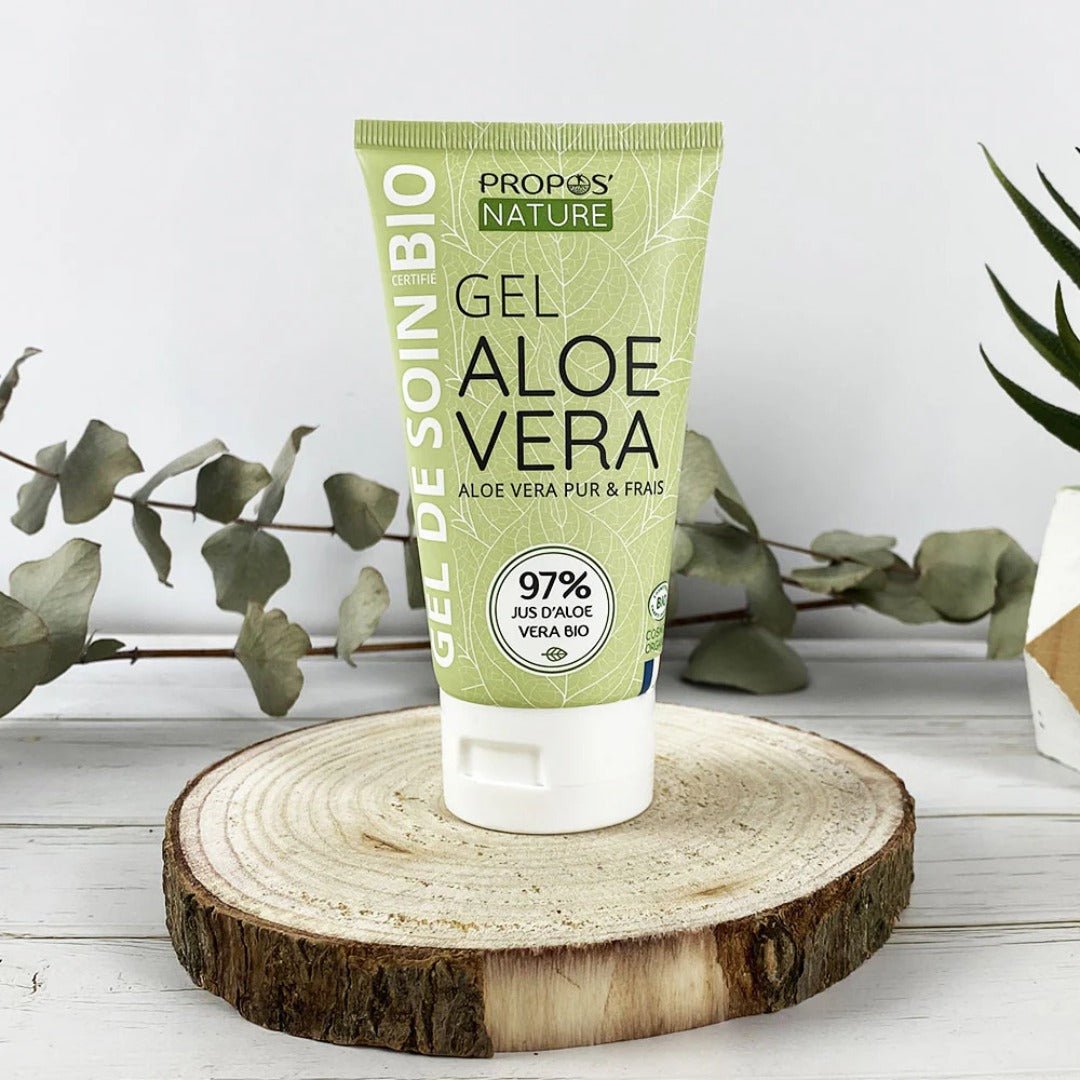
Many natural sunscreens contain botanical extracts like aloe vera, green tea, and coconut oil, which nourish and moisturize the skin.
What is SPF? and UVA, UVB Rays?
SPF measures the level of protection a sunscreen provides against UVB rays, which are responsible for causing sunburn.
The SPF number tells you how much longer you can stay in the sun without burning compared to if you were not wearing any sunscreen. For example, if you burn after 10 minutes of sun exposure without protection, an SPF 30 sunscreen would allow you to stay in the sun for 300 minutes (30 times longer) before burning, assuming the sunscreen is applied correctly and in adequate amounts.

UVA Rays
UVA rays, or Ultraviolet A rays, are a type of radiation from the sun that penetrate deeper into the skin compared to UVB rays. Here’s what they do to the skin:
Aging:
UVA rays are primarily responsible for skin aging, causing damage that leads to wrinkles, leatheriness, and other signs of sun-related aging (sometimes called "photoaging").
Deep Skin Penetration:
Unlike UVB rays, which primarily affect the skin's surface, UVA rays penetrate deeper into the underlying structures of the skin, damaging the collagen and elastin fibers that give skin its elasticity.
Tanning:
UVA rays stimulate the skin cells called melanocytes to produce melanin, the brown pigment that causes tanning. While tanning is often thought of as a sign of good health, it is actually a sign of skin damage.
Increased Risk of Skin Cancers:
Chronic UVA exposure has been associated with a higher risk of certain types of skin cancers, including melanoma, the most deadly form of skin cancer.
Photodermatitis:
UVA rays can also trigger certain types of skin reactions, such as photodermatitis, which is a chemical reaction in the skin that can lead to rash and other skin irritations.
Because of their ability to penetrate deep into the skin and contribute to both immediate and long-term skin damage, protection against UVA rays is crucial in sun care products.

UVB Rays
UVB rays, or Ultraviolet B rays, are a type of solar radiation with a specific wavelength that affects the skin in several distinct ways. Here's what UVB rays do to the skin:
Sunburn:
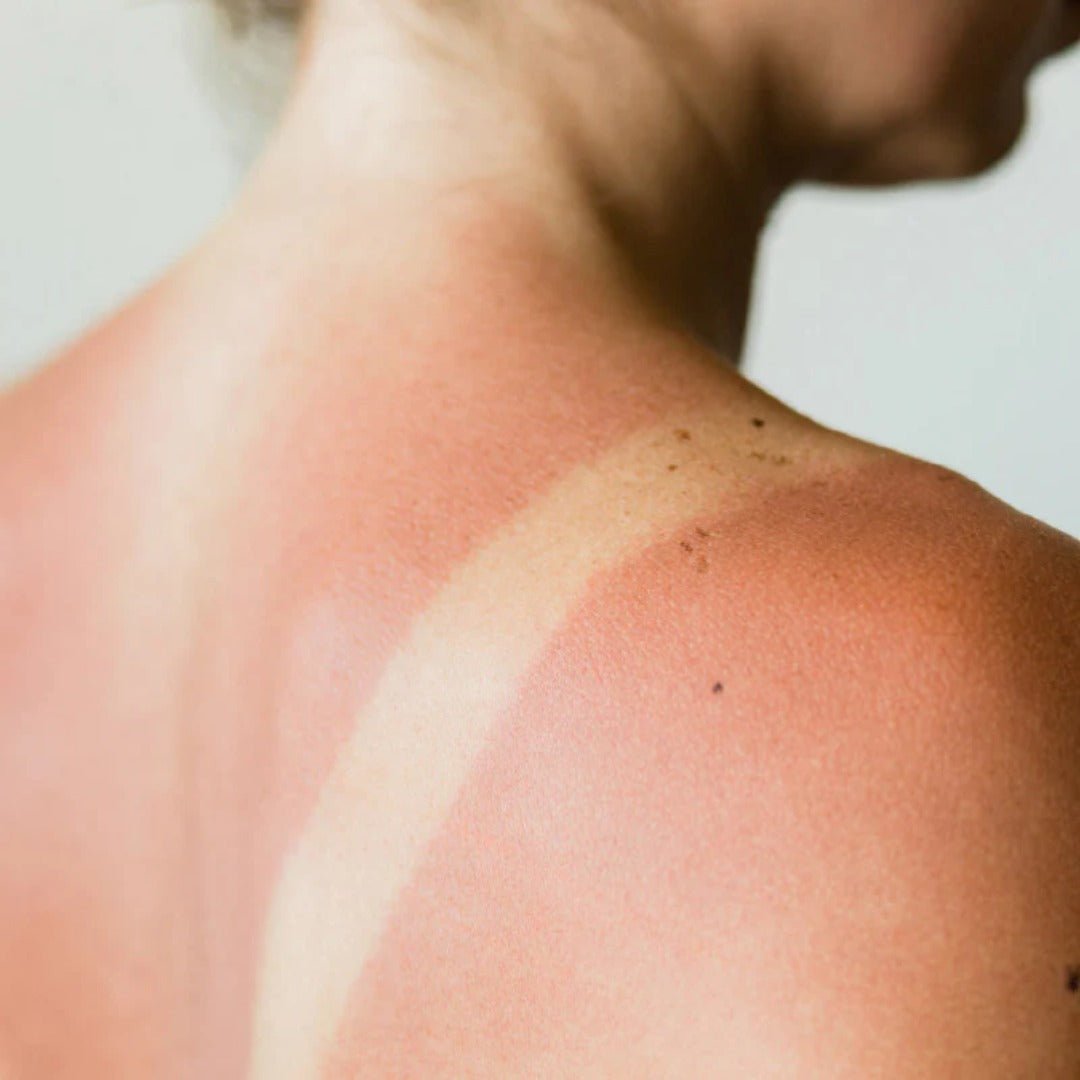
UVB rays are primarily responsible for causing sunburn. The rays damage the outer layers of the skin, leading to redness, pain, and swelling.
Skin Damage:
Frequent exposure to UVB rays can lead to various forms of skin damage besides sunburn, including changes in skin texture, such as thickening or thinning.
Vitamin D Synthesis:
UVB rays play a crucial role in the body's natural production of Vitamin D. When UVB rays hit the skin, they convert cholesterol in the skin into Vitamin D, which is vital for bone health and immune function.
Increased Risk of Skin Cancers:
UVB rays contribute significantly to the development of skin cancers, including basal cell carcinoma, squamous cell carcinoma, and melanoma. The DNA damage they cause can lead to mutations that accumulate over time.
Skin Aging:
Although UVA rays are more commonly associated with aging, UVB rays can also contribute to photoaging through damage to the skin's cellular DNA and structure.
Because of their potent effect on the skin, including the risk of sunburn and skin cancer, sunscreens are designed to specifically block UVB rays, often denoted by the SPF (Sun Protection Factor) rating which measures the fraction of UVB rays that can penetrate the skin.


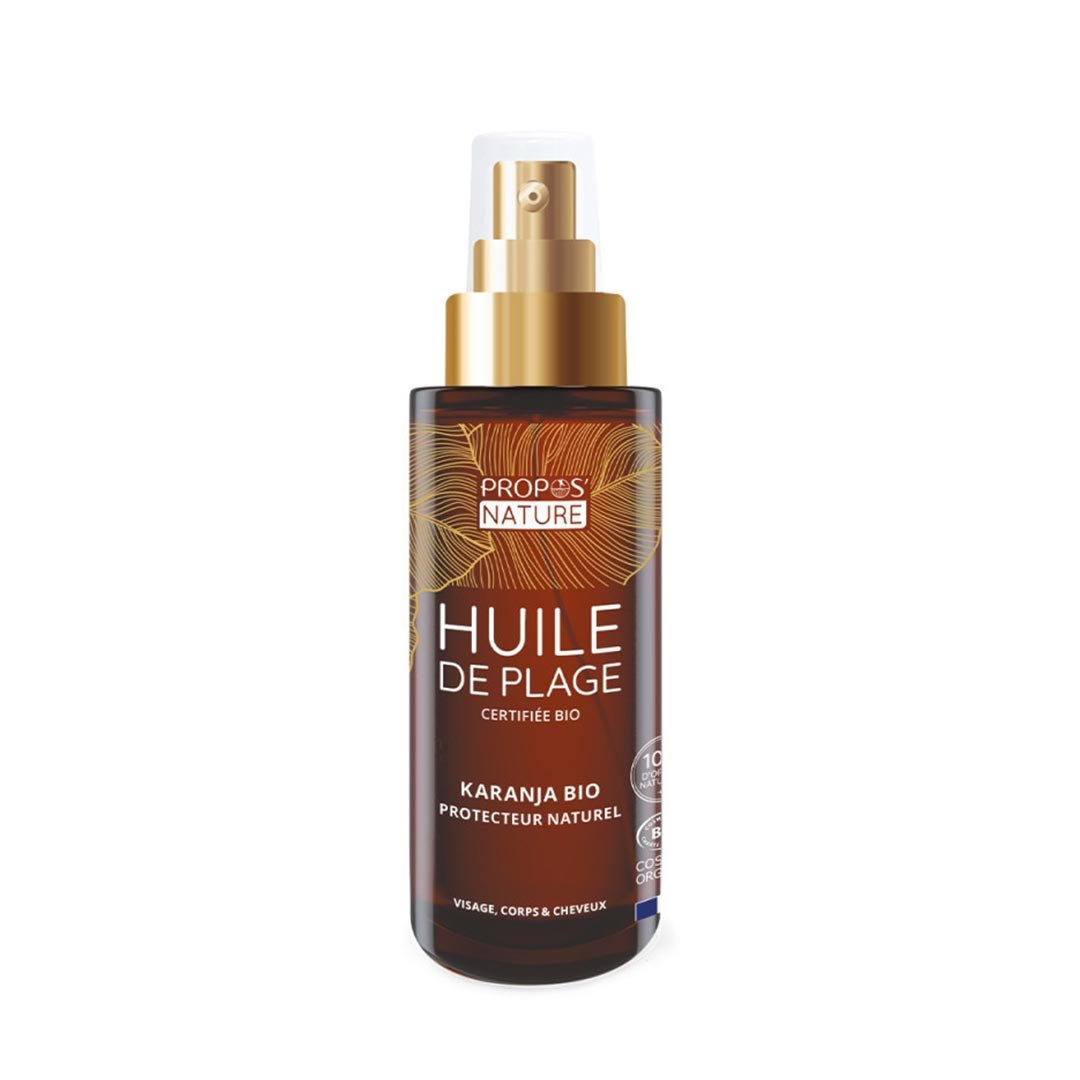
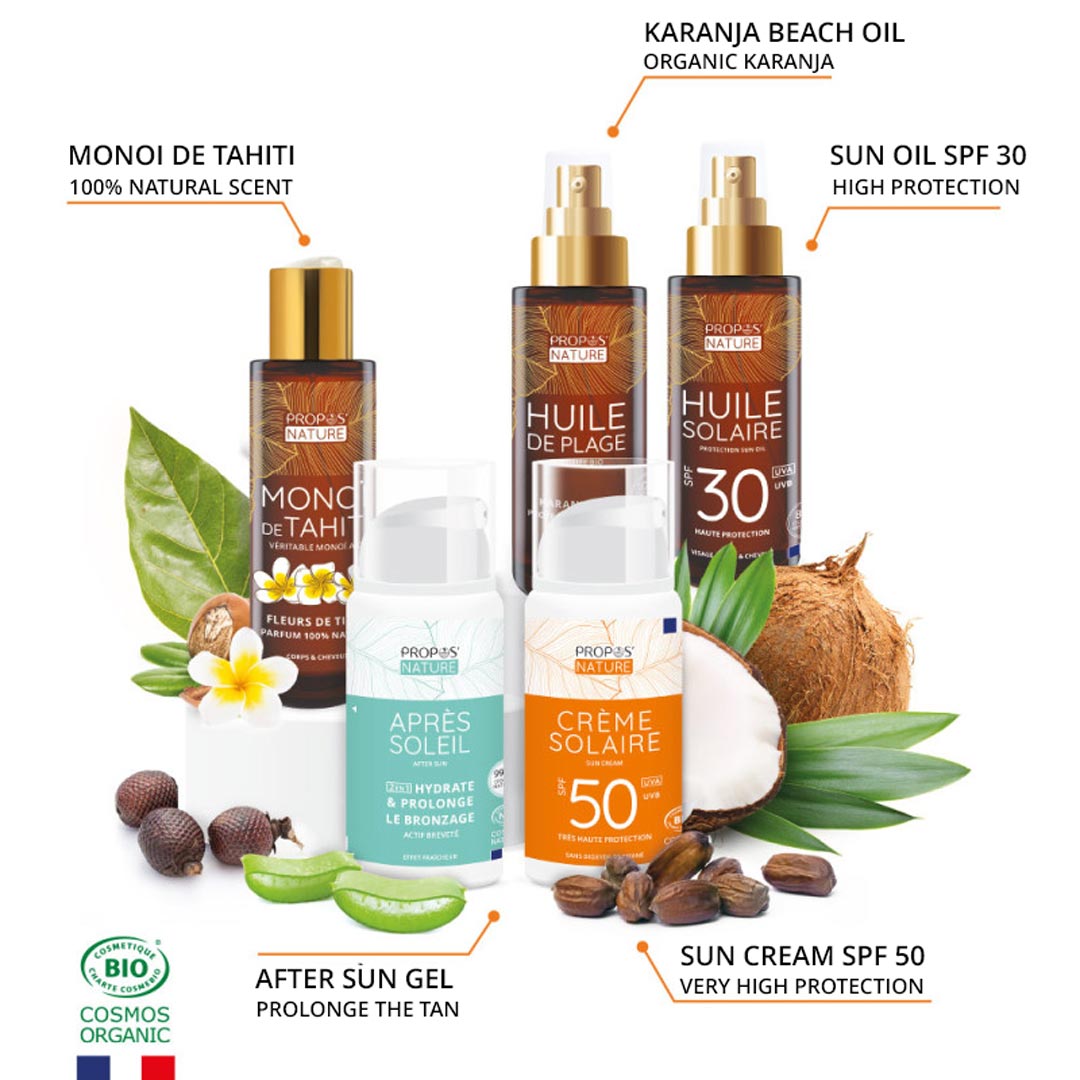
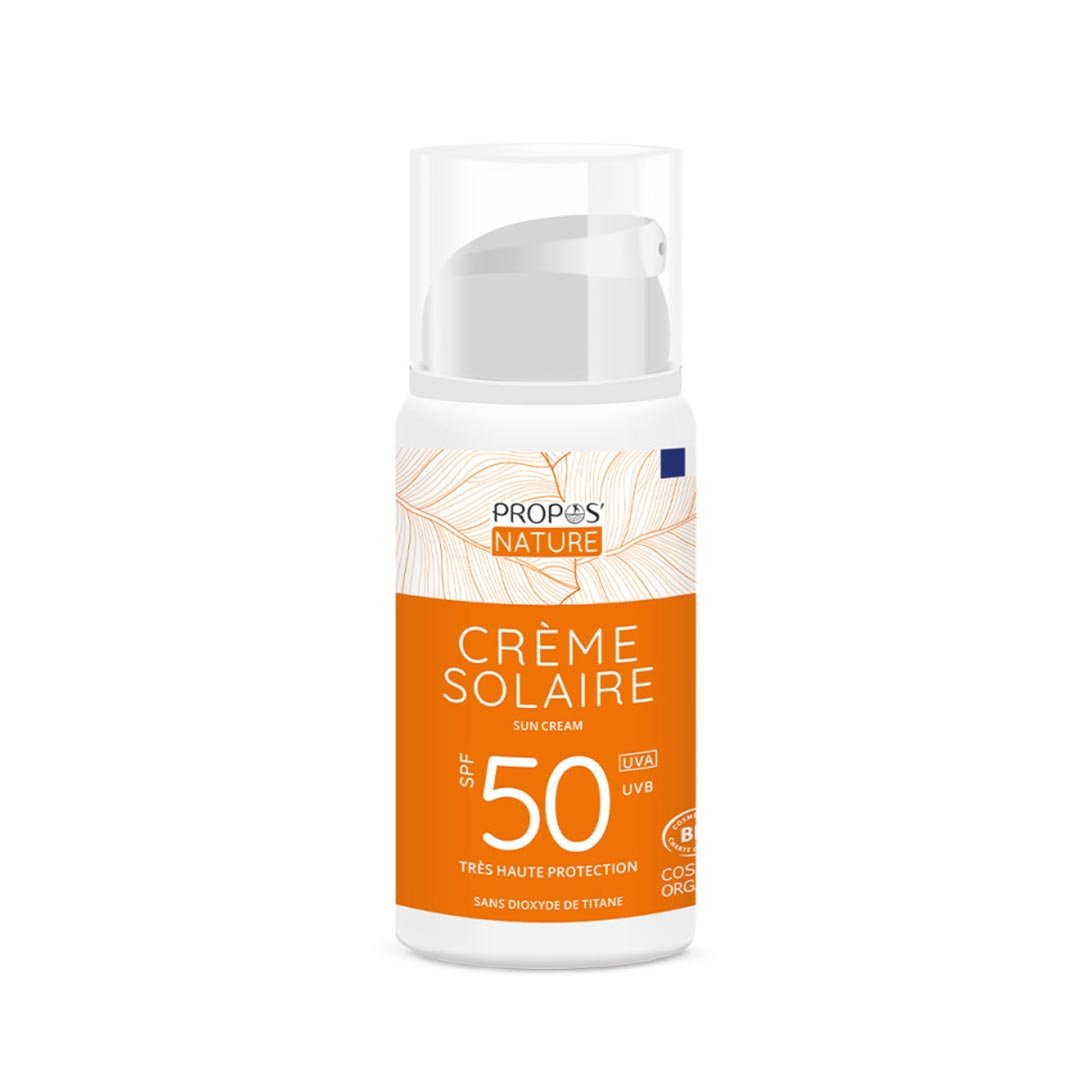
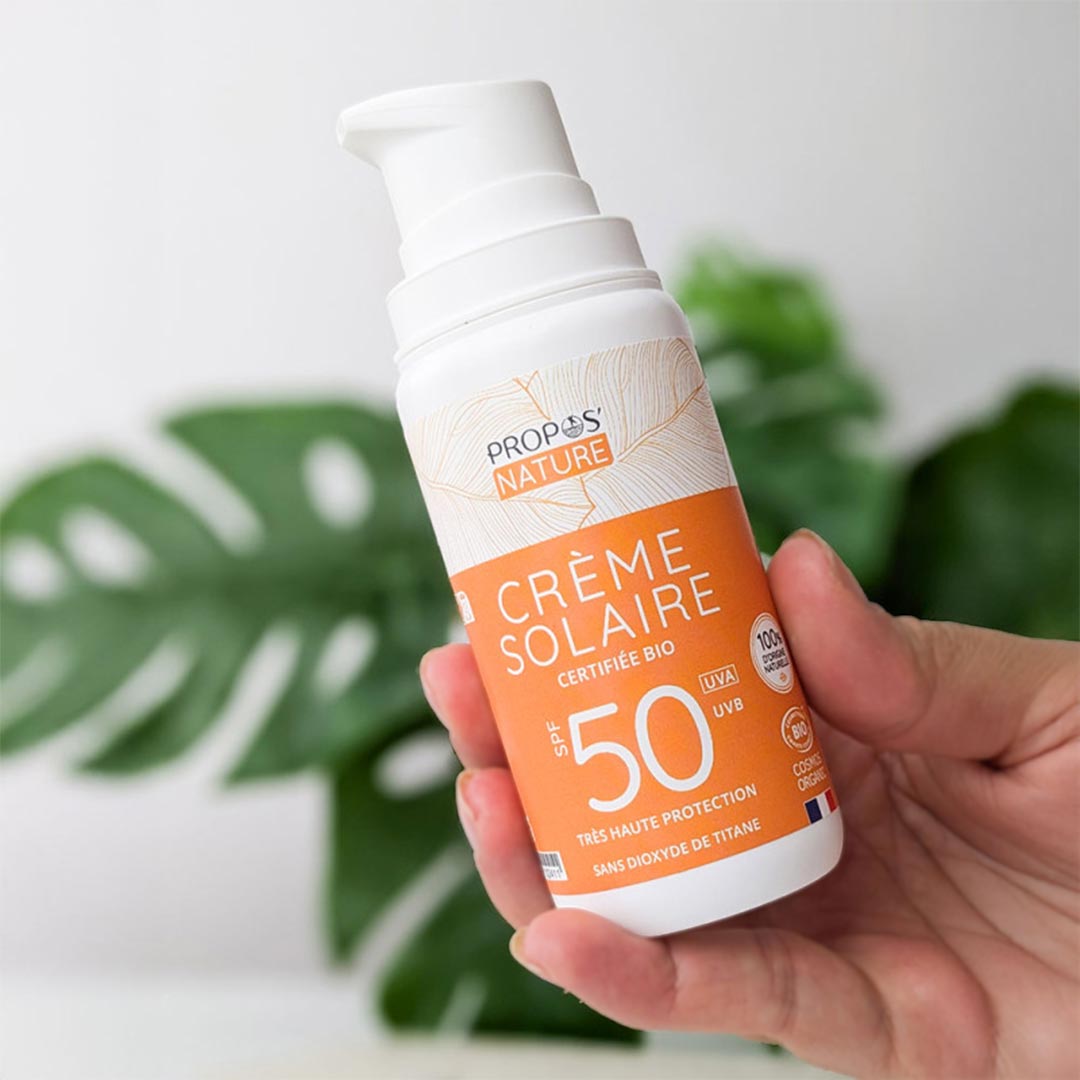
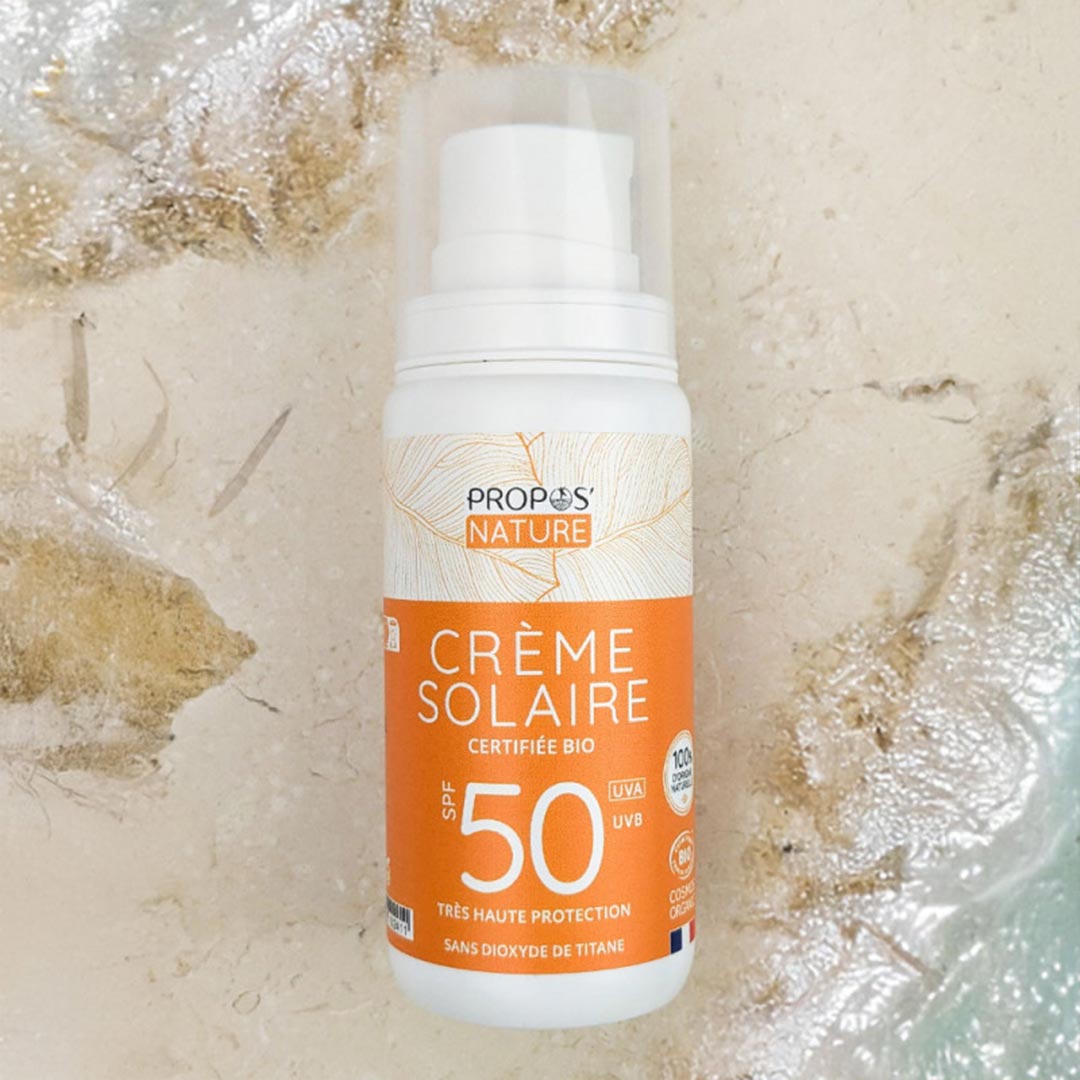
Enjoy broad-spectrum sun protection with this certified organic SPF50 sunscreen. Designed to protect your skin from UVA and UVB rays, it features a lightweight formula that blends effortlessly into the skin - no white cast, just a natural finish.
100% Natural Formula with Plant-Based and Mineral Filters
This high-protection sunscreen combines the power of mineral and plant-derived filters to help shield your skin from sun exposure. It includes Karanja oil, a botanical known for its traditional use in skin care, and antioxidant-rich microalgae such as Dunaliella salina and Haematococcus pluvialis.
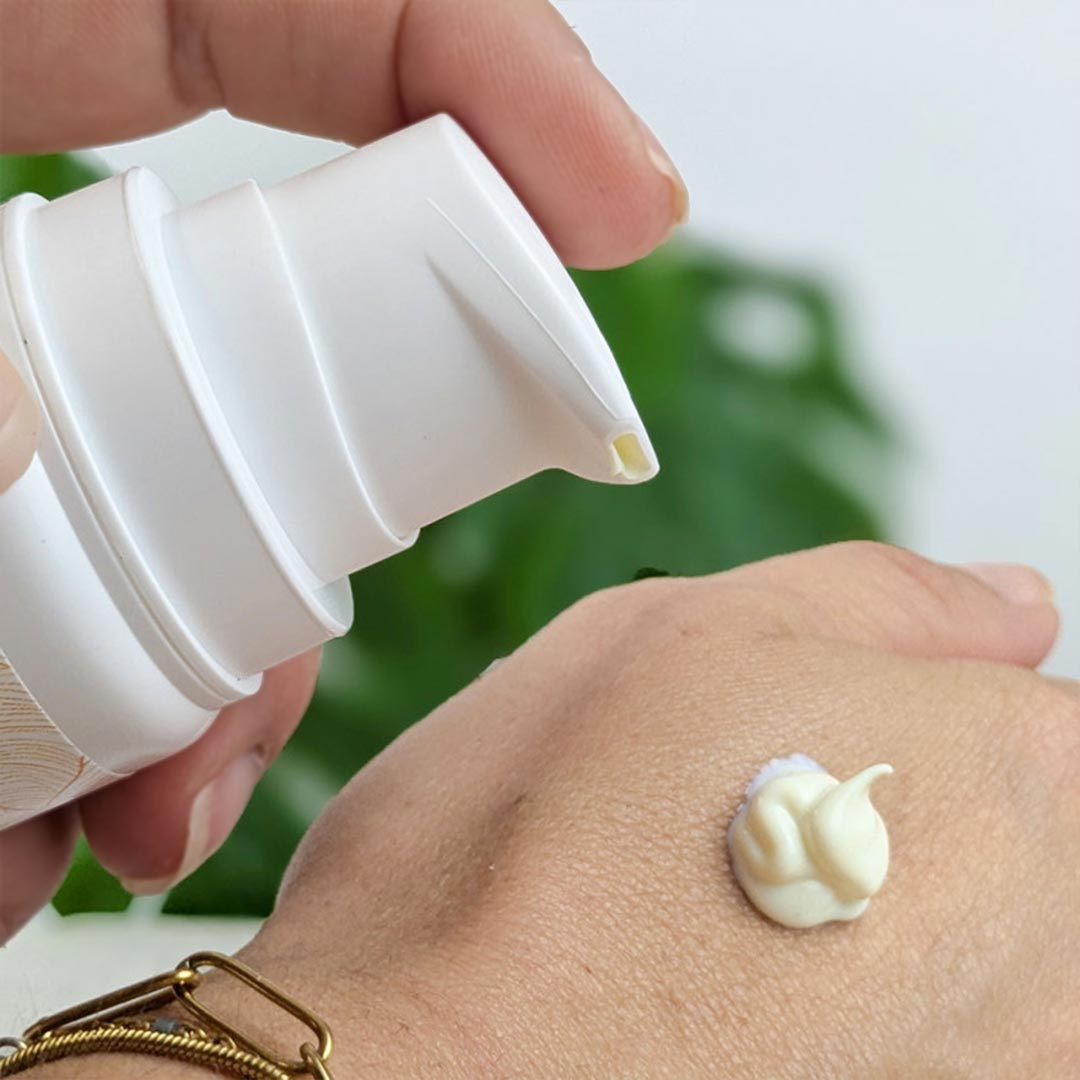
Lightweight Texture & Summer Scent
With a silky, transparent texture and a delicate natural scent inspired by Monoï, this sunscreen feels as good as it performs. Ideal for daily use, whether you're heading to the beach or simply enjoying the outdoors.
Product Highlights
-
Certified organic
-
Very high protection SPF50+
-
100% ingredients of natural origin
-
Free from titanium dioxide
-
Fluid texture
-
Made in France