Linden Bracts Organic Infusion, 35g

Regular price € 15,90

BUY 3 GET 1 FOR FREE! (Add 4 to your cart)

Free Shipping
in Spain & Portugal
EU Shipping €6.90
Free from €59
Secure Payment
Safe & secure checkout

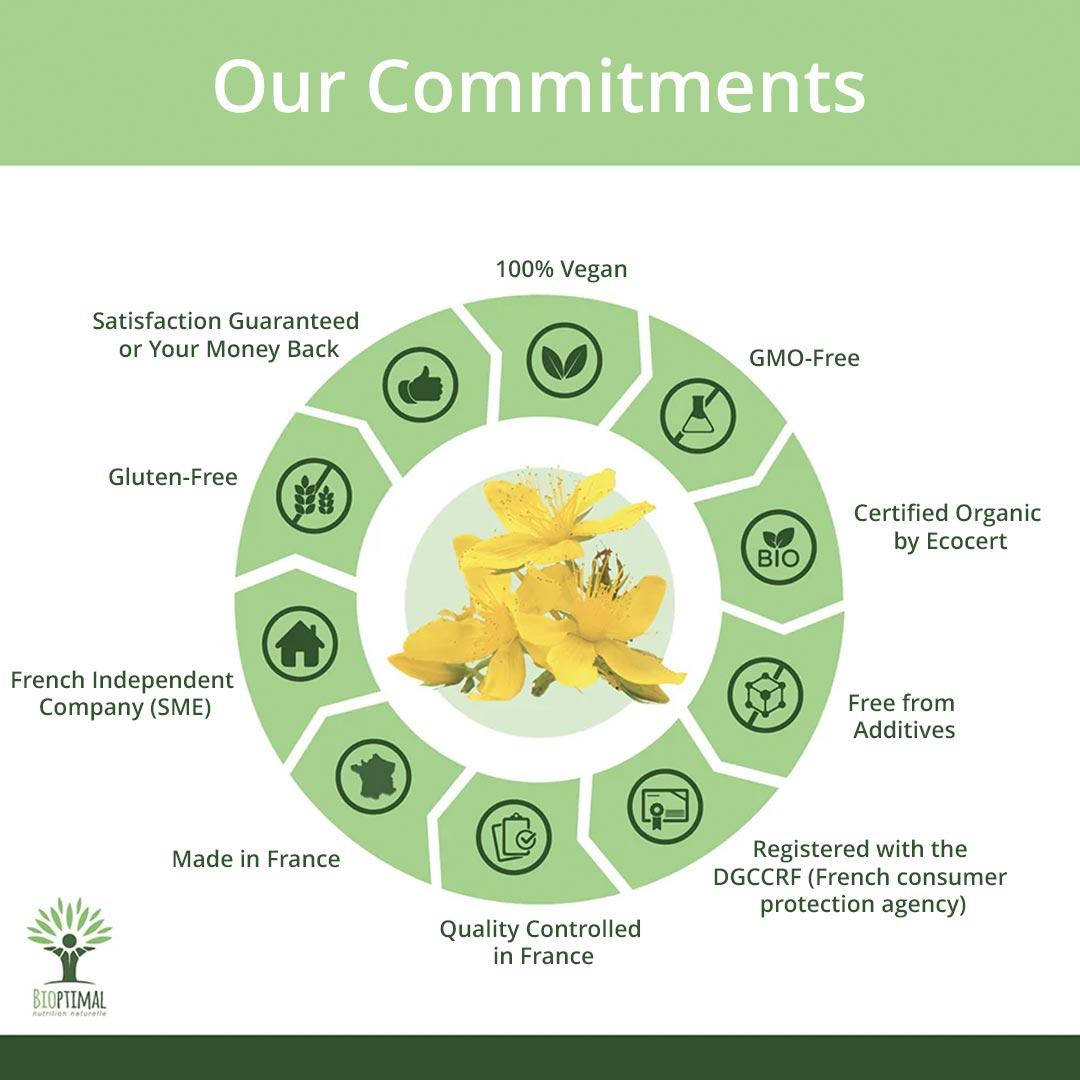
Organic Farming

Certified Organic

Vegan icon - Elliotti

Vegan

Gluten free icon - Elliotti

Gluten-free

100% pure organic linden bracts

Soft, delicate and naturally comforting, linden infusion is one of Europe’s classic evening herbal teas. With its mild floral aroma and gentle flavour, it is particularly suited to those moments when the day is over but the mind has not quite followed.

Linden has a long place in European herbal tradition, where preparations from the linden tree have been associated with calm, relaxation and the evening ritual. This organic infusion contains only dried linden bracts, with no flavourings, sweeteners or other herbs.

A Gentle Infusion for the Evening

Some herbal teas are bold and stimulating. Linden is quite the opposite. Its soft character makes it a beautiful choice when you want to slow the pace, create a calmer atmosphere and prepare for rest.

Enjoy it after dinner, while reading, before bed, or simply whenever you want a warm cup that signals that the active part of the day is finished.

More information

Botanical Information:
Botanical name: Tilia cordata Mill. and Tilia platyphyllos Scop.
Common name: Linden, Lime tree
Plant family: Malvaceae
Plant part: Bracts
Product type: Dried herbal infusion
Cultivation: Certified organic
Origin: France
Ingredients: 100% organic linden bracts
What are Linden Bracts?

The bracts are the distinctive pale, leaf-like structures that grow alongside the flower clusters of the linden tree. They are different from the tree's ordinary green leaves and form part of the characteristic flowering structure that makes linden so recognisable in early summer.

Linden trees are familiar throughout Europe, where their fragrant flowering branches have long been gathered for herbal preparations. This infusion focuses specifically on the dried bracts, offering a simple, single-plant preparation without added flavourings or other botanicals.

🌿Taste & Aroma

Linden makes a light, delicate infusion with a soft floral and subtly sweet character. It is much gentler than strongly aromatic herbs such as peppermint or thyme, making it particularly pleasant when you want something mild and comforting.

Its understated flavour also makes it easy to drink on its own without sweetening.

🌿An Evening Herbal Ritual

Linden is particularly well suited to the transition between an active day and a quieter evening. Prepare a cup after dinner, while reading or before going to bed and allow the preparation itself to become part of slowing down.

Because the flavour is mild rather than heavy or intensely herbal, it is also a good choice for people who find some traditional herbal infusions too strong.

🌿From Tree to Teacup

The linden tree is much more than a source of herbal tea. Mature trees can become impressive landscape trees, valued across Europe for their shade, fragrant summer flowering and importance to pollinating insects.

When in flower, linden is particularly attractive to bees, which collect its abundant nectar. This close association between linden blossoms, bees and honey has been part of the tree's cultural and culinary story for generations.

For this infusion, the harvested plant material is carefully dried so that it can be stored and prepared throughout the year, bringing the delicate character of the linden tree into a simple cup of herbal tea.

Usage tips

For a simple daily infusion, use 5 teaspoons (approximately 4 g) of linden bracts per day.

🌿How to Prepare

Add the linden bracts to a glass or porcelain teapot or cup. Pour over hot drinking water at a maximum temperature of 80°C, then cover to help retain the plant's delicate aromatic compounds.

Allow to infuse for 5–10 minutes, stirring occasionally, then strain before drinking.

For a larger daily preparation, use 4–5 tablespoons (14–18 g) per litre of water.

🌿For an Evening Cup

If you are choosing linden as part of your evening routine, prepare 150–250 ml and enjoy it warm during the evening or before bedtime. Its mild, delicately floral taste makes it particularly pleasant on its own.

🌿How Much Per Day?

The recommended daily amount is 5 teaspoons, approximately 4 g of linden bracts.

At this amount, a 35 g box provides approximately 8–9 days of daily use.

Certification

- Certified Organic Product
- Certified Organic Agriculture (AB certified)
- Origin of raw materials: France
- Country of manufacture: France

Composition

100% Organic Linden Bracts
Botanical name: Tilia cordata Mill. and Tilia platyphyllos Scop.
Plant part: Bracts
Origin: France
Certified organic
No additives, flavourings or other ingredients

A little history

Linden, also known as the lime tree in Britain and much of Europe, has been part of European life for centuries. Far more than simply a medicinal tree, it became associated with community, protection, peace, love and justice.

🌿 The Tree at the Heart of the Village

Across parts of Central and Northern Europe, old linden trees were traditionally planted at the centre of villages and beside churches, wells and meeting places. Communities gathered beneath their broad canopies for celebrations, discussions and, in some regions, judicial meetings.

The tree consequently became a symbol of community and justice, and an old village linden could remain part of local life for many generations.

🌿 A Sacred and Protective Tree

Linden also appears throughout European folklore. In Germanic and Slavic traditions it was associated with protection, love, peace and feminine qualities, and individual trees could acquire considerable cultural and spiritual significance.

Its enormous lifespan reinforced this symbolism. Linden trees can live for many centuries, and some ancient European specimens have survived through generations of human history. They became, quite literally, living witnesses to the communities that grew around them.

🌿 From European Herbalism to the Family Teapot

Linden flowers and their accompanying bracts also developed an important place in European herbal tradition.

Herbal preparations of linden were traditionally associated with nervousness, restlessness and difficulty settling at night. This helped establish linden as one of Europe's familiar evening herbs, prepared as a warm infusion when calm and comfort were wanted.

Its gentle reputation also made linden particularly familiar in household herbalism. Traditionally, linden tea was given to children experiencing restlessness, overexcitement or troubled nights, as well as being enjoyed by adults as an evening infusion.

🌿 A Traditional Cold-Weather Infusion

Linden had another well-known place in the European household herbal cupboard. A hot infusion of linden flowers and bracts was traditionally drunk during colds and feverish illnesses, particularly to encourage gentle perspiration.

For generations, this made linden one of the comforting hot herbal drinks brought out when someone in the family was unwell, alongside its better-known role as an evening tea.

🌿 A European Tradition That Continues Today

Perhaps this is what makes linden so interesting: the same tree could be a village meeting place, a symbol of protection and a source of a much-loved household infusion.

Its cultural and herbal histories grew together. Even today, preparing a cup of linden connects us with a European botanical tradition that stretches back through generations.

Packaging & storage

Store in a cool, dry place away from direct sunlight and humidity. Keep the container tightly closed after each use to protect the delicate plant compounds.

Herbal infusions are sensitive to light, air, and moisture. Proper storage helps preserve the herb’s aroma, potency, and active constituents.

FAQ

🌿 What are linden bracts?
Linden bracts are the pale, leaf-like structures that grow alongside the flower clusters of the linden tree. This infusion is made from the dried bracts of Tilia cordata and Tilia platyphyllos, two linden species with a long history in European herbal tradition.

🌿 Why might I choose linden infusion?
Linden is particularly interesting if you are looking for a gentle herbal infusion for the evening. It has traditionally been associated with calm, rest and nighttime herbal rituals, and its mild floral taste makes it pleasant to drink on its own.

🌿 How much linden should I use each day?
The recommended daily amount is 5 teaspoons, approximately 4 g of linden bracts, prepared as an infusion. At this amount, the 35 g box provides approximately 8–9 days of daily use.

🌿 Why was linden tea traditionally served very hot during a cold?
There was a reason for this particular preparation. In European household herbalism, linden was traditionally drunk as a hot infusion during colds and feverish illnesses to encourage perspiration. So the warmth of the drink was part of the traditional practice, rather than linden simply being another tea people happened to drink when they were ill.

🌿 Why does linden tea sometimes feel slightly soft or silky in the mouth?
Linden flowers naturally contain mucilage, plant compounds that take up water and can contribute to the infusion's characteristically gentle mouthfeel. They also contain tannins and other naturally occurring botanical constituents. This is one reason a cup of linden feels quite different from sharper or more strongly aromatic herbal infusions.

🌿 When is the best time to drink linden infusion?
Linden can be enjoyed at any time, but its traditional association with calm and evening routines makes it especially suited to the later part of the day. Try a warm cup after dinner, while reading or as part of your usual bedtime ritual.

🌿 What can I combine with linden?
For an evening infusion, linden combines beautifully with lemon balm or chamomile. If you enjoy a more aromatic cup, a little lavender can also complement its soft floral character. Linden can equally be enjoyed alone when you want a simple, single-plant infusion.

🌿 Where does this linden come from?
The linden used in this infusion is certified organic and originates from France. The product contains 100% dried linden bracts, with no added flavourings or other herbs.

🌿 What is the difference between Tilia cordata and Tilia platyphyllos?
They are two different European linden species. Tilia cordata is commonly known as small-leaved lime, while Tilia platyphyllos is known as large-leaved lime. Both species are recognised sources of Tiliae flos in European herbal practice and the European Pharmacopoeia.

🌿 Why should linden infusion be covered while it steeps?
Covering a herbal infusion is particularly useful with aromatic plant material. Linden contains naturally occurring volatile constituents, so keeping the cup or teapot covered while the herbs infuse helps keep the aromatic steam inside rather than allowing it to escape immediately.

Volume

35g

Botanical Supplements, Chosen with Care

At Elliotti, we believe a good supplement should be easy to understand. What is in it, how much should you take, where does it come from, and why has this particular formula been chosen?

Our Bioptimal range brings together food supplements made in France, with a focus on carefully selected ingredients and straightforward formulations. Some feature a single botanical, while others combine plants or nutrients in formulas designed for a particular type of daily routine.

We look beyond the front of the pack. Ingredients, daily amounts, quality, certification, recommended use and precautions all matter when we decide what belongs at Elliotti.

Explore the product information above to understand exactly what is in this formula and how to use it.

Hi, I’m Susann!
I’m a holistic aromatherapist and naturopath, and I know that choosing between different botanicals and supplements is not always straightforward.
If you have questions about a product, its ingredients, how to use it or the differences between our botanical preparations, you’re always welcome to ask me. Personal guidance is part of the service at Elliotti, at no extra cost.

Send me an e-mail at susann@elliotti.com