Organic Red Vine, 200 capsules

Regular price 128,00 zł

BUY 3 GET 1 FOR FREE! (Add 4 to your cart)

Free Shipping
in Spain & Portugal
EU Shipping €6.90
Free from €59
Secure Payment
Safe & secure checkout

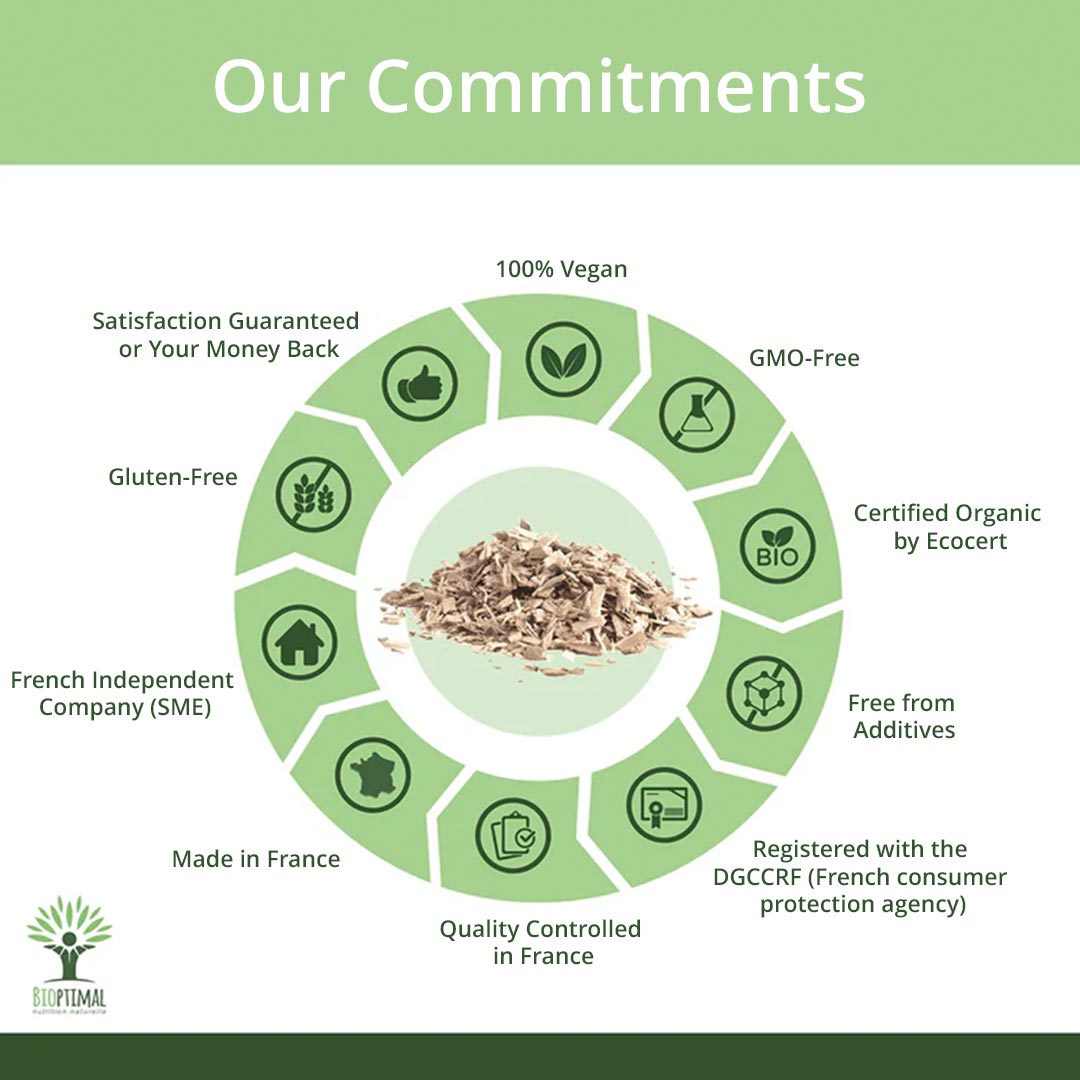
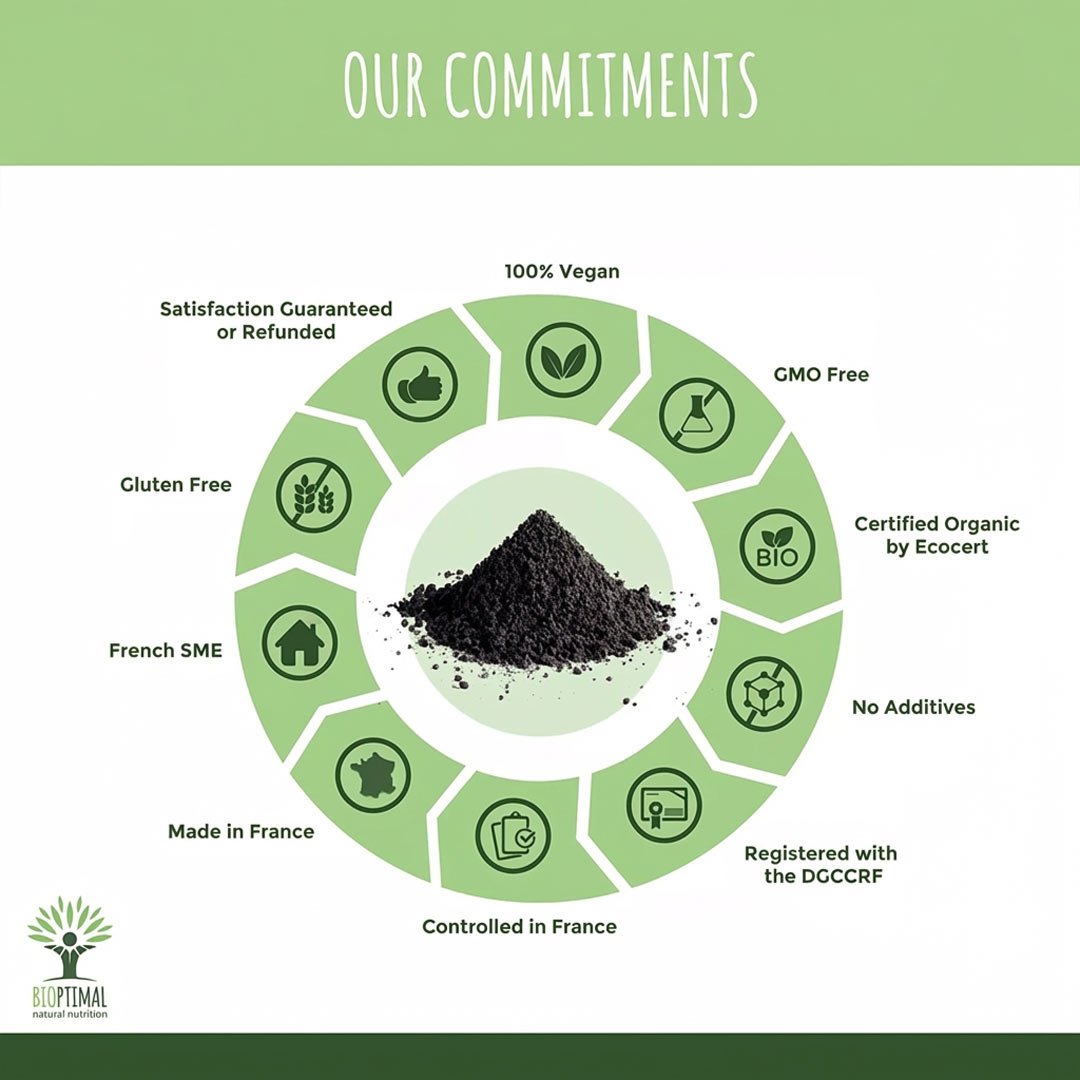
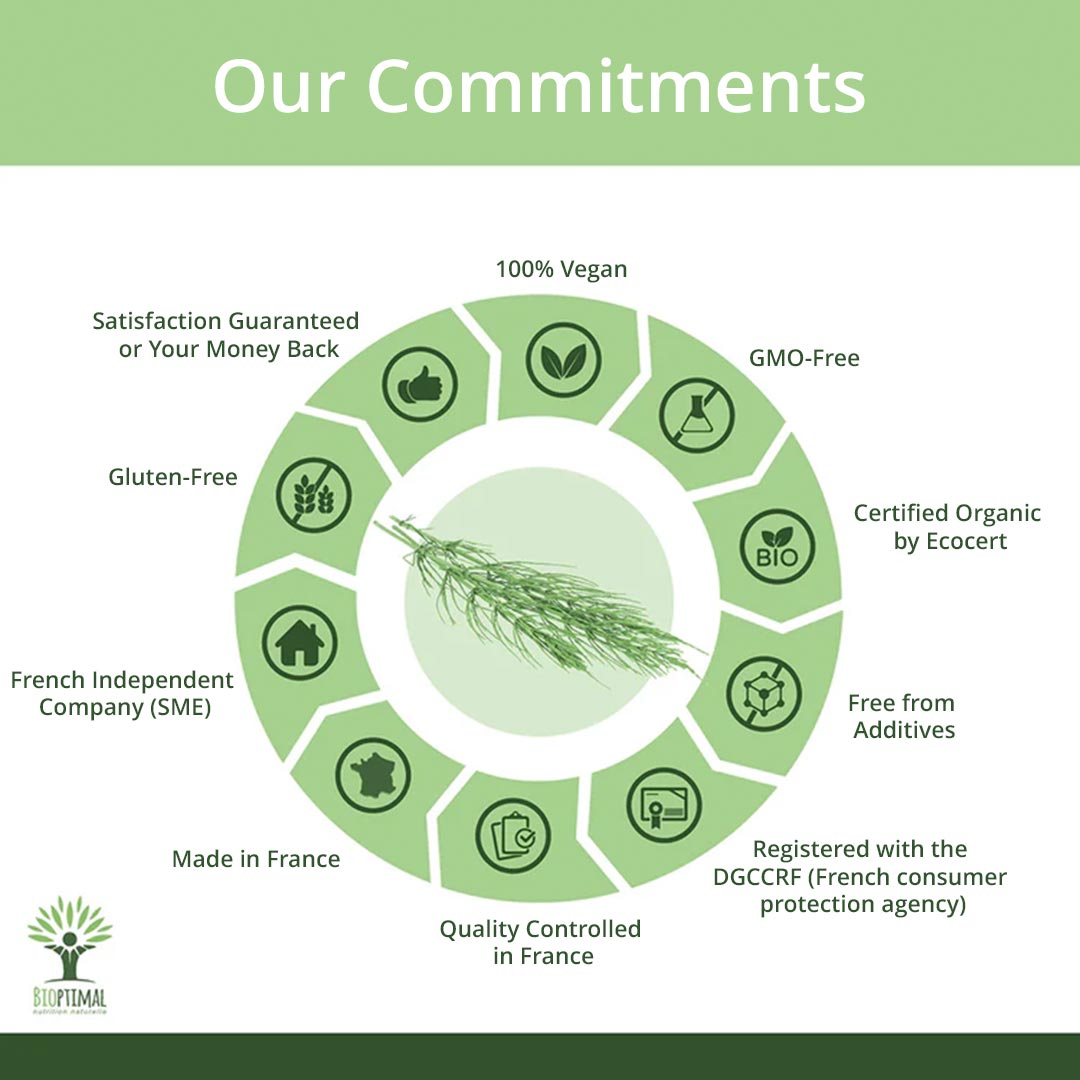
Organic Farming

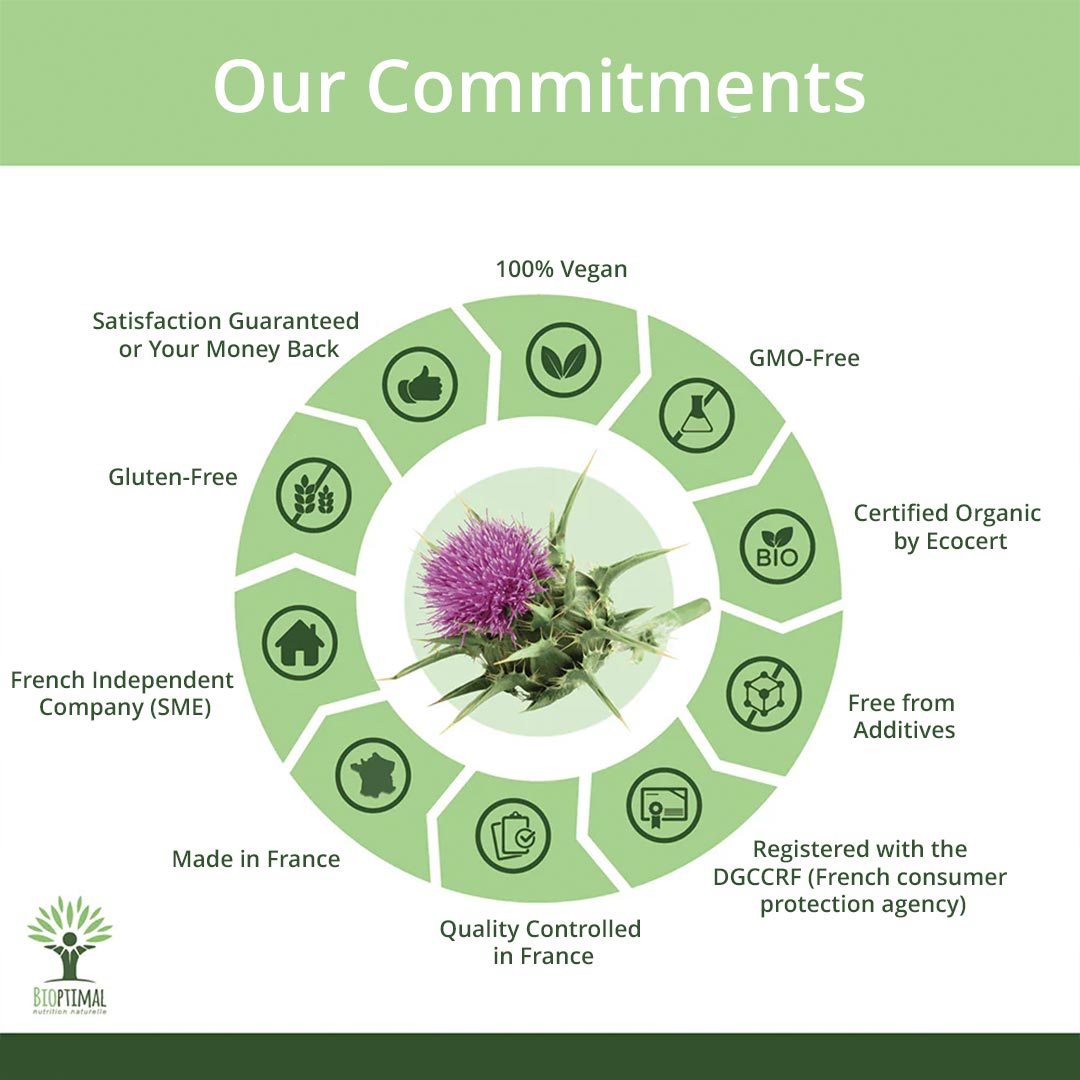
Certified Organic

Vegan icon - Elliotti

Vegan

Gluten free icon - Elliotti

Gluten-free

Red Vine Leaf for Circulation and Heavy, Tired Legs

Red vine (Vitis vinifera) leaf is particularly interesting when the focus is circulation and heavy, tired legs. The leaves are traditionally used for venous circulation and leg comfort, and Red Vine is often chosen when the legs feel heavy or tired, or when maintaining a feeling of lighter, more comfortable legs is the priority.

This makes Red Vine especially relevant for people who stand or sit for long periods, whose legs tend to feel heavier towards the end of the day, or who notice this more during warm weather.

Red Vine is also associated with skin appearance and the appearance of cellulite. This gives the plant a second area of interest for customers whose focus is not only the feeling of heavy legs and circulation, but also the appearance of the skin and body contours.

The leaves are the important part of the plant. Red vine leaves naturally contain polyphenols, including flavonoids and anthocyanins, compounds that are also responsible for the characteristic red colour the leaves develop in autumn. This is what distinguishes red vine leaf supplements from products based on grapes or grape seeds.

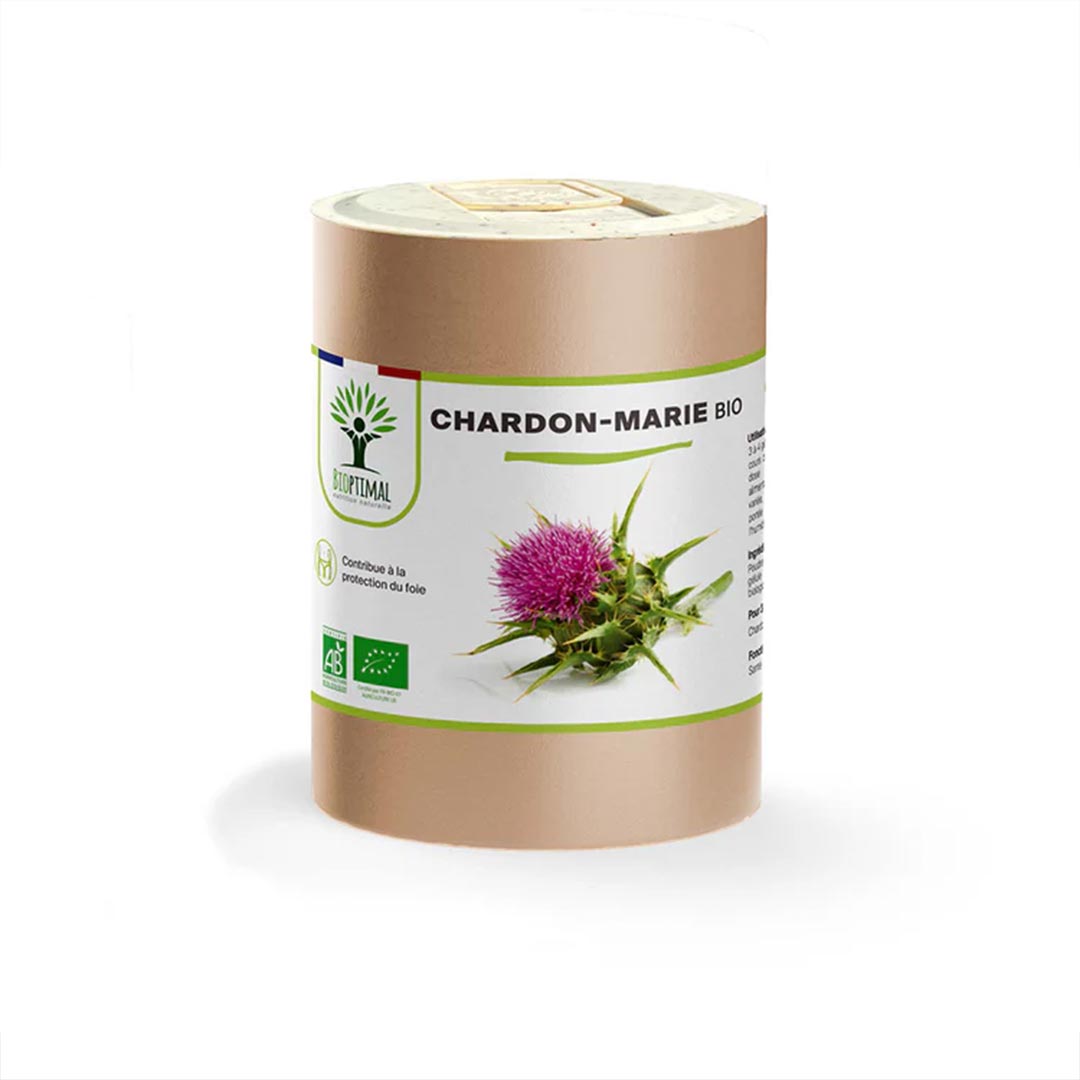
Each capsule provides 300 mg of organic red vine leaf powder, with a daily serving of four capsules providing 1,200 mg. One container contains 200 capsules and lasts approximately 50 days at the recommended daily intake.

More information

🌿Why Do the Leaves Turn Red?

The striking colour of Red Vine leaves is more than an autumn detail. As the growing season comes to an end and chlorophyll breaks down, other plant pigments become increasingly visible, including anthocyanins, which contribute to the deep red and purple shades of the leaves.

Red Vine leaves also contain other polyphenols and flavonoids, making the leaf chemically quite different from the grape itself.

🌿Leaf, Grape or Grape Seed: What's the Difference?

Although they all come from Vitis vinifera, Red Vine leaf, grapes and grape seeds should not be considered interchangeable.

Red Vine leaf is the plant part used in this supplement and has its own characteristic polyphenol profile. Grape seeds are particularly known as a source of proanthocyanidins, often referred to as OPCs, while the grape fruit and its skin provide a different mixture of polyphenols and other naturally occurring compounds.

So when choosing a Vitis vinifera supplement, the plant part matters just as much as the botanical species.

🌿Why Is It Called “Red Vine”?

Red Vine is not a separate species of grapevine. It is Vitis vinifera, the familiar grapevine cultivated for thousands of years for grapes and wine.

The name Red Vine refers to grapevine leaves selected for their characteristic red colour. The leaves are traditionally collected when they have developed their rich autumn colouring, a stage associated with changes in their polyphenol and pigment composition.

Usage tips

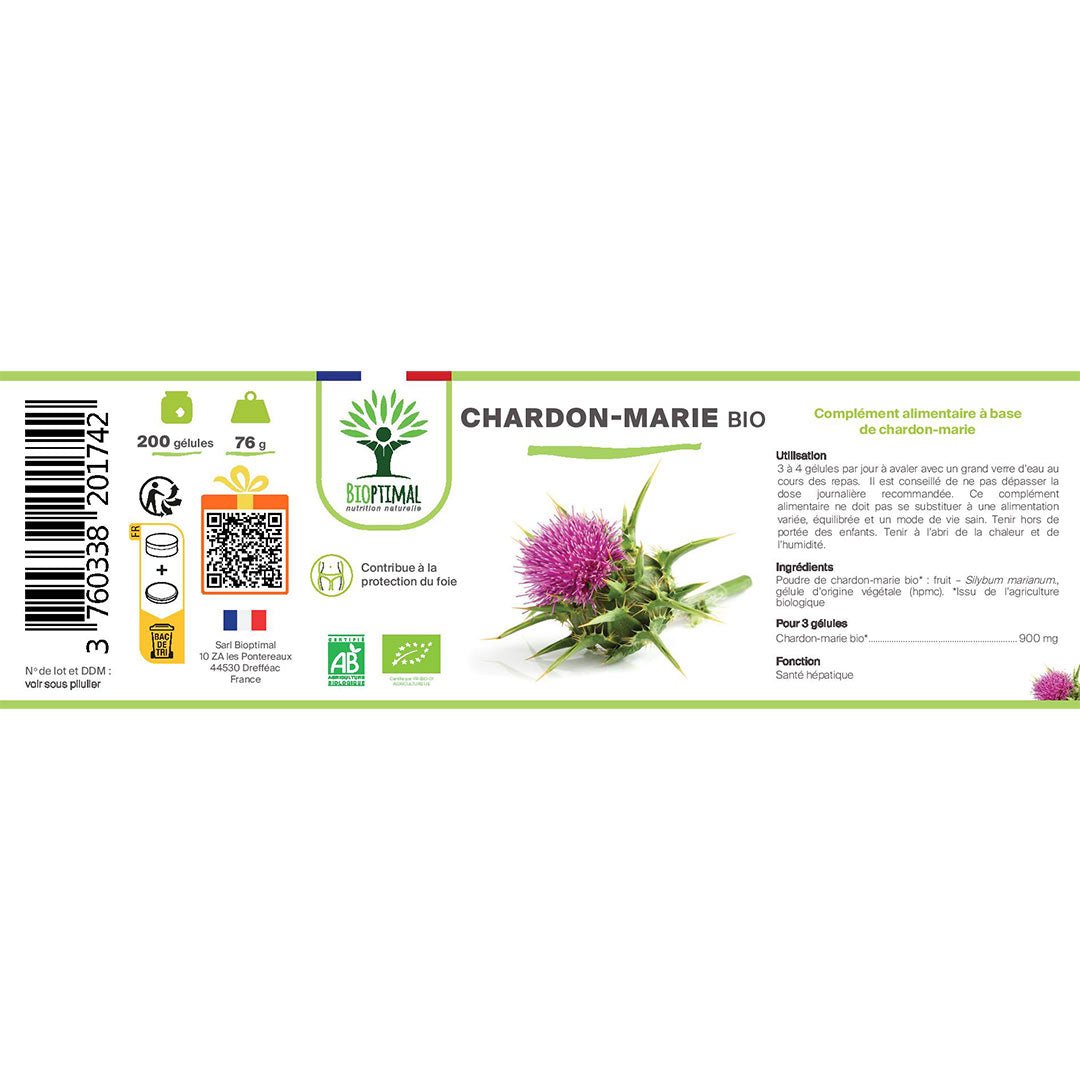
4 capsules per day to be swallowed with a large glass of water during meals.

It is recommended not to exceed the recommended daily dose.

This food supplement should not replace a varied, balanced diet and a healthy lifestyle.

Certification

- Certified Organic Product
- Certified Organic Agriculture (AB certified)
- Origin of raw materials: Spain
- Country of manufacture: France

Composition

Organic red vine powder*: leaves – Vitis vinifera L., capsule of plant origin (hpmc). *From organic farming

Organic red vine* ...........1,200 mg

A little history

The story of Red Vine begins with the grapevine itself. Vitis vinifera is one of the world's oldest cultivated plants, with a history stretching back thousands of years. Grapevines were grown across the ancient Mediterranean not only for fresh grapes and wine, but as plants whose different parts could be put to practical use.

While grapes and wine became the most famous products of the vine, the leaves also developed their own place in traditional use. Vine leaves were used as food, particularly around the Mediterranean, and were also prepared in herbal remedies.

Over time, particular attention was given to the leaves that turn deep red in autumn. These became known as Red Vine leaves and were traditionally collected towards the end of the growing season, when their characteristic colour had developed.

In herbal practice, Red Vine leaf became especially associated with the legs and venous circulation. Preparations made from the leaves were used in connection with heavy, tired legs and other concerns related to venous comfort. This particular use of the leaf eventually distinguished Red Vine from other preparations made from Vitis vinifera, such as grape seed and grape skin extracts.

Today, Red Vine leaf remains a recognised botanical ingredient in European herbal products and food supplements. Modern analysis has also allowed researchers to identify many of the compounds naturally present in the leaves, including flavonoids, anthocyanins and other polyphenols, providing a chemical perspective on a plant material that had been used long before its individual constituents could be identified.

Precautions for use

As a precaution, this product is not recommended for pregnant or breastfeeding women unless advised by a doctor. If you are currently taking medication (especially anticoagulants), consult a healthcare professional before use.

Packaging & storage

Keep out of reach of children. Protect from heat and humidity.

FAQ

🌿 Is Red Vine made from a special type of grapevine?
Not necessarily. Red Vine comes from Vitis vinifera, the same species that includes many of the grapevines cultivated for grapes and wine. What makes Red Vine interesting as a botanical ingredient is the leaf, particularly leaves that develop their characteristic red colour towards the end of the growing season.

🌿 Does Red Vine contain resveratrol?
Vitis vinifera is often associated with resveratrol, but this can be misleading when comparing supplements. Resveratrol is particularly associated with grape skins and certain other parts of the vine, while Red Vine leaf has its own phytochemical profile and is better known for its flavonoids and anthocyanins. A Red Vine leaf supplement should therefore not be considered the same thing as a resveratrol supplement.

🌿 Is Red Vine the same as drinking red wine?
No. Although they come from the same botanical species, they are completely different preparations. This supplement contains powdered Red Vine leaves, not wine, grapes or an alcoholic extract. The plant part and its composition are what matter.

🌿 Can I combine Red Vine with other supplements?
Yes. Ginkgo is a particularly useful companion when you want to extend the focus beyond the legs to circulation throughout the body, including the hands and feet. Red Vine is more specifically associated with venous circulation and heavy, tired legs, so the two plants have different but complementary roles. If skin and connective tissue are also a priority, Acerola is a useful addition as a natural source of vitamin C. Vitamin C contributes to normal collagen formation for the normal function of skin and blood vessels.

🌿 How much Red Vine do I take each day?
Take 4 capsules daily with a large glass of water during meals. This provides 1,200 mg of organic Red Vine leaf powder per day.

🌿 How long does one container last?
The container holds 200 capsules. At the recommended intake of four capsules per day, one container lasts approximately 50 days.

Volume

200 capsules

Botanical Supplements, Chosen with Care

At Elliotti, we believe a good supplement should be easy to understand. What is in it, how much should you take, where does it come from, and why has this particular formula been chosen?

Our Bioptimal range brings together food supplements made in France, with a focus on carefully selected ingredients and straightforward formulations. Some feature a single botanical, while others combine plants or nutrients in formulas designed for a particular type of daily routine.

We look beyond the front of the pack. Ingredients, daily amounts, quality, certification, recommended use and precautions all matter when we decide what belongs at Elliotti.

Explore the product information above to understand exactly what is in this formula and how to use it.

Hi, I’m Susann!
I’m a holistic aromatherapist and naturopath, and I know that choosing between different botanicals and supplements is not always straightforward.
If you have questions about a product, its ingredients, how to use it or the differences between our botanical preparations, you’re always welcome to ask me. Personal guidance is part of the service at Elliotti, at no extra cost.

Send me an e-mail at susann@elliotti.com