Elderflower Organic Infusion

Regular price 63,00 zł

BUY 3 GET 1 FOR FREE! (Add 4 to your cart)

Free Shipping
in Spain & Portugal
EU Shipping €6.90
Free from €59
Secure Payment
Safe & secure checkout

Organic Farming

Certified Organic

Vegan icon - Elliotti

Vegan

Gluten free icon - Elliotti

Gluten-free

A Traditional Elderflower Infusion for the Throat, Seasonal Wellbeing & Elimination

Elderflower (Sambucus nigra L.) is one of Europe’s classic herbal infusion plants, traditionally enjoyed during the colder months and whenever the throat and respiratory system need a little extra care.

The delicate flowers have a long tradition of use for soothing the throat, pharynx and vocal cords, making this an especially interesting infusion during autumn and winter, during seasonal changes, or simply when your throat feels dry or uncomfortable.

Elderflower also has another important traditional role. It has long been used in herbalism to support the body’s natural elimination processes. Warm elderflower infusions were traditionally taken to encourage perspiration, while the flowers have also been associated with urinary elimination. This combination explains why elderflower frequently appears in traditional seasonal and cleansing herbal preparations.

This organic infusion contains 100% elderflower, with no other herbs added, so it is an excellent choice if you want to experience elderflower on its own or combine it with other herbs according to your needs.

The infusion is light and pleasantly floral, making it easy to drink throughout the day. Enjoy it warm during the colder months, as part of a seasonal herbal routine, or when you are looking for a traditional botanical infusion centred around the throat, respiratory wellbeing and elimination.

More information

Botanical name: Sambucus nigra L.
Common name: Elder, Elderflower
Plant family: Adoxaceae
Plant part used: Flowers
Form: Dried flowers for infusion
Ingredient: 100% organic elderflower
Origin: Bosnia and Herzegovina, Bulgaria

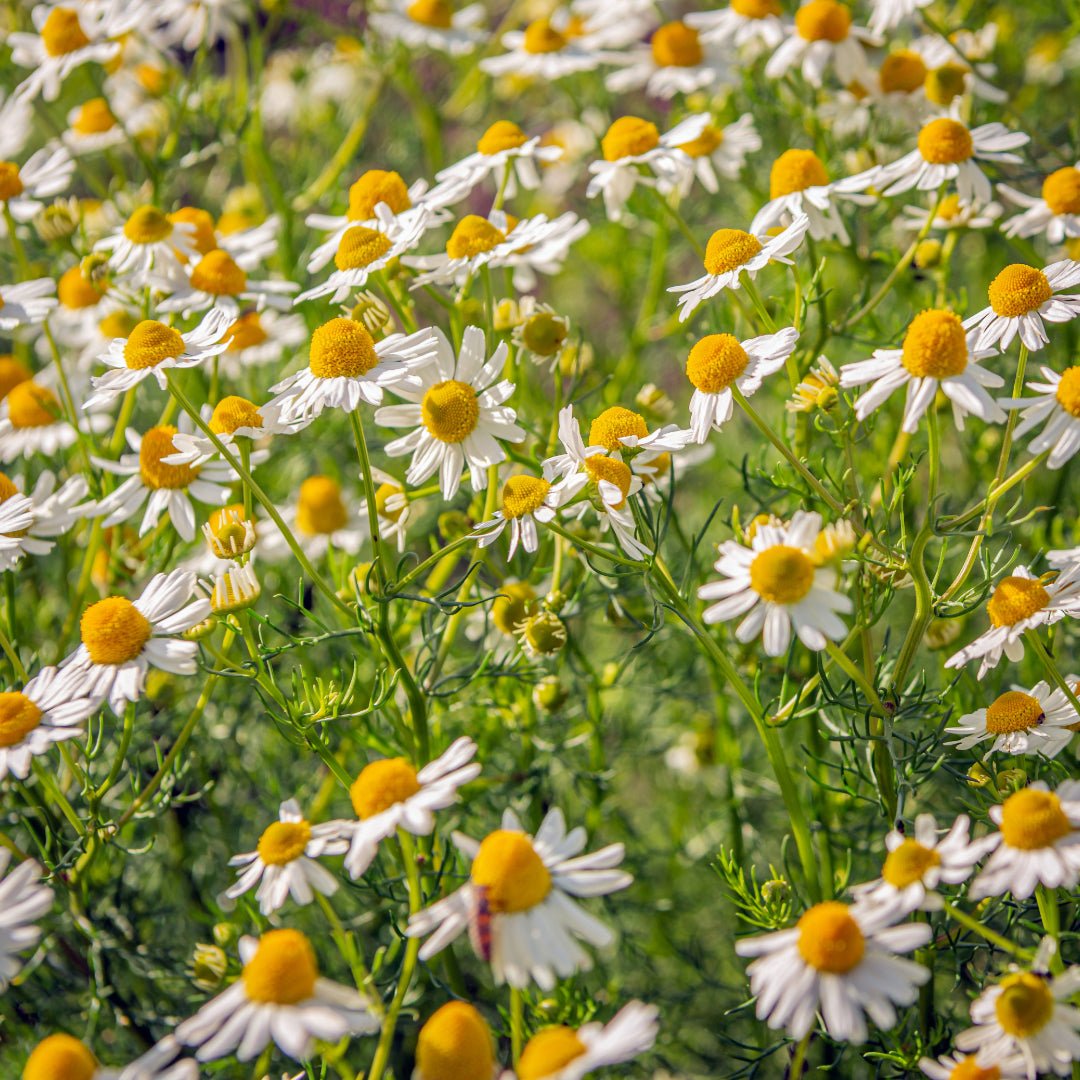
The elder is a deciduous shrub or small tree familiar across much of Europe. In late spring and early summer, it produces broad clusters of tiny, creamy-white, highly fragrant flowers. These are the elderflowers used for this infusion, rather than the dark berries that develop later in the season.

Elderflower has a long history in European household herbalism, particularly during the colder months. The flowers were traditionally prepared as a hot infusion for the throat and respiratory tract, and were commonly drunk during colds and other seasonal respiratory discomforts.

Elderflower has traditionally been used as a diaphoretic herb, meaning it is taken as a warm infusion to promote sweating. This is one reason elderflower became a classic European herbal tea during colds and the winter season, when it was traditionally drunk hot and wrapped up warm to encourage the body to perspire.

Elderflower also has a traditional place in herbal preparations for elimination. The flowers have been used for their diuretic action, helping to increase urinary elimination and the removal of water through the urinary tract. Together with their traditional use to promote sweating, this gives elderflower an interesting dual role in traditional elimination practices.

🌿What does elderflower taste like?

Elderflower makes a light, aromatic infusion with a delicate floral character. It is considerably gentler in flavour than many bitter or strongly aromatic medicinal herbs, making it particularly pleasant to drink on its own.

🌿When is elderflower particularly interesting?

Elderflower is particularly interesting during the colder months and seasonal changes, when you want a warm herbal infusion traditionally used for the throat and respiratory tract. It is also a good choice when you are looking for a herb traditionally used to promote both perspiration and urinary elimination.

Because this infusion contains only elderflower, it is also easy to combine with other herbs when you want to create a more complete herbal infusion.

Usage tips

Use 10–15 g of dried elderflower per day.

Standard daily infusion (gentle support):
Pour 150–250 ml of hot water (max. 80°C) over the herbs.
Cover and let infuse for 10–15 minutes.
Strain and drink warm.

Stronger, medicinal-style infusion:
For deeper elimination or immune support, allow the herbs to infuse for at least 1 hour or longer, covered.
Strain before drinking.

This infusion is typically enjoyed during the day.

Certification

- Certified Organic Product
- Certified Organic Agriculture (AB certified)
- Origin of raw materials: Bosnia and Herzegovina, Bulgaria
- Country of manufacture: Bosnia and Herzegovina, Bulgaria

Composition

100% Organic Elderflower (Sambucus nigra L.)
Plant part: Flowers
Origin: Bosnia and Herzegovina, Bulgaria

A little history

Elderflower comes from the European elder, Sambucus nigra L., a tree with an exceptionally rich place in European herbalism and folk tradition. Growing around farms, villages, woodland edges and hedgerows, elder became one of the plants people kept close to home. Its flowers and berries were used for food and drink as well as traditional herbal preparations, while other parts of the tree had their own household uses.

Few European plants accumulated as much folklore. Elder trees were associated with protection and were often treated with considerable respect. In northern European traditions, stories developed around a female guardian spirit of the tree, often known as the Elder Mother. In some traditions, permission was asked before cutting the tree or taking its wood. Elder was also planted close to houses and farm buildings, where its presence became intertwined with beliefs about protection, luck and the wellbeing of the household.

In European herbalism, however, it was the creamy-white flowers that became particularly important during the colder months. Dried elderflowers were prepared as a hot infusion and traditionally taken at the beginning of colds and during catarrhal conditions affecting the upper respiratory tract.

One of the classic herbal uses of elderflower was as a diaphoretic. In practical terms, this meant drinking the infusion hot to encourage perspiration. The traditional practice was simple: elderflower tea was taken warm, often while the person rested and kept warm, with the intention of bringing on a sweat. This use became deeply established in European herbal practice and helps explain why elderflower became such a familiar household herb during winter.

Elderflower also developed a reputation as a mild diuretic. Herbalists used the flowers in preparations intended to increase urinary elimination, giving elderflower an interesting place in traditional elimination practices through two different routes: perspiration through the skin and increased elimination through the urinary tract.

The elder tree was not confined to the herbal cupboard. Its flowers became part of European food culture too. Their distinctive fragrance was captured in cordials, syrups, wines and other preparations, while the ripe berries were made into preserves, drinks and traditional preparations of their own. This combination of practical herbal use and everyday food culture helped elder remain familiar even as many other traditional medicinal plants disappeared from ordinary households.

For generations, elderflower therefore occupied a very practical place in European herbalism: a fragrant flower gathered in season, dried for the household herb cupboard and brought out again for hot infusions during the colder months.

That continuity is part of what makes elderflower so interesting today. When you prepare a cup of elderflower infusion, you are using the same part of the elder tree, in essentially the same simple way, as generations of European herbalists and households before you.

FAQ

🌿 What is the difference between elderflower and elderberry?
They come from the same elder tree, Sambucus nigra L., but they are different plant parts harvested at different times. Elderflowers are the creamy-white flowers collected in late spring or early summer, while elderberries are the dark fruits that develop later. This infusion is made exclusively from the flowers, not the berries.

🌿 Why is elderflower traditionally drunk as a hot infusion?
There is a practical reason. Elderflower has traditionally been used as a diaphoretic herb, meaning the flowers were prepared as a warm infusion to encourage perspiration. In European household herbalism, the tea was commonly drunk hot while keeping warm, particularly during the colder months.

🌿 When might I choose elderflower rather than another herbal infusion?
Elderflower is particularly interesting when you want a single-herb infusion with a long European tradition around the throat and respiratory tract, or when perspiration and urinary elimination are part of the traditional herbal approach you are looking for. Its relatively delicate floral character also makes it a good choice if you find strongly bitter herbal teas difficult to enjoy.

🌿 Can I combine elderflower with other herbs?
Yes. Elderflower is particularly useful for building seasonal herbal blends. For a traditional colder-weather infusion, it can be paired with linden flower or thyme. If you want a gentler infusion centred around the throat, marshmallow root or mallow are interesting companions. For an elimination-focused herbal tea, nettle offers a different botanical profile and makes a logical combination.

🌿 Why are the flowers dried rather than used fresh?
Drying makes it possible to preserve the elderflowers after their relatively short flowering season and keep them available throughout the year. This is also why dried elderflower became such a practical household herb historically: flowers gathered in season could be stored and later prepared as an infusion when needed.

🌿 Where does the elderflower in this infusion come from?
The organic elderflowers originate from Bosnia and Herzegovina and Bulgaria, regions within the elder tree's European growing range. The product contains 100% elderflower, with no additional herbs or flavourings.

Volume

50g

Botanical Supplements, Chosen with Care

At Elliotti, we believe a good supplement should be easy to understand. What is in it, how much should you take, where does it come from, and why has this particular formula been chosen?

Our Bioptimal range brings together food supplements made in France, with a focus on carefully selected ingredients and straightforward formulations. Some feature a single botanical, while others combine plants or nutrients in formulas designed for a particular type of daily routine.

We look beyond the front of the pack. Ingredients, daily amounts, quality, certification, recommended use and precautions all matter when we decide what belongs at Elliotti.

Explore the product information above to understand exactly what is in this formula and how to use it.

Hi, I’m Susann!
I’m a holistic aromatherapist and naturopath, and I know that choosing between different botanicals and supplements is not always straightforward.
If you have questions about a product, its ingredients, how to use it or the differences between our botanical preparations, you’re always welcome to ask me. Personal guidance is part of the service at Elliotti, at no extra cost.

Send me an e-mail at susann@elliotti.com