Peppermint Organic Infusion

Regular price 50,00 zł

BUY 3 GET 1 FOR FREE! (Add 4 to your cart)

Free Shipping
in Spain & Portugal
EU Shipping €6.90
Free from €59
Secure Payment
Safe & secure checkout

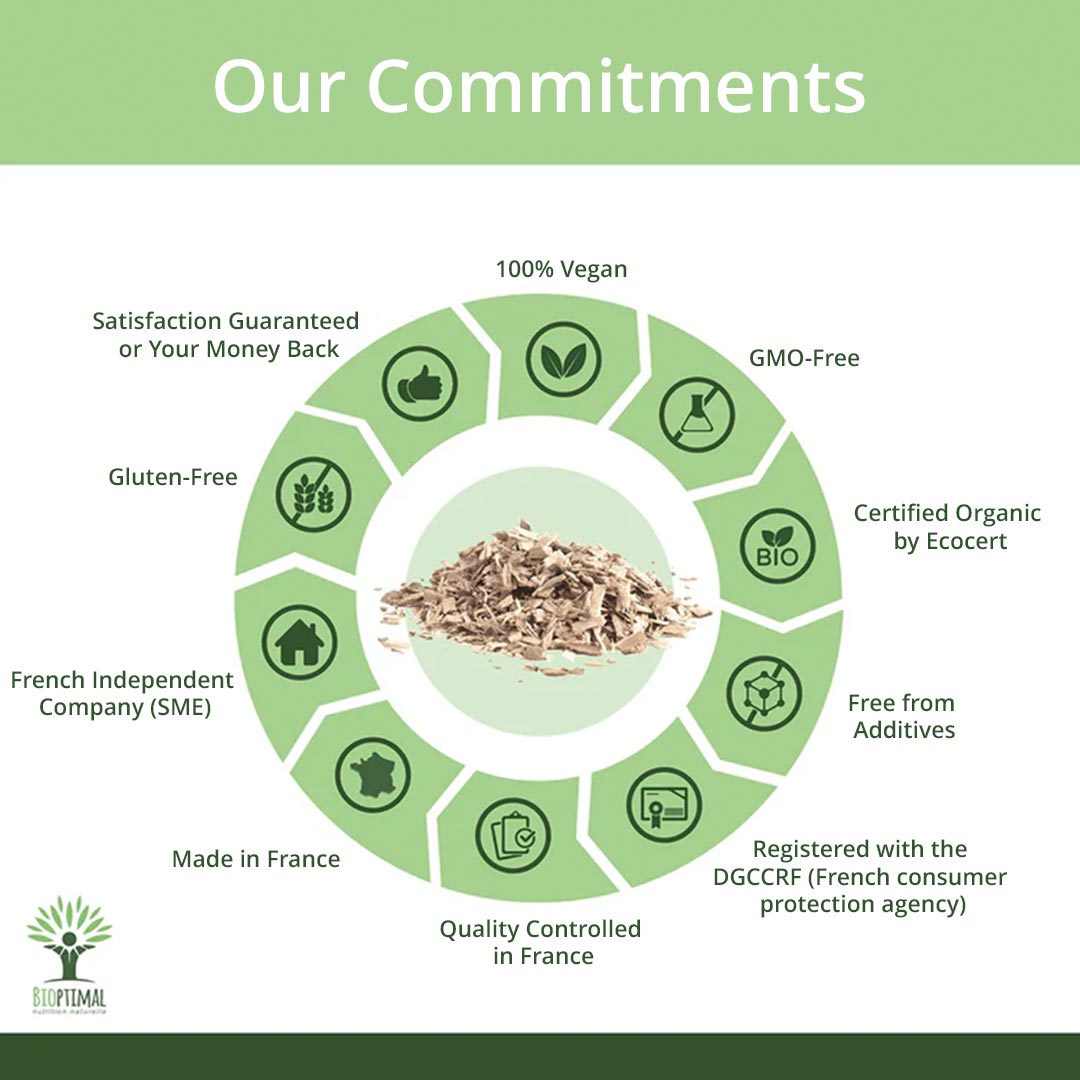
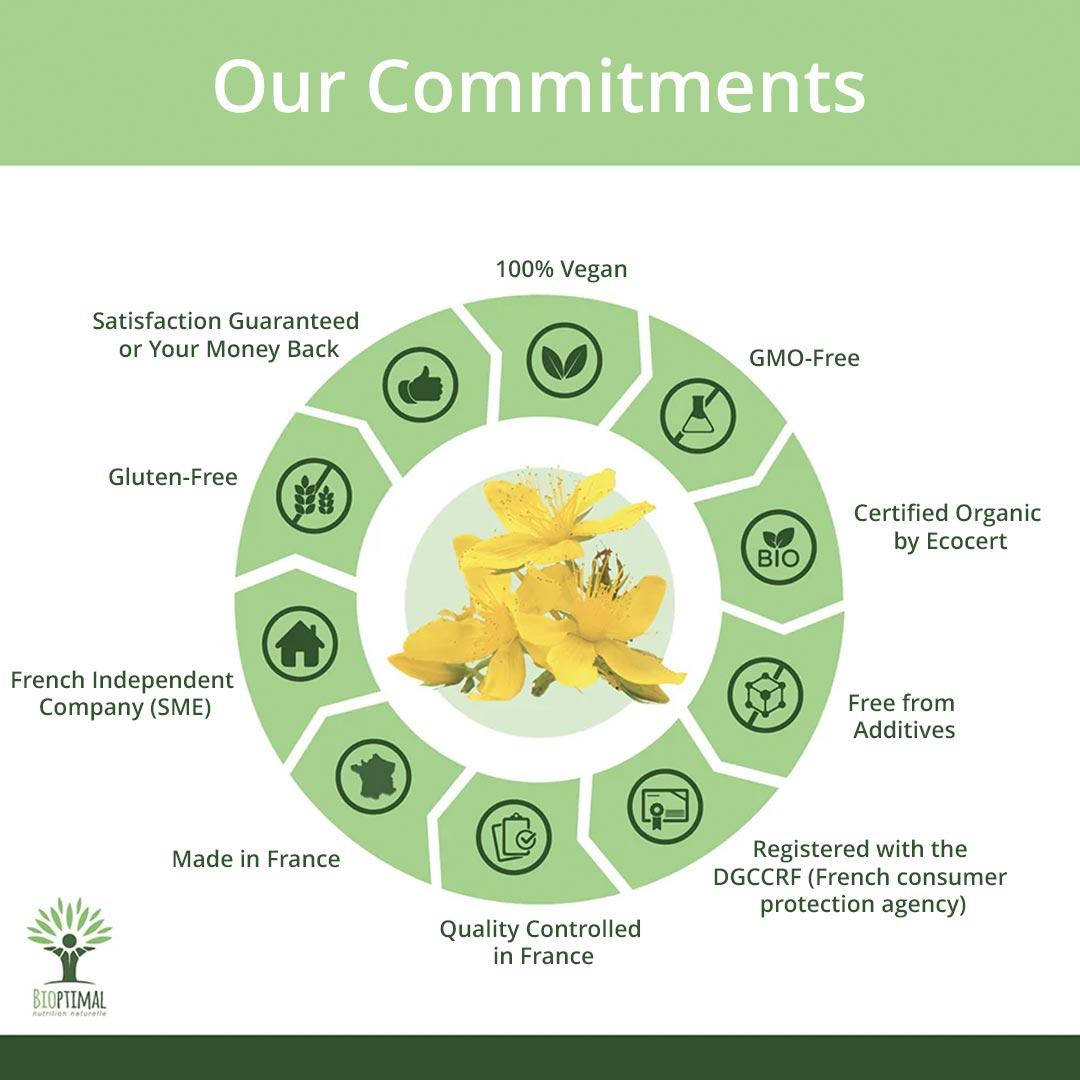
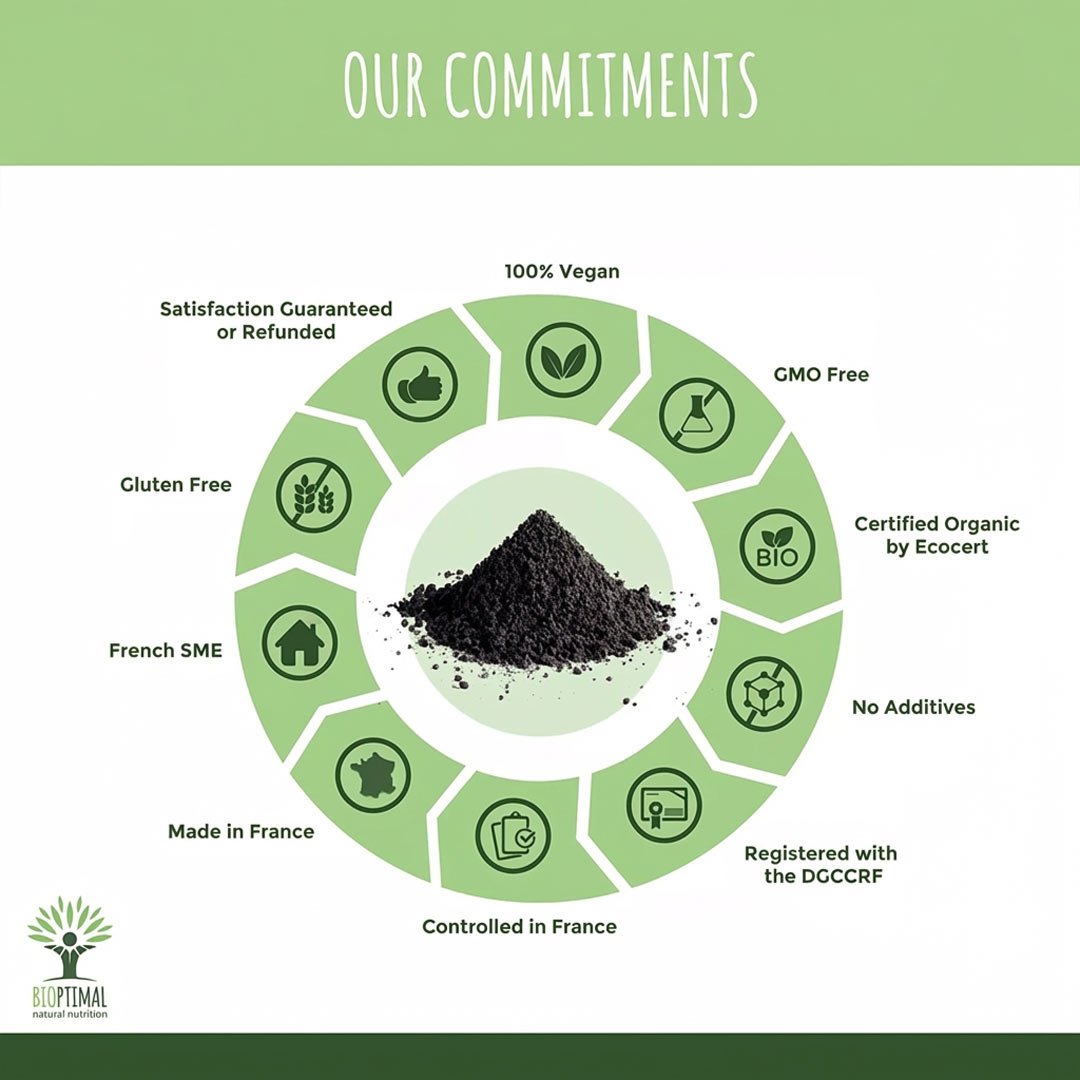
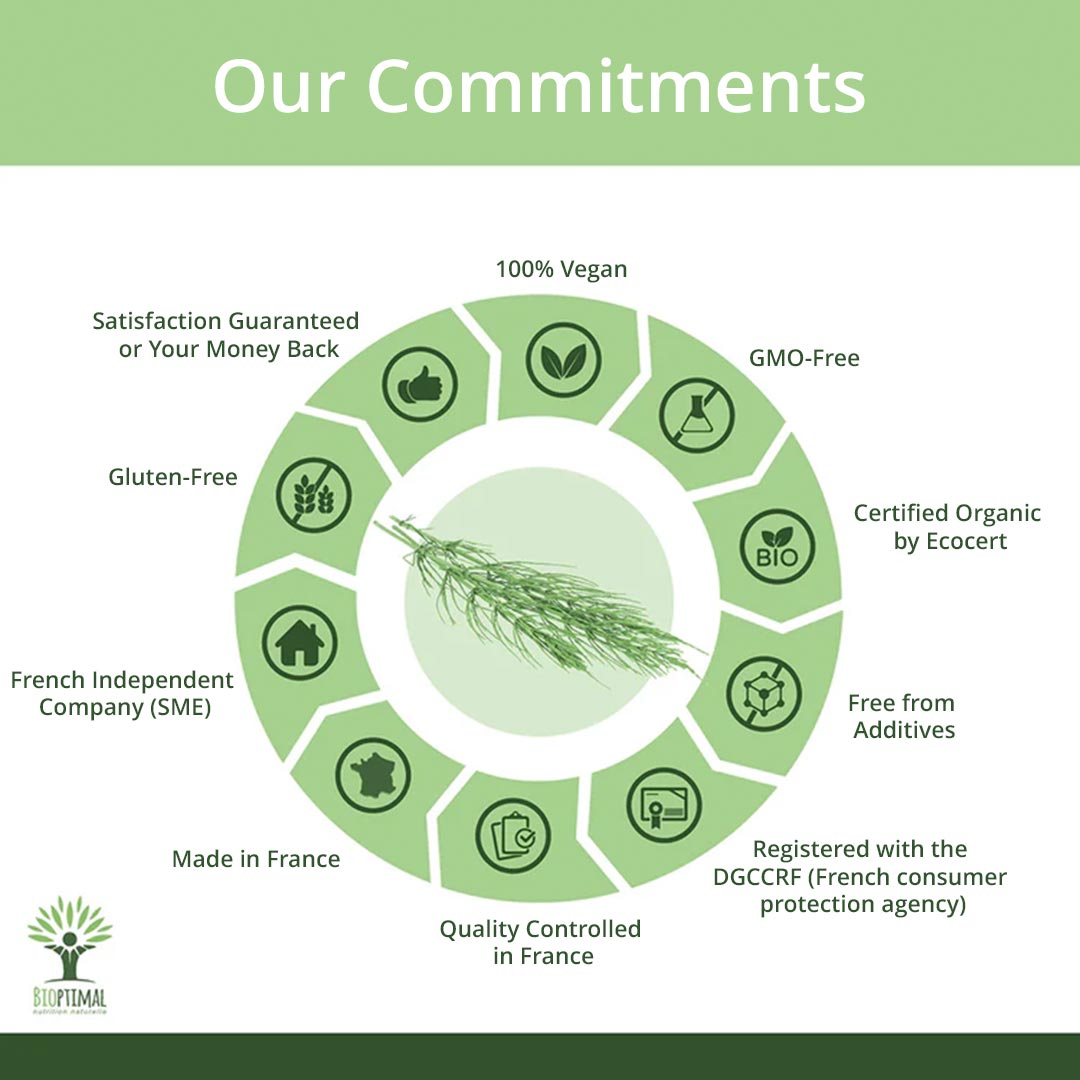
Organic Farming

Certified Organic

Vegan icon - Elliotti

Vegan

Gluten free icon - Elliotti

Gluten-free

100% Organic Peppermint Leaf (Mentha × piperita)

Fresh, aromatic, and deeply comforting, this pure peppermint infusion supports digestion, respiratory comfort, relaxation, and the body’s natural defenses. A timeless herbal ally to enjoy throughout the day or in the evening.

Enhanced Immunity & Respiratory Comfort

Peppermint is traditionally used to support the respiratory system. Its naturally refreshing compounds help soothe the throat, pharynx, and vocal cords, making it especially appreciated during seasonal changes. Peppermint also supports the body’s natural defenses, making this infusion a comforting choice in cooler months.

Optimal Relaxation & Healthy Sleep

Peppermint has gentle calming properties that help the body unwind without heaviness. This infusion supports relaxation, eases nervous tension, and helps promote a more balanced sleep rhythm. Ideal in the evening when you want to relax both body and mind.

Restored Digestive Comfort

Well known for its digestive benefits, peppermint helps support a comfortable stomach and healthy digestion. It is traditionally used in cases of bloating, spasms, heaviness after meals, or flatulence, and contributes to the proper functioning of the intestinal tract.

Usage tips

Daily infusion:
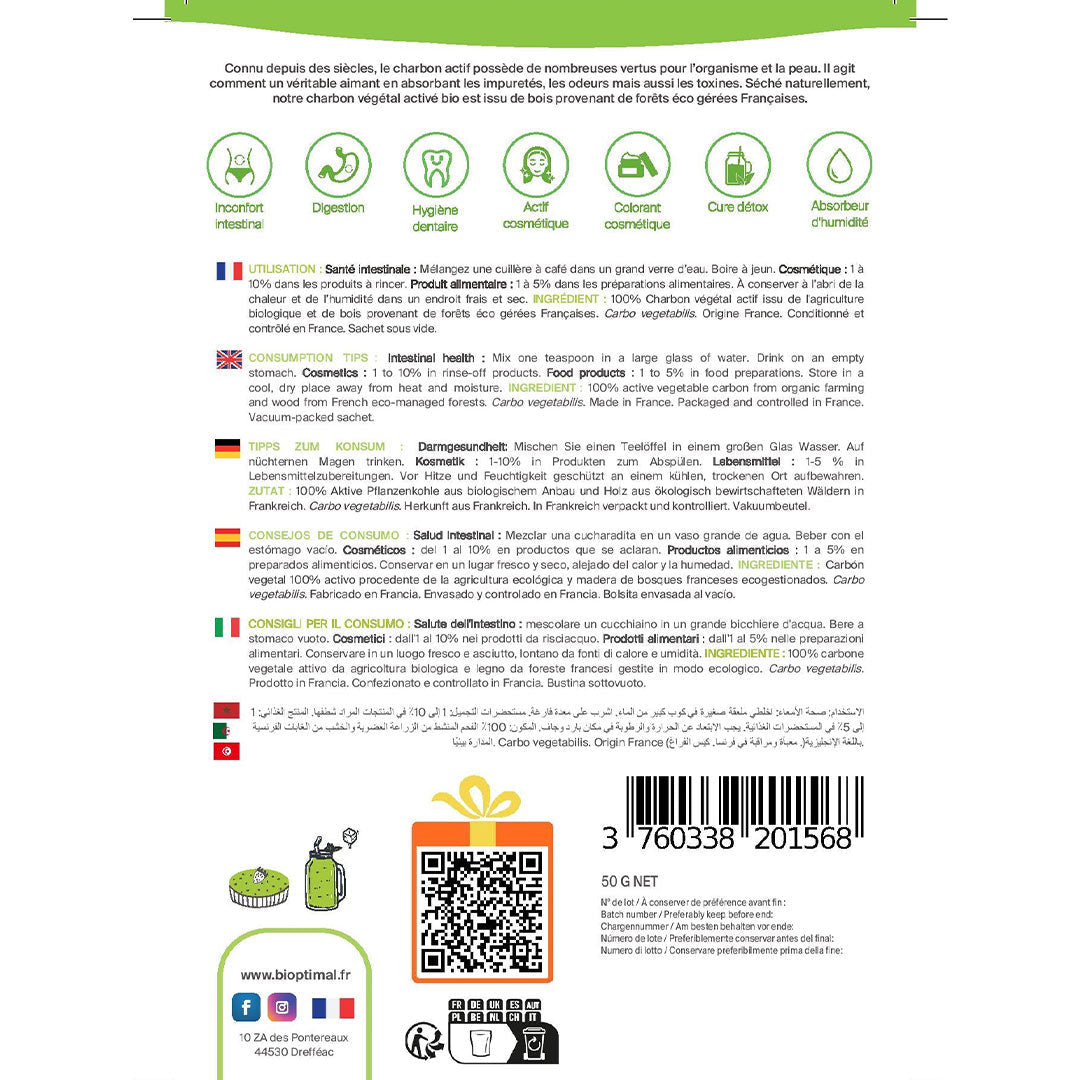
Use 1–2 teaspoons of dried peppermint leaves per 250 ml cup of hot water. Cover and infuse for 10–15 minutes.

Stronger, medicinal-style infusion:
Use the same amount and allow the herbs to infuse for at least 1 hour or longer to extract deeper herbal compounds.

Enjoy warm or cooled, any time of day.

Certification

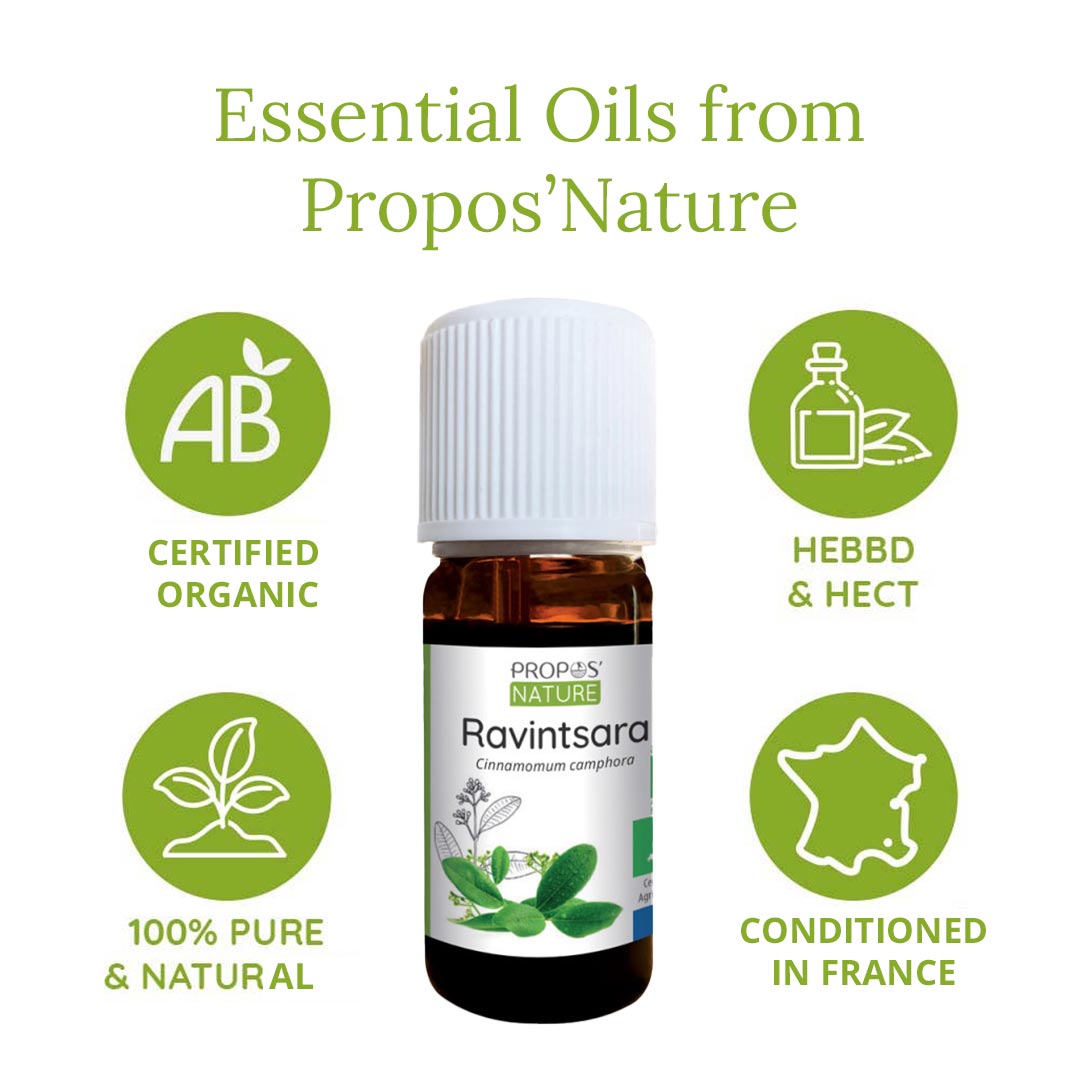
- Certified Organic Product
- Certified Organic Agriculture (AB certified)
- Origin of raw materials: France
- Country of manufacture: France

Composition

Organic Mentha × piperita leafs

A little history

Peppermint (Mentha × piperita) is not a wild ancient plant in the strict sense. It is a natural hybrid between water mint (Mentha aquatica) and spearmint (Mentha spicata), believed to have appeared spontaneously in Europe, most likely in England. The first clear scientific description dates to the late 17th century, when the English botanist John Ray identified it as a distinct plant in 1696. From there, peppermint quickly earned its place in both herbal medicine and daily life.

Long before it was formally named, mint plants were already deeply woven into human culture. Ancient Egyptians used mint in medicinal preparations and digestive remedies, as evidenced by medical papyri dating back over 3,000 years. The Greeks and Romans valued mint for its ability to aid digestion after heavy meals, and it was commonly served at banquets. Roman naturalists such as Pliny the Elder wrote about mint’s stimulating effect on the mind and its usefulness for stomach complaints and headaches.

During the Middle Ages, peppermint and other mints became staple plants in European monastery gardens. Monks cultivated it for digestive tonics, breath freshening, and to calm stomach discomfort. It was also used to purify indoor air and mask unpleasant odors at a time when hygiene was limited. By the Renaissance, peppermint was firmly established in European herbal texts as a remedy for “wind in the stomach,” nausea, and nervous tension.

The rise of peppermint as a major medicinal plant came in the 18th and 19th centuries, when distillation techniques improved and peppermint essential oil became widely available. England became a center of peppermint cultivation, followed later by the United States, particularly in Michigan and the Pacific Northwest. At the same time, peppermint infusion remained a household remedy, valued for its gentle yet effective action on digestion and overall comfort.

Across cultures, peppermint has consistently been associated with clarity, freshness, and relief. Whether used as a simple tea, a digestive aid after meals, or a comfort infusion during seasonal changes, its role has remained remarkably stable over time. Today, peppermint continues this tradition as one of the most trusted and widely used medicinal herbs in the world - proof that some plants earn their reputation not through trends, but through centuries of reliable use.

Precautions for use

Not recommended in case of hypersensitivity to peppermint.

Volume

50g

Botanical Supplements, Chosen with Care

At Elliotti, we believe a good supplement should be easy to understand. What is in it, how much should you take, where does it come from, and why has this particular formula been chosen?

Our Bioptimal range brings together food supplements made in France, with a focus on carefully selected ingredients and straightforward formulations. Some feature a single botanical, while others combine plants or nutrients in formulas designed for a particular type of daily routine.

We look beyond the front of the pack. Ingredients, daily amounts, quality, certification, recommended use and precautions all matter when we decide what belongs at Elliotti.

Explore the product information above to understand exactly what is in this formula and how to use it.

Hi, I’m Susann!
I’m a holistic aromatherapist and naturopath, and I know that choosing between different botanicals and supplements is not always straightforward.
If you have questions about a product, its ingredients, how to use it or the differences between our botanical preparations, you’re always welcome to ask me. Personal guidance is part of the service at Elliotti, at no extra cost.

Send me an e-mail at susann@elliotti.com