
PMS - Premenstrual Syndrome
What is premenstrual syndrome?
Understanding the changes that can happen before your period.
Premenstrual syndrome, commonly known as PMS, describes a group of physical, emotional and behavioural symptoms that occur during the luteal phase of the menstrual cycle, usually in the days or weeks before menstruation.
PMS can feel very different from one woman to another. For some, the changes are mild, while for others they can have a noticeable impact on everyday life. Symptoms typically ease once menstruation begins.
Common PMS symptoms
Physical symptoms
- Bloating
- Breast tenderness
- Headaches
- Fatigue
- Changes in bowel habits
- Abdominal discomfort or cramping
Emotional and cognitive symptoms
- Irritability
- Mood changes
- Feeling anxious or low
- Increased emotional sensitivity
- Difficulty concentrating
Changes in everyday patterns
- Changes in appetite
- Food cravings
- Changes in sleep
- Changes in energy levels

A holistic approach to your menstrual cycle
The menstrual cycle is influenced by many aspects of everyday life, including nutrition, sleep, stress, movement and daily routines. Understanding your own cycle and recognising recurring patterns can be a useful first step in creating a more personalised approach to menstrual wellbeing.
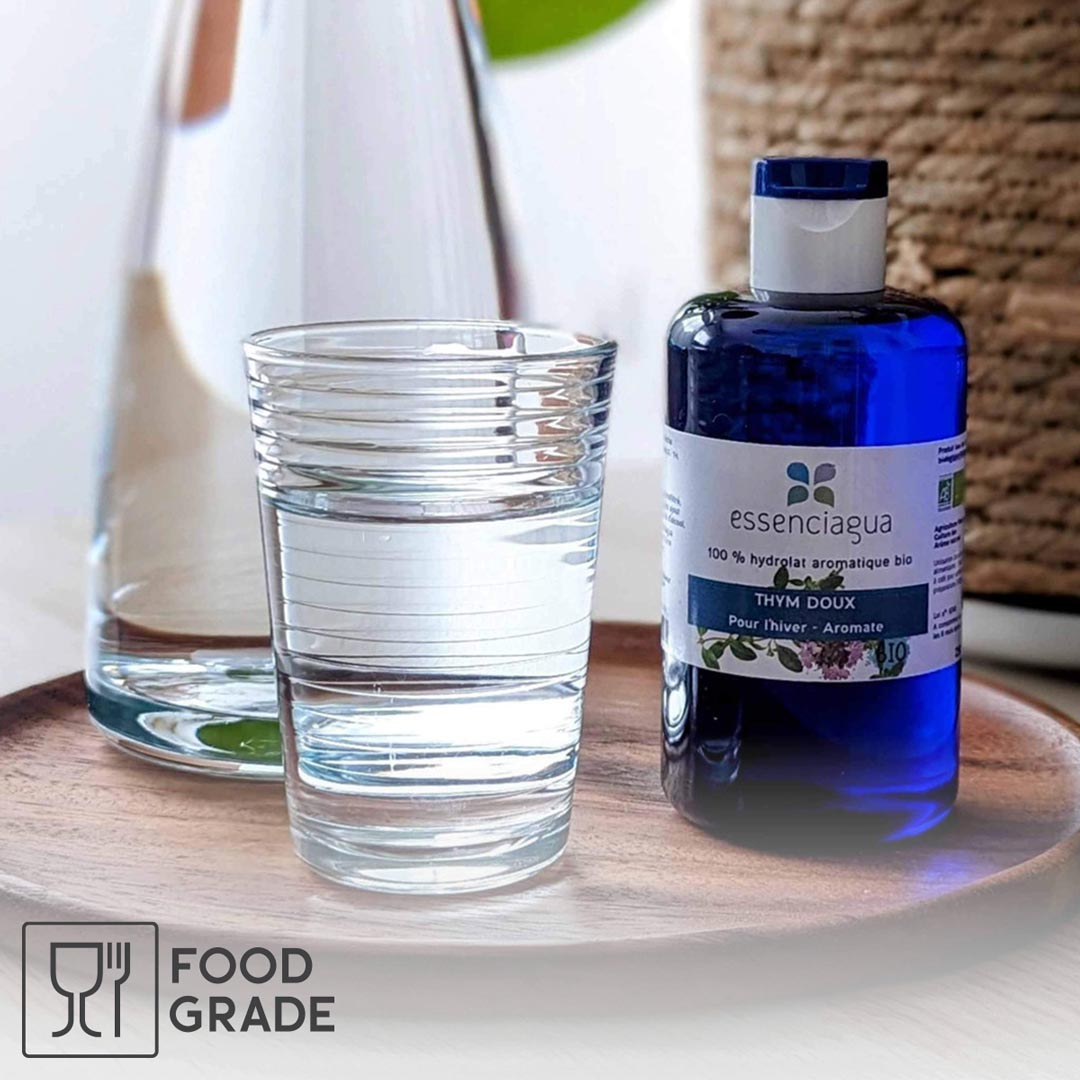
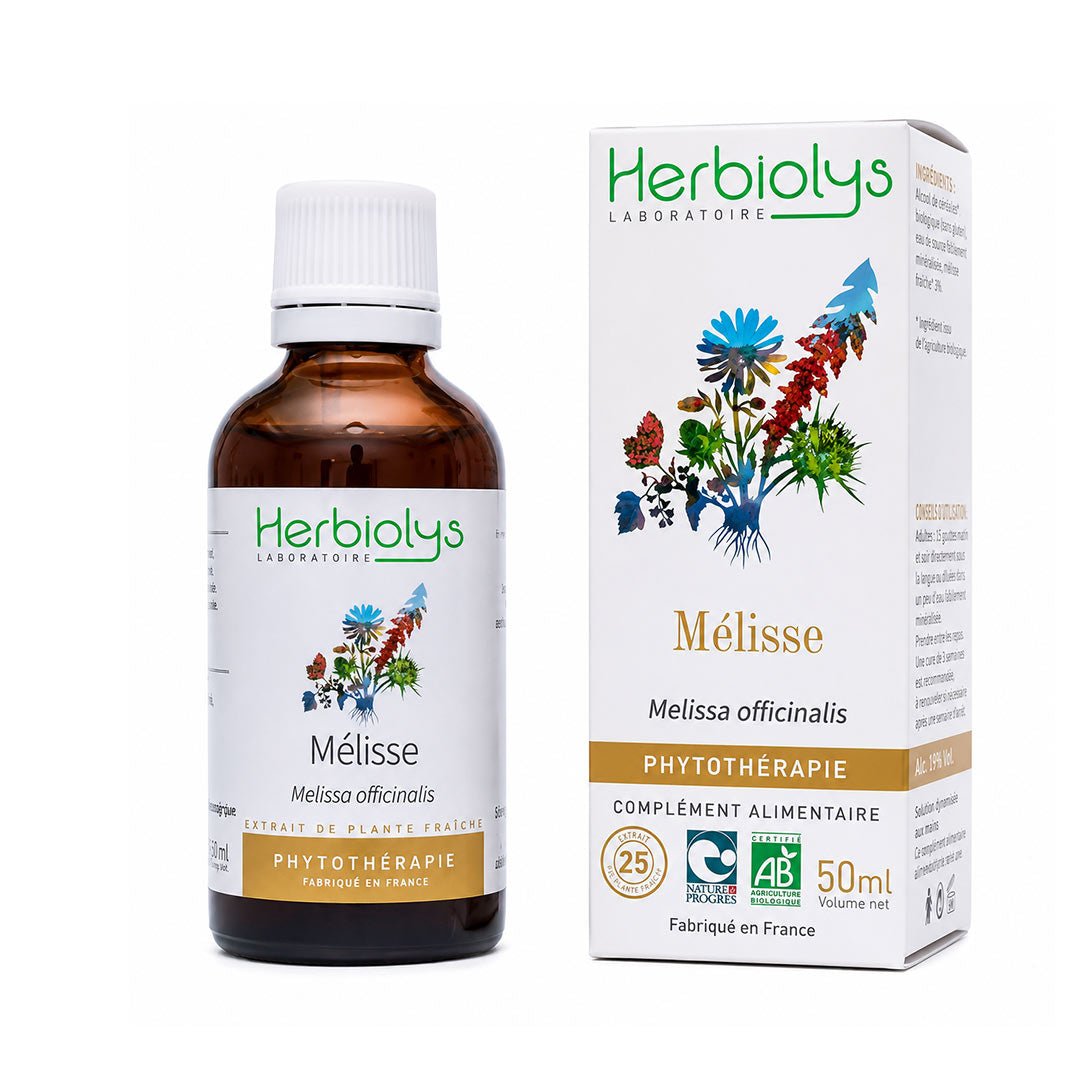
At Elliotti, we take a holistic approach to women’s wellbeing. This collection brings together botanical preparations, aromatherapy products, hydrosols, herbal infusions and food supplements selected around women’s cycle-focused routines and botanical traditions.


























Premenstrual Dysphoric Disorder (PMDD)
PMDD is a more severe premenstrual condition in which emotional and physical symptoms can have a significant impact on everyday life, relationships and work.
Symptoms usually appear during the one to two weeks before menstruation and improve within a few days after the period begins. They can include:
Emotional symptoms
- Severe mood changes
- Irritability or anger
- Anxiety or feeling overwhelmed
- Feelings of sadness or hopelessness
- Loss of interest in usual activities
Physical and everyday symptoms
- Fatigue
- Bloating
- Breast tenderness
- Headaches or muscle and joint discomfort
- Changes in appetite
- Difficulty sleeping or sleeping more than usual
What distinguishes PMDD from PMS?
PMDD symptoms are similar to PMS, but they are considerably more intense and can interfere with work, relationships, social life and everyday activities. The timing is also important: symptoms typically follow a recurring pattern in relation to the menstrual cycle and improve after menstruation begins.
Keeping a daily record of symptoms for at least two menstrual cycles can help reveal this pattern and can provide useful information to discuss with a healthcare professional.
When to seek help
If you think you may have PMDD, particularly if premenstrual symptoms are significantly affecting your daily life, speak with a healthcare professional.
If you experience suicidal thoughts or feel that you may harm yourself, seek urgent medical or mental health support.
Understanding Your Cycle
The menstrual cycle naturally changes throughout the month, and many women notice recurring physical, emotional or behavioural changes before menstruation.
Learning to recognise your own patterns can make it easier to understand how different parts of your lifestyle, including sleep, movement, nutrition and daily routines, fit into your menstrual wellbeing.

Why Do Premenstrual Symptoms Happen?
The menstrual cycle is shaped by natural fluctuations in hormones throughout the month. After ovulation, during the luteal phase, progesterone rises and then falls again as menstruation approaches. Oestrogen also changes during this time.
PMS does not appear to have one single cause. Rather, some women seem to be particularly sensitive to the hormonal changes that naturally occur during the menstrual cycle. These changes can also interact with brain messengers involved in mood and emotional wellbeing, which may help explain why PMS can affect both the body and the emotions.
This is also why the experience of PMS varies so much from one woman to another. Sleep, stress, nutrition, movement and individual sensitivity can all form part of the wider picture.
Look for patterns, not just individual symptoms
Instead of viewing each premenstrual symptom in isolation, it can be useful to notice when it occurs.
Does your energy change after ovulation? Do you sleep differently? Do you notice changes in appetite, mood, breast sensitivity, bloating or concentration at roughly the same point each month?
Tracking these patterns over several cycles can give you a much clearer picture of your own menstrual rhythm.
My Mission
My mission is to help women better understand their menstrual cycles and discover the botanical traditions, everyday practices and natural approaches that can become part of caring for their wellbeing throughout the different stages of a woman’s life.

Celebrate Life!
Love Susann
Founder of elliotti.com


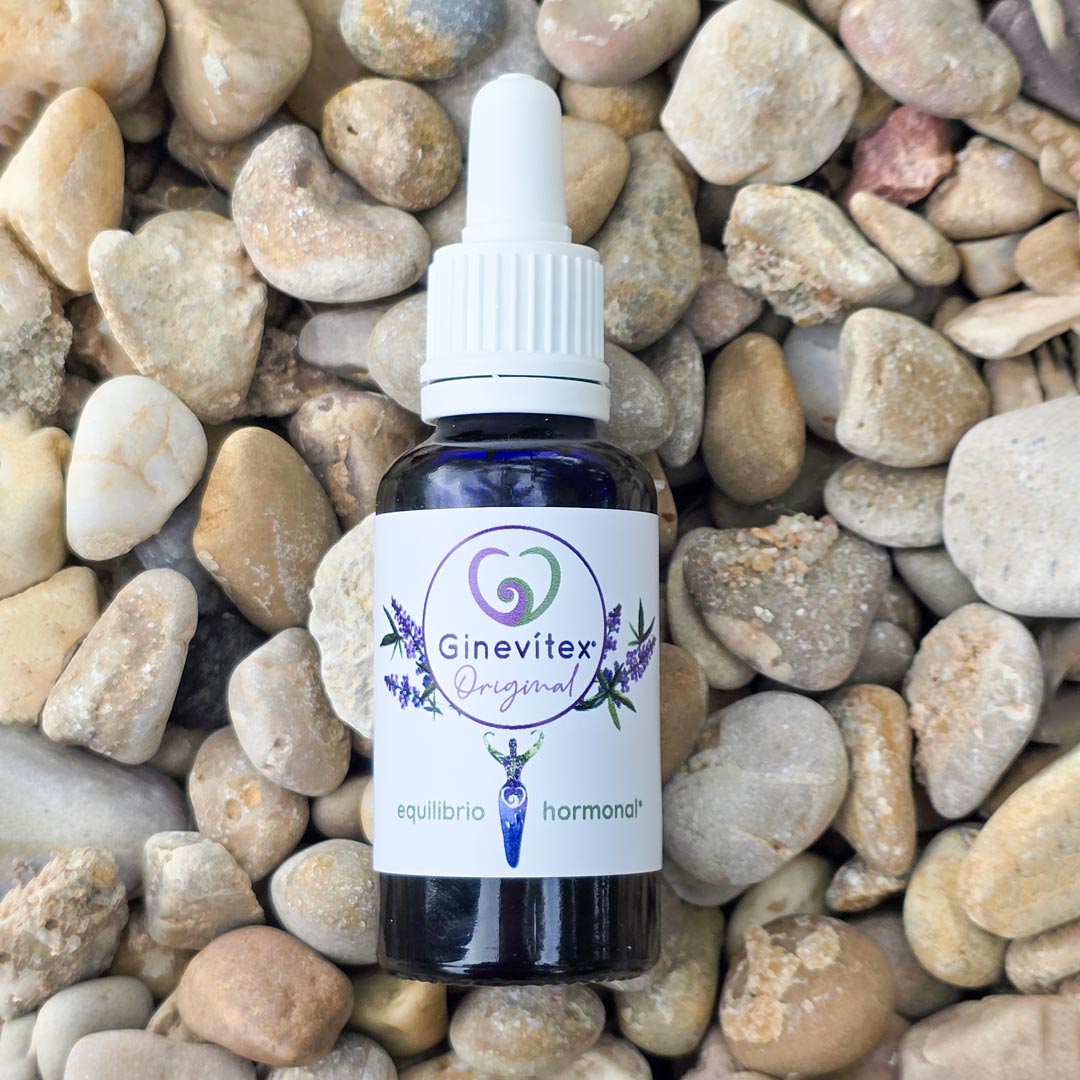
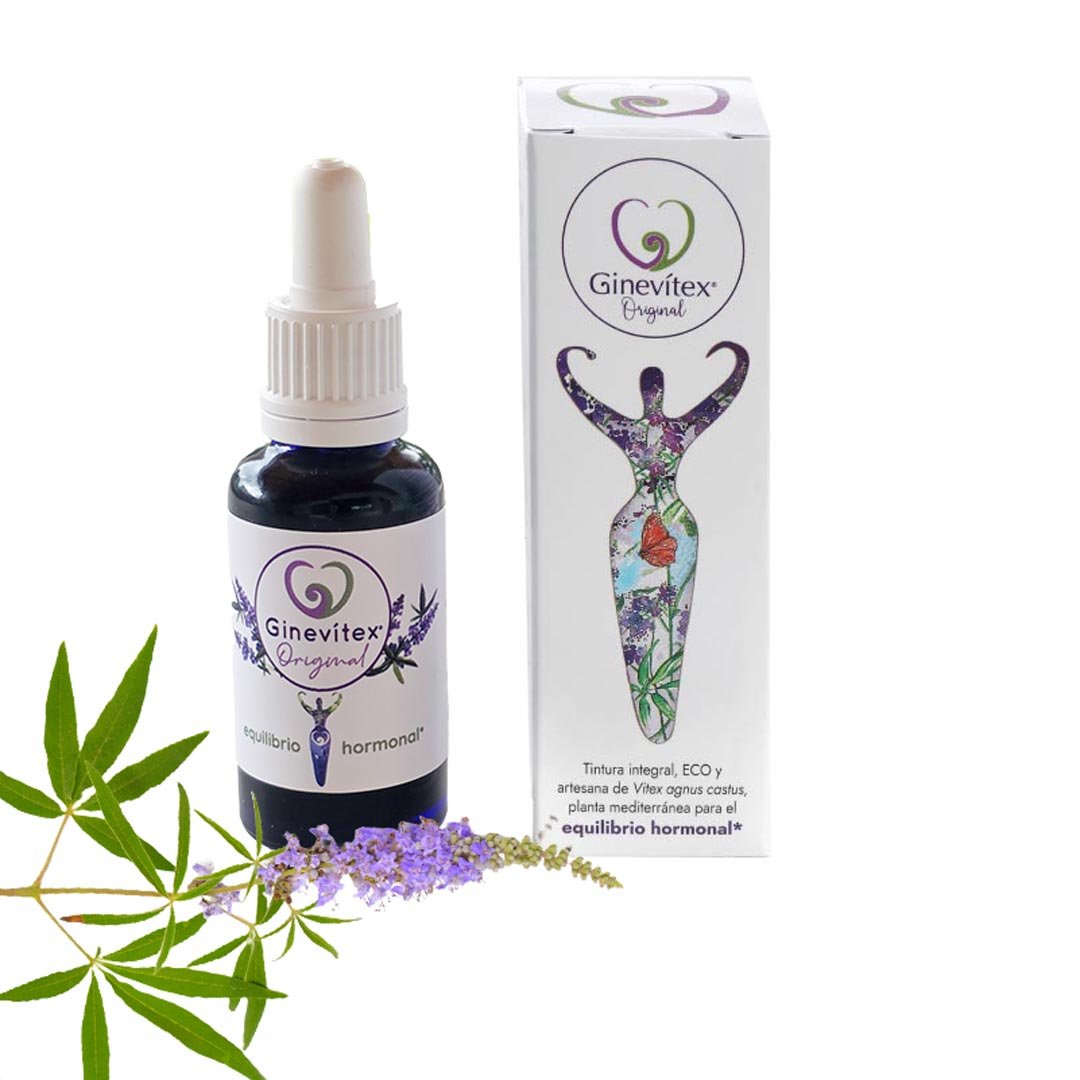
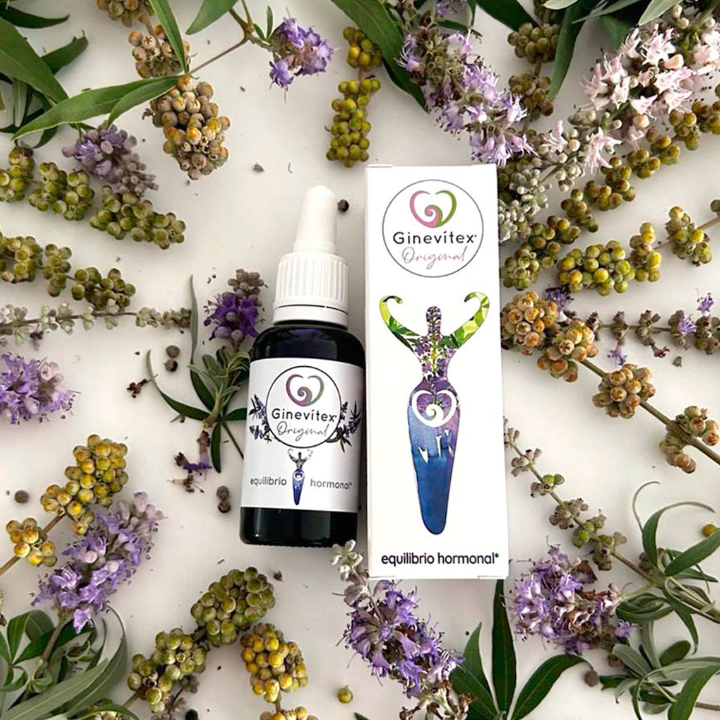
Discover Ginevitex® and the Tradition of Vitex
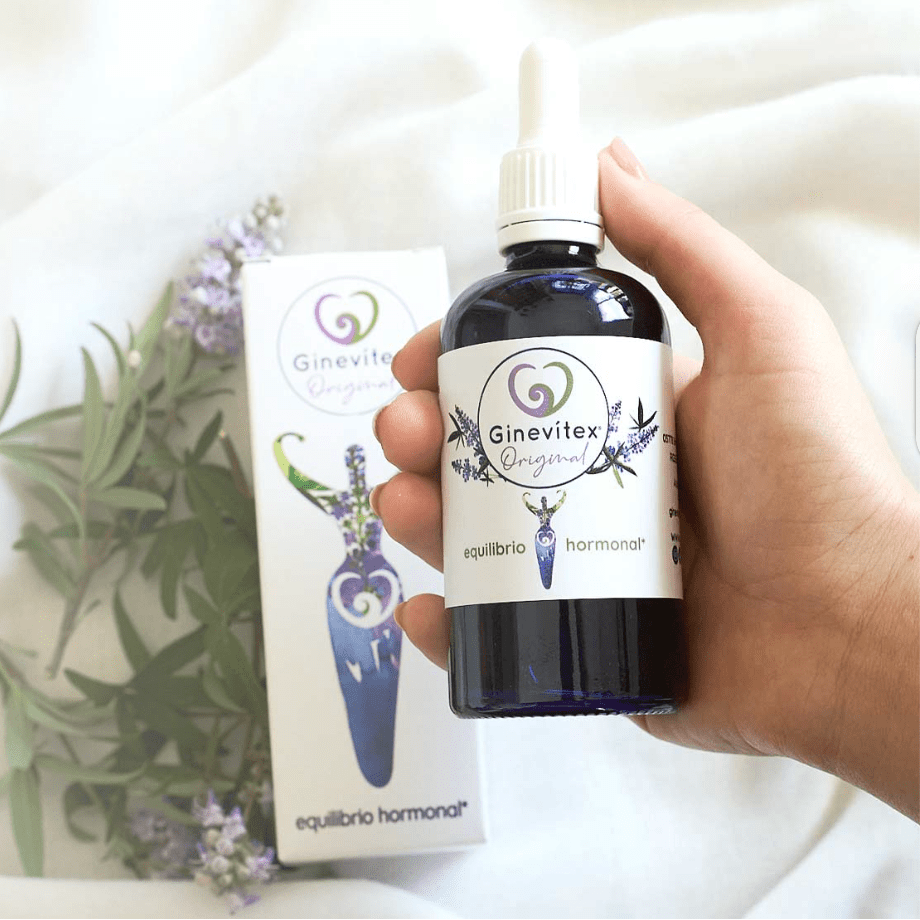
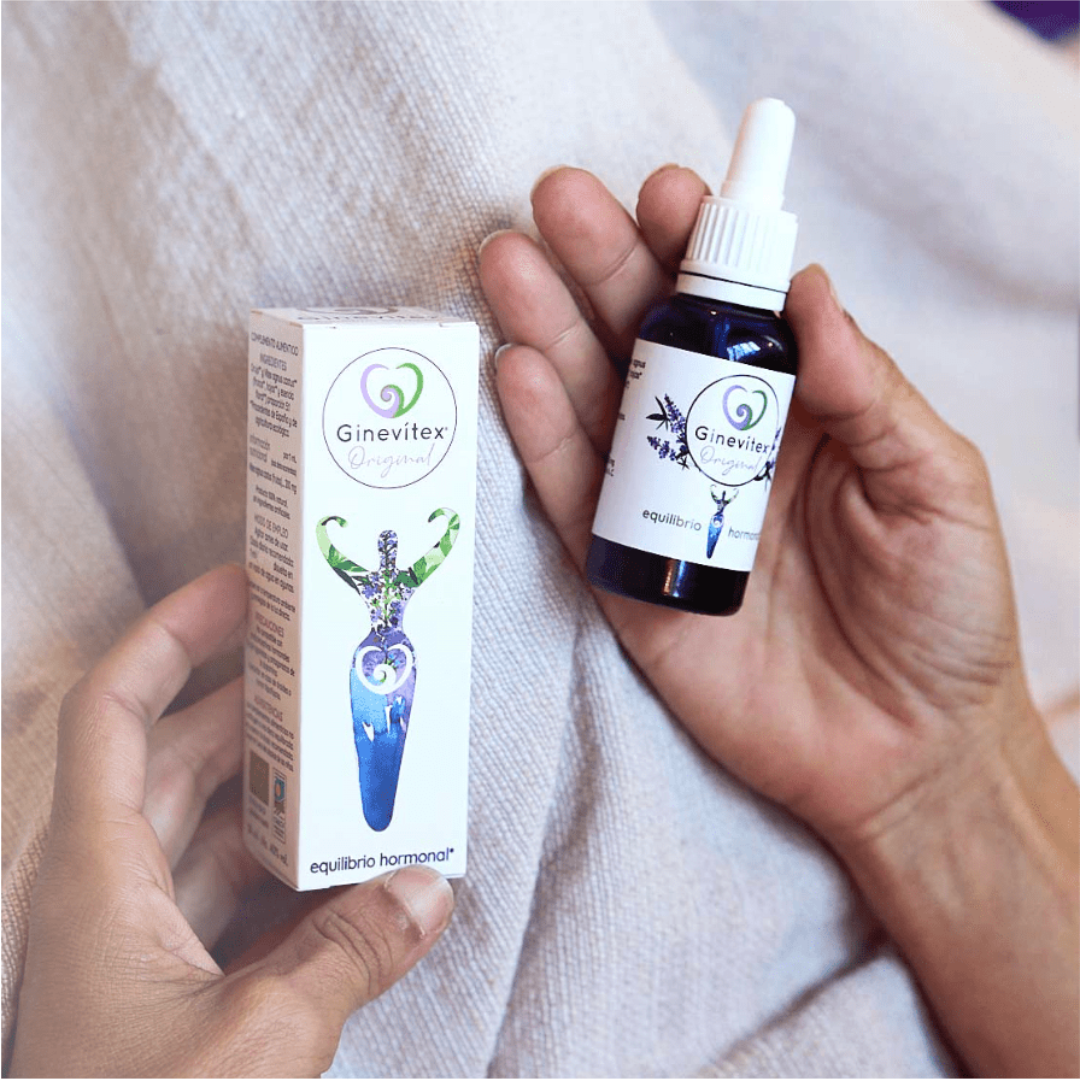
Ginevitex® is a botanical liquid preparation made with Vitex agnus-castus, also known as chaste tree, a Mediterranean plant with a long history of use in European herbal traditions and a particularly interesting place in women’s botanical practice.
Ginevitex® is made using different parts of the Vitex plant, including the fruits and leaves, gathered at different stages of the plant’s natural cycle. The preparation also incorporates a floral essence, creating a distinctive whole-plant approach to Vitex.
For women interested in exploring Vitex as part of their daily botanical routine, Ginevitex® offers a convenient liquid preparation that is easy to incorporate into everyday life.
Vítex agnus-castus and Premenstrual Wellbeing
Vitex agnus-castus, the botanical at the heart of Ginevitex®, has a long association with women’s health and the menstrual cycle.
Vitex is recognised for its role in women’s wellbeing, including helping to relieve premenstrual symptoms and supporting comfort before and during the menstrual cycle.
Because PMS can involve a wide range of physical and emotional changes, each woman’s experience can be different. Understanding your own cycle and recognising recurring patterns can help you build a more personalised approach to premenstrual wellbeing.
Explore Women's Hormonal Health