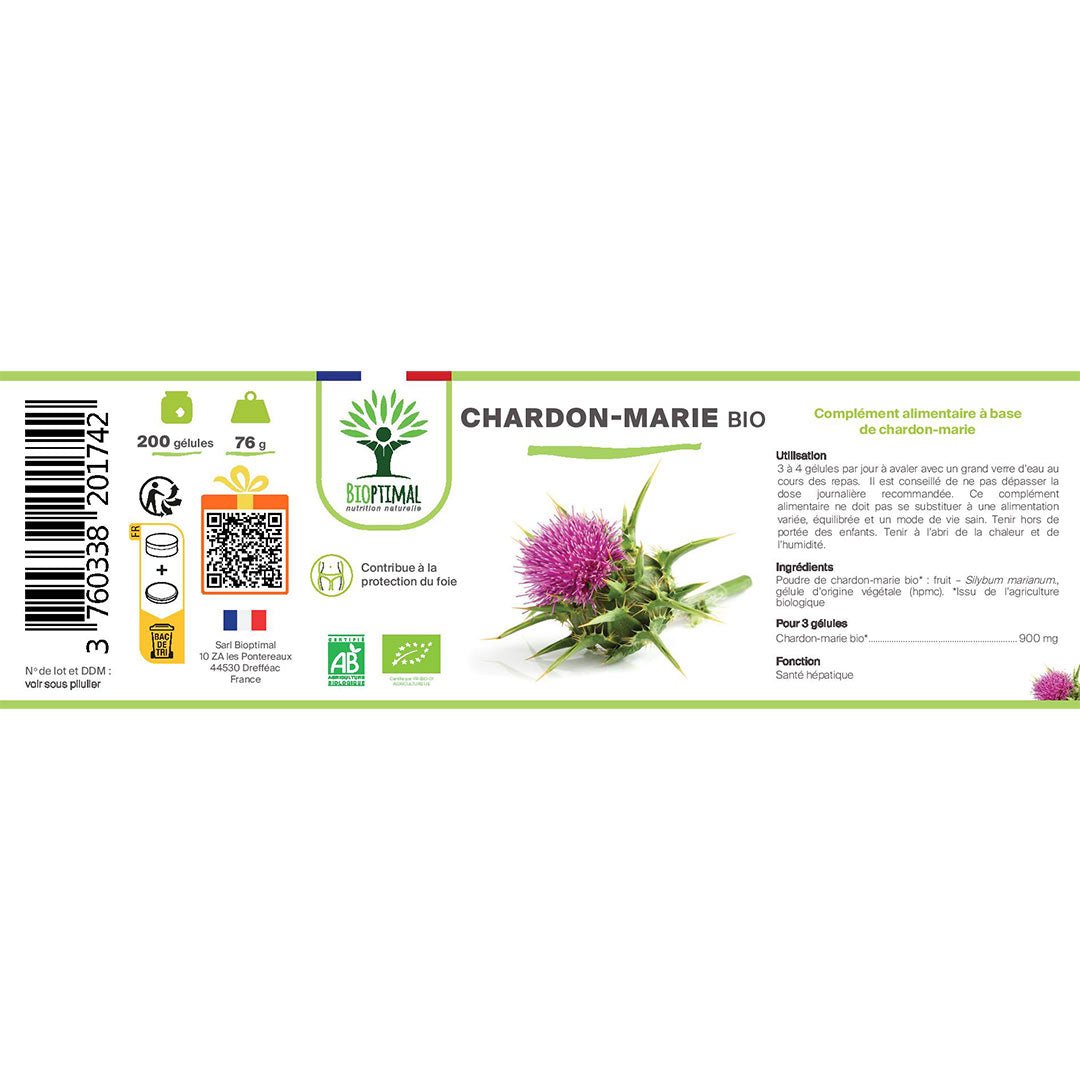
Organic Olive Oil, 200 capsules

Regular price € 27,90

BUY 3 GET 1 FOR FREE! (Add 4 to your cart)

Free Shipping
in Spain & Portugal
EU Shipping €6.90
Free from €59
Secure Payment
Safe & secure checkout

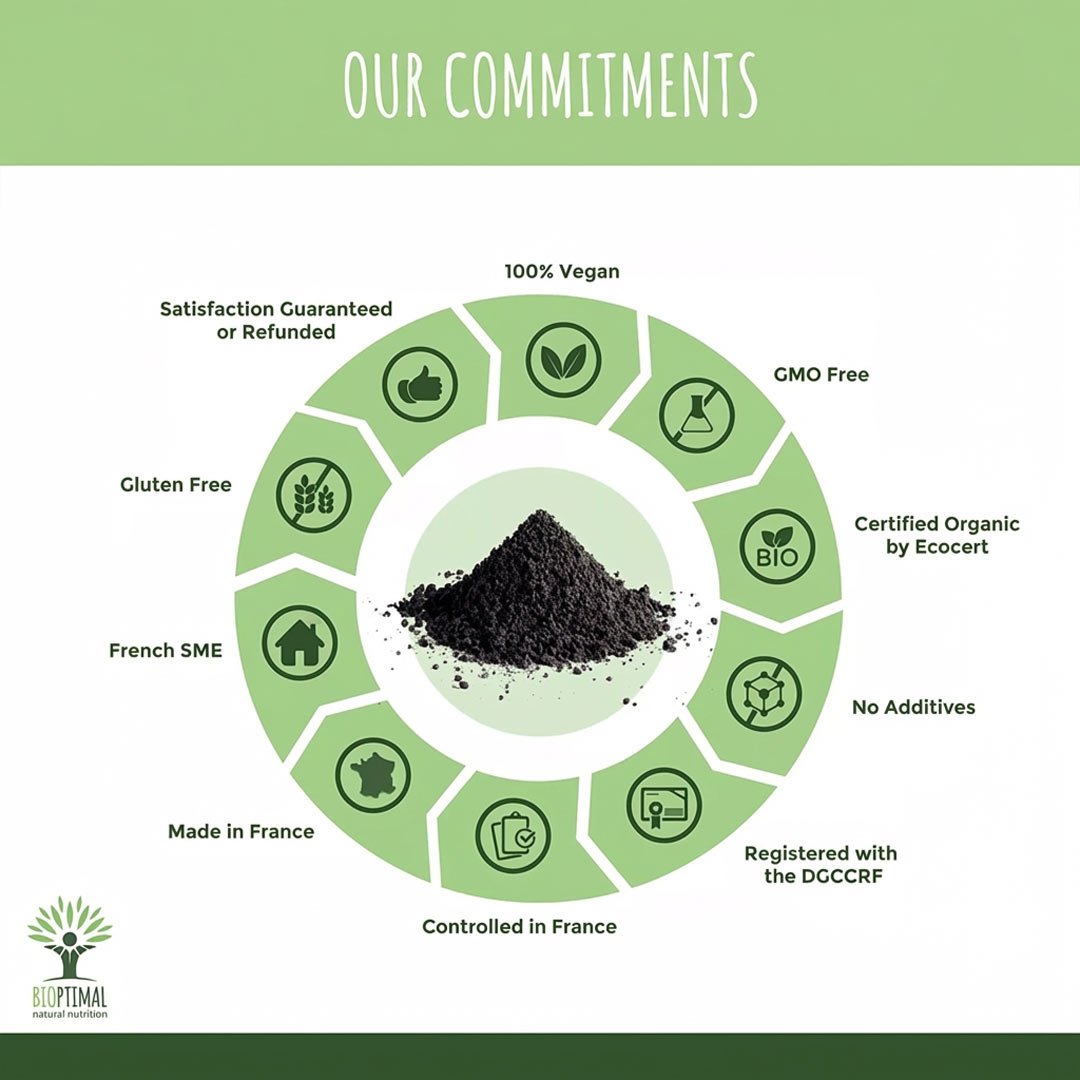
Organic Farming

Certified Organic

Vegan icon - Elliotti

Vegan

Gluten free icon - Elliotti

Gluten-free

Olive Leaf for Circulation, Blood Pressure & Cardiovascular Wellbeing

If you are looking for a single botanical for circulation and cardiovascular wellbeing, olive leaf is one of the most interesting plants to consider.

The leaves of the Mediterranean olive tree (Olea europaea) have a long history of use in European herbalism and are traditionally associated with healthy blood circulation and the maintenance of normal blood pressure.

Olive leaf is particularly relevant when the focus is healthy circulation, cardiovascular health and maintaining normal blood pressure.

But olive leaf is not only interesting for circulation. Its traditional use extends into several areas that often make it a broader choice for everyday health.

More Than a Circulation Plant

Olive leaf has traditionally been valued for its role in physiological blood sugar balance. It is also known as a botanical used to encourage elimination through the kidneys, making it interesting when the focus includes natural elimination and fluid balance.

The olive tree is also associated with normal intestinal function, the upper respiratory tract and the body's natural defences.

Olive leaves naturally contain characteristic plant compounds, including oleuropein, one of the best-known polyphenols associated with the olive tree. This distinctive chemistry is one of the reasons the leaf itself has attracted so much interest, independently of the olive fruit and olive oil.

Why Choose These Olive Leaf Capsules?

These capsules provide whole organic olive leaf powder in a simple single-plant formula.

Each capsule contains 175 mg of organic olive leaf powder, providing 700 mg with the daily serving of 4 capsules.

This makes them a particularly interesting choice if you want the olive leaf itself rather than a multi-ingredient cardiovascular formula.

Olive Leaf may be particularly relevant when your focus is:

  • Healthy blood circulation
  • Maintaining normal blood pressure
  • Cardiovascular health
  • Physiological blood sugar balance
  • Kidney elimination and fluid balance
  • Normal intestinal function
  • Seasonal support and the body's natural defences
More information

Botanical name: Olea europaea
Common name: Olive, Olive Tree
Plant family: Oleaceae
Plant part used: Leaves
Plant type: Evergreen tree
Native region: Mediterranean region
Preparation in this product: Dried organic olive leaves, finely powdered and encapsulated
Key naturally occurring constituents: Phenolic compounds, including oleuropein

🌿The Olive Tree Is Much More Than Olives and Olive Oil

When we think of the olive tree, we usually think first of olives and olive oil. Yet the leaves are a fascinating part of the tree in their own right and have their own long history of use in Mediterranean and European herbal traditions.

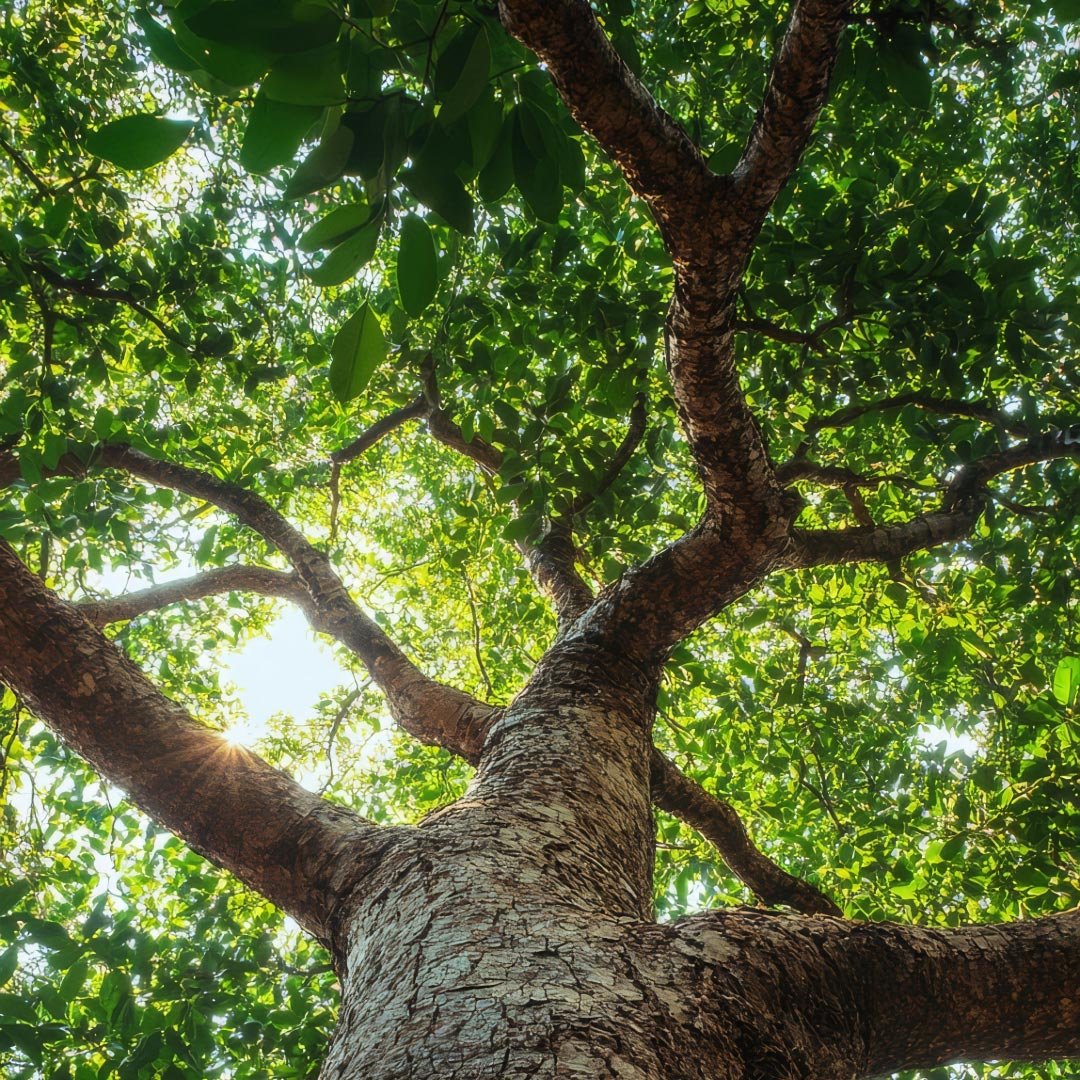
The olive tree, Olea europaea, is an evergreen tree adapted to the hot, dry conditions of the Mediterranean. Its narrow, leathery leaves are dark green on the upper surface and characteristically silvery-grey underneath, giving olive groves their distinctive shimmering appearance when the wind moves through the branches.

That leaf structure is not accidental. Olive trees are remarkably well adapted to intense sunlight, heat and periods of limited water, and their tough evergreen leaves form part of the tree's strategy for surviving these demanding conditions.

🌿What Is Inside an Olive Leaf?

Olive leaves contain a complex mixture of naturally occurring plant compounds, particularly phenolic compounds. One of the best known is oleuropein, a characteristically bitter compound found in the olive tree.

Oleuropein is not exclusive to the leaf, but the leaves are particularly associated with it. During the development and ripening of olives, the composition of these phenolic compounds changes, which is one reason olive leaf and olive oil should not be thought of as interchangeable botanical products.

An olive leaf supplement gives you the leaf of Olea europaea, not the nutritional fats and fatty acids for which olive oil is valued.

🌿A Tree Built for Longevity

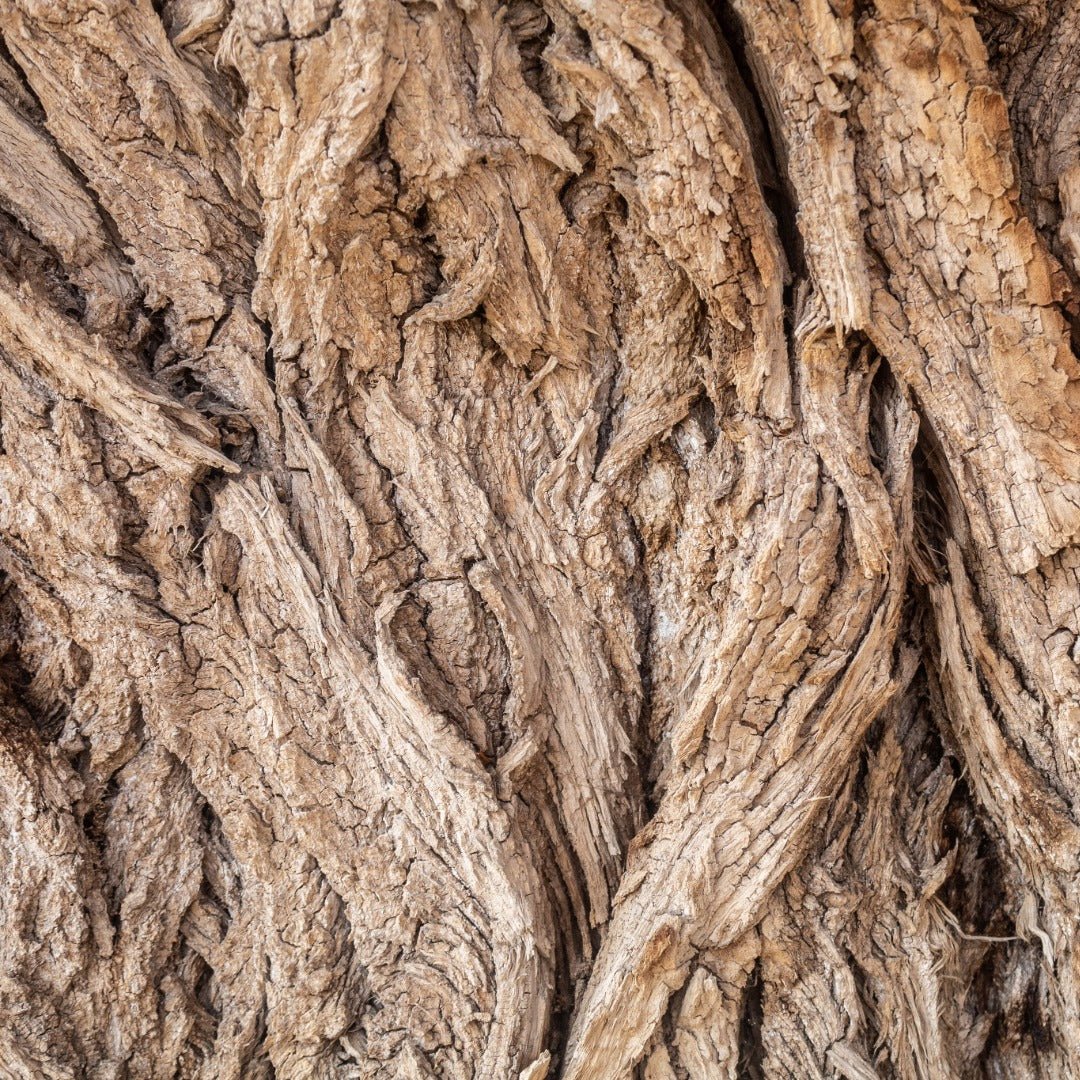
Olive trees grow slowly, but they can become extraordinarily long-lived. Old trunks often become thick, twisted and hollow, while the tree continues producing new growth from living parts of the trunk and root system.

This ability to persist and regenerate has helped make the olive tree a powerful cultural symbol of endurance, peace and continuity throughout the Mediterranean.

Even after years of drought, pruning and difficult growing conditions, established olive trees can remain productive. It is one of the reasons ancient olive groves have such a distinctive character: these are trees shaped not only by cultivation, but by decades or even centuries of Mediterranean climate.

🌿The Leaf Is a Different Botanical Material

There is an important distinction between the different products obtained from an olive tree:

- Olives are the fruit.
- Olive oil is pressed from the fruit.
- Olive leaf preparations use the leaves.

They come from the same species, but they have different compositions and different traditional uses.

These capsules contain the whole organic olive leaf, finely powdered, so you are consuming the botanical material of the leaf itself rather than an olive oil or an isolated olive compound.

Usage tips

Take 3 to 4 capsules daily with a large glass of water during meals.
Do not exceed the recommended daily dose.
This food supplement should not replace a varied and balanced diet and a healthy lifestyle.

Certification

- Certified Organic Product
- Certified Organic Agriculture (AB certified)
- Origin of raw materials: Spain
- Country of manufacture: France

Composition

Organic olive powder*: leaves – Olea europaea, vegetable capsule (HPMC). *From organic farming

Organic olive oil*.....700 mg

A little history

🌿The Olive Tree: Thousands of Years of Mediterranean History

Few plants are as deeply woven into Mediterranean history as the olive tree, Olea europaea. Humans have cultivated olives for thousands of years, and over time the tree became far more than a source of food.

Olives and olive oil became part of everyday life, agriculture, trade, religious ceremonies, body care and traditional preparations. The tree itself came to represent peace, endurance, prosperity and continuity, associations that have survived into modern European culture.

🌿A Sacred Tree in Ancient Greece

The olive tree held a particularly important place in ancient Greek culture.

According to Greek mythology, Athena and Poseidon competed to become patron of the city that would become Athens. Athena offered the people an olive tree, a gift associated with food, oil and useful timber, and her gift was chosen.

The olive consequently became closely associated with Athena, Athens and Greek civilisation.

Olive oil was used not only as food but also for lamps, religious ceremonies and body care. Athletes famously rubbed their bodies with olive oil, and victors at the ancient Olympic Games were crowned with wreaths made from olive branches.

🌿From Egypt to Rome

The olive also had significance beyond Greece.

Olive branches and leaves have been found in ancient Egyptian contexts, including the famous tomb of Tutankhamun, demonstrating that the plant carried symbolic importance as well as practical value.

The Romans later helped expand olive cultivation throughout suitable parts of their territories. Olive oil became an important commodity used for food, lighting, cosmetics and body care, and large-scale production and trade developed across the Roman world.

Amphorae once used to transport olive oil have been found in enormous quantities at archaeological sites, revealing just how important the olive economy had become.

🌿What About the Olive Leaf?

The fruit and its oil inevitably dominate the history of the olive tree, but the leaves also became part of traditional herbal practice.

Olive leaves have been prepared in different ways, including as infusions and other herbal preparations. This created a separate tradition around the leaf that should not be confused with the nutritional and culinary history of olive oil.

It is this part of the ancient tree that is used in these capsules: the leaves of Olea europaea, dried and finely powdered.

🌿An Extraordinary Symbol of Longevity

Perhaps one of the most fascinating things about the olive tree is simply how long it can live.

Across the Mediterranean, there are ancient olive trees with enormous, twisted and hollow trunks that continue to produce leaves and fruit. Determining the exact age of very old olive trees can be difficult, but some specimens are believed to have survived for many centuries.

That extraordinary persistence helps explain why the olive became such a powerful symbol of longevity, resilience and renewal.

Today, the olive tree remains inseparable from the Mediterranean landscape. And while most of us know it for its fruit and oil, the traditional use of its leaves reveals another chapter in the story of one of Europe's most culturally important plants.

Precautions for use

If you are taking medication for high blood pressure, use this product with caution, as combining olive leaf with blood pressure-lowering medication or other supplements with similar effects may cause blood pressure to become too low.

Use is not recommended alongside anticoagulant medication.

If you are taking medication or are currently undergoing medical treatment, consult a healthcare professional before use.

Packaging & storage

Keep out of reach of children. Store away from heat and moisture.

FAQ

🌿 What is the difference between olive leaf and olive oil?
They come from the same tree but are very different products. Olive oil is pressed from the fruit and is valued primarily for its fatty acid profile. This supplement is made from the leaves of Olea europaea, which have a different botanical composition and contain characteristic phenolic compounds including oleuropein.

🌿 Is this an olive leaf extract?
No. These capsules contain whole organic olive leaf powder, not a concentrated or standardised extract. The dried leaves are finely powdered and placed directly into vegetable capsules.

🌿 How much olive leaf do I take each day?
Take 3 to 4 capsules per day with a large glass of water during meals. Four capsules provide 700 mg of organic olive leaf powder.

🌿 How long does one box last?
A box contains 200 capsules. At 4 capsules per day, one box lasts 50 days. At 3 capsules per day, it lasts approximately 66 days.

🌿 Is Olive Leaf the same thing as taking olives or eating olive oil?
No. Eating olives or using extra virgin olive oil does not provide the same botanical preparation. These capsules specifically provide the powdered leaf, rather than the fruit or its oil.

🌿 What makes the olive leaf itself interesting?
The leaf is chemically quite different from olive oil. It contains a range of naturally occurring phenolic compounds, with oleuropein being one of the best known. The leaves also have their own long history of use in Mediterranean herbal preparations, separate from the culinary tradition surrounding olives and olive oil.

🌿 Can I combine Olive Leaf with other supplements?
Yes. Choose the combination according to what you want to focus on.

For a broader cardiovascular routine: Organic Cardio Complex is the most complete companion. While Olive Leaf provides a focused single-botanical approach centred on circulation and normal blood pressure, Cardio combines several ingredients selected to approach cardiovascular wellbeing from different angles.

For peripheral circulation: Ginkgo is particularly interesting when the focus extends beyond blood pressure to circulation in the smaller blood vessels and peripheral areas of the body, such as the hands and feet. This gives the combination a different emphasis from Olive Leaf alone.

For blood vessels and collagen formation: Acerola provides natural vitamin C. Vitamin C contributes to normal collagen formation for the normal function of blood vessels, so Acerola complements Olive Leaf from a nutritional rather than herbal perspective.

If you take medication for high blood pressure or anticoagulant medication, check with a healthcare professional before combining Olive Leaf with other supplements intended for cardiovascular or circulatory use.

Volume

200 capsules

Botanical Supplements, Chosen with Care

At Elliotti, we believe a good supplement should be easy to understand. What is in it, how much should you take, where does it come from, and why has this particular formula been chosen?

Our Bioptimal range brings together food supplements made in France, with a focus on carefully selected ingredients and straightforward formulations. Some feature a single botanical, while others combine plants or nutrients in formulas designed for a particular type of daily routine.

We look beyond the front of the pack. Ingredients, daily amounts, quality, certification, recommended use and precautions all matter when we decide what belongs at Elliotti.

Explore the product information above to understand exactly what is in this formula and how to use it.

Hi, I’m Susann!
I’m a holistic aromatherapist and naturopath, and I know that choosing between different botanicals and supplements is not always straightforward.
If you have questions about a product, its ingredients, how to use it or the differences between our botanical preparations, you’re always welcome to ask me. Personal guidance is part of the service at Elliotti, at no extra cost.

Send me an e-mail at susann@elliotti.com