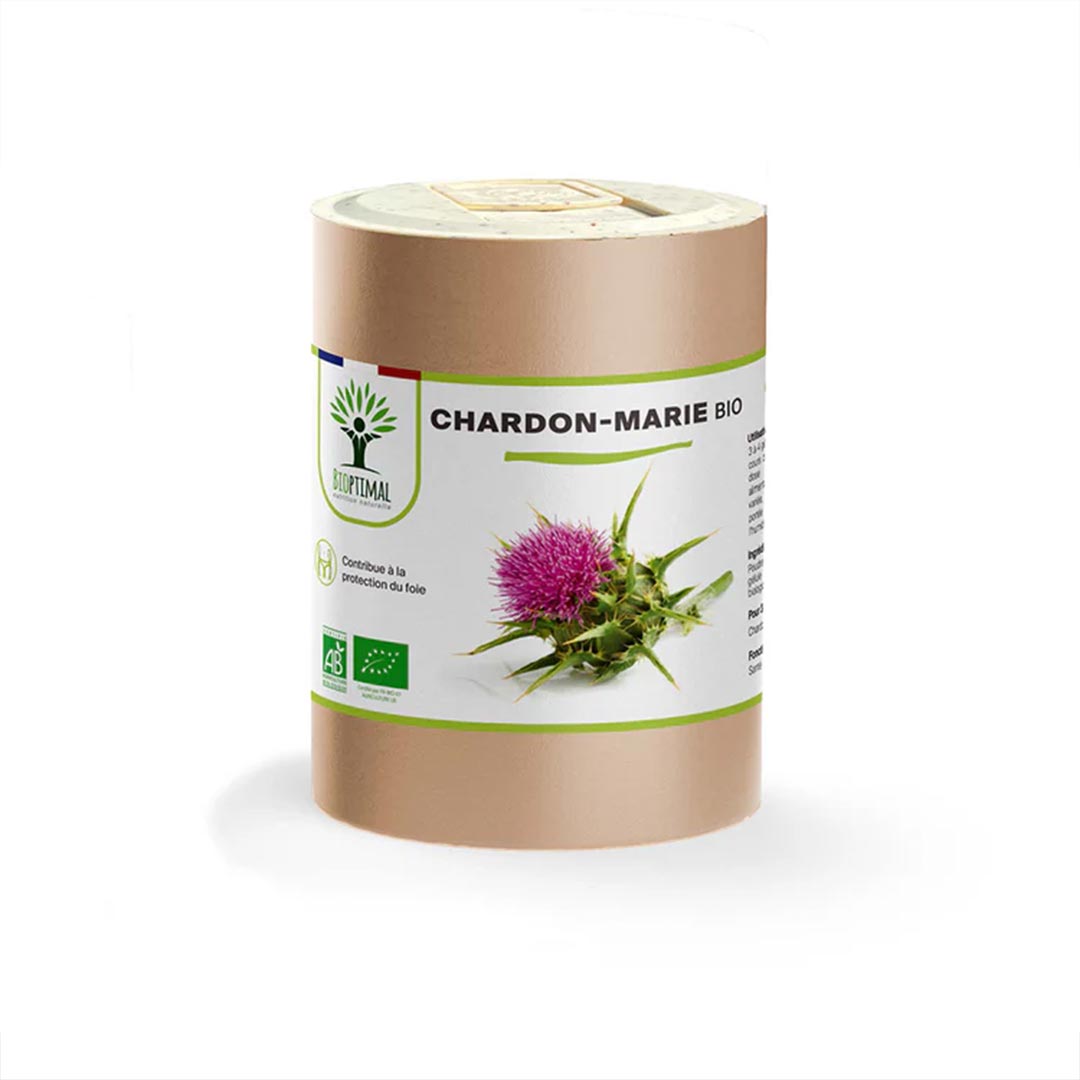
Organic Turmeric Powder + Black Pepper, 200 capsules

Regular price € 27,90

BUY 3 GET 1 FOR FREE! (Add 4 to your cart)

Free Shipping
in Spain & Portugal
EU Shipping €6.90
Free from €59
Secure Payment
Safe & secure checkout

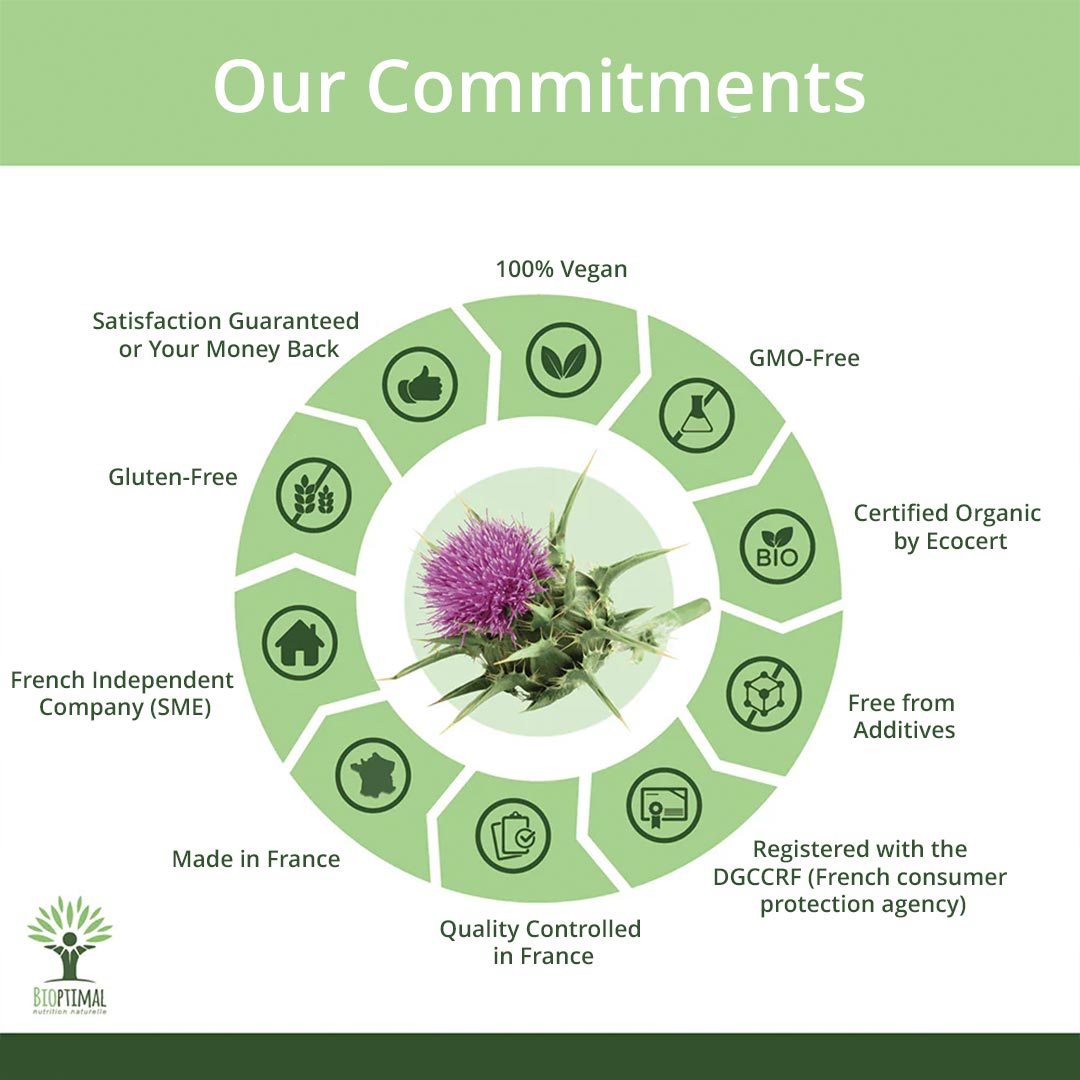
Organic Farming

Certified Organic

Vegan icon - Elliotti

Vegan

Gluten free icon - Elliotti

Gluten-free

Organic Turmeric + Black Pepper Capsules – Joint & Digestive Support 

Turmeric (Curcuma longa) is one of the best-known rhizomes in traditional Asian herbal practice, particularly valued in routines centred around joints, flexibility and comfortable movement, as well as digestion and the period around meals.

These organic capsules contain whole turmeric rhizome powder, rather than simply an isolated curcumin ingredient. This means you receive the turmeric rhizome in its broader botanical form, including its naturally occurring curcuminoids and other plant constituents.

Turmeric for Joints, Flexibility & Movement

Turmeric has a particularly strong connection with the musculoskeletal system and is commonly chosen by people who want to maintain joint comfort, flexibility and mobility as part of their everyday routine.

This makes it especially interesting when joints can feel less comfortable after physical activity, with age, or when you simply want to take a more proactive approach to maintaining comfortable movement.

A Traditional Connection with Digestion

Turmeric is not only associated with movement. It also has a long history of use around digestion and meals, which is one reason the rhizome has occupied such an important place in both traditional herbal preparations and everyday cooking.

Its distinctive bitter, warm and aromatic character makes turmeric particularly relevant when building a botanical routine around digestive function and the processing of food, especially richer meals.

Why Add Black Pepper?

This formula combines turmeric with black pepper (Piper nigrum), a pairing that has become particularly interesting because black pepper naturally contains piperine.

Curcumin, one of turmeric's best-known naturally occurring constituents, has relatively low bioavailability when consumed on its own. Piperine is included specifically to promote the absorption of curcumin, making black pepper a functional part of the formula rather than simply an additional botanical ingredient.

Whole Turmeric in a Simple Organic Formula

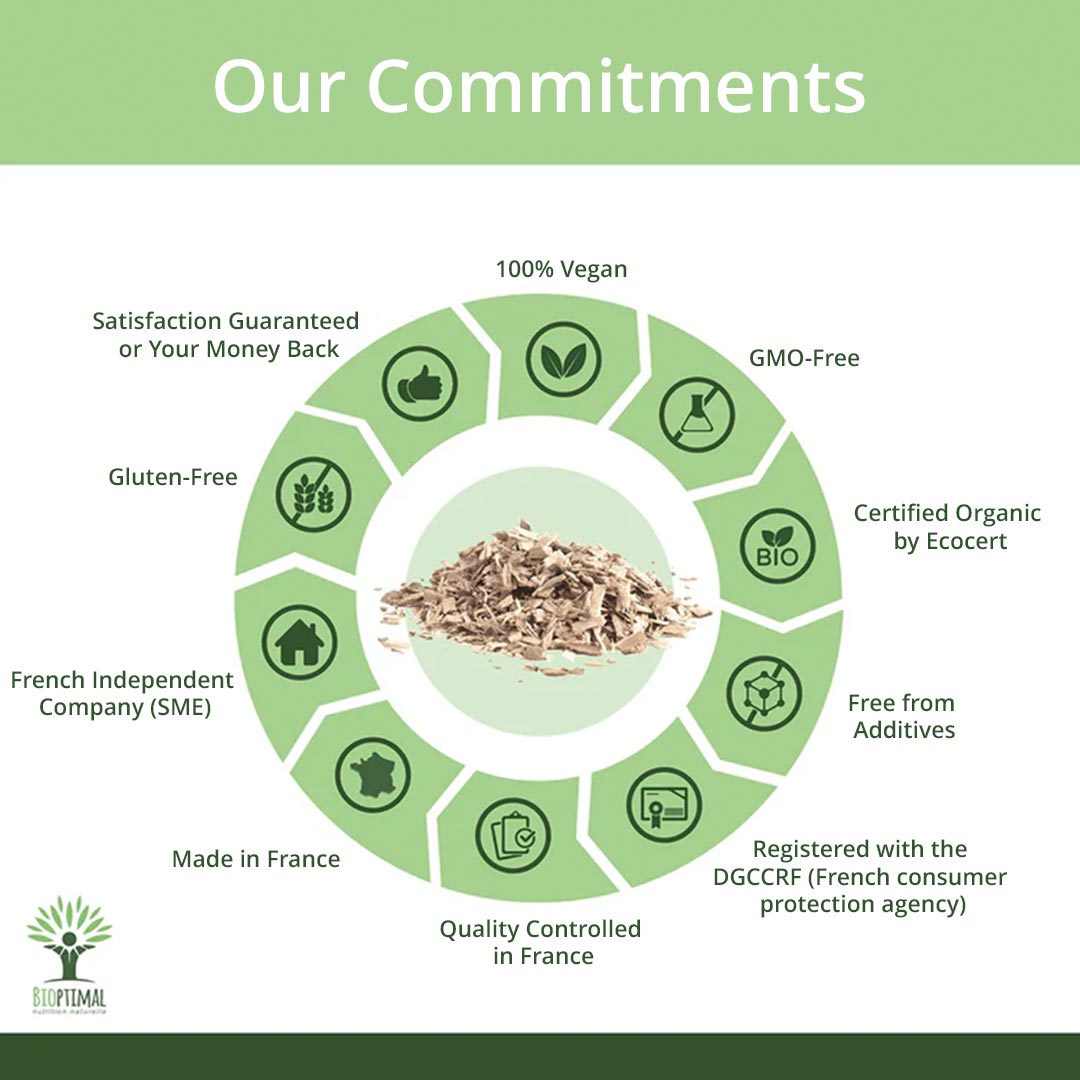
Each capsule provides organic turmeric rhizome powder together with organic black pepper in a vegetable HPMC capsule, with no unnecessary additives.

The turmeric is grown in India, the plant's historic homeland and one of the world's most important turmeric-growing regions, before being packaged and quality controlled in France.

A straightforward choice for anyone looking for organic whole turmeric in capsule form, combined with black pepper for improved curcumin absorption, without having to use turmeric powder in food or drinks every day.

More information

Botanical name: Curcuma longa L.
Family: Zingiberaceae
Common name: Turmeric
Plant part used: Rhizome
Origin of turmeric: India
Form: Dried organic rhizome powder

Turmeric (Curcuma longa) is a perennial plant belonging to the Zingiberaceae family, making it a close botanical relative of ginger, cardamom and galangal. It originates from tropical Asia and has been cultivated in India for thousands of years, where it remains an important culinary and botanical plant.

The part used is the rhizome. Although it is commonly called turmeric root, a rhizome is actually a modified underground stem. It grows horizontally beneath the soil, stores nutrients for the plant and produces the shoots from which the leaves and flowers develop.

When freshly cut, the rhizome reveals its characteristic intense golden-orange interior. This colour comes primarily from curcuminoids, a group of naturally occurring polyphenolic pigments. The best known is curcumin, alongside demethoxycurcumin and bisdemethoxycurcumin.

But turmeric is not simply curcumin. The whole rhizome contains a much broader botanical matrix, including an aromatic volatile fraction containing compounds such as turmerones. This is particularly relevant to this product because it contains whole organic turmeric rhizome powder rather than isolated curcumin.

Black pepper (Piper nigrum) belongs to the Piperaceae family and contributes another important plant constituent, piperine, the alkaloid responsible for much of black pepper's characteristic pungency. Here, black pepper is deliberately paired with turmeric because piperine promotes the absorption of curcumin, which naturally has relatively low oral bioavailability.

🌿Traditional Uses

Turmeric has a remarkably long history in Ayurveda and other South Asian botanical traditions, where the rhizome has been valued both as an everyday food and as a botanical preparation. Unlike plants reserved mainly for occasional herbal use, turmeric became deeply integrated into daily life through cooking, traditional preparations and household practices.

One of its strongest traditional areas of use is the digestive system. Its warm, bitter and aromatic character has made turmeric particularly associated with digestion, the period around meals and the body's handling of richer foods. Traditional herbal practice has also connected turmeric with the liver and biliary system, reflecting its longstanding place in digestive formulas.

Turmeric also has an important traditional connection with the musculoskeletal system. It has been selected in botanical routines concerned with joints, mobility, flexibility and physical comfort, which helps explain why turmeric remains such a popular plant for people wanting to maintain comfortable movement as they age or remain physically active.

Its traditional use extends beyond these two areas. Turmeric has also occupied a place in preparations concerned with the skin, circulation and general resilience, although these broader traditional applications should not be confused with established effects of this particular supplement.

What makes turmeric particularly interesting from a herbalist's perspective is therefore not one isolated constituent or one narrow traditional purpose. It is a multi-purpose rhizome with a particularly strong historical relationship with digestion and movement, used both as food and as a botanical preparation over a very long period.

For this product, that traditional whole-plant approach is retained by using powdered organic turmeric rhizome, while the addition of black pepper gives the traditional botanical a particularly purposeful modern formulation.

Usage tips

Take 2 capsules per day with a large glass of water during meals. Do not exceed the recommended daily dose. This food supplement should not replace a varied, balanced diet and a healthy lifestyle.

Take the recommended daily dose with water to support joint health, digestion, and overall well-being. Combine with a balanced diet and active lifestyle for best results.

Effective for:
1. Arthritis
Turmeric is well-known for its anti-inflammatory and antioxidant effects, which are beneficial in reducing joint inflammation and pain associated with both osteoarthritis and rheumatoid arthritis.

2. Joint aches & pains
The anti-inflammatory action of curcumin can help reduce discomfort in joints caused by overuse, wear, or minor injury.

3. Muscle aches & pains
Curcumin may help reduce muscle soreness after physical exertion and support recovery.

4. Physical exhaustion
While turmeric isn’t a direct stimulant, its anti-inflammatory and antioxidant properties can help the body recover more quickly, especially after physical stress or fatigue.

5. Rheumatism
Similar to arthritis, rheumatism-related pain and stiffness may be eased due to turmeric’s ability to modulate inflammatory pathways.

6. Gout (with caution)
Turmeric may help reduce inflammation and pain during flare-ups, but it doesn’t lower uric acid levels. It should be used as a complementary support, not as a primary treatment.

7. Tendonitis
The anti-inflammatory effects of curcumin can potentially support healing and pain relief in tendonitis.

8. Digestion issues (general)
Turmeric stimulates bile production, supporting fat digestion and overall gastrointestinal function.

Black pepper enhances digestive enzyme secretion and bioavailability of nutrients.

9. Indigestion & Heartburn
Turmeric has been shown to improve dyspepsia (indigestion) and may soothe heartburn by supporting balanced stomach acid levels and reducing inflammation of the gastric lining.

10. IBS (Irritable Bowel Syndrome)
Some studies suggest turmeric may reduce abdominal pain, bloating, and bowel irregularity associated with IBS, largely due to its anti-inflammatory and gut-calming properties.

11. Relieve gas (Flatulence)
Turmeric acts as a carminative, helping to reduce gas and bloating by relaxing intestinal muscles and reducing fermentation.

12. Stomach cramps
The spasmolytic (muscle-relaxing) and anti-inflammatory effects of turmeric may relieve abdominal cramping.

13. Stomach ache
Turmeric may soothe general stomach discomfort, especially when linked to inflammation, indigestion, or mild infections.

14. Detox
Turmeric supports liver function, which plays a key role in the body’s detoxification processes.

15. Immune system
Curcumin can help modulate immune responses, making it useful for both prevention and immune support.

16. Headaches & Migraines
Especially those related to inflammation or sinus issues. May reduce frequency and intensity.

17. Allergies
Has natural antihistamine and anti-inflammatory properties that may reduce allergy symptoms.

18. Fungal infections
Curcumin has mild antifungal effects, especially Candida, though topical solutions are stronger for this.

19. Tooth & gum disease
Curcumin’s anti-inflammatory and antibacterial properties may support oral health. Used in some natural toothpaste and mouth rinses.

20 Alzheimer’s
Curcumin may help reduce brain inflammation and beta-amyloid plaque buildup, which are linked to Alzheimer’s progression. Best as a preventive or supportive supplement.

21. Depression
Several studies show curcumin can improve mood by boosting serotonin and dopamine levels. Often compared to low-dose antidepressants in effect.

22. Anxiety & nervousness
May help by reducing inflammation in the brain and regulating stress hormones (like cortisol).

23. Fatigue
Curcumin may help with chronic fatigue linked to inflammation or stress, improving energy levels indirectly.

24. Stress
By lowering systemic inflammation and supporting mood balance, curcumin may help the body respond more calmly to stress.

25. PMS (Premenstrual Syndrome)
Curcumin has been shown to reduce PMS symptoms such as mood swings, irritability, bloating, and cramps, thanks to its anti-inflammatory and mood-stabilizing properties.

26. Menstrual cramps
Turmeric may help relax uterine muscles and reduce the production of prostaglandins (inflammatory compounds that trigger pain), making it effective for dysmenorrhea.

27. Menopause
Curcumin can support overall hormonal balance, mood, and inflammation during menopause.

28. Hot flashes
Some studies show turmeric may help reduce the intensity and frequency of hot flashes, possibly through its effects on estrogen receptors and inflammation.

Certification

- Certified Organic Product
- Certified Organic Agriculture (AB certified)
- Origin of raw materials: India
- Country of manufacture: France

Composition

Organic turmeric powder*: rhizome – Curcuma longa L., organic black pepper* – Pipper Nigrum L., plant-based capsule (hpmc). *From organic farming

For 2 capsules:
Organic Turmeric*…………600mg
Including Curcumin ……...…11mg
Organic Black Pepper*…….25mg
Including Piperine ………….1.7mg

A little history

Turmeric has been part of human life for thousands of years, particularly on the Indian subcontinent, where it became far more than simply a spice. Its brilliant golden rhizome found a place in food, traditional herbal practice, religious ceremonies and everyday household rituals, giving turmeric an unusually rich cultural history.

In Ayurveda, turmeric has long been known as Haridra. The rhizome was used in numerous traditional preparations, both internally and externally, and became closely associated with digestion, the skin and physical comfort. Its warm, bitter and pungent character also made it a natural ingredient in foods and preparations taken around meals.

Turmeric's intense colour gave it another role. The golden pigment was traditionally used to colour textiles, foods and ceremonial materials, and yellow and gold came to carry strong associations with purity, prosperity and auspiciousness in Indian culture. Turmeric paste still plays a part in traditional Hindu wedding ceremonies, particularly the Haldi ceremony, where it is applied to the bride and groom before the wedding.

As trade routes connected India with the Middle East, Southeast Asia and eventually Europe, turmeric travelled with merchants. By the Middle Ages it was known in Europe, where its resemblance in colour to the much more expensive saffron led to the historical name “Indian saffron”, although the two plants are botanically unrelated.

Centuries later, scientific interest turned towards the chemistry behind turmeric's extraordinary colour. Curcumin was first isolated from turmeric in the early nineteenth century, beginning a new chapter in the story of a plant that had already been used for generations.

Today turmeric sits at an unusual meeting point between ancient botanical tradition, everyday food and modern scientific research. Yet the part at the centre of that long story remains exactly the same: the intensely golden rhizome of Curcuma longa.

Precautions for use

Not recommended for people taking anticoagulant medication.
Contraindicated in cases of bile duct obstruction, gastric ulcers or hyperacidity.
If you have gallstones, seek medical advice before use.
For adults only.
Not suitable for pregnant or breastfeeding women.
It is not recommended to take this product on the same day as other food supplements containing curcumin or curcuminoids.

Packaging & storage

Keep out of reach of young children.
Store away from heat and moisture.
Store in a cool, dry place.

FAQ

🌿 Why does this formula contain black pepper as well as turmeric?
Black pepper is not there simply to make the formula more interesting. Turmeric naturally contains curcuminoids, including curcumin, while black pepper contains piperine. Curcumin has relatively low oral bioavailability, and piperine is widely used in turmeric formulations because it can increase curcumin bioavailability. This makes the pairing much more purposeful than simply combining two spices.

🌿 Is this the same as taking a curcumin supplement?
No. This product contains whole organic turmeric rhizome powder, rather than isolated or highly concentrated curcumin. Curcumin is just one of several naturally occurring curcuminoids in turmeric, and the whole rhizome also contains many other botanical constituents. Choose this product if you are specifically looking for turmeric in a whole-plant form rather than a concentrated curcumin extract.

🌿 Should I take Turmeric with food?
Yes. Take 2 capsules daily with meals and a large glass of water. Turmeric is traditionally closely connected with food, and taking the capsules at mealtime is also the usage recommended for this particular supplement.

🌿 Can I simply use turmeric from my spice cupboard instead?
You can certainly include turmeric in cooking, but it is not quite the same routine. The amount of turmeric used in food can vary considerably from meal to meal, and culinary turmeric does not necessarily contain black pepper. These capsules provide turmeric rhizome and black pepper together in a convenient, consistent daily format.

🌿 Can I combine Turmeric with other supplements?
Yes, but choose the combination according to what you want from the wider routine rather than simply taking several botanicals with similar profiles.

For a movement and mobility-focused botanical routine, Devil's Claw is an interesting partner because it has a particularly strong traditional connection with joints, movement and physical comfort. Horsetail brings a very different angle through its natural silica content and its botanical association with connective structures such as tendons, ligaments and cartilage.

Nettle is another interesting companion and is specifically suggested by Bioptimal alongside their Turmeric. It brings a different nutritional and botanical profile rather than simply duplicating turmeric.

Do not, however, take this product on the same day as other food supplements containing curcumin or curcuminoids.

🌿 Is turmeric “root” actually a root?
Not quite. The golden part we use is technically a rhizome, an underground stem. Rhizomes grow beneath the soil and store nutrients while producing new shoots. Ginger is another familiar example. So when you see “turmeric root”, it usually refers to the rhizome.

🌿 Why is turmeric so intensely yellow?
The extraordinary golden-orange colour comes largely from its naturally occurring curcuminoids, including curcumin. They are powerful pigments, which is why fresh turmeric and turmeric powder can also stain hands, chopping boards, fabrics and pale kitchen surfaces.

🌿 Who should not take this Turmeric supplement?
This product is for adults only and is not suitable during pregnancy or breastfeeding. It is not recommended for people taking anticoagulant medication and is contraindicated in cases of bile duct obstruction, gastric ulcers or hyperacidity. If you have gallstones, seek medical advice before use. It should also not be taken on the same day as another food supplement containing curcumin or curcuminoids.

Volume

200 capsules

Botanical Supplements, Chosen with Care

At Elliotti, we believe a good supplement should be easy to understand. What is in it, how much should you take, where does it come from, and why has this particular formula been chosen?

Our Bioptimal range brings together food supplements made in France, with a focus on carefully selected ingredients and straightforward formulations. Some feature a single botanical, while others combine plants or nutrients in formulas designed for a particular type of daily routine.

We look beyond the front of the pack. Ingredients, daily amounts, quality, certification, recommended use and precautions all matter when we decide what belongs at Elliotti.

Explore the product information above to understand exactly what is in this formula and how to use it.

Hi, I’m Susann!
I’m a holistic aromatherapist and naturopath, and I know that choosing between different botanicals and supplements is not always straightforward.
If you have questions about a product, its ingredients, how to use it or the differences between our botanical preparations, you’re always welcome to ask me. Personal guidance is part of the service at Elliotti, at no extra cost.

Send me an e-mail at susann@elliotti.com