Green Anise Organic Infusion

Regular price € 9,50

BUY 3 GET 1 FOR FREE! (Add 4 to your cart)

Free Shipping
in Spain & Portugal
EU Shipping €6.90
Free from €59
Secure Payment
Safe & secure checkout

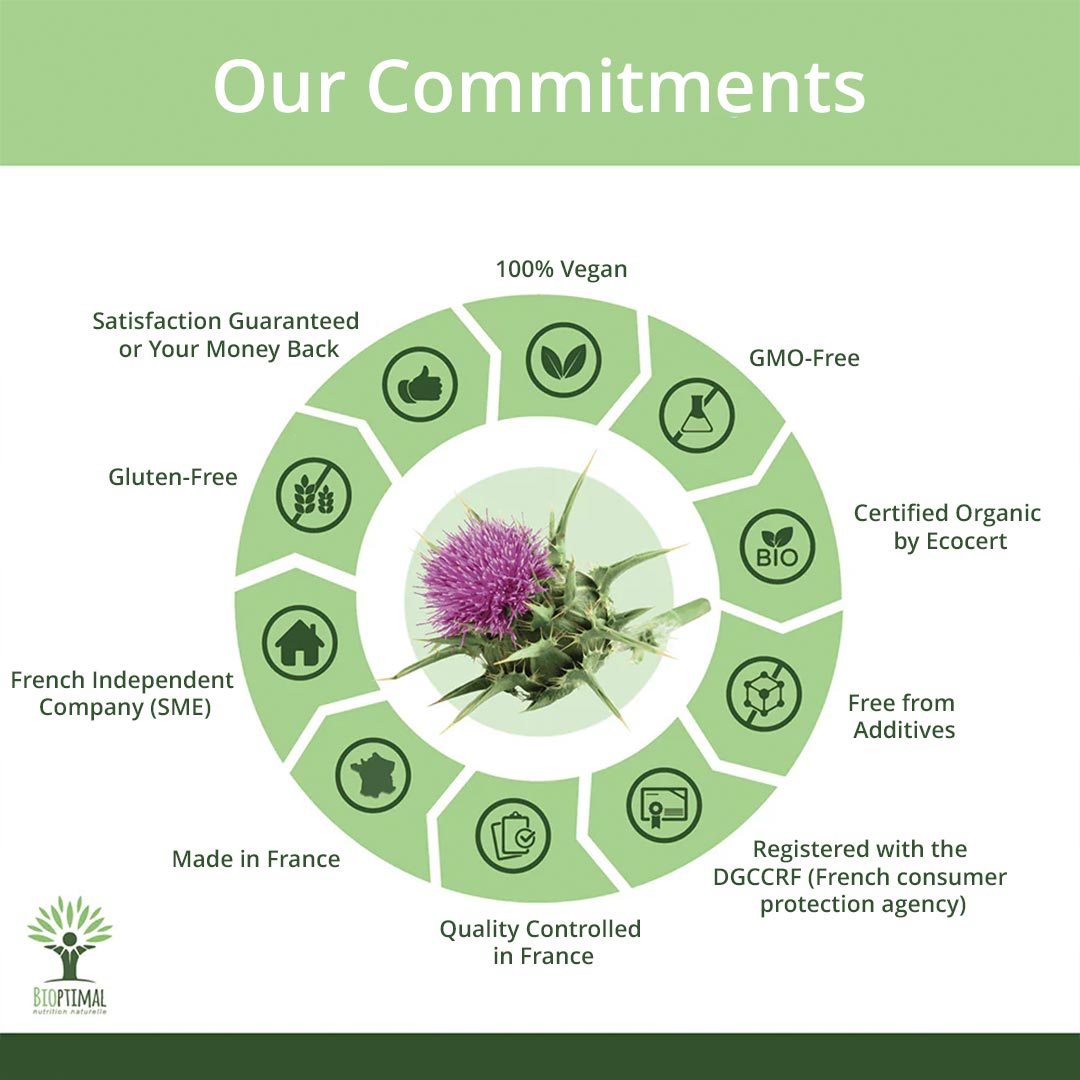
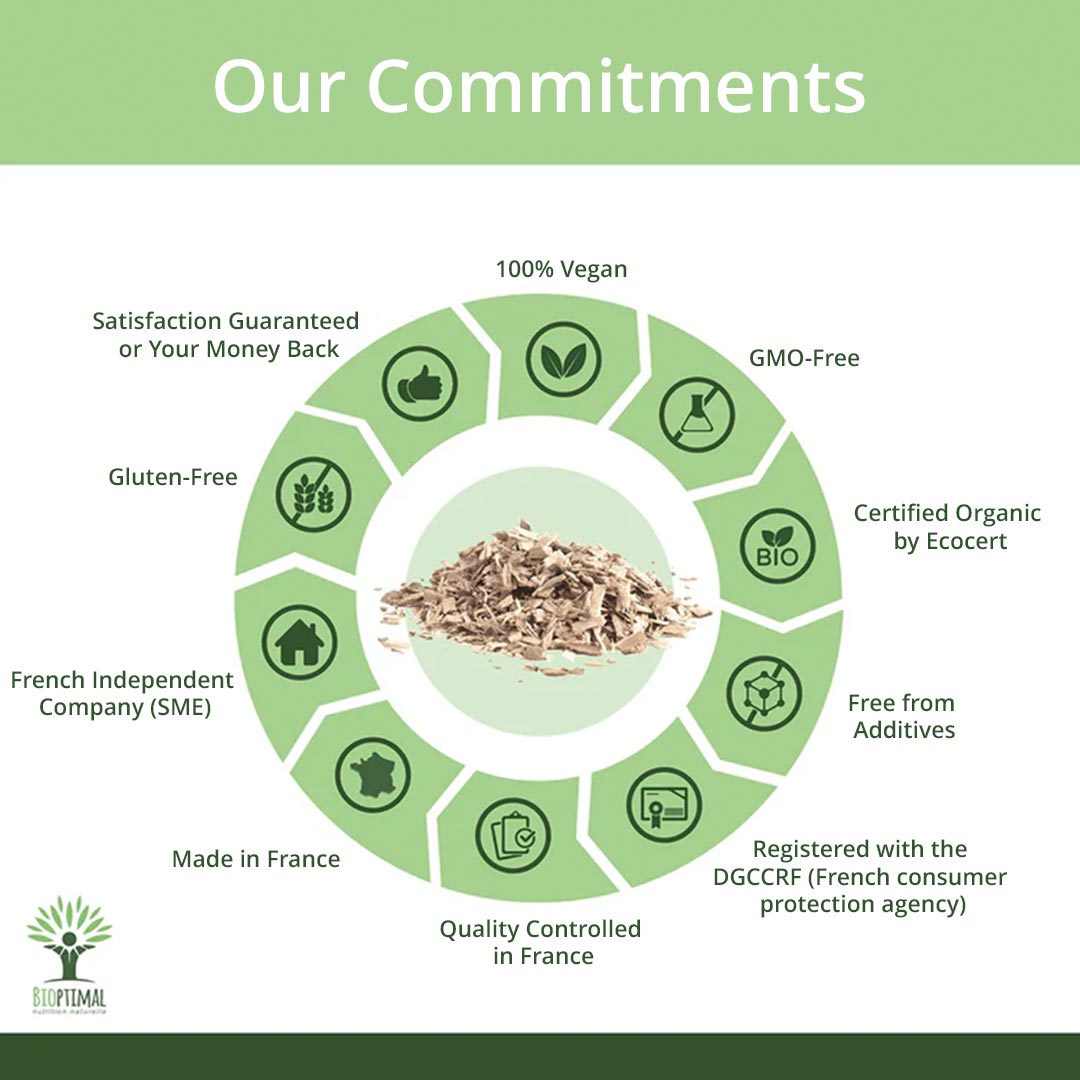
Organic Farming

Certified Organic

Vegan icon - Elliotti

Vegan

Gluten free icon - Elliotti

Gluten-free

Green Anise Infusion (Pimpinella anisum)

Green Anise infusion is a wonderfully aromatic herbal tea traditionally used to support digestion, ease intestinal discomfort, and gently soothe the throat. Its naturally sweet, liquorice-like flavour makes it both pleasant and functional.

This simple fruit has been valued for centuries in European and Middle Eastern herbal traditions for digestive balance and respiratory comfort.

Digestive Comfort

Green Anise is especially known for its carminative properties - meaning it helps reduce gas formation and relieve bloating. It supports the normal function of the intestinal tract and stimulates the natural production of digestive juices.

It is particularly helpful for:

  • Bloating and intestinal spasms

  • Sluggish digestion

  • Gas and abdominal discomfort

  • Digestive heaviness after meals

Its gentle antispasmodic action helps calm intestinal tension, making it a comforting infusion after heavier meals.

Green Anise is also traditionally used to support breast milk production in nursing mothers, as it has mild galactagogue properties.


Respiratory & Throat Support

When enjoyed as a warm infusion, Green Anise has a soothing and pleasant effect on the throat, mouth, and vocal cords.

It is traditionally used:

  • During seasonal changes

  • In colder months

  • For scratchy or irritated throat sensations

  • To support clear breathing

Its aromatic volatile compounds contribute to this gentle soothing effect.

Usage tips

🌿Standard Daily Use (Gentle Infusion)

Use 1 teaspoon (approx. 3 g) of green anise fruit per day.

Pour 150–250 ml freshly boiled water over the fruit in a glass or porcelain container.
Cover and allow to infuse for 5–10 minutes.
Strain before drinking.

This preparation is suitable for daily digestive comfort and gentle throat support.

Naturally sweet, warm, and slightly liquorice-like. No need for added sweetener.

🌿Medicinal-Strength Infusion (Long Extraction)

- Use the same amount: 1 teaspoon (approx. 3 g) per 150–250 ml water.
- Pour freshly boiled water over the herbs, cover, and allow to infuse for:
- Minimum 30 minutes, 4–6 hours, or
Overnight for a deeper, more complete extraction.
- Strain before drinking.

The longer infusion time allows for a stronger and more therapeutic preparation without increasing the herb quantity.

🌿800 ml Teapot Preparation

For an 800 ml teapot:

- Use 3–4 teaspoons (approx. 9–12 g) of green anise fruit.
- For daily use: infuse 5–10 minutes.
- For medicinal strength: infuse minimum 30 minutes, 4–6 hours, or overnight.
- Keep the pot covered during infusion and strain before serving.

🌿Use for Children

Green Anise is traditionally used for children for digestive discomfort such as gas or mild stomach cramps.

For children:
- Use ½ teaspoon per 150–200 ml water
- Infuse 5–7 minutes
- Offer small amounts during the day

For children, medicinal-style long infusions are usually not necessary; a mild preparation is typically sufficient.

Certification

- Certified Organic Product
- Certified Organic Agriculture (AB certified)
- Origin of raw materials: France, Egypte
- Country of manufacture: France, Egypte

Composition

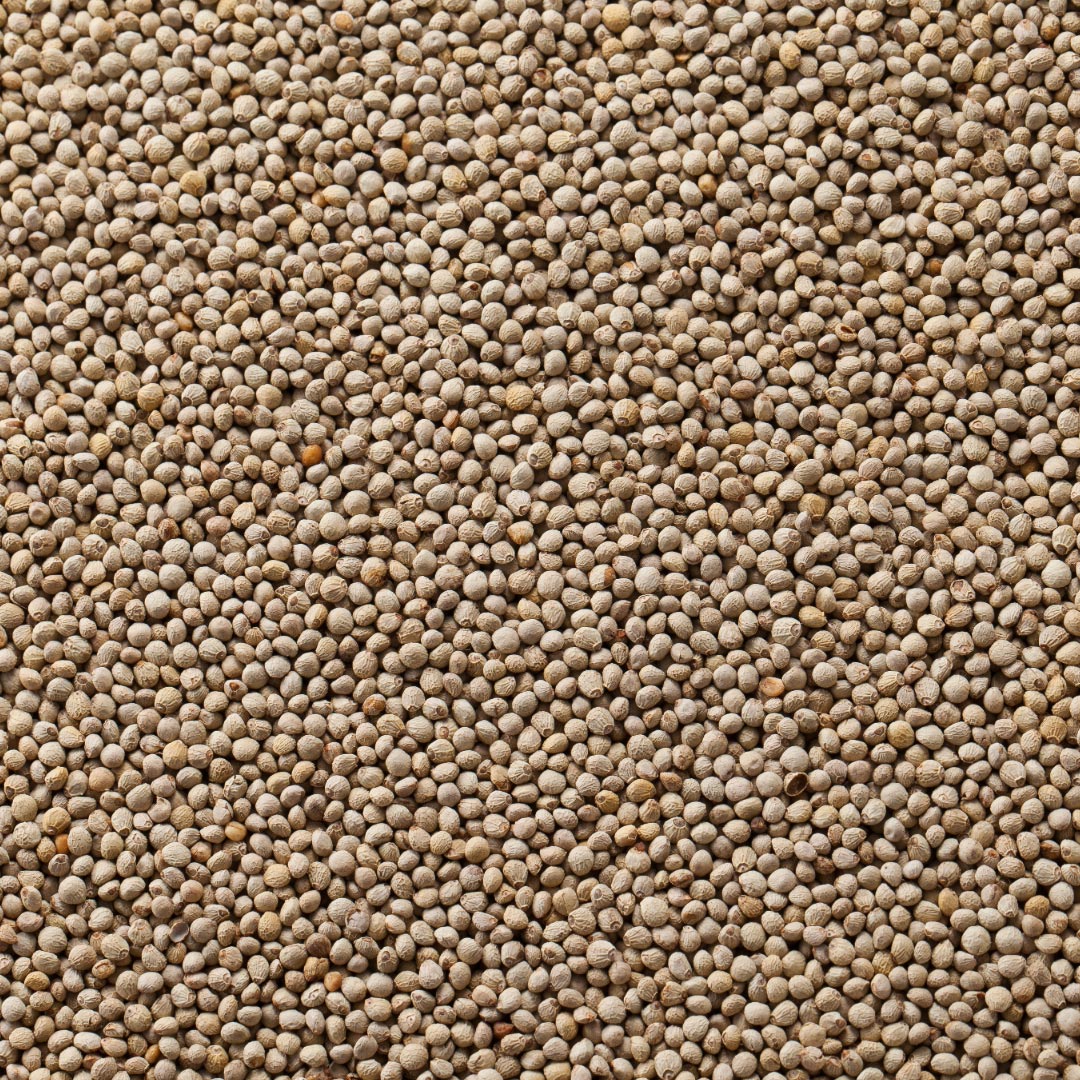
Green Anise - Pimpinella anisum L. fruit
Family: Apiaceae

It is native to the Eastern Mediterranean and Western Asia, but it has been cultivated for thousands of years.

A little history

Green Anise (Pimpinella anisum L.) has been valued for thousands of years as both a culinary and medicinal plant. Native to the Eastern Mediterranean and Western Asia, it was already cultivated in Ancient Egypt more than 4,000 years ago. Archaeological findings show that anise fruits were placed in tombs, reflecting their importance. The Egyptians used anise to support digestion, ease colic, and relieve respiratory discomfort, and it was also added to bread for both flavour and health benefits.

In Ancient Greece, physicians such as Hippocrates recommended anise for coughs and digestive weakness. The Romans widely used it after heavy meals to prevent bloating and improve digestive comfort. Spiced cakes containing anise were traditionally served at the end of feasts, an early example of using herbs to support digestion after eating. Pliny the Elder described anise as warming and beneficial for both digestion and breath.

During the Middle Ages, anise was cultivated in monastery gardens across Europe and became an important medicinal herb. It was traditionally used to ease intestinal spasms, reduce gas, soothe the throat, and freshen the breath. In England, anise became so highly valued that it was taxed in the 14th century to help fund repairs to London Bridge.

Across Europe and the Middle East, green anise was also traditionally used to support nursing mothers and to ease digestive discomfort in children. Its naturally sweet, liquorice-like flavour made it especially suitable for family use. In traditional herbal energetics, anise is considered warming, carminative, and gently antispasmodic, making it particularly helpful in cases of cold, sluggish digestion with bloating and gas.

Today, green anise continues to be appreciated for the same digestive and soothing properties that made it a respected herb in ancient herbal traditions.

Packaging & storage

Store in a cool, dry place away from direct sunlight.
Aromatic seeds retain their potency best when kept in an airtight container.

Volume

100g

Botanical Supplements, Chosen with Care

At Elliotti, we believe a good supplement should be easy to understand. What is in it, how much should you take, where does it come from, and why has this particular formula been chosen?

Our Bioptimal range brings together food supplements made in France, with a focus on carefully selected ingredients and straightforward formulations. Some feature a single botanical, while others combine plants or nutrients in formulas designed for a particular type of daily routine.

We look beyond the front of the pack. Ingredients, daily amounts, quality, certification, recommended use and precautions all matter when we decide what belongs at Elliotti.

Explore the product information above to understand exactly what is in this formula and how to use it.

Hi, I’m Susann!
I’m a holistic aromatherapist and naturopath, and I know that choosing between different botanicals and supplements is not always straightforward.

If you have questions about a product, its ingredients, how to use it or the differences between our botanical preparations, you’re always welcome to ask me. Personal guidance is part of the service at Elliotti, at no extra cost.

Send me an e-mail at susann@elliotti.com