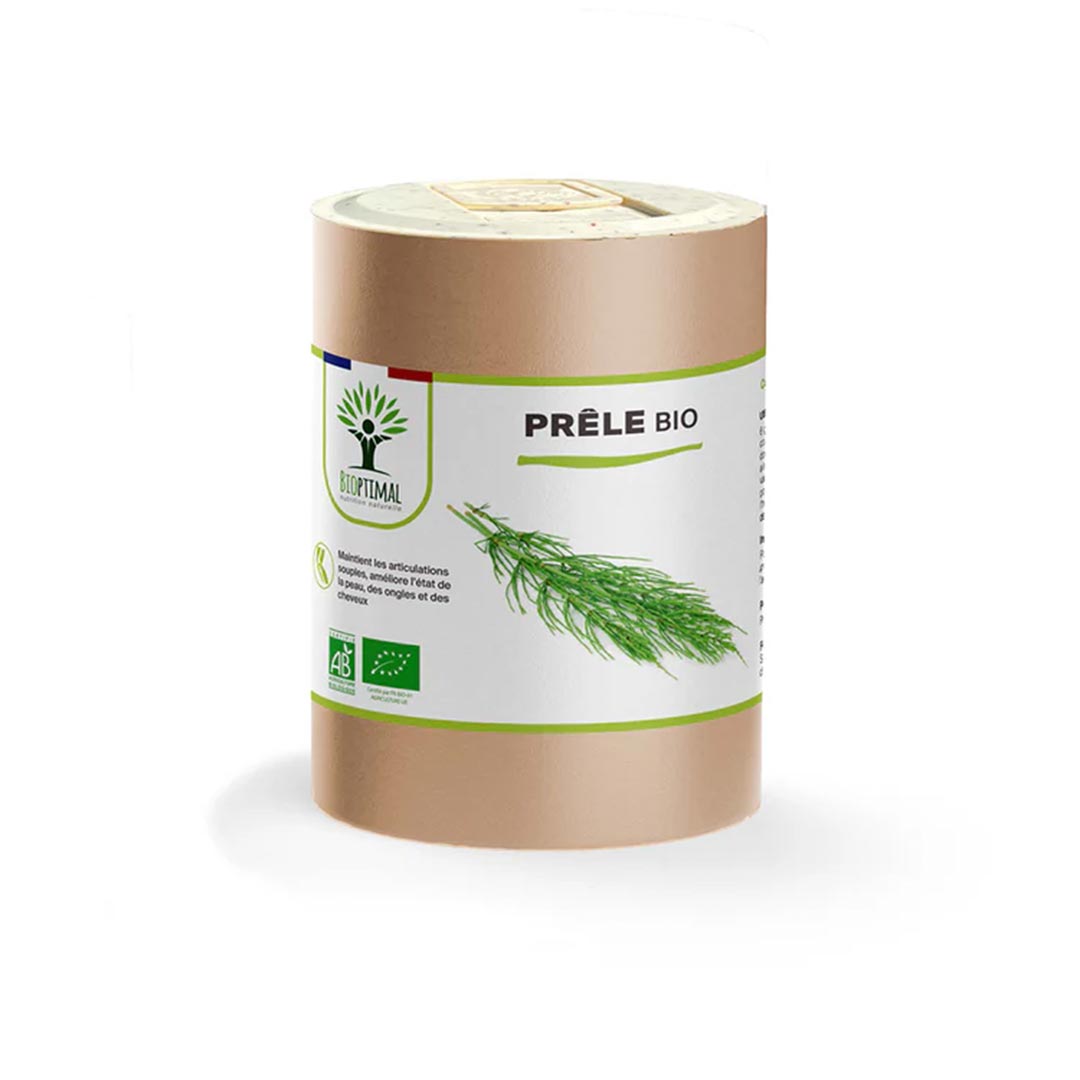
Organic Fenugreek 200 Capsules

Regular price € 22,90

BUY 3 GET 1 FOR FREE! (Add 4 to your cart)

Free Shipping
in Spain & Portugal
EU Shipping €6.90
Free from €59
Secure Payment
Safe & secure checkout

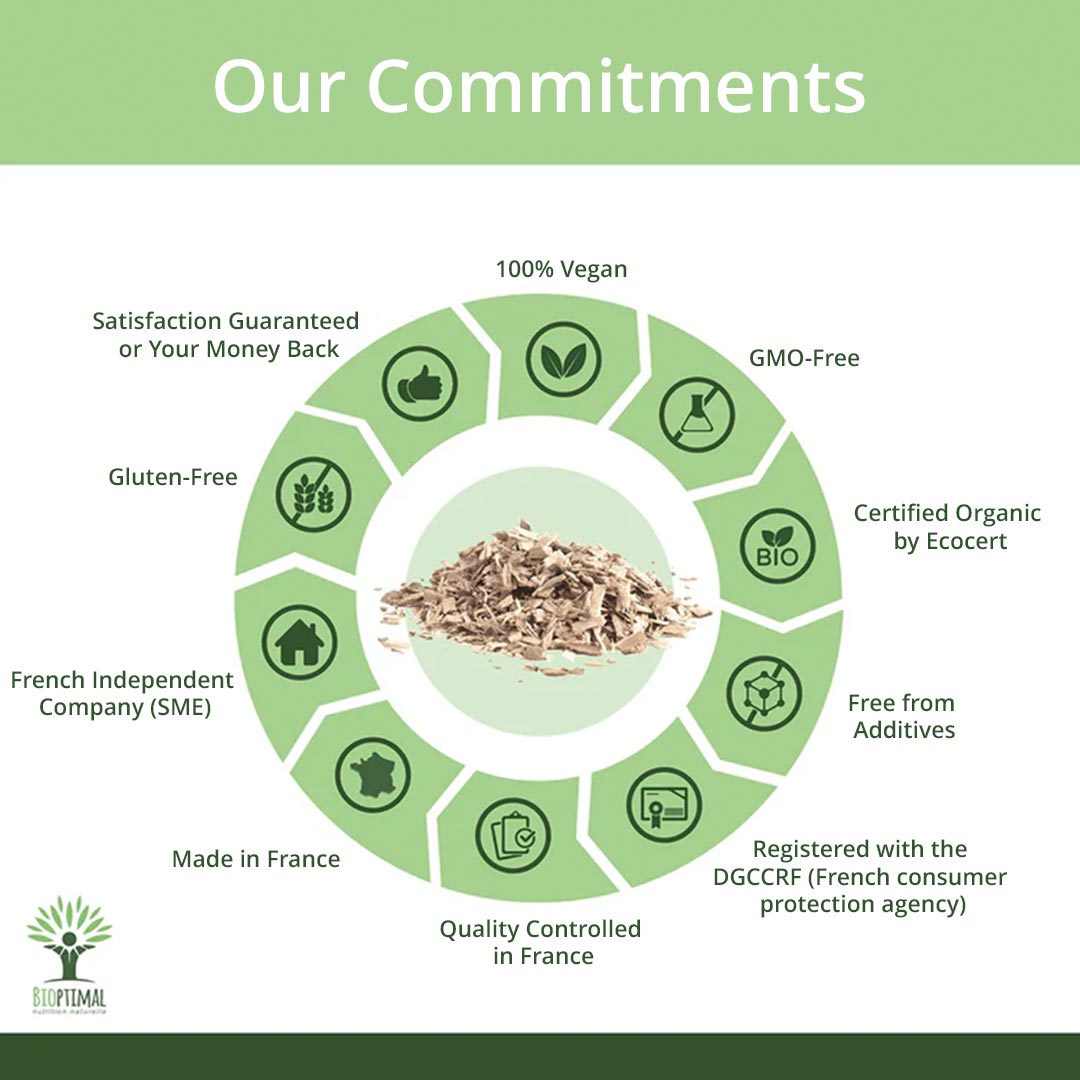
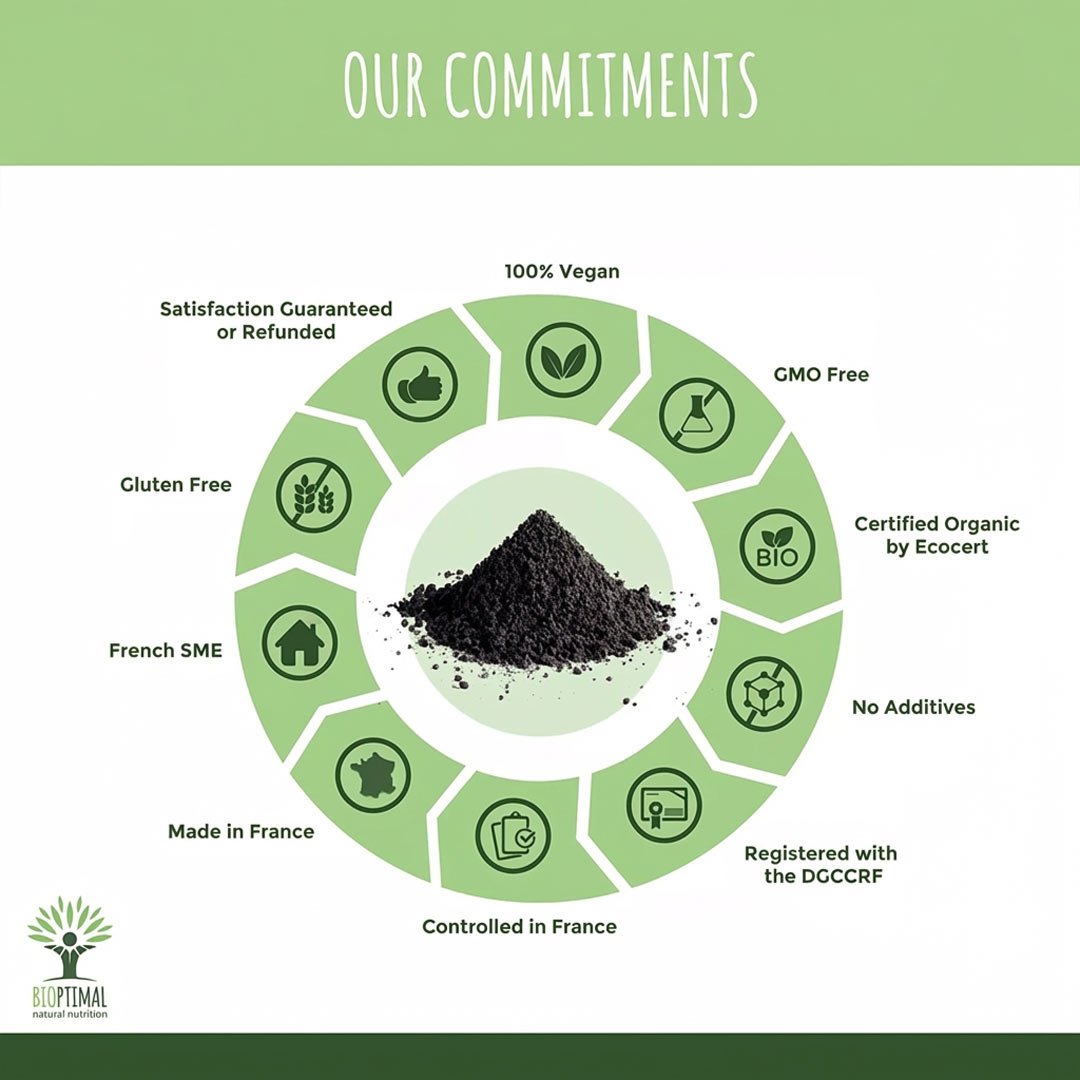
Organic Farming

Certified Organic

Vegan icon - Elliotti

Vegan

Gluten free icon - Elliotti

Gluten-free

Organic Fenugreek for Appetite, Digestion & Metabolic Balance

If you often feel hungry again soon after eating, want better control over appetite and portion sizes, or are paying more attention to carbohydrates and weight management, Fenugreek is an interesting plant to know.

Fenugreek (Trigonella foenum-graecum) is a traditional food and herbal plant with a particularly close connection to meals, appetite and digestion. The seeds naturally contain fibres that absorb water and expand in the digestive tract. In simple terms, this means they add volume and help explain why fenugreek is so closely associated with feeling satisfied after eating and managing appetite.

Fenugreek is also interesting when carbohydrate and glucose metabolism are part of your focus. The seeds contain naturally occurring plant compounds that have made fenugreek an extensively studied botanical in this area. This is one reason it is often chosen by people who are looking more closely at what they eat, portion size and how their body handles carbohydrate-rich meals.

And there is a digestive side too. Fenugreek has traditionally been taken with food and can be particularly relevant when meals leave you feeling heavy or when digestion feels slow.

Each daily serving provides 930 mg of organic fenugreek seed powder, grown in France and made into capsules in France. There is no complicated blend of different plants. Just organic fenugreek seed in a simple plant-based capsule, making it easy to take every day with your meals.

More information

Botanical name: Trigonella foenum-graecum
Common name: Fenugreek
Plant family: Fabaceae
Plant part used: Seed
Form: Organic seed powder
Raw material origin: France
Country of manufacture: France

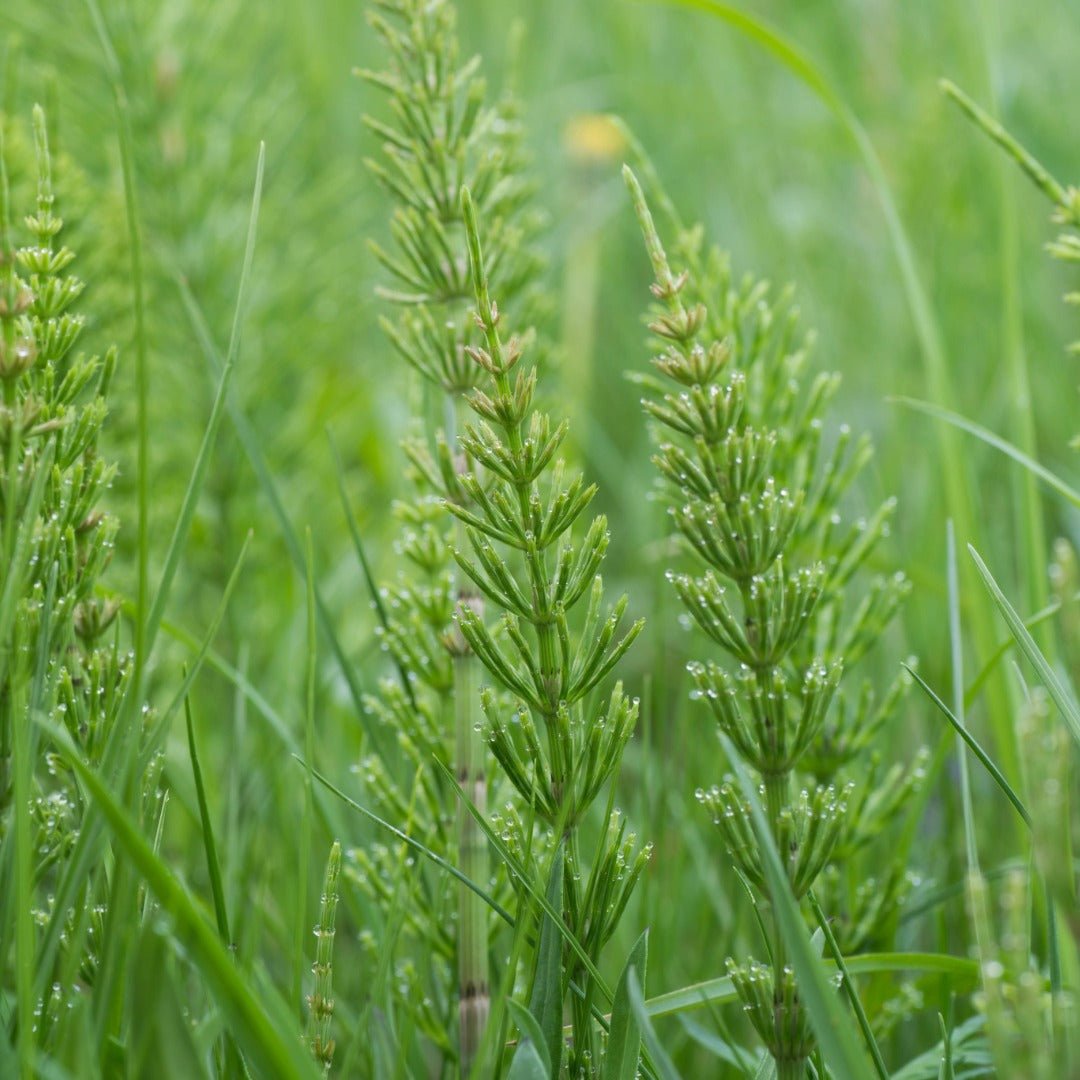
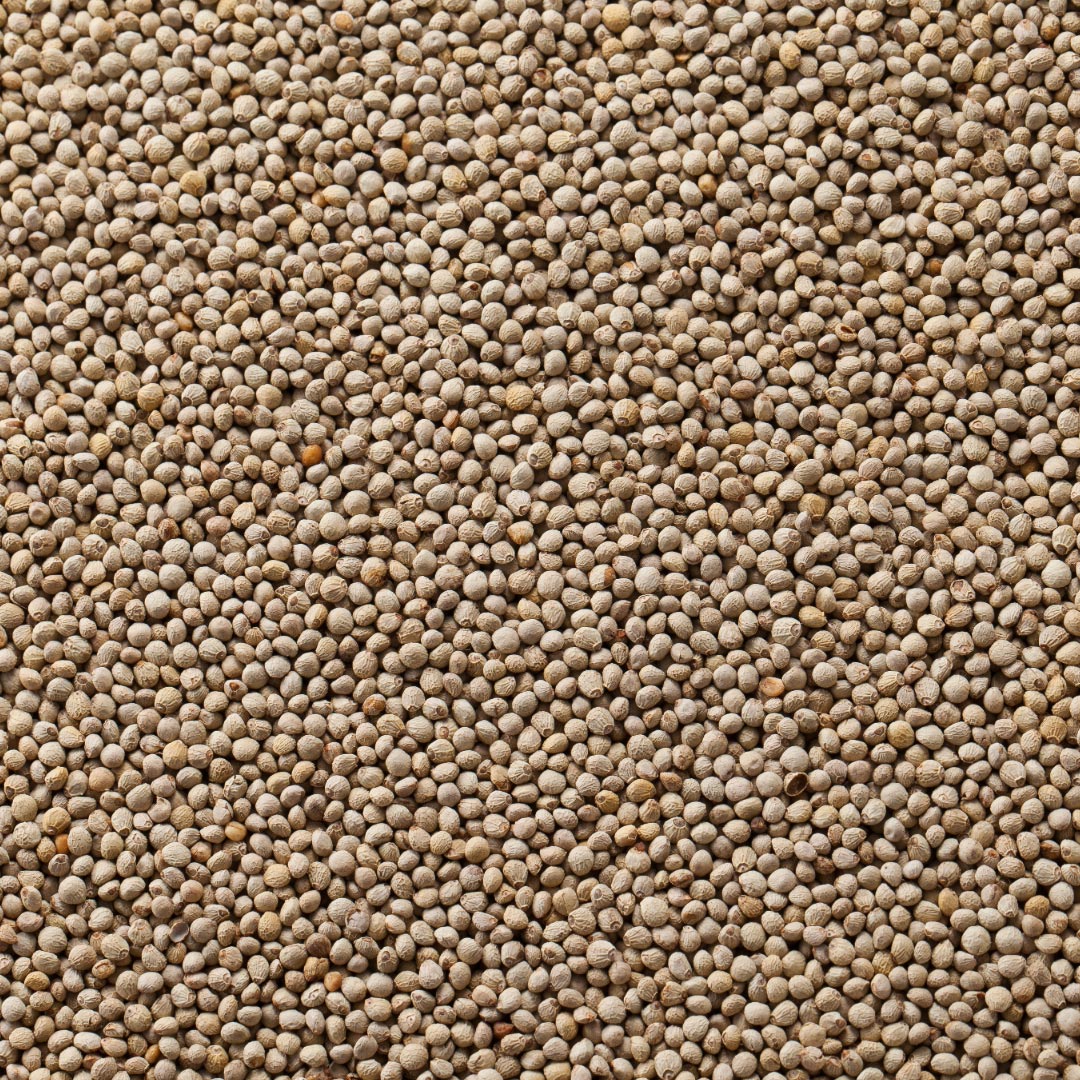
Fenugreek is an annual plant in the legume family. It produces small pods containing the characteristic golden-brown seeds used both as a spice and in herbal preparations.

The seeds have a distinctive bitter, aromatic taste and naturally contain mucilage, fibre and a range of characteristic plant compounds. When the mucilage and soluble fibres come into contact with water, they absorb liquid and swell. This unusual characteristic is one of the reasons fenugreek seed has traditionally been closely associated with food, appetite and digestion.

Traditional Use of Fenugreek

Fenugreek has a surprisingly broad place in traditional herbal practice.

Appetite and nourishment
Fenugreek seed has traditionally been used when appetite is poor and additional nutritional support is desired. This is quite different from the way many people encounter fenugreek today in discussions around appetite and metabolic health. Traditionally, it was also regarded as a nourishing and strengthening plant, particularly during periods of weakness, convalescence or low food intake.

Digestion
The seeds have traditionally been taken with food and used in preparations for digestion, particularly when digestion feels slow or meals feel heavy. Their bitter taste and their ability to absorb water and develop a soft, mucilaginous consistency give fenugreek a very different character from purely aromatic digestive plants.

Glucose and lipid metabolism
Fenugreek also has a long-standing traditional association with glucose and lipid metabolism, an area that has subsequently attracted considerable scientific interest. This traditional context helps explain why fenugreek is so frequently encountered in supplements intended for people paying closer attention to their diet and metabolic health.

Breastfeeding and postpartum traditions
Fenugreek has also been traditionally used by women after childbirth, particularly in connection with breast milk production. This is one of the plant's best-known traditional applications.

Usage tips

Take 3 capsules daily with a large glass of water during meals. Do not exceed the recommended daily dose. This food supplement should not replace a varied and balanced diet and a healthy lifestyle. Keep out of reach of children. Store away from heat and moisture. Not recommended for pregnant women.

Certification

- Certified Organic Product
- Certified Organic Agriculture (AB certified)
- Origin of raw materials: France
- Country of manufacture: France

Composition

Organic Fenugreek Powder*: Seed – Trigonella foenum-graecum., Capsule of plant origin (hpmc). *From organic farming

Organic Fenugreek*....930 mg
Origin of raw materials: France
Country of manufacture: France

A little history

Fenugreek (Trigonella foenum-graecum) has travelled through kitchens, herbal traditions and cultures for thousands of years. Its story stretches from the ancient Mediterranean and Middle East to India, where the small golden seeds became valued both as a food and as a traditional herbal ingredient.

The ancient Egyptians knew fenugreek, and archaeological finds show that the seeds were present in Egypt thousands of years ago. The plant was also known in the classical Greek and Roman worlds. In fact, the name foenum-graecum comes from the Latin for “Greek hay”, reflecting its historical use as a fodder plant as well as its importance to people.

In India, fenugreek became deeply rooted in everyday food culture. Known as methi, both the leaves and seeds are still used in cooking today, with the seeds contributing their characteristic warm, slightly bitter flavour to spice mixtures, curries and other dishes.

What makes fenugreek particularly fascinating is that it was never simply a medicinal herb tucked away in an apothecary. It has spent centuries at the meeting point between food and herbal tradition, used as a spice, eaten as part of the diet and prepared by herbalists for different stages and needs in life.

That long relationship with food is still part of fenugreek's identity today. The same distinctive seeds that have been cooked, ground and prepared for generations are the part of the plant used in our Organic Fenugreek Capsules.

Precautions for use

Not recommended for pregnant women.

Packaging & storage

Keep away from heat and humidity.

Keep out of reach of children

FAQ

🌿 What is Fenugreek particularly interesting for?
Fenugreek is particularly interesting when your focus is appetite, eating patterns, digestion and carbohydrate metabolism. The seeds have a long relationship with food and have traditionally been used both when appetite is low and as part of preparations taken around meals.

🌿 Does Fenugreek increase appetite or help with appetite control?
Fenugreek has an interesting relationship with appetite because it has been used in different contexts. Traditionally, it was valued as a nourishing plant when appetite and food intake were low. At the same time, fenugreek seeds contain fibre and mucilage that absorb water and expand, which is one reason the plant is also associated with feeling fuller and more satisfied after meals. So rather than thinking of Fenugreek simply as an “appetite stimulant” or an “appetite suppressant”, it is better understood as a plant with a close relationship to food, appetite and eating patterns.

🌿 Why is Fenugreek taken with meals?
Fenugreek seed naturally contains mucilage and fibre that absorb water and swell. Taking the capsules during meals with a large glass of water therefore fits naturally with the way the seed is used and with its close relationship to food, appetite and digestion.

🌿 How much Fenugreek do I take each day?
Take 3 capsules daily with a large glass of water during meals. This provides 930 mg of organic fenugreek seed powder per day.

🌿 How long does one box last?
Each box contains 200 capsules. At the recommended dose of 3 capsules per day, one box lasts approximately 66 days.

🌿 Can I combine Fenugreek with other supplements?
Yes. The best combination depends on what you want to focus on. For digestion and heavier meals, Fenugreek can be combined with Black Radish, which has a different traditional role centred around digestion and bile-related digestive processes.

For weight management, Fenugreek can be combined with Organic Slim Support. Fenugreek brings the focus to appetite, feeling satisfied after meals and carbohydrate metabolism, while Slim Support combines green tea, guarana, artichoke and Ascophyllum nodosum for a broader weight-management approach.

🌿 Is Fenugreek traditionally used during breastfeeding?
Yes. Fenugreek has a long tradition of use by breastfeeding women, particularly when milk supply is low. The seeds are traditionally used as a galactagogue, a term used for plants and substances taken to encourage breast milk production. Fenugreek remains one of the best-known herbs associated with this traditional use today.

Modern research has also investigated fenugreek for milk production, although the results are mixed and the traditional use is currently stronger than the clinical evidence.

🌿 Can I take Fenugreek during pregnancy?
No. Fenugreek supplements are not recommended during pregnancy. Traditional herbal sources advise against the use of fenugreek in supplemental amounts during pregnancy.

🌿 Is Fenugreek a herb or a food?
It is both. Fenugreek has an unusual place between food, spice and herbal plant. The seeds are used as a spice in cooking, particularly in Indian and Middle Eastern cuisine, while the same seeds have a long history of use in traditional herbal preparations. Our capsules simply provide the organic powdered seed in an easy-to-take form.

Volume

200 capsules

Botanical Supplements, Chosen with Care

At Elliotti, we believe a good supplement should be easy to understand. What is in it, how much should you take, where does it come from, and why has this particular formula been chosen?

Our Bioptimal range brings together food supplements made in France, with a focus on carefully selected ingredients and straightforward formulations. Some feature a single botanical, while others combine plants or nutrients in formulas designed for a particular type of daily routine.

We look beyond the front of the pack. Ingredients, daily amounts, quality, certification, recommended use and precautions all matter when we decide what belongs at Elliotti.

Explore the product information above to understand exactly what is in this formula and how to use it.

Hi, I’m Susann!
I’m a holistic aromatherapist and naturopath, and I know that choosing between different botanicals and supplements is not always straightforward.
If you have questions about a product, its ingredients, how to use it or the differences between our botanical preparations, you’re always welcome to ask me. Personal guidance is part of the service at Elliotti, at no extra cost.

Send me an e-mail at susann@elliotti.com