Organic Nettle, 200 capsules

Regular price € 27,90

BUY 3 GET 1 FOR FREE! (Add 4 to your cart)

Free Shipping
in Spain & Portugal
EU Shipping €6.90
Free from €59
Secure Payment
Safe & secure checkout

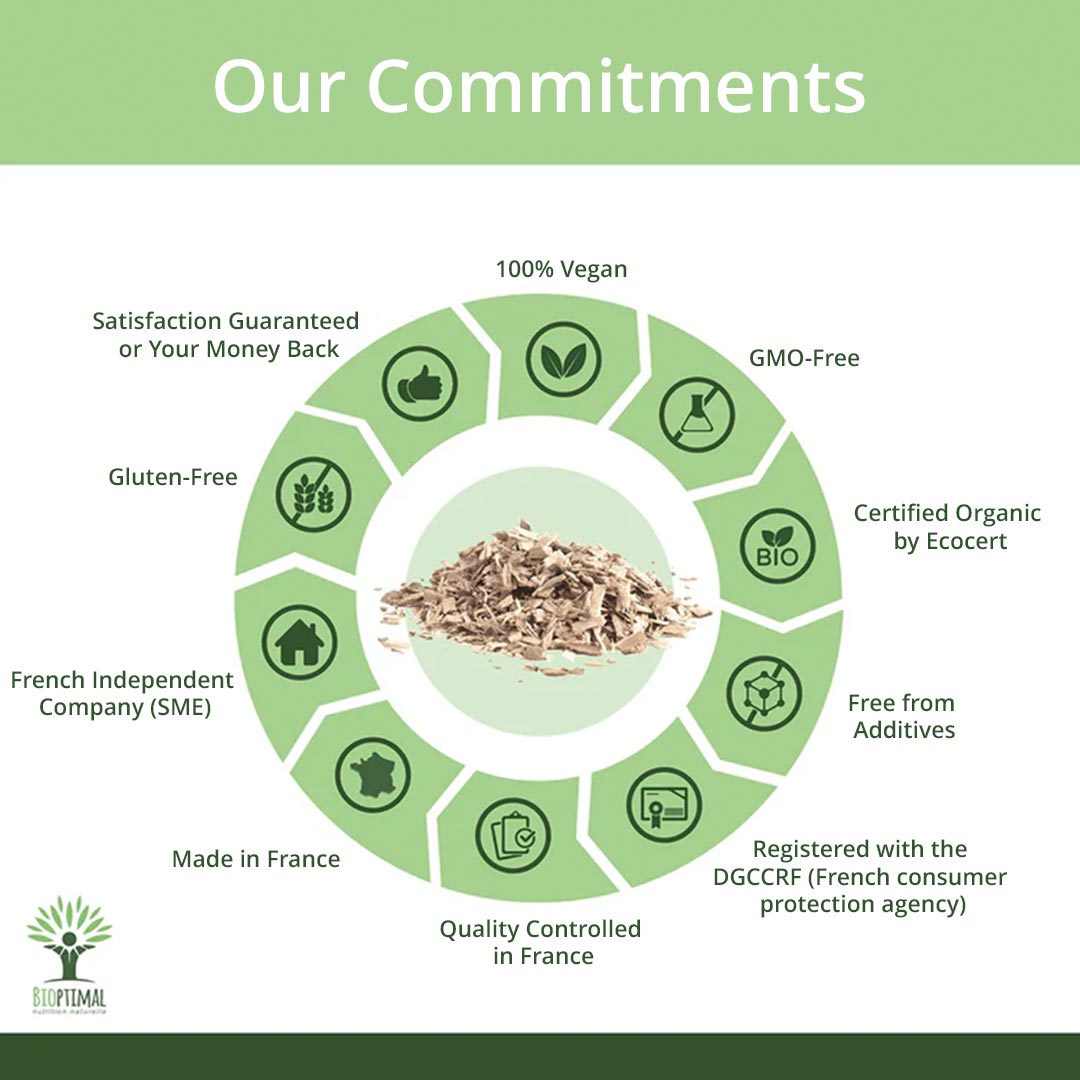
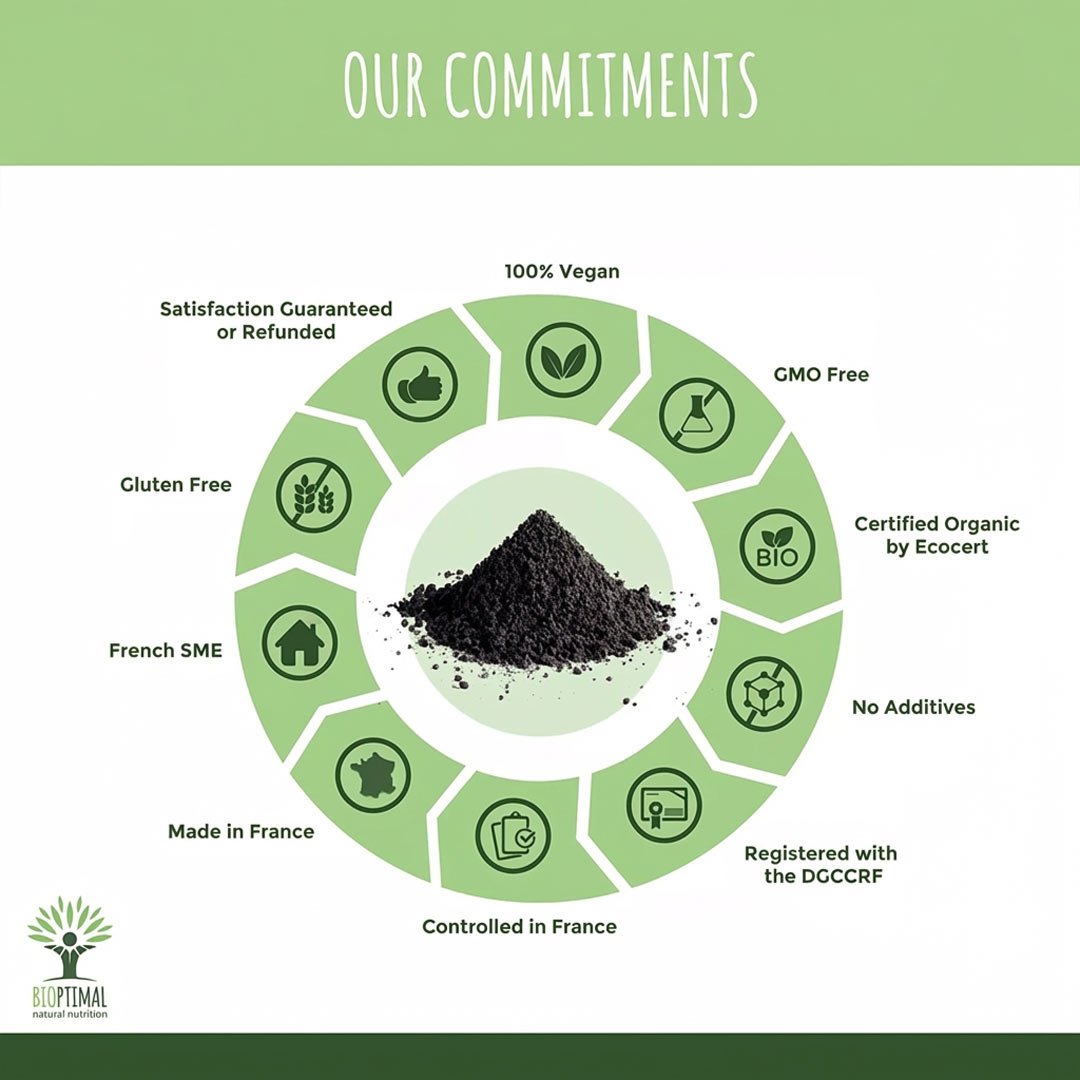
Organic Farming

Certified Organic

Vegan icon - Elliotti

Vegan

Gluten free icon - Elliotti

Gluten-free

More Than a Spring Cleansing Herb

Nettle (Urtica dioica) is one of the plants I think of when someone wants a fresh start, particularly when they feel heavy, retain excess fluid or want to include an elimination-focused herb in their routine.

But there is an important difference between nettle and many plants associated with cleansing: nettle is also a nourishing green plant.

The leaves have been eaten as food as well as prepared as herbal infusions. This gives nettle an interesting double role. It is used in herbal practice for urinary elimination and the removal of excess fluid, while the leaf itself provides the naturally complex composition of a green plant.

So I don't think of nettle simply as a “detox herb”. I think of it when the aim is to clear out without making the entire routine about deprivation. It is a plant associated with both elimination and nourishment.

This is also why nettle makes so much sense as a spring herb. After the heavier months of winter, it has traditionally been one of the green plants people return to as the seasons change.

These capsules contain organic nettle leaf powder, providing 750 mg per recommended daily intake.

More information

Nettle is one of the most underestimated plants in European herbalism. We tend to think of it as the weed that stings us, yet the same plant has been eaten, infused, dried, powdered and used in herbal preparations for centuries.

What makes nettle particularly fascinating is how many different roles the leaf has had.

It is a classic elimination herb. Nettle is strongly associated with urinary elimination and draining routines, which explains its long connection with spring cleansing and periods when excess fluid and heaviness are part of the focus.

It also belongs in the movement cupboard. Nettle has a history of use around joints, muscles and mobility, which may come as a surprise if you only know it as a cleansing plant. This gives it a very different character from a purely diuretic herb and makes it interesting alongside botanicals such as Devil's Claw in a broader movement routine.

Then there is the beauty connection. Nettle has long been associated with hair and scalp care and appears in traditional preparations for oily scalps and dandruff. It is also commonly connected with hair, skin and nails in European herbal practice. This is not a modern invention created for beauty supplements. Nettle's relationship with hair care has a much older botanical history.

And unlike many herbs found in a supplement bottle, nettle is also food. Young leaves can be cooked and eaten as a leafy green and have traditionally been used in soups and other dishes. The leaf naturally contains chlorophyll together with minerals and numerous other plant constituents.

That is perhaps the best way to understand nettle. It isn't just a “detox plant”. It is a green food, an elimination herb, a movement herb and a traditional beauty plant, all in the same leaf.

Usage tips

Take 3 capsules per day with a large glass of water during meals.
Do not exceed the recommended daily dose.
This food supplement is not a substitute for a varied, balanced diet and a healthy lifestyle.

Certification

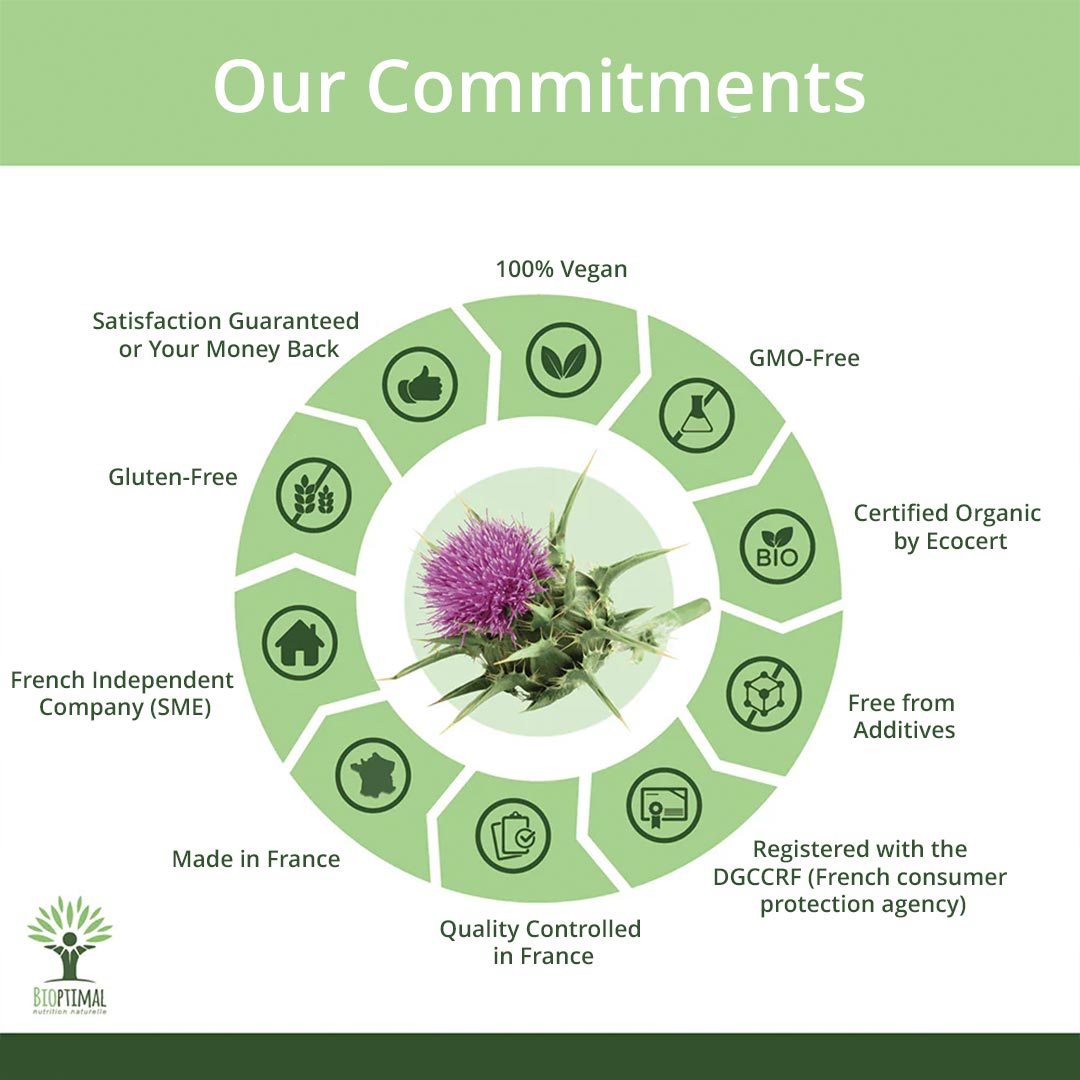
- Certified Organic Product
- Certified Organic Agriculture (AB certified)
- Origin of raw materials: France
- Country of manufacture: France

Composition

Organic nettle powder* : leaves – Urtica dioica L. , capsule of plant origin (hpmc). *From organic farming

For 3 capsules: Organic nettle .... 750 mg

A little history

Nettle has followed humans for a very long time. Long before it appeared in capsules and herbal shops, Urtica dioica was a familiar plant growing around farms, paths, hedgerows and places where people lived.

And people did not simply try to avoid its sting.

In the kitchen, young nettle leaves were gathered in spring and cooked as a seasonal green. Once cooked, the sting disappears, and nettles could be used in soups and other dishes at a time of year when fresh green food was particularly welcome.

In the household, nettle had another surprisingly important role. Its strong stem fibres were used to make cord, cloth and other textiles. Before cotton became widely available in Europe, nettle was one of several local fibre plants that could be turned into useful fabric. During periods of textile shortage, interest in nettle fibre even returned.

The sting itself also gave nettle a rather extraordinary place in folk practice. Fresh nettles were deliberately brushed or struck against the skin, a practice known as urtication. It sounds unpleasant today, but it shows just how seriously earlier herbal traditions regarded this otherwise very ordinary wild plant.

Nettle even left its mark on language. The botanical name Urtica comes from the Latin name for nettle, while the English expression “to grasp the nettle” came to mean facing a difficult situation directly rather than avoiding it.

Perhaps that is what makes nettle's history so fascinating. The plant people instinctively pull their hands away from was also harvested for food, made into fibre and kept close at hand as a useful herb.

Precautions for use

Due to its mild diuretic effect, nettle should be used with caution by people taking diuretics or suffering from kidney problems. Always follow the recommended dosage.

Packaging & storage

Keep out of reach of young children.
Store away from heat and moisture.
Store in a dry place.

FAQ

🌿 How much Nettle do I take each day?
Take 3 capsules daily with a large glass of water during meals. This provides 750 mg of organic nettle leaf powder per day.

🌿 How long does one box last?
The box contains 200 capsules. At the recommended intake of 3 capsules per day, one box lasts approximately 66 days.

🌿 Is the sting still present when nettle is dried and powdered?
No. The famous sting comes from tiny specialised hairs on fresh nettle leaves and stems. Drying and processing the plant removes this characteristic stinging effect, so nettle leaf powder does not behave like a fresh nettle picked outdoors.

🌿 What is the difference between Nettle Leaf and Nettle Root?
They come from the same plant, but they are used for quite different purposes in herbal practice. Nettle leaf is the green part of the plant associated with urinary elimination, fluid balance, seasonal cleansing and its use as a nutritious edible herb. Nettle root, on the other hand, has a particular history of use in men's herbal formulas, especially those focused on the prostate and urinary function in ageing men.

These capsules contain nettle leaf, not nettle root, so they belong to the first of these traditions.

🌿 Is Nettle only a cleansing herb?
Not at all. This is actually one of the most interesting things about nettle. While the leaf is well known in herbal practice for urinary elimination and draining routines, nettle also has a completely different side: it has been eaten as a green food and used in naturopathic traditions concerned with nourishment and remineralisation. Nettle powder even appears in traditional nutritional routines alongside foods chosen for their mineral contribution.

This is what makes nettle unusual. It is not simply about helping the body eliminate. It is also a plant associated with replenishing and nourishing the body.

Volume

200 capsules

Botanical Supplements, Chosen with Care

At Elliotti, we believe a good supplement should be easy to understand. What is in it, how much should you take, where does it come from, and why has this particular formula been chosen?

Our Bioptimal range brings together food supplements made in France, with a focus on carefully selected ingredients and straightforward formulations. Some feature a single botanical, while others combine plants or nutrients in formulas designed for a particular type of daily routine.

We look beyond the front of the pack. Ingredients, daily amounts, quality, certification, recommended use and precautions all matter when we decide what belongs at Elliotti.

Explore the product information above to understand exactly what is in this formula and how to use it.

Hi, I’m Susann!
I’m a holistic aromatherapist and naturopath, and I know that choosing between different botanicals and supplements is not always straightforward.
If you have questions about a product, its ingredients, how to use it or the differences between our botanical preparations, you’re always welcome to ask me. Personal guidance is part of the service at Elliotti, at no extra cost.

Send me an e-mail at susann@elliotti.com