
What is PCOS?
Understanding Polycystic Ovary Syndrome, now also called Polyendocrine Metabolic Ovarian Syndrome (PMOS)
Polycystic ovary syndrome (PCOS) is a complex condition involving reproductive, hormonal and metabolic health. Despite its name, having ovarian cysts is not necessary for a diagnosis, and not everyone with PCOS has the same combination of symptoms.
PCOS can be associated with irregular or absent menstrual cycles, signs of higher androgen activity such as increased facial or body hair and acne, difficulties with ovulation and fertility, and metabolic changes.
The condition can look very different from one woman to another, which is one reason diagnosis is not always straightforward.
How is PCOS diagnosed?
There is no single test that determines whether someone has PCOS. Diagnosis is based on a combination of clinical history, symptoms and appropriate medical assessment.
In adults, current international guidelines generally look for at least two of three features:
Irregular ovulation or menstrual cycles
Periods may be irregular, infrequent or absent.
Signs of increased androgen activity
These may be clinical, such as increased facial or body hair, or identified through appropriate blood tests.
Polycystic ovarian morphology
This may be assessed by ultrasound or, in adults, through appropriately interpreted anti-Müllerian hormone (AMH) levels.
Other possible causes of these features should be excluded before a diagnosis is made.

Understanding PCOS After Hormonal Contraceptives
Hormonal contraceptives can influence menstrual cycles, ovulation and hormone measurements, which can make some features associated with PCOS less apparent while they are being used.
For some women, irregular cycles, acne or other signs associated with PCOS may become more noticeable after stopping hormonal contraception. This does not necessarily mean that contraception caused PCOS. Instead, stopping hormonal contraception may reveal a pattern that was previously less visible.
If PCOS is suspected, a healthcare professional can assess menstrual history, signs of increased androgen activity and other relevant factors. The timing of certain hormone tests may also need to be considered in relation to hormonal contraceptive use.
Looking at the Wider Picture
PCOS is a complex condition involving reproductive, hormonal and metabolic health, and there is no single underlying cause that applies to every woman.
A comprehensive approach therefore looks beyond individual symptoms. Nutrition, regular movement, sleep, stress, emotional wellbeing and metabolic health can all form part of the wider picture, alongside appropriate medical assessment and care.
Every woman experiences PCOS differently. Paying attention to menstrual patterns and changes such as irregular cycles, acne, increased facial or body hair, energy levels and other recurring signs can provide useful information about your individual pattern and help guide conversations with your healthcare professional.

PCOS Is About More Than the Ovaries
Despite its name, PCOS is not simply a condition of the ovaries. It involves a complex interaction between reproductive hormones, androgen activity and metabolic health, and it can present very differently from one woman to another.
Not everyone with PCOS has polycystic-looking ovaries, and having polycystic ovaries alone does not necessarily mean that you have PCOS. The ovarian changes are just one possible feature of a much broader condition.
For some women, irregular or absent periods and difficulties with ovulation are the most noticeable signs. Others may experience acne, increased facial or body hair, changes in weight or other metabolic features. Many women experience a combination of these.
Understanding this broader picture helps explain why PCOS cannot be reduced to simply having “cysts” on the ovaries.
Hormones, Androgens and Metabolic Health
Hormones and metabolic health are closely connected in PCOS. One of the characteristic features for many women is increased androgen activity. Androgens are hormones naturally produced in the female body, but higher levels or increased activity can contribute to signs such as acne, increased facial or body hair and difficulties with regular ovulation.
Insulin can also play an important role. Insulin is the hormone that helps the body regulate blood glucose. Many women with PCOS have some degree of insulin resistance, which means the body's cells do not respond to insulin as effectively as they should. The body may then produce more insulin to compensate.
Higher insulin levels can interact with the ovaries and contribute to increased androgen production, creating a connection between metabolic health, reproductive hormones and menstrual function.
However, PCOS does not look the same in every woman. Not everyone with PCOS has insulin resistance, and differences in hormones, metabolism, genetics and individual physiology all contribute to the different ways the condition can present.
A Holistic Perspective on PCOS
PCOS affects more than the menstrual cycle, which is why looking at the whole picture can be valuable. Nutrition, movement, sleep, stress, emotional wellbeing and metabolic health are all interconnected aspects of everyday health.
Lifestyle does not cause PCOS, and there is no single routine that is right for every woman. Instead, the aim is to create sustainable habits that support overall health and respond to your individual needs.
Regular movement can support metabolic health, while nourishing food and consistent eating patterns form part of a balanced approach. Sleep and stress also deserve attention, particularly because living with irregular cycles, changes in appearance, fertility concerns or other PCOS-related challenges can affect emotional wellbeing as well as physical health.
A holistic approach is therefore not about finding one solution. It is about understanding your own body, recognising patterns and bringing together appropriate healthcare with everyday practices that support your wellbeing over time.

Everyday habits can play an important role in supporting long-term health with PCOS. The most useful approach is one that can be adapted to your individual needs rather than following a rigid set of rules.
Nutrition
A varied, nourishing diet with regular meals can support metabolic health and stable energy levels. Rather than focusing on restrictive diets, it can be more helpful to build meals around vegetables and other fibre-rich foods, good sources of protein, healthy fats and minimally processed carbohydrates.
Movement
Regular physical activity supports cardiovascular and metabolic health and can help improve the body's response to insulin. Both aerobic activity and strength-based exercise can be valuable, and the best form of movement is one that you enjoy and can maintain consistently.
Sleep
Good-quality sleep is an important part of overall metabolic and emotional wellbeing. If you regularly experience poor sleep, excessive daytime tiredness, loud snoring or wake feeling unrefreshed, it is worth discussing this with a healthcare professional, as sleep problems can be more common among women with PCOS.
Stress and emotional wellbeing
Living with PCOS can itself be stressful. Irregular cycles, fertility concerns, acne, increased hair growth or changes in weight can affect confidence and emotional wellbeing. Creating space for rest, relaxation and activities that help you manage everyday stress can therefore be an important part of caring for yourself.
The goal is not perfection. Small, sustainable changes that suit your life are often more valuable than trying to follow an overly restrictive routine.

Vitex in Women's Herbal Traditions
Vitex agnus-castus, also known as chaste tree or chasteberry, is a Mediterranean shrub with a long history of use in European herbal traditions, particularly in connection with women's reproductive health and the menstrual cycle.
The fruits are the best-known part of the plant in modern herbal practice and have traditionally been used in preparations associated with menstrual wellbeing. Vitex has also attracted considerable scientific interest, particularly in relation to the menstrual cycle and premenstrual symptoms.
Its long-standing place in women's herbal practice makes Vitex an interesting botanical for anyone exploring the traditions surrounding menstrual and reproductive wellbeing.
Today, Vitex can be found in different botanical preparations, including extracts and tinctures. The composition of these preparations can vary depending on the plant material used and the way the botanical is prepared.
Discover Ginevitex® and the Tradition of Vitex
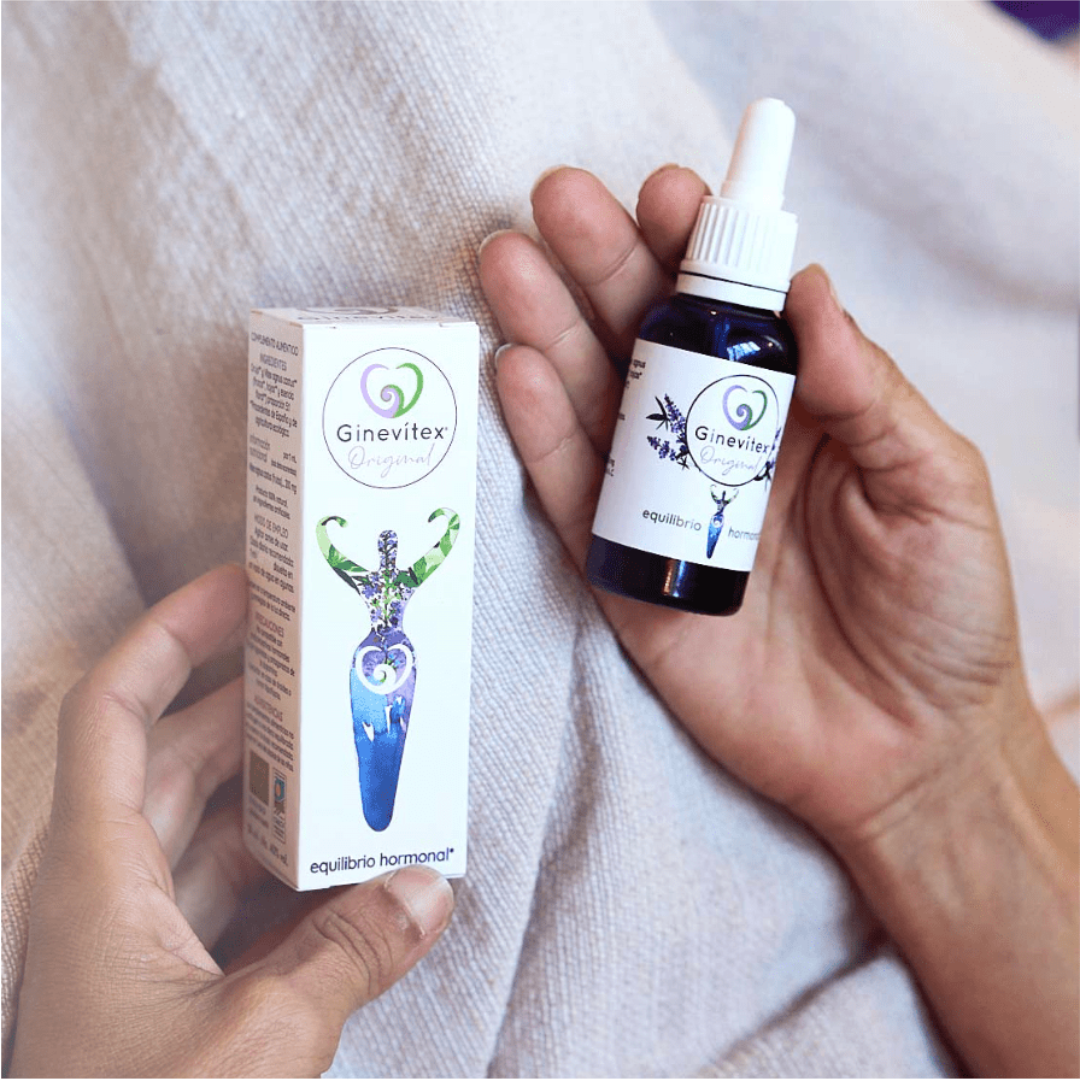
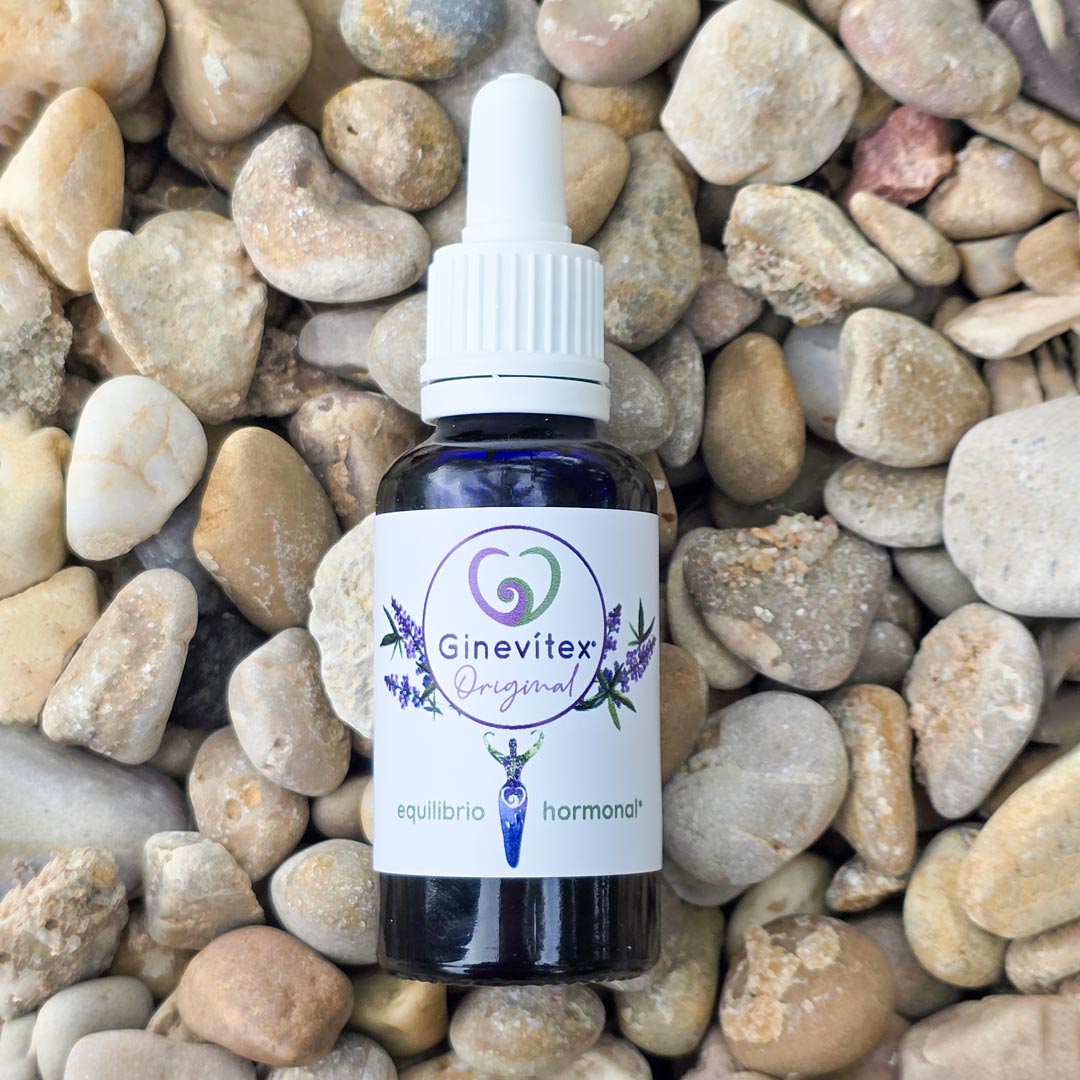
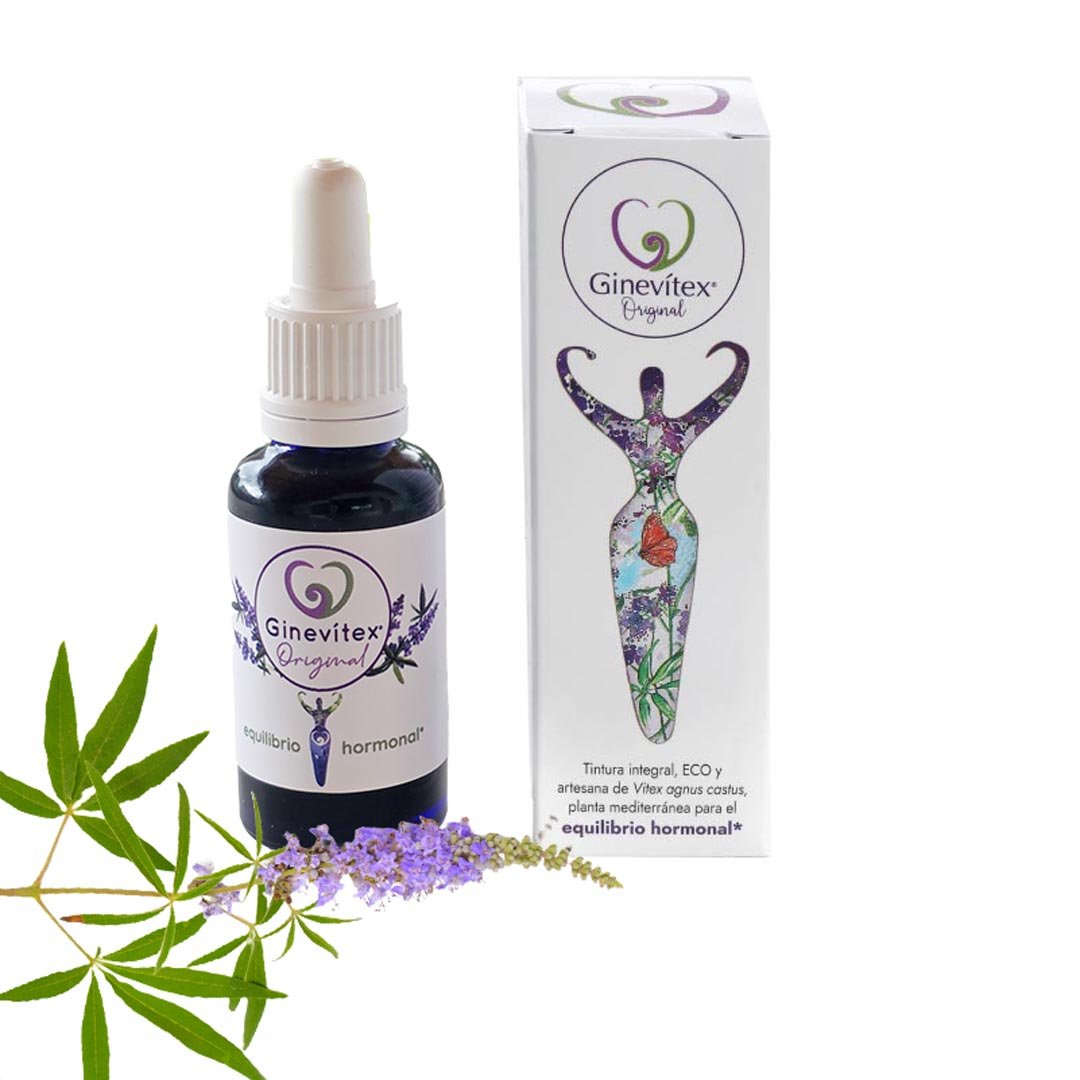
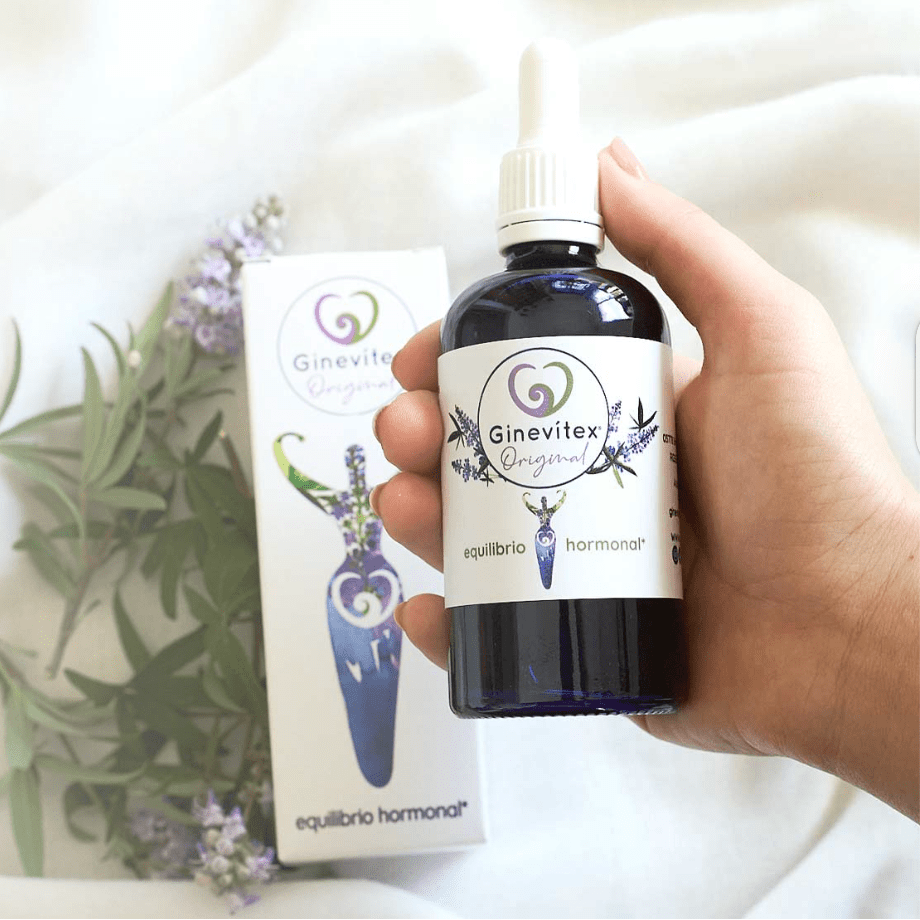
Ginevitex® is a botanical liquid preparation made with Vitex agnus-castus, a Mediterranean plant with a long history in European herbal traditions and a particularly interesting place in women's botanical practice.
Ginevitex® takes a distinctive whole-plant approach to Vitex. Different parts of the plant are gathered at different stages of its natural cycle and brought together in the finished preparation, alongside a floral essence.
This approach distinguishes Ginevitex® from conventional Vitex preparations that are based primarily on the fruit.
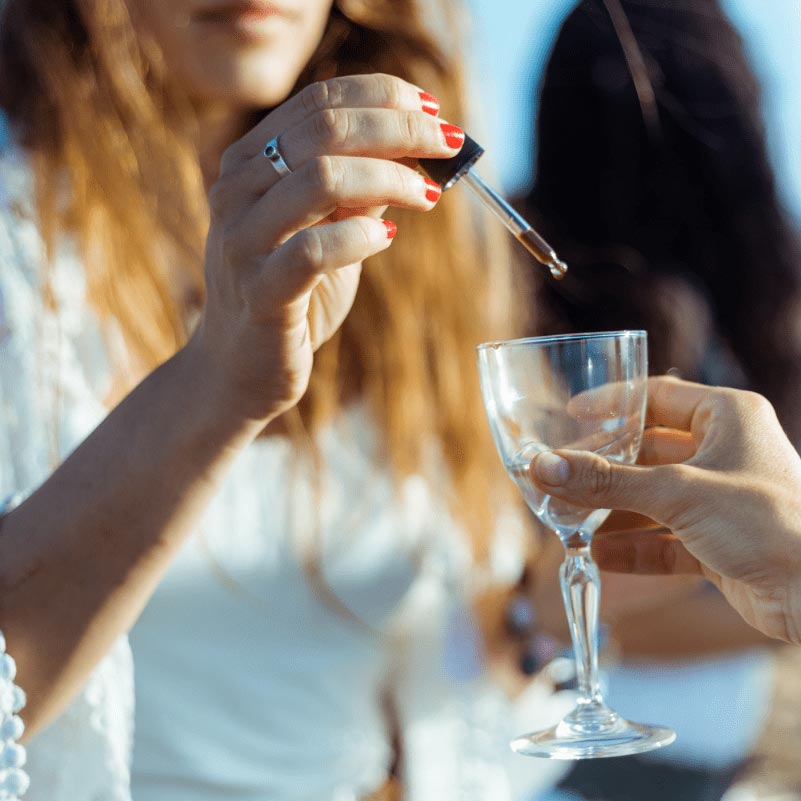
For women interested in exploring Vitex as part of their daily botanical routine, Ginevitex® offers a convenient liquid preparation that is easy to incorporate into everyday life.
DISCOVER GINEVITEX®




Explore Women's Hormonal Health