Organic Chia Seeds, 400g

Regular price € 14,90

BUY 3 GET 1 FOR FREE! (Add 4 to your cart)

Free Shipping
in Spain & Portugal
EU Shipping €6.90
Free from €59
Secure Payment
Safe & secure checkout

Organic Farming

Certified Organic

Vegan icon - Elliotti

Vegan

Gluten free icon - Elliotti

Gluten-free

A Small Seed with Impressive Nutritional Value

Chia seeds are one of those simple foods that make it remarkably easy to add more nutrition to your everyday meals. With their mild, neutral flavour, they disappear effortlessly into breakfast bowls, yoghurt, smoothies and baking, while adding fibre, plant-based protein and naturally occurring minerals.

These organic chia seeds contain an impressive 36.5 g of fibre and 19.9 g of protein per 100 g. A daily 20 g serving provides 7.3 g of fibre and 3.9 g of protein, making chia an especially useful choice when you want to increase the nutritional value of an ordinary meal without changing what you eat completely.

More Than Just Fibre

Chia seeds also provide a naturally occurring combination of minerals. A 20 g serving contains calcium, phosphorus, magnesium, copper, manganese and selenium, alongside the plant's naturally occurring fats.

This makes chia particularly interesting for plant-based diets and for anyone looking for a simple whole-food ingredient that brings more nutritional variety to breakfast, snacks and everyday recipes.

One Ingredient, So Many Ways to Use It

What makes chia especially practical is what happens when the seeds meet liquid. Within around 10 minutes, they absorb water and develop a soft, gel-like coating known as mucilage.

This natural thickening ability makes chia wonderfully versatile. Soak the seeds to make a creamy chia pudding, stir them into overnight oats, add them to smoothies, yoghurt or fruit compote, or use them to give homemade jams and other recipes a thicker texture. They can also be sprinkled over salads, cereals and savoury dishes.

If you are trying to make your breakfasts or snacks more substantial and fibre-rich, chia is one of the easiest ingredients to keep in the cupboard.

Organic Chia from Paraguay

Made from 100% organically grown chia seeds (Salvia hispanica), these seeds are cultivated in Paraguay and packaged in France. With no complicated preparation and no strong flavour to work around, they are an easy everyday staple for both sweet and savoury cooking.

Recommended daily amount: 20 g, approximately 2 tablespoons.

More information

Botanical Information

Botanical name: Salvia hispanica L.
Family: Lamiaceae
Plant type: Annual herbaceous plant
Plant part used: Seeds
Origin: Paraguay
Preparation: Whole seeds
Production: Organically grown
Packaged in: France

🌿About the Chia Plant

Salvia hispanica belongs to the mint family, Lamiaceae, the same botanical family as sage, rosemary, basil and mint. It is an annual flowering plant native to Mexico and Central America and has been cultivated for its edible seeds for centuries.

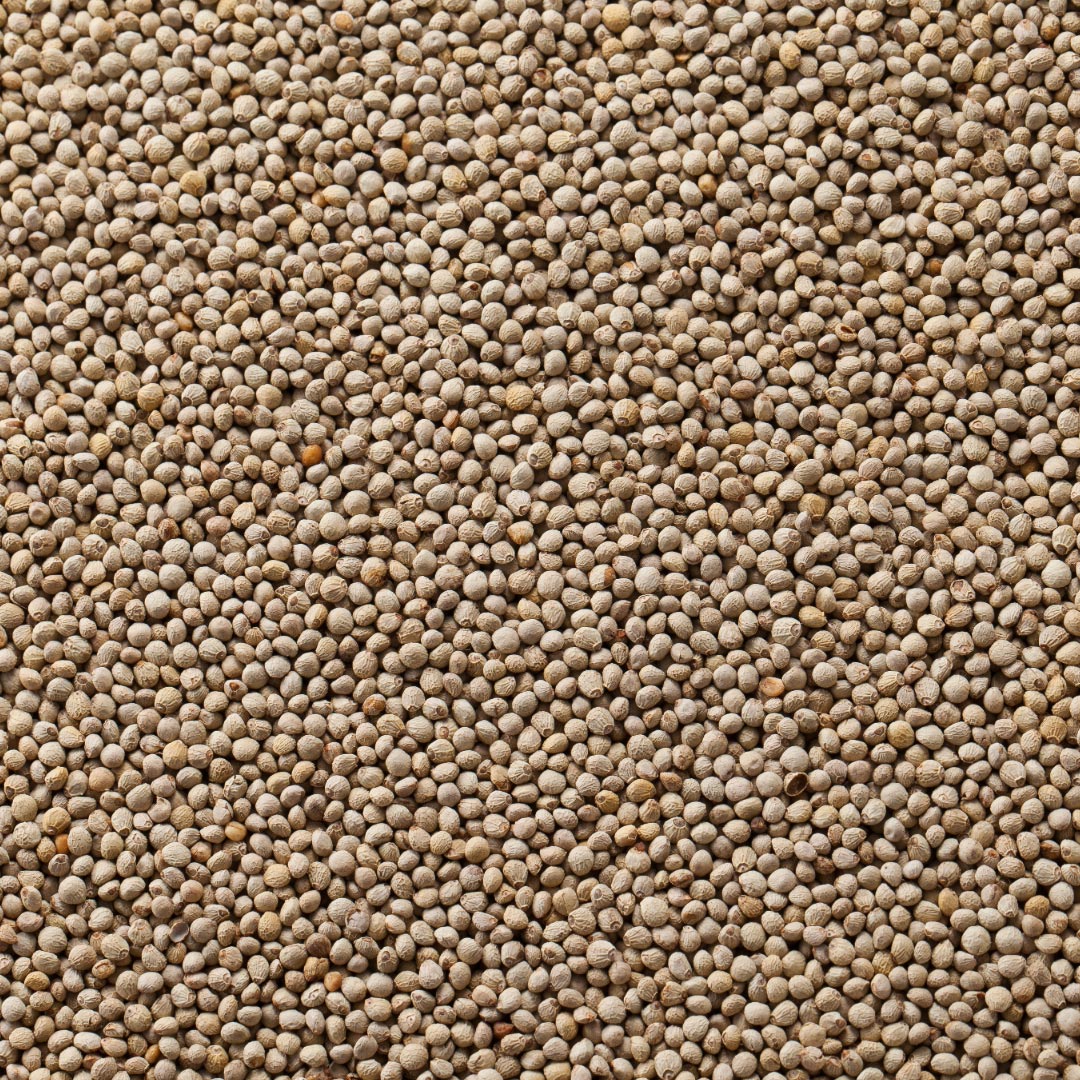
The plant develops small flowers followed by tiny oval seeds, which naturally vary in colour from dark grey and black to lighter shades.

🌿The Natural Mucilage

One of the most distinctive characteristics of chia is the mucilage surrounding the seed. When chia comes into contact with water, this outer layer absorbs liquid and forms a soft gel around the seed.

This is a natural property of the seed rather than something added during processing. It explains why whole chia seeds can be used as a natural thickening ingredient in puddings, overnight preparations, smoothies, fruit mixtures and baking.

🌿Whole Seeds

These chia seeds are supplied whole rather than milled. Their mild flavour makes them easy to combine with other ingredients, while soaking changes their texture from small and crunchy to soft and gel-like.

The seeds can therefore be used either dry as a topping or soaked when a softer texture or natural thickening effect is wanted.

Usage tips

Take 2 tablespoons (20 g) per day, mixed or sprinkled into sweet or savoury dishes. Chia seeds can be used dry as a topping or soaked in liquid, where they develop their characteristic soft, gel-like texture.

Easy Ways to Use Chia Seeds

🌿Chia Pudding
Mix 2 tablespoons chia seeds with 150 ml milk or plant-based drink. Stir well, leave for 10 minutes, stir again, then refrigerate for at least 2 hours or overnight. Serve with berries, fruit, nuts or a little honey.

🌿Berry Chia Jam
Mash 150 g fresh or thawed berries and stir in 1 tablespoon chia seeds. Leave for 15–20 minutes until naturally thickened. Add a little honey or maple syrup if desired.

🌿Overnight Oats
Combine oats, 1 tablespoon chia seeds and your choice of milk or plant-based drink. Refrigerate overnight and serve with fruit, yoghurt, nuts or seeds in the morning.

🌿Chia Smoothie
Blend your usual smoothie with 1 tablespoon chia seeds, or stir them in after blending and leave for 5–10 minutes for a thicker texture.

🌿Chia Yoghurt Bowl
Stir 1–2 tablespoons into Greek yoghurt or plant-based yoghurt. Add fresh fruit, berries, granola or nuts for an easy breakfast or snack.

🌿For Savoury Dishes
Sprinkle chia seeds over salads, soups, grain bowls or roasted vegetables. They can also be mixed into bread, crackers, savoury muffins and homemade seed mixes.

Certification

- Certified Organic Product
- Certified Organic Agriculture (AB certified)
- Origin of raw materials: Paraguay
- Country of manufacture: Paraguay

Composition

Ingredients: 100% Organic Chia Seeds (Salvia hispanica).

Average nutritional values per 100 g:

Energy: 1840 kJ / 440 kcal
Fat: 32.2 g
of which saturates: <3.7 g
Carbohydrate: 0.9 g
of which sugars: 0.7 g
Fibre: 37.1 g
Protein: 19.9 g
Salt: <0.01 g

Minerals per 100 g:

Calcium: 631 mg
Phosphorus: 860 mg
Magnesium: 335 mg
Copper: 1.0 mg
Manganese: 2.7 mg
Selenium: 55 µg

Origin: Paraguay
Packaged in: France
Organic: Certified organic

A little history

Chia has a history stretching back thousands of years in Mexico and Central America, where Salvia hispanica was cultivated long before the arrival of Europeans.

The seeds were an important food for Aztec and other Mesoamerican cultures, valued because they were nutritious, easy to carry and could be stored for long periods. Chia was eaten whole, ground into flour, mixed with other foods and stirred into drinks.

The name “chia” is generally associated with the Nahuatl word chian, referring to the oily nature of the seed. Chia was valued not only as food. Historical accounts describe the seeds and their oil being used in traditional preparations, ceremonies and as offerings.

After the Spanish conquest in the 16th century, chia cultivation declined considerably as European crops became more prominent. However, the plant continued to be grown and used locally in parts of Mexico and Central America.

Centuries later, interest in this ancient seed returned. Today, chia has travelled far beyond its Mesoamerican origins and has become a familiar ingredient in kitchens around the world, while remaining essentially the same simple food that has been cultivated for generations.

Precautions for use

Chia seeds can be enjoyed either dry or soaked. When eaten dry, consume them with sufficient liquid, as the seeds naturally absorb a considerable amount of water. Alternatively, soak them before use until they develop their characteristic gel-like texture. Consume as part of a varied and balanced diet.

Packaging & storage

- Packaged in France.
- Vacuum-sealed bag.
- Keep out of reach of young children.
- Store away from heat and moisture.

FAQ

🌿 What is the difference between black and white chia seeds?
Very little nutritionally. Black and white chia seeds are different colour varieties of Salvia hispanica and can be used in exactly the same way. The colour is mainly a visual difference rather than an indication of quality.

🌿 Can chia seeds be ground?
Yes. Chia seeds can be ground just before use and added to porridge, smoothies, baking or other foods. Grinding changes the texture and makes them easier to incorporate into recipes where you do not want whole seeds.

🌿 Can chia seeds replace eggs in baking?
In many recipes, yes. Mix 1 tablespoon of chia seeds with about 3 tablespoons of water and leave for 10–15 minutes until a gel forms. This “chia egg” works as a plant-based binder in recipes such as muffins, pancakes and some cakes.

🌿 Do chia seeds contain omega-3?
Chia seeds are naturally known for containing the plant-based omega-3 fatty acid alpha-linolenic acid (ALA). However, the exact ALA content of this particular product is not stated on the product label, so we do not specify an amount.

🌿 Can I use chia seeds to make homemade jam without pectin?
Yes. Chia's natural mucilage can thicken mashed berries without traditional jam-setting agents. Simply stir chia seeds into crushed or blended fruit and allow the mixture to stand until it thickens.

🌿 Should chia seeds be kept in the refrigerator?
No. Store the seeds in a cool, dry place away from UV light, as indicated on the packaging. Keep the bag properly closed between uses.

Volume

400g

Botanical Supplements, Chosen with Care

At Elliotti, we believe a good supplement should be easy to understand. What is in it, how much should you take, where does it come from, and why has this particular formula been chosen?

Our Bioptimal range brings together food supplements made in France, with a focus on carefully selected ingredients and straightforward formulations. Some feature a single botanical, while others combine plants or nutrients in formulas designed for a particular type of daily routine.

We look beyond the front of the pack. Ingredients, daily amounts, quality, certification, recommended use and precautions all matter when we decide what belongs at Elliotti.

Explore the product information above to understand exactly what is in this formula and how to use it.

Hi, I’m Susann!

I’m a holistic aromatherapist and naturopath, and I know that choosing between different botanicals and supplements is not always straightforward.
If you have questions about a product, its ingredients, how to use it or the differences between our botanical preparations, you’re always welcome to ask me. Personal guidance is part of the service at Elliotti, at no extra cost.

Send me an e-mail at susann@elliotti.com