Organic Pea Protein Powder, 500g

Regular price € 32,90

BUY 3 GET 1 FOR FREE! (Add 4 to your cart)

Free Shipping
in Spain & Portugal
EU Shipping €6.90
Free from €59
Secure Payment
Safe & secure checkout

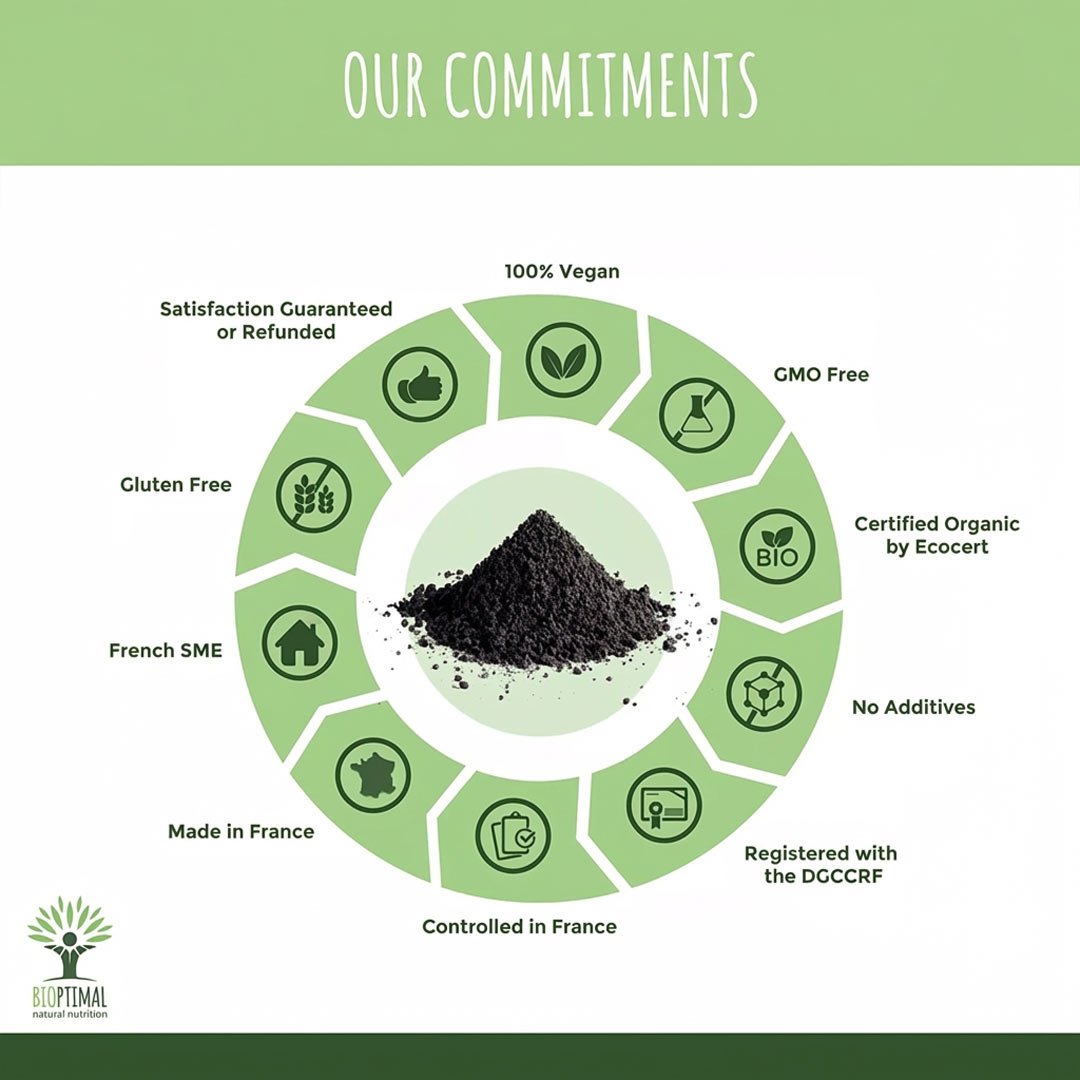
Organic Farming

Certified Organic

Vegan icon - Elliotti

Vegan

Gluten free icon - Elliotti

Gluten-free

Plant-Based Protein for Strong, Well-Maintained Muscles

  • 80% protein
  • Source of fibre
  • Sugar-free
  • 100% vegan

Getting enough protein isn't only something to think about if you are an athlete. Protein is essential for maintaining muscle mass throughout adult life, and it becomes particularly worth paying attention to if you exercise regularly, eat mainly plant-based foods, have a busy lifestyle, or simply notice that many of your everyday meals contain very little protein.

Bioptimal Organic Pea Protein Powder gives you an easy way to add more protein without having to completely change the way you eat.

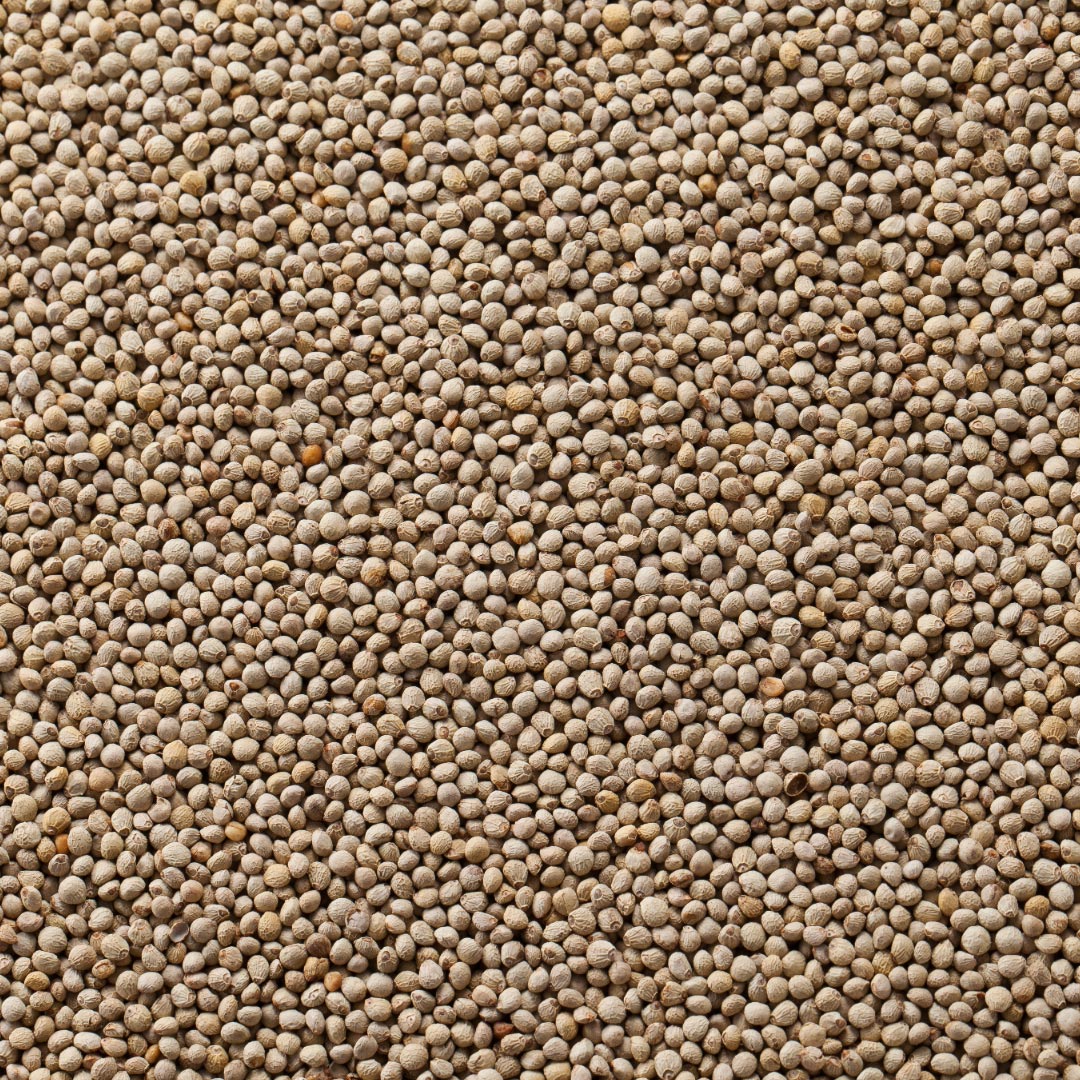
Made from organically grown yellow peas (Pisum sativum), the peas are concentrated into a protein isolate containing 80% protein. A 20 g serving therefore provides approximately 16 g of protein, making a small amount an easy way to significantly increase the protein content of a meal or snack.

And there is a good reason to care about that. Protein contributes to the maintenance and growth of muscle mass and to the maintenance of normal bones.

Not Just for the Gym

You don't need to be training for a marathon or lifting heavy weights to have a reason to think about protein.

Perhaps your breakfast is mostly fruit and oats. Perhaps you often have soup or a light lunch. Maybe you eat little or no meat, or you simply want to become more conscious of maintaining your muscle mass as you get older.

This is where a protein powder can be genuinely practical.

Add it to a smoothie at breakfast, blend it into a drink after exercise, stir it into porridge or plant-based yoghurt, or use it in pancakes, soups and other recipes. Instead of having to build an entirely new meal around protein, you can simply add more protein to something you already eat.

Why Choose Pea Protein?

If you don't want whey or other dairy-based protein powders, pea protein offers a straightforward 100% plant-based alternative.

This one is particularly interesting because it combines a high protein concentration of 80% with a simple, unsweetened formula. There are no added flavours or sweeteners dictating how you have to use it.

Its mild, neutral taste means it isn't limited to sweet protein shakes. You can use it in both sweet and savoury foods, which makes it much easier to incorporate into everyday nutrition.

Pea protein also naturally provides amino acids, including the branched-chain amino acids BCAAs, which is one reason pea protein has become such a popular plant-based protein source.

Particularly Useful If You...

  • Want to maintain muscle mass as you get older
  • Do strength, resistance, fitness or endurance training
  • Want extra protein after exercise
  • Eat a vegan or predominantly plant-based diet
  • Prefer a plant protein instead of whey
  • Find it difficult to include a substantial protein source at every meal
  • Want to increase the protein content of breakfast, smoothies or lighter meals
  • Prefer an unsweetened, neutral protein powder that can also be used in food
More information

🌿From Yellow Pea to Concentrated Plant Protein

Pea protein begins with the familiar yellow pea, Pisum sativum, a member of the legume family and naturally a source of plant protein.

For this powder, organically grown peas are harvested and dried at low temperatures before being ground and processed to concentrate the protein fraction and reduce much of the carbohydrate content. The result is a pea protein isolate containing 80% protein.

This concentration is what makes pea protein powder so different from simply eating peas. You get a substantial amount of plant protein in a relatively small serving, without needing to add a large volume of food to your meal.

🌿What About the Amino Acids?

Proteins are made from amino acids, and the amino acid composition of a protein source is one of the things that distinguishes one protein from another.

The amino acid profile has been independently analysed by Eurofins. The analysis confirms that pea protein naturally provides the three branched-chain amino acids, or BCAAs: leucine, isoleucine and valine.

Like other legume proteins, pea protein is relatively lower in the sulphur-containing amino acid methionine. This is one reason pea and rice proteins make such interesting partners: their different amino acid profiles complement one another.

Pea protein does, however, have a different amino acid profile from animal proteins such as whey. Like other legumes, it is relatively lower in certain sulphur-containing amino acids. This is why pea protein and cereal proteins such as rice protein can complement one another: their amino acid profiles are different, so combining them provides a more balanced plant-protein mix.

You do not need to combine them in every serving. Variety across the overall diet is what matters.

🌿A Simple Alternative to Flavoured Protein Powders

Many protein powders are formulated primarily as sports shakes and contain flavours, sweeteners and additional ingredients. This pea protein takes a much simpler approach.

It is unsweetened and neutral in flavour, which means you can decide what it tastes like and where you use it. It can be blended into fruit smoothies and shakes, but it is equally at home in porridge, pancakes, soups, saus and savoury recipes.

The texture is slightly sandy, which is characteristic of pea protein. Blending it with other ingredients rather than simply stirring it into water can create a smoother and more enjoyable result.

🌿Organic Quality & Traceability

The yellow peas are grown according to organic farming standards. The pea protein originates from China and is packaged and quality-controlled by Bioptimal in France.

Bioptimal's pea protein is subject to batch-specific quality controls. Testing includes protein content, microbiological quality and contaminants such as heavy metals.

An independent Eurofins analysis has also been carried out to establish the amino acid profile, including leucine, isoleucine, valine, lysine, methionine and other naturally occurring amino acids.

The technical specification also confirms gluten below 20 ppm, with no declared milk, soy or other EU-listed allergens present in the product.

Usage tips

Type of preparation:
- Smoothie
- In a soup
- For cake
- Yogurt
- In the frying pan
- In sauce

Certification

- Certified Organic Product
- Certified Organic Agriculture (AB certified)
- Origin of raw materials: India
- Country of manufacture: India

Composition

100% organic pea protein powder – Pisum Sativum

Nutritional values:

Name | Value
Energy: 1712 kJ/406 kcal
Fats: 8.3
including saturated fatty acids: 1.4
Carbohydrates: 3.2
Fibers: 3
Proteins: 80
Salt: 1.3

Origin of raw materials: Grown in Canada

Country of manufacture: Made in China - Packaged in France by an ESAT (a sheltered workshop for people with disabilities)

A little history

Peas have been part of the human diet for thousands of years, but pea protein powder is a surprisingly modern development.

The story began to change during the 1970s, when food scientists started developing ways to separate the naturally protein-rich part of field peas from their starch. In Canada, one of the world's important pea-growing regions, researchers developed milling and air-classification techniques that could divide pea flour into protein-rich and starch-rich fractions. By around 1980, pea protein concentrates were already being produced commercially for use as protein ingredients in foods.

At the time, however, plant proteins occupied a much smaller place in the protein market. Whey and other animal-derived proteins became dominant, particularly with the growth of sports nutrition during the late twentieth century.

As interest in vegetarian and later vegan diets increased, food technology also advanced. New fractionation and extraction techniques made it possible to separate and concentrate pea protein much further, producing the pea protein isolates containing around 80% protein that are available today.

This transformed the humble yellow pea into something quite different: a concentrated plant protein that could be used in protein powders, dairy alternatives, baked foods and, eventually, the rapidly expanding world of plant-based foods.

Today, pea protein has become one of the important alternatives to dairy and other animal-derived proteins, valued not only by vegans and vegetarians but by anyone looking for another way to increase their plant protein intake.

Precautions for use

A high-protein diet is not recommended for people with kidney failure unless advised by a healthcare professional.

Packaging & storage

Store in a dry place away from UV rays.

FAQ

🌿 Is pea protein only for people who exercise?
Not at all. Protein is important throughout adult life, not only for athletes. It contributes to the maintenance of muscle mass and normal bones, so pea protein can be a practical choice whenever you want to increase the protein content of your everyday diet. It can be particularly useful if your usual breakfasts, snacks or lighter meals tend to contain relatively little protein.

🌿 How much protein do I get from one serving?
This pea protein contains 80% protein. A 20 g serving therefore provides approximately 16 g of protein. This makes it an easy way to add a meaningful amount of protein without having to prepare an additional protein-rich food.

🌿 When is the best time to take pea protein?
There is no single time when you have to take it. Use it when it fits naturally into your day. You might add it to breakfast, use it to increase the protein content of a lighter meal or snack, or have it after exercise. What matters most is your overall protein intake across the day.

🌿 Is pea protein a good alternative to whey?
Yes, particularly if you want a plant-based protein or prefer to avoid dairy. Pea protein and whey are not nutritionally identical, however. They have different amino acid profiles, so it is better to think of pea protein as a plant-based alternative rather than an exact copy of whey.

This powder also has the advantage of being unsweetened and neutral in flavour, making it useful in foods as well as shakes.

🌿 Why combine pea protein with rice protein?
Pea and rice proteins complement one another because their amino acid profiles are different. Pea protein is relatively lower in certain sulphur-containing amino acids, while cereal proteins such as rice have a different balance.

Combining the two can therefore provide a more balanced plant-protein mix. You don't need to consume them together every time, however. Variety across your overall diet is more important than creating the perfect combination in every shake.

🌿 Does pea protein contain BCAAs?
Yes. Pea protein naturally contains the branched-chain amino acids leucine, isoleucine and valine, collectively known as BCAAs. They are simply three of the amino acids that make up protein.

🌿 What does pea protein taste like?
It has a mild, slightly earthy pea flavour rather than the sweet taste associated with many flavoured protein powders. The texture can also be slightly sandy, which is characteristic of pea protein.

If you don't enjoy it simply mixed with water, try blending it with banana, berries, plant milk, cinnamon or cacao. It can also disappear surprisingly easily into porridge, pancakes, soups and other recipes.

🌿 Can I use it in food instead of drinking it as a protein shake?
Absolutely. This is actually one of the advantages of an unflavoured and unsweetened protein powder. Stir or blend it into porridge, smoothies, pancake or baking mixtures, plant-based yoghurt and soups, or experiment with other sweet and savoury recipes.

🌿 Is it suitable for vegans?
Yes. The product is 100% vegan and the protein comes from yellow peas (Pisum sativum).

🌿 Is Pea Protein lactose-free and gluten-free?
Yes. This pea protein is lactose-free and gluten-free, making it a practical plant-based alternative if you prefer to avoid whey or other dairy-based protein powders. It is also soy-free and 100% vegan.

🌿 How much protein do I need each day?

Protein needs vary according to factors such as body weight, age, life stage, diet and activity level.

As a general reference, the European Food Safety Authority (EFSA) sets the Population Reference Intake for healthy adults at 0.83 g of protein per kg of body weight per day.

For example:
50 kg body weight = approximately 42 g protein per day
60 kg body weight = approximately 50 g protein per day
70 kg = approximately 58 g per day
80 kg = approximately 66 g per day
90 kg = approximately 75 g per day

These are reference intakes for the general healthy adult population, rather than individual targets. Your personal needs may differ, particularly during pregnancy and breastfeeding or depending on your level of physical activity and individual circumstances.

A protein powder can simply make it easier to reach your daily intake when your normal meals don't provide enough. With 80% protein, a 20 g serving of this pea protein provides approximately 16 g of protein.

🌿 Do I need pea protein if I already eat a balanced diet?
Not necessarily. Protein powder is a convenient food, not something everyone needs. If you already obtain enough protein from your normal diet, there may be no reason to add it.

Its value is convenience. If some of your meals contain little protein, you eat predominantly plant-based foods, or you simply want an easy way to increase your protein intake, a concentrated pea protein can make that much easier.

🌿 Is the product independently tested?
Bioptimal carries out additional analyses on selected batches through the independent laboratory Eurofins in Nantes, including analyses relating to heavy metals and amino acids.

Volume

500g

Botanical Supplements, Chosen with Care

At Elliotti, we believe a good supplement should be easy to understand. What is in it, how much should you take, where does it come from, and why has this particular formula been chosen?

Our Bioptimal range brings together food supplements made in France, with a focus on carefully selected ingredients and straightforward formulations. Some feature a single botanical, while others combine plants or nutrients in formulas designed for a particular type of daily routine.

We look beyond the front of the pack. Ingredients, daily amounts, quality, certification, recommended use and precautions all matter when we decide what belongs at Elliotti.

Explore the product information above to understand exactly what is in this formula and how to use it.

Hi, I’m Susann!
I’m a holistic aromatherapist and naturopath, and I know that choosing between different botanicals and supplements is not always straightforward.
If you have questions about a product, its ingredients, how to use it or the differences between our botanical preparations, you’re always welcome to ask me. Personal guidance is part of the service at Elliotti, at no extra cost.

Send me an e-mail at susann@elliotti.com