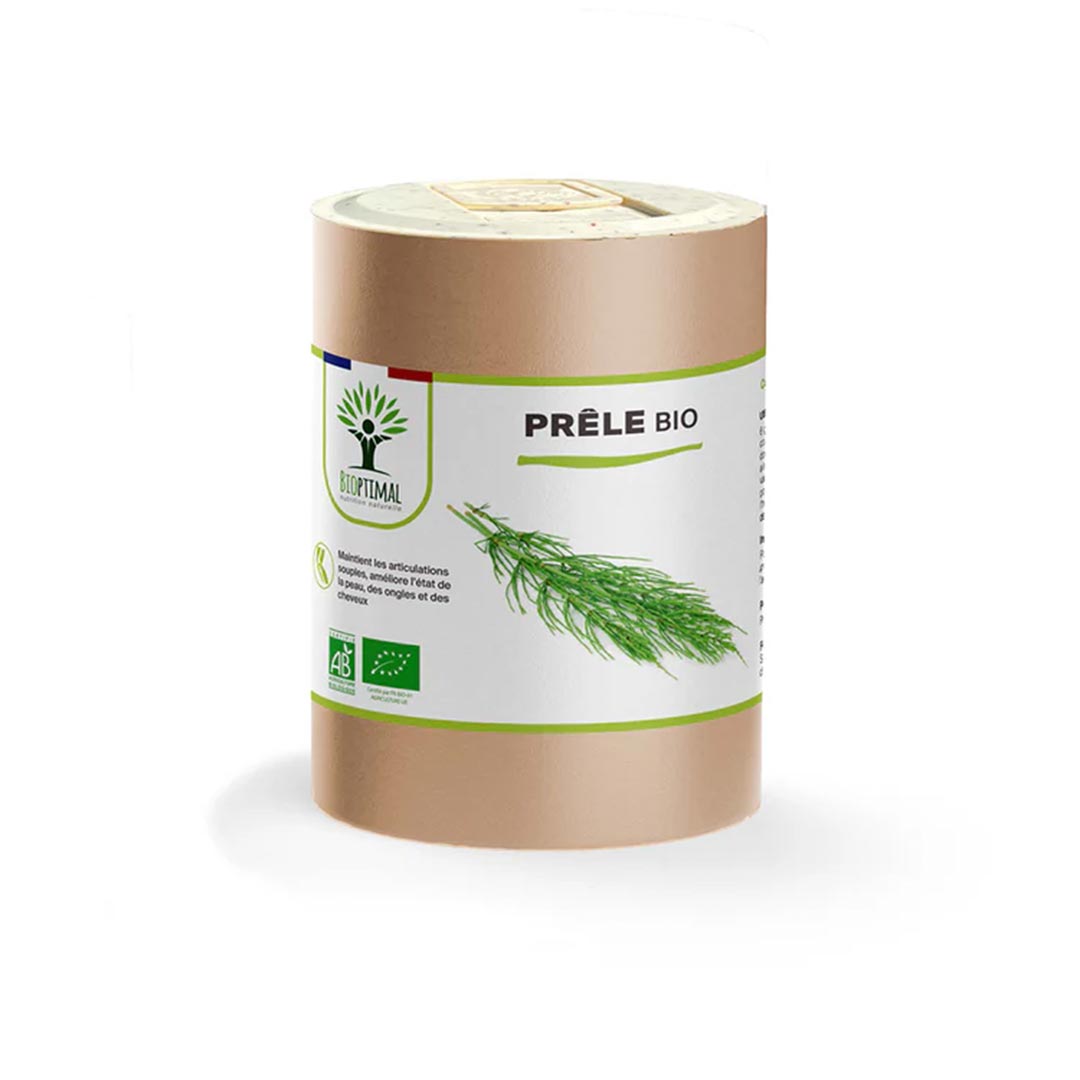
Organic Horsetail, 200 capsules

Regular price € 27,90

BUY 3 GET 1 FOR FREE! (Add 4 to your cart)

Free Shipping
in Spain & Portugal
EU Shipping €6.90
Free from €59
Secure Payment
Safe & secure checkout

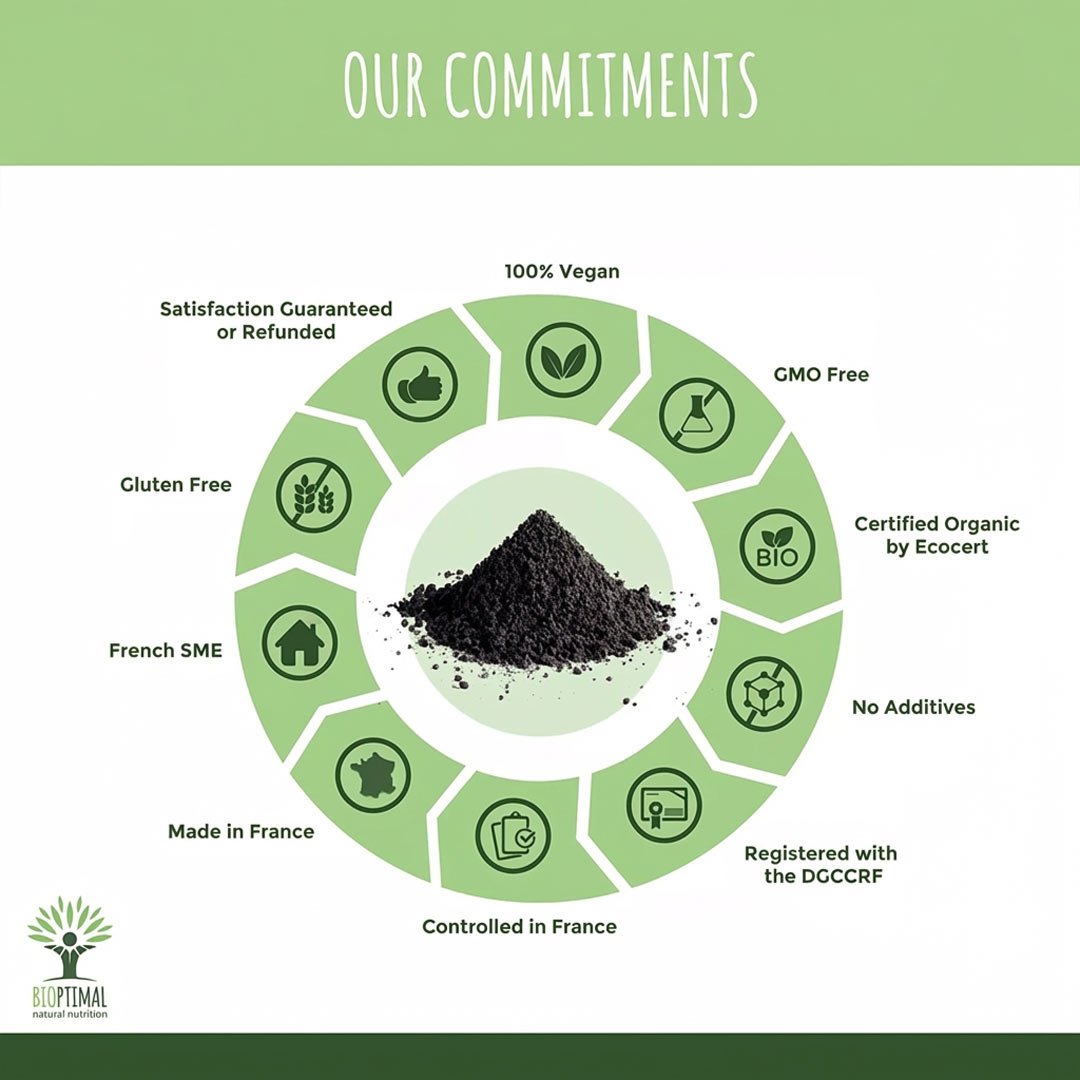
Organic Farming

Certified Organic

Vegan icon - Elliotti

Vegan

Gluten free icon - Elliotti

Gluten-free

Naturally Rich in Silica

Horsetail (Equisetum arvense) is especially valued for its naturally occurring silica and minerals. It is a popular choice for people interested in hair and nails, as well as tendons, ligaments and cartilage.

More Than Hair & Nails

Horsetail is often associated with beauty from within, but its mineral-rich composition also makes it interesting in a movement and mobility routine.

While plants such as Devil's Claw and Willow Bark are chosen for different reasons, Horsetail brings something else to the routine: silica and a focus on the tissues that support and connect the body's structures.

Also Known for Elimination

Horsetail has another side that many people don't know about. It has a long history of use in Europe for urinary elimination and drainage, and is often chosen when the focus is on supporting the body's natural elimination of water through the urinary system.

Whole Plant, Simple Formula

Each capsule provides 200 mg of organic horsetail powder, giving 1,200 mg per recommended daily dose.

More information

Botanical name: Equisetum arvense
Plant family: Equisetaceae (Horsetail family)
Common name: Horsetail / Field Horsetail
Plant part used: Sterile green stems
Plant type: Perennial, spore-producing plant
Origin of raw materials: France

🌿Why Is Horsetail So Rich in Silica?

One of the most fascinating characteristics of horsetail is its relationship with silicon, a naturally occurring element found in soil.

The plant absorbs silicon through its roots, mainly in the form of soluble silicic acid, and transports it into the growing plant. There, much of it is deposited as silica within and around the plant's cells.

These microscopic silica deposits become part of the structure of the horsetail stem. They contribute to its characteristic firm, slightly rough and almost abrasive texture.

🌿Silicon or Silica. What's the Difference?

The two words are often used interchangeably, but they are not quite the same thing.

Silicon is the chemical element. Silica refers to silicon combined with oxygen, most commonly silicon dioxide (SiO₂). In plants such as horsetail, silicon is taken up from the soil in a soluble form before being incorporated and deposited in silica-containing structures within the plant.

This is why horsetail is commonly described as a silica-rich plant, even though the chemistry inside the living plant is more complex than simply containing particles of pure silica.

🌿An Ancient Plant with a Very Modern Appearance

Horsetail belongs to an extraordinarily old group of plants. Its distant relatives were already growing on Earth long before flowering plants appeared.

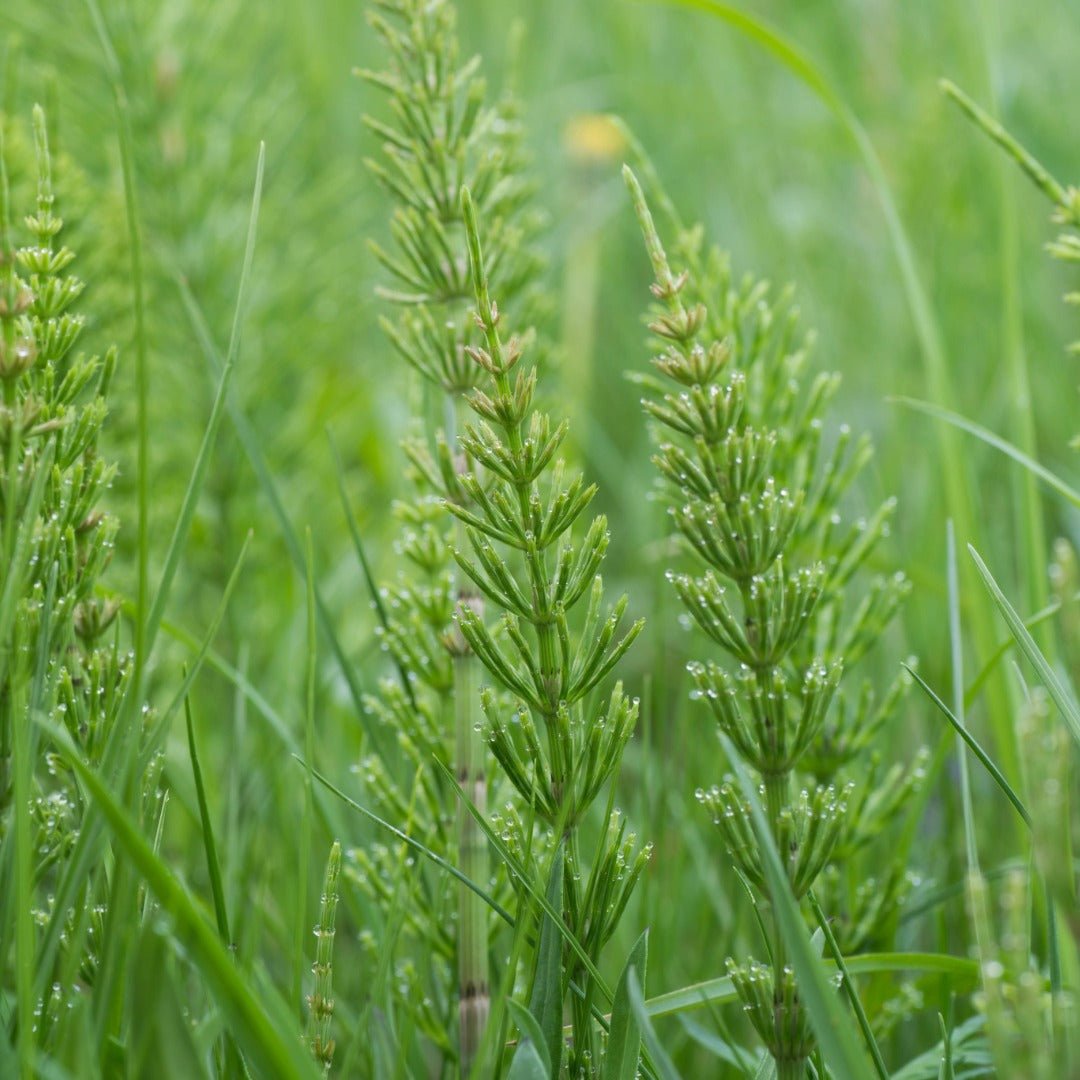
It still looks rather prehistoric today. Horsetail produces no flowers or seeds. Instead, it reproduces through spores, and its distinctive green stems are divided into clearly visible segments.

🌿Two Very Different Shoots

Equisetum arvense has an unusual life cycle. In spring it first produces pale, non-green fertile shoots topped with spore-producing cones.

After these have completed their role, the familiar green, branching sterile shoots emerge. These are the shoots most people recognise as horsetail.

Usage tips

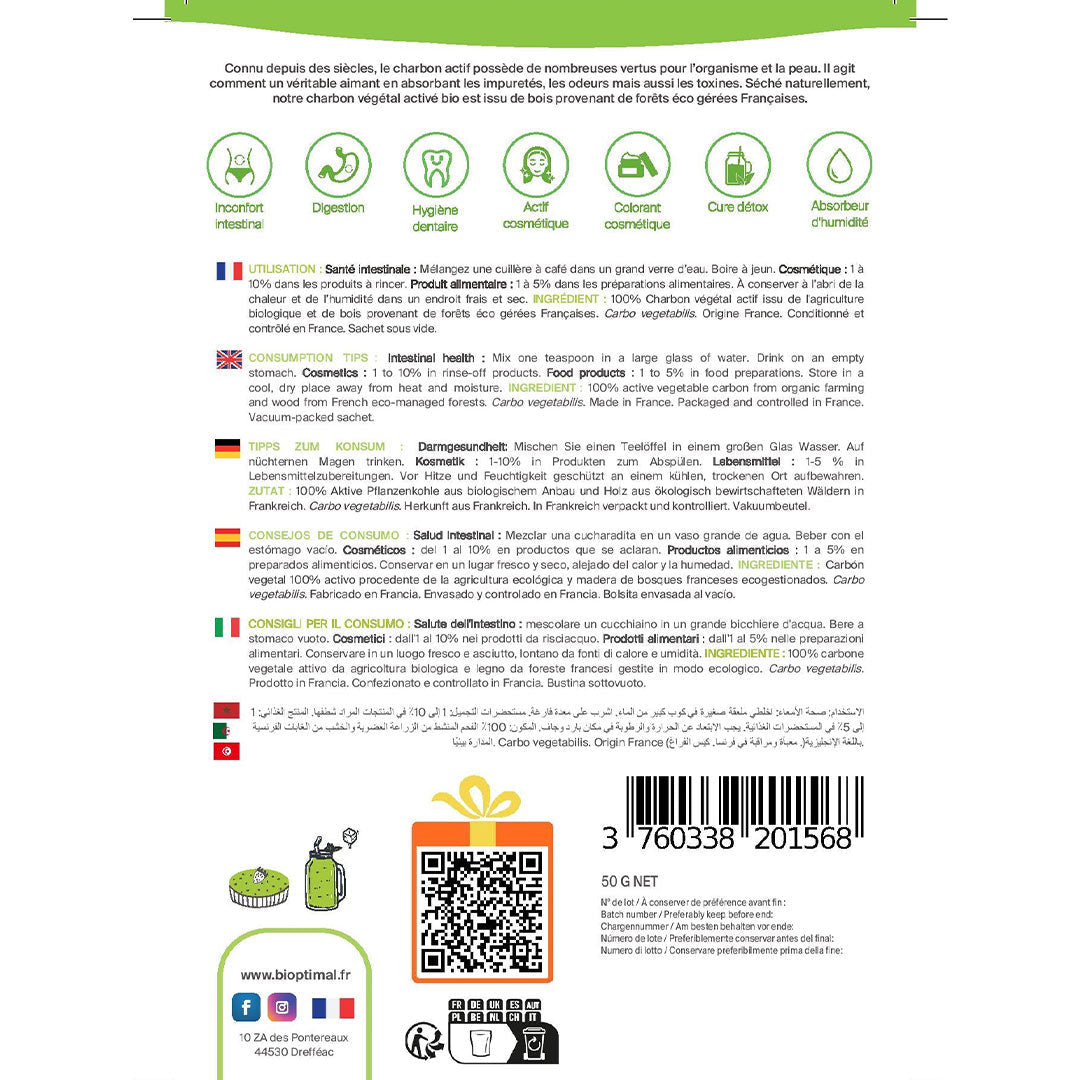
Take 6 capsules per day with a large glass of water during meals.


Certification

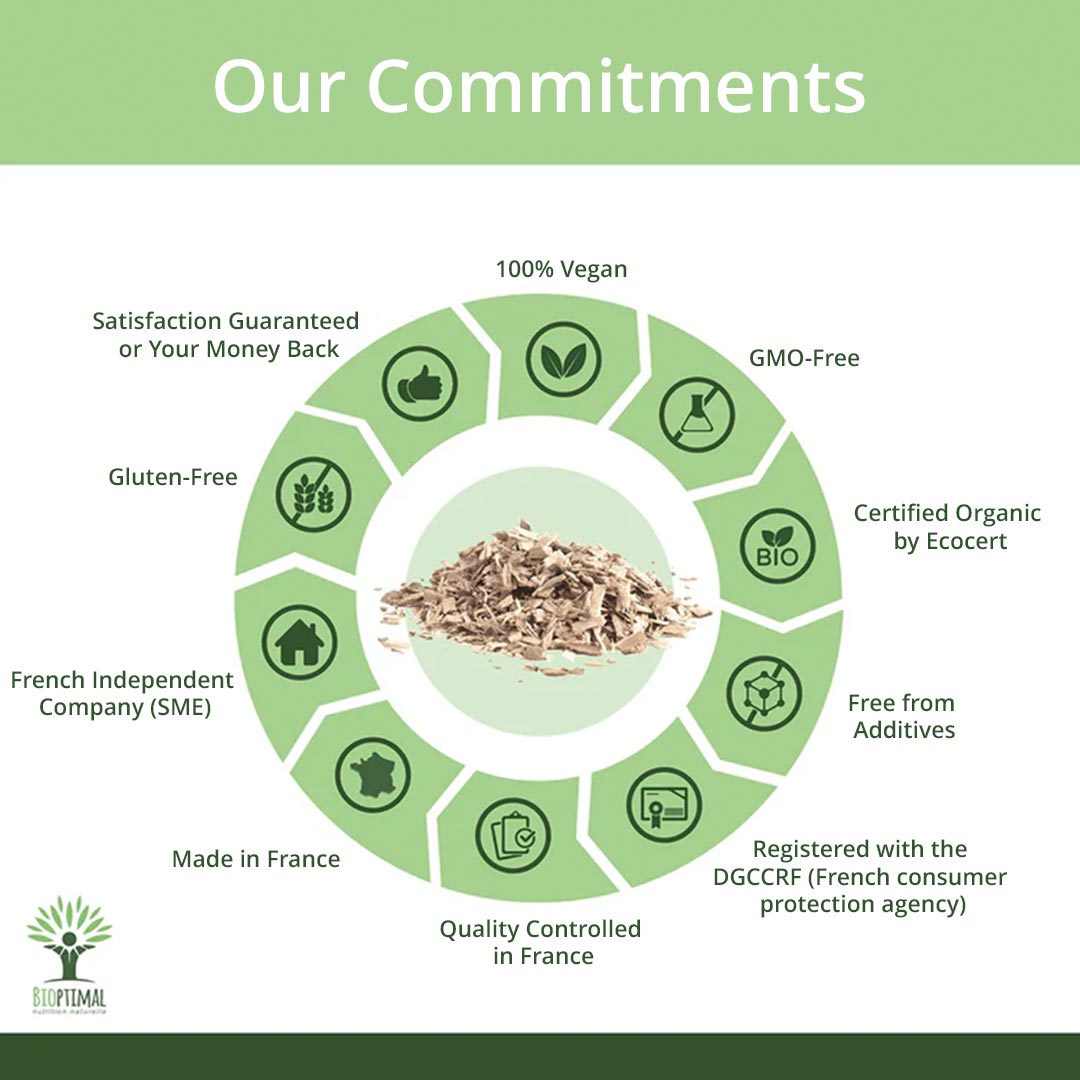
- Certified Organic Product
- Certified Organic Agriculture (AB certified)
- Origin of raw materials: France
- Country of manufacture: France

Composition

Organic horsetail powder* : aerial part – Equisetum arvense L., capsule of plant origin (hpmc). *From organic farming

For 6 capsules:
Organic horsetail *………………………….………… 1,200 mg

Size of the capsule: 7mm x 19mm

A little history

🌿A Survivor from an Ancient Plant World

Horsetail has a history that reaches much further back than human herbalism. Plants belonging to the horsetail lineage were growing on Earth hundreds of millions of years ago, long before flowering plants appeared.

During the Carboniferous period, ancient relatives of today's horsetails included enormous tree-like plants that formed part of the vast swamp forests covering large areas of the planet. Over time, much of this vegetation became part of the deposits that eventually formed coal, giving horsetail an extraordinary connection to Earth's geological history.

🌿From Giant Trees to the Horsetail We Know Today

Modern Equisetum arvense is tiny compared with some of its ancient relatives, but it has retained many characteristics of this very old plant lineage. It has no flowers and produces no seeds, reproducing instead through spores and underground rhizomes.

The name Equisetum comes from the Latin equus, meaning horse, and seta, meaning bristle or hair, a reference to the plant's distinctive brush-like appearance. The English name horsetail reflects the same resemblance.

🌿Nature's Scouring Brush

Horsetail's silica-rich stems also gave it a surprisingly practical role in European households.

The rough stems were traditionally used for scouring and polishing metal, pewter and wooden objects. This use became so well known that horsetail acquired names such as scouring rush and shavegrass.

It is a wonderful detail in the plant's history: the same silica that makes horsetail botanically unusual also made it useful as a natural polishing material long before modern abrasive products existed.

🌿A Plant That Never Really Left

Despite its ancient origins, horsetail remains remarkably successful. Its deep, spreading rhizomes allow it to return year after year, and anyone who has tried to remove it from a garden knows just how persistent it can be.

From prehistoric forests to European herbal preparations and household polishing, horsetail is one of those rare plants whose story connects geology, botany and everyday human life.

Precautions for use

Do not exceed the recommended daily dose.

This food supplement should not replace a varied, balanced diet and a healthy lifestyle.

Pregnant and breastfeeding women should consult a doctor before use.

Packaging & storage

Keep out of reach of young children.
Store away from heat and moisture.
Store in a cool, dry place.

FAQ

🌿 Why would I choose Horsetail?
Horsetail is particularly interesting if you are looking for a plant naturally rich in silica. It is commonly chosen when the focus is on hair and nails, as well as tendons, ligaments and cartilage. It also has a separate history of use for urinary elimination and drainage.

🌿 What is special about the silica in Horsetail?
Horsetail naturally absorbs silicon from the soil and incorporates it into its tissues, where it is deposited in silica-containing structures. This unusually close relationship with silicon is one of the characteristics that distinguishes horsetail from many other plants.

🌿 Is this a silica supplement?
Not in the same sense as a supplement containing isolated silica. These capsules contain whole organic horsetail powder, so you are taking the plant itself rather than an isolated silica ingredient.

🌿 How much Horsetail do I get per day?
Each capsule contains 200 mg of organic horsetail powder. At the stated daily intake of six capsules, this provides 1,200 mg of horsetail per day.

🌿 Is Horsetail the same plant as the horsetail I see growing wild?
There are several Equisetum species, so they should not automatically be treated as interchangeable. This product uses Horsetail (Equisetum arvense). This distinction matters because not every horsetail species is used in the same way.

🌿 Can I combine Horsetail with other supplements?

Yes. If your focus is movement, joints and mobility, Horsetail can be combined with other plants that each bring something different to the routine:

Devil's Claw is the more direct choice when stiff, uncomfortable joints and ease of movement are the main focus.

Willow Bark is traditionally chosen when aches and physical discomfort in muscles and joints are more central to the routine.

Turmeric is particularly interesting when you want to include a curcuminoid-rich plant associated with the inflammatory side of joint and muscle wellbeing.
Horsetail has a completely different role. Its high silica content makes it the mineral-focused plant in the combination, particularly relevant when the focus also includes tendons, ligaments and cartilage.

Volume

200 capsules

Botanical Supplements, Chosen with Care

At Elliotti, we believe a good supplement should be easy to understand. What is in it, how much should you take, where does it come from, and why has this particular formula been chosen?

Our Bioptimal range brings together food supplements made in France, with a focus on carefully selected ingredients and straightforward formulations. Some feature a single botanical, while others combine plants or nutrients in formulas designed for a particular type of daily routine.

We look beyond the front of the pack. Ingredients, daily amounts, quality, certification, recommended use and precautions all matter when we decide what belongs at Elliotti.

Explore the product information above to understand exactly what is in this formula and how to use it.

Hi, I’m Susann!

I’m a holistic aromatherapist and naturopath, and I know that choosing between different botanicals and supplements is not always straightforward.
If you have questions about a product, its ingredients, how to use it or the differences between our botanical preparations, you’re always welcome to ask me. Personal guidance is part of the service at Elliotti, at no extra cost.

Send me an e-mail at susann@elliotti.com