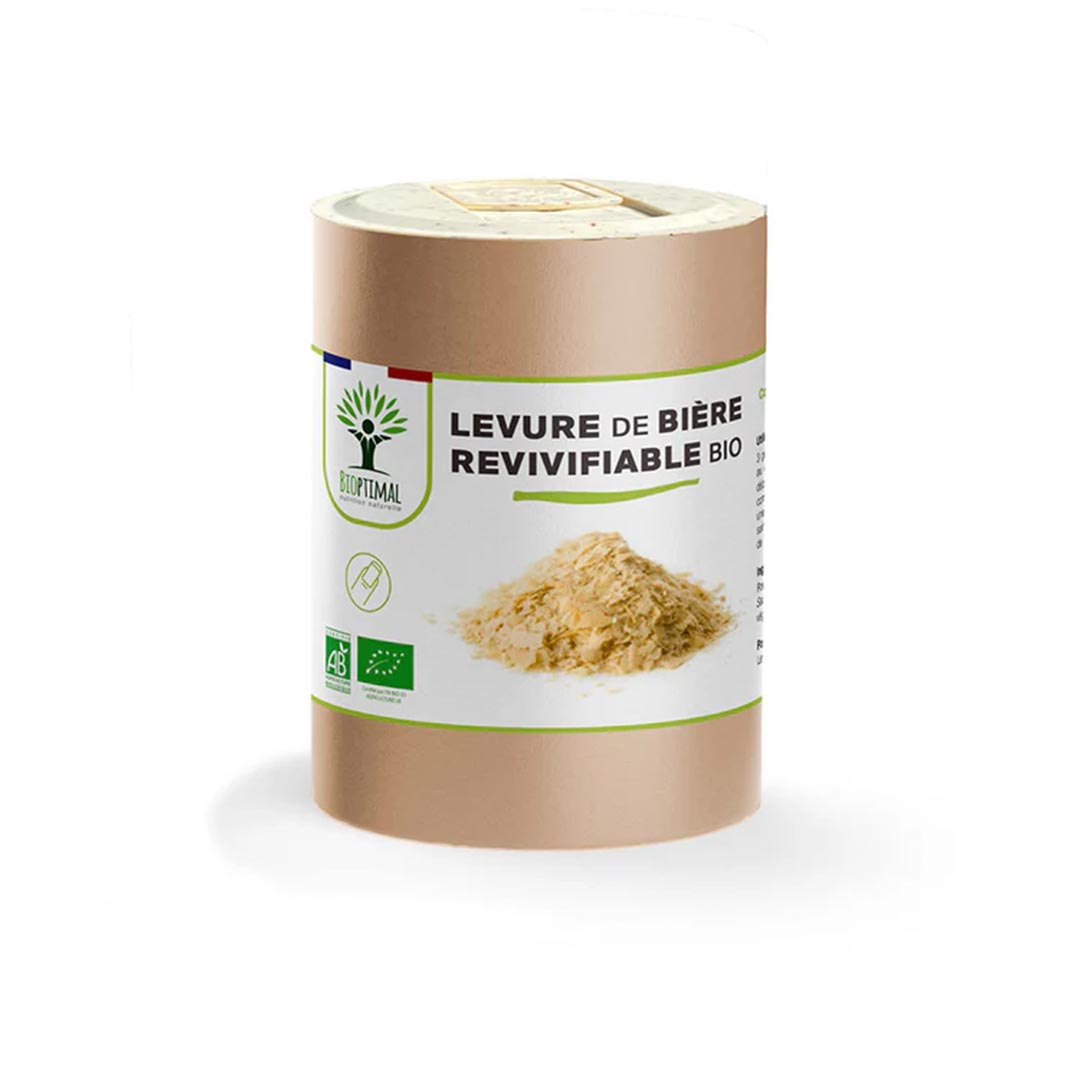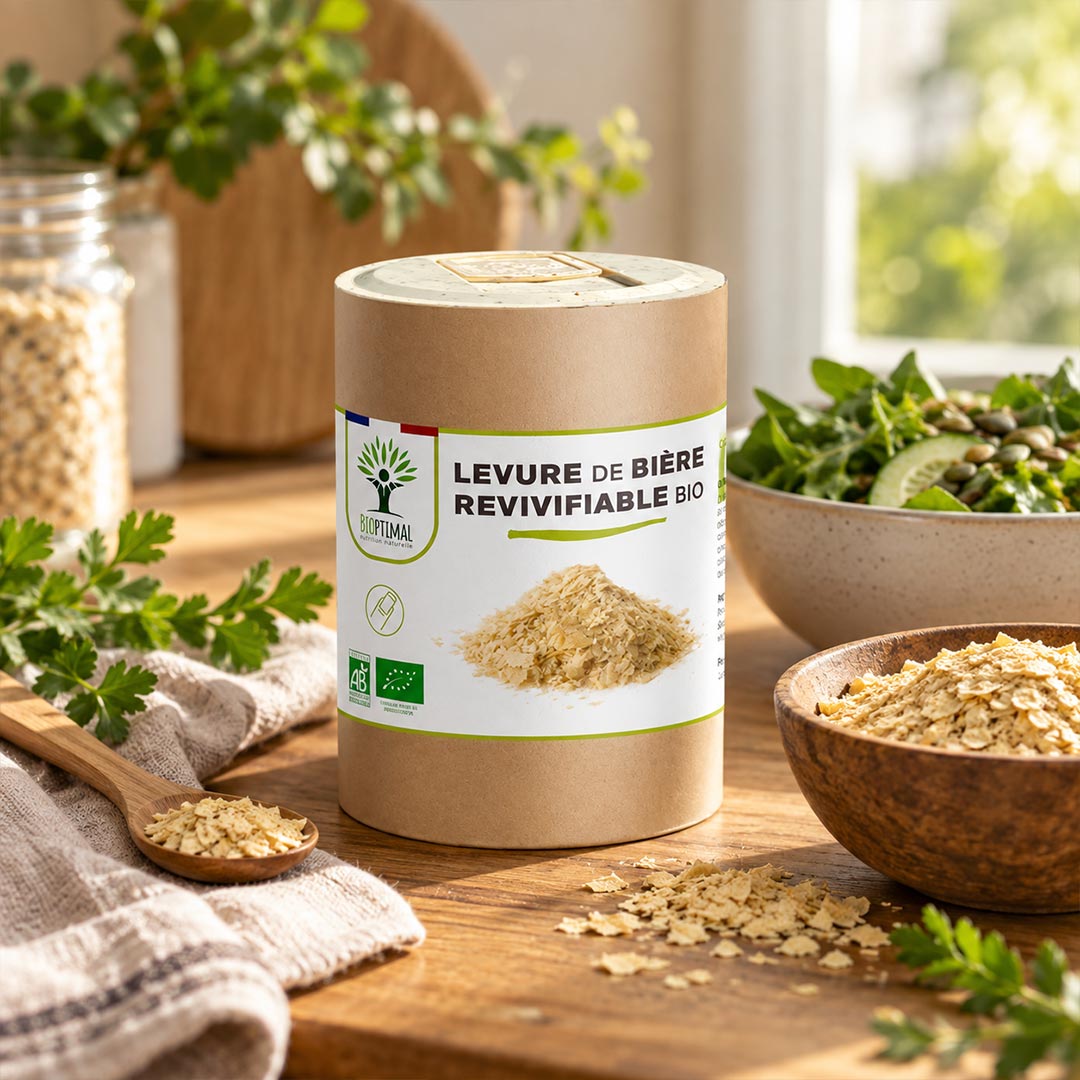
Organic Ginger Powder, 200 capsules

Regular price € 27,90

BUY 3 GET 1 FOR FREE! (Add 4 to your cart)

Free Shipping
in Spain & Portugal
EU Shipping €6.90
Free from €59
Secure Payment
Safe & secure checkout

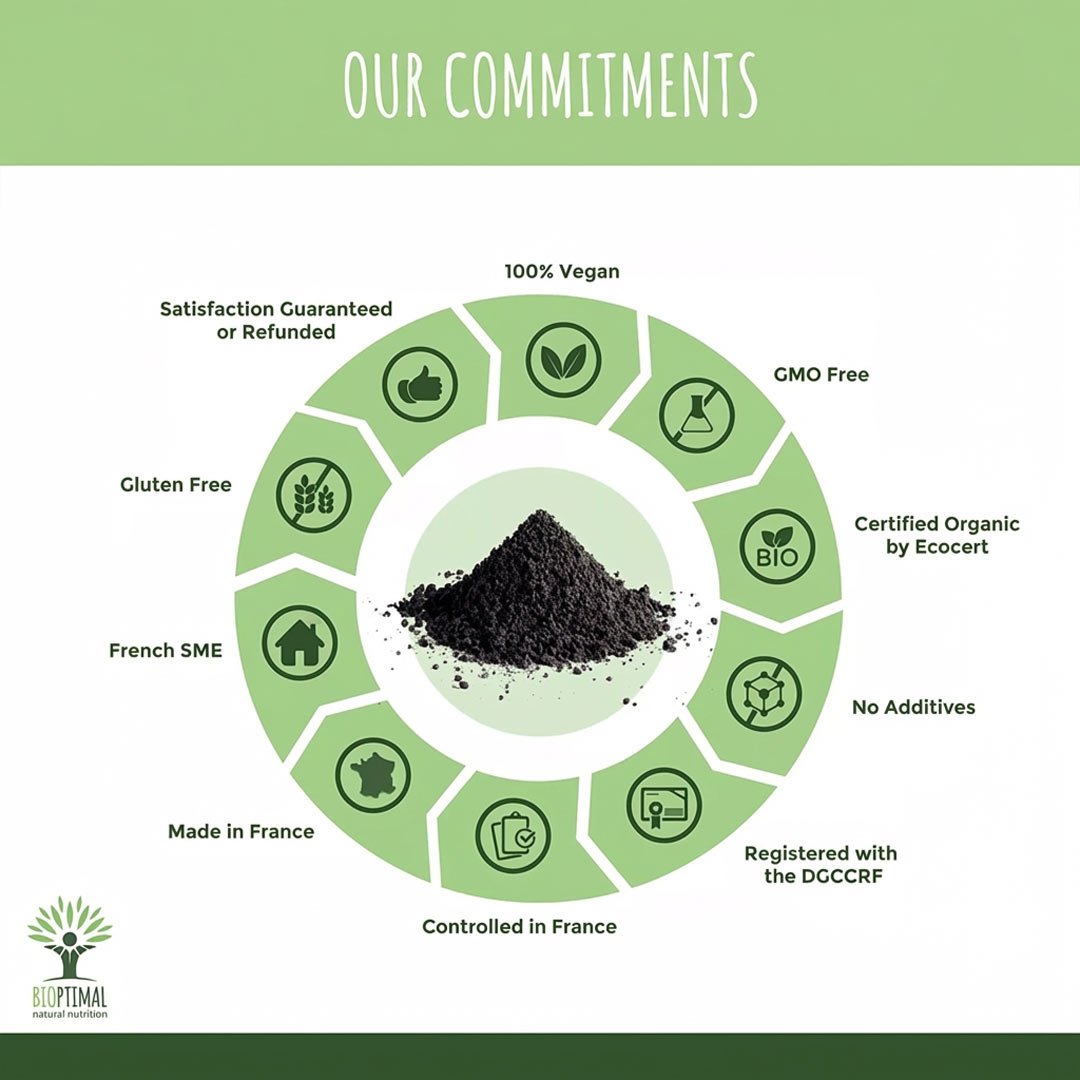
Organic Farming

Certified Organic

Vegan icon - Elliotti

Vegan

Gluten free icon - Elliotti

Gluten-free

Organic Ginger Capsules for Digestion, Travel & Everyday Vitality

Ginger (Zingiber officinale) is one of the world's most familiar botanical spices, valued for centuries in Asian, Ayurvedic and traditional herbal practices. Its distinctive warming character comes from the aromatic and pungent compounds naturally present in the rhizome, particularly gingerols and related constituents.

These organic capsules contain pure powdered ginger rhizome, providing a simple way to take ginger without preparing fresh root, tea or concentrated ginger shots. With 270 mg per capsule and 1,620 mg at the recommended daily intake of six capsules, they are particularly interesting for people who want to incorporate ginger into a regular botanical routine.

Ginger is particularly valued for digestion. Traditionally, the rhizome has been used when digestion feels slow or heavy, after rich meals, and when appetite is low. Its naturally pungent compounds, including gingerols, give ginger its characteristic warming sensation and make it a very different digestive botanical from gentler plants such as chamomile or mallow.

Ginger is also one of the best-known botanicals associated with travel nausea and motion sickness. It has traditionally been used when travelling by car, boat or plane, particularly when movement causes nausea, queasiness or an unsettled stomach. Capsules are especially practical for this purpose because they are easy to take with you and do not require fresh ginger or preparation.

Ginger also has a long traditional connection with stiffness, joints and ease of movement. This makes it particularly interesting for people building a botanical routine around mobility and physical comfort, especially when stiffness is part of what they want to address.

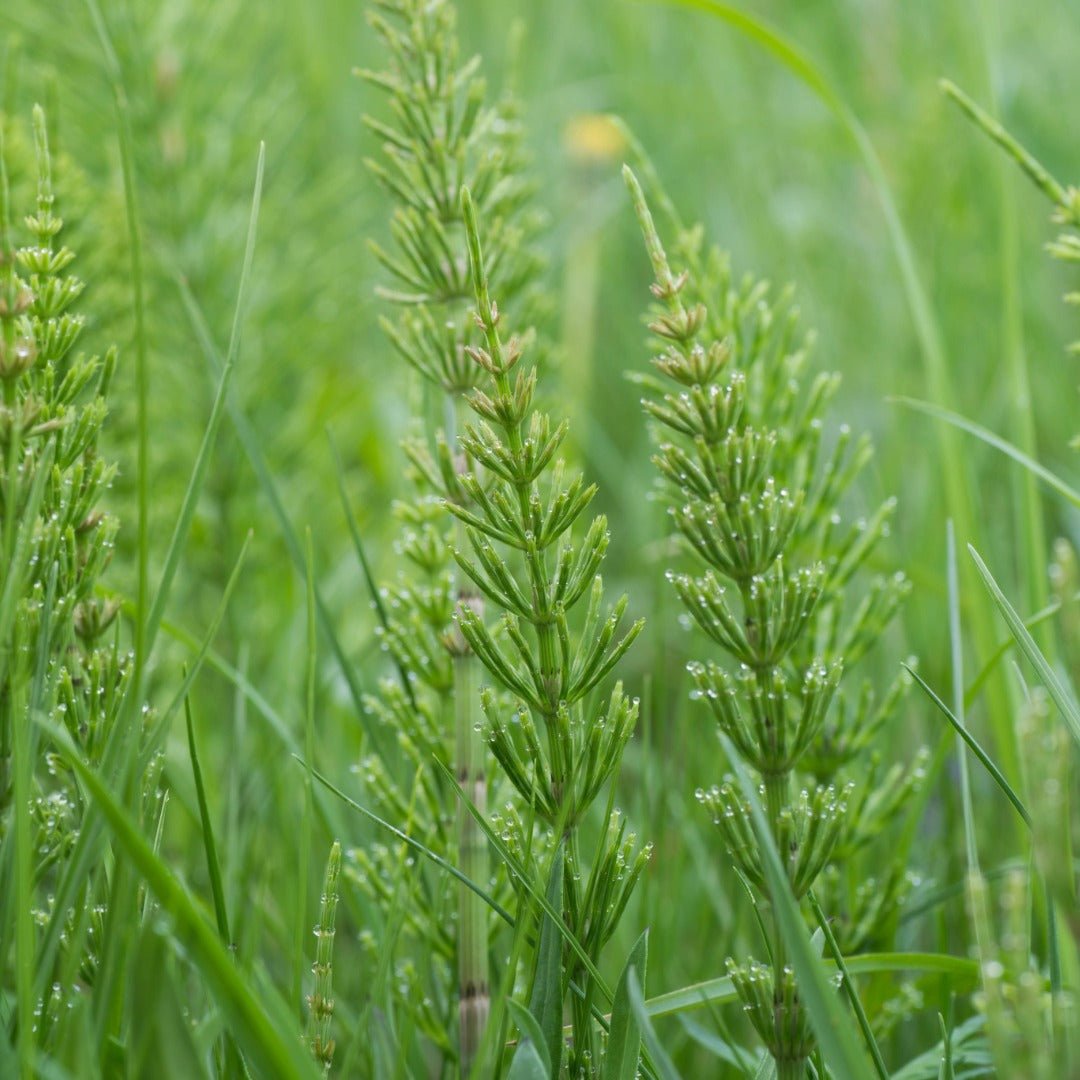
For a broader movement routine, Ginger can be combined with Turmeric, Devil’s Claw or Horsetail, but they are not interchangeable. Ginger brings a warming element and is particularly interesting when stiffness and movement comfort are the focus. Turmeric is useful when the wider focus is joint flexibility and mobility. Devil’s Claw has a particularly strong traditional connection with joint and muscle comfort and maintaining mobility. Horsetail takes a completely different approach, providing silica and being particularly associated with tendons, ligaments, cartilage and other tissues that support and connect the body's structures.

The capsules are made in France using certified organic ginger rhizome powder in vegetable capsules, offering the whole powdered rhizome rather than a concentrated extract.

More information

Botanical name: Zingiber officinale
Plant family: Zingiberaceae
Plant part used: Rhizome
Preparation: Dried organic rhizome powder
Botanical character: Pungent, aromatic and warming

Ginger is a tropical perennial belonging to the Zingiberaceae family, making it a botanical relative of turmeric and cardamom. Although we commonly speak of "ginger root", the part we use is actually the rhizome, a thick underground stem that grows horizontally beneath the soil.

The rhizome contains a complex mixture of naturally occurring compounds, including gingerols, with 6-gingerol being one of the best known. When ginger is dried, part of its gingerol content is transformed into related compounds called shogaols, which have an even more pungent character. This helps explain the particularly warm, spicy intensity of dried ginger.

These capsules contain the whole dried and powdered rhizome rather than a concentrated extract, so the preparation retains the naturally occurring mixture of constituents present in the plant material.

🌿Traditional Use

Ginger has been used as both a food and herbal plant for thousands of years, particularly in India, China and other parts of Asia. Its unmistakably pungent, warming character has shaped the way different herbal traditions have understood and used the plant.

In Ayurvedic tradition, ginger has been especially valued as a warming digestive plant. Both fresh and dried ginger have been incorporated into preparations associated with appetite, digestion, digestive heaviness and nausea. Its pungent nature also explains its traditional place in warming preparations during colder periods.

In Traditional Chinese Medicine, fresh and dried ginger are regarded as related but distinct herbal preparations. Ginger is traditionally classified as pungent and warming, with a particular relationship to the digestive system. Traditional applications include patterns described in TCM as Stomach cold and Spleen Yang deficiency, where symptoms may include poor appetite, digestive discomfort, nausea or a feeling of coldness in the digestive system.

Ginger also developed a strong traditional reputation for nausea and unsettled stomach, including discomfort associated with movement and travel. This connection has followed ginger from traditional herbal practice into its widespread modern use as a travel botanical.

Beyond digestion, ginger has also been incorporated into traditional herbal preparations concerned with stiffness, joints and ease of movement, particularly where a warming plant was considered appropriate.

What makes ginger especially interesting is therefore the breadth of its traditional use. It is not simply a culinary spice. Across different herbal traditions, the same warming rhizome repeatedly appears in connection with digestion and appetite, nausea and travel, seasonal warming preparations, and stiffness and movement comfort.

Usage tips

Take 6 capsules per day with a large glass of water during meals. Do not exceed the recommended daily dose.

This food supplement should not replace a varied, balanced diet and a healthy lifestyle.

Take the recommended daily dose with water to support digestion, energy, and overall well-being, especially when traveling or during periods of fatigue.

Certification

- Certified Organic Product
- Certified Organic Agriculture (AB certified)
- Origin of raw materials: Ivory coast
- Country of manufacture: France

Composition

Organic ginger powder*: rhizome – Zingiber officinale., capsule of plant origin (hpmc). *From organic farming

For 6 capsules:
Organic Ginger *……………1620 mg

A little history

Ginger has travelled remarkably far for a plant that does not naturally spread by seed in the way many familiar herbs do. Its story is closely connected with human cultivation, migration and the ancient spice trade.

Thought to have originated in Southeast Asia, ginger was cultivated in Asia thousands of years ago and became an important plant in both Indian and Chinese food and herbal traditions. In India, it became deeply embedded in Ayurveda, while in China both fresh and dried ginger developed their own distinct places in traditional herbal practice.

From Asia, ginger travelled west along the great overland and maritime trade routes. By classical antiquity it was already known in the Mediterranean world. The Greek physician Dioscorides, writing in the 1st century AD, described ginger in De Materia Medica, showing that the exotic rhizome had already become familiar to European herbalists and physicians.

Ginger remained a valuable imported spice throughout the Middle Ages. It was used not only in herbal preparations but also extensively in European kitchens, where its intense warmth made it popular in spiced foods, drinks and preserved preparations. Medieval Europeans developed a particular taste for ginger, and it became one of the important spices carried through the international spice trade.

Its journey continued with European expansion into the tropics. Ginger was introduced to the Caribbean, where the climate proved well suited to its cultivation. By the 16th century, ginger grown in Jamaica and other Caribbean regions had become an important export to Europe.

Perhaps the most interesting part of ginger's history is how consistently it has occupied two worlds at once. For thousands of years it has been both an everyday food and a valued herbal plant. From Ayurvedic and Chinese preparations to medieval European kitchens and today's ginger teas, powders and capsules, the same aromatic rhizome has remained part of human life across remarkably different cultures.

Precautions for use

Pregnant or breastfeeding women, as well as people taking anticoagulant medication or with kidney impairment, should seek professional advice before taking this supplement. At high doses, ginger may interact with certain medications and affect blood clotting.

Packaging & storage

Keep out of reach of young children.
Store away from heat and moisture.

FAQ

🌿 Why choose Ginger capsules instead of simply using fresh ginger?
Both have their place. Fresh ginger is excellent for cooking, infusions and ginger shots, while capsules provide a measured amount of dried ginger rhizome without the strong taste or preparation. They are particularly convenient if you want to use ginger regularly or take it with you when travelling. Dried ginger also has a somewhat different phytochemical profile from fresh ginger because some gingerols are converted into the more pungent shogaols during drying.

🌿 Why is Ginger so strongly associated with digestion?
Ginger has been used as a digestive plant for centuries across several herbal traditions. Its pungent rhizome has traditionally been chosen when digestion feels slow or heavy, after rich meals, when appetite is poor, or when the stomach feels unsettled. This is one of the reasons ginger became both a culinary spice and a herbal preparation: it was often consumed together with food rather than being reserved only for occasional herbal use.

🌿 Why do so many people take Ginger when travelling?
Ginger has a particularly strong traditional association with nausea, queasiness and an unsettled stomach during movement, which explains its long-standing popularity for journeys by car, boat and plane. Capsules are especially practical for travel because there is no need to prepare fresh ginger or an infusion.

🌿 Is this a Ginger extract?
No. Each capsule contains 270 mg of organic powdered ginger rhizome, not a concentrated extract. This means you receive the whole dried plant material with its naturally occurring mixture of gingerols, shogaols, aromatic compounds and other constituents rather than an extract standardised or concentrated for selected compounds.

🌿 How much Ginger do I get per day?
At the recommended daily intake of six capsules, you receive 1,620 mg of organic ginger rhizome powder. With 200 capsules in the box, one box provides approximately 33 days at the full recommended daily intake.

🌿 What can I combine Ginger with for joints, stiffness and movement?
That depends on what you want the wider routine to focus on. The plants complement one another because they bring different botanical characteristics rather than simply duplicating Ginger.

Turmeric is a natural partner when the focus is joint flexibility and maintaining comfortable movement. Like Ginger, it is a rhizome from the Zingiberaceae family, but Turmeric has a very different phytochemical profile characterised particularly by its curcuminoids.

Devil's Claw is particularly interesting when the main focus is joint and muscle comfort, stiffness and maintaining mobility. It has a much more specific traditional connection with the musculoskeletal system than Ginger.

Horsetail takes a completely different approach. Rather than being a warming rhizome, it is valued for its natural silica content and its traditional connection with the body's structural tissues, including tendons, ligaments and cartilage.

So, in simple terms: Ginger for warming digestive and movement support, Turmeric for joints and flexibility, Devil's Claw when joint and muscle comfort is the priority, and Horsetail when you want to include the connective and structural tissues in the routine.

Volume

200 capsules

Botanical Supplements, Chosen with Care

At Elliotti, we believe a good supplement should be easy to understand. What is in it, how much should you take, where does it come from, and why has this particular formula been chosen?

Our Bioptimal range brings together food supplements made in France, with a focus on carefully selected ingredients and straightforward formulations. Some feature a single botanical, while others combine plants or nutrients in formulas designed for a particular type of daily routine.

We look beyond the front of the pack. Ingredients, daily amounts, quality, certification, recommended use and precautions all matter when we decide what belongs at Elliotti.

Explore the product information above to understand exactly what is in this formula and how to use it.

Hi, I’m Susann!

I’m a holistic aromatherapist and naturopath, and I know that choosing between different botanicals and supplements is not always straightforward.
If you have questions about a product, its ingredients, how to use it or the differences between our botanical preparations, you’re always welcome to ask me. Personal guidance is part of the service at Elliotti, at no extra cost.

Send me an e-mail at susann@elliotti.com