Turmeric Organic Infusion

Regular price € 11,90

BUY 3 GET 1 FOR FREE! (Add 4 to your cart)

Free Shipping
in Spain & Portugal
EU Shipping €6.90
Free from €59
Secure Payment
Safe & secure checkout

Organic Farming

Certified Organic

Vegan icon - Elliotti

Vegan

Gluten free icon - Elliotti

Gluten-free

Organic Turmeric Rhizome for Traditional Herbal Decoctions

Discover turmeric in its traditional botanical form. This organic infusion contains 100% dried turmeric rhizome (Curcuma longa), without additives, flavourings or unnecessary ingredients.

Best known for its distinctive golden-yellow colour, warm earthy aroma and long history in Asian herbal traditions, turmeric is an interesting choice for anyone who enjoys preparing herbal decoctions from whole plant material.

Unlike turmeric capsules or concentrated extracts, this preparation uses the dried rhizome itself. A gentle simmer in water releases its characteristic colour and flavour, creating a warming, earthy herbal drink.

What makes this turmeric special?

  • 100% organic turmeric rhizome, with no additives or added flavourings.

  • Traditional decoction preparation, simmered gently for 15–20 minutes.

  • Naturally rich in botanical compounds, including curcuminoids, which give turmeric its distinctive golden colour.

  • Organically grown in Madagascar and India.

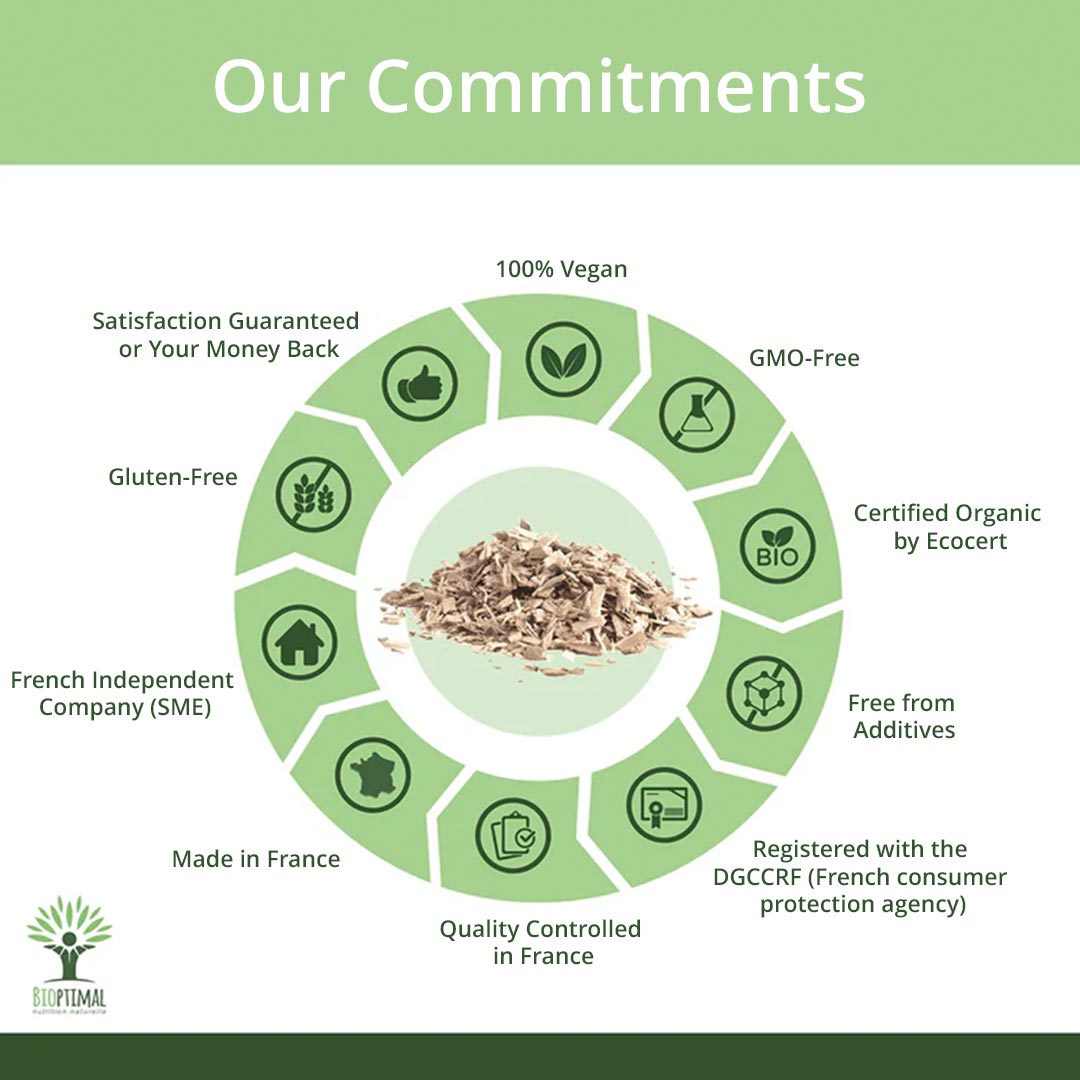
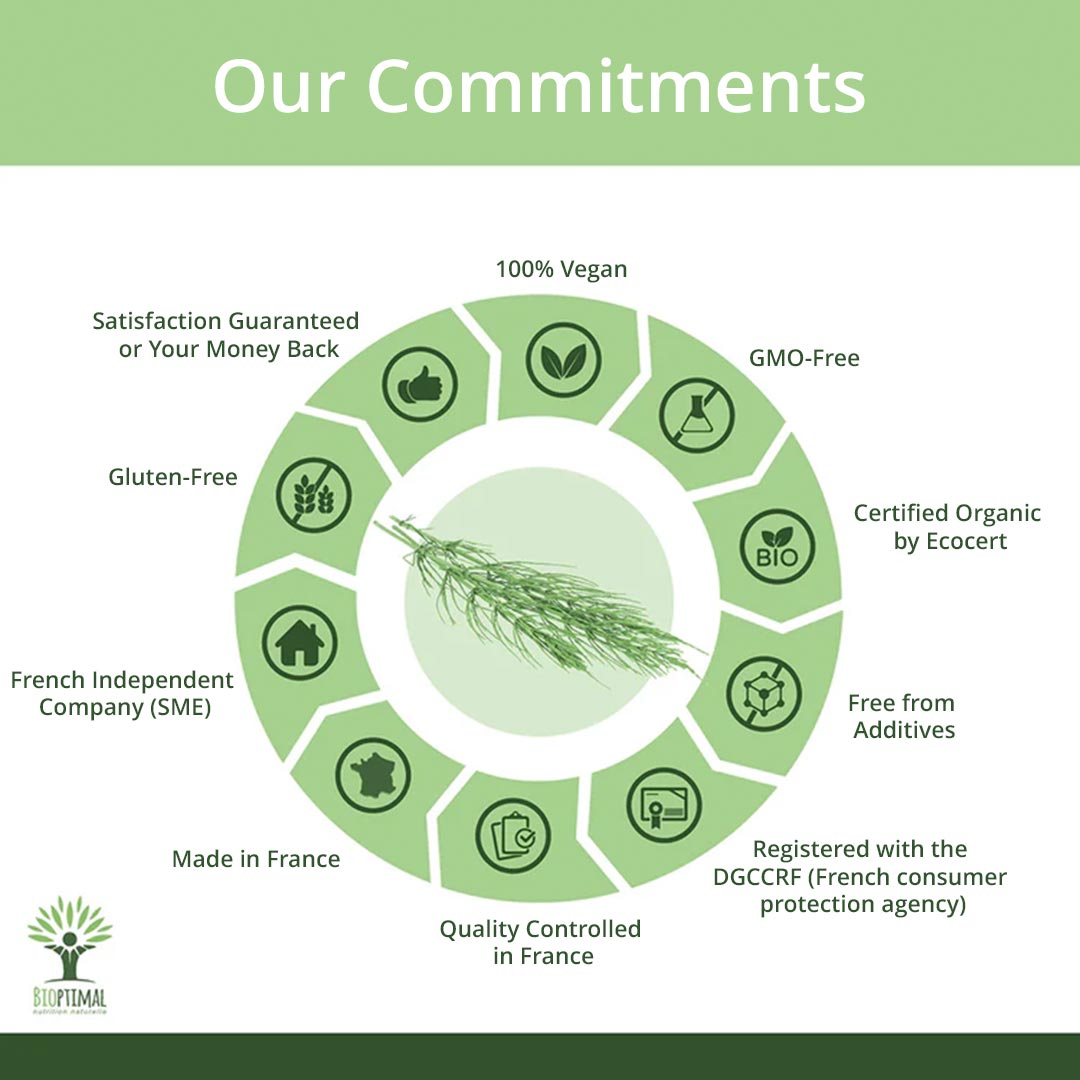
  • Packaged and inspected in France, with organic certification by Ecocert.

More information

- Botanical name: Curcuma longa L.
- Family: Zingiberaceae (ginger family)
- Common name: Turmeric
- Plant part: Rhizome (underground stem)
- Form: Dried, cut rhizome for decoction
- Ingredients: 100% organic turmeric rhizome
- Origin: Madagascar and India
- Organic certification: Ecocert
- Packaging and quality inspection: France

What Makes Turmeric Interesting?
Turmeric belongs to the same botanical family as ginger and cardamom. Although often called turmeric root, the part used is actually a rhizome, a modified underground stem that stores nutrients and produces new shoots.

The rhizome contains naturally occurring curcuminoids, including curcumin, demethoxycurcumin and bisdemethoxycurcumin. These polyphenolic compounds are responsible for much of turmeric's characteristic golden-yellow pigmentation.

Turmeric also contains aromatic compounds, including turmerones, which contribute to its distinctive earthy fragrance.
An important distinction is that curcumin is poorly soluble in water. A traditional turmeric decoction is therefore not equivalent to a concentrated curcumin supplement. It offers a different way to experience the plant, with its own characteristic flavour, colour and botanical composition.

Traditional Use
Turmeric has an extensive history in Ayurveda and traditional Asian herbal practices, where the rhizome has been used in preparations associated with digestion, skin care and joint health.
It also holds an important place in Indian cooking, traditional beverages and cultural ceremonies.

Usage tips

How to Prepare Your Turmeric Decoction
Add ½–1 teaspoon (0.5–3 g) of dried turmeric rhizome to cold water. Bring to the boil, then reduce the heat and simmer gently for 15–20 minutes.
Strain before drinking.

Turmeric has a warm, earthy flavour with a slightly bitter finish. Enjoy it on its own or combine it with ginger for a more aromatic herbal preparation.

Quality

Certified organic by Ecocert. 100% pure turmeric rhizome, free from additives and added flavourings. Grown organically in Madagascar and India, then packaged and quality-checked in France.

Certification

- Certified Organic Product
- Certified Organic Agriculture (AB certified)
- Origin of raw materials: Madagascar and India
- Country of manufacture: Madagascar and India

Composition

100% Organic Turmeric Rhizome (Curcuma longa L.).
No additives, preservatives or added flavourings.

A little history

Turmeric has been cultivated in South and Southeast Asia for thousands of years. In India, it became an important ingredient in food, traditional medicine and religious ceremonies.

In Ayurvedic traditions, turmeric is known as Haridra. Historical preparations included powders, pastes and herbal decoctions, with different methods chosen according to the intended traditional application.

Turmeric also featured in historical Chinese herbal practice, where different parts and preparations of the plant were distinguished.

Beyond herbal traditions, turmeric became valued as a natural yellow dye for textiles and as a culinary spice. Its distinctive colour and aroma helped establish its place in food cultures far beyond its original growing regions.

Precautions for use

For adults only. Not recommended during pregnancy or breastfeeding, or for people taking anticoagulants. Contraindicated in cases of bile duct obstruction, gastric ulcers or hyperacidity. People with gallstones should seek individual medical guidance before use.

Packaging & storage

80 g of dried organic turmeric rhizome, packaged and quality-checked in France.

Storage: Store in a dry place, away from direct sunlight, heat and moisture. Keep the packaging tightly closed after opening to preserve the rhizome's natural aroma and quality.

FAQ

🌿 Why choose turmeric rhizome instead of turmeric powder or capsules?

This product contains dried turmeric rhizome specifically intended for preparing a traditional herbal decoction. It is an interesting choice if you prefer working with the plant itself rather than taking a concentrated extract or capsule.

🌿 What is the difference between turmeric and curcumin?

Turmeric is the whole botanical material obtained from Curcuma longa. Curcumin is one of several naturally occurring curcuminoids found in the rhizome. A turmeric decoction and a concentrated curcumin extract are different preparations and should not be considered interchangeable.

🌿 How much turmeric should I use each day?

Use ½–1 teaspoon (0.5–3 g) of dried rhizome daily, prepared as a decoction. Simmer gently for 15–20 minutes before straining.

🌿 Can I combine turmeric with other herbal infusions?

Yes. Ginger is a natural companion because both plants belong to the Zingiberaceae family and have complementary warm, aromatic flavours. Turmeric can also be combined with other culinary herbs and spices according to taste.

🌿 Where does this turmeric come from?

The organically grown turmeric originates from Madagascar and India. It is packaged and inspected in France and carries Ecocert organic certification.

Volume

80g

Botanical Supplements, Chosen with Care

At Elliotti, we believe a good supplement should be easy to understand. What is in it, how much should you take, where does it come from, and why has this particular formula been chosen?

Our Bioptimal range brings together food supplements made in France, with a focus on carefully selected ingredients and straightforward formulations. Some feature a single botanical, while others combine plants or nutrients in formulas designed for a particular type of daily routine.

We look beyond the front of the pack. Ingredients, daily amounts, quality, certification, recommended use and precautions all matter when we decide what belongs at Elliotti.

Explore the product information above to understand exactly what is in this formula and how to use it.

Hi, I’m Susann!
I’m a holistic aromatherapist and naturopath, and I know that choosing between different botanicals and supplements is not always straightforward.
If you have questions about a product, its ingredients, how to use it or the differences between our botanical preparations, you’re always welcome to ask me. Personal guidance is part of the service at Elliotti, at no extra cost.

Send me an e-mail at susann@elliotti.com