Organic Cacao Powder, 1kg

Regular price € 54,90

BUY 3 GET 1 FOR FREE! (Add 4 to your cart)

Free Shipping
in Spain & Portugal
EU Shipping €6.90
Free from €59
Secure Payment
Safe & secure checkout

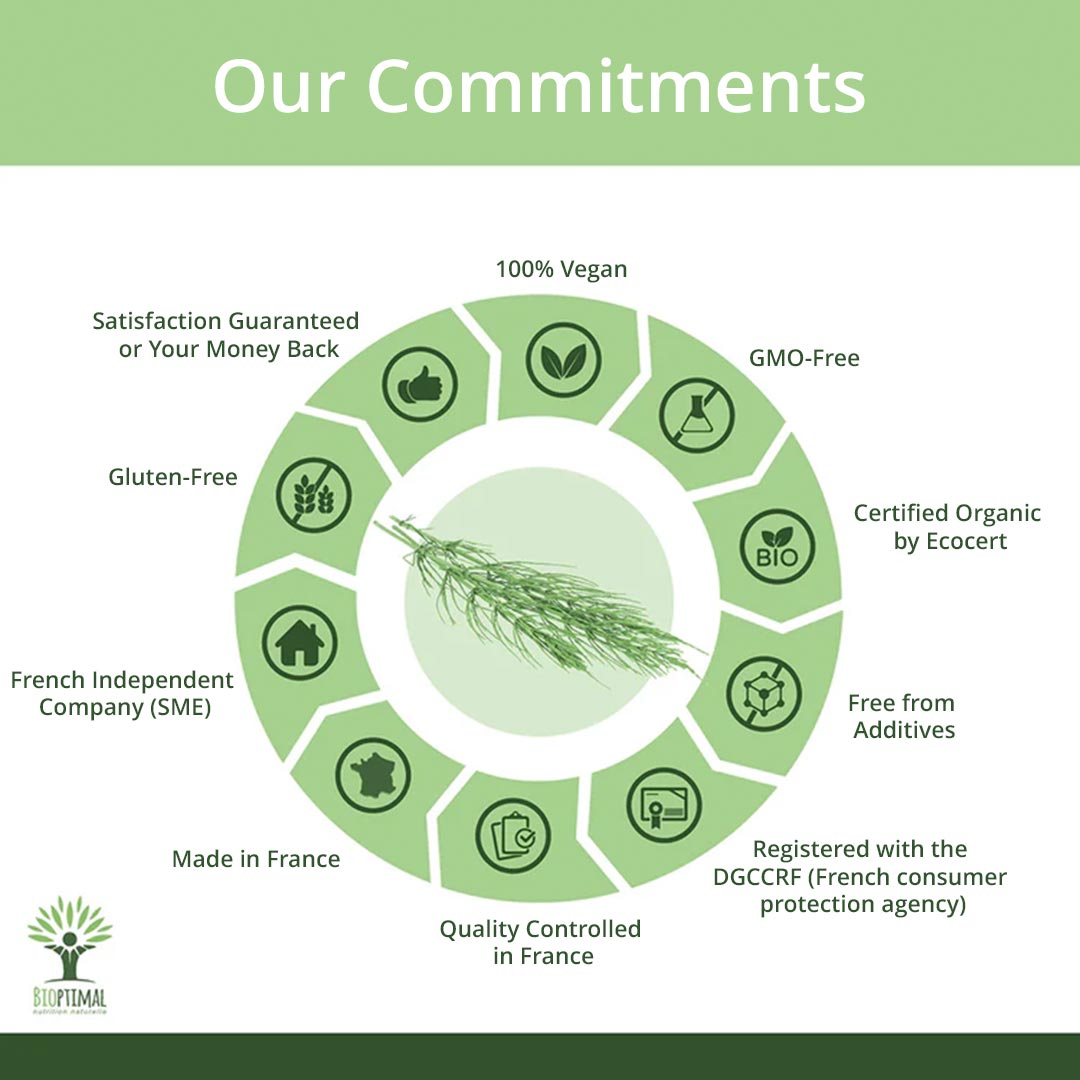
Organic Farming

Certified Organic

Vegan icon - Elliotti

Vegan

Gluten free icon - Elliotti

Gluten-free

Organic Cacao Powder – Pure Chocolate Flavour, Without the Added Sugar

Love chocolate, but not all the sugar that usually comes with it?

This is cacao in its purest form: 100% organic cacao beans from Ivory Coast, finely ground into a rich, aromatic powder with no added sugar, sweeteners or flavourings. It gives you that deep, slightly bitter taste of real cacao, while leaving you completely in control of how sweet you want your food or drinks to be.

Stir it into a steaming cup of cacao, blend it into your morning smoothie, spoon it into yoghurt or porridge, or use it to give cakes, pancakes and homemade treats a proper chocolate flavour.

Naturally High in Fibre & Rich in Protein

Pure cacao is much more than a way to add chocolate flavour. This powder has an impressive natural nutritional profile, providing 31 g of fibre and 28.1 g of protein per 100 g, while containing only 0.3 g of sugars.

A typical 20 g serving provides 6.2 g of fibre and 5.6 g of protein.

Protein contributes to the growth and maintenance of muscle mass and to the maintenance of normal bones, making this cacao particularly interesting for active lifestyles and anyone looking for more nutrient-dense everyday ingredients.

Non-Alkalised Cacao

Unlike Dutch-processed cocoa, this cacao is non-alkalised, meaning it has not been treated with alkaline agents to modify its natural acidity, colour or flavour.

You get cacao closer to its natural character, with its distinctive dark chocolate intensity and naturally occurring plant compounds.

Your Chocolate, Your Way

Because there is no added sugar, you decide what goes into your chocolate creations.

Keep it dark and intense, or combine it with banana, dates, honey or maple syrup when you want something sweeter. Add cinnamon, vanilla or cardamom for a warming cacao drink, blend it with fruit and yoghurt for breakfast, or use it in homemade energy balls, granola, brownies and raw desserts.

It is the kind of ingredient that quickly becomes a kitchen staple rather than something you use for just one recipe.

100% Cacao. Nothing Else.

One ingredient: 100% organically grown cacao beans (Theobroma cacao).

No added sugar. No sweeteners. No artificial flavours. No colourings. No fillers.

The cacao is organically grown in Ivory Coast and packaged in France. Cadmium levels are monitored, with the supplied specification stating a content of less than 0.6 mg/kg.

And with a generous 1 kg pouch, you have plenty for everyday breakfasts, drinks, baking and all those moments when only real chocolate flavour will do.

More information

Botanical name: Theobroma cacao
Family: Malvaceae
Plant part used: Cacao beans
Origin: Ivory Coast
Form: Fine cacao powder
Ingredient: 100% organically grown cacao beans

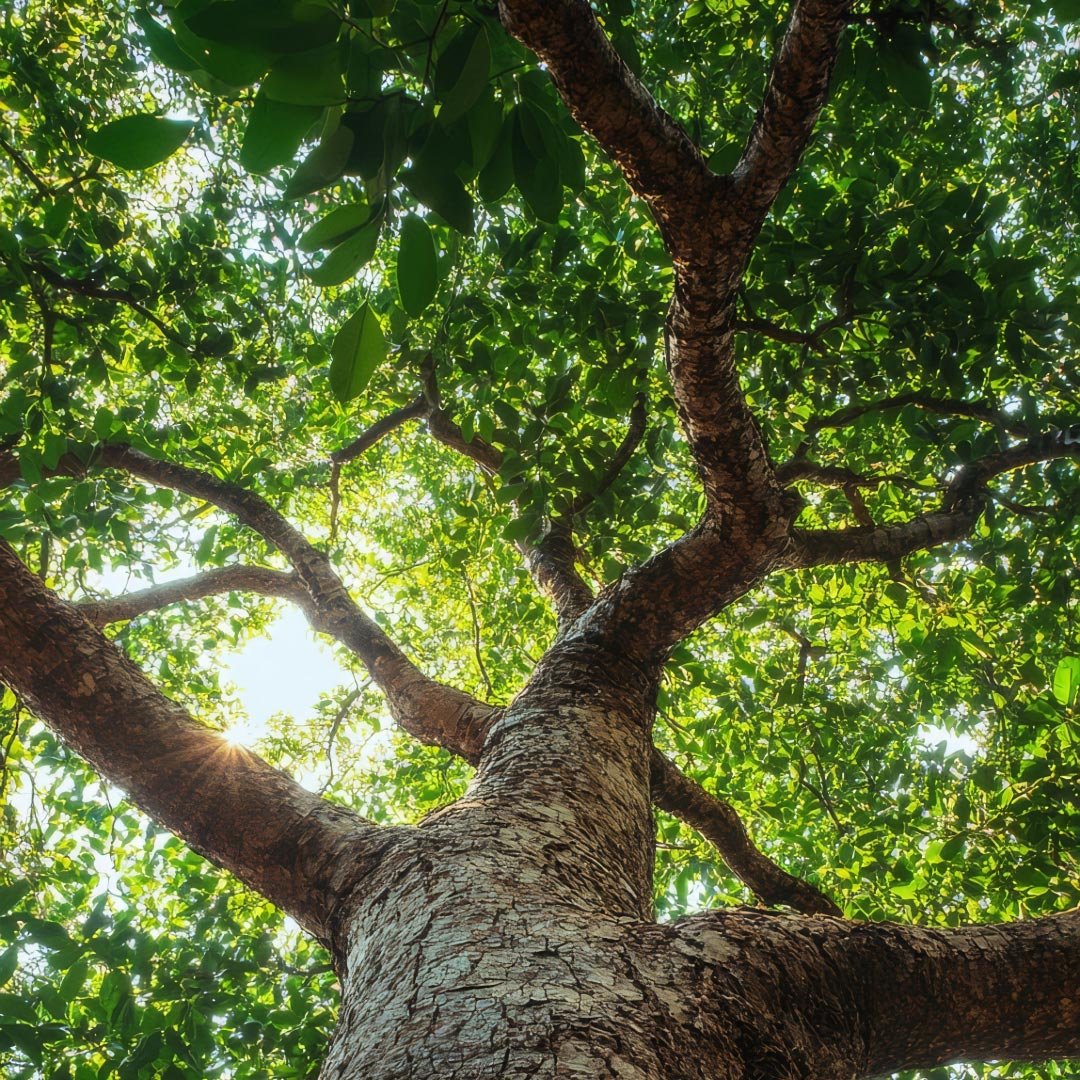
Theobroma cacao is a small evergreen tree that thrives in the warm, humid conditions of the tropics. Although cacao is native to the tropical Americas, it is now cultivated across equatorial regions, including West Africa, where the cacao in this powder is grown.

One of the most distinctive things about the cacao tree is the way it bears fruit. Its large, colourful pods can grow directly from the trunk and mature branches, a botanical phenomenon known as cauliflory. Inside each pod are numerous seeds surrounded by a pale pulp. These seeds are what we know as cacao beans.

The name Theobroma comes from Greek and means “food of the gods”, reflecting the extraordinary importance cacao acquired in the cultures where its use first developed.

🌿Traditional Use of Cacao

Long before cacao became the basis of modern chocolate, it was valued by the peoples of Central and South America as both a nourishing food and an important botanical preparation.

Cacao was traditionally prepared as a rich, bitter drink, very different from the sweet hot chocolate we know today. Ground cacao was mixed with water and could be combined with chilli, spices and other plants.

Cacao was particularly valued for energy, strength and endurance, and cacao drinks were used by warriors, travellers and during periods of physical exertion. It also had a place in traditional preparations associated with digestion and vitality, while different parts of the cacao plant were used in local botanical practices.

Its importance extended far beyond everyday nutrition. Among the Maya and Aztec cultures, cacao was closely connected with ceremony, hospitality and social life, and cacao beans became so highly valued that they were even used as a form of currency.

This long relationship between people and cacao is part of what makes Theobroma cacao such an extraordinary plant. Centuries before chocolate became a European confection, cacao was already treasured as a food, drink and botanical resource.

Usage tips

2 tablespoons (20 g) per day, mixed into a hot drink or incorporated into your recipes.

🌿How to Use Organic Cacao Powder

You can enjoy up to 2 tablespoons of cacao powder per day, spread throughout drinks, breakfasts, or recipes. Its rich, aromatic flavour blends beautifully into both sweet and nourishing creations.

🌿In Hot Drinks

Stir 1 tablespoon of cacao powder into warm plant milk or water. Mix well, then sweeten if desired. Add a touch of cinnamon or vanilla for a comforting, cosy drink.

🌿In Smoothies

Blend 1 tablespoon of cacao with bananas, berries, nut butter, oats, or plant yoghurt to create a rich, chocolate-style smoothie. It brings depth, aroma, and a satisfying natural flavour.

🌿In Breakfast Bowls

Sprinkle 1 tablespoon over porridge, chia pudding, overnight oats, or yoghurt bowls. It adds a chocolate note and enhances the feeling of nourishment.

🌿In Baking

Add cacao powder directly to cakes, muffins, cookies, brownies, or raw desserts. Since it’s unsweetened, you maintain full control over sweetness and flavour intensity.

🌿For Homemade Healthy Treats

Use 1–2 tablespoons when making energy balls, raw bars, or cacao spreads. Mix with dates, nuts, seeds, or coconut for simple, wholesome snacks.

🌿As a Topping

Dust cacao over whipped cream alternatives, desserts, fruit bowls, or warmed plant milk for a finishing touch that enhances aroma and richness. Or dust it over slices of watermelon, this is really good!

Certification

- Certified Organic Product
- Certified Organic Agriculture (AB certified)
- Origin of raw materials: Ivory Coast
- Country of manufacture: Ivory Coast

Composition

100% organic cacao powder (Theobroma cacao).
Plant part: Cacao beans (seeds)
Origin: Ivory Coast
Added ingredients: None

Average nutritional values per 100 g:
Energy......1379 kJ/ 330 kcal
Fats......11 g
of which saturated fatty acids......6.9 g
Carbohydrates......14.5 g
Fibers......31 g
Proteins......28.1 g
Salt......0 g

A little history

The History of Cacao – A Sacred Bean With Ancient Roots

The use of cacao goes back thousands of years. Long before it became the chocolate we know today, it was considered a sacred plant, a symbol of vitality, and a gift from the gods.

Origins in Mesoamerica

Cacao was first cultivated by the Olmecs, one of the oldest civilizations of Central America, more than 3,500 years ago. They were likely the first to crush the beans and mix them into a drink used in rituals and daily life.

After the Olmecs, the Maya and later the Aztecs elevated cacao to a central place in their culture. For them, it was more than a food - it was a source of energy, a ceremonial drink, and a symbol of life force.

“Food of the Gods”

The scientific name of the cacao tree, Theobroma cacao, literally means food of the gods.
This name reflects the deep reverence ancient cultures held for cacao. They believed it connected the physical world with the spiritual one.

A Sacred, Bitter Drink

The original cacao drink was not sweet. It was a frothy, bitter beverage called xocolatl, often mixed with chilies, vanilla, honey, or spices.
It was consumed by:

– priests during ceremonies
– warriors for strength
– nobility during important gatherings
– healers for spiritual and physical balance

In many ways, it was considered both nourishing and powerful.

A Symbol of Wealth and Exchange

The Aztecs valued cacao beans so highly that they used them as currency.
A handful of beans could buy food, clothing, or household items.
Cacao was so precious that counterfeit beans even existed - filled with mud to imitate the real ones.

Arrival in Europe

Cacao entered Europe in the 16th century through Spanish explorers.
At first, it remained a luxury reserved for nobility. The drink slowly transformed as Europeans began adding sugar, vanilla, and milk.

This marked the birth of what would eventually become modern chocolate.

Back to the Roots: Pure Cacao Today

Interest in pure, unsweetened, minimally processed cacao has grown again, inspired by its ancient uses. People appreciate it for:

– natural vitality
– rich flavour
– ritual and comfort
– grounded, everyday nourishment

Cacao has moved from sacred ceremonies to kitchens around the world, yet it still carries its ancient symbolism of warmth, energy, and connection.

Precautions for use

Cacao naturally contains theobromine, one of its characteristic plant compounds. Enjoy in moderation as part of a varied and balanced diet.

Packaging & storage

Store in a cool, dry place away from UV light.

FAQ

🌿 Is this cacao powder alkalised or Dutch processed?
No. This is non-alkalised cacao powder, meaning it has not been treated with alkaline agents to alter its natural acidity, colour or flavour. It therefore retains the naturally intense, slightly bitter character of pure cacao.

🌿 How much cadmium does the cacao contain?
Cacao naturally absorbs some cadmium from the soil in which it grows, which is why this is an important quality consideration for cacao products. The cadmium level of this cacao is monitored and the supplied specification states less than 0.6 mg/kg.

🌿 Where does the cacao come from, and where is it produced?
The organic cacao beans are grown in Ivory Coast and processed into cacao powder in Italy. The finished powder is then sent to France, where it undergoes final quality controls and is packed into 1 kg pouches.

🌿 Why does it taste more bitter than ordinary drinking chocolate?
Because this is real, unsweetened cacao. There is no added sugar or sweetener to soften its natural flavour, and the cacao has not been alkalised to make it darker and milder. Expect a deeper, more intense cacao taste than sweetened chocolate powders.

🌿 Can I use it every day?
Yes. The recommended serving is 2 tablespoons (20 g) per day. Mix it into a hot drink or use it in porridge, yoghurt, smoothies, baking and other recipes. A 1 kg pouch provides approximately 50 servings at 20 g per day.

🌿 How should I store the 1 kg pouch once opened?
Keep it tightly closed in a cool, dry place away from light and UV exposure. Because cacao readily takes on moisture and surrounding aromas, keeping the pouch properly sealed also helps preserve its characteristic flavour.

🌿 What is the difference between cacao and cocoa powder?
The words cacao and cocoa are sometimes used differently from one producer to another, so the name alone does not tell you exactly how a product has been processed. What matters with this powder is that it is 100% cacao and non-alkalised, rather than Dutch processed.

🌿 Why can cacao contain cadmium in the first place?
Cadmium is a naturally occurring element in soil, and cacao plants can absorb it through their roots. This is why cadmium monitoring is particularly relevant when choosing cacao products. The supplied specification for this cacao states a cadmium content of less than 0.6 mg/kg.

🌿 Is cacao powder the same as drinking chocolate?
Not at all. Drinking chocolate is typically a prepared mixture in which cocoa is combined with sugar and sometimes other ingredients. This product contains 100% cacao powder, so you control both the sweetness and what else goes into your drink or recipe.

🌿 Does cacao really contain that much fibre?
Surprisingly, yes. This cacao contains 31 g of fibre per 100 g, so a 20 g serving provides 6.2 g of fibre. That is one of the nutritional qualities of pure cacao that is easy to overlook when we think of cacao mainly as something that gives chocolate its flavour.

🌿 Is cacao also a source of protein?
Yes, and this is another unexpected feature of pure cacao. This powder contains 28.1 g of protein per 100 g, providing 5.6 g in a 20 g serving. Protein contributes to the growth and maintenance of muscle mass and to the maintenance of normal bones.

Volume

1 kg

Botanical Supplements, Chosen with Care

At Elliotti, we believe a good supplement should be easy to understand. What is in it, how much should you take, where does it come from, and why has this particular formula been chosen?

Our Bioptimal range brings together food supplements made in France, with a focus on carefully selected ingredients and straightforward formulations. Some feature a single botanical, while others combine plants or nutrients in formulas designed for a particular type of daily routine.

We look beyond the front of the pack. Ingredients, daily amounts, quality, certification, recommended use and precautions all matter when we decide what belongs at Elliotti.

Explore the product information above to understand exactly what is in this formula and how to use it.

Hi, I’m Susann!
I’m a holistic aromatherapist and naturopath, and I know that choosing between different botanicals and supplements is not always straightforward.
If you have questions about a product, its ingredients, how to use it or the differences between our botanical preparations, you’re always welcome to ask me. Personal guidance is part of the service at Elliotti, at no extra cost.

Send me an e-mail at susann@elliotti.com