Organic Goji Berries, 300g

Regular price € 20,90

BUY 3 GET 1 FOR FREE! (Add 4 to your cart)

Free Shipping
in Spain & Portugal
EU Shipping €6.90
Free from €59
Secure Payment
Safe & secure checkout

Organic Farming

Certified Organic

Vegan icon - Elliotti

Vegan

Gluten free icon - Elliotti

Gluten-free

Organic Goji Berries – A Nutrient-Rich Berry with an Ancient Asian Tradition

Goji berries (Lycium barbarum) have been treasured as a food in Asia for centuries. These small, deep red berries have a naturally sweet, slightly tangy flavour and a pleasantly chewy texture, but what really makes goji stand out is their remarkably concentrated nutritional profile.

Our organic dried goji berries provide 13.3 g protein and 7.5 g fibre per 100 g, while remaining naturally low in fat and saturated fat. They also naturally contain vitamin A, vitamin C, iron and magnesium, making them much more than simply another sweet dried fruit.

Made from 100% organically grown Lycium barbarum with nothing else added, they are an excellent choice when you want a simple whole food that brings both flavour and nutritional variety to your day.

Goji berries are also incredibly easy to use. Eat them straight from the bag, scatter them over yoghurt, porridge or muesli, mix them with nuts and seeds, add them to smoothies, baking or homemade energy bites, or steep them in hot water for a warming fruity infusion. Soak them for around 10 minutes in warm water and they become beautifully soft and juicy.

A small 10 g daily portion is all you need to make this traditional Asian berry part of your everyday food routine.

100% organic goji berries • High in protein • High in fibre • Low in fat • No added ingredients • Naturally versatile

More information

Botanical name: Lycium barbarum
Common name: Goji Berry
Plant family: Solanaceae
Plant type: Deciduous shrub
Part used: Fruit
Origin: Asia
Product form: Whole dried berries

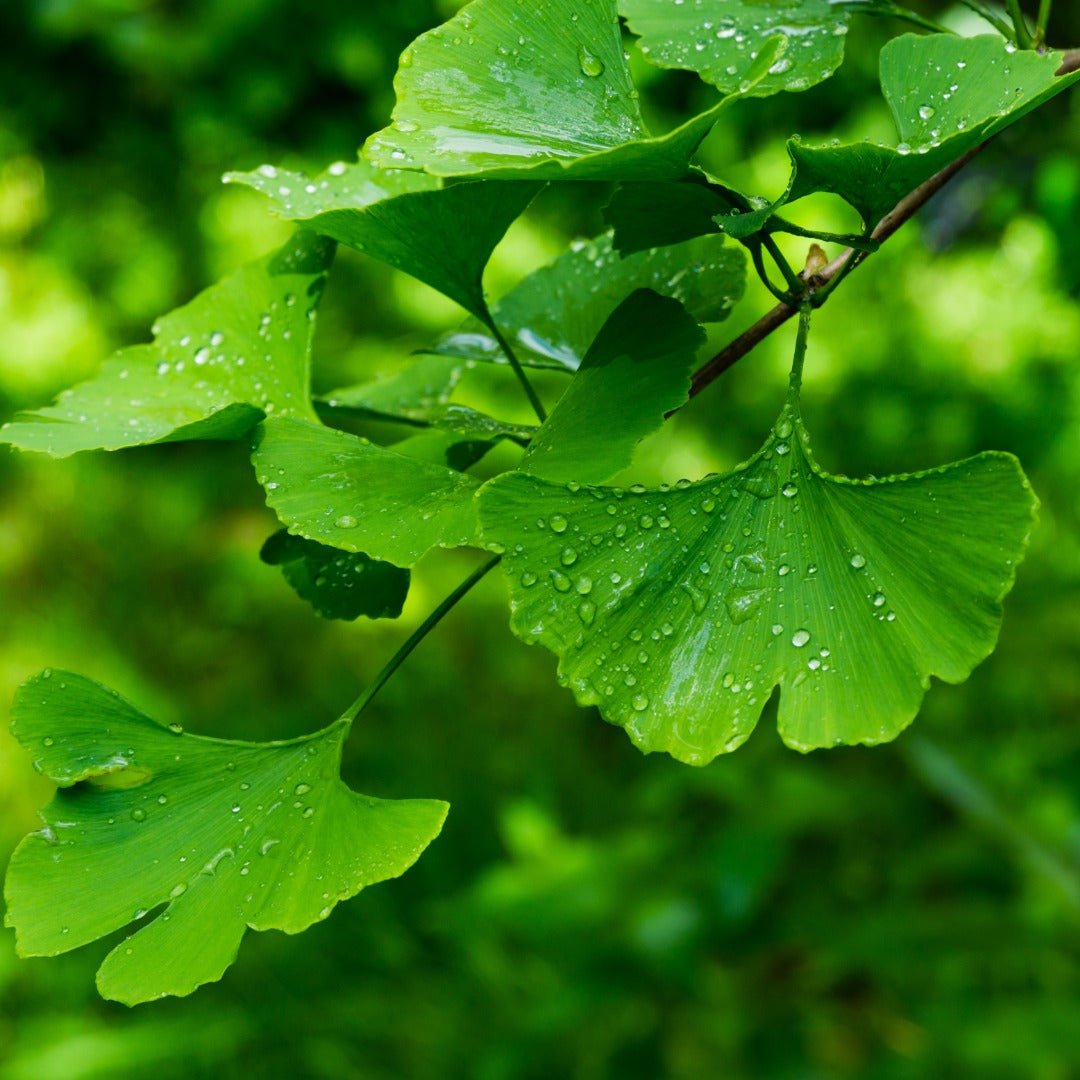
Lycium barbarum is a deciduous shrub in the Solanaceae family, the same botanical family as tomatoes, peppers and aubergines. It produces small, elongated berries that ripen to a characteristic vivid red-orange colour.

The fruit has been valued as a food and botanical ingredient in Asia for centuries and is traditionally eaten both fresh and dried. Drying concentrates the berry into the chewy, naturally sweet and slightly tangy fruit we know as goji.

🌿What Makes Goji Nutritionally Interesting?

Goji is unusual among dried berries because it combines fruit, fibre and a noteworthy amount of plant protein. These organic dried berries provide 13.3 g protein and 7.5 g fibre per 100 g, while remaining naturally low in fat and saturated fat.

They also naturally contain vitamin A, vitamin C, iron and magnesium. Their distinctive red-orange colour is associated with naturally occurring carotenoid pigments found in the fruit.

🌿100% Organic Goji

There is nothing complicated in the bag: 100% organically grown Lycium barbarum berries, with no other ingredients added.

This makes them an easy whole-food ingredient to keep in the cupboard and use whenever you want to add fruit, texture and nutritional variety to a meal.

Usage tips

Take 10 g per day. Enjoy directly, add to a dessert, or use in an infusion.

Type of preparation:
- Smoothie
- Yogurt
- As a topping
- Infused
- In the frying pan
- For cake

In Your Recipes

Goji berries work particularly well with porridge, muesli, yoghurt and chia pudding, or mixed with nuts and seeds. They can also be added to smoothies, homemade granola, baking and energy bites, or steeped in hot water for a fruity infusion.

Tip: Soak the berries in warm water for around 10 minutes for a softer, plumper and juicier texture.

Certification

Made with 100% organically grown goji berries (Lycium barbarum). From Organic Agriculture.

Composition

Lycium barbarum (Origin: Asia). * Ingredients from organic farming.

Energy 35 kcal/145 kJ
including saturated fatty acids: 0.03 g
Carbohydrates: 6.6 g
Fat: 0.12 g
Fibre: 0.75 g
Protein: 1.33 g
Salt: 0.13 g

Origin of raw materials: Asia
Country of manufacture: Asia

A little history

Goji berries have a long history in East Asia, particularly in China, where Lycium barbarum has been cultivated and used for centuries. The berries became part of both everyday food traditions and classical Chinese herbal practice, where the dried fruits are known as gǒu qǐ zǐ (枸杞子).

Goji was not traditionally treated as an exotic “superfood”. The berries were simply a familiar botanical food, eaten dried, simmered into soups and broths, prepared in teas and added to traditional dishes. Other parts of the plant, including the leaves and root bark, also developed their own places within Chinese herbal traditions.

One region became particularly closely associated with goji: Ningxia in north-central China. Goji cultivation there has a history stretching back hundreds of years, and Ningxia became renowned for the quality of its berries.

The name “goji” is actually relatively new to Western consumers. For much of the 20th century, the fruit was more commonly encountered in English as wolfberry. During the early 2000s, “goji berry” became the familiar name as the dried red fruits began appearing in European and North American health-food shops.

What was presented in the West as a newly discovered superfood was therefore anything but new. Goji had already been part of Asian food and botanical culture for generations.

Packaging & storage

Store away from heat and humidity in a cool, dry place. Keep out of reach of young children.

FAQ

🌿 Are goji berries naturally sweet?
Yes. Goji berries have their own natural sugars and need no added sugar. Their flavour is quite distinctive, combining gentle sweetness with a slightly tangy, fruity note.

🌿 Why are goji berries considered unusual among dried fruits?
Their nutritional composition is one reason. In addition to carbohydrates, these berries provide 13.3 g protein and 7.5 g fibre per 100 g, as well as naturally occurring vitamin A, vitamin C, iron and magnesium.

🌿 What gives goji berries their beautiful red-orange colour?
Goji berries naturally contain carotenoid pigments. One particularly characteristic carotenoid found in Lycium barbarum is zeaxanthin, which contributes to the fruit's vivid colour.

🌿 Can I eat goji berries straight from the bag?
Absolutely. They can be eaten dried just as they are. If you prefer them softer and plumper, soak them in warm water for around 10 minutes before eating.

🌿 Can I use goji berries in savoury food too?
Yes. Goji is surprisingly versatile. Beyond breakfast bowls and smoothies, try adding the berries to grain dishes, salads, couscous, rice dishes or vegetable dishes where their slight sweetness can provide an interesting contrast.

🌿 Can goji berries be used in tea or herbal infusions?
Yes. The label specifically suggests adding them to an infusion. The berries soften in the hot liquid and can be eaten afterwards.

🌿 What is the suggested daily amount?
The suggested amount on the product label is 10 g per day. They can be eaten directly or mixed into a dessert or infusion.

🌿 Do the berries contain any added ingredients?
No. The ingredient list is beautifully simple: 100% organic goji berries (Lycium barbarum).

🌿 How should I store them after opening?
Keep the berries in a cool, dry place away from heat and humidity, and close the package properly after use to help preserve their texture and quality.

Volume

300 g

Botanical Supplements, Chosen with Care

At Elliotti, we believe a good supplement should be easy to understand. What is in it, how much should you take, where does it come from, and why has this particular formula been chosen?

Our Bioptimal range brings together food supplements made in France, with a focus on carefully selected ingredients and straightforward formulations. Some feature a single botanical, while others combine plants or nutrients in formulas designed for a particular type of daily routine.

We look beyond the front of the pack. Ingredients, daily amounts, quality, certification, recommended use and precautions all matter when we decide what belongs at Elliotti.

Explore the product information above to understand exactly what is in this formula and how to use it.

Hi, I’m Susann!
I’m a holistic aromatherapist and naturopath, and I know that choosing between different botanicals and supplements is not always straightforward.
If you have questions about a product, its ingredients, how to use it or the differences between our botanical preparations, you’re always welcome to ask me. Personal guidance is part of the service at Elliotti, at no extra cost.

Send me an e-mail at susann@elliotti.com