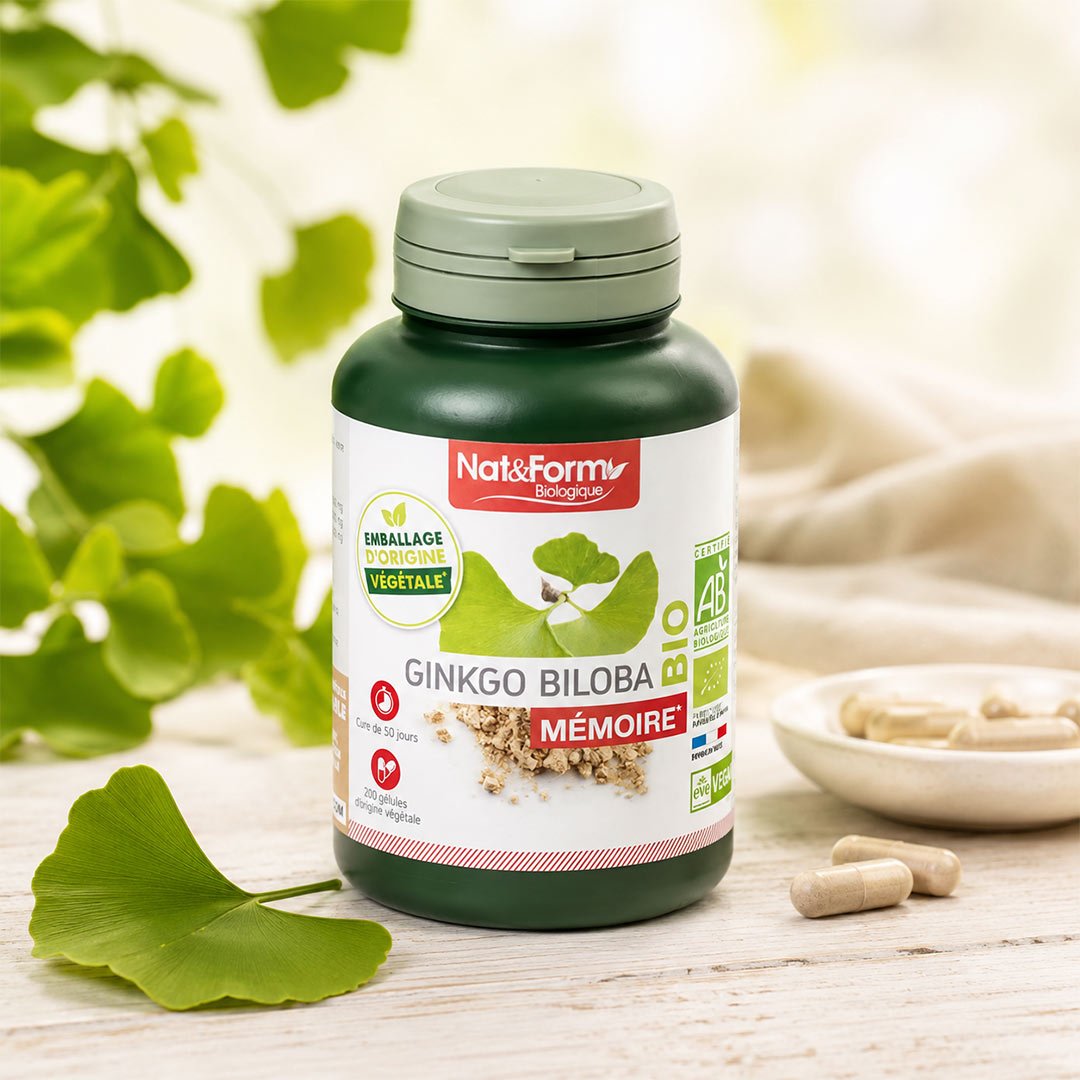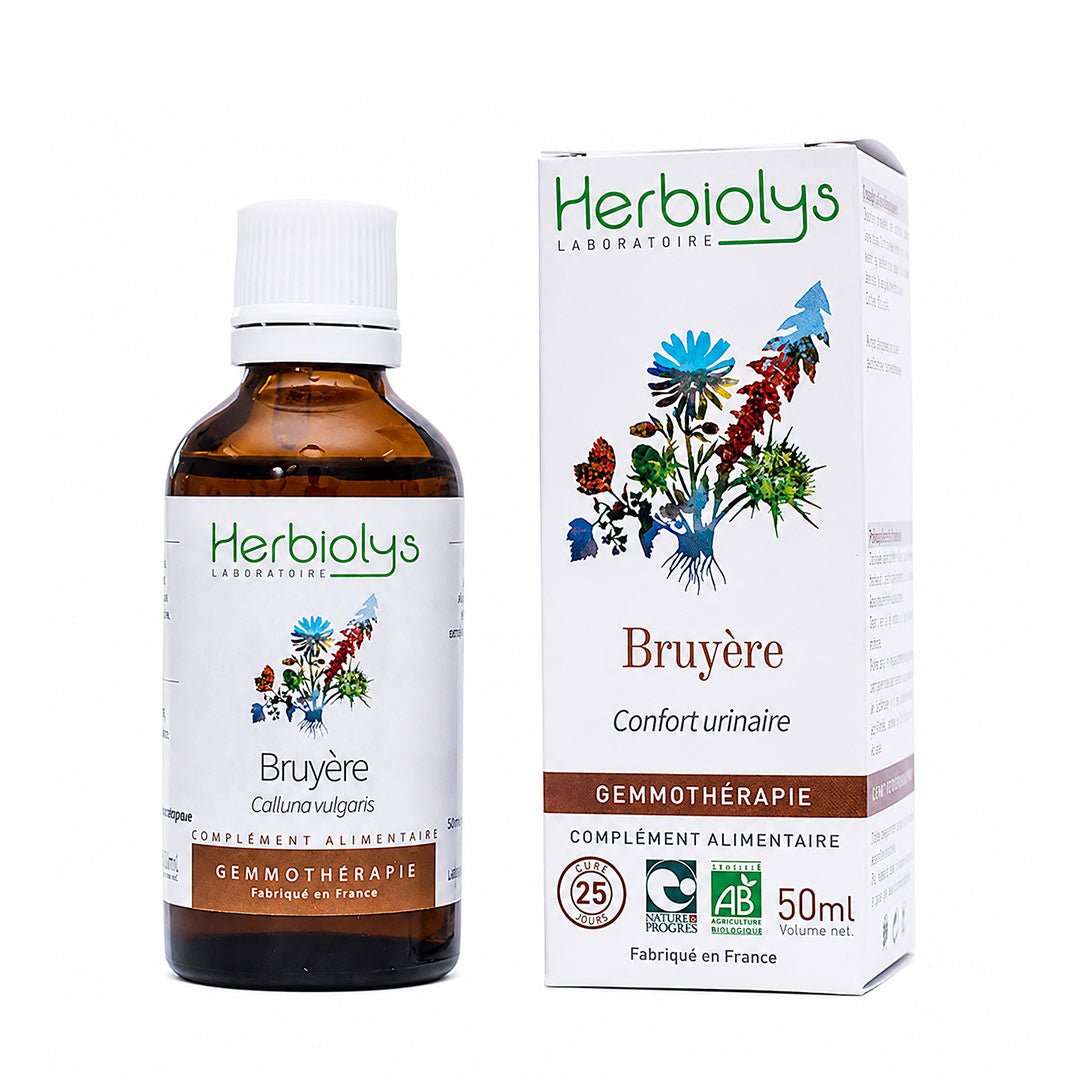
Organic Ginkgo Biloba Extract, 50 ml
Regular price 150,00 zł

Free Shipping
in Spain & Portugal
EU Shipping €6.90
Free from €59
Secure Payment
Safe & secure checkout

Certified Organic

Cruelty-free

The french flag - Made in France - Elliotti

Made in France

A Traditional Botanical for Memory, Mental Performance & Healthy Ageing

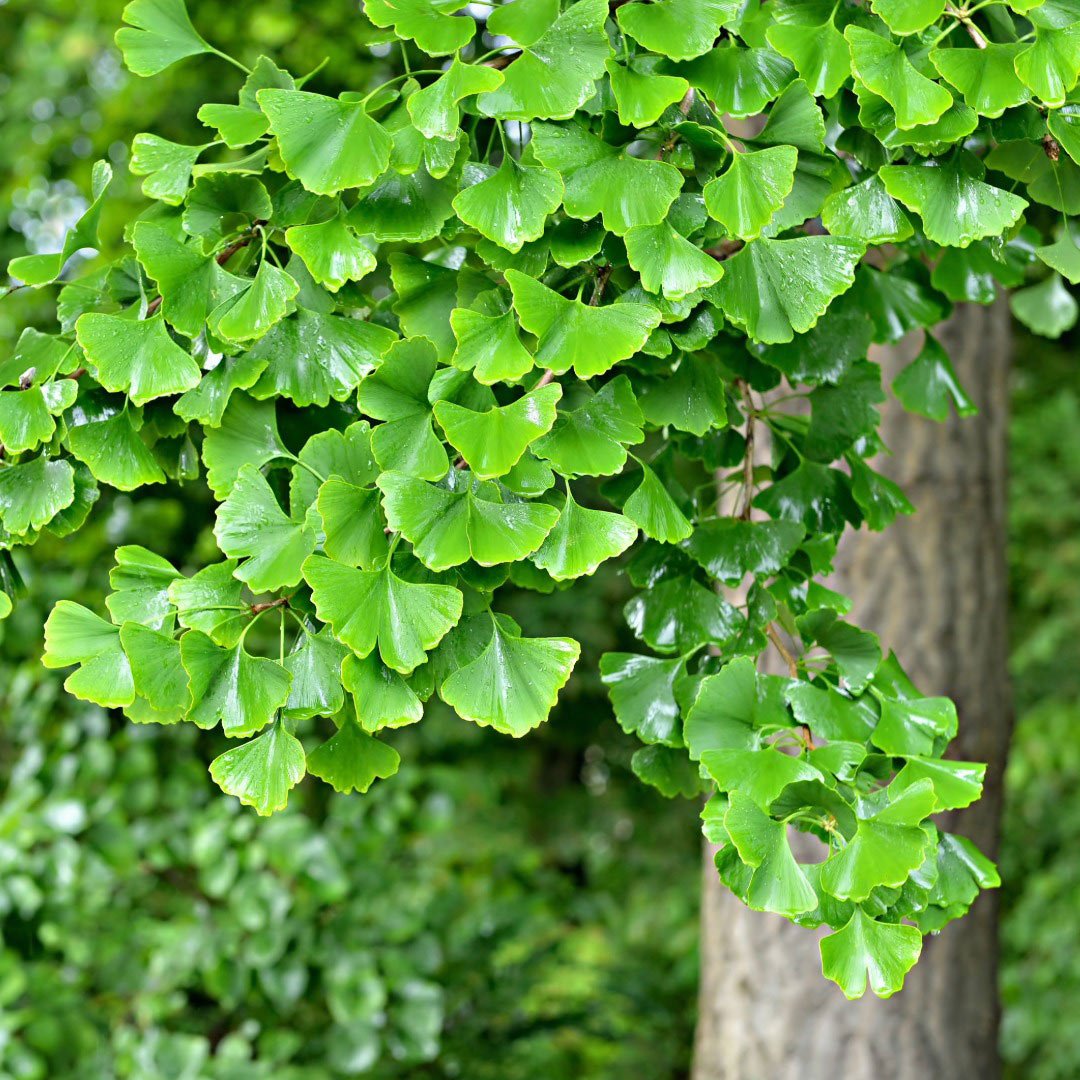
Ginkgo biloba is one of the world's oldest surviving tree species, with a botanical history stretching back hundreds of millions of years. Its distinctive fan-shaped leaves have long held an important place in East Asian botanical traditions.

Today, ginkgo is particularly familiar to people exploring botanical approaches associated with memory, concentration, mental performance, circulation and healthy ageing.

Rather than being known as a stimulating botanical, ginkgo has a particularly interesting place in herbal traditions surrounding the relationship between the mind, circulation and maintaining mental vitality over time.

For people exploring traditional botanicals during mentally demanding periods of work or study, or as part of a long-term healthy-ageing routine, ginkgo remains one of the classic plants to discover.

Why Choose Ginkgo?

Ginkgo has become one of the best-known botanicals associated with:

  • Memory and concentration
  • Mental performance
  • Maintaining an active mind with age
  • Circulation-focused botanical traditions
  • Healthy-ageing routines

Its reputation comes from a combination of centuries of botanical tradition and continued modern interest in the plant and its naturally occurring constituents.

This makes ginkgo particularly interesting for people looking beyond quick stimulation and exploring traditional plant-based approaches centred around long-term mental vitality.

The Ginkgo Leaf

The characteristic fan-shaped leaves of Ginkgo biloba naturally contain a complex mixture of botanical constituents.

Among the best known are:

Flavonoids

Flavonoids are a broad group of naturally occurring plant compounds found in many fruits, vegetables and herbs. They are among the constituents that have contributed to the considerable botanical and scientific interest surrounding ginkgo.

Terpenoids

Ginkgo leaves also contain characteristic terpene compounds, including ginkgolides. These compounds are particularly associated with Ginkgo biloba and have contributed to the plant's extensive scientific study.

Together, the naturally occurring constituents of the ginkgo leaf help explain why this ancient botanical continues to attract such interest today.

More information

🌿 Traditional Herbal Perspective

Within herbal and naturopathic traditions, ginkgo has become particularly associated with memory, concentration, circulation and the ageing mind.

This traditional context helps explain why ginkgo remains such a familiar botanical today, especially among people interested in maintaining an active and mentally engaged lifestyle as they grow older.

Rather than being viewed as a quick solution for temporary tiredness or lack of focus, ginkgo is more commonly encountered as part of a broader, long-term botanical approach.

🌿When Might Ginkgo Be of Interest?

Ginkgo may be particularly interesting to people exploring botanical routines:

During mentally demanding periods
Alongside intensive work or study
As part of a healthy-ageing routine
When exploring traditional botanicals associated with memory and concentration
When interested in the traditional relationship between circulation and mental vitality

Its long botanical history and distinctive place within European and Asian herbal practice make ginkgo an interesting plant for anyone wanting to understand traditional approaches to maintaining an active mind throughout life.

🌿 Naturopathic Insight

From a naturopathic perspective, mental vitality is not viewed in isolation. Movement, circulation, sleep, stress, nutrition and everyday lifestyle all form part of the wider picture.

This is one reason Ginkgo has such an interesting place in traditional herbal practice. Its long-standing botanical reputation brings together two areas that are often considered alongside one another: circulation and the ageing mind.

Rather than thinking of Ginkgo as a quick stimulant for concentration, it is more interesting as part of a broader, long-term approach to memory, mental vitality and healthy ageing.

And as with any botanical supplement, the foundations still matter. Regular movement, time outdoors, sufficient sleep and a varied, balanced diet all contribute to a lifestyle that supports us as we grow older.

🌿

Adaptitude is a French brand specialized in organic adaptogenic plant and mushroom extracts, produced in Brittany. Their mission is simple: help the body better adapt to stress, regain energy, and support overall resilience with high-quality, easy-to-use herbal extracts.

What makes Adaptitude unique is their strong local approach. Whenever possible, they cultivate plants in Brittany and work in close partnership with local growers to ensure freshness, quality, and ethical sourcing. Their extracts are made from carefully selected organic plants and fungi, transformed in Quimper (Finistère).

Adaptitude uses traditional hydroalcoholic extraction methods, combined with gentle modern techniques such as cold percolation and ultrasound extraction when needed. This allows them to capture a broad spectrum of active plant compounds while preserving the integrity of the raw material.

Every product is certified organic and made in small batches with a deep respect for nature, people, and plants - offering you a trustworthy adaptogen range rooted in both tradition and modern herbal know-how.

Usage tips

Take 1 to 2 pipettes per day (30–60 drops) diluted in water or another beverage.

Ginkgo can be incorporated into your daily routine in the morning or early afternoon.

For botanical extracts, consistency can make the routine easier to maintain. Follow the recommended daily amount and do not exceed the stated dose.

🌿 Making Ginkgo Part of Your Routine

Ginkgo is often of particular interest during mentally demanding periods, such as intensive work or study, and for people exploring botanical traditions associated with memory, concentration, circulation and the ageing mind.

Rather than thinking of Ginkgo as a quick stimulant, it can be approached as part of a broader daily routine that also includes regular movement, sufficient sleep, time outdoors and a varied, balanced diet.

🌿 Botanical Pairings

Different botanicals have different traditional profiles, so Ginkgo can also be explored alongside other Adaptitude extracts depending on the type of botanical routine you are looking for.

🌿Ginkgo + Rhodiola

An interesting pairing for demanding and mentally active days.

Ginkgo has a long-standing place in botanical traditions surrounding memory, concentration and circulation, while Rhodiola belongs to a different herbal tradition and is particularly familiar within adaptogenic approaches.

This pairing may therefore appeal to people looking for a botanical routine around mental performance, busy periods and everyday resilience.

🌿Ginkgo + Reishi

A contrasting botanical pairing for people interested in bringing mental vitality and a calmer daily rhythm into the same routine.

Ginkgo is traditionally associated with the mind and circulation, while Reishi has a very different history of use within East Asian botanical traditions.

Together, they offer an interesting way to explore two very different botanical traditions within one daily routine.

🌿Ginkgo + Cordyceps

An interesting combination for people exploring botanicals around mental and physical vitality.

Ginkgo is particularly familiar in traditions surrounding memory, concentration and circulation, while Cordyceps has its own long history within East Asian botanical practice and is commonly encountered in modern vitality-focused routines.

This makes the pairing particularly relevant to active lifestyles and demanding days.

🌿 Naturopathic Insight

From a naturopathic perspective, mental performance is never considered in isolation.

Sleep, movement, nutrition, stress, physical activity and daily rhythms all contribute to the wider picture. Different botanicals can then be selected according to the type of routine a person wants to create.

This is why Ginkgo, Rhodiola, Reishi and Cordyceps should not simply be treated as interchangeable “brain supplements”. Each comes from a different botanical tradition and brings a different character to a daily routine.

For Ginkgo specifically, its enduring interest lies in its traditional relationship with memory, concentration, circulation and the ageing mind.

Quality

Extraction method: prolonged maceration of dried leaves in a hydroalcoholic solution, followed by ultrasonic extraction. Concentration ratio 1:4.

Composition

Ingredients (per 1 ml / 1 pipettes)
Ginkgo biloba leaf extract* – 520 mg
(per 2 ml / 2 pipettes) - 1040mg
Water
Grain alcohol*

*From organic farming

Certification

Organic certification: Ecocert
Handcrafted & ethically made
Ecological and local commitment

A little history

Ginkgo biloba is often described as a “living fossil”, a reference to the extraordinary age of its botanical lineage.

🌿 Ancient Origins

The ginkgo lineage stretches back hundreds of millions of years, to a time long before many of the flowering plants familiar to us today. Fossil evidence shows that ginkgo relatives existed during the age of the dinosaurs.

While other members of this ancient botanical group disappeared, Ginkgo biloba is the only surviving species of the Ginkgoaceae family.

🌿 China – The Guardian Tree

Ginkgo became closely associated with China, where the tree has been cultivated for centuries around temples, monasteries and gardens.

Its remarkable longevity and resilience also gave the tree considerable cultural significance, and it became associated with longevity, endurance and vitality.

Different parts of the tree have a history of traditional use in China. The seeds in particular have a long place in traditional Chinese preparations, while the leaves later became the focus of much of the modern botanical interest surrounding ginkgo.

🌿 Ginkgo Comes to Europe

Ginkgo reached Europe in the early 18th century, where its unusual fan-shaped leaves quickly attracted the attention of botanists and plant collectors.

The tree subsequently spread far beyond botanical gardens. Its tolerance of urban conditions helped make it a familiar sight in parks and city streets across Europe, North America and many other parts of the world.

Ginkgo trees can also be extraordinarily long-lived, with some individual trees surviving for many centuries.

🌿 Hiroshima – A Symbol of Survival

One of the most remarkable chapters in ginkgo's modern history comes from Hiroshima.

Several ginkgo trees growing close to the area devastated by the atomic bombing in 1945 survived and subsequently continued to grow.

Their survival contributed to ginkgo becoming a powerful symbol of resilience, renewal and life after destruction.

🌿 From Ancient Tree to Modern Botanical

Today, Ginkgo biloba is recognised around the world, both as an ornamental tree and as an important plant within modern herbal practice.

The leaves have attracted particular botanical and scientific interest and have become closely associated with herbal traditions surrounding memory, concentration, circulation and the ageing mind.

This combination of an extraordinary evolutionary history, centuries of cultivation and continuing botanical interest has made ginkgo one of the most recognisable plants in contemporary herbalism.

🌿 Naturopathic Perspective

There is something particularly compelling about ginkgo from a naturopathic perspective.

Here is a tree whose history is defined by longevity, adaptability and resilience, yet its place in herbal tradition has developed around another fascinating theme: the relationship between circulation, the mind and ageing.

We should not assume that the resilience of the tree means it transfers that same resilience to the human body. But its remarkable botanical story adds another dimension to understanding why Ginkgo biloba has fascinated herbalists, botanists and researchers for generations.

For me, this is what makes ginkgo more than simply a botanical associated with memory. It is an ancient plant with a remarkable history and a particularly interesting place in traditions surrounding mental vitality, circulation and healthy ageing.

Precautions for use

For adult use only
Not recommended during pregnancy or breastfeeding
Avoid if using anticoagulant medication
Do not use before surgical procedures
Do not exceed recommended dose

Packaging & storage

Bottle size: 50 ml glass bottle with pipette dropper
Long shelf life: 5 years

Volume

50 ml
Schisandra berries
Explore

Adaptogens – A Botanical Tradition for Modern Life

Hello, I'm Susann

I’m a holistic aromatherapist and naturopath, and I know that choosing between different botanicals and supplements is not always straightforward.

If you have questions about a product, its ingredients, how to use it or the differences between our botanical preparations, you’re always welcome to ask me. Personal guidance is part of the service at Elliotti, at no extra cost.

Send me an e-mail at susann@elliotti.com