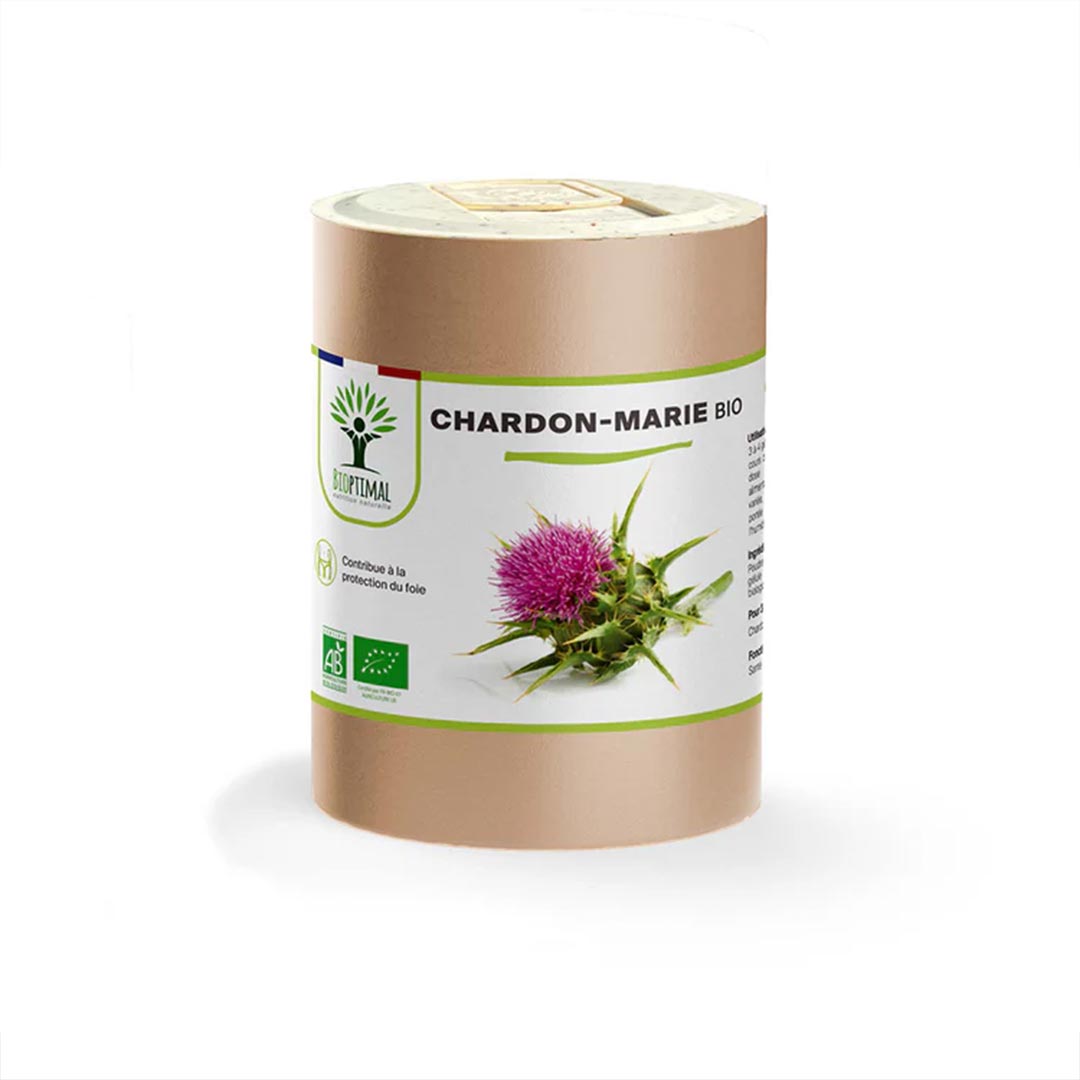
Organic Hawthorn, 200 capsules

Regular price 128,00 zł

BUY 3 GET 1 FOR FREE! (Add 4 to your cart)

Free Shipping
in Spain & Portugal
EU Shipping €6.90
Free from €59
Secure Payment
Safe & secure checkout

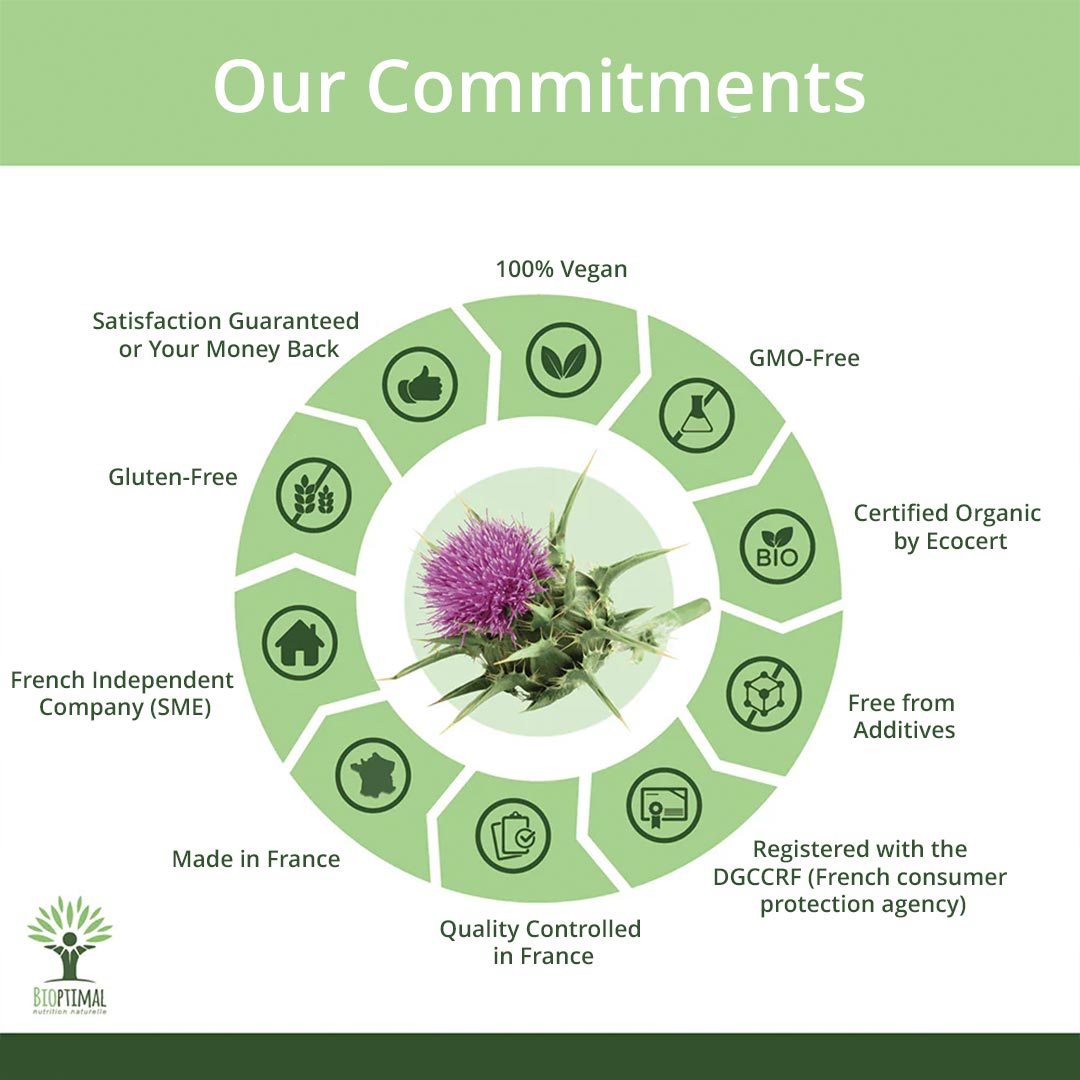
Organic Farming

Certified Organic

Vegan icon - Elliotti

Vegan

Gluten free icon - Elliotti

Gluten-free

Heart, Circulation & Calm

Hawthorn (Crataegus monogyna) is particularly interesting when the focus is heart and circulation, especially when nervous tension, restlessness or difficulty relaxing are also part of the picture.

Unlike botanicals that are chosen mainly for circulation, hawthorn has a distinctive connection with both the cardiovascular and nervous systems. This makes it a useful botanical to consider when you want to support the heart and circulation while also looking for a plant with a naturally calming profile.

These capsules contain the organic flowering tops of hawthorn, including the flowers and developing buds. Each capsule provides 300 mg of pure hawthorn powder, giving 900–1,200 mg per day at the recommended intake.

A good choice if you want a simple, single-botanical supplement for heart, circulation and calm, without a complex blend or unnecessary additives.

More information

🌿What Makes Hawthorn Different?

Hawthorn (Crataegus monogyna) is unusual because its botanical profile brings together heart, circulation and calm. This makes it particularly interesting for people whose cardiovascular focus sits alongside periods of nervous tension, restlessness or difficulty winding down.

Rather than taking a broad multi-ingredient formula, hawthorn can be chosen when you want to focus on one specific plant with this combined profile.

🌿Why the Flowering Tops?

Different parts of the hawthorn plant are used, including the berries, leaves and flowers. This supplement is made from the flowering tops, the young upper parts of the plant collected around flowering and including the flowers and developing buds.

The flowering tops contain a naturally occurring range of plant compounds, particularly flavonoids and oligomeric procyanidins (OPCs). These are among the constituents that have made hawthorn an extensively studied botanical.

🌿Hawthorn, Olive Leaf, Ginkgo or Red Vine?

Although these plants can all appear in a circulation-focused routine, they are not interchangeable.

Hawthorn is the most natural choice when the focus is heart and circulation together with calm and nervous tension.

Olive Leaf provides a different single-botanical approach when the primary focus is cardiovascular health.

Ginkgo is particularly interesting when the focus extends to peripheral circulation, such as circulation to the extremities.

Red Vine is more specifically associated with venous circulation and heavy, tired legs.

If you prefer several complementary plants in one formula, Organic Cardio Complex combines hawthorn with garlic, olive leaf and meadowsweet.

Usage tips

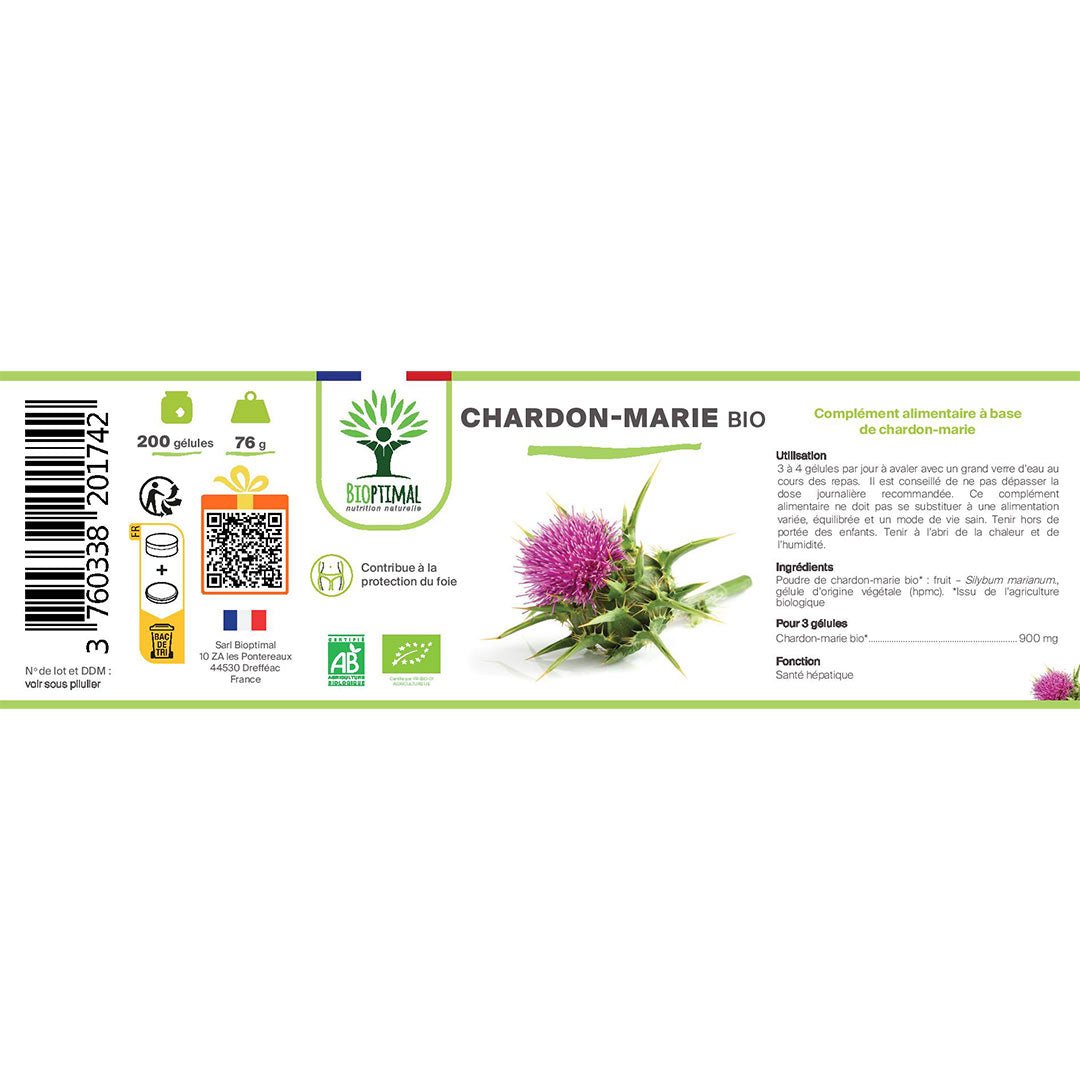
3 to 4 capsules per day to be swallowed with a large glass of water during meals.
It is recommended not to exceed the recommended daily dose.
This food supplement should not replace a varied, balanced diet and a healthy lifestyle.

Certification

- Certified Organic Product
- Certified Organic Agriculture (AB certified)
- Origin of raw materials: Europe
- Country of manufacture: France

Composition

Organic hawthorn powder* flowering tops – Crataegus Monogyna Jacq., plant-based capsule (hpmc). *From organic farming

Organic hawthorn*.......1200 mg
Size of the capsule: 7x19mm

A little history

🌿The Tree of May

Hawthorn (Crataegus monogyna) has grown along European hedgerows, field boundaries and woodland edges for centuries. With its thorny branches, white spring blossom and bright red autumn berries, it became a familiar part of both the landscape and European folklore.

One of its oldest English names is May, or May blossom, because hawthorn traditionally flowers around the beginning of May. Flowering branches became closely associated with May Day, spring celebrations and the return of new life after winter.

🌿A Tree Surrounded by Folklore

Few European trees accumulated as much folklore as hawthorn.

It was planted in hedgerows and used to mark boundaries, but in Celtic and British folklore, old solitary hawthorns were sometimes regarded as fairy trees and treated with particular respect. Cutting down certain hawthorn trees was believed to bring misfortune.

The tree consequently became associated with protection, boundaries and transitions, standing symbolically between cultivated land and the wild.

There is even an old contradiction surrounding its blossom. Bringing May blossom into the home was considered unlucky in some traditions, yet its branches were also gathered for May celebrations and used to decorate outdoor festivities.

🌿From Folklore to the Herbal Cabinet

Hawthorn also developed a long history as a botanical preparation. Different traditions have used its flowers, leaves and berries, prepared in teas, tinctures and other herbal preparations.

By the 19th century, hawthorn had become particularly well known among European and North American herbal practitioners, and its association with the heart and circulation became increasingly prominent.

That interest did not disappear with the arrival of modern medicine. Hawthorn continued to be studied as phytotherapy developed, particularly its leaves and flowers and their naturally occurring flavonoids and procyanidins.

🌿More Than a Medicinal Plant

Perhaps this is what makes hawthorn so fascinating. It has never been simply another useful plant.

For generations, it has been a hedgerow, spring blossom, boundary marker, folklore tree and herbal plant all at once. Its white flowers announce spring, its red berries appear as the year turns towards autumn, and its thorny branches have guarded European fields and pathways for centuries.

That combination of botanical use and cultural history has given hawthorn a place in European life that extends far beyond the herbal cabinet.

Packaging & storage

Store in a dry place away from heat and humidity.
Keep out of reach of children.

FAQ

🌿 Is Hawthorn related to roses?
Yes. Hawthorn belongs to the Rosaceae family, the same botanical family as roses, apples, pears and many other familiar fruits. Look closely at the small white hawthorn flowers and the family resemblance becomes easier to see.

🌿 Are Hawthorn berries and flowering tops the same thing?
No. Hawthorn produces white flowers in spring and red fruits, often called haws, later in the year. Different parts of the plant have been used in herbal preparations. This supplement specifically contains the flowering tops, not the berries.

🌿 How much Hawthorn do I take each day?
Take 3 to 4 capsules per day with a large glass of water during meals. This provides 900–1,200 mg of organic hawthorn flowering tops per day. At this dosage, a box of 200 capsules lasts approximately 50–66 days.

🌿 Is Hawthorn only interesting for the heart?
No. This is one of the things that makes hawthorn particularly interesting. Alongside its long association with the cardiovascular system, hawthorn also has a substantial traditional connection with nervous tension, emotional restlessness and sleep difficulties. Internal botanical sources likewise place hawthorn in both cardiovascular and nervous-system contexts.

🌿 Why is Hawthorn sometimes called the May Tree?
Hawthorn is traditionally known as the May Tree because its masses of white blossom are closely associated with May and old European spring celebrations. The flowers are also commonly called May blossom.

🌿 Is Hawthorn better suited to daytime or evening use?
Hawthorn does not need to be reserved for the evening. The recommended daily amount can be taken with meals, and because hawthorn has a non-stimulating botanical profile, it can fit naturally into either a daytime or evening routine. If you are particularly interested in hawthorn because of its traditional connection with calm and settling down, taking part of your daily amount later in the day may feel like a natural fit.

🌿 Can I take Hawthorn if I use heart or blood pressure medication?
If you take medication for the heart or blood pressure, speak with your doctor or pharmacist before using Hawthorn. This is particularly important if you are taking several cardiovascular products at the same time.

🌿 Is Hawthorn actually a thorny plant?
Yes. Its name is very literal. “Haw” refers to the fruit and “thorn” to its sharp thorns. Hawthorn was widely used for hedging because its dense, thorny growth forms an effective natural barrier.

🌿 Can Hawthorn live for a very long time?
Yes. Hawthorn can be remarkably long-lived. Some ancient specimens survive for several centuries, which helps explain why individual hawthorn trees became landmarks and accumulated so much folklore.

Volume

200 capsules

Botanical Supplements, Chosen with Care

At Elliotti, we believe a good supplement should be easy to understand. What is in it, how much should you take, where does it come from, and why has this particular formula been chosen?

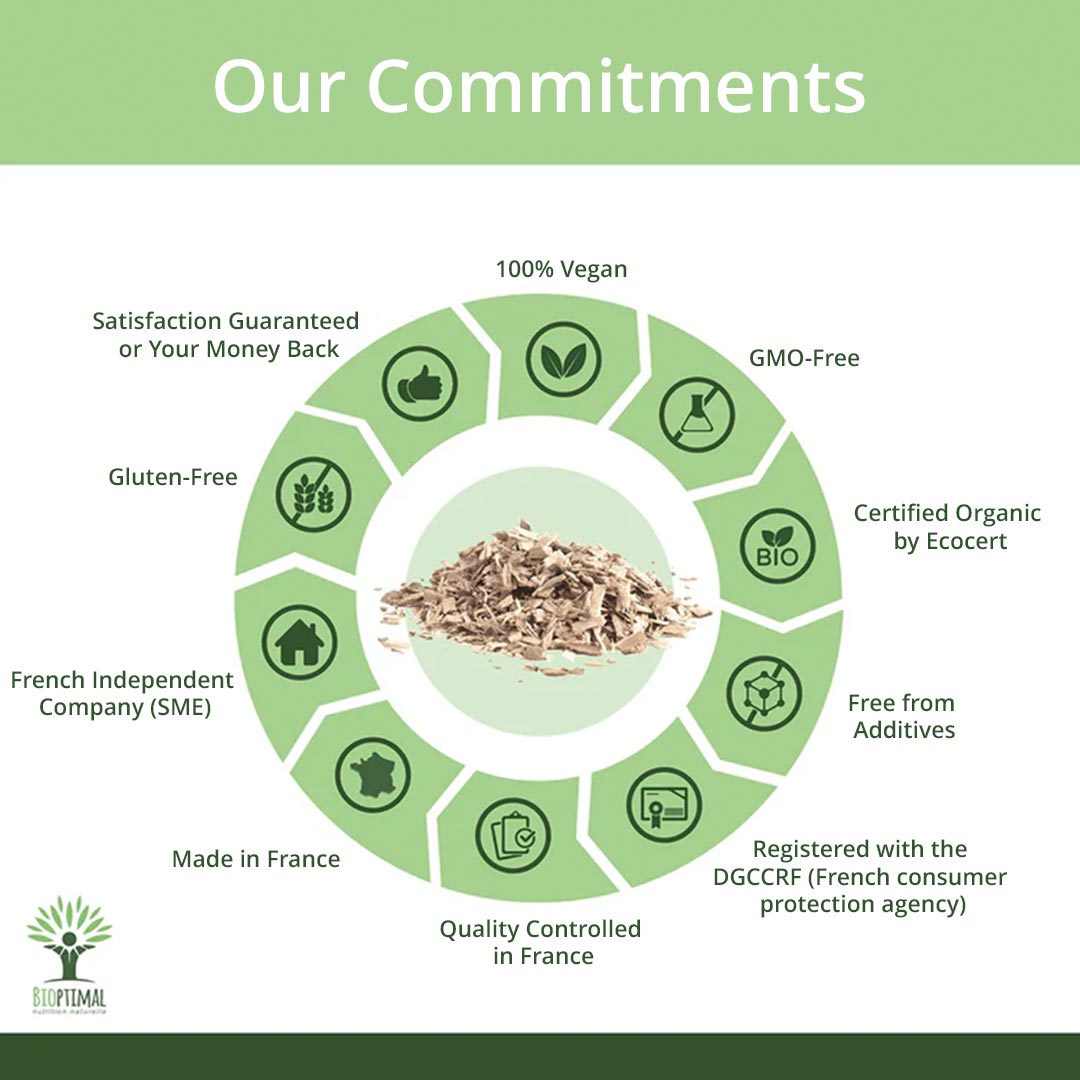
Our Bioptimal range brings together food supplements made in France, with a focus on carefully selected ingredients and straightforward formulations. Some feature a single botanical, while others combine plants or nutrients in formulas designed for a particular type of daily routine.

We look beyond the front of the pack. Ingredients, daily amounts, quality, certification, recommended use and precautions all matter when we decide what belongs at Elliotti.

Explore the product information above to understand exactly what is in this formula and how to use it.

Hi, I’m Susann!
I’m a holistic aromatherapist and naturopath, and I know that choosing between different botanicals and supplements is not always straightforward.
If you have questions about a product, its ingredients, how to use it or the differences between our botanical preparations, you’re always welcome to ask me. Personal guidance is part of the service at Elliotti, at no extra cost.

Send me an e-mail at susann@elliotti.com