Organic Matcha powder, 400g

Regular price 275,00 zł

BUY 3 GET 1 FOR FREE! (Add 4 to your cart)

Free Shipping
in Spain & Portugal
EU Shipping €6.90
Free from €59
Secure Payment
Safe & secure checkout

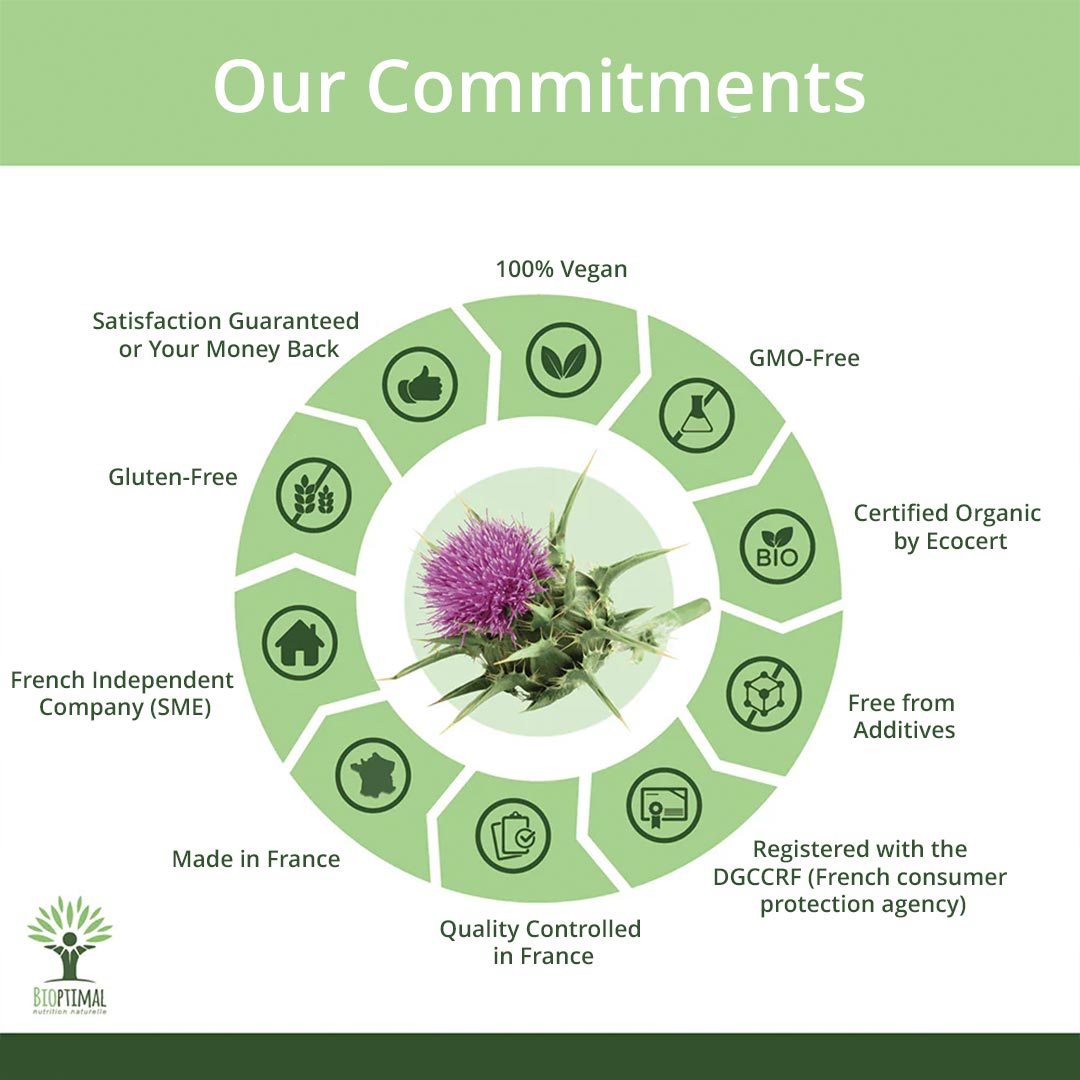
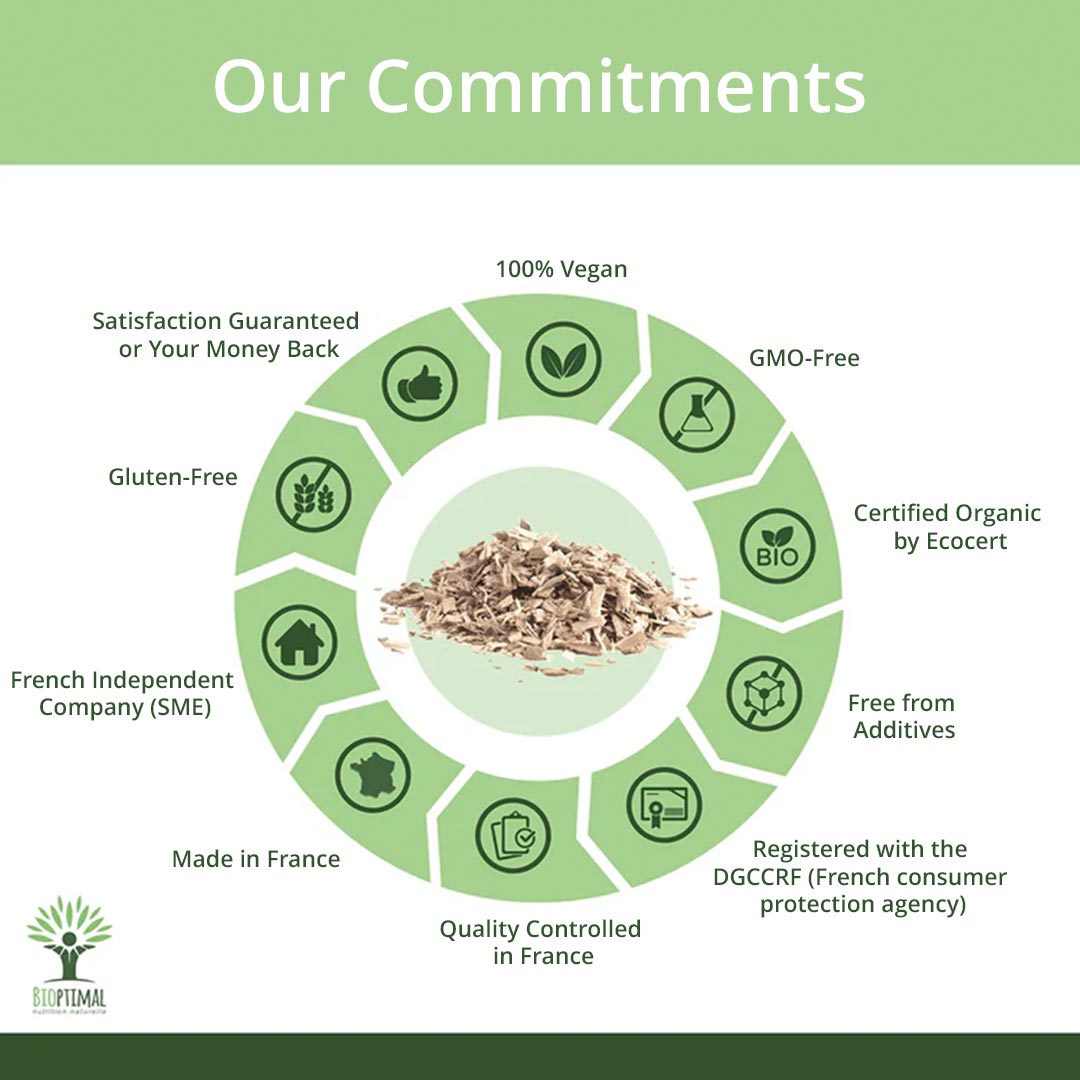
Organic Farming

Certified Organic

Vegan icon - Elliotti

Vegan

Gluten free icon - Elliotti

Gluten-free

Discover the distinctive taste and everyday versatility of organic Japanese matcha, made from finely ground green tea leaves (Camellia sinensis). Unlike an ordinary cup of green tea, where the leaves are infused and removed, matcha is consumed as the whole powdered leaf, giving it its characteristic intense green colour, concentrated flavour and naturally rich composition.

This matcha comes from Japan and is made from 100% organically grown Camellia sinensis, with no added ingredients. It has the fresh, vegetal and gently bitter character typical of matcha and is ideal for anyone who wants a Japanese green tea that can be used far beyond the traditional tea bowl.

Natural caffeine for focused days

Matcha naturally contains caffeine, making it particularly suited to mornings, study sessions, workdays or whenever you want an alternative to coffee. The recommended daily serving of 6 g provides approximately 72 mg of naturally occurring caffeine, based on the declared 1.2 g caffeine per 100 g.

What makes matcha especially interesting is that you are drinking the finely powdered tea leaf itself rather than simply an infusion. Alongside caffeine, this matcha naturally provides catechins, with 9 g per 100 g, as well as fibre and protein.

More than a cup of tea

One of the best things about matcha is how easy it is to make it part of your own routine. Whisk it with warm water for the traditional Japanese experience, make a creamy matcha latte with your favourite milk, or blend it into smoothies and yoghurt.

Its vibrant colour and characteristic green tea flavour also make it a wonderful ingredient for baking and cooking. Try it in overnight oats, chia pudding, energy bites, pancakes, cakes or homemade desserts. It can even be used in savoury recipes where its slightly bitter, vegetal character adds something unexpected.

More information

Botanical name: Camellia sinensis
Family: Theaceae
Common name: Matcha, Green Tea
Plant part used: Leaves
Origin: Japan
Form: Finely ground green tea powder

Matcha is produced from the leaves of Camellia sinensis, an evergreen shrub native to East Asia. The same botanical species is used to produce green, white, oolong and black tea. What makes matcha distinctive is the cultivation and processing of the leaves and the fact that the finished tea is consumed as a finely ground powder.

Unlike ordinary green tea, where the leaves are infused and then removed, the whole powdered matcha leaf is consumed. The leaves naturally contain caffeine, catechins and other compounds characteristic of green tea. This particular matcha contains 9 g catechins and 1.2 g caffeine per 100 g.

🌿Traditional Use

Powdered green tea has been part of Japanese culture for centuries. From around the 12th century, it became closely associated with Buddhist monasteries, where monks traditionally drank tea during long periods of meditation and study.

Over time, the preparation of matcha developed into the Japanese tea ceremony, chanoyu, a carefully observed ritual centred around simplicity, tranquillity, attention and presence.

Traditionally, matcha powder is placed directly into a tea bowl, or chawan, combined with hot water and whisked with a bamboo whisk called a chasen until lightly frothy. Because the powdered leaf remains in the drink, matcha differs fundamentally from an ordinary infused green tea.

Today, this traditional preparation remains an important part of Japanese tea culture, while matcha has also become widely used in everyday drinks and foods.

Usage tips

1 teaspoon (6 g) per day to be mixed into a drink or into sweet or savory preparations.

RECIPES:
1. Matcha Smoothie

1 teaspoon Organic Matcha powder
200 ml almond milk (or milk of choice)
1 banana
1 handful of spinach or kale (optional)
1 teaspoon honey

Blend until creamy and enjoy a refreshing, energizing smoothie.

2. Matcha Yoghurt Bowl
1 teaspoon Organic Matcha Powder
200 g natural yoghurt or plant-based yoghurt
Fresh berries (blueberries, strawberries, raspberries)
A sprinkle of granola or nuts

Mix matcha into the yoghurt and top with fruit and granola for a nutritious breakfast or snack.

3. Matcha Cake (Green Tea Sponge)
2 teaspoons Organic Matcha Powder
200 g flour
100 g honey (about 70 ml, since honey is sweeter than sugar)
2 eggs
100 g butter (melted)
120 ml milk
1 tsp baking powder

Mix dry and wet ingredients separately, then combine. Bake at 180°C for 25–30 minutes. A light green sponge with a delicate tea aroma.

4. Matcha Pancakes (in the pan)
1 teaspoon Organic Matcha Powder
150 g flour
1 tbsp honey
1 egg
200 ml milk
1 tsp baking powder

Whisk ingredients together and cook small pancakes in a hot pan. Serve with fresh fruit or maple syrup.

5. Matcha Infusion (Simple Tea)
1 teaspoon Organic Matcha Powder
150–200 ml hot water (max. 80°C)

Whisk well until frothy using a bamboo whisk (chasen) or small hand mixer. A traditional, soothing way to enjoy matcha.

6. Matcha Ice Cream (Sugar-Free & Creamy)
2 teaspoons Organic Matcha Powder
400 ml full-fat coconut milk (or coconut cream for extra creaminess)
150 g pitted Medjool dates (or adjust to taste, these act as the natural sweetener)
Optional: a few drops of vanilla extract

Instructions:
Soak dates in warm water for 10 minutes if they’re not very soft.

Blend coconut milk, matcha, dates, and vanilla until smooth and creamy.

Pour into a container and freeze for at least 6 hours, stirring once or twice during freezing for a smoother texture.

Certification

- Certified Organic Product
- Certified Organic Agriculture (AB certified)
- Origin of raw materials: Japan
- Country of manufacture: Japan

Composition

Ingredients: 100% Organic Matcha Green Tea Powder (Camellia sinensis).

Origin: Japan
Packaged in: France
Packaging: Vacuum-packed

Nutritional information per 100 g:

Energy......1655 kJ / 394 kcal
Fat......6 g
including saturated fatty acids......0.7 g
Carbohydrates......48.5 g
including sugars......1.5 g
Fibre......29.8 g
Protein......36.4 g
Salt......0 g
Iron......75 mg
Manganese......5.4 mg
Caffeine......1.2 g
Catechins......9 g

Per recommended daily serving (6 g):

Energy......99 kJ / 23 kcal
Fat......0.4 g
including saturated fatty acids......0 g
Carbohydrates......2.9 g
including sugars......0.1 g
Fibre......1.8 g
Protein......2.2 g
Salt......0 g
Iron......4.5 mg (32% RI)
Manganese......0.3 mg (16% RI)
Caffeine......0.1 g
Catechins......0.5 g

A little history

🌿From China to Japan

The story of matcha begins long before the Japanese tea ceremony. During China's Tang Dynasty (618–907), tea leaves were steamed and compressed into cakes or bricks for storage and transport. In the centuries that followed, particularly during the Song Dynasty (960–1279), powdered tea became fashionable. The tea was ground finely, mixed with hot water and whisked until frothy, a preparation remarkably similar to the way matcha is still prepared today.

🌿The Journey to Japan

At the end of the 12th century, the Japanese Buddhist monk Eisai returned from China after studying Chan Buddhism, known as Zen in Japan. He brought tea seeds with him and helped establish tea cultivation and powdered tea culture in Japan.

Tea became particularly important within Zen monasteries. Its preparation encouraged attention and discipline, while drinking tea became closely connected with periods of study and meditation.

🌿Uji and the Art of Matcha

The area around Uji, near Kyoto, eventually became one of Japan's most celebrated tea-growing regions. Generations of tea growers refined cultivation and processing techniques, including the shading of tea plants before harvest, an important step in producing the leaves destined for matcha.

Uji remains internationally renowned for Japanese green tea and matcha today.

🌿From Tea to Ceremony

By the 15th and 16th centuries, preparing and serving matcha had developed far beyond simply making a drink. Tea gatherings became an important part of Japanese cultural life among monks, samurai and the aristocracy.

The influential 16th-century tea master Sen no Rikyū helped shape the tea ceremony, or chanoyu, around principles of harmony, respect, purity and tranquillity. Simple utensils, deliberate movements and appreciation of the present moment became as important as the tea itself.

🌿Matcha Today

Matcha has travelled remarkably far from the monasteries and tea houses of medieval Japan. Today it is enjoyed around the world, both traditionally whisked with hot water and in modern creations such as matcha lattes, smoothies, desserts and baking.

Yet the traditional bowl of matcha remains something quite different from an ordinary cup of tea. Behind that vivid green powder lies centuries of cultivation, craftsmanship and Japanese tea culture.

Precautions for use

Contains caffeine. Not recommended for children or adolescents, or during pregnancy or breastfeeding.

Packaging & storage

Store in a cool, dry place away from UV rays.

FAQ

🌿 What is the difference between matcha and ordinary green tea?
Both come from Camellia sinensis, but with ordinary green tea the leaves are infused and then removed. With matcha, the finely powdered tea leaf is mixed directly into the drink, so you consume the leaf itself.

🌿 Does matcha contain caffeine?
Yes. Matcha naturally contains caffeine. This product contains 1.2 g caffeine per 100 g. Because caffeine content can vary and the nutritional declaration is rounded, it is best to consider matcha a caffeinated drink rather than compare it cup-for-cup with coffee.

🌿 Do I need a bamboo whisk to prepare matcha?
No. A traditional chasen creates the characteristic smooth, lightly frothy matcha, but it is not essential. You can also use a small milk frother, shaker or blender. Sifting the powder first can help prevent small lumps.

🌿 Can I use this matcha for more than tea?
Absolutely. Its 400 g format makes it particularly practical if you regularly use matcha in lattes, smoothies, yoghurt, porridge, chia pudding, pancakes, baking or desserts. It can also be incorporated into savoury recipes.

🌿 Why is matcha such a vibrant green colour?
The colour comes naturally from the tea leaves and their chlorophyll. Matcha production traditionally involves shading the tea plants before harvest, which contributes to the characteristic deep green colour of the leaves.

🌿 Who should avoid this matcha?
The product is not recommended for children or adolescents, or during pregnancy or breastfeeding. Matcha naturally contains caffeine, so caffeine intake from coffee, tea, energy drinks and other sources should also be considered when deciding when and how much matcha to consume.

Volume

400g

Botanical Supplements, Chosen with Care

At Elliotti, we believe a good supplement should be easy to understand. What is in it, how much should you take, where does it come from, and why has this particular formula been chosen?

Our Bioptimal range brings together food supplements made in France, with a focus on carefully selected ingredients and straightforward formulations. Some feature a single botanical, while others combine plants or nutrients in formulas designed for a particular type of daily routine.

We look beyond the front of the pack. Ingredients, daily amounts, quality, certification, recommended use and precautions all matter when we decide what belongs at Elliotti.

Explore the product information above to understand exactly what is in this formula and how to use it.

Hi, I’m Susann!
I’m a holistic aromatherapist and naturopath, and I know that choosing between different botanicals and supplements is not always straightforward.
If you have questions about a product, its ingredients, how to use it or the differences between our botanical preparations, you’re always welcome to ask me. Personal guidance is part of the service at Elliotti, at no extra cost.

Send me an e-mail at susann@elliotti.com