
Aromathérapie pour chats
Notre gamme d’aromathérapie pour chats est conçue dans le plus grand respect de la sensibilité féline.
Les chats réagissent différemment aux huiles essentielles, c’est pourquoi chaque produit est soigneusement sélectionné, formulé en douceur et basé sur des ingrédients botaniques adaptés à leur physiologie unique.
Grâce à des ingrédients certifiés biologiques, cette collection favorise le calme, le confort et l’équilibre cutané via une aromathérapie réfléchie et faiblement dosée — toujours avec le bien-être de votre chat au cœur de nos priorités.
What does your cat need?
If you are not sure where to begin, start with your cat’s current need. Choose one gentle direction, begin simply, and observe your cat’s response.
Stress & Anxiety
Skin & Recovery
General Calm & Balance
Breathing & Grounding
Emotional Sensitivity
Restlessness & Sleep
Start with one oil at a time, use low dilution, and let your cat’s behaviour guide the pace.






















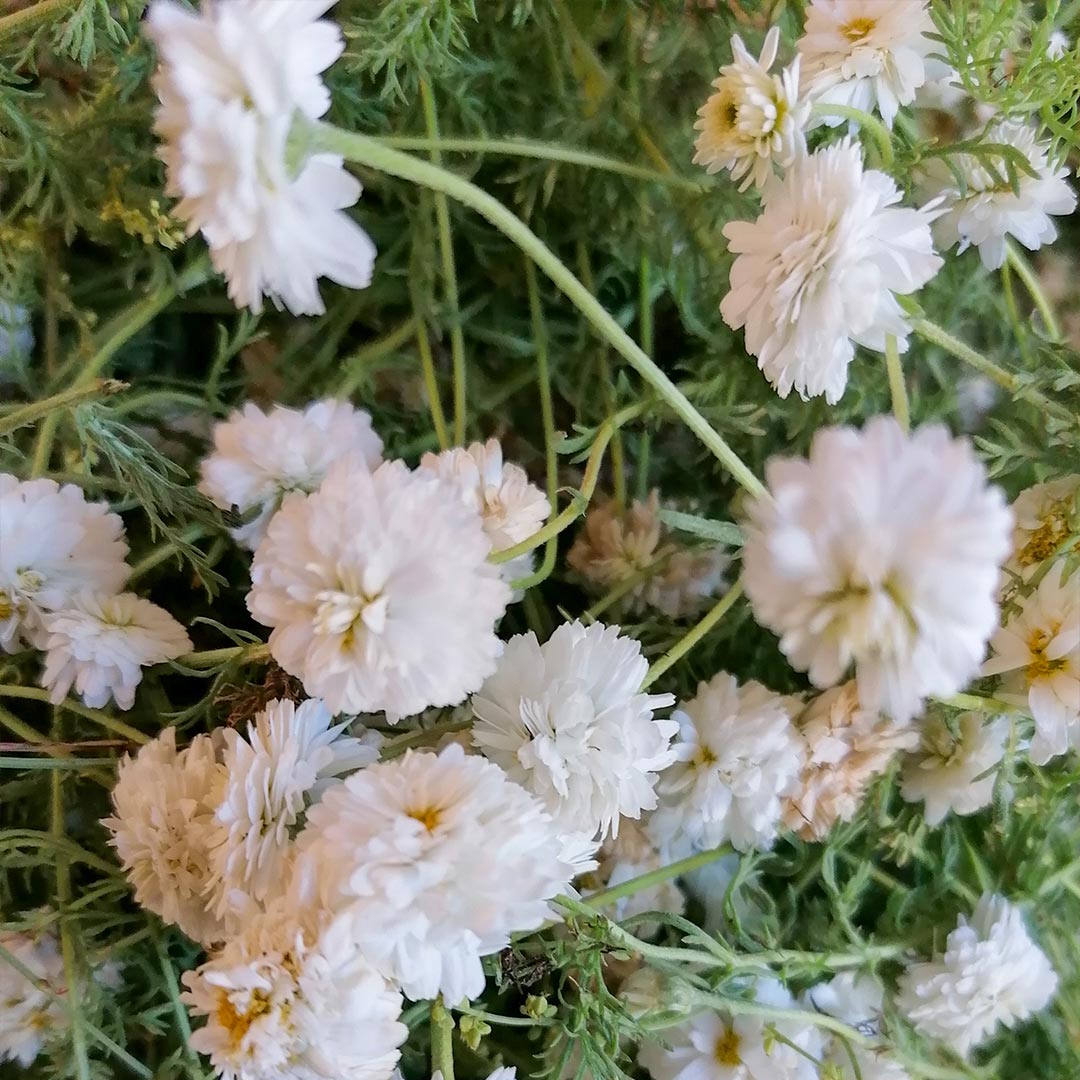
Comment l’aromathérapie peut soutenir votre chat
Les chats sont des êtres incroyablement sensibles et intuitifs. Leur corps, leurs sens et leur métabolisme sont très différents des nôtres — ce qui signifie que l’aromathérapie doit être abordée avec précision, respect et une compréhension approfondie.
Utilisée correctement, l’aromathérapie peut devenir une approche naturelle et puissante pour soutenir l’équilibre émotionnel de votre chat, la santé de sa peau et sa vitalité globale.
Pourquoi les Huiles essentielles affectent les chats différemment
Les chats métabolisent les substances différemment sur le plan biochimique.
1. Métabolisme hépatique
Les chats ne disposent pas de certaines enzymes clés nécessaires pour dégrader certains composés présents dans les huiles essentielles. Par conséquent, ces substances peuvent s’accumuler dans l’organisme au lieu d’être éliminées en toute sécurité.
Cela signifie :
- Des substances inoffensives pour l’être humain peuvent s’accumuler dans l’organisme d’un chat
- Même de petites expositions, répétées au fil du temps, peuvent devenir toxiques
C’est particulièrement vrai pour :
- Les phénols (p. ex. girofle, origan)
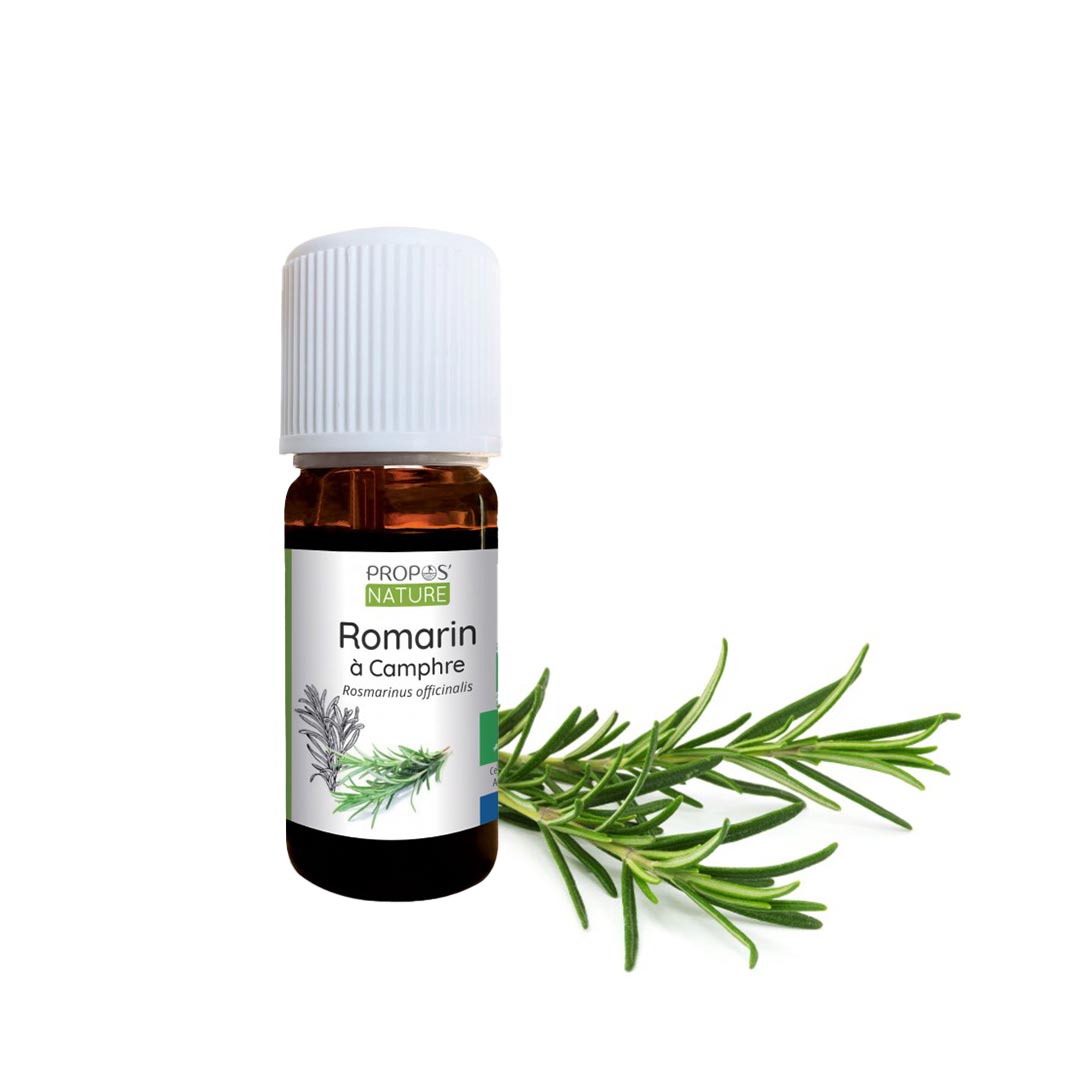
- Les cétones (p. ex. sauge, romarin CT camphre)
- Le limonène (présent dans les huiles d’agrumes)
2. Absorption cutanée
Les huiles essentielles sont rapidement absorbées par la peau.
La peau d’un chat est :
- Plus fine
- Plus perméable
Les huiles essentielles sont lipophiles (solubles dans les graisses), ce qui signifie qu’elles :
- Traversent rapidement la peau
- Pénètrent rapidement dans la circulation sanguine
C’est pourquoi l’utilisation non diluée n’est pas simplement « trop forte » : elle est biologiquement inappropriée.
3. Sensibilité sensorielle
Les chats ont un odorat très développé.
- Les arômes puissants peuvent submerger le système nerveux
- L’exposition doit toujours rester volontaire
- Les arômes puissants peuvent déclencher du stress, de l’évitement ou de l’agitation
C’est pourquoi l’exposition basée sur le choix (laisser le chat s’éloigner) est essentielle.
Un chat qui s’éloigne communique clairement.
Les bienfaits de l’aromathérapie pour les chats
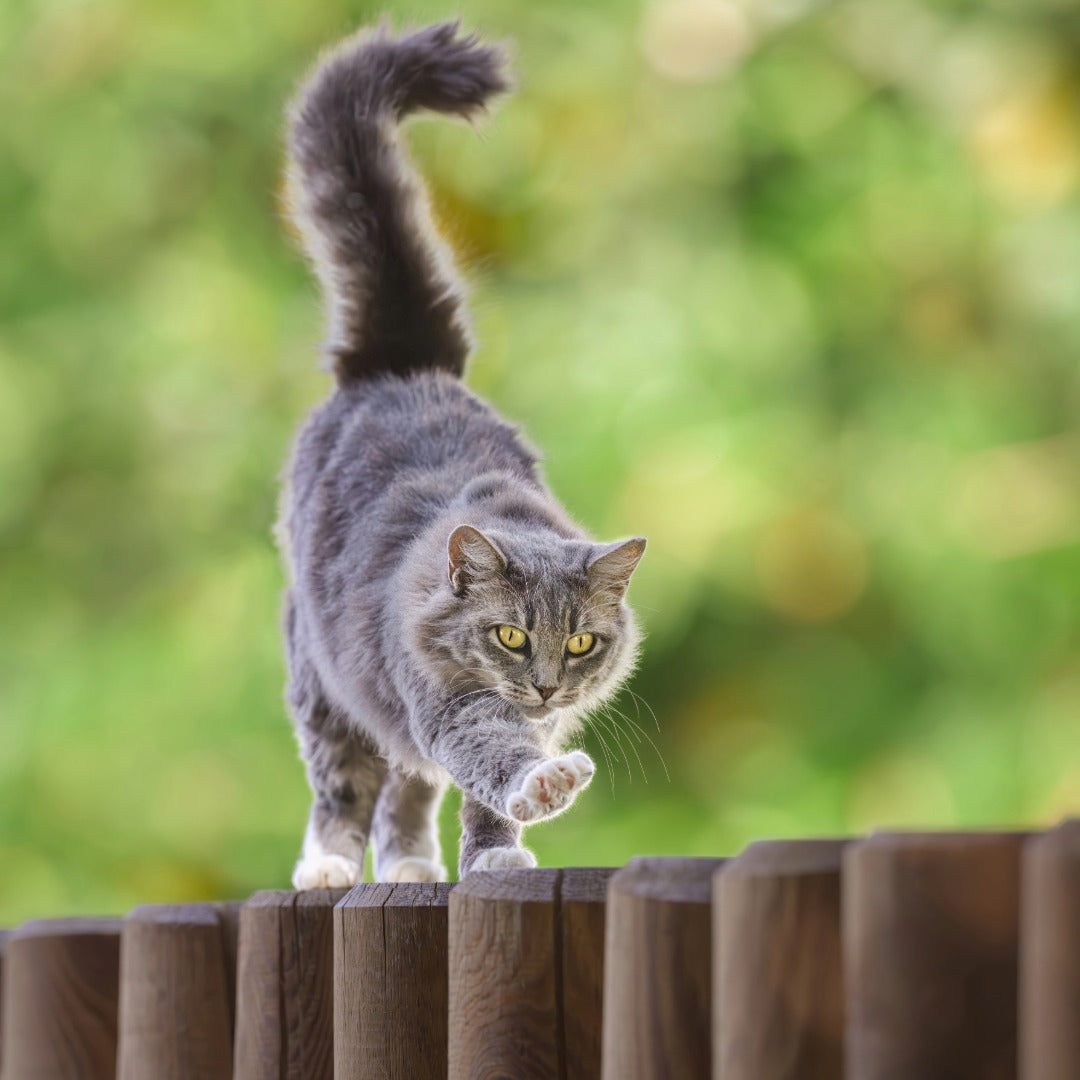
Soutien physique
- Aide à apaiser les irritations cutanées, les plaies et les infections mineures
- Soutient le confort musculaire et articulaire
- Aide à maintenir l’équilibre respiratoire
- Apporte un soutien anti-inflammatoire et antimicrobien naturel
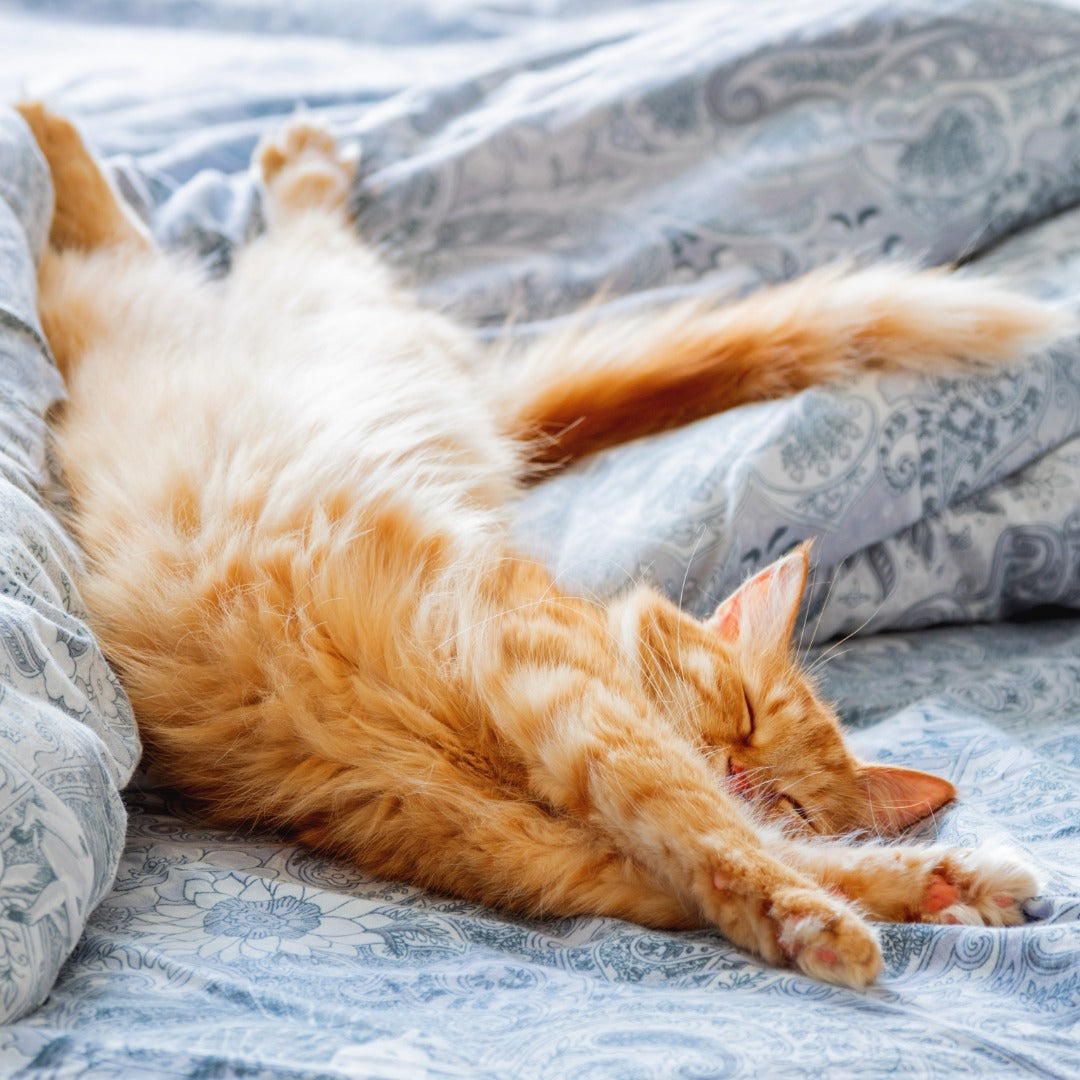
Soutien émotionnel et du système nerveux
- Réduit le stress, l’anxiété et la peur
- Favorise la relaxation et le sommeil
- Aide lors des périodes de transition, des voyages ou en cas de stress environnemental
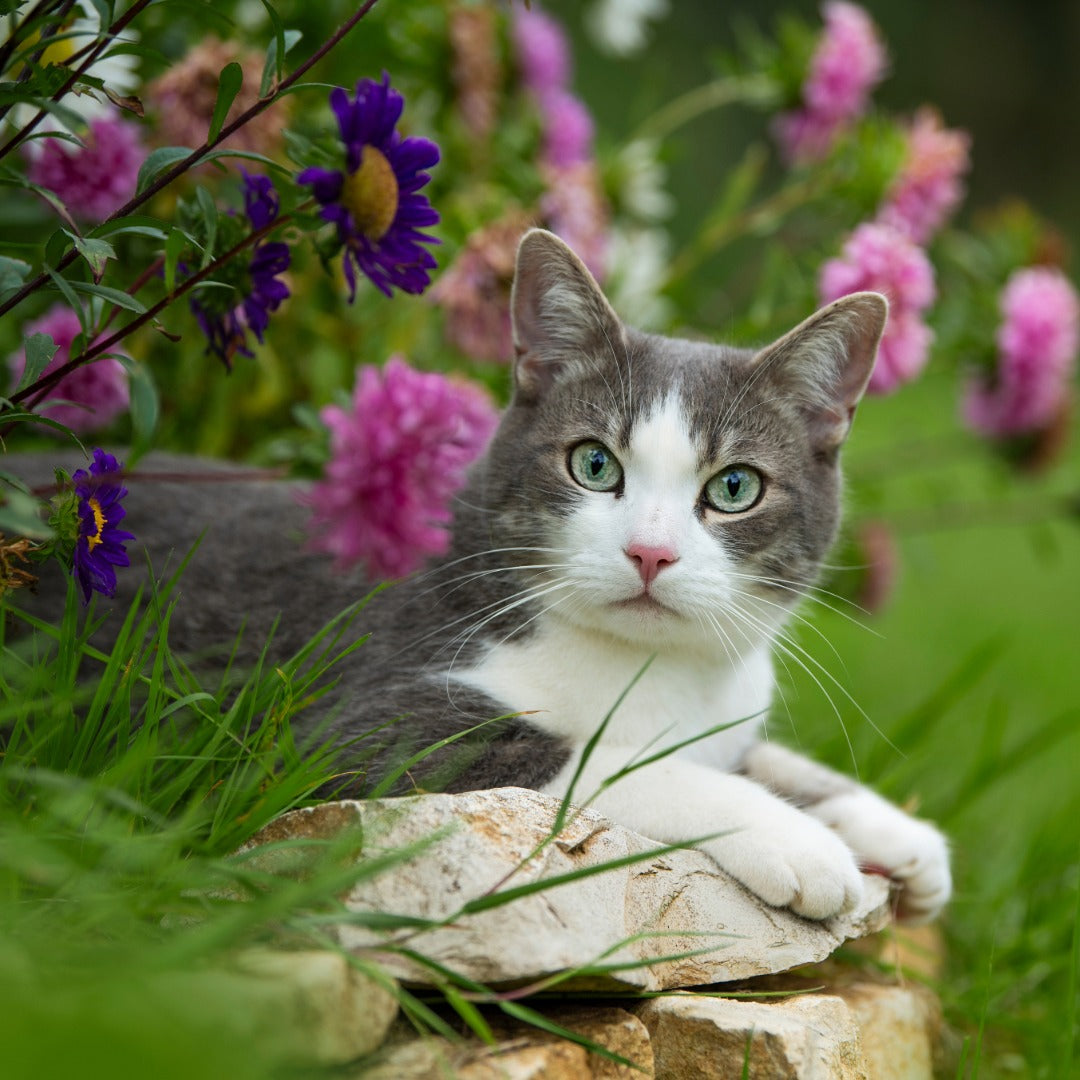
Vitalité holistique
- Soutient le système immunitaire
- Offre une protection antioxydante
- Favorise l’équilibre global et le bien-être
- Les composés aromatiques influencent le système limbique par inhalation, ce qui agit directement sur l’humeur, la réponse au stress et le comportement.
Safe and Unsafe Essential Oils for Cats
Cats are far more sensitive to essential oils than humans and dogs. Their liver metabolism, delicate skin, and highly developed sense of smell mean that oil selection must be done with great care. Below you’ll find a practical overview of oils generally considered more suitable for cats, oils that require extra caution, and oils that should be avoided.
| Essential Oil | Latin Name | Status | Why |
|---|---|---|---|
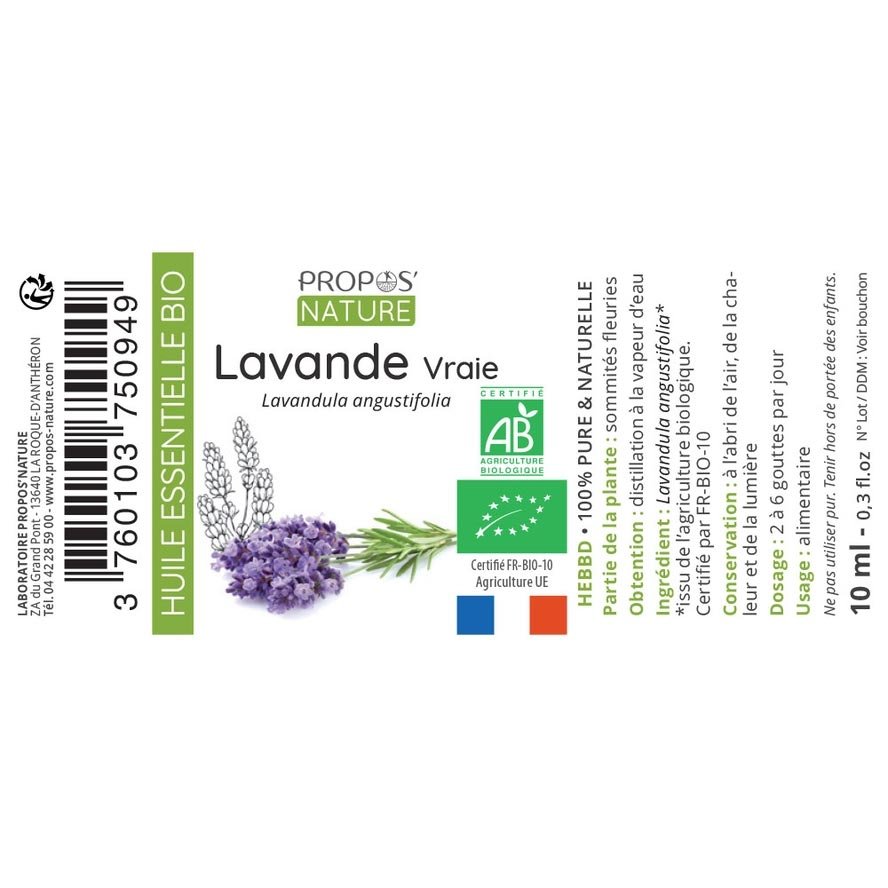
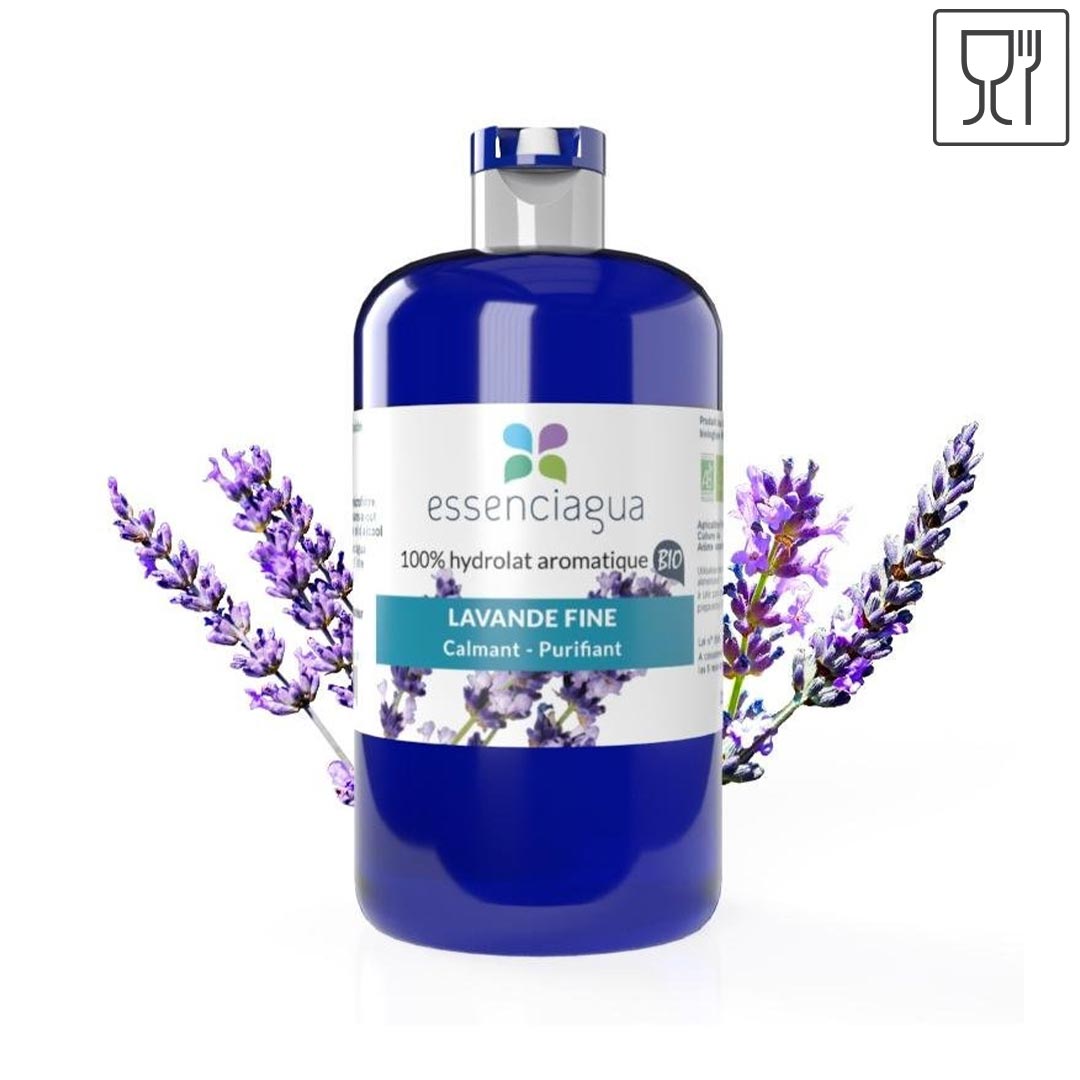
| Lavender | Lavandula angustifolia | Generally well tolerated | Gentle, calming, skin-supportive, and commonly used in feline aromatherapy when properly diluted. |
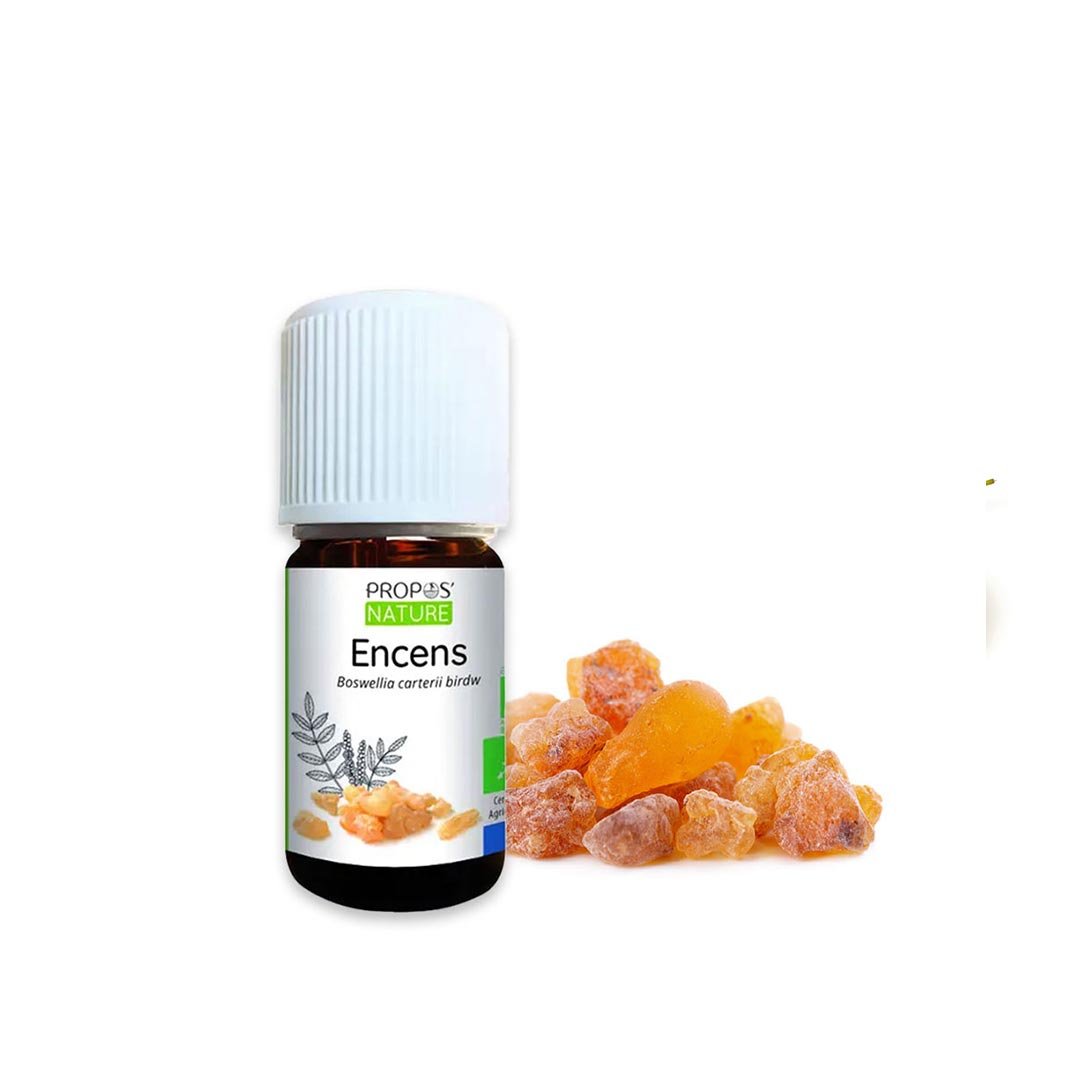
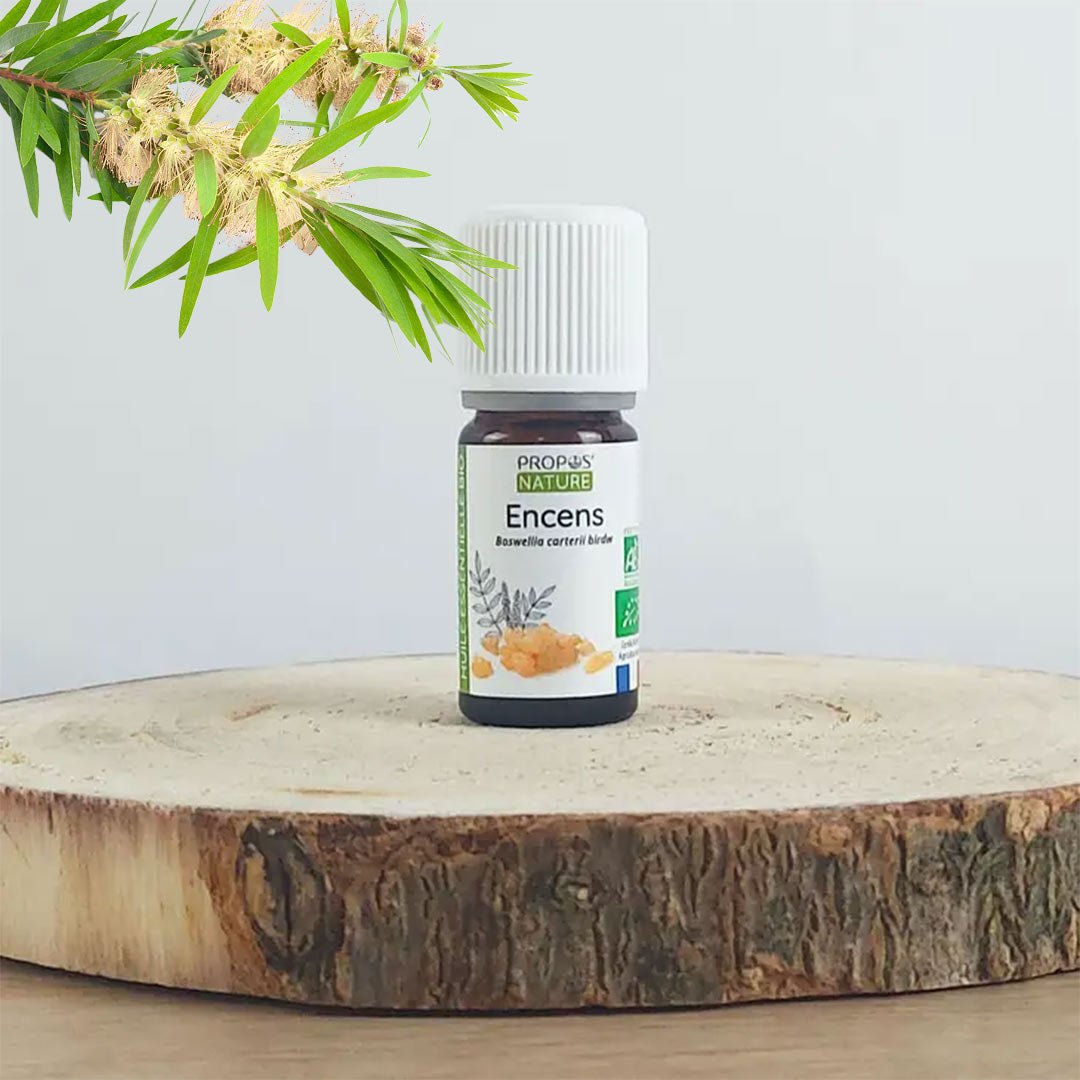
| Frankincense | Boswellia carteri | Generally well tolerated | Grounding, soothing, and commonly used for emotional and skin support. |
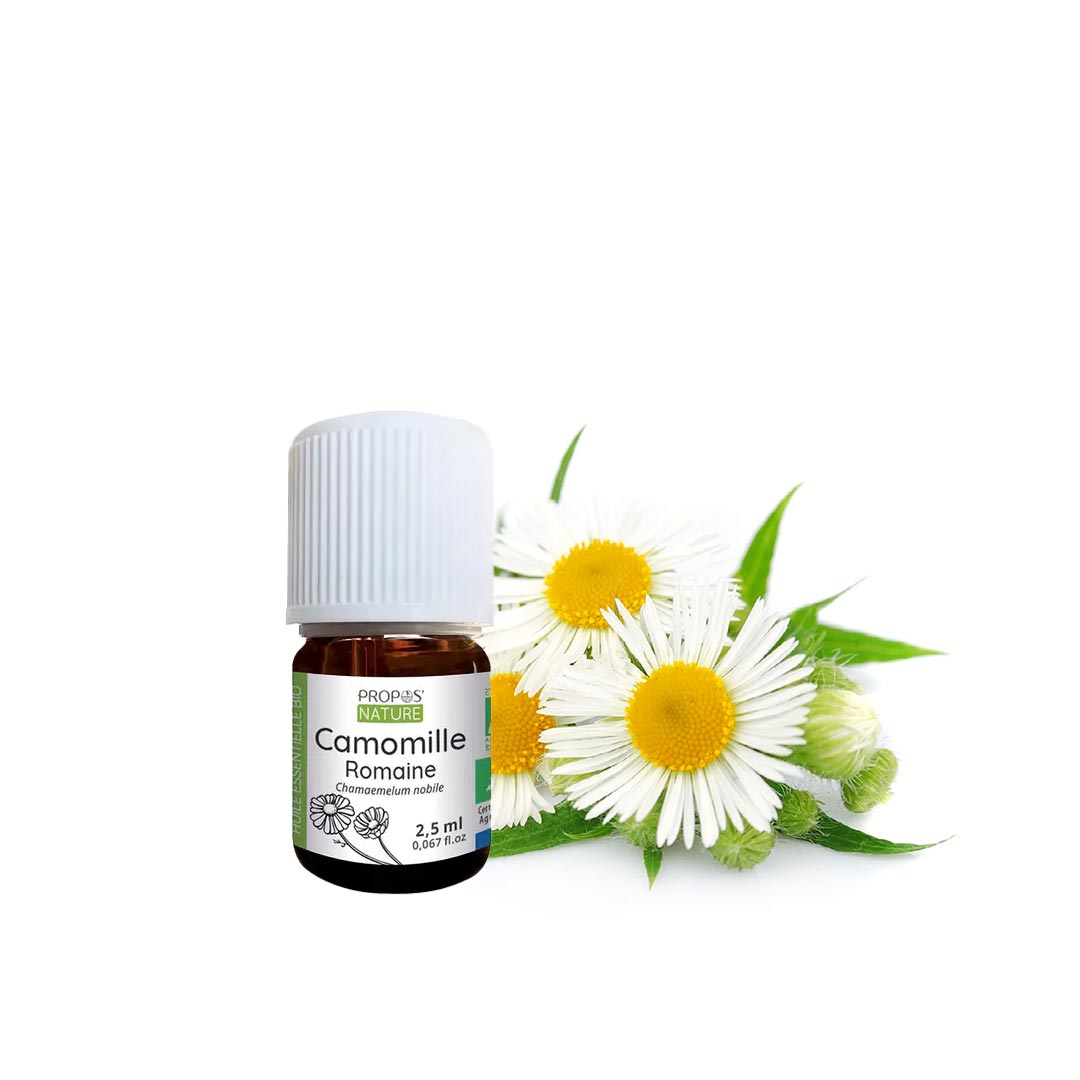
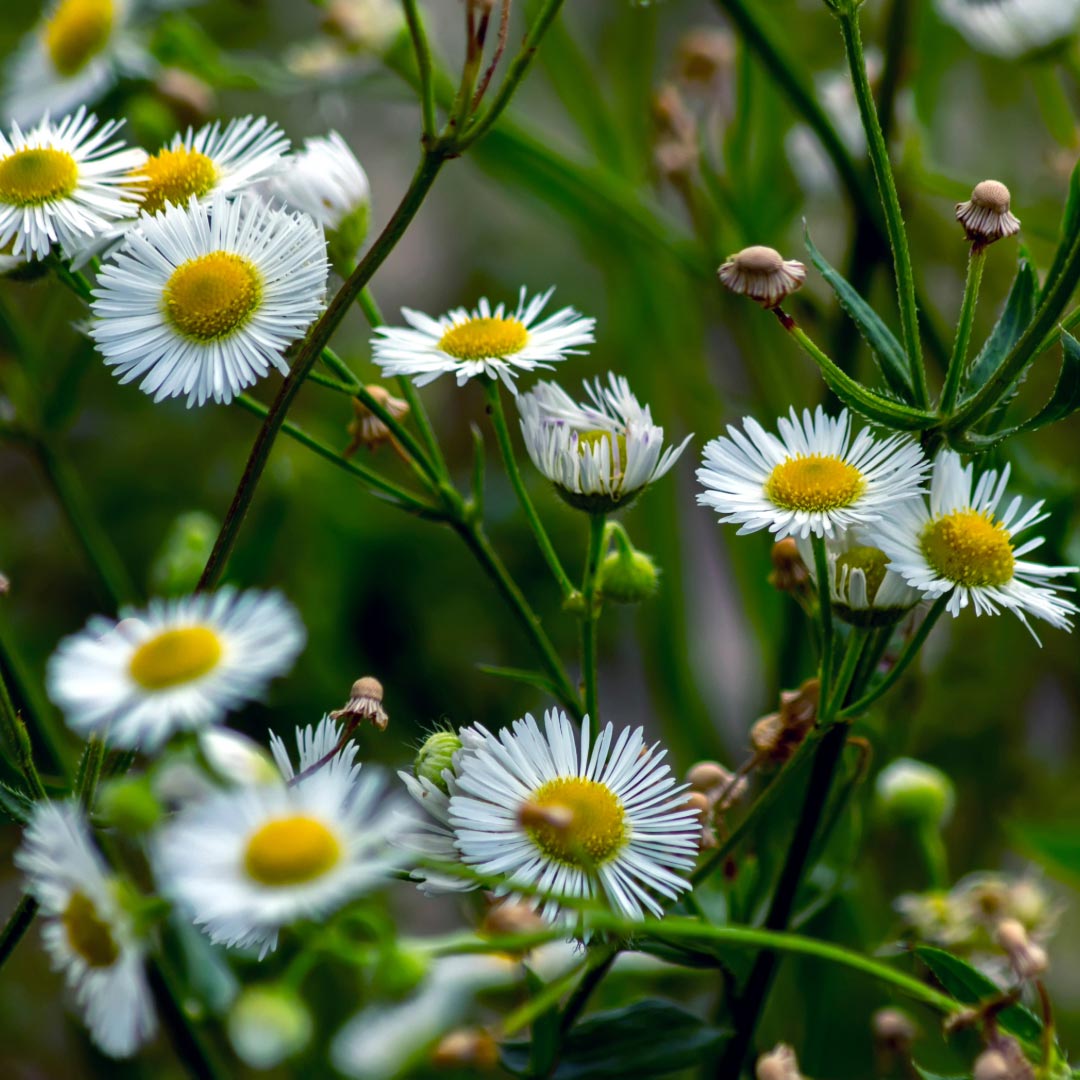
| Roman Chamomile | Chamaemelum nobile | Generally well tolerated | Traditionally valued for calming, fear, restlessness, and sensitive skin. |
| Geranium | Pelargonium graveolens | Generally well tolerated | Often used for emotional balance and gentle skin support. |
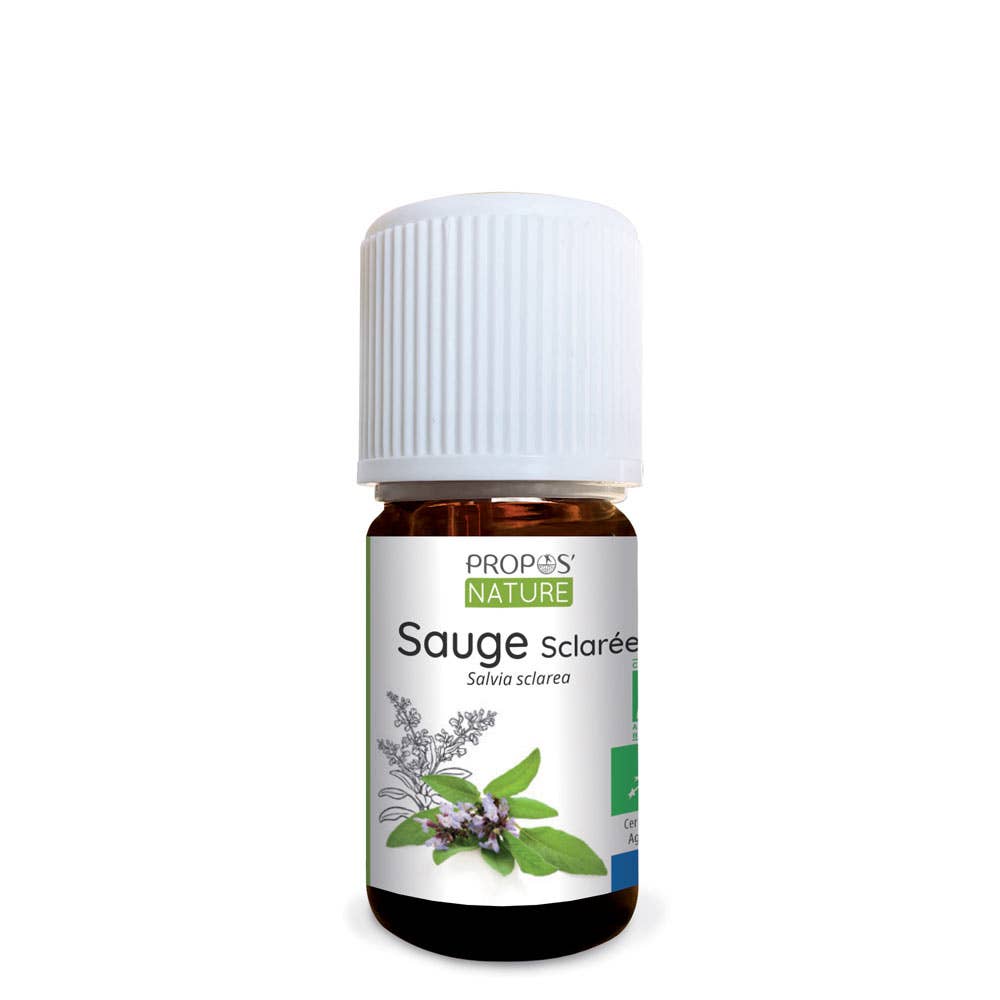
| Clary Sage | Salvia sclarea | Generally well tolerated | Balancing and calming when used sparingly and correctly diluted. |
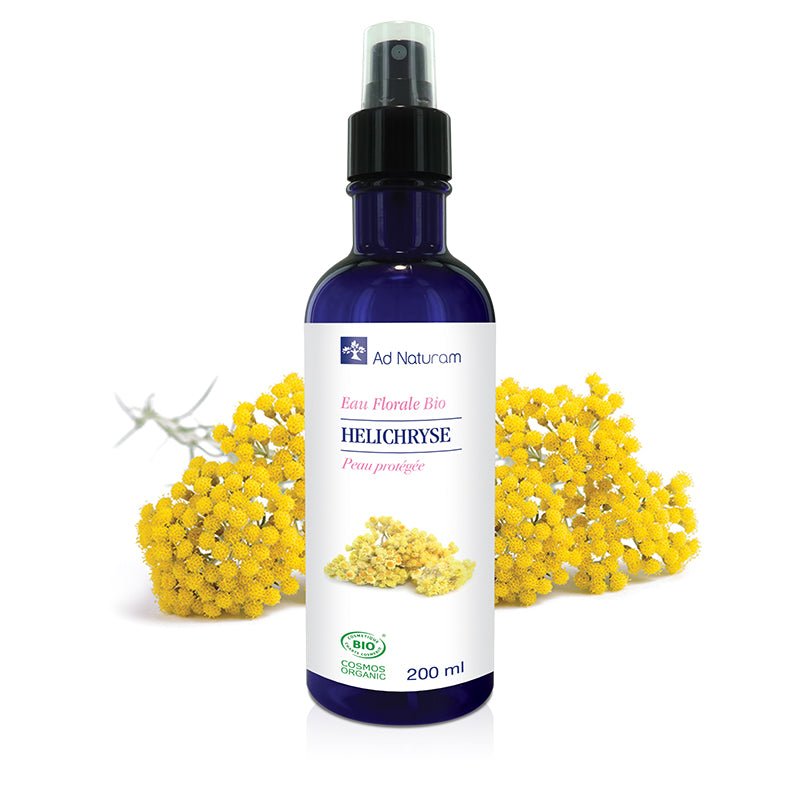
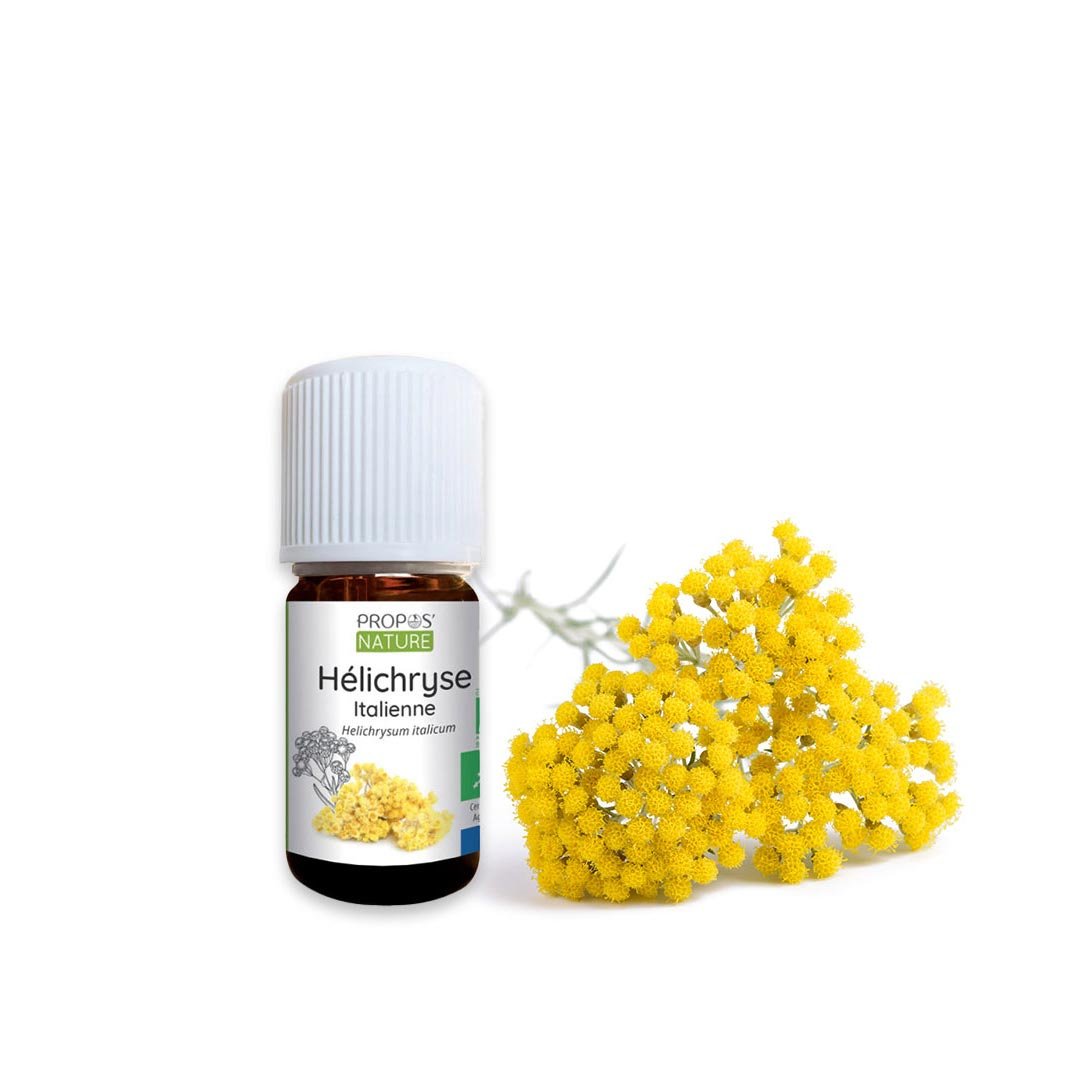
| Helichrysum | Helichrysum italicum | Generally well tolerated | Traditionally used for skin, nervous system support, and minor discomfort. |
| Valerian | Valeriana officinalis | Generally well tolerated | Traditionally used for relaxation, stress, and nervous tension. |
| Elemi | Canarium luzonicum | Generally well tolerated | Used for skin support and gentle restorative care. |
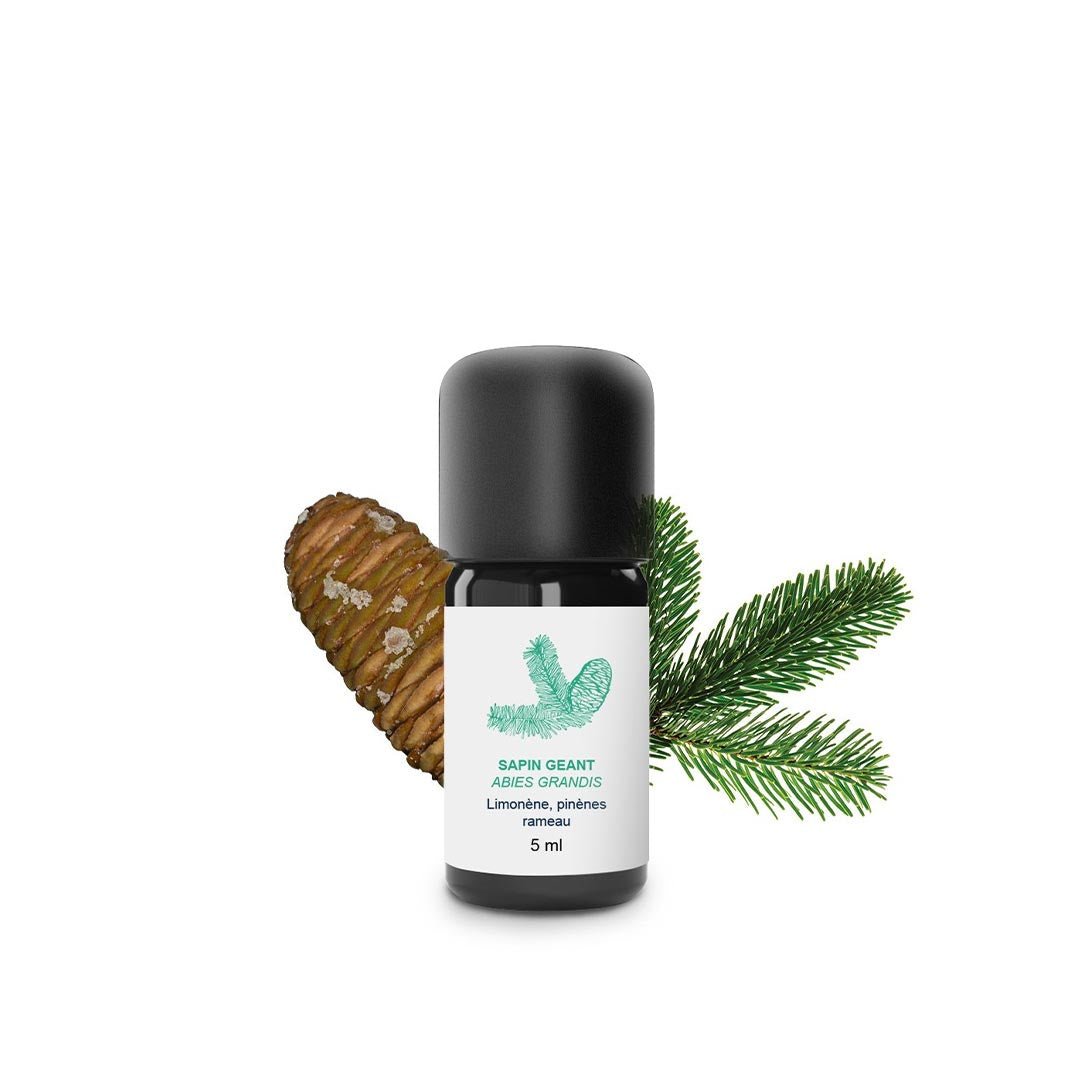
| Fir oils | Abies sibirica, Abies alba, Abies balsamea | Generally well tolerated | True fir oils are generally softer and less aggressive than sharper conifer oils. |
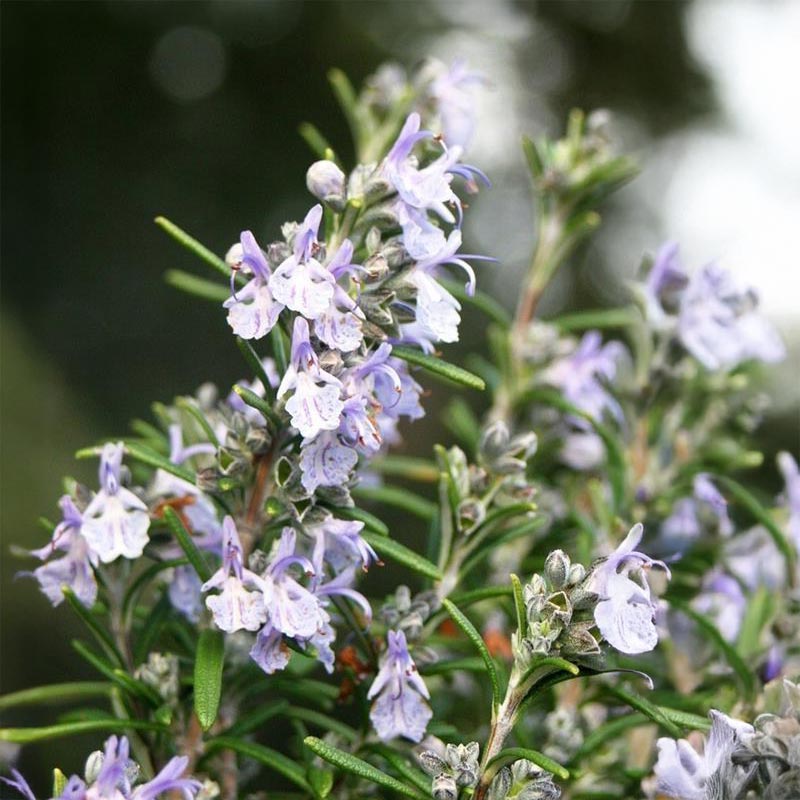
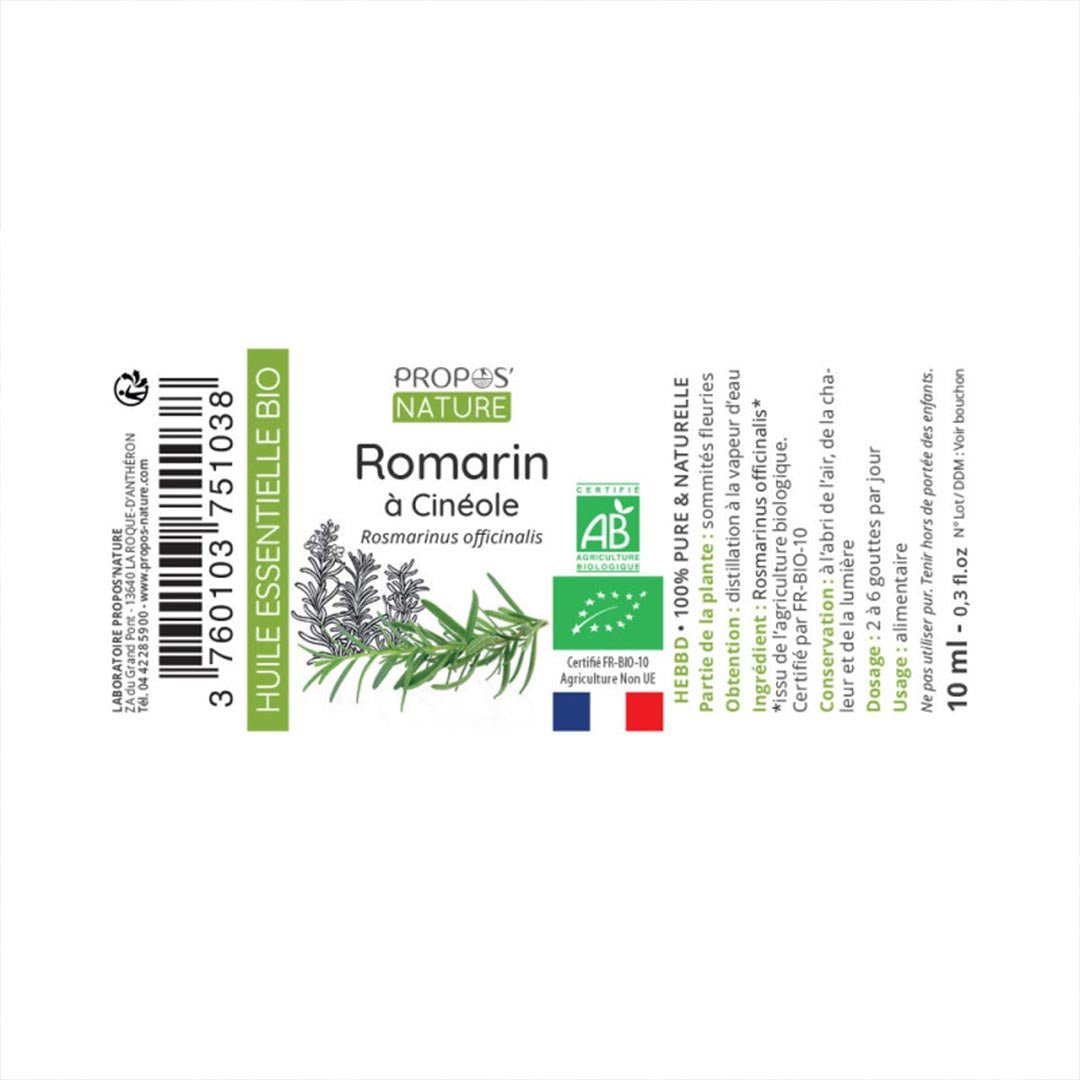
| Rosemary | Rosmarinus officinalis ct. cineole | Use with care | Chemotype matters. The cineole chemotype is milder than stronger rosemary types. Avoid casual use of rosemary ct. camphor. |
| Tea Tree | Melaleuca alternifolia | Avoid | Frequently associated with feline toxicity and not suitable for cats. |
| Lemon | Citrus limon | Avoid | Citrus oils contain limonene, which cats metabolise poorly. |
| Orange | Citrus sinensis | Avoid | Part of the citrus family and not considered suitable for feline use. |
| Bergamot | Citrus bergamia | Avoid | A citrus oil with constituents that are unsuitable for cats. |
| Lime | Citrus aurantiifolia | Avoid | A citrus oil that should be kept out of feline aromatherapy. |
| Tangerine / Mandarin | Citrus reticulata | Avoid | Also part of the citrus family and not suitable for cats. |
| Clove | Syzygium aromaticum | Avoid | High in phenols, which are too aggressive for feline metabolism. |
| Cinnamon (Cassia) | Cinnamomum cassia / Cinnamomum aromaticum | Avoid | Very strong and rich in compounds that cats do not tolerate well. |
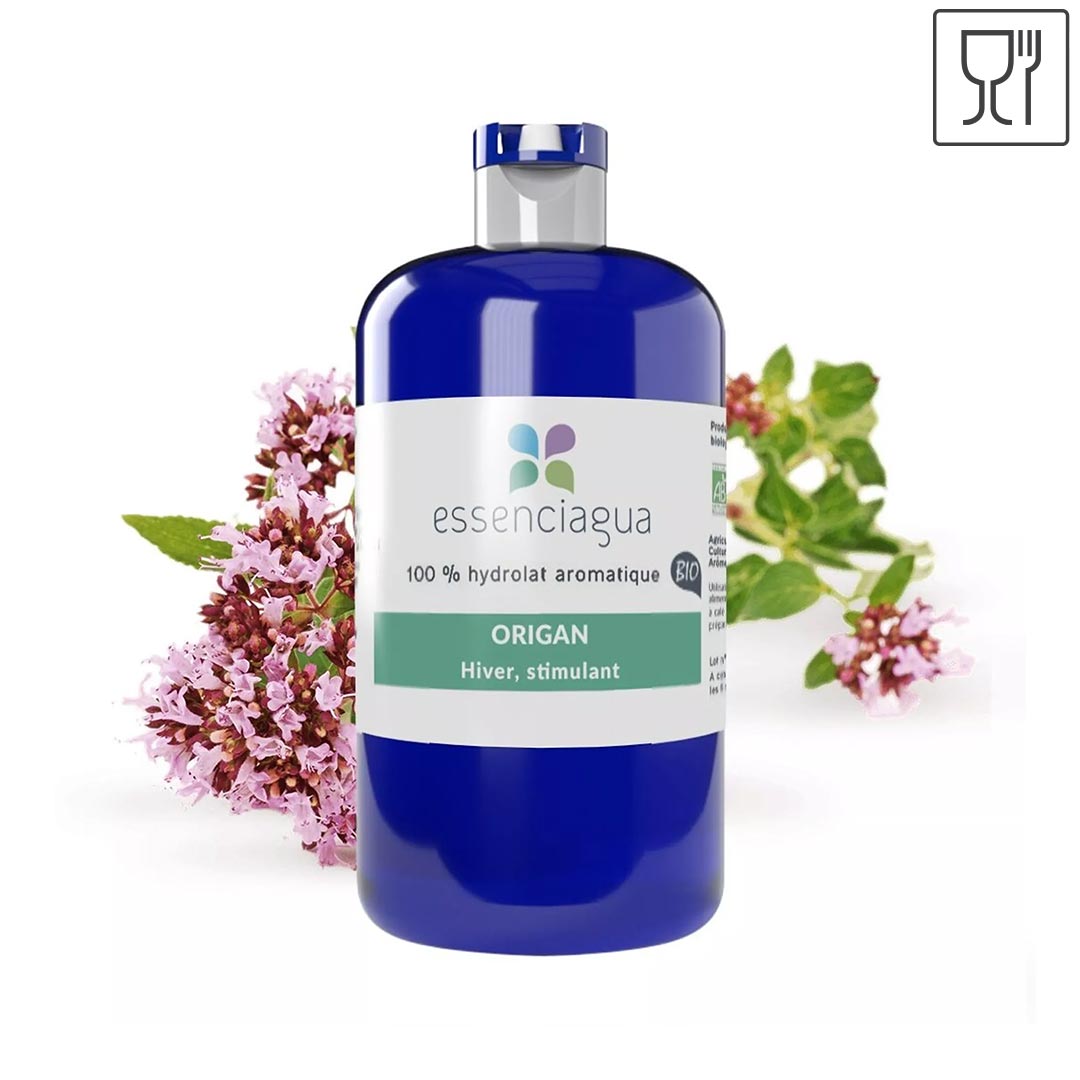
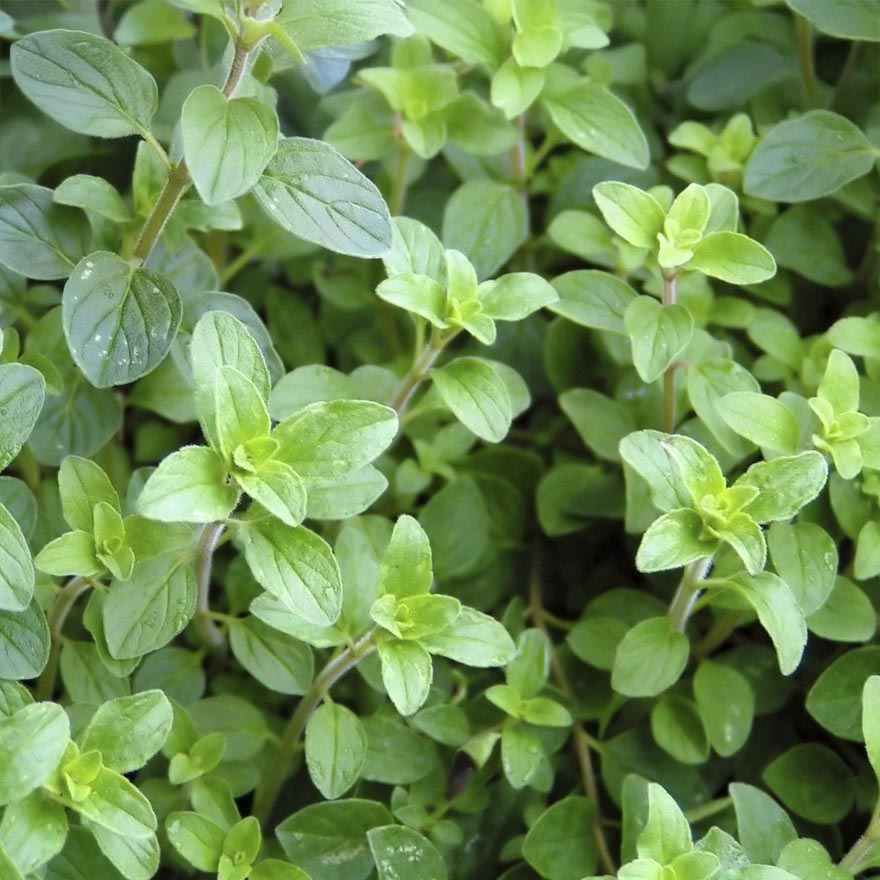
| Oregano | Origanum vulgare | Avoid | High in phenols and far too strong for cats. |
| Thyme | Thymus vulgaris | Avoid | Contains strong phenolic compounds that are unsuitable for cats. |
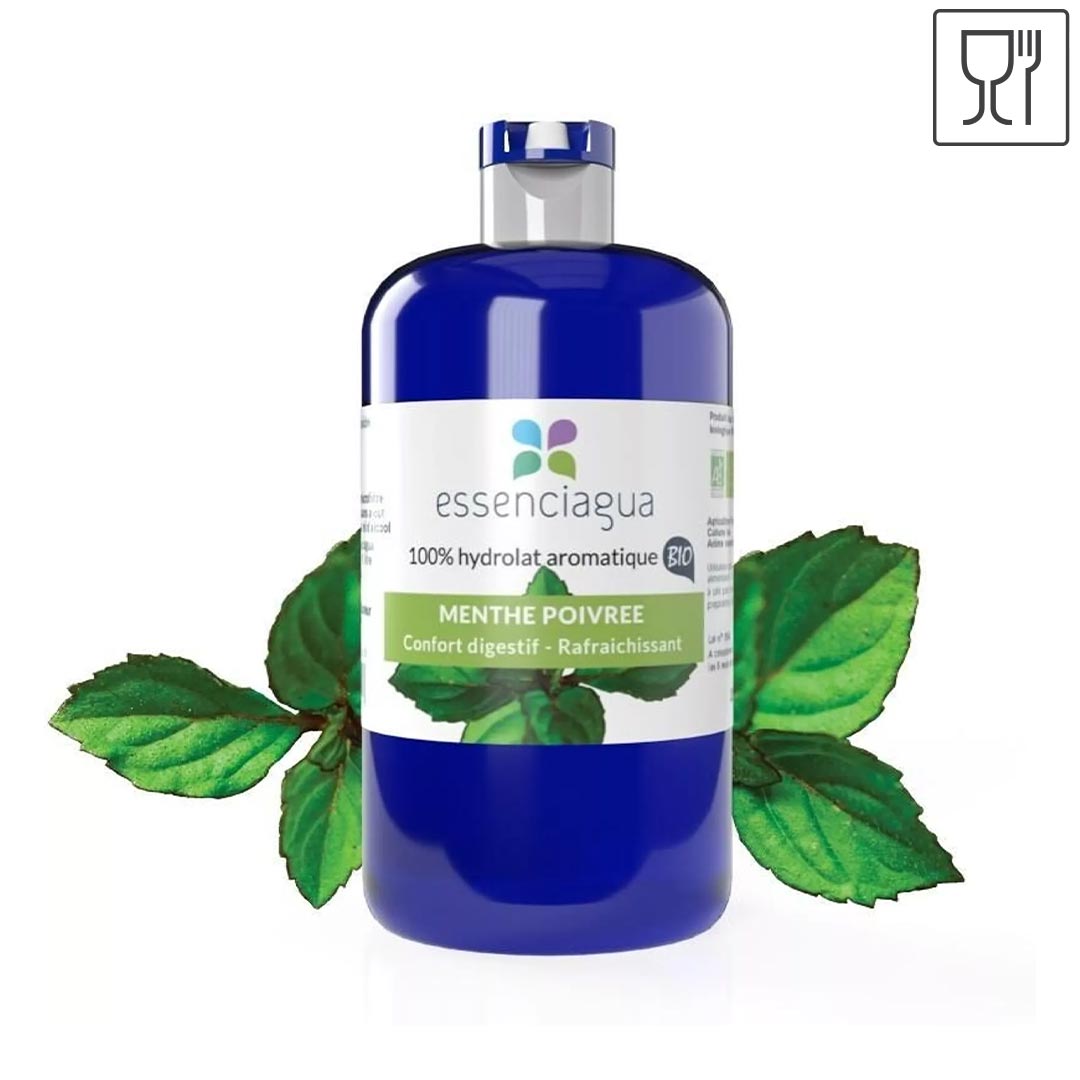
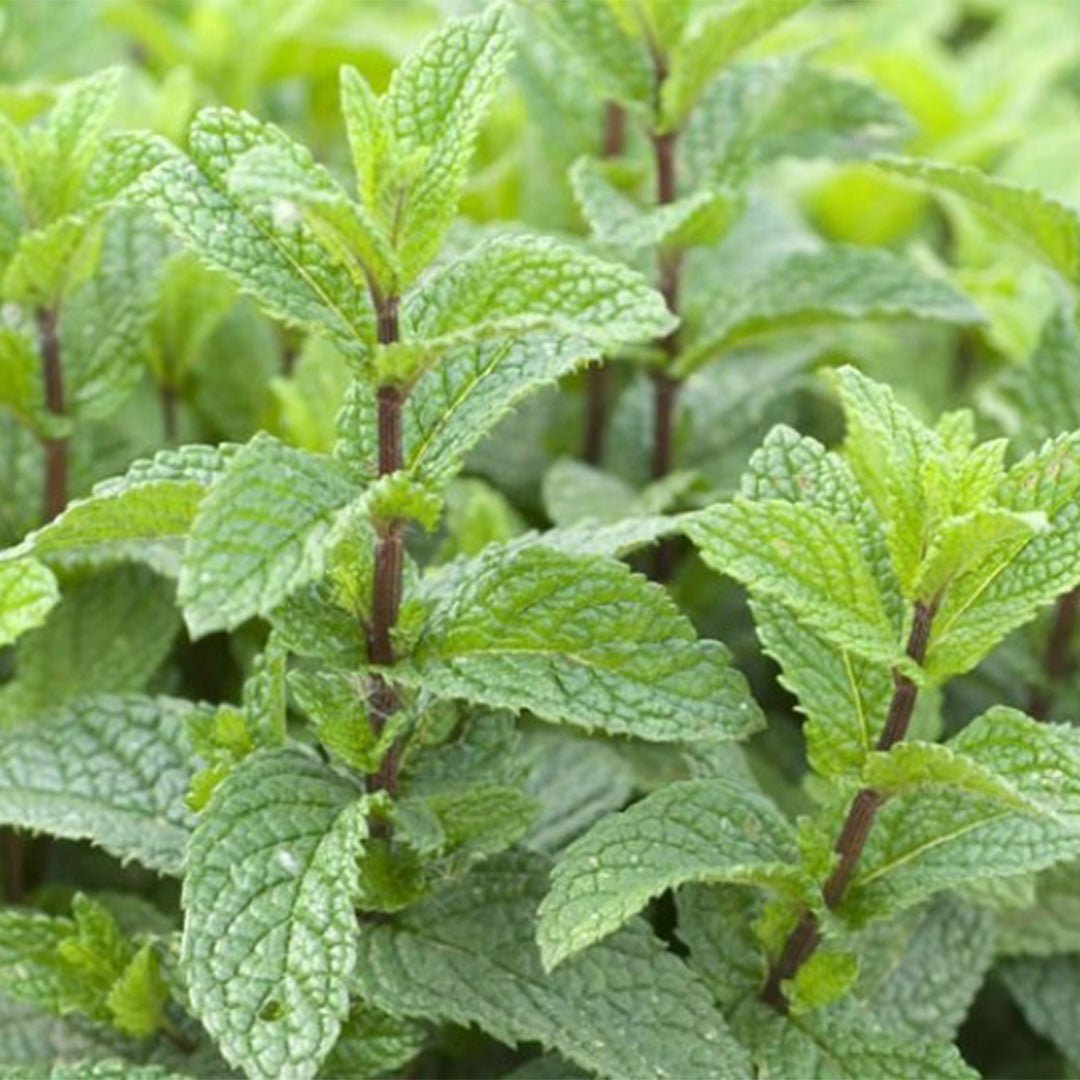
| Peppermint | Mentha × piperita | Avoid | Too stimulating and not considered appropriate for feline use. |
| Birch | Betula lenta | Avoid | A strong oil that should not be used with cats. |
| Wintergreen | Gaultheria procumbens | Avoid | Too strong and not compatible with safe feline aromatherapy practice. |
Important note on safe use
Cats are especially sensitive to essential oils high in phenols, ketones, and limonene. These compounds are more difficult for the feline liver to process.
Even oils generally considered safer should always be used with restraint, proper dilution, and careful observation of the cat’s response.
For very sensitive cats, hydrosols are often the gentler option.
How to Use Aromatherapy with Cats
Aromatherapy for cats requires a minimal and precise approach. Use low concentrations, observe your cat’s response, and prioritise gentle methods.
1. Diffusion
Primary method. Provides gentle exposure through inhalation without direct contact.
How to use
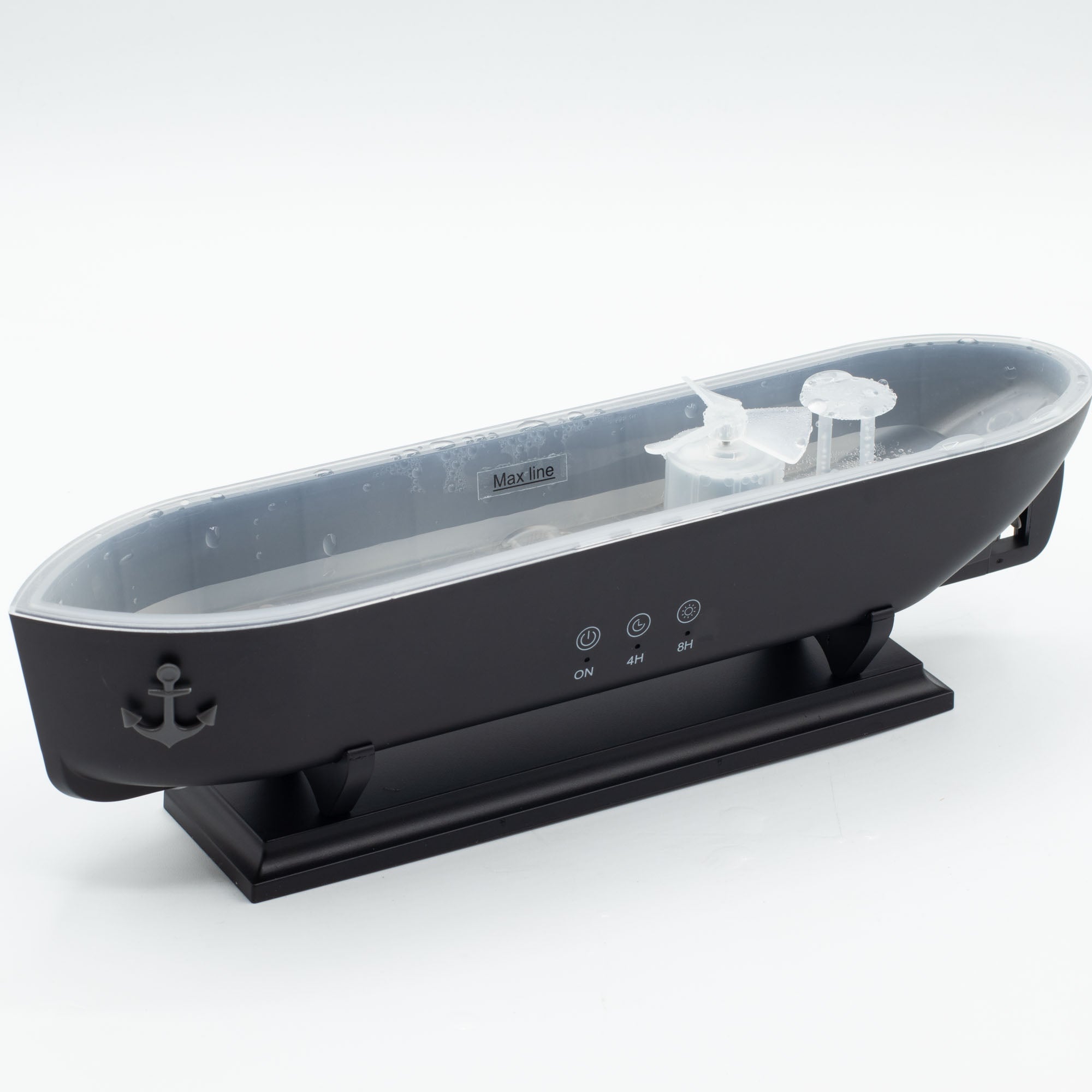
- Use a water-based diffuser (ultrasonic diffuser)
- For a 100 ml water tank: add 1 drop essential oil
- If well tolerated, you may use up to 2 drops
Best practice
- Diffuse for 10–20 minutes at a time
- Ensure good ventilation
- Always allow your cat to leave the room
Start with the lowest amount — cats respond best to subtle aromatic exposure.
2. Topical Application
Targeted use only. Always dilute before applying to the cat.
Precise dilution guideline
• 1 drop essential oil in 20 ml carrier oil (≈ 0.25%)
• For sensitive cats: 1 drop in 30–40 ml carrier oil
Suitable carrier oils
- Jojoba
- Coconut oil
- Olive oil
- Sweet almond oil
Apply to
- Spine
- Shoulders
- Base of the neck
Avoid face, paws, and sensitive areas.
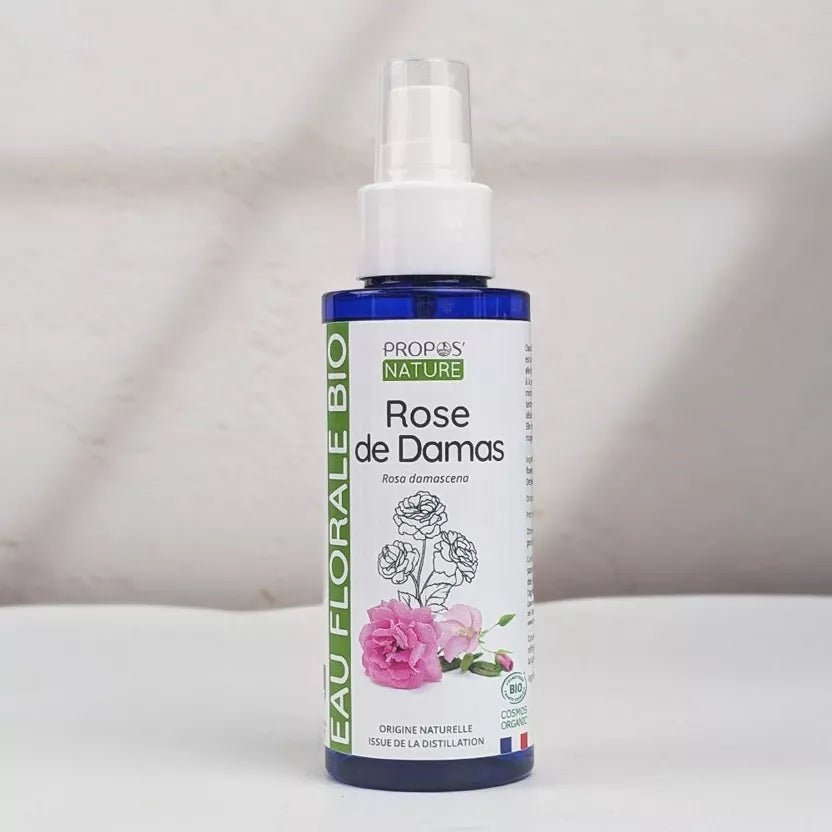
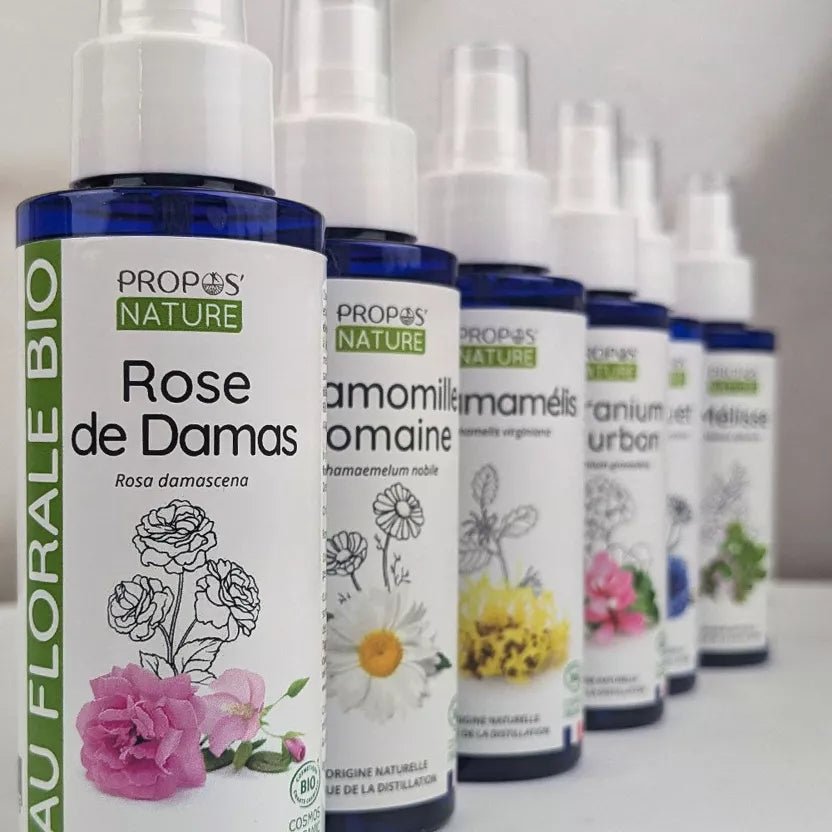
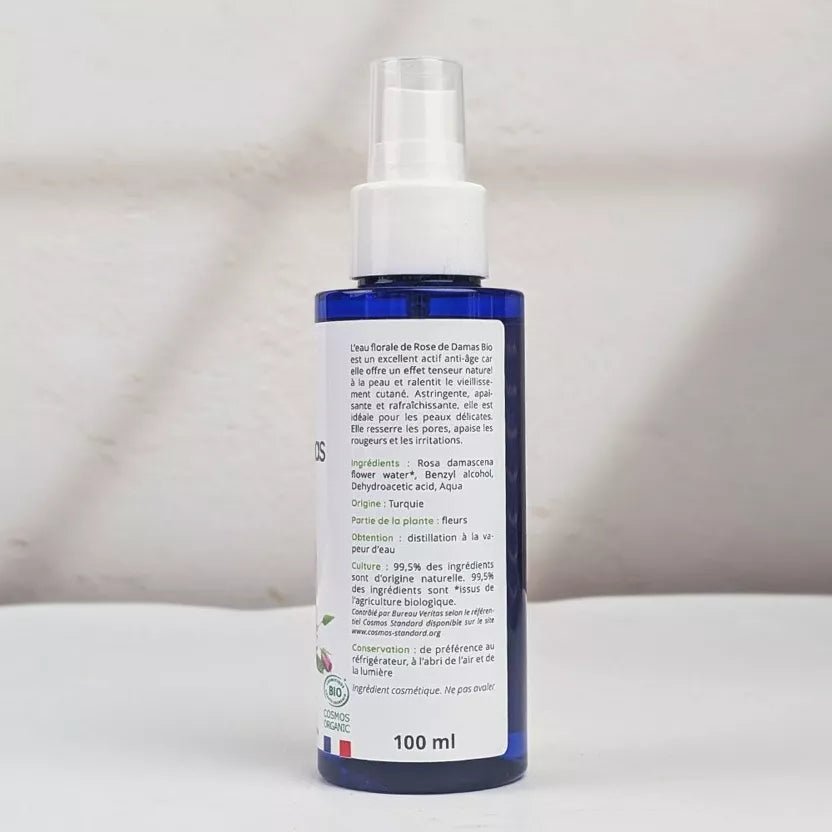
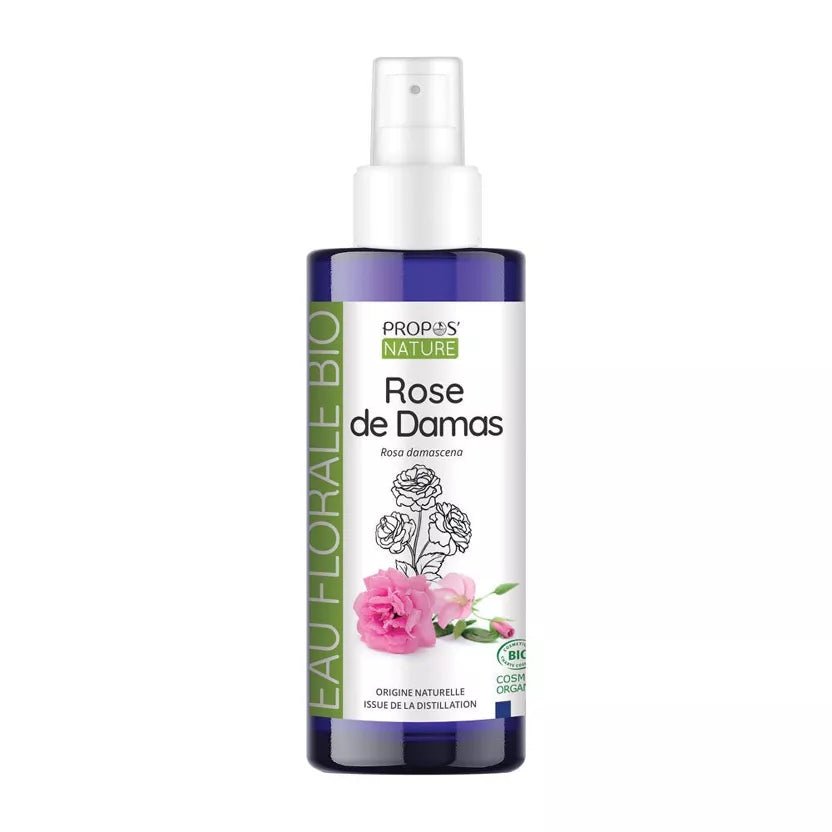
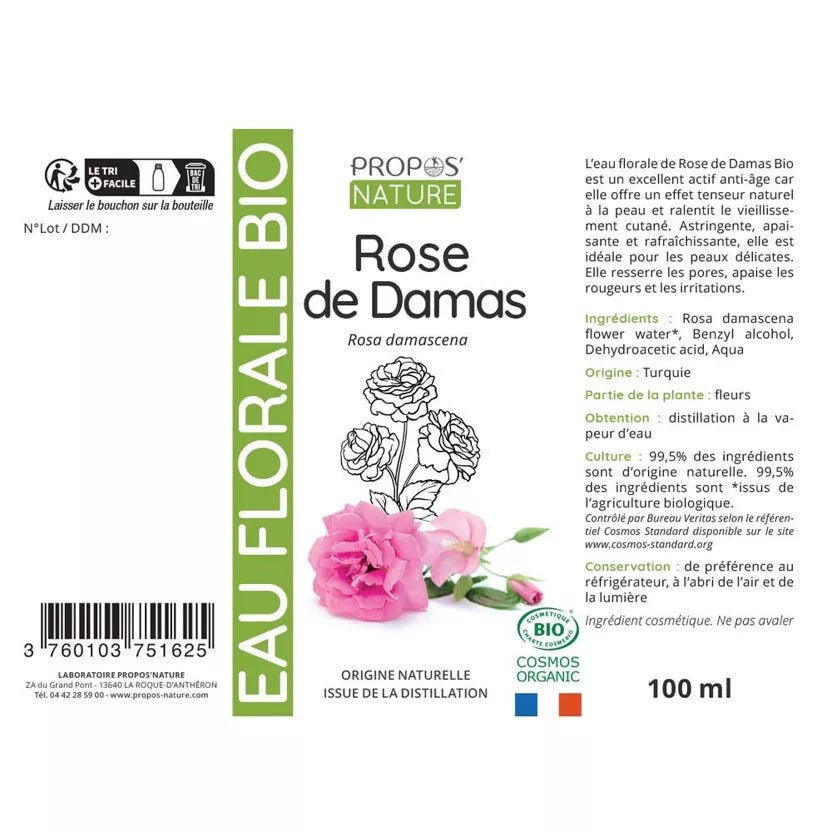
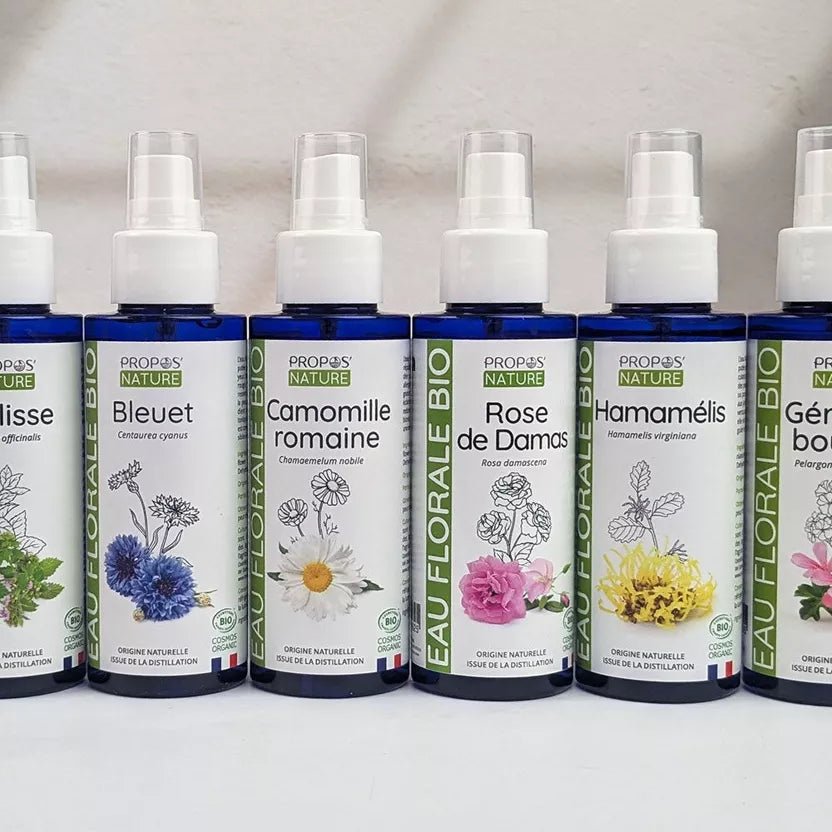
3. Hydrosols
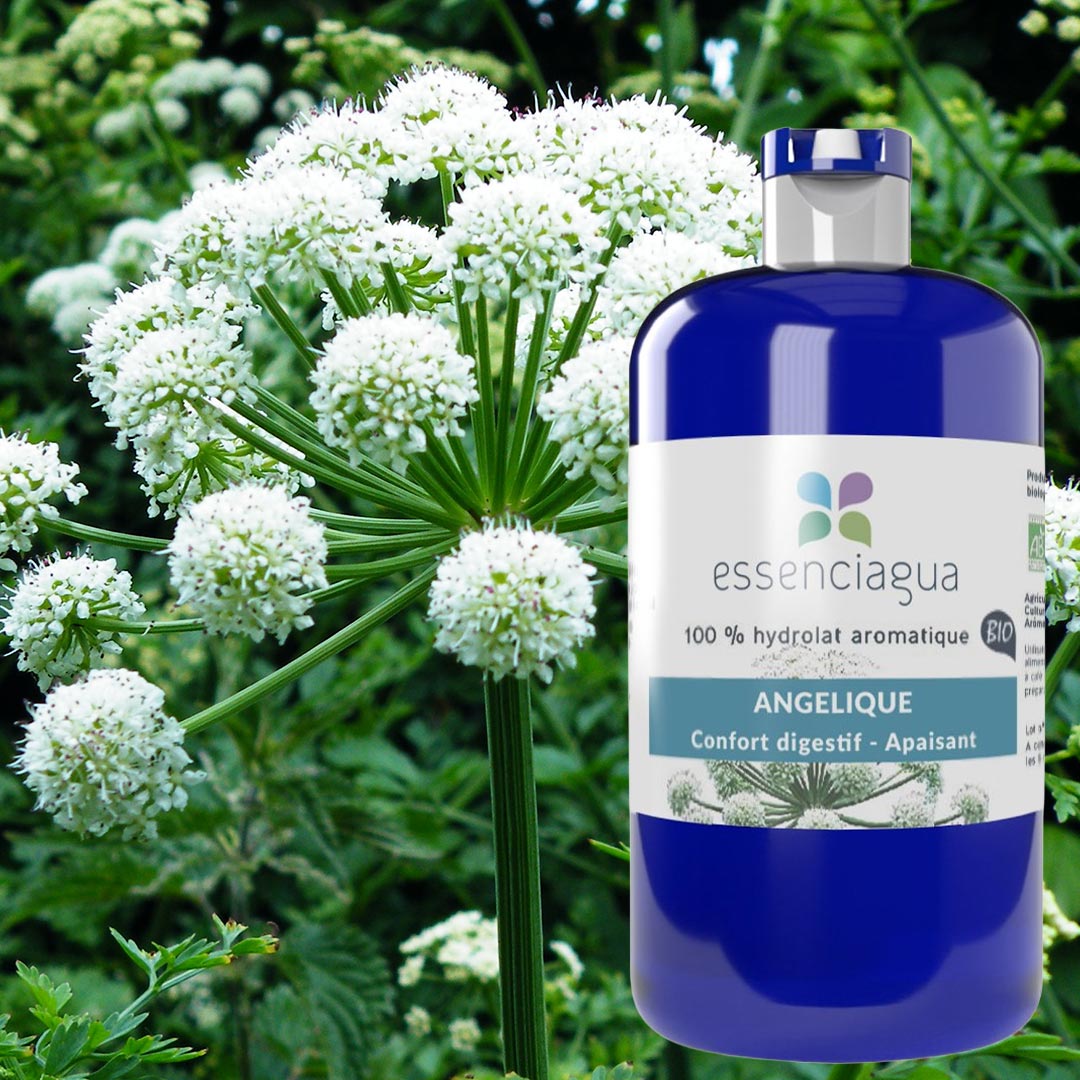
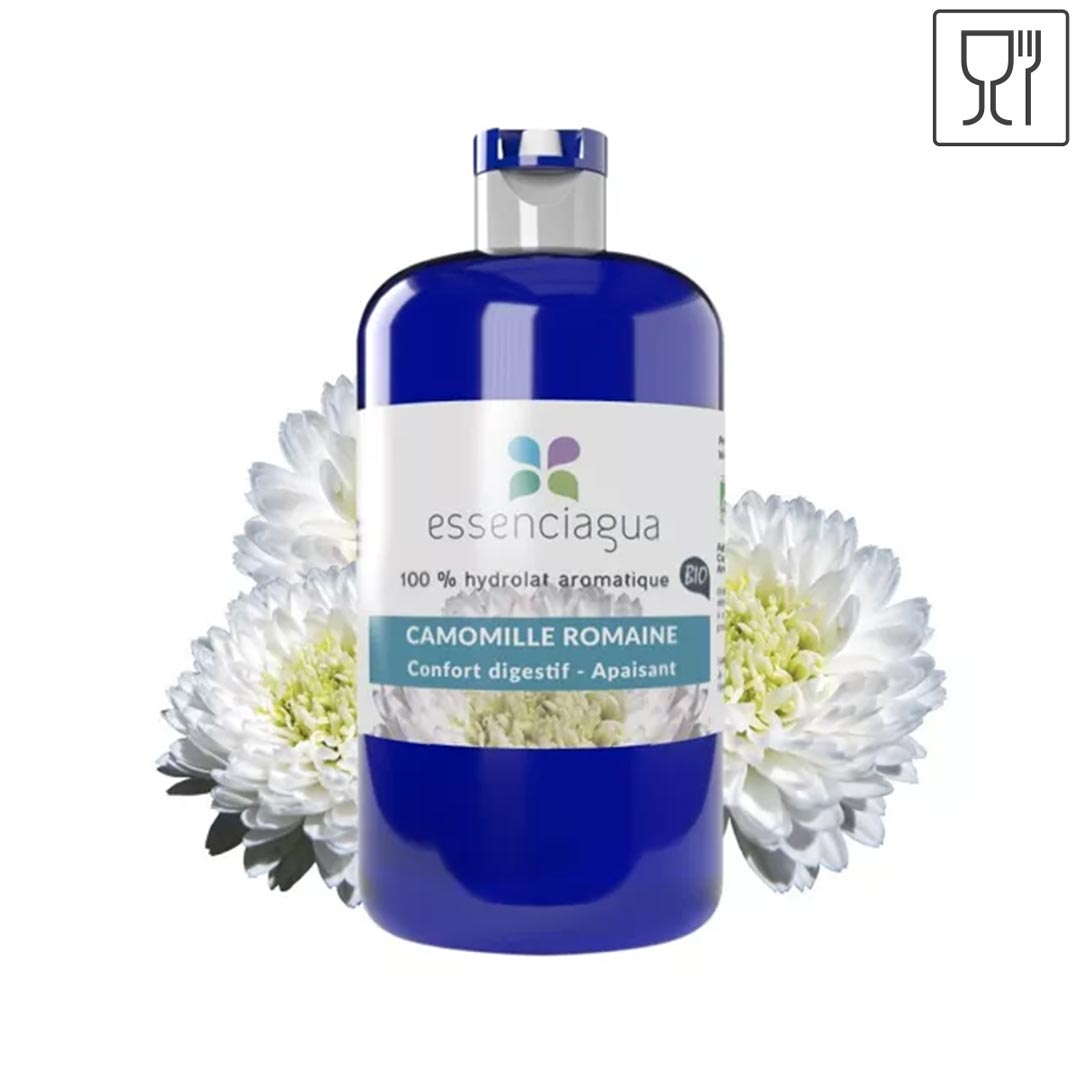
Preferred for sensitive cats. Hydrosols provide a much gentler aromatic approach and are often better tolerated than essential oils.
- Lower concentration of active compounds
- Water-based and well tolerated
- Suitable for regular and long-term use
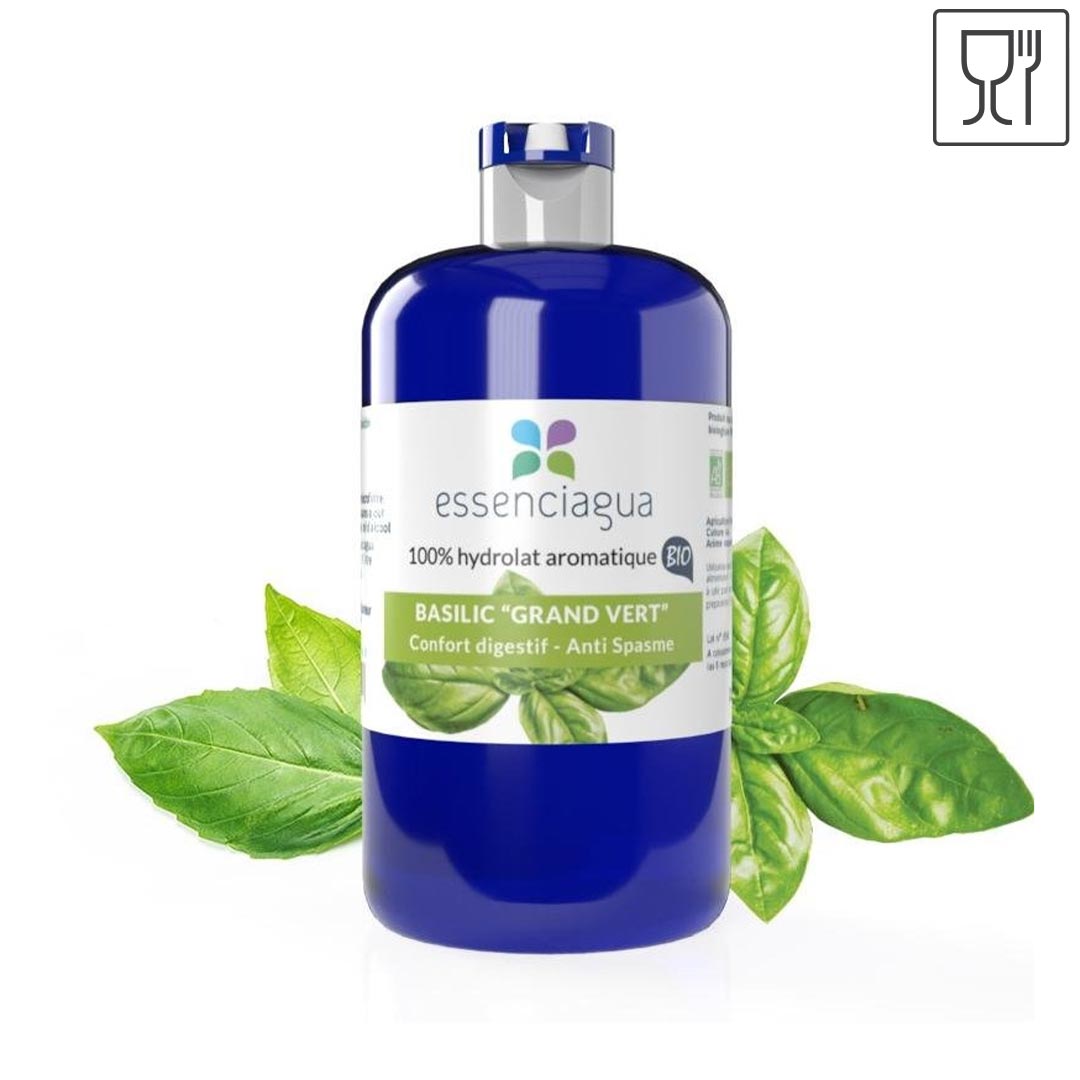
Quality matters
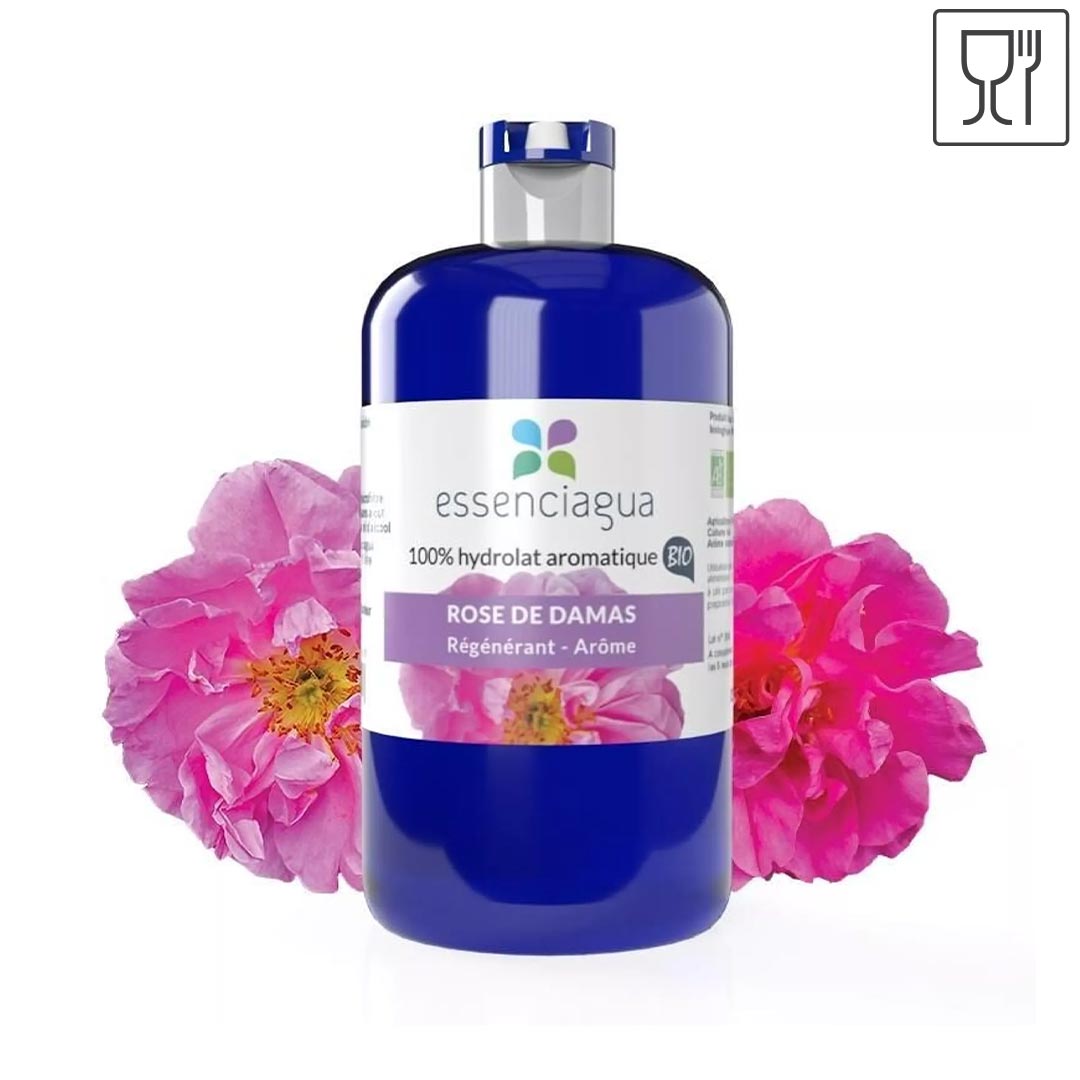
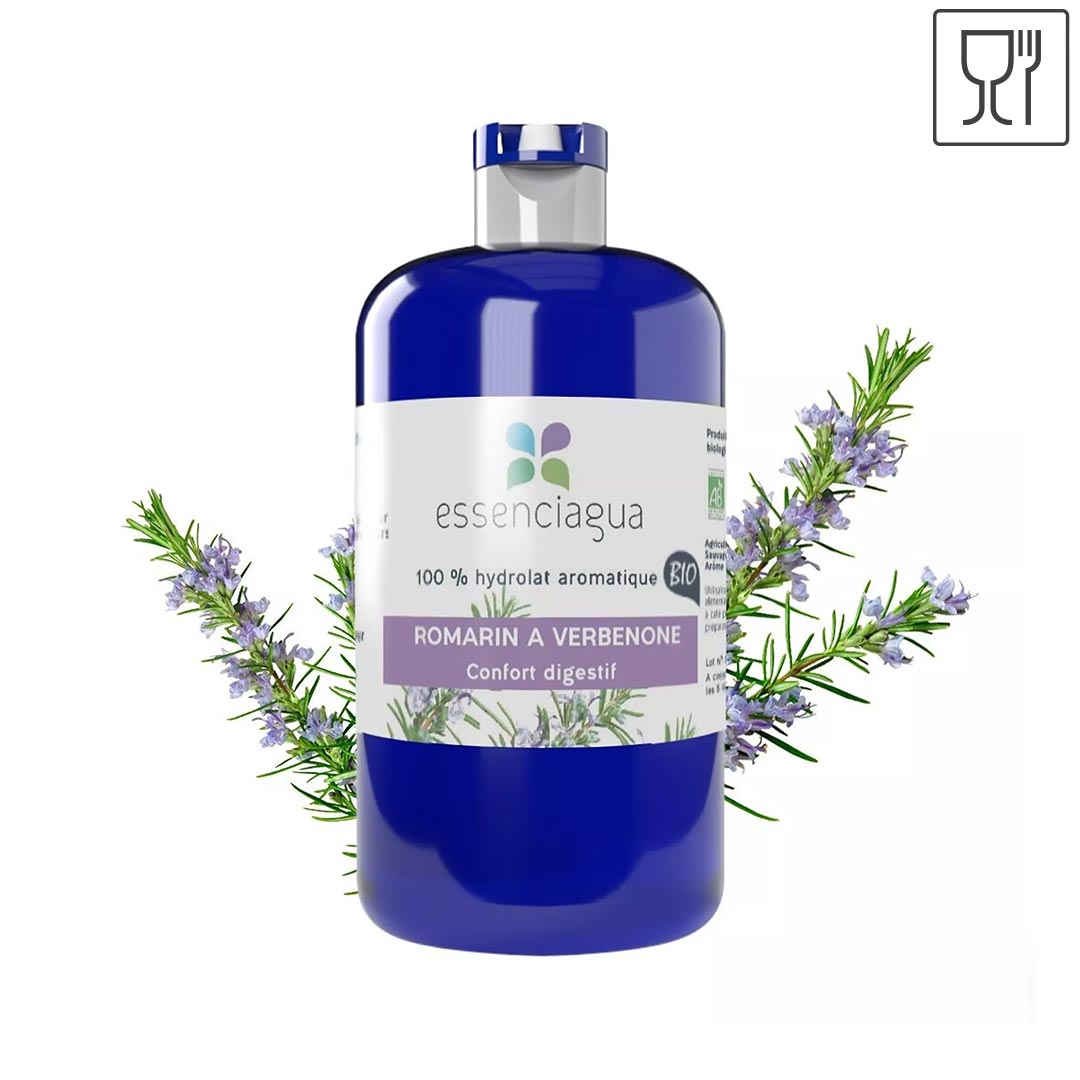
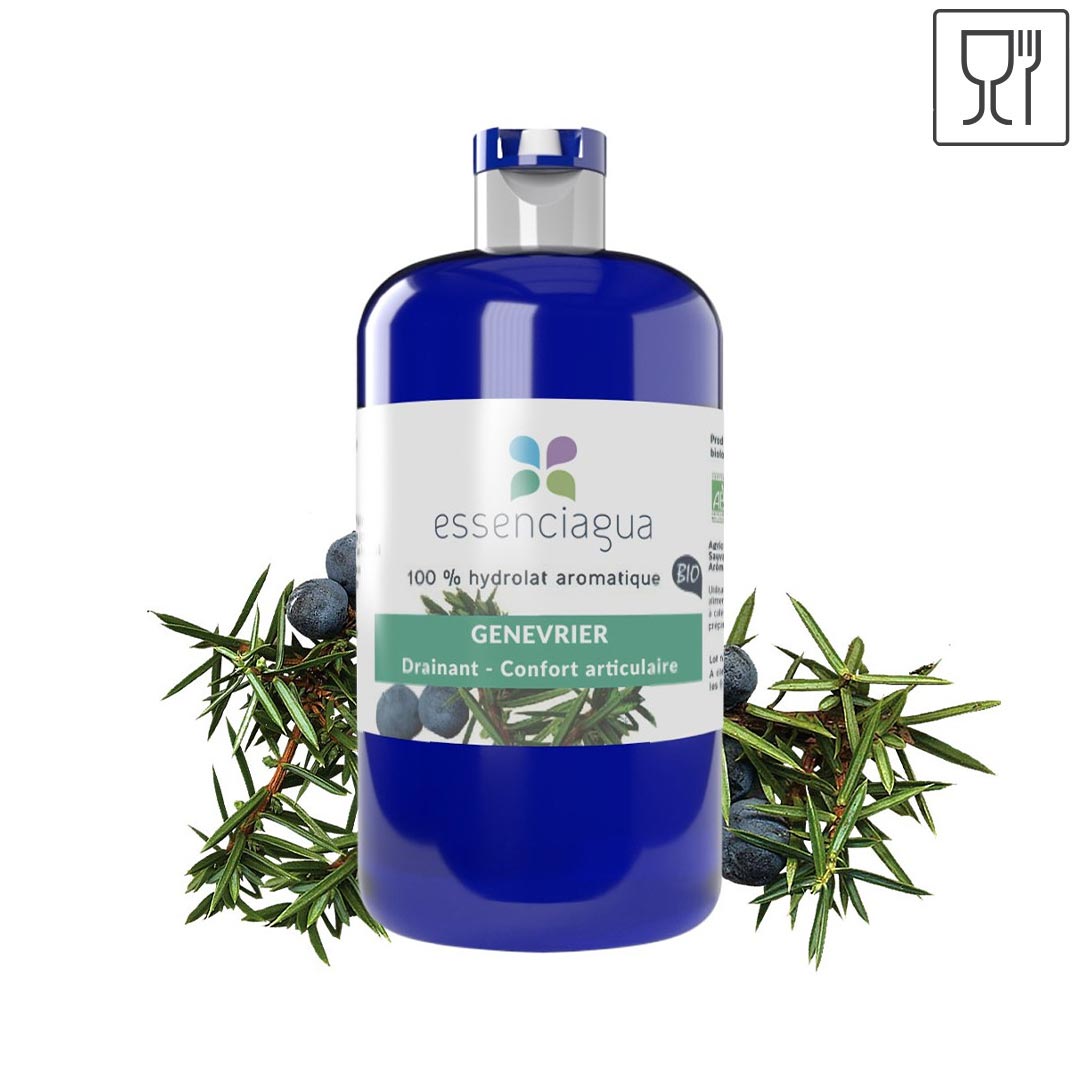
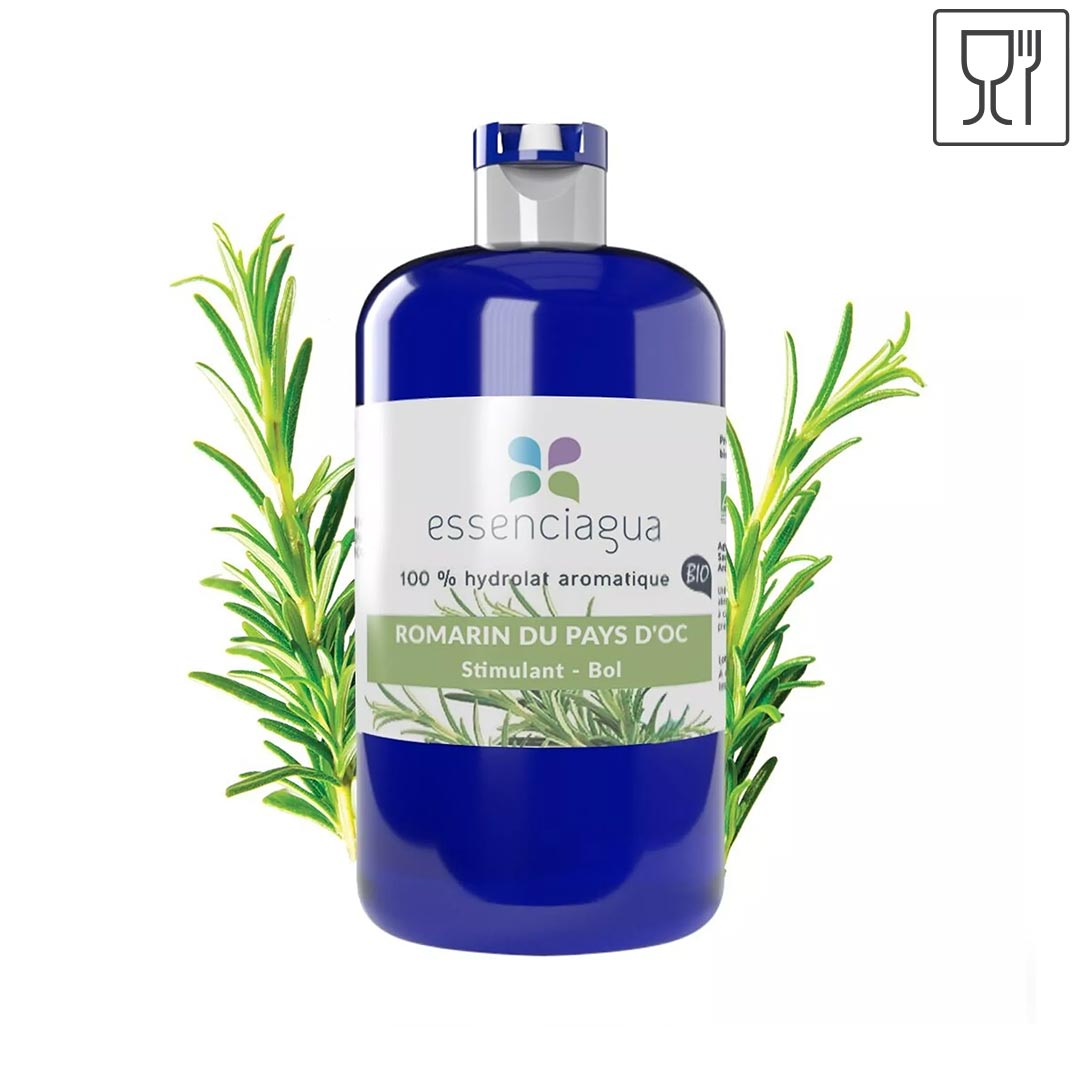
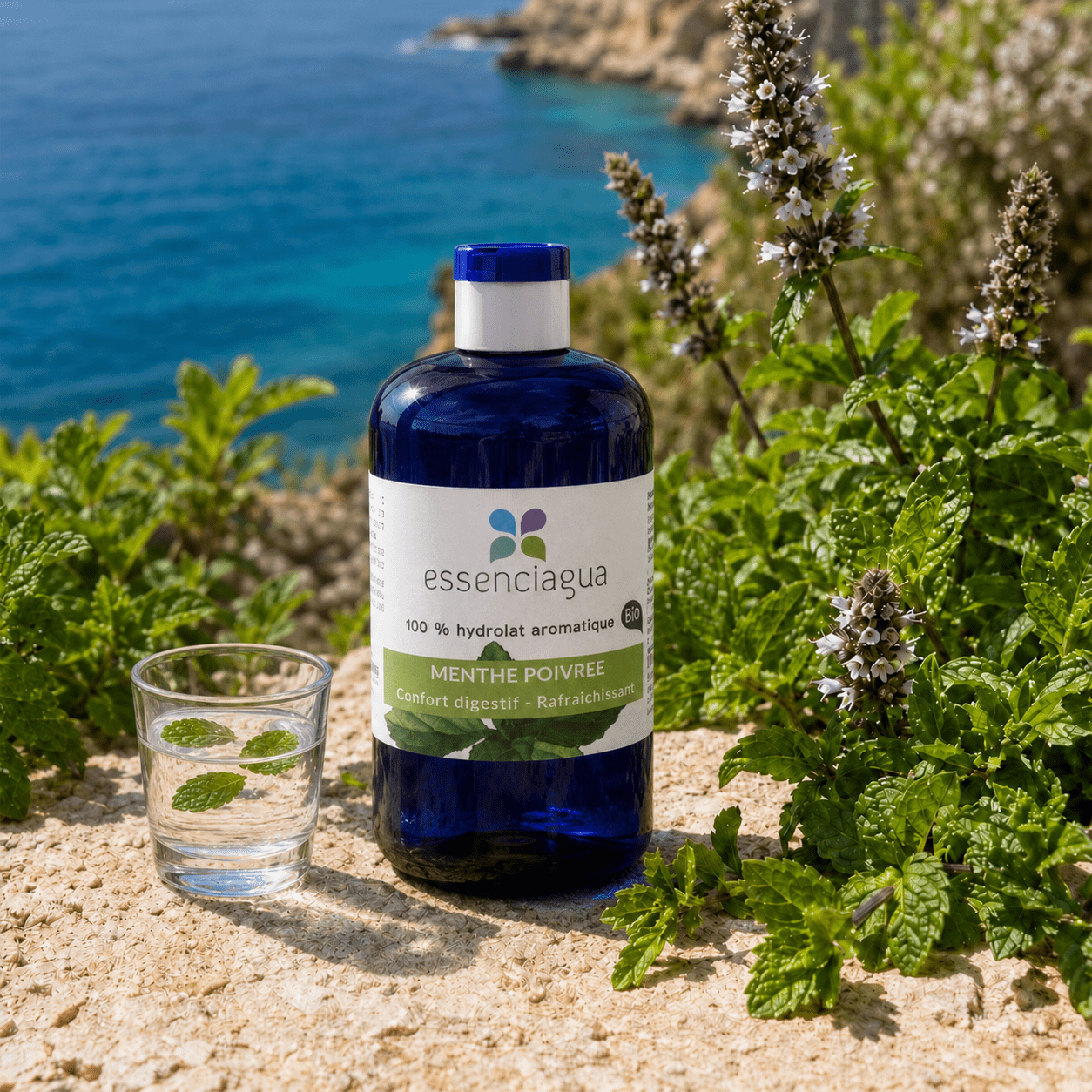
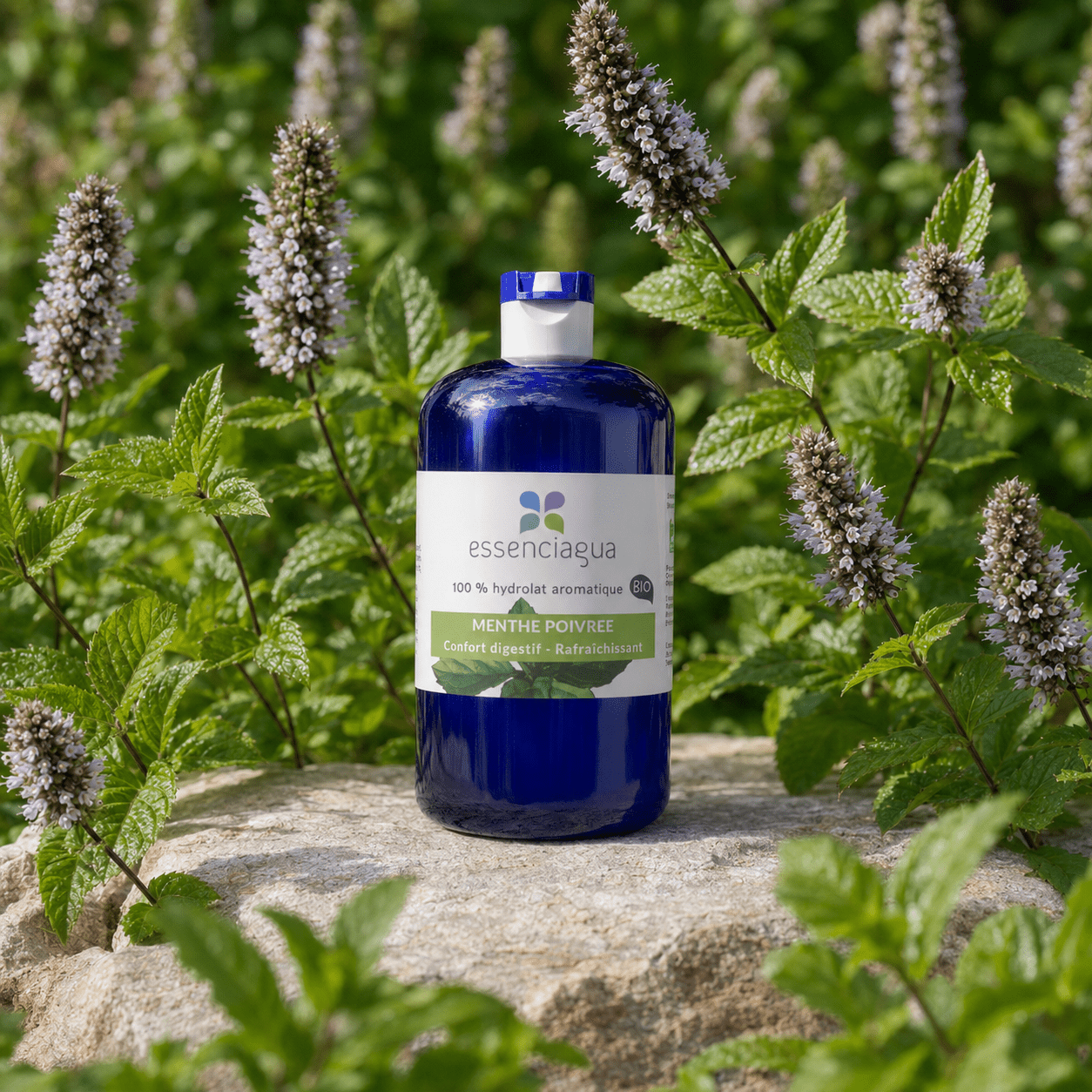
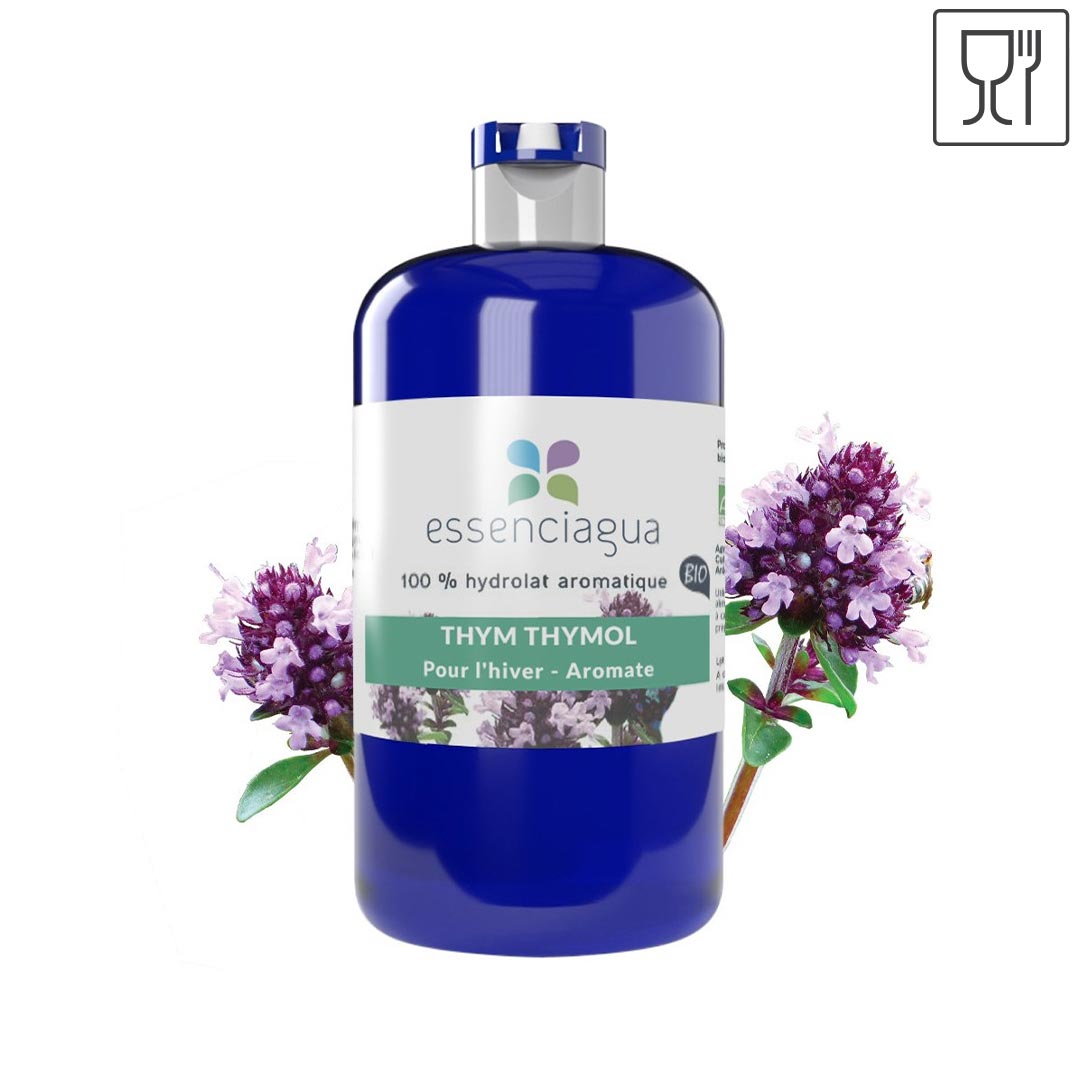
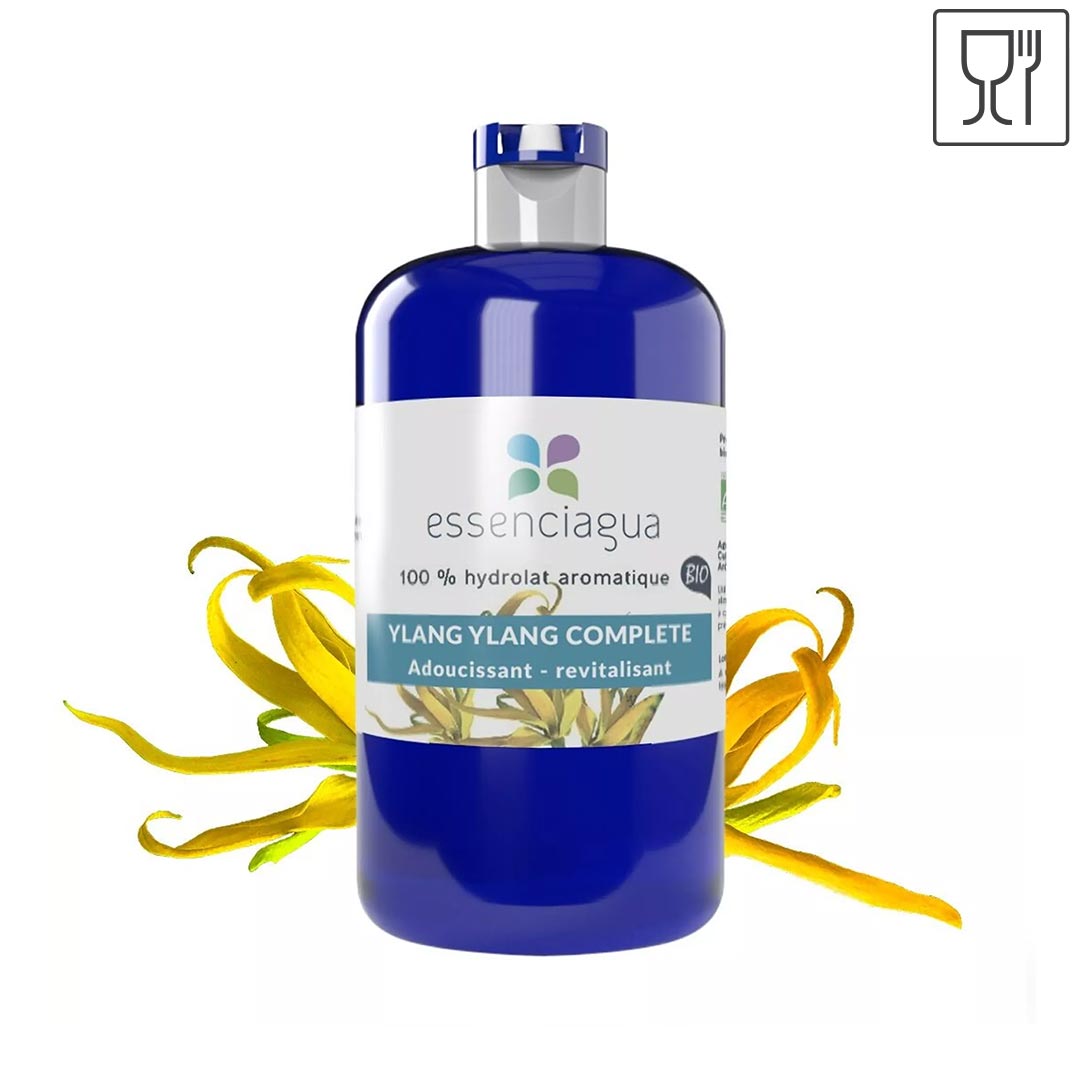
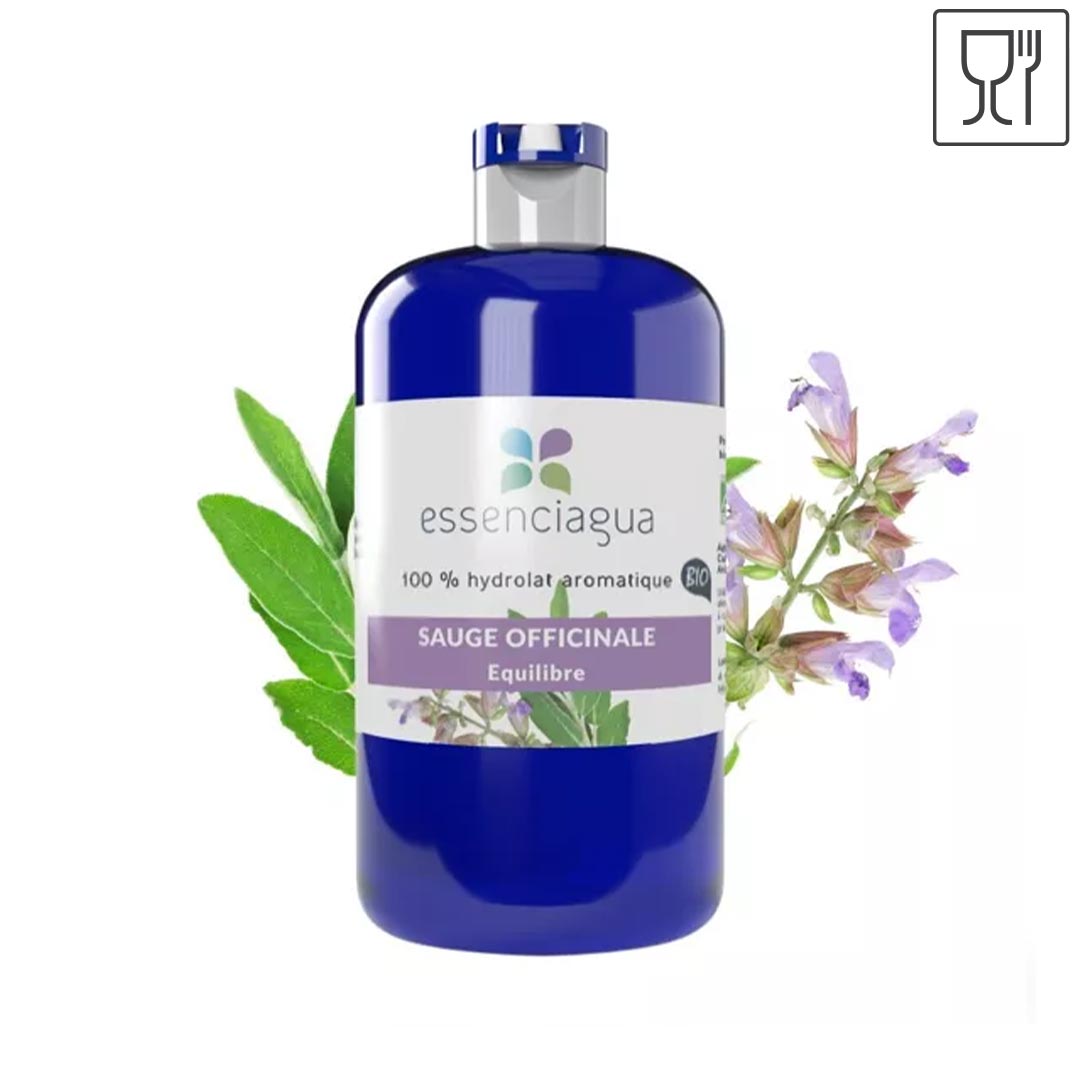
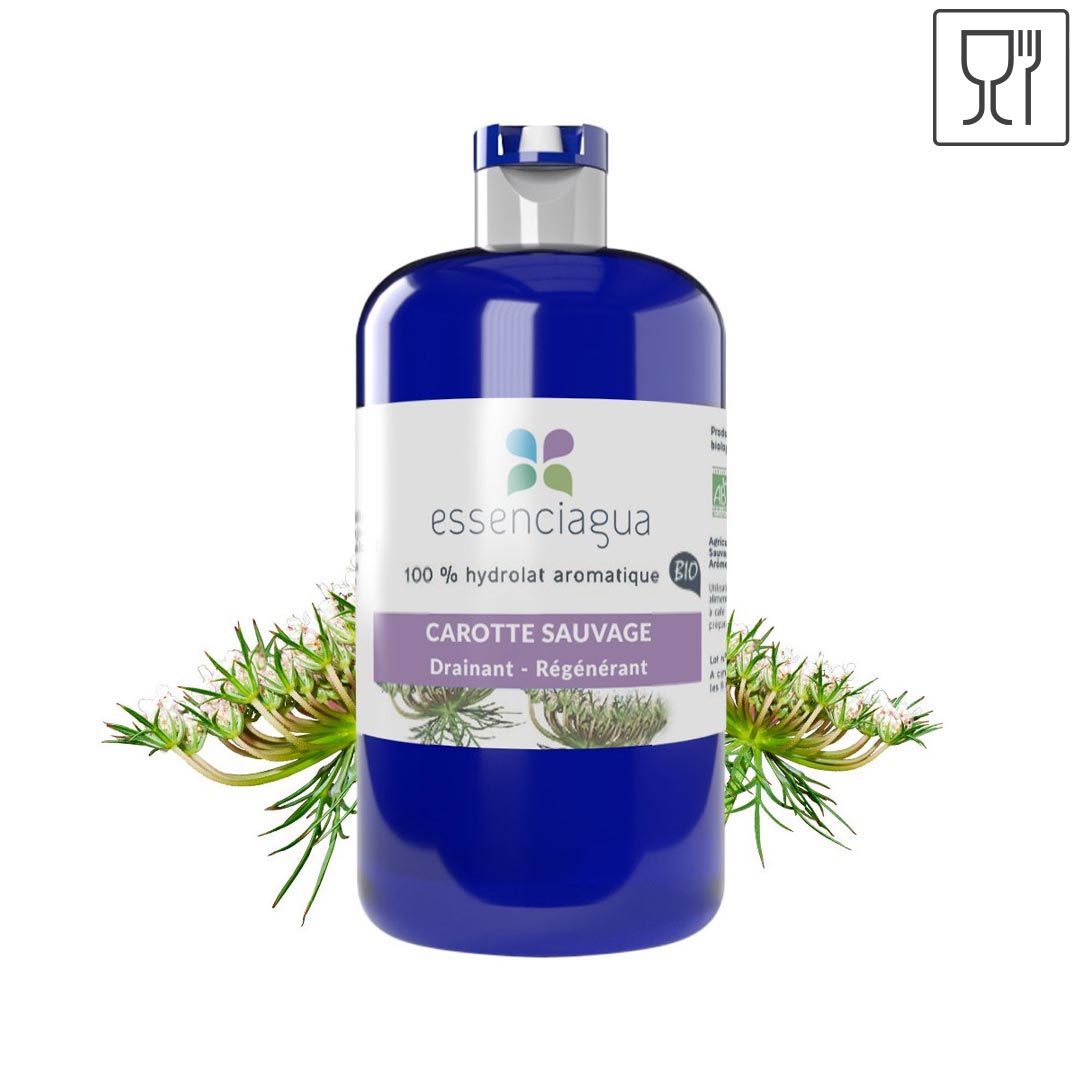
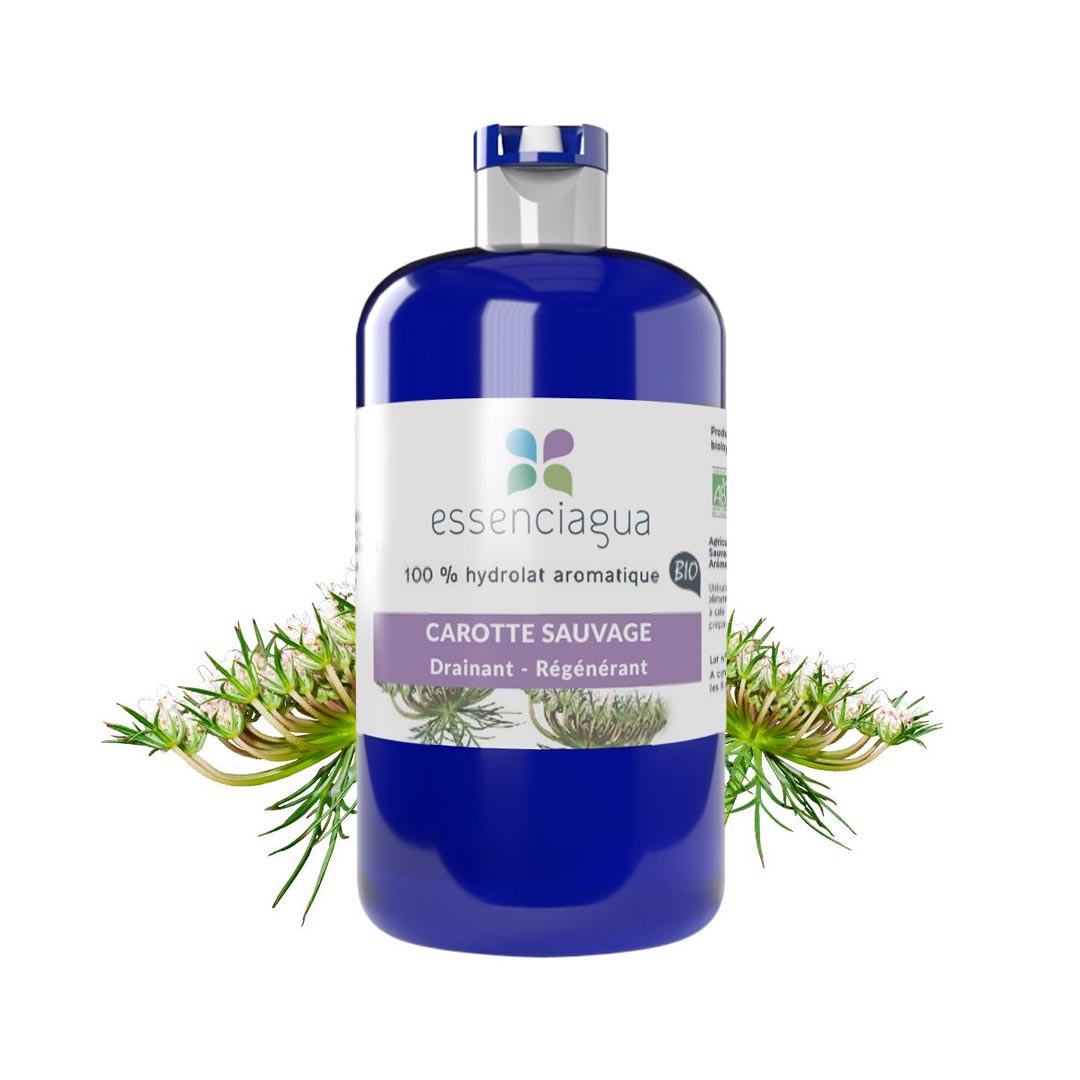
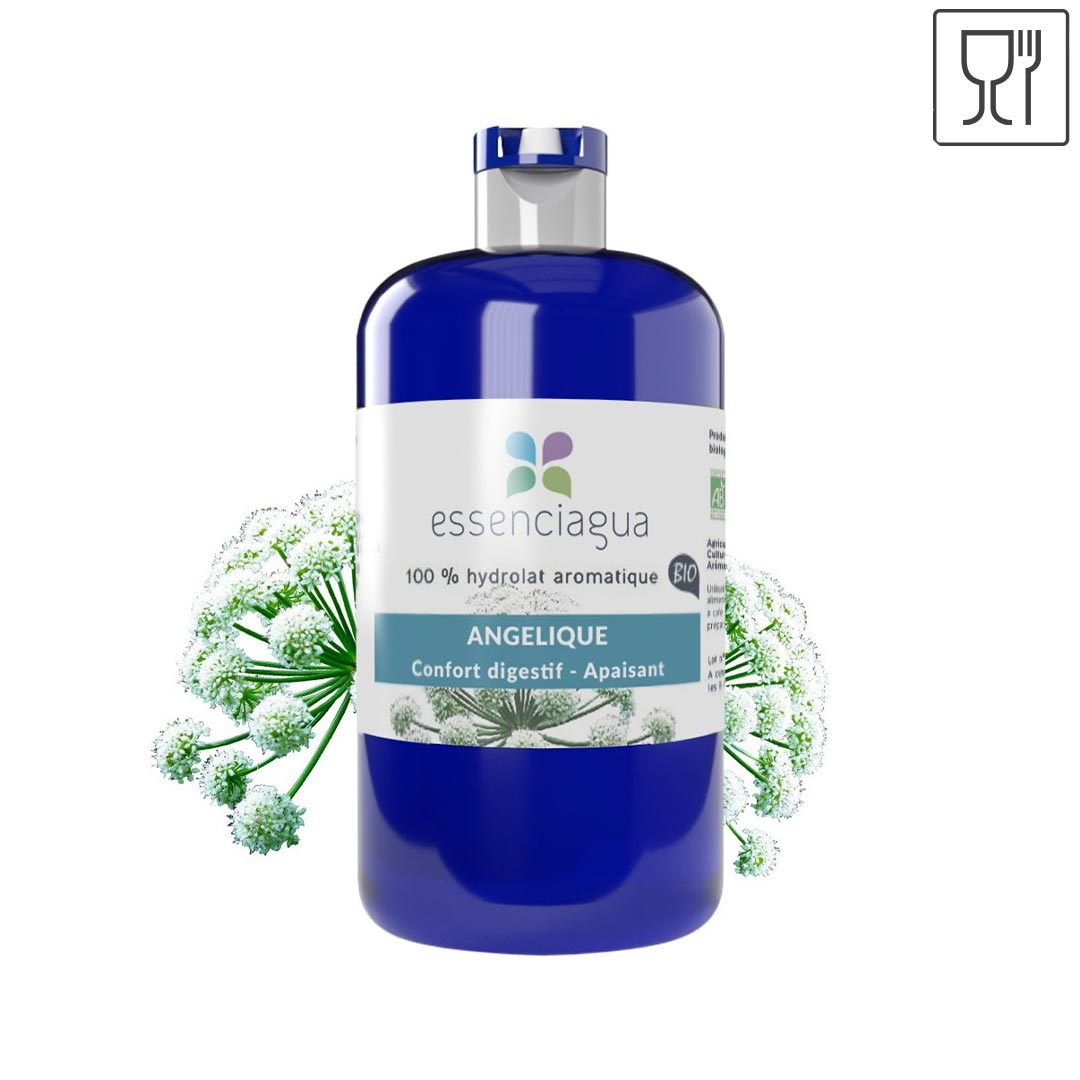
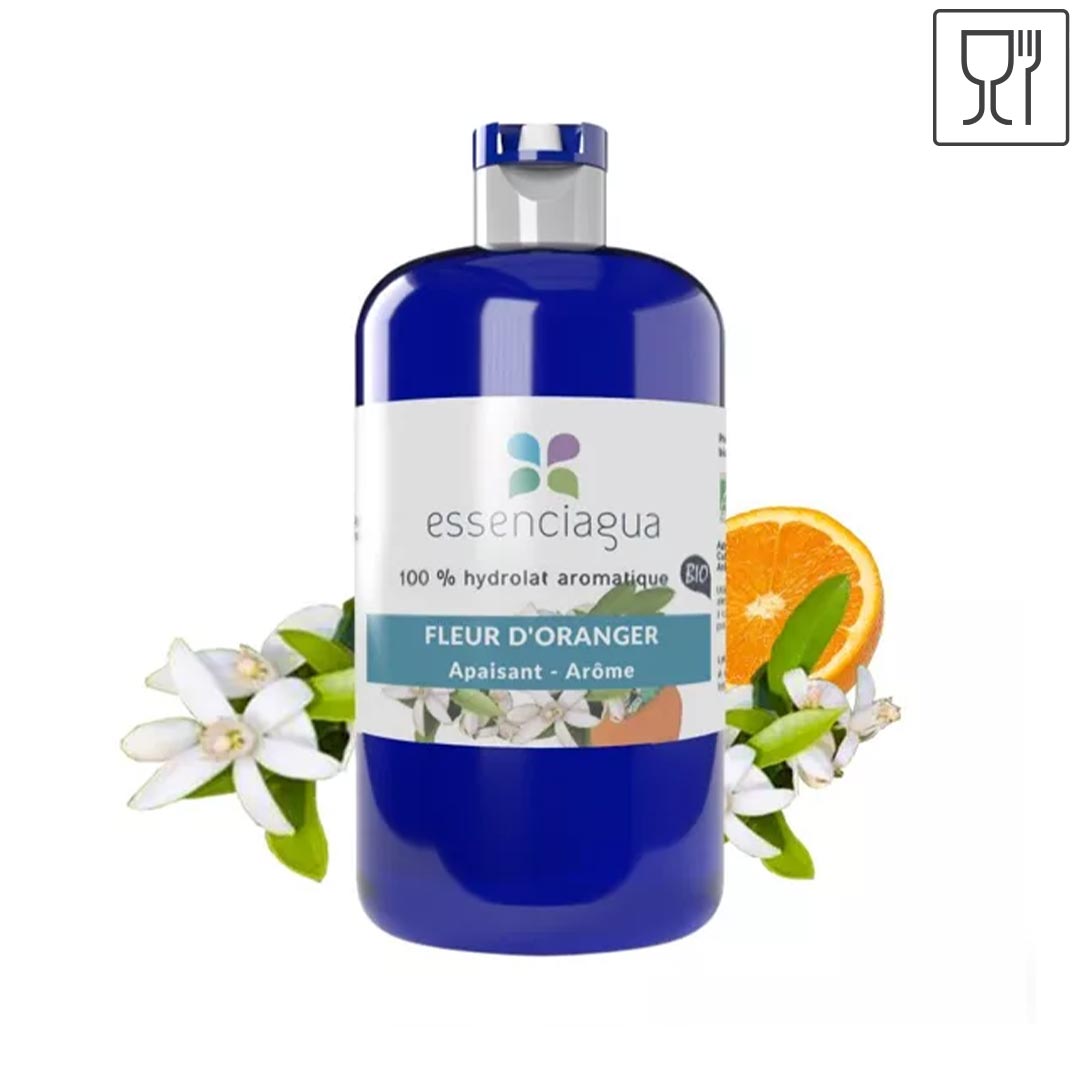
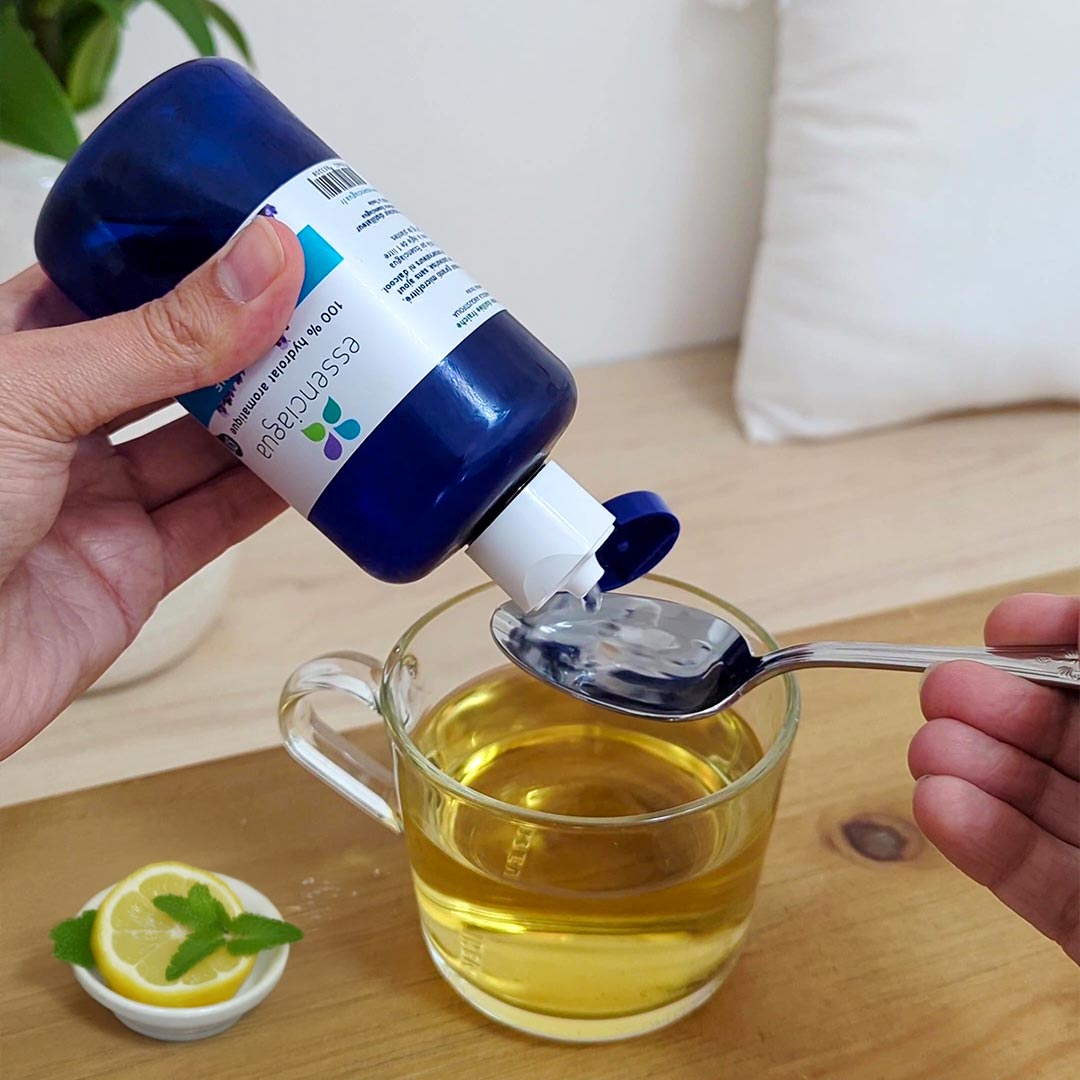
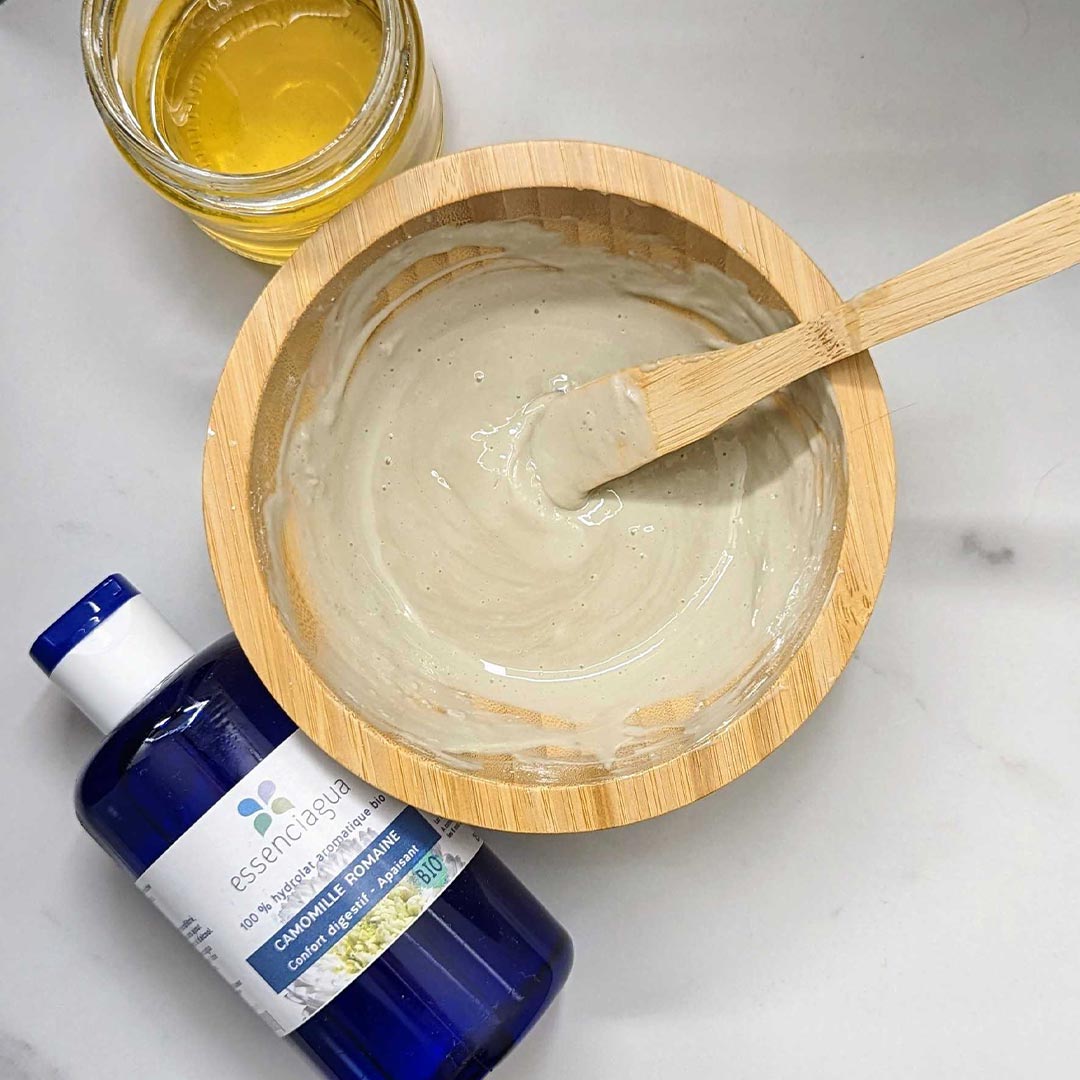
Use only certified organic, food-grade hydrosols (such as Essenciagua quality). Lower-grade hydrosols are not suitable for internal or regular use.
Ways to use hydrosols
- Lightly mist bedding, blankets, or resting areas
- Use in the environment for gentle aromatic support
- Add a couple of drops to your cat’s water bowl
Many cats instinctively choose what they need — and avoid what they don’t.
4. Gentle Bonding Method
A subtle way to introduce aromatherapy while strengthening trust.
How to prepare
Dilute 1 drop of essential oil in 20–30 ml carrier oil.
How to apply
- Place one drop of the diluted blend into your hands
- Rub your hands together
- Gently stroke your cat
Less is more — the scent on your hands is enough.
Supports
- Emotional balance
- Trust and connection
- Nervous system calming

Méthode du bol d’eau
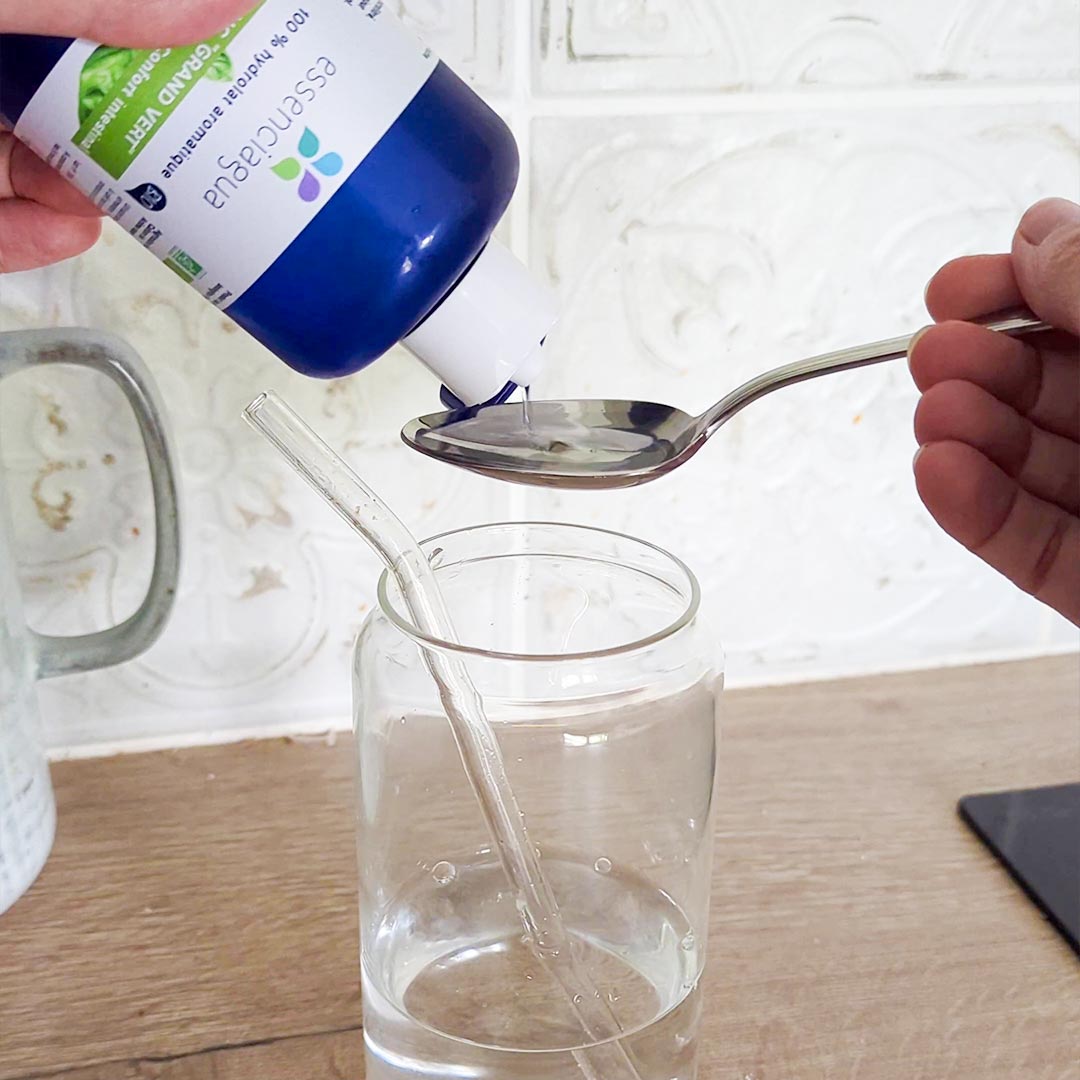
- Ajoutez quelques gouttes dans un bol d’eau
- Prévoyez toujours un deuxième bol d’eau fraîche, sans ajout
- Laissez votre chat choisir librement
Which Essential Oil for Your Cat?
Each essential oil has its own character and area of support. Below is a simple guide to oils commonly chosen for cats when used gently, correctly diluted, and with respect for feline sensitivity.
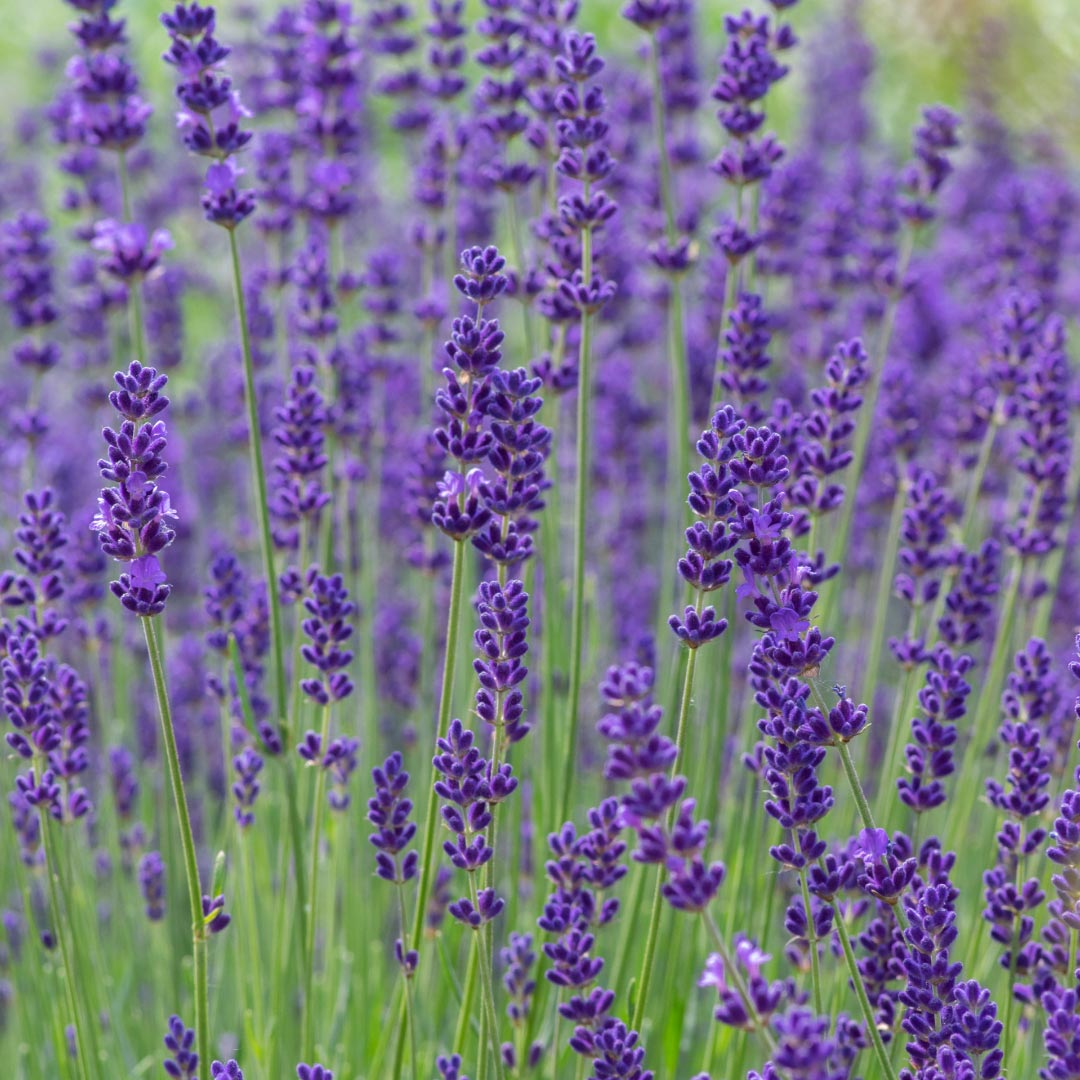
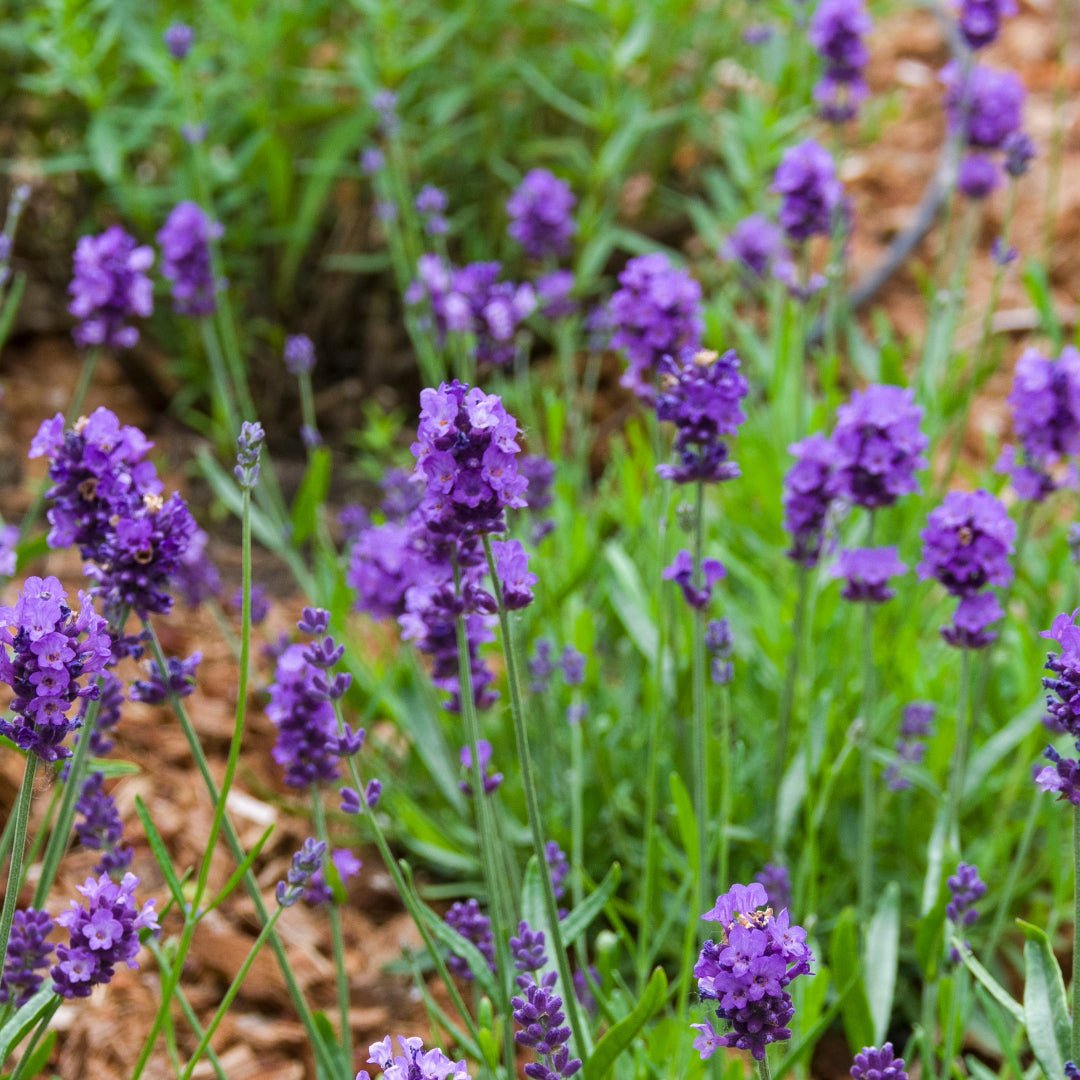
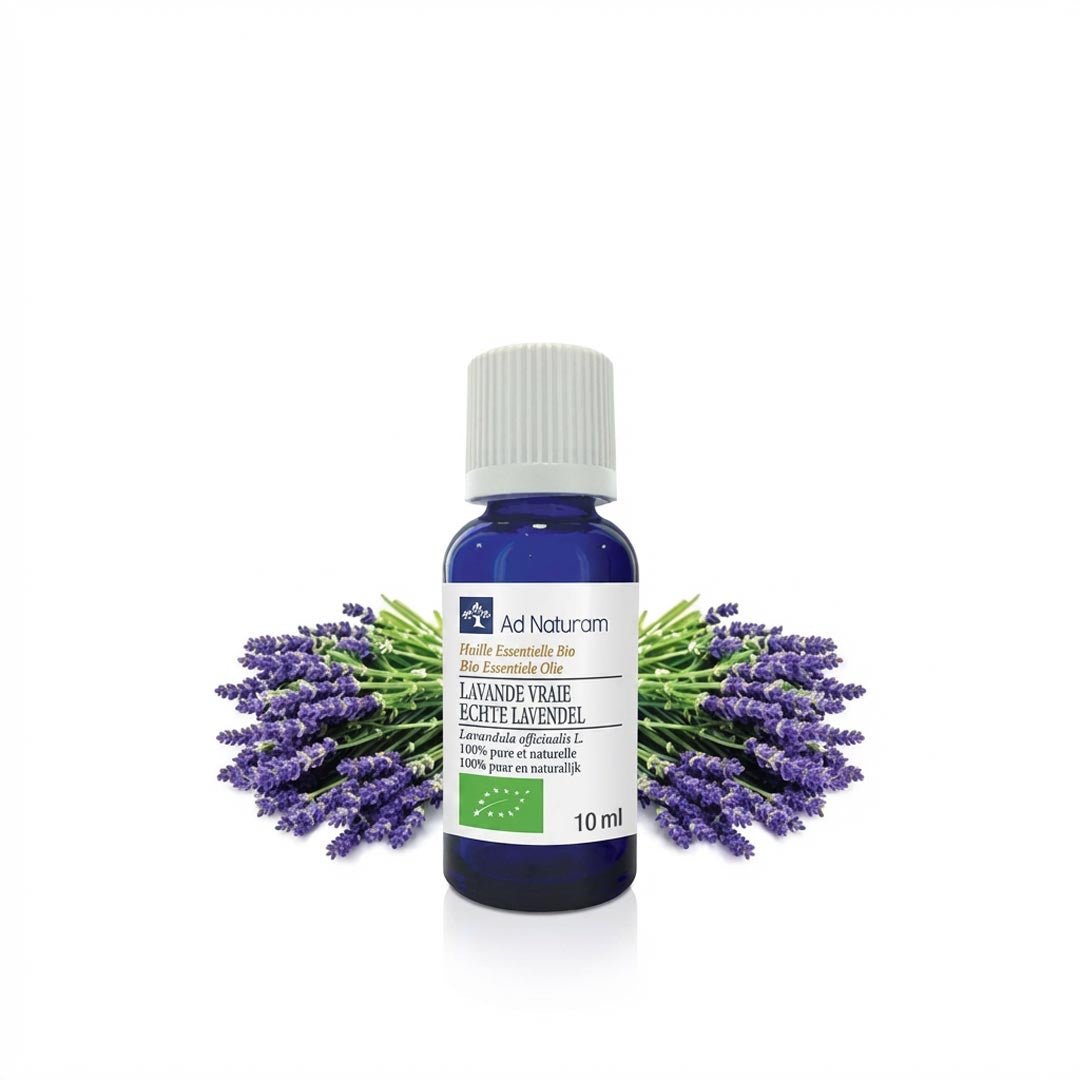
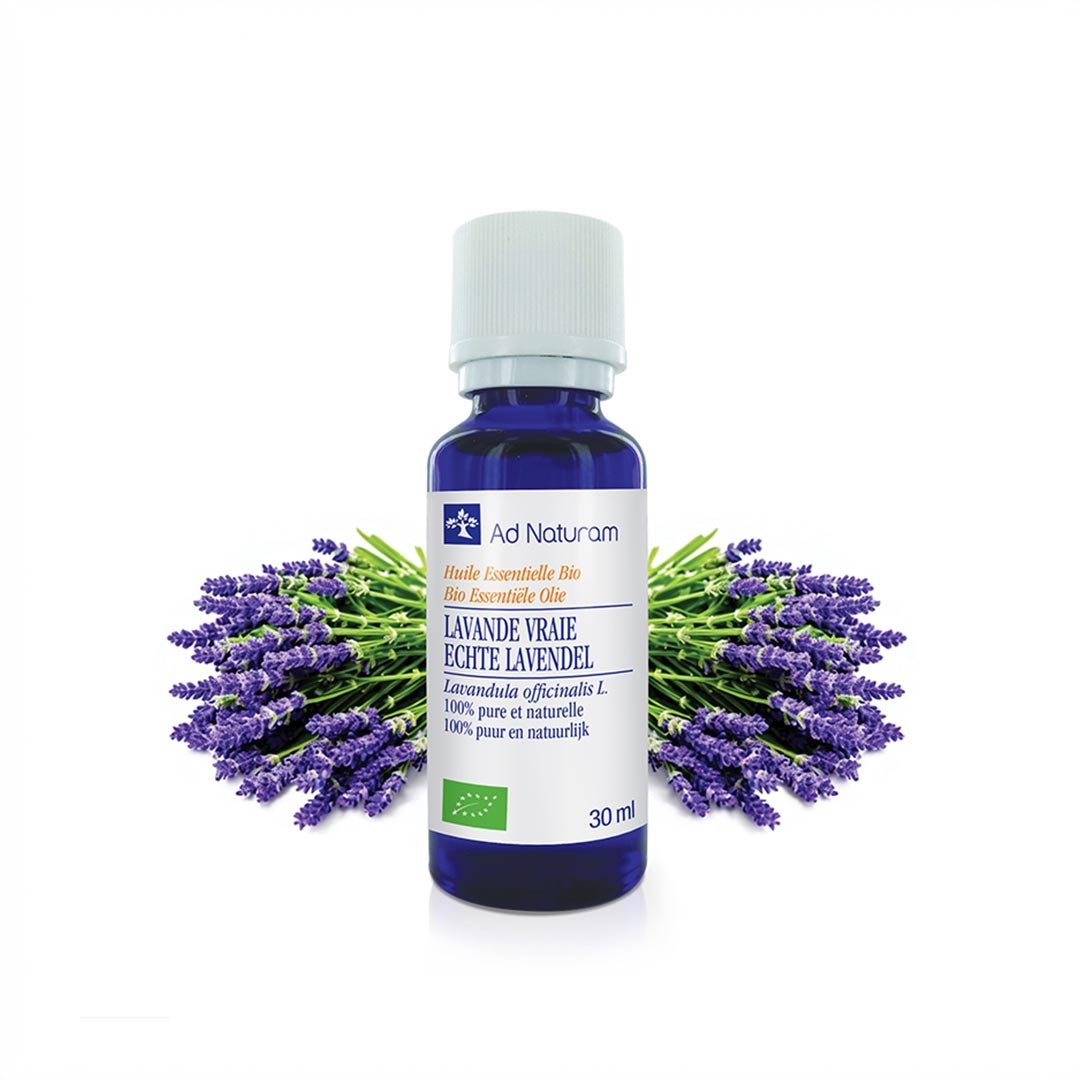
Lavender
Lavandula angustifolia
Supports: Calm, skin, relaxation
A gentle, versatile oil often used for stress, restlessness, skin irritation, and emotional comfort.
Frankincense
Boswellia carteri
Supports: Balance, skin, grounding
A grounding and soothing oil traditionally used to support emotional balance, skin care, and general resilience.
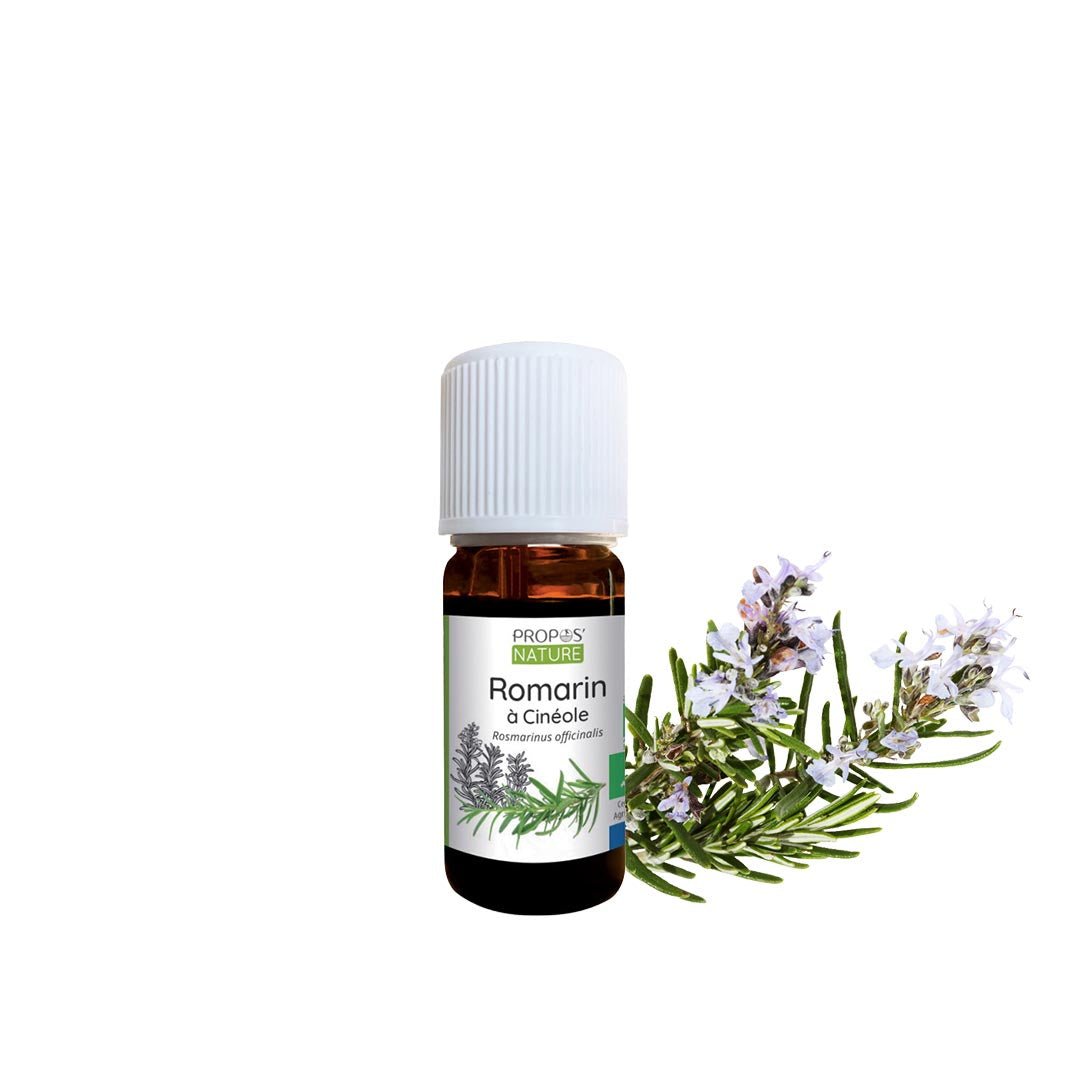
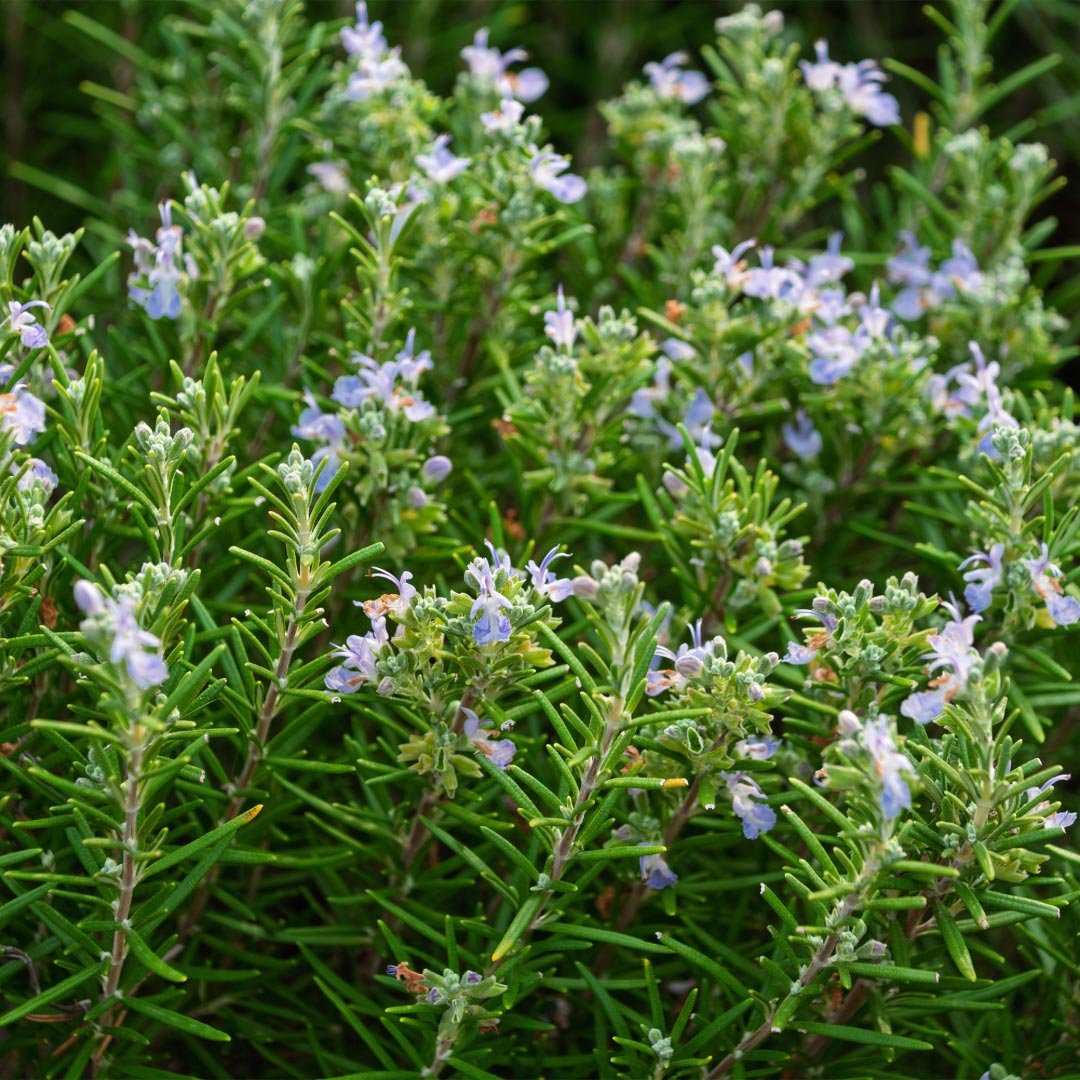
Rosemary ct. Cineole
Rosmarinus officinalis ct. cineole
Supports: Clarity, vitality
Chosen for its fresher, milder profile. Use cautiously and always well diluted, as chemotype matters.
Elemi
Canarium luzonicum
Supports: Skin, comfort, restoration
A resin oil traditionally appreciated for restorative skin care and gentle support for tired tissues.
Clary Sage
Salvia sclarea
Supports: Mood, stress, balance
A balancing oil used to support emotional steadiness, calm, and relaxation.
Geranium
Pelargonium graveolens
Supports: Emotional balance, reassurance
Often chosen to help calm nervous, unsettled cats and create a sense of reassurance.
Roman Chamomile
Chamaemelum nobile
Supports: Anxiety, skin, muscle comfort
One of the best choices for sensitive, anxious, or emotionally reactive cats. Also gentle for skin and muscular comfort.
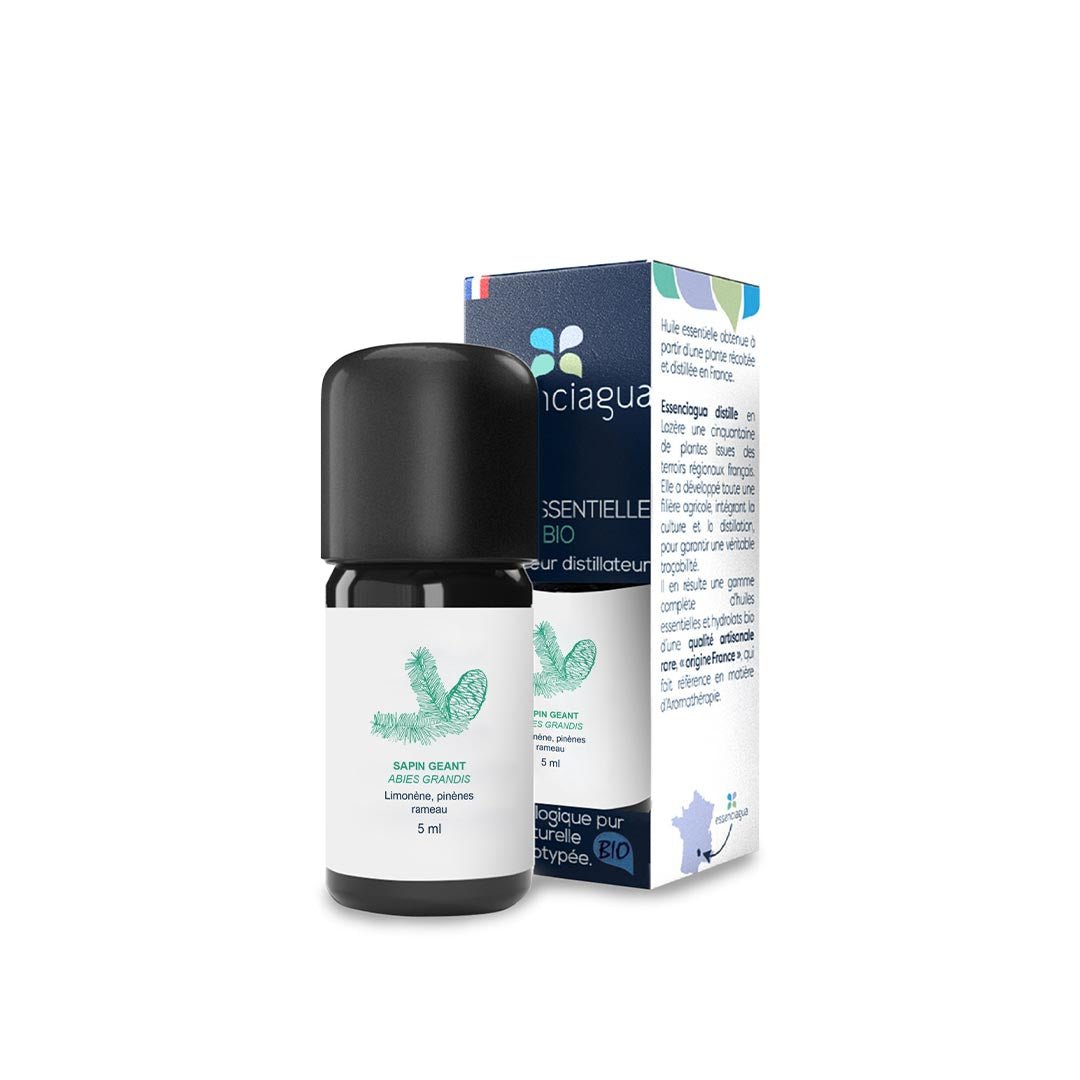
Fir (Grand Fir)
Abies grandis
Supports: Breathing, tension, grounding
A fresh, grounding conifer oil used for respiratory support, muscular tension, and a calm atmosphere.
Fir (Silver Fir)
Abies alba
Supports: Breathing, relaxation, grounding
Also known as Sapin Pectiné, this fir oil offers a softer aromatic profile, supporting calm breathing and a relaxed environment.
Valerian
Valeriana officinalis
Supports: Restlessness, sleep, anxiety
A deeply calming oil for cats needing stronger support for nervous tension, restlessness, or trauma-related stress.
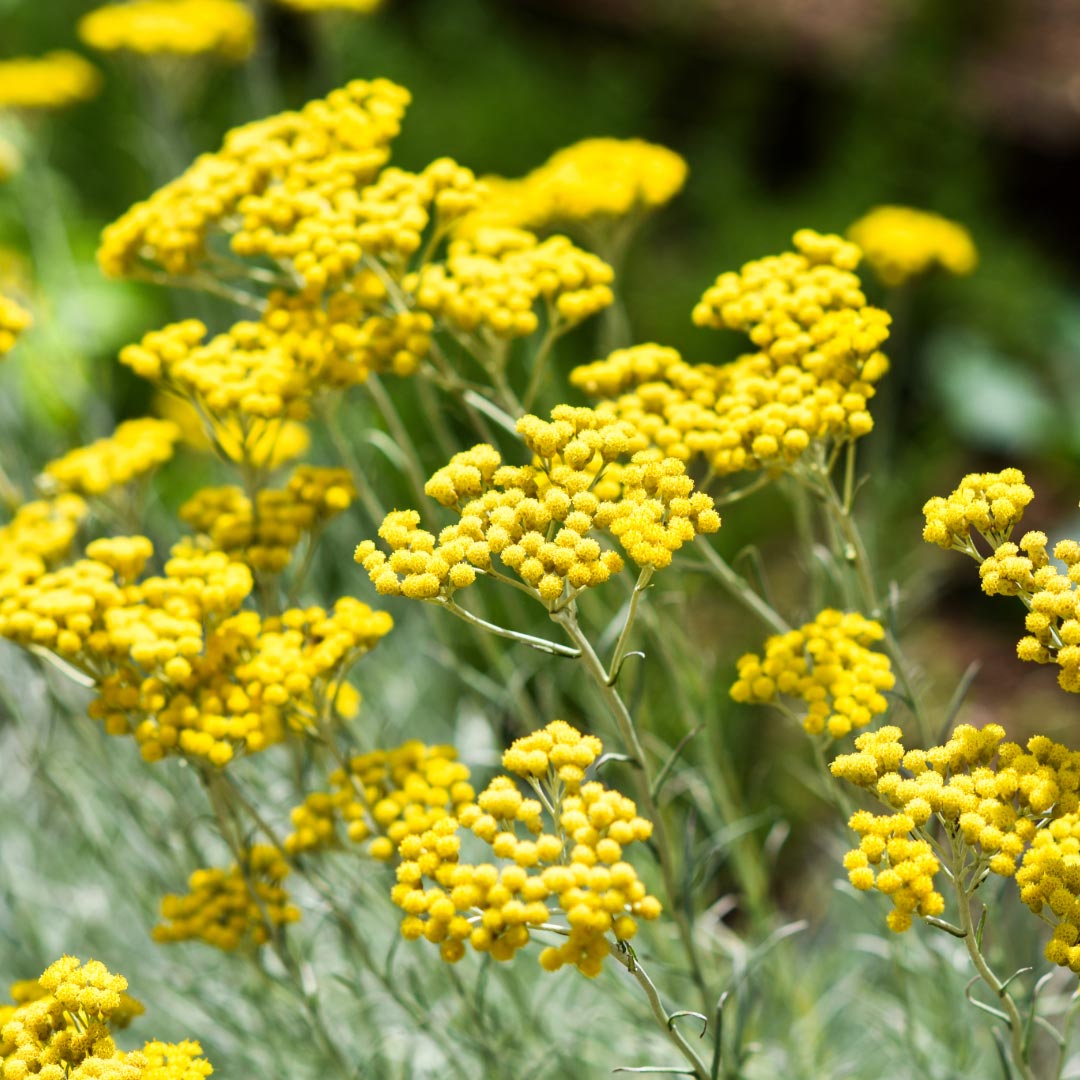
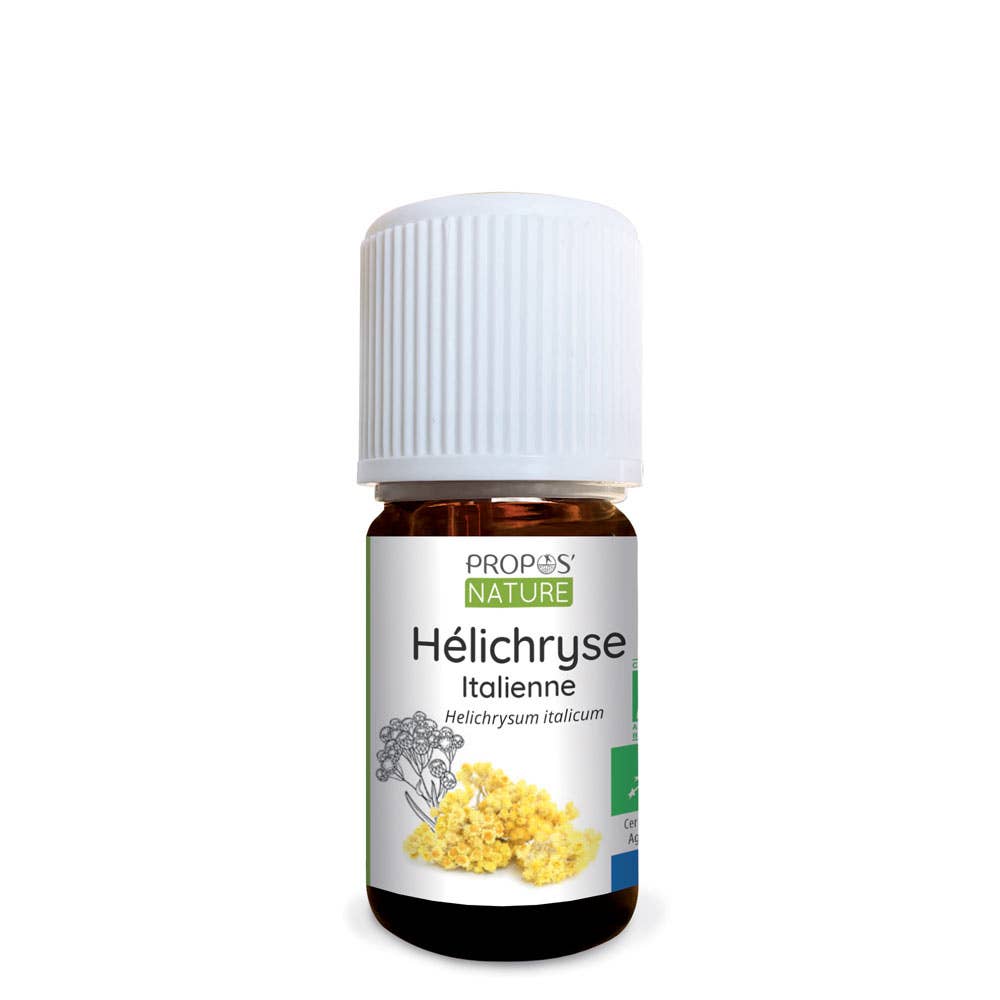
Helichrysum
Helichrysum italicum
Supports: Skin, recovery, comfort
Known for restorative skin support and gentle help during recovery or minor physical discomfort.
Always use essential oils for cats with care: choose certified organic high-quality oils, dilute correctly, and let the cat’s response guide the method and amount used.


Essential Oils That Require Extra Care with Cats
Some essential oils can be used with cats in specific situations, but they require experience, higher dilution, and careful observation. These oils are not intended for regular or casual use.
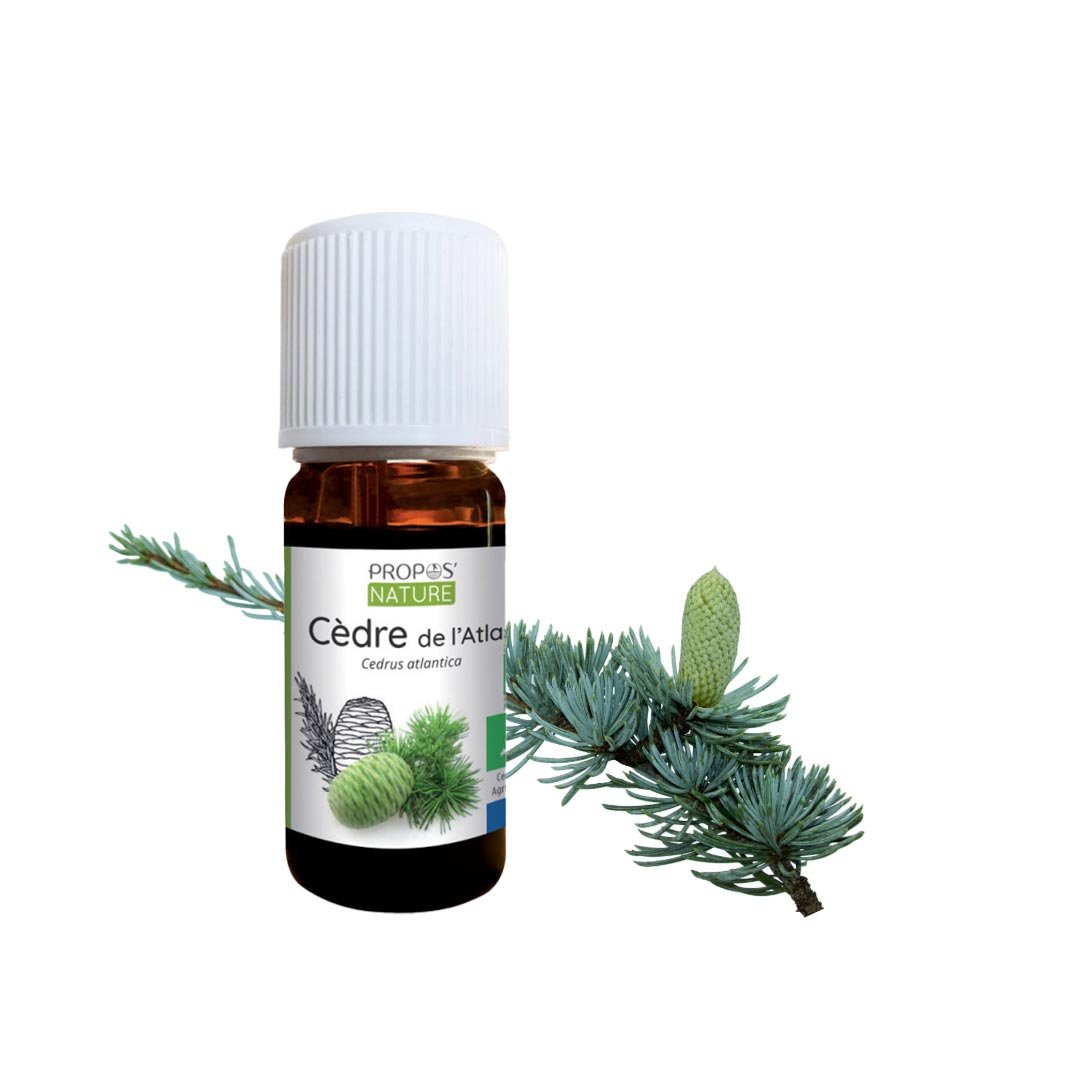
Atlas Cedarwood
Cedrus atlantica
Supports: Grounding, skin
May support skin balance and emotional grounding. Use sparingly and in low dilution.
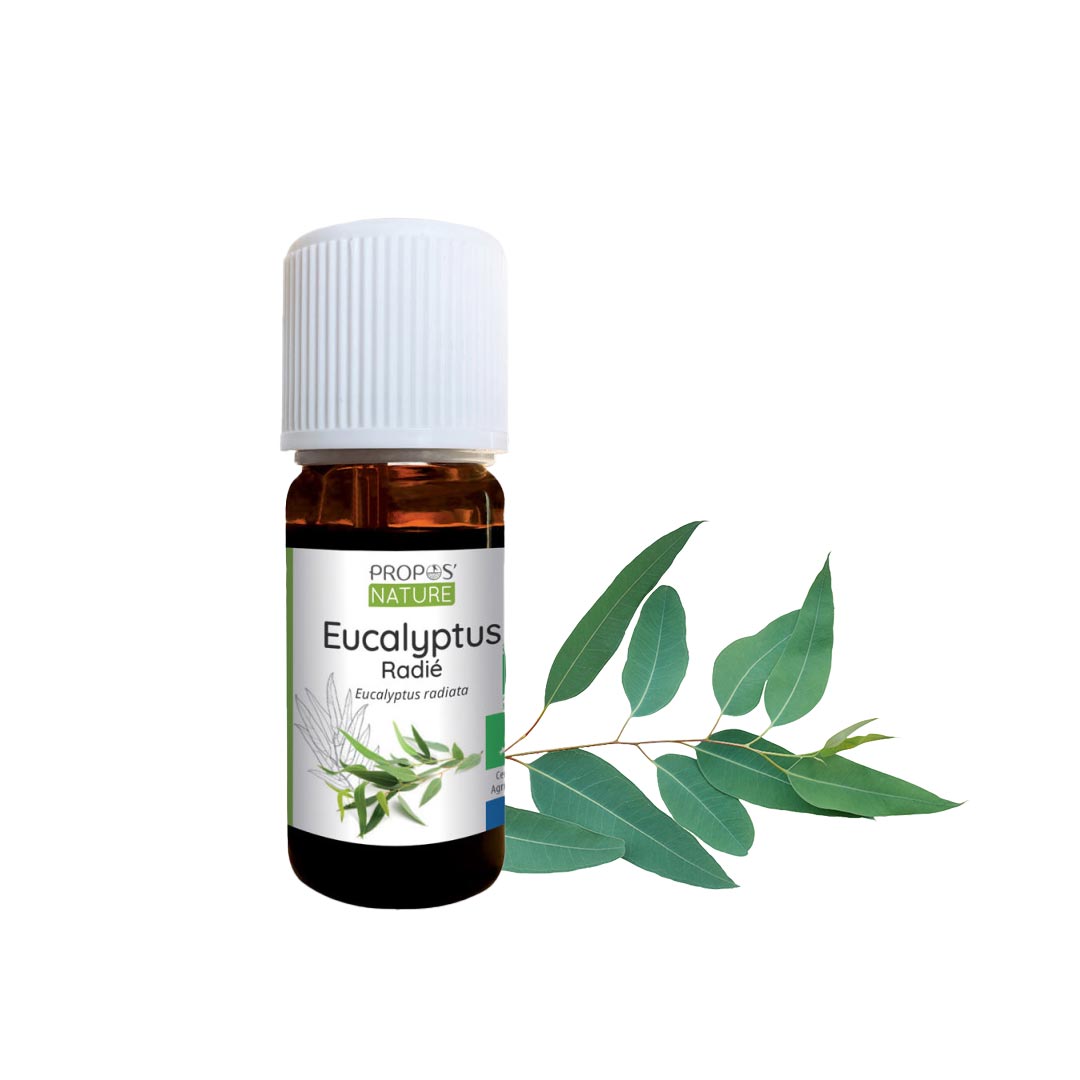
Eucalyptus Radiata
Eucalyptus radiata
Supports: Breathing
A milder eucalyptus type, but still requires cautious use and minimal exposure.
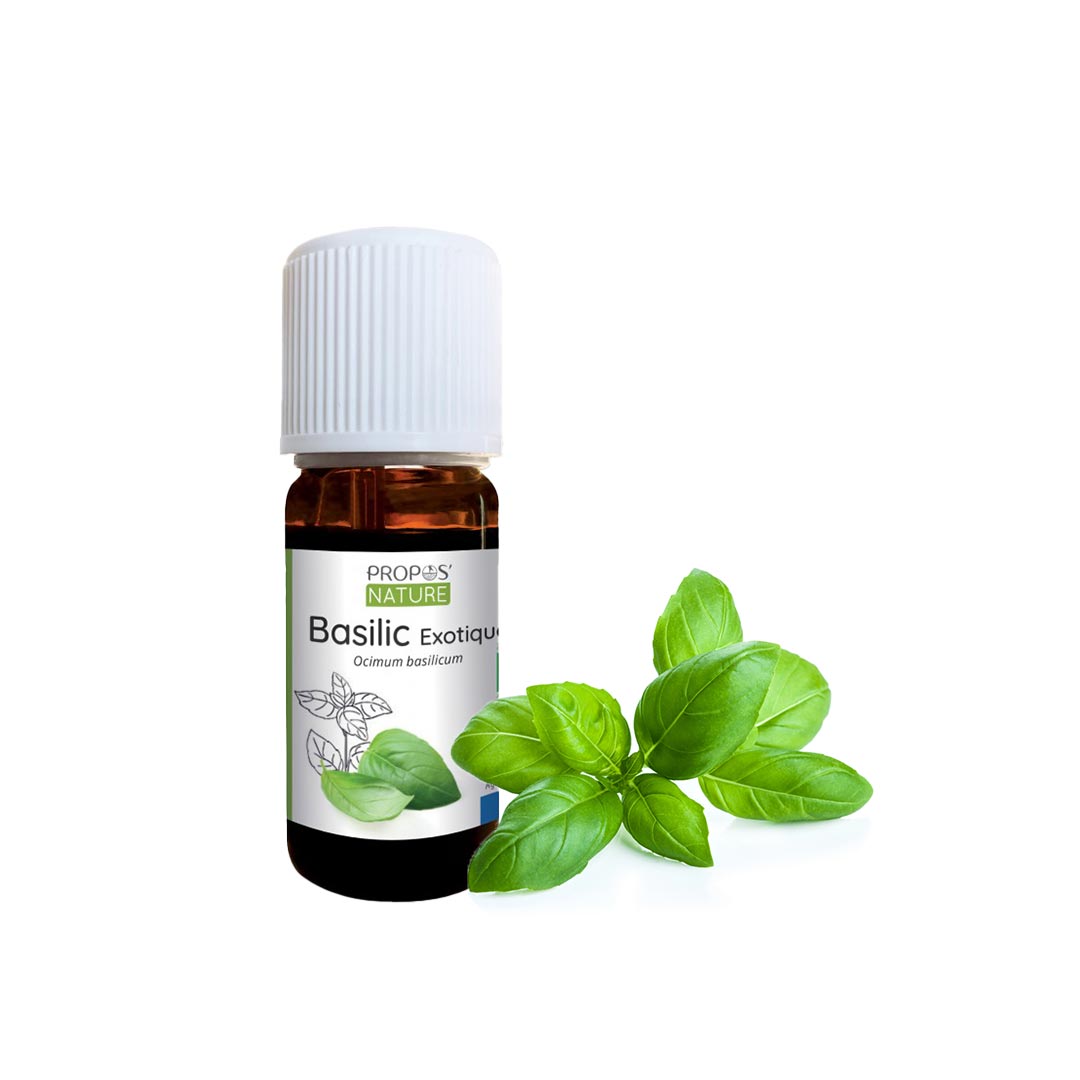
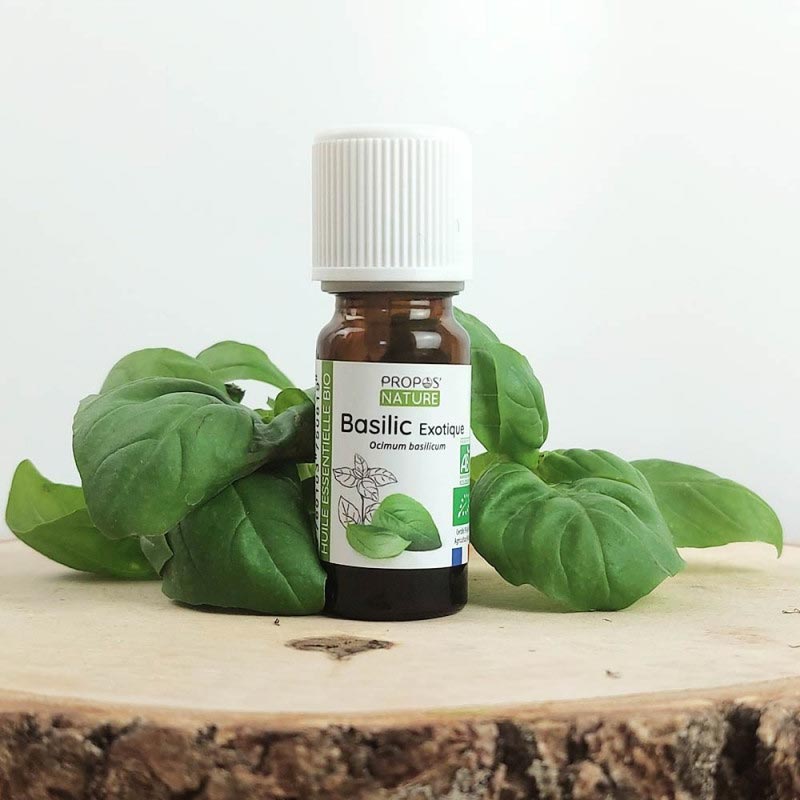
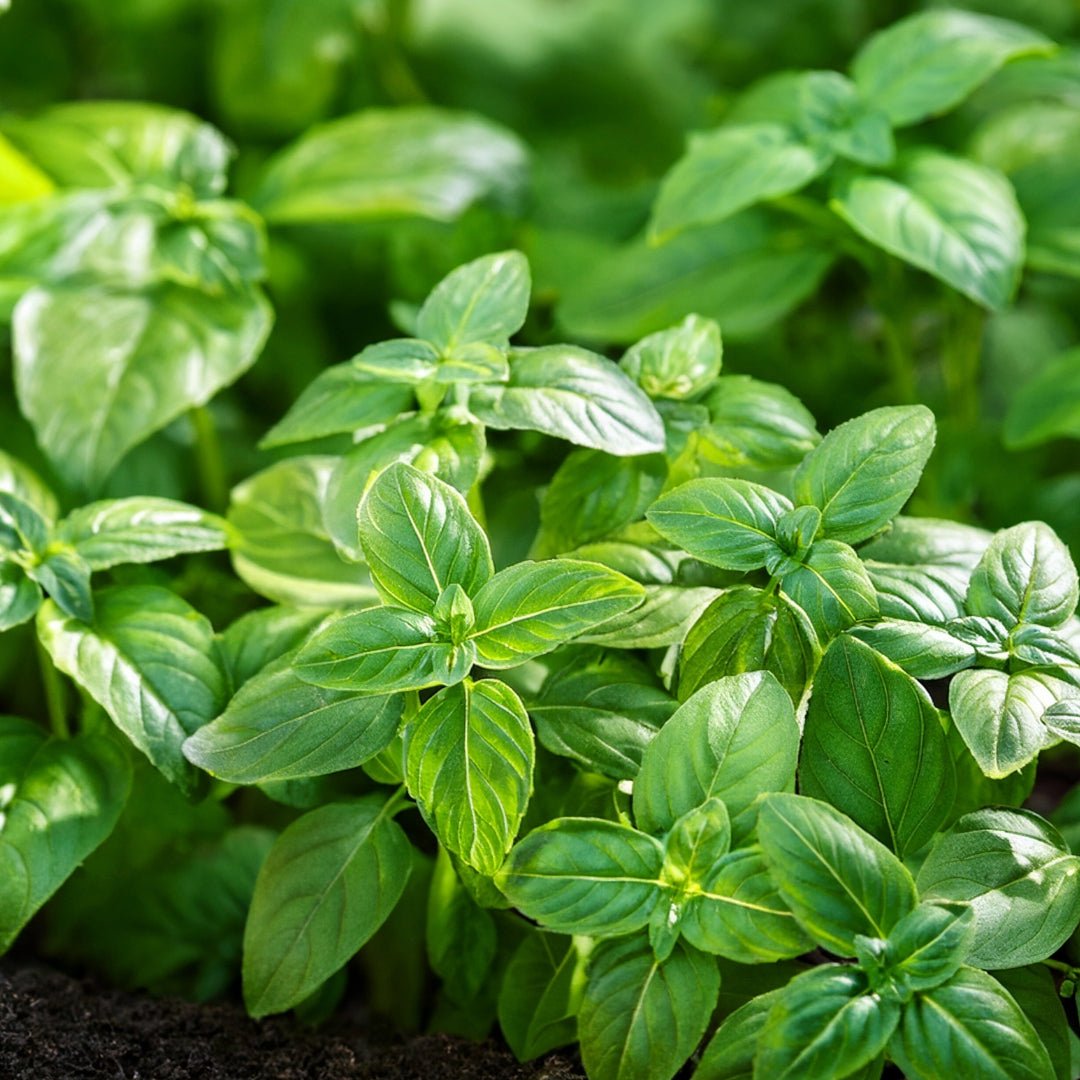
Sweet Basil
Ocimum basilicum
Supports: Digestive balance
Traditionally used for digestive support. Use occasionally and with care.
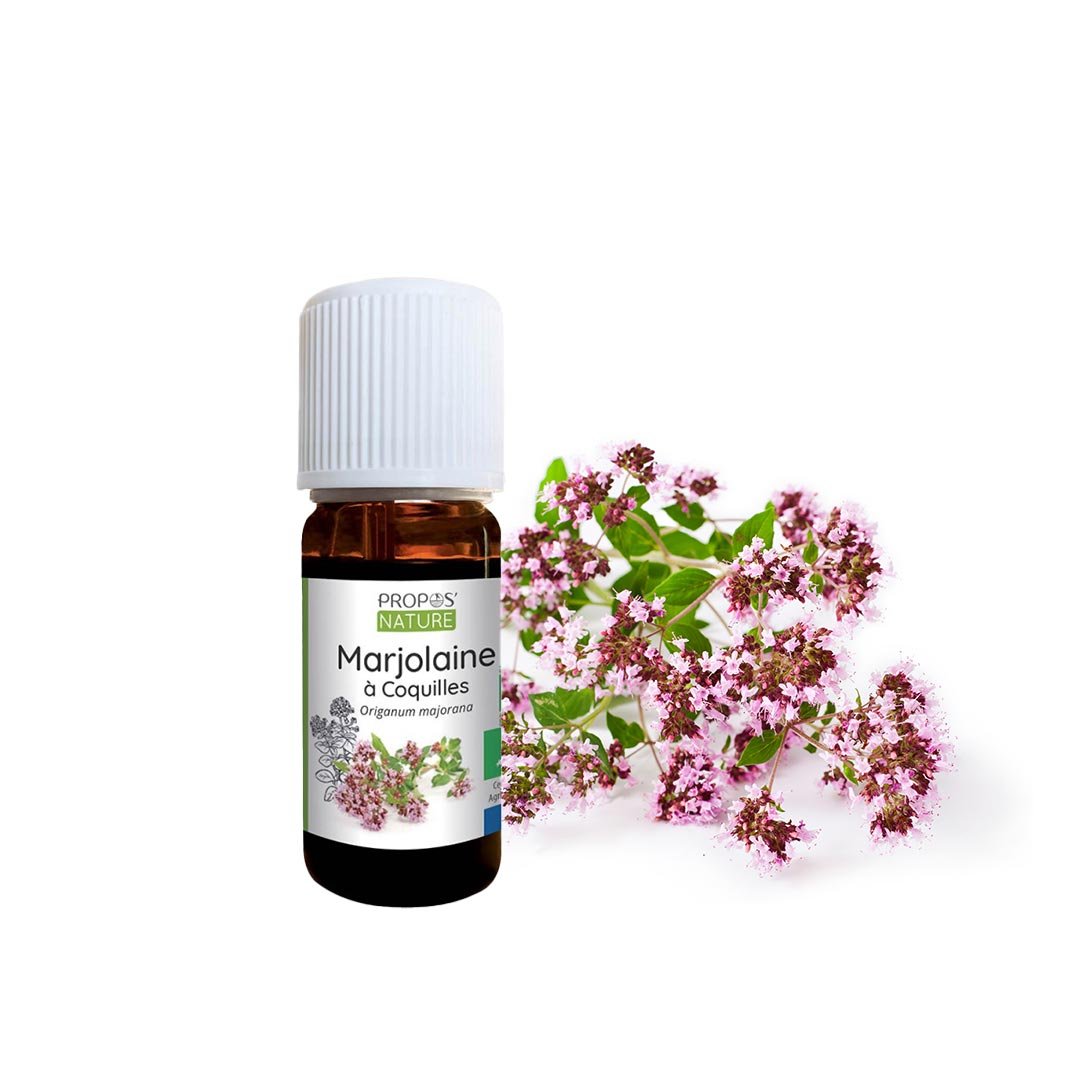
Marjoram
Origanum majorana
Supports: Relaxation, muscles
May support muscular relaxation and tension. Use with proper dilution.
Palmarosa
Cymbopogon martinii
Supports: Skin, balance
Gentler than many oils, but still best used occasionally and diluted.
Patchouli
Pogostemon cablin
Supports: Skin, grounding
A rich oil. Use minimally and observe your cat’s response.
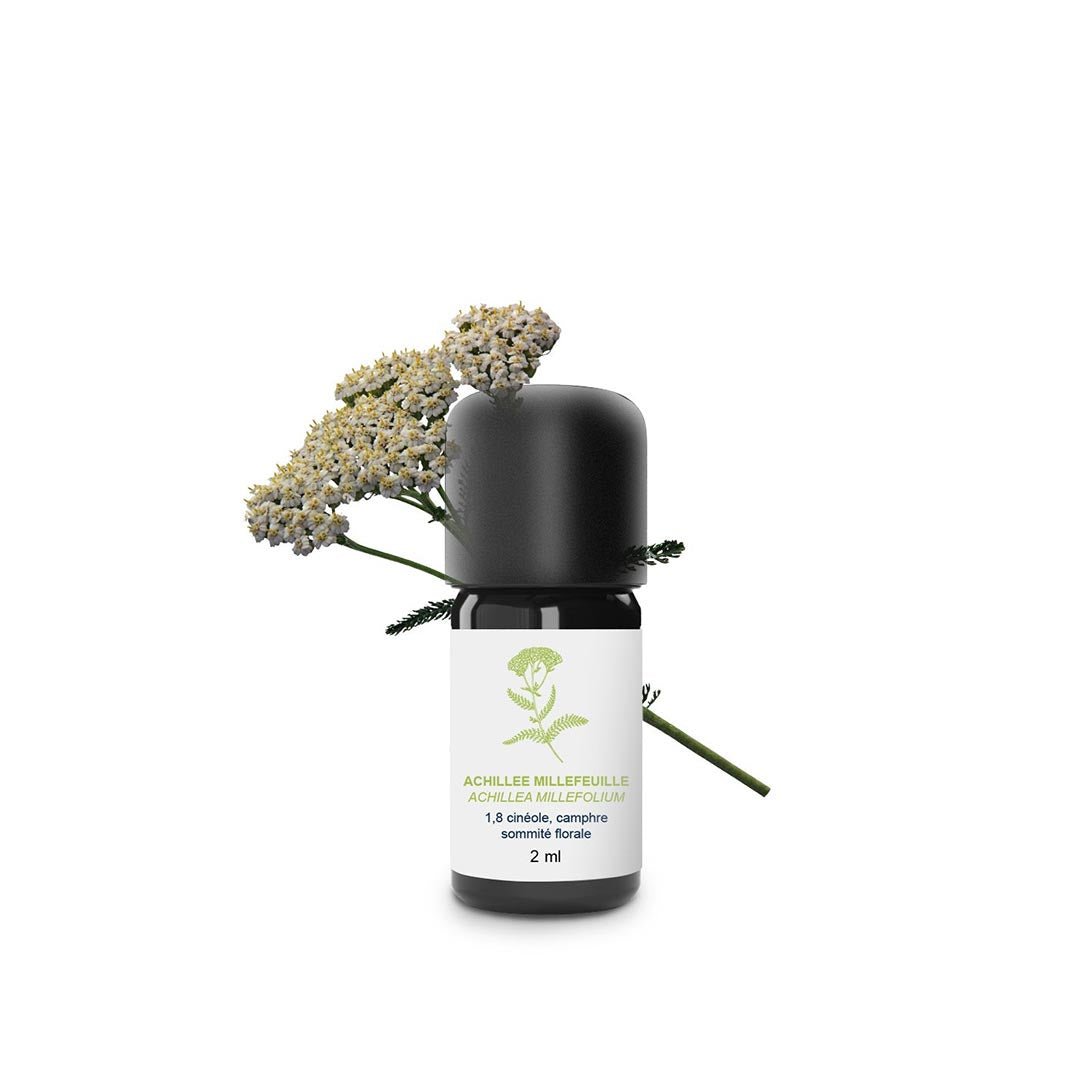
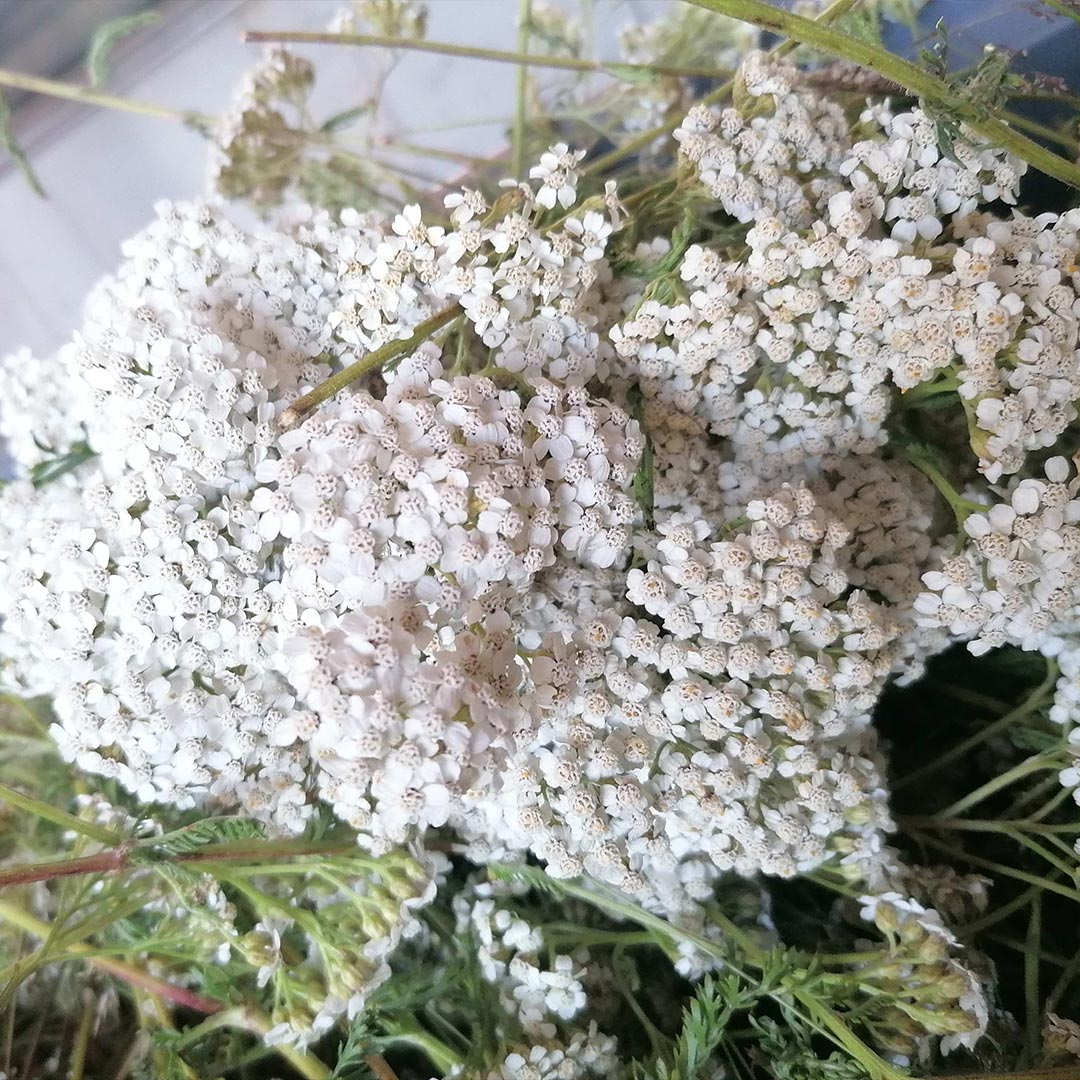
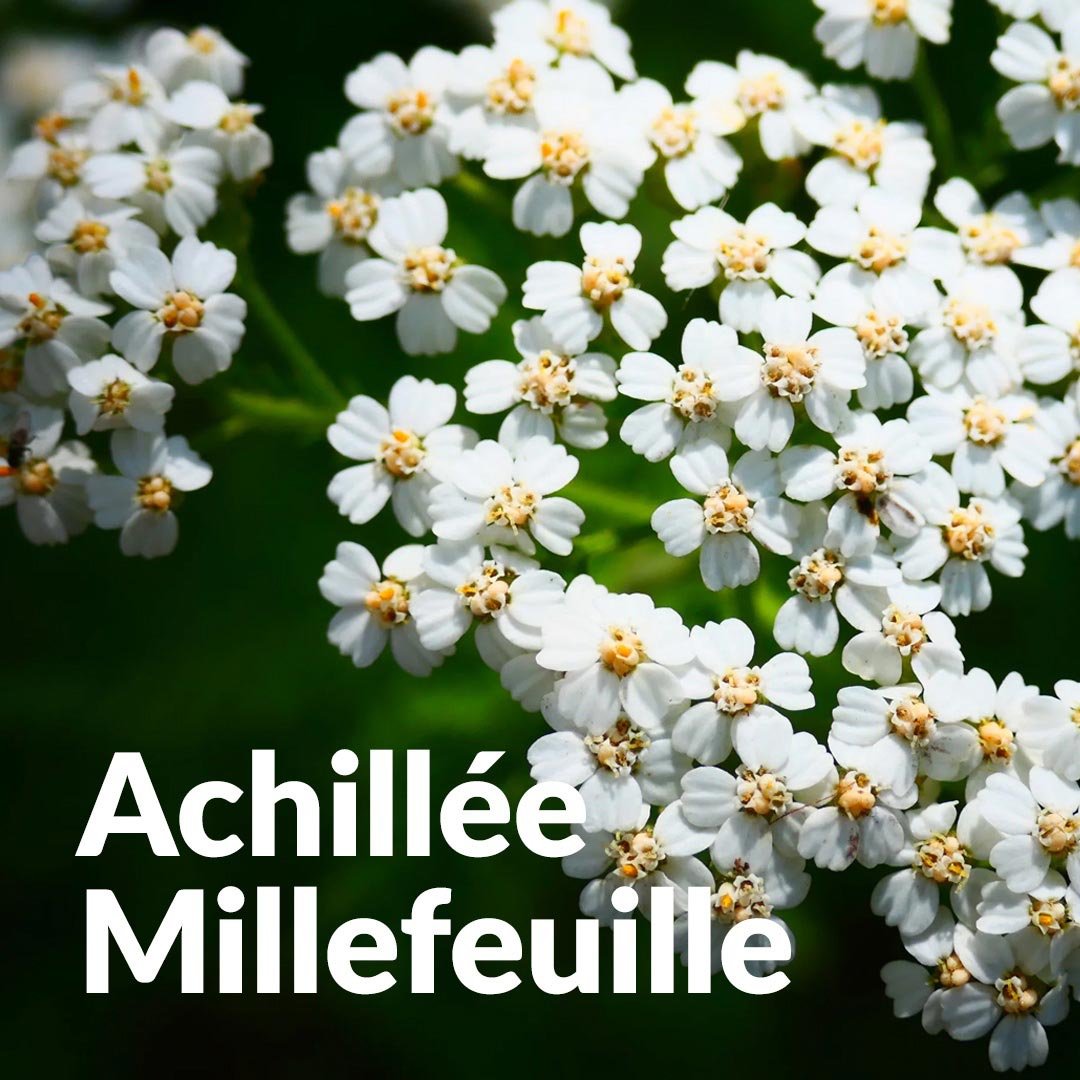
Yarrow
Achillea millefolium
Supports: Skin, inflammation
A potent oil. Use only in very low dilution.
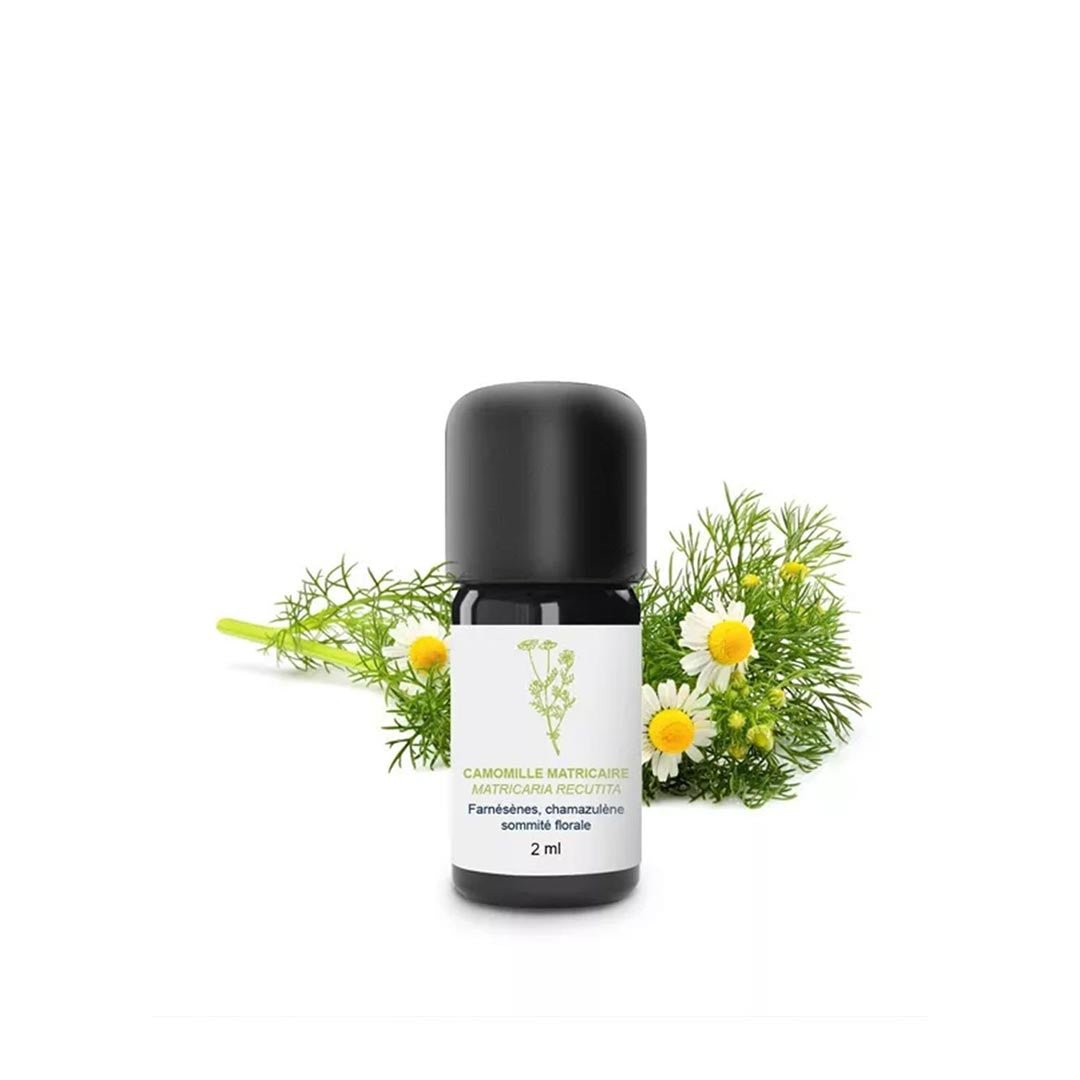
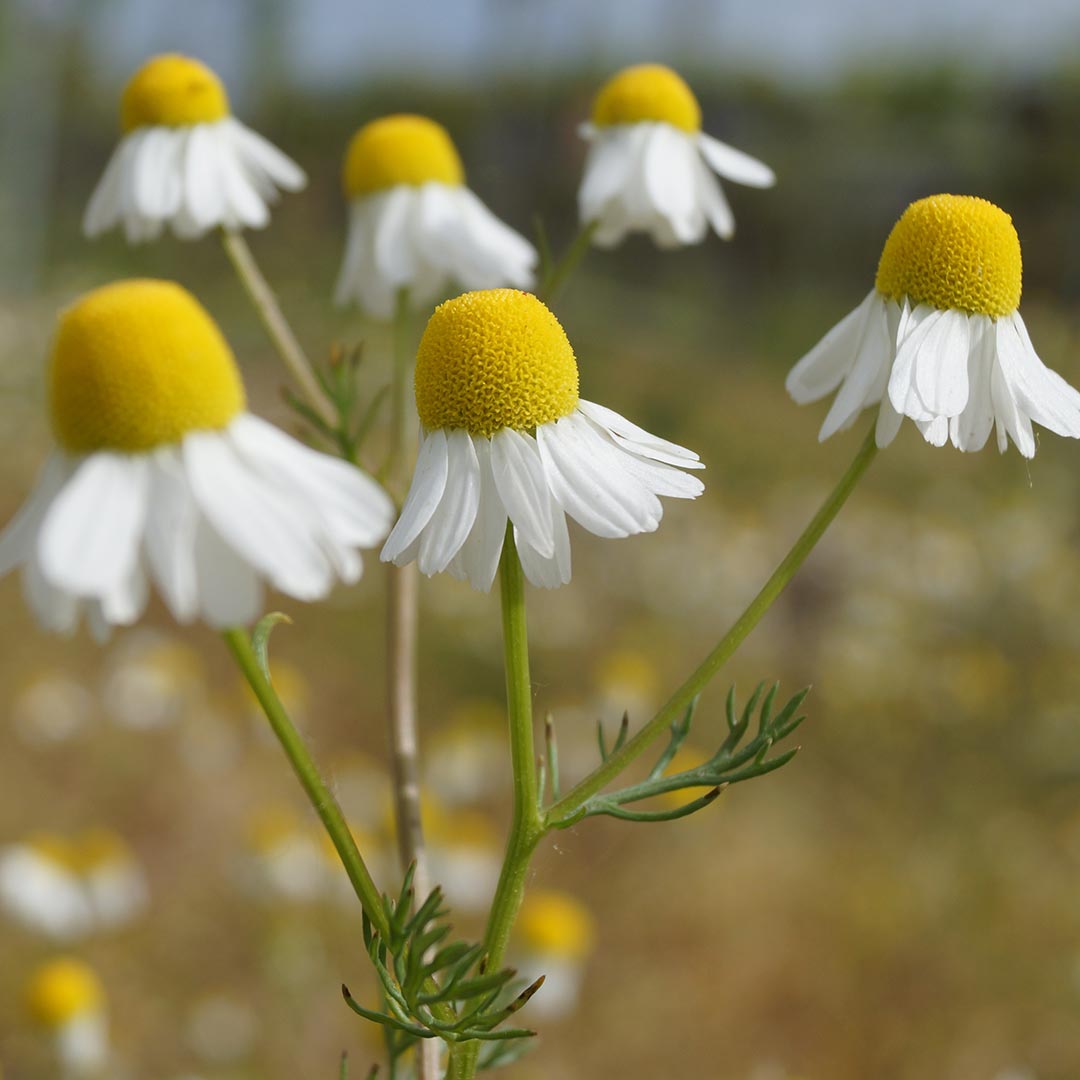
German Chamomile
Matricaria recutita
Supports: Skin, inflammation
More potent than Roman chamomile. Use with extra care.
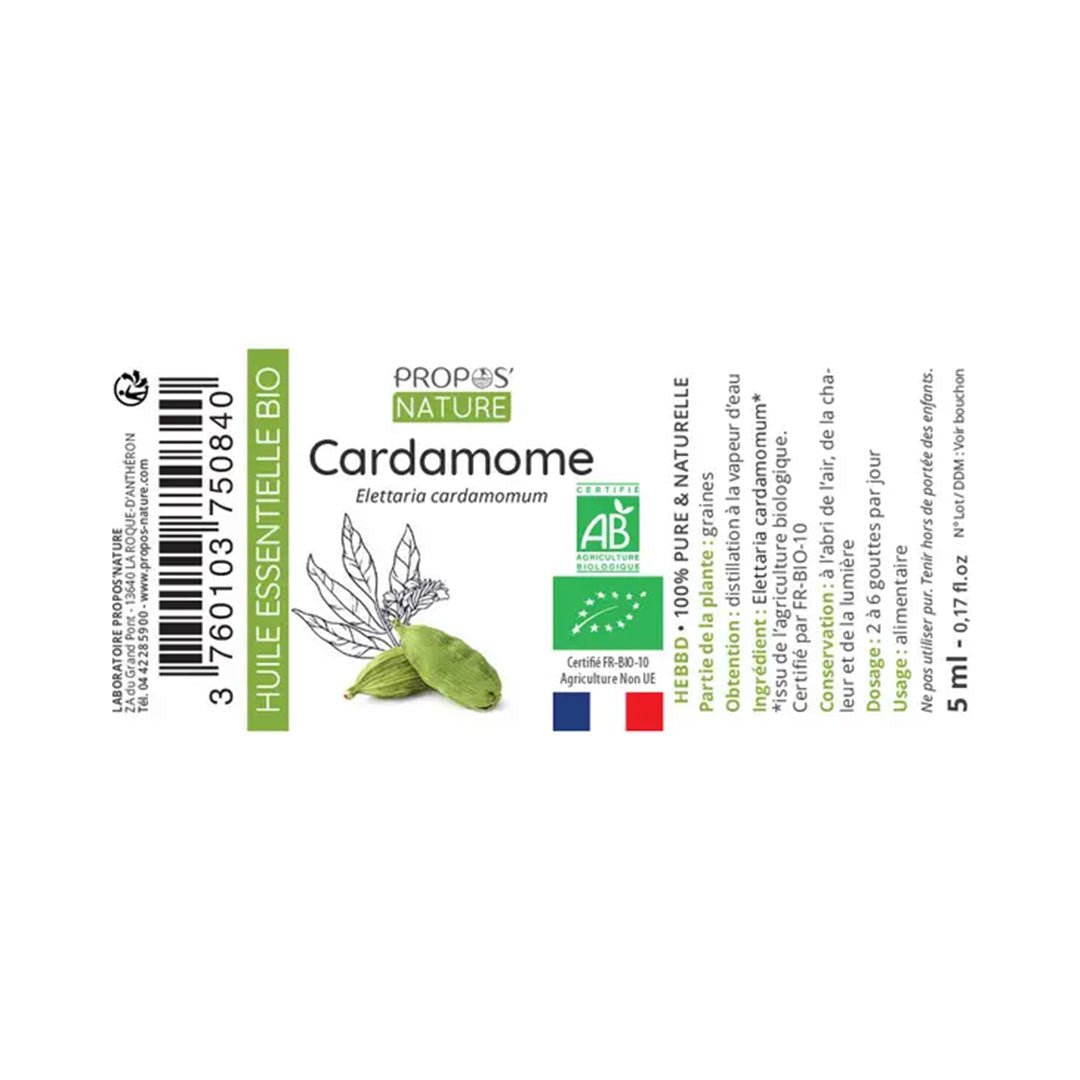
Cardamom
Elettaria cardamomum
Supports: Digestive comfort
Traditionally used for digestive imbalance. Use sparingly.
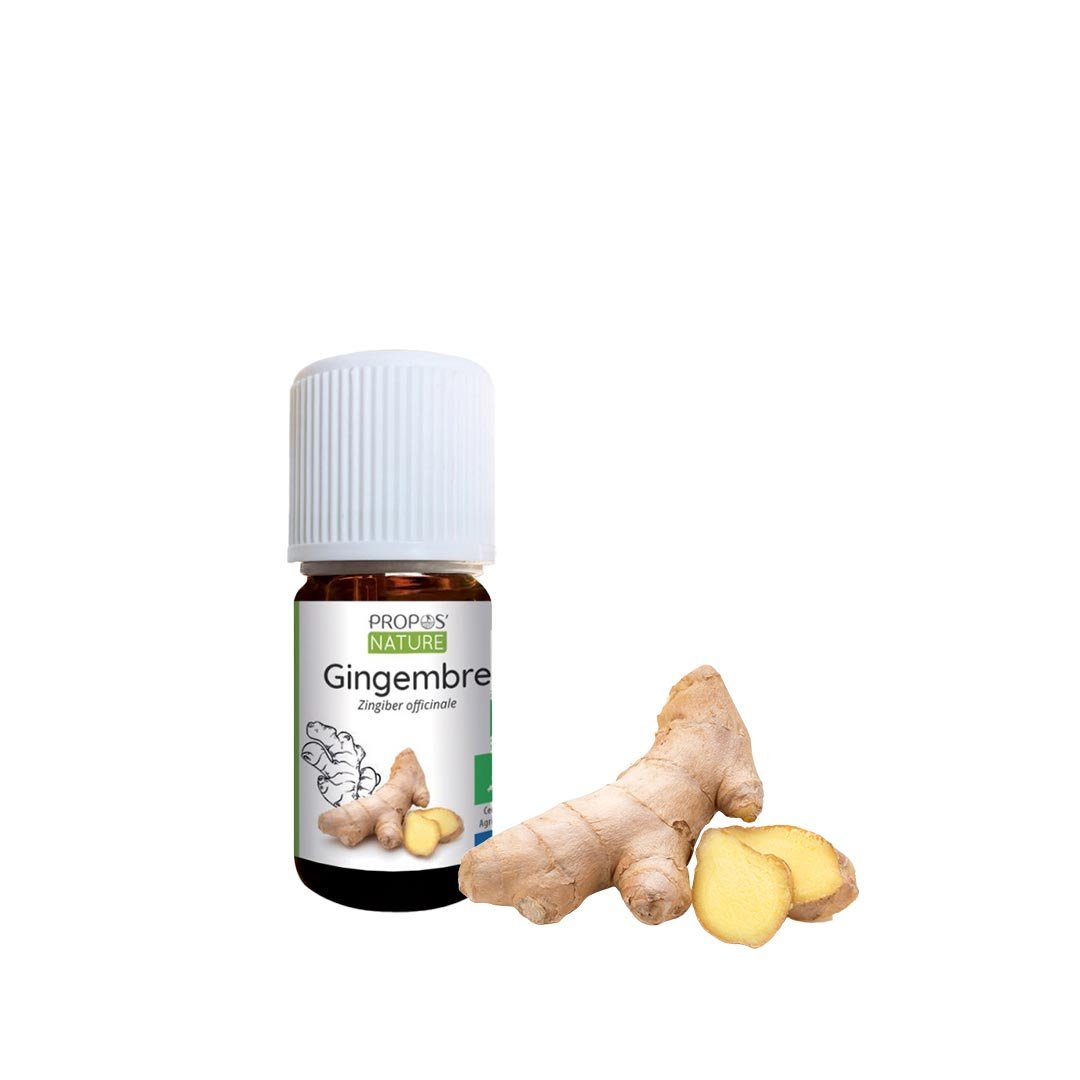
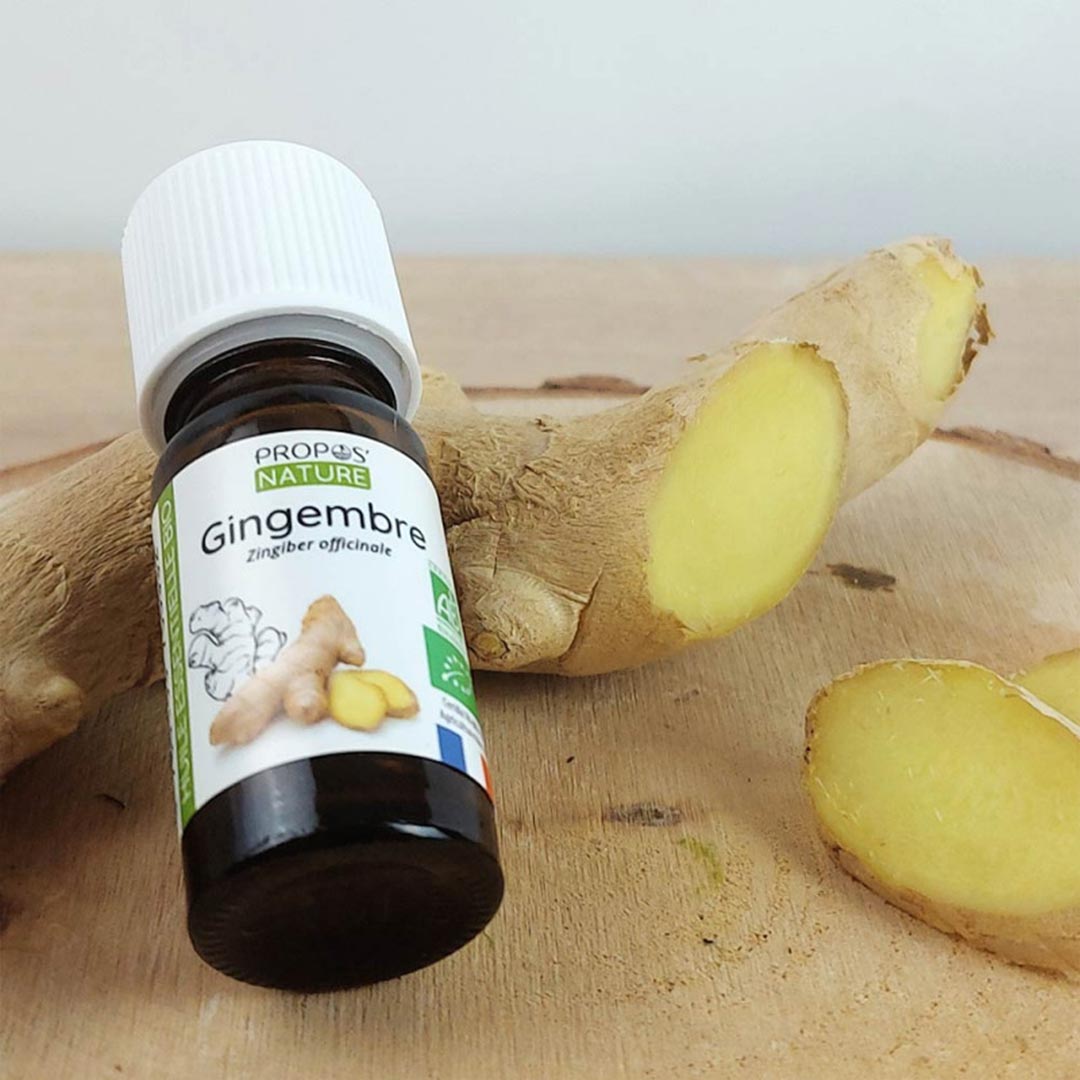
Ginger
Zingiber officinale
Supports: Digestion, joint comfort
A warming oil used when needed. Always use in very low dilution.
These oils are best reserved for occasional use. Always prioritise low dilution, gentle methods, and your cat’s natural response.





























Douce guérison avec des hydrolats
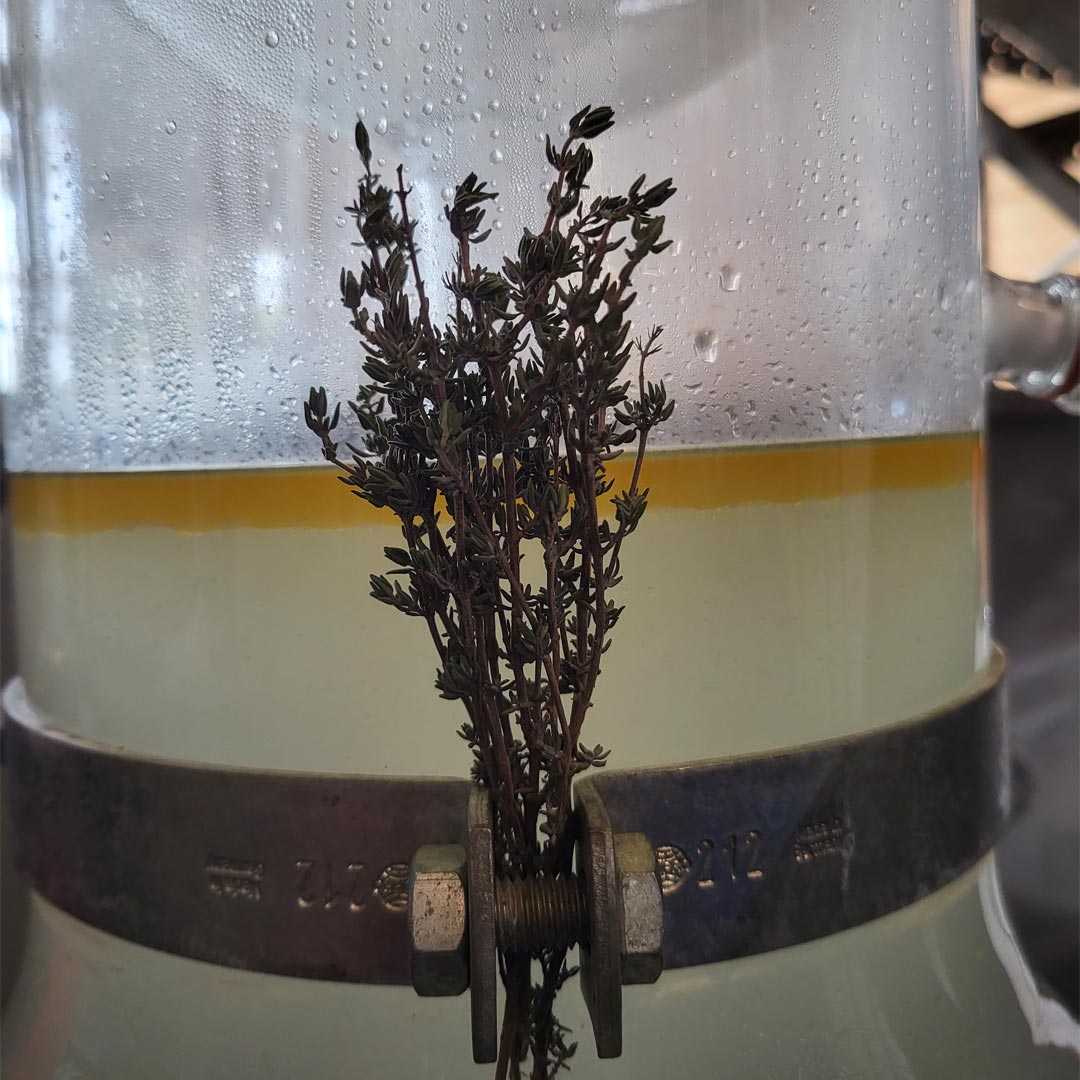
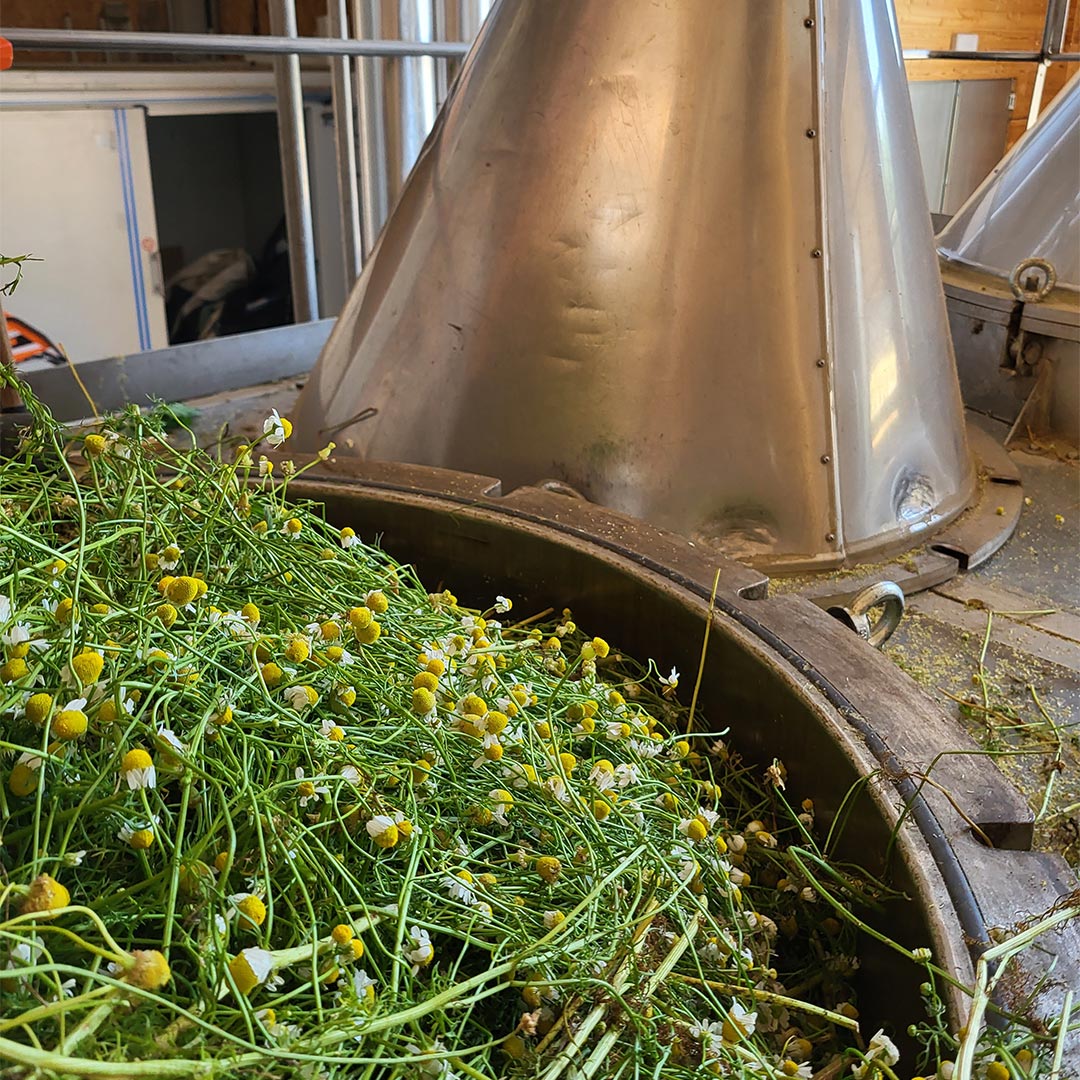
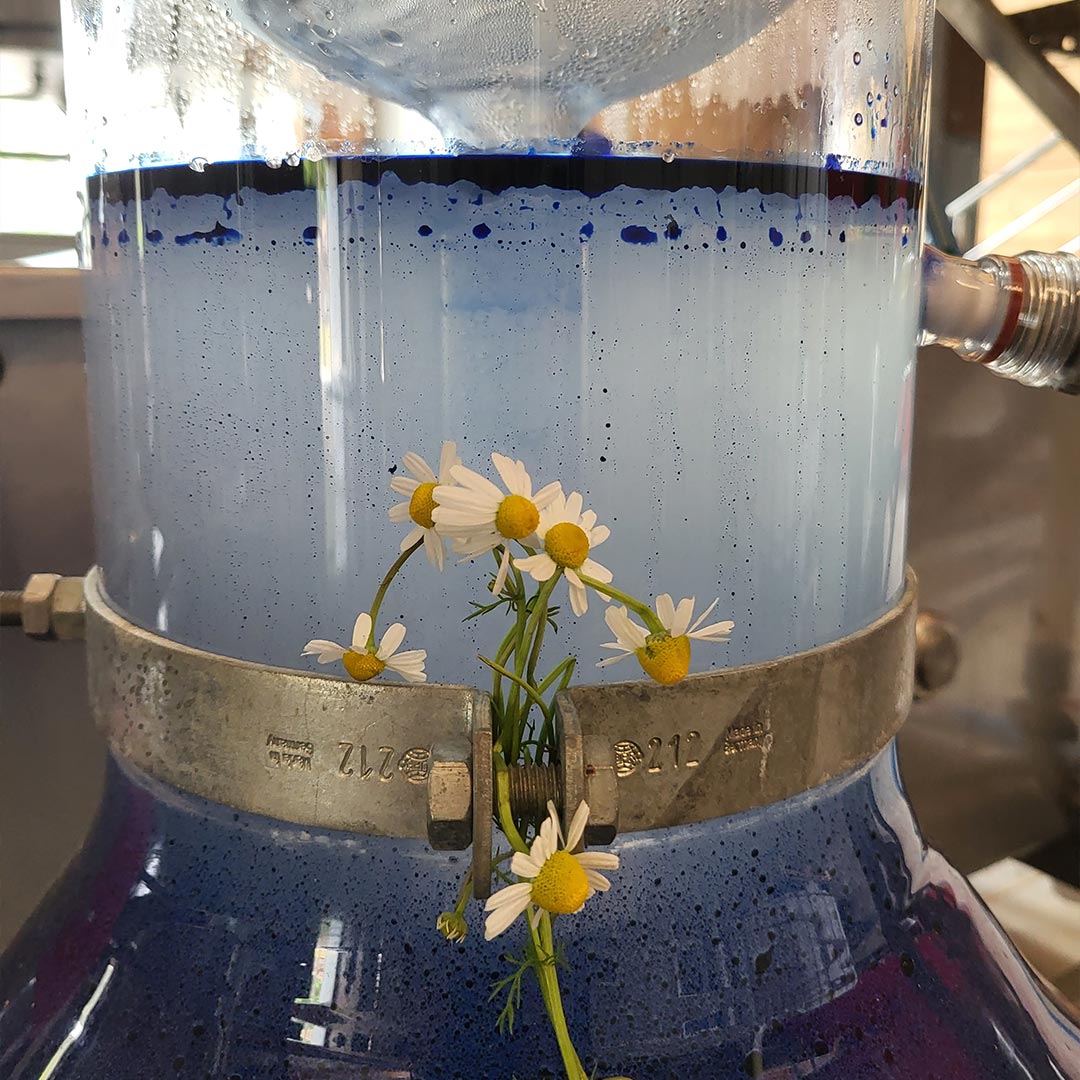
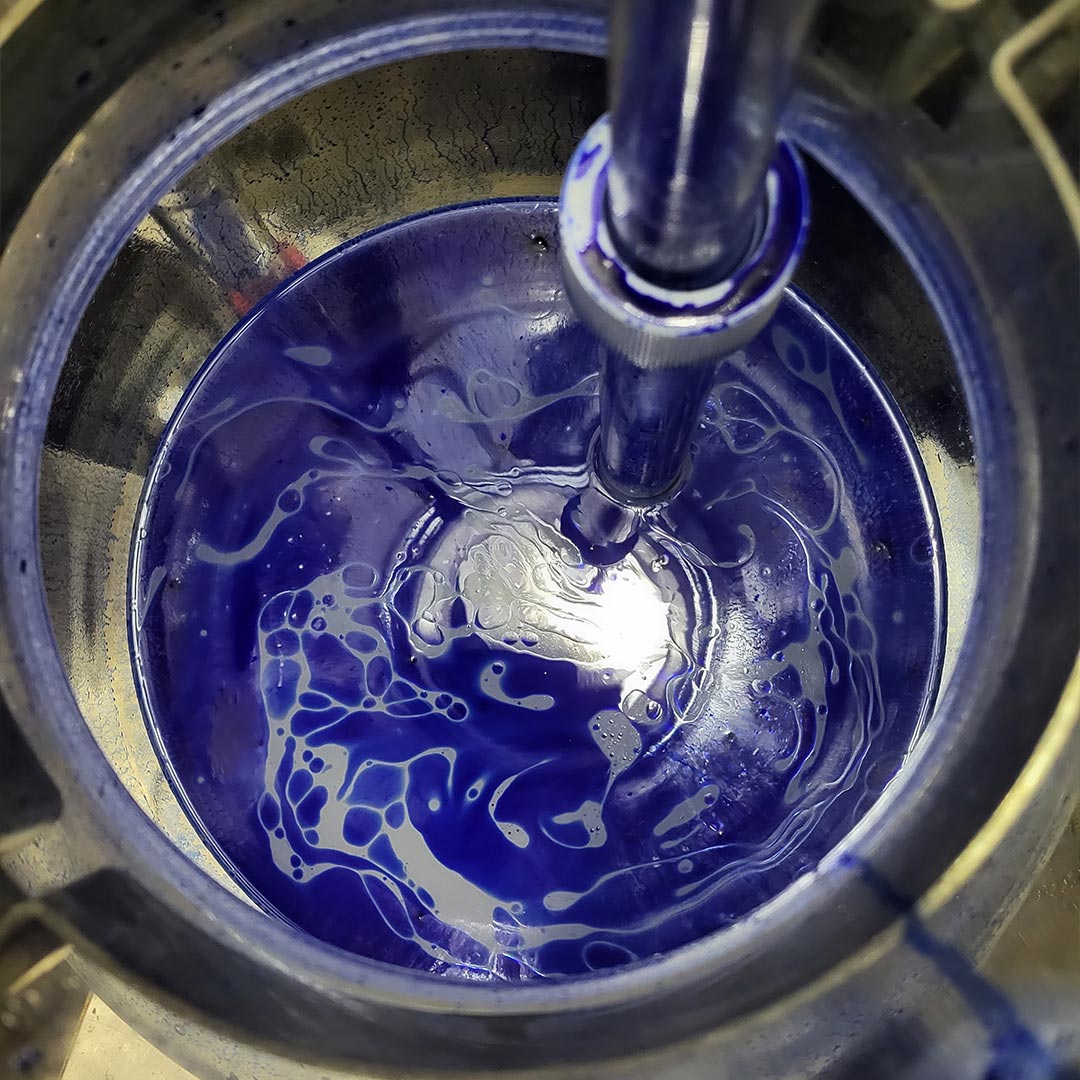
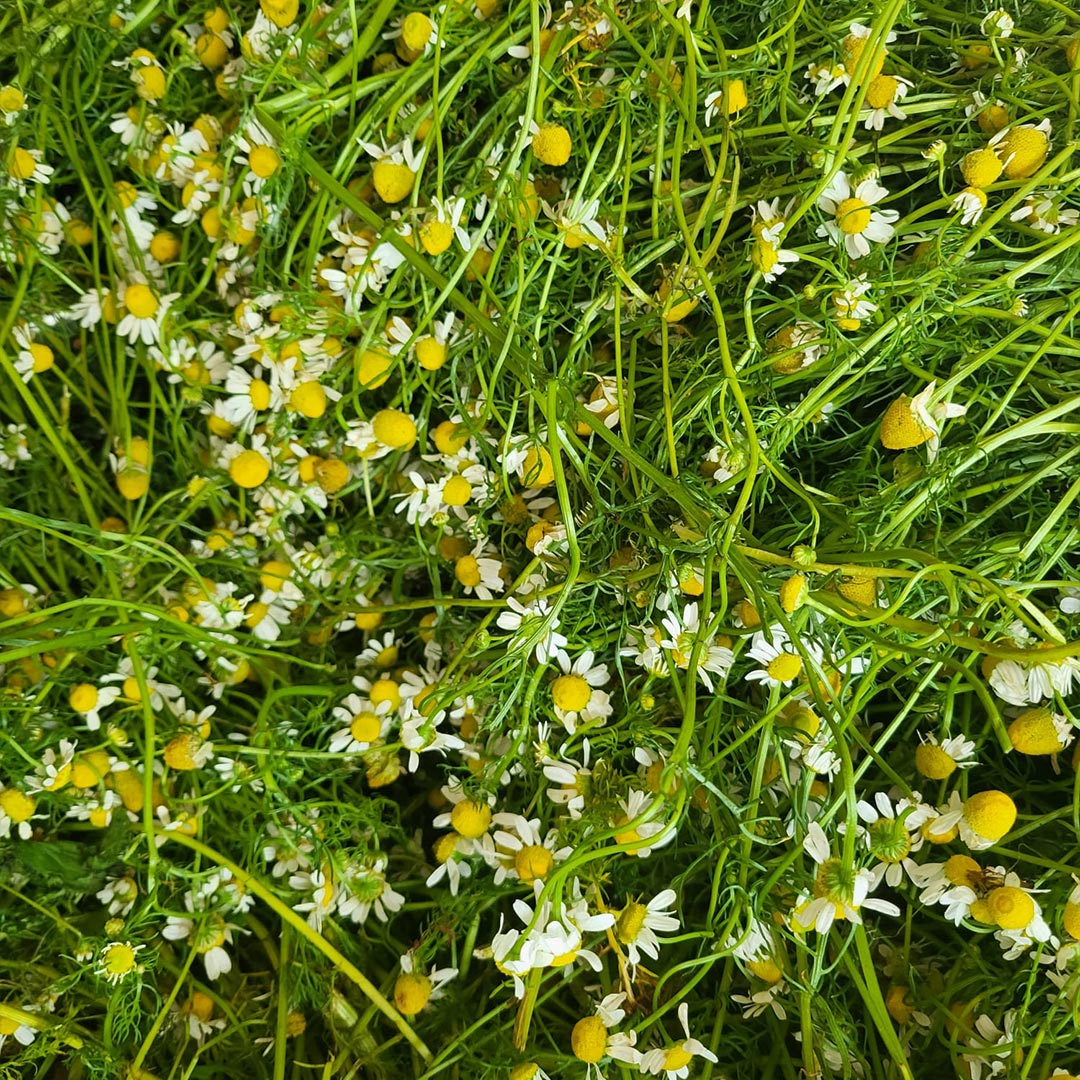
Les hydrolats sont le remède doux de la nature, offrant une manière apaisante et efficace de soutenir le bien-être, tant pour les humains que pour nos animaux de compagnie bien-aimés. Contrairement aux huiles essentielles, les hydrolats sont à base d'eau et facilement absorbés par le corps, ce qui en fait une alternative plus douce mais puissante aux herbes. Ils agissent rapidement, apportant équilibre et harmonie de manière sûre et naturelle.
Hydrolats pour Chats : Un Choix Sûr et Apaisant
De nombreuses huiles essentielles peuvent être trop fortes pour les chats, mais les hydrolats offrent une manière sûre et douce d'introduire un soutien à base de plantes. Leurs composés solubles dans l'eau sont facilement traités et excrétés par le corps, ce qui en fait un outil merveilleux pour le bien-être félin.
Vous pouvez ajouter quelques gouttes d'un hydrolat apaisant dans un bol d'eau, permettant à votre chat de renifler ou de siroter à sa guise. Si votre chat ressent du stress lorsque vous êtes absent, un hydrolat relaxant peut apporter du réconfort. Pour la raideur ou l'inconfort des articulations, une touche d'hydrolat de gingembre peut apporter un soulagement apaisant. Dans les foyers avec plusieurs chats, des bols d'hydrolat dilué placés autour de la maison peuvent aider à apaiser les tensions, permettant à chaque chat d'interagir avec lui selon ses besoins.
Pour une méthode encore plus simple, vaporisez un peu d'hydrolat dans un bol d'eau, sur vos mains ou dans l'air et laissez votre chat décider comment interagir. Certains chats peuvent apprécier de se frotter contre vos mains lorsqu'elles sont vaporisées d'hydrolat, absorbant les bienfaits énergétiquement.
Si vous avez un chat timide ou réservé qui préfère l'espace, placer un bol d'eau infusée d'hydrolat à proximité peut être une manière douce d'encourager l'interaction sans pression. Assurez-vous simplement d'offrir toujours un bol d'eau simple à côté, afin que votre chat ait la liberté de choisir.
Comment Diluer les Hydrolats pour les Chats
Pour préparer un hydrolat pour votre chat, remplissez un petit bol ou une soucoupe avec environ 100 ml d'eau. Ajoutez 3 à 4 gouttes de l'hydrolat choisi mais ne remuez pas - cela permet à votre chat de choisir l'intensité qu'il préfère. Il peut opter pour renifler l'arôme plus fort près des gouttes dispersées ou boire dans une zone plus douce un peu plus loin.
Si votre chat semble intrigué mais regarde à nouveau la bouteille non diluée après avoir reniflé le bol, il peut vouloir une concentration légèrement plus forte. Dans ce cas, vous pouvez ajouter quelques gouttes supplémentaires, jusqu'à un maximum de 10 gouttes par 100 ml d'eau.
Hydrolats pour la Peau et la Maison
Les hydrolats ne sont pas seulement pour le soutien émotionnel - ils sont également merveilleux pour les soins de la peau et de la maison. Une fois dilués, ils peuvent être appliqués localement pour apaiser les irritations cutanées, calmer les démangeaisons ou même repousser les parasites. Ils constituent également un excellent désodorisant naturel qui est sûr pour vous et vos amis félins.
Avec leur douce touche curative, les hydrolats sont une belle façon de favoriser l'équilibre, que vous souteniez votre propre bien-être ou que vous créiez un espace paisible et harmonieux pour vos animaux de compagnie.