
Aromaterapia per gatti
La nostra gamma di aromaterapia per gatti è creata con un profondo rispetto per la sensibilità felina.
I gatti reagiscono in modo diverso agli oli essenziali: ecco perché ogni prodotto è selezionato con cura, formulato in modo delicato e basato su botanici adatti alla loro fisiologia unica.
Con ingredienti biologici certificati, questa collezione favorisce calma, comfort ed equilibrio cutaneo grazie a un’aromaterapia a basso dosaggio e studiata con attenzione, sempre mettendo al centro il benessere del tuo gatto.
What does your cat need?
If you are not sure where to begin, start with your cat’s current need. Choose one gentle direction, begin simply, and observe your cat’s response.
Stress & Anxiety
Skin & Recovery
General Calm & Balance
Breathing & Grounding
Emotional Sensitivity
Restlessness & Sleep
Start with one oil at a time, use low dilution, and let your cat’s behaviour guide the pace.






















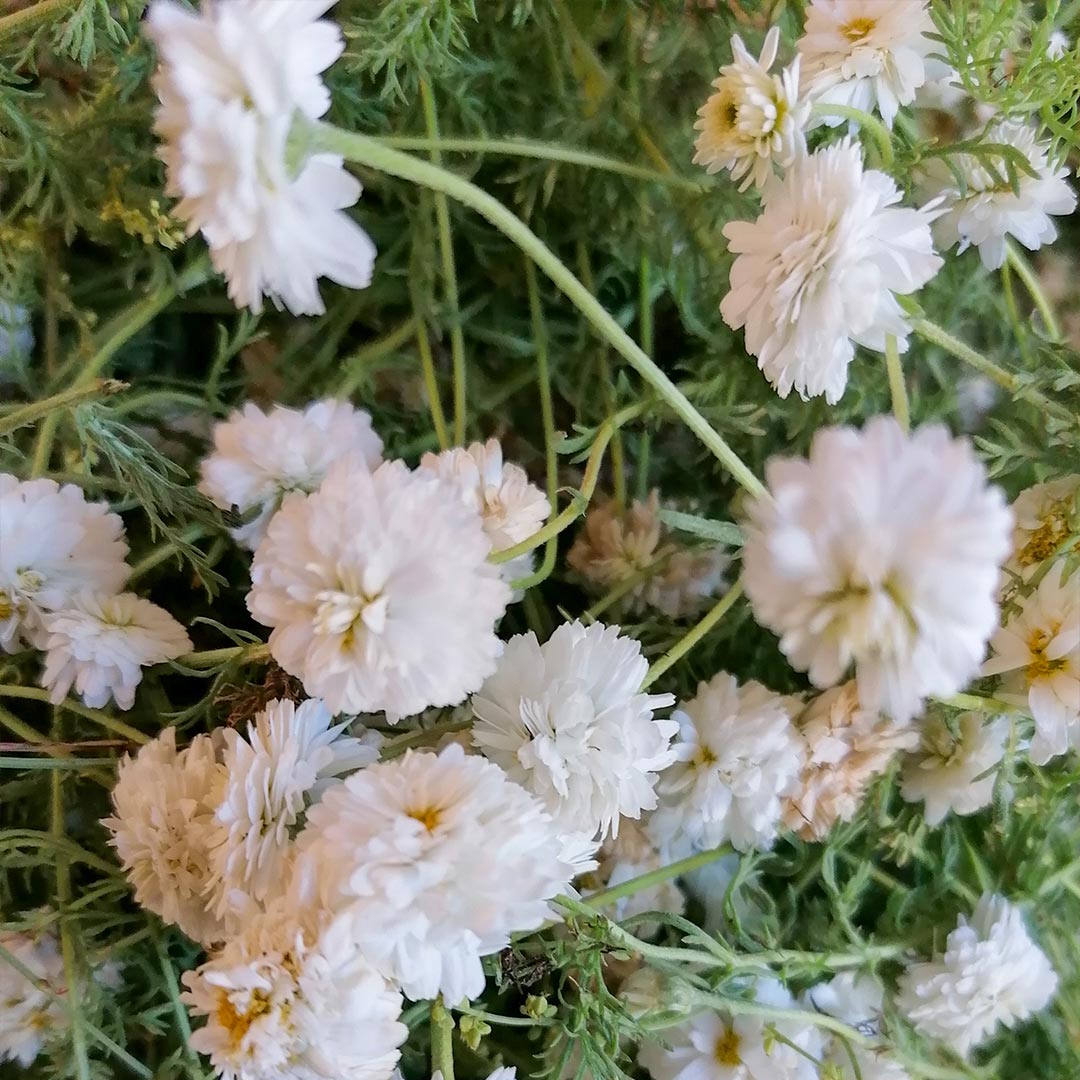
Come l’aromaterapia può aiutare il tuo gatto
I gatti sono esseri incredibilmente sensibili e intuitivi. Il loro corpo, i loro sensi e il loro metabolismo sono molto diversi dai nostri, il che significa che l’aromaterapia va affrontata con precisione, rispetto e una profonda comprensione.
Se utilizzata correttamente, l’aromaterapia può diventare un modo naturale e potente per sostenere l’equilibrio emotivo del tuo gatto, la salute della pelle e la vitalità generale.
Perché gli Oli essenziali agiscono in modo diverso sui gatti
I gatti metabolizzano le sostanze in modo diverso a livello biochimico.
1. Metabolismo epatico
I gatti non hanno alcuni enzimi chiave necessari per scomporre determinati composti presenti negli oli essenziali. Di conseguenza, queste sostanze possono accumularsi nell’organismo invece di essere eliminate in modo sicuro.
Questo significa:
- Sostanze innocue per gli esseri umani possono accumularsi nell’organismo di un gatto
- Anche piccole esposizioni, ripetute nel tempo, possono diventare tossiche
Questo è particolarmente vero per:
- Fenoli (es. chiodi di garofano, origano)
- Chetoni (es. salvia, rosmarino CT canfora)
- Limonene (presente negli oli agrumati)
2. Assorbimento cutaneo
Gli oli essenziali vengono assorbiti rapidamente attraverso la pelle.
La pelle di un gatto è:
- Più sottile
- Più permeabile
Gli oli essenziali sono lipofili (solubili nei grassi), il che significa che:
- Attraversano rapidamente la pelle
- Entrano rapidamente nel flusso sanguigno
Ecco perché l’uso non diluito non è solo “troppo forte” - è biologicamente inappropriato.
3. Sensibilità sensoriale
I gatti hanno un olfatto molto sviluppato.
- Gli aromi intensi possono sovraccaricare il sistema nervoso
- L’esposizione dovrebbe rimanere sempre volontaria
- Gli aromi intensi possono innescare stress, evitamento o agitazione
Ecco perché l’esposizione basata sulla scelta (lasciare che il gatto si allontani) è fondamentale.
Un gatto che si allontana sta comunicando in modo chiaro.
I benefici dell’aromaterapia per i gatti
Supporto fisico
- Aiuta a lenire irritazioni cutanee, ferite e piccole infezioni
- Favorisce il comfort di muscoli e articolazioni
- Aiuta a mantenere l’equilibrio respiratorio
- Offre un supporto naturale antinfiammatorio e antimicrobico
Supporto emotivo e del sistema nervoso
- Riduce stress, ansia e paura
- Favorisce il rilassamento e il sonno
- Aiuta durante i cambiamenti, i viaggi o in caso di stress ambientale
Vitalità olistica
- Supporta il sistema immunitario
- Offre protezione antiossidante
- Favorisce l’equilibrio generale e il benessere
- I composti aromatici influenzano il sistema limbico attraverso l’inalazione, con un effetto diretto su umore, risposta allo stress e comportamento.
Safe and Unsafe Essential Oils for Cats
Cats are far more sensitive to essential oils than humans and dogs. Their liver metabolism, delicate skin, and highly developed sense of smell mean that oil selection must be done with great care. Below you’ll find a practical overview of oils generally considered more suitable for cats, oils that require extra caution, and oils that should be avoided.
| Essential Oil | Latin Name | Status | Why |
|---|---|---|---|
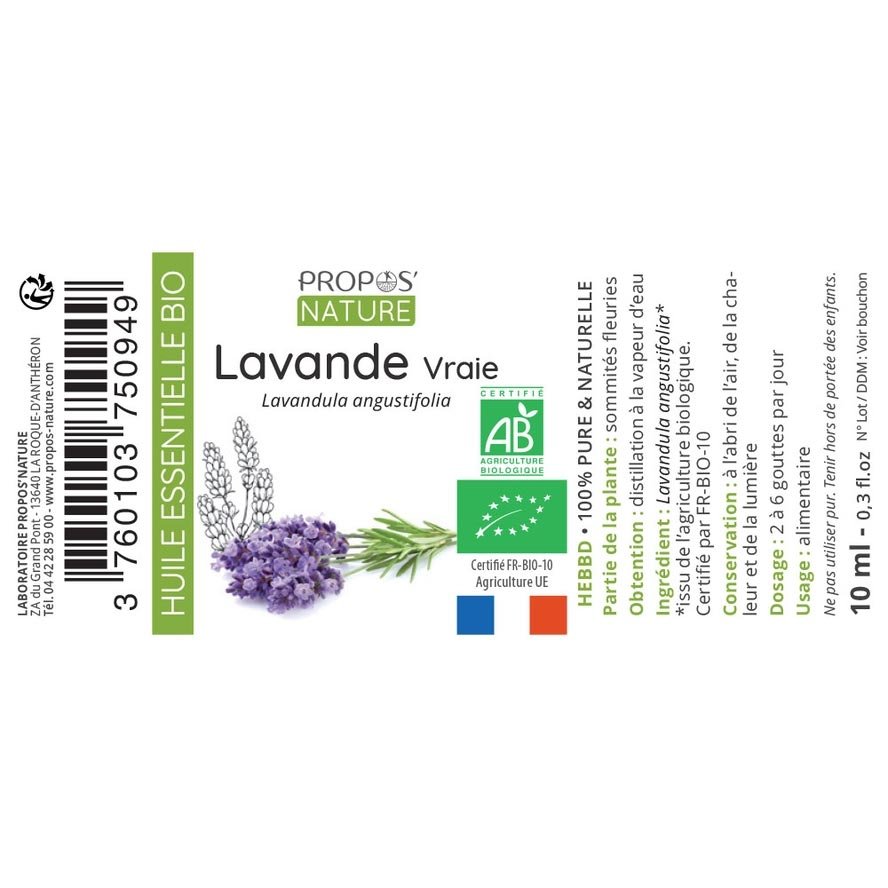
| Lavender | Lavandula angustifolia | Generally well tolerated | Gentle, calming, skin-supportive, and commonly used in feline aromatherapy when properly diluted. |
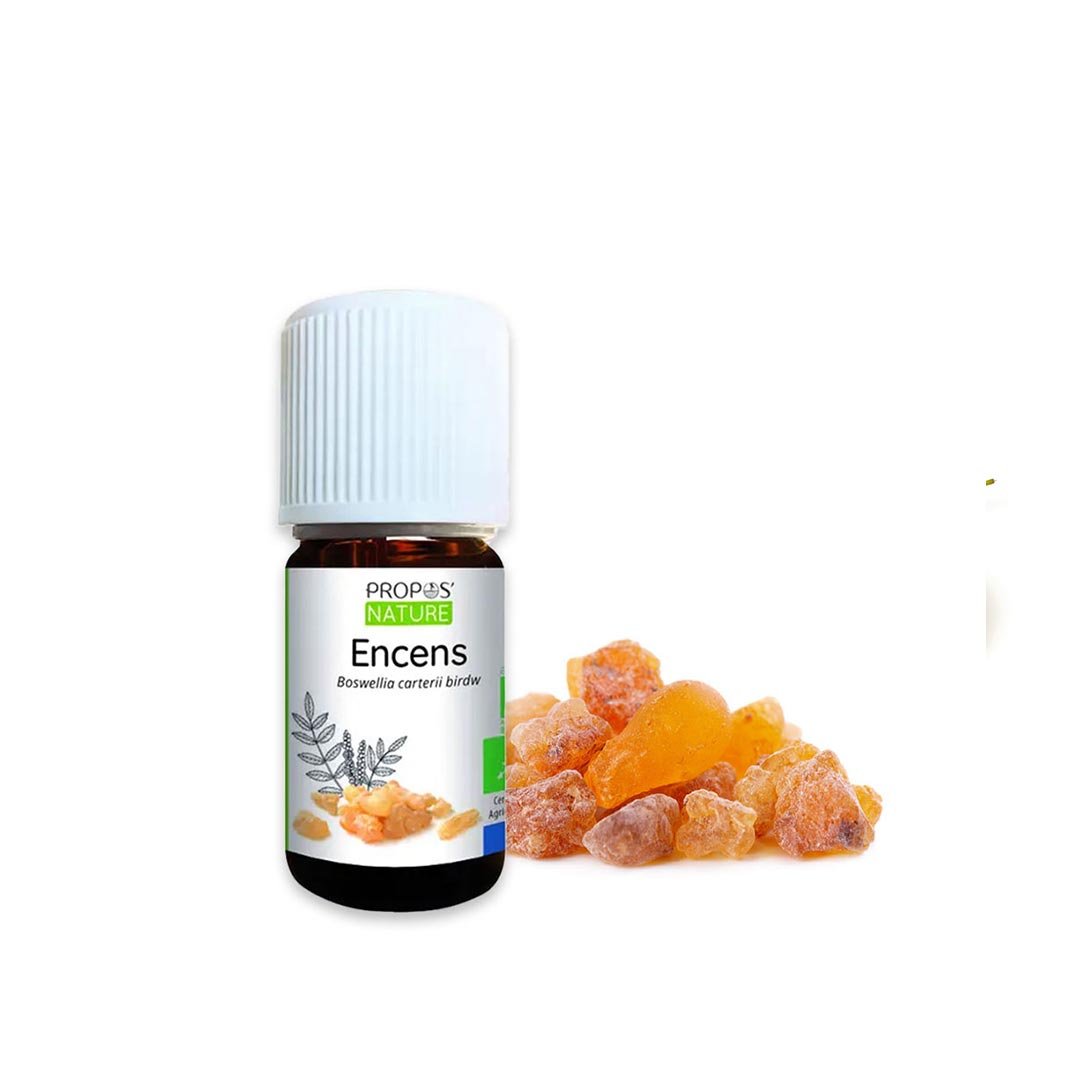
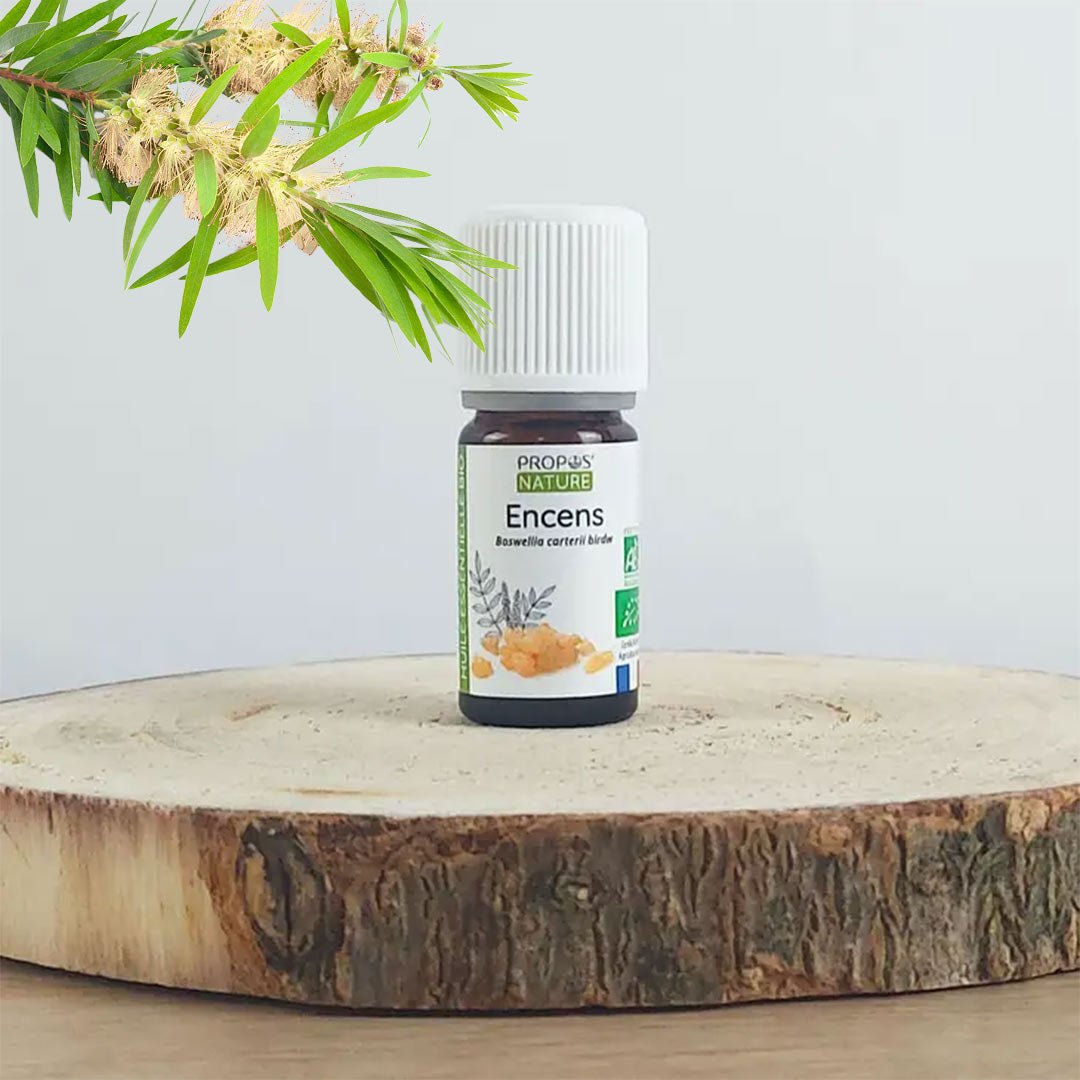
| Frankincense | Boswellia carteri | Generally well tolerated | Grounding, soothing, and commonly used for emotional and skin support. |
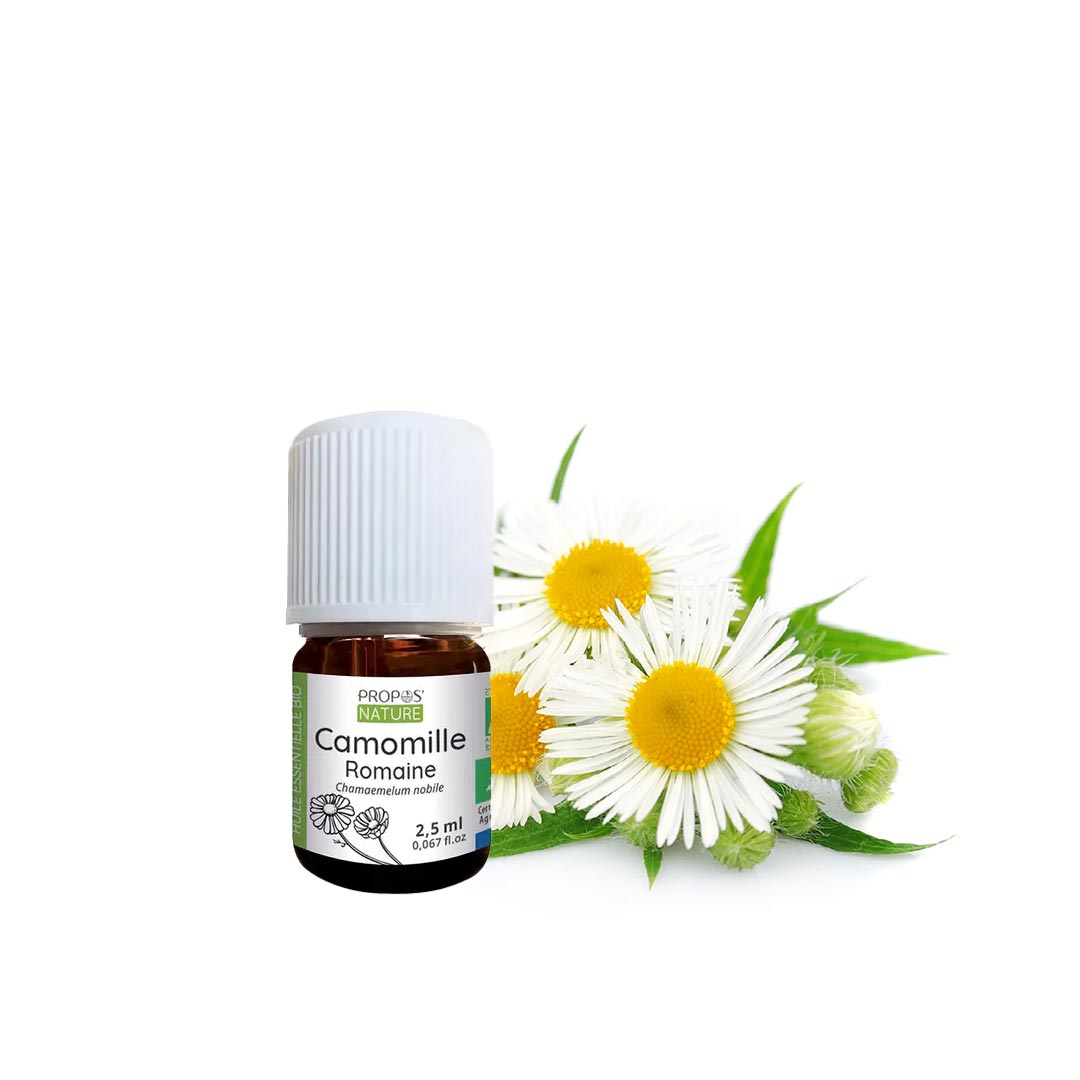
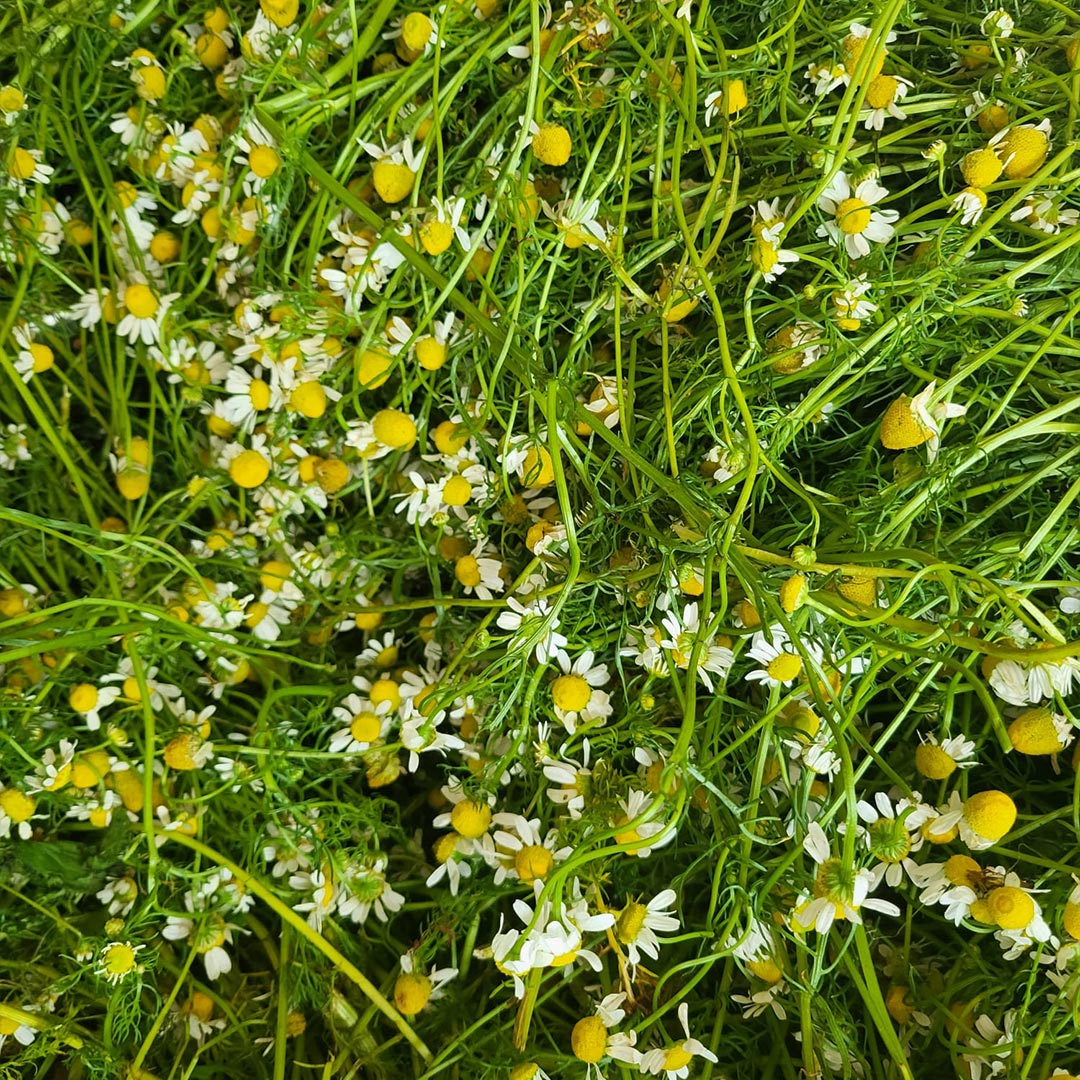
| Roman Chamomile | Chamaemelum nobile | Generally well tolerated | Traditionally valued for calming, fear, restlessness, and sensitive skin. |
| Geranium | Pelargonium graveolens | Generally well tolerated | Often used for emotional balance and gentle skin support. |
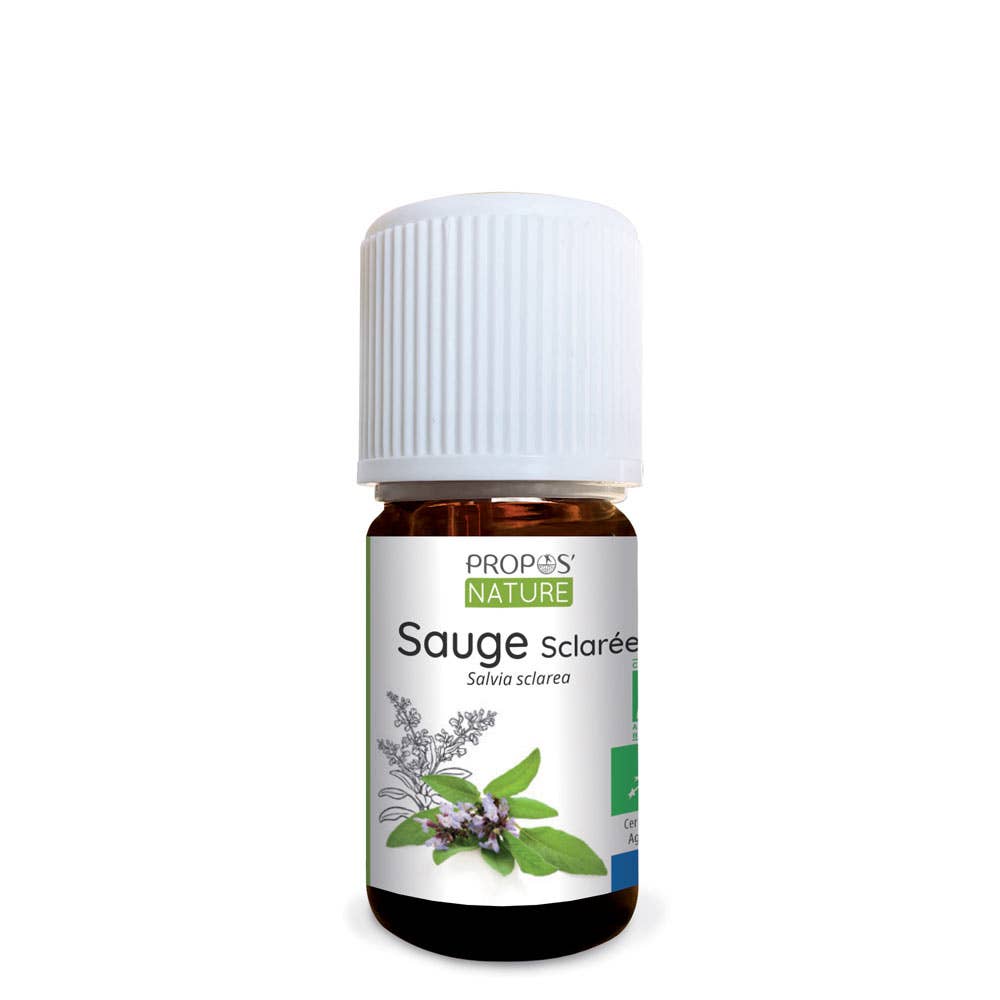
| Clary Sage | Salvia sclarea | Generally well tolerated | Balancing and calming when used sparingly and correctly diluted. |
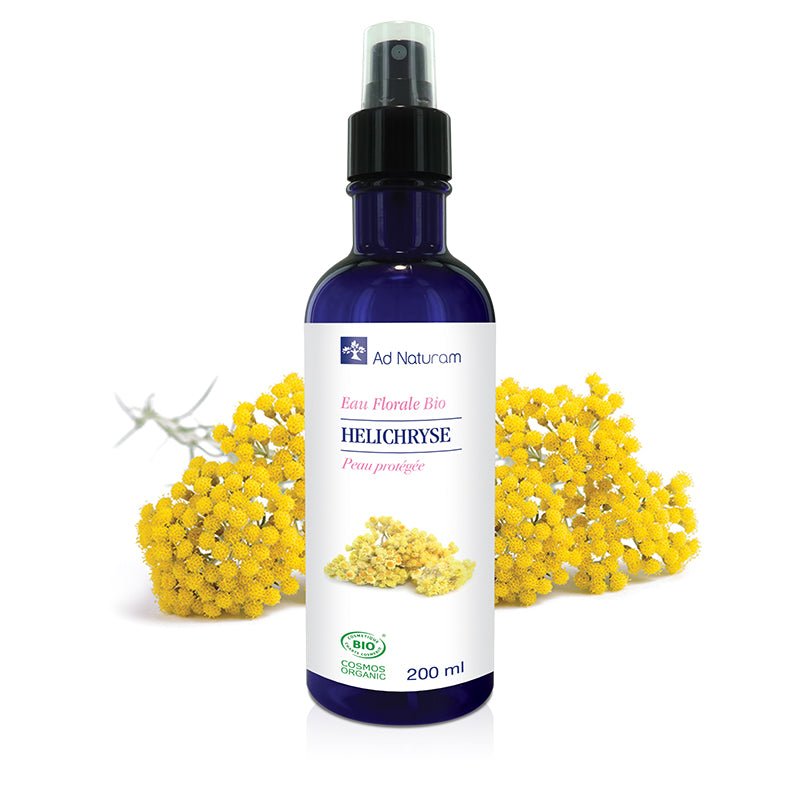
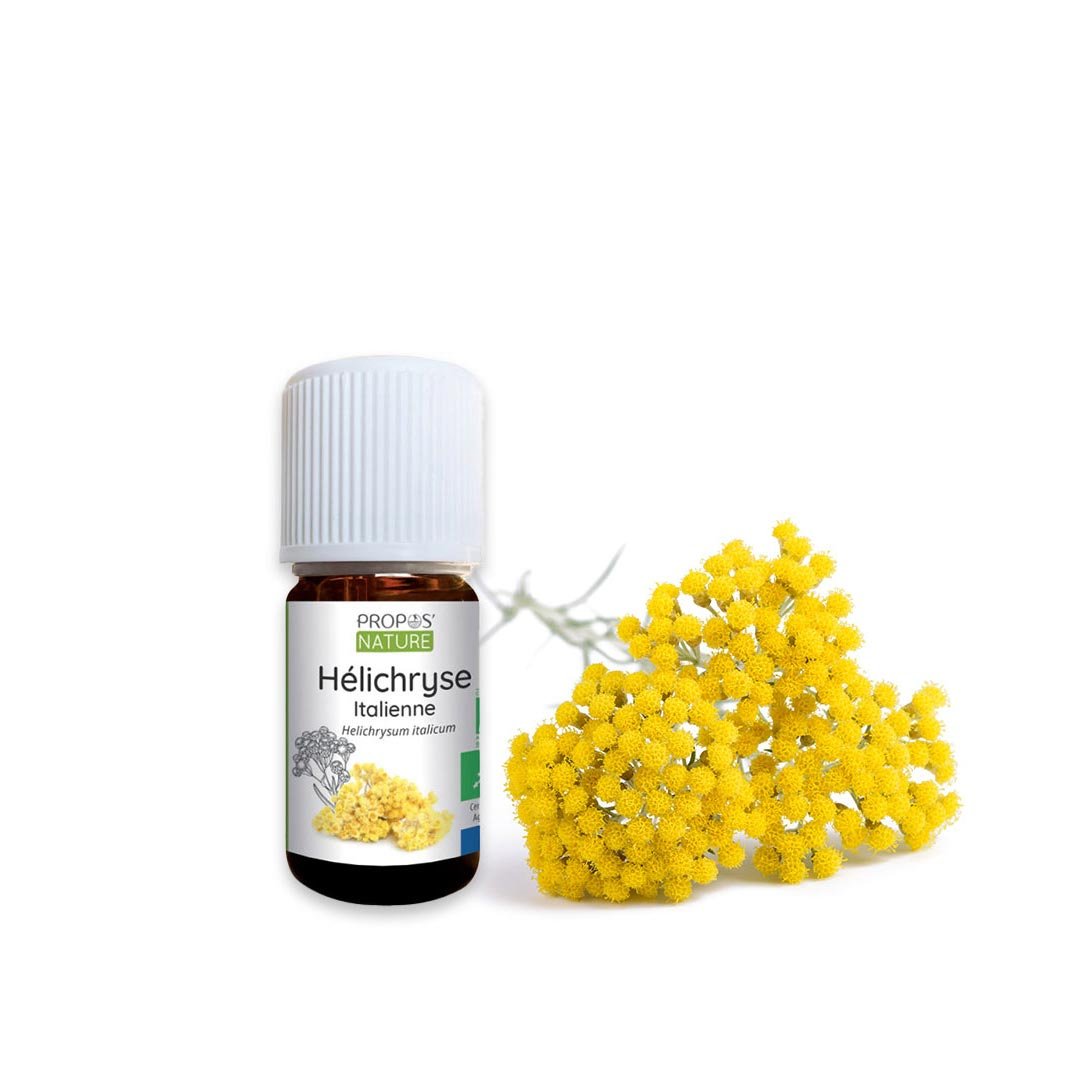
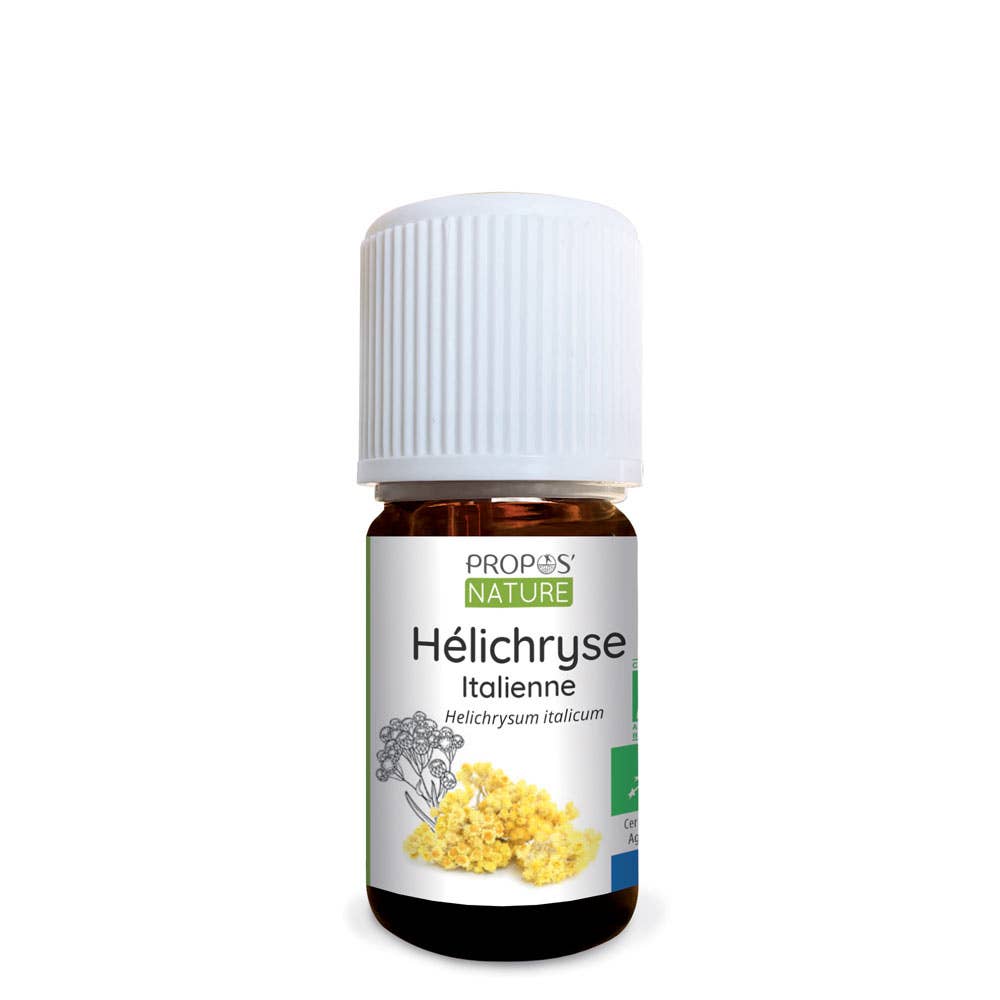
| Helichrysum | Helichrysum italicum | Generally well tolerated | Traditionally used for skin, nervous system support, and minor discomfort. |
| Valerian | Valeriana officinalis | Generally well tolerated | Traditionally used for relaxation, stress, and nervous tension. |
| Elemi | Canarium luzonicum | Generally well tolerated | Used for skin support and gentle restorative care. |
| Fir oils | Abies sibirica, Abies alba, Abies balsamea | Generally well tolerated | True fir oils are generally softer and less aggressive than sharper conifer oils. |
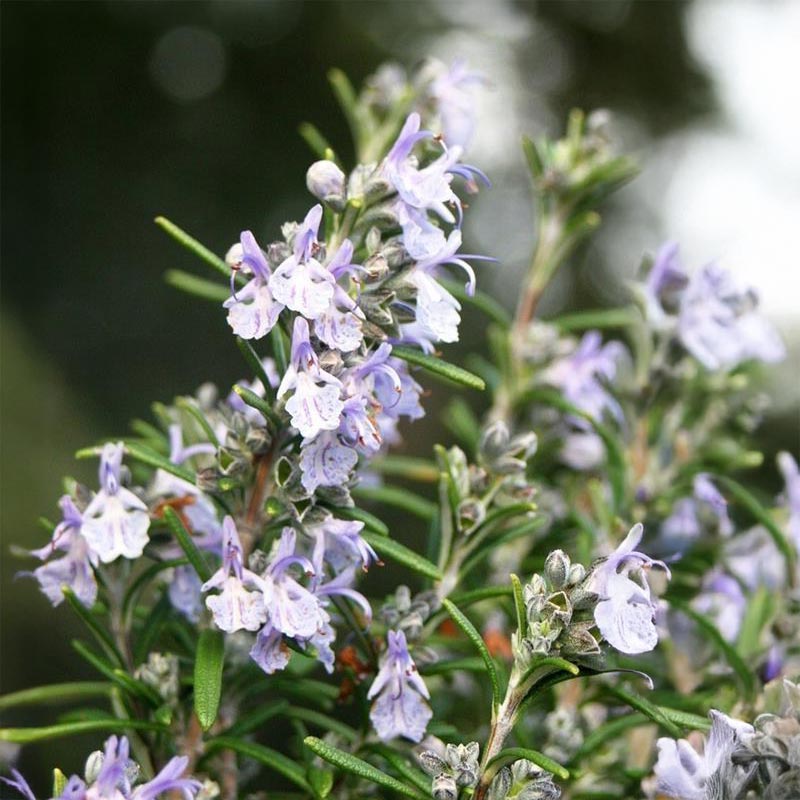
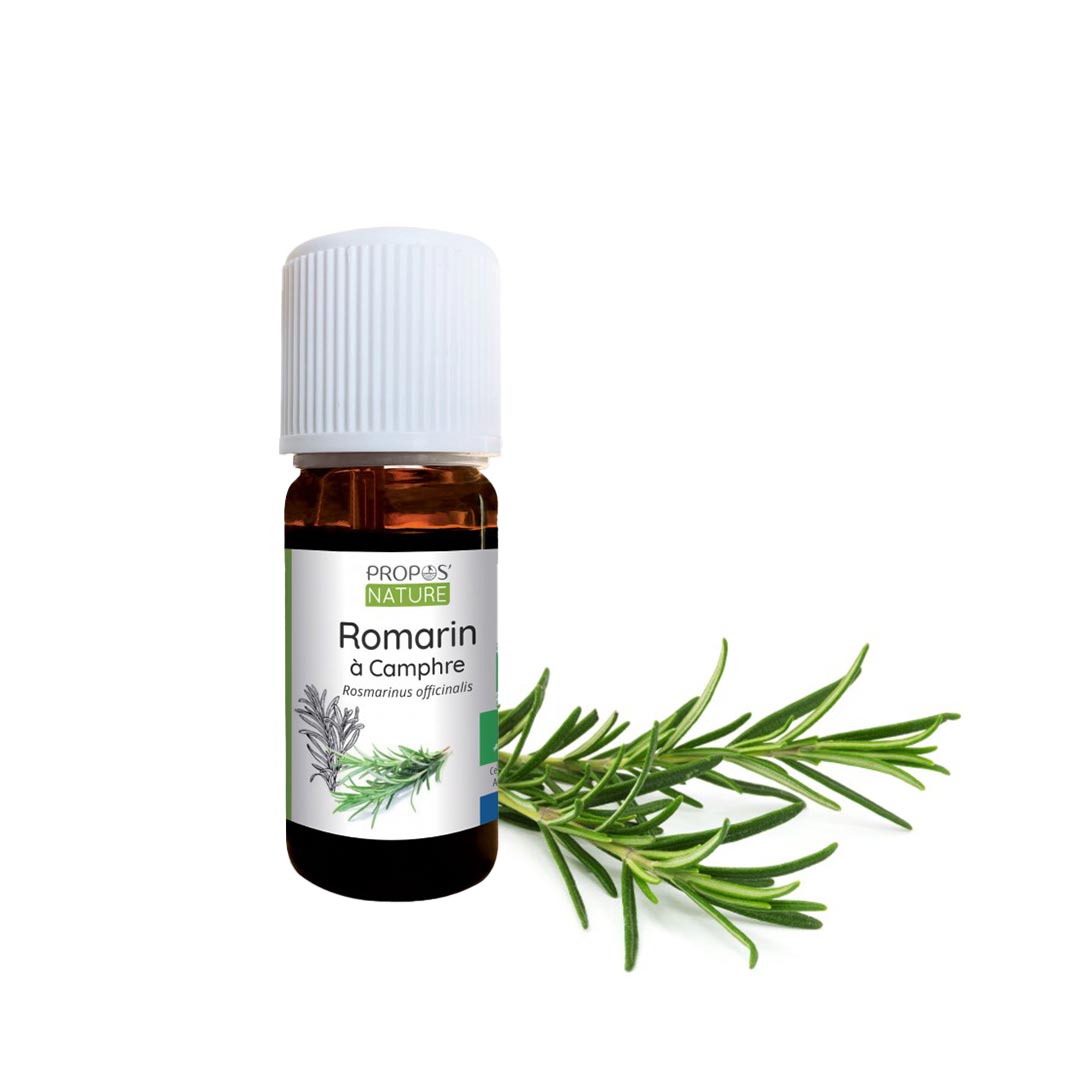
| Rosemary | Rosmarinus officinalis ct. cineole | Use with care | Chemotype matters. The cineole chemotype is milder than stronger rosemary types. Avoid casual use of rosemary ct. camphor. |
| Tea Tree | Melaleuca alternifolia | Avoid | Frequently associated with feline toxicity and not suitable for cats. |
| Lemon | Citrus limon | Avoid | Citrus oils contain limonene, which cats metabolise poorly. |
| Orange | Citrus sinensis | Avoid | Part of the citrus family and not considered suitable for feline use. |
| Bergamot | Citrus bergamia | Avoid | A citrus oil with constituents that are unsuitable for cats. |
| Lime | Citrus aurantiifolia | Avoid | A citrus oil that should be kept out of feline aromatherapy. |
| Tangerine / Mandarin | Citrus reticulata | Avoid | Also part of the citrus family and not suitable for cats. |
| Clove | Syzygium aromaticum | Avoid | High in phenols, which are too aggressive for feline metabolism. |
| Cinnamon (Cassia) | Cinnamomum cassia / Cinnamomum aromaticum | Avoid | Very strong and rich in compounds that cats do not tolerate well. |
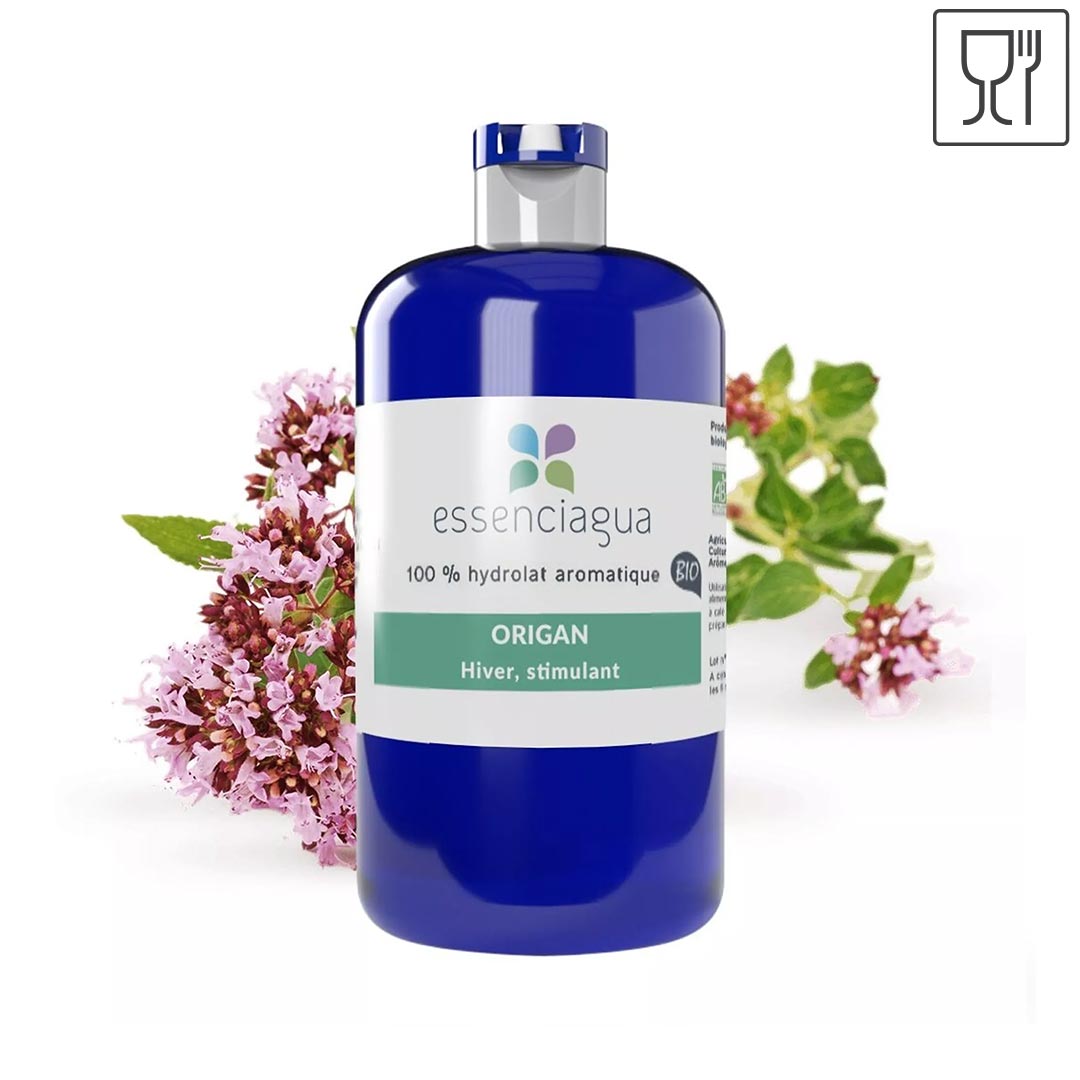
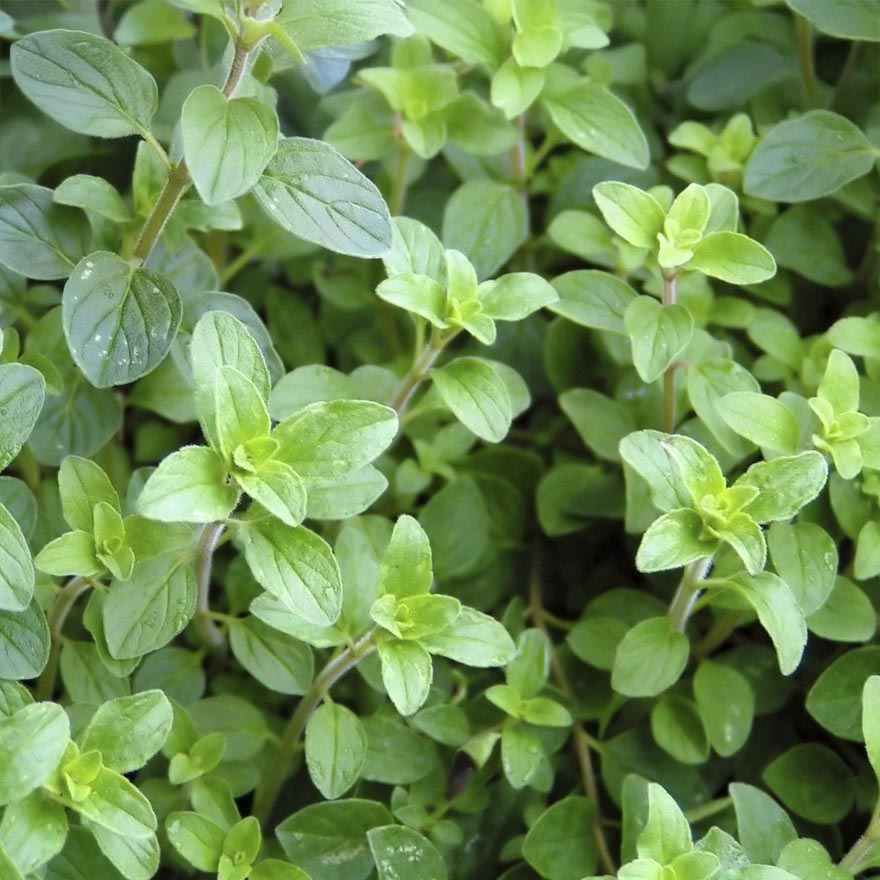
| Oregano | Origanum vulgare | Avoid | High in phenols and far too strong for cats. |
| Thyme | Thymus vulgaris | Avoid | Contains strong phenolic compounds that are unsuitable for cats. |
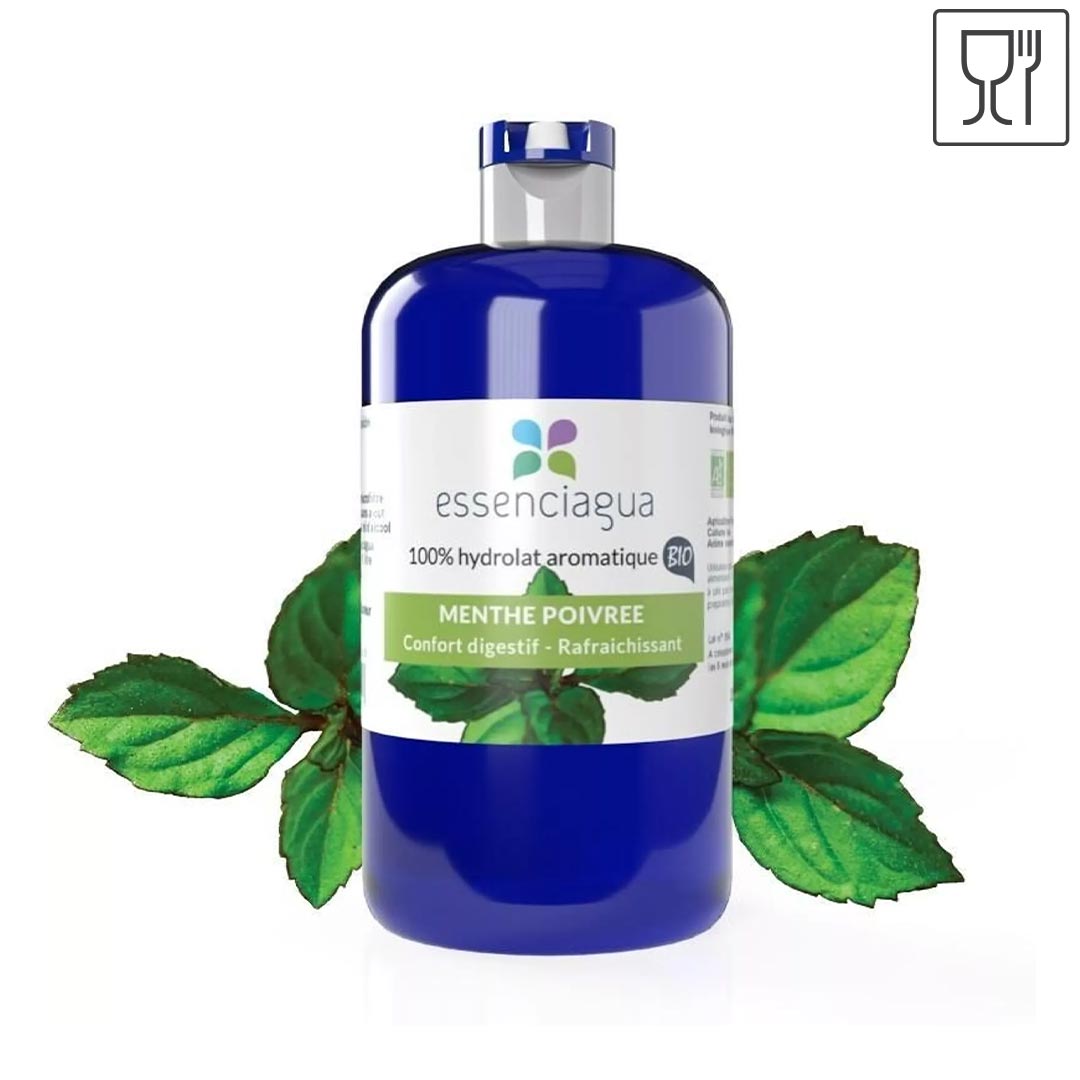
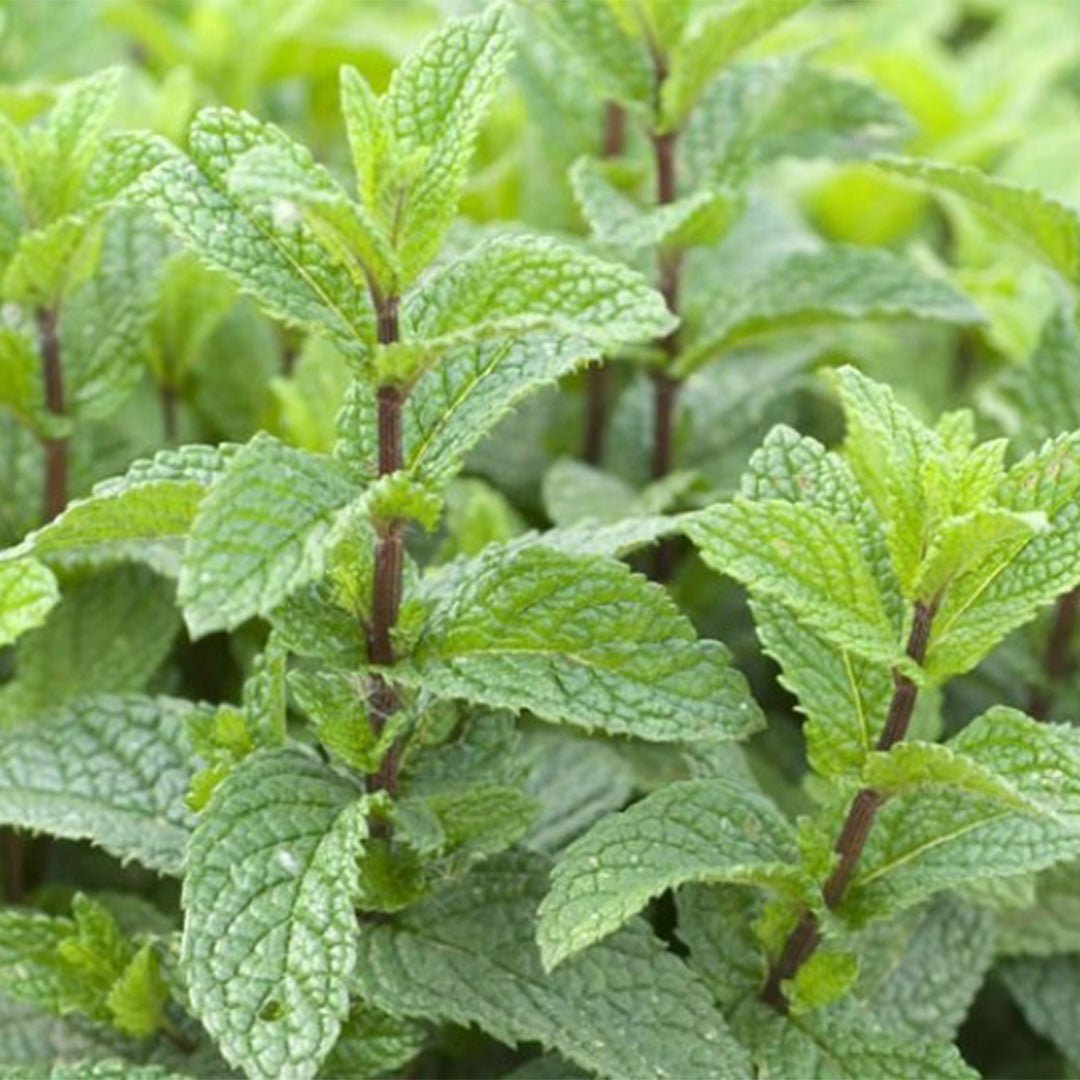
| Peppermint | Mentha × piperita | Avoid | Too stimulating and not considered appropriate for feline use. |
| Birch | Betula lenta | Avoid | A strong oil that should not be used with cats. |
| Wintergreen | Gaultheria procumbens | Avoid | Too strong and not compatible with safe feline aromatherapy practice. |
Important note on safe use
Cats are especially sensitive to essential oils high in phenols, ketones, and limonene. These compounds are more difficult for the feline liver to process.
Even oils generally considered safer should always be used with restraint, proper dilution, and careful observation of the cat’s response.
For very sensitive cats, hydrosols are often the gentler option.
How to Use Aromatherapy with Cats
Aromatherapy for cats requires a minimal and precise approach. Use low concentrations, observe your cat’s response, and prioritise gentle methods.
1. Diffusion
Primary method. Provides gentle exposure through inhalation without direct contact.
How to use
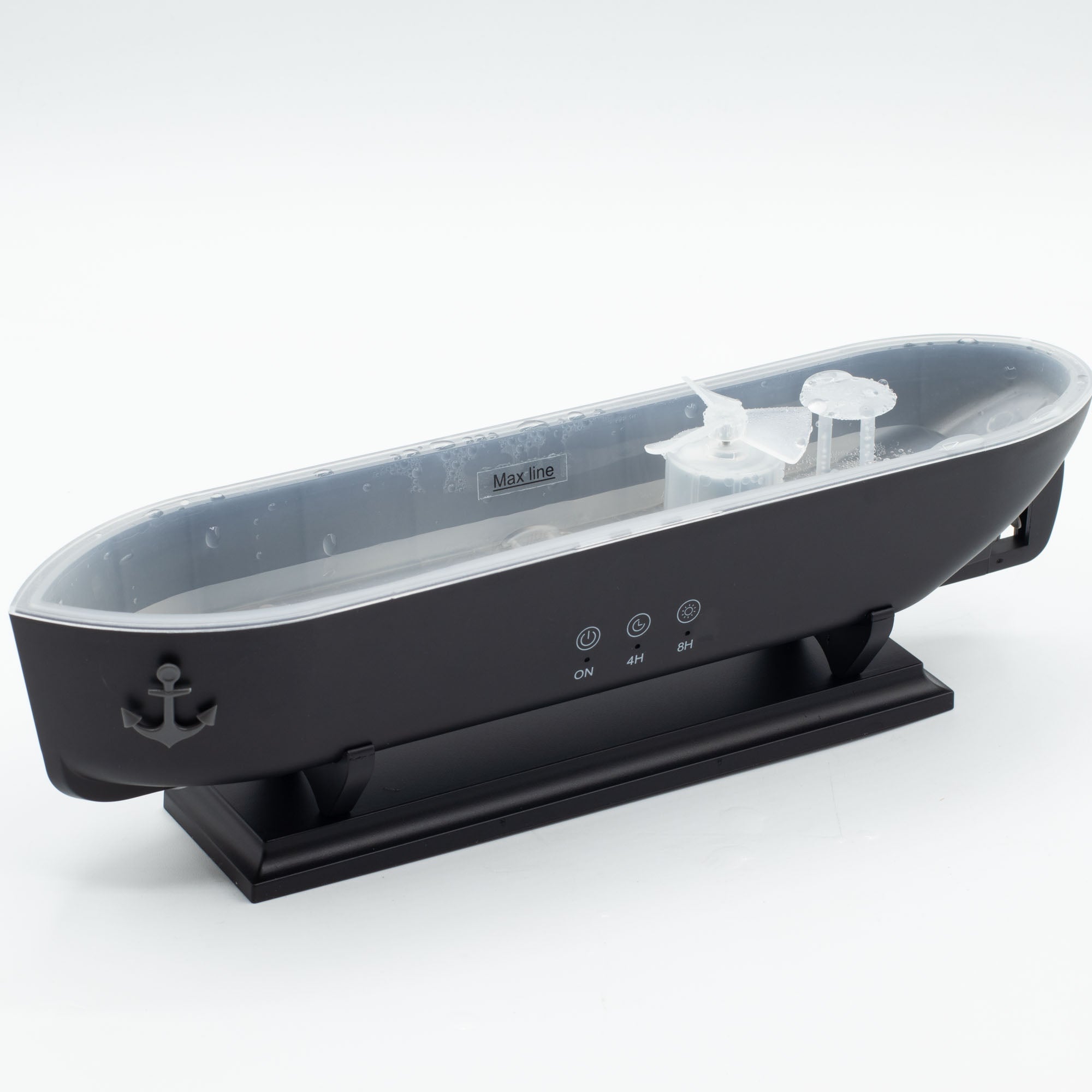
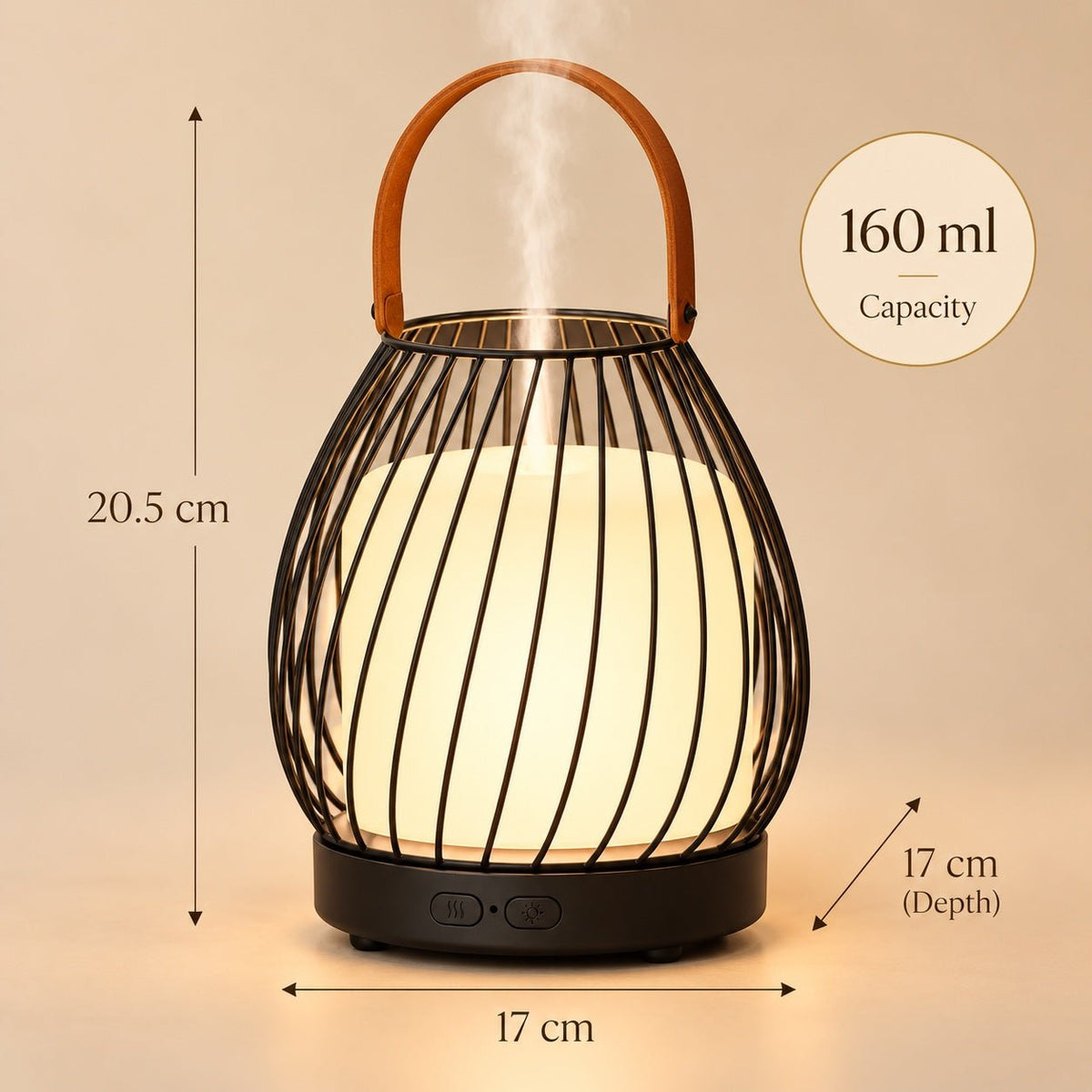
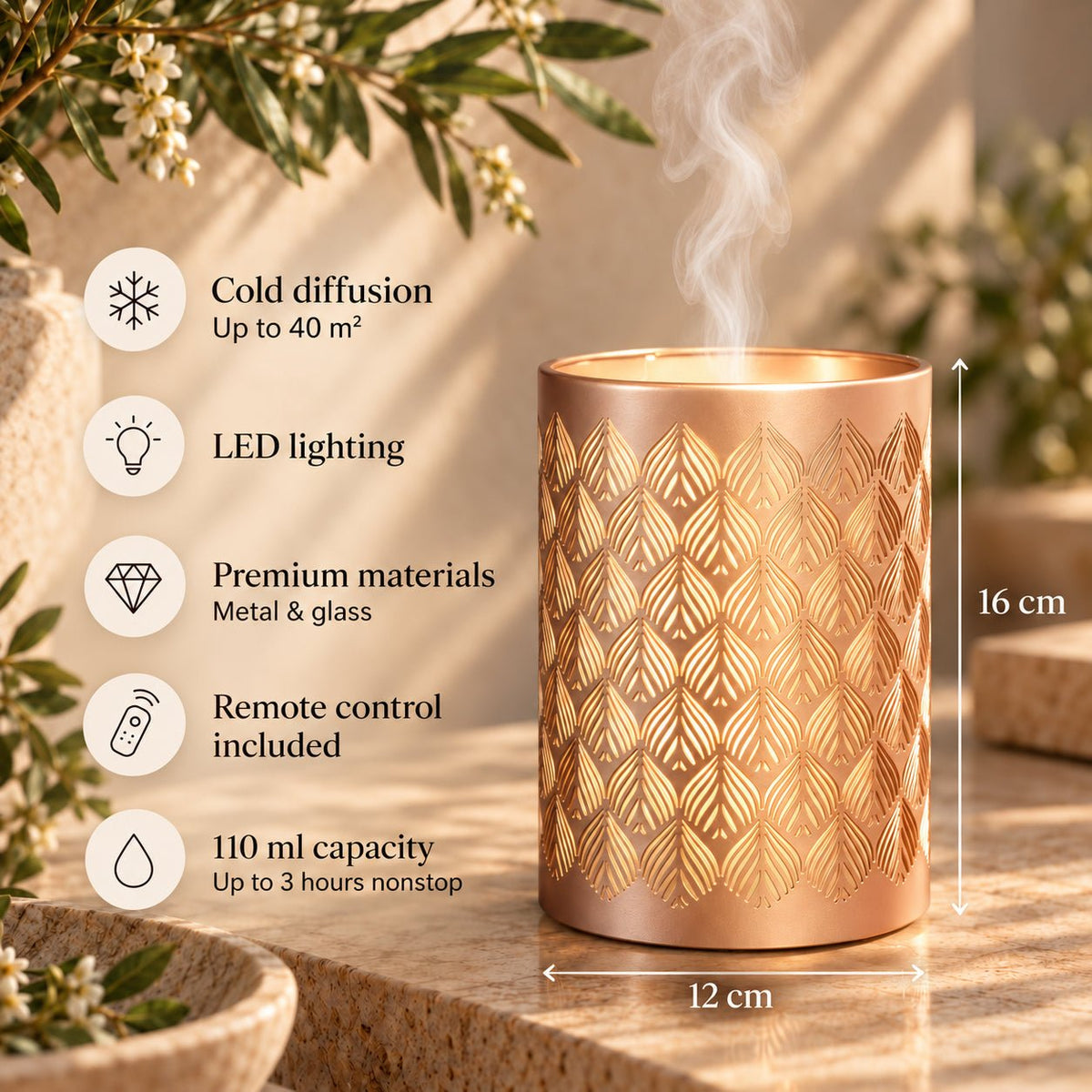
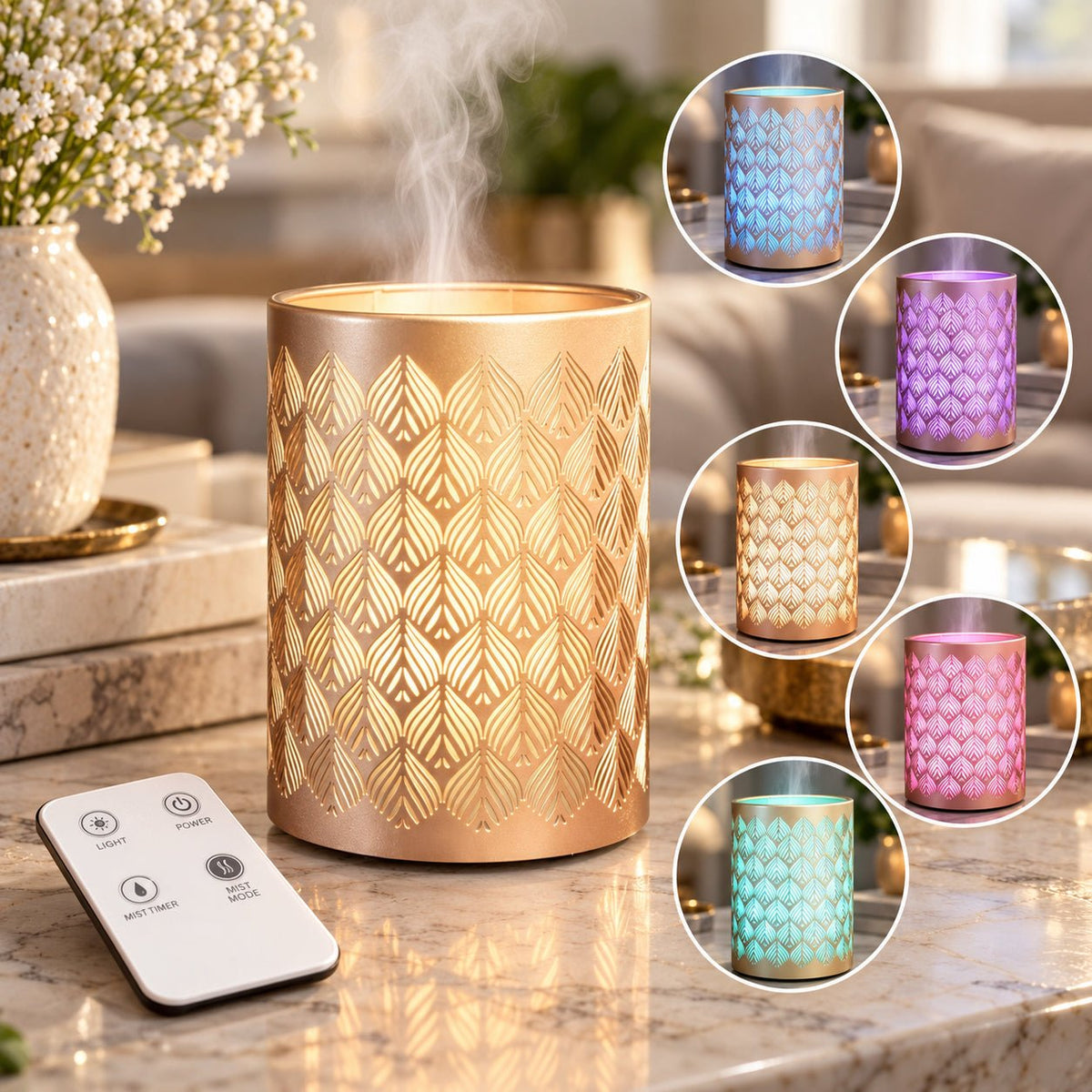
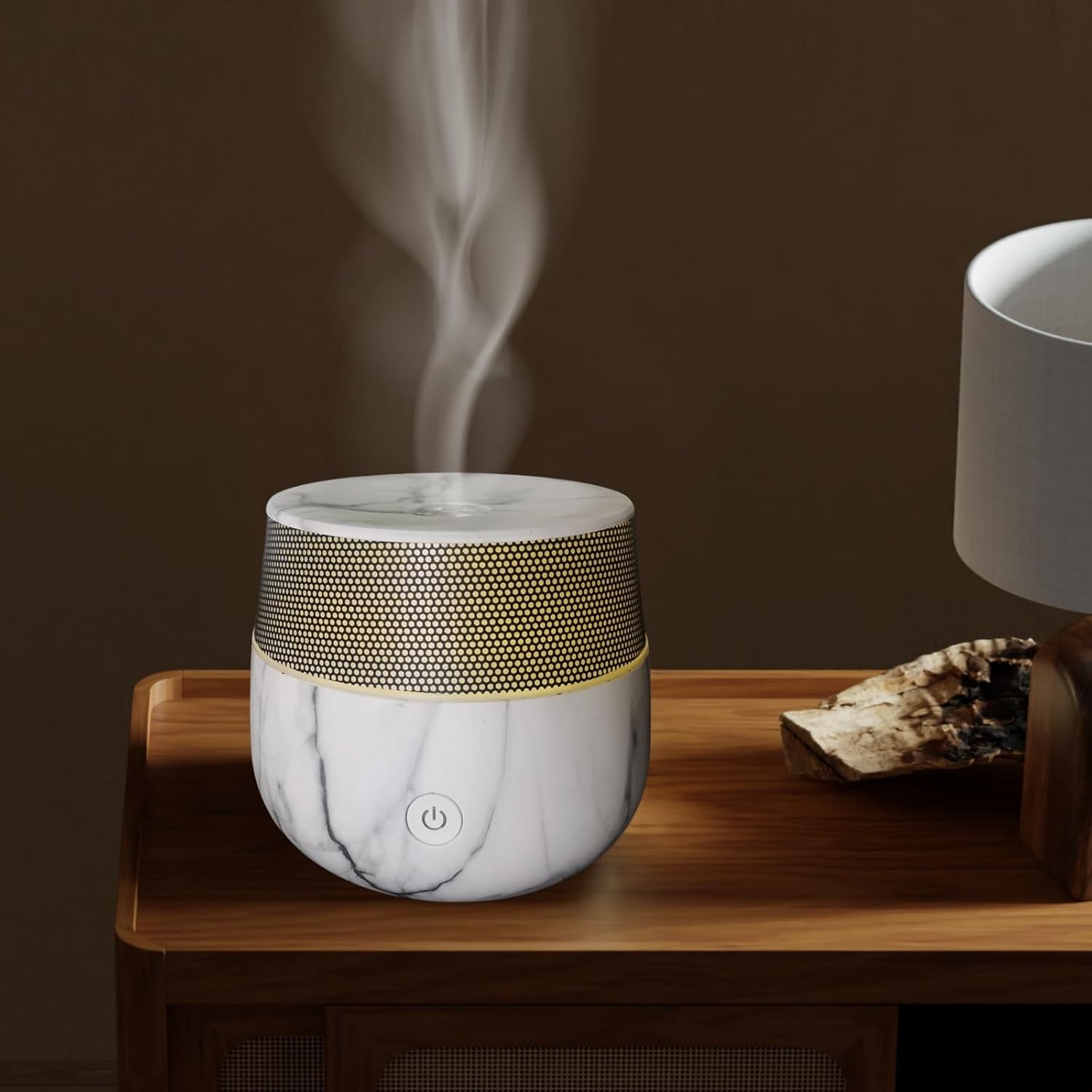
- Use a water-based diffuser (ultrasonic diffuser)
- For a 100 ml water tank: add 1 drop essential oil
- If well tolerated, you may use up to 2 drops
Best practice
- Diffuse for 10–20 minutes at a time
- Ensure good ventilation
- Always allow your cat to leave the room
Start with the lowest amount — cats respond best to subtle aromatic exposure.
2. Topical Application
Targeted use only. Always dilute before applying to the cat.
Precise dilution guideline
• 1 drop essential oil in 20 ml carrier oil (≈ 0.25%)
• For sensitive cats: 1 drop in 30–40 ml carrier oil
Suitable carrier oils
- Jojoba
- Coconut oil
- Olive oil
- Sweet almond oil
Apply to
- Spine
- Shoulders
- Base of the neck
Avoid face, paws, and sensitive areas.
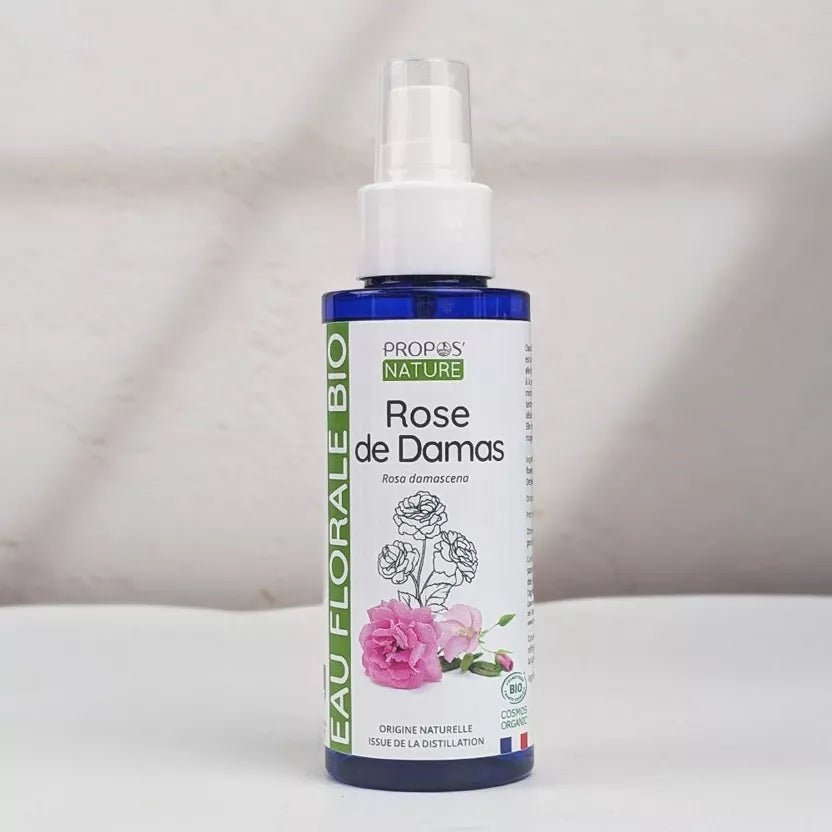
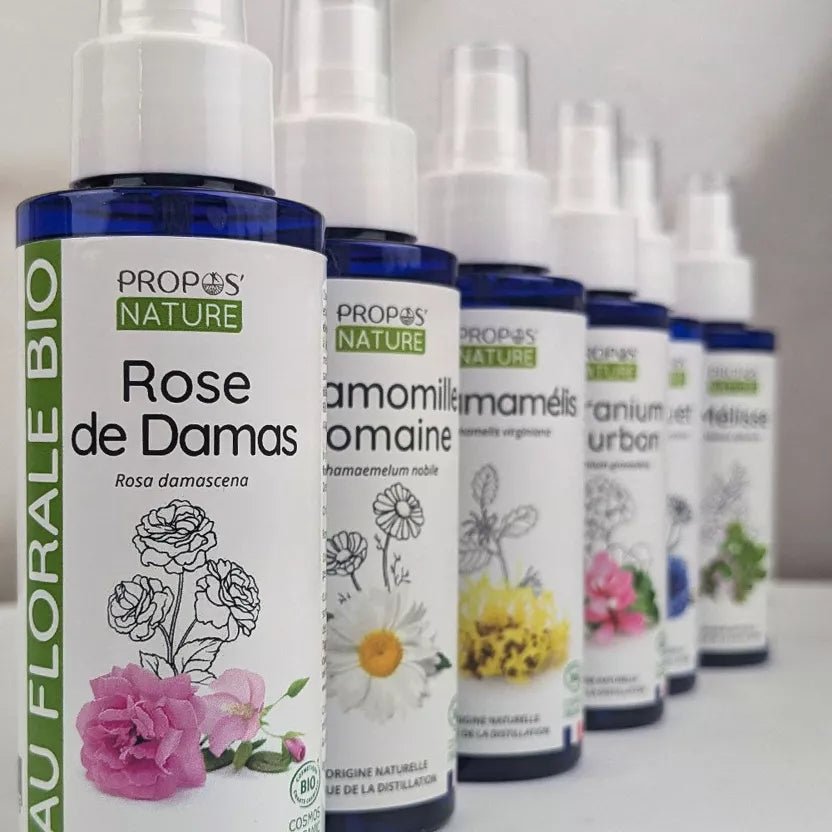
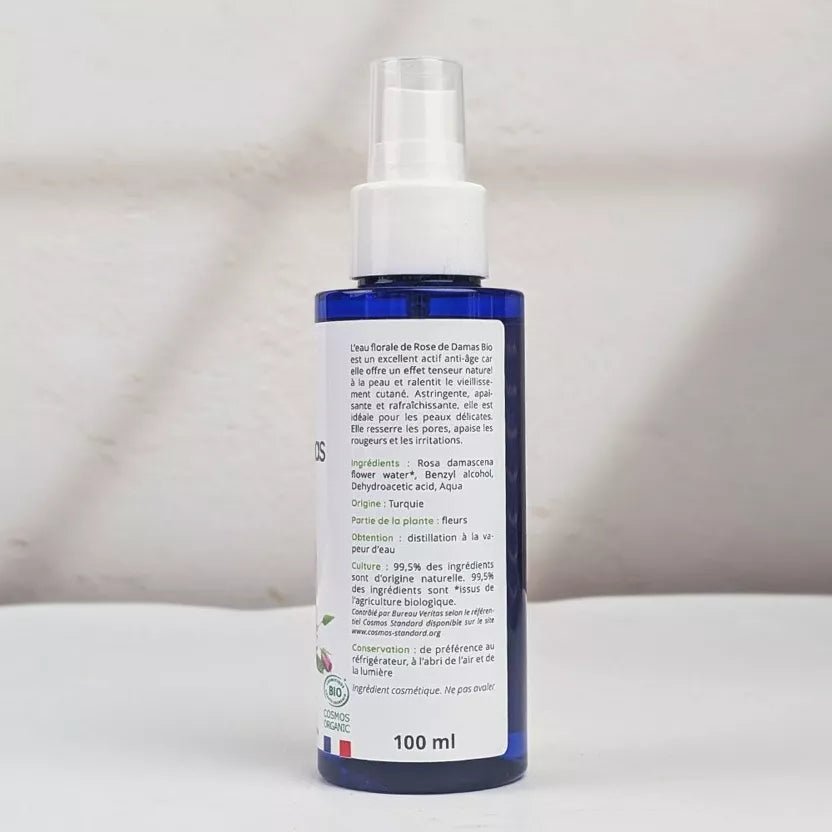
3. Hydrosols
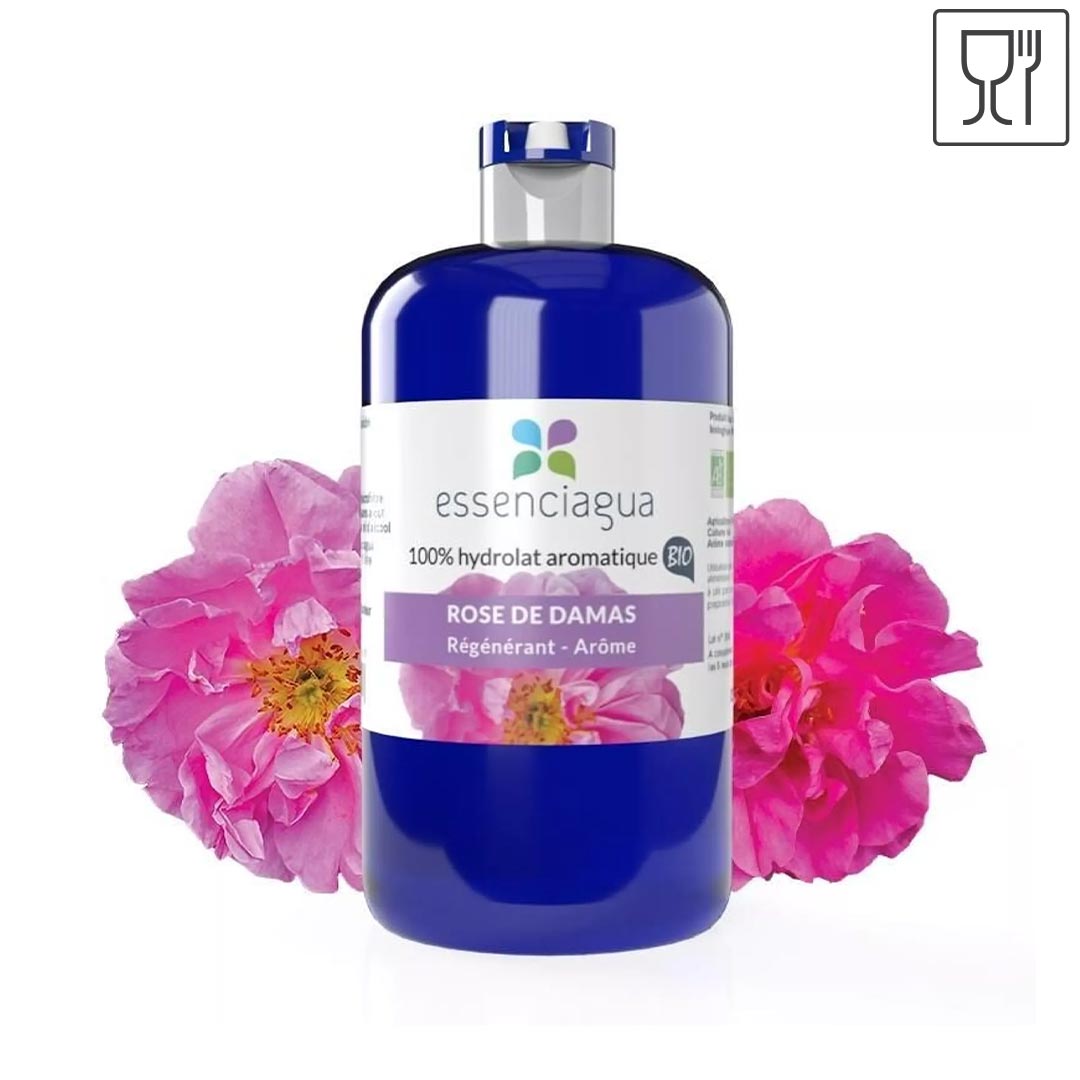
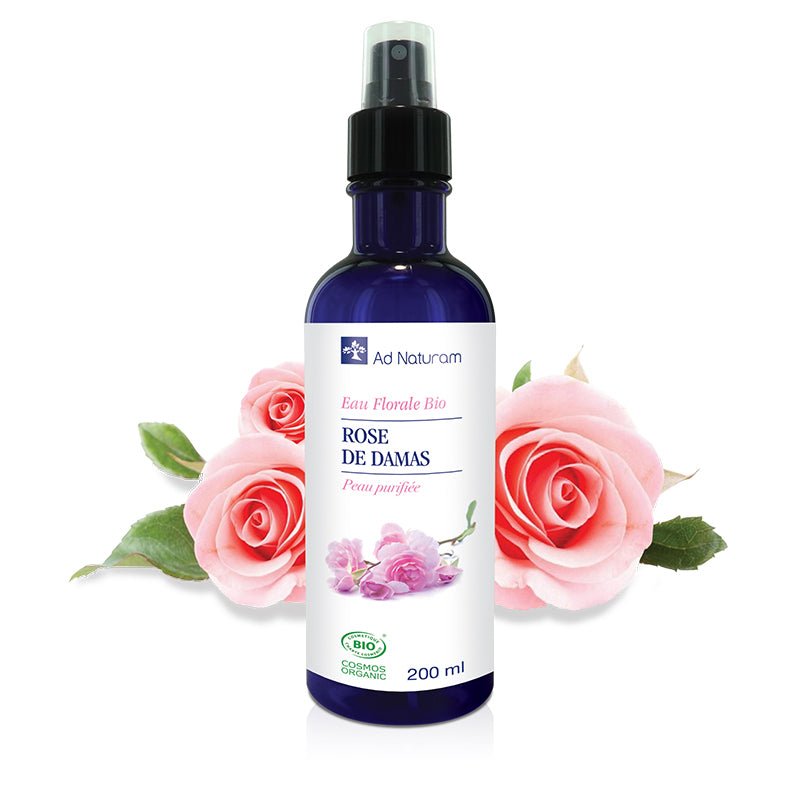
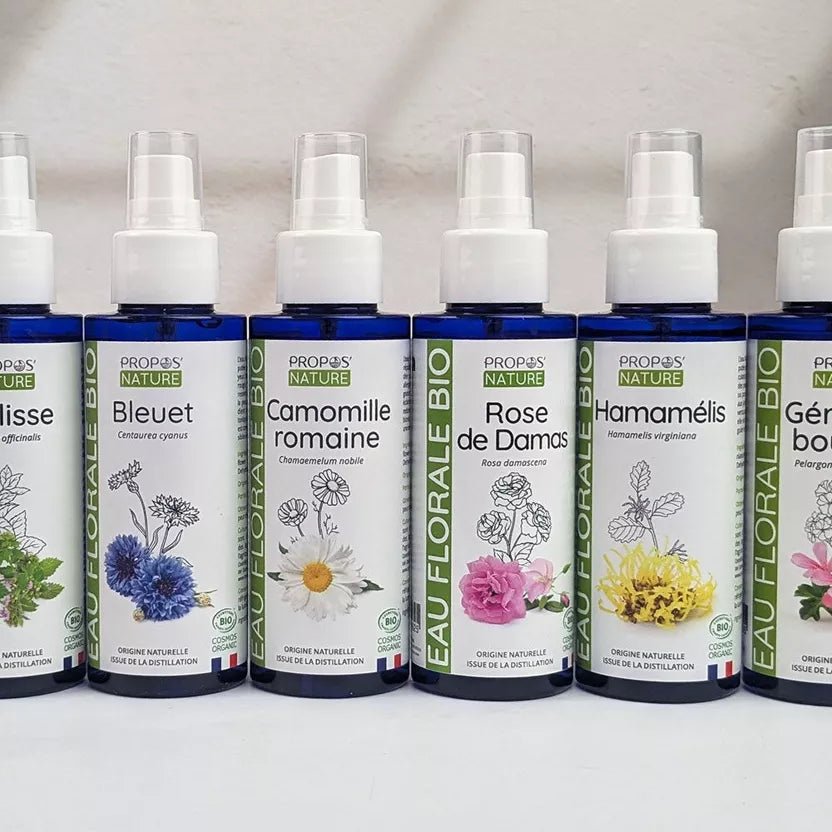
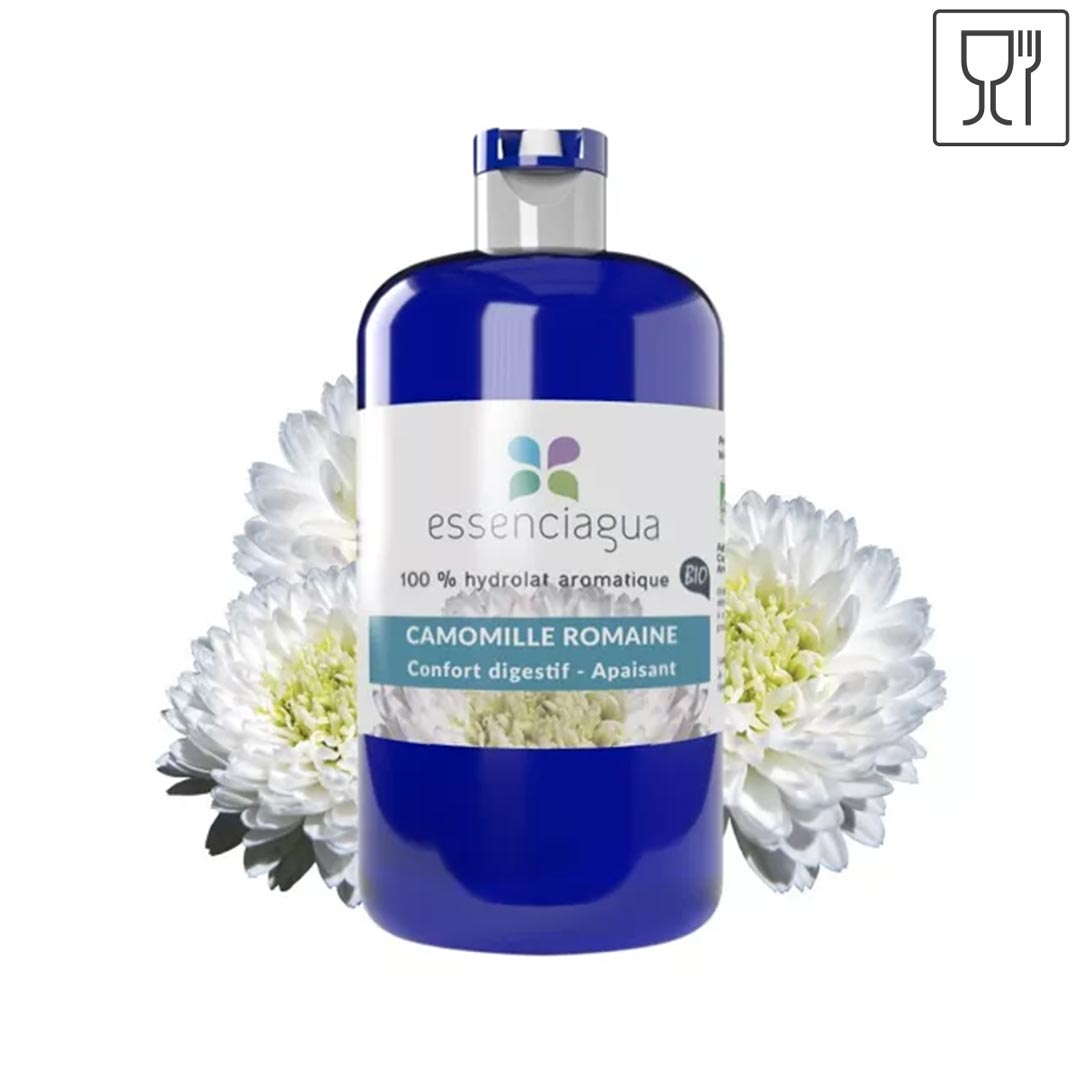
Preferred for sensitive cats. Hydrosols provide a much gentler aromatic approach and are often better tolerated than essential oils.
- Lower concentration of active compounds
- Water-based and well tolerated
- Suitable for regular and long-term use
Quality matters
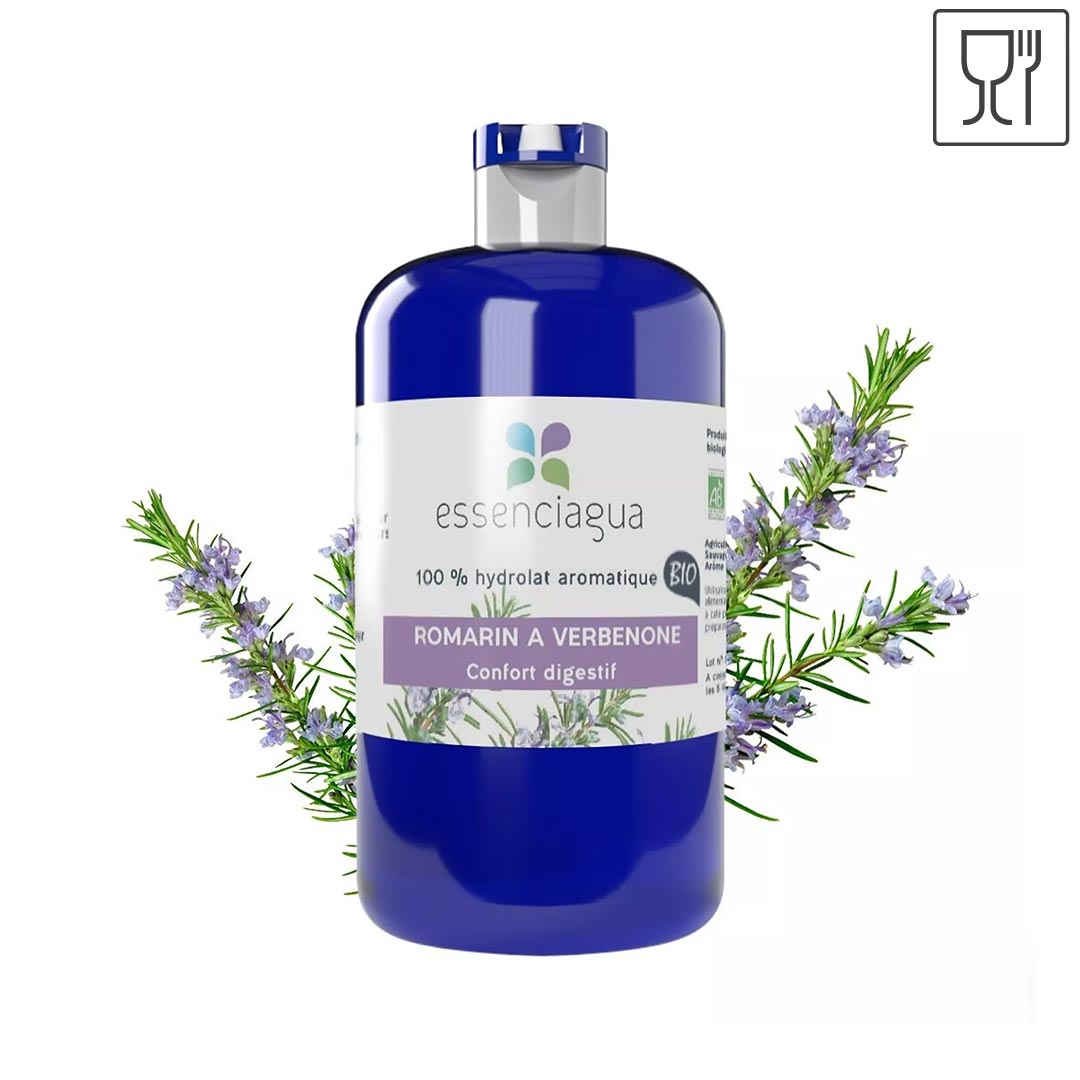
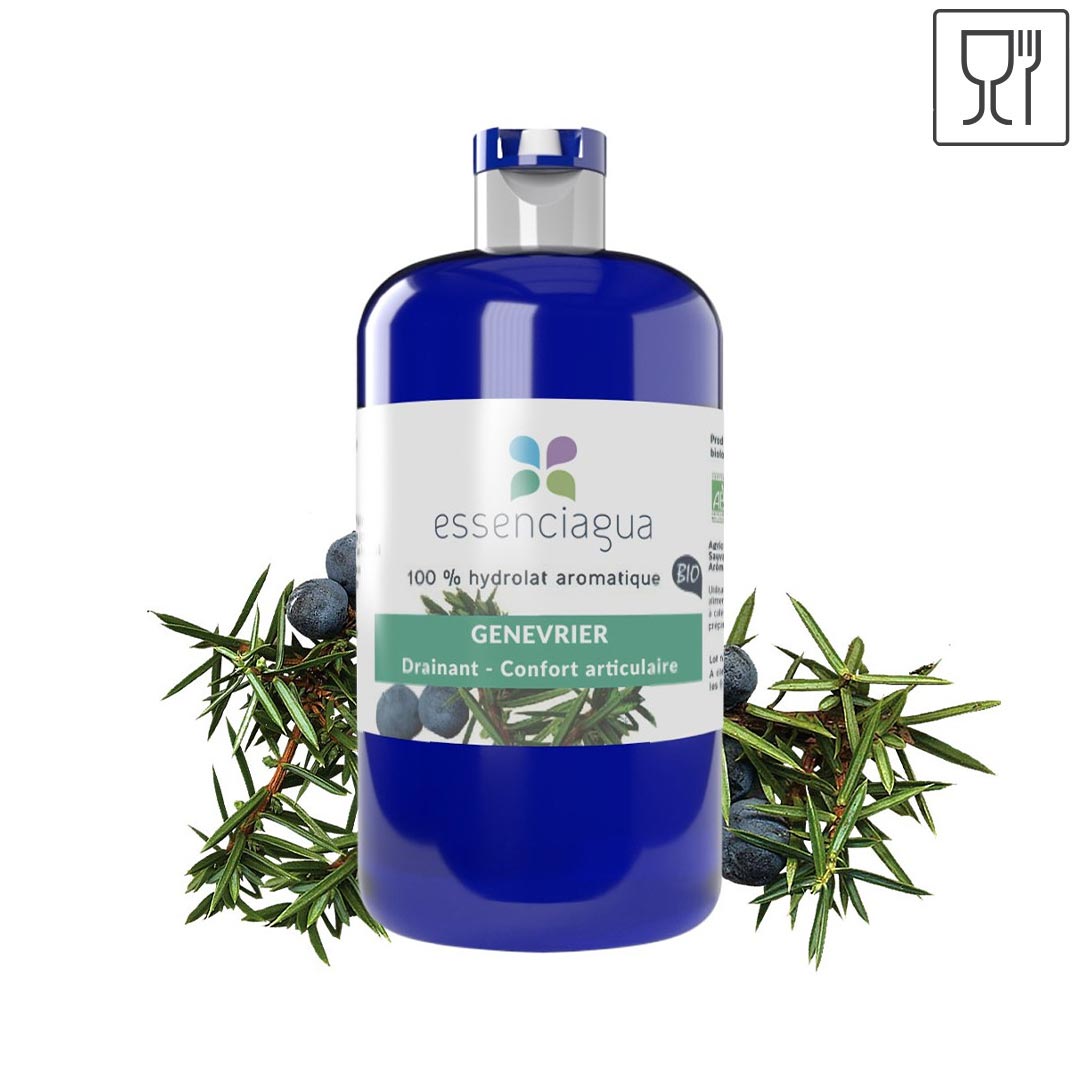
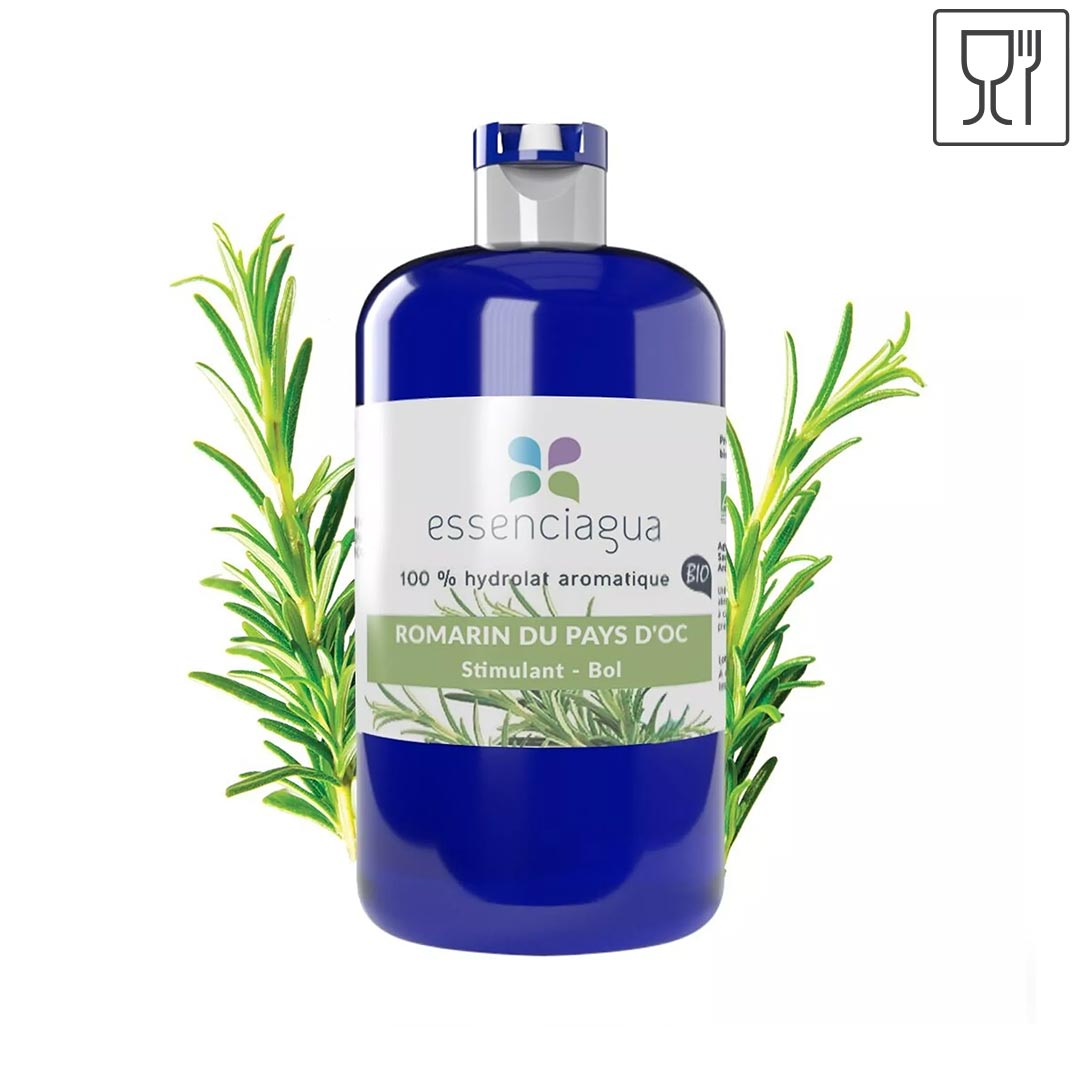
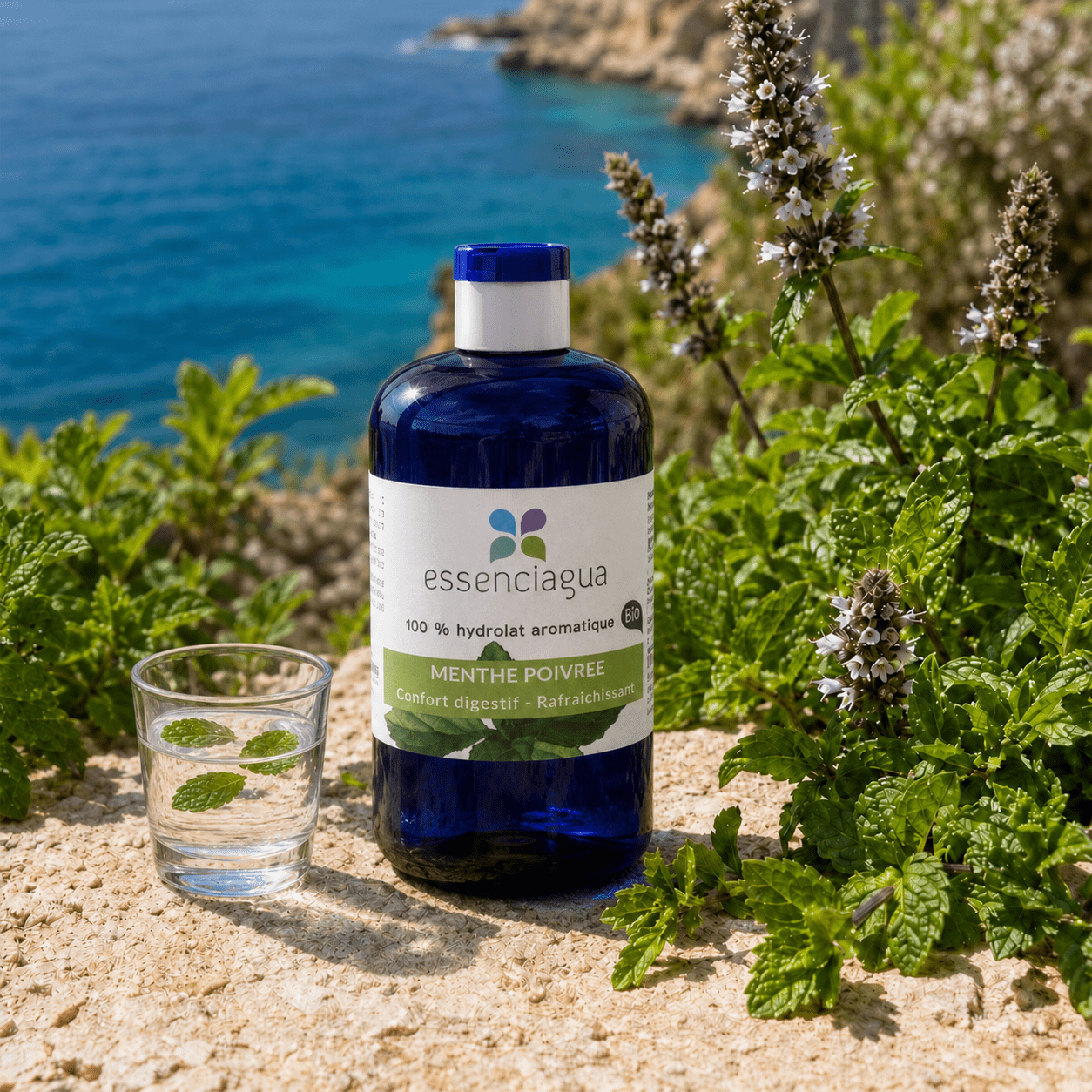
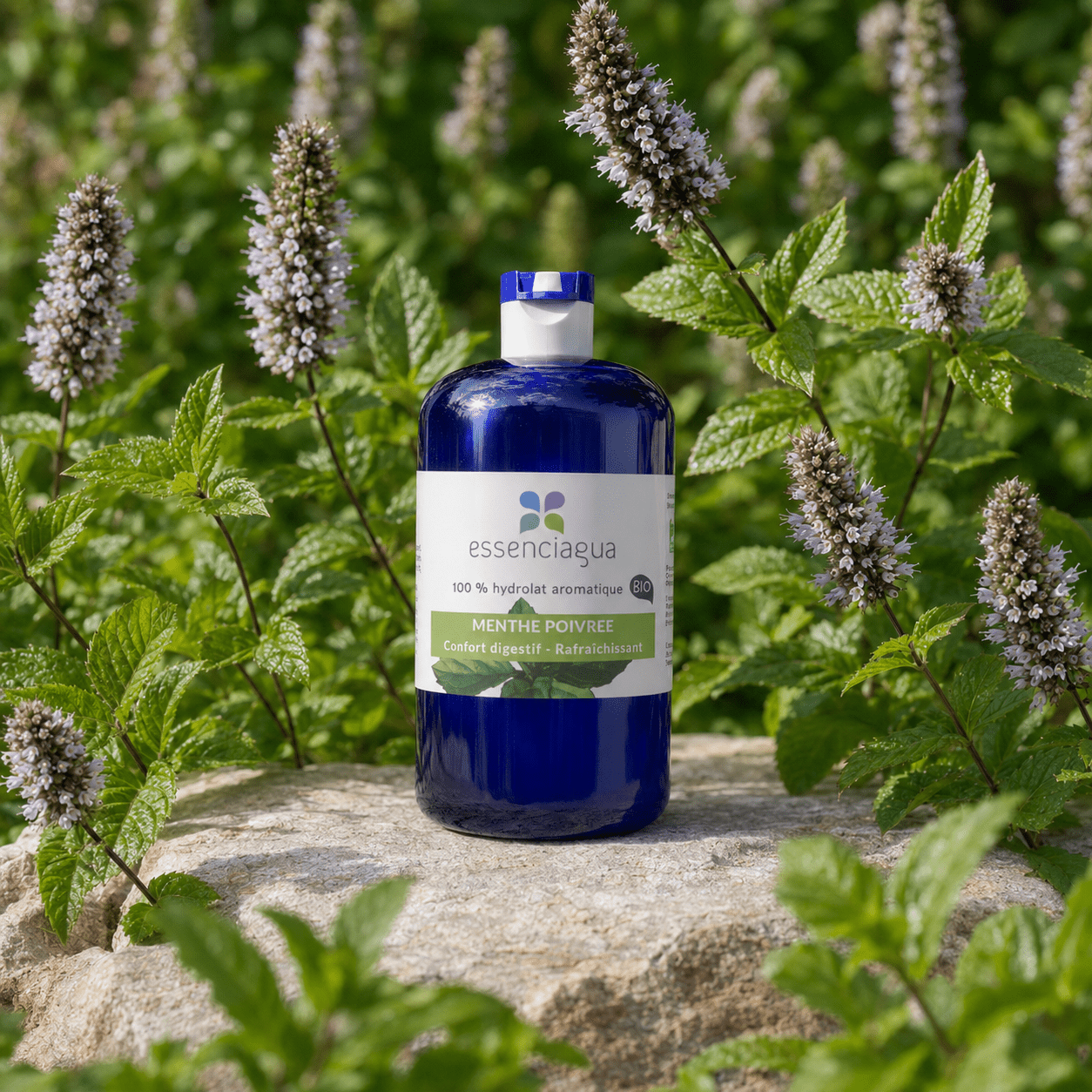
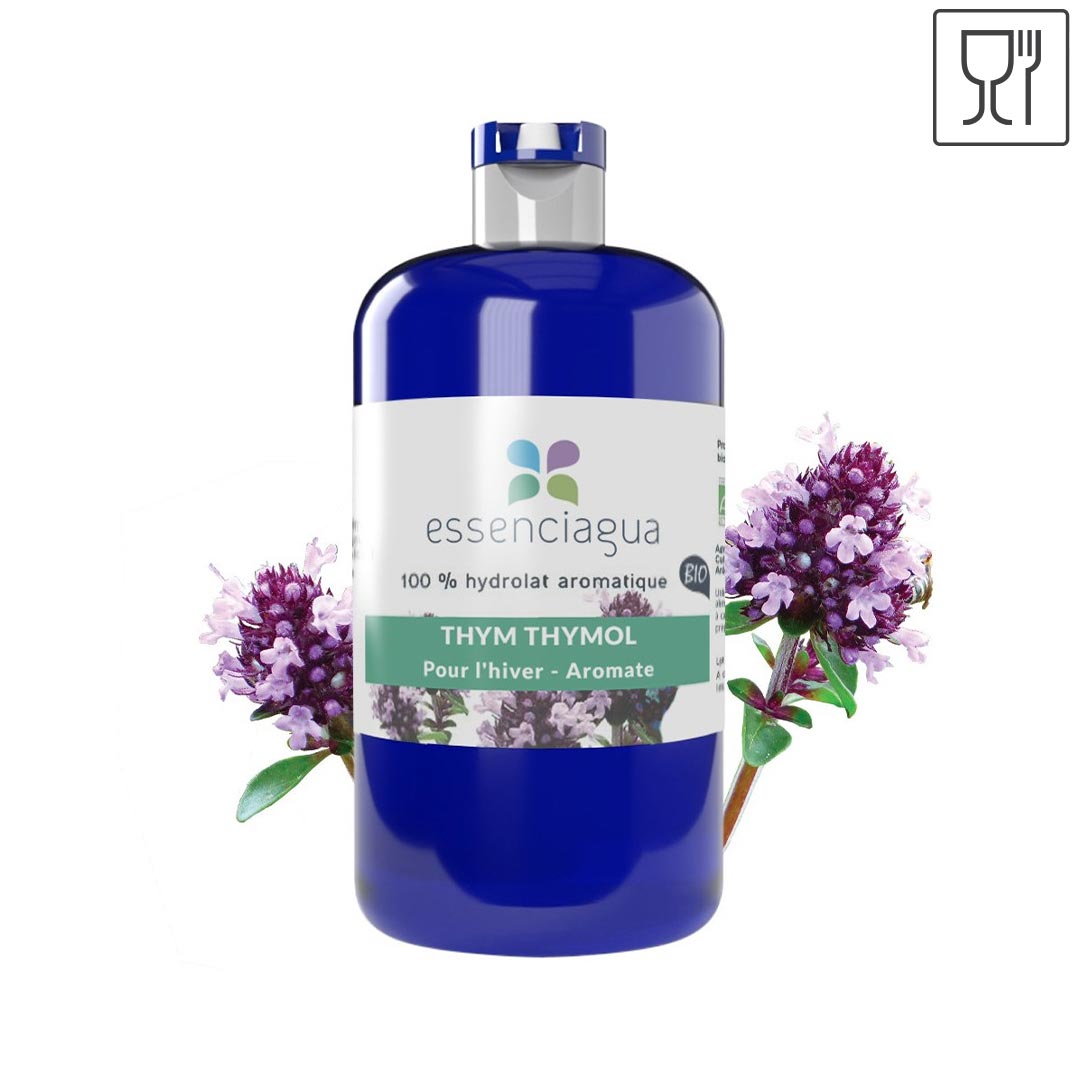
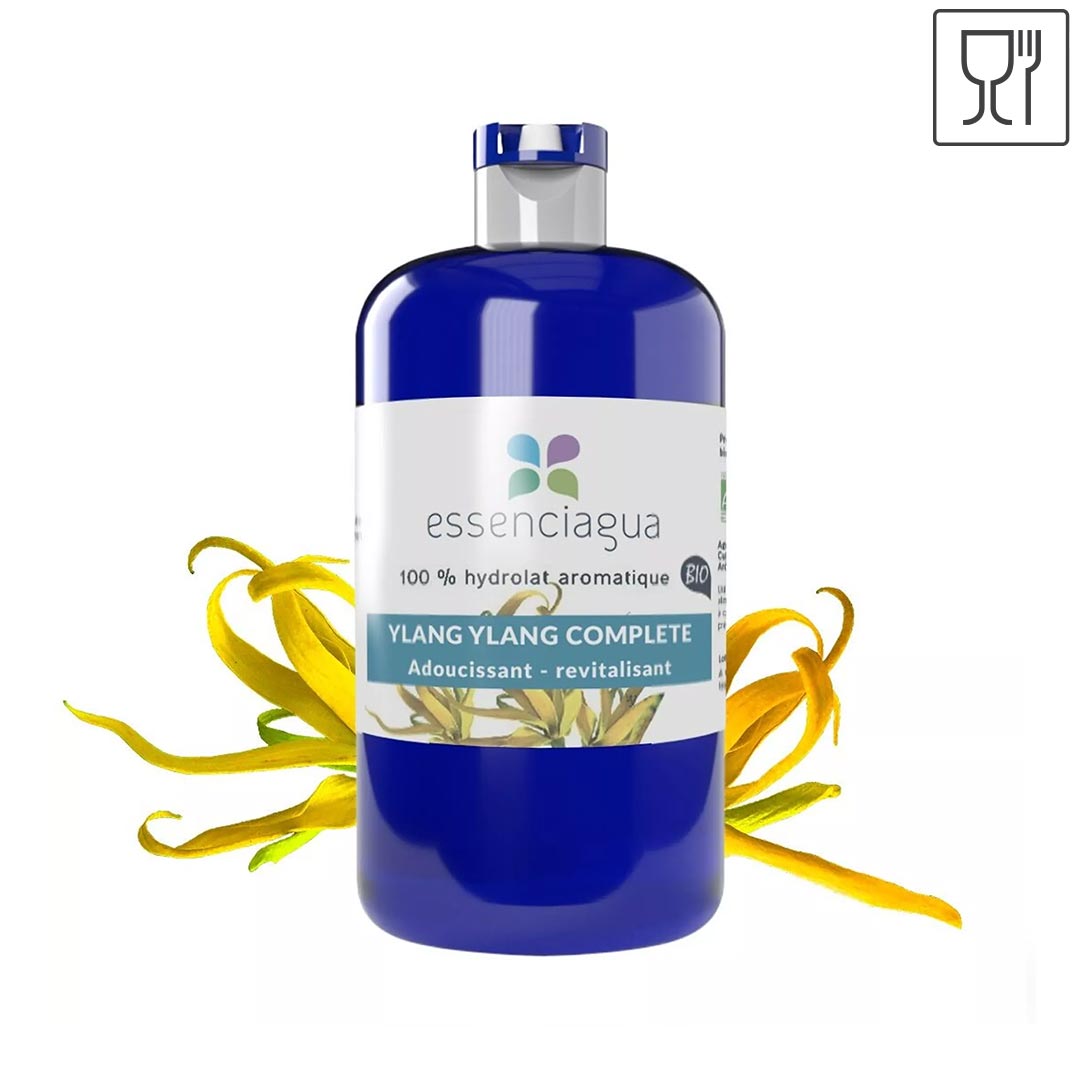
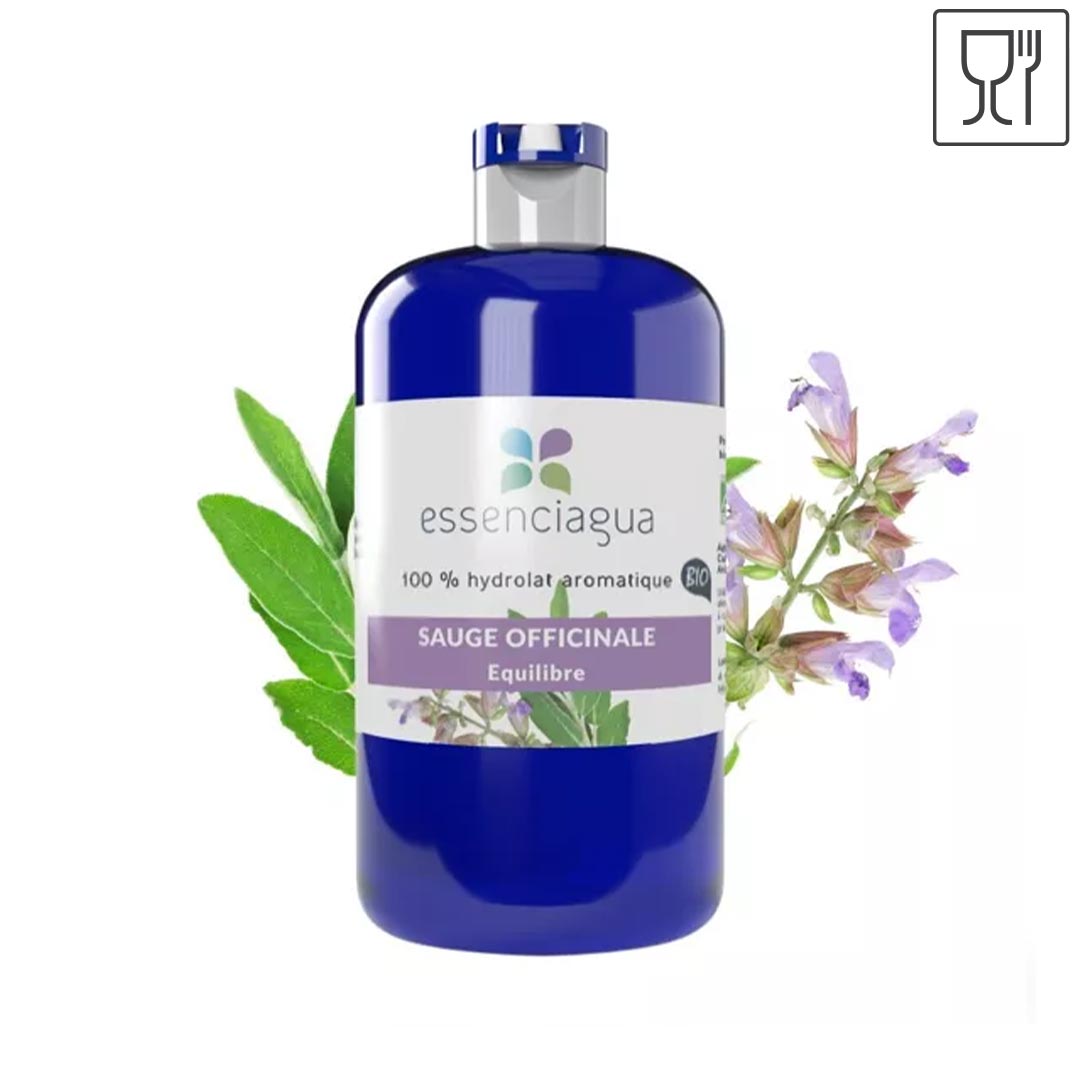
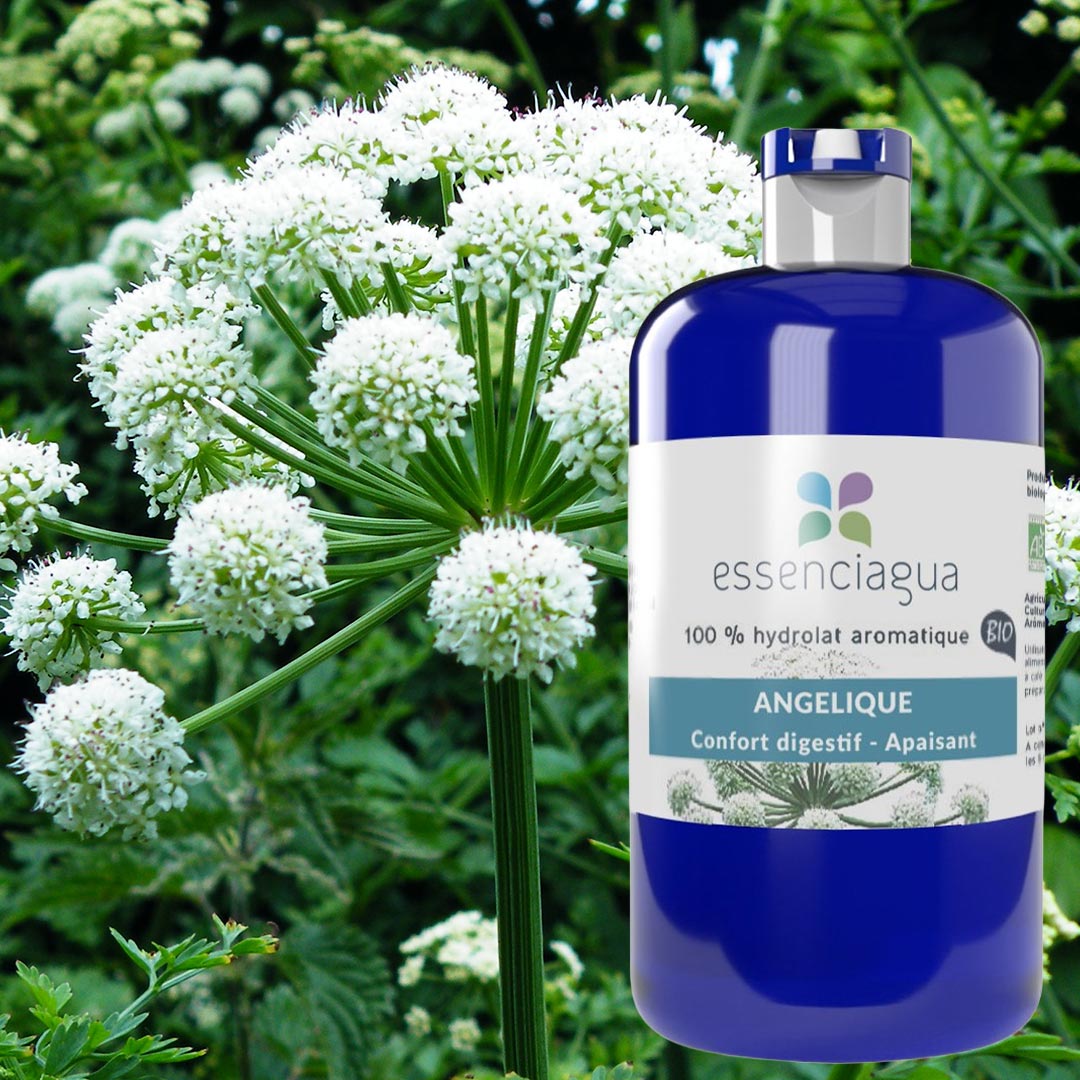
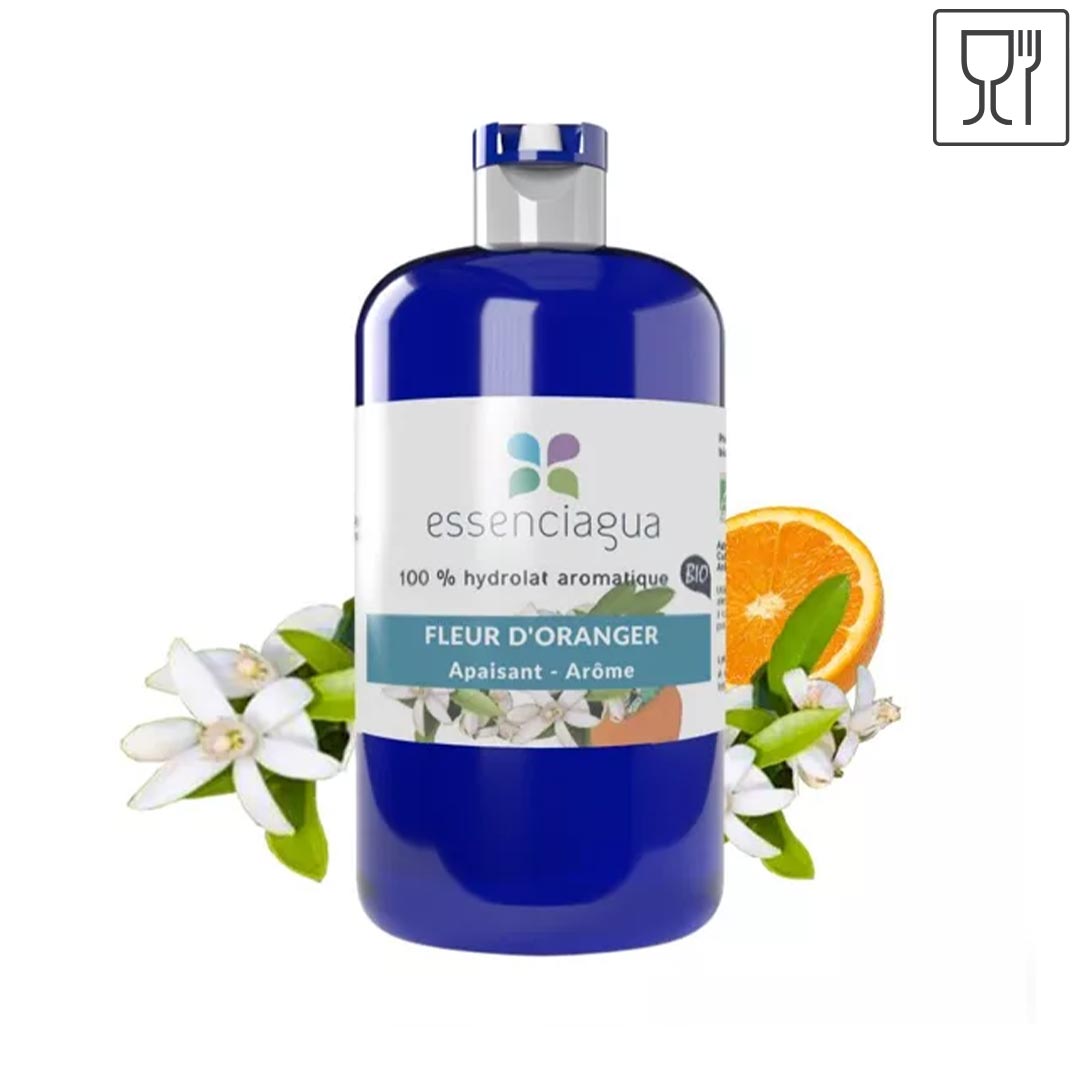
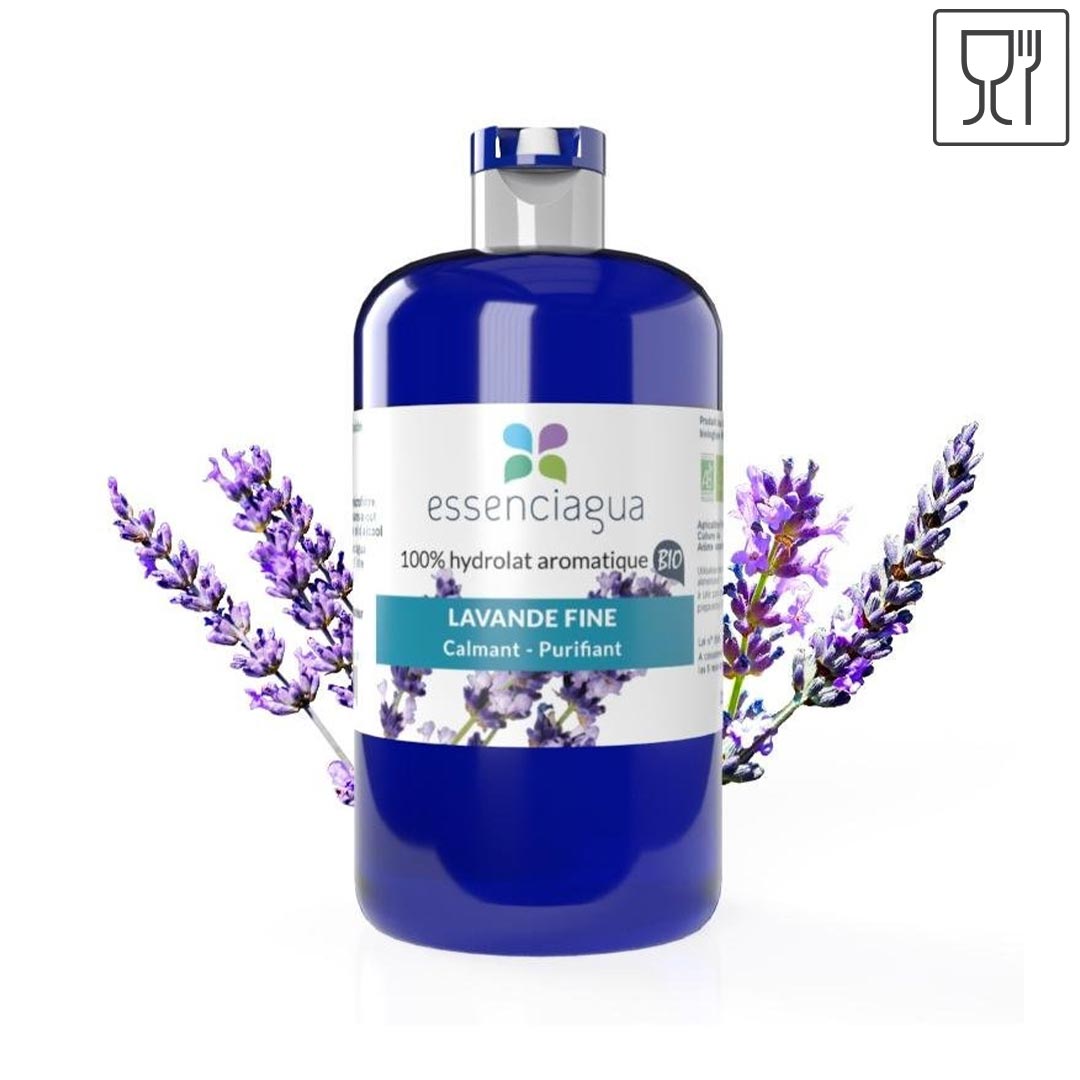
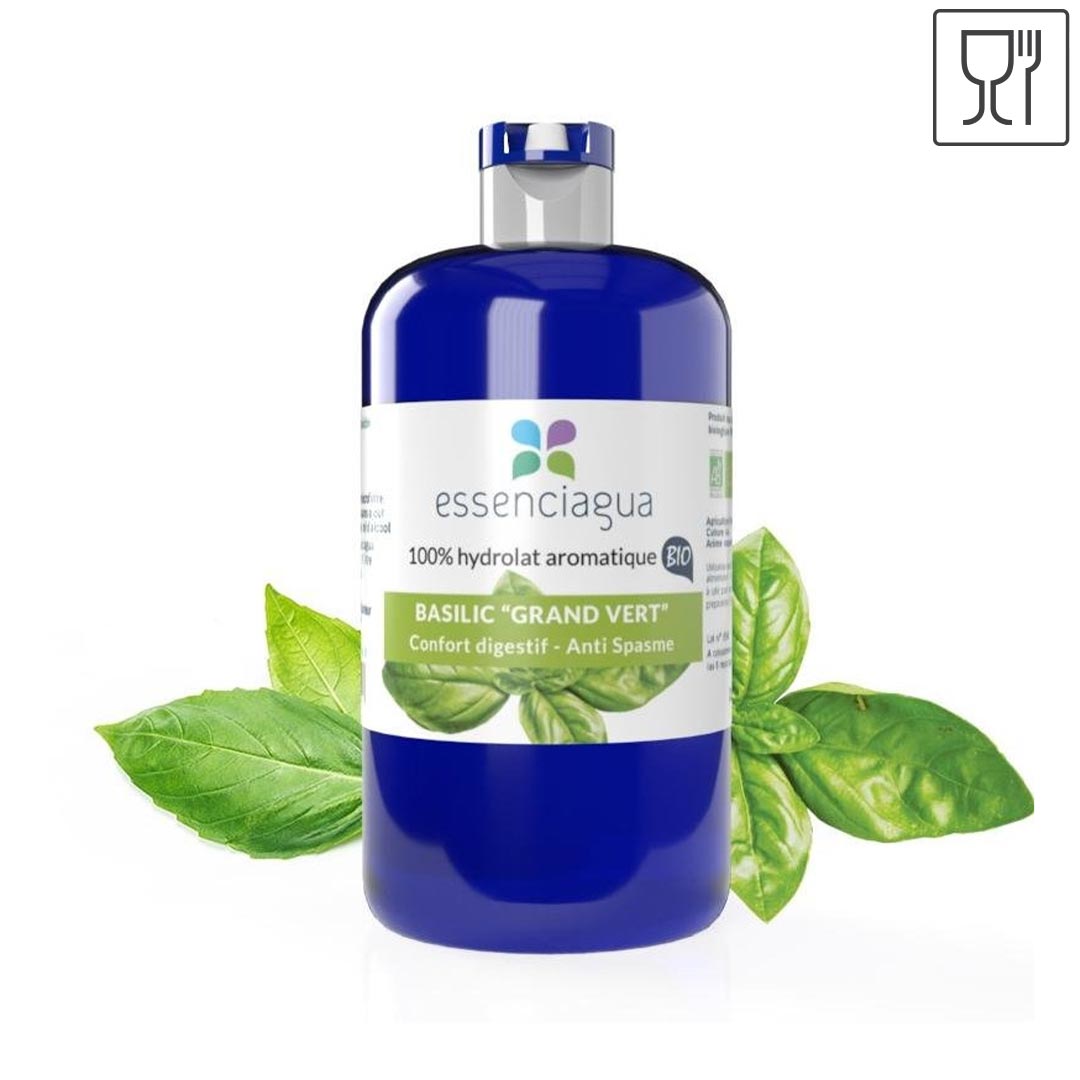
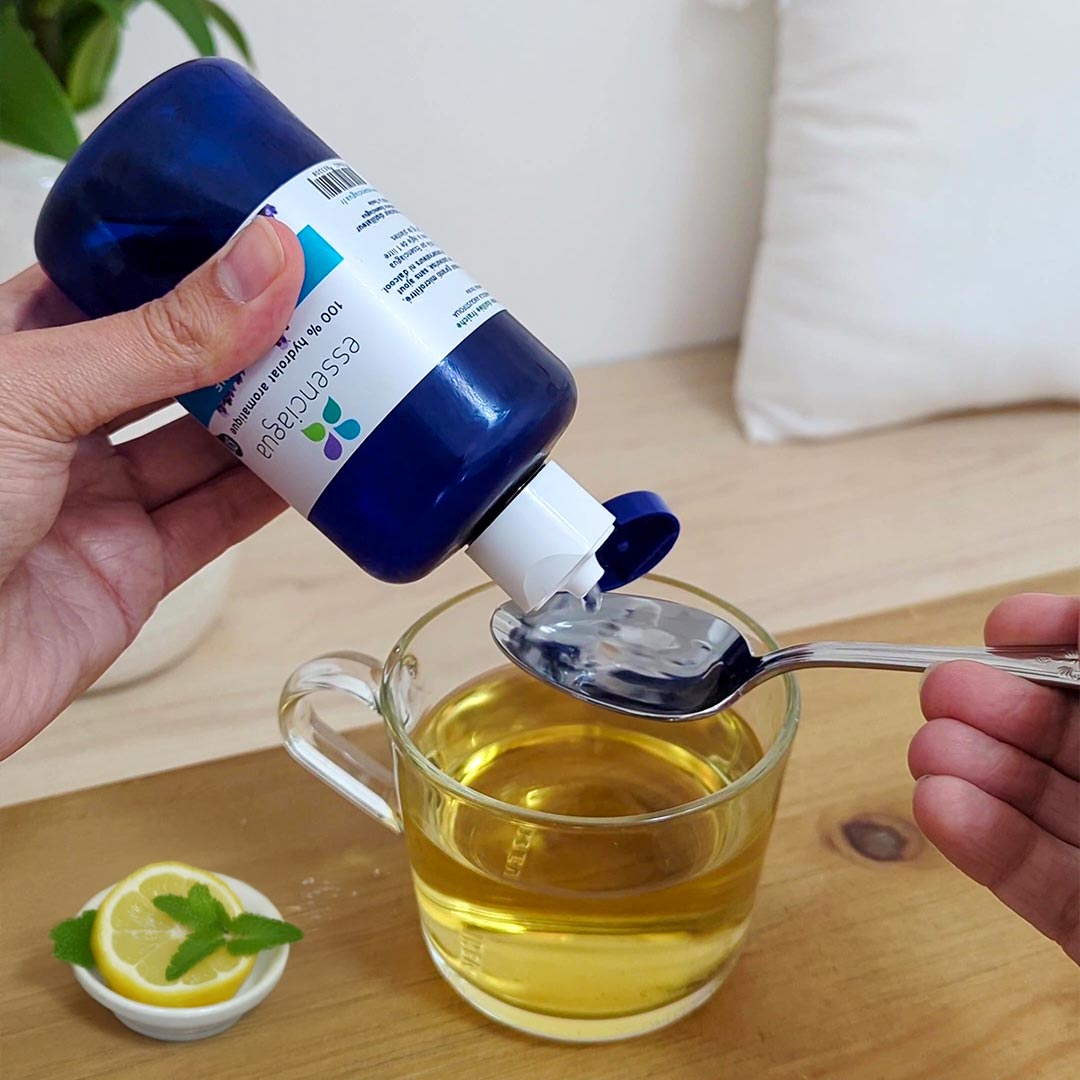
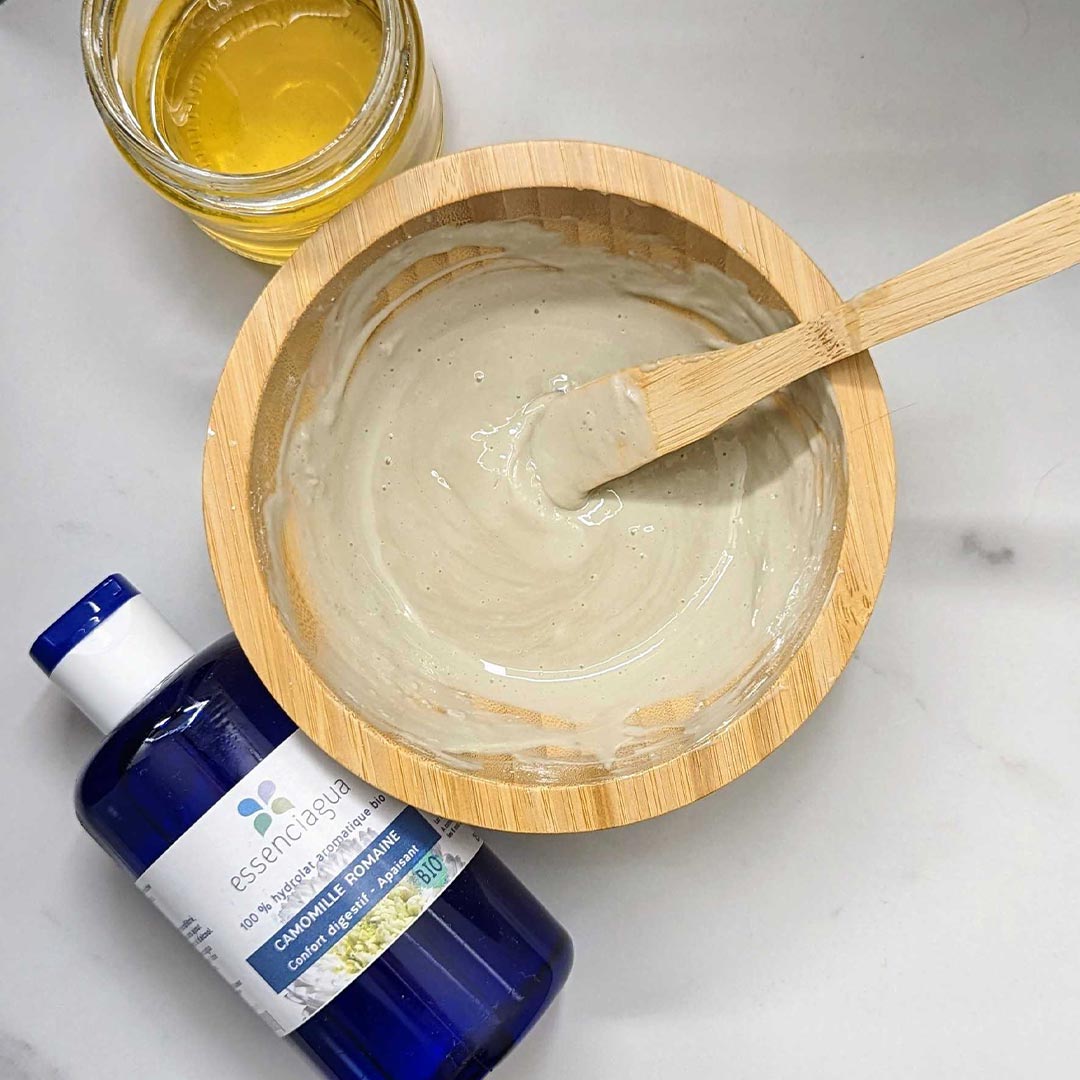
Use only certified organic, food-grade hydrosols (such as Essenciagua quality). Lower-grade hydrosols are not suitable for internal or regular use.
Ways to use hydrosols
- Lightly mist bedding, blankets, or resting areas
- Use in the environment for gentle aromatic support
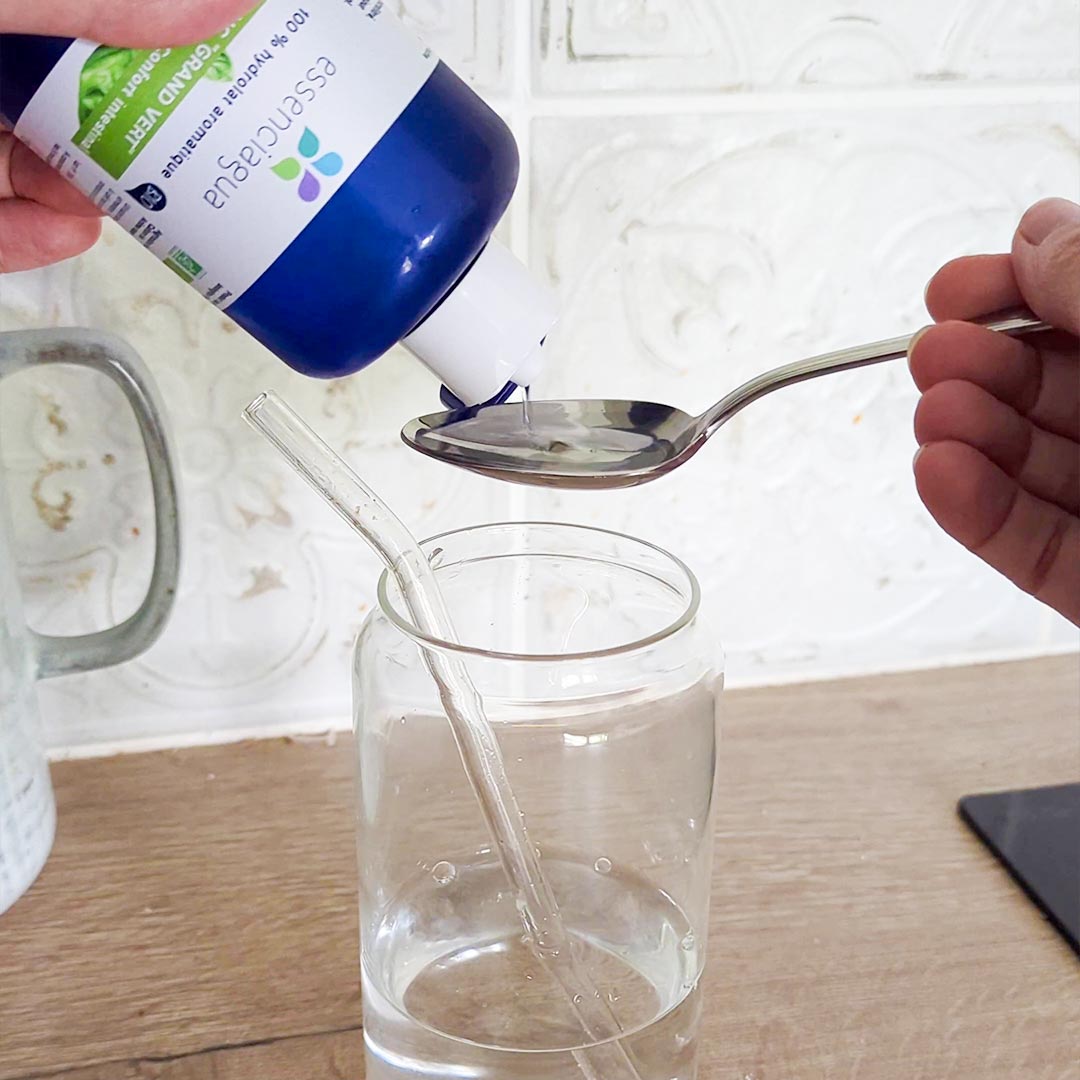
- Add a couple of drops to your cat’s water bowl
Many cats instinctively choose what they need — and avoid what they don’t.
4. Gentle Bonding Method
A subtle way to introduce aromatherapy while strengthening trust.
How to prepare
Dilute 1 drop of essential oil in 20–30 ml carrier oil.
How to apply
- Place one drop of the diluted blend into your hands
- Rub your hands together
- Gently stroke your cat
Less is more — the scent on your hands is enough.
Supports
- Emotional balance
- Trust and connection
- Nervous system calming

Metodo della ciotola d’acqua
- Aggiungi un paio di gocce in una ciotola d’acqua
- Metti sempre a disposizione una seconda ciotola con acqua fresca e naturale
- Lascia che il tuo gatto scelga liberamente
Which Essential Oil for Your Cat?
Each essential oil has its own character and area of support. Below is a simple guide to oils commonly chosen for cats when used gently, correctly diluted, and with respect for feline sensitivity.
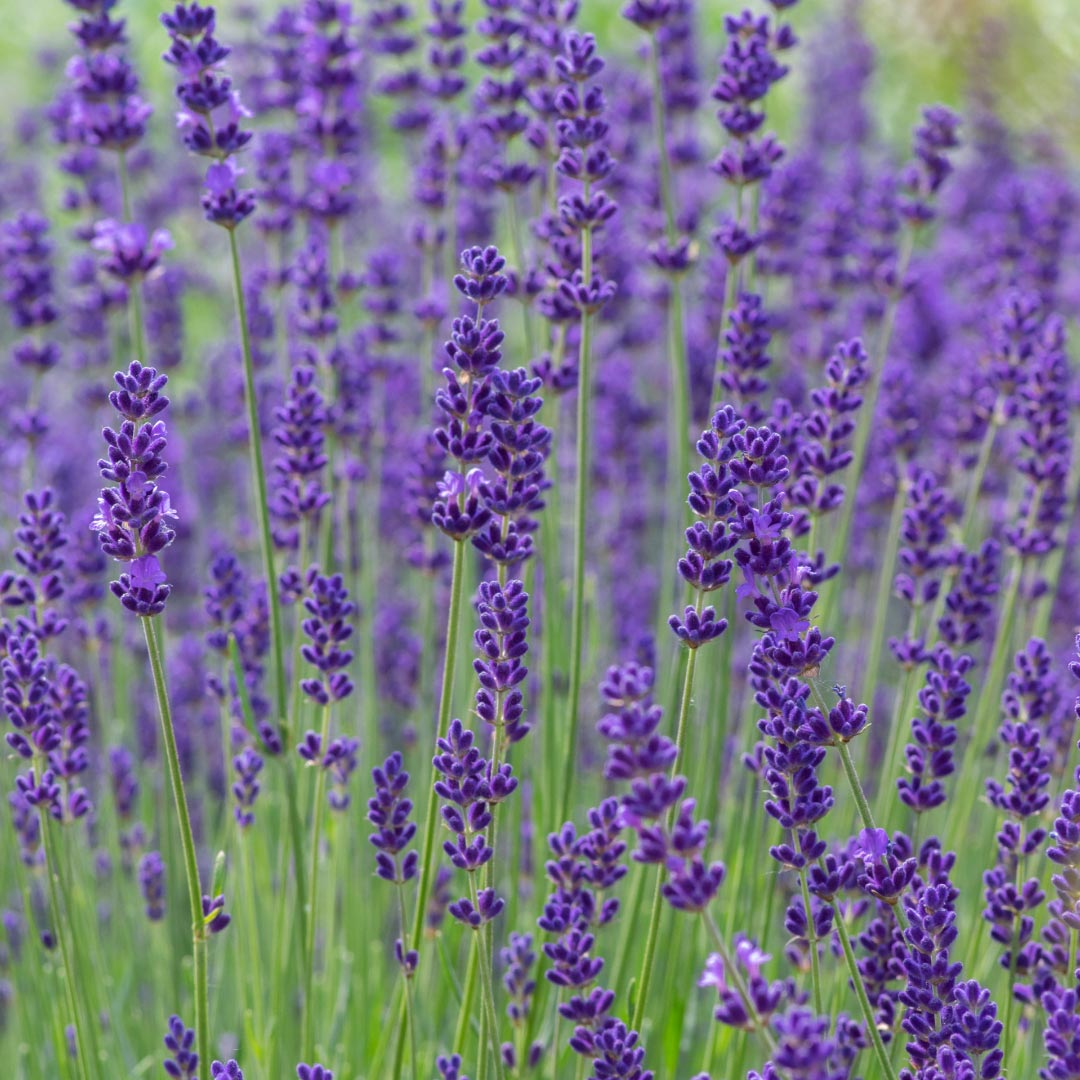
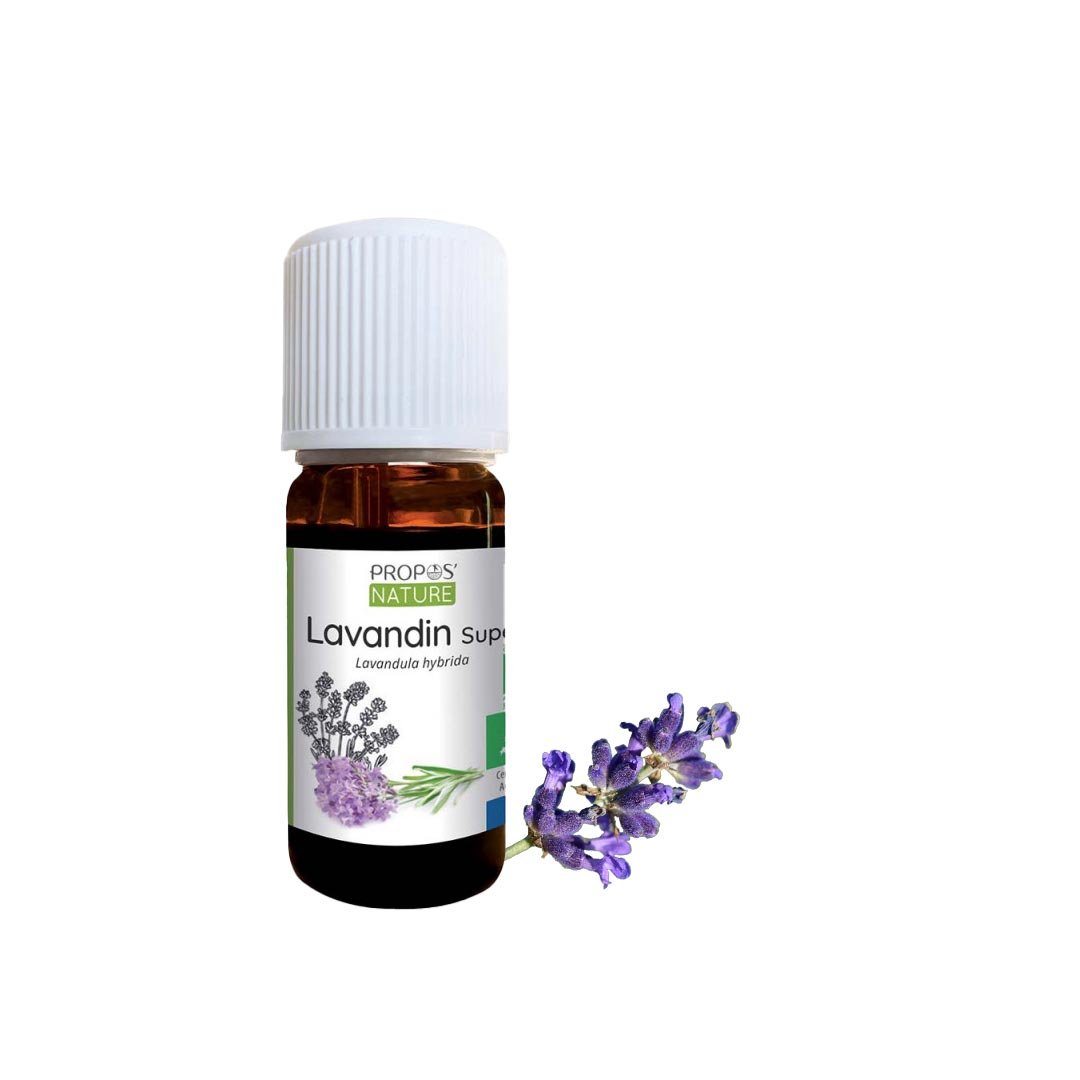
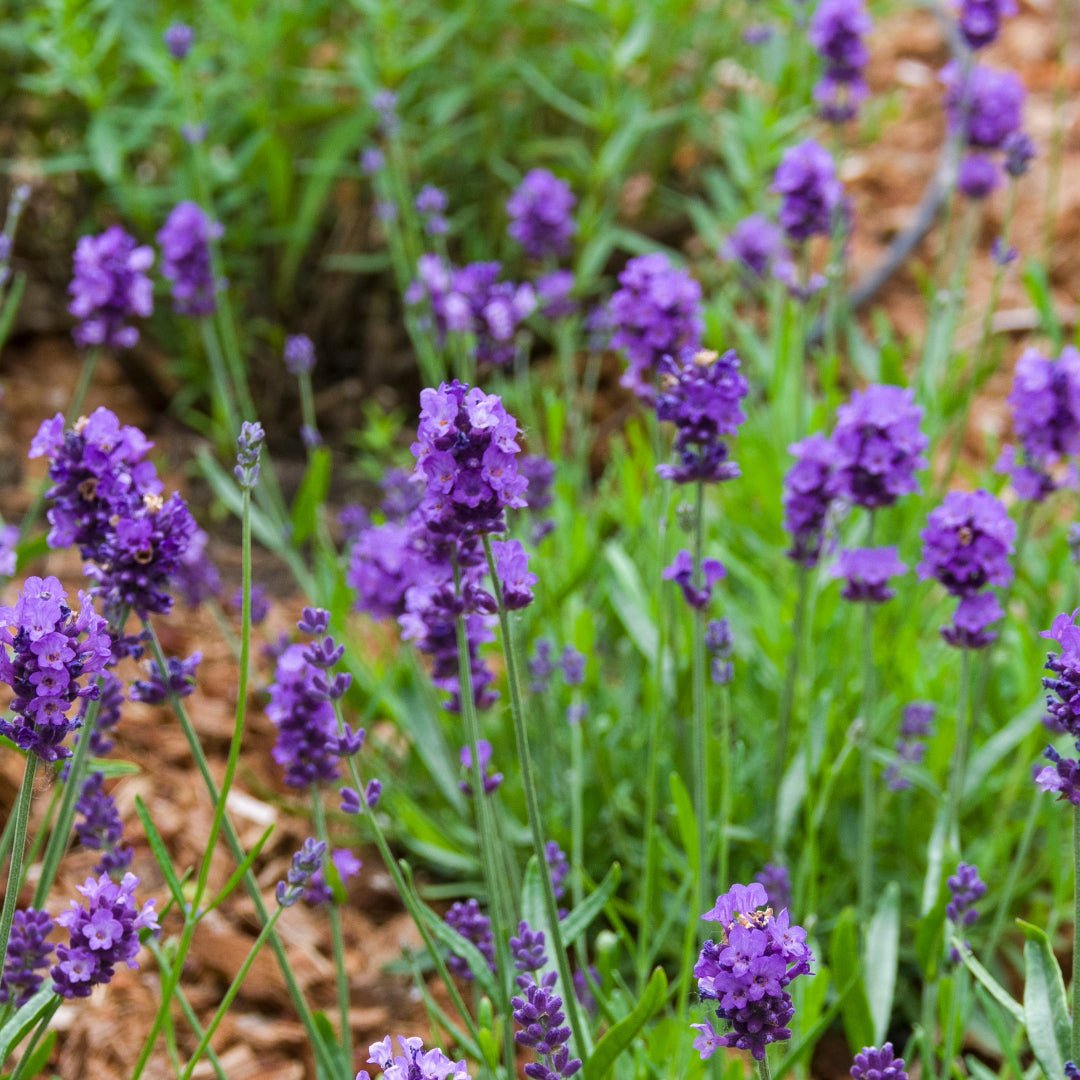
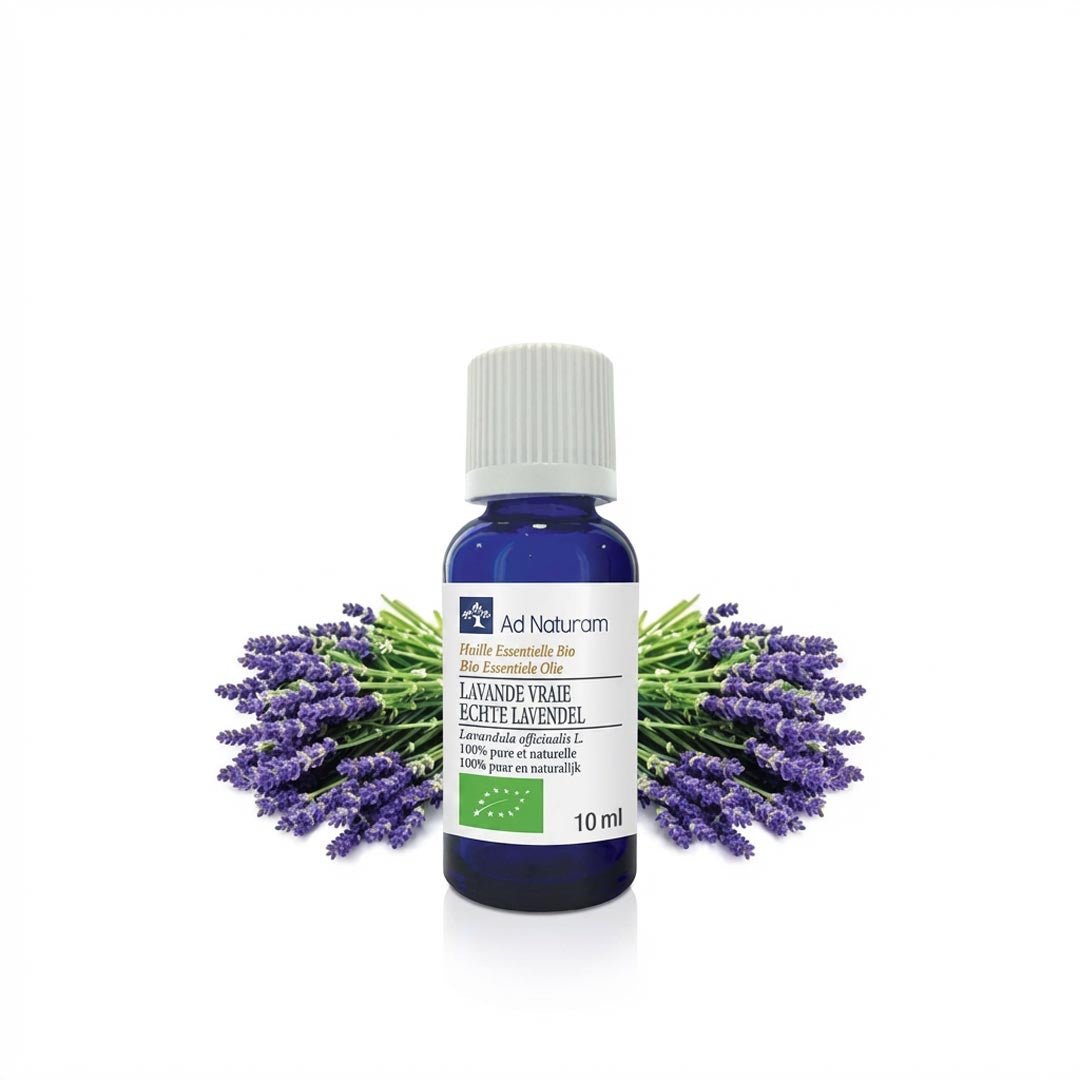
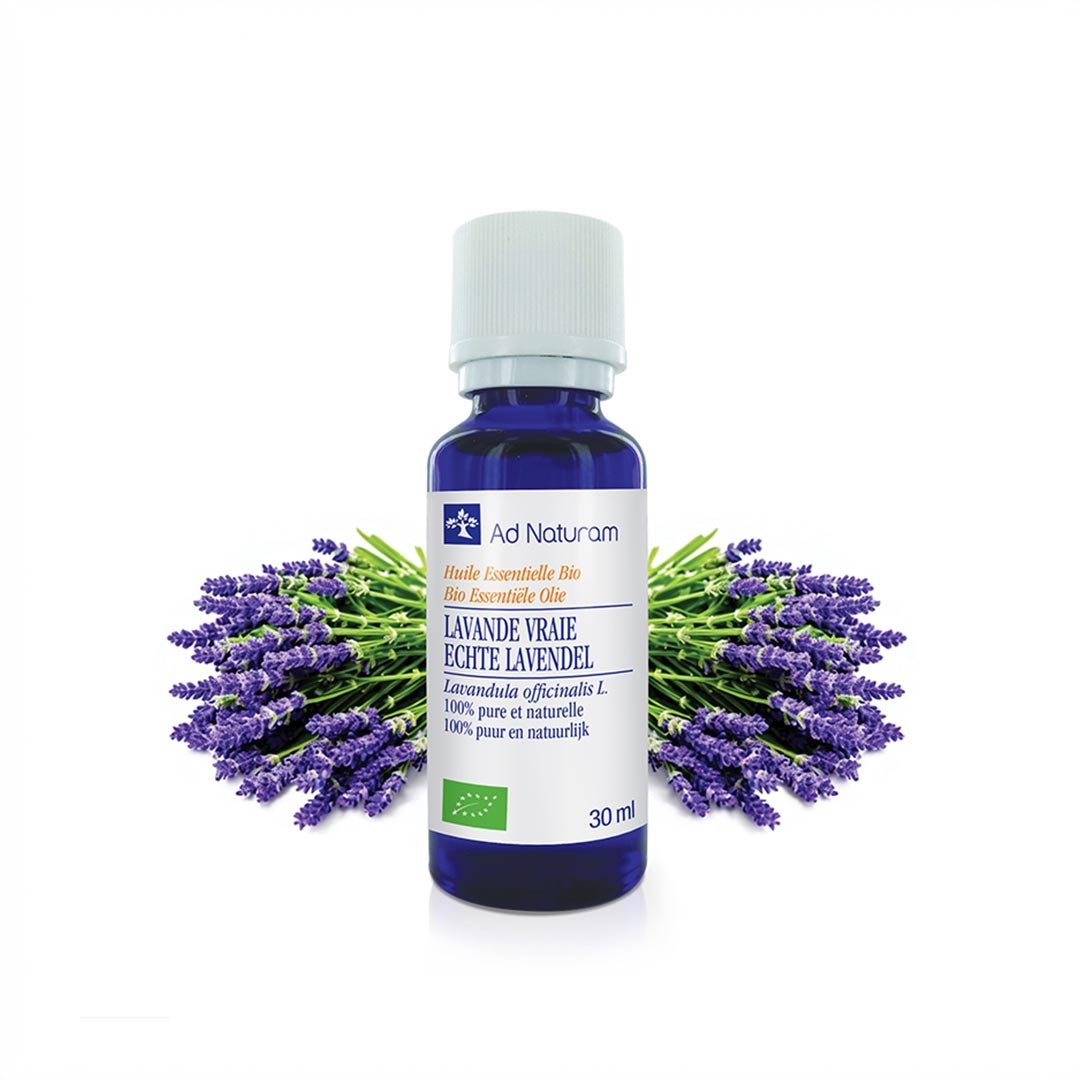
Lavender
Lavandula angustifolia
Supports: Calm, skin, relaxation
A gentle, versatile oil often used for stress, restlessness, skin irritation, and emotional comfort.
Frankincense
Boswellia carteri
Supports: Balance, skin, grounding
A grounding and soothing oil traditionally used to support emotional balance, skin care, and general resilience.
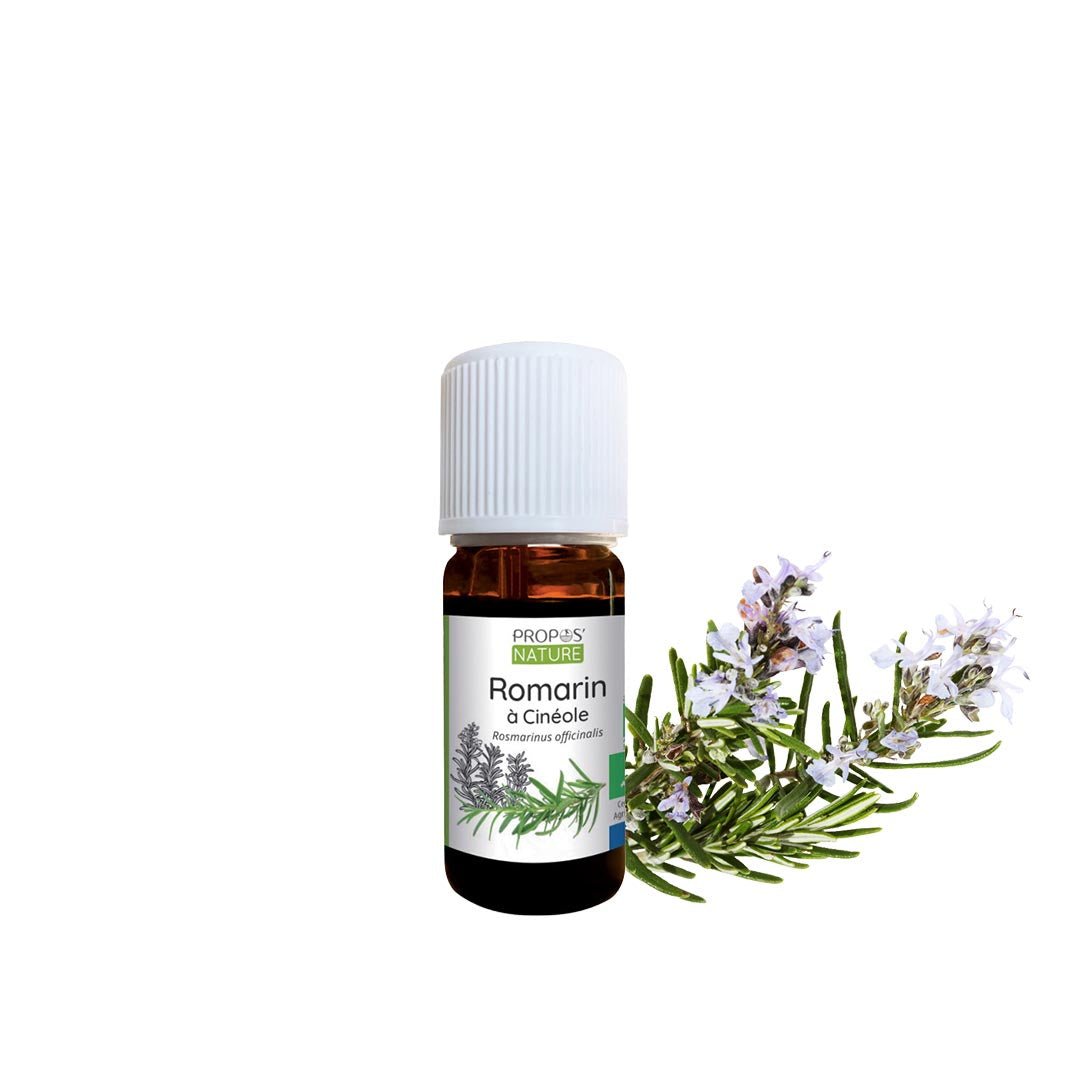
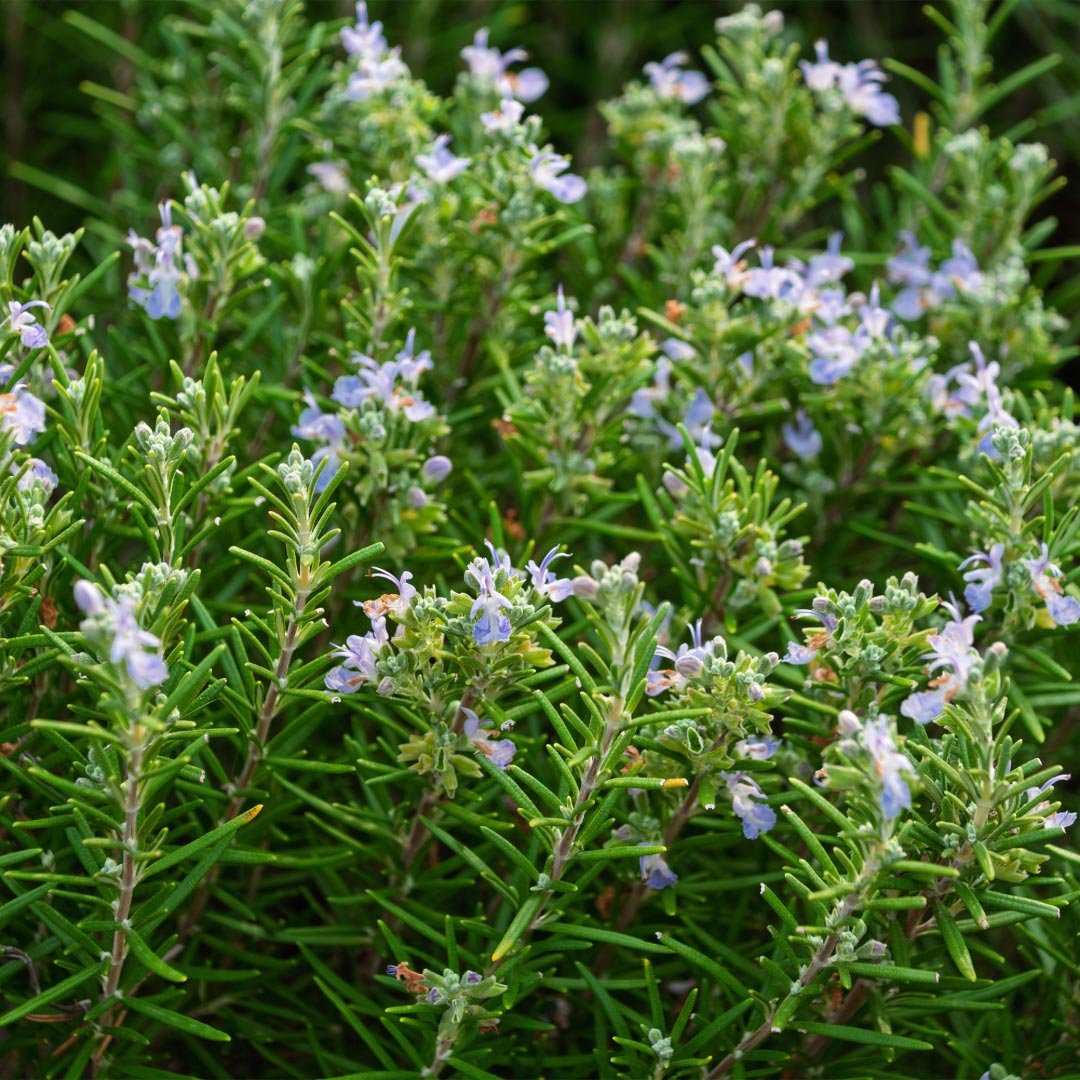
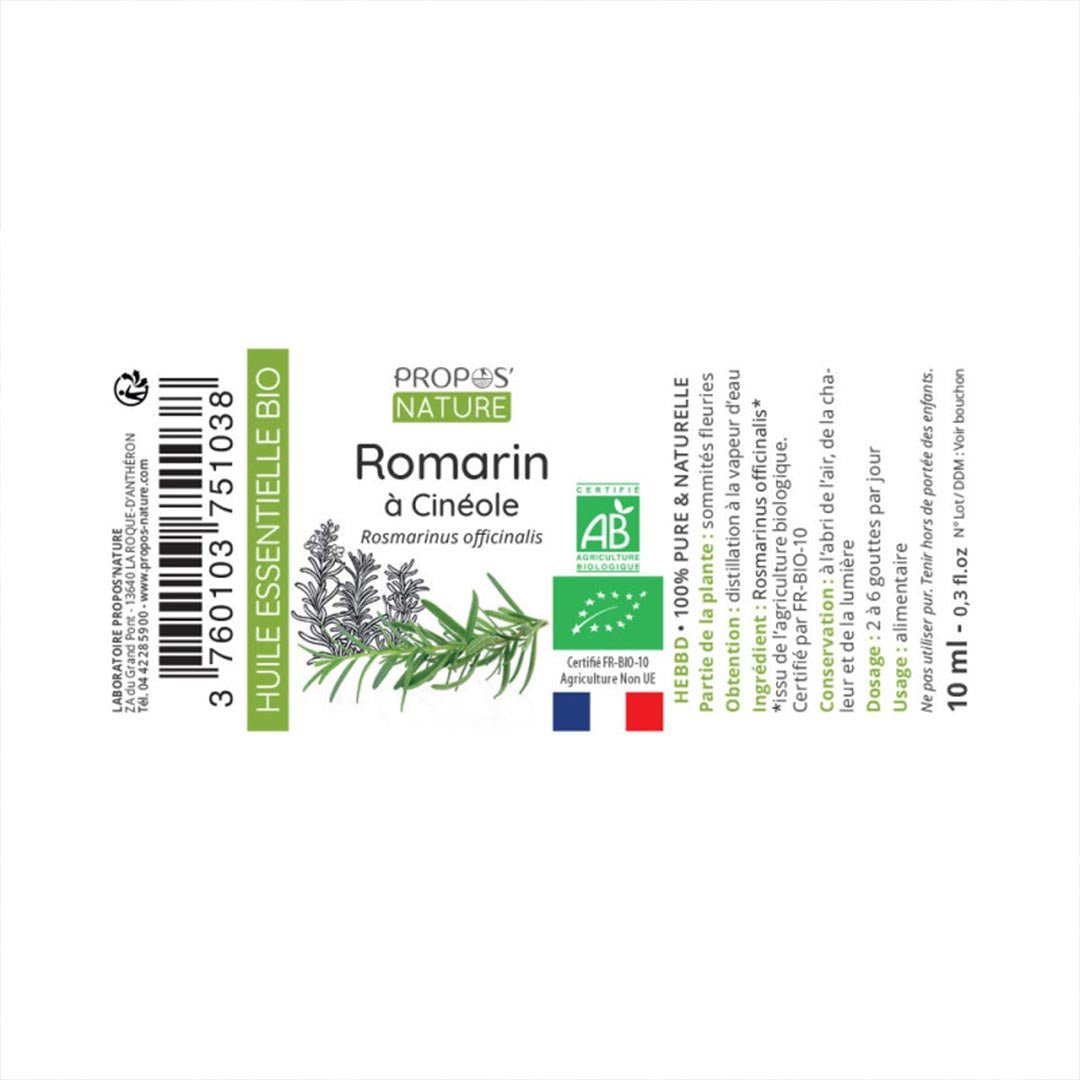
Rosemary ct. Cineole
Rosmarinus officinalis ct. cineole
Supports: Clarity, vitality
Chosen for its fresher, milder profile. Use cautiously and always well diluted, as chemotype matters.
Elemi
Canarium luzonicum
Supports: Skin, comfort, restoration
A resin oil traditionally appreciated for restorative skin care and gentle support for tired tissues.
Clary Sage
Salvia sclarea
Supports: Mood, stress, balance
A balancing oil used to support emotional steadiness, calm, and relaxation.
Geranium
Pelargonium graveolens
Supports: Emotional balance, reassurance
Often chosen to help calm nervous, unsettled cats and create a sense of reassurance.
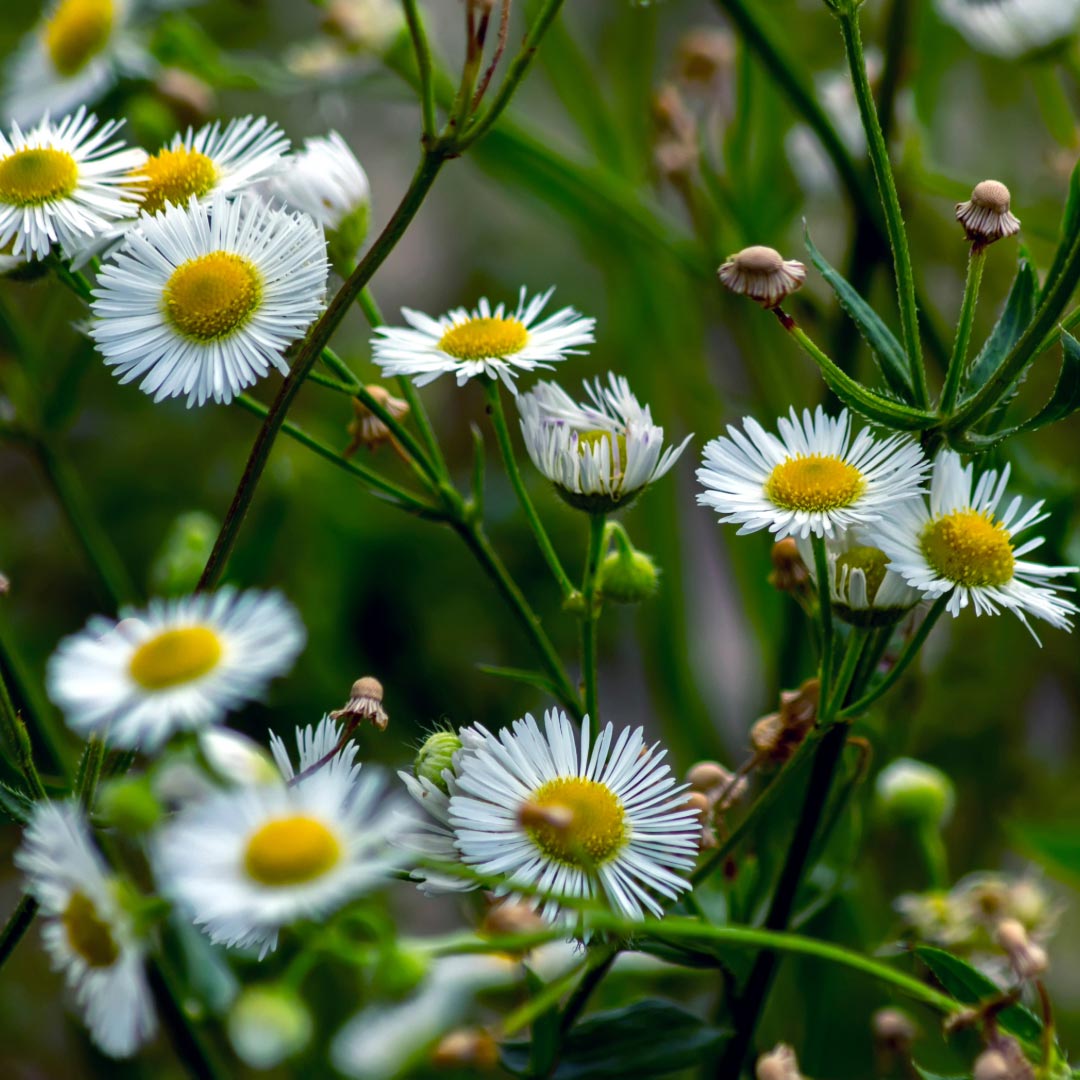
Roman Chamomile
Chamaemelum nobile
Supports: Anxiety, skin, muscle comfort
One of the best choices for sensitive, anxious, or emotionally reactive cats. Also gentle for skin and muscular comfort.
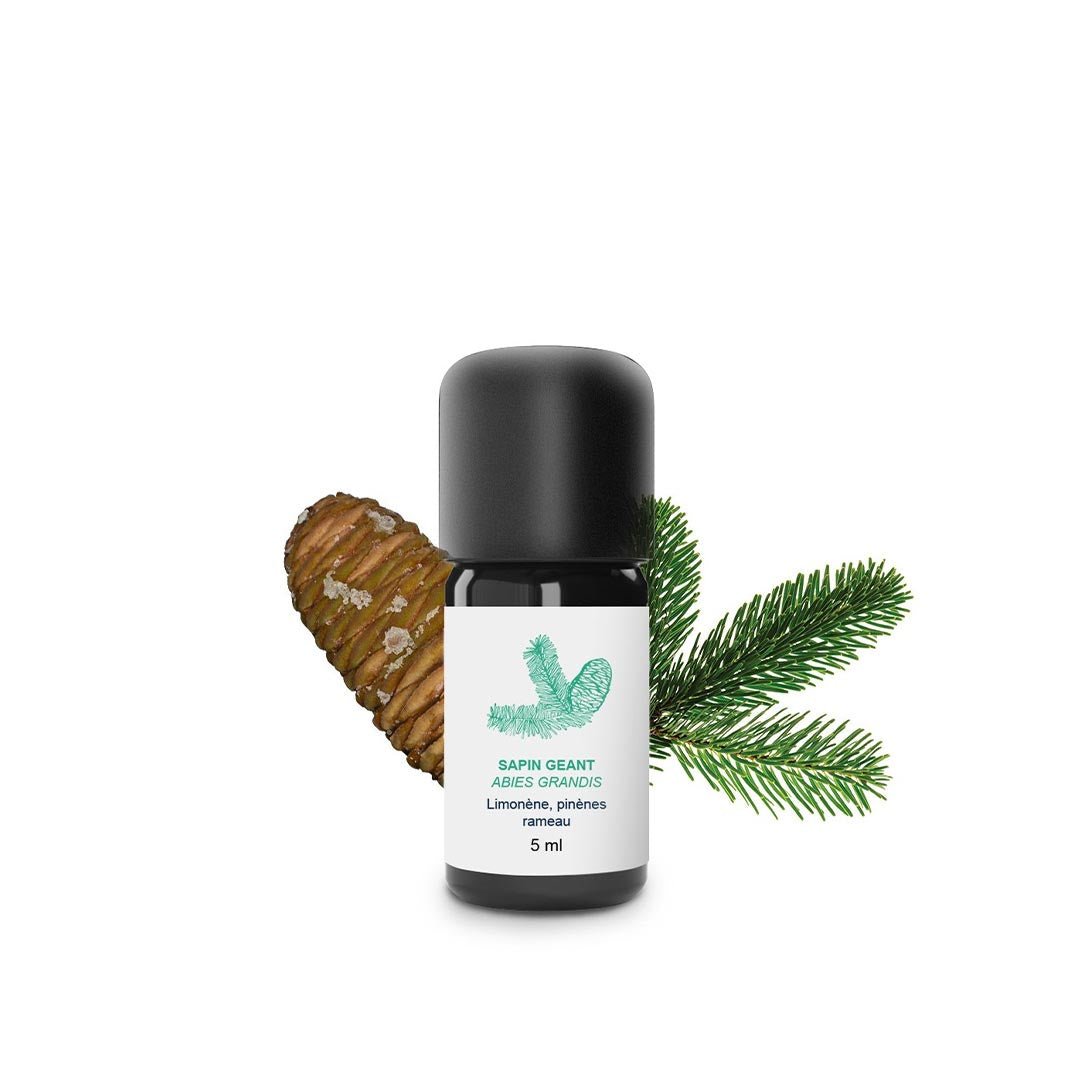
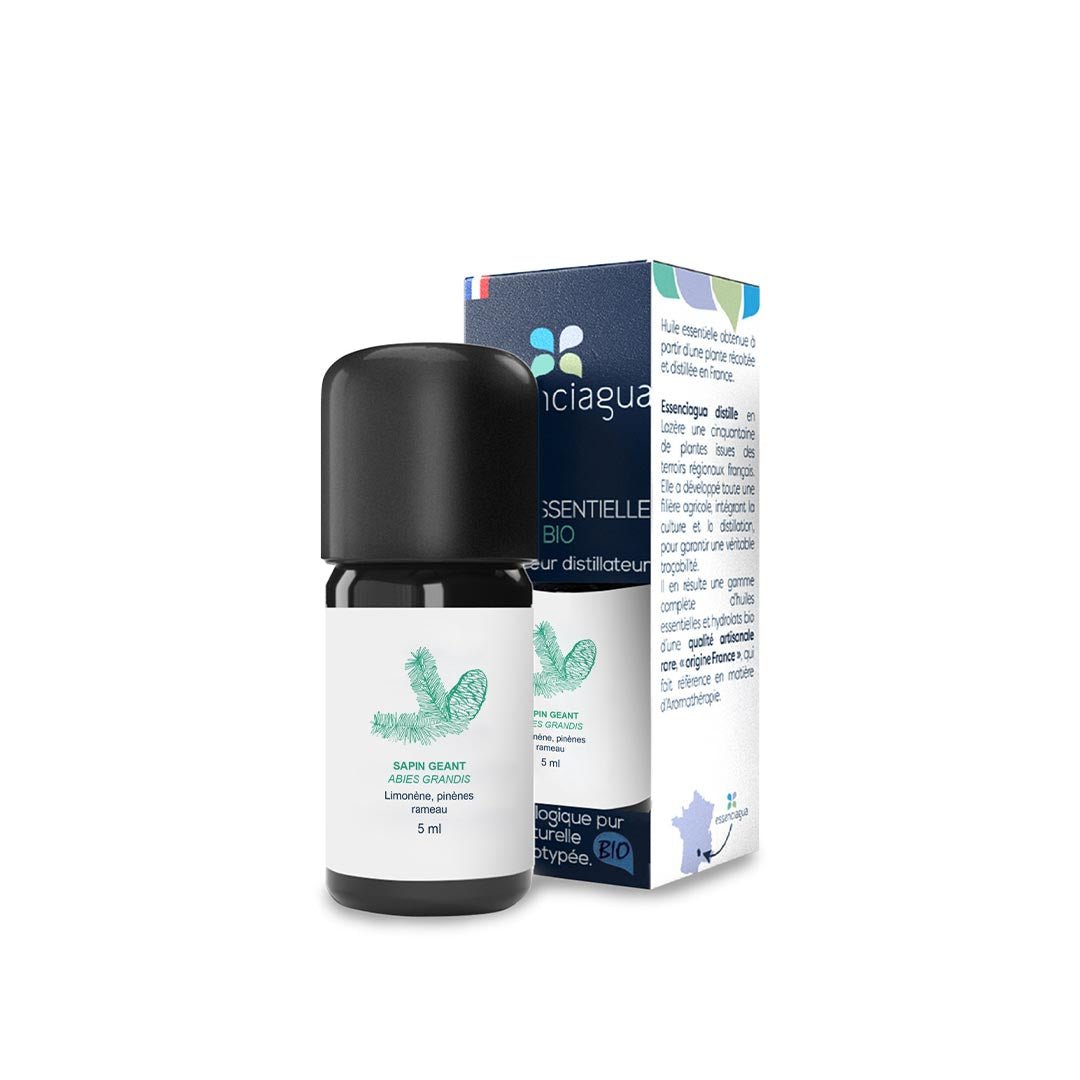
Fir (Grand Fir)
Abies grandis
Supports: Breathing, tension, grounding
A fresh, grounding conifer oil used for respiratory support, muscular tension, and a calm atmosphere.
Fir (Silver Fir)
Abies alba
Supports: Breathing, relaxation, grounding
Also known as Sapin Pectiné, this fir oil offers a softer aromatic profile, supporting calm breathing and a relaxed environment.
Valerian
Valeriana officinalis
Supports: Restlessness, sleep, anxiety
A deeply calming oil for cats needing stronger support for nervous tension, restlessness, or trauma-related stress.
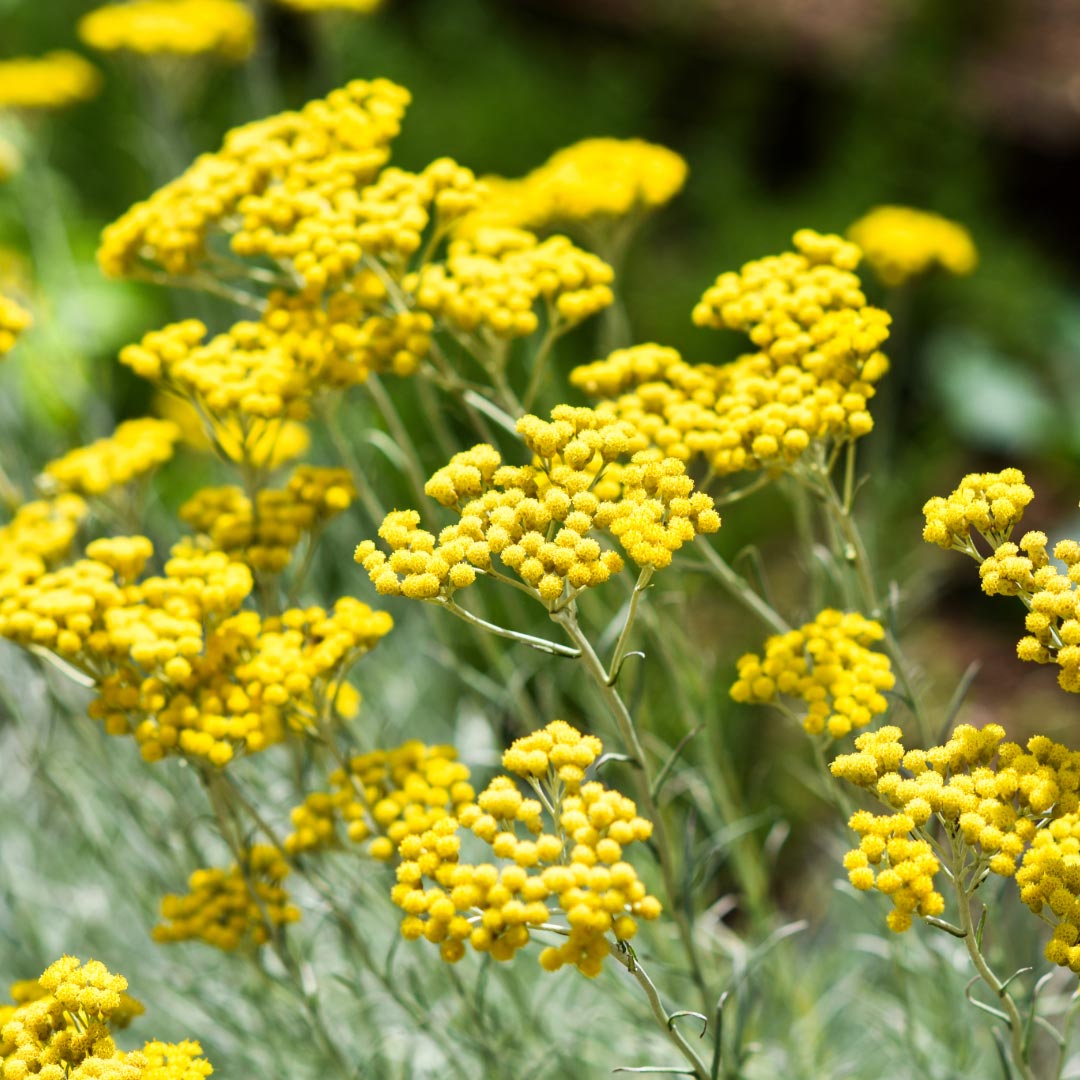
Helichrysum
Helichrysum italicum
Supports: Skin, recovery, comfort
Known for restorative skin support and gentle help during recovery or minor physical discomfort.
Always use essential oils for cats with care: choose certified organic high-quality oils, dilute correctly, and let the cat’s response guide the method and amount used.


Essential Oils That Require Extra Care with Cats
Some essential oils can be used with cats in specific situations, but they require experience, higher dilution, and careful observation. These oils are not intended for regular or casual use.
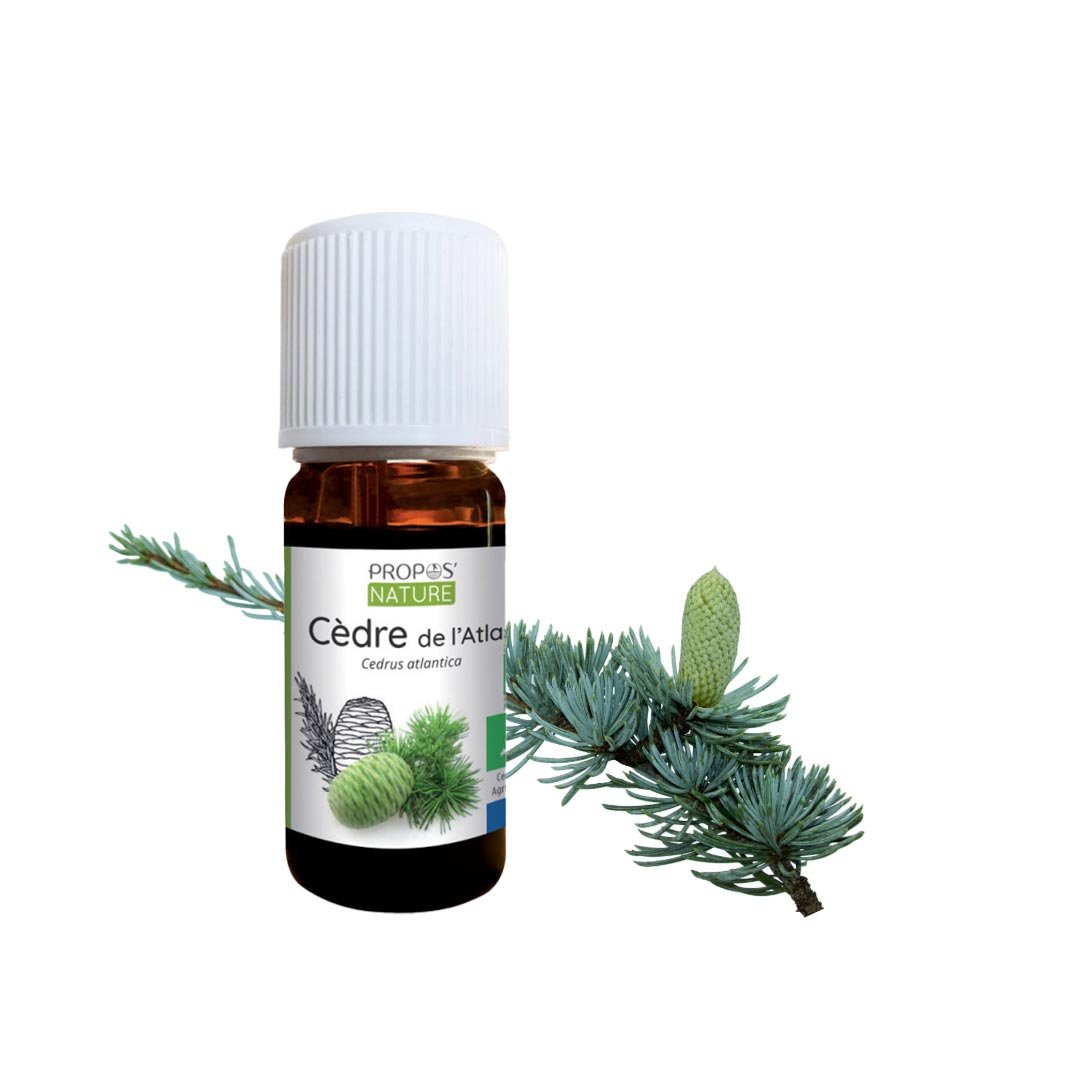
Atlas Cedarwood
Cedrus atlantica
Supports: Grounding, skin
May support skin balance and emotional grounding. Use sparingly and in low dilution.
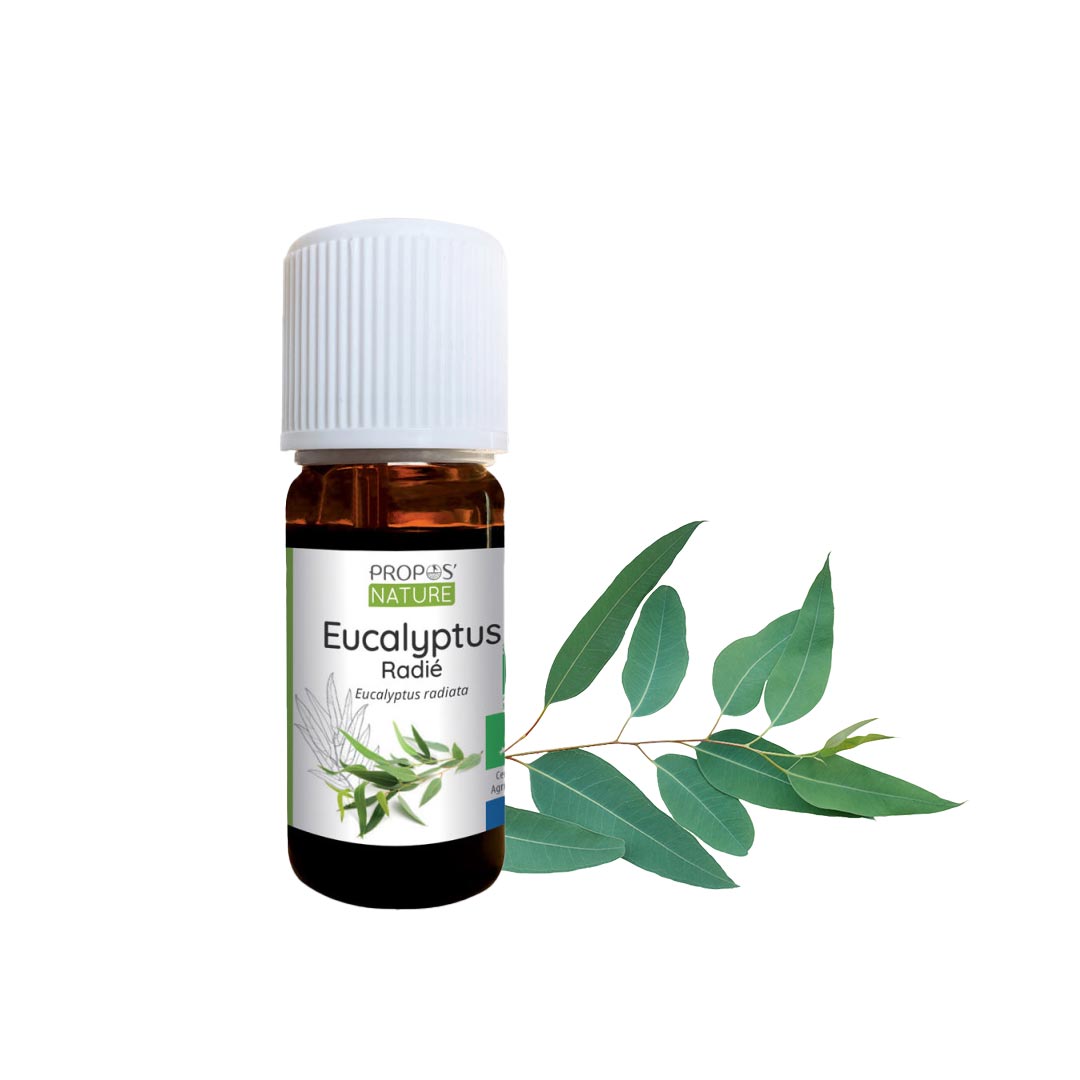
Eucalyptus Radiata
Eucalyptus radiata
Supports: Breathing
A milder eucalyptus type, but still requires cautious use and minimal exposure.
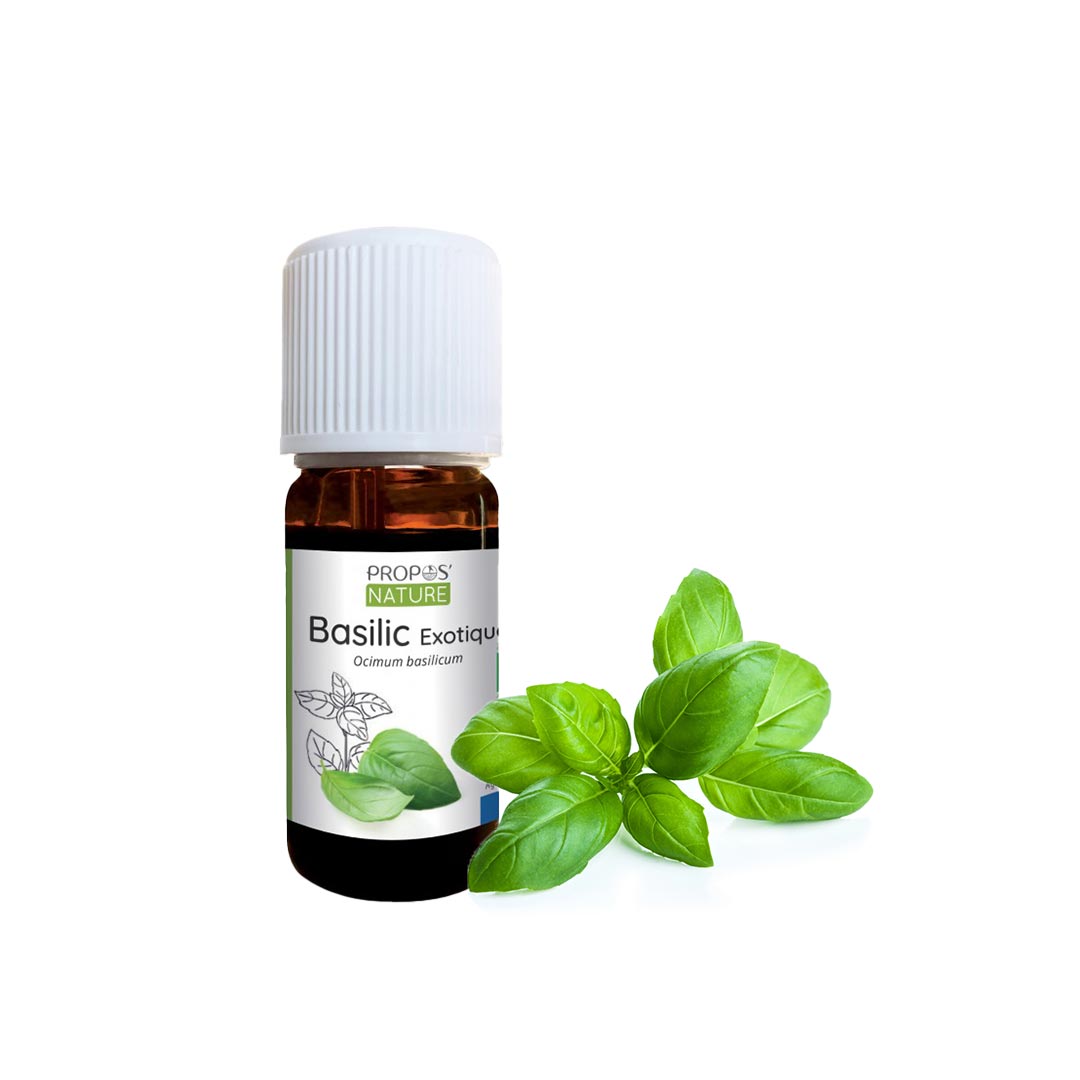
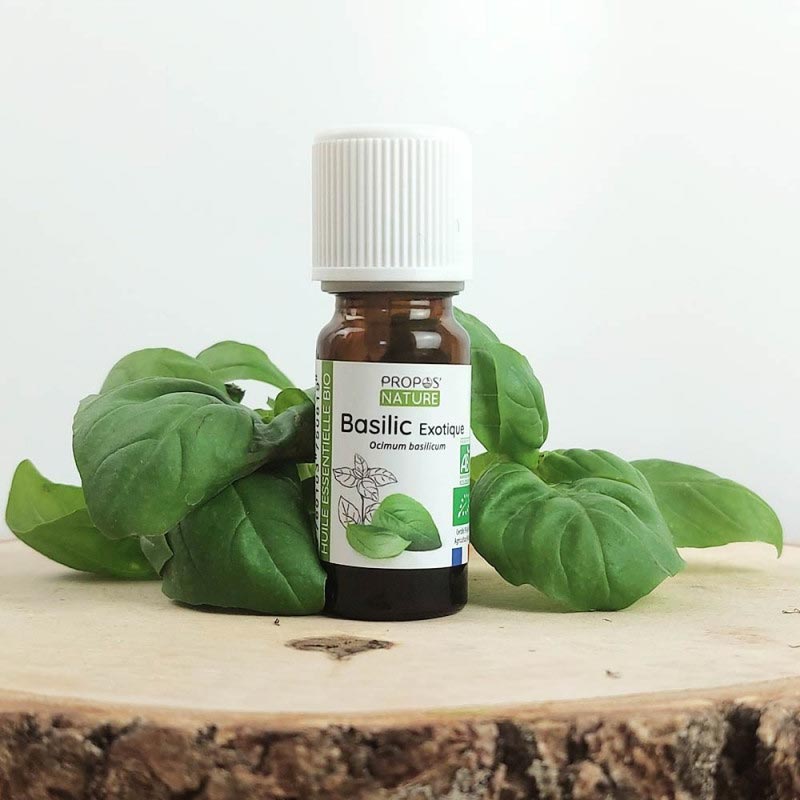
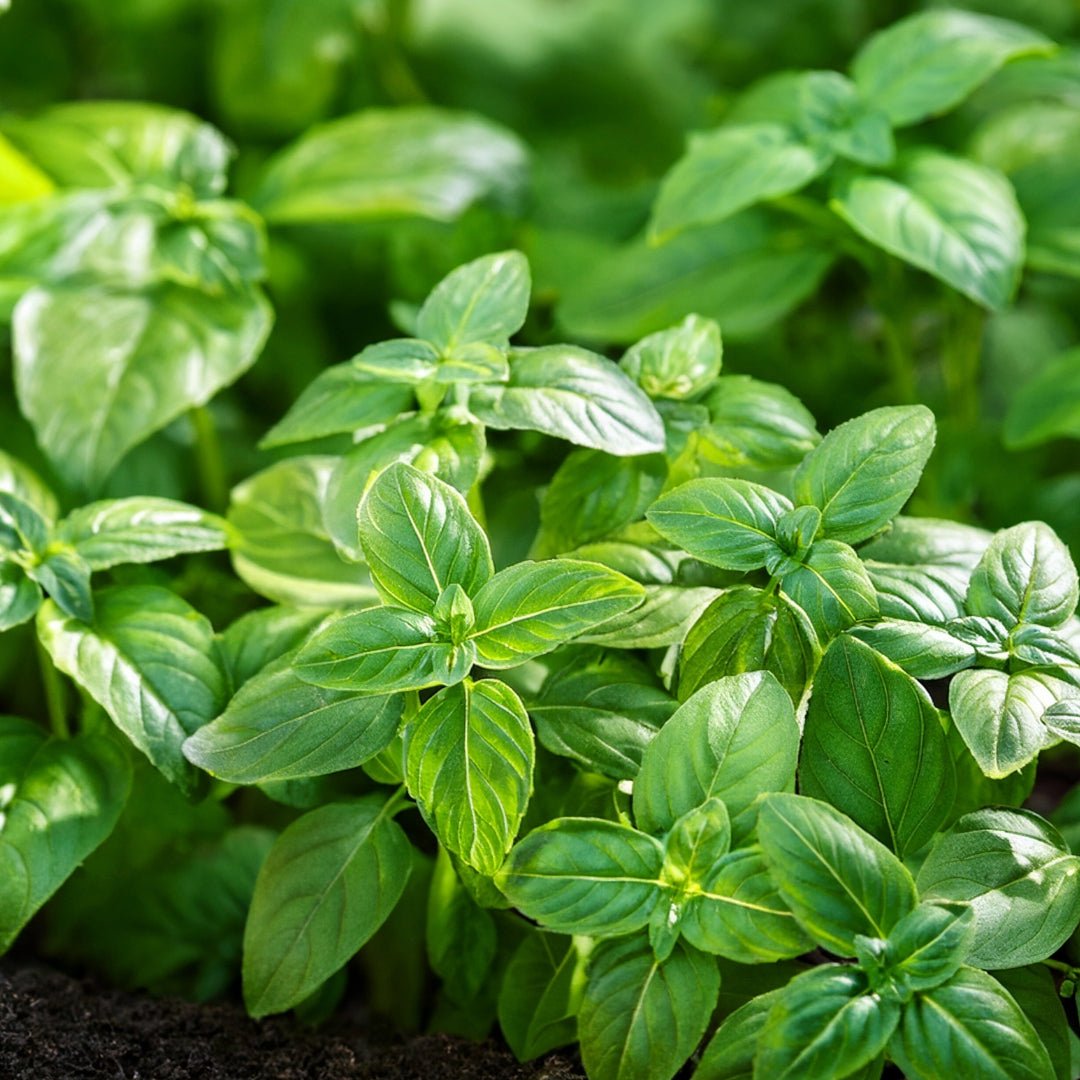
Sweet Basil
Ocimum basilicum
Supports: Digestive balance
Traditionally used for digestive support. Use occasionally and with care.
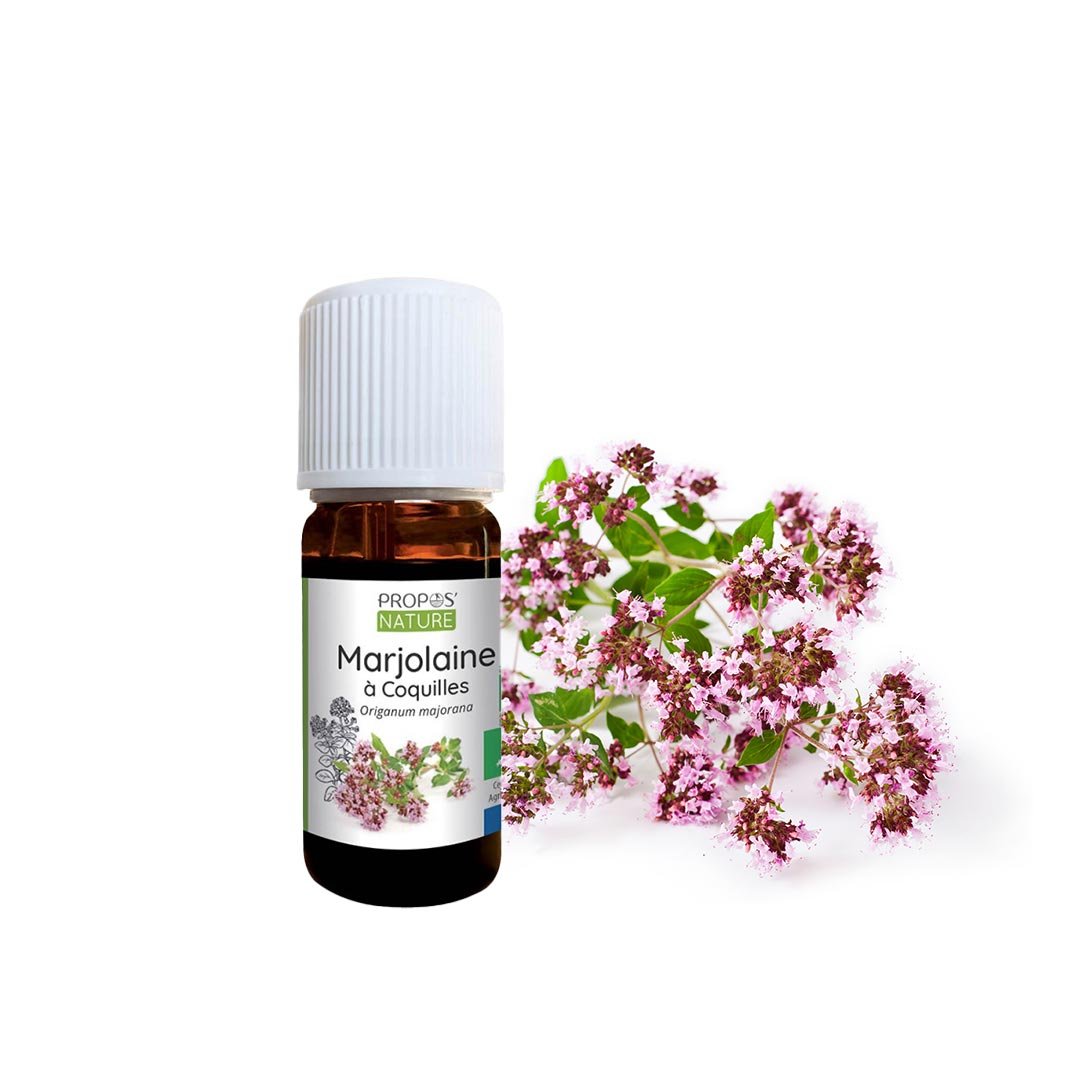
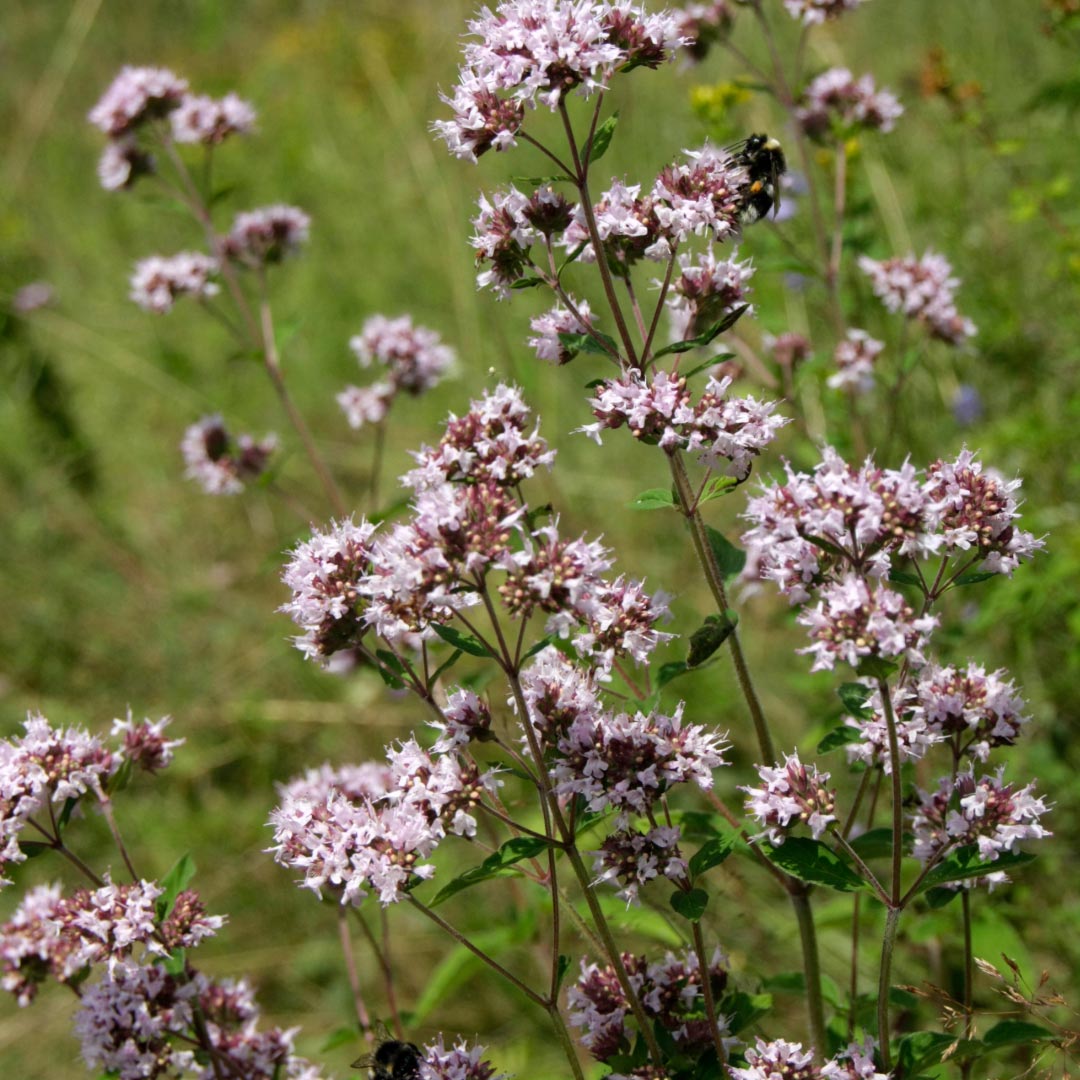
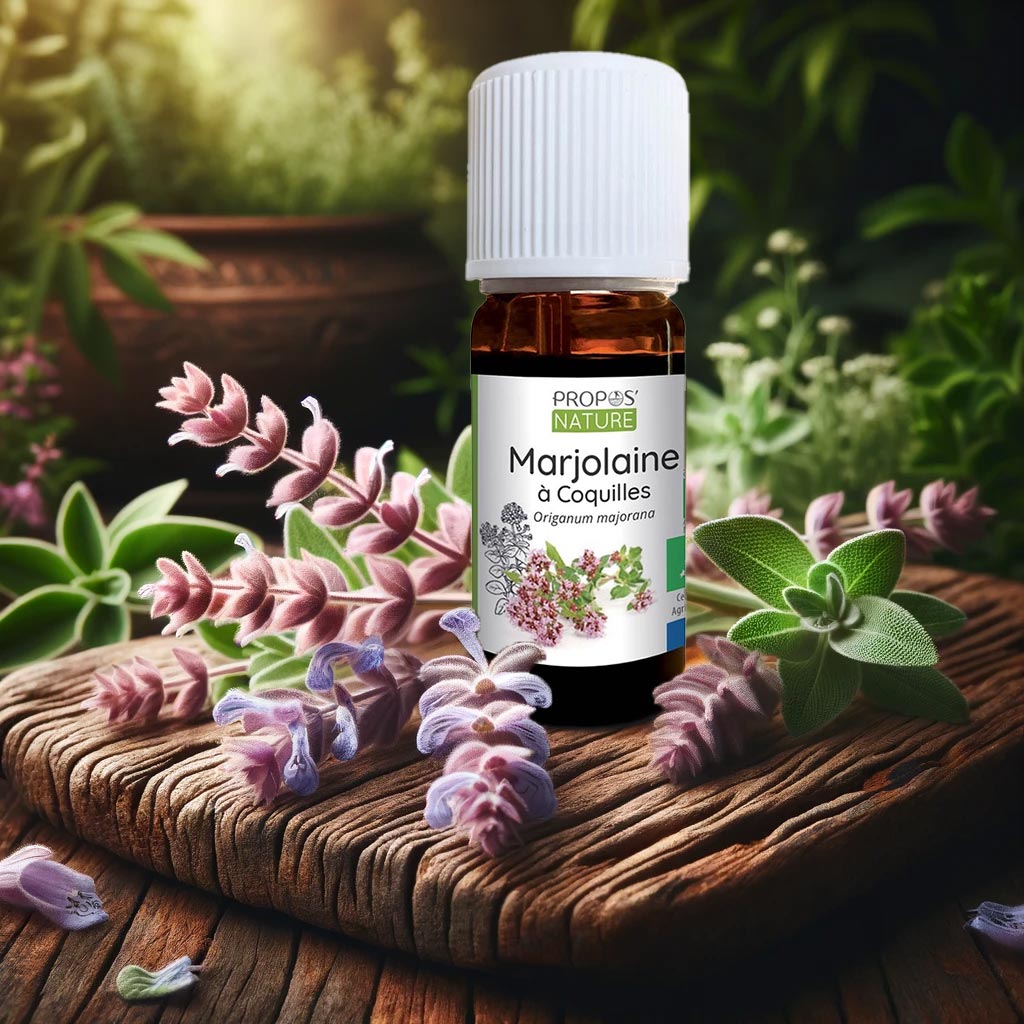
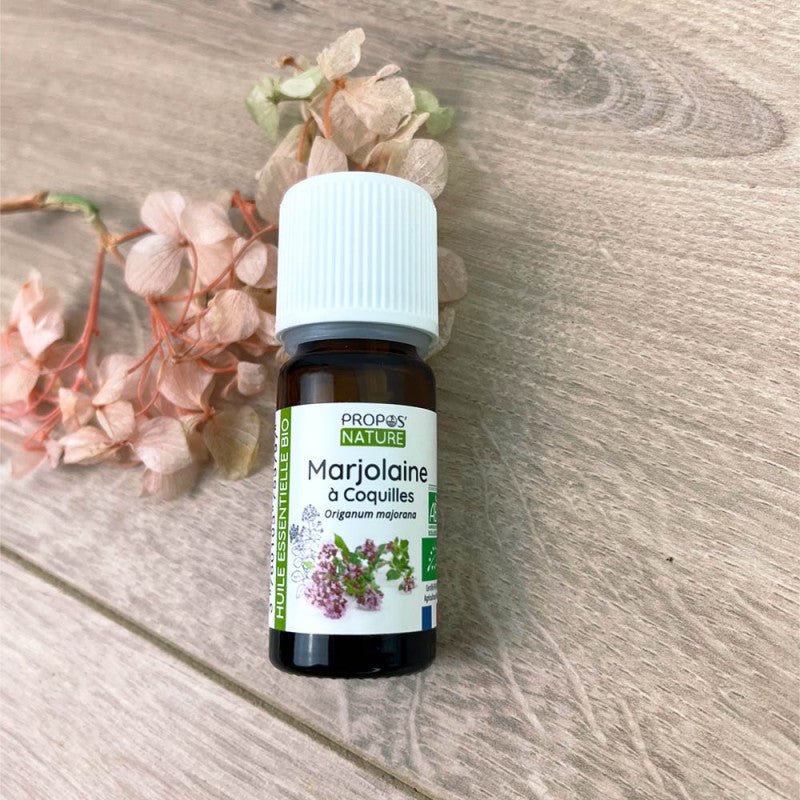
Marjoram
Origanum majorana
Supports: Relaxation, muscles
May support muscular relaxation and tension. Use with proper dilution.
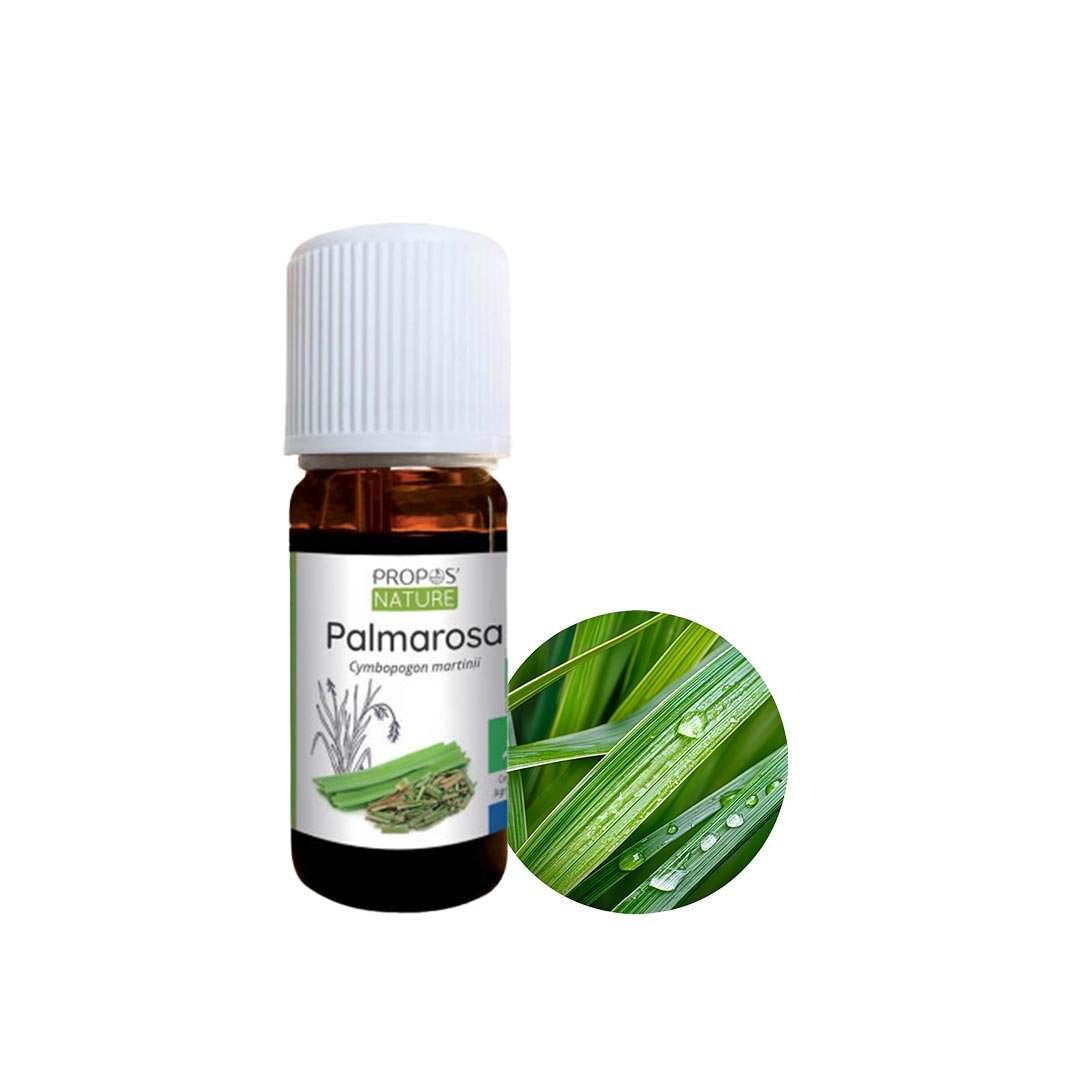
Palmarosa
Cymbopogon martinii
Supports: Skin, balance
Gentler than many oils, but still best used occasionally and diluted.
Patchouli
Pogostemon cablin
Supports: Skin, grounding
A rich oil. Use minimally and observe your cat’s response.
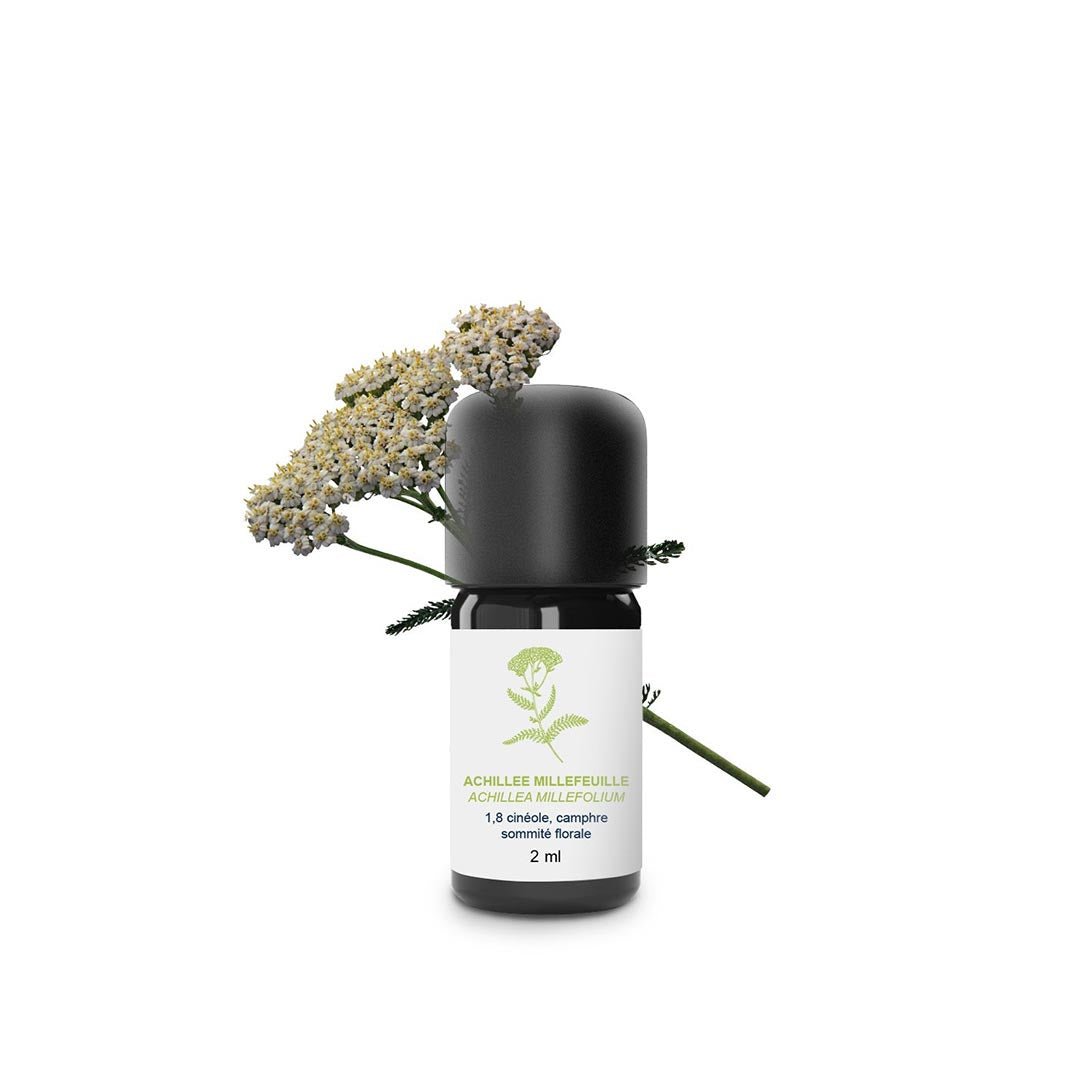
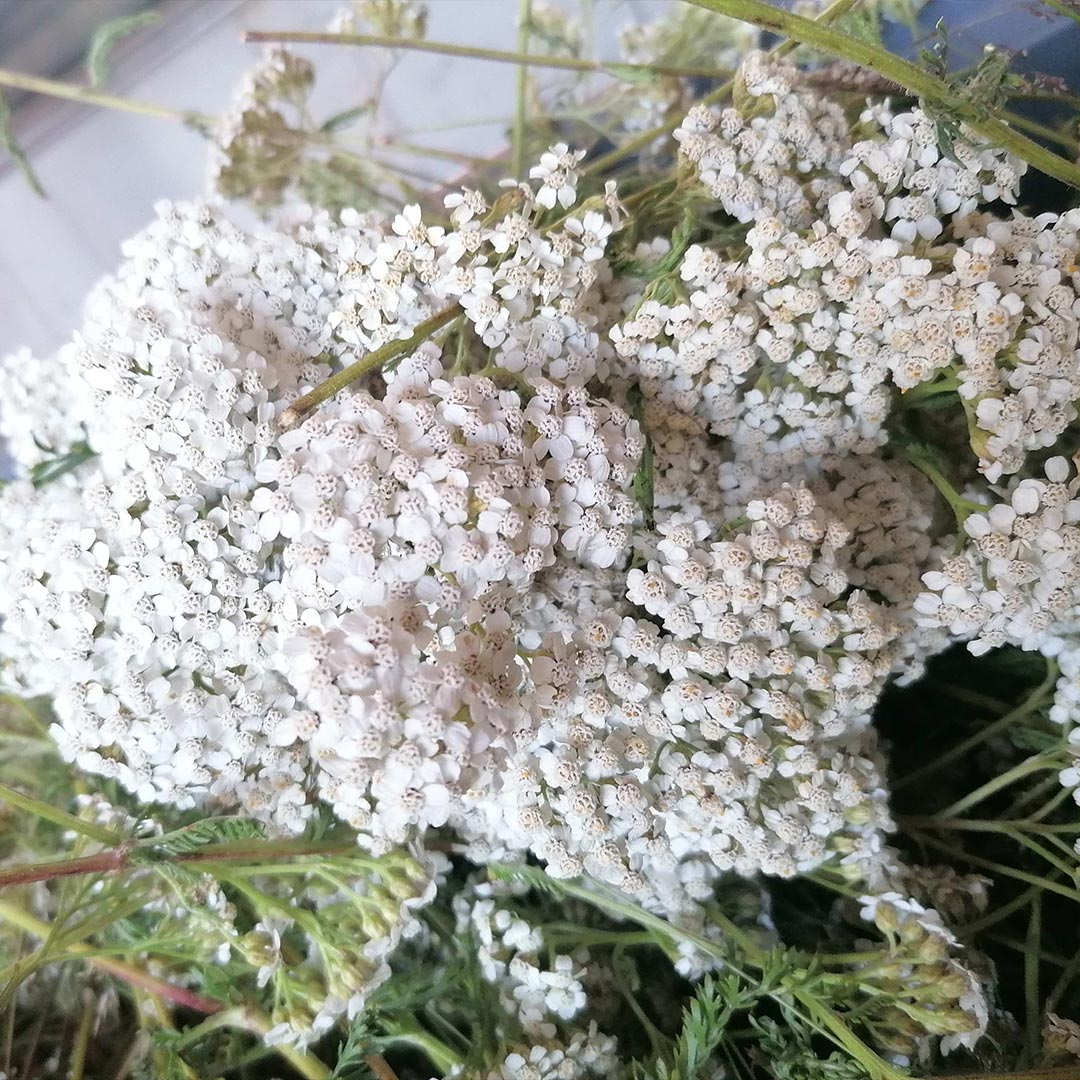
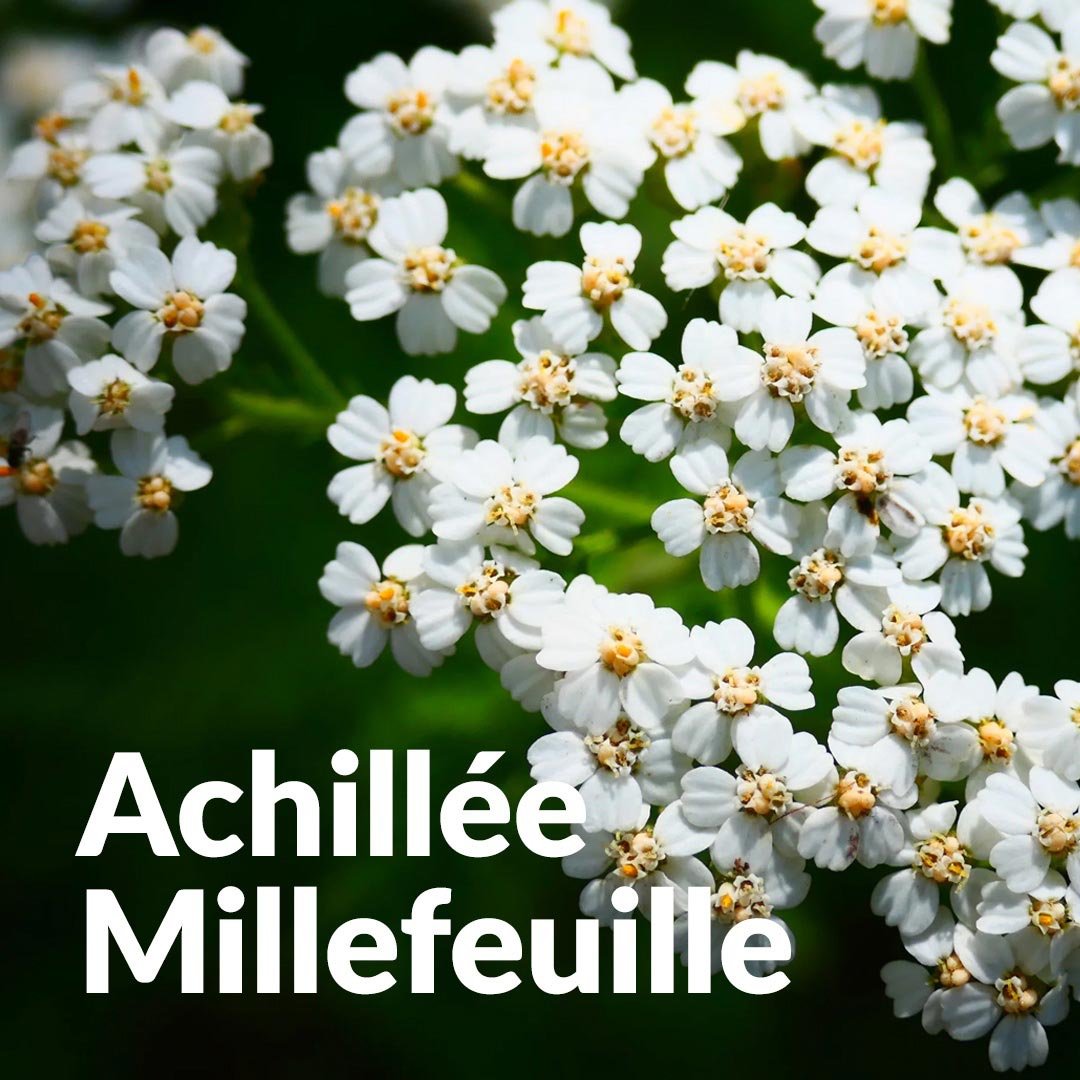
Yarrow
Achillea millefolium
Supports: Skin, inflammation
A potent oil. Use only in very low dilution.
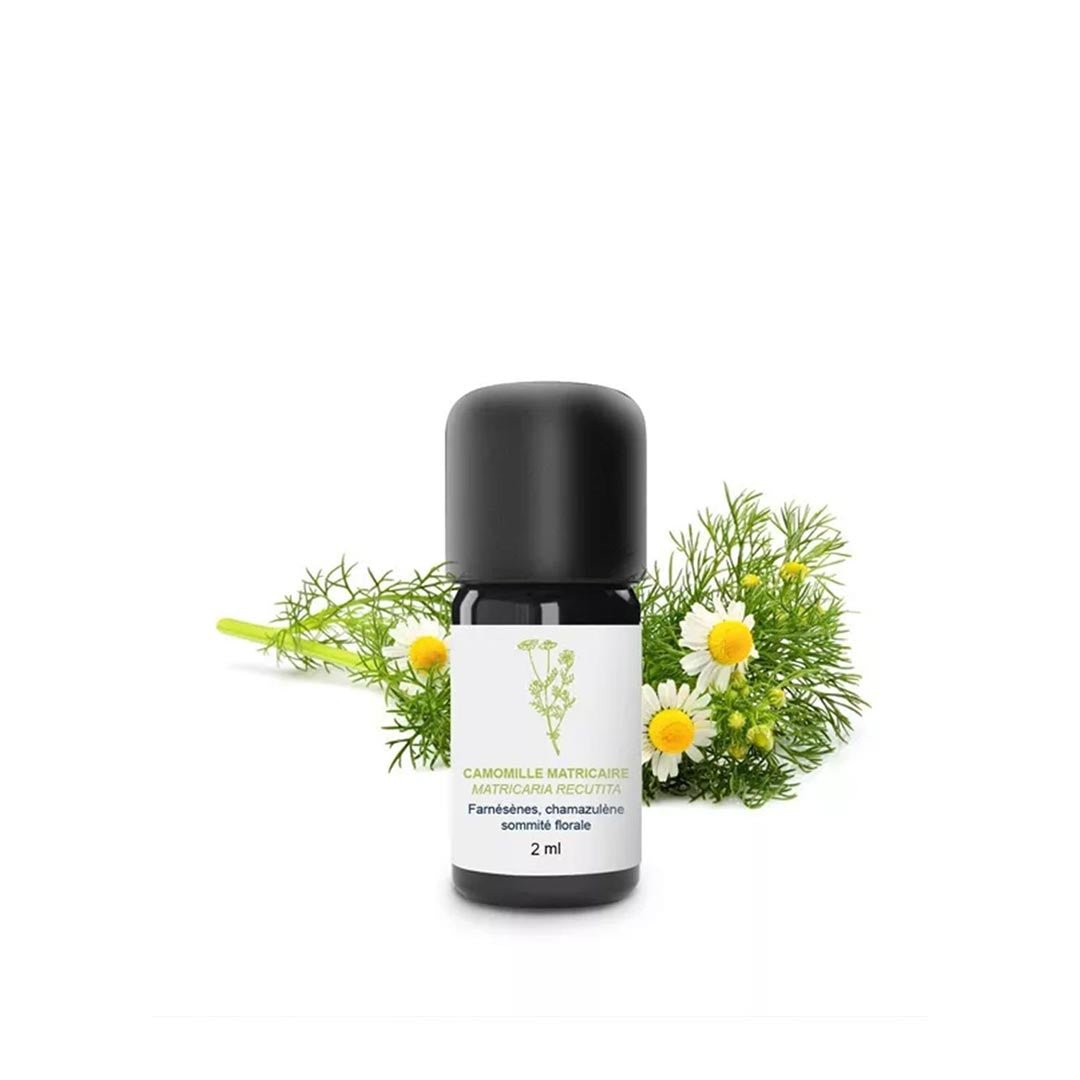
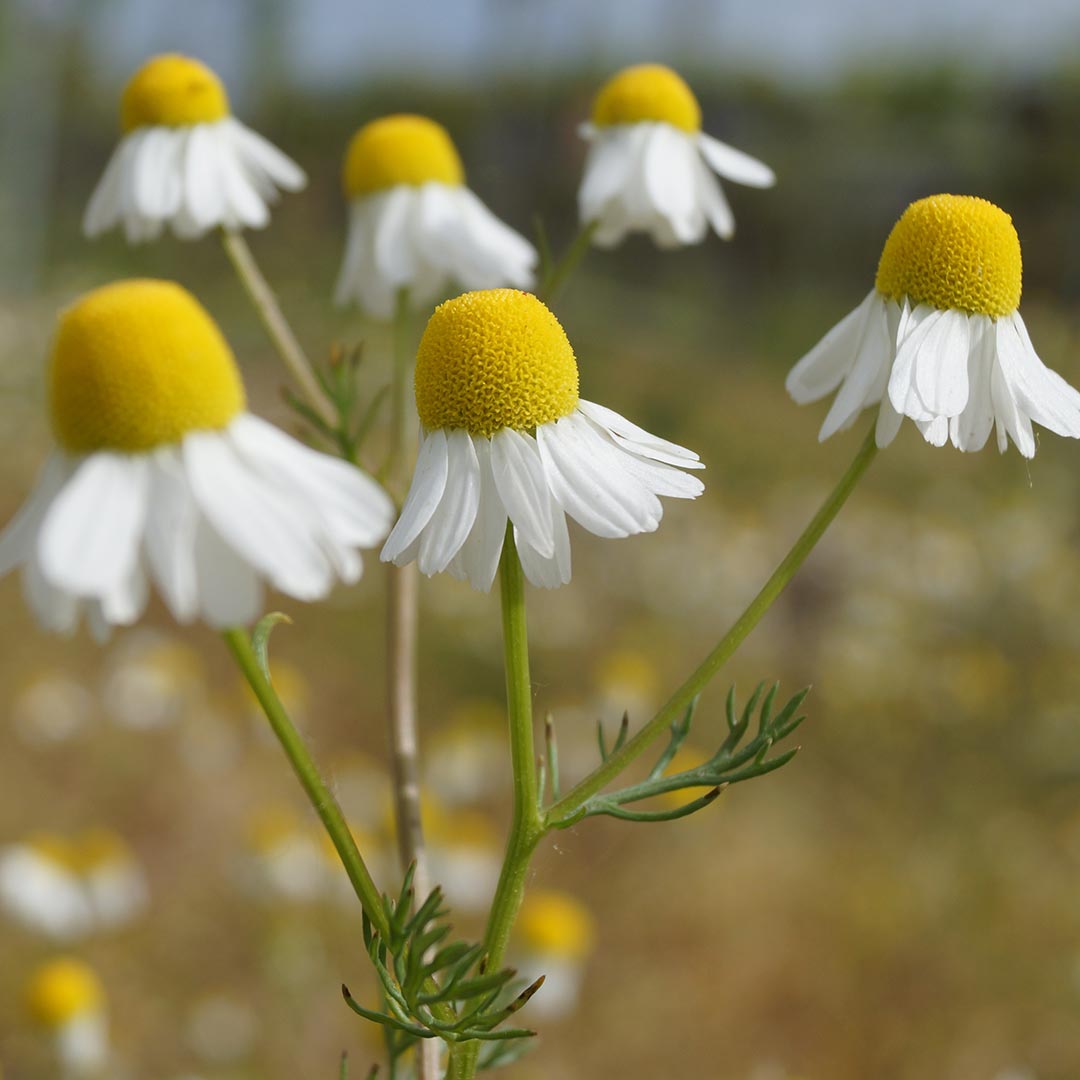
German Chamomile
Matricaria recutita
Supports: Skin, inflammation
More potent than Roman chamomile. Use with extra care.
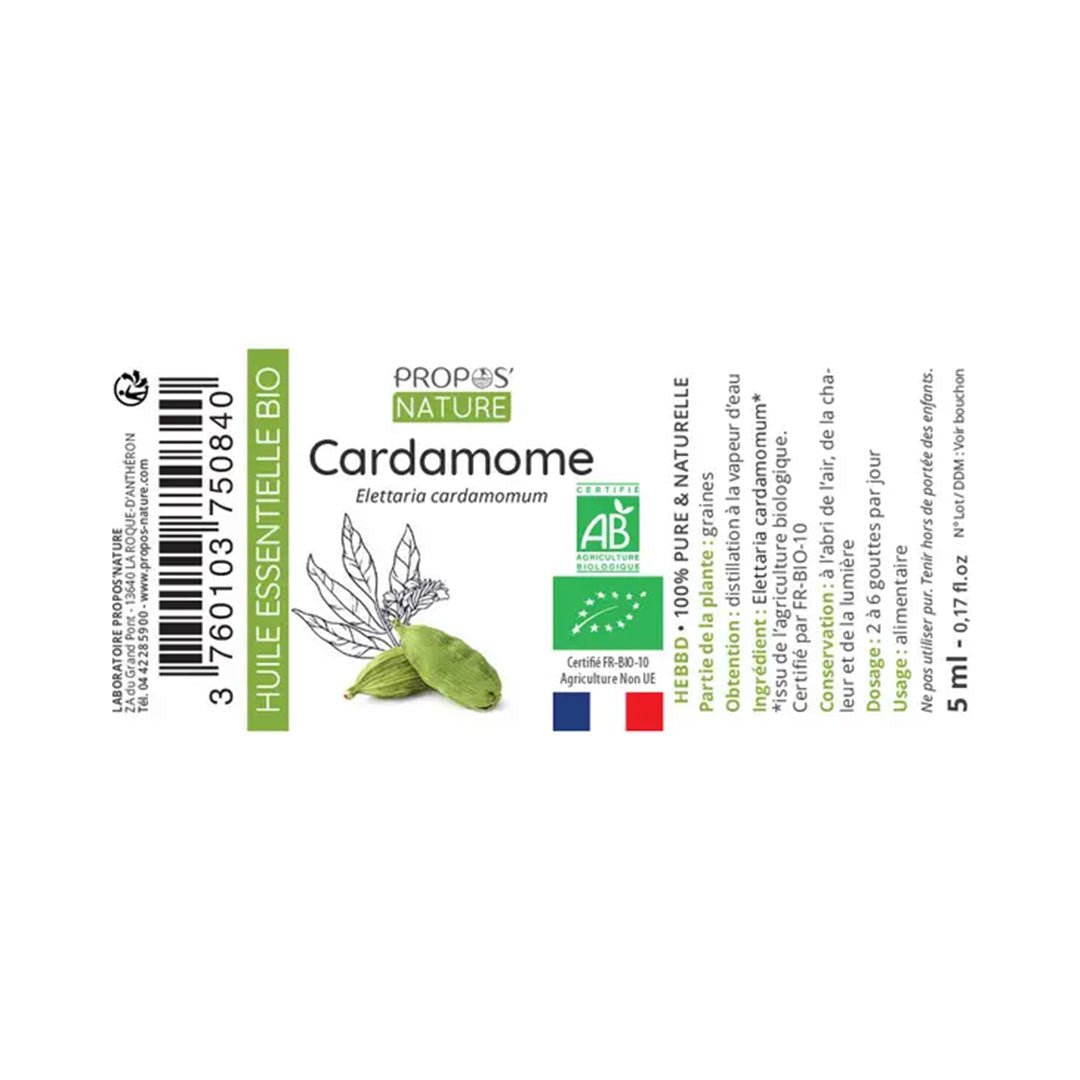
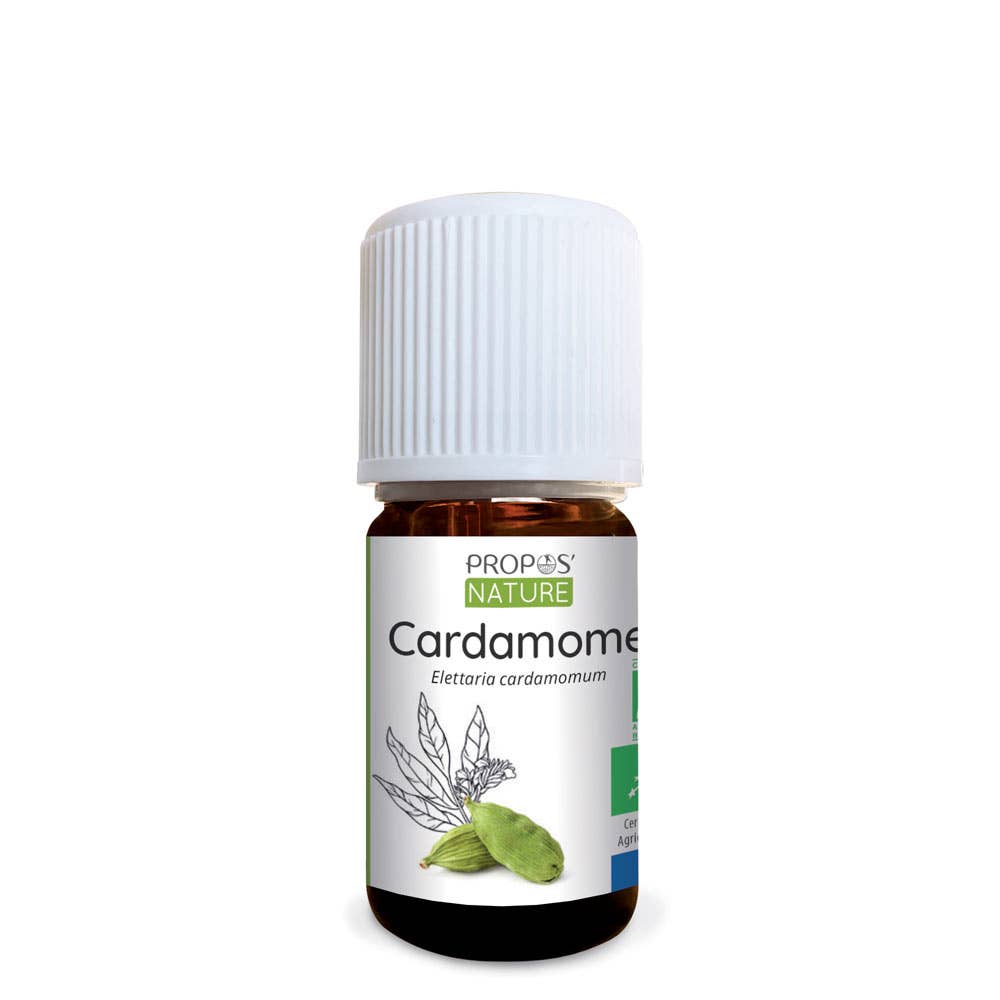
Cardamom
Elettaria cardamomum
Supports: Digestive comfort
Traditionally used for digestive imbalance. Use sparingly.
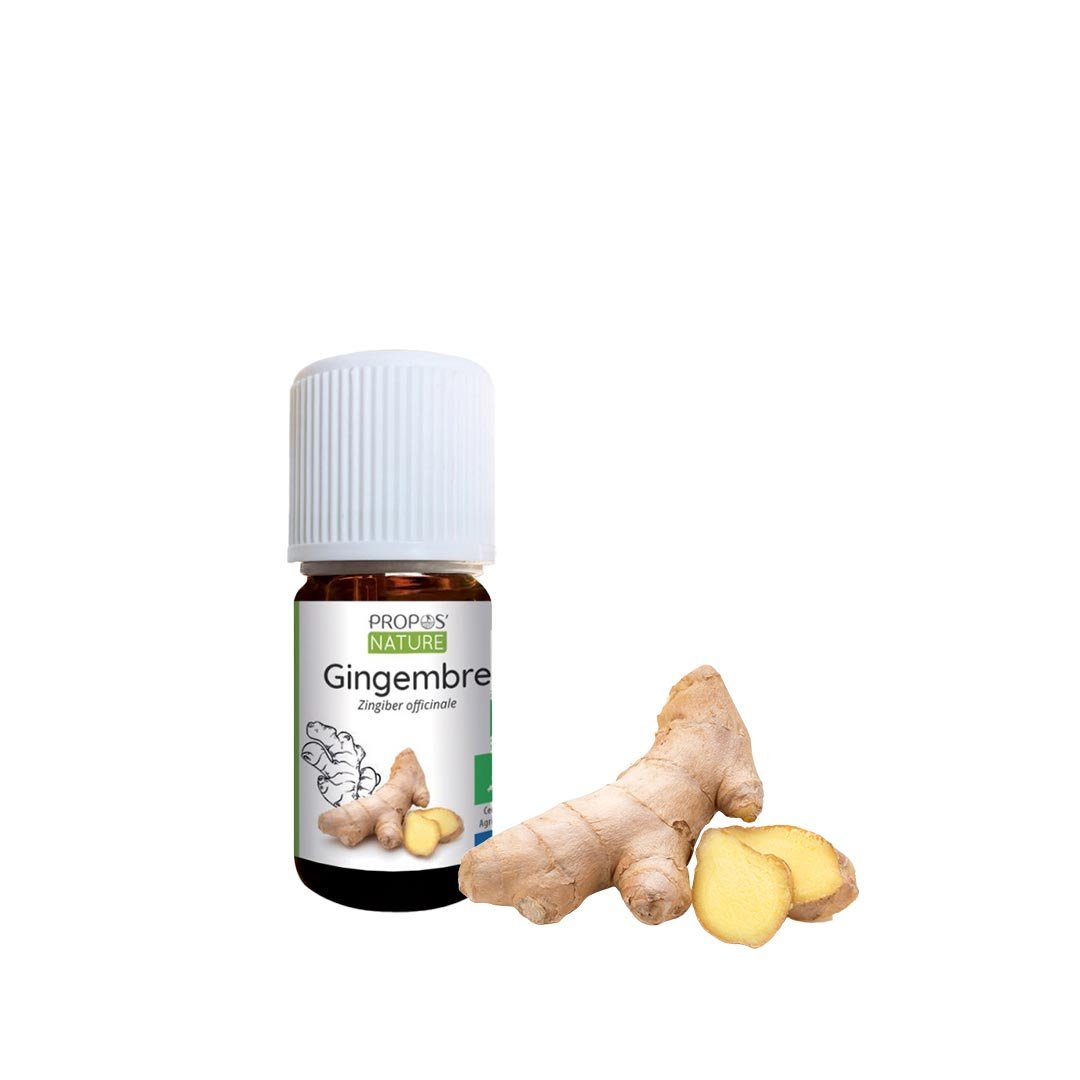
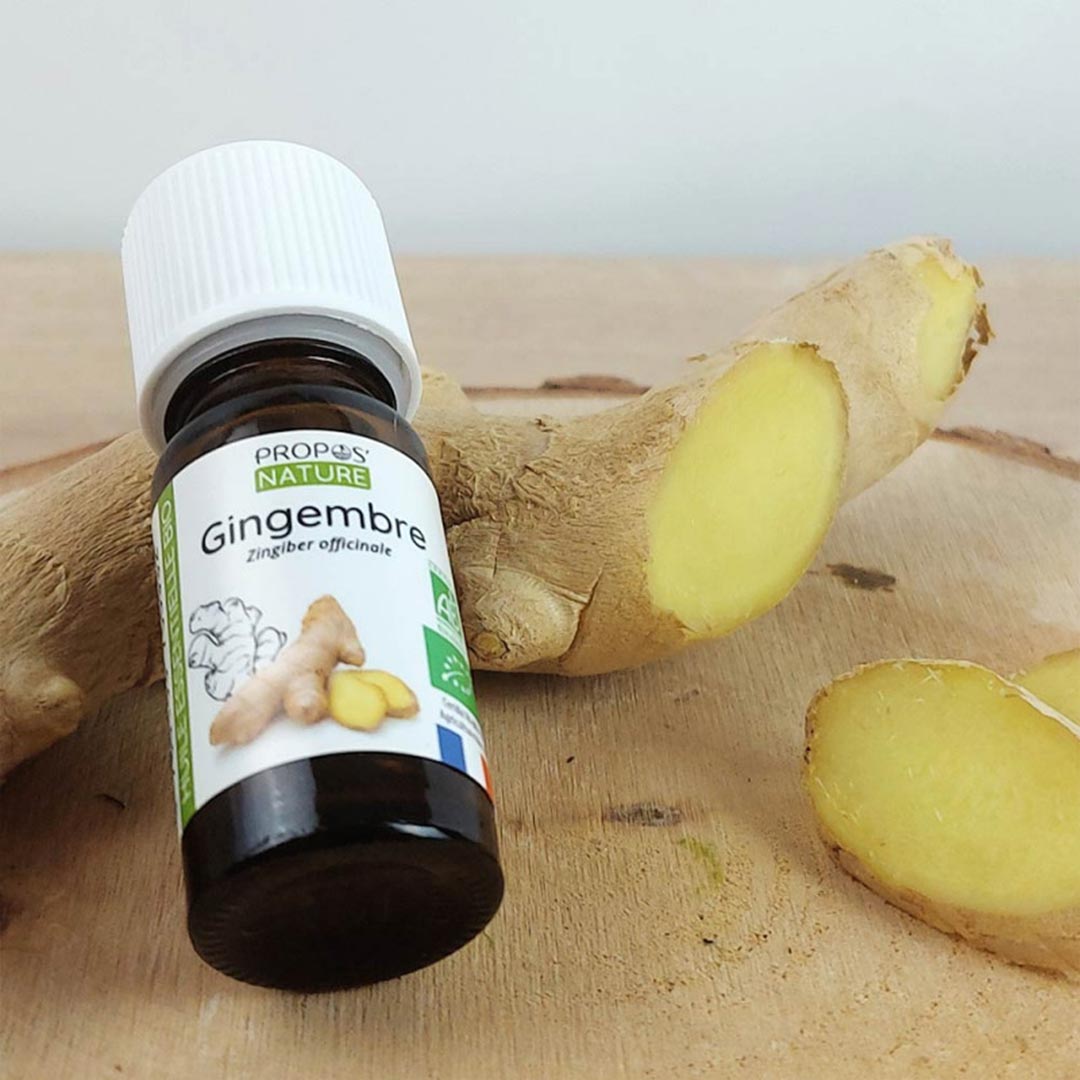
Ginger
Zingiber officinale
Supports: Digestion, joint comfort
A warming oil used when needed. Always use in very low dilution.
These oils are best reserved for occasional use. Always prioritise low dilution, gentle methods, and your cat’s natural response.





























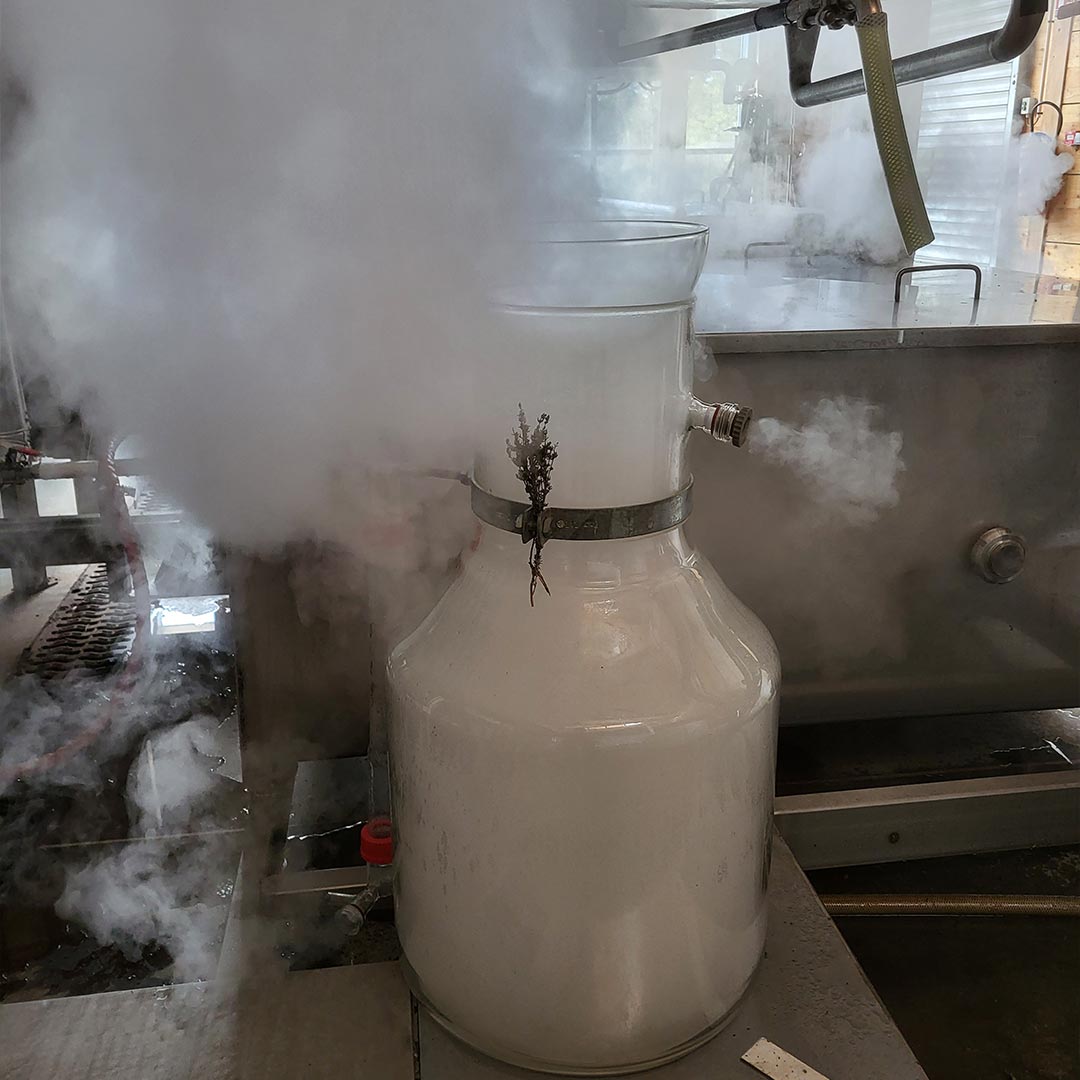
Delicata guarigione con idrosoli
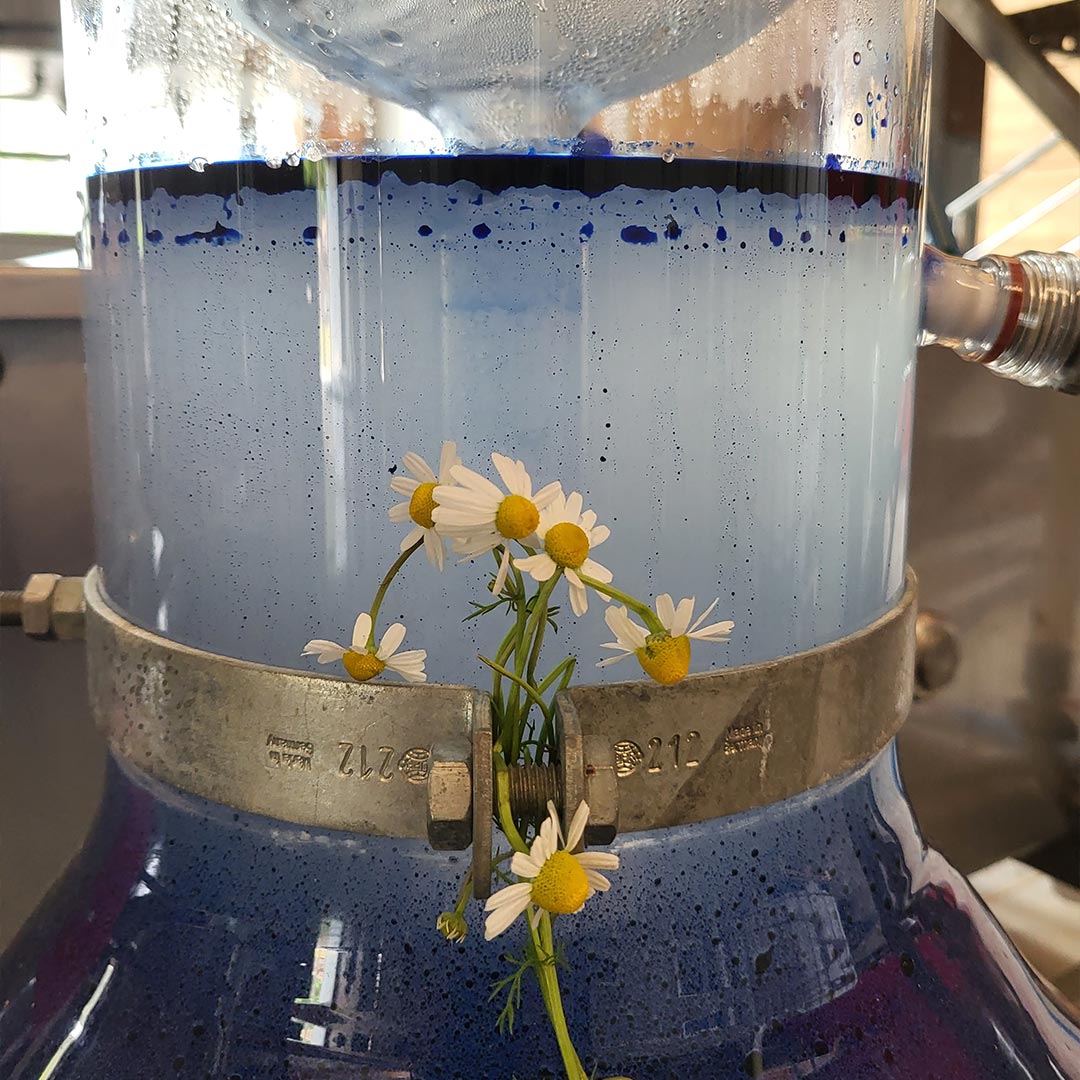
Gli idrolati sono il rimedio delicato della natura, offrendo un modo lenitivo ed efficace per supportare il benessere, sia per gli esseri umani che per i nostri amati animali domestici. A differenza degli oli essenziali, gli idrolati sono a base d'acqua e facilmente assorbiti dal corpo, rendendoli un'alternativa più mite ma potente alle erbe. Agiscono rapidamente, portando equilibrio e armonia in modo sicuro e naturale.
Idrolati per Gatti: Una Scelta Sicura e Rilassante
Molti oli essenziali possono essere troppo forti per i gatti, ma gli idrolati offrono un modo sicuro e delicato per introdurre il supporto a base di piante. I loro composti idrosolubili sono facilmente processati ed espulsi dal corpo, rendendoli uno strumento meraviglioso per il benessere felino.
Puoi aggiungere qualche goccia di un idrolato calmante in una ciotola d'acqua, permettendo al tuo gatto di annusare o sorseggiare a suo piacimento. Se il tuo gatto prova stress quando sei via, un idrolato rilassante può offrire conforto. Per rigidità articolare o disagio, un tocco di idrolato di zenzero può portare sollievo lenitivo. In case con più gatti, ciotole di idrolato diluito posizionate in casa possono aiutare ad alleviare la tensione, permettendo a ciascun gatto di interagire con esso secondo necessità.
Per un metodo ancora più semplice, spruzza un po' di idrolato in una ciotola d'acqua, sulle mani o nell'aria e lascia che il tuo gatto decida come interagire. Alcuni gatti potrebbero godere di strofinarsi contro le tue mani quando sono nebulizzate con un idrolato, assorbendo i benefici energeticamente.
Se hai un gatto timido o riservato che preferisce spazio, posizionare una ciotola di acqua infusa con idrolato nelle vicinanze può essere un modo delicato per incoraggiare l'interazione senza pressione. Assicurati solo di offrire sempre una ciotola di acqua semplice accanto, così il tuo gatto ha la libertà di scegliere.
Come Diluire gli Idrolati per Gatti
Per preparare un idrolato per il tuo gatto, riempi una piccola ciotola o piattino con circa 100ml di acqua. Aggiungi 3 o 4 gocce dell'idrolato scelto ma non mescolare - questo permette al tuo gatto di scegliere l'intensità preferita. Potrebbe optare per annusare l'aroma più forte vicino alle gocce disperse o bere da un'area più mite più lontana.
Se il tuo gatto sembra incuriosito ma guarda indietro alla bottiglia non diluita dopo aver annusato la ciotola, potrebbe volere una concentrazione leggermente più forte. In tal caso, puoi aggiungere qualche goccia in più, fino a un massimo di 10 gocce per 100ml di acqua.
Idrolati per la Pelle e la Casa
Gli idrolati non sono solo per il supporto emotivo - sono anche fantastici per la cura della pelle e della casa. Una volta diluiti, possono essere applicati localmente per lenire irritazioni cutanee, calmare il prurito o persino respingere i parassiti. Sono anche un eccellente deodorante naturale per ambienti, sicuro sia per te che per i tuoi amici felini.
Con il loro delicato tocco curativo, gli idrolati sono un modo meraviglioso per coltivare l'equilibrio, sia che tu stia supportando il tuo benessere sia che stia creando uno spazio tranquillo e armonioso per i tuoi animali domestici.