

Perimenopause
Understanding the Transition Before Menopause
Perimenopause is the natural transition phase leading up to menopause. During this time, hormone levels begin to fluctuate, particularly estrogen and progesterone, which can affect many aspects of physical, emotional and mental wellbeing.
For some women, the transition is relatively gentle. For others, symptoms may begin years before menopause and significantly affect daily life.
At Elliotti, we believe that understanding what is happening in your body is the first step toward navigating this transition with confidence and balance.
What Is Perimenopause?
Perimenopause means "around menopause."
It typically begins between the ages of 40 and 50, although some women notice changes earlier.
Unlike menopause, which is officially reached after 12 consecutive months without a menstrual period, perimenopause can last anywhere from a few years to over a decade.
During this stage, the ovaries gradually change their hormone production patterns. Estrogen levels may rise and fall unpredictably, while progesterone often begins to decline earlier and more consistently.
These hormonal fluctuations can contribute to a wide range of symptoms affecting the menstrual cycle, sleep, mood, energy levels and overall wellbeing.
Common Symptoms of Perimenopause
Every woman's experience is unique, but common symptoms may include:
- Irregular menstrual cycles
- Changes in menstrual flow
- PMS-like symptoms
- Breast tenderness
- Mood swings
- Anxiety or nervousness
- Irritability
- Sleep disturbances
- Fatigue
- Brain fog
- Reduced concentration
- Weight gain
- Increased stress sensitivity
- Hot flashes
- Night sweats
- Reduced libido
Symptoms often appear gradually and may change over time as hormone levels continue to fluctuate.
Hormonal Balance During Perimenopause
One of the most significant changes during perimenopause is the shift in the relationship between estrogen and progesterone.
While estrogen levels may fluctuate dramatically, progesterone often declines earlier. This may contribute to symptoms such as:
- Irregular cycles
- PMS-like symptoms
- Emotional sensitivity
- Sleep disturbances
- Anxiety
- Increased stress reactivity
Many traditional herbal approaches focus on supporting the body's natural hormonal rhythms rather than attempting to force hormone levels in a particular direction.
Products often used during this stage include:
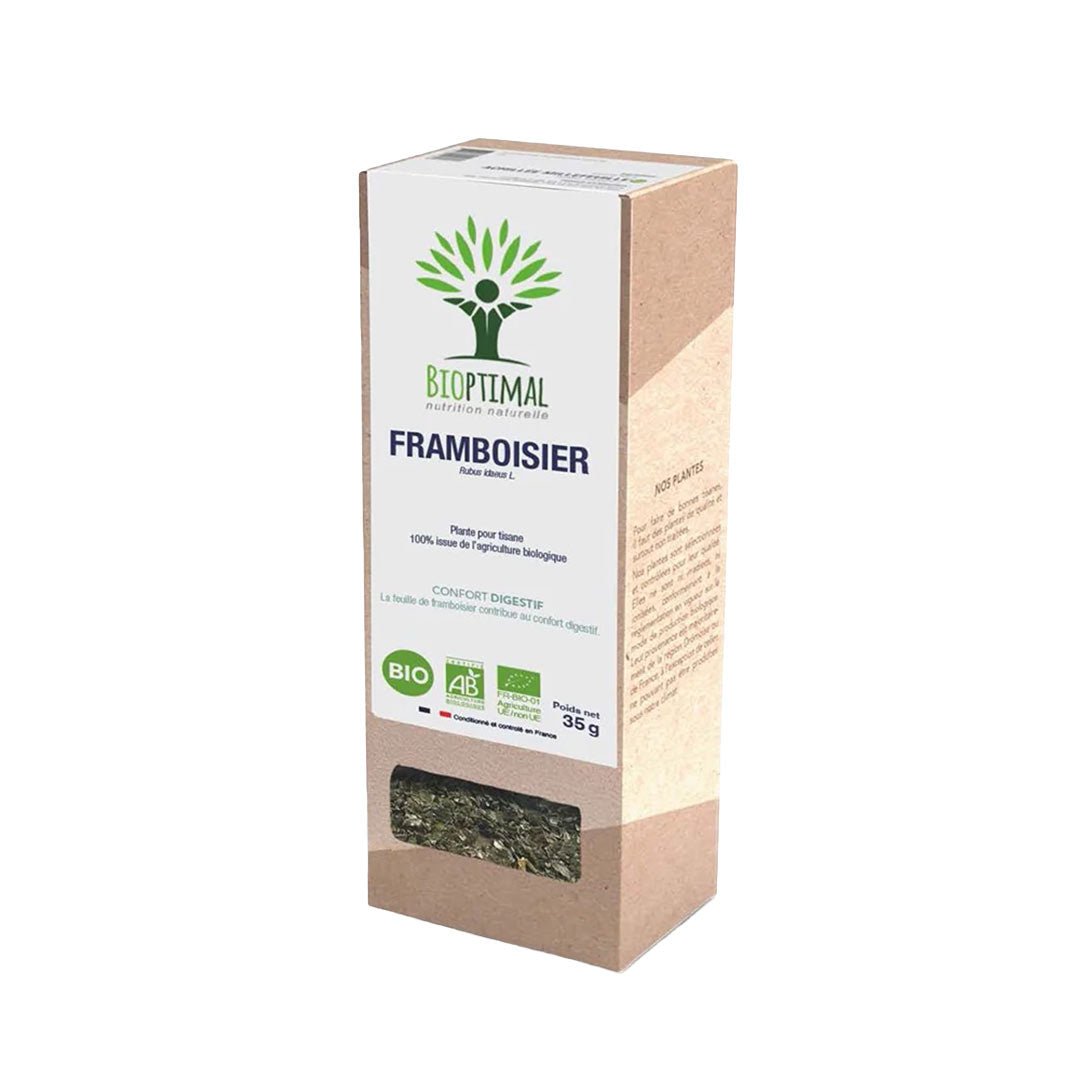
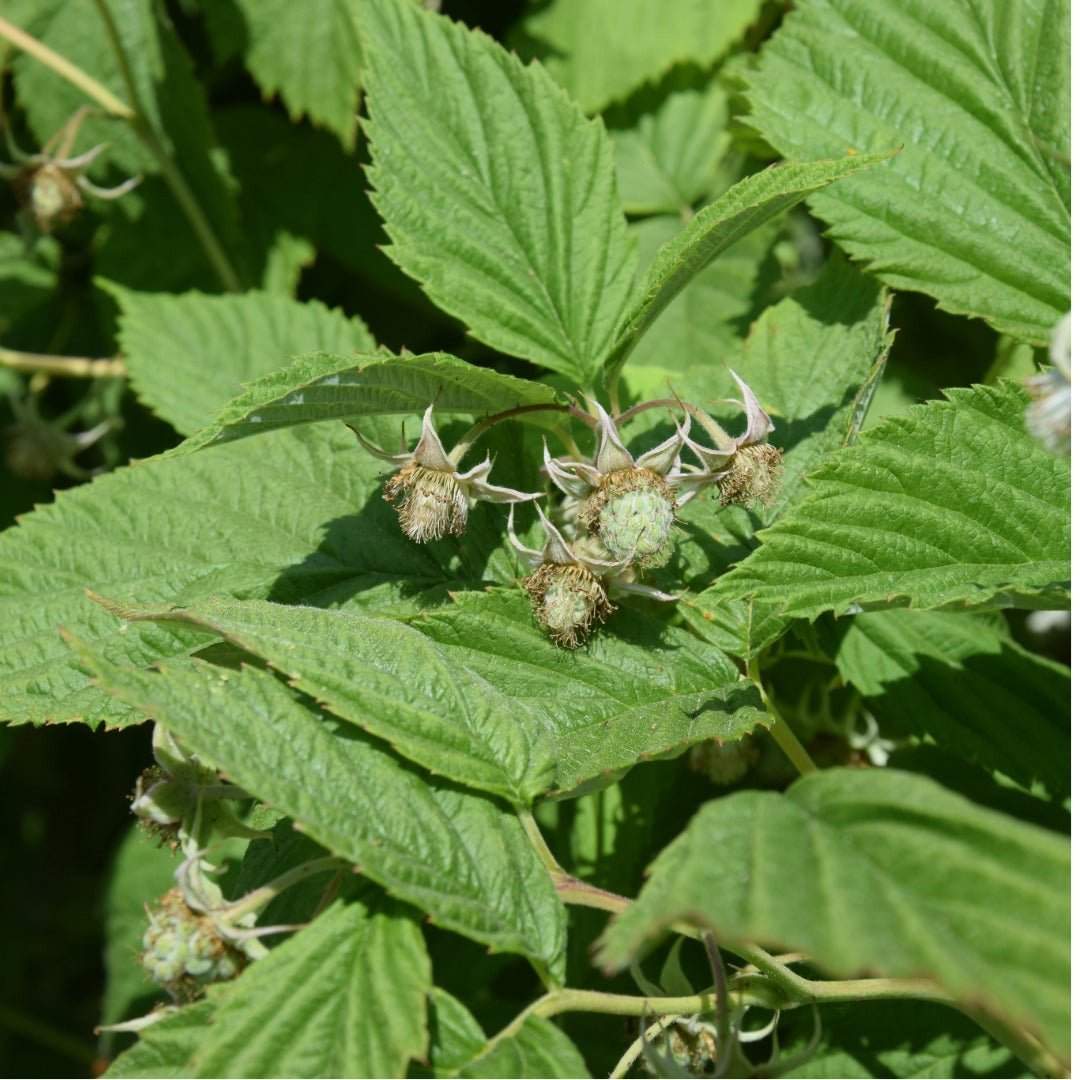
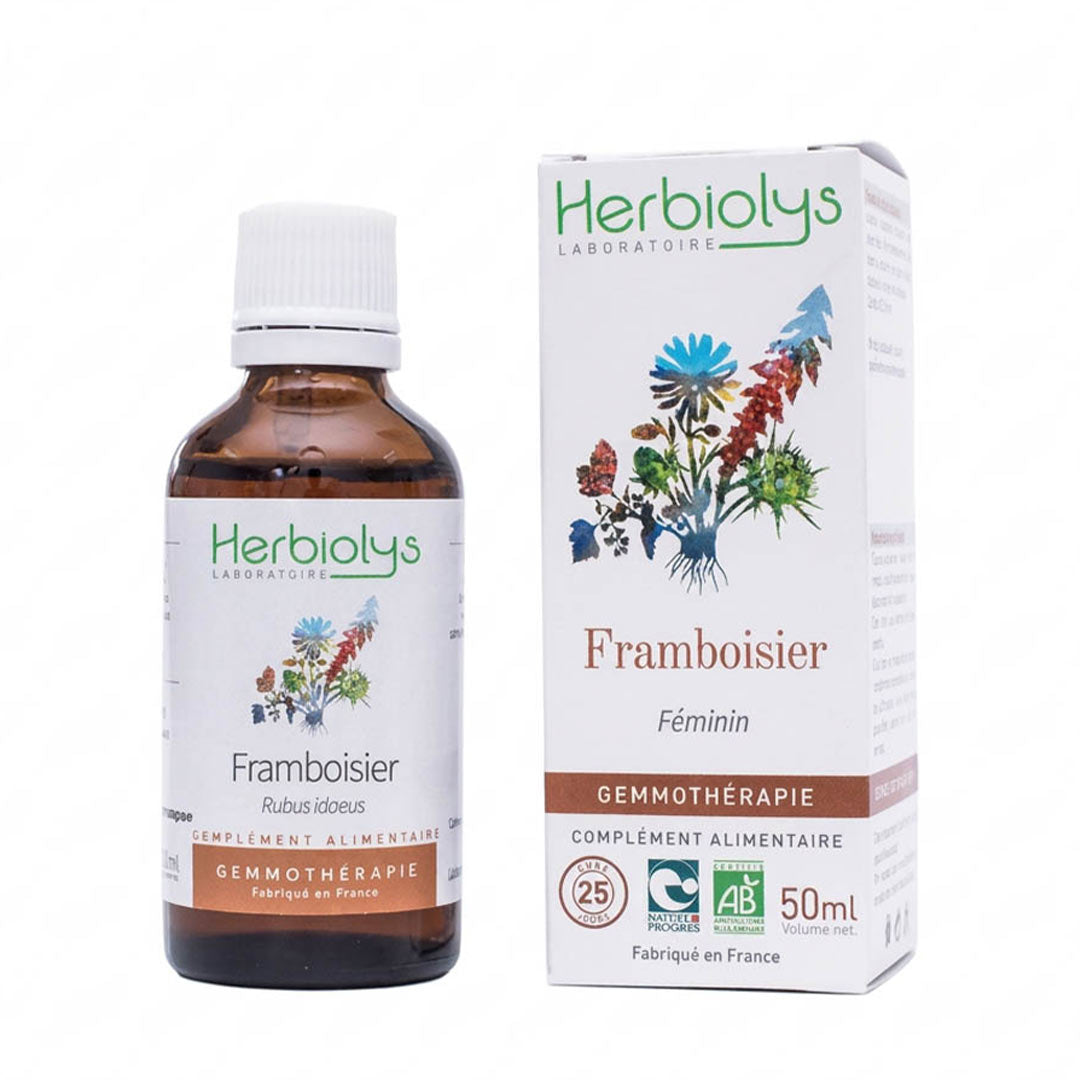
- Raspberry Gemmotherapy
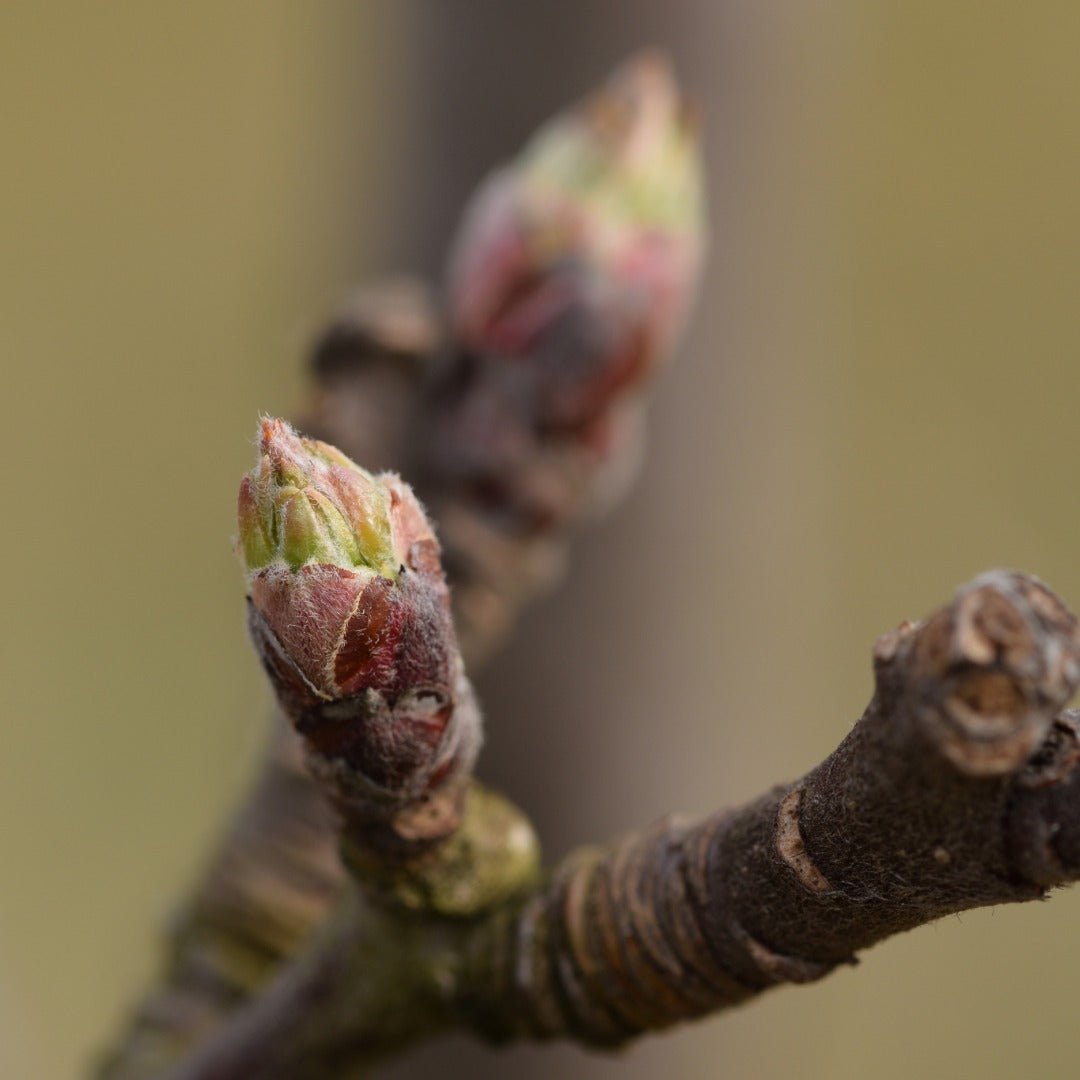
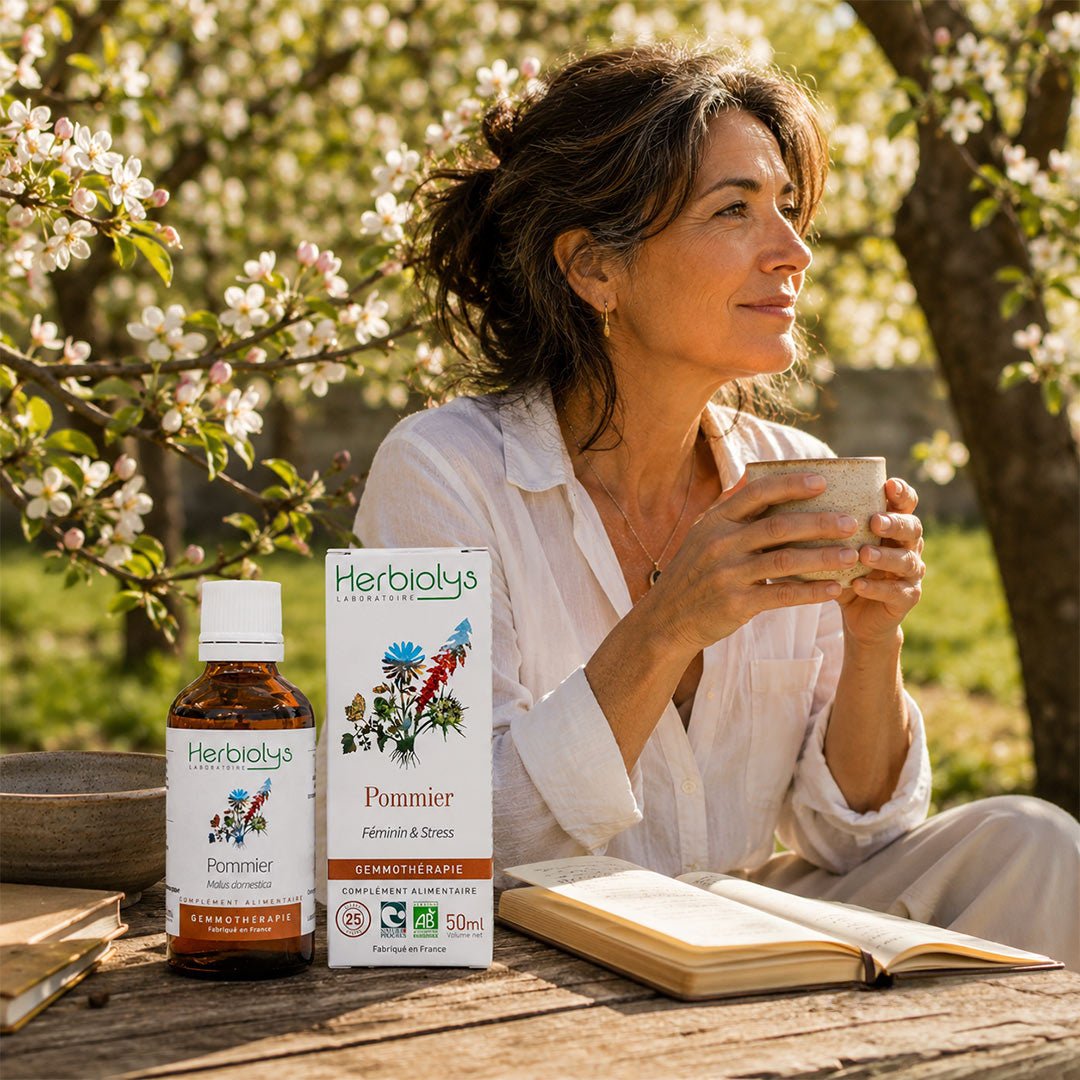
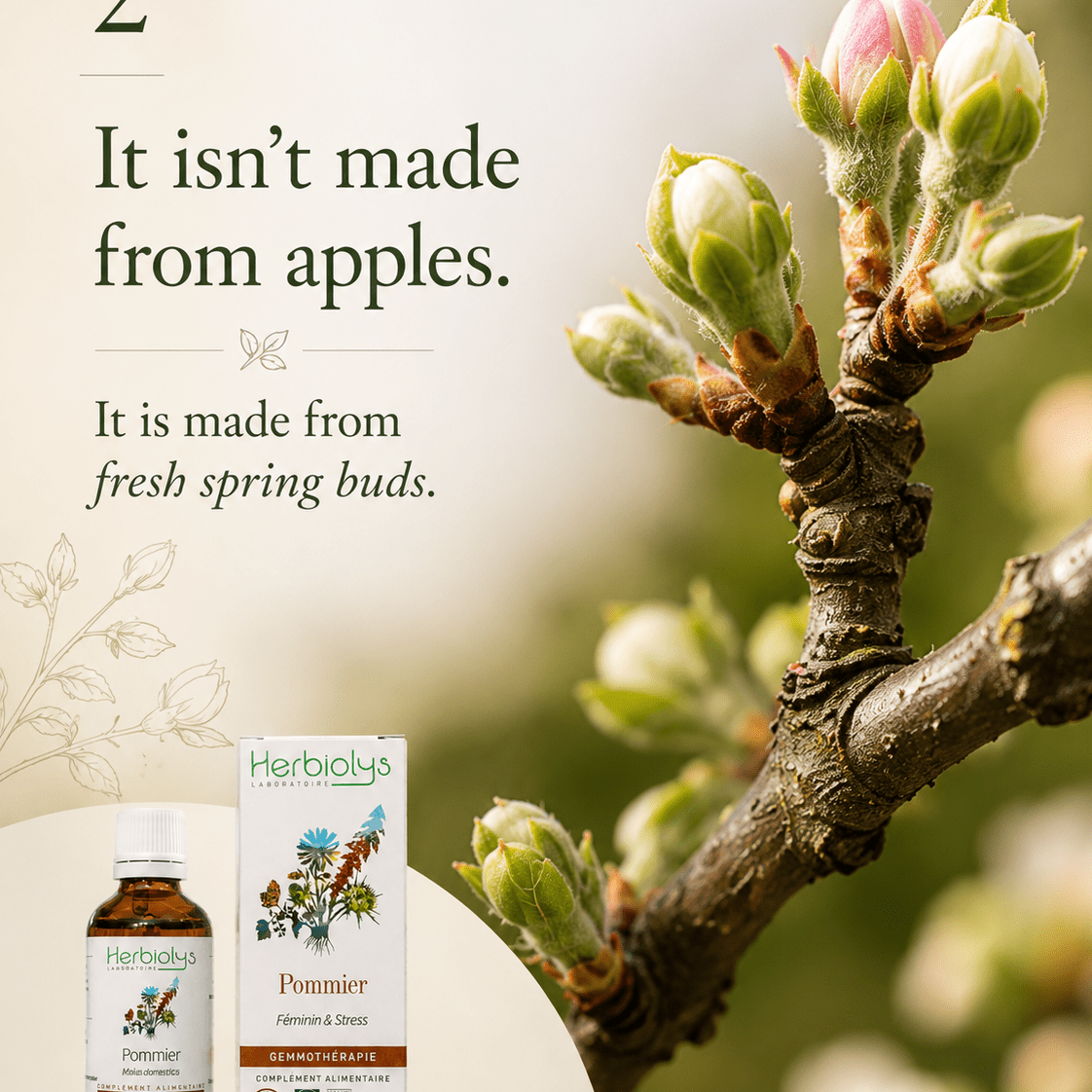
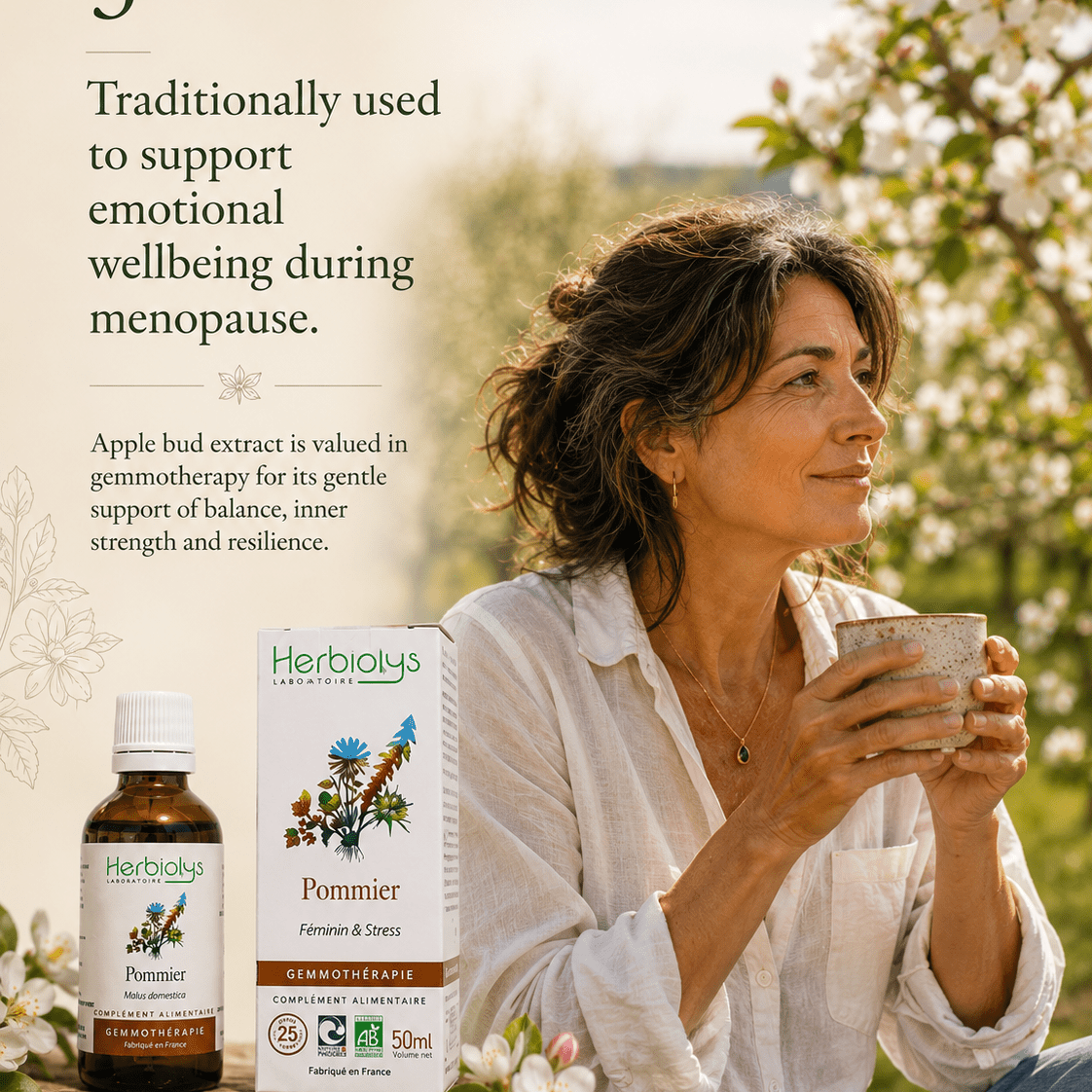
- Apple Tree Gemmotherapy
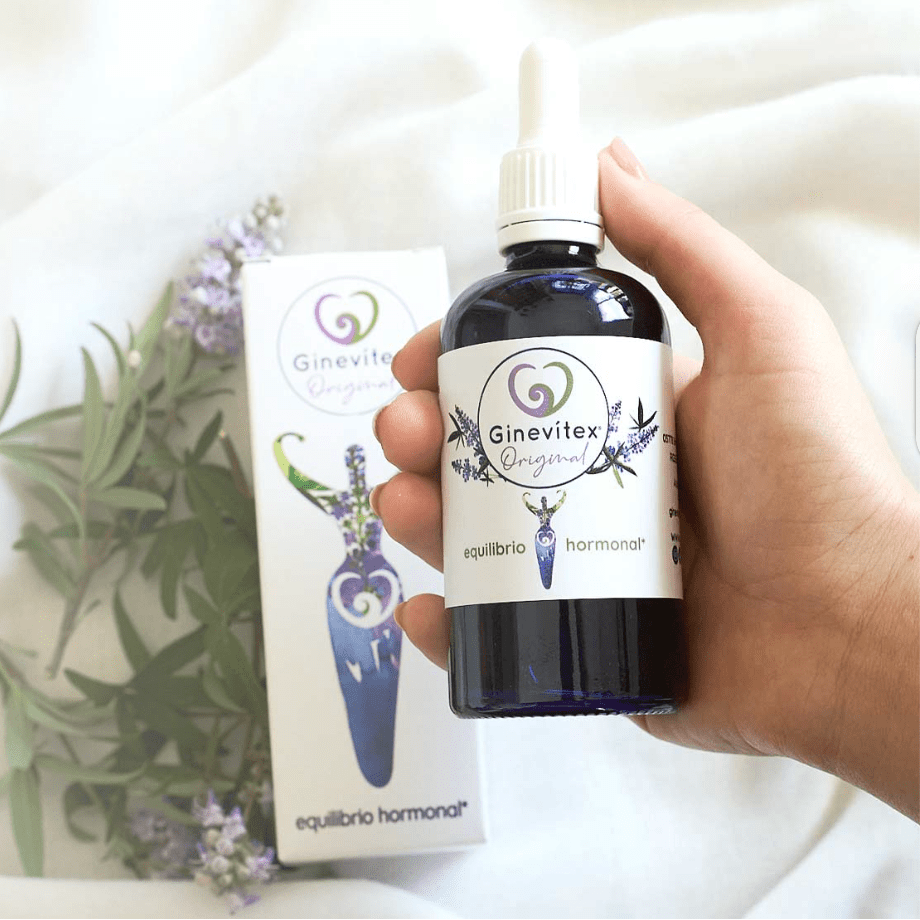
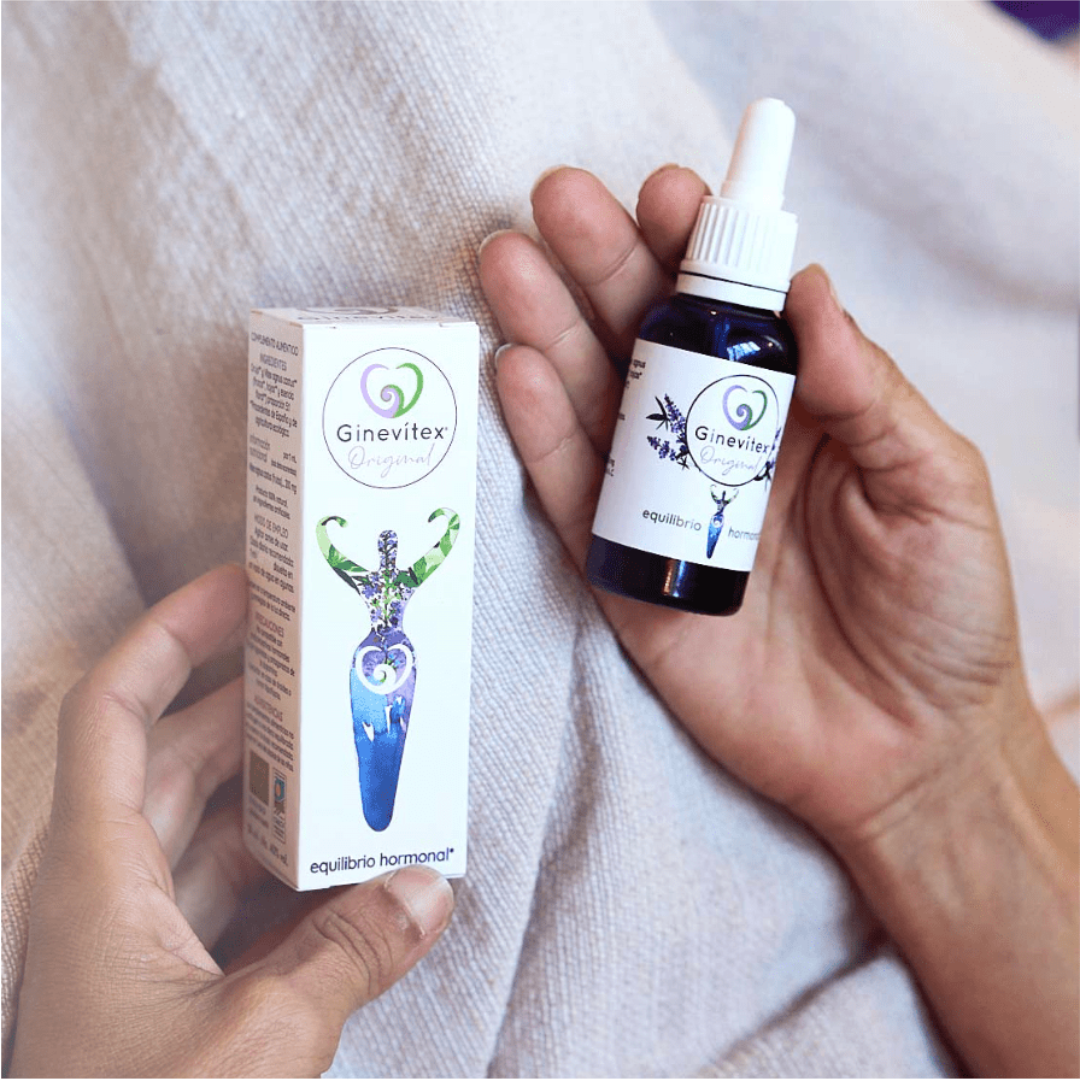
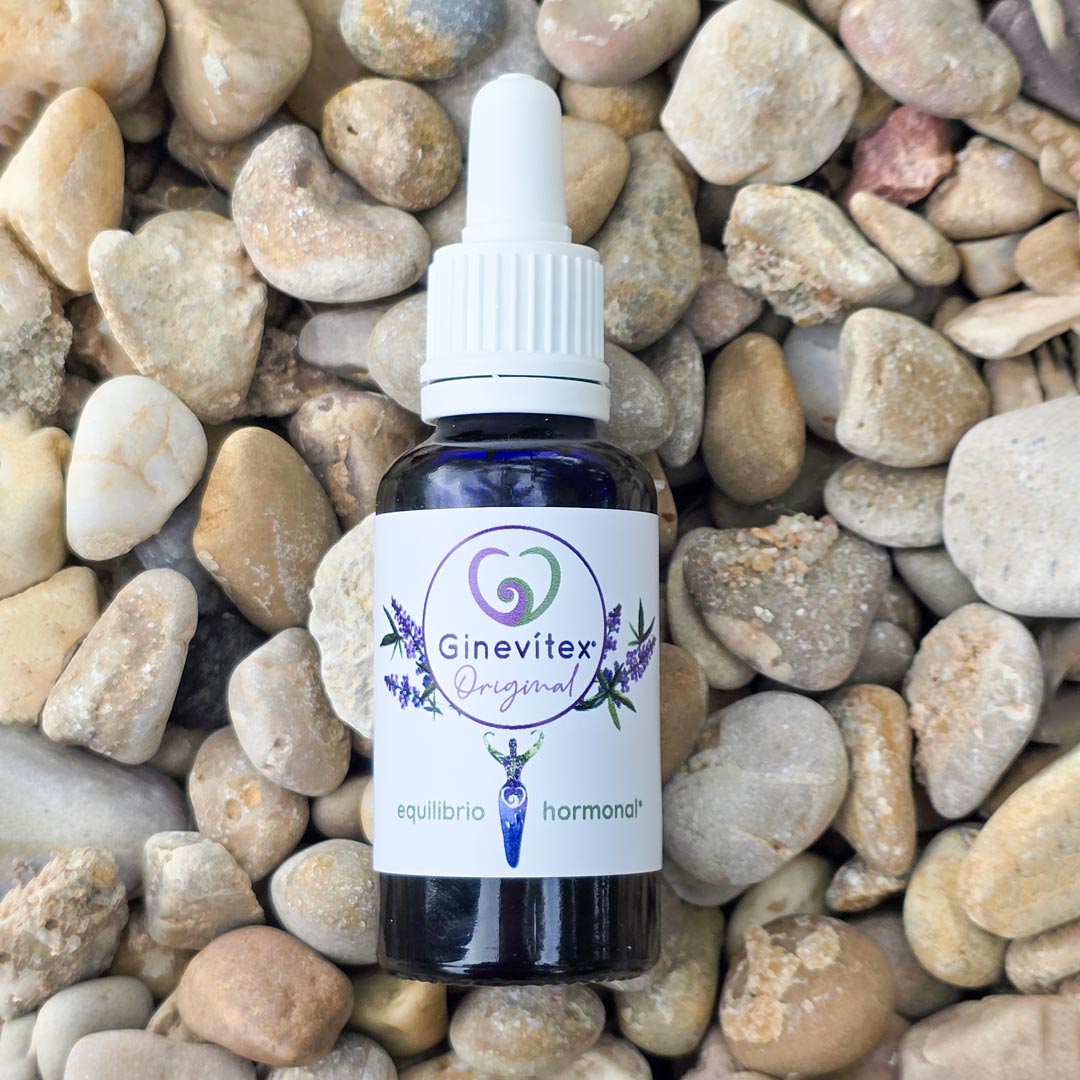
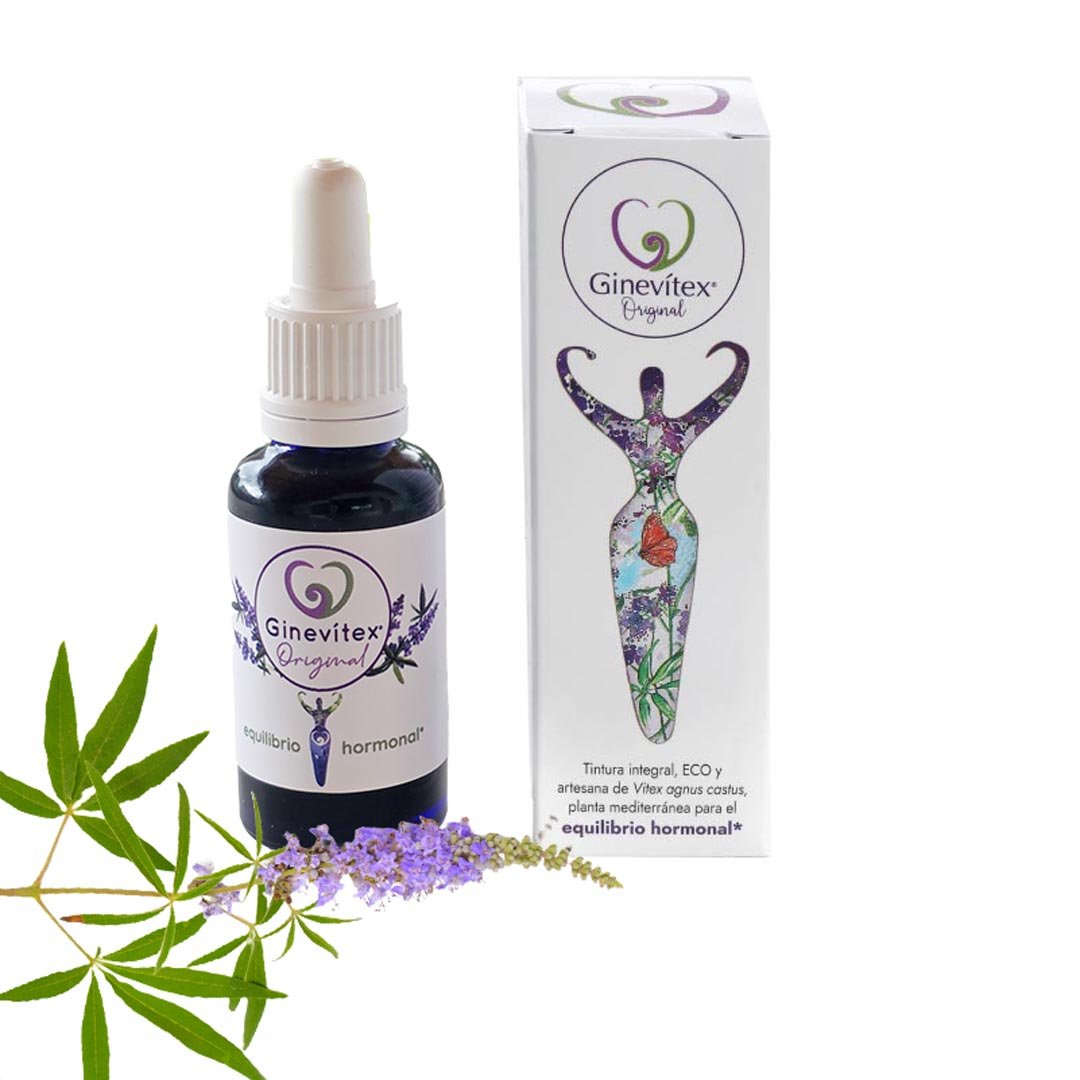
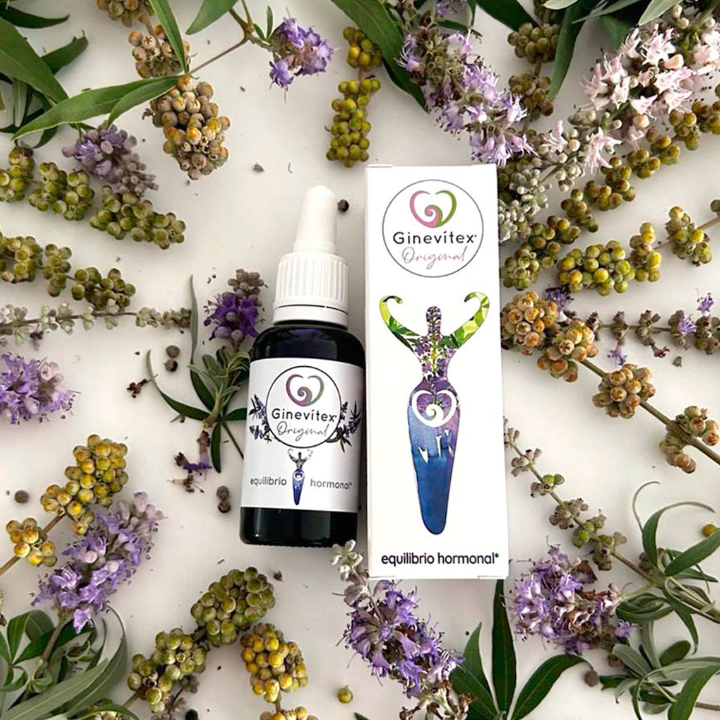
- Vitex (Chaste Tree)
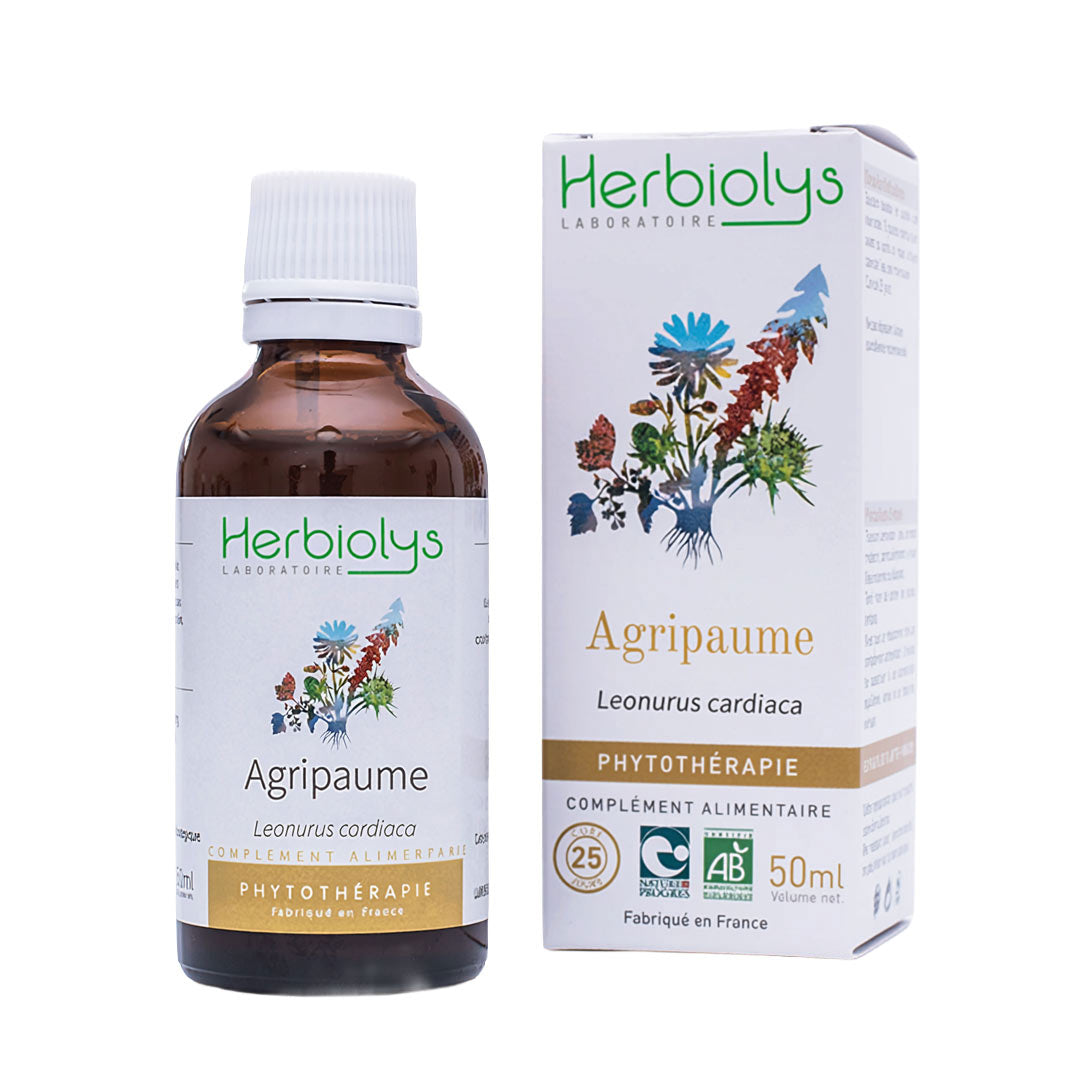
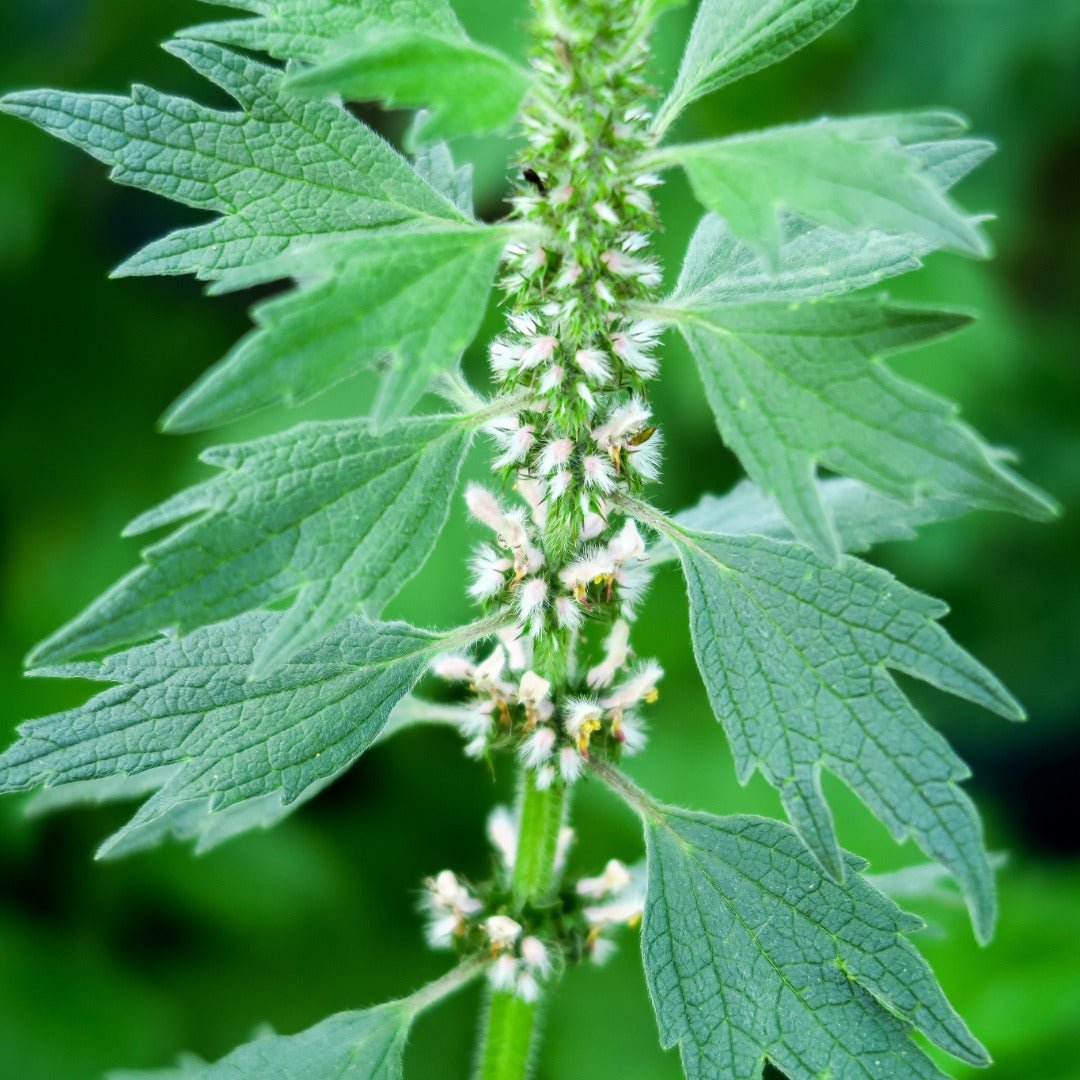
- Motherwort
- Magnesium-rich nutritional support












Perimenopause and Anxiety
Many women are surprised to discover that anxiety can become more pronounced during perimenopause.
Hormonal fluctuations can affect neurotransmitters involved in emotional regulation, stress resilience and sleep quality.
Women who have never experienced anxiety before may notice:
- Increased worry
- Feeling overwhelmed
- Inner restlessness
- Panic-like sensations
- Reduced stress tolerance
Supporting the nervous system can be just as important as supporting hormonal balance.
Popular natural approaches include:
- Motherwort
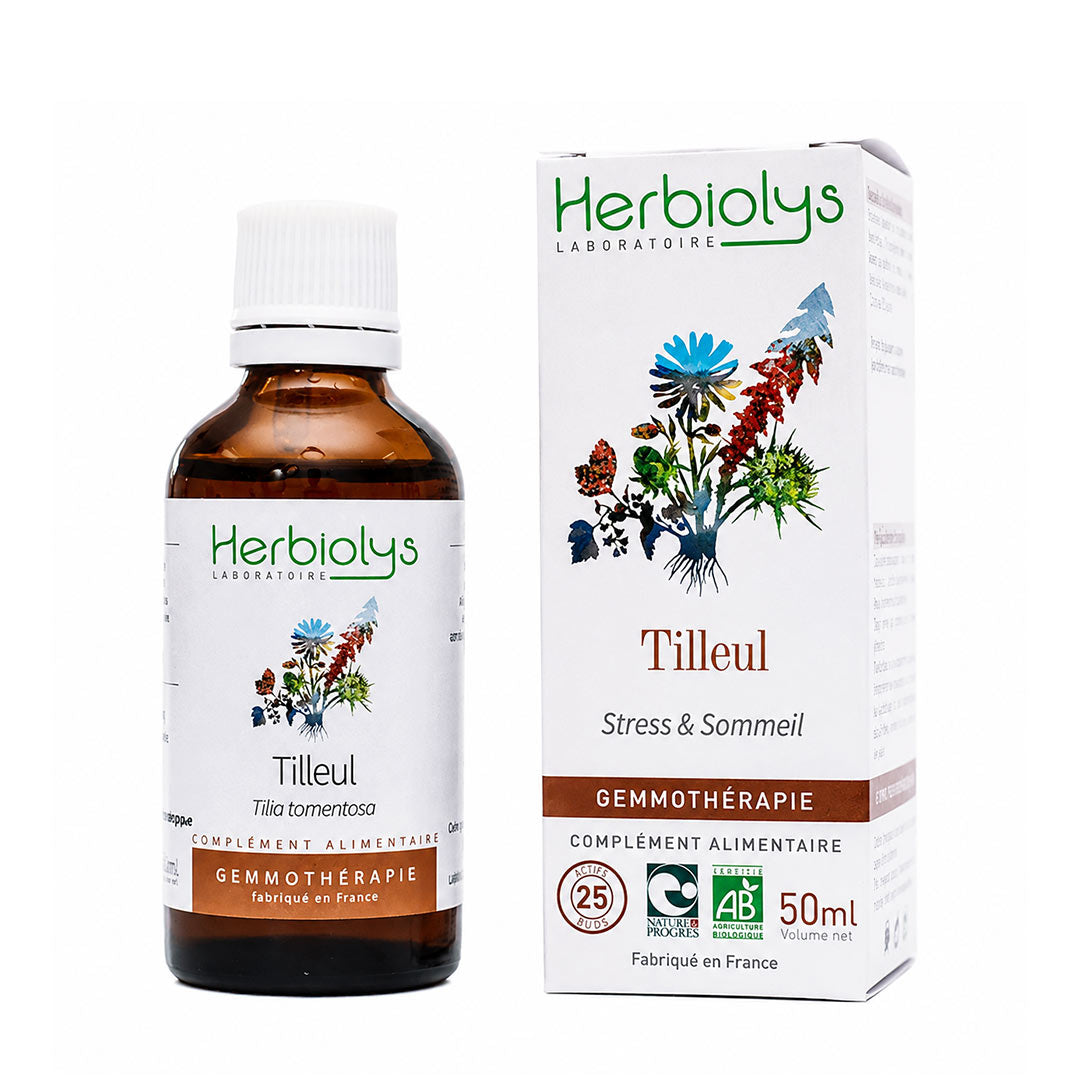
- Linden
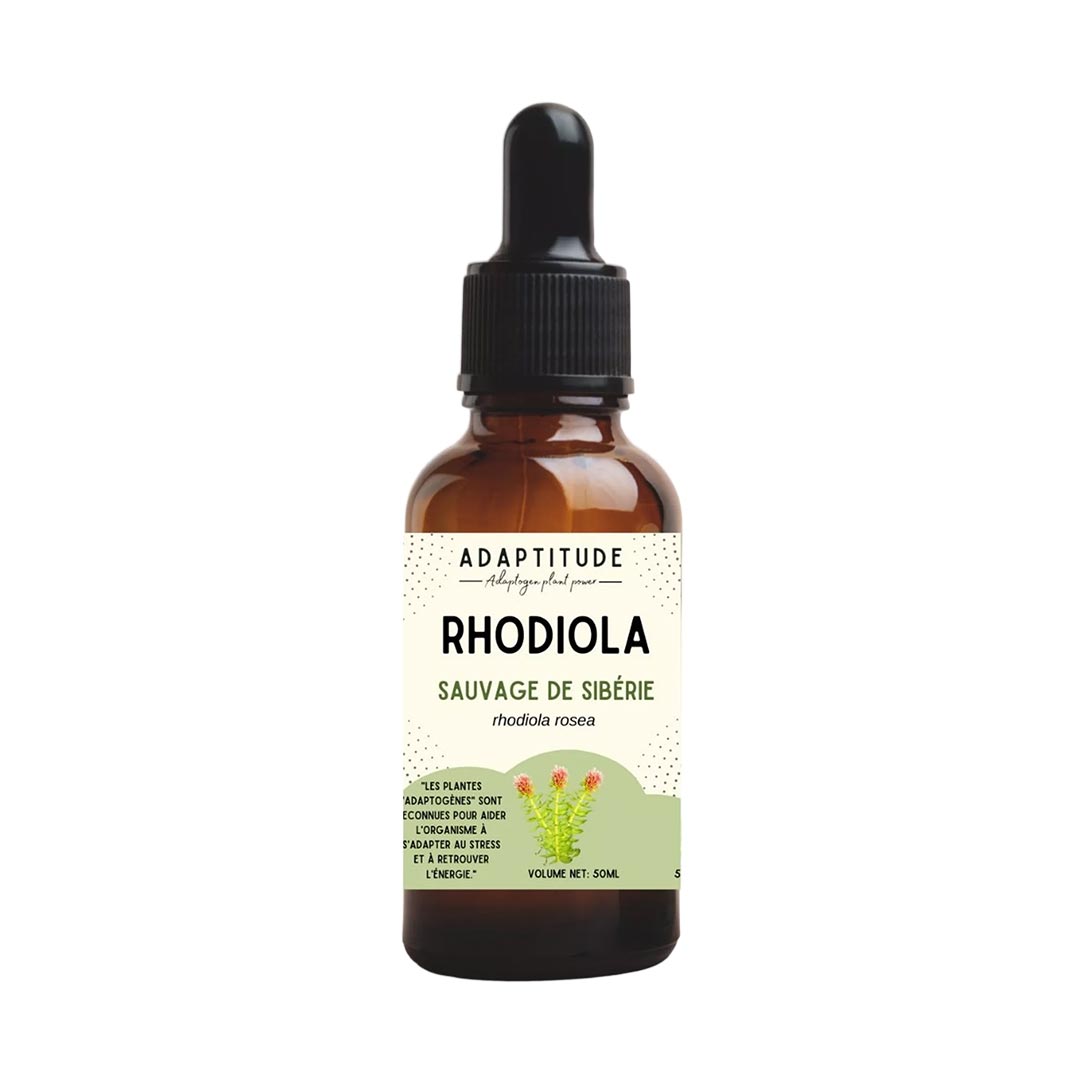
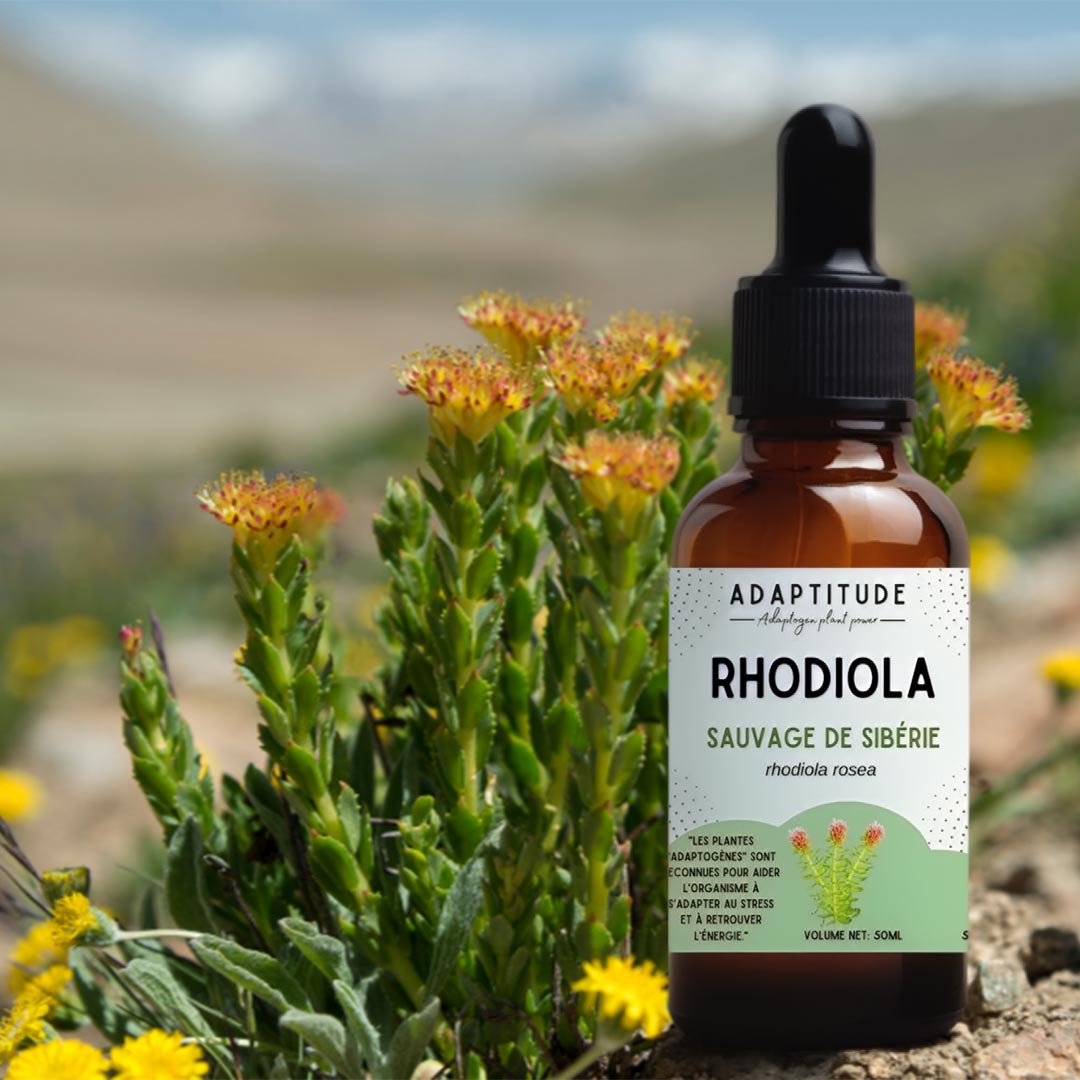
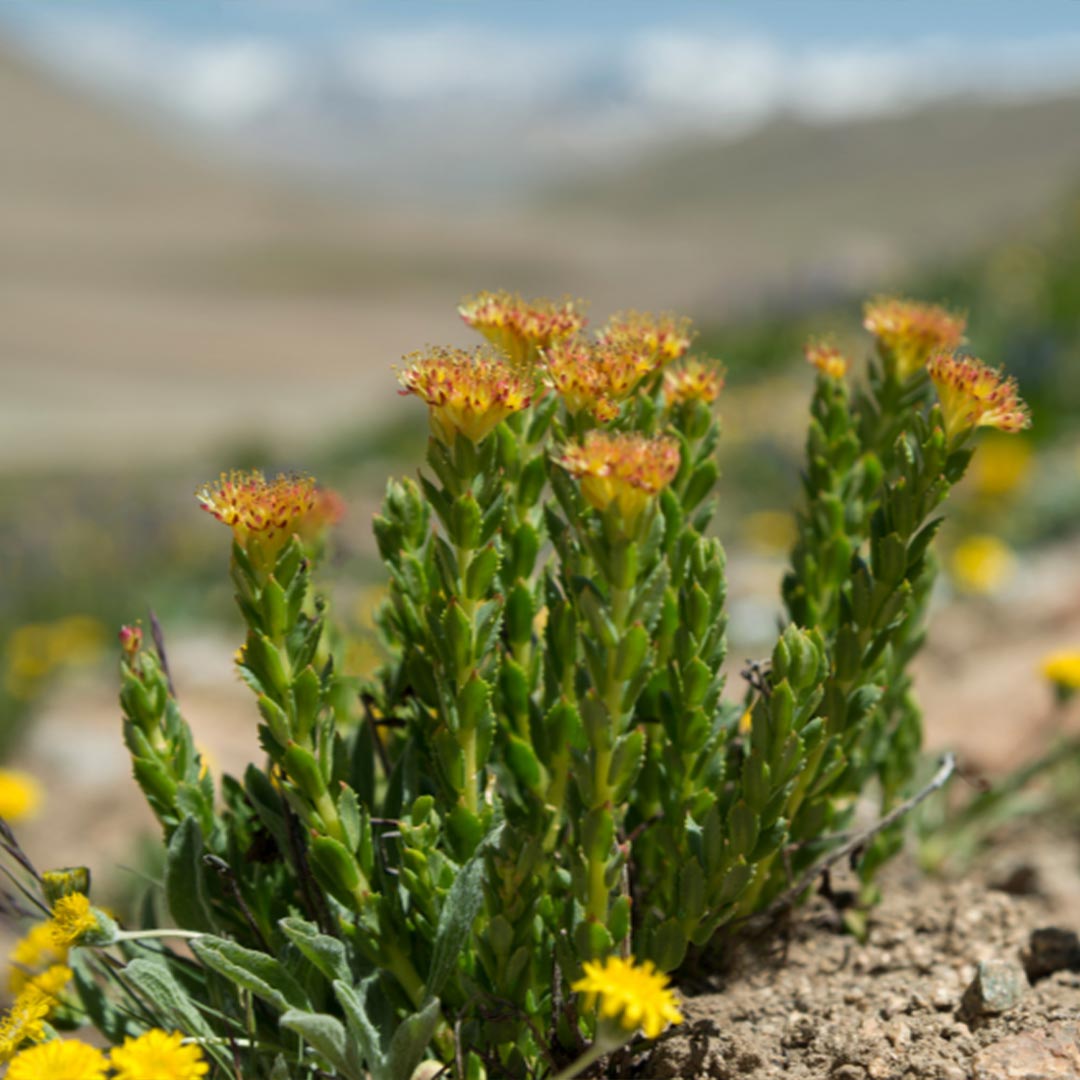
- Rhodiola
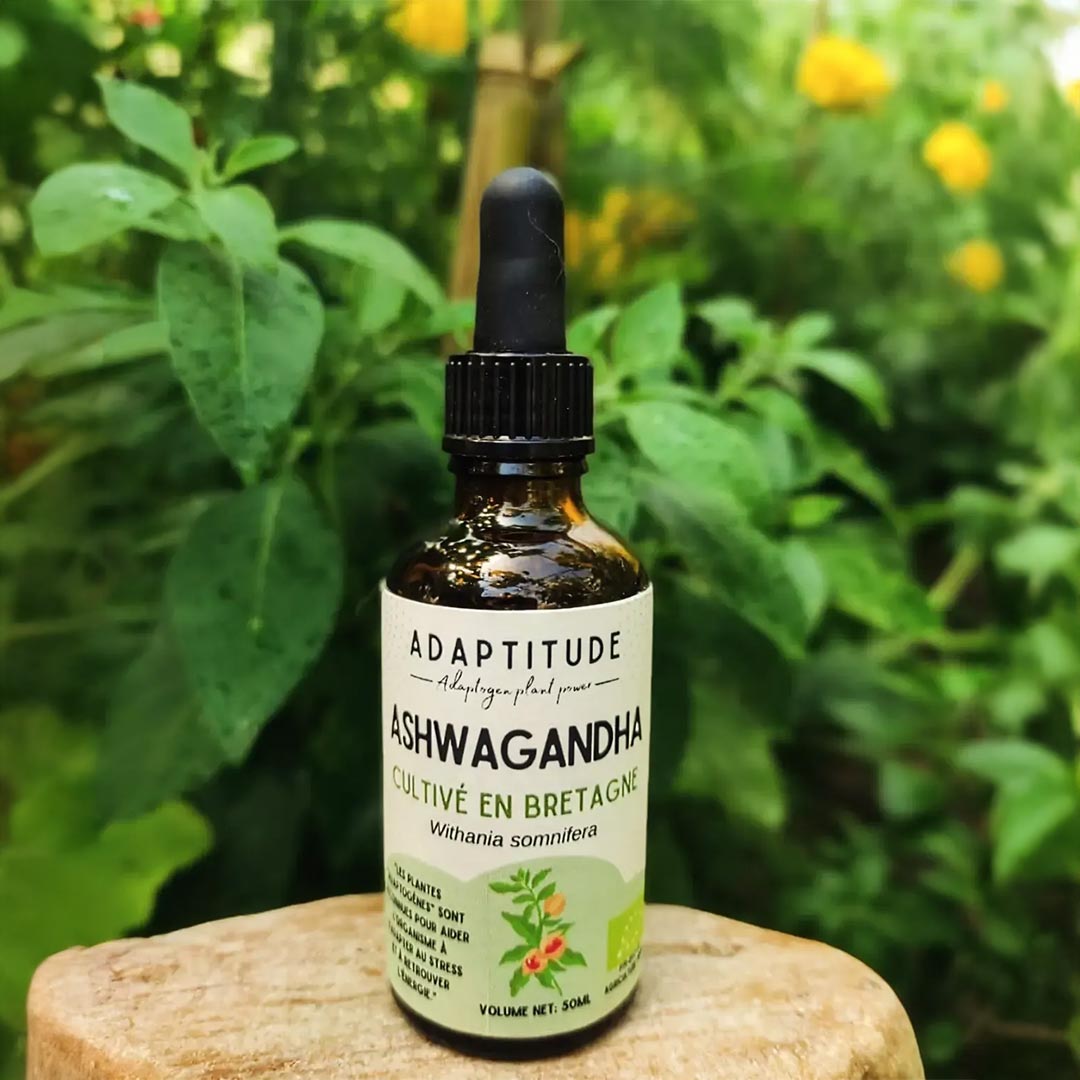
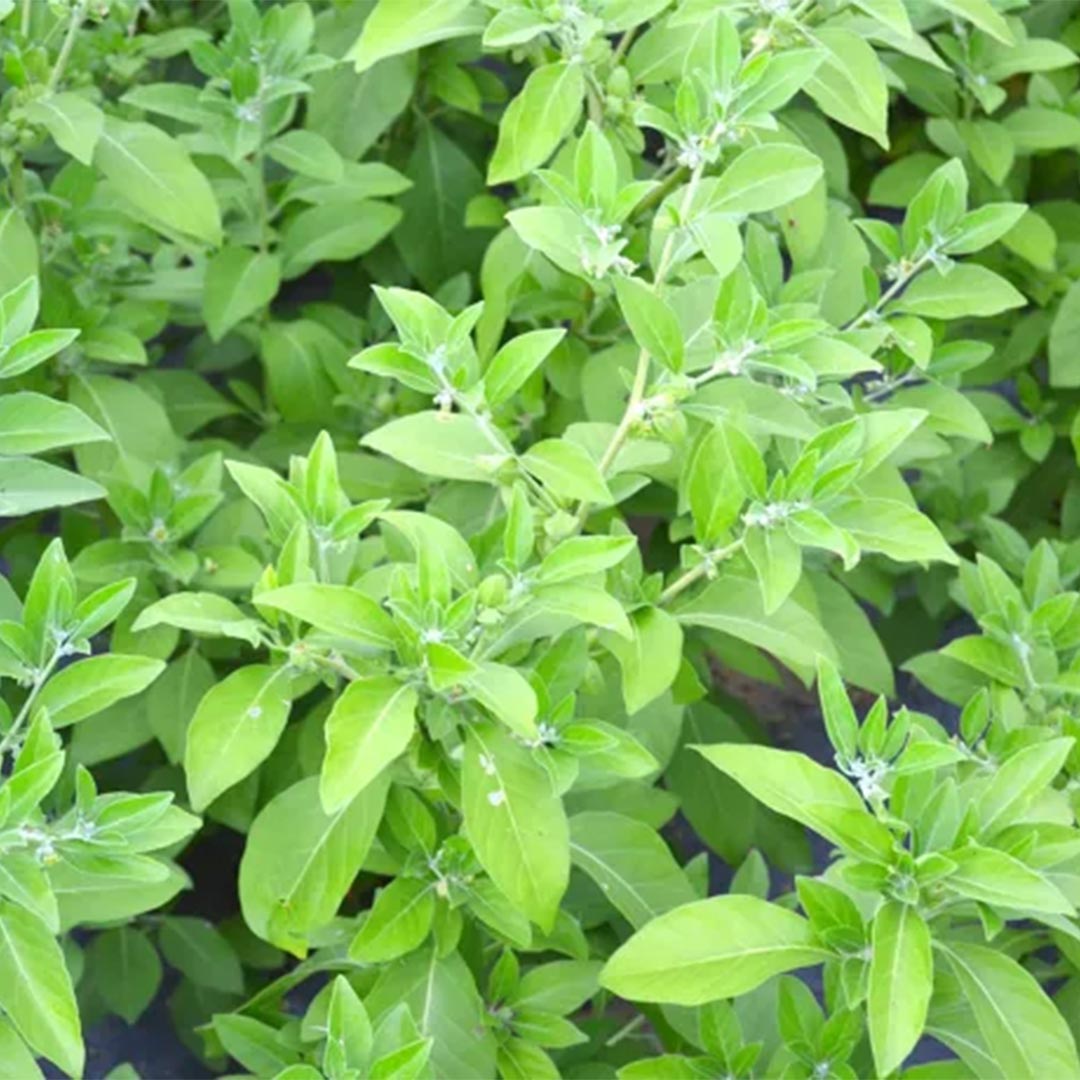
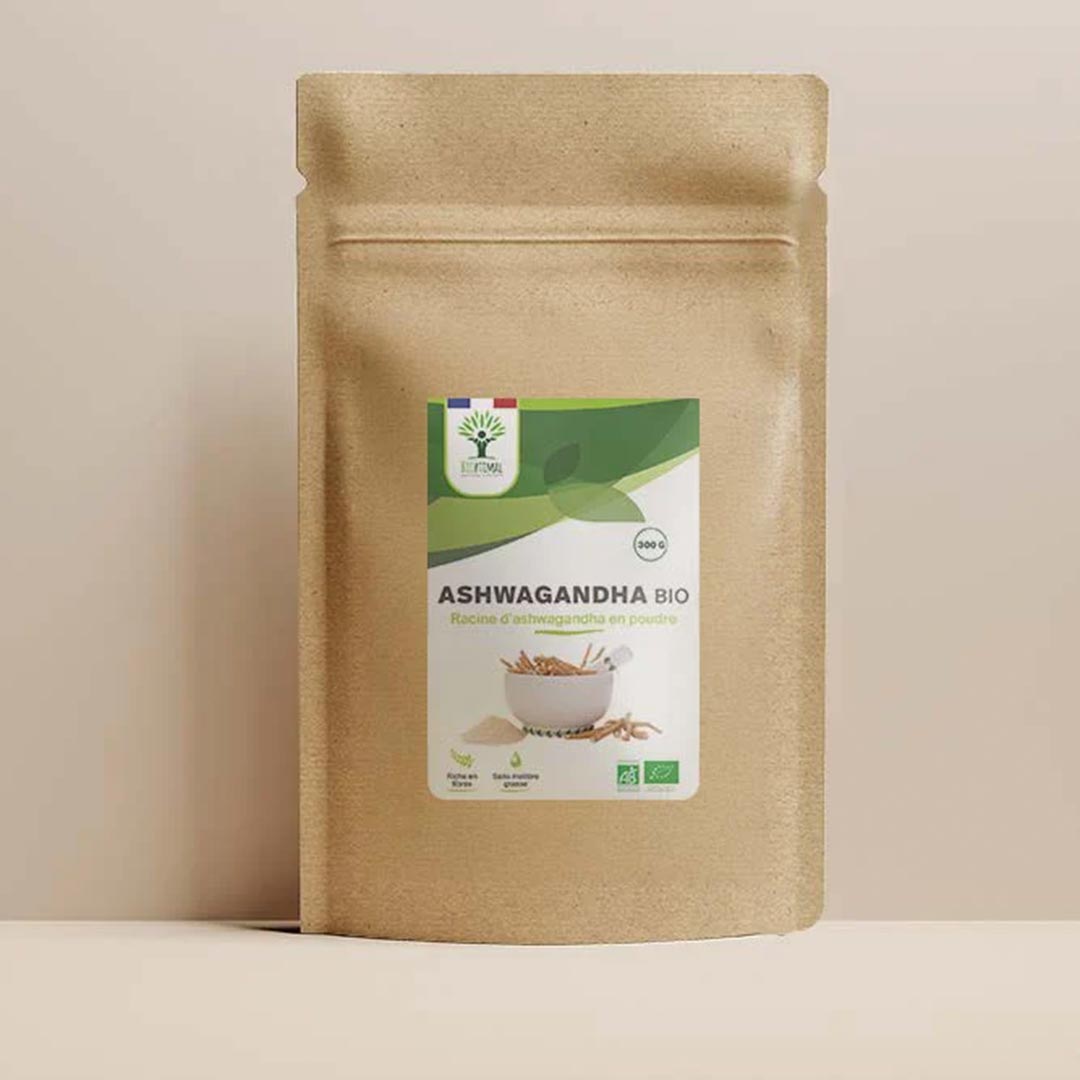
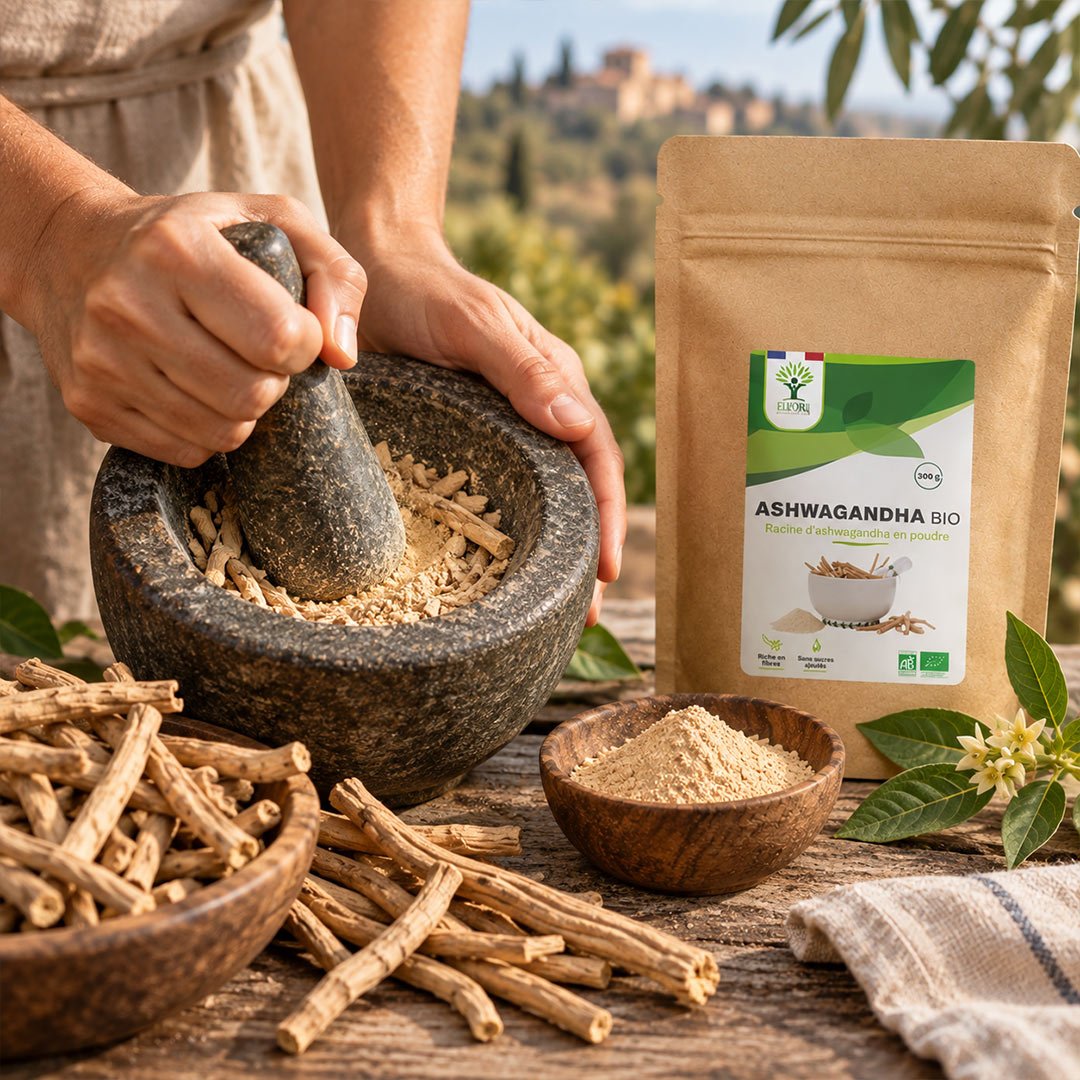
- Ashwagandha
- Schisandra
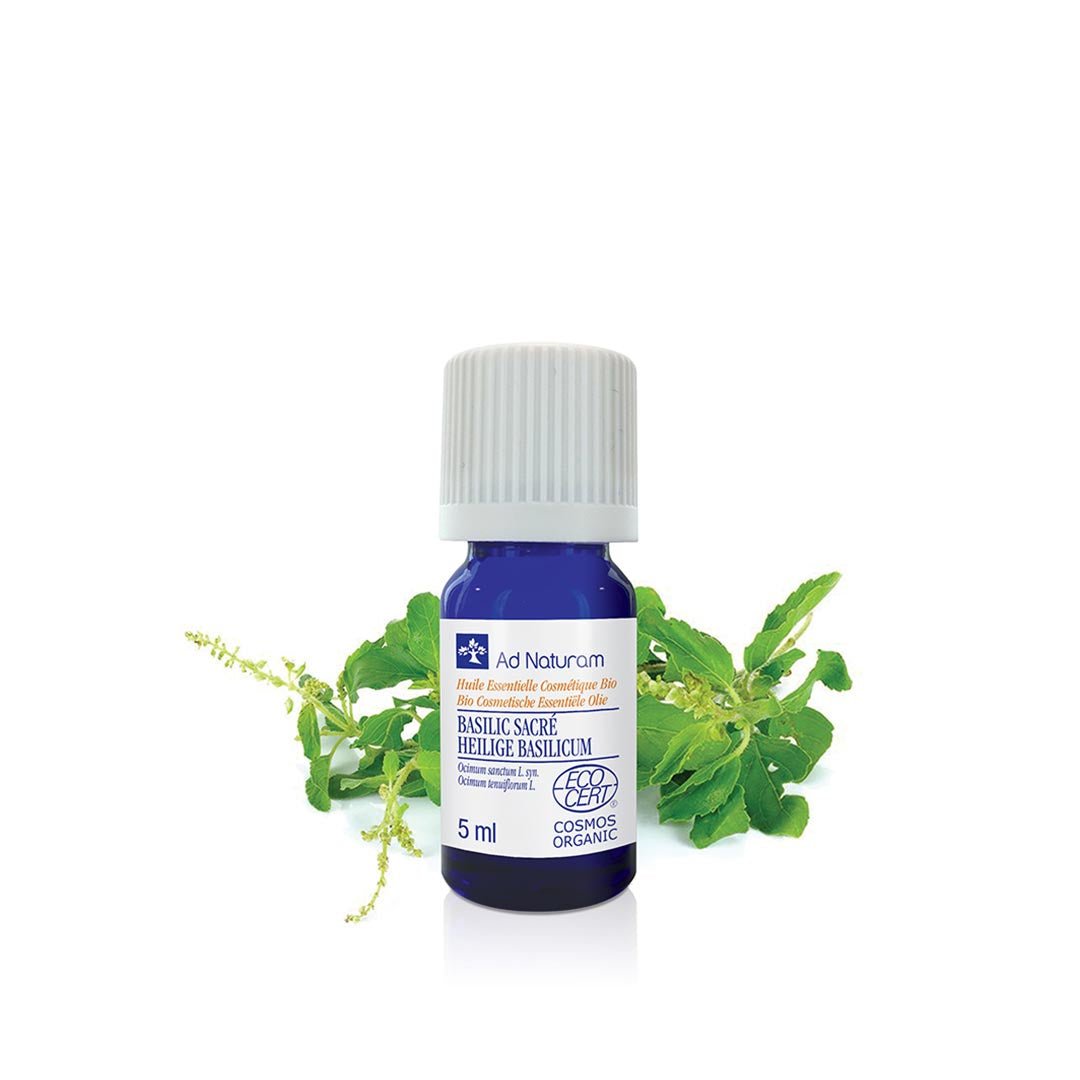
- Tulsi / Holy Basil
- Eleuthero
- Magnesium
- Nervous system-supportive herbal infusions















Perimenopause and Sleep Problems
Sleep disturbances are among the most common complaints during perimenopause.
Some women struggle to fall asleep, while others wake repeatedly during the night.
Contributing factors may include:
- Hormonal fluctuations
- Night sweats
- Anxiety
- Increased nervous system activation
- Stress sensitivity
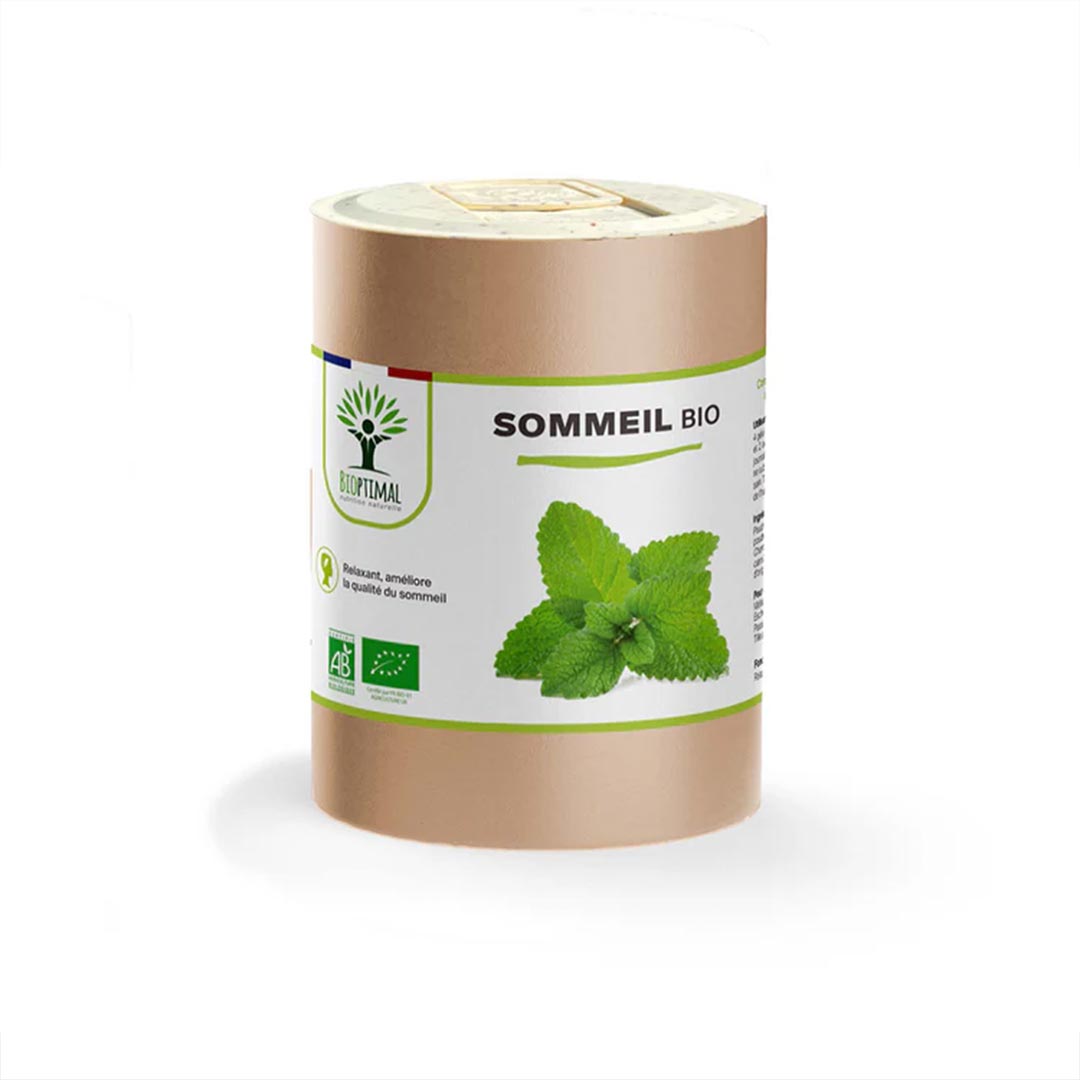
Restorative sleep is essential for hormone regulation, emotional resilience and overall wellbeing.
Traditional support options may include:
- Linden
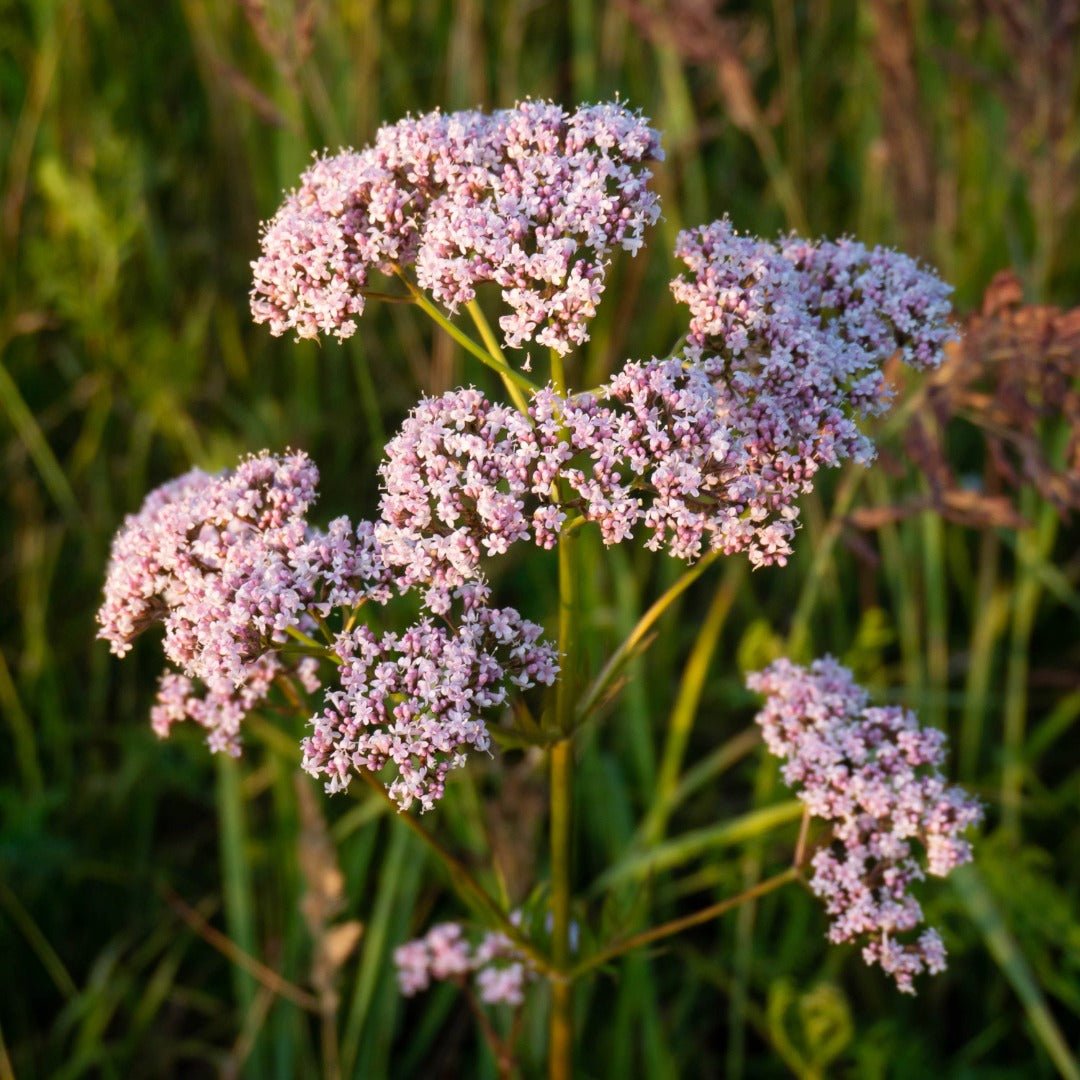
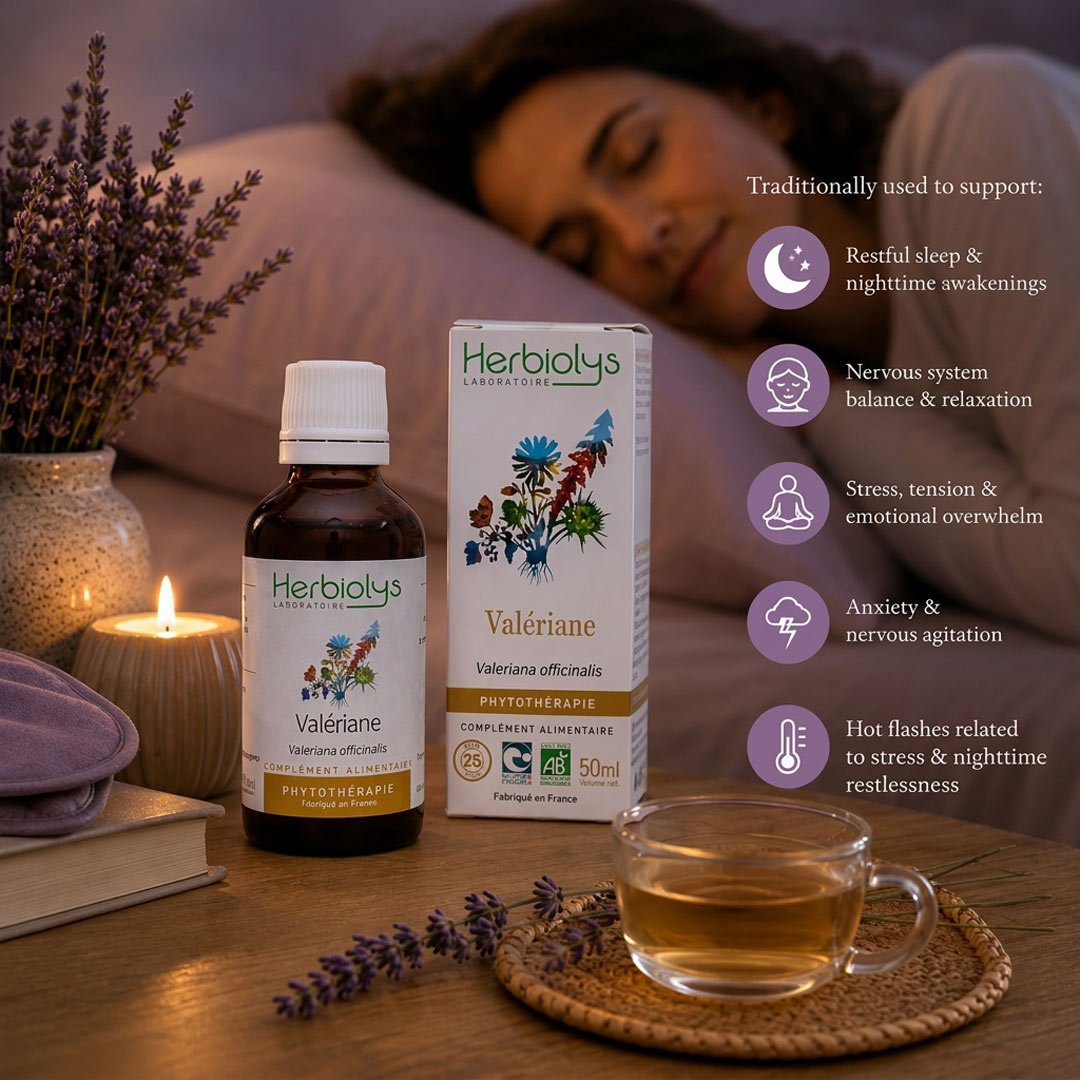
- Valerian
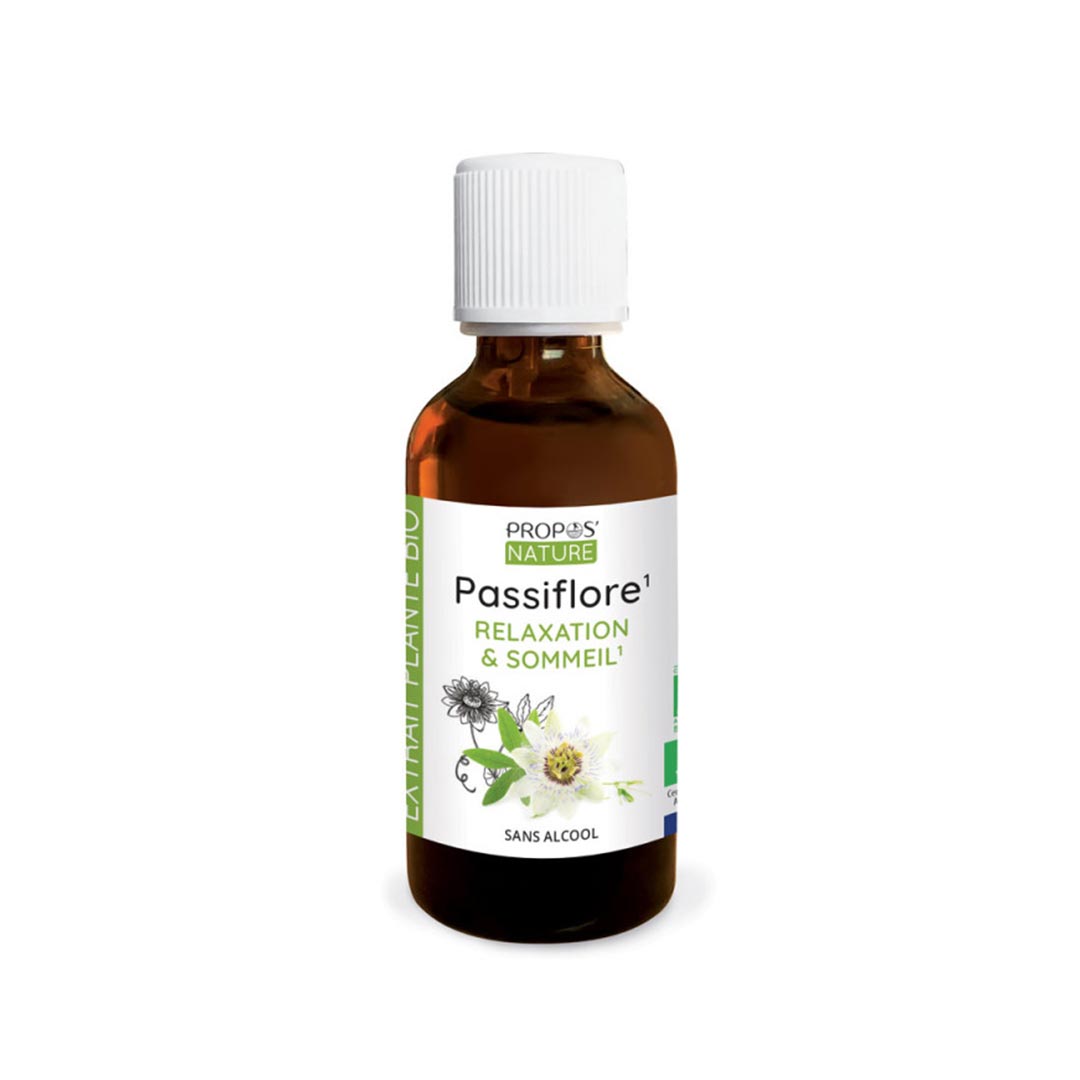
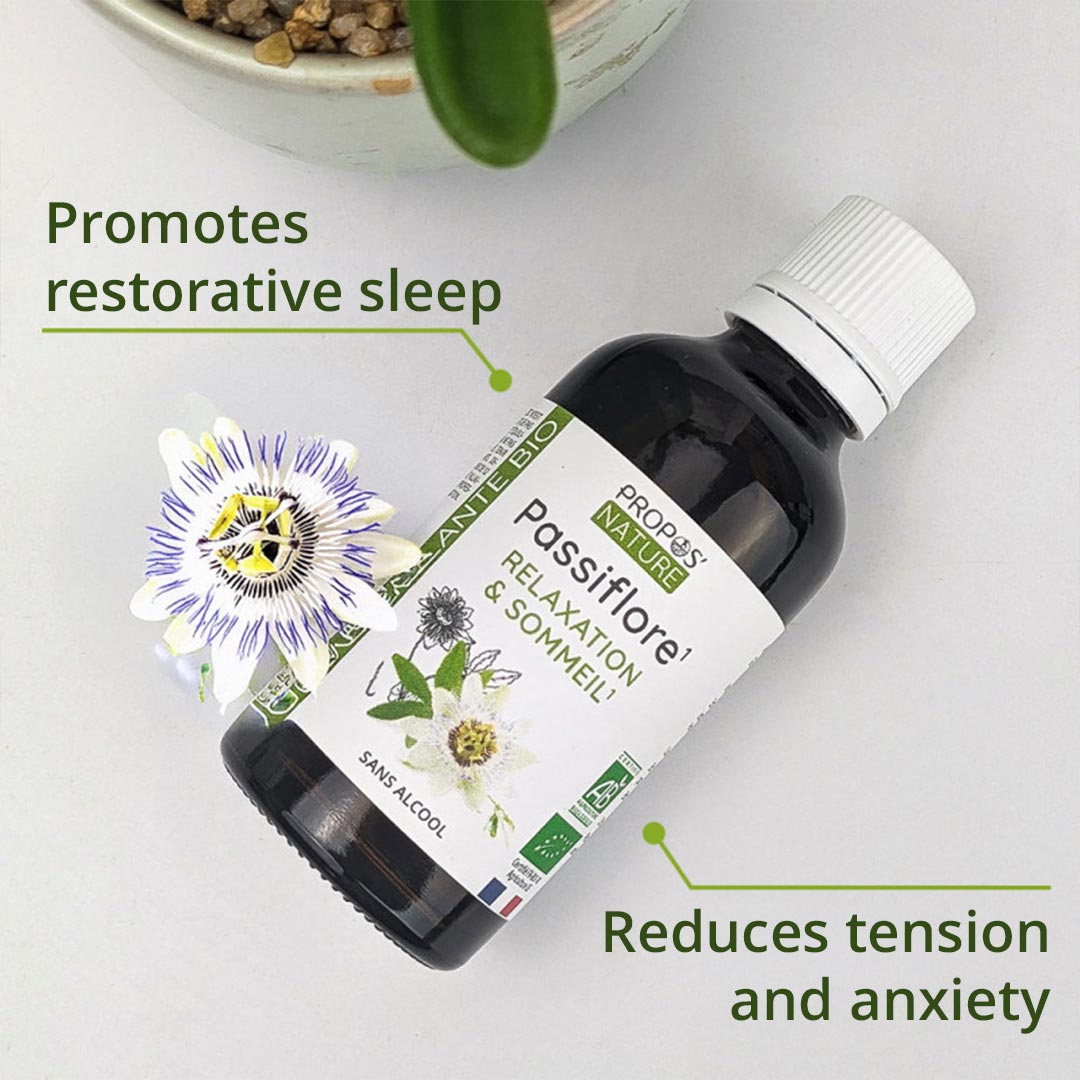
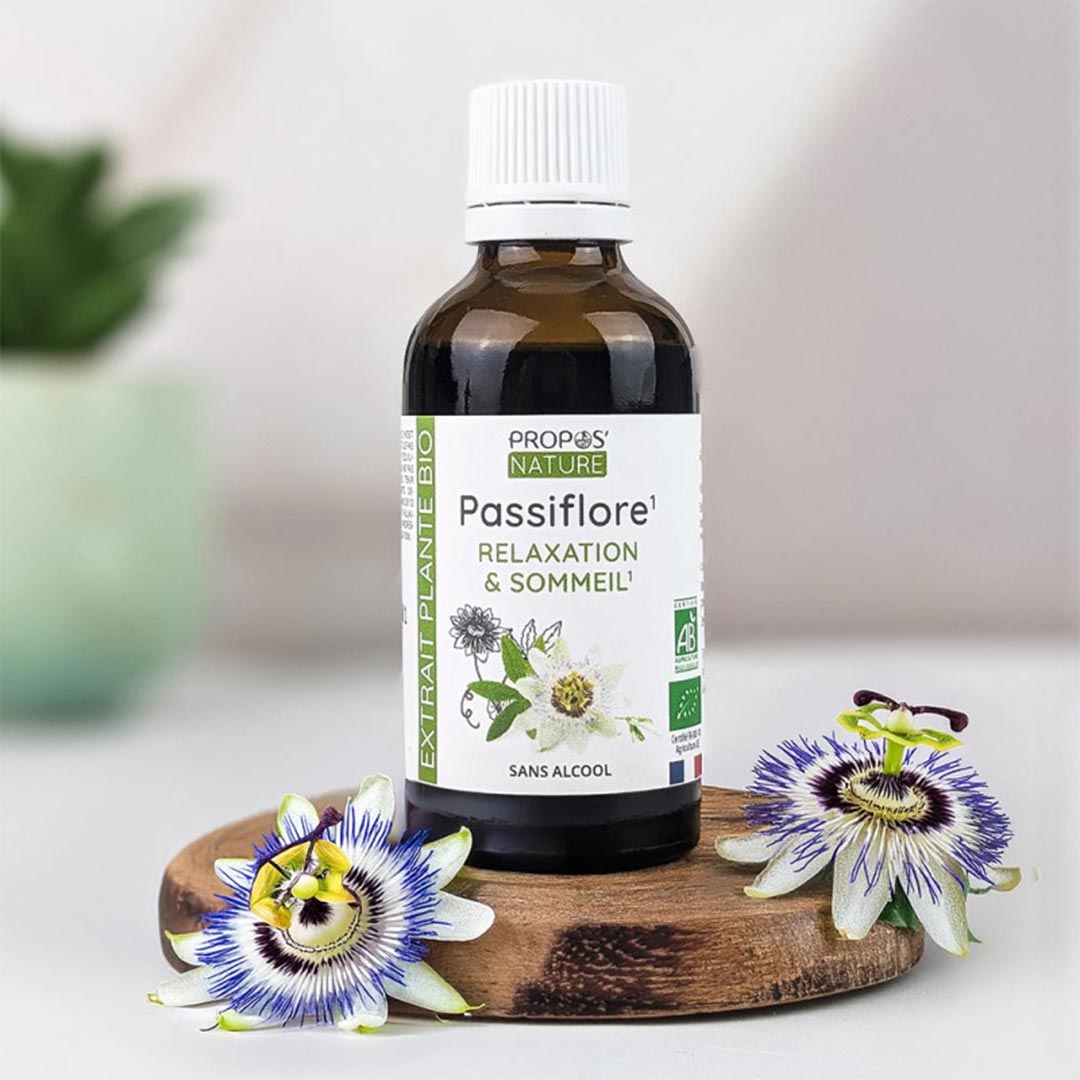
- Passionflower
- Hops
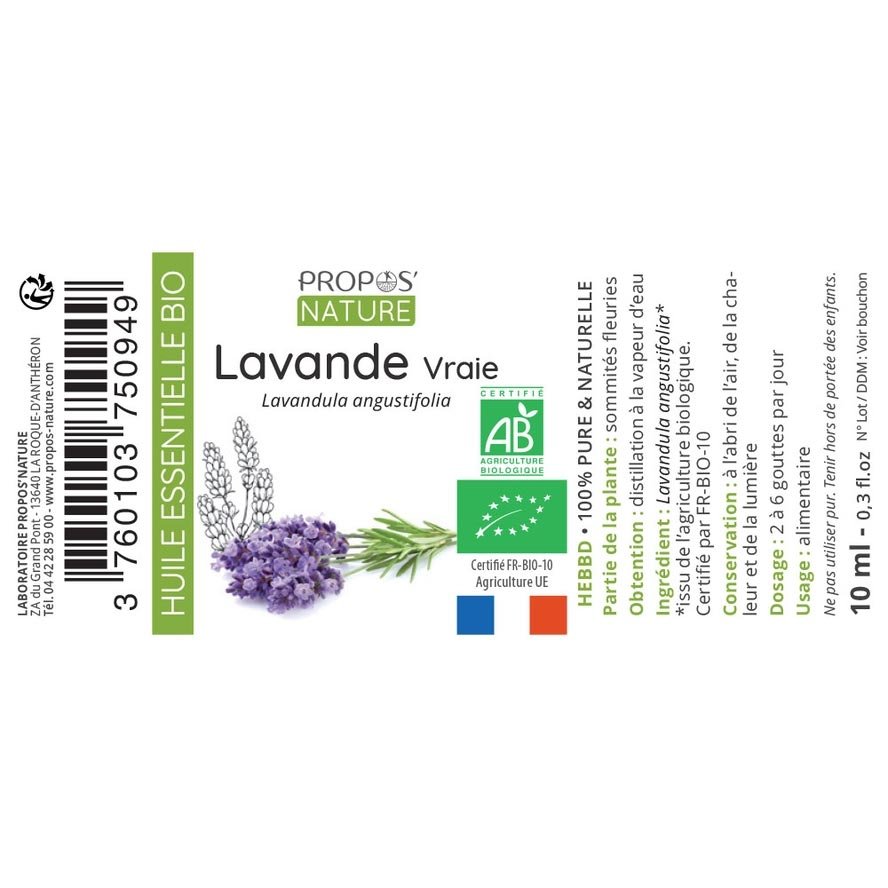
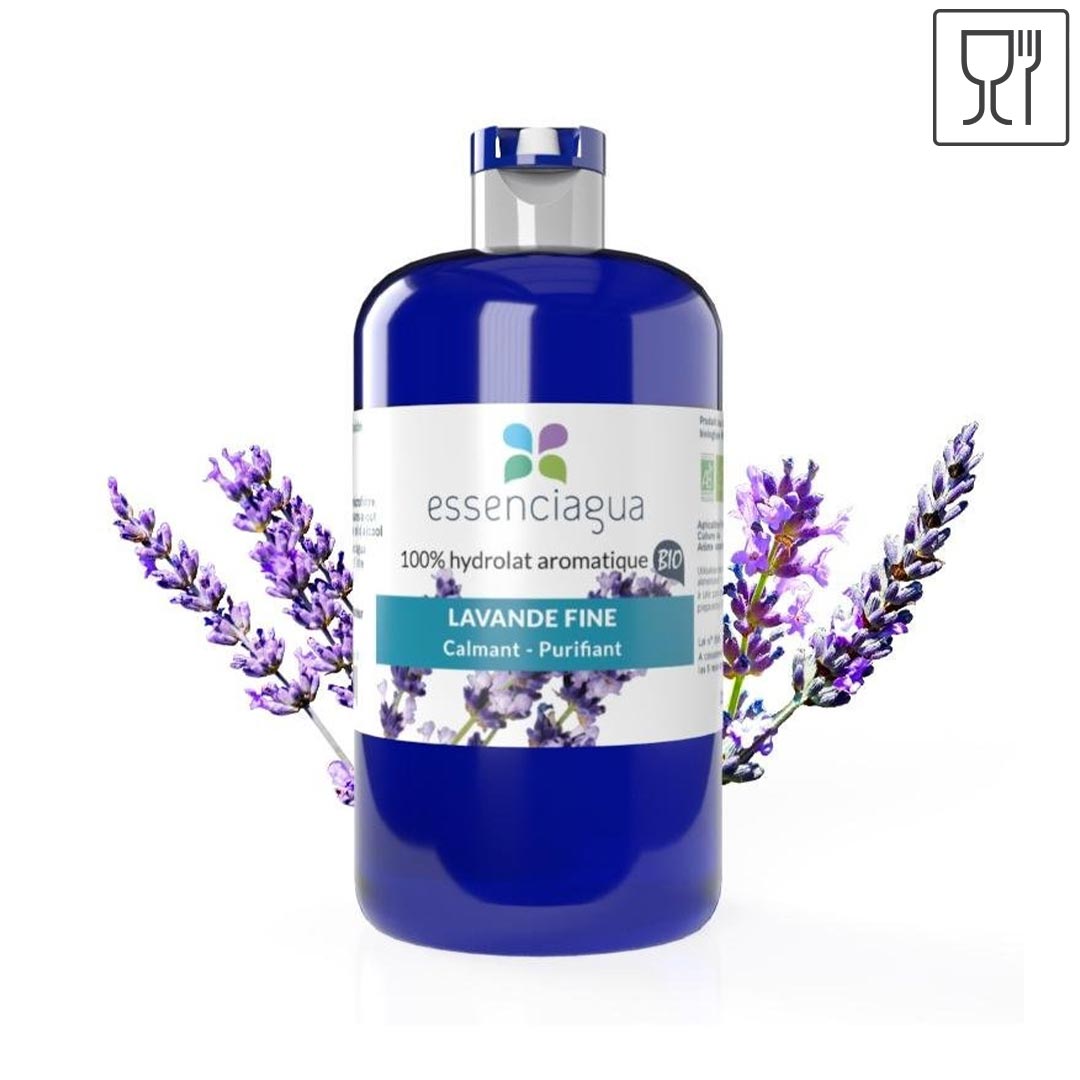
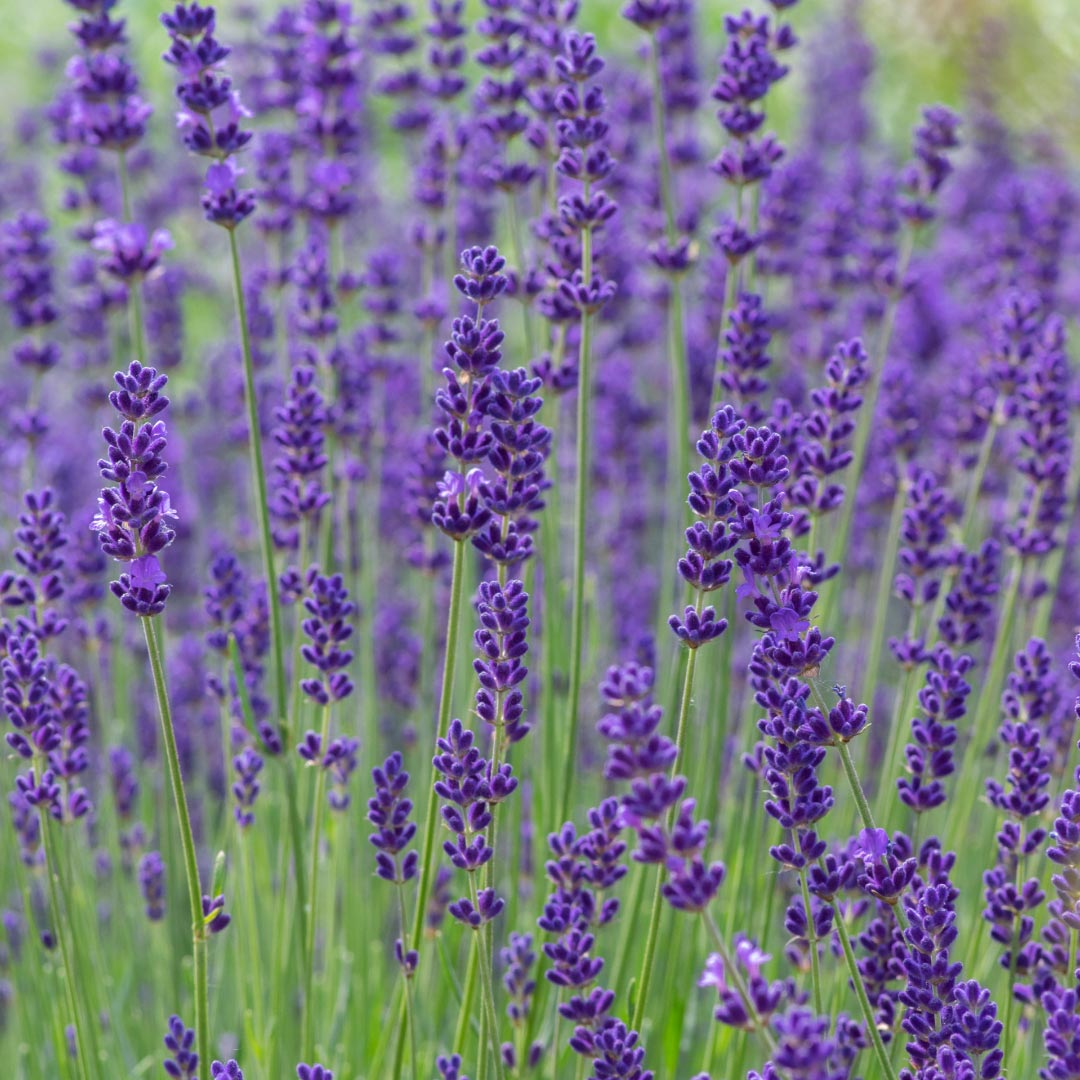
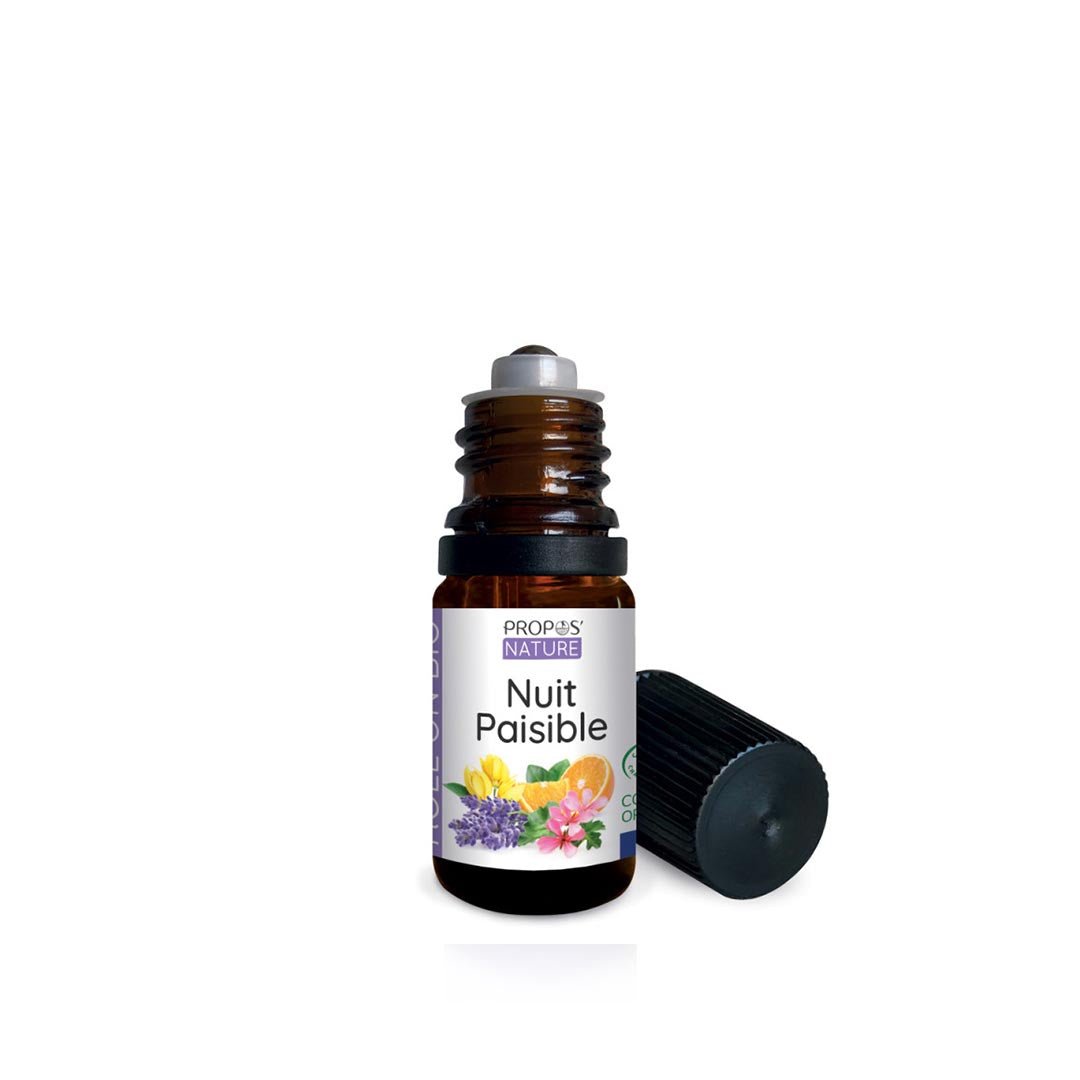
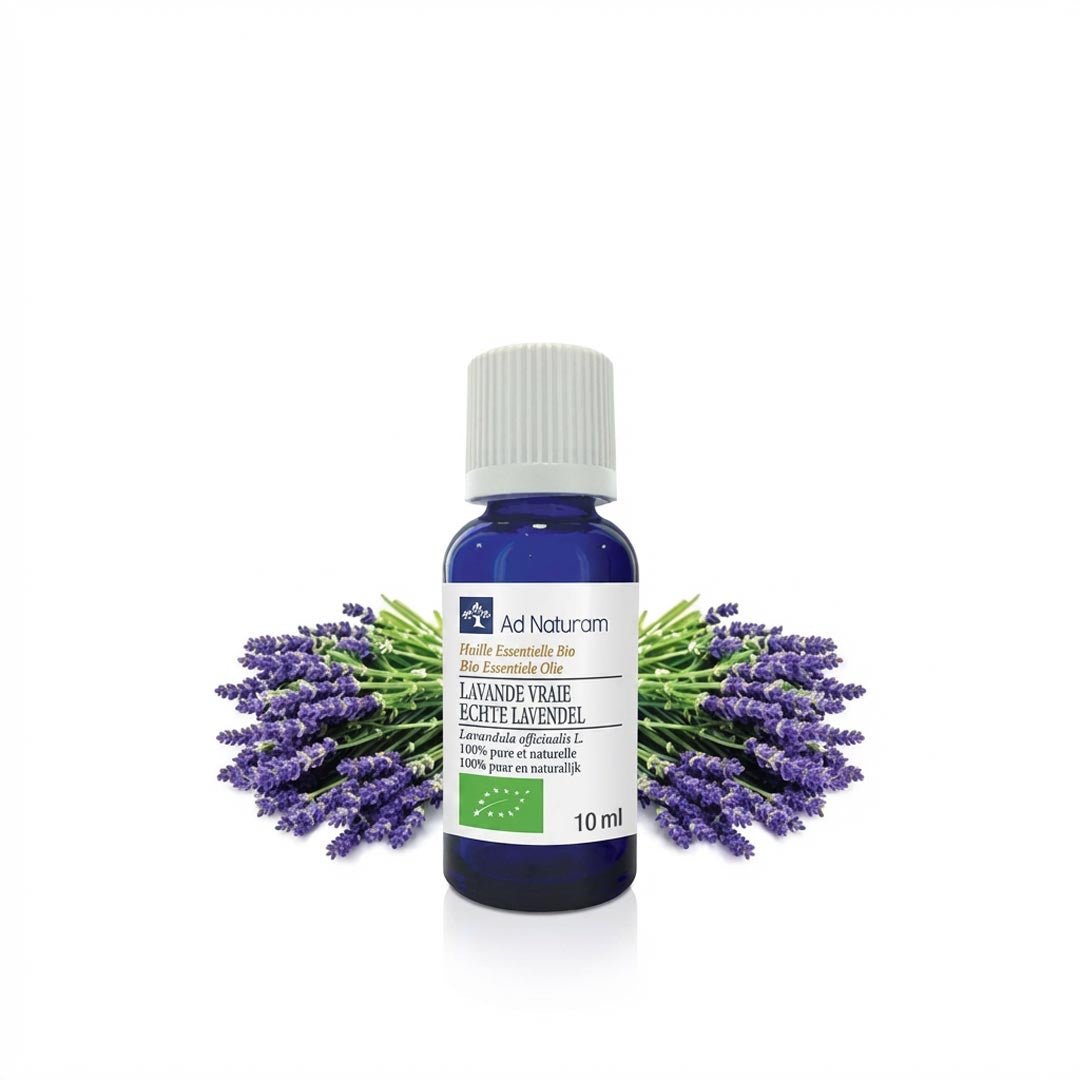
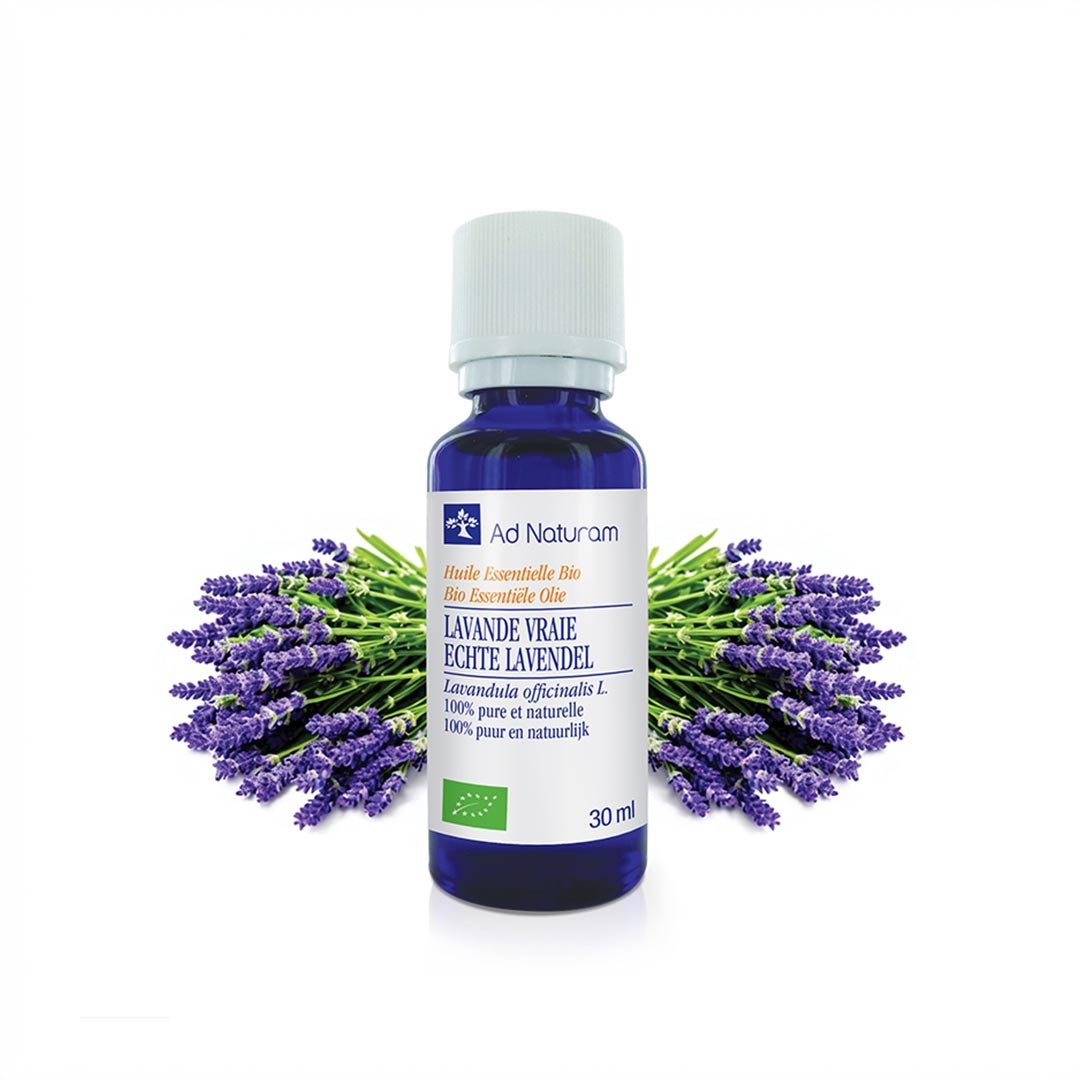
- Lavender
- Ashwagandha
- Tulsi / Holy Basil
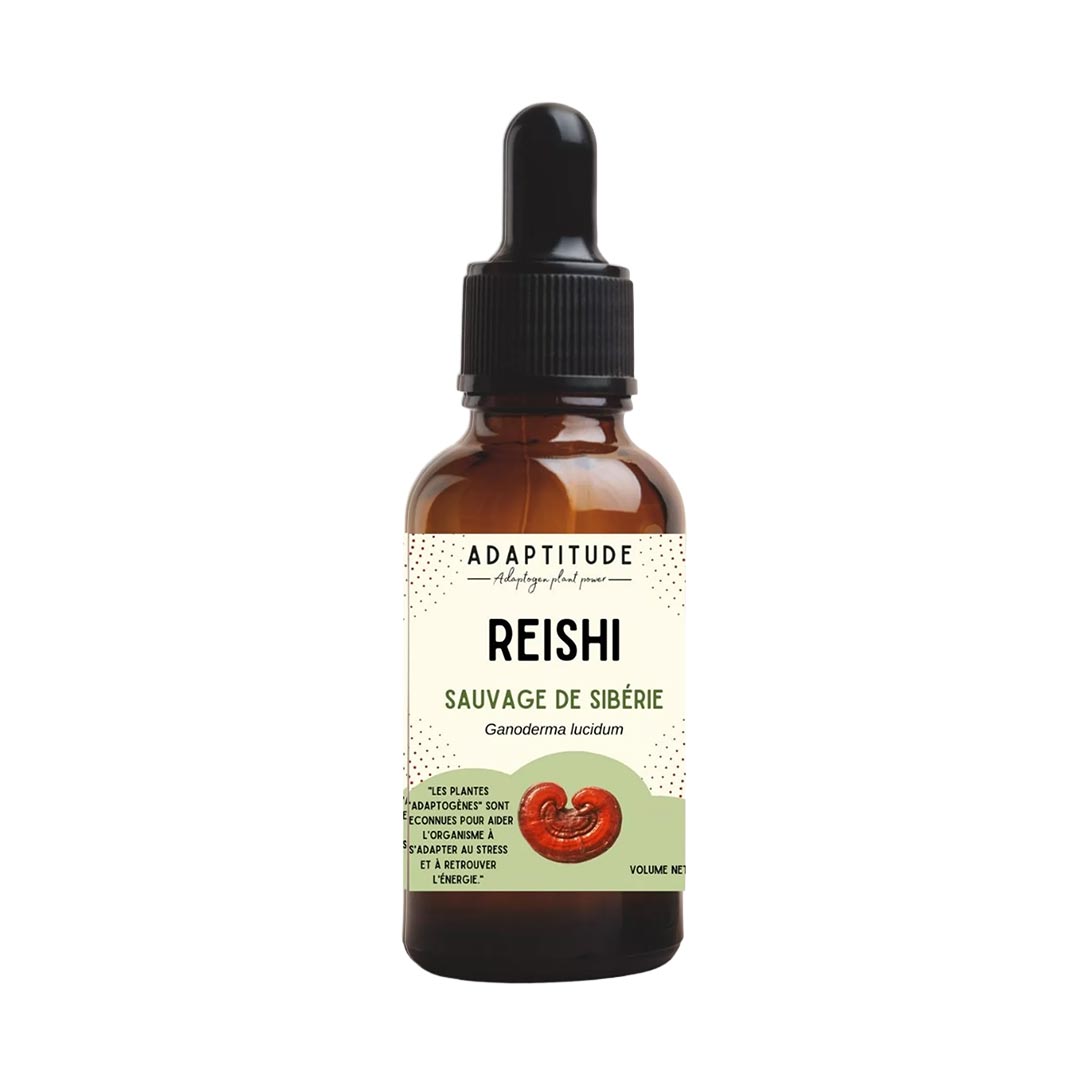
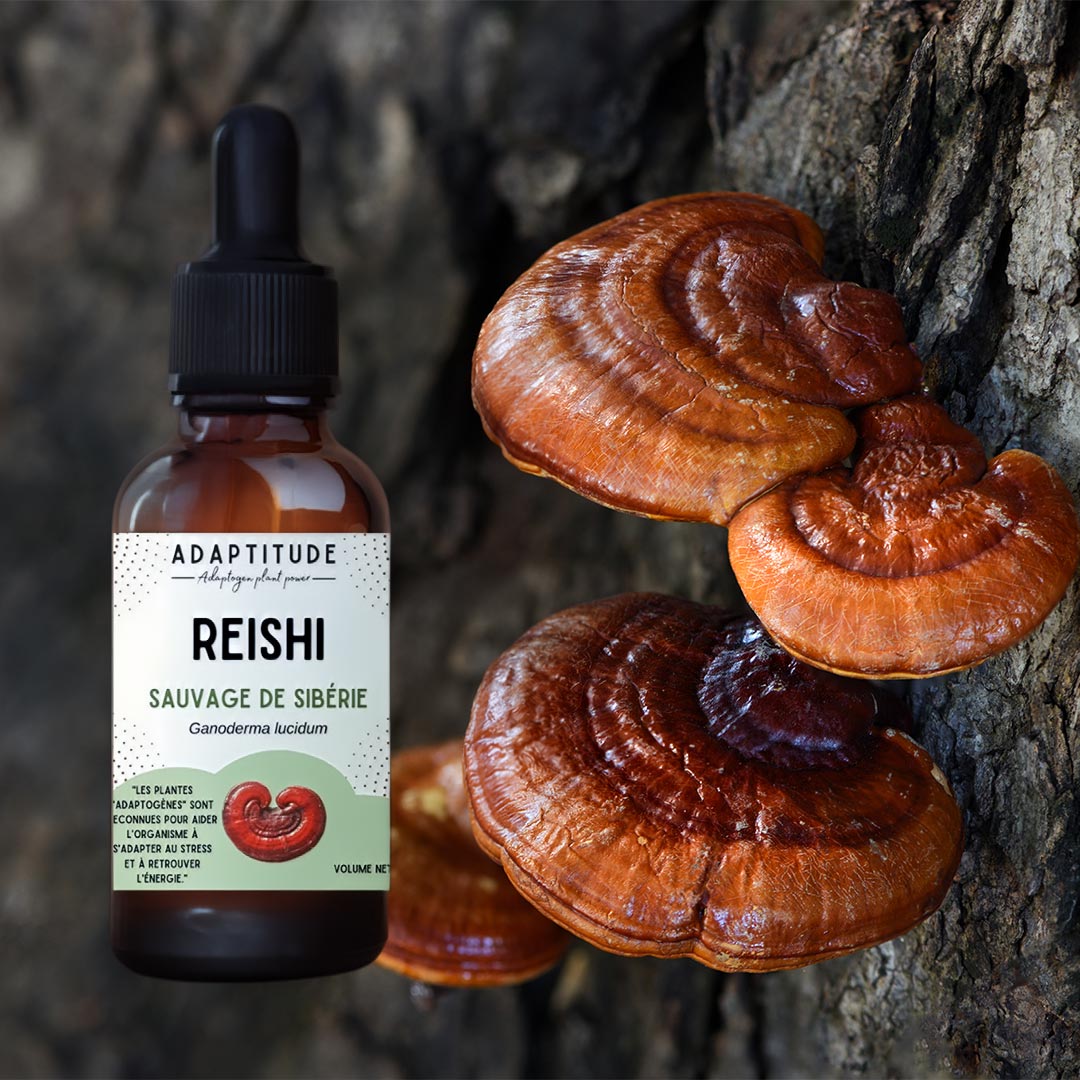
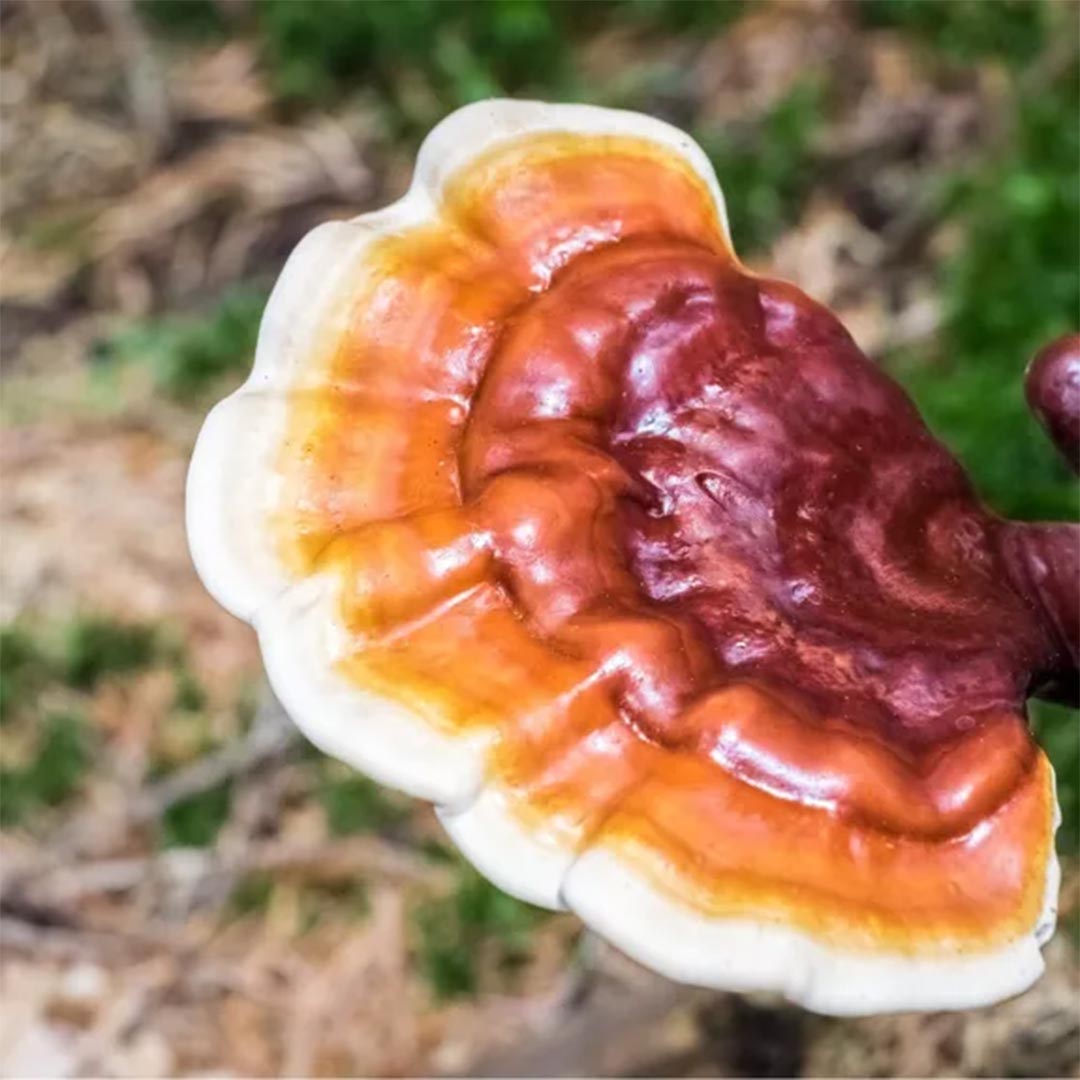
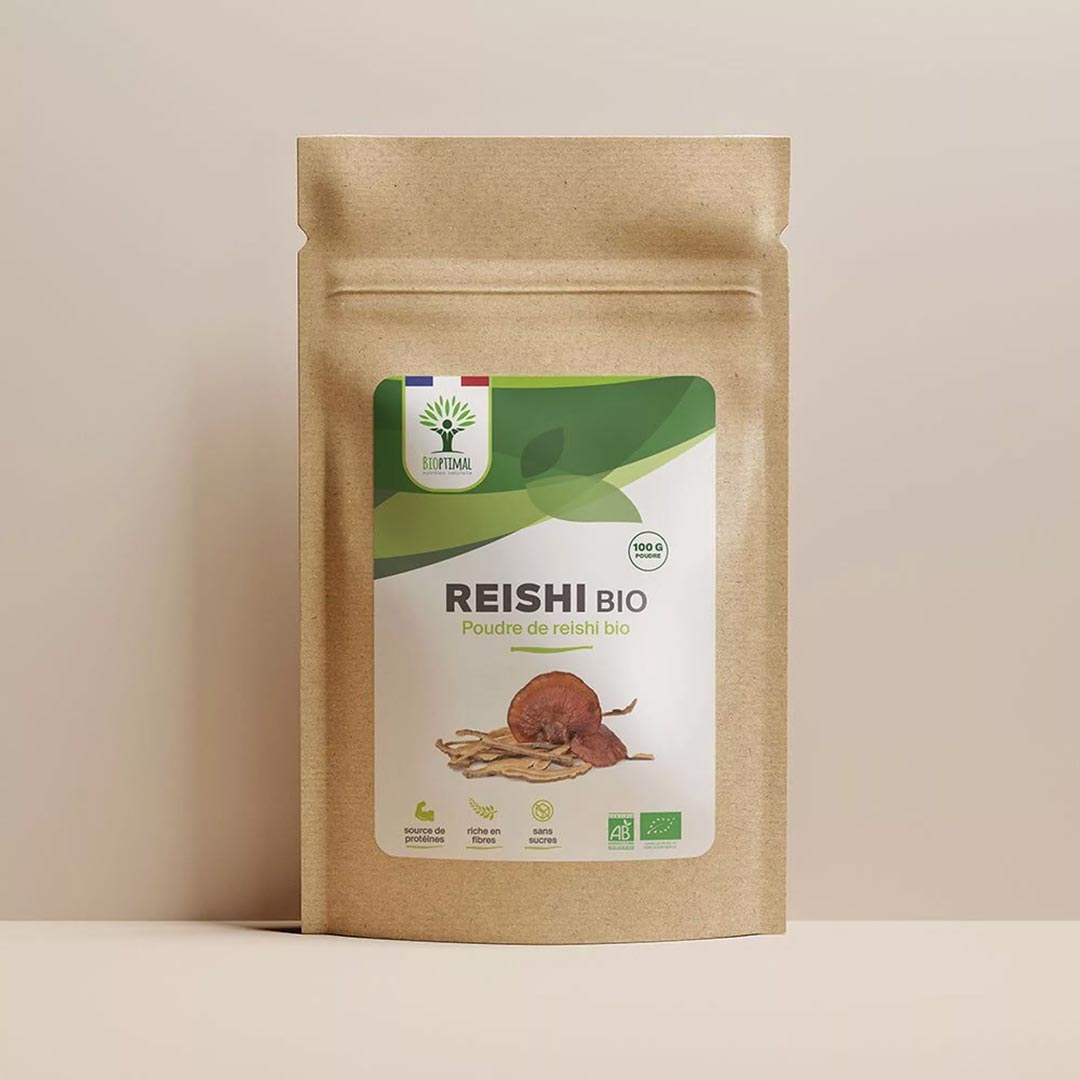
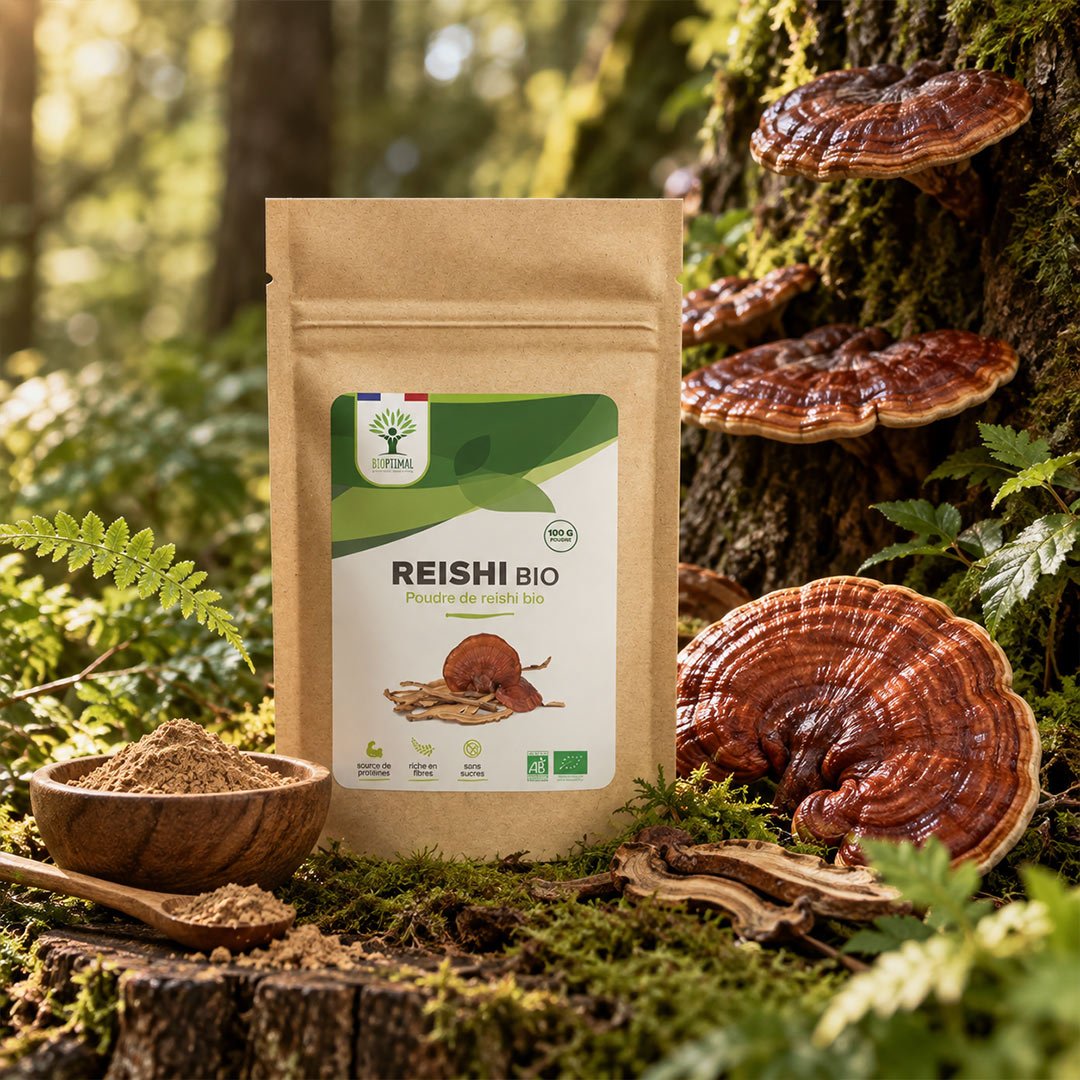
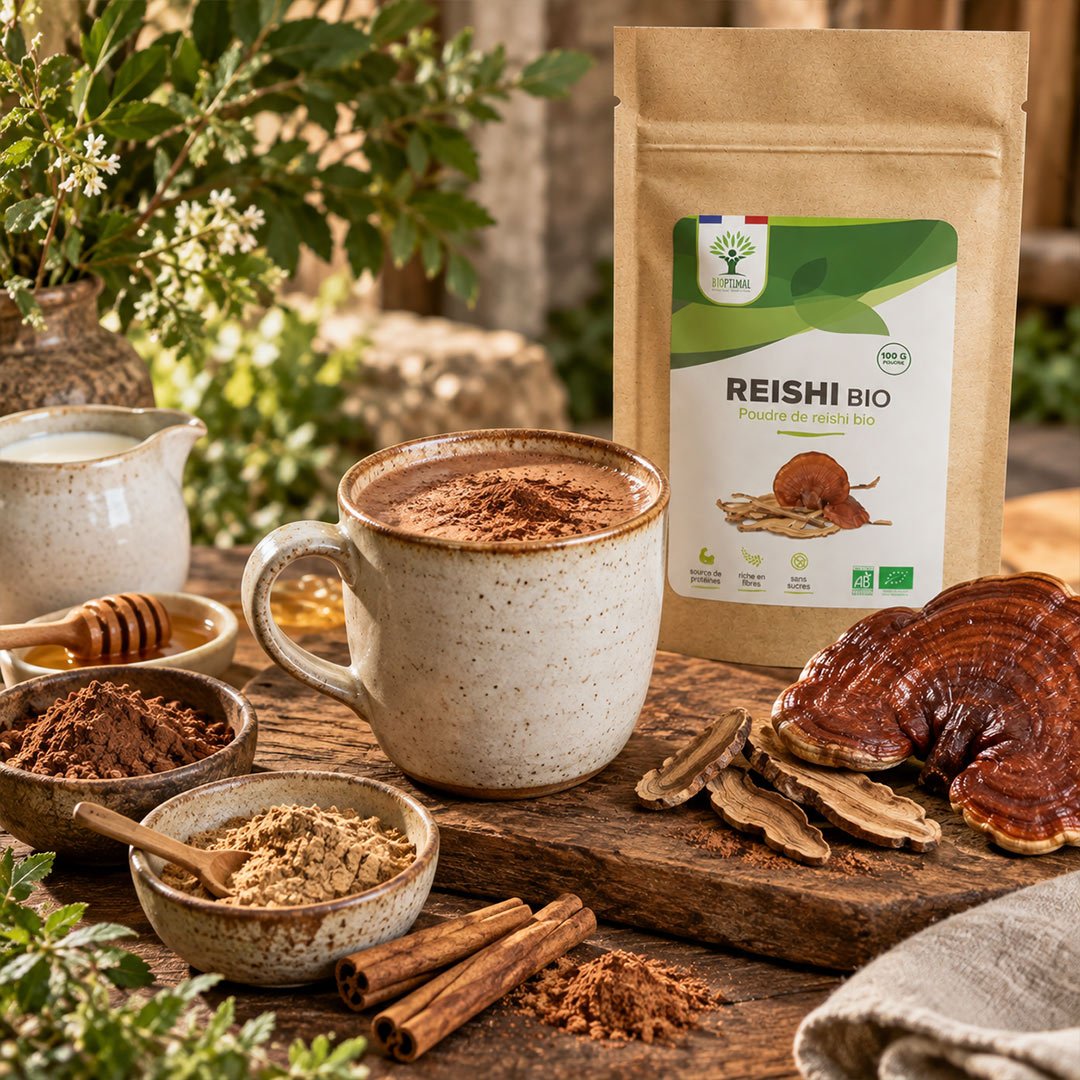
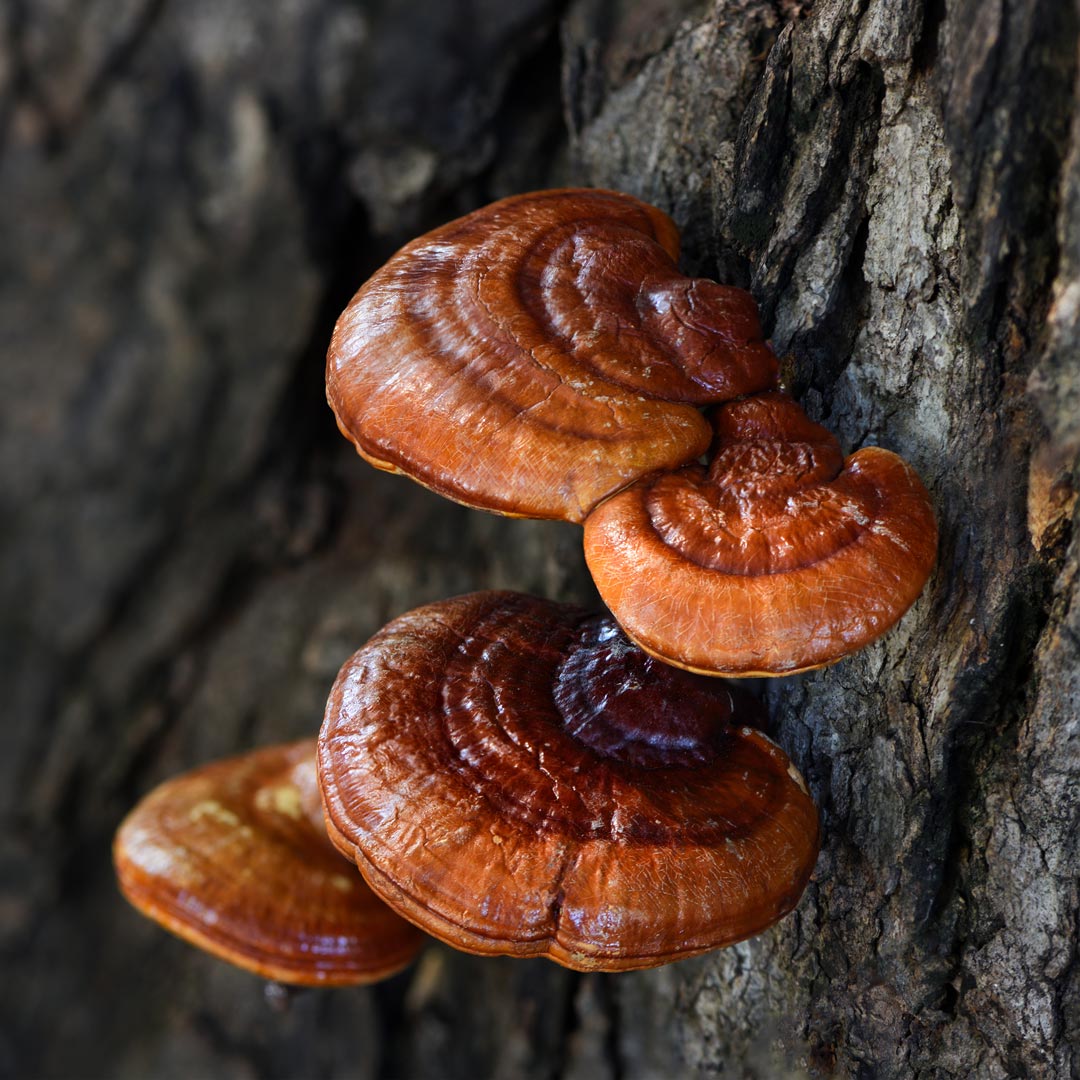
- Reishi
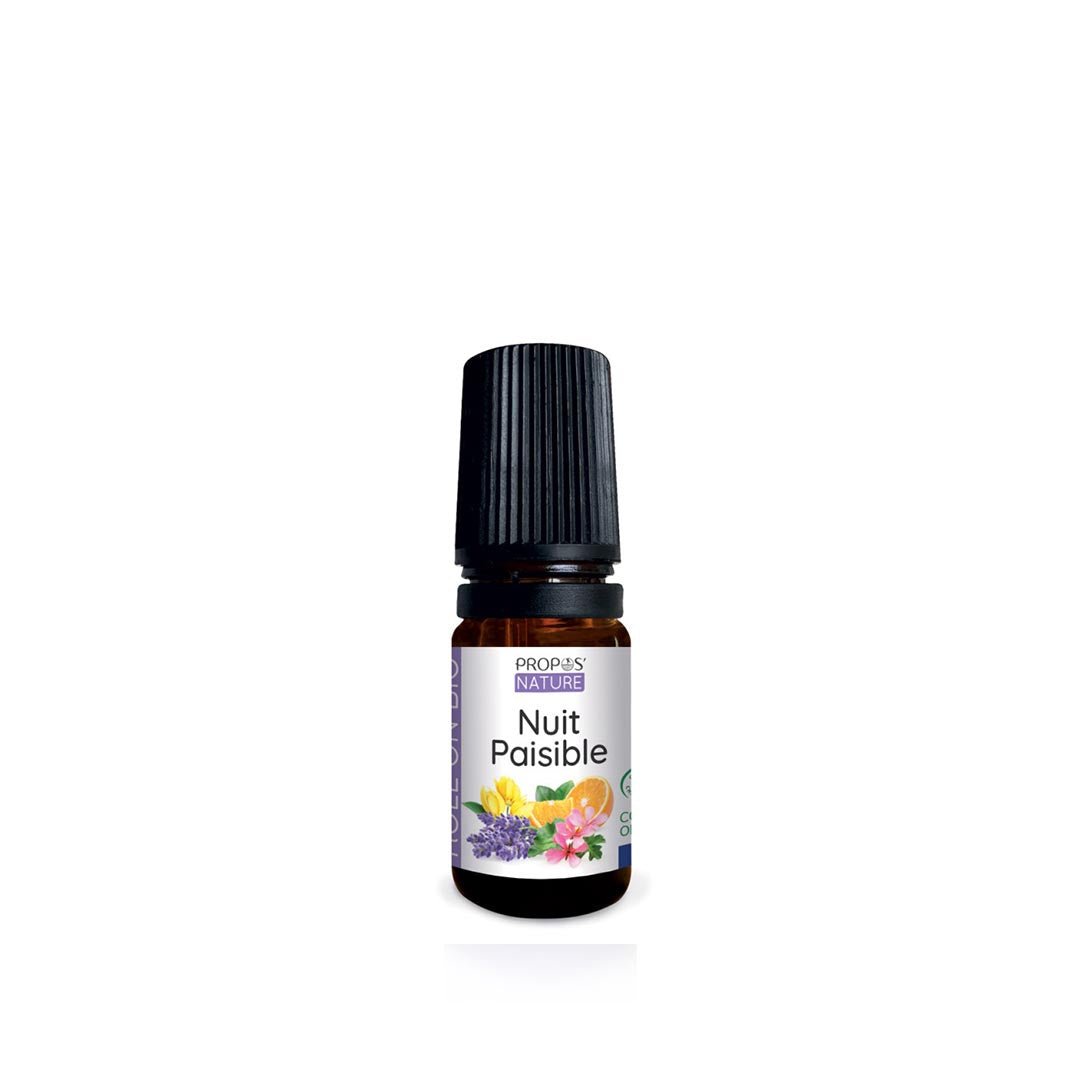
- Evening relaxation rituals












Hot Flashes and Night Sweats During Perimenopause
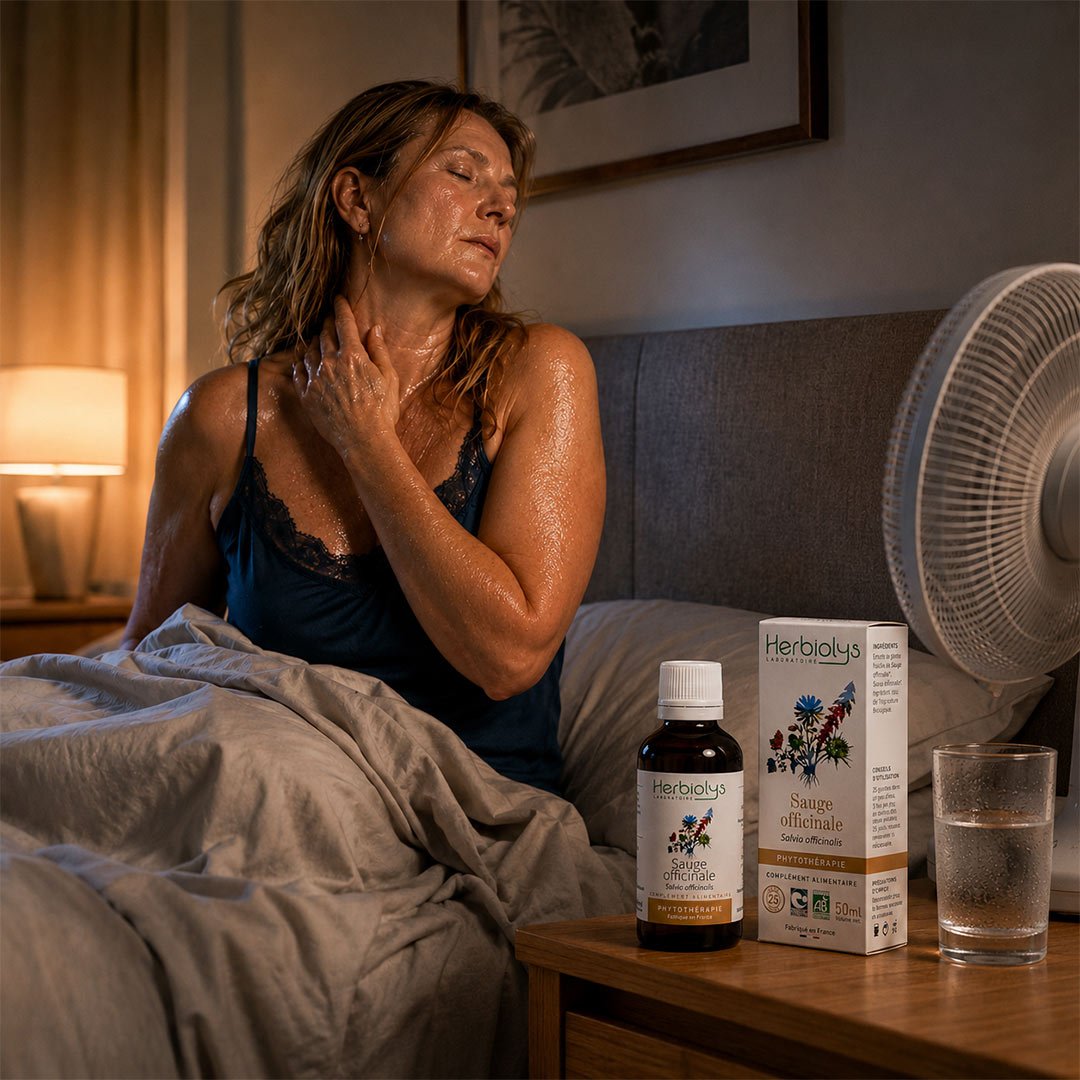
Although hot flashes are often associated with menopause, they frequently begin during perimenopause.
Fluctuating estrogen levels may contribute to sudden feelings of heat, flushing and sweating.
Some women experience occasional episodes while others experience frequent symptoms that affect sleep and daily comfort.
Natural support commonly includes:
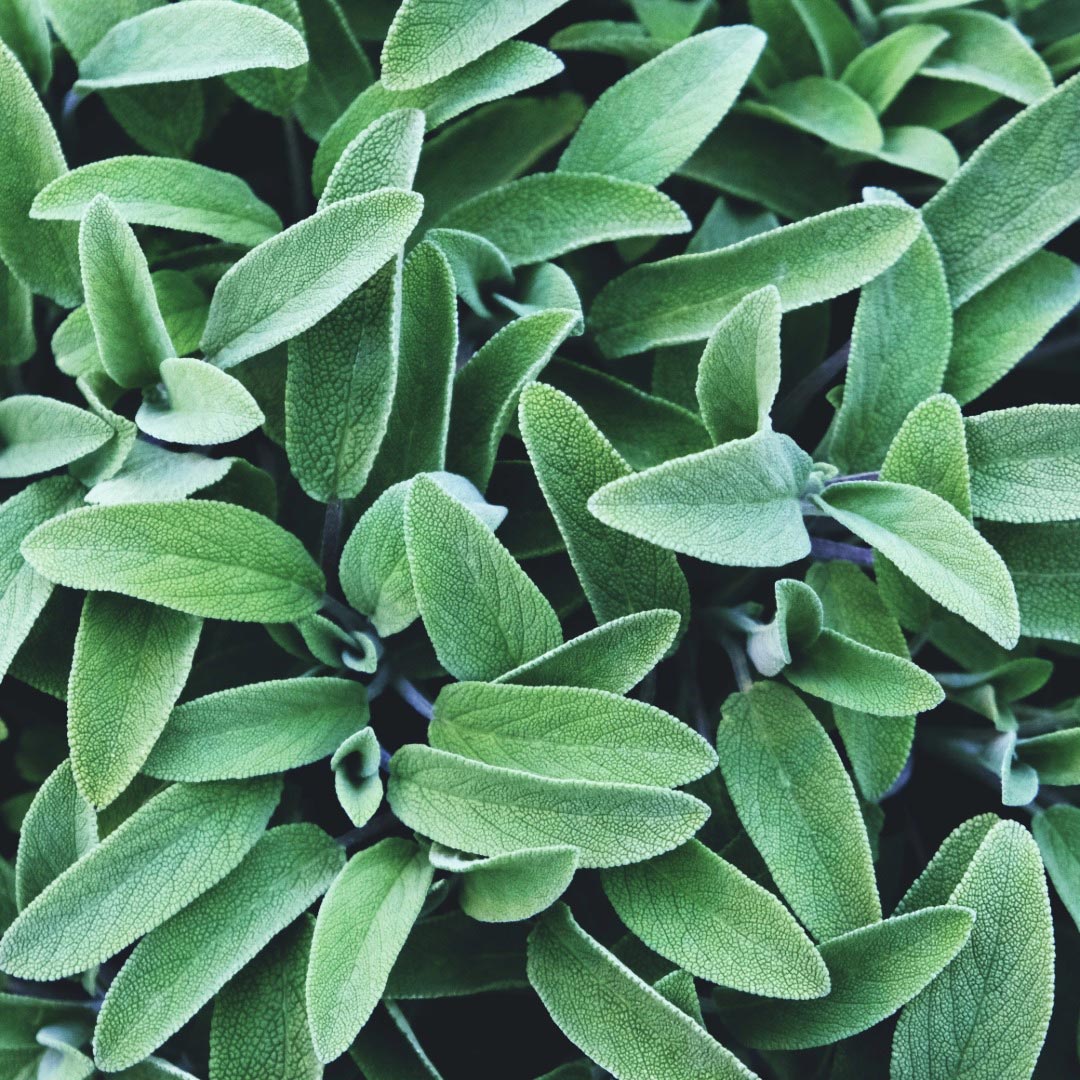
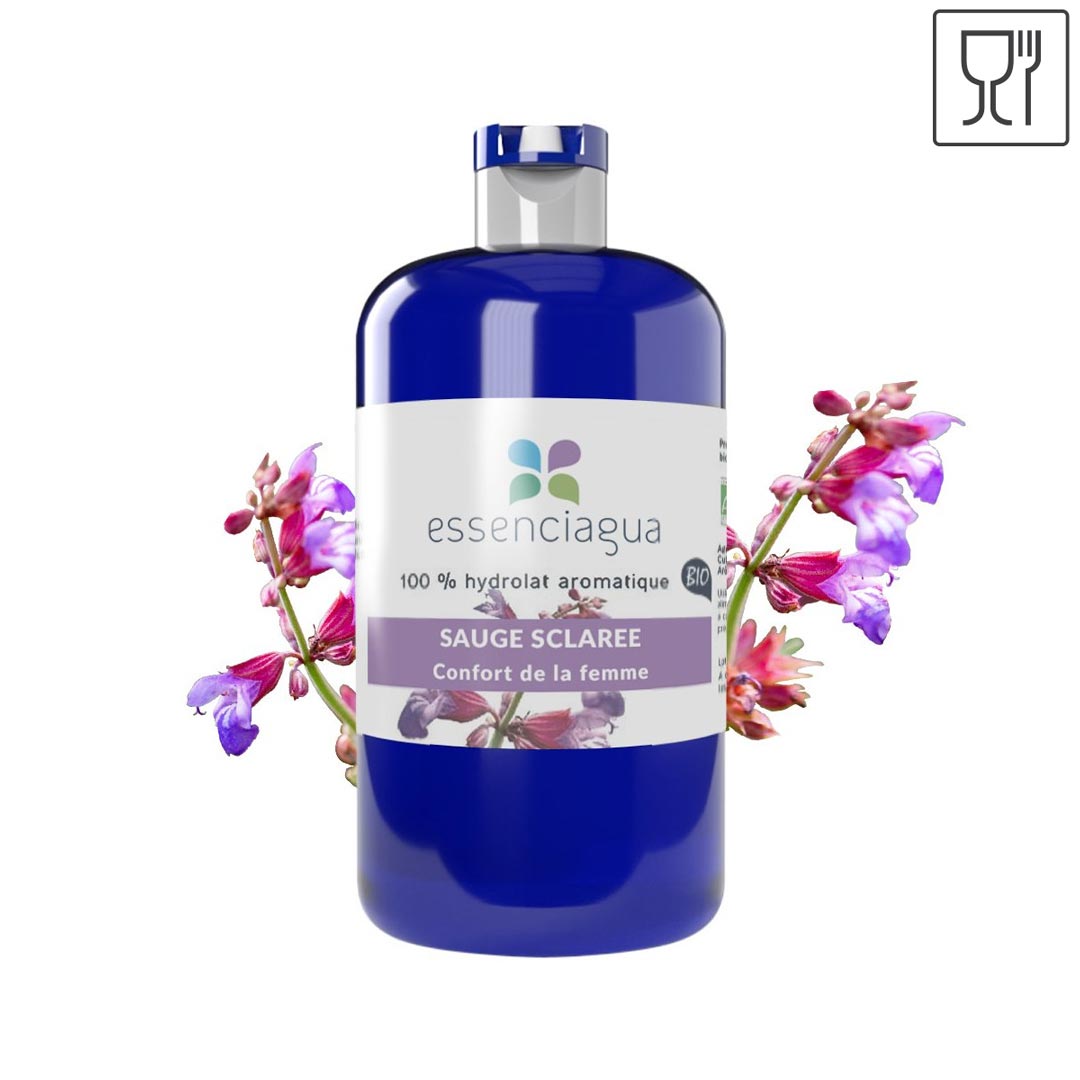
- Sage
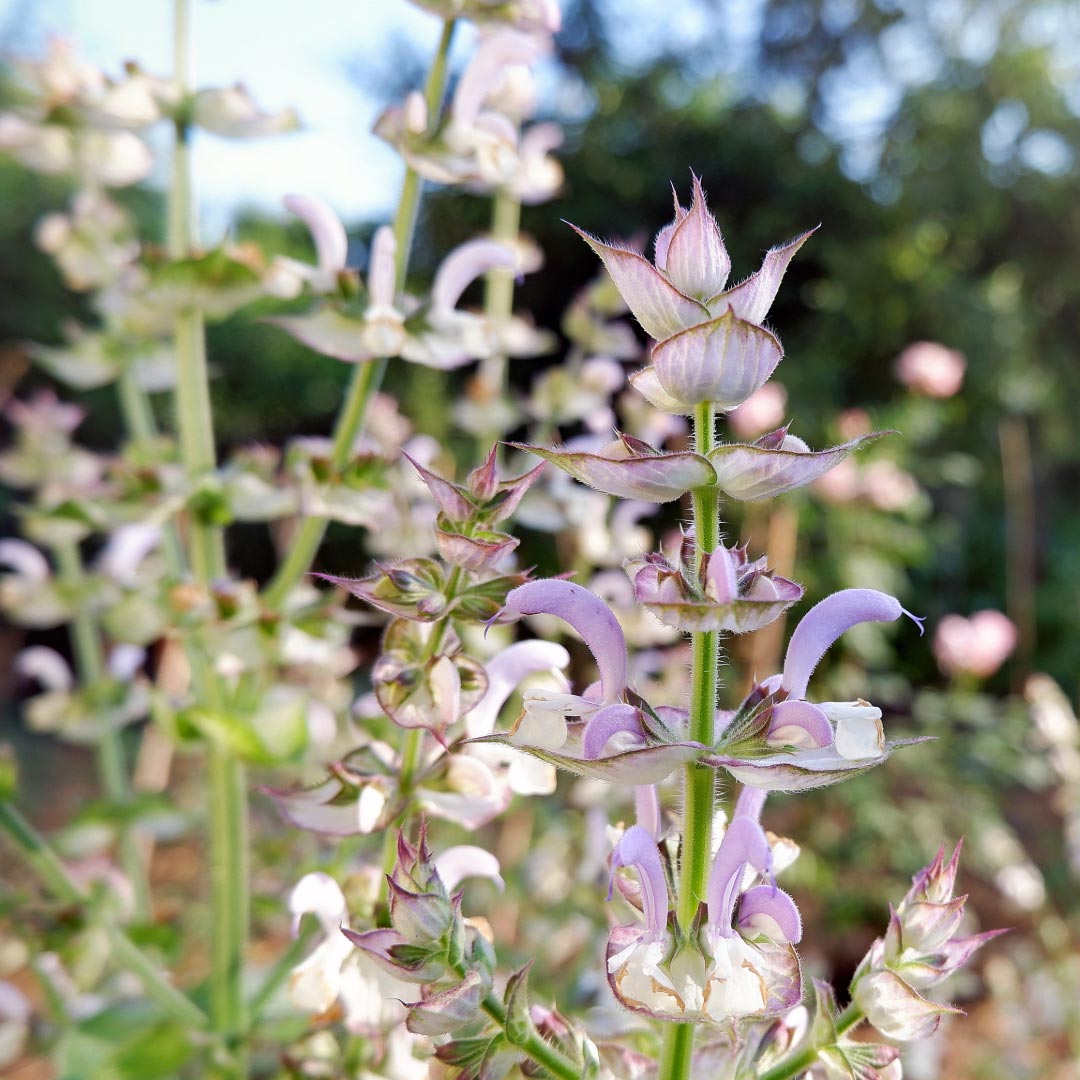
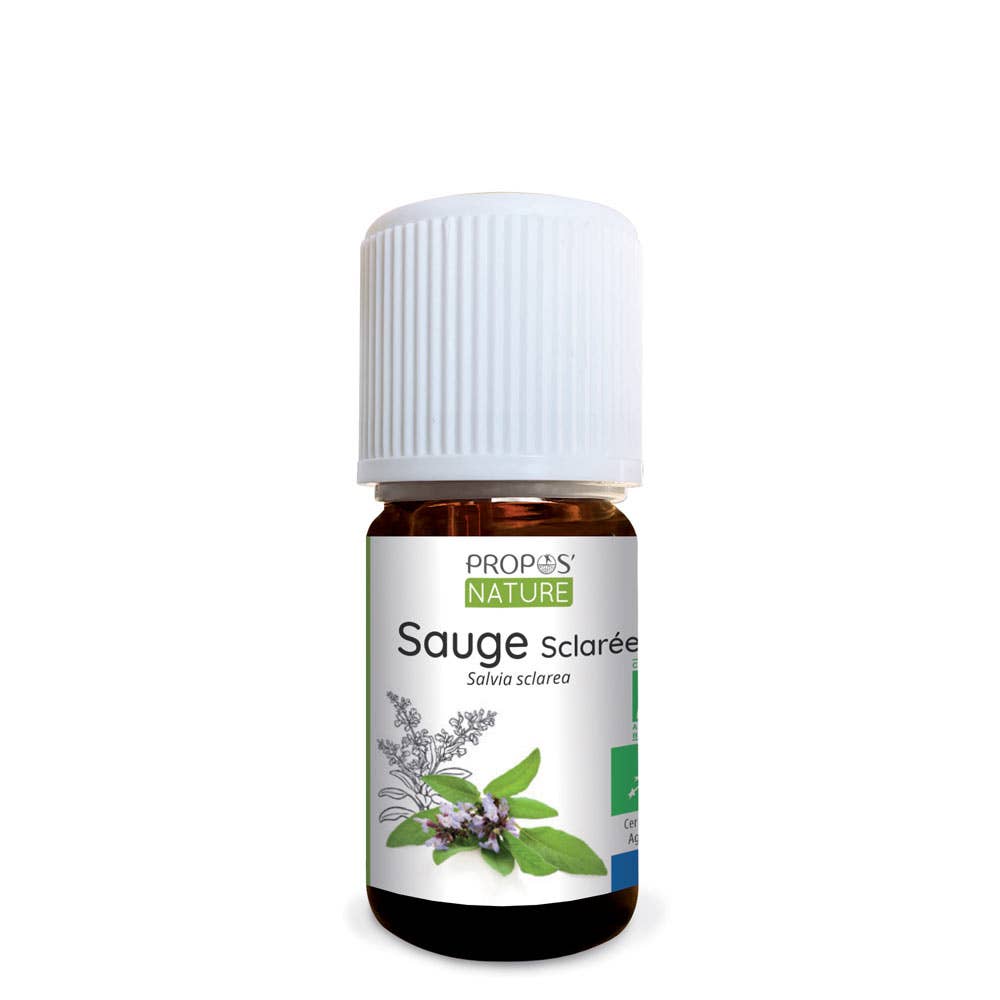
- Clary Sage
- Dogwood Gemmotherapy
- Hops
- Linden















Weight Gain and Metabolic Changes
Many women notice changes in body composition during perimenopause even when diet and activity levels remain unchanged.
Hormonal changes may influence:
- Fat distribution
- Insulin sensitivity
- Appetite regulation
- Energy expenditure
A holistic approach often focuses on:
- Blood sugar balance
- Nutrient-dense foods
- Regular movement
- Stress management
- Liver support
FAQ Hot Flashes
Why Are My Hot Flashes Worse at Night?
Many women notice that hot flashes become more frequent or intense during the evening and throughout the night.
Several factors may contribute to this:
- Natural changes in body temperature during sleep
- Hormonal fluctuations
- Stress and nervous system activation
- Warm sleeping environments
- Alcohol consumption
- Caffeine consumed later in the day
Night sweats can be particularly disruptive because they interrupt the body's natural sleep cycles. Repeated awakenings may lead to fatigue, brain fog, irritability and reduced stress resilience the following day.
Creating a cool sleep environment and supporting both hormonal and nervous system balance may help improve comfort during the night.
Can Stress Trigger Hot Flashes?
Yes. Many women find that stress, anxiety and emotional overwhelm can increase both the frequency and intensity of hot flashes.
The nervous system and hormonal system are closely connected. During perimenopause and menopause, the body's ability to adapt to stress may change, making some women more sensitive to emotional and physical stressors.
Common triggers may include:
- Emotional stress
- Lack of sleep
- Overwork
- Anxiety
- Major life changes
This is why many women benefit from approaches that support both hormonal wellbeing and nervous system balance. Herbs traditionally used for relaxation and stress support, together with restorative sleep and stress management practices, may help reduce the impact of stress-related hot flashes.
Do Hot Flashes Stop After Menopause?
For many women, hot flashes gradually become less frequent and less intense over time. However, every woman is different.
Some women experience hot flashes only during perimenopause, while others continue to have occasional symptoms for several years after menopause.
The duration and severity of symptoms can vary depending on factors such as:
- Individual hormonal changes
- Stress levels
- Sleep quality
- Overall health and lifestyle
Although hot flashes often improve with time, supporting the body through the menopausal transition may help improve comfort and quality of life.
How Long Do Hot Flashes Last?
A single hot flash typically lasts anywhere from a few seconds to several minutes.
The overall duration of hot flashes throughout the menopausal transition varies widely from woman to woman.
Some women experience symptoms for only a short period, while others continue to have occasional hot flashes for several years.
Hot flashes may begin during perimenopause, often before menstrual periods have stopped completely, and may continue into menopause and postmenopause.
Factors that can influence how long hot flashes persist include:
- Hormonal fluctuations
- Stress levels
- Sleep quality
- Body weight
- Individual physiology
While there is no fixed timeline, many women find that symptoms gradually become less disruptive as the body adapts to its new hormonal balance.

At Elliotti, we take a holistic approach and may combine several natural methods depending on a woman's individual needs.

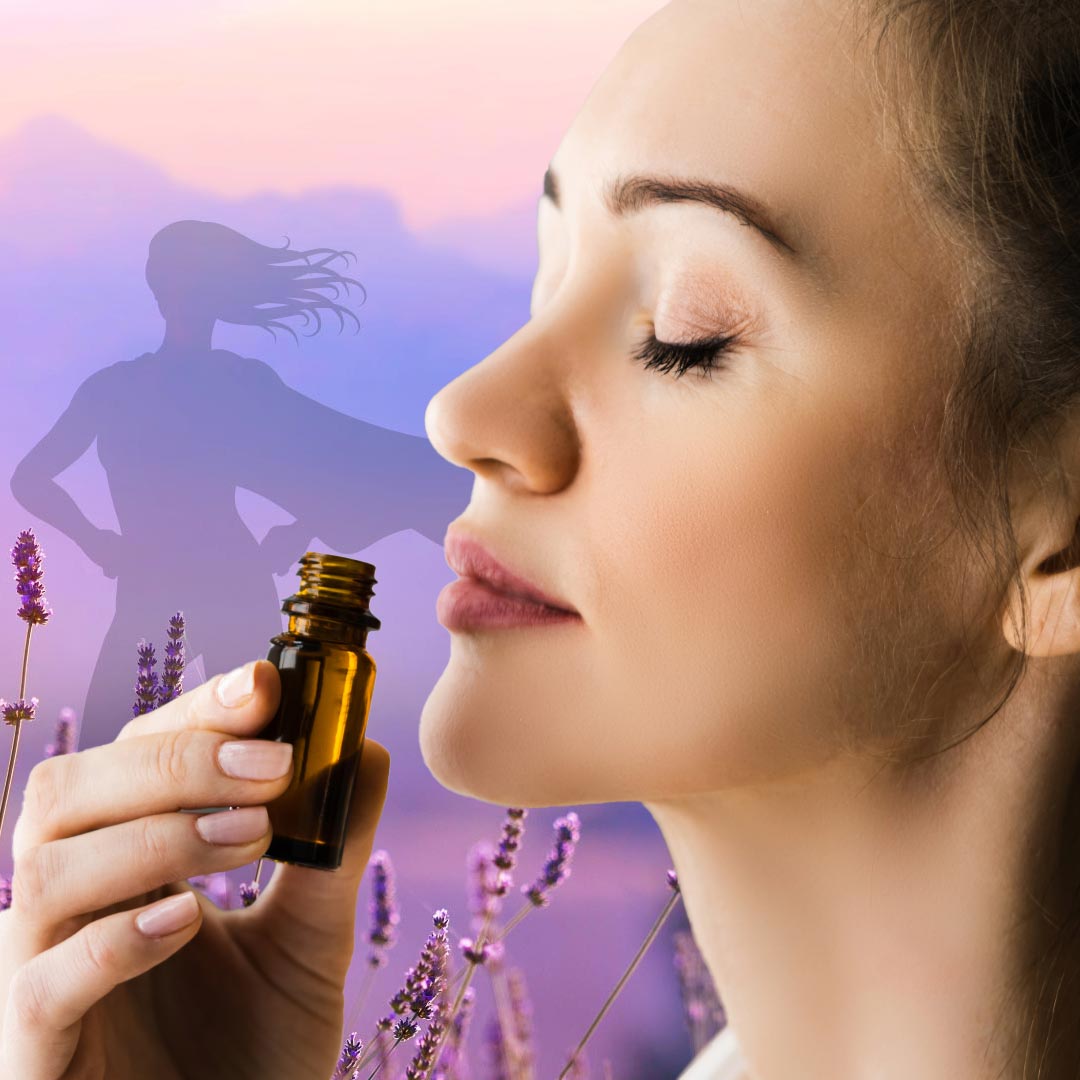



Our goal is to help women understand their options and create personalised wellbeing rituals that support this important life stage.

Frequently Asked Questions About Perimenopause
At what age does perimenopause begin?
Most women enter perimenopause between 40 and 50 years of age, although symptoms may begin earlier.
How long does perimenopause last?
The transition may last anywhere from a few years to more than ten years.
Can I still become pregnant during perimenopause?
Yes. Ovulation can still occur even when menstrual cycles become irregular.
Is anxiety a symptom of perimenopause?
Many women experience increased anxiety, nervousness or emotional sensitivity during perimenopause due to hormonal fluctuations.
Are hot flashes and nights sweats only a menopause symptom?
No. Hot flashes and night sweats often begin during perimenopause and may continue into menopause.
What is the difference between perimenopause and menopause?
Perimenopause is the transition period before menopause. Menopause is reached after 12 consecutive months without a menstrual period.



























Explore more
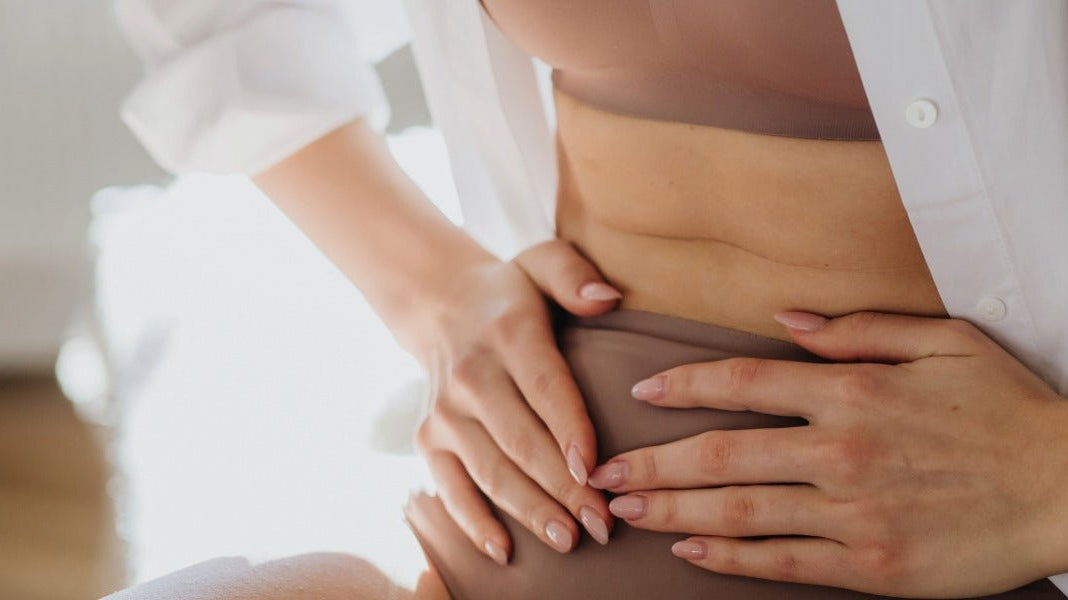
Natural Remedies to Ease Bloating with Hydrosols & Essential Oils
Discover how hydrosols, essential oils, and herbal teas can naturally ease bloating and digestive discomfort. This gentle approach supports your body holistically while creating soothing daily rituals that restore balance and calm.
Natural Aromatherapy Treatments for Vaginal Candida (Thrush)
Candida (thrush) can affect both women and men and can be passed between partners. Therefore, it’s important to treat both individuals if necessary. Here are three effective and natural methods using essential oils for addressing vaginal candida:
The Menstrual Cycle

What is dysmenorrhea?

How Food Choices Affect Menstrual Pain