Lemon Catnip Organic Essential Oil, 2 ml

Regular price € 22,10

Organic Farming

Certified Organic

The french flag - Made in France - Elliotti

Made in France

Nepeta cataria – Organic Essential Oil

A rare and beautifully balanced essential oil, Lemon Catnip offers a fresh, lemony aroma with soft herbal undertones. Distilled from the flowering tops of Nepeta cataria, this oil brings together gentle calming properties with natural insect-repelling benefits - making it a unique addition to your aromatherapy collection.

Benefits:

  • Fresh, lemony scent with a soft herbal depth
  • Naturally calming for the mind and nervous system
  • Helps create a peaceful, relaxed atmosphere
  • Traditionally valued for its insect-repellent properties
  • A gentler alternative to stronger citrus or lemongrass oils

A Note on This Oil

Lemon Catnip essential oil is relatively rare due to its low yield during distillation. Each batch can vary slightly in aroma, reflecting the plant’s natural complexity and the conditions in which it was grown and harvested.

More information

Latin name: Nepeta cataria
Family: Lamiaceae
Plant part used: Leaves and flowering tops
Origin: France
Extraction method: Steam distillation
Harvest period: Summer
Note: Top to middle
Aromatic profile: Fresh, lemony, green, slightly herbaceous

SUPER POWERS
  • Calmative - sedative calming effect
  • Nervine - strengthens and tones the nerves and the nervous system
  • Relaxant - promotes relaxation or reduces tension
  • Sedative - reduces mental excitement or irritability, and reduces physical activity
  • Antimicrobial - antibacterial, antifungal, and antiviral properties. An antimicrobial kills microorganisms or inhibits their growth
  • Antibacterial - kills bacterial growth or prevents bacteria from growing
  • Antifungal - prevents or kills fungus growth
  • Anti-infectious - prevents or treats an infection
  • Anti-inflammatory - reduces inflammation and swelling
  • Antipruritic - helps to relive or prevent itching
  • Insect repellent
  • Restorative - ability to restore health, strength, or well-being
Usage tips

🌿Emotional & Nervous System
Helps calm restlessness and mental tension
Supports emotional balance and relaxation
Ideal for winding down in the evening

🌿Atmosphere & Air
Naturally helps repel mosquitoes
Freshens and purifies indoor spaces

🌿Skin Support
Mildly purifying and soothing
Suitable for sensitive skin when properly diluted

Receipes
Diffuser – Calm & Fresh Atmosphere
3 drops Lemon Catnip
2 drops Lavandin
1 drop Atlas Cedarwood

Diffuse in the evening to create a soft, relaxing environment.

Natural Mosquito Protection Oil (2% dilution – adults)
30 ml carrier oil
12 drops Lemon Catnip
6 drops Geranium
6 drops Patchouli

Apply to exposed skin before going outdoors.

Relaxing Pulse Oil (1% dilution – sensitive users)
30 ml Jojoba oil
6 drops Lemon Catnip
3 drops Neroli

Apply to wrists and chest for gentle emotional support.

PET SAFE

If this oil or blend is safe to Diffuse, it will be checked for Dog, Cat, or both underneath:

  • Cats
  • Dogs
General Guidelines for Diffusing Around Pets:
  1. Diffusion Time: Limit diffusing sessions to 15-20 minutes.
  2. When trying a new essential oil, use 1-2 drops (in the diffuser) and observe how your dog or cat reacts.
  3. Ventilation: Keep the area well-ventilated.
  4. Observation: Always monitor pets for any signs of distress when diffusing essential oils.
Quality

Made in France
From 100% organic farming

Certification

- AB France certified
- 100% Natural Artisanal Product
- Certified Organic
- Not tested on animals
- With guaranteed traceability
- No chemical additives
- Food Grade Essential Oil

Composition

Latin name: Nepeta cataria
Plant part used: Leaves and flowering tops

Naturally rich in:
Citronellol – known for its calming and insect-repelling qualities
Geraniol – soothing, purifying, and skin-friendly

These compounds give Lemon Catnip its gentle yet effective action, both emotionally and environmentally.

Skin type
  • Dry skin
  • Sensitive
  • Normal skin
Skin & hair issues
  • Insect bites & stings
  • Insect repellents
  • Itchiness
  • Rashes
  • Red cheeks
Health issues
  • Physical exhaustion
  • Immune system
  • Fungal infections
  • Wounds & Cuts
Mental health
  • Anxiety & nervousness
  • Fatigue
  • Sleep disorders, Insomnia
  • Stress
Sleep issues
  • Hard to fall a sleep
  • Insomnia
Blends well with

To understand which essential oils enhance Lemon Catnip therapeutically, you first need to understand its nature. This oil is gentle, soft, and regulating. It does not act in a strong or aggressive way. Its composition, likely rich in citronellol and geraniol, makes it calming for the nervous system, supportive for the skin, and naturally insect-repelling. This means it works best when it is supported, not dominated.

One of the most natural companions is Geranium. These two oils share similar biochemical components, which means they reinforce each other rather than compete. When combined, they strengthen the calming effect on the nervous system, improve skin balance, and significantly enhance the insect-repellent action. This is a true synergy where the effect becomes more powerful without becoming harsher.

Atlas Cedarwood brings something completely different but equally important. While Lemon Catnip is light and volatile, Cedarwood is deep and grounding. It slows down the blend, helps it last longer, and adds a stabilizing effect on both the body and mind. This combination is especially useful when you want a blend that feels more anchored and less fleeting.

Lavender or Lavandin deepens the calming effect. Lemon Catnip soothes the surface level of tension, while Lavender works more profoundly on the nervous system thanks to its ester content. Together, they create a more complete relaxation response, making the blend more effective for stress, restlessness, and sleep support.

Neroli takes this even further on an emotional level. While Lemon Catnip gently calms, Neroli works on deeper emotional layers, particularly where there is anxiety, overwhelm, or emotional fatigue. The combination creates a sense of safety and softness, which is especially valuable for sensitive individuals.

Patchouli adds weight and persistence. It is rich in heavier molecules that ground the nervous system and slow down evaporation. When combined with Lemon Catnip, it creates a more durable blend, particularly useful for mosquito protection on the skin, while also supporting emotional grounding.

Peppermint creates a contrast rather than a reinforcement. Where Lemon Catnip calms, Peppermint stimulates and refreshes. This combination can be very effective when you want clarity without agitation. It creates a balanced state where the mind feels alert but not tense.

The key to working with Lemon Catnip is to respect its nature. It is not an oil that should dominate a blend. It works best as a harmonizer, something that softens, balances, and connects other oils together. When paired with oils that either reinforce its chemistry, deepen its calming effect, or anchor its lightness, it becomes far more effective than when used alone.

Precautions for use

Always dilute before applying to the skin
Not recommended during pregnancy
Avoid use for children under 3 years

Packaging & storage

Store away from heat and light
Packaging: 2ml amber glass bottle with dropper cap

A little history

Lemon catnip, botanically known as Nepeta cataria, belongs to a family of aromatic plants that have been valued for centuries in traditional European herbal practice. Unlike many exotic medicinal plants, catnip has always been a familiar presence in everyday life. It was commonly grown in monastery gardens and used by folk healers as a gentle, reliable remedy for daily imbalances rather than severe conditions.

Historically, the plant was most often prepared as a warm infusion. It was used to support relaxation, ease digestive discomfort, and calm the nervous system. Because of its mild nature, it was considered suitable for both children and the elderly, which contributed to its reputation as a safe and comforting household herb. It was not seen as a strong or aggressive medicine, but rather as a plant that helps the body return to balance in a soft and supportive way.

The name “catnip” comes from its well-known effect on cats, a phenomenon that has been observed for centuries. The plant contains natural compounds that trigger a playful and stimulating response in felines. Interestingly, its effect on humans is quite the opposite, as it is traditionally associated with calming and soothing properties.

While catnip has a long history as a herbal remedy, its use as an essential oil is relatively recent. The plant produces only a small amount of essential oil during distillation, which is why it has not been widely used in this form in the past. Instead, herbal preparations and hydrosols have been more common. This also explains why the essential oil remains relatively rare today.

From a broader perspective, lemon catnip can be seen as a plant that brings lightness and gentle movement. Its fresh, lemony aroma reflects its traditional role in supporting relaxation without heaviness. It does not overwhelm the system, but instead helps to soften tension and restore a sense of calm.

Traditionally, catnip has been associated with themes such as relaxation, digestive comfort, and protection, particularly in relation to insects. The lemon-scented variety, which is richer in compounds like citronellol and geraniol, strengthens this protective aspect and makes it especially relevant for modern use, particularly during the summer months.

In many ways, lemon catnip represents a bridge between traditional herbal wisdom and contemporary aromatherapy. It carries the simplicity of a well-known household plant while offering new possibilities through its essential oil, combining gentle calming effects with natural environmental support.

Volume

2 ml

Immunity and prevention banner showing natures alleys for strengthening your immune system.

Strengthen Your Defenses Naturally

Immunity & Prevention

Discover nature’s most powerful allies - essential oils, hydrosols, superfoods, food supplements, and herbal remedies to protect, energize, and restore balance all year round.

Hi, I’m Susann!

I’m a holistic aromatherapist and naturopath, and I’m here to help you choose the best essential oils and natural products for your well-being—at no extra cost. Feel free to reach out with any questions or for personalized advice. I’m here to support you!

Send me an e-mail at susann@elliotti.com

Exclusive Guides

Exclusive Guide to Rosemary Essential Oil

Exclusive Guide to Marjoram Essential Oil

Exclusive Guide to Atlas Cedar Essential Oil

Exclusive Guide to Ravintsara Essential Oil

Exclusive Guide to Geranium Essential Oil
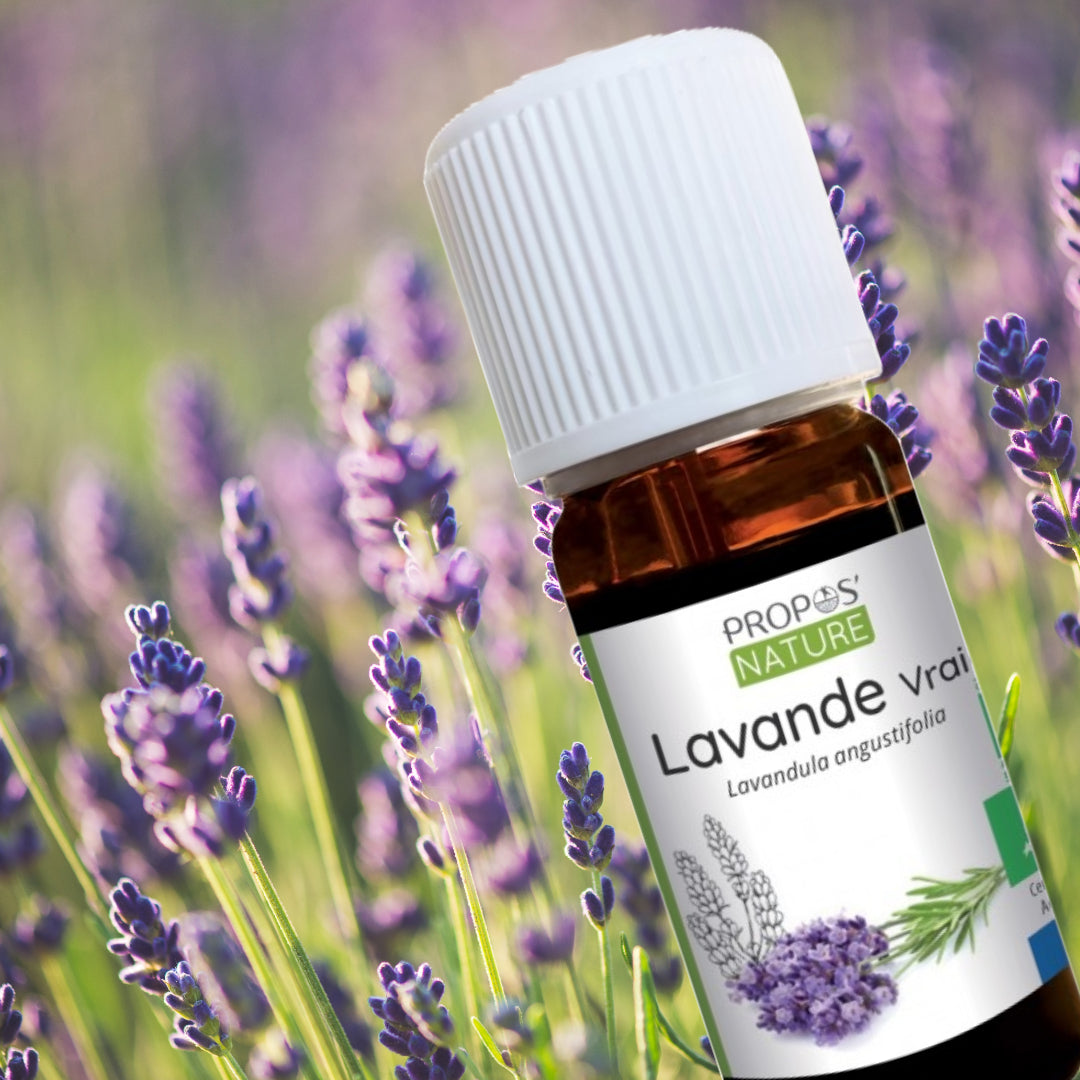
Exclusive Guide to Lavender Essential Oil
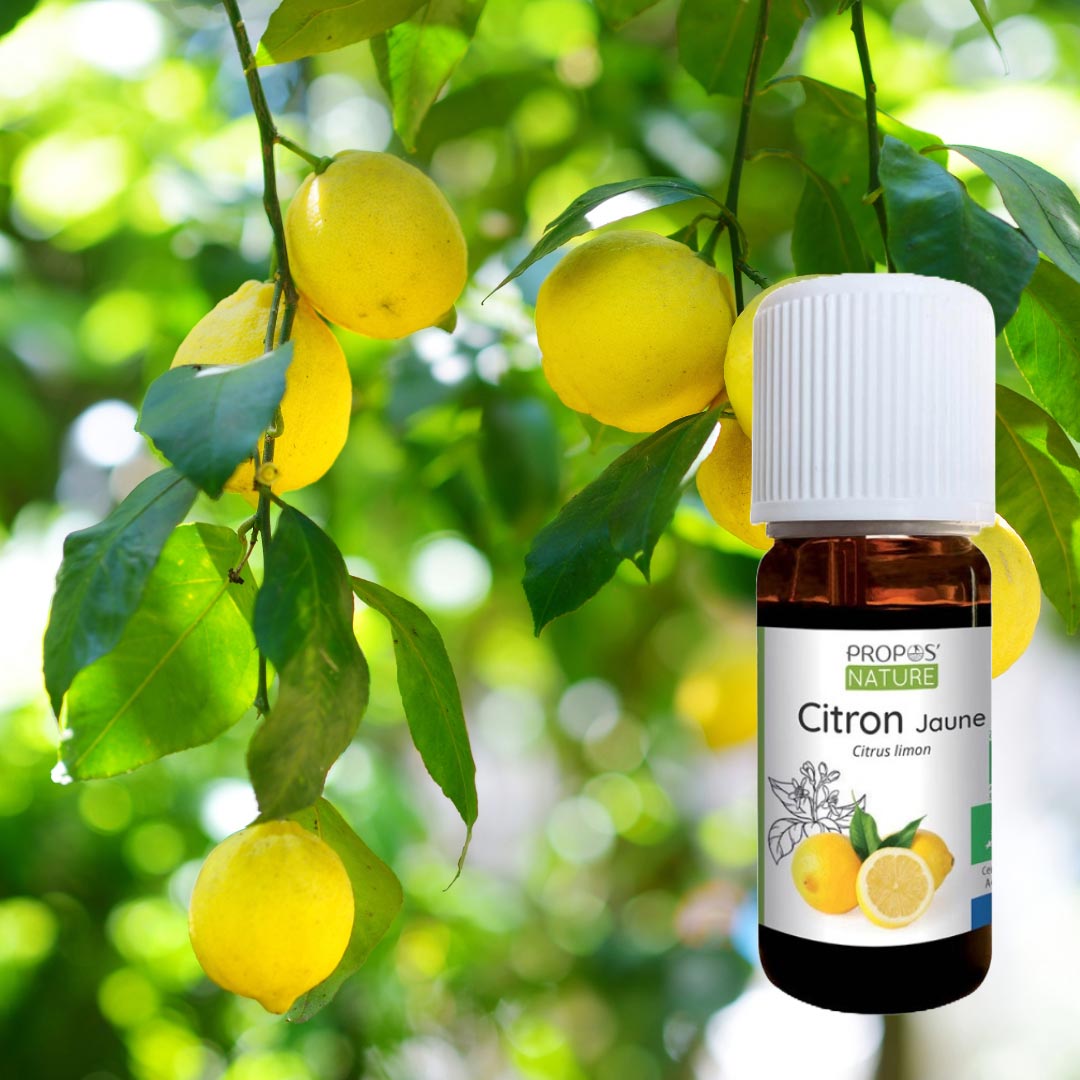
Exclusive Guide to Lemon Essential Oil
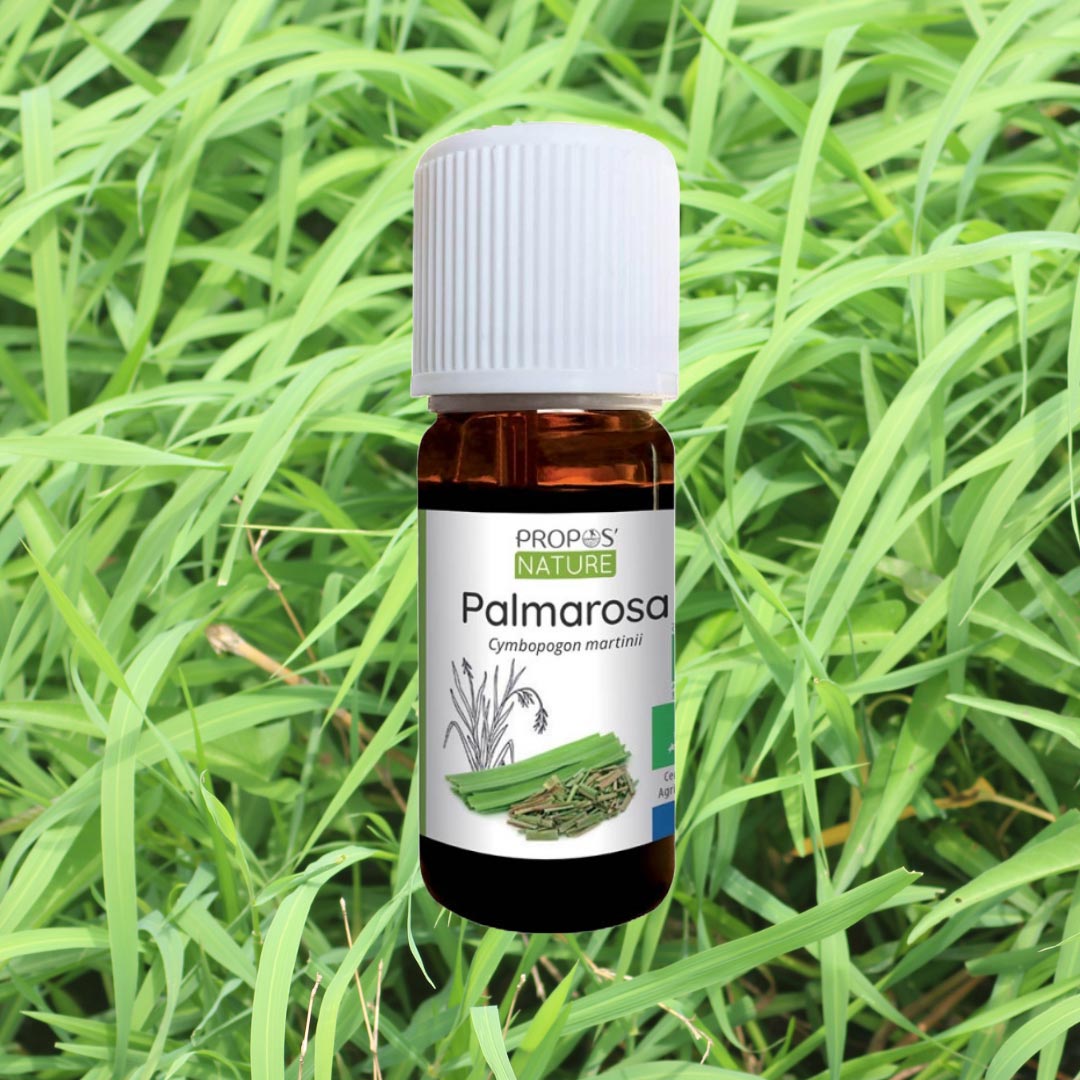
Exclusive Guide to Palmarosa Essential Oil
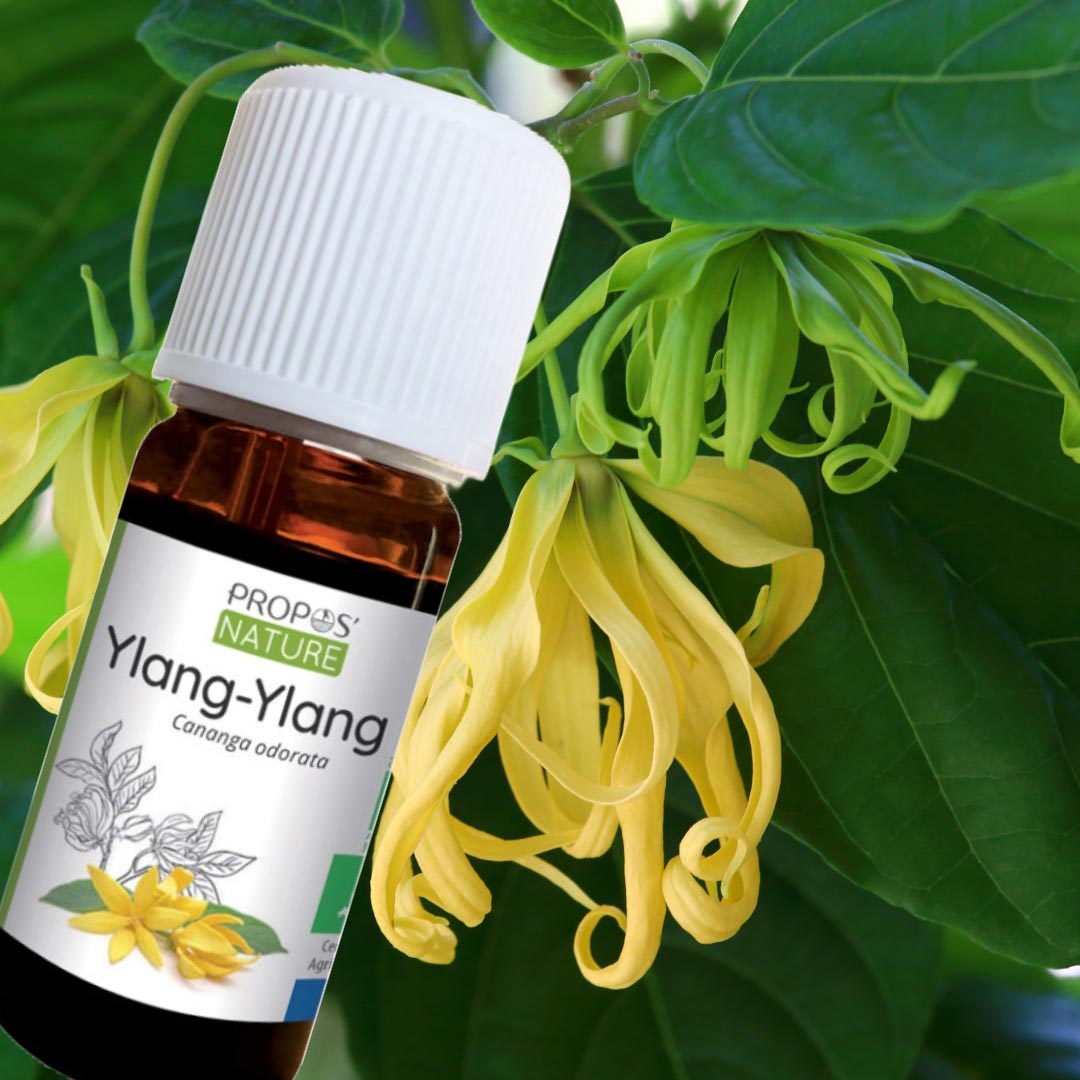
Exclusive Guide to Ylang Ylang Essential Oil
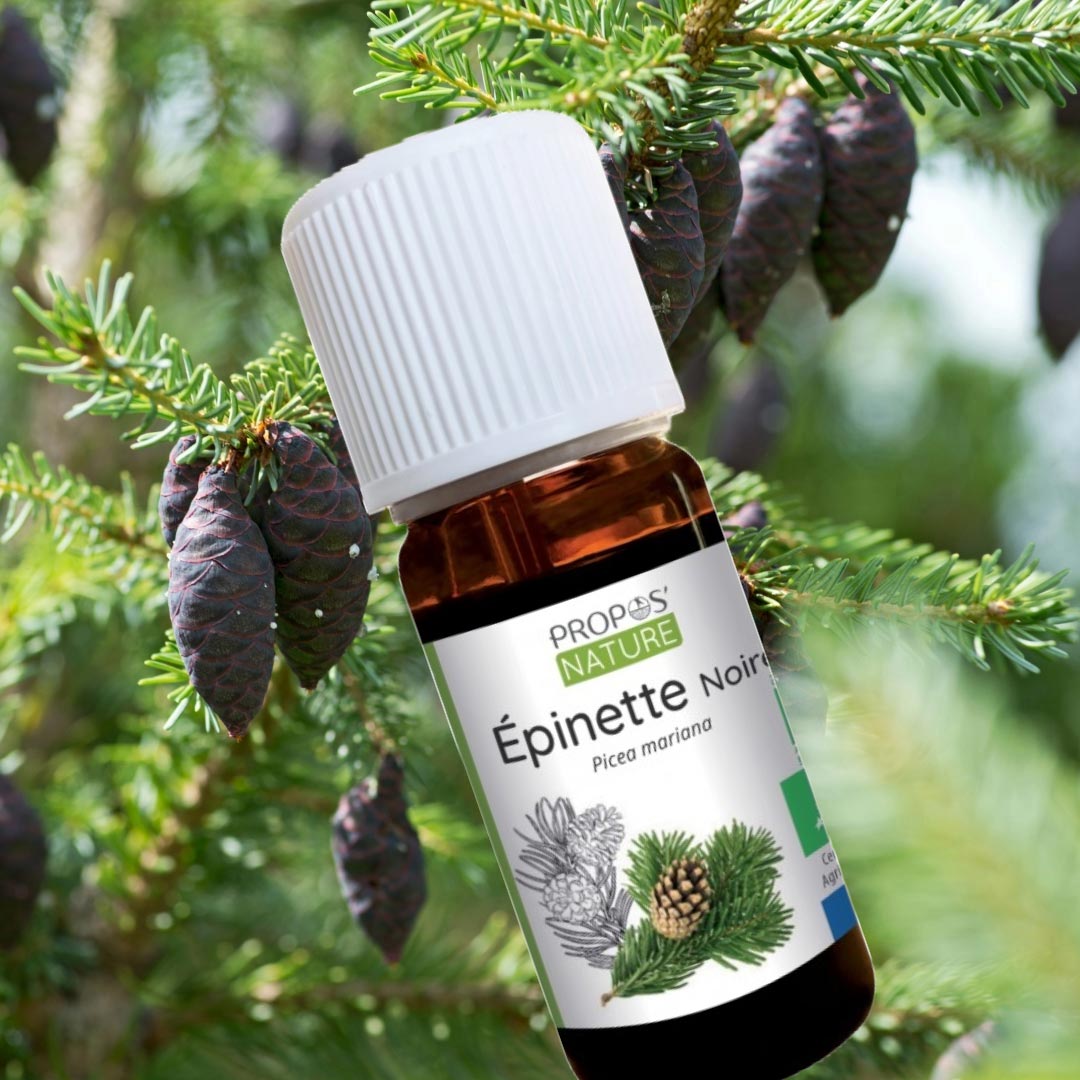
Exclusive Guide to Black Spruce
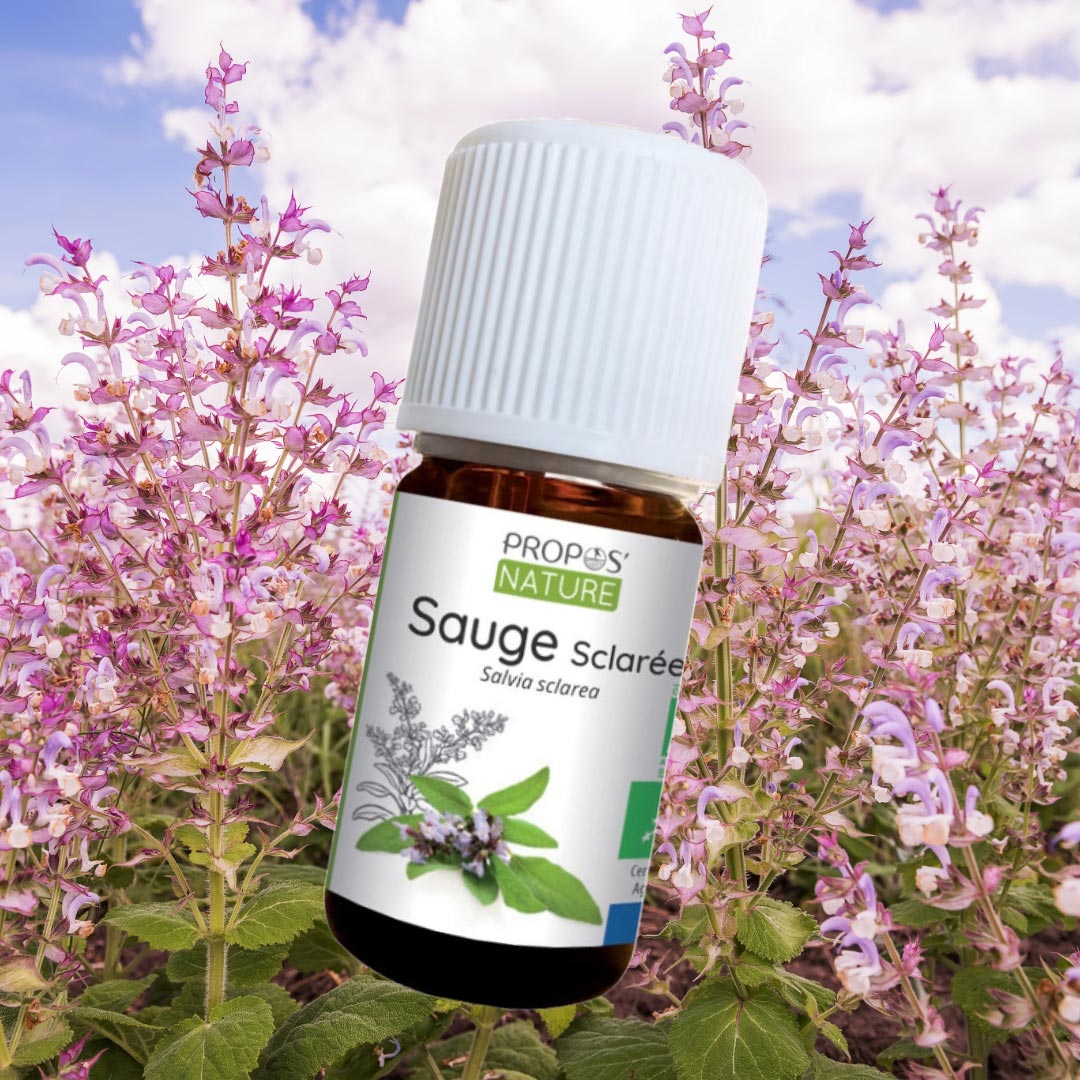
Exclusive Guide to Clary Sage Essential Oil
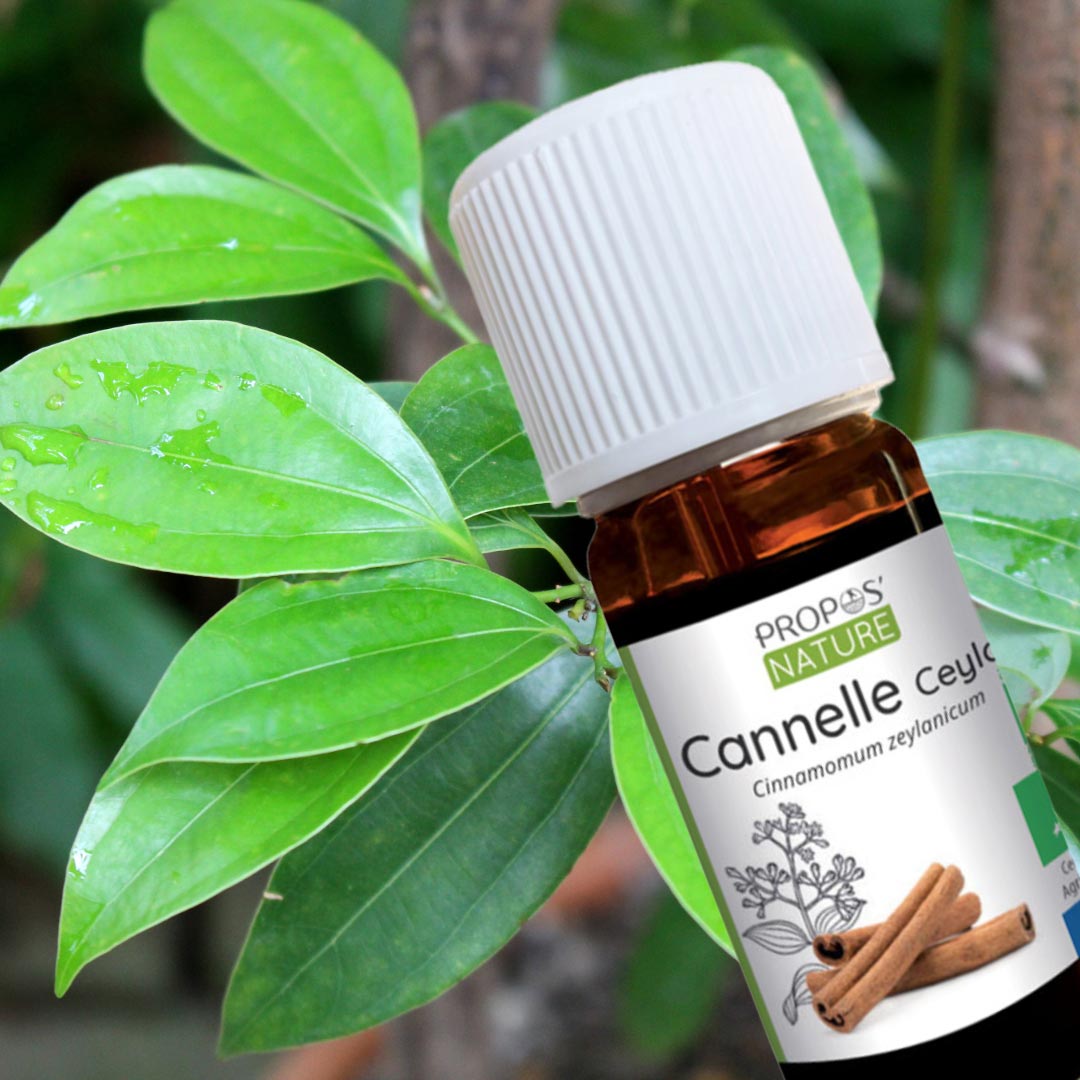
Exclusive Guide to Cinnamon Essential Oil
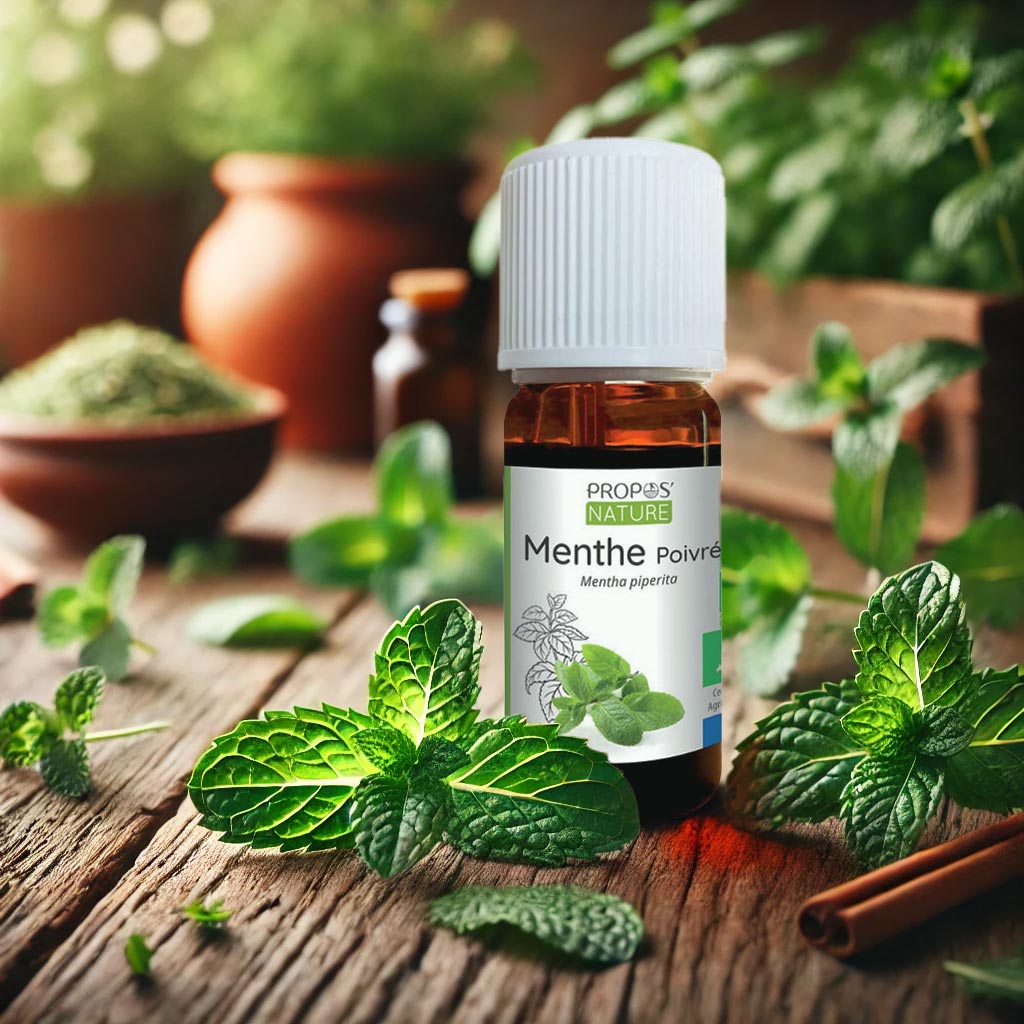
Exclusive Guide to Peppermint Essential Oil

Exclusive to Patchouli Essential Oil
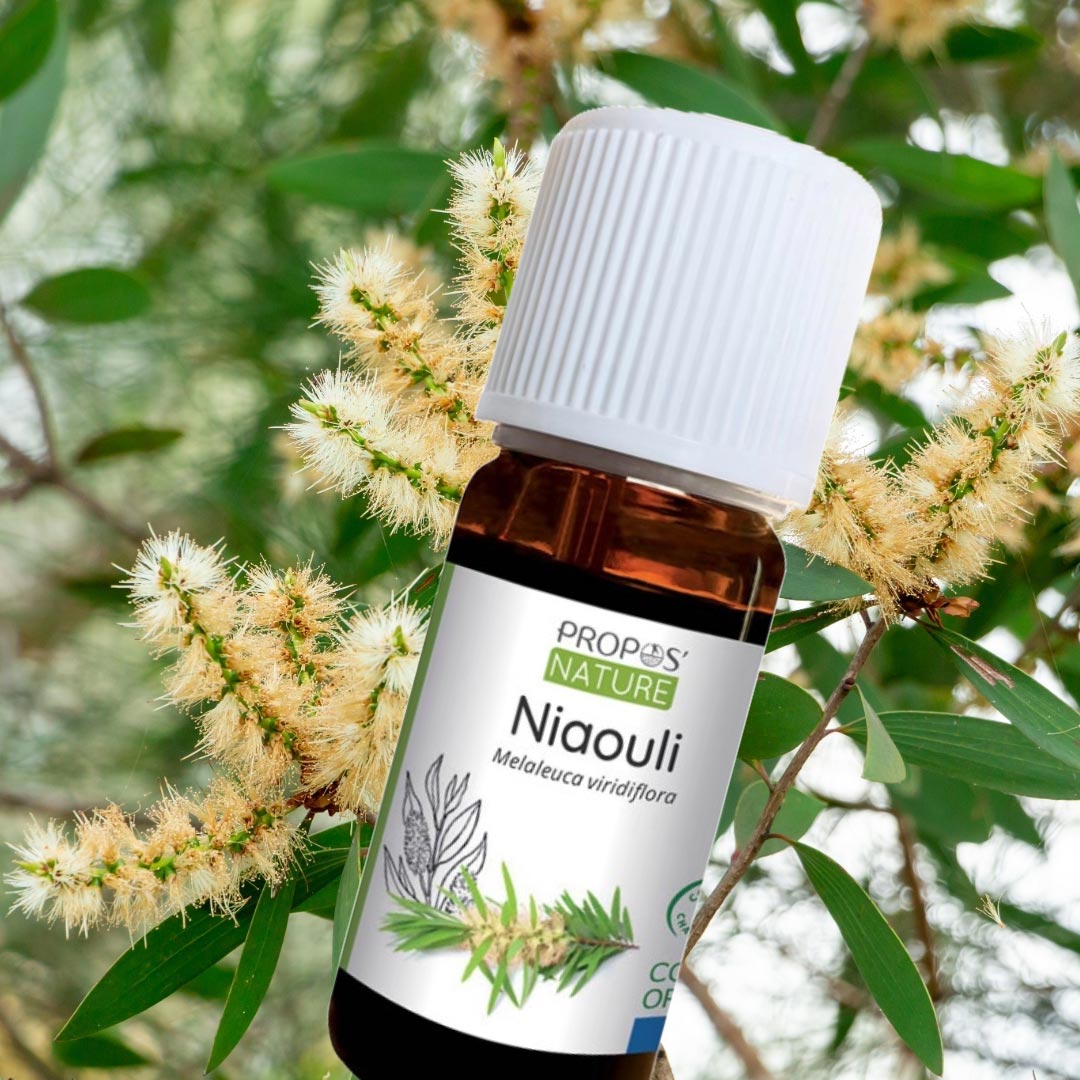
Exclusive Guide to Niaouli Essential Oil
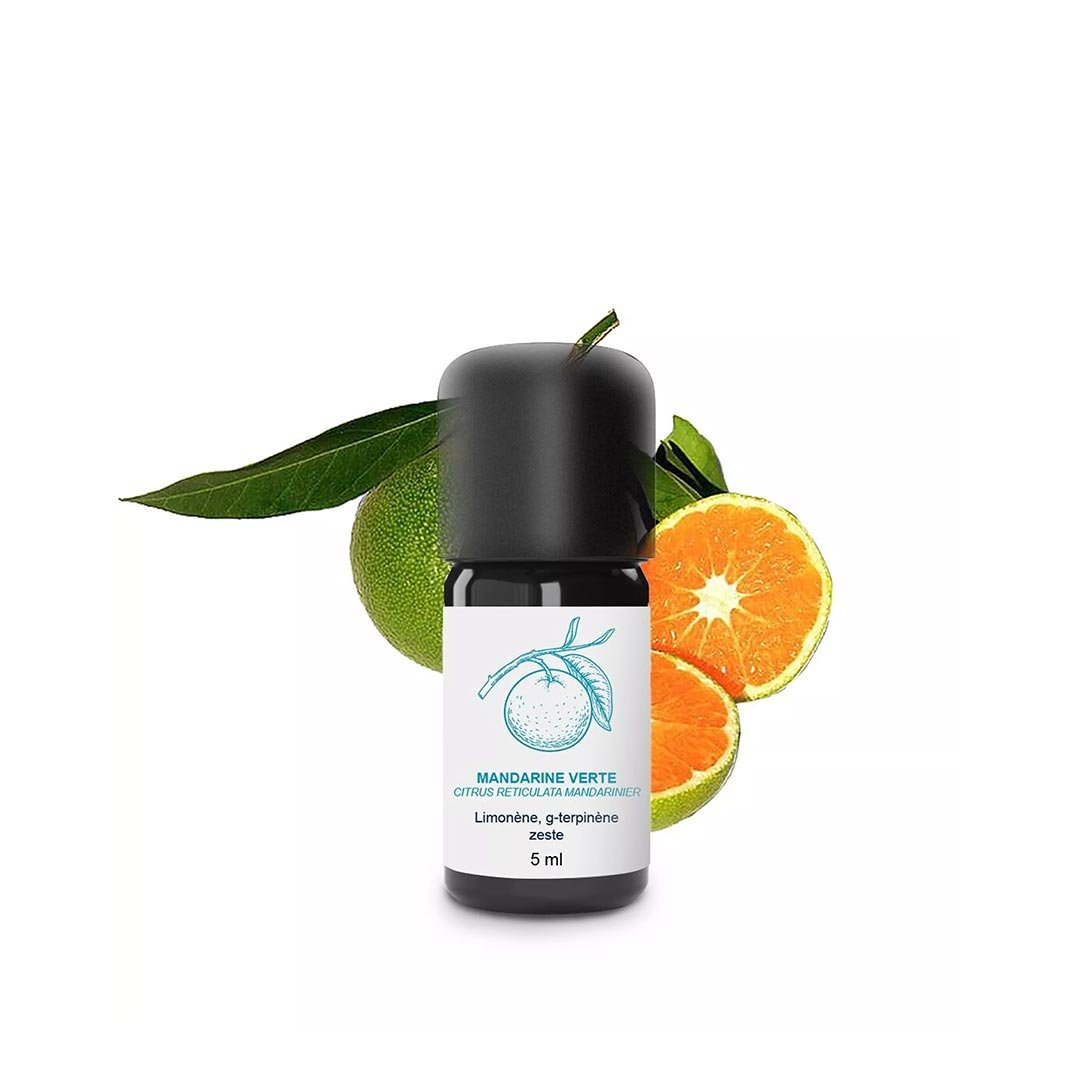
Exclusive Guide to Green Mandarin
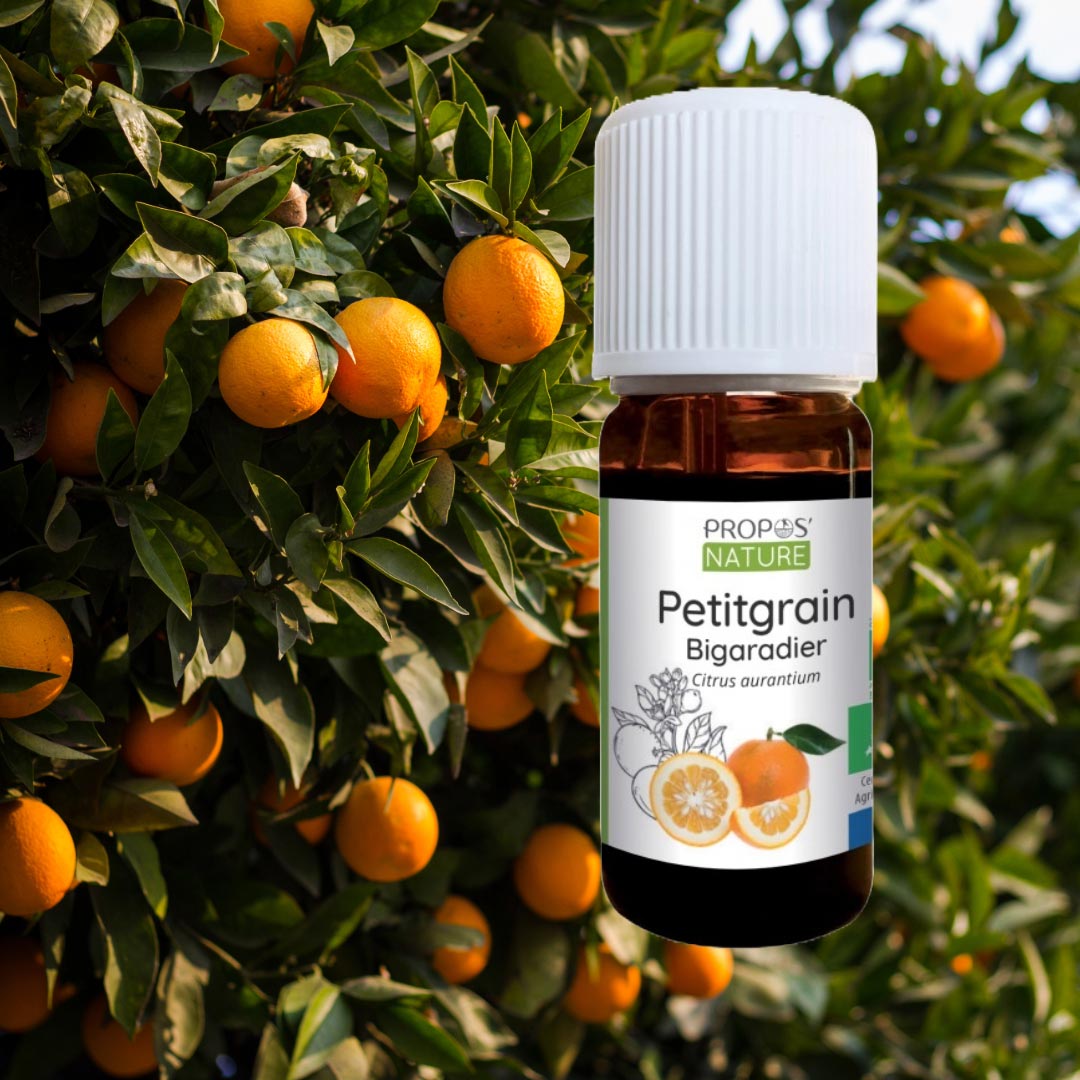
Exclusive Guide to Petitgrain Essential Oil
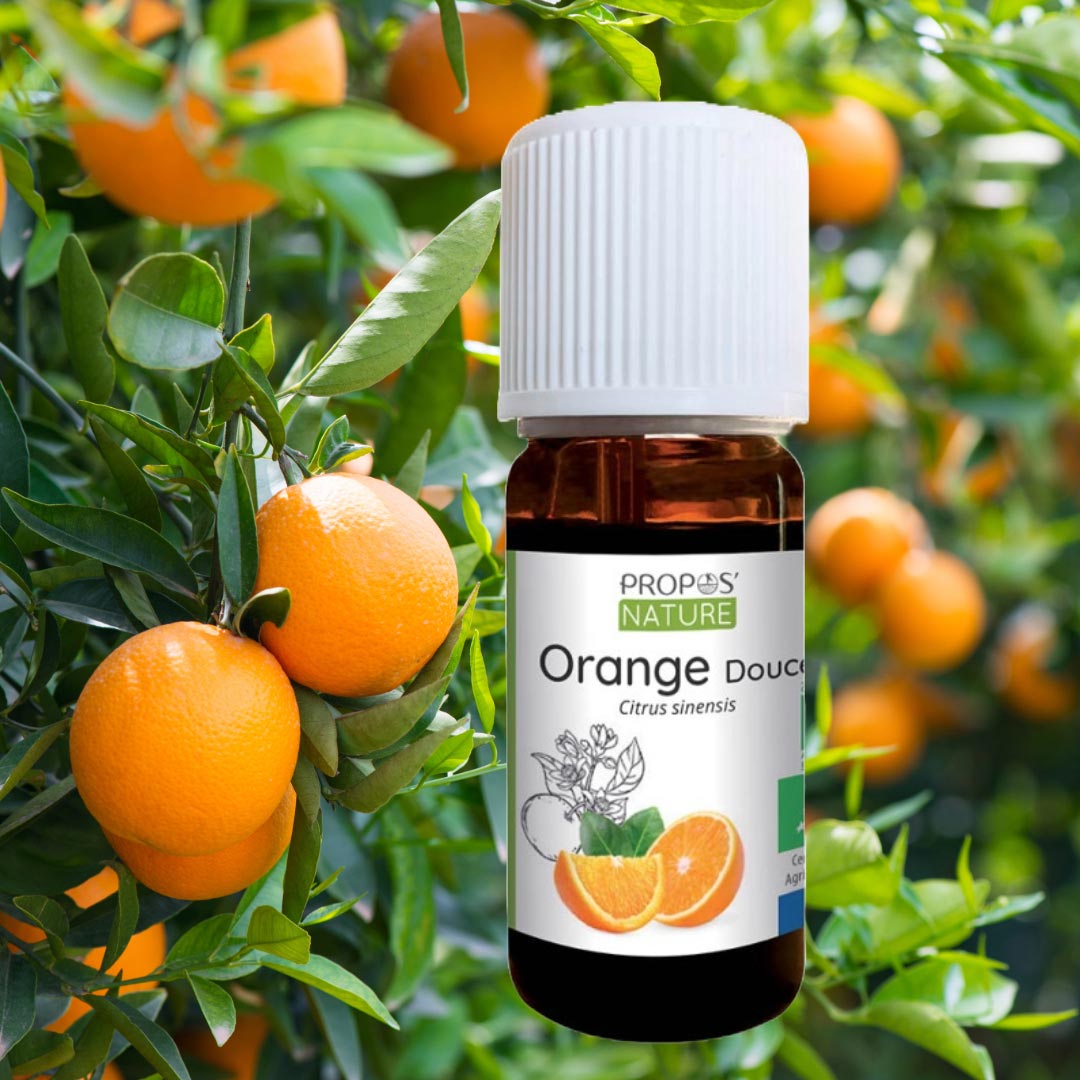
Benefits, Uses - Sweet Orange Essential Oil
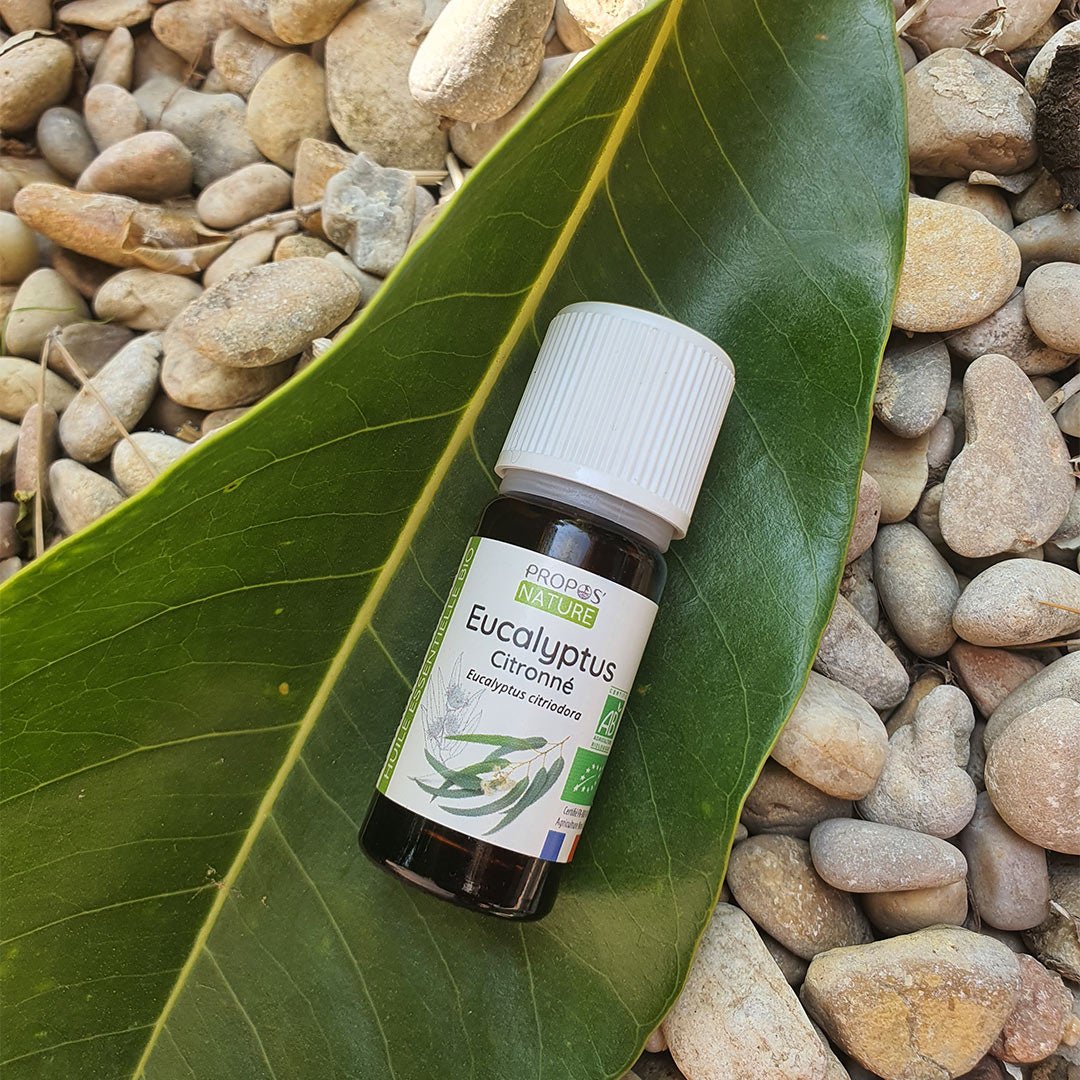
Benefits, Uses - Eucalyptus Lemon
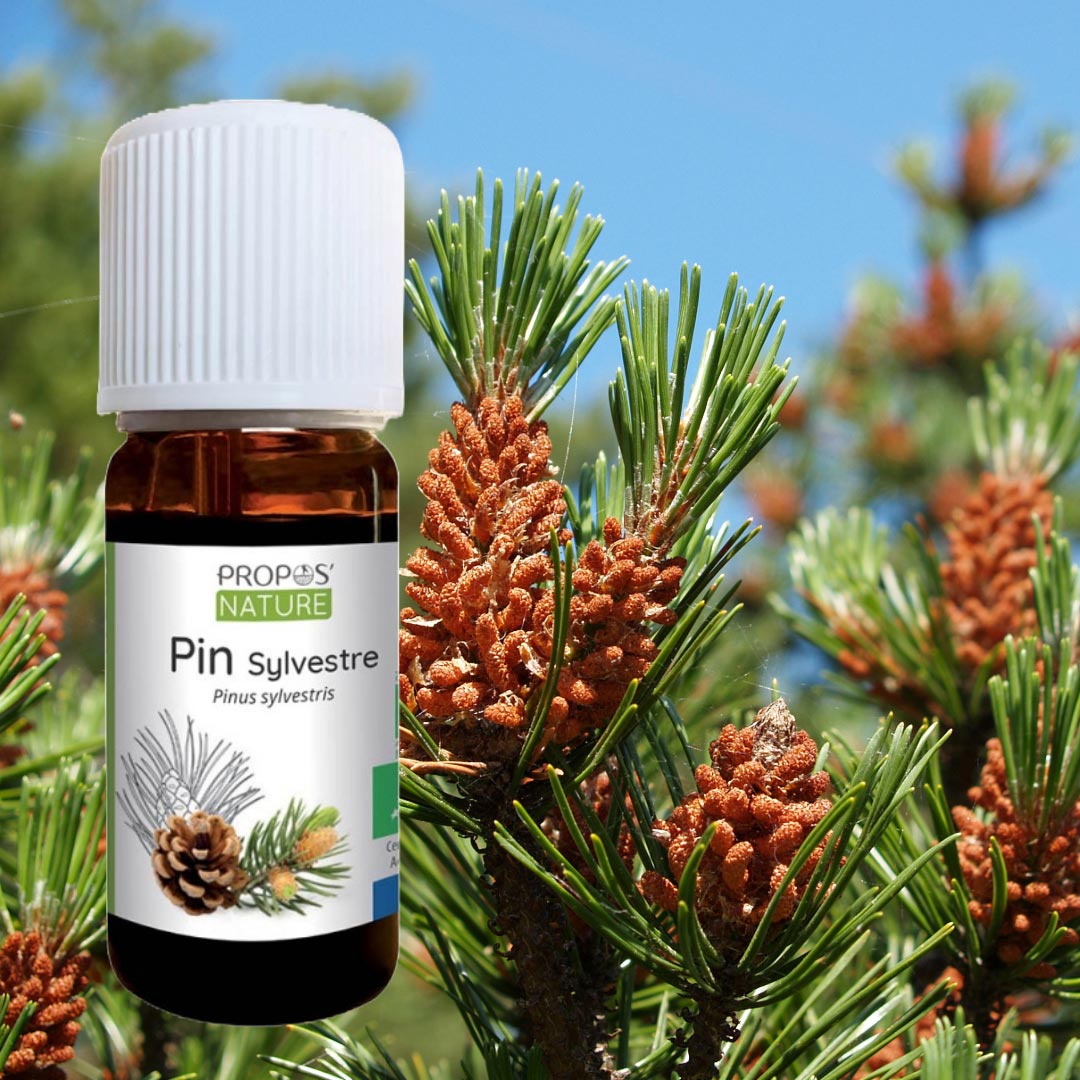
Benefits, Uses - Scots Pine Essential Oil