

Beauty & Healthy Aging
True beauty and healthy aging begin on the inside. This category brings together carefully selected superfoods and food supplements designed to support the body’s natural renewal processes.
With age, the body’s production of collagen, antioxidants, and key nutrients naturally declines. Targeted nutritional support can help maintain skin vitality, hair and nail strength, joint comfort, and overall resilience.
Our selection focuses on bioavailable nutrients, plant-based actives, and time-honoured ingredients that support healthy aging gently and consistently – for inner balance and outer radiance.


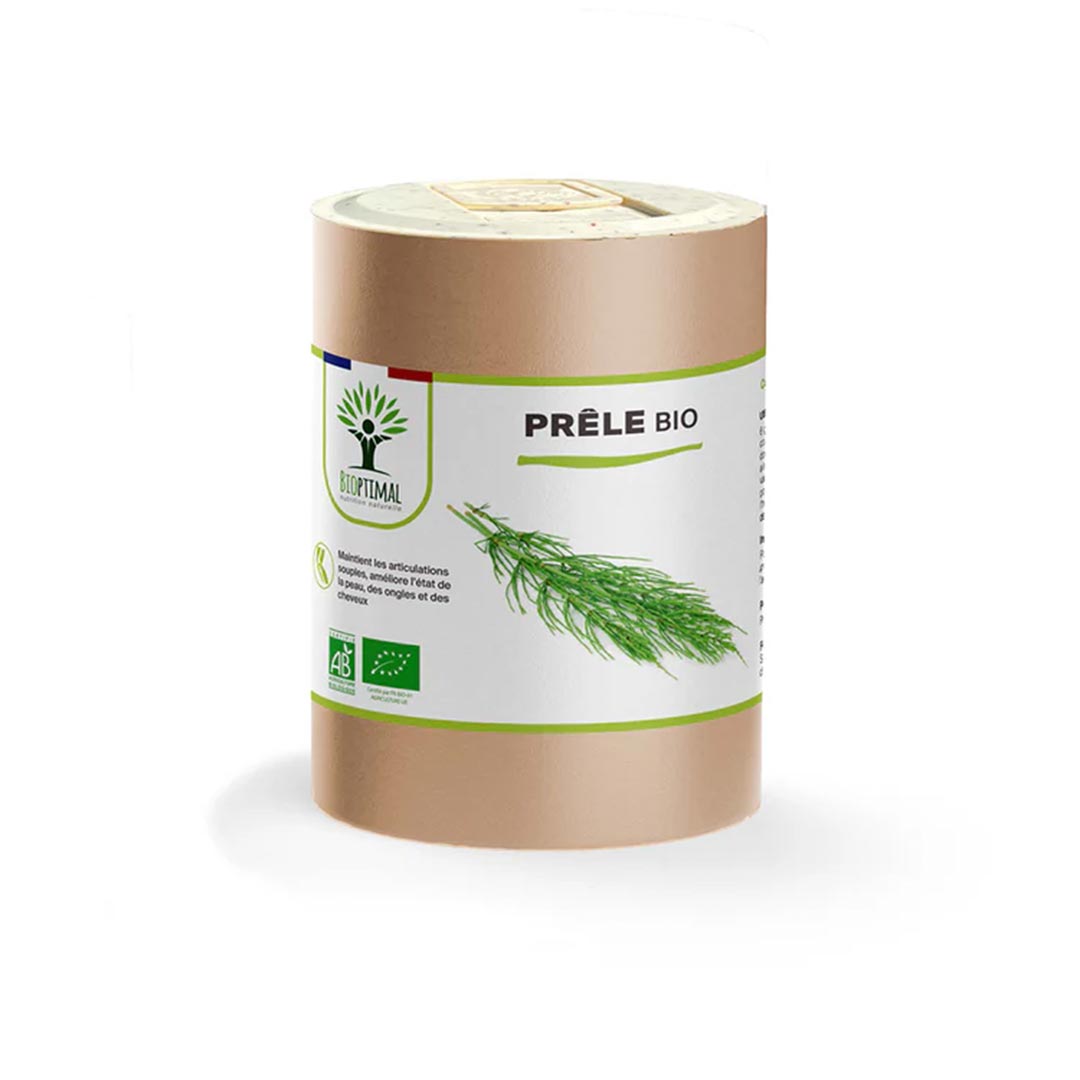

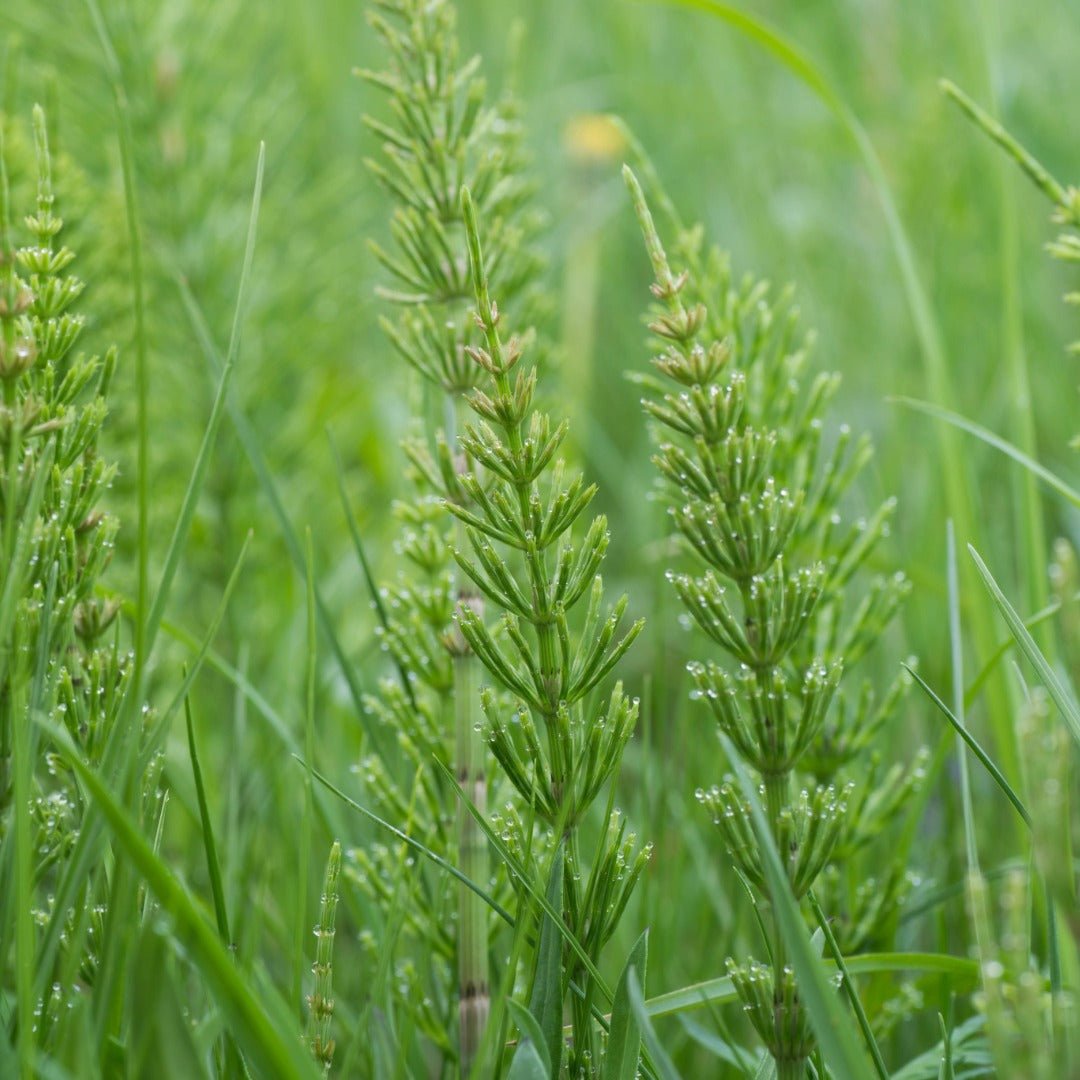


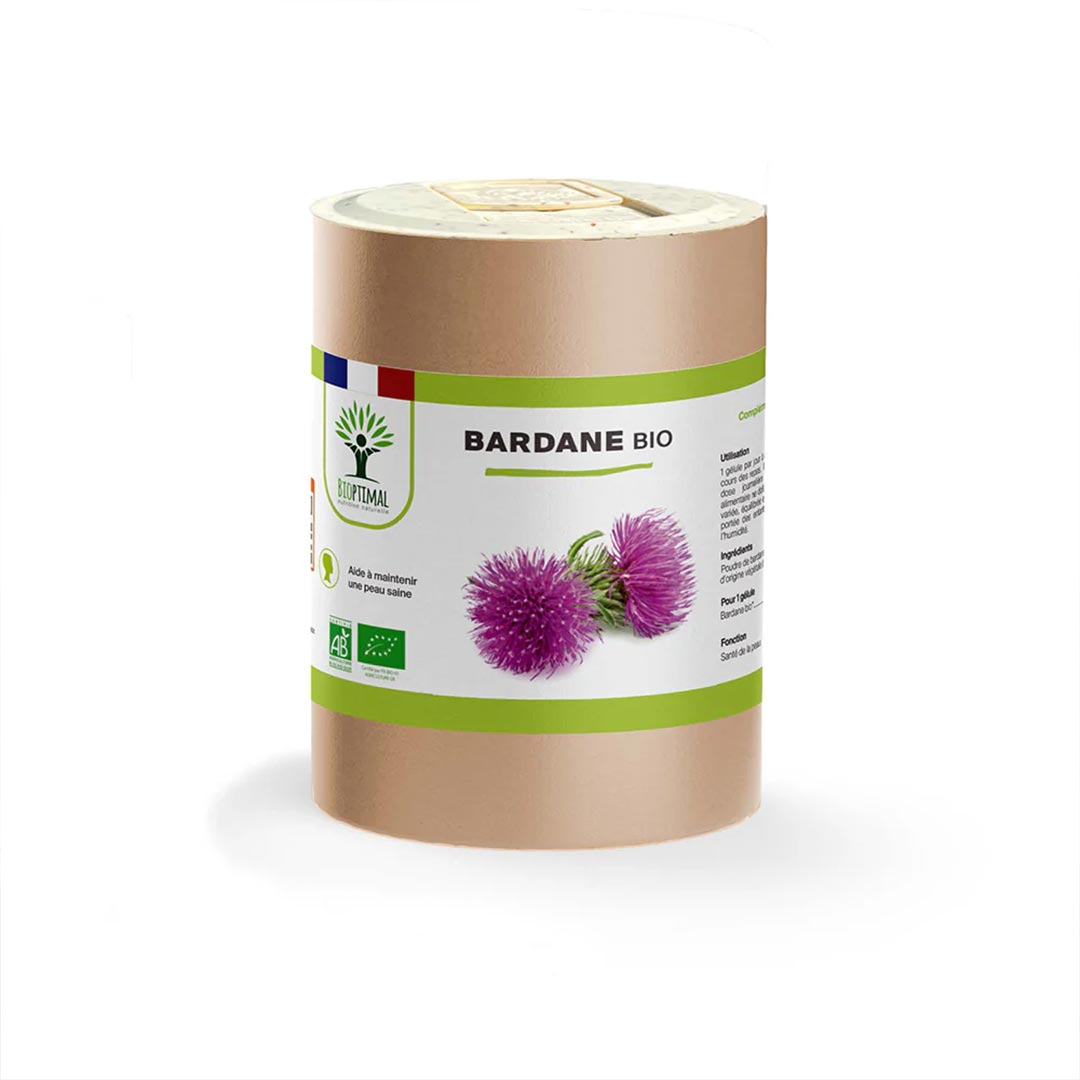
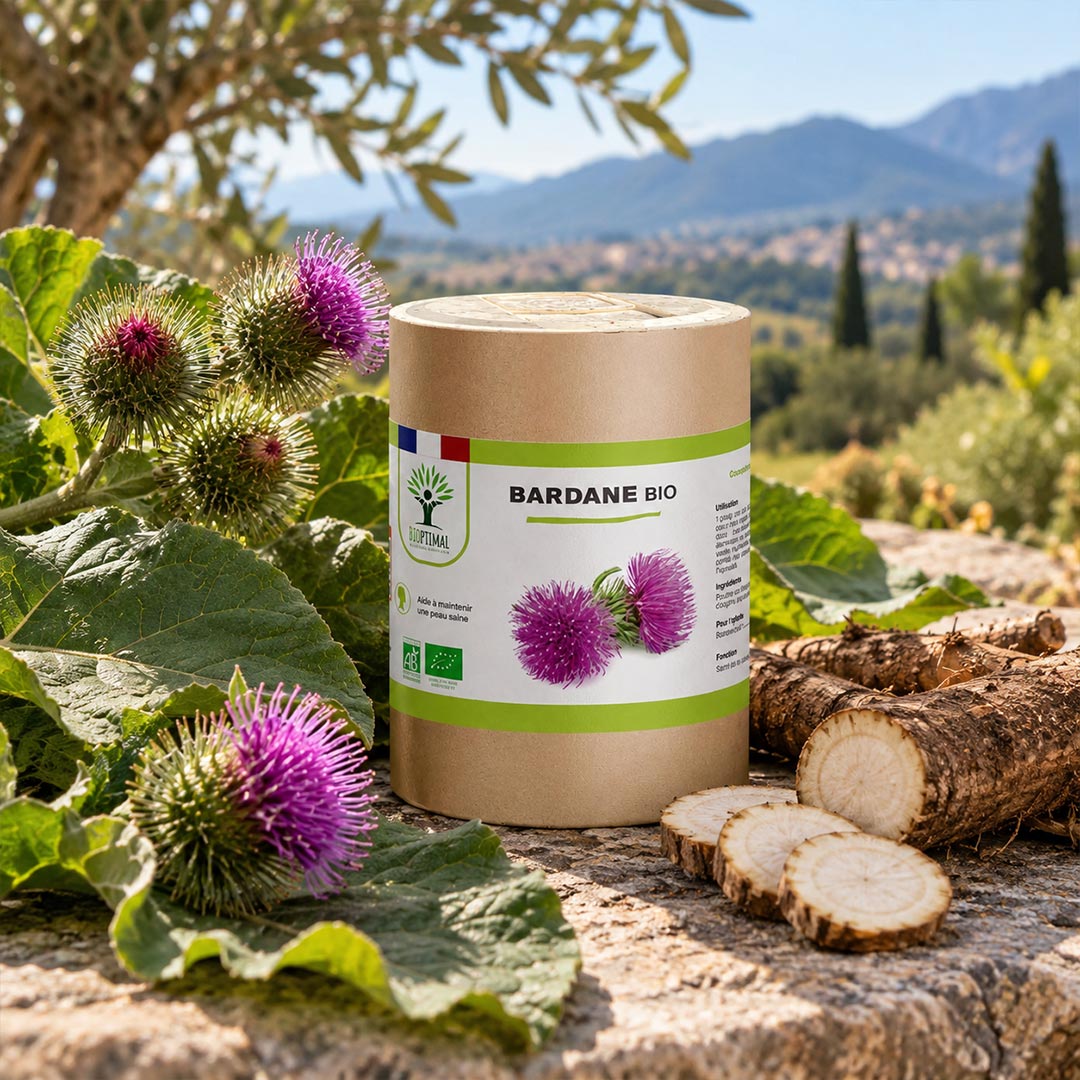












Acne & Healthy Aging
Two skin concerns, one inner foundation
Acne and premature aging may appear to be opposite skin concerns, but they are deeply connected at a biological level. Both reflect what is happening beneath the surface – including inflammation, oxidative stress, digestion, hormonal balance, and the availability of key nutrients.
Skin is not an isolated organ. It responds to blood sugar balance, liver function, gut health, mineral status, and the body’s ability to repair and protect its cells. When these systems are under strain, the skin often shows it first – through breakouts, dullness, sensitivity, or early signs of aging.
Nutrition plays a central role in skin health at every stage of life. Whole, nourishing foods provide the foundation, while targeted food supplements can support the body where needs are higher or intake is insufficient. This approach does not aim to suppress symptoms, but to support balance, resilience, and long-term skin vitality.
By addressing internal inflammation, supporting detoxification pathways, protecting cells from oxidative stress, and nourishing the skin’s structural building blocks, it becomes possible to support both clearer skin and healthy aging at the same time.
The sections below explore how food and carefully selected supplements can support the skin from within – beginning with acne, where the importance of nutrition is fundamental.

Acne & Nutrition
Supporting acne-prone skin from within
Acne is not simply a surface issue. It reflects internal processes such as inflammation, blood sugar imbalance, digestive function, hormonal activity, and nutrient availability. While topical care has its place, long-term skin balance is strongly influenced by what the body receives – and how well it can use it.
Food comes first
Nutrition plays a decisive role in acne-prone skin. Diets high in refined sugars, ultra-processed foods, and poor-quality fats can increase inflammation and sebum production, while placing additional strain on the liver and gut. In contrast, whole foods rich in fibre, antioxidants, healthy fats, and minerals help stabilise blood sugar, support detoxification pathways, and calm inflammatory responses.
A nourishing, balanced diet creates the foundation for clearer skin. Supplements do not replace this foundation – they support it.
Supplements that support acne-prone skin
Zinc
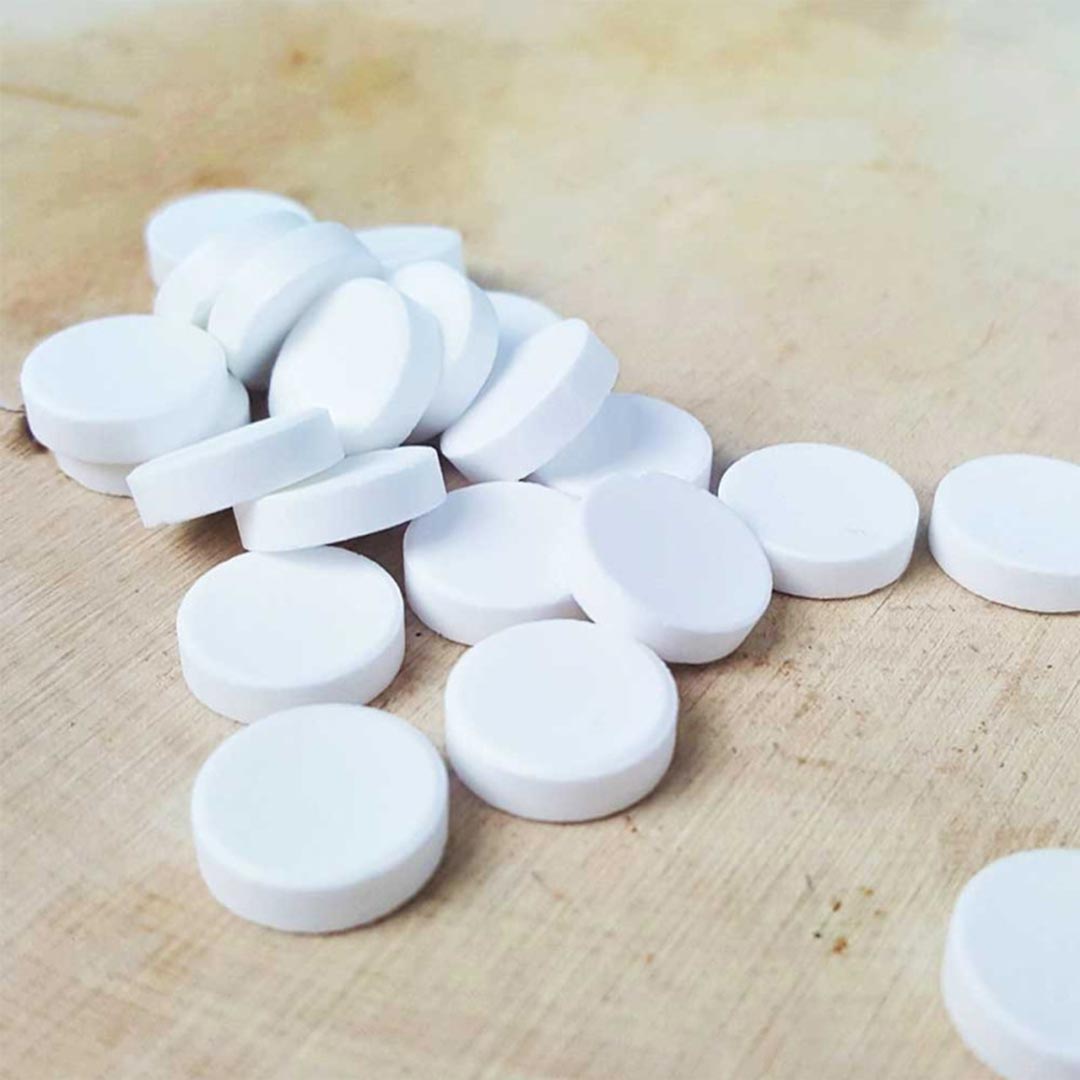
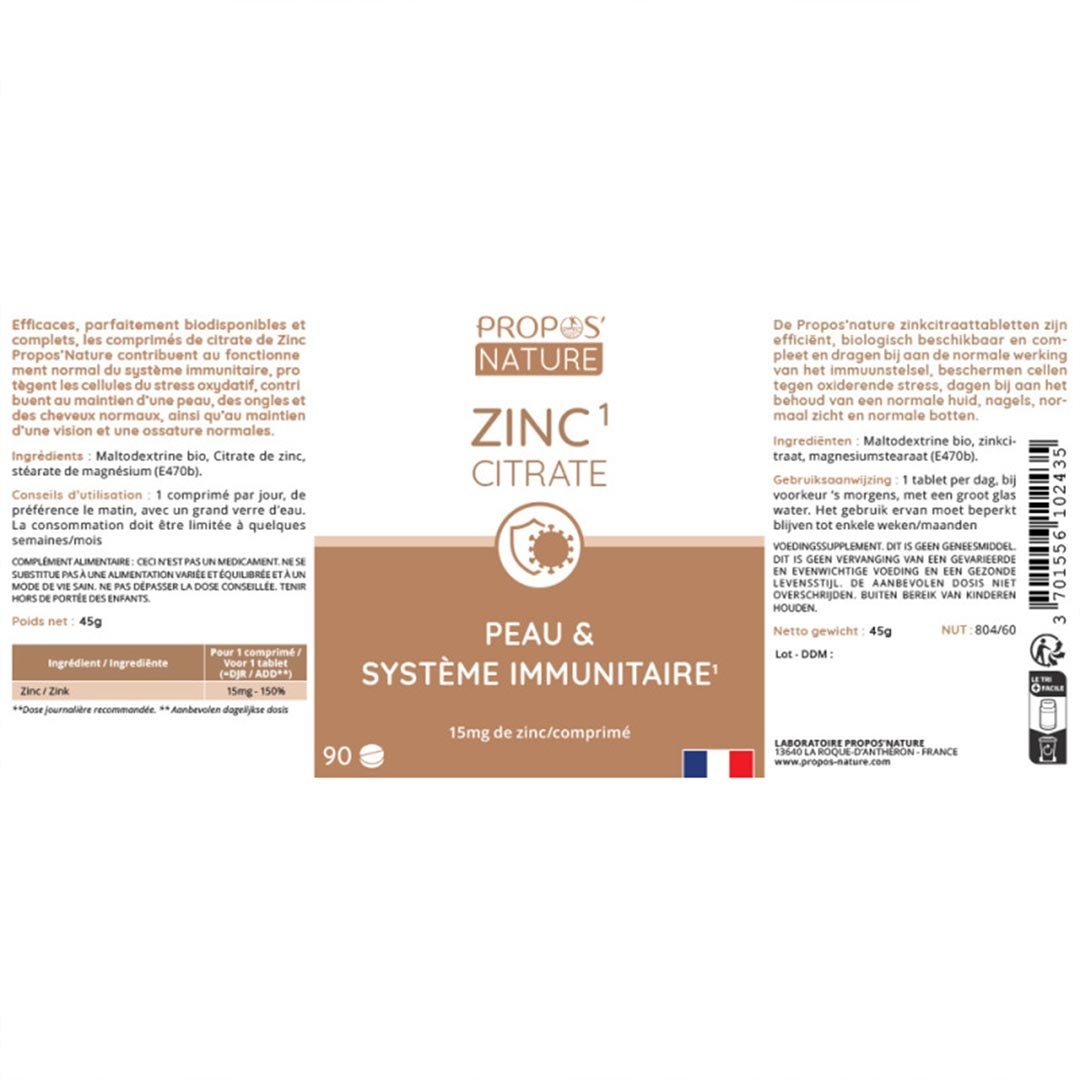
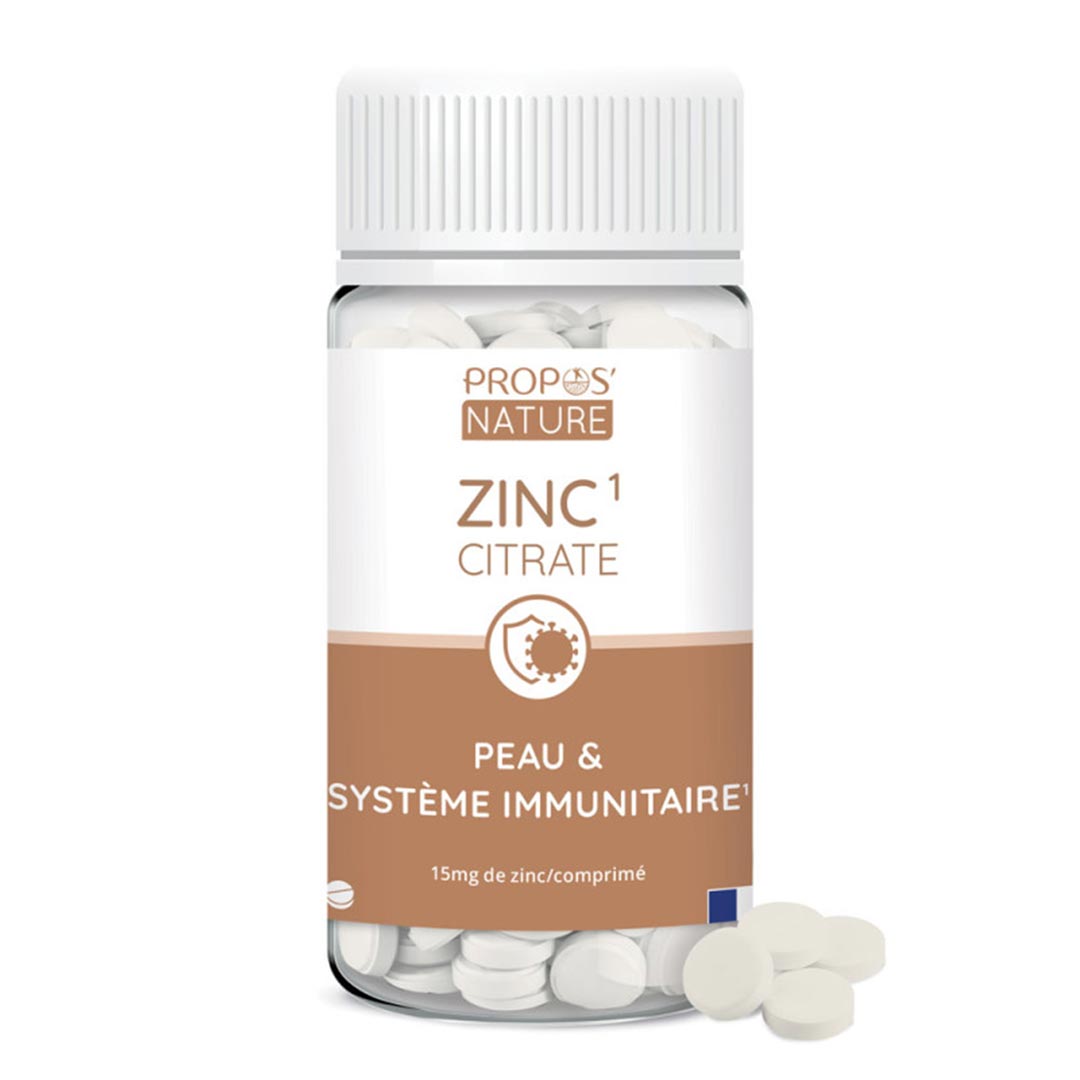
Zinc is one of the most important nutrients for acne. It supports skin healing, helps regulate oil production, and contributes to balanced immune activity in the skin. Low zinc status is common in acne-prone individuals, particularly during periods of stress or hormonal change.
Antioxidant-rich superfoods
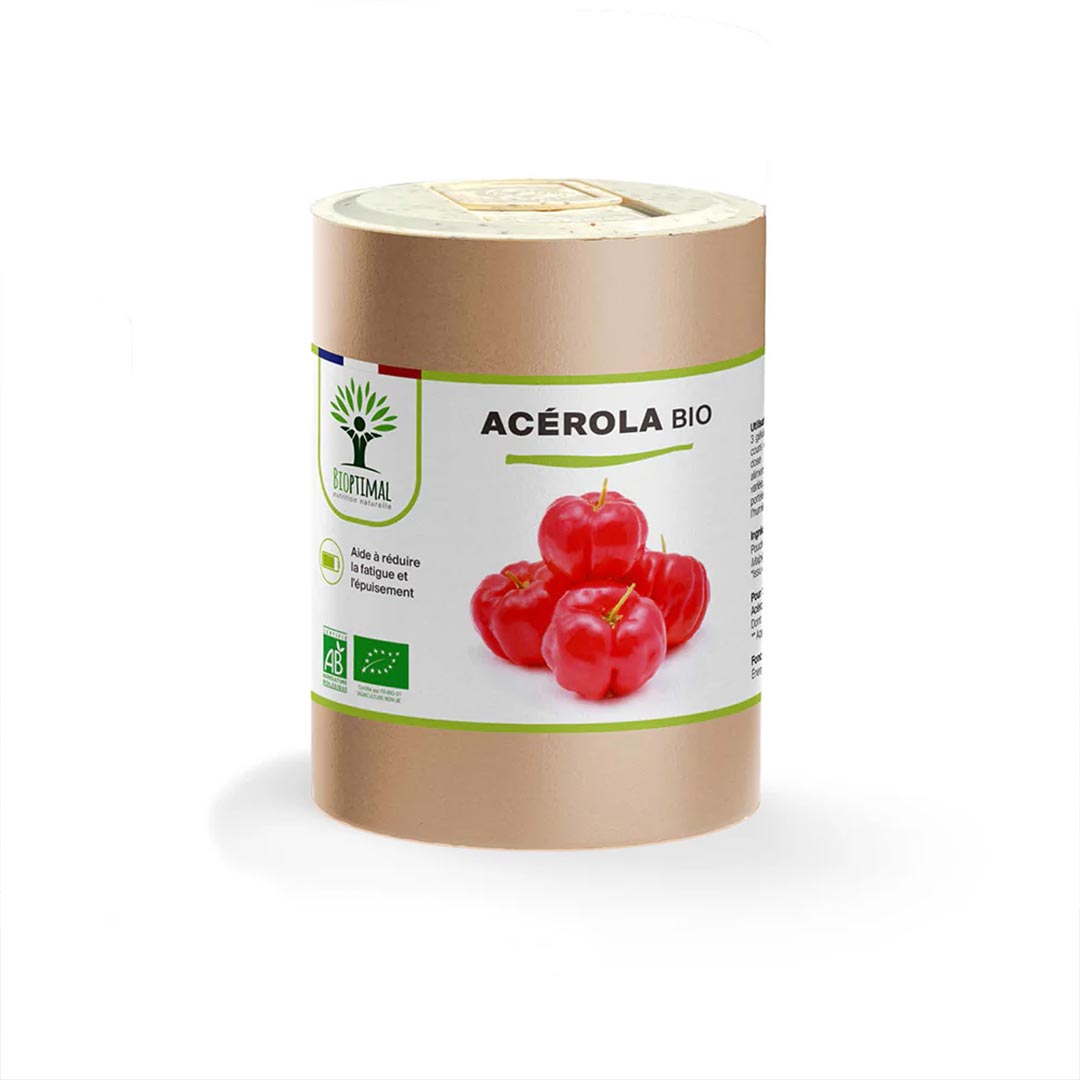
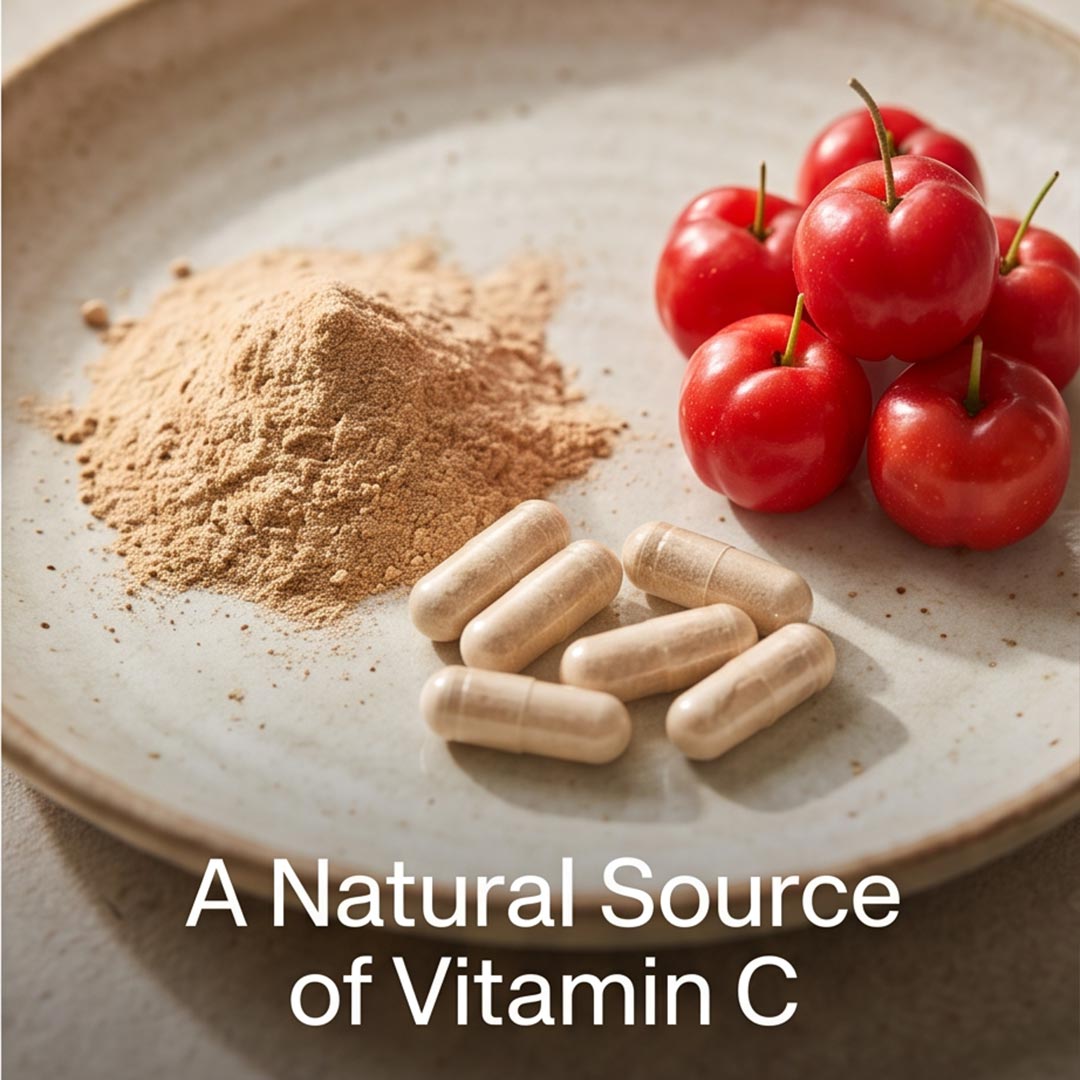
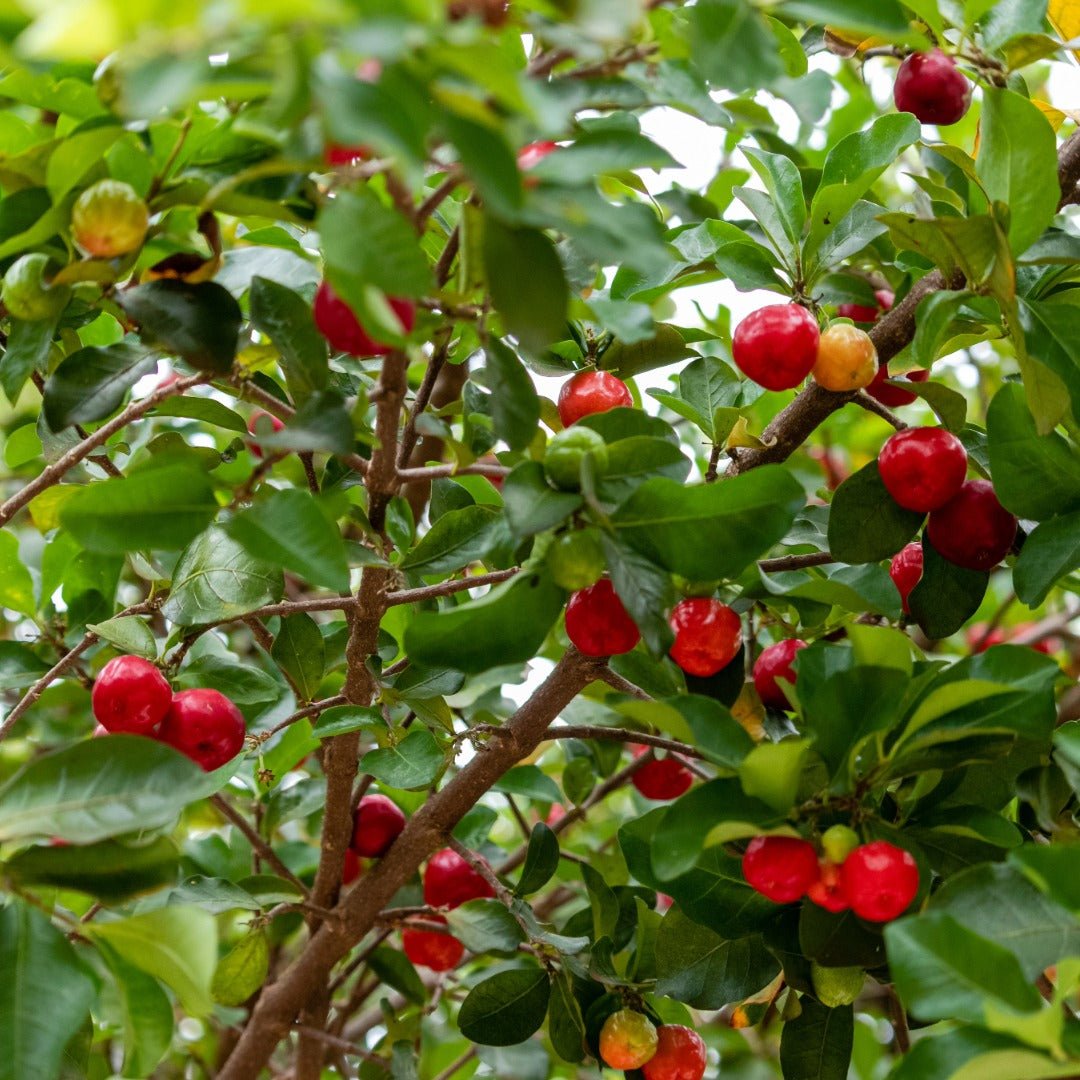
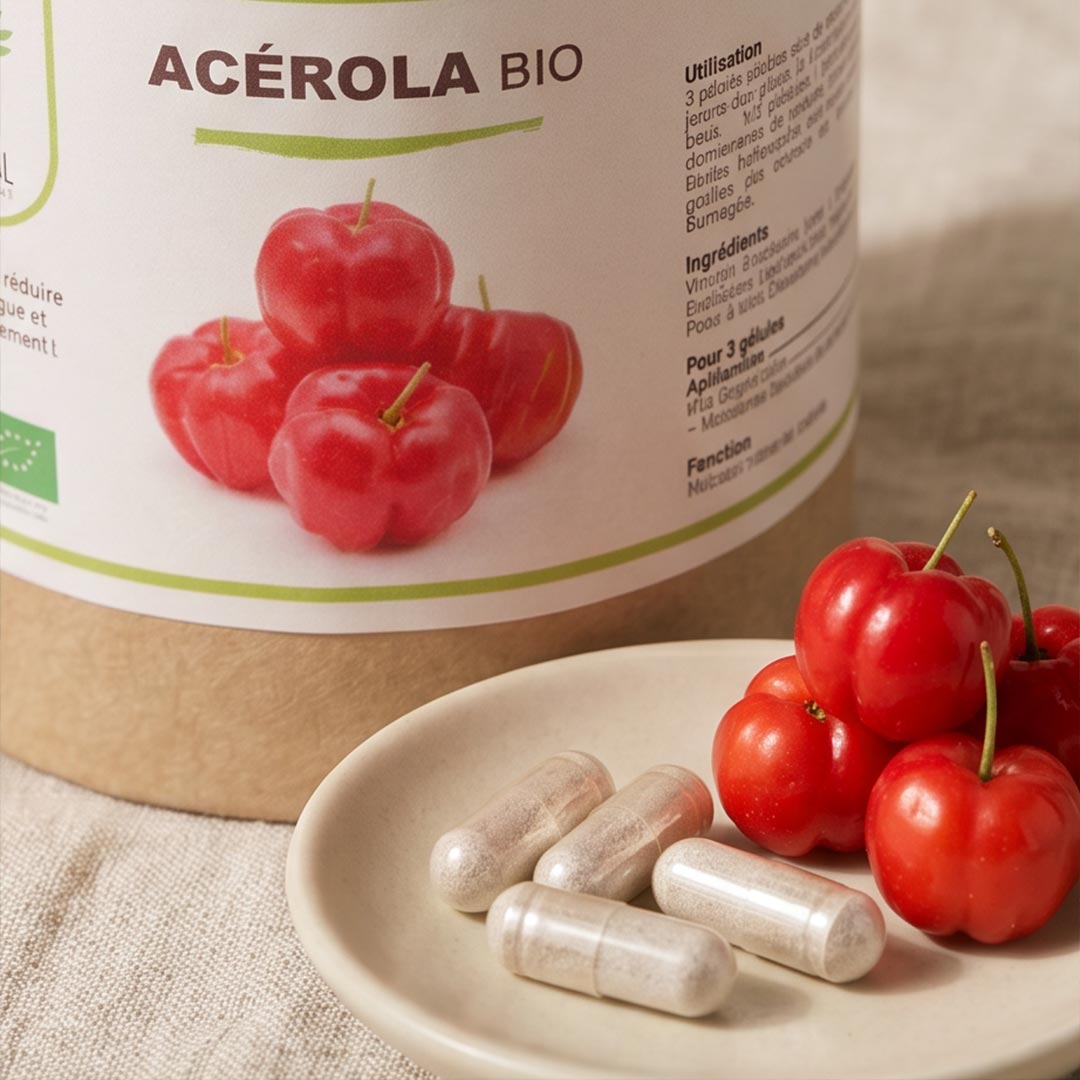
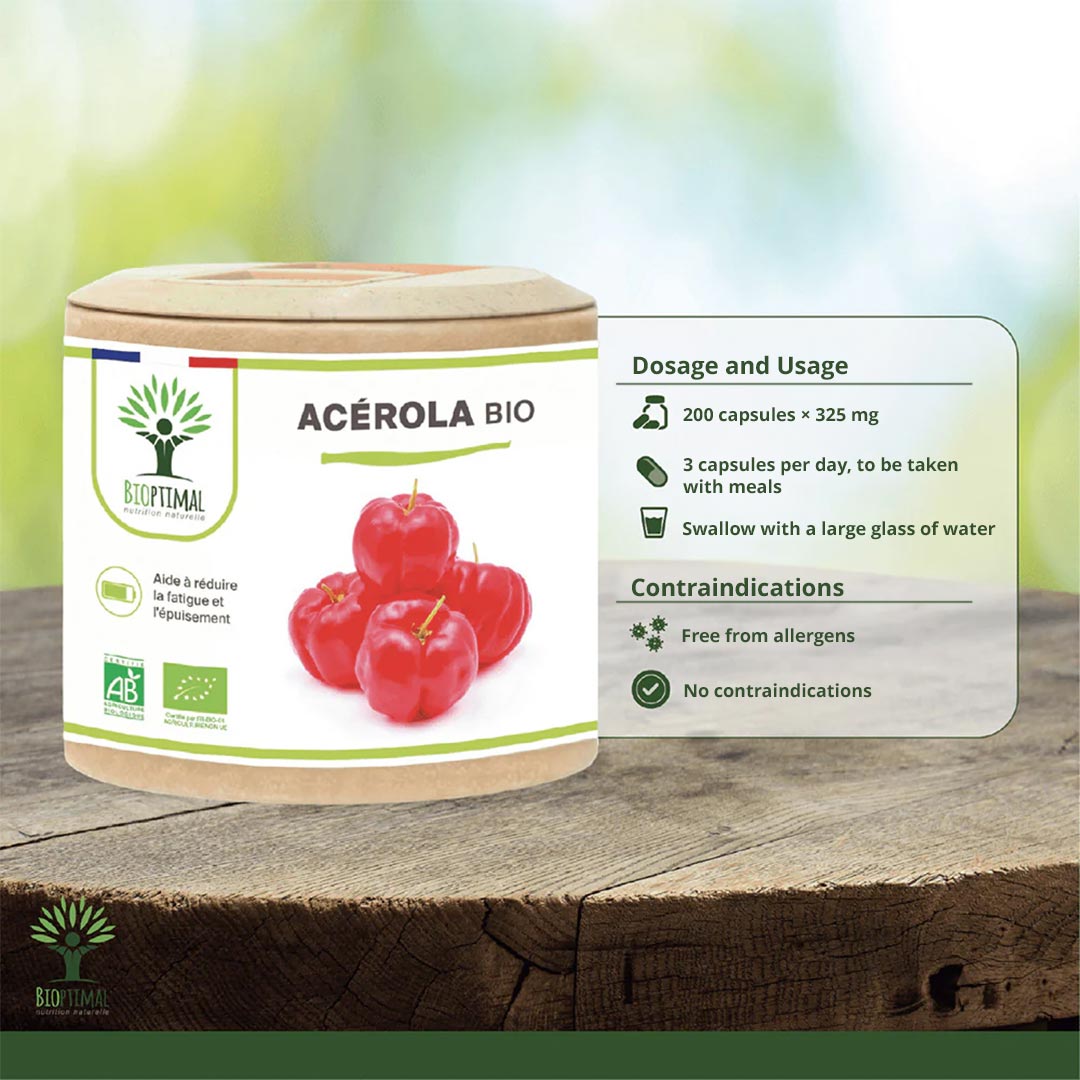
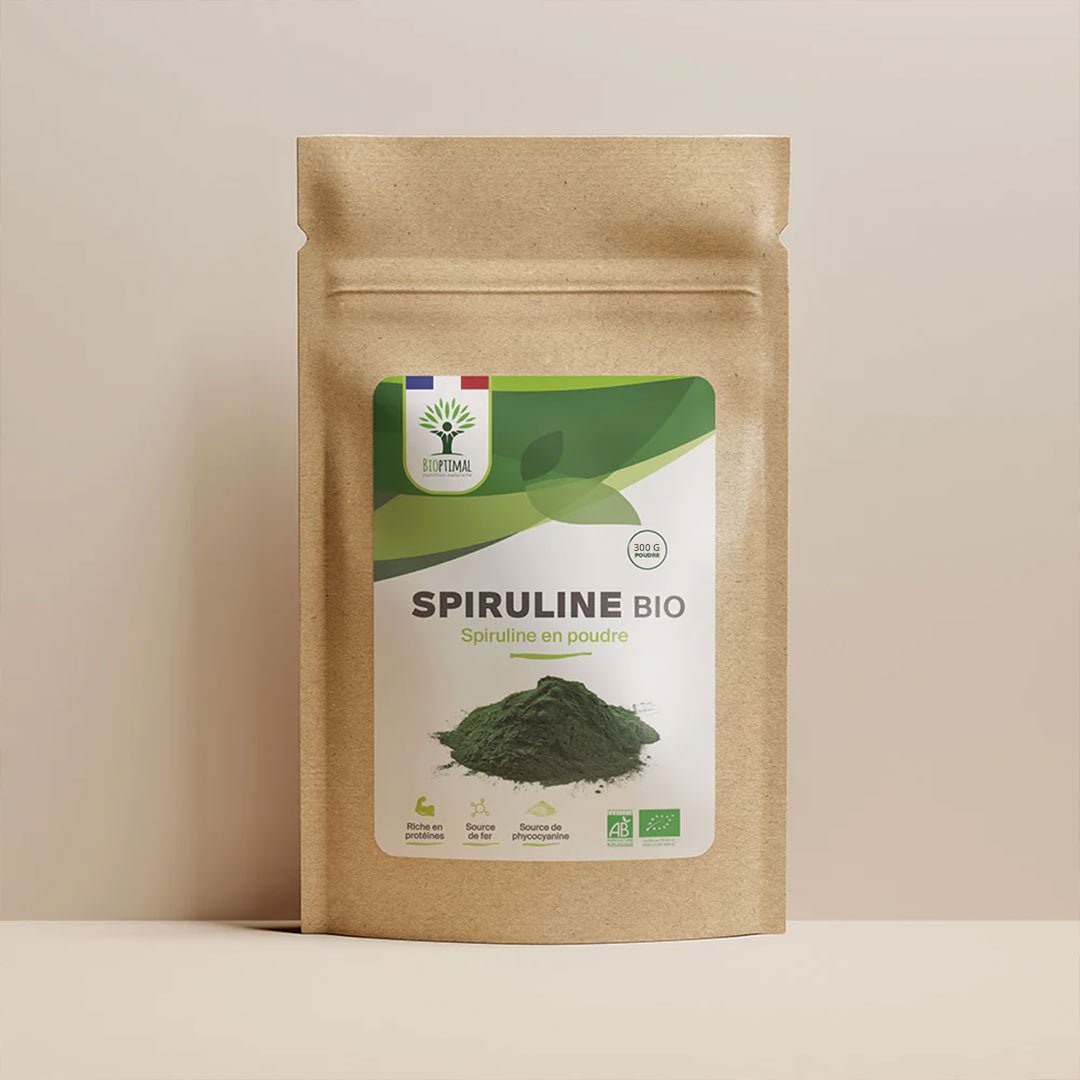
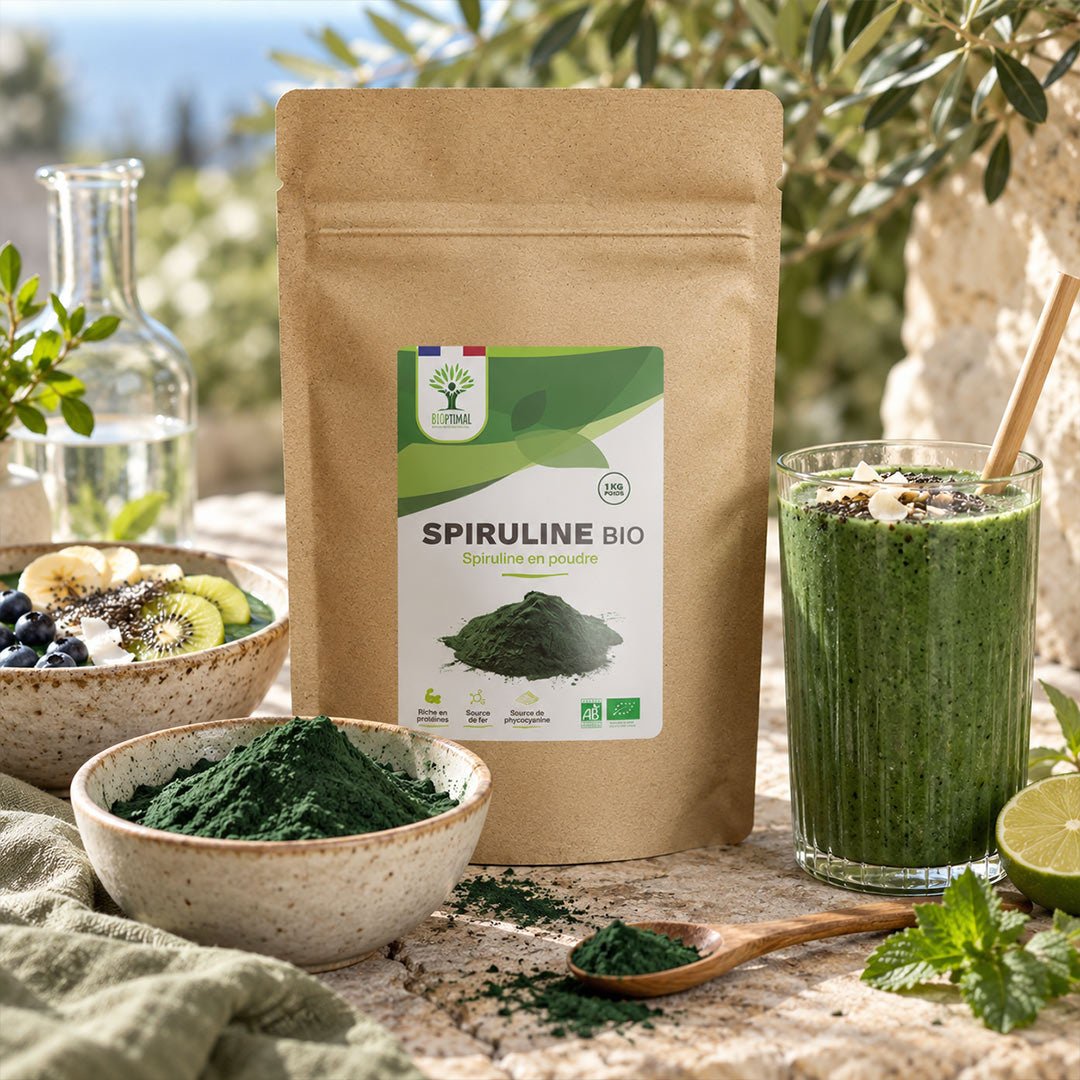
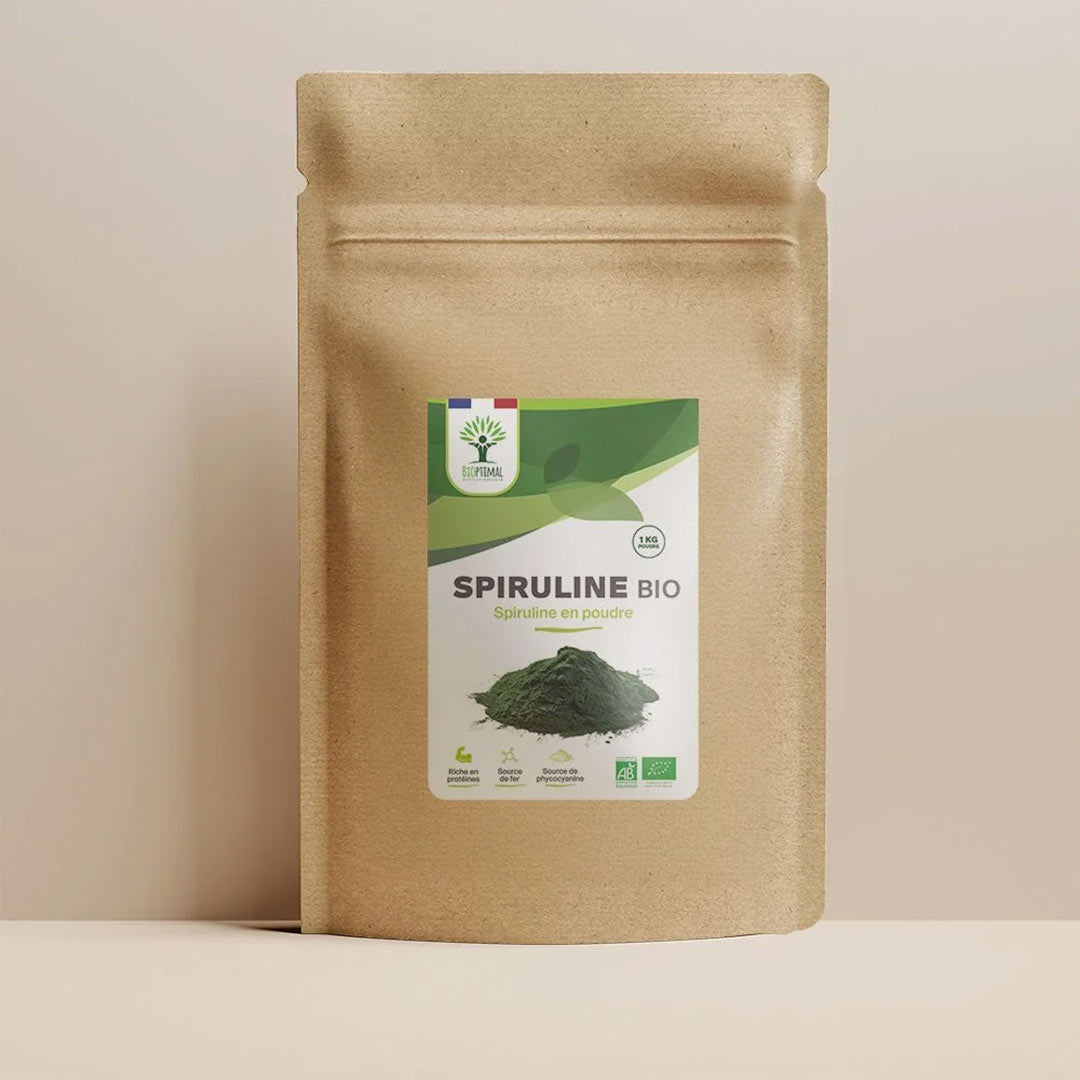
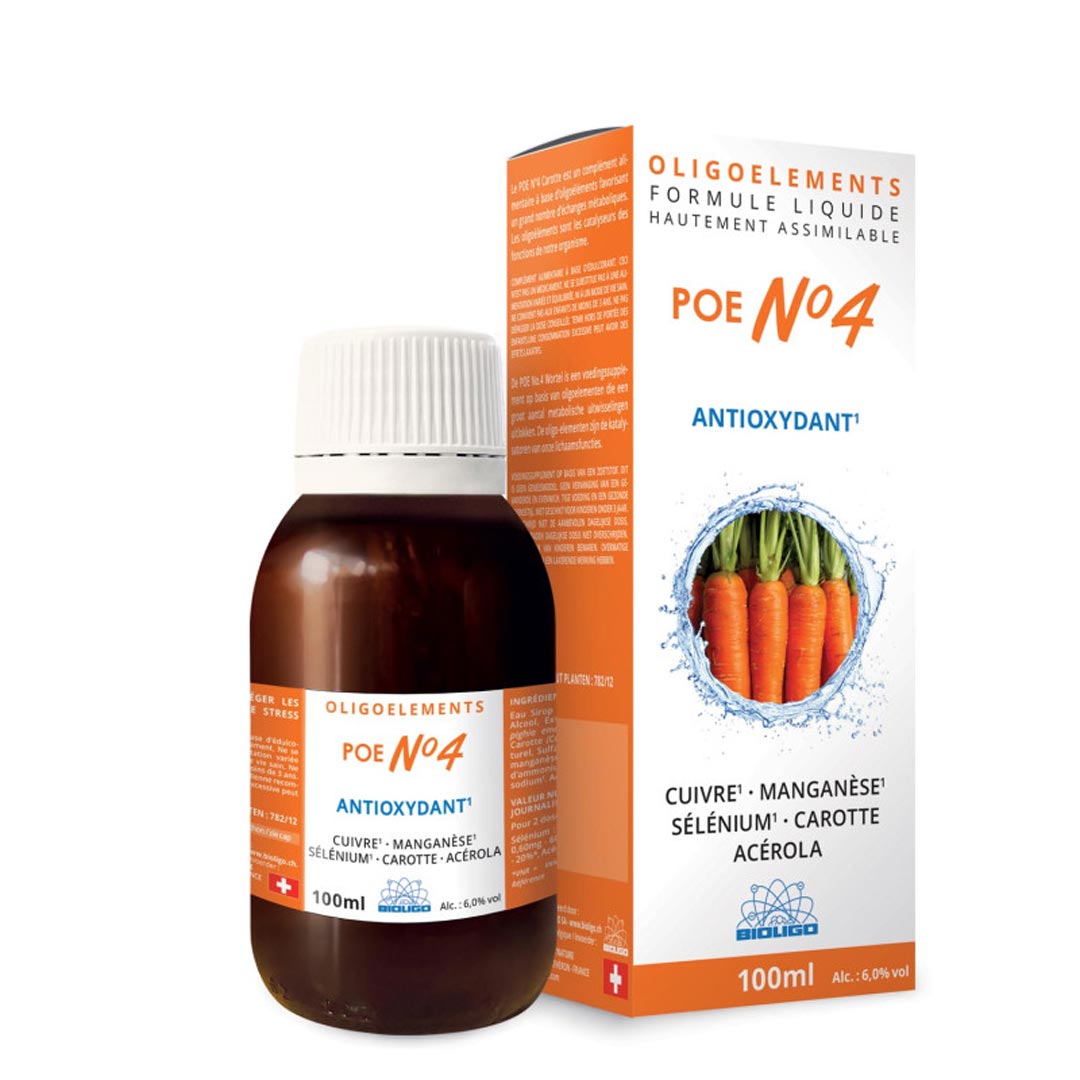
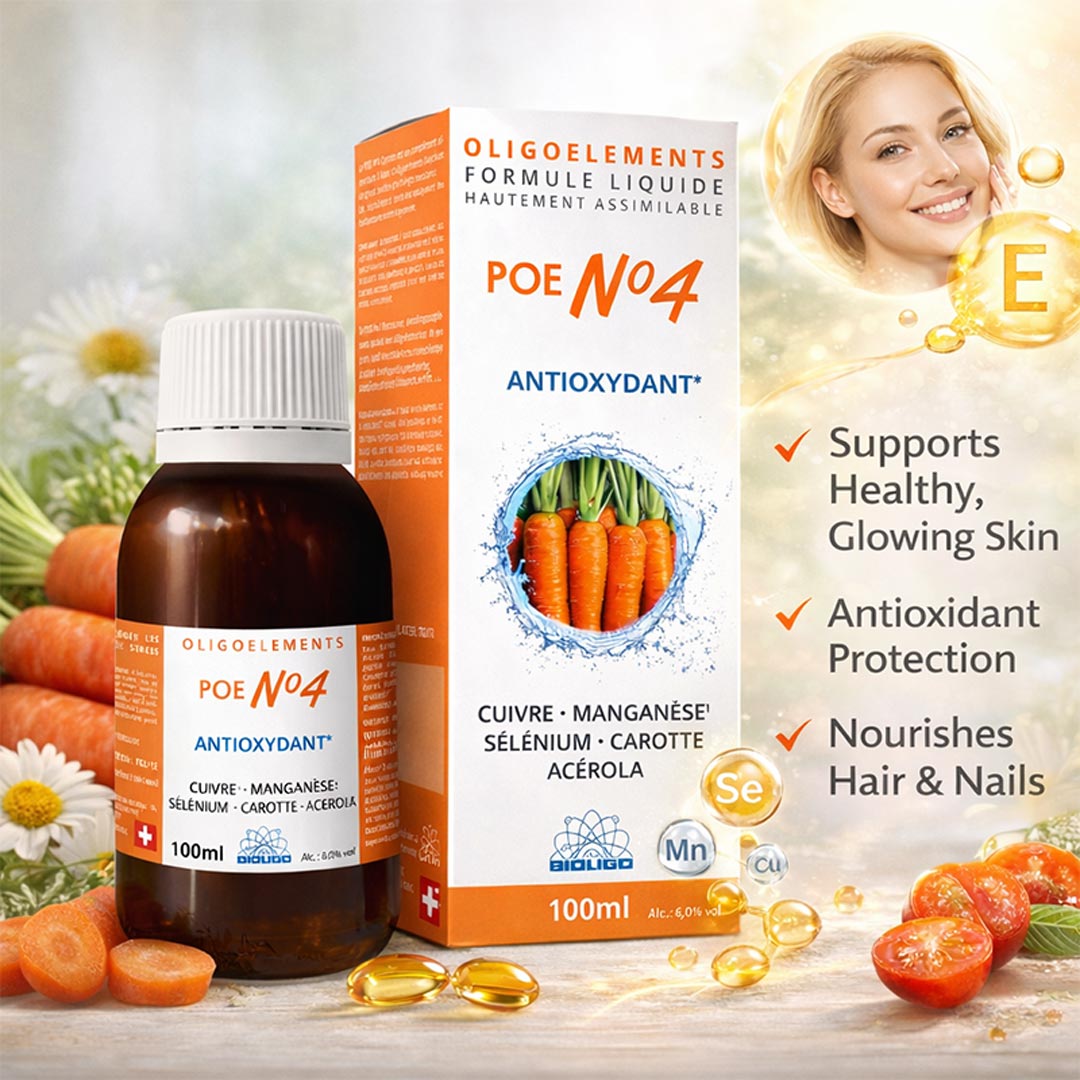
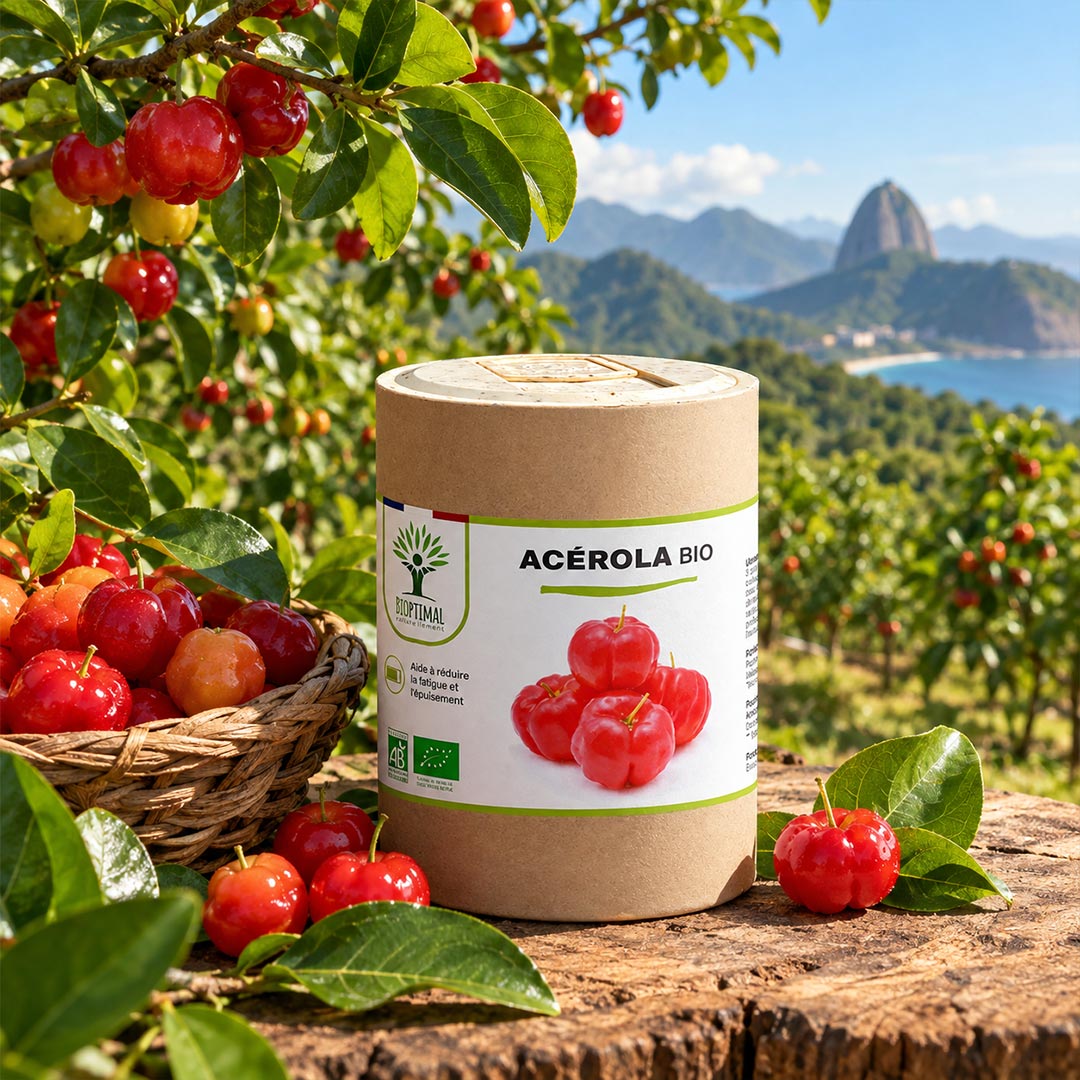
Oxidative stress contributes to inflammation and delayed skin healing. Superfoods rich in antioxidants, such as spirulina, acerola, and deeply coloured berries, help protect skin cells, support repair processes, and promote a clearer, more even complexion.
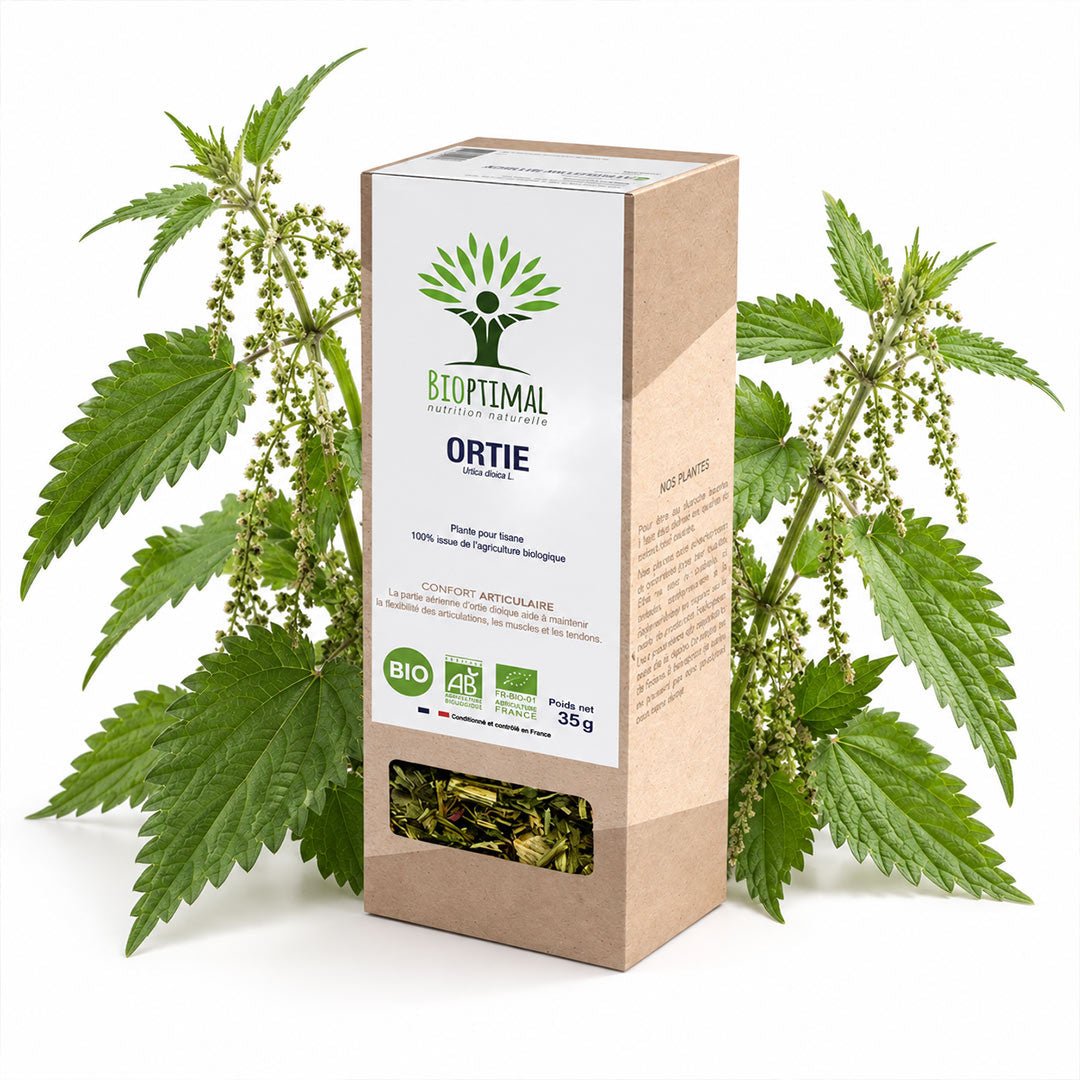
Mineral-rich plants
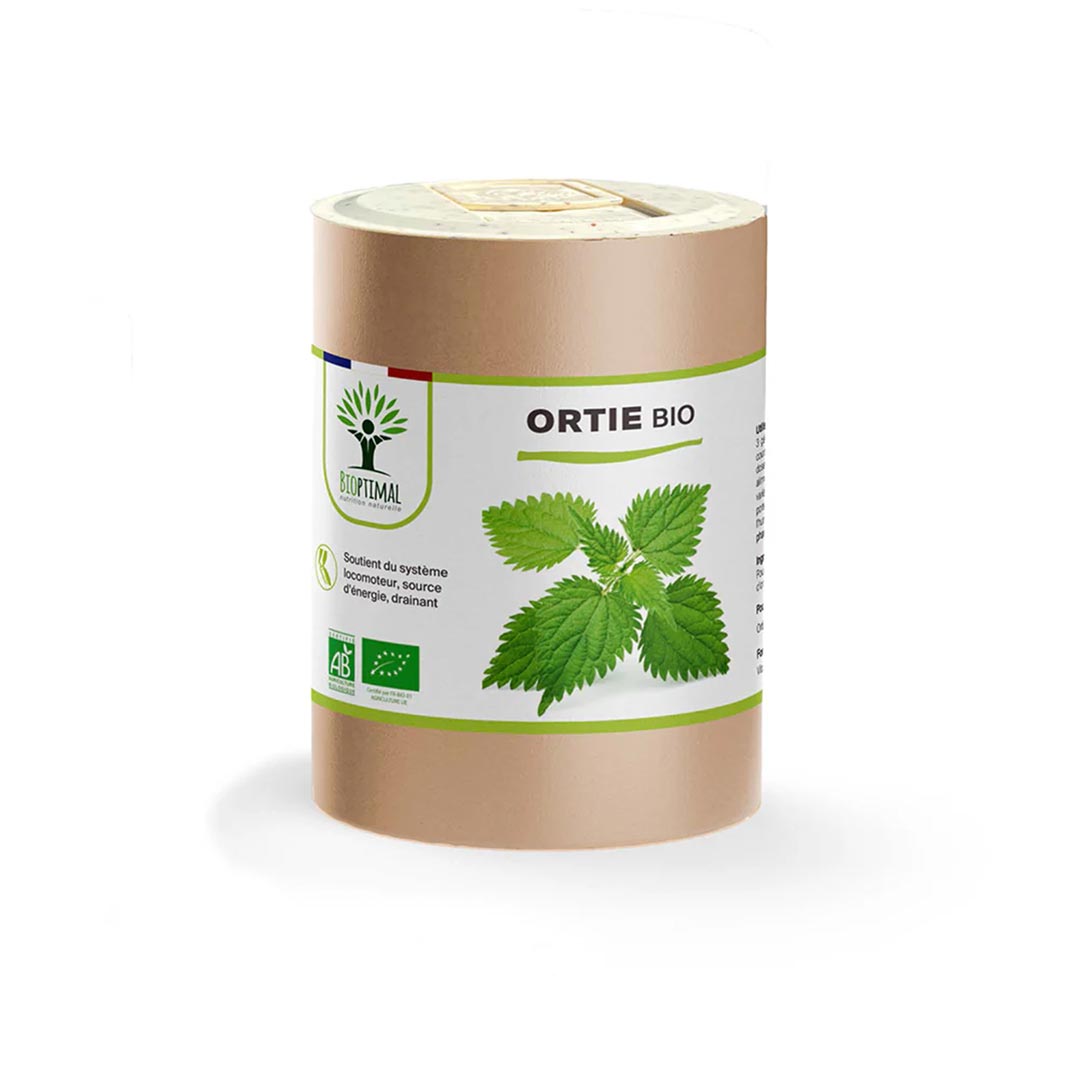
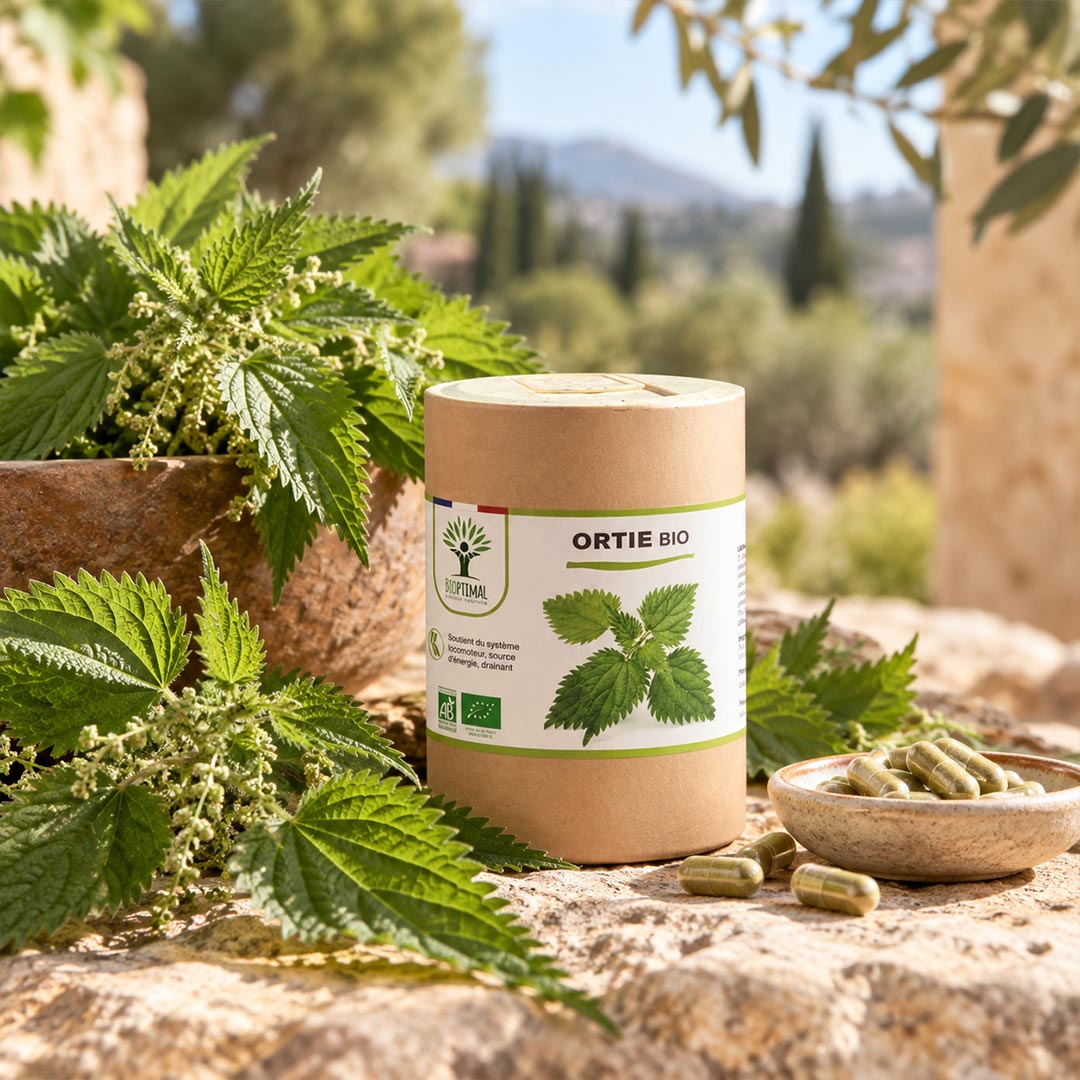
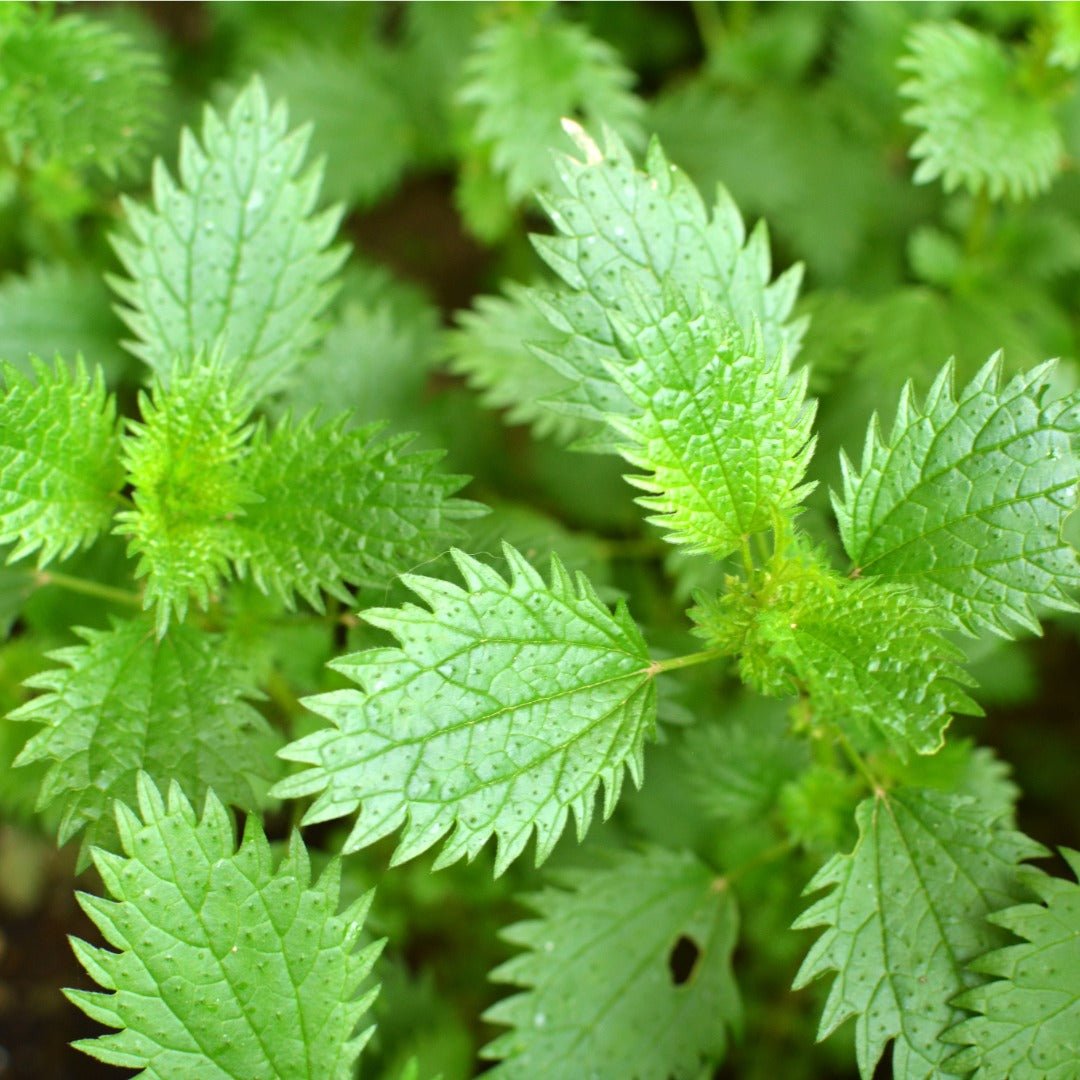
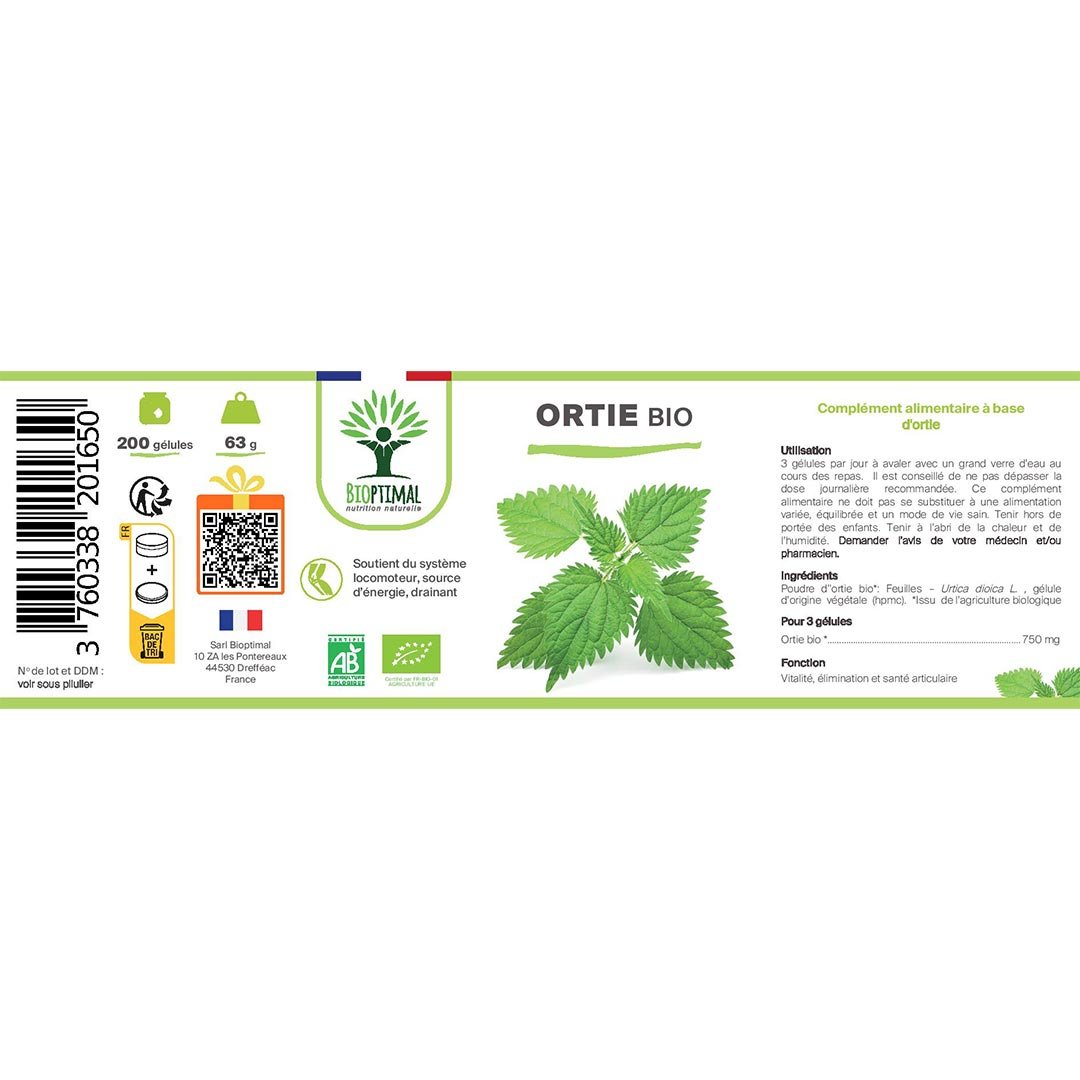
Plants such as nettle provide gentle, nourishing mineral support that benefits the skin over time. By supporting elimination pathways and replenishing key nutrients, they help create an internal environment where the skin can rebalance more naturally.
Examples: nettle leaf in capsule or infusion form.
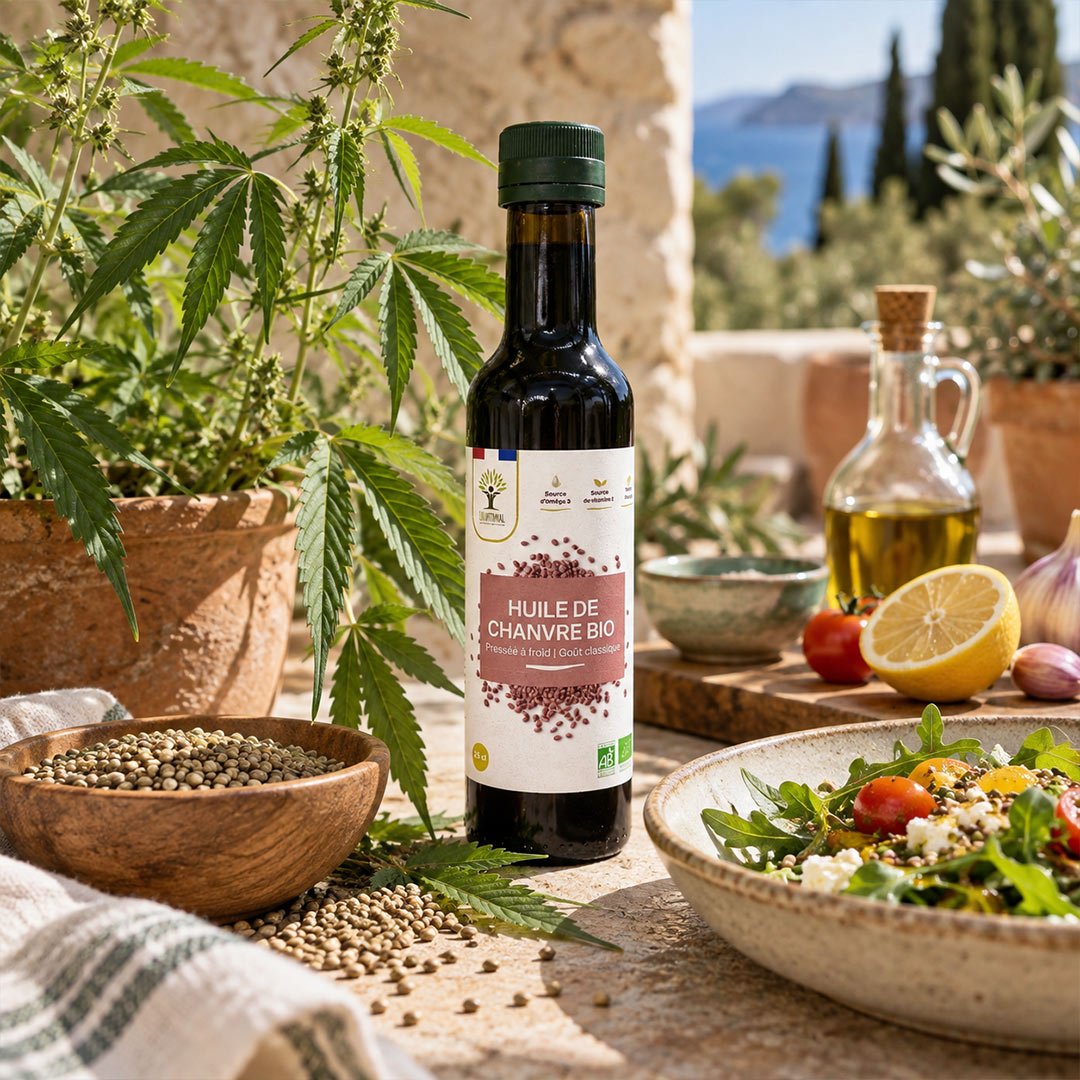
Omega-3 fatty acids
Inflammation is a central factor in acne. Omega-3 fatty acids help calm inflammatory responses, support the skin barrier, and promote overall skin comfort. They are especially helpful when the diet is low in fatty fish or plant-based omega-3 sources.

Gut-supporting nutrients
The connection between digestion and skin is well established. Supporting gut balance with fibre-rich foods and gut-friendly supplements can reduce inflammatory load and improve nutrient absorption – both essential for healthy skin.
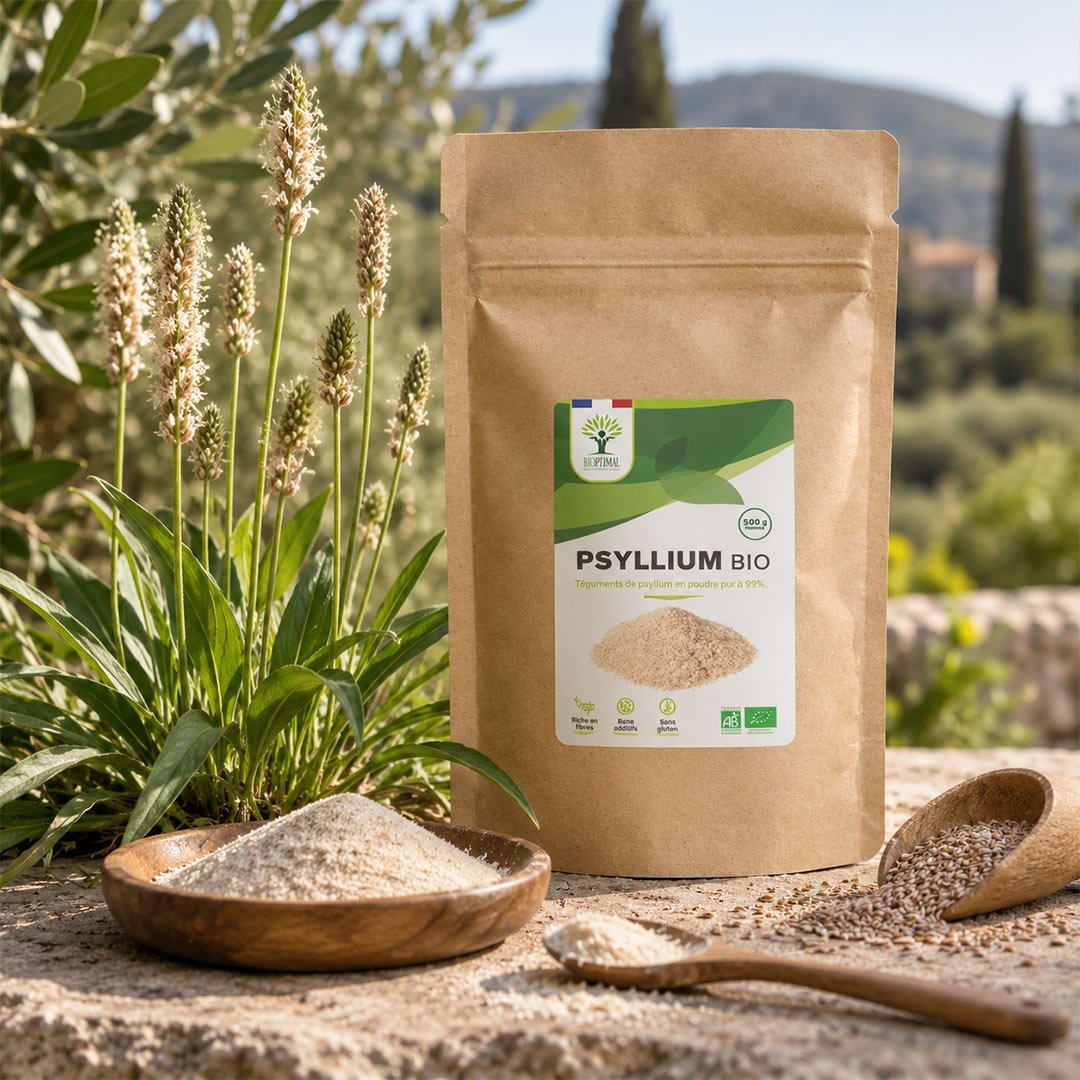
Fibre-rich plant supplements
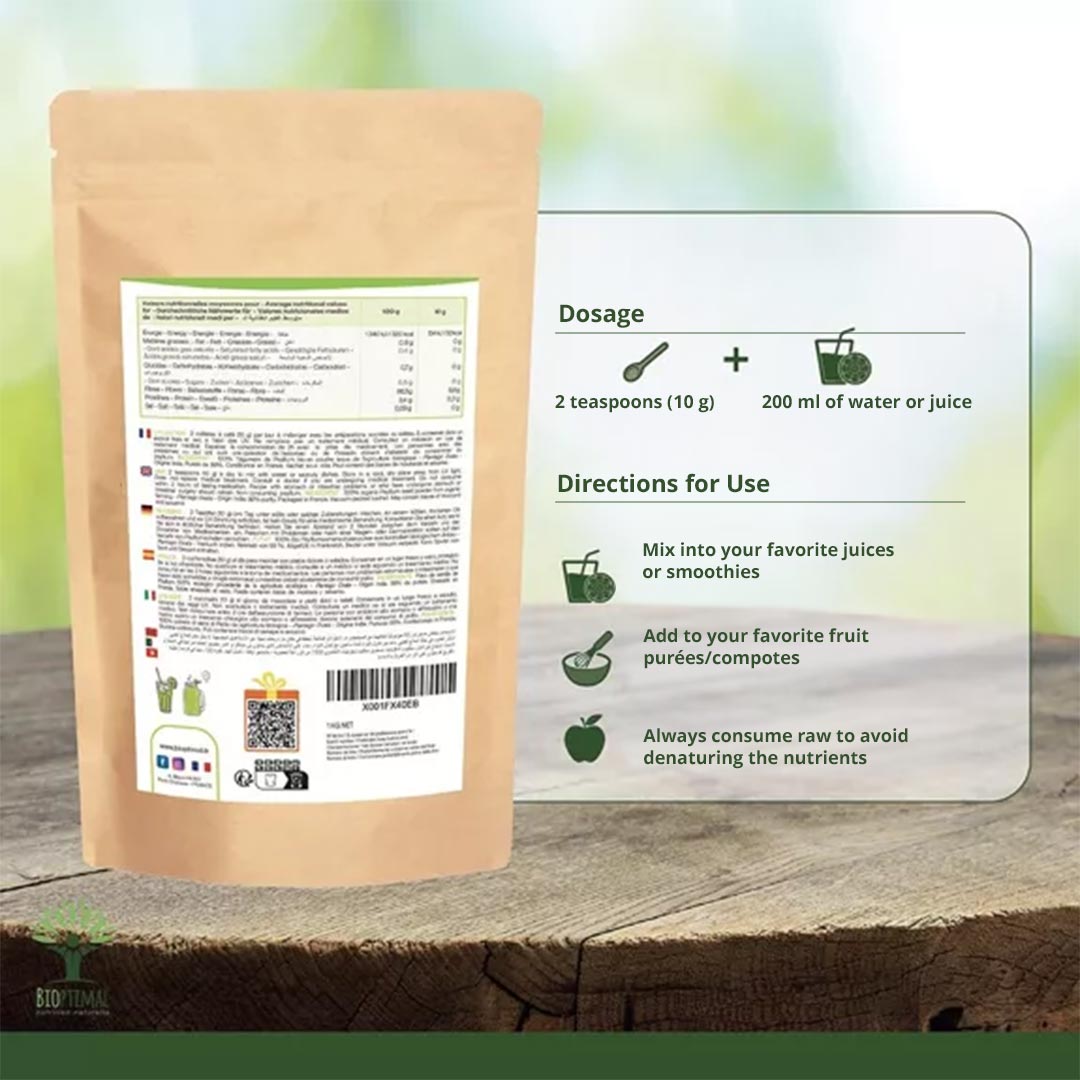
Plant fibres support regular digestion and elimination, helping the body clear metabolic waste efficiently. Fibre supplements are especially useful when daily vegetable intake is low or digestion feels sluggish.
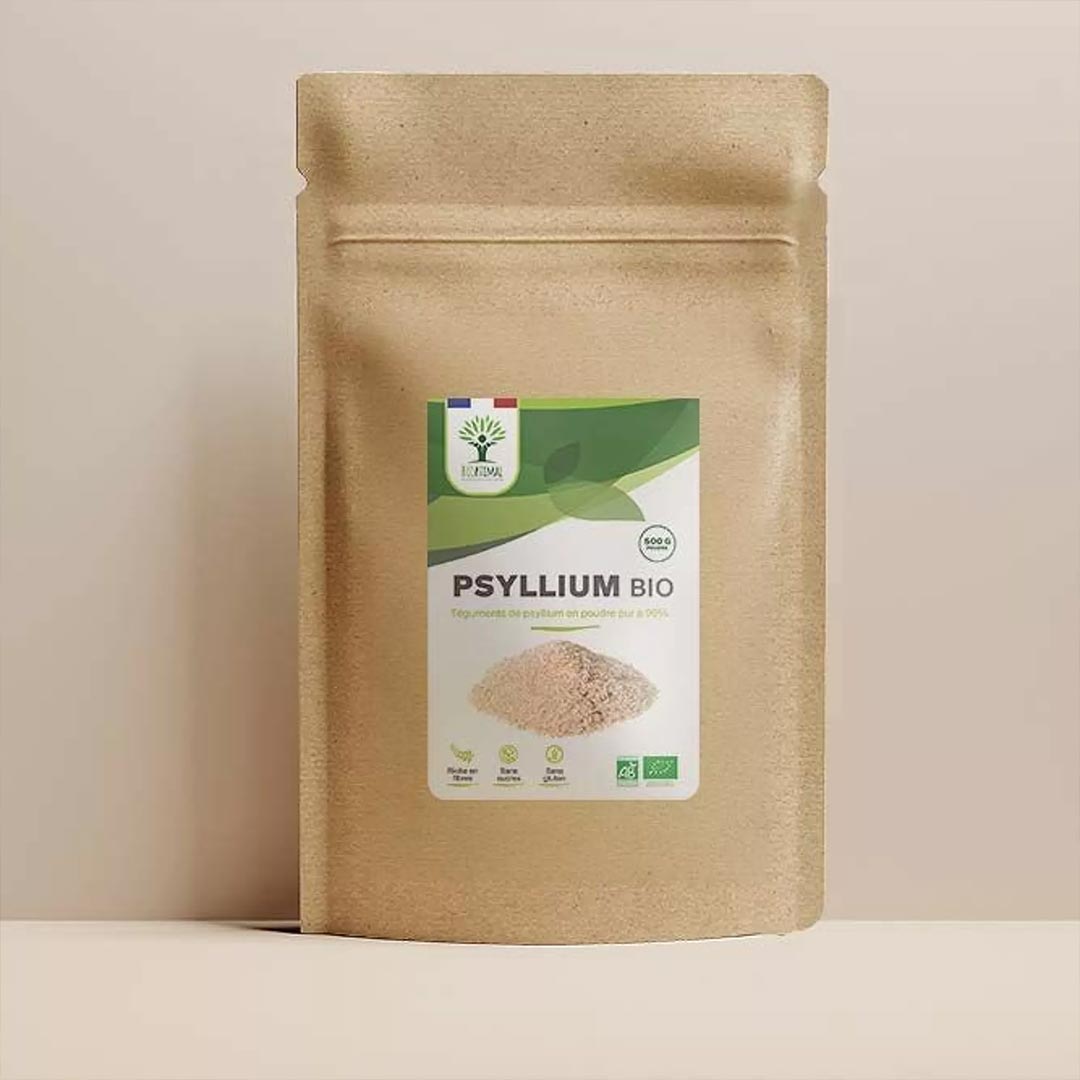
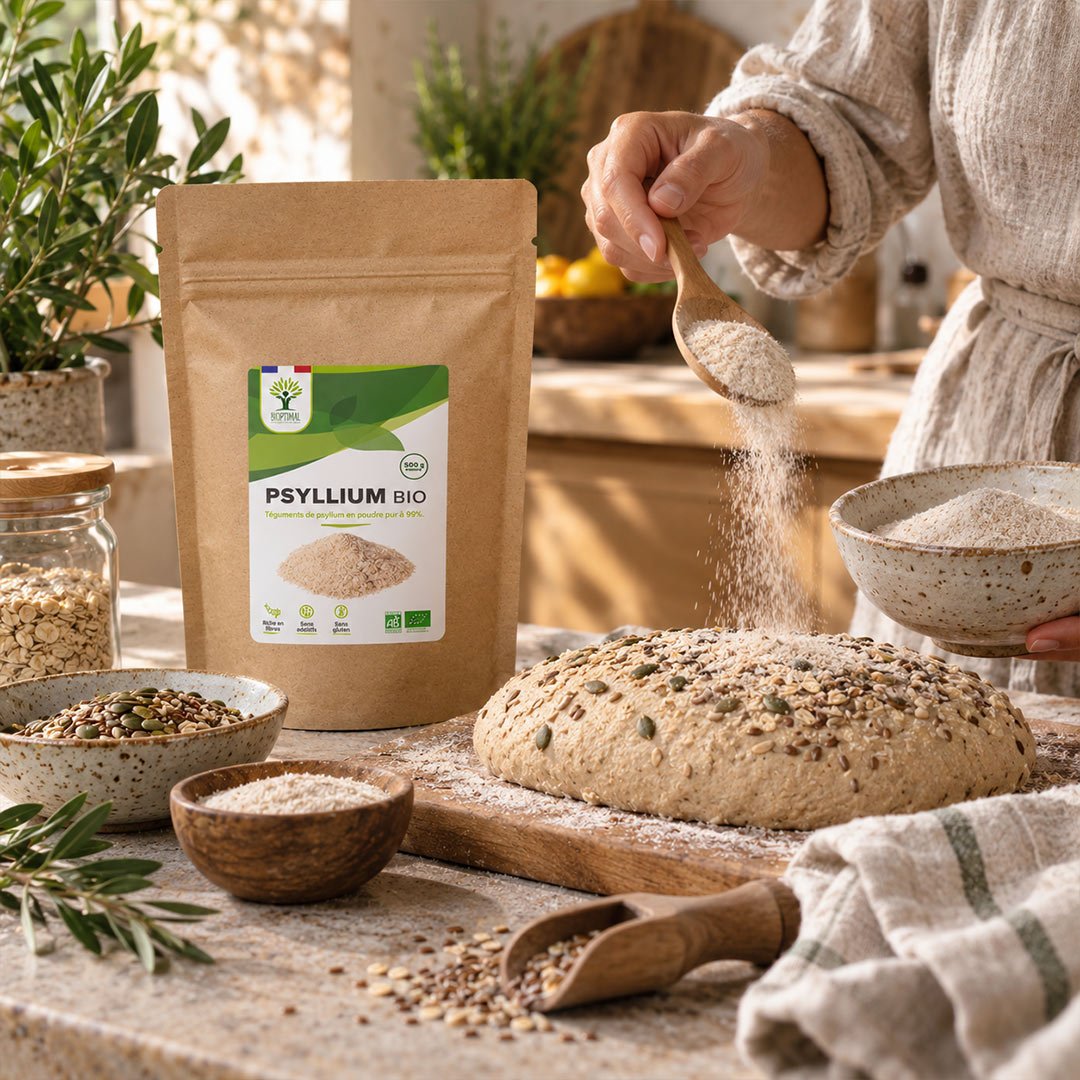
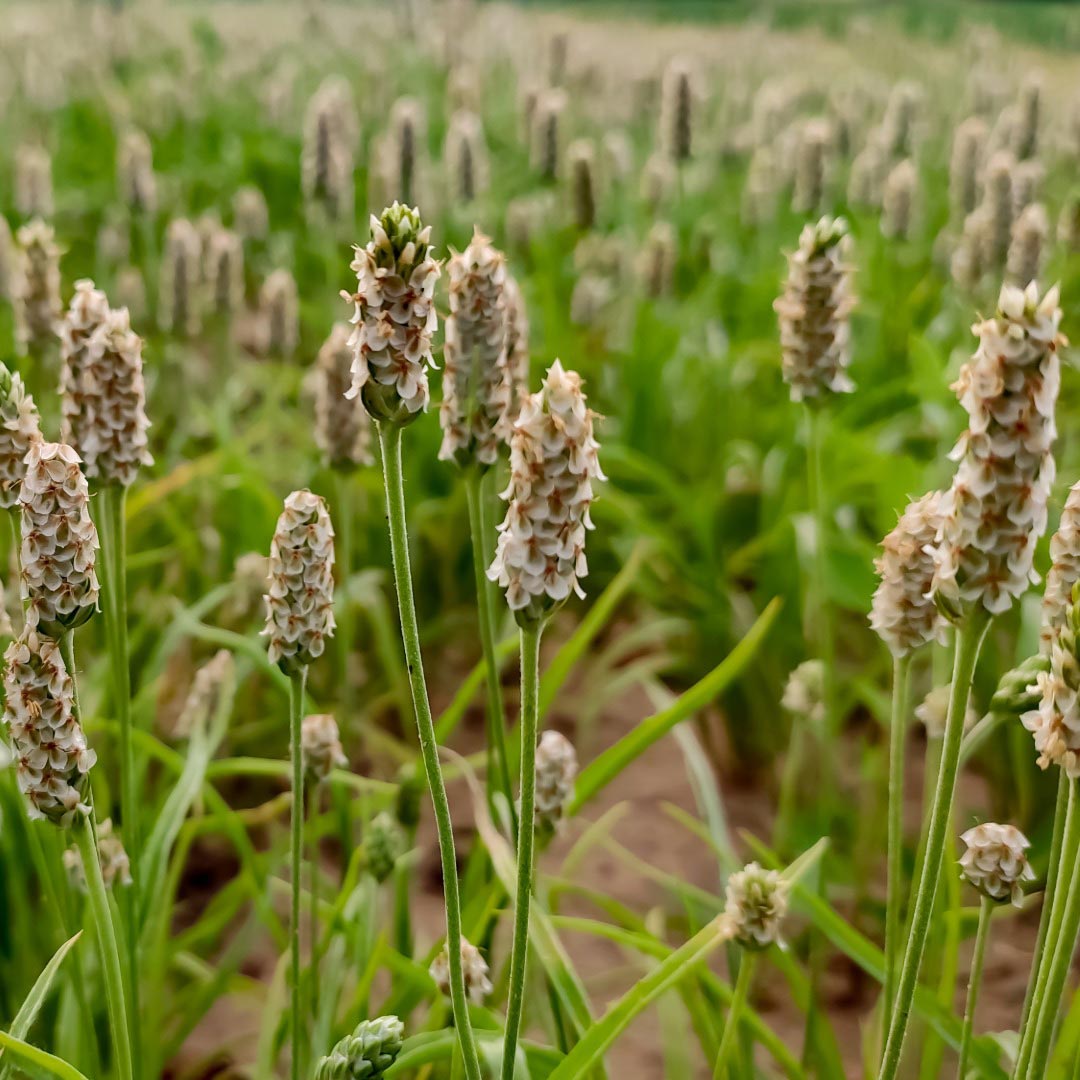
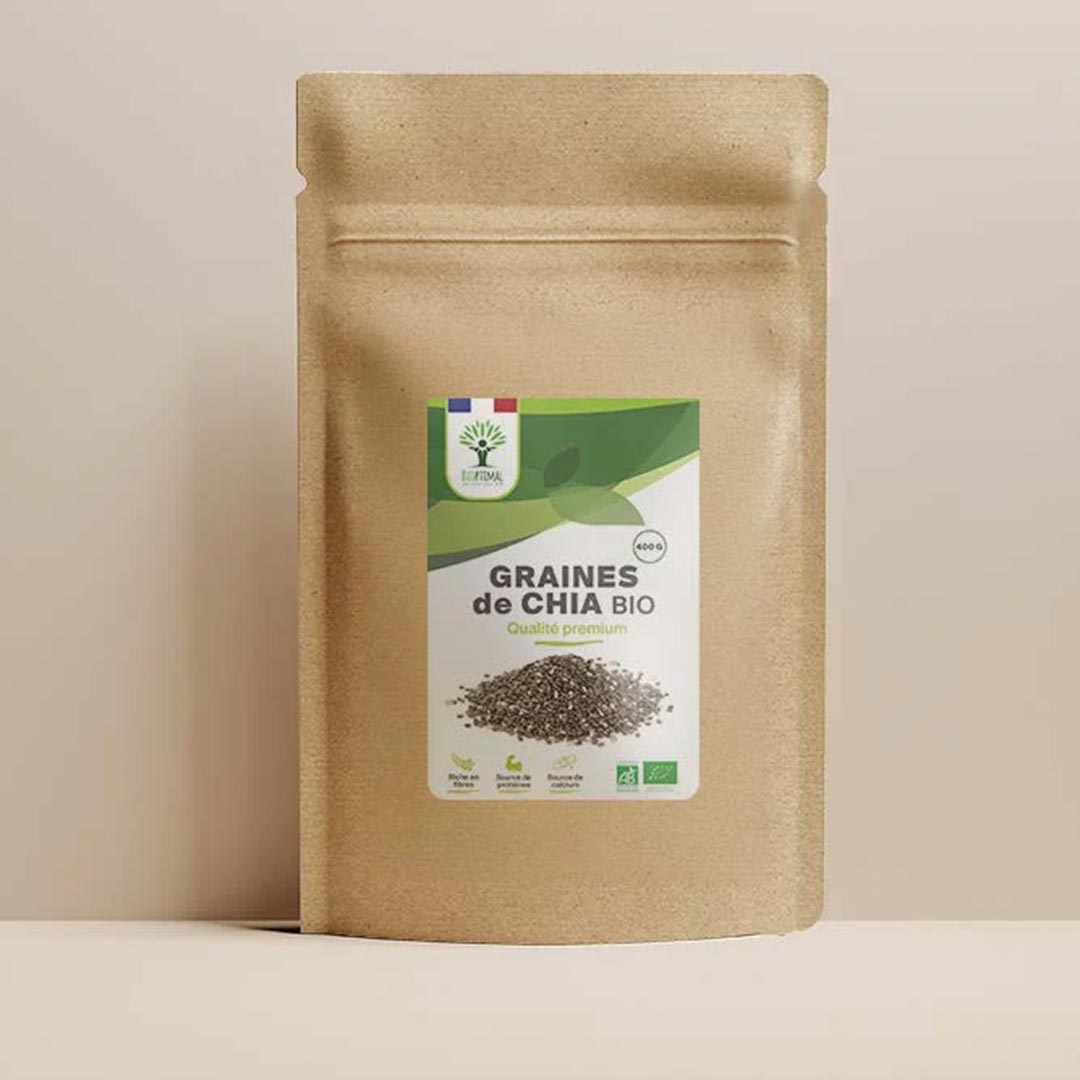
Examples: psyllium husk powder, chia seeds, and other natural plant fibre powders or capsules.

Prebiotic plant fibres
Prebiotics nourish beneficial gut bacteria and help maintain a balanced gut environment. A well-supported microbiome plays an important role in regulating inflammation and supporting nutrient absorption, both essential for healthy skin.
Examples: inulin-rich plant fibres and prebiotic fibre blends. (Image: chicory root)

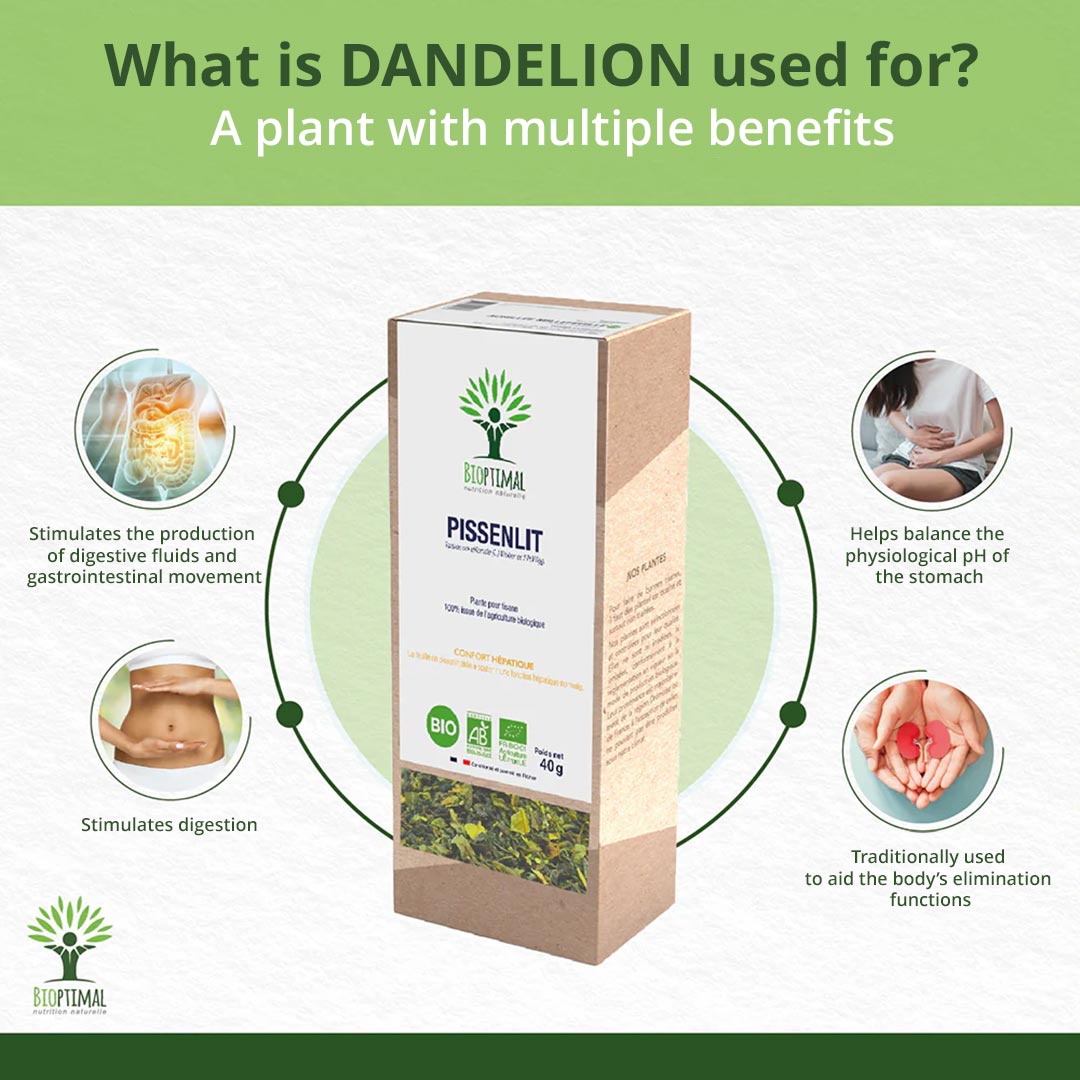
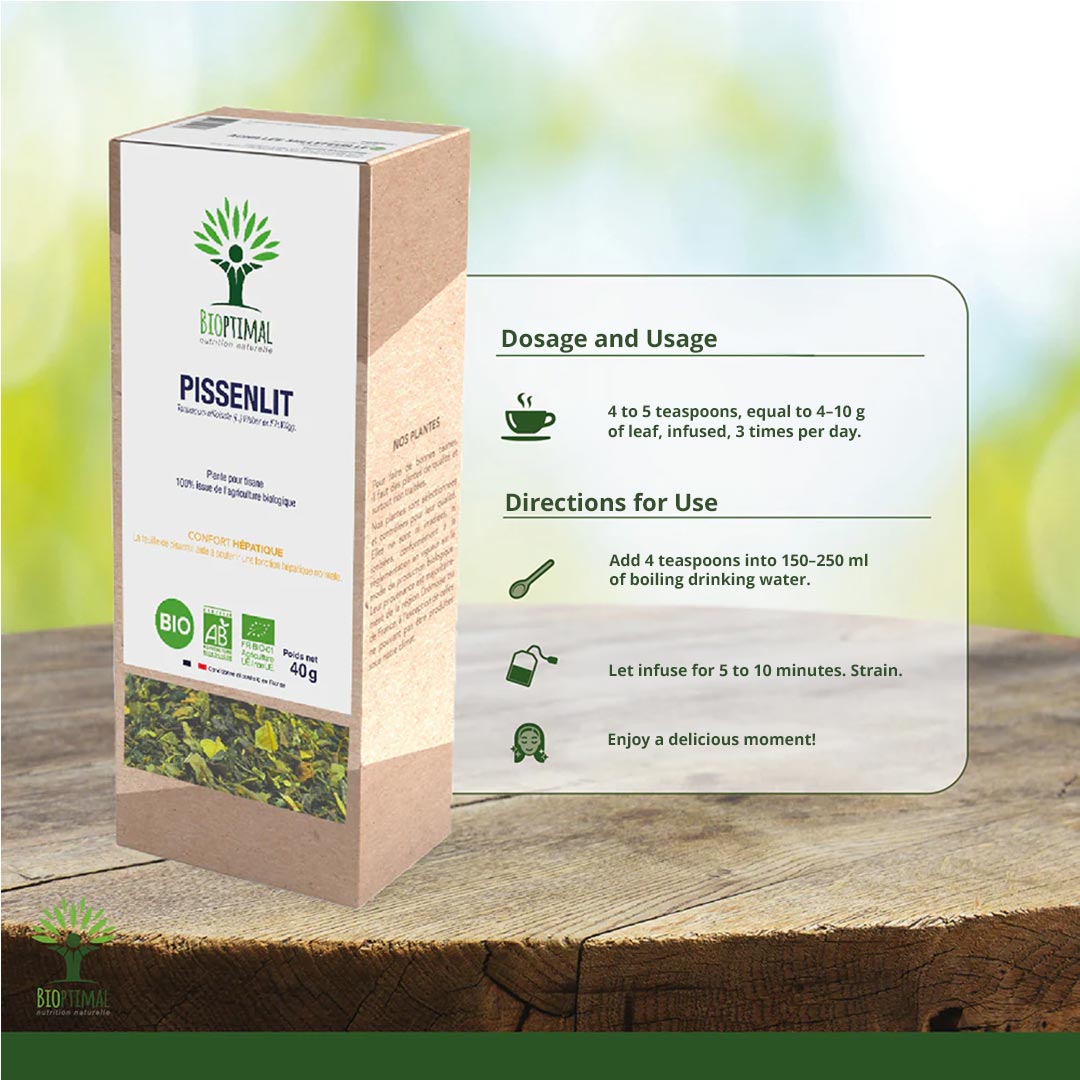
Herbal infusions for digestive support
Digestive herbs taken as infusions gently support the gut while encouraging elimination and internal balance. This form is well tolerated and well suited for daily use.
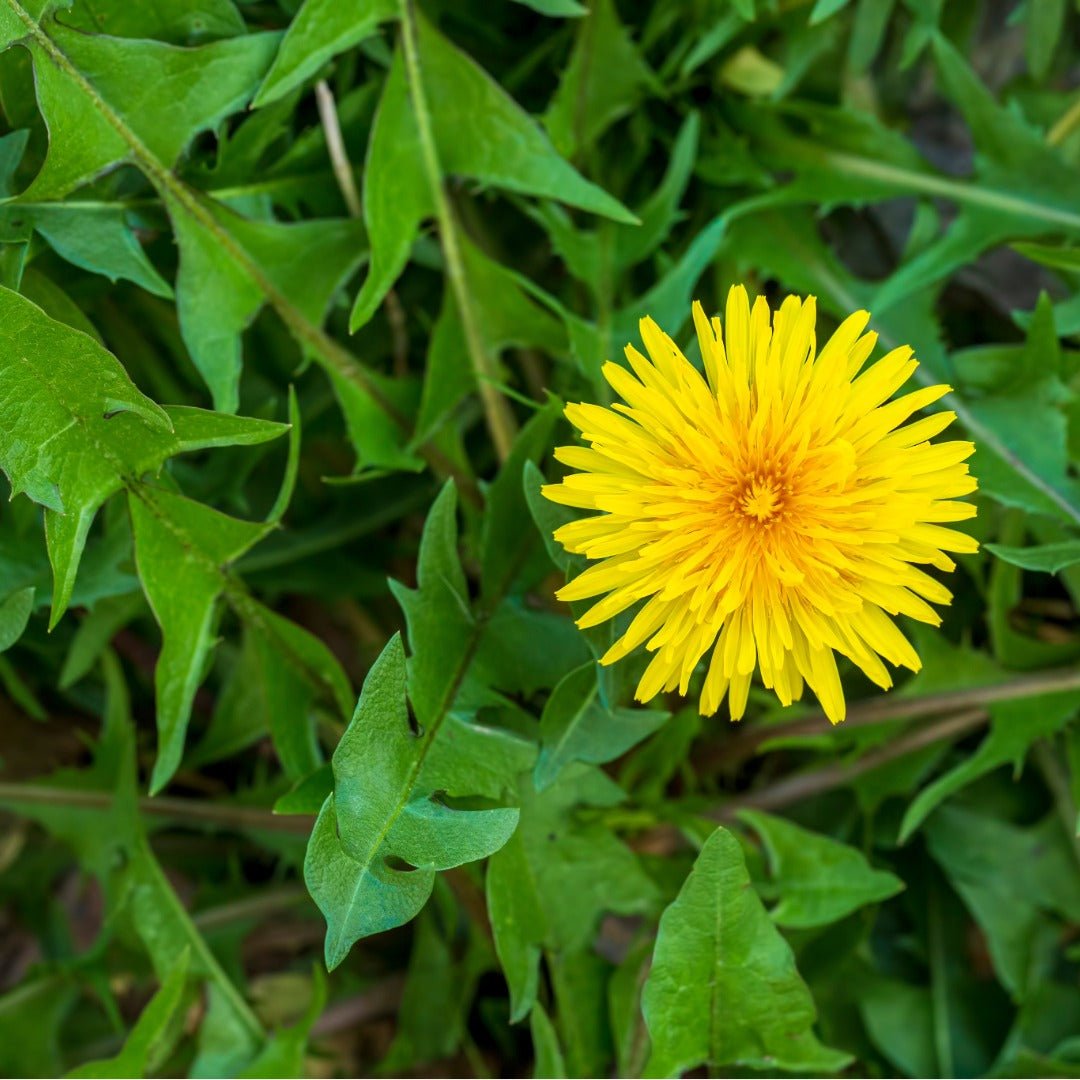
Examples: nettle leaf infusion, dandelion root or leaf infusion, and digestive herbal blends.
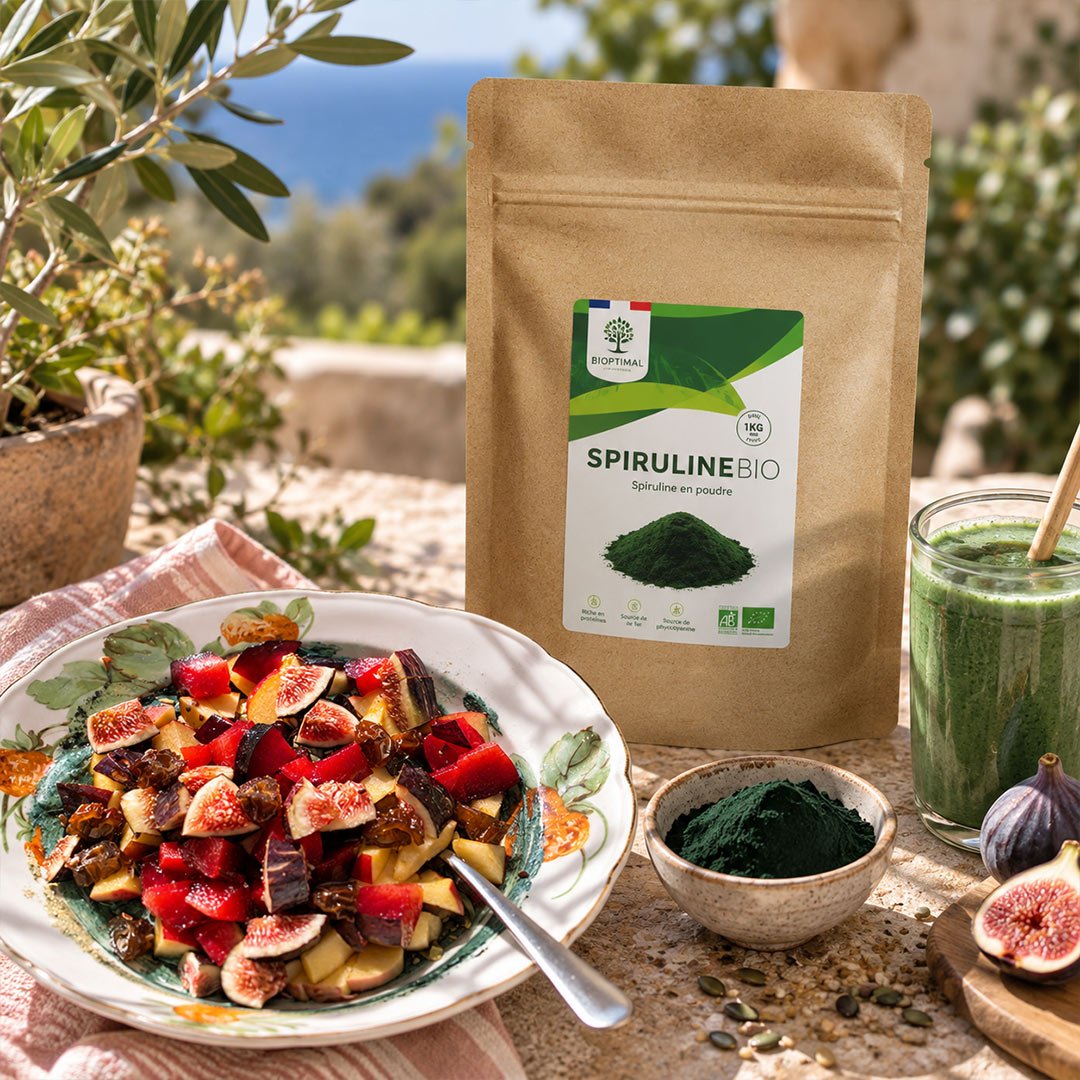
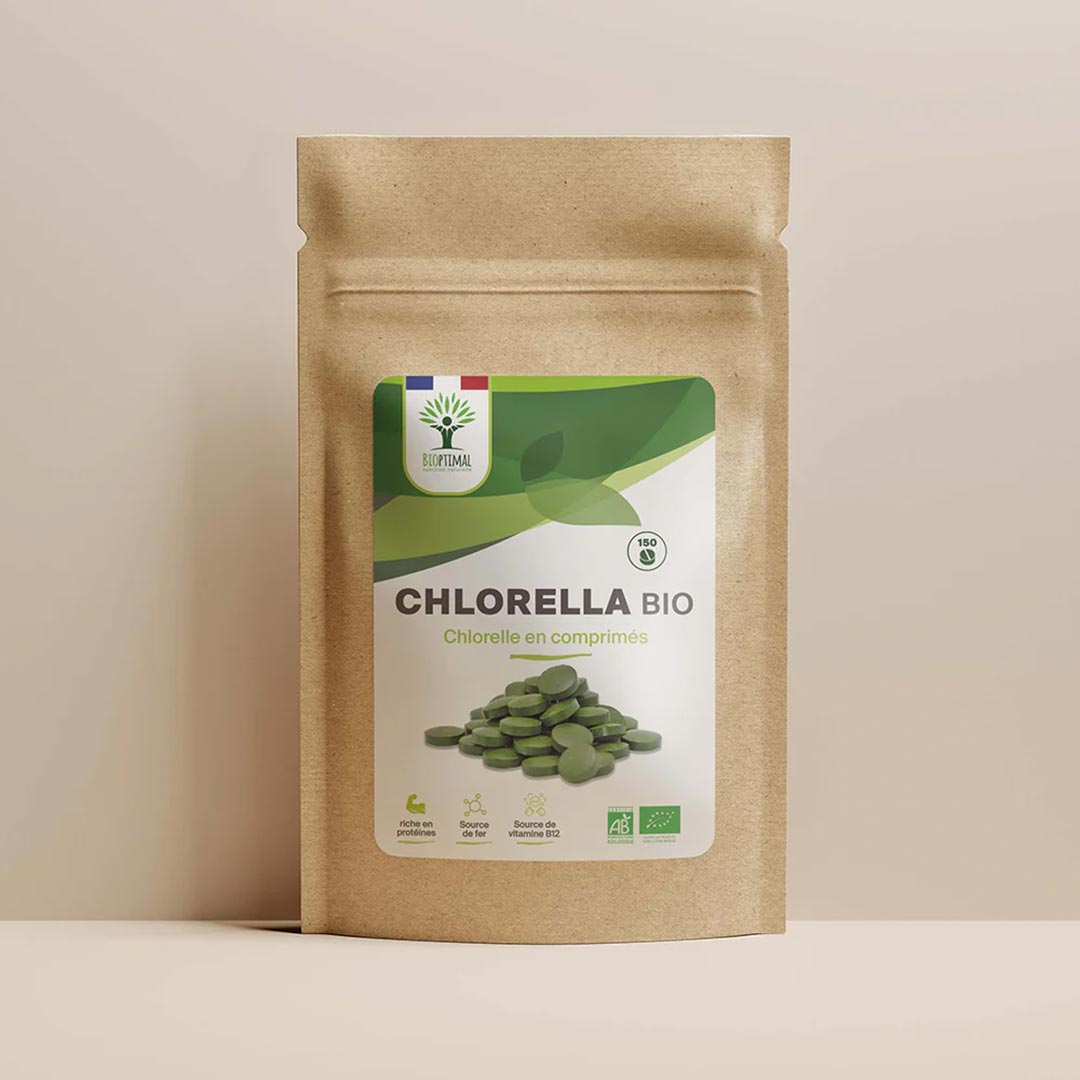
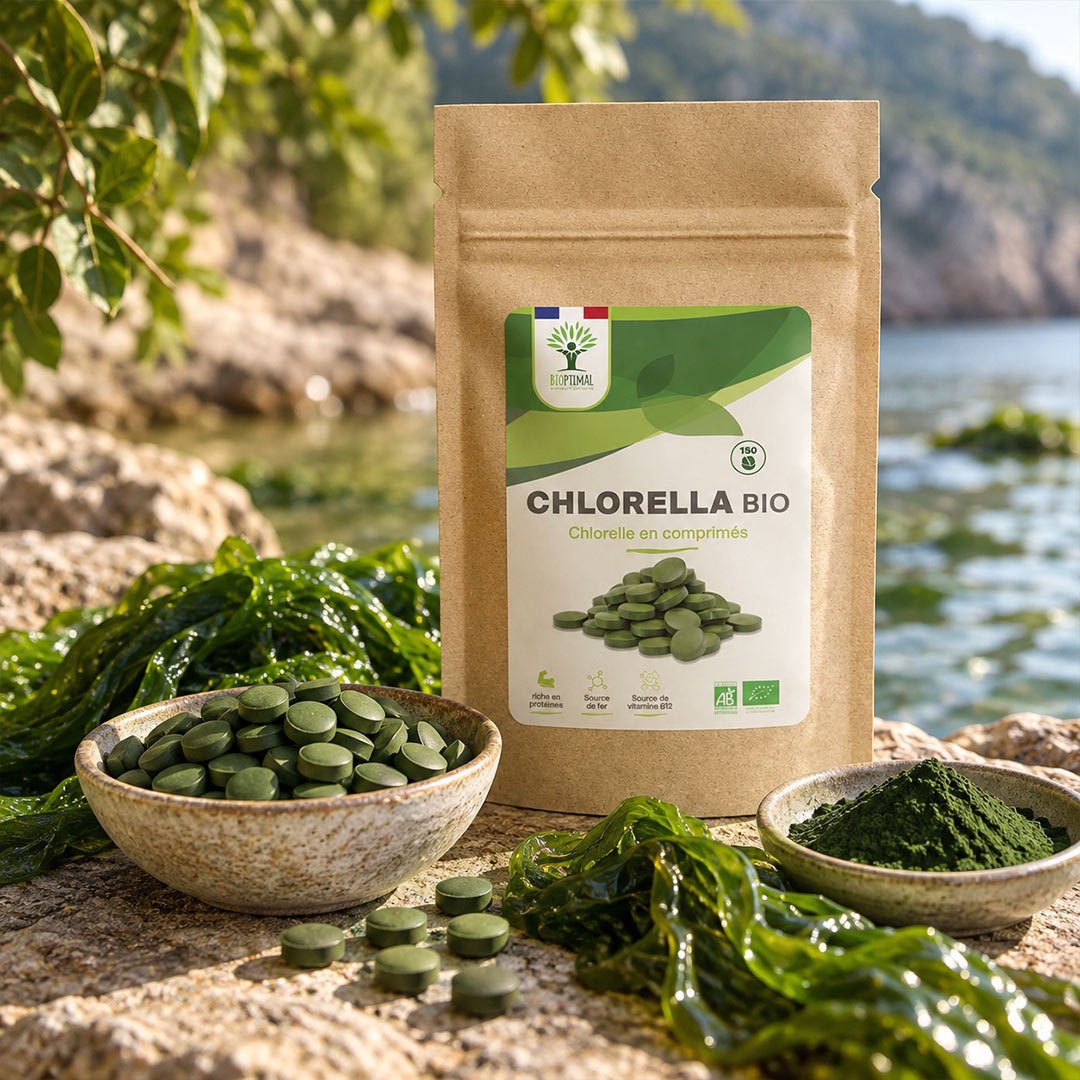
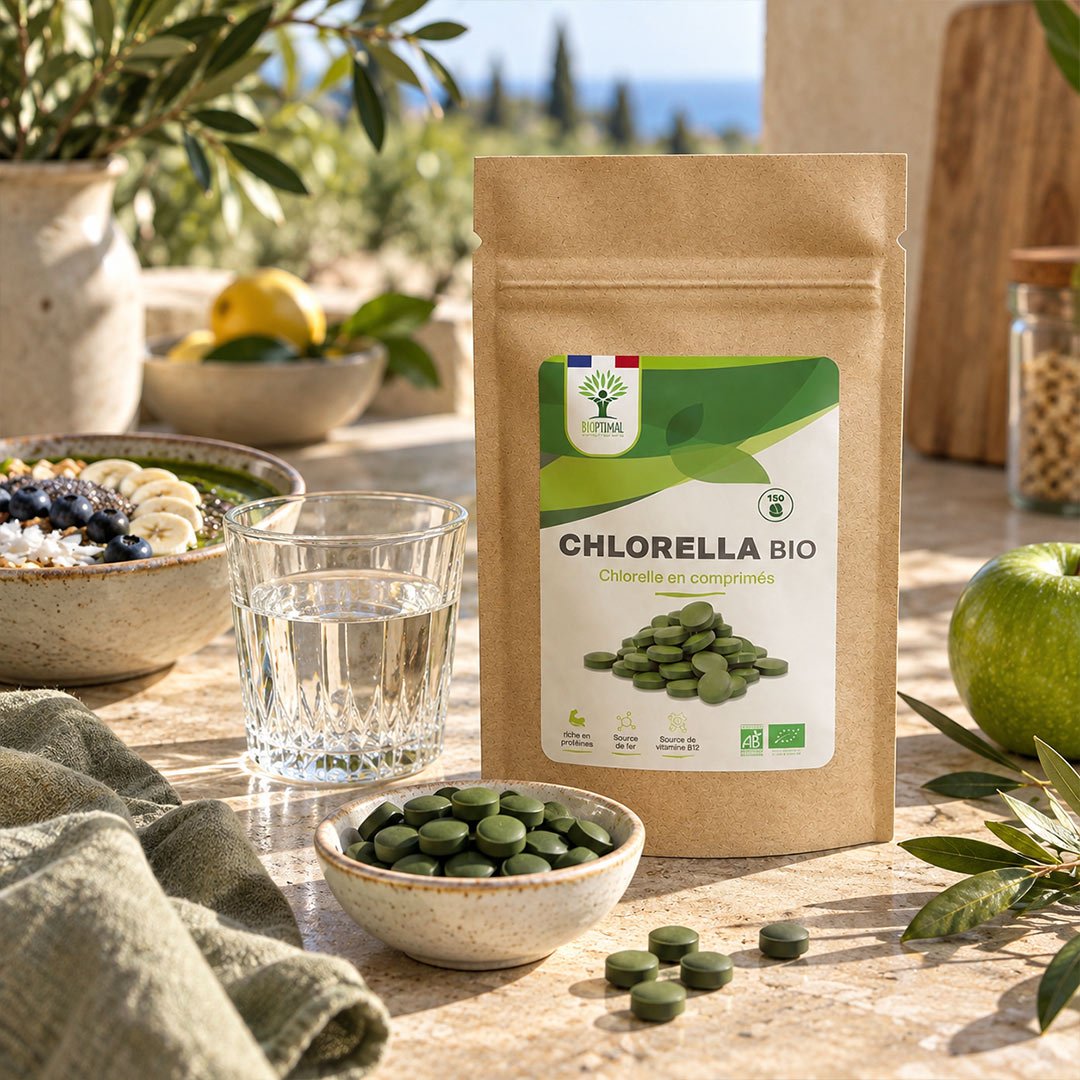
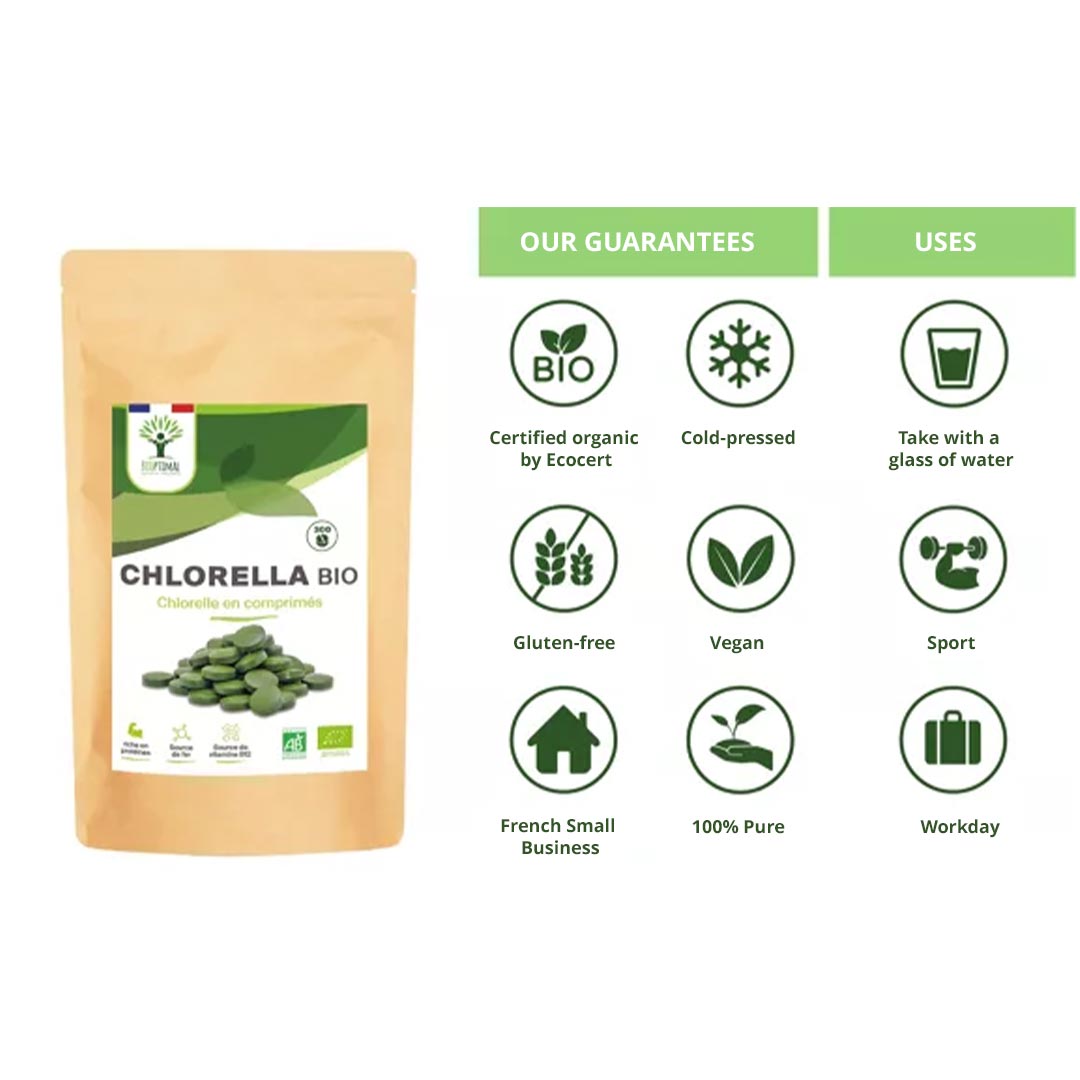
Chlorophyll-rich superfoods
Green superfoods support digestion, gut comfort, and internal cleansing pathways. They also provide antioxidants that indirectly support clearer skin.
Examples: spirulina powder or tablets, green superfood blends.



A supportive, long-term approach
Acne responds best to patience and consistency. By focusing on food quality and supporting the body with targeted supplements, the skin is given the conditions it needs to heal, regulate, and strengthen over time – without aggressive or suppressive measures.

A different way of looking at acne
Support, not suppression
Many conventional acne treatments focus on suppressing symptoms - reducing bacteria, blocking hormones, or drying the skin aggressively. While these approaches may offer short-term relief, they often overlook the underlying imbalances that contribute to recurring breakouts, especially in adults.
A natural approach does not aim to “fight” the skin. Instead, it seeks to understand why the skin is reacting and how the body can be supported so the skin no longer needs to express imbalance.
This perspective is especially relevant for those who wish to avoid long-term reliance on antibiotics or hormonal manipulation, and who are looking for solutions that respect the body’s own regulatory systems.
What a natural approach focuses on
Rather than targeting acne directly, natural support works by addressing the internal terrain that influences the skin:
- Inflammation – calming chronic, low-grade inflammation that drives breakouts
- Digestion & elimination – reducing internal congestion that often shows up through the skin
- Blood sugar balance – stabilising insulin spikes that can stimulate excess sebum
- Hormonal communication – supporting the body’s natural rhythm rather than overriding it
- Nutrient sufficiency – providing the building blocks skin needs to heal properly
When these systems are supported, the skin often improves as a consequence, not as a forced outcome.
What to expect when choosing a natural path
Natural skin support is not instant. Skin reflects internal changes with a delay, often over several weeks. Early improvements may include:
- Fewer inflammatory breakouts
- Faster healing of existing blemishes
- Less skin reactivity or sensitivity
- More predictable flare patterns
Consistency matters more than intensity. Gentle, daily support almost always outperforms aggressive short-term interventions.
Acne is not a personal failure
Many people with acne carry unnecessary frustration or self-blame. It’s important to understand that acne is not caused by poor hygiene or lack of discipline. It is a signal - often of internal stress, hormonal transition, digestive imbalance, or nutrient depletion.
Listening to that signal, rather than silencing it, is where meaningful change begins.

Healthy Aging & Skin Vitality
Supporting the skin over time
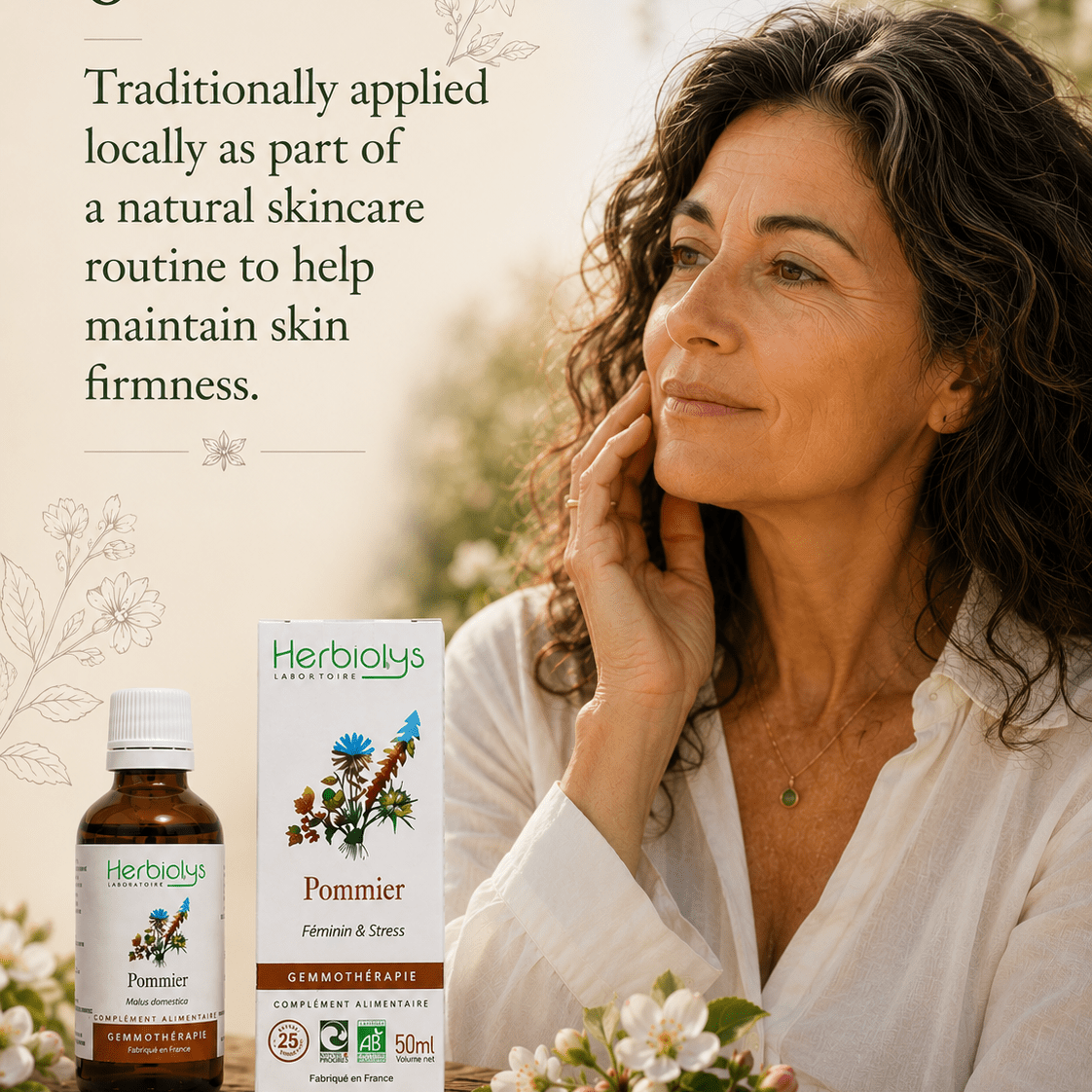
As we age, the skin’s needs change. Natural collagen production slows, antioxidant reserves decline, and the skin becomes more sensitive to internal and external stressors. Rather than correcting or reversing aging, a supportive approach focuses on maintaining structure, resilience, and long-term skin comfort.
Healthy aging is not about erasing lines. It is about supporting the body’s natural renewal processes so the skin can age with strength, balance, and vitality.
What the skin needs as it matures
Antioxidant protection
Over time, cumulative oxidative stress affects skin elasticity, tone, and repair capacity. Antioxidant-rich foods and supplements help protect skin cells from free radical damage and support healthy aging from within.
Collagen & connective tissue support
Collagen provides structure and firmness to the skin. Nutrients and plants that support collagen formation and connective tissue integrity help maintain skin elasticity and support aging skin gracefully.
Essential fatty acids
Healthy fats support the skin barrier, hydration, and comfort. Adequate intake of essential fatty acids becomes increasingly important with age, especially for dry, sensitive, or reactive skin.
Mineral nourishment
Minerals play a key role in skin repair, enzyme function, and overall tissue resilience. Mineral-rich plants help replenish what the body gradually loses over time.
Gentle digestive support
Efficient digestion and nutrient absorption are essential for aging well. Supporting gut health ensures the skin receives the nutrients it needs to maintain vitality and resilience.