Zinc citrate, 90 tablets

Regular price € 11,90

certified-organic-farming

Organic Farming

Certified Organic

The french flag - Made in France - Elliotti

Made in France

Cruelty free icon - Elliotti

Cruelty-free

Organic Zinc Citrate Tablets – Essential Mineral for Skin, Hair, Nails & Immunity
Complete daily support with highly bioavailable Zinc Citrate
Zinc is one of the body’s most important trace minerals, playing a role in countless physiological functions. Our Zinc Citrate Tablets provide an optimal daily dose of 15 mg of zinc, combined with citrate for excellent absorption and bioavailability. Naturally effective, gentle on the stomach, and easy to integrate into your daily wellness routine.

Key Benefits of Zinc
  • Supports skin health – contributes to the maintenance of normal, clear, and resilient skin.

  • Strengthens nails – helps prevent brittleness and promotes natural nail growth.

  • Promotes healthy hair – supports the structure and vitality of hair.

  • Maintains normal vision – essential for eye health and clarity.

  • Boosts immune system – contributes to a strong and balanced immune defense.

  • Protects against oxidative stress – zinc is a powerful antioxidant, helping to protect cells from free radical damage.

Why Choose Zinc Citrate?

Zinc citrate is one of the most bioavailable forms of zinc, ensuring that your body absorbs and uses it effectively. Beyond its recognized health benefits, the citrate form also helps restore a healthy acid-base balance, supporting overall well-being.

Pure, Natural, and Effective
  • 100% natural formula

  • Each tablet provides 15 mg of zinc

  • Perfectly dosed for daily support

  • Vegan-friendly and free from unnecessary additives

Give your body the essential support it needs with our Organic Zinc Citrate Tablets – a simple, natural way to maintain beauty, immunity, and vitality from within.
Usage tips

1 tablet per day, preferably in the morning, to be swallowed with a little water. 1 jar = 1 90-day course of treatment.

Skin & Hair Issues Where Zinc is Most Relevant:

Acne & pimples – Zinc plays a role in sebum regulation, skin healing, and inflammation control.

Oily skin & large pores – linked to its balancing effect on oil production.

Wounds & ulcers, scars, burns, and sunburn – zinc supports tissue repair and regeneration.
Eczema, dermatitis, psoriasis, rashes, and itchy/irritated skin – zinc helps maintain skin barrier function and reduces oxidative stress.

Brittle nails, hair loss, dandruff, dry skin, flaky scalp – zinc contributes to the structure of keratin and collagen.

Wrinkles & skin elasticity – zinc’s antioxidant role helps protect skin cells from oxidative stress, supporting firmness and resilience.

Composition

Zinc citrate.

Technical agents: magnesium stearate, organic maltodextrin.

NUTRITIONAL VALUE OF THE DAILY PORTION: Per 1 tablet, Zinc: 15 mg - 150%*
*NRV = Nutrient Reference Values.

Certification

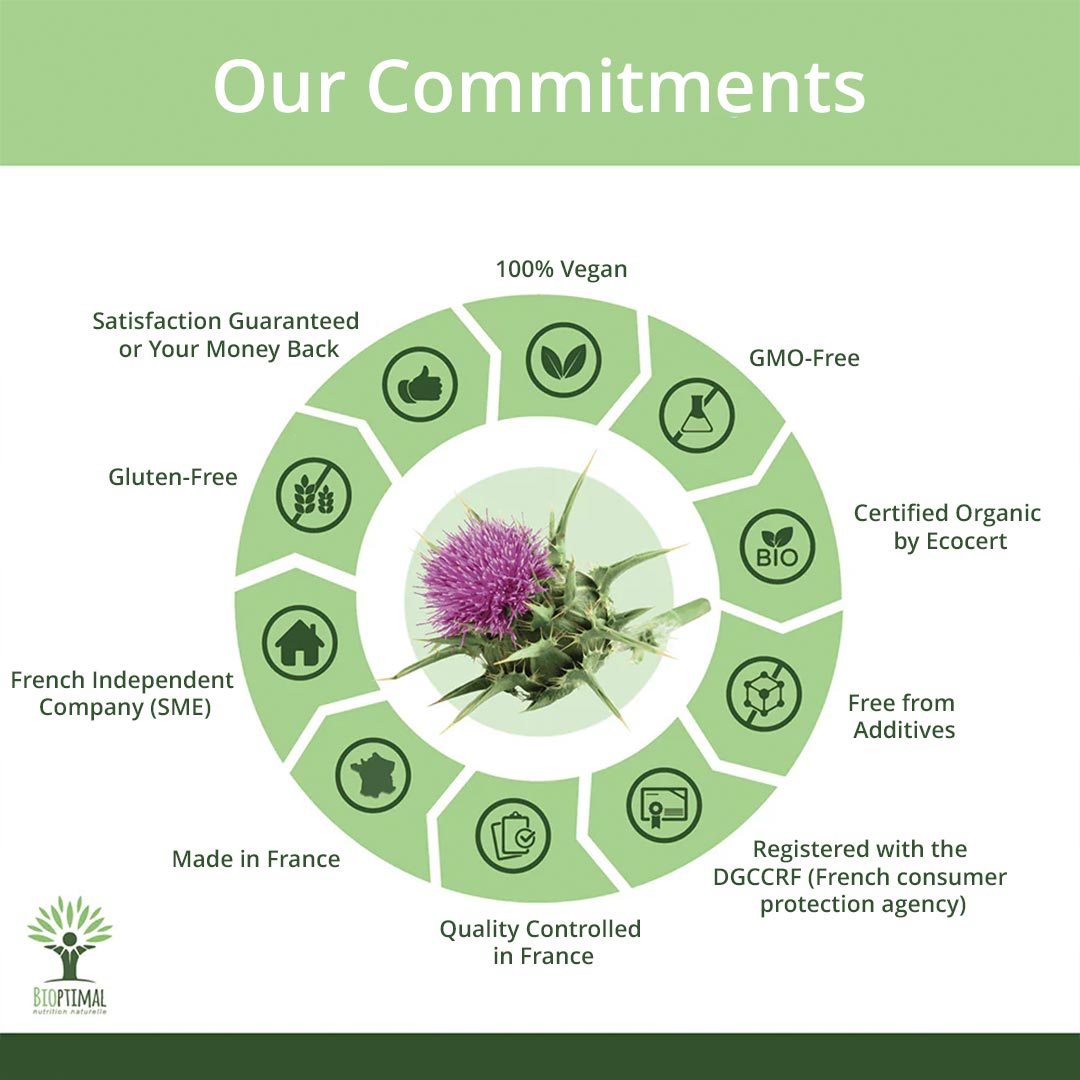
- 100% natural
- Food quality
- No coloring or preservatives
- Sugar Free
- Made in France
- Raw materials that comply with environmental standards
- No petrochemical materials
- Gentle on the body and nature
- We favor small producers, artisans as well as fair trade

Skin & hair issues
  • Acne
  • Pimples
  • Oily skin
  • Large pores
  • Burns
  • Sunburned skin
  • Scars
  • Wounds & ulcers
  • Eczema
  • Brittle nails
  • Hair loss
  • Dandruff
  • Dry skin
  • Dry hair & scalp
  • Wrinkles
  • Skin elasticity
Health issues
  • Immune system
A little history

Ancient use (before it was recognized as zinc):
Humans were using zinc-containing alloys like brass (a mix of copper and zinc) as far back as 3,000 years ago in places like India and the Middle East. However, people didn’t realize zinc was a separate metal - they just noticed that mixing certain ores with copper made a different, golden-colored alloy.

As a distinct substance:
The first intentional production of metallic zinc is credited to India in the 12th century. In Zawar, Rajasthan, people developed a method to melt zinc from its ores using distillation furnaces.

Introduction to Europe:
By the 16th century, European alchemists and metallurgists began to recognize zinc as a separate element, sometimes calling it spelter.

Official discovery:
The German chemist Andreas Marggraf is often credited with the “discovery” of zinc in 1746, when he isolated pure metallic zinc by heating calamine (zinc carbonate) with charcoal.

So, humans were unknowingly using zinc in alloys for thousands of years, but as a distinct metal it was officially discovered in the 18th century.

Precautions for use

FOOD SUPPLEMENT
- This is not a medicine. It does not replace a varied and balanced diet and a healthy lifestyle.
- Do not exceed the recommended dose.
- Keep out of reach of children.
- Do not give to people allergic to any of the ingredients.

Packaging & storage

Soft plastic pot.
Store at room temperature, away from moisture, heat, and light. Close the bottle tightly after use.