St. John's Wort Organic Essential Oil, 5ml

Regular price € 38,40

Organic Farming

Certified Organic

The french flag - Made in France - Elliotti

Made in France

St. John’s Wort Essential Oil (Hypericum perforatum) is a rare and precious essential oil obtained from the flowering aerial parts of the plant. Unlike the more commonly known St. John’s Wort infused oil, the essential oil is produced through steam distillation and offers a distinct aromatic and therapeutic profile.

Traditionally associated with emotional balance and nervous system support, this essential oil is valued for its calming, restorative, and protective qualities. Its warm, herbaceous aroma supports emotional resilience, helps ease nervous tension, and promotes a sense of inner stability.

Produced by Essenciagua using certified organic plants and gentle distillation methods, this essential oil reflects the plant’s subtle yet powerful nature. It is best suited for emotional care, relaxation rituals, and gentle support during periods of stress or mental fatigue.

More information

Latin Name: Hypericum perforatum
Plant Part: Flowering aerial parts
Origin: France
Extraction Method: Steam distillation
Certification: Certified Organic

St. John’s Wort has been used since antiquity in European herbal traditions, particularly for its relationship with the nervous system and emotional well-being. The plant is easily recognized by its small yellow flowers and perforated leaves, which release aromatic compounds when crushed.

Essenciagua produces this essential oil from carefully harvested organic plants, distilled shortly after harvest to preserve their aromatic integrity. Unlike the well-known red infused oil made by macerating the flowers in vegetable oil, the essential oil contains volatile aromatic molecules that act primarily on the emotional and nervous systems.

Its aroma is soft, herbaceous, and slightly warm, making it especially suitable for calming blends, relaxation rituals, and moments of emotional vulnerability.

SUPER POWERS
  • Antidepressant - lifts the symptoms of depression such as low moods and sadness
  • Calmative - sedative calming effect
  • Nervine - strengthens and tones the nerves and the nervous system
  • Sedative - reduces mental excitement or irritability, and reduces physical activity
  • Relaxant - promotes relaxation or reduces tension
Usage tips

🌿 Emotional Balance & Nervous Calm

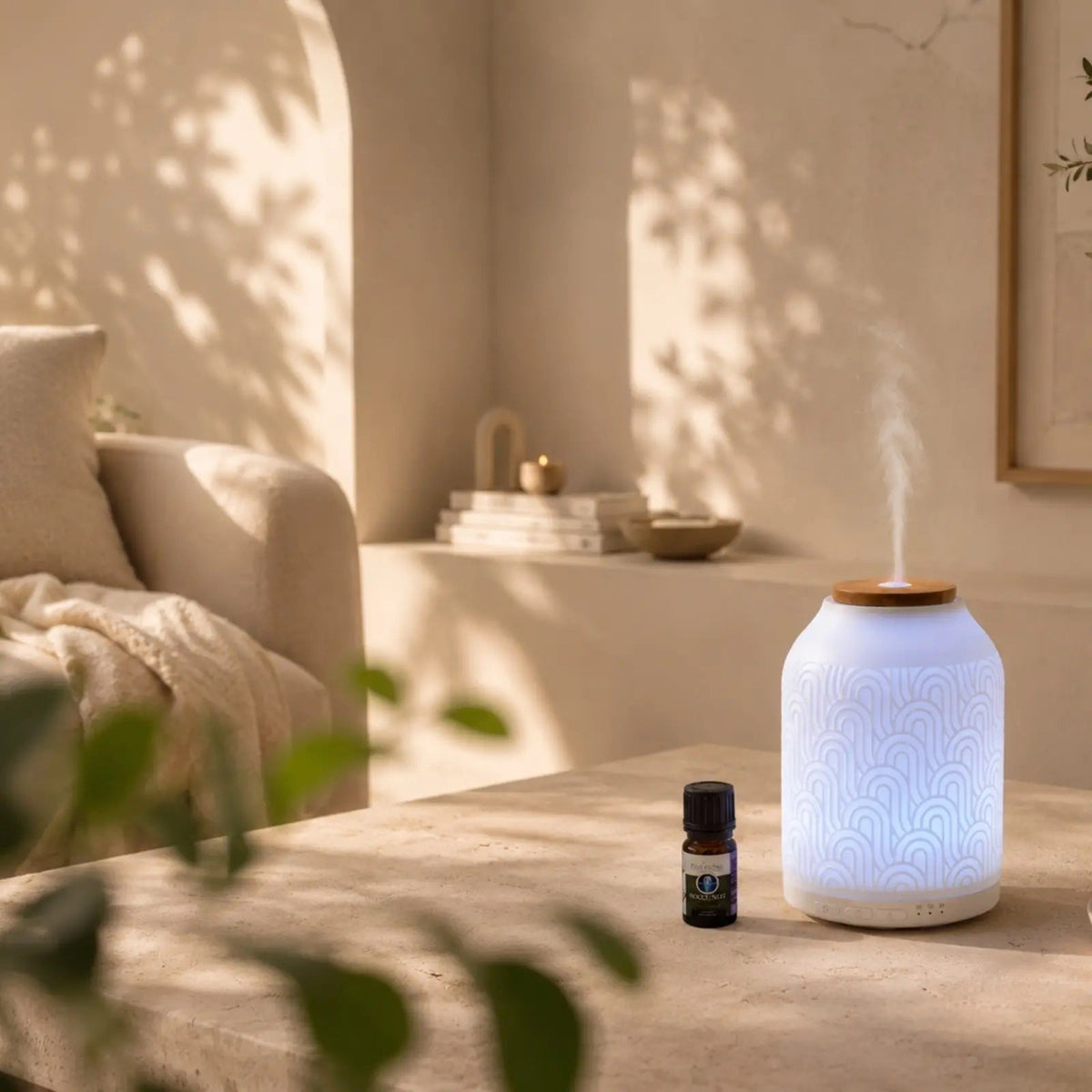
Diffuse 3–5 drops in a diffuser to create a calming atmosphere that supports emotional balance, especially during periods of stress or emotional overload.

🧘 Relaxation & Inner Stability

Blend 2 drops in 5 ml of carrier oil and apply to pulse points or the solar plexus for grounding and emotional support.

🌙 Evening Wind-Down

Diffuse 3 drops in the evening to help the mind slow down and transition into rest and relaxation.

PET SAFE

If this oil or blend is safe to Diffuse, it will be checked for Dog, Cat, or both underneath:

General Guidelines for Diffusing Around Pets:
  1. Diffusion Time: Limit diffusing sessions to 15-20 minutes.
  2. When trying a new essential oil, use 1-2 drops (in the diffuser) and observe how your dog or cat reacts.
  3. Ventilation: Keep the area well-ventilated.
  4. Observation: Always monitor pets for any signs of distress when diffusing essential oils.
Quality

Made in France
From 100% organic farming

Certification

- AB France certified
- 100% Natural Artisanal Product
- Certified Organic
- Not tested on animals
- With guaranteed traceability
- No chemical additives
- Food Grade Essential Oil

Skin type
  • Sensitive
  • Blemished skin
Beneficial for these skin types

Benefits for Sensitive & Blemished Skin

When properly diluted, St. John’s Wort Essential Oil (Hypericum perforatum) can gently support sensitive, reactive, and blemish-prone skin, especially when skin imbalance is influenced by stress or nervous tension.

This essential oil has calming and soothing properties that help reduce sensations of irritation and discomfort. It supports skin balance without being harsh, making it suitable for skin that does not tolerate strong or aggressive essential oils.

For blemished skin, it offers mild purifying and balancing support, helping maintain a clean skin environment while respecting the skin’s natural barrier. Its gentle nature makes it especially suitable for sensitive skin with occasional breakouts.

Used regularly and in correct dilution, it helps:

- Calm reactive and sensitive skin
- Support comfort during stress-related skin flare-ups
- Promote a more even, balanced skin appearance
- Complement gentle routines for blemish-prone skin

🌿 2% Face & Body Oil for Sensitive, Blemished Skin

Ingredients:

10 ml jojoba oil
4 drops St. John’s Wort Essential Oil

How to use:
Mix well in a clean glass bottle.
Apply a small amount to clean skin once daily, preferably in the evening.
Massage gently into areas of sensitivity or occasional blemishes.

Jojoba oil closely mimics the skin’s natural sebum, making this blend suitable for both face and body, including sensitive and blemish-prone skin.

Health issues
  • Physical exhaustion
Mental health
  • Anxiety & nervousness
  • Depression
  • Fatigue
  • Stress
Sleep issues
  • Hard to fall a sleep
  • Insomnia
Women's Issues
  • Menopause
Packaging & storage

Store away from heat and light
Packaging: 5ml amber glass bottle with dropper cap

A little history

🌿Ancient Origins & Early Herbal Use

St. John’s wort (Hypericum perforatum) has been used for over 2,000 years in European herbal traditions.

Ancient Greece:
Hippocrates and later Dioscorides documented its use for wounds, burns, and nervous conditions. It was valued as both a physical healer and a protector of the mind.

Roman era:
The plant was used to soothe melancholia, a term historically associated with deep sadness and mental imbalance.

From the beginning, St. John’s wort was never “just” a skin plant - it was always linked to the nervous system and emotional well-being.

🌿The Name & St. John’s Day (Symbolism of Light)

The plant blooms around June 24th, the feast day of St. John the Baptist, close to the summer solstice, when daylight is at its peak.

This timing shaped its symbolism:

- Seen as a plant of light
- Used to ward off darkness, melancholy, and negative influences
- Hung above doors or burned as incense for protection
- The name St. John’s wort literally means “St. John’s plant.”

🌿Medieval Europe: Protection & Nervous Disorders

During the Middle Ages, St. John’s wort was one of the most protective herbs in folk medicine:

- Used against “evil spirits” - now understood as anxiety, hysteria, or nervous disorders
- Applied to wounds from swords and burns
- Infused in oil and exposed to sunlight, turning deep red - a process believed to “capture the sun’s power”
- The red color symbolized life force and vitality, reinforcing its role in healing trauma, both physical and emotional.

🌿Renaissance & Early Modern Herbalism

By the Renaissance, herbalists like Paracelsus emphasized:

- Its effect on the nervous system
- Its ability to support recovery from shock, fear, and emotional trauma

St. John’s wort became a core remedy for:

- Melancholy
- Nervous exhaustion
- Restlessness and agitation

These uses directly mirror how we understand the plant today.

🌿Modern Understanding (Why the Tradition Holds Up)

Today, science confirms much of the traditional wisdom:

- The plant contains hypericin and hyperforin, compounds linked to mood regulation
- It interacts with neurotransmitters such as serotonin and dopamine
- Its affinity for the nervous system explains its historical role in emotional balance

This is why:

- The infused oil is still used for nerves and skin trauma
- The hydrosol is gentle and calming
- The essential oil, though rare, is used for emotional and nervous support

Volume

5ml

Immunity and prevention banner showing natures alleys for strengthening your immune system.

Strengthen Your Defenses Naturally

Immunity & Prevention

Discover nature’s most powerful allies - essential oils, hydrosols, superfoods, food supplements, and herbal remedies to protect, energize, and restore balance all year round.

Hi, I’m Susann!

I’m a holistic aromatherapist and naturopath, and I’m here to help you choose the best essential oils and natural products for your well-being—at no extra cost. Feel free to reach out with any questions or for personalized advice. I’m here to support you!

Send me an e-mail at susann@elliotti.com

Exclusive Guides

Exclusive Guide to Rosemary Essential Oil

Exclusive Guide to Marjoram Essential Oil
Exclusive Guide to Atlas Cedar Essential Oil

Exclusive Guide to Ravintsara Essential Oil

Exclusive Guide to Geranium Essential Oil
Exclusive Guide to Lavender Essential Oil
Exclusive Guide to Lemon Essential Oil
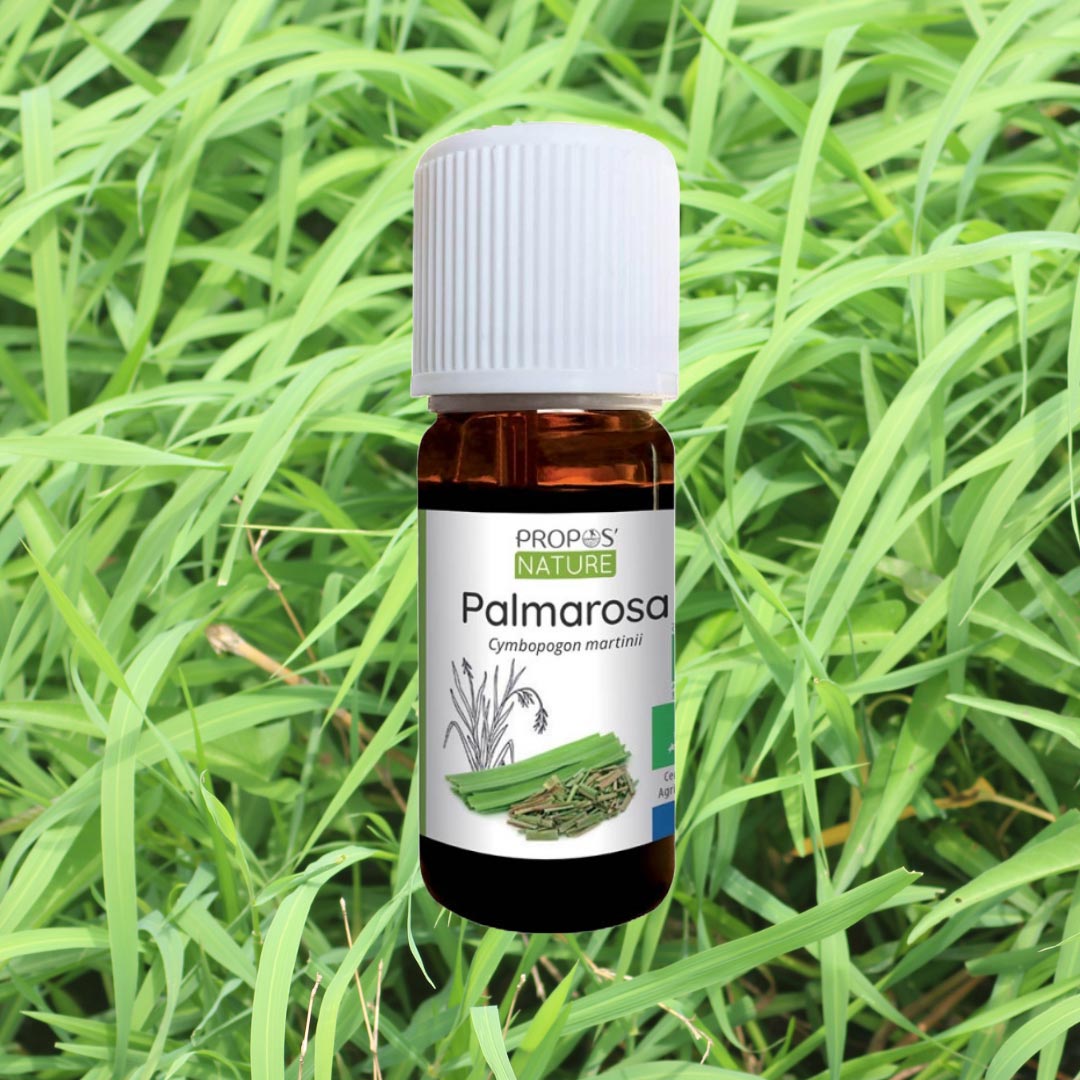
Exclusive Guide to Palmarosa Essential Oil
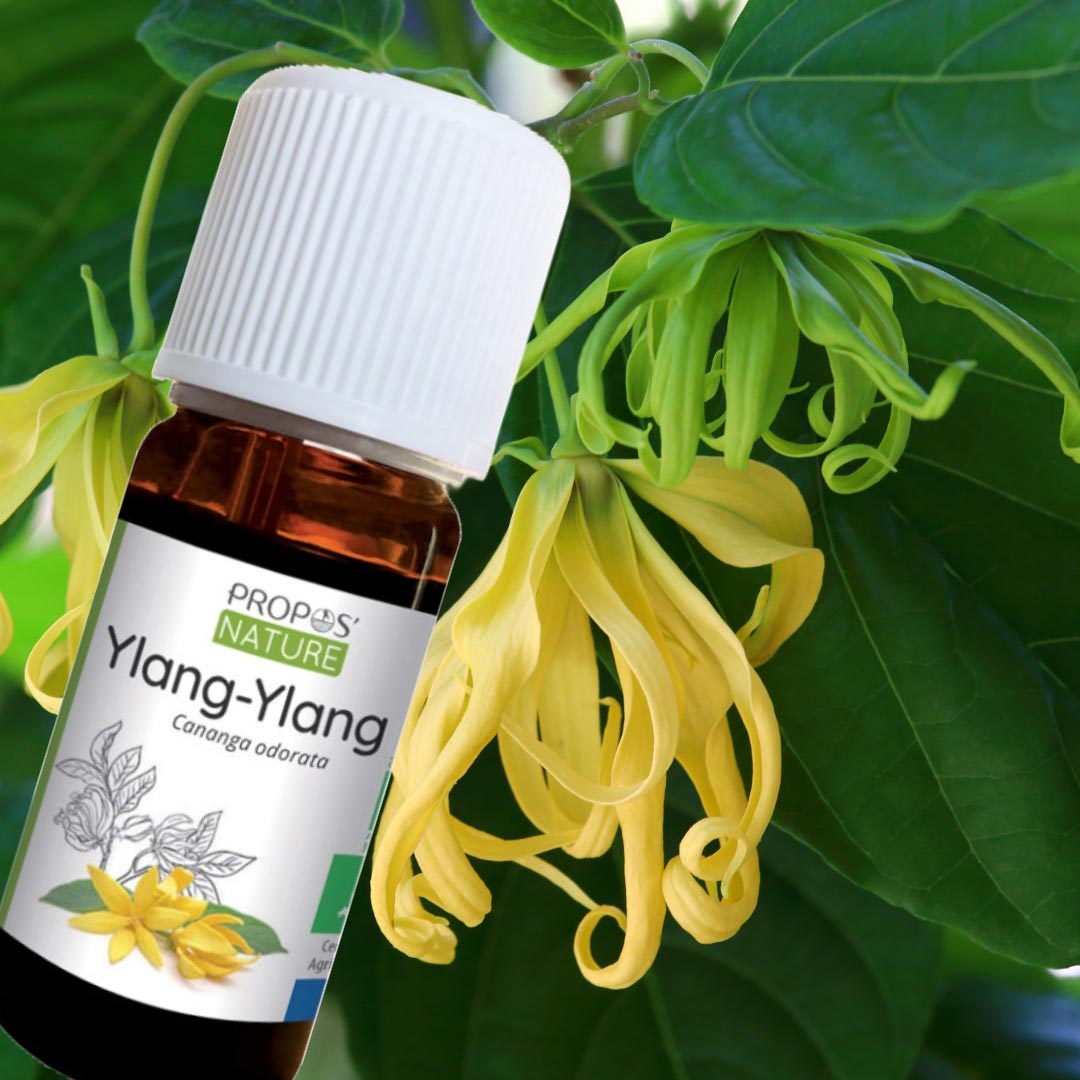
Exclusive Guide to Ylang Ylang Essential Oil
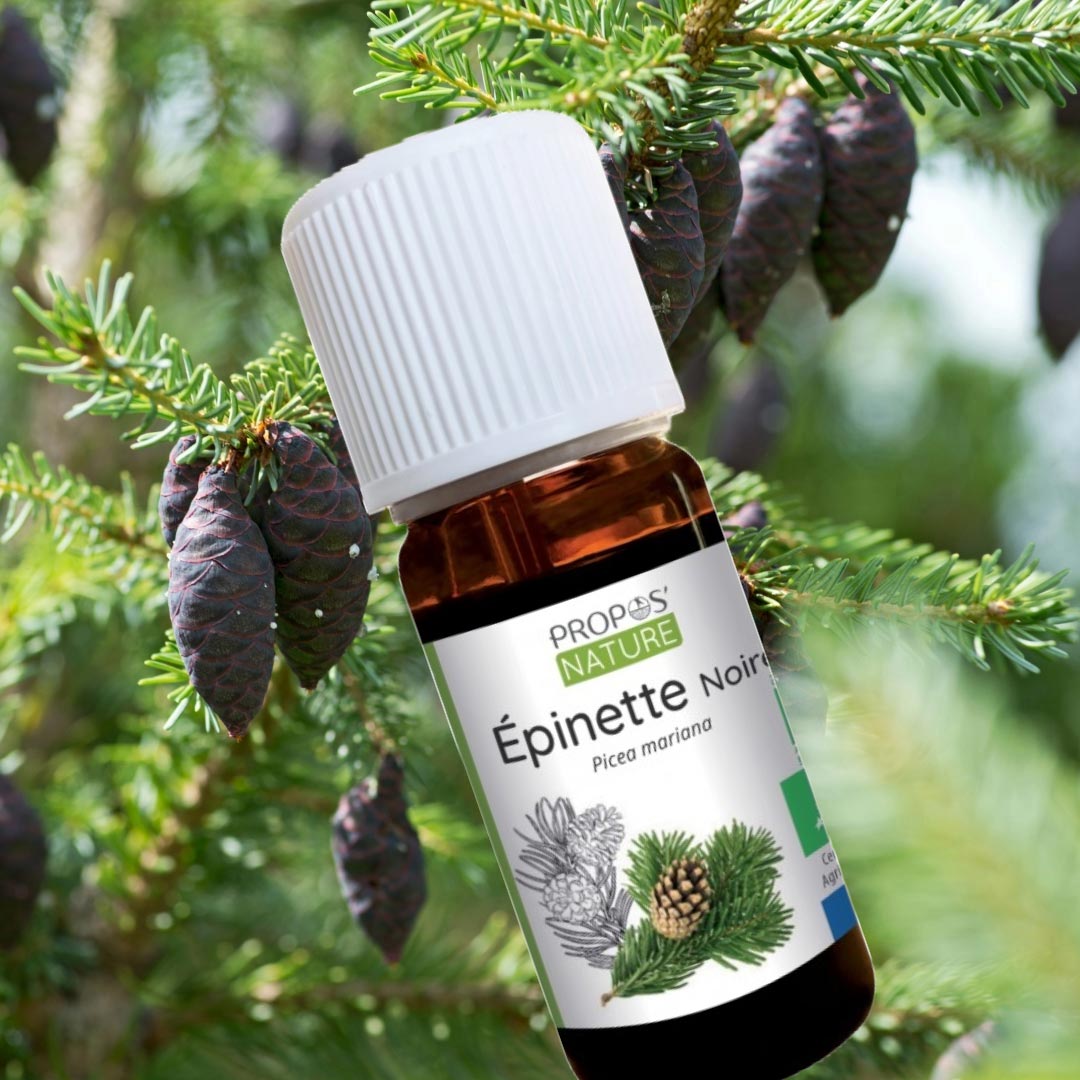
Exclusive Guide to Black Spruce
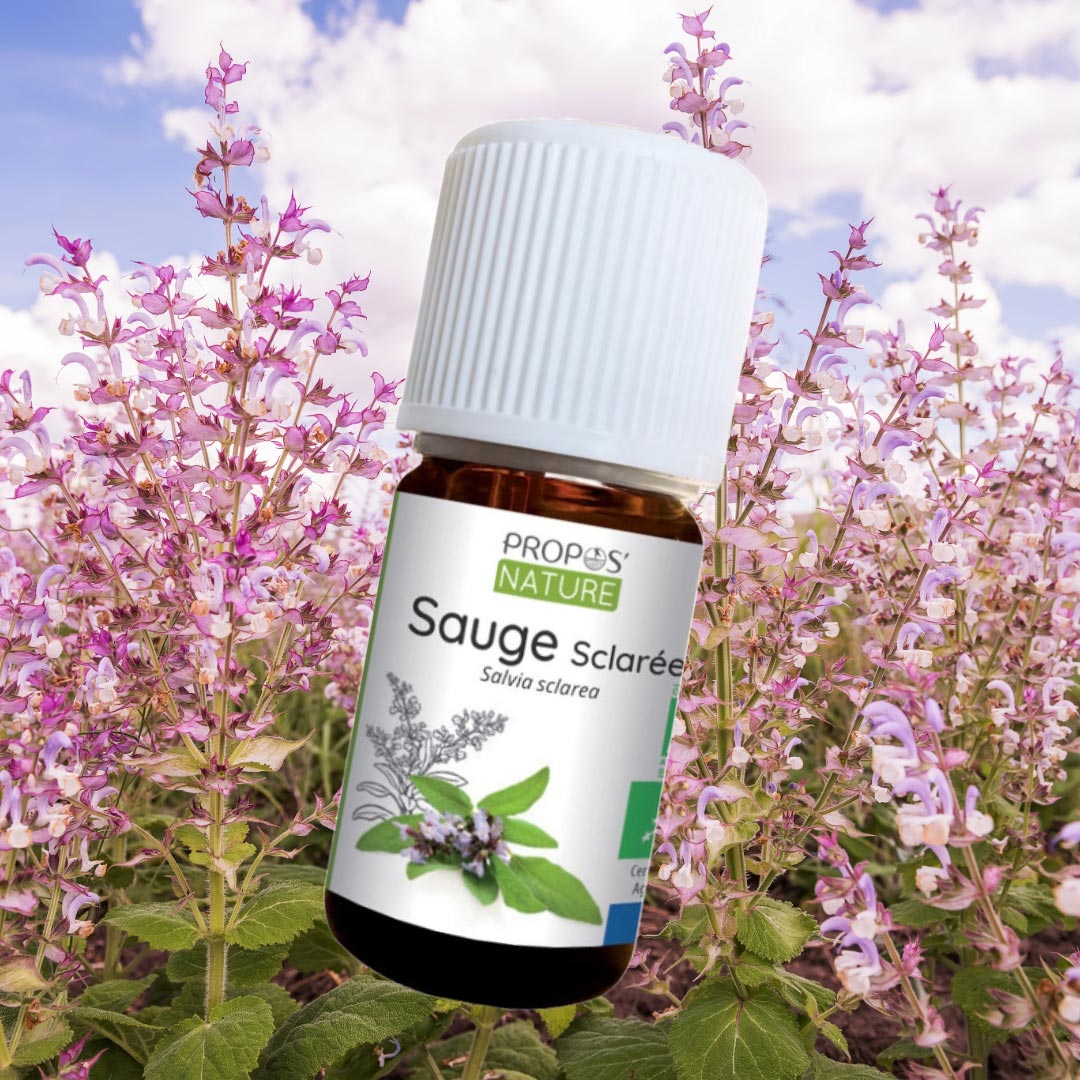
Exclusive Guide to Clary Sage Essential Oil
Exclusive Guide to Cinnamon Essential Oil
Exclusive Guide to Peppermint Essential Oil

Exclusive to Patchouli Essential Oil
Exclusive Guide to Niaouli Essential Oil
Exclusive Guide to Green Mandarin
Exclusive Guide to Petitgrain Essential Oil
Benefits, Uses - Sweet Orange Essential Oil
Benefits, Uses - Eucalyptus Lemon
Benefits, Uses - Scots Pine Essential Oil