
Cats Aromatherapy
Our aromatherapy for cats range is created with a deep respect for feline sensitivity.
Cats respond differently to essential oils, which is why every product is carefully selected, gently formulated, and based on botanicals that are appropriate for their unique physiology.
Using certified organic ingredients, this collection supports calm, comfort, and skin balance through low-dosage, thoughtful aromatherapy - always with your cat’s wellbeing at the centre.
What does your cat need?
If you are not sure where to begin, start with your cat’s current need. Choose one gentle direction, begin simply, and observe your cat’s response.
Stress & Anxiety
Skin & Recovery
General Calm & Balance
Breathing & Grounding
Emotional Sensitivity
Restlessness & Sleep
Start with one oil at a time, use low dilution, and let your cat’s behaviour guide the pace.





















How Aromatherapy Can Support Your Cat
Cats are incredibly sensitive, intuitive beings. Their bodies, senses, and metabolism are very different from ours - which means aromatherapy must be approached with precision, respect, and deep understanding.
When used correctly, aromatherapy can become a powerful, natural way to support your cat’s emotional balance, skin health, and overall vitality.
Why Essential Oils Affect Cats Differently
Cats process substances differently at a biochemical level.
1. Liver Metabolism
Cats lack key enzymes required to break down certain compounds found in essential oils. As a result, these substances can accumulate in the body rather than being safely eliminated.
This means:
- Substances that are harmless to humans can accumulate in a cat’s body
- Even small exposures, repeated over time, can become toxic
This is especially true for:
- Phenols (e.g. clove, oregano)
- Ketones (e.g. sage, rosemary CT camphor)
- Limonene (found in citrus oils)
2. Skin Absorption
Essential oils are rapidly absorbed through the skin.
A cat’s skin is:
- Thinner
- More permeable
Essential oils are lipophilic (fat-soluble), meaning they:
- Pass quickly through the skin
- Enter the bloodstream rapidly
This is why undiluted use is not just “too strong” - it is biologically inappropriate.
3. Sensory Sensitivity
Cats have a highly developed sense of smell.
- Strong aromas can overwhelm the nervous system
- Exposure should always remain voluntary
- Strong aromas can trigger stress, avoidance, or agitation
This is why choice-based exposure (letting the cat move away) is essential.
A cat that walks away is communicating clearly.
The Benefits of Aromatherapy for Cats
Physical support
- Helps soothe skin irritations, wounds, and minor infections
- Supports muscle and joint comfort
- Aids respiratory balance
- Provides natural anti-inflammatory and antimicrobial support
Emotional & nervous system support
- Reduces stress, anxiety, and fear
- Supports relaxation and sleep
- Helps during transitions, travel, or environmental stress
Holistic vitality
- Supports the immune system
- Provides antioxidant protection
- Promotes overall balance and well-being
- Aromatic compounds influence the limbic system through inhalation, which directly affects mood, stress response, and behavior.
Safe and Unsafe Essential Oils for Cats
Cats are far more sensitive to essential oils than humans and dogs. Their liver metabolism, delicate skin, and highly developed sense of smell mean that oil selection must be done with great care. Below you’ll find a practical overview of oils generally considered more suitable for cats, oils that require extra caution, and oils that should be avoided.
| Essential Oil | Latin Name | Status | Why |
|---|---|---|---|
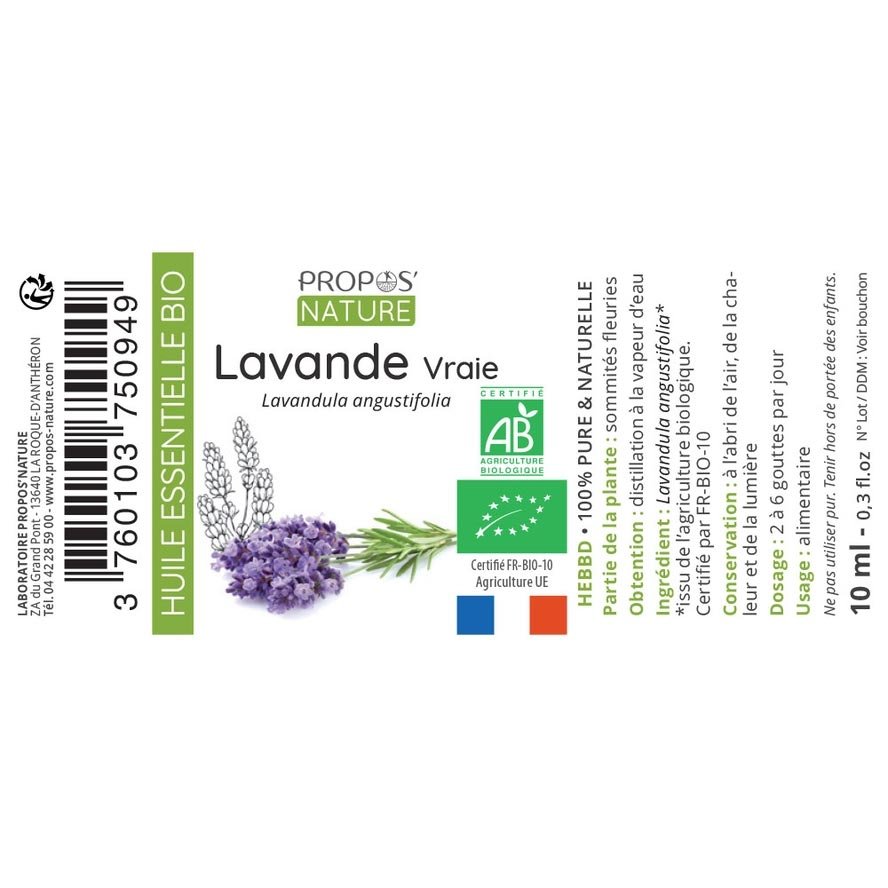
| Lavender | Lavandula angustifolia | Generally well tolerated | Gentle, calming, skin-supportive, and commonly used in feline aromatherapy when properly diluted. |
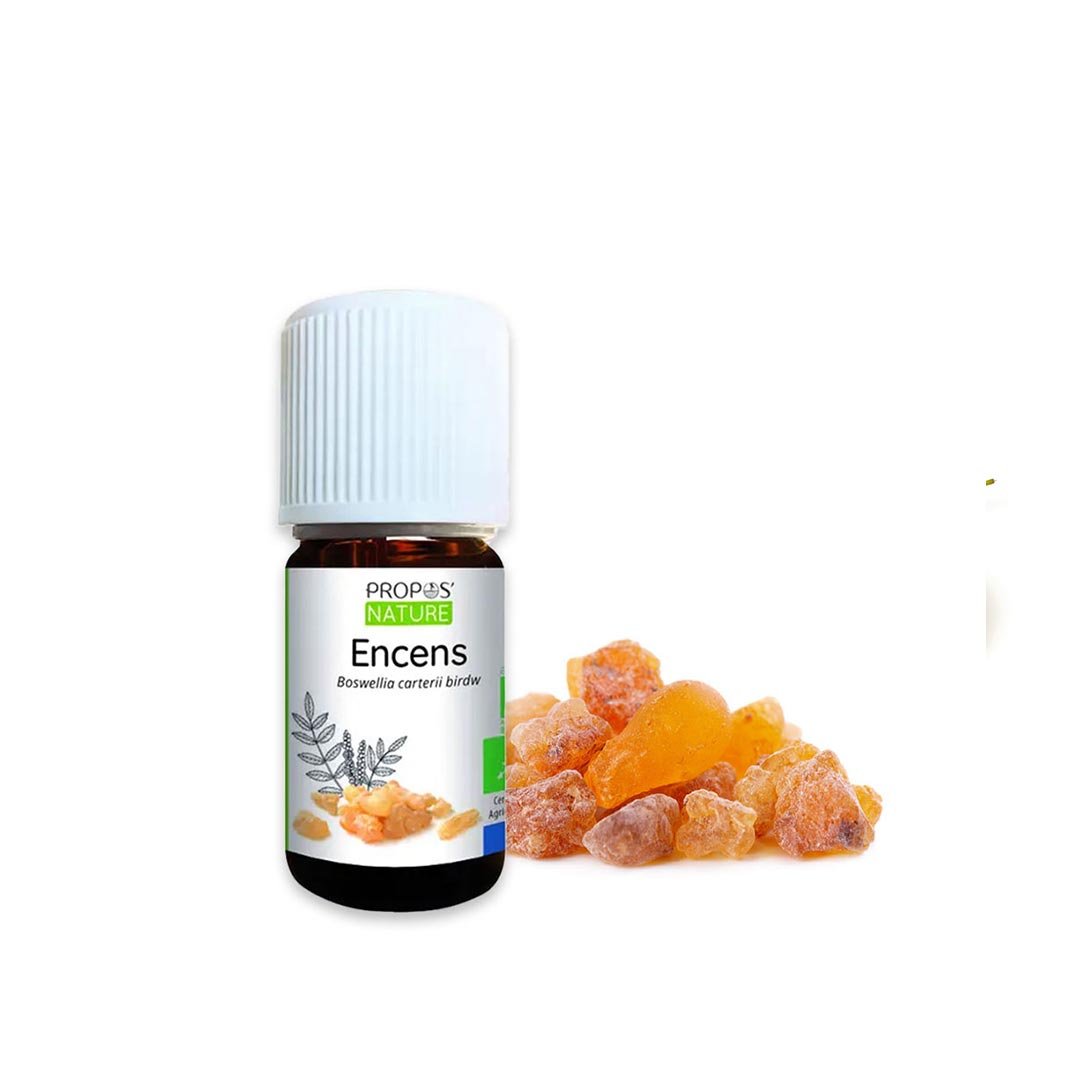
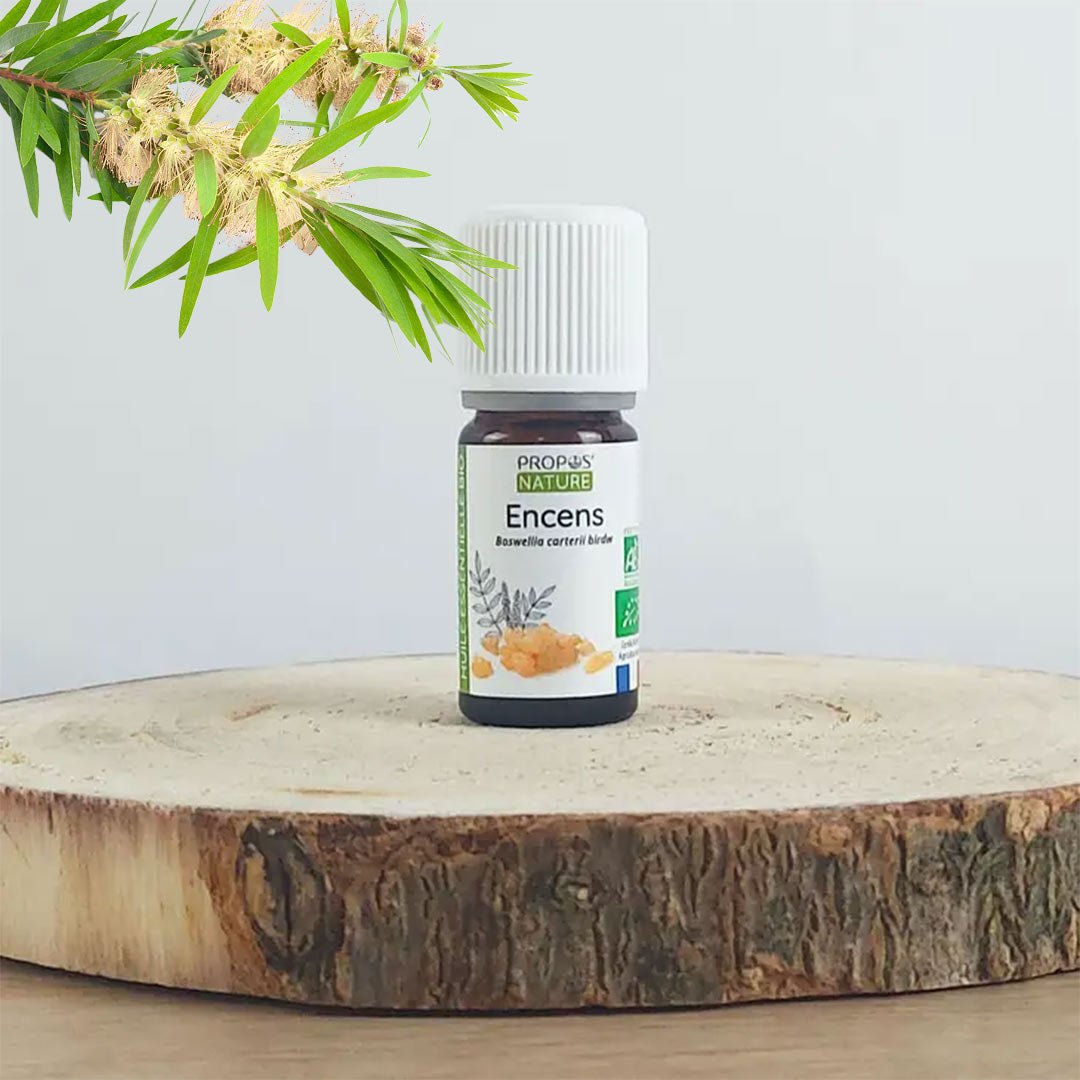
| Frankincense | Boswellia carteri | Generally well tolerated | Grounding, soothing, and commonly used for emotional and skin support. |
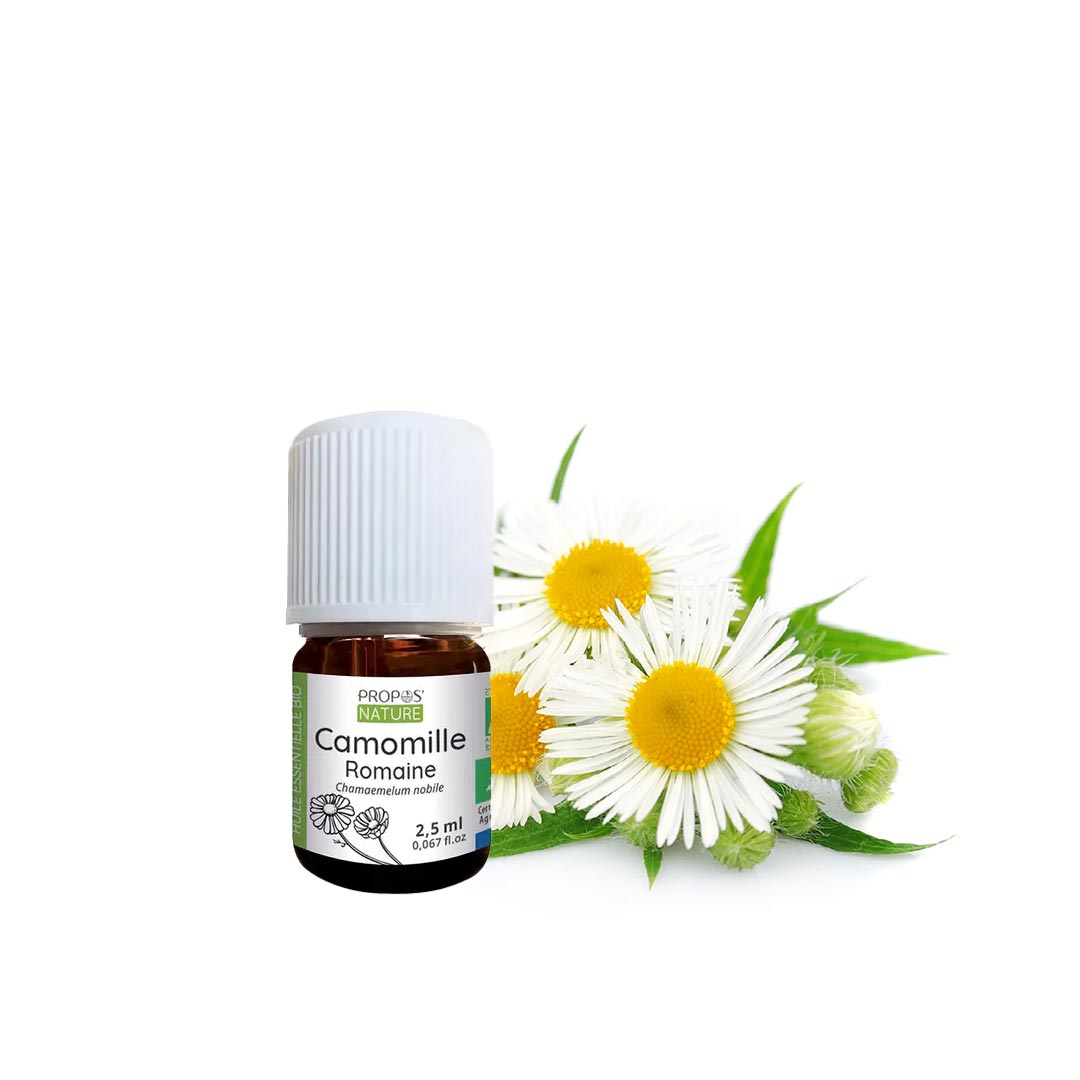
| Roman Chamomile | Chamaemelum nobile | Generally well tolerated | Traditionally valued for calming, fear, restlessness, and sensitive skin. |
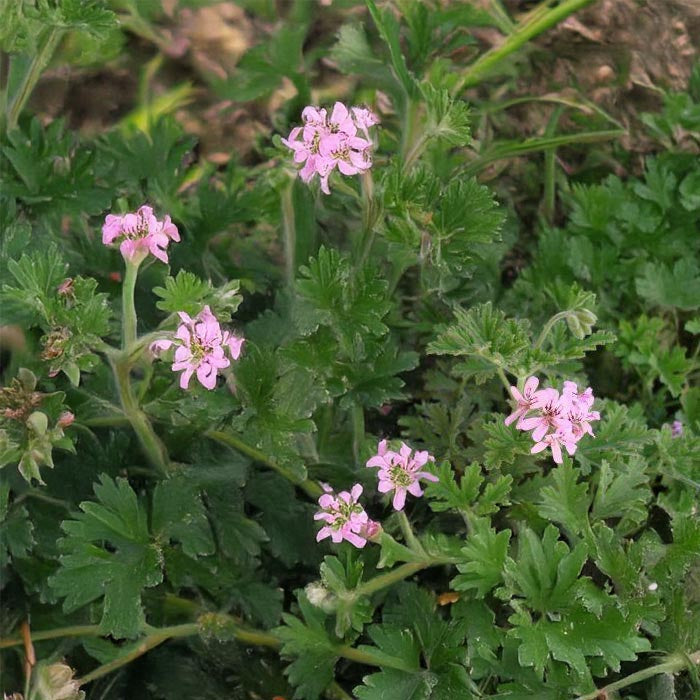
| Geranium | Pelargonium graveolens | Generally well tolerated | Often used for emotional balance and gentle skin support. |
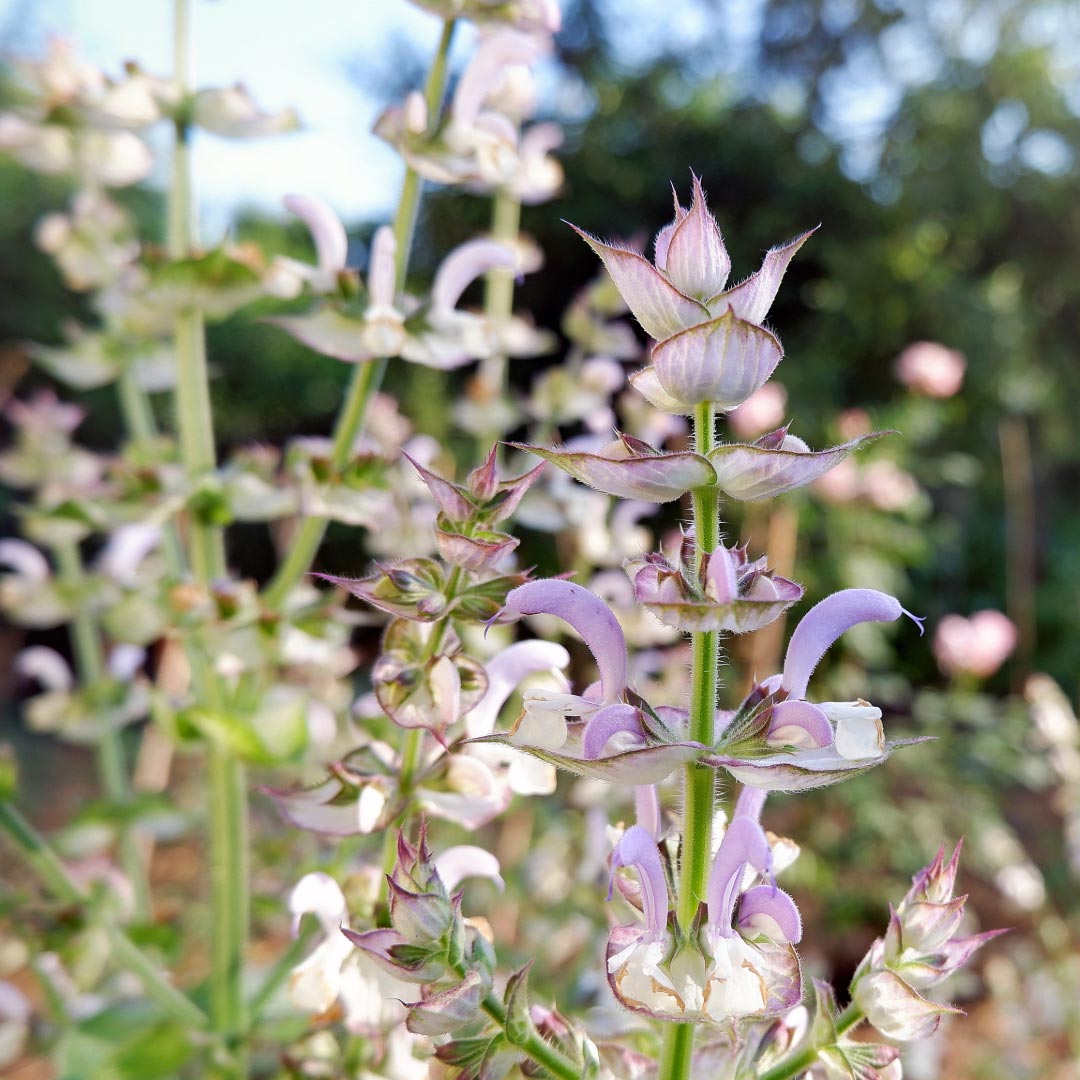
| Clary Sage | Salvia sclarea | Generally well tolerated | Balancing and calming when used sparingly and correctly diluted. |
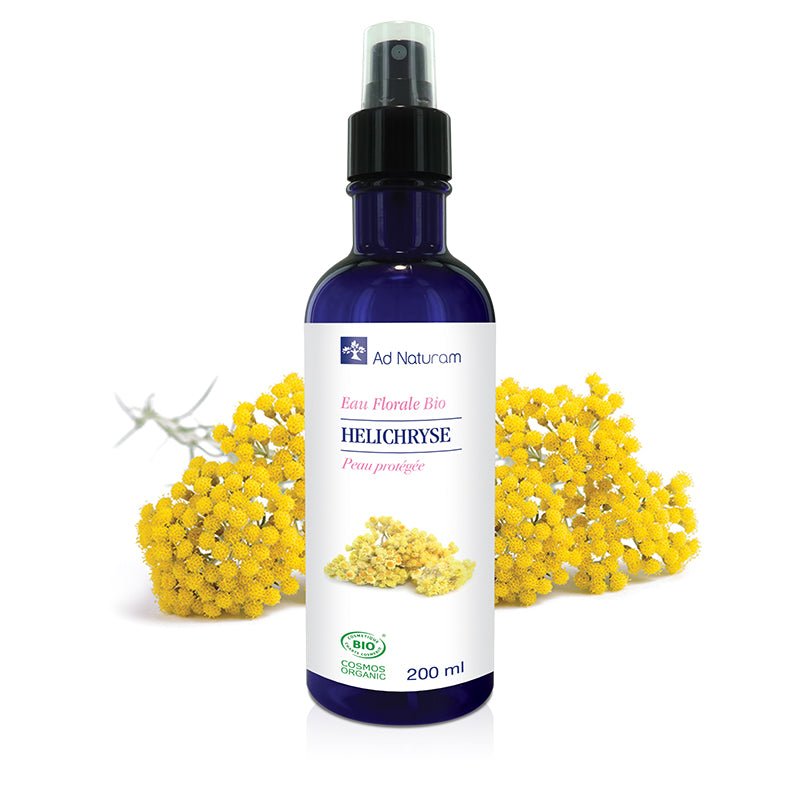
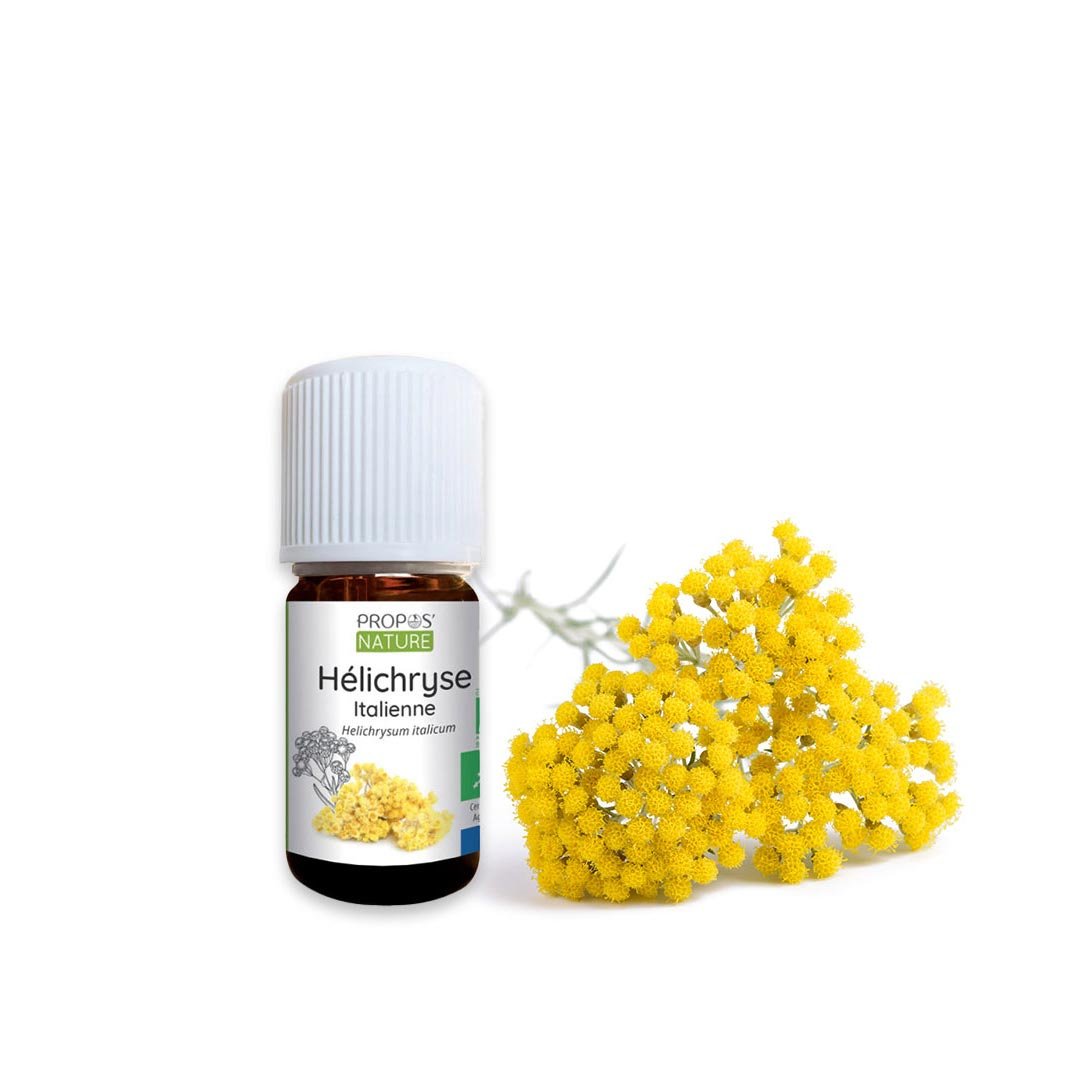
| Helichrysum | Helichrysum italicum | Generally well tolerated | Traditionally used for skin, nervous system support, and minor discomfort. |
| Valerian | Valeriana officinalis | Generally well tolerated | Traditionally used for relaxation, stress, and nervous tension. |
| Elemi | Canarium luzonicum | Generally well tolerated | Used for skin support and gentle restorative care. |
| Fir oils | Abies sibirica, Abies alba, Abies balsamea | Generally well tolerated | True fir oils are generally softer and less aggressive than sharper conifer oils. |
| Rosemary | Rosmarinus officinalis ct. cineole | Use with care | Chemotype matters. The cineole chemotype is milder than stronger rosemary types. Avoid casual use of rosemary ct. camphor. |
| Tea Tree | Melaleuca alternifolia | Avoid | Frequently associated with feline toxicity and not suitable for cats. |
| Lemon | Citrus limon | Avoid | Citrus oils contain limonene, which cats metabolise poorly. |
| Orange | Citrus sinensis | Avoid | Part of the citrus family and not considered suitable for feline use. |
| Bergamot | Citrus bergamia | Avoid | A citrus oil with constituents that are unsuitable for cats. |
| Lime | Citrus aurantiifolia | Avoid | A citrus oil that should be kept out of feline aromatherapy. |
| Tangerine / Mandarin | Citrus reticulata | Avoid | Also part of the citrus family and not suitable for cats. |
| Clove | Syzygium aromaticum | Avoid | High in phenols, which are too aggressive for feline metabolism. |
| Cinnamon (Cassia) | Cinnamomum cassia / Cinnamomum aromaticum | Avoid | Very strong and rich in compounds that cats do not tolerate well. |
| Oregano | Origanum vulgare | Avoid | High in phenols and far too strong for cats. |
| Thyme | Thymus vulgaris | Avoid | Contains strong phenolic compounds that are unsuitable for cats. |
| Peppermint | Mentha × piperita | Avoid | Too stimulating and not considered appropriate for feline use. |
| Birch | Betula lenta | Avoid | A strong oil that should not be used with cats. |
| Wintergreen | Gaultheria procumbens | Avoid | Too strong and not compatible with safe feline aromatherapy practice. |
Important note on safe use
Cats are especially sensitive to essential oils high in phenols, ketones, and limonene. These compounds are more difficult for the feline liver to process.
Even oils generally considered safer should always be used with restraint, proper dilution, and careful observation of the cat’s response.
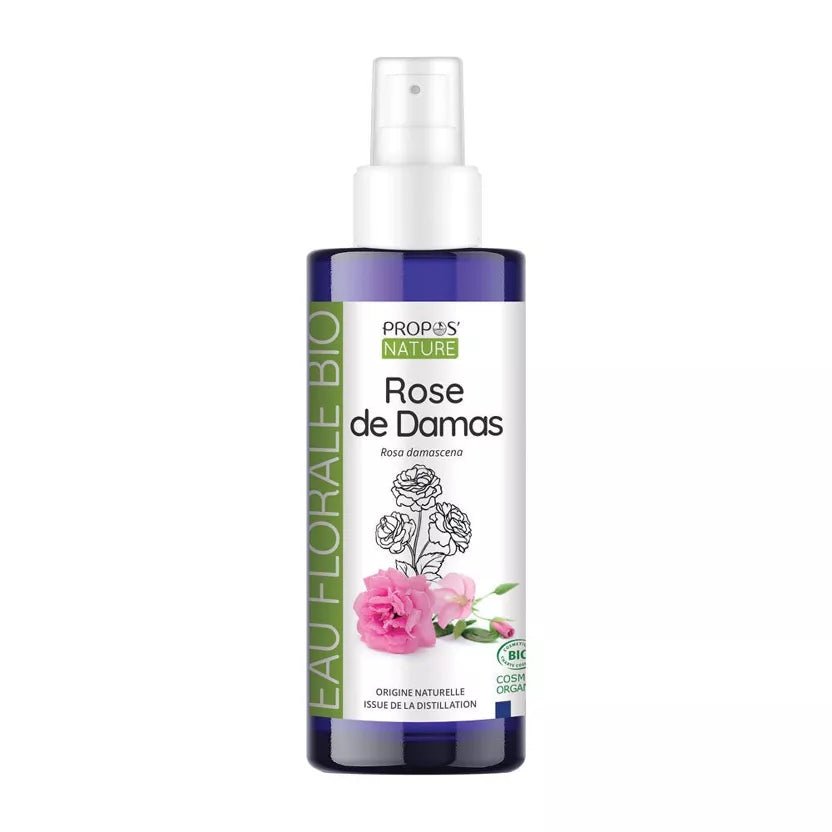
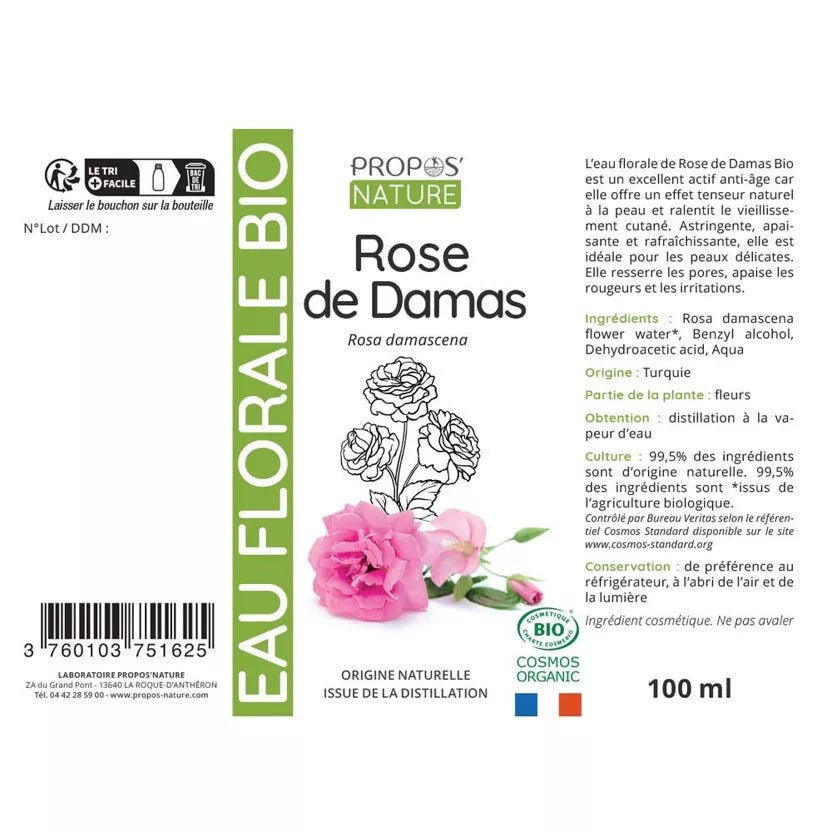
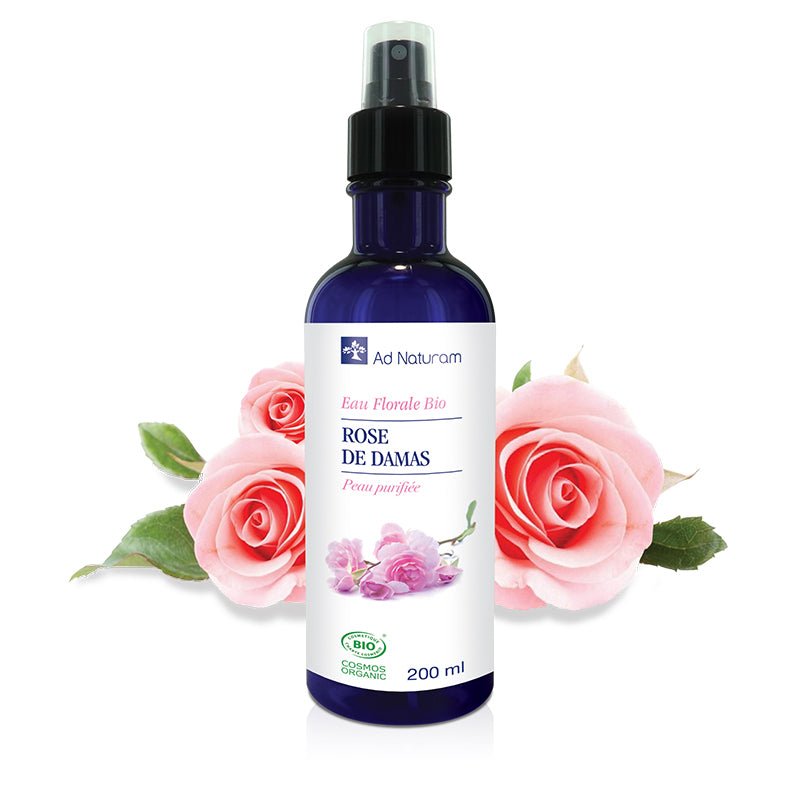
For very sensitive cats, hydrosols are often the gentler option.
How to Use Aromatherapy with Cats
Aromatherapy for cats requires a minimal and precise approach. Use low concentrations, observe your cat’s response, and prioritise gentle methods.
1. Diffusion
Primary method. Provides gentle exposure through inhalation without direct contact.
How to use
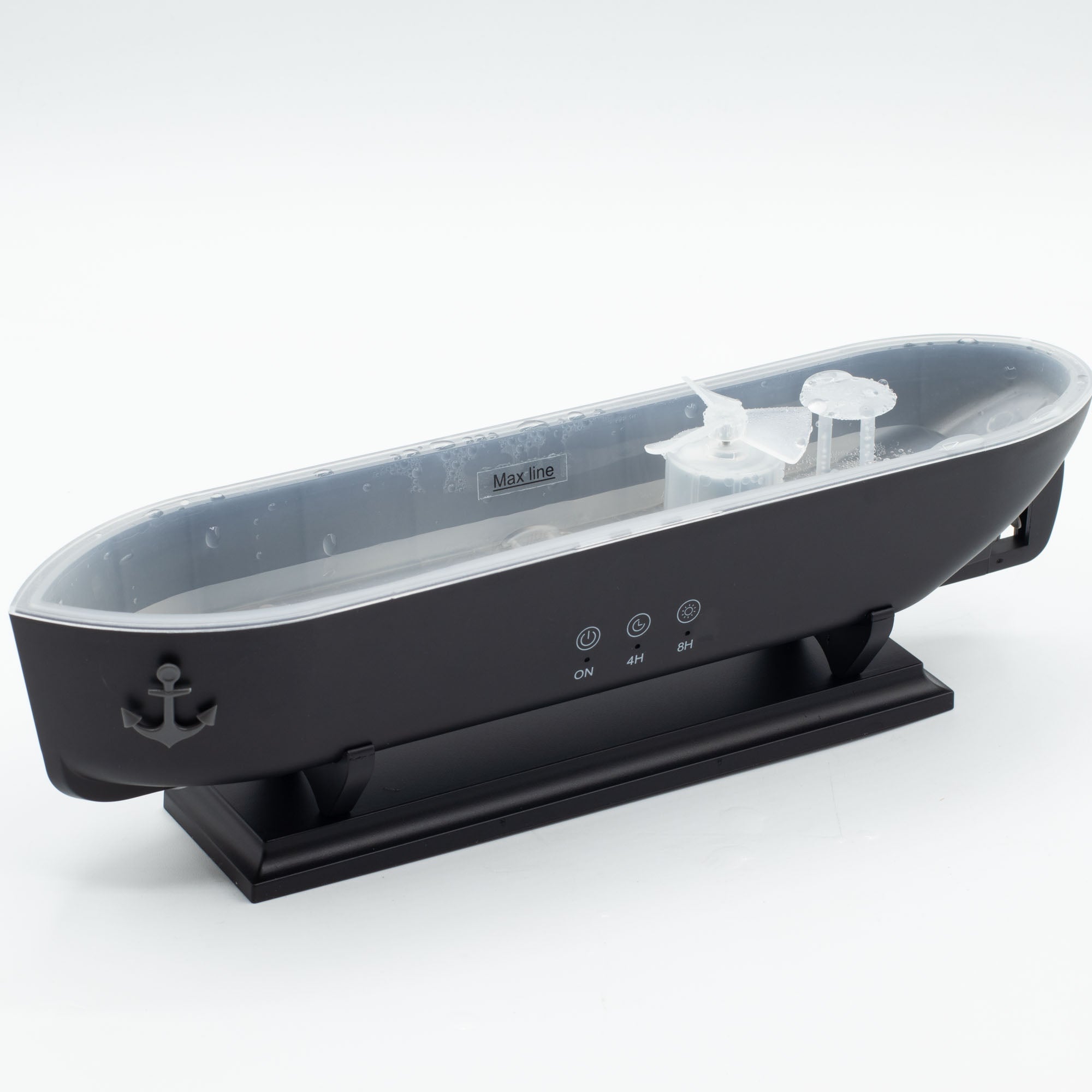
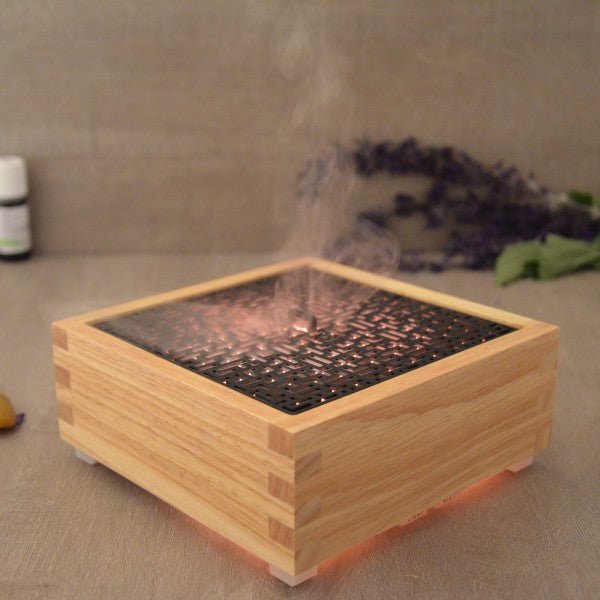
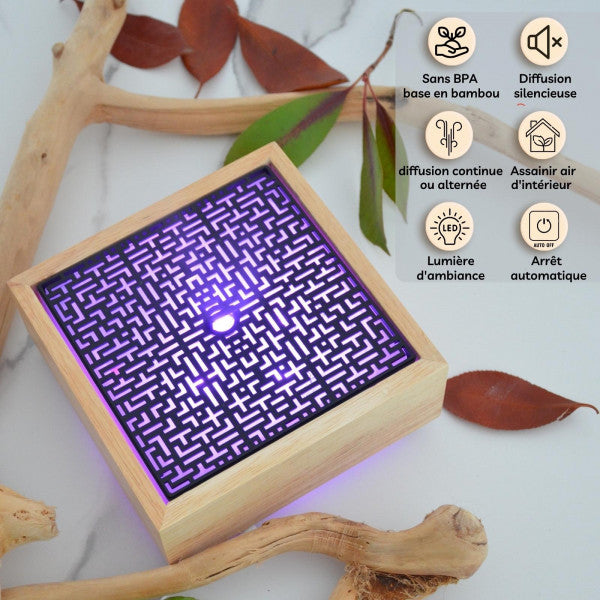
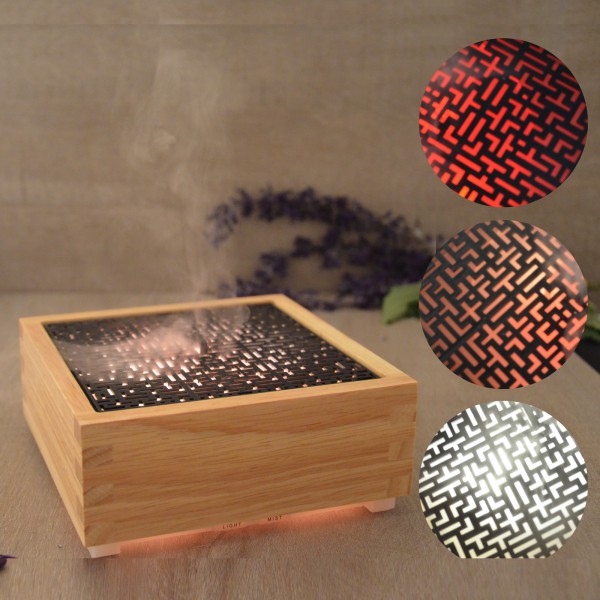
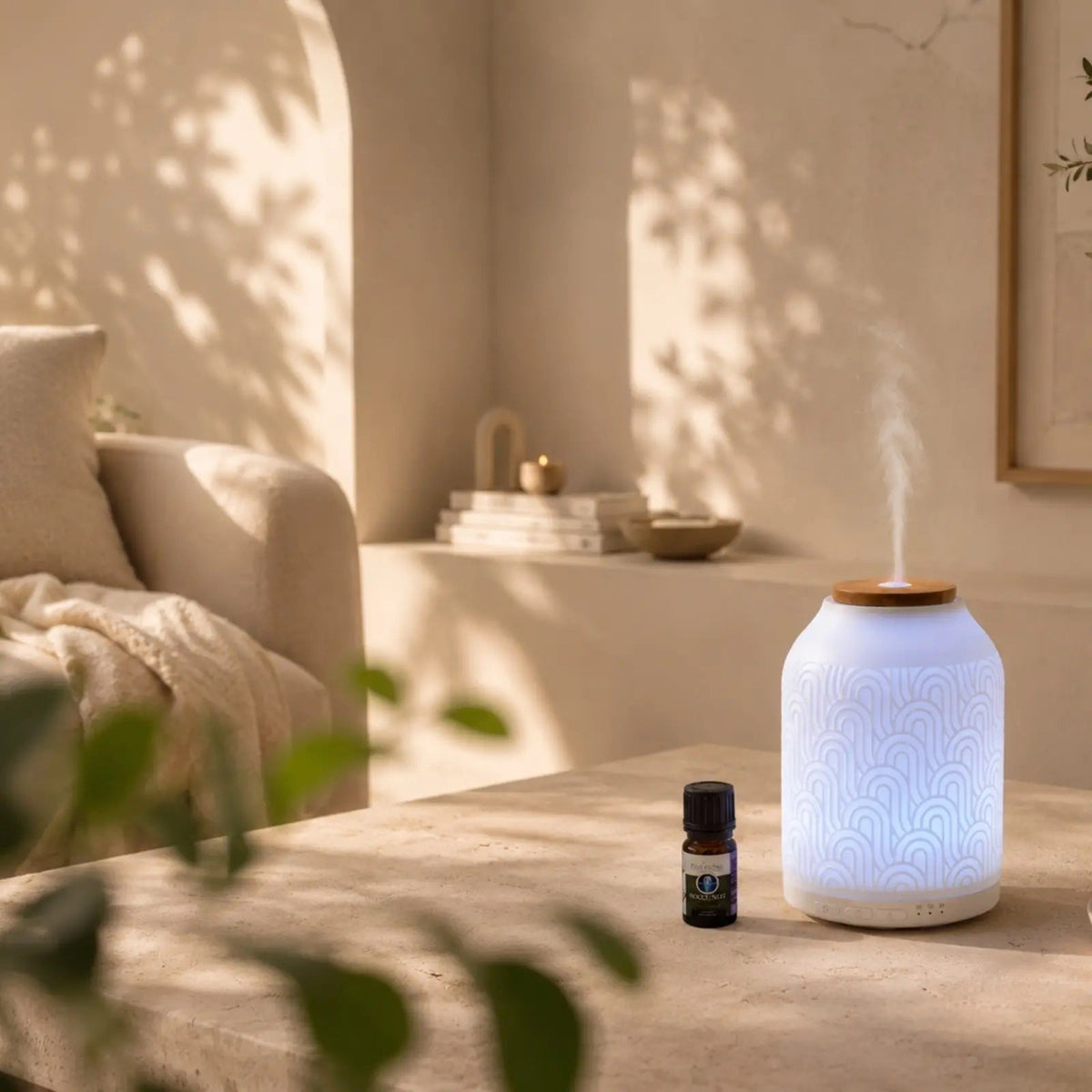
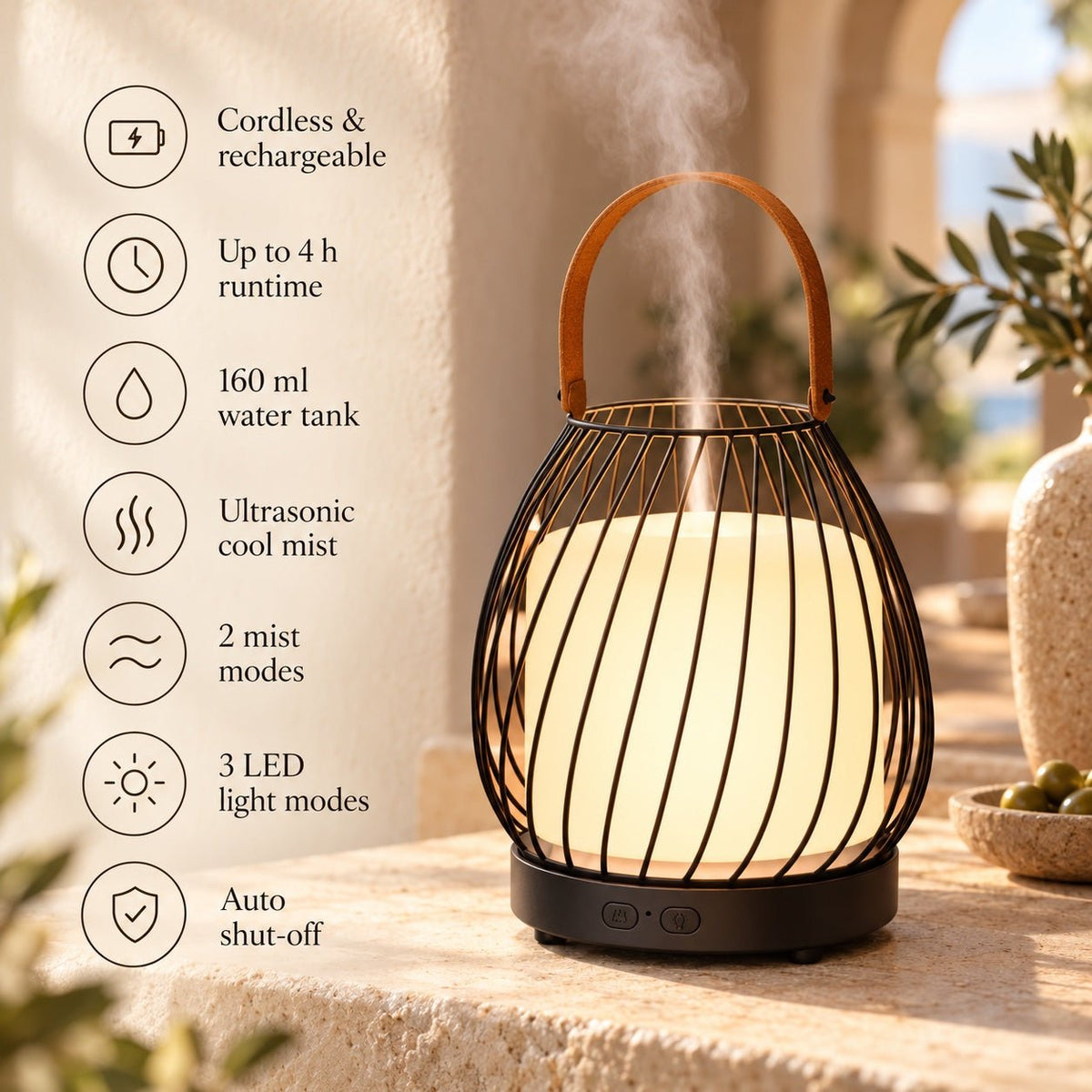
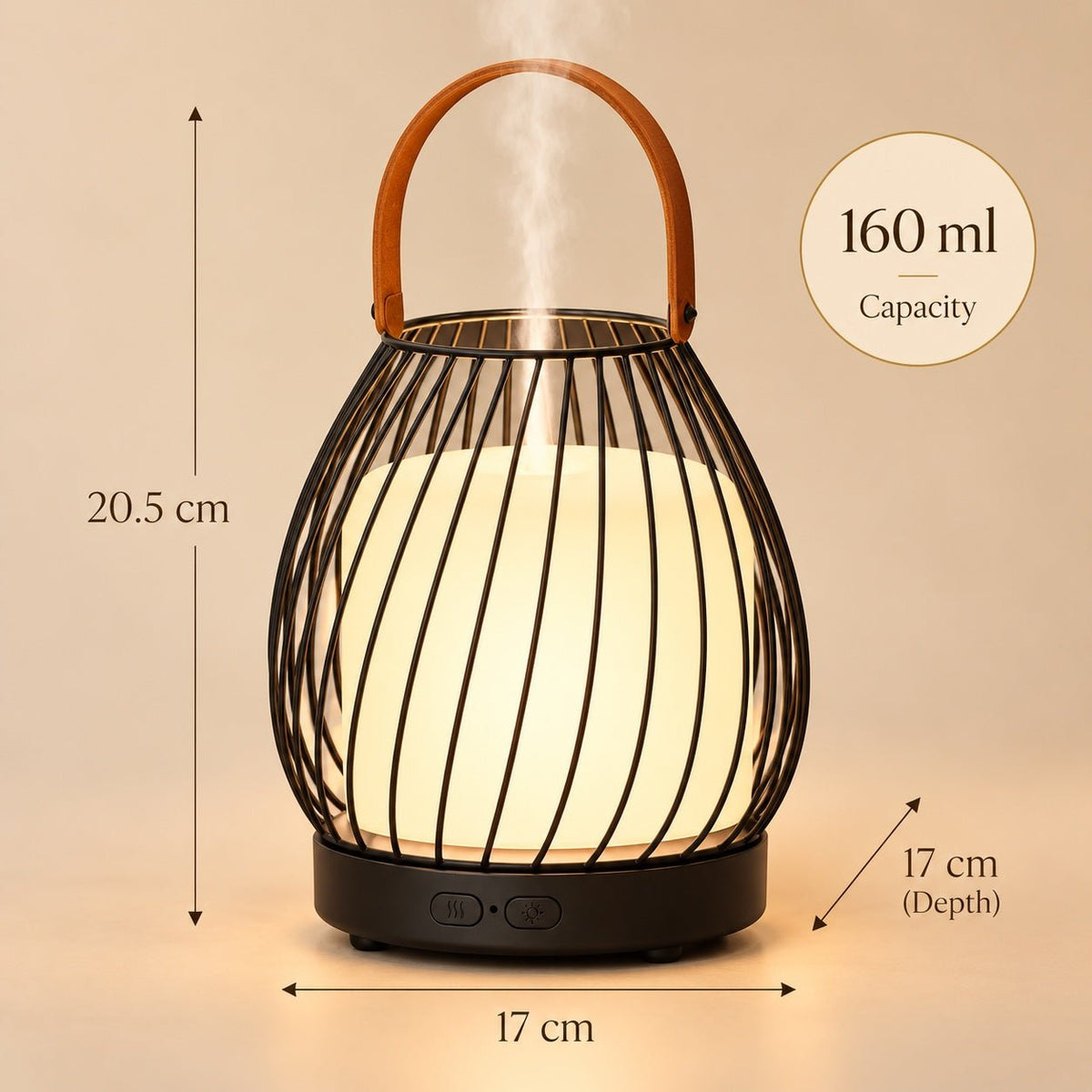
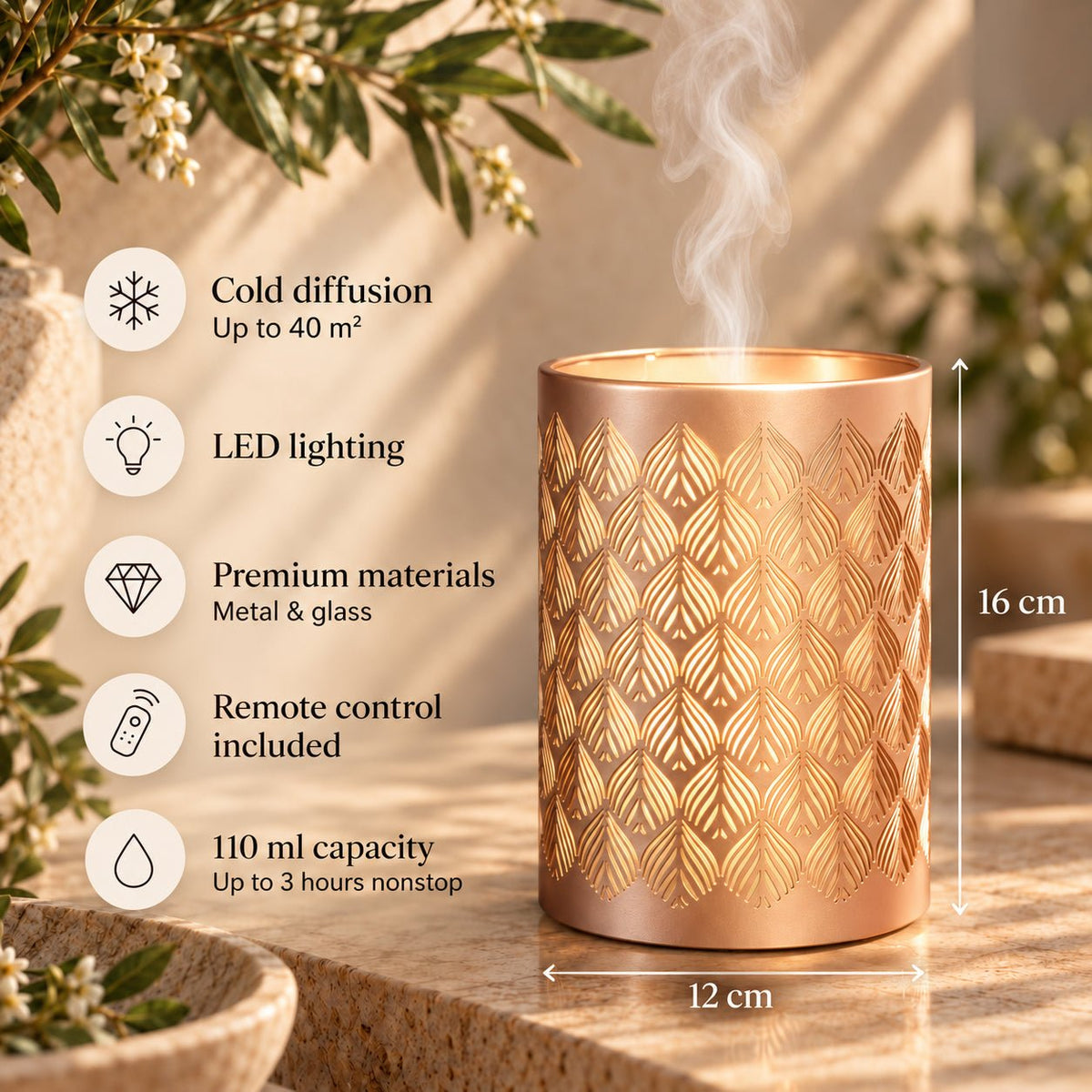
- Use a water-based diffuser (ultrasonic diffuser)
- For a 100 ml water tank: add 1 drop essential oil
- If well tolerated, you may use up to 2 drops
Best practice
- Diffuse for 10–20 minutes at a time
- Ensure good ventilation
- Always allow your cat to leave the room
Start with the lowest amount — cats respond best to subtle aromatic exposure.
2. Topical Application
Targeted use only. Always dilute before applying to the cat.
Precise dilution guideline
• 1 drop essential oil in 20 ml carrier oil (≈ 0.25%)
• For sensitive cats: 1 drop in 30–40 ml carrier oil
Suitable carrier oils
- Jojoba
- Coconut oil
- Olive oil
- Sweet almond oil
Apply to
- Spine
- Shoulders
- Base of the neck
Avoid face, paws, and sensitive areas.
3. Hydrosols
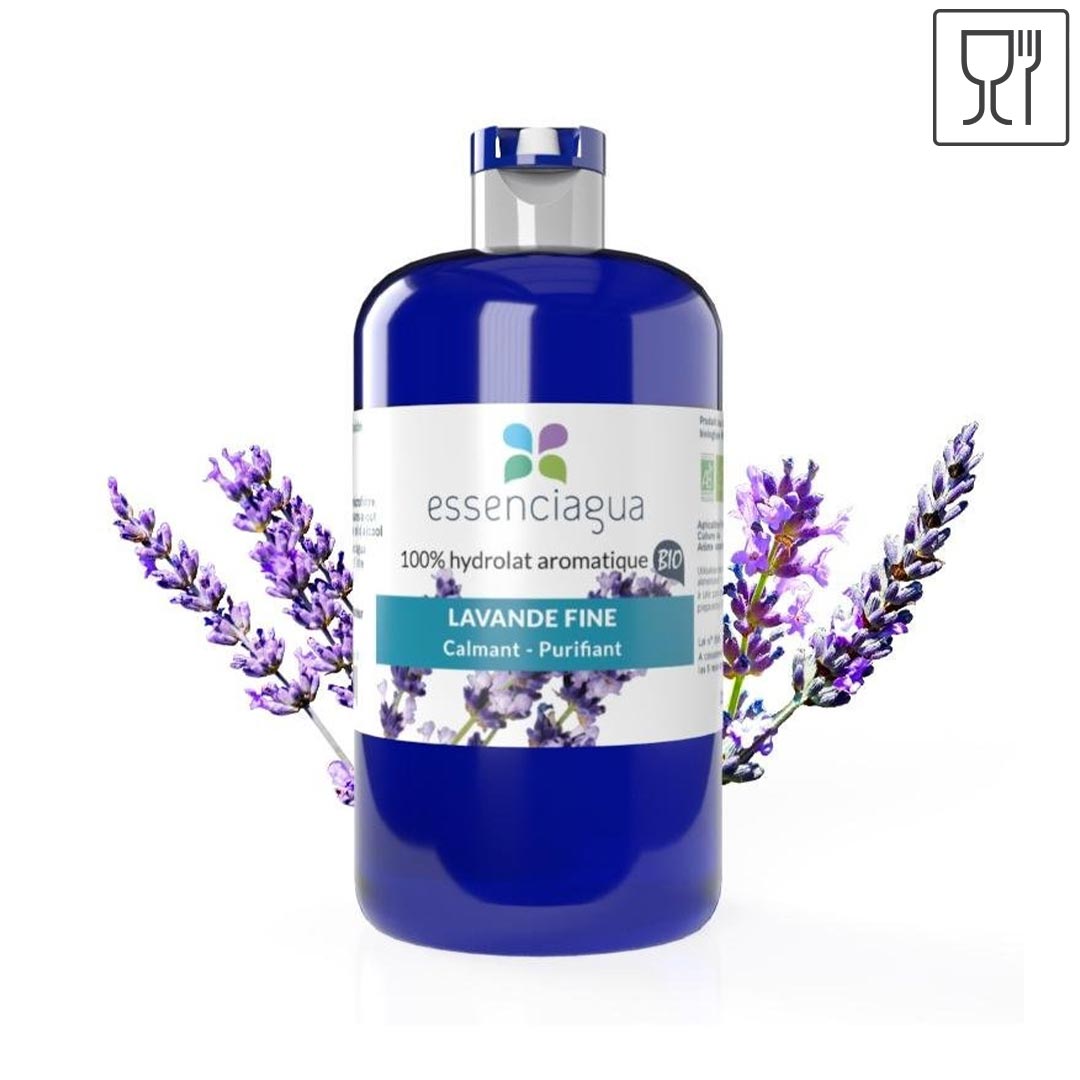
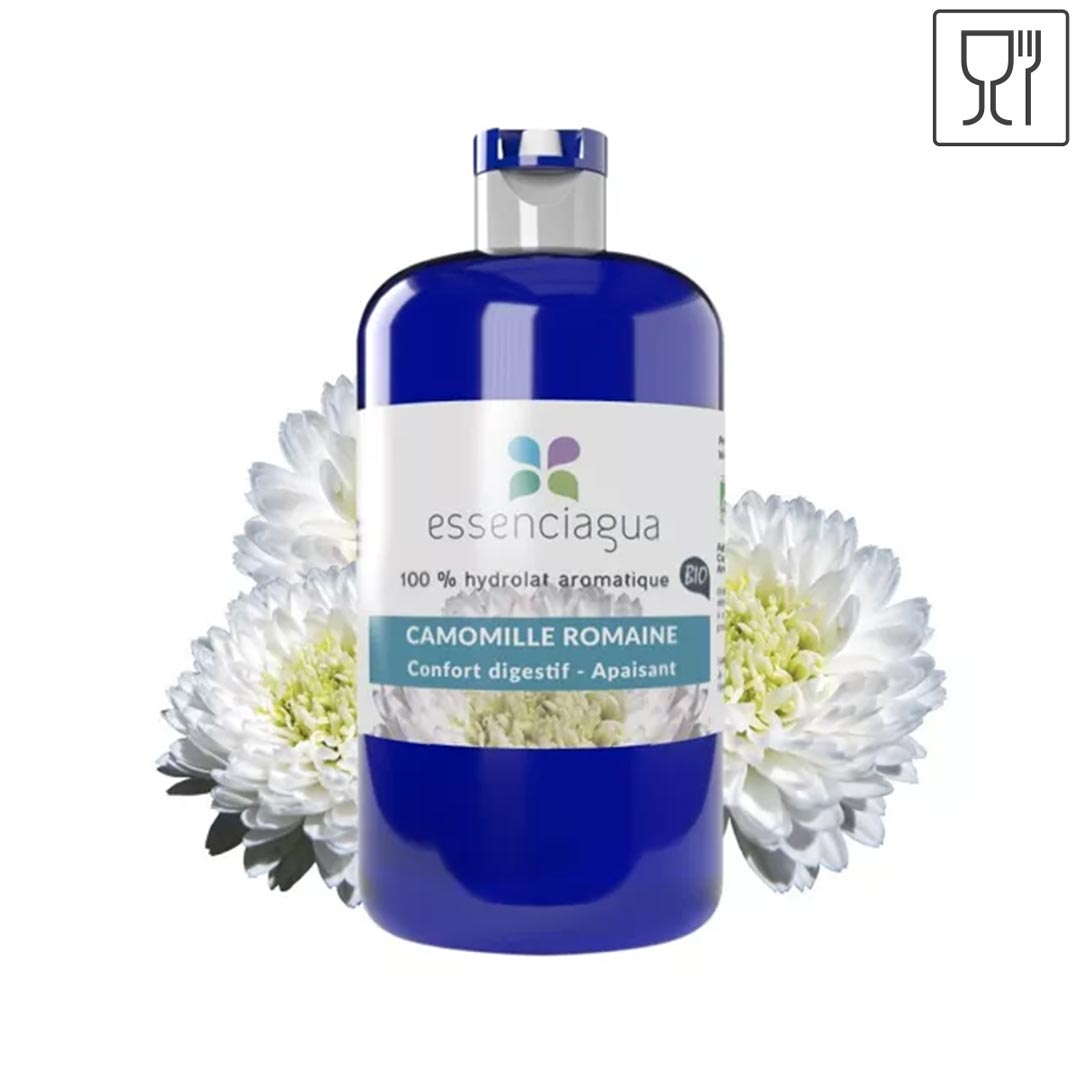
Preferred for sensitive cats. Hydrosols provide a much gentler aromatic approach and are often better tolerated than essential oils.
- Lower concentration of active compounds
- Water-based and well tolerated
- Suitable for regular and long-term use
Quality matters
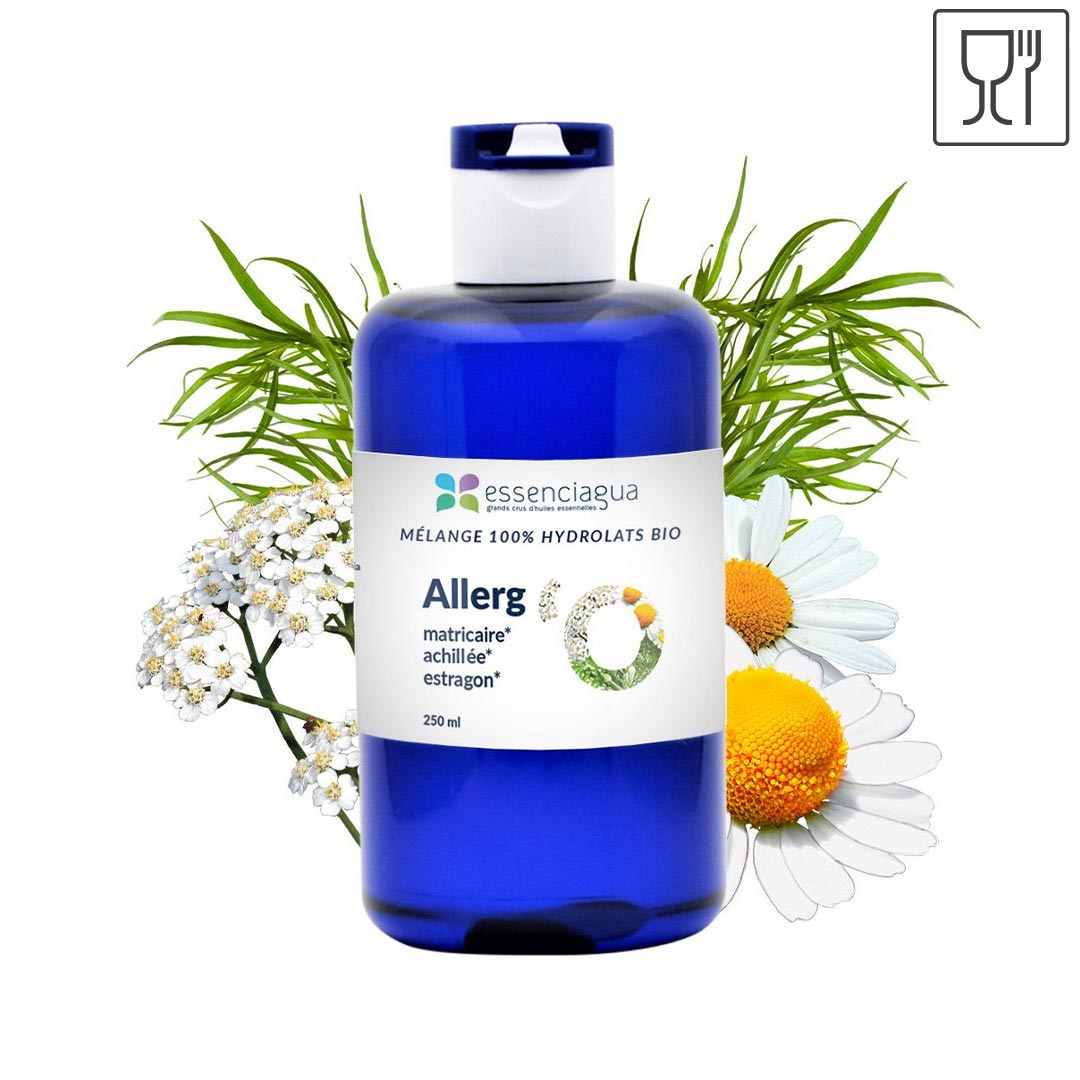
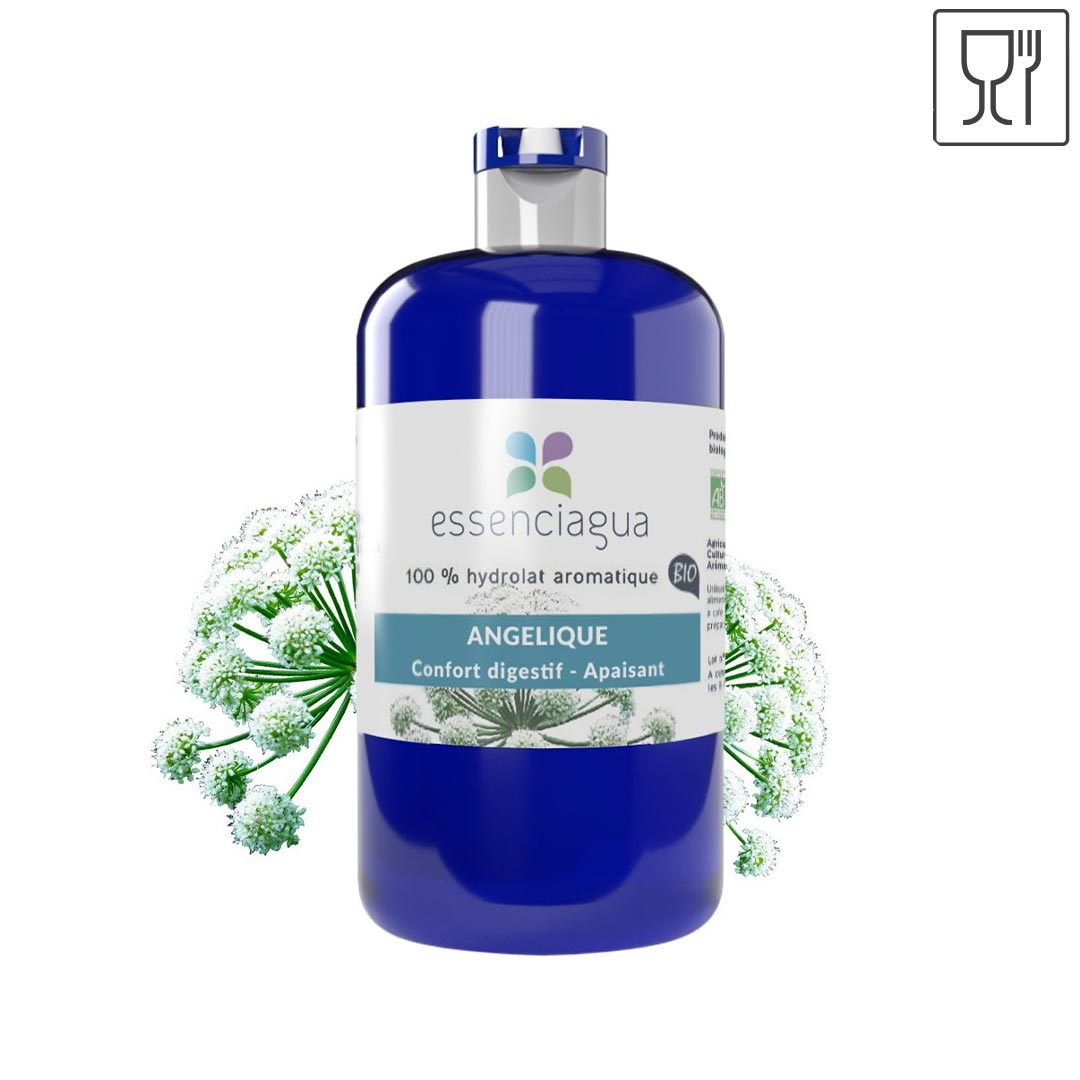
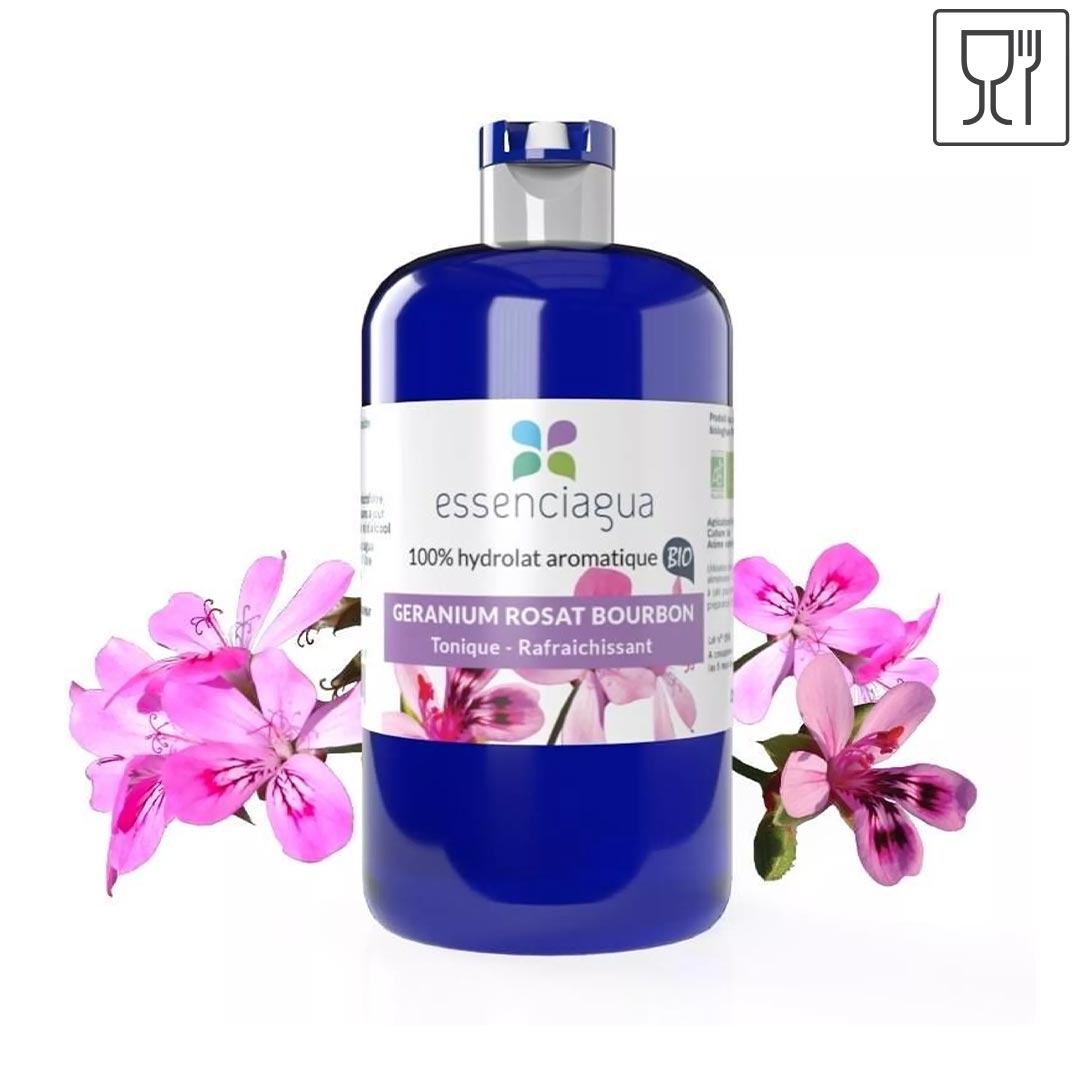
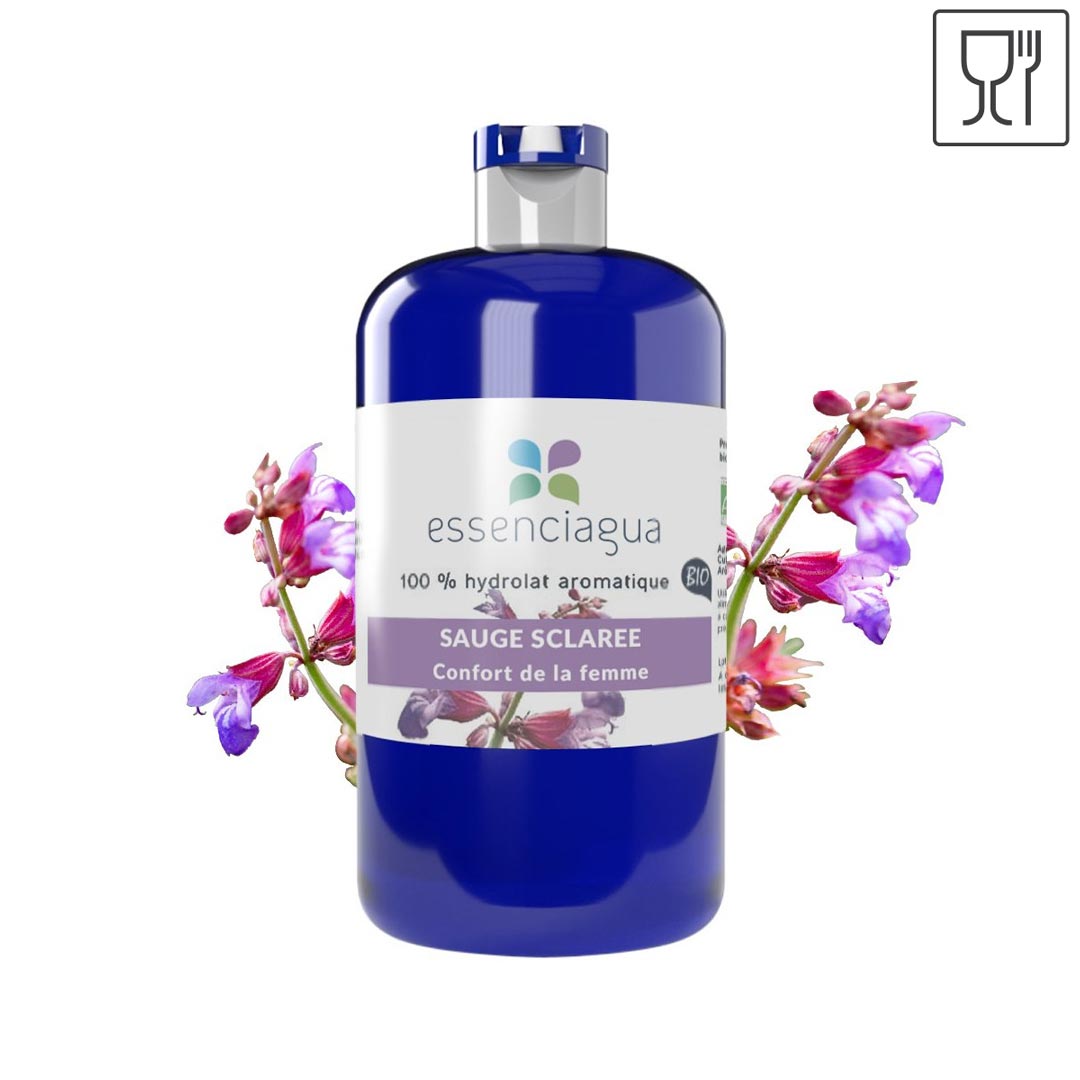
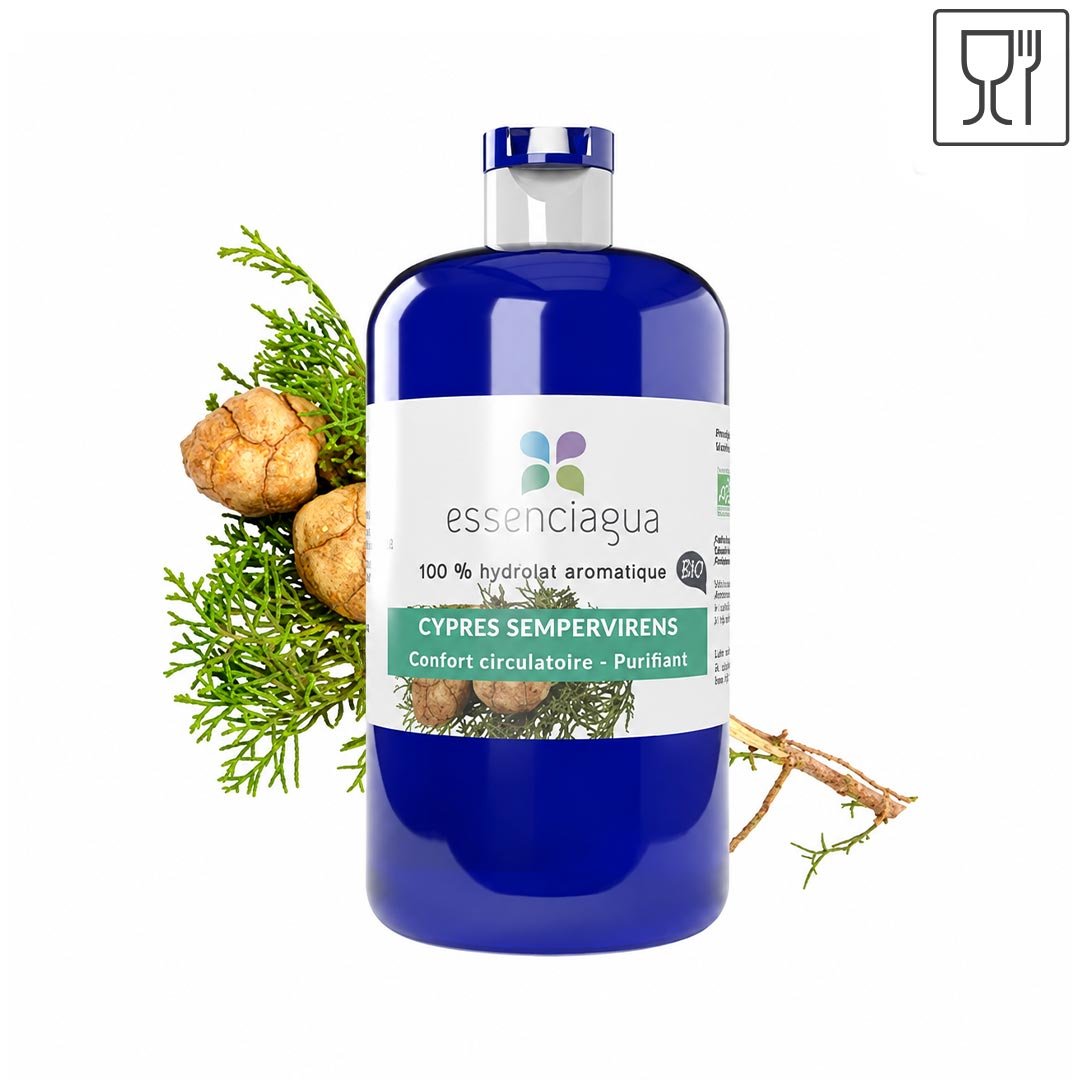
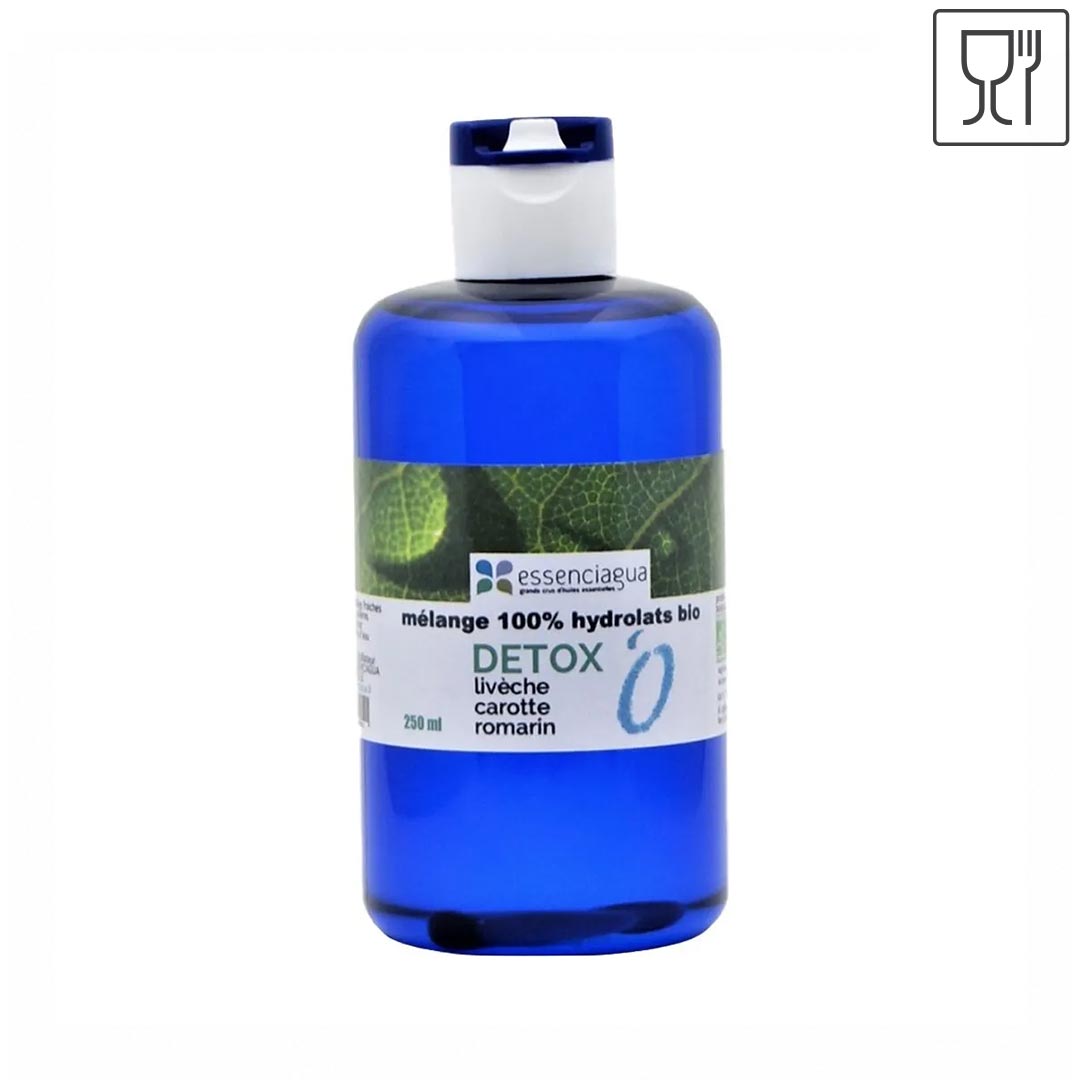
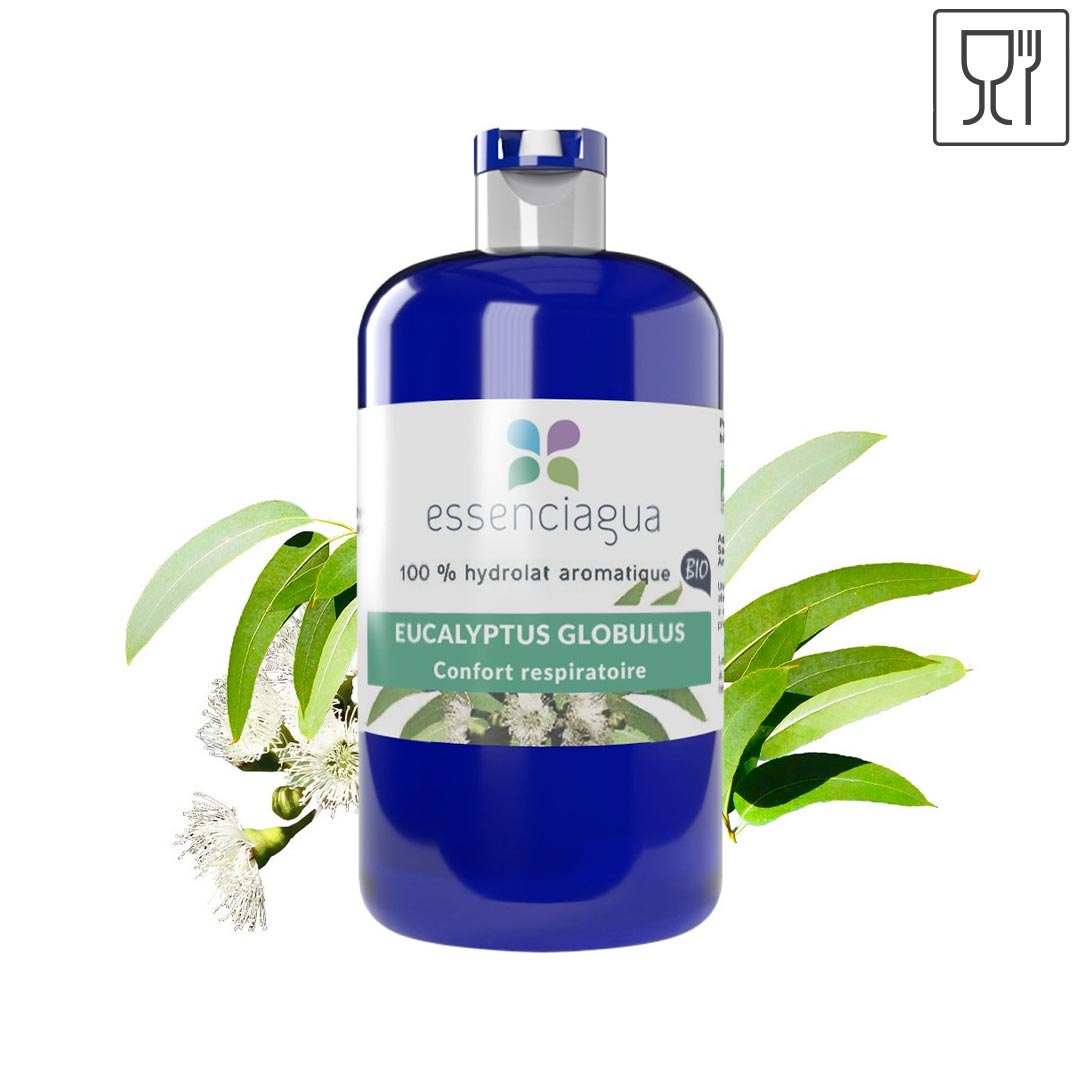
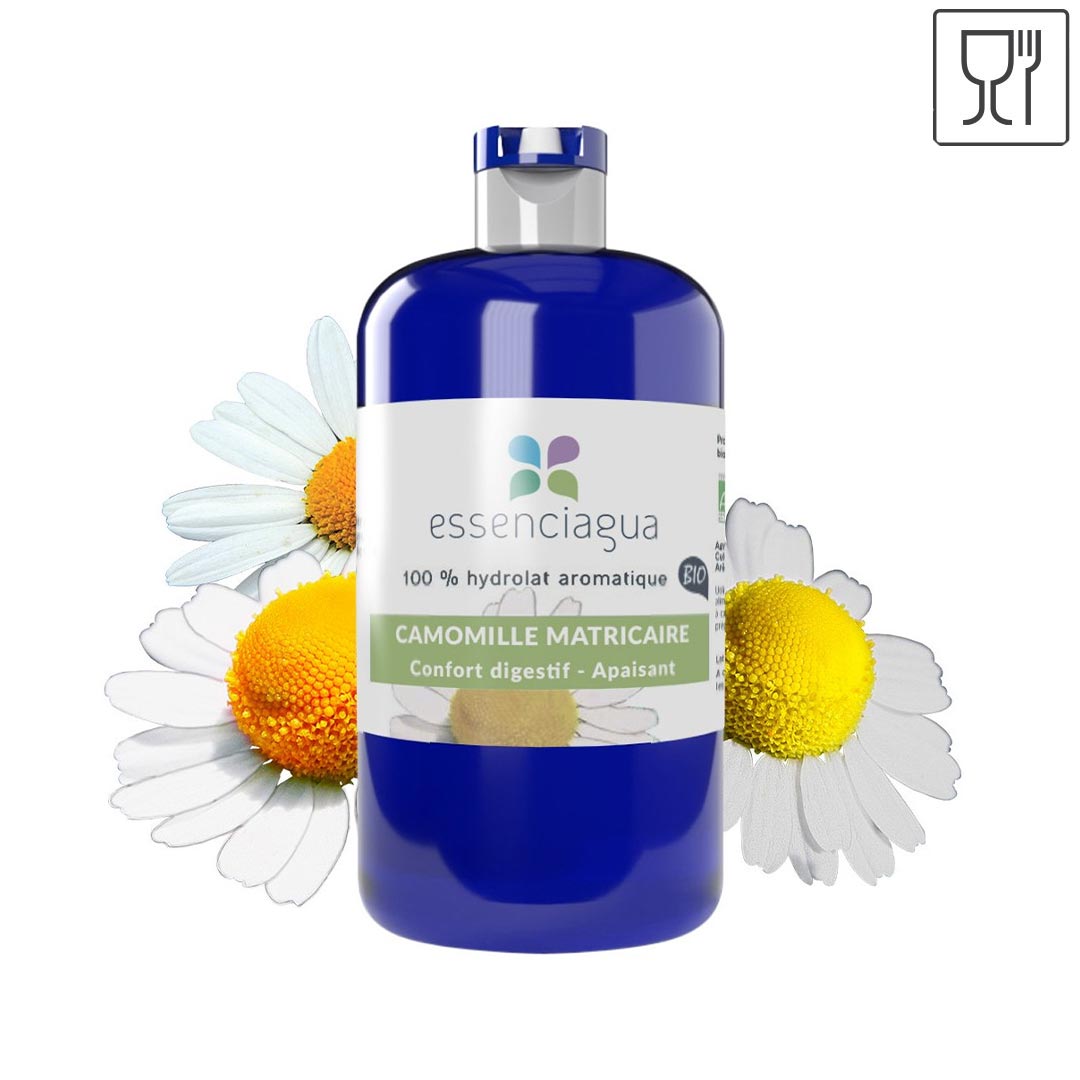
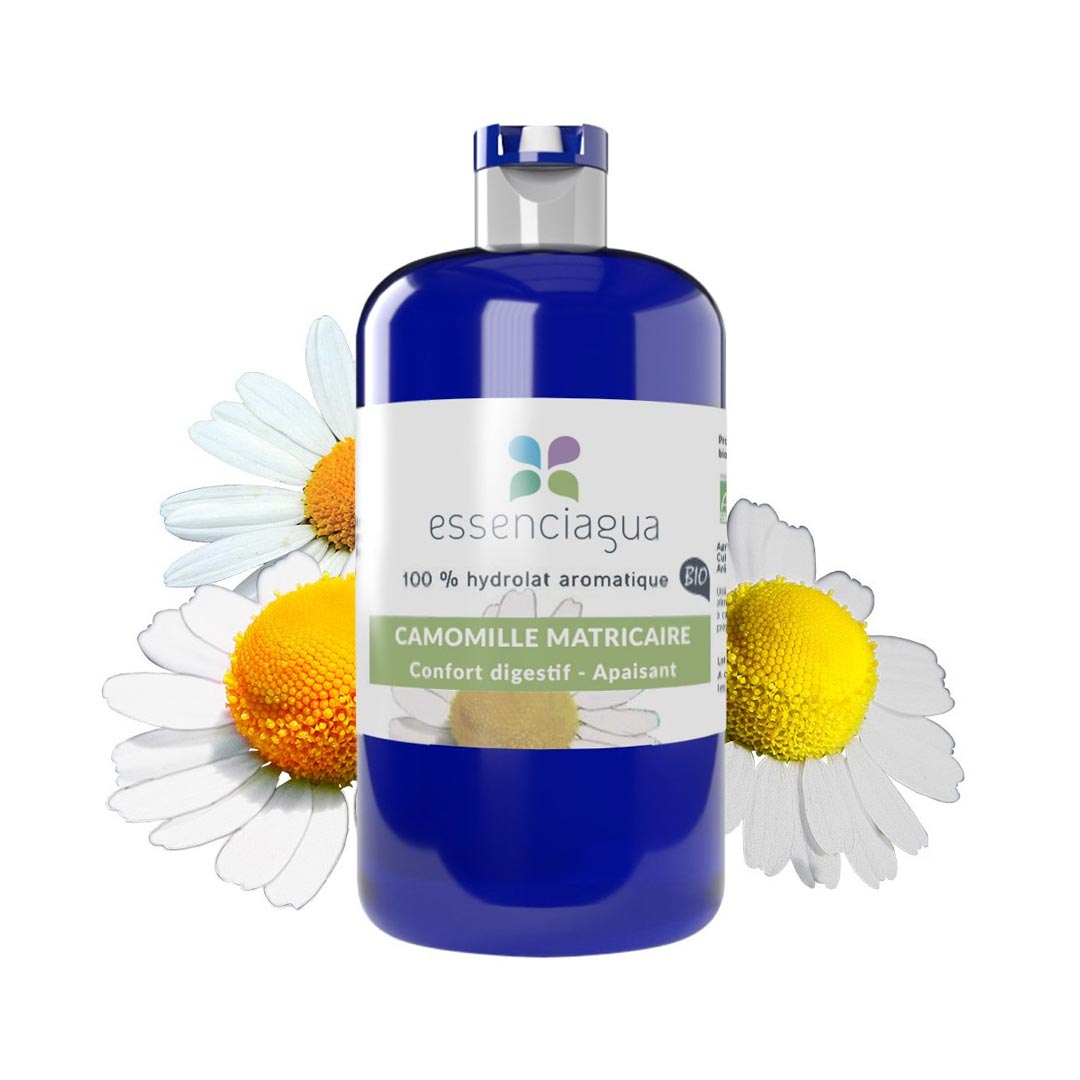
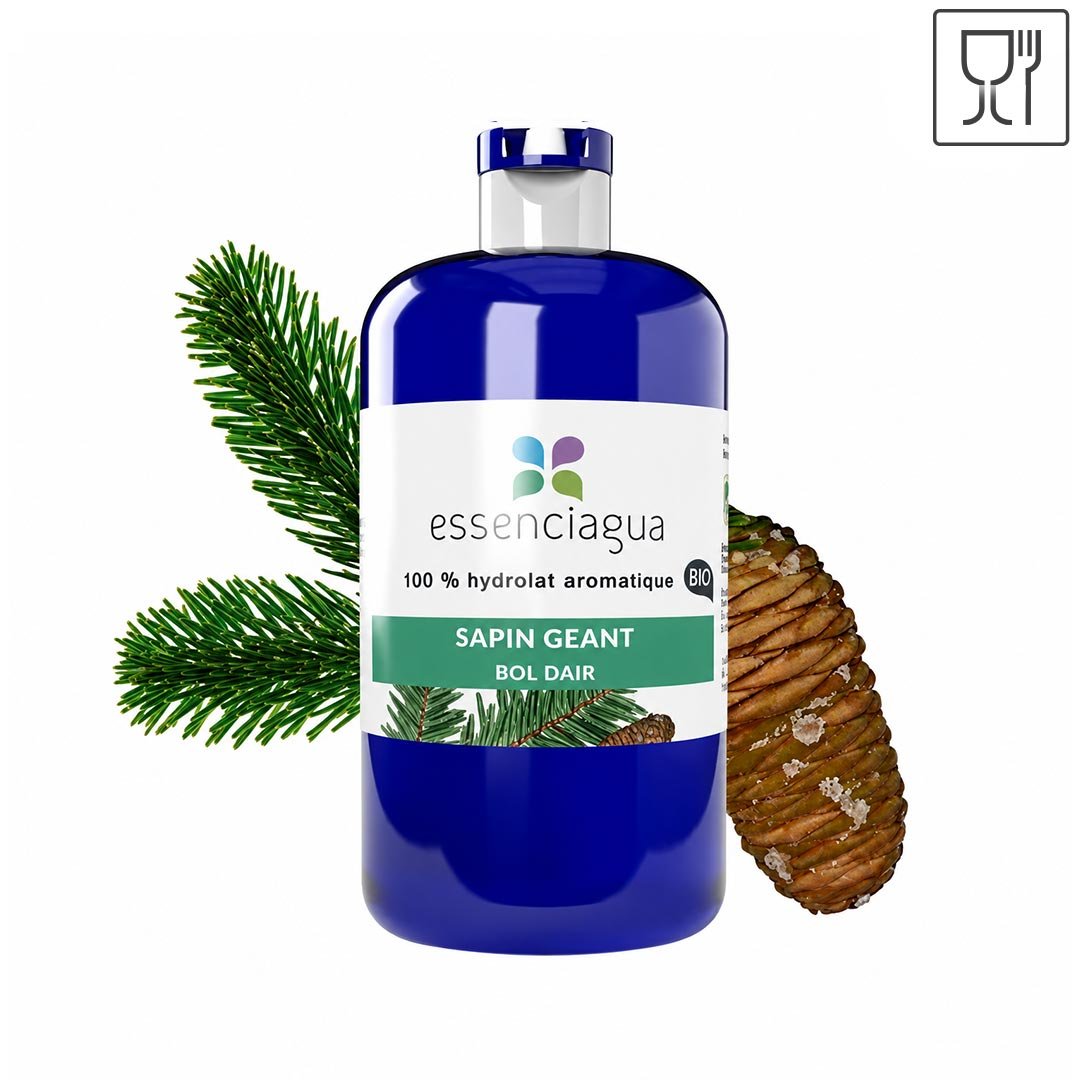
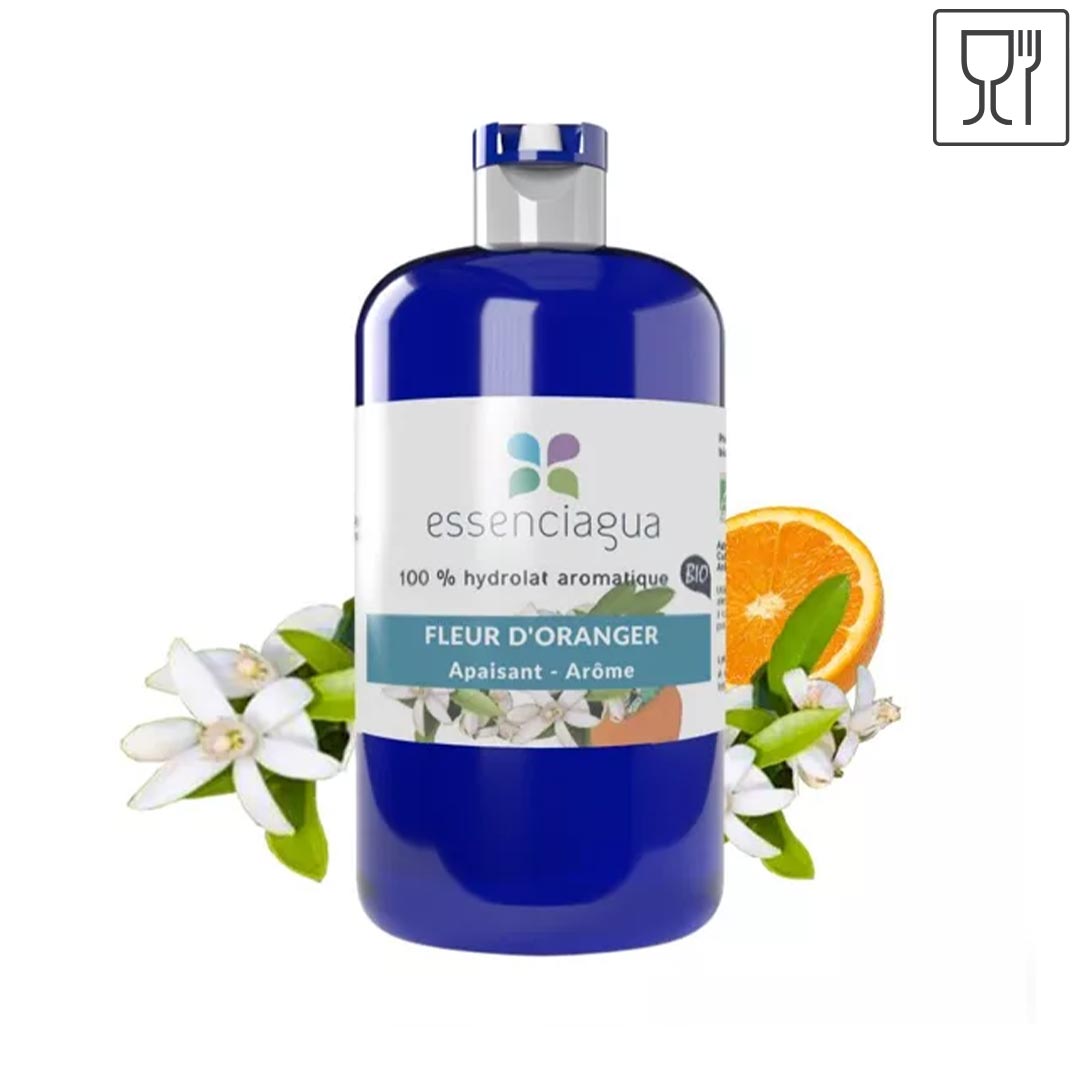
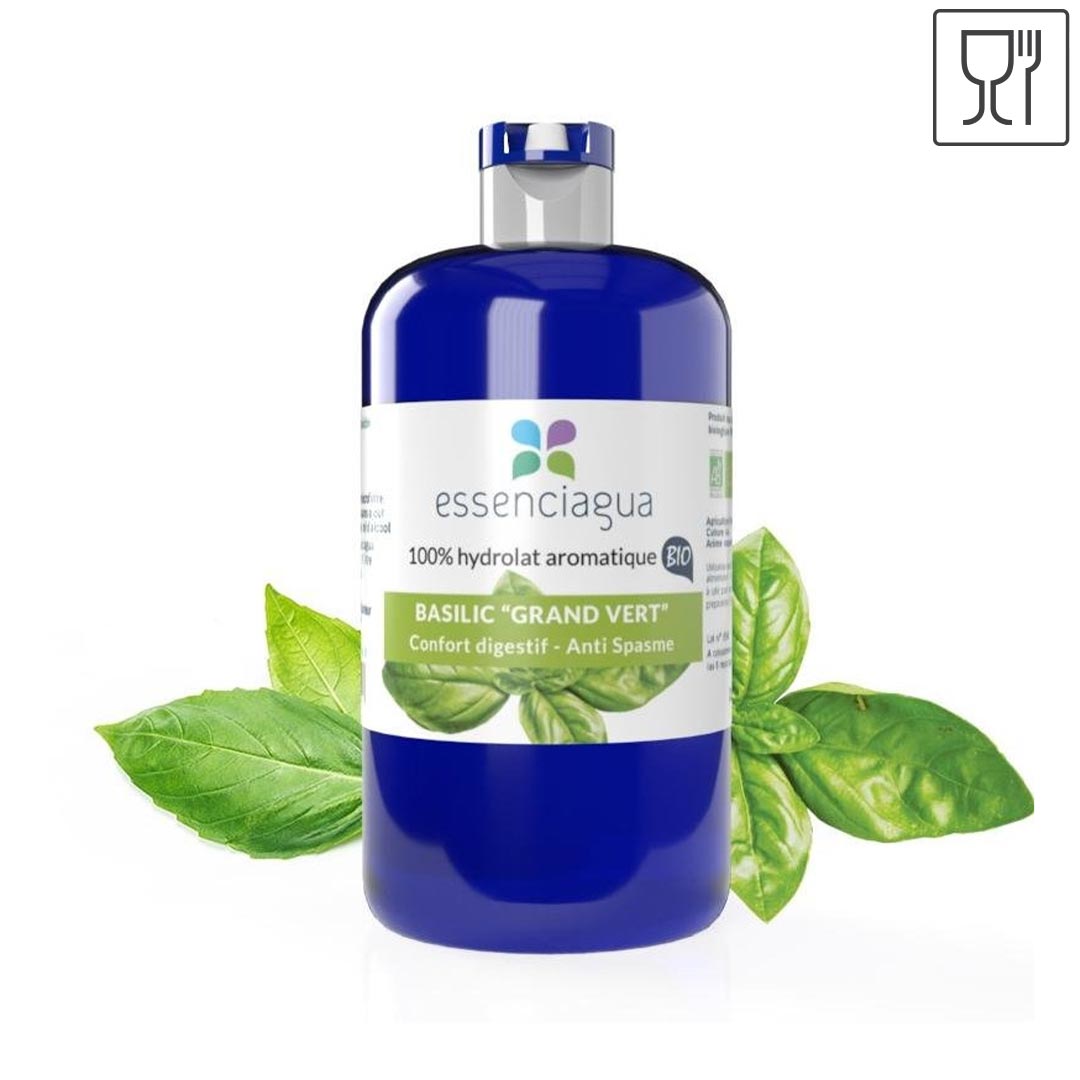
Use only certified organic, food-grade hydrosols (such as Essenciagua quality). Lower-grade hydrosols are not suitable for internal or regular use.
Ways to use hydrosols
- Lightly mist bedding, blankets, or resting areas
- Use in the environment for gentle aromatic support
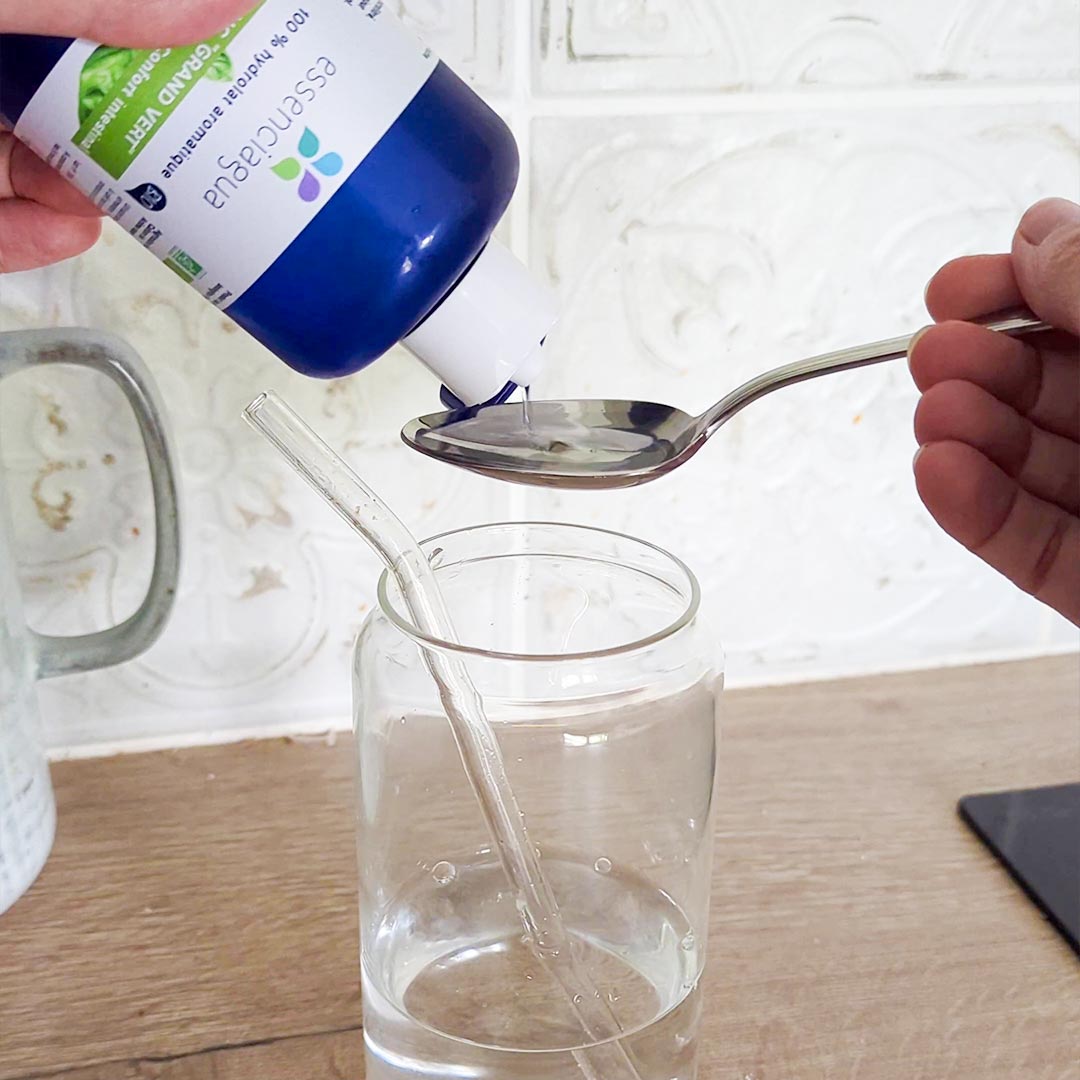
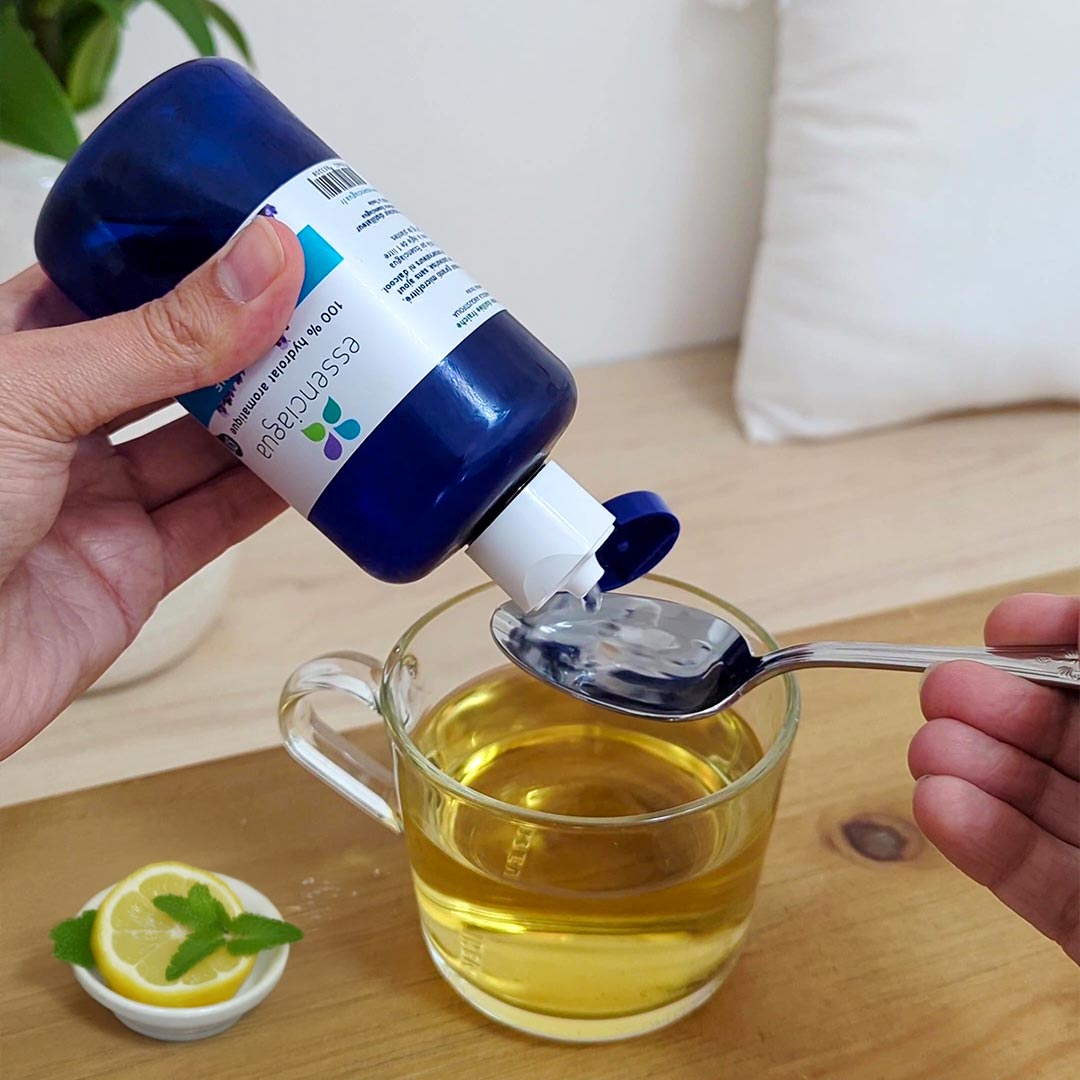
- Add a couple of drops to your cat’s water bowl
Many cats instinctively choose what they need — and avoid what they don’t.
4. Gentle Bonding Method
A subtle way to introduce aromatherapy while strengthening trust.
How to prepare
Dilute 1 drop of essential oil in 20–30 ml carrier oil.
How to apply
- Place one drop of the diluted blend into your hands
- Rub your hands together
- Gently stroke your cat
Less is more — the scent on your hands is enough.
Supports
- Emotional balance
- Trust and connection
- Nervous system calming

Water bowl method
- Add a couple of drops to one water bowl
- Always provide a second bowl with fresh, plain water
- Allow your cat to choose freely
Which Essential Oil for Your Cat?
Each essential oil has its own character and area of support. Below is a simple guide to oils commonly chosen for cats when used gently, correctly diluted, and with respect for feline sensitivity.
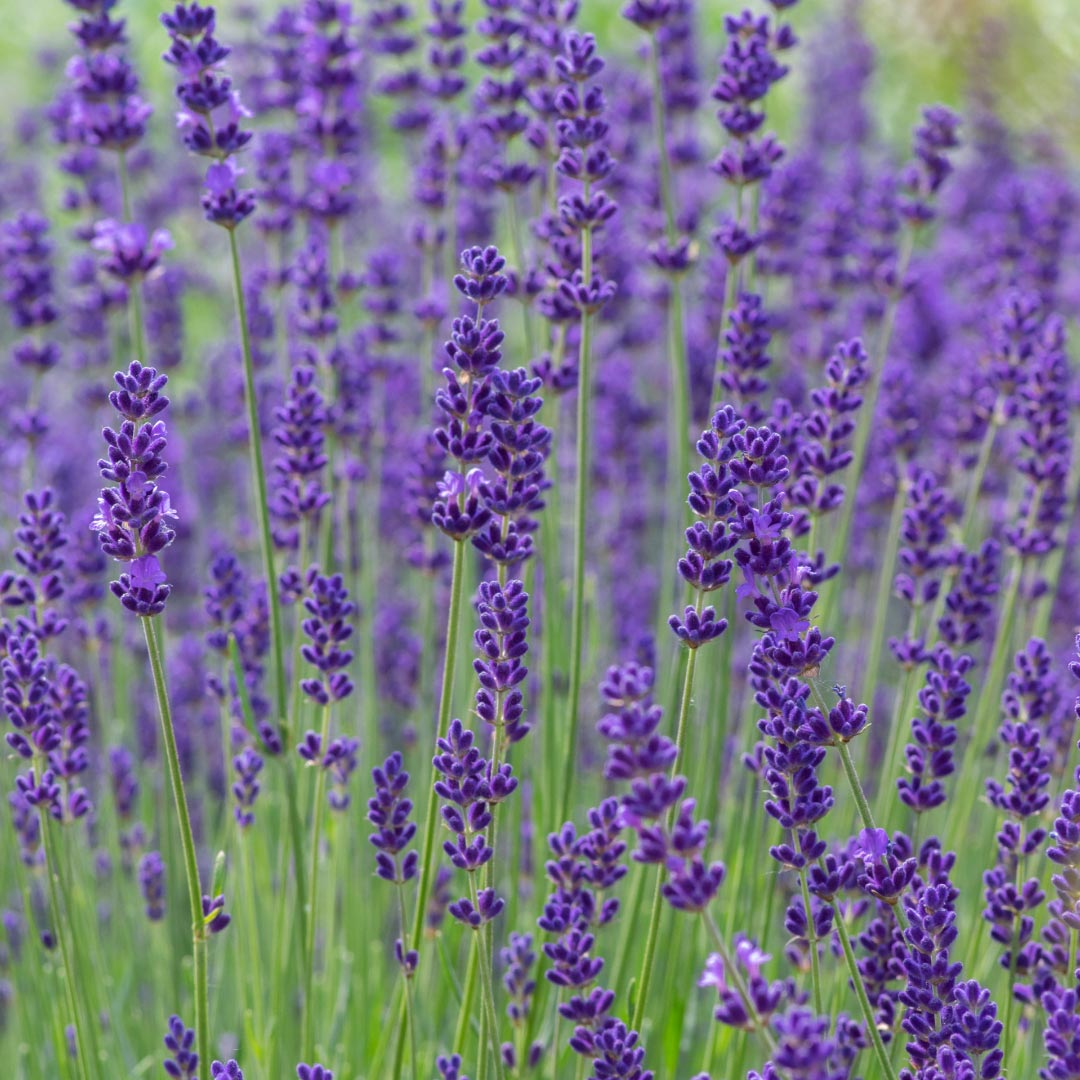
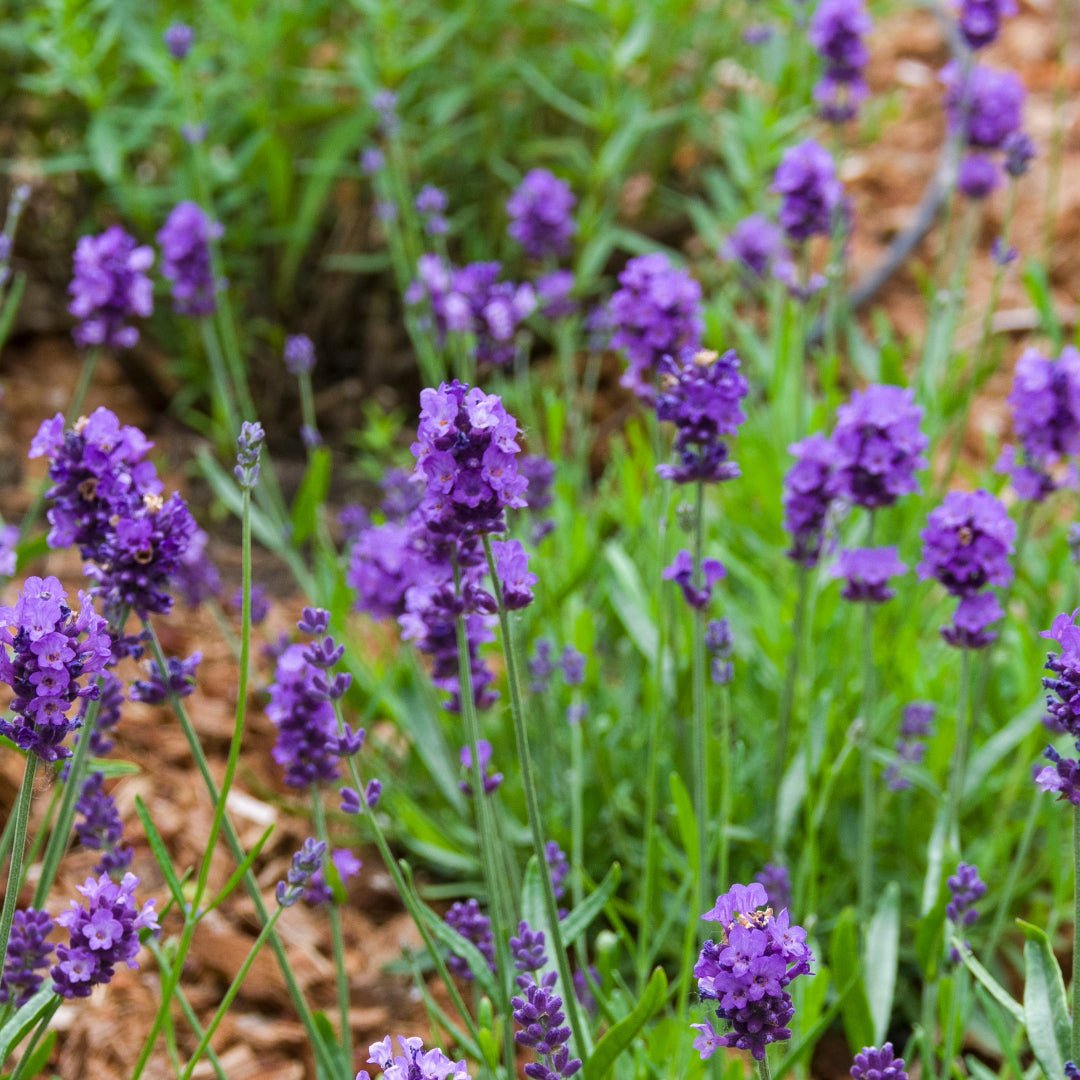
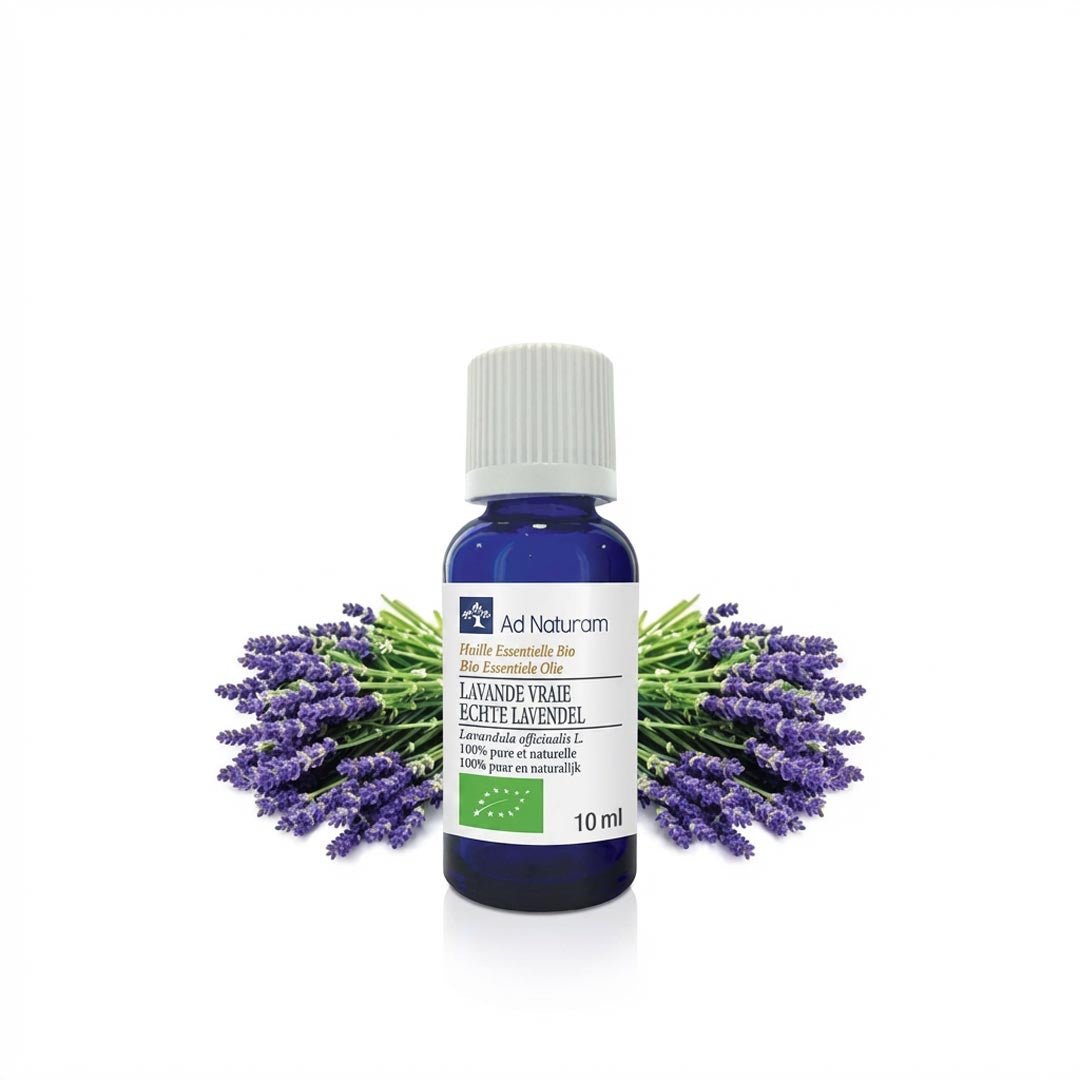
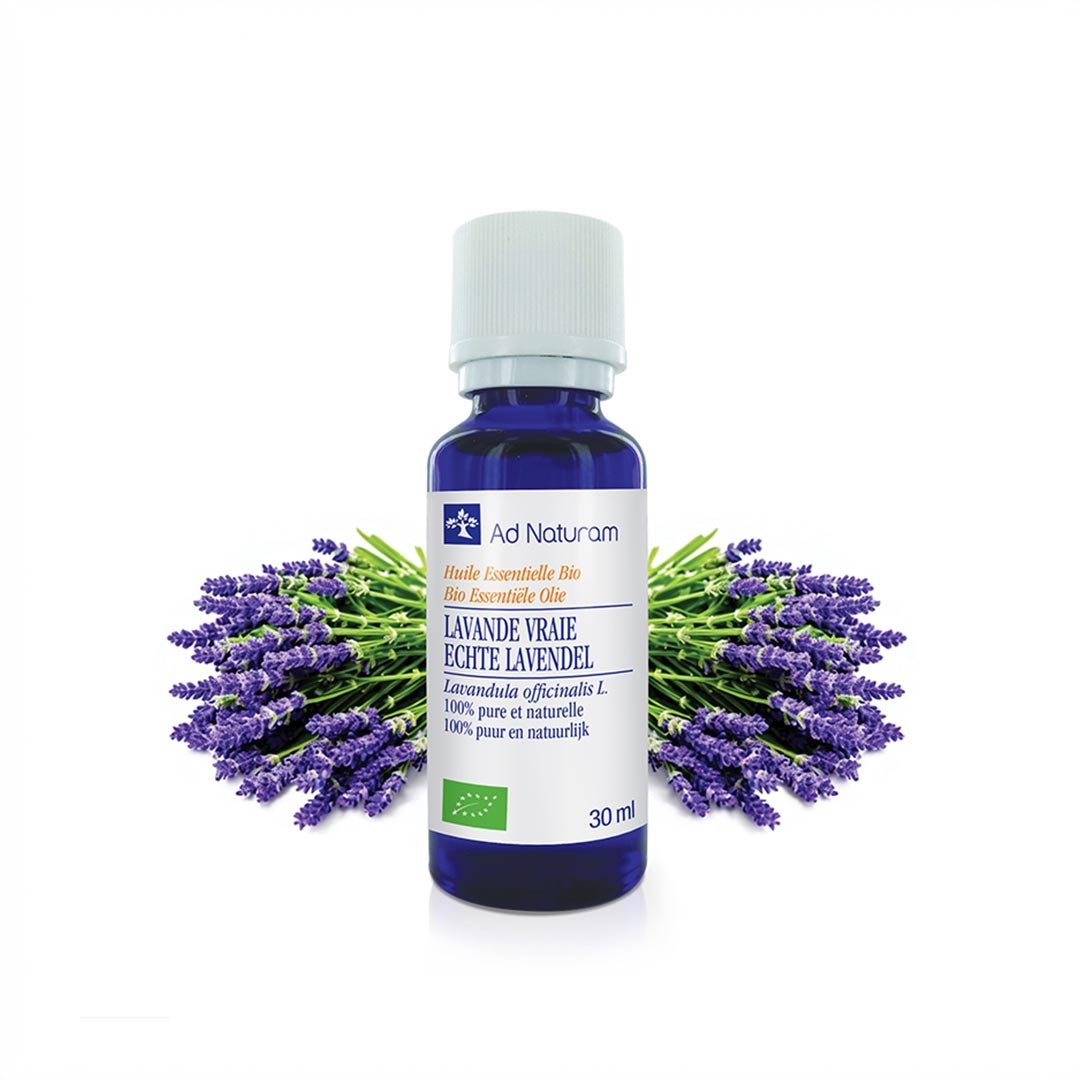
Lavender
Lavandula angustifolia
Supports: Calm, skin, relaxation
A gentle, versatile oil often used for stress, restlessness, skin irritation, and emotional comfort.
Frankincense
Boswellia carteri
Supports: Balance, skin, grounding
A grounding and soothing oil traditionally used to support emotional balance, skin care, and general resilience.
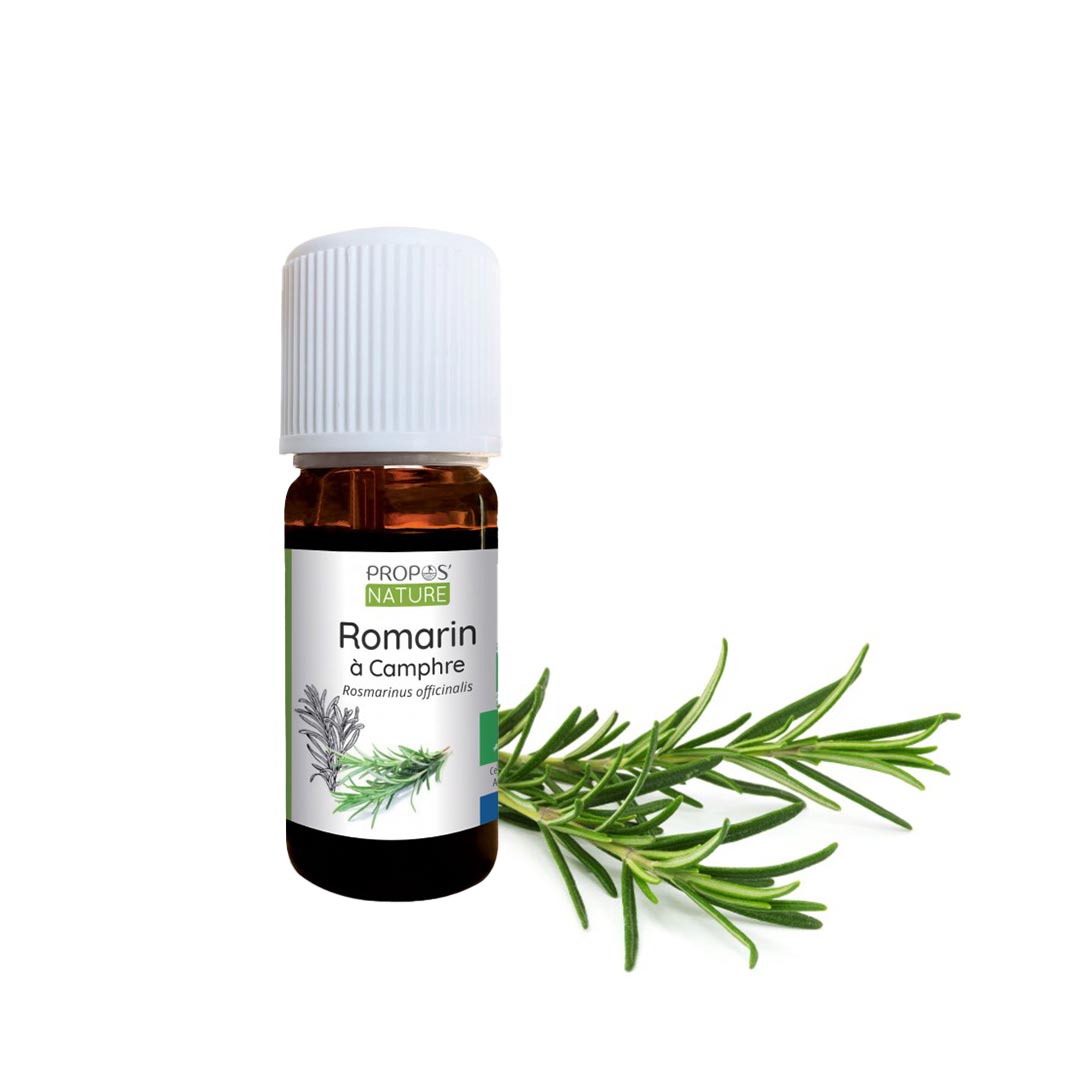
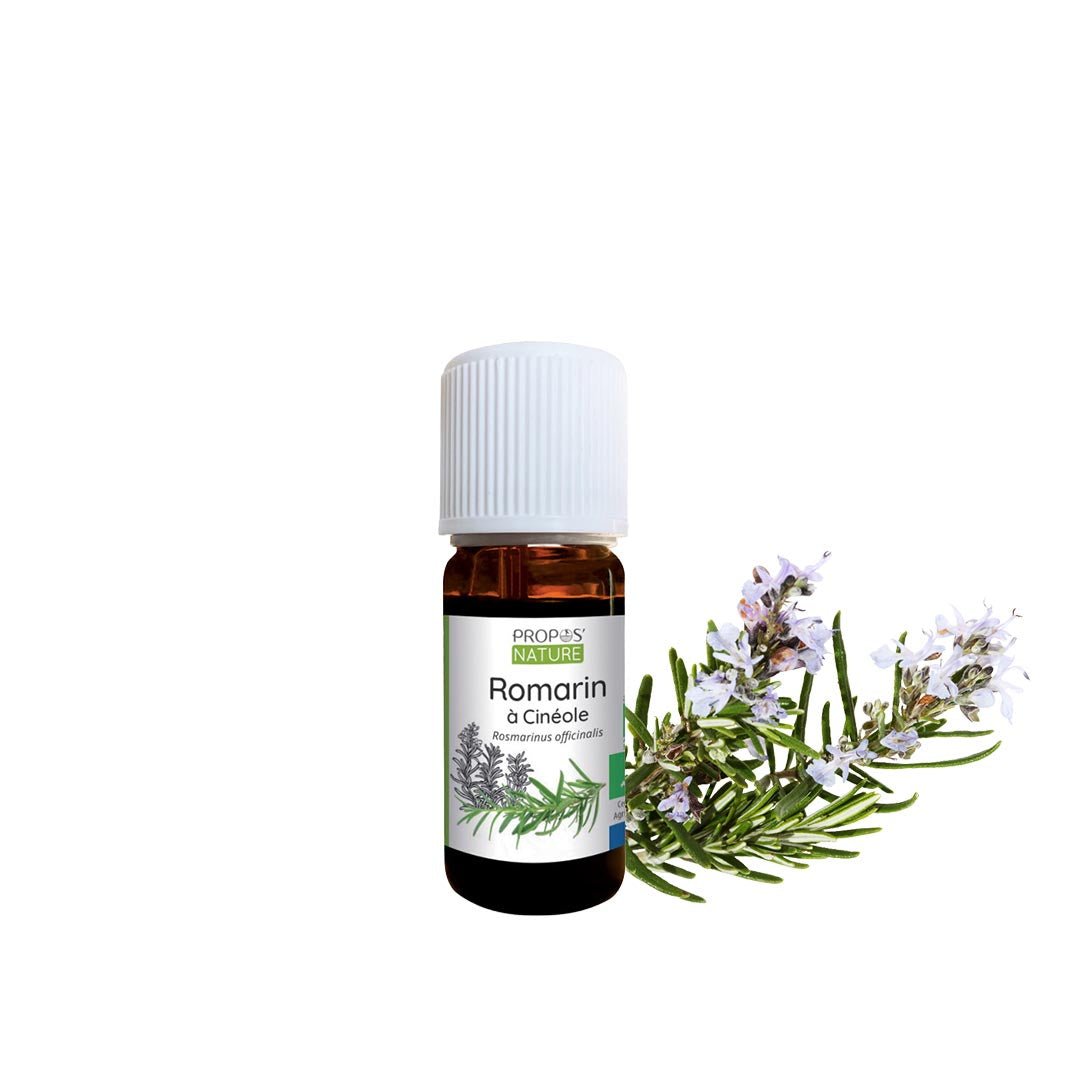
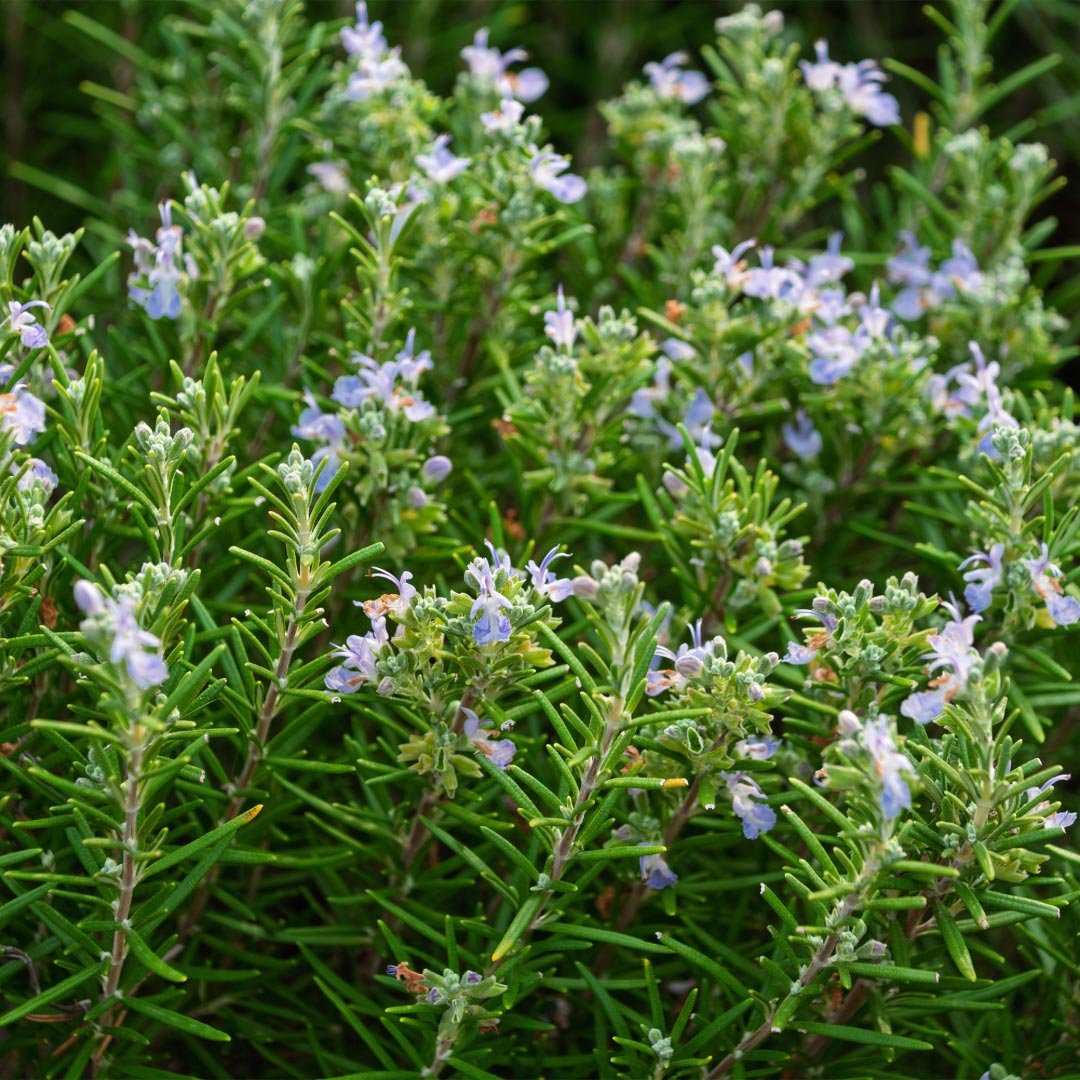
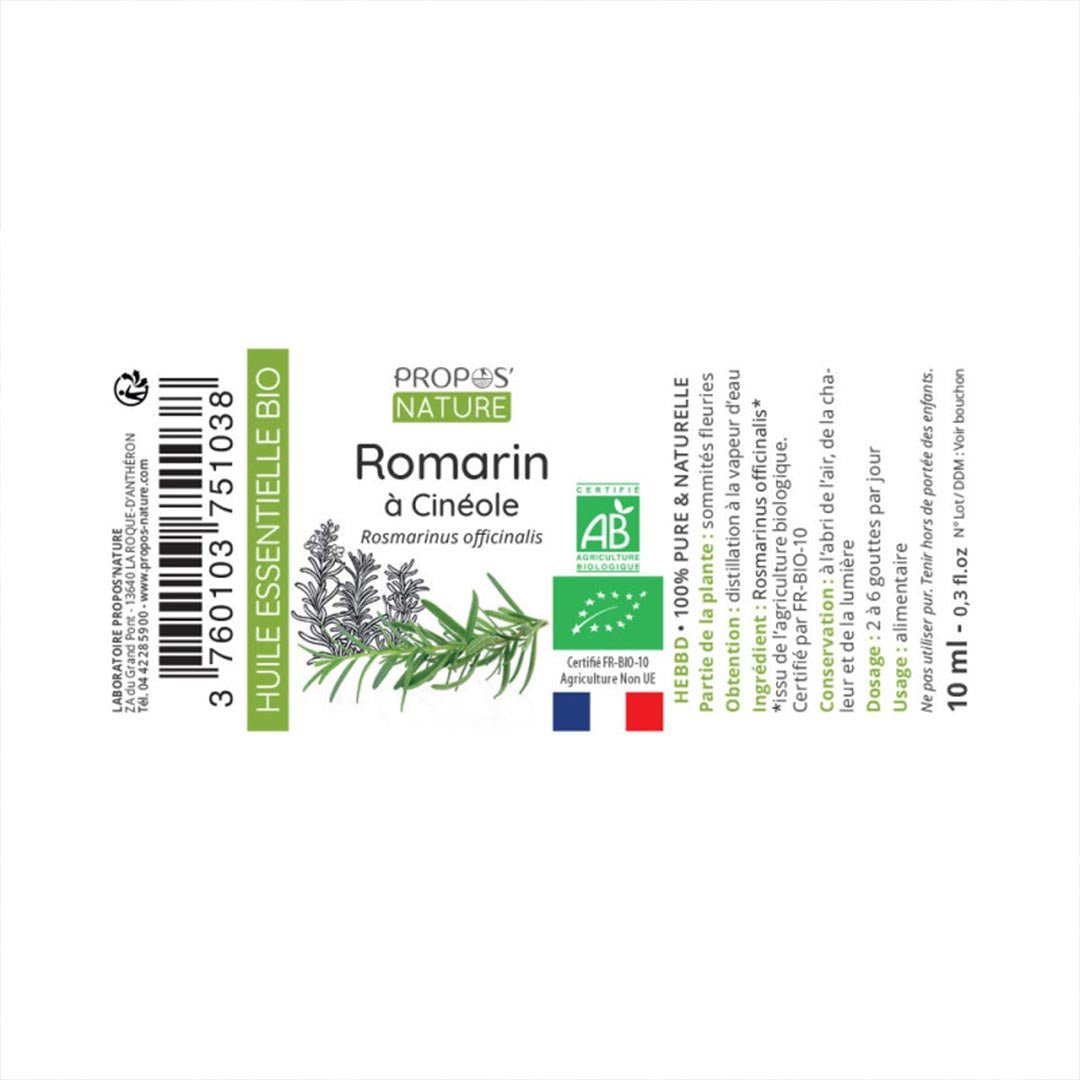
Rosemary ct. Cineole
Rosmarinus officinalis ct. cineole
Supports: Clarity, vitality
Chosen for its fresher, milder profile. Use cautiously and always well diluted, as chemotype matters.
Elemi
Canarium luzonicum
Supports: Skin, comfort, restoration
A resin oil traditionally appreciated for restorative skin care and gentle support for tired tissues.
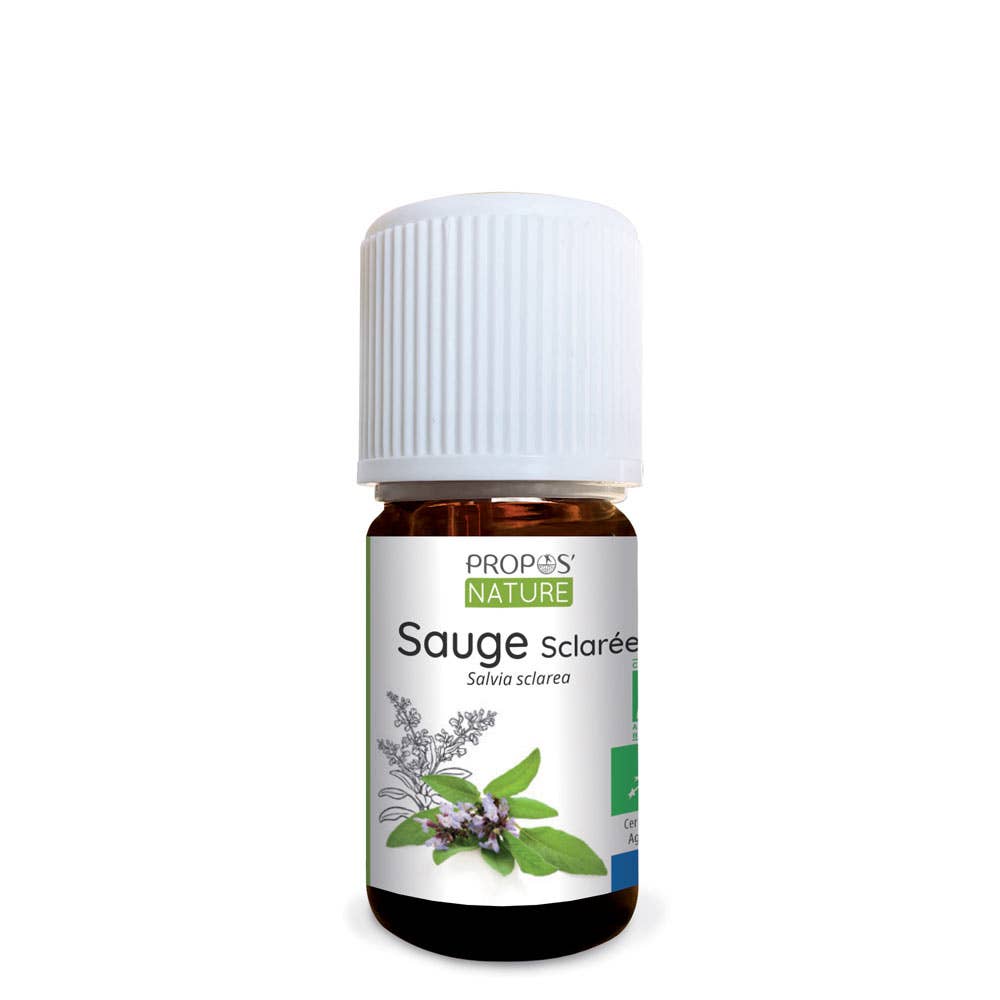
Clary Sage
Salvia sclarea
Supports: Mood, stress, balance
A balancing oil used to support emotional steadiness, calm, and relaxation.
Geranium
Pelargonium graveolens
Supports: Emotional balance, reassurance
Often chosen to help calm nervous, unsettled cats and create a sense of reassurance.
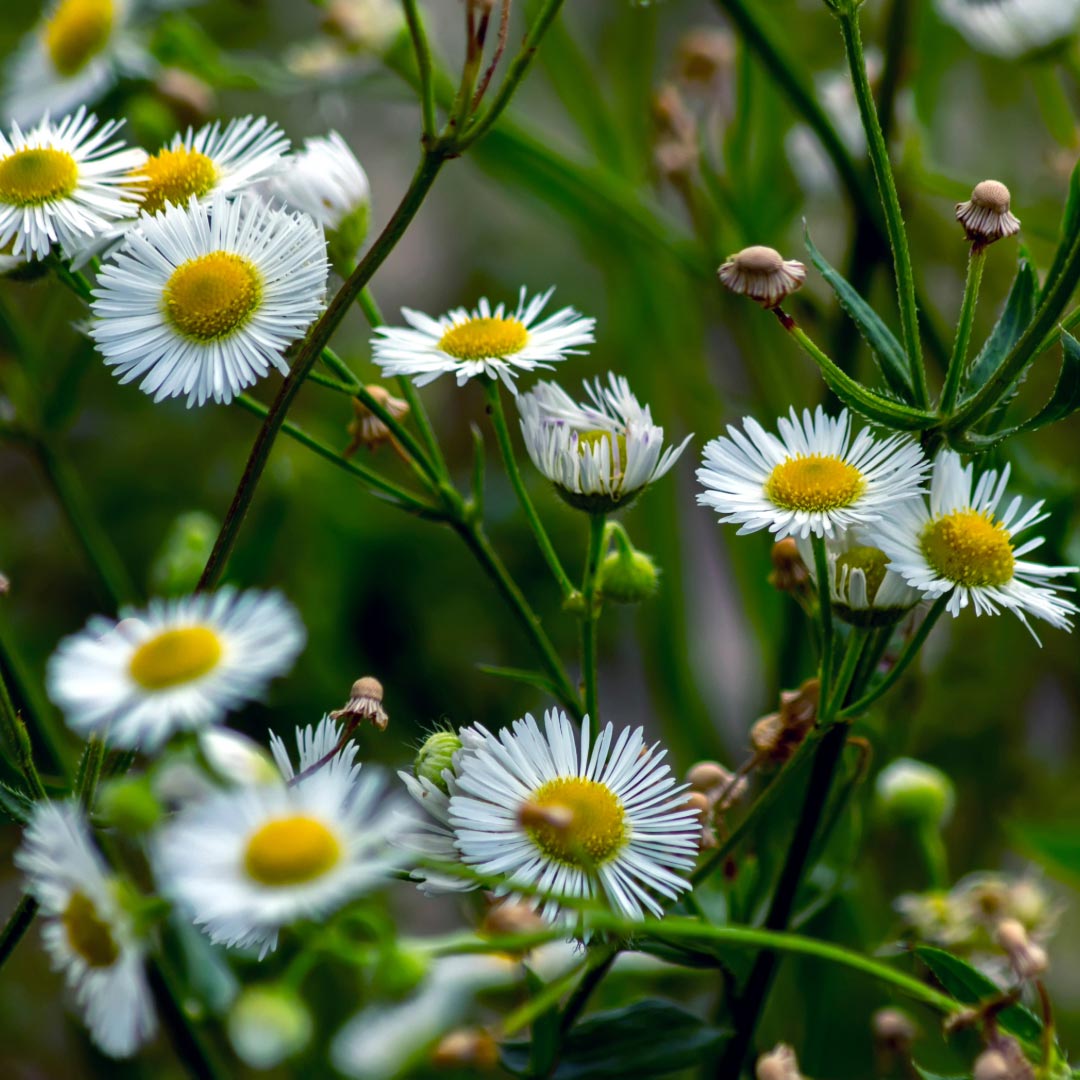
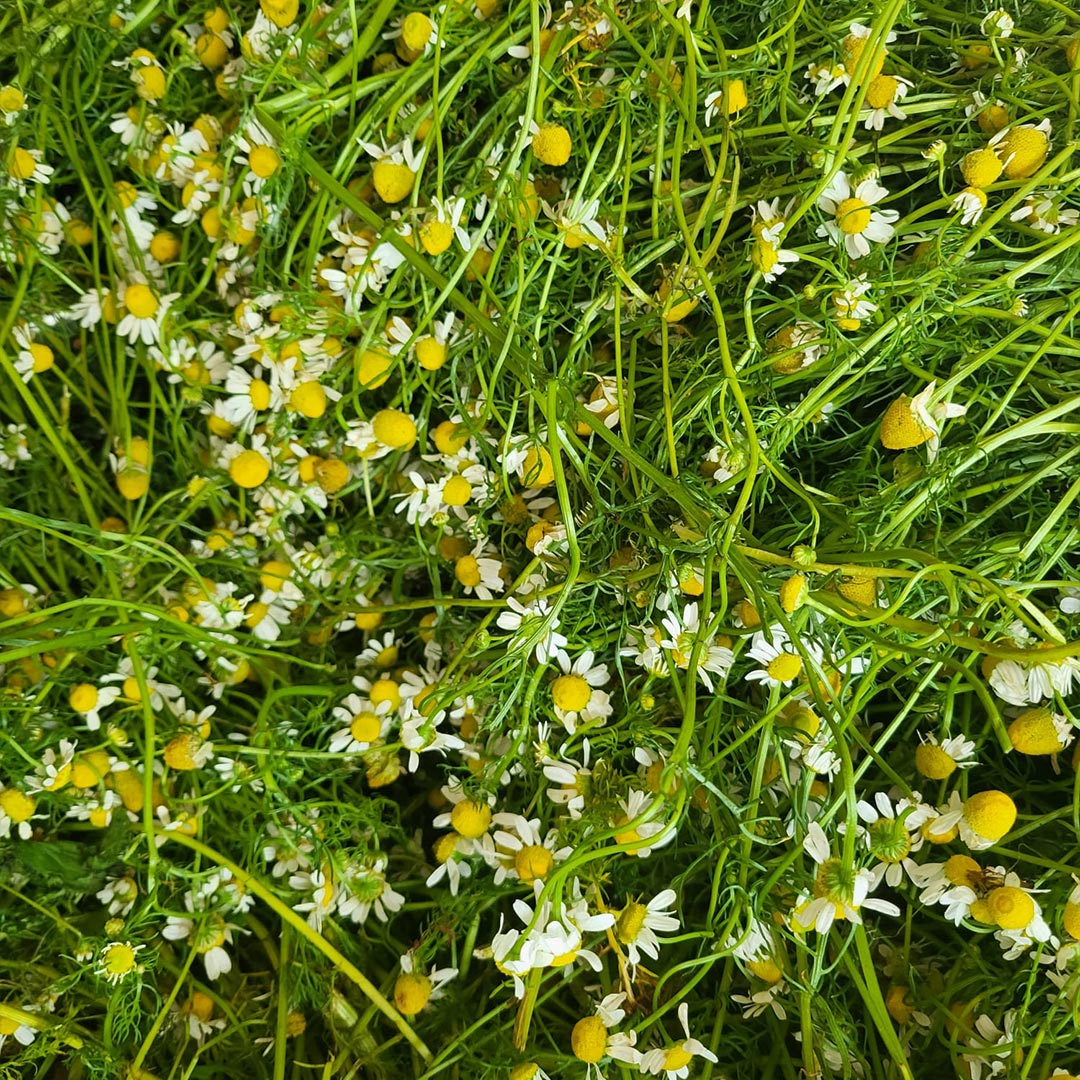
Roman Chamomile
Chamaemelum nobile
Supports: Anxiety, skin, muscle comfort
One of the best choices for sensitive, anxious, or emotionally reactive cats. Also gentle for skin and muscular comfort.
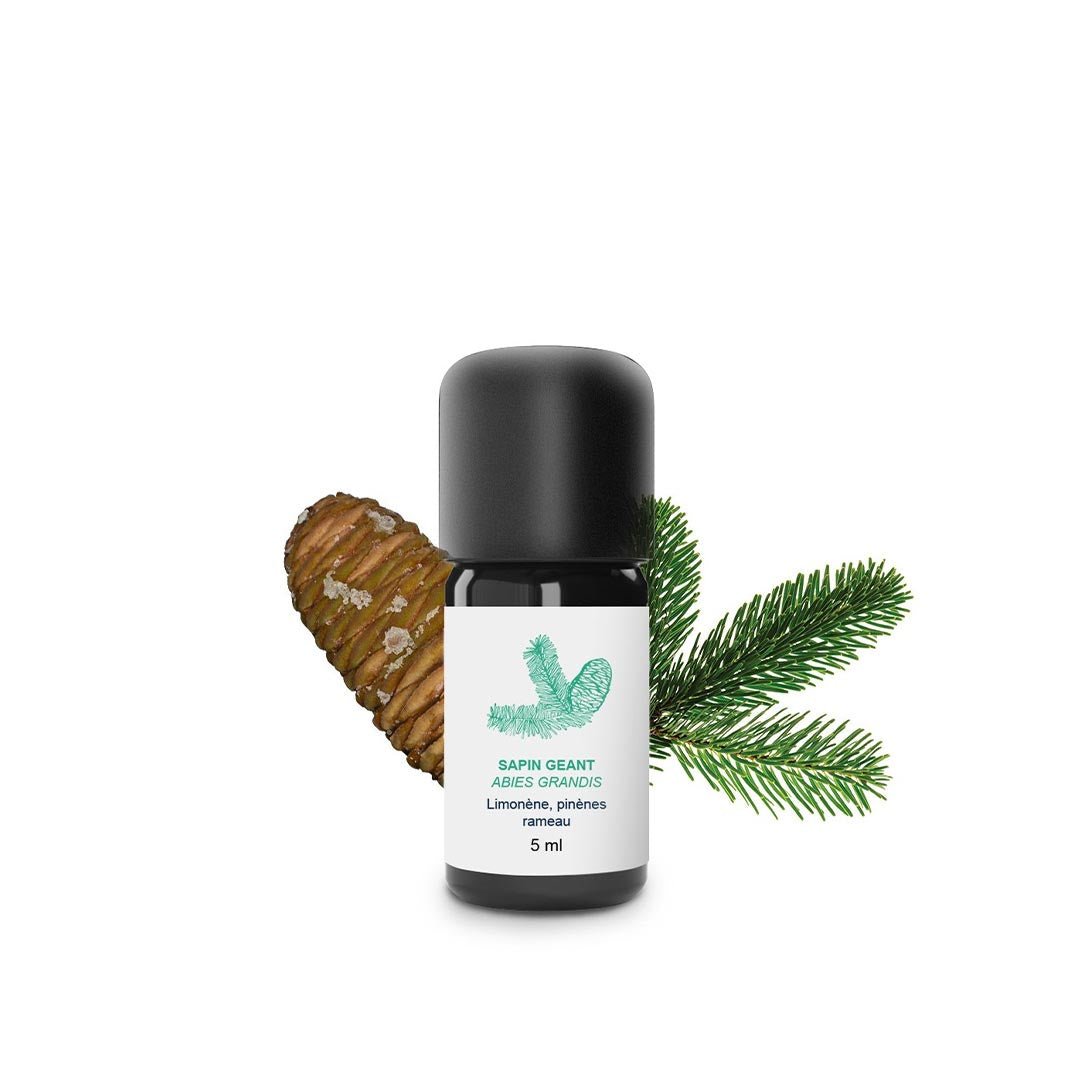
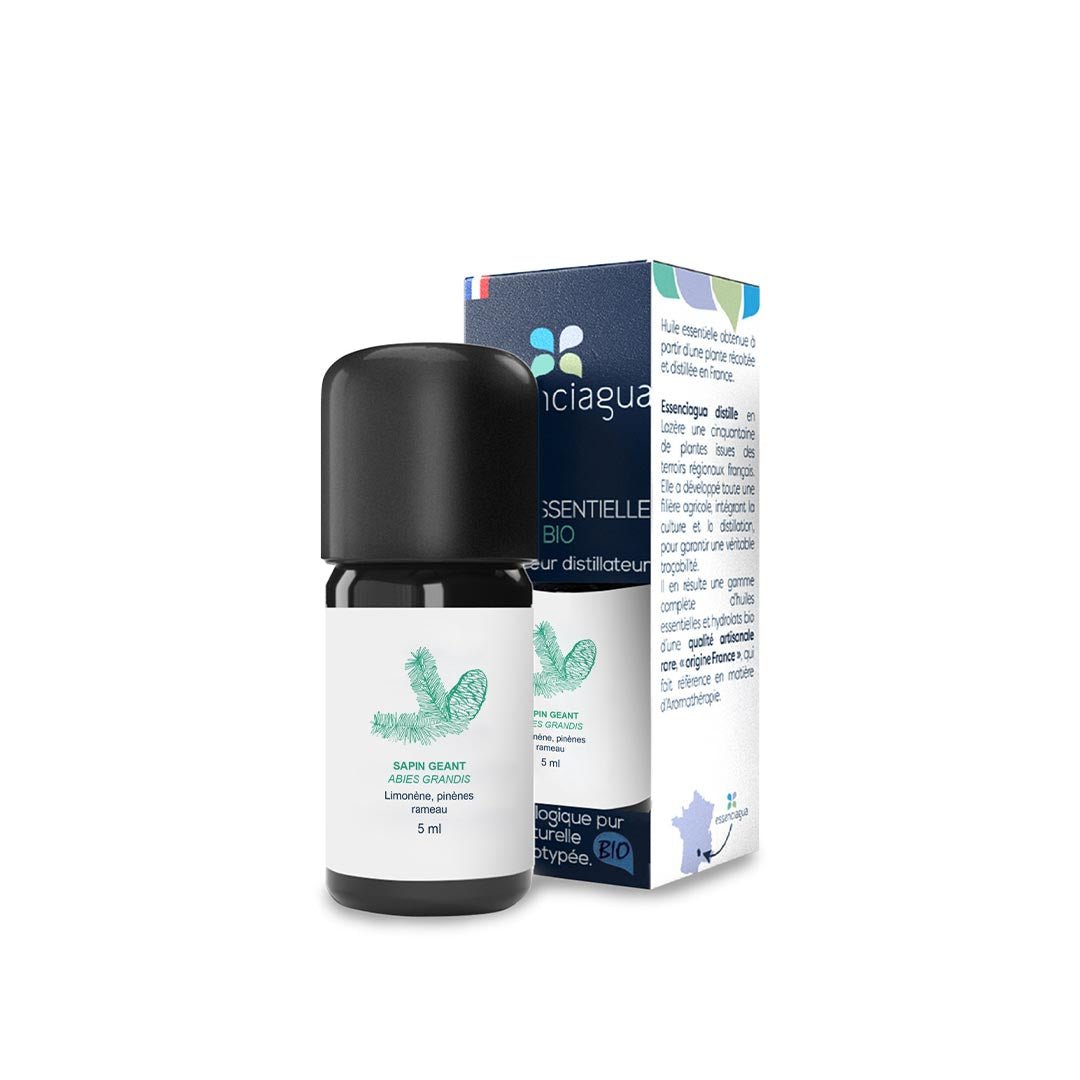
Fir (Grand Fir)
Abies grandis
Supports: Breathing, tension, grounding
A fresh, grounding conifer oil used for respiratory support, muscular tension, and a calm atmosphere.
Fir (Silver Fir)
Abies alba
Supports: Breathing, relaxation, grounding
Also known as Sapin Pectiné, this fir oil offers a softer aromatic profile, supporting calm breathing and a relaxed environment.
Valerian
Valeriana officinalis
Supports: Restlessness, sleep, anxiety
A deeply calming oil for cats needing stronger support for nervous tension, restlessness, or trauma-related stress.
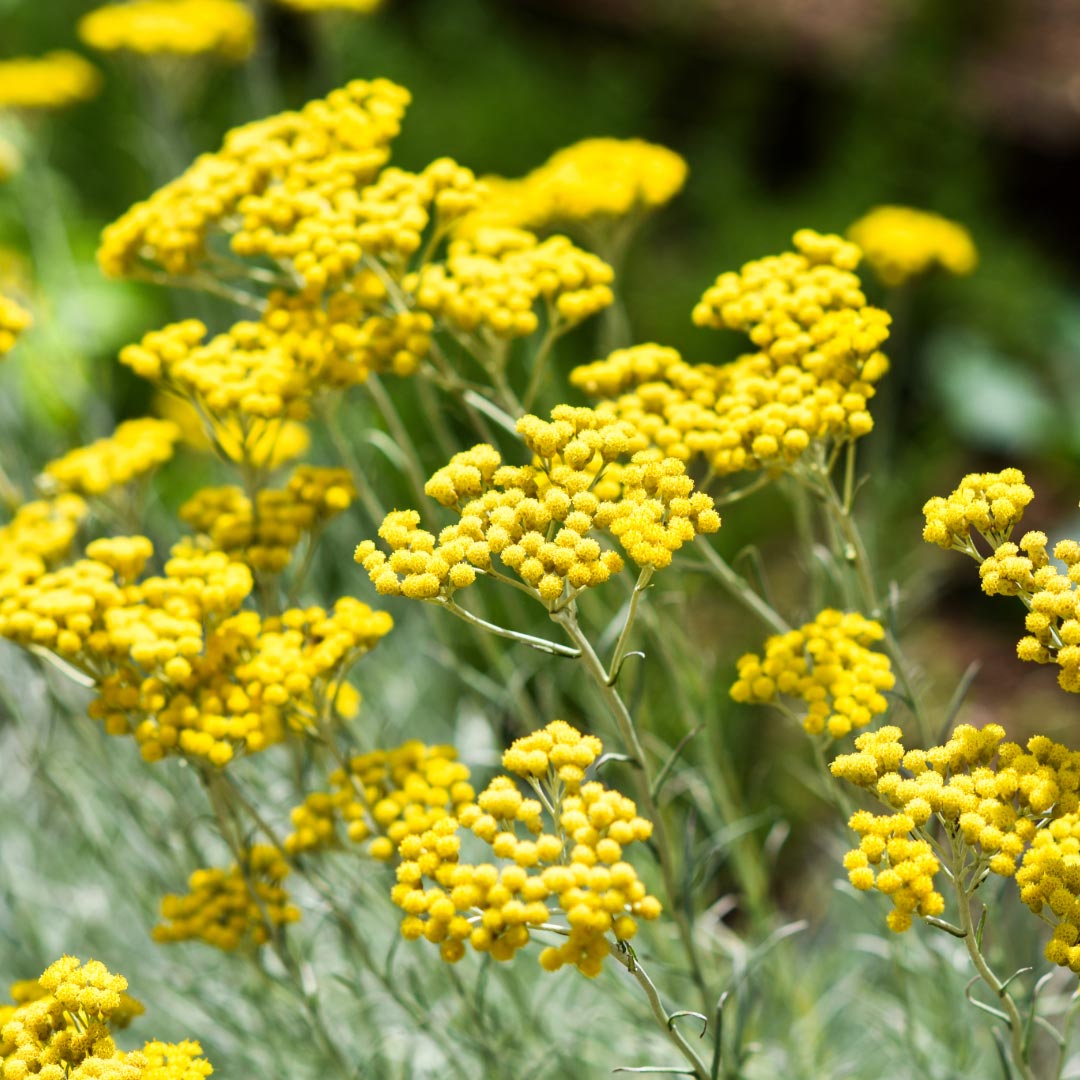
Helichrysum
Helichrysum italicum
Supports: Skin, recovery, comfort
Known for restorative skin support and gentle help during recovery or minor physical discomfort.
Always use essential oils for cats with care: choose certified organic high-quality oils, dilute correctly, and let the cat’s response guide the method and amount used.


Essential Oils That Require Extra Care with Cats
Some essential oils can be used with cats in specific situations, but they require experience, higher dilution, and careful observation. These oils are not intended for regular or casual use.
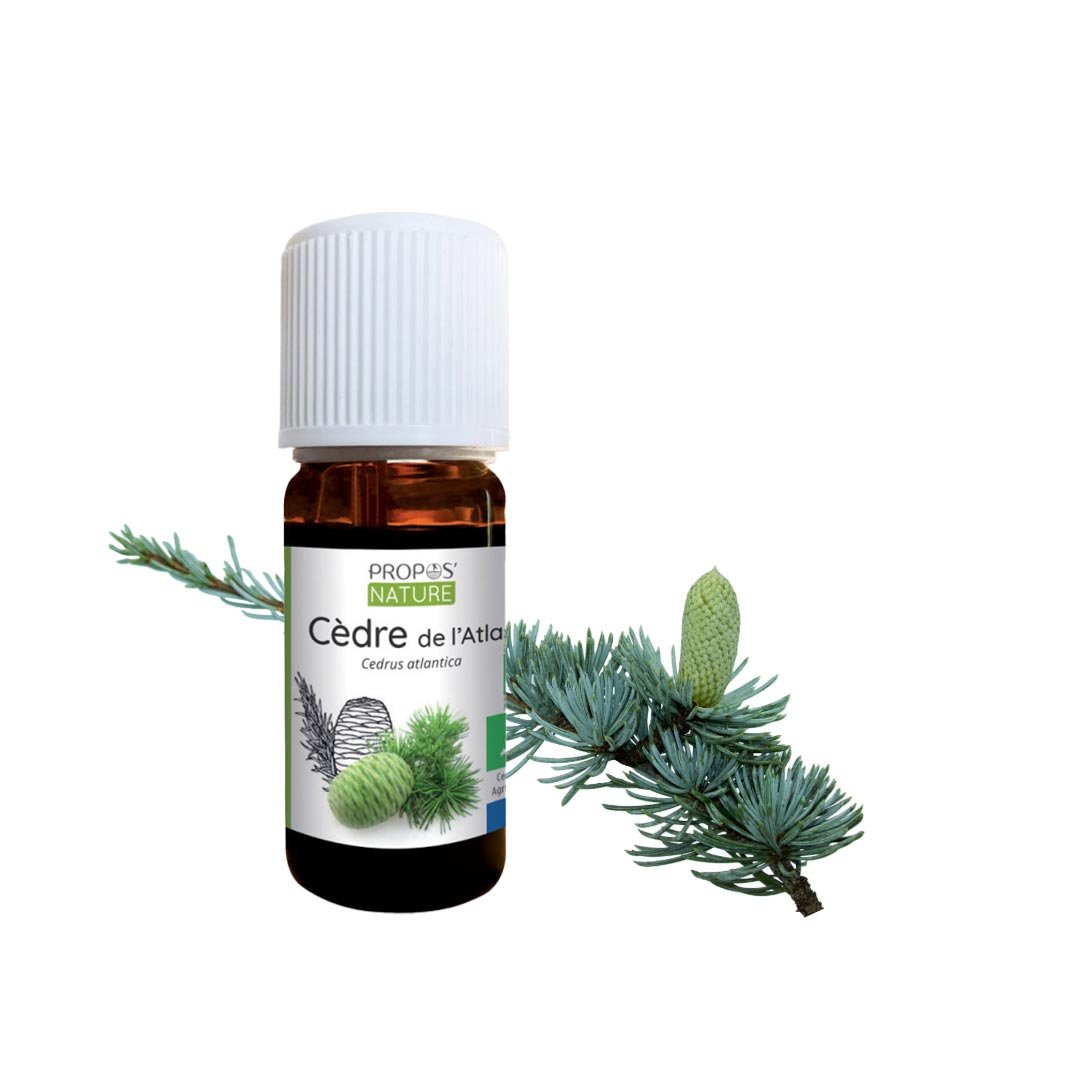
Atlas Cedarwood
Cedrus atlantica
Supports: Grounding, skin
May support skin balance and emotional grounding. Use sparingly and in low dilution.
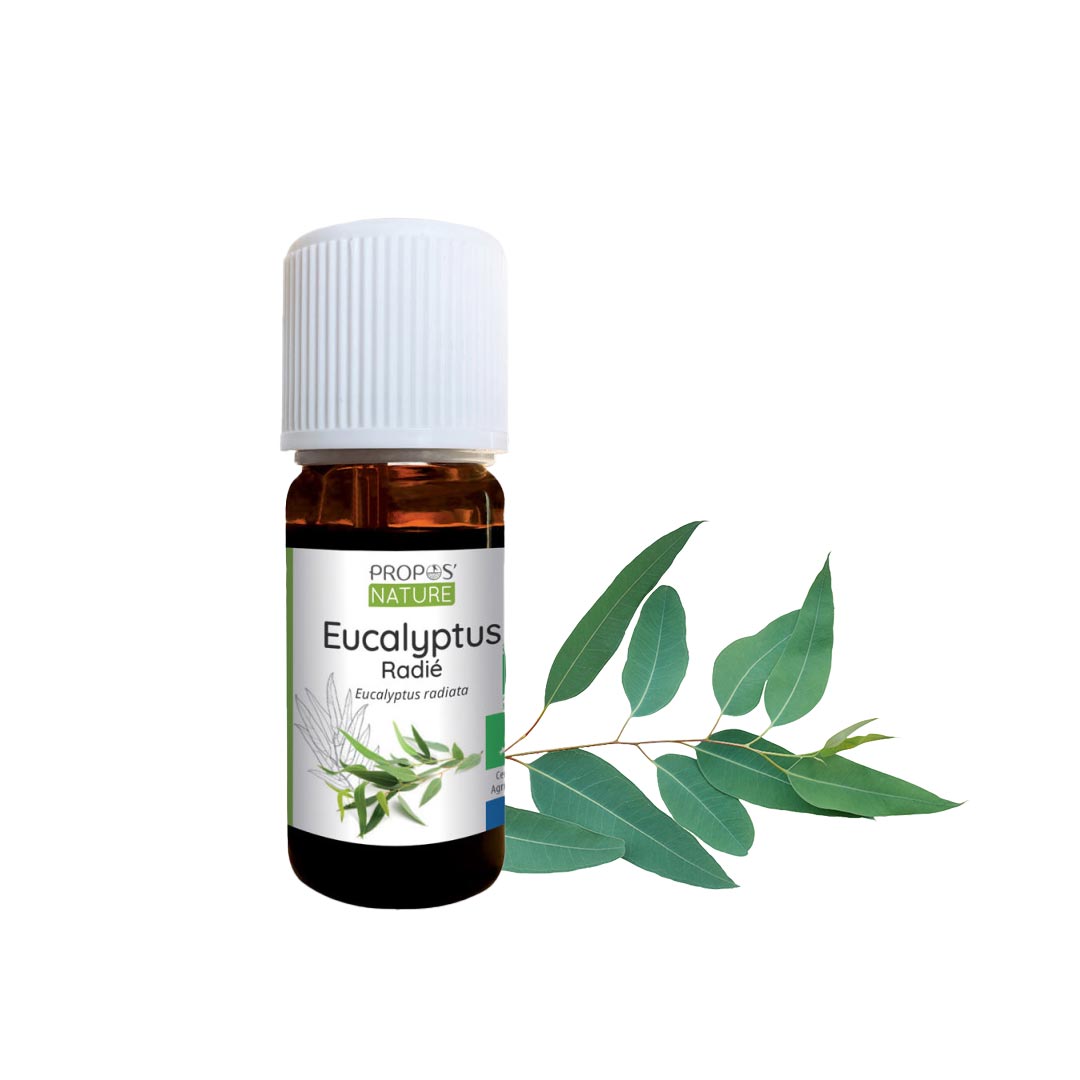
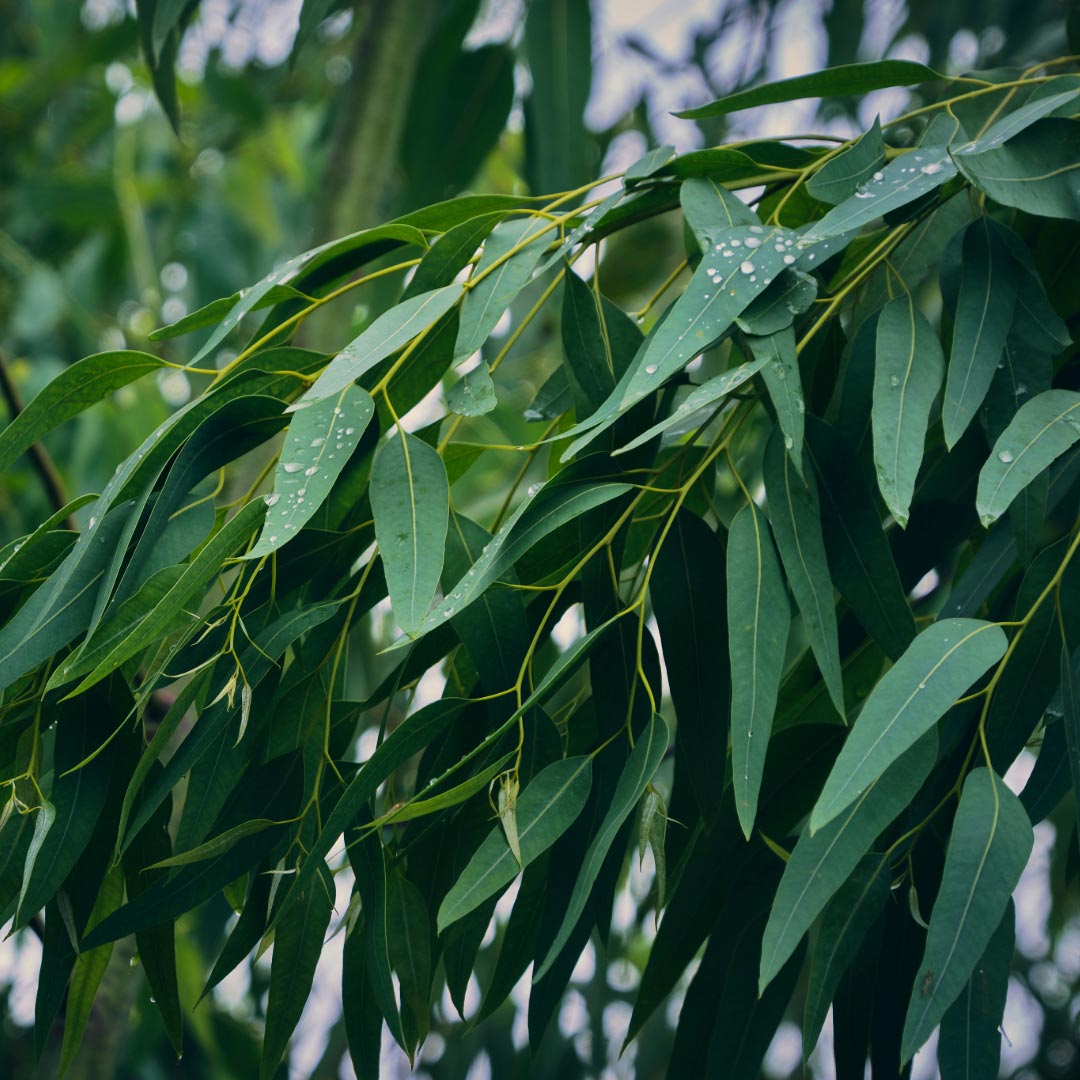
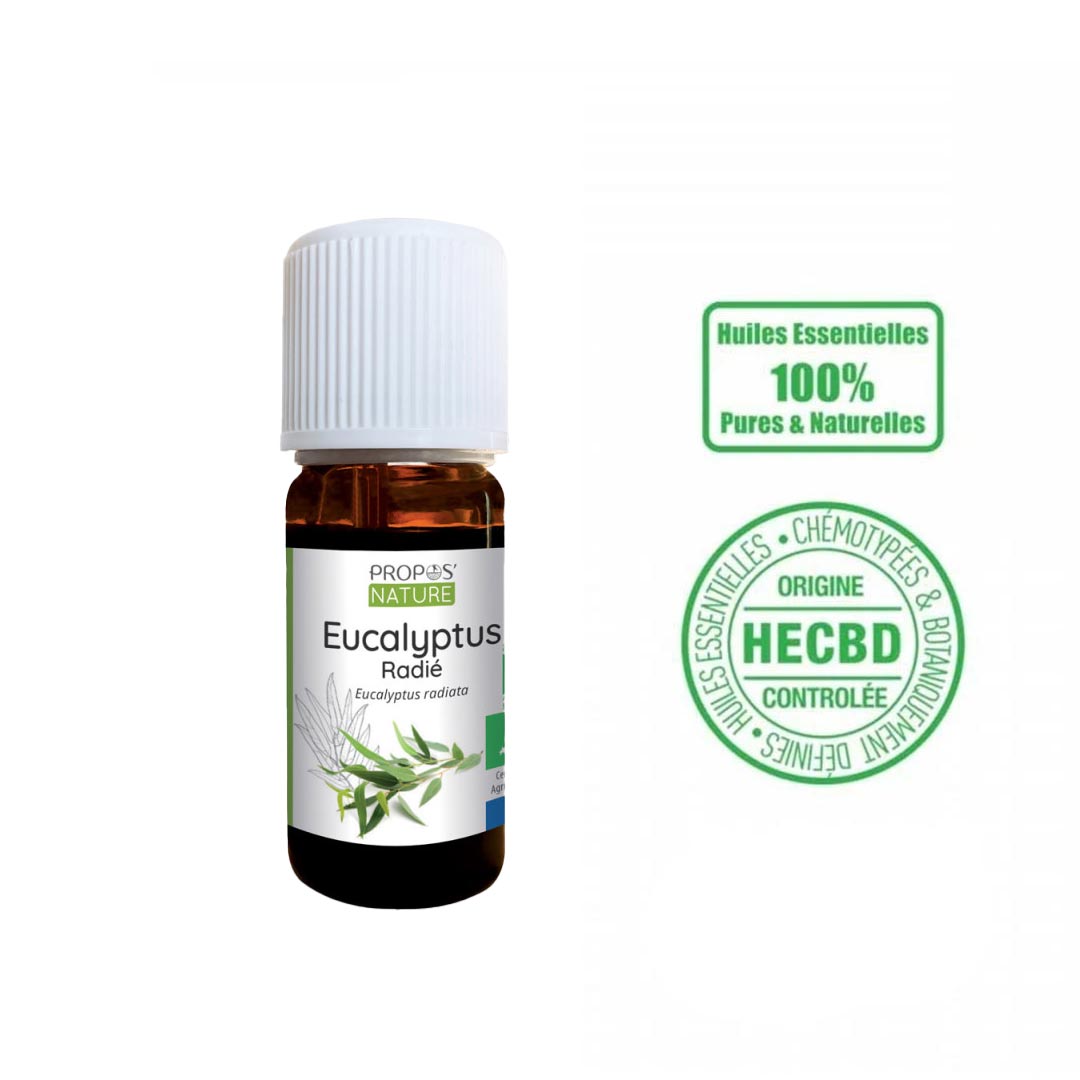
Eucalyptus Radiata
Eucalyptus radiata
Supports: Breathing
A milder eucalyptus type, but still requires cautious use and minimal exposure.
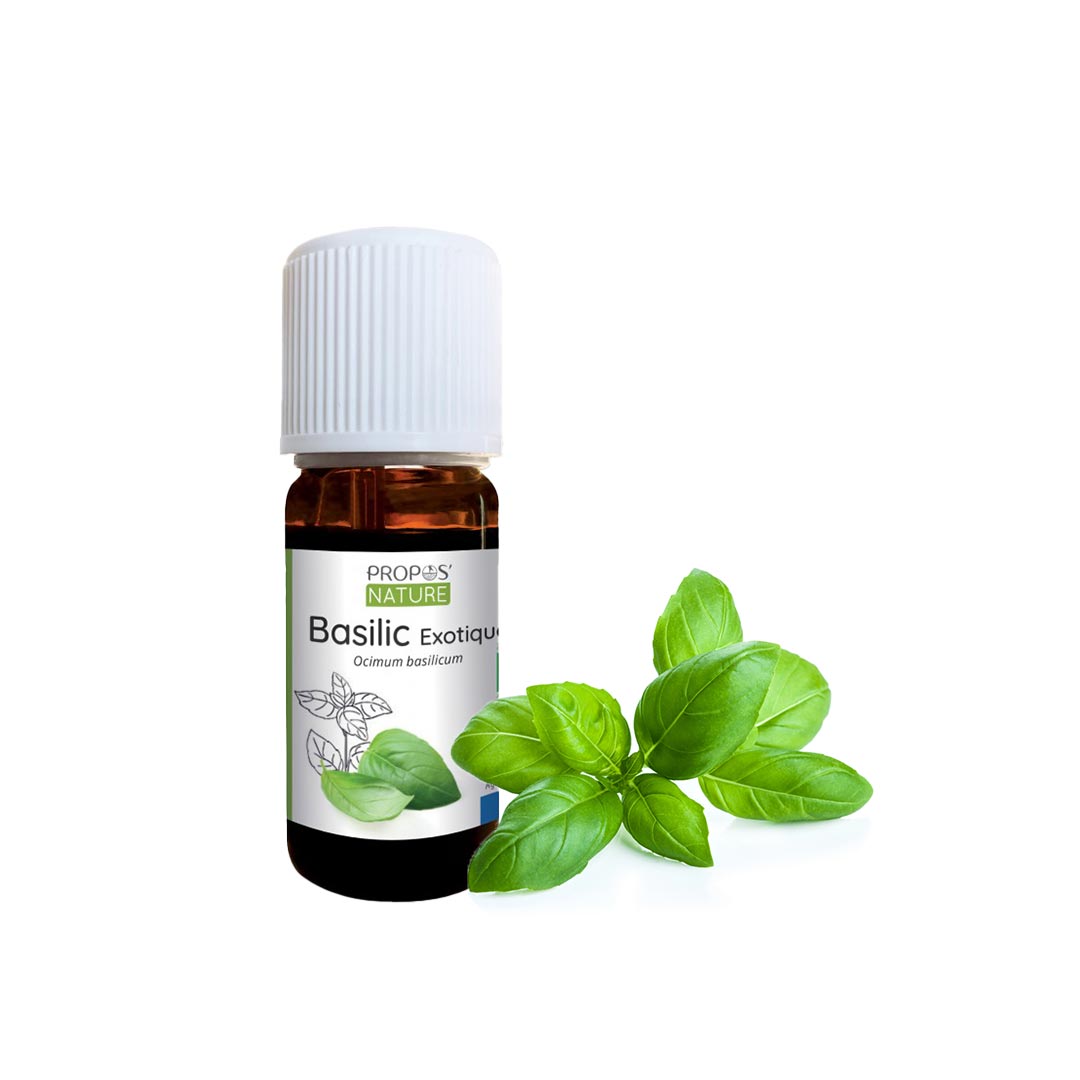
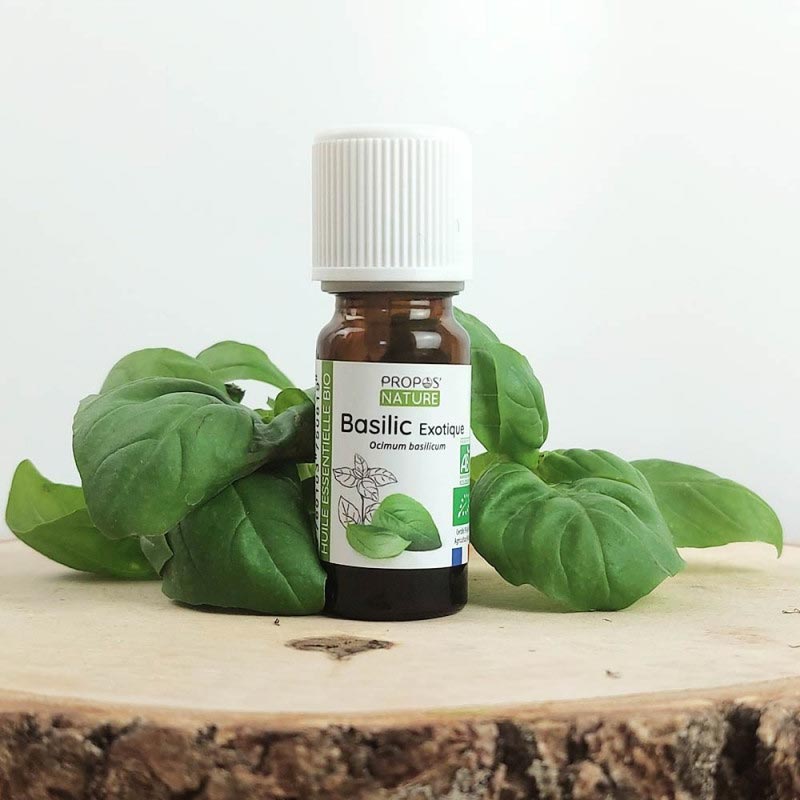
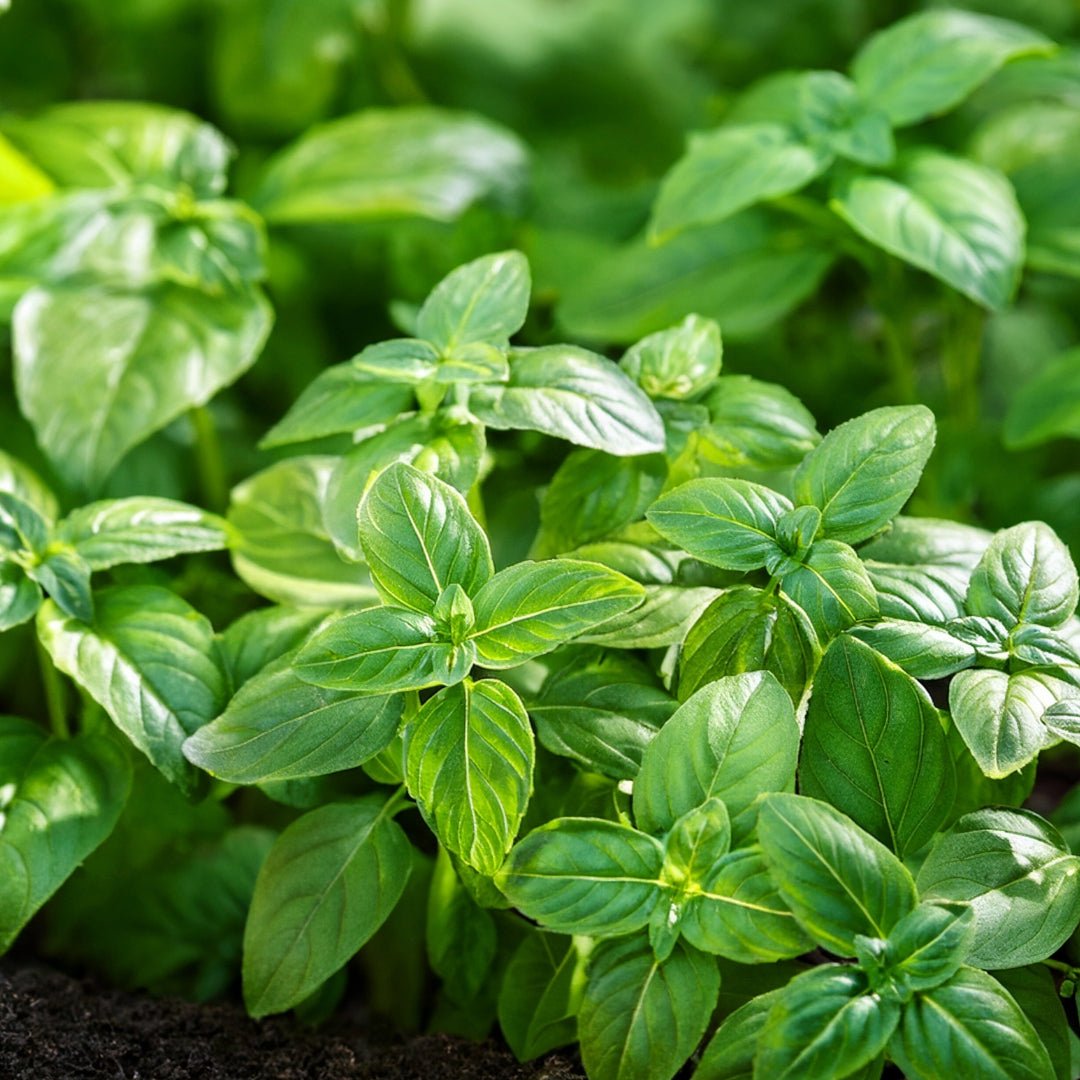
Sweet Basil
Ocimum basilicum
Supports: Digestive balance
Traditionally used for digestive support. Use occasionally and with care.
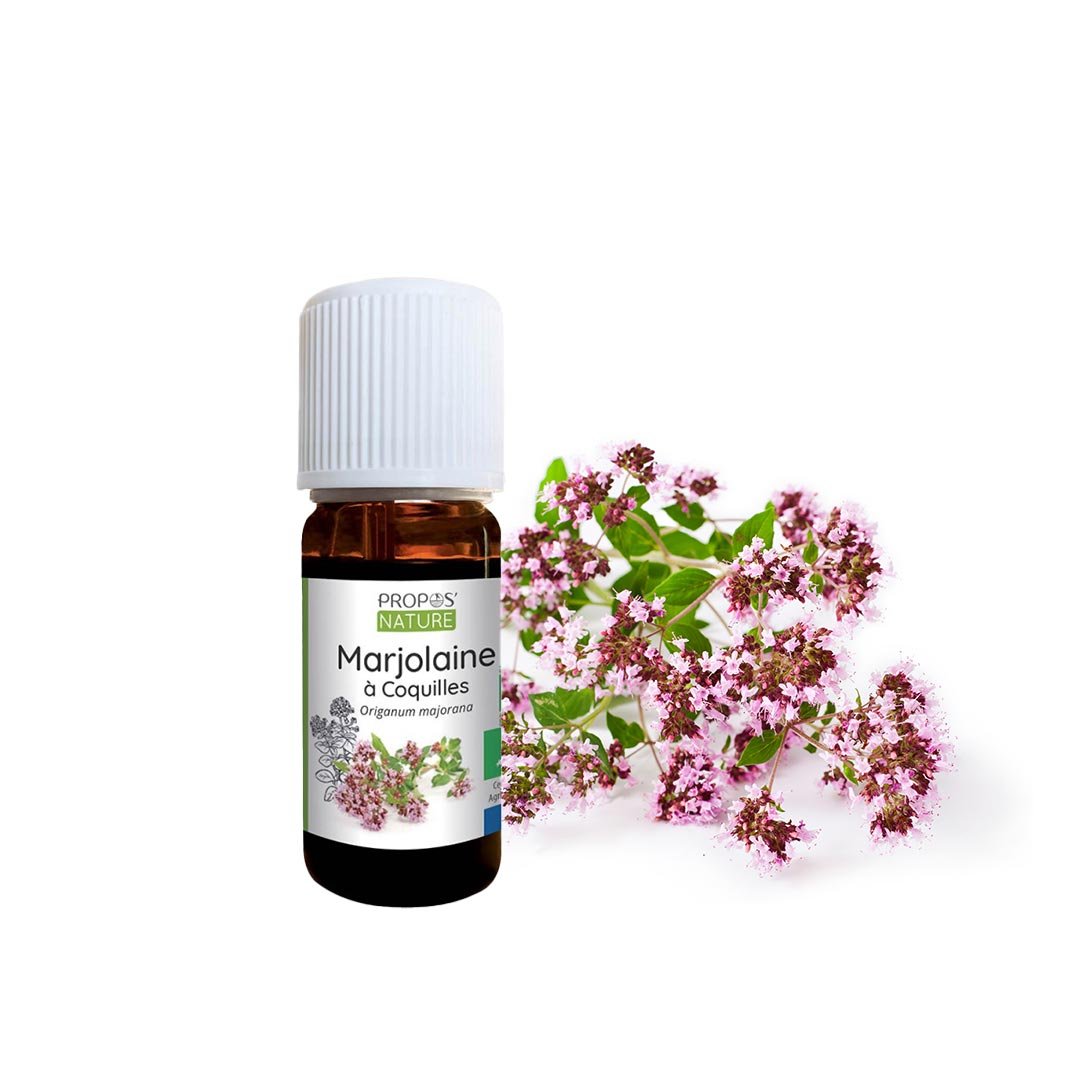
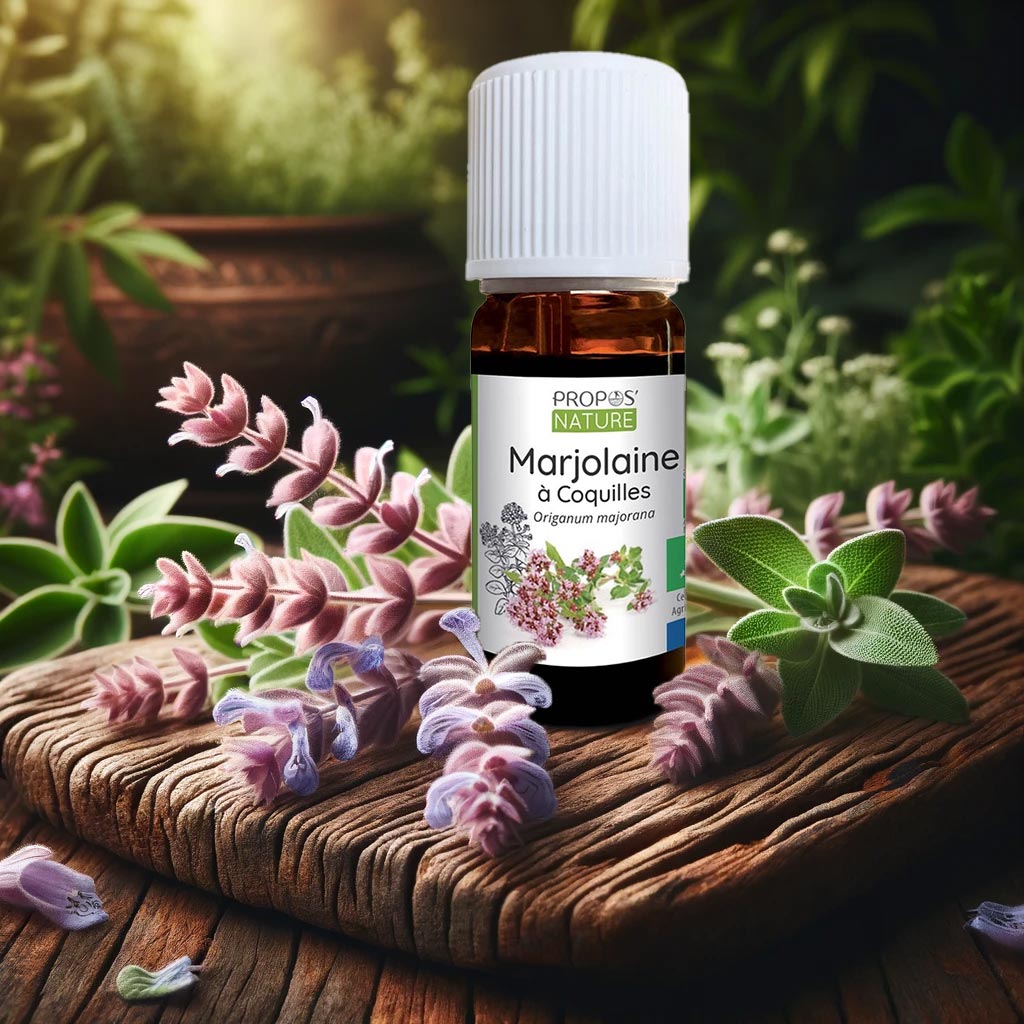
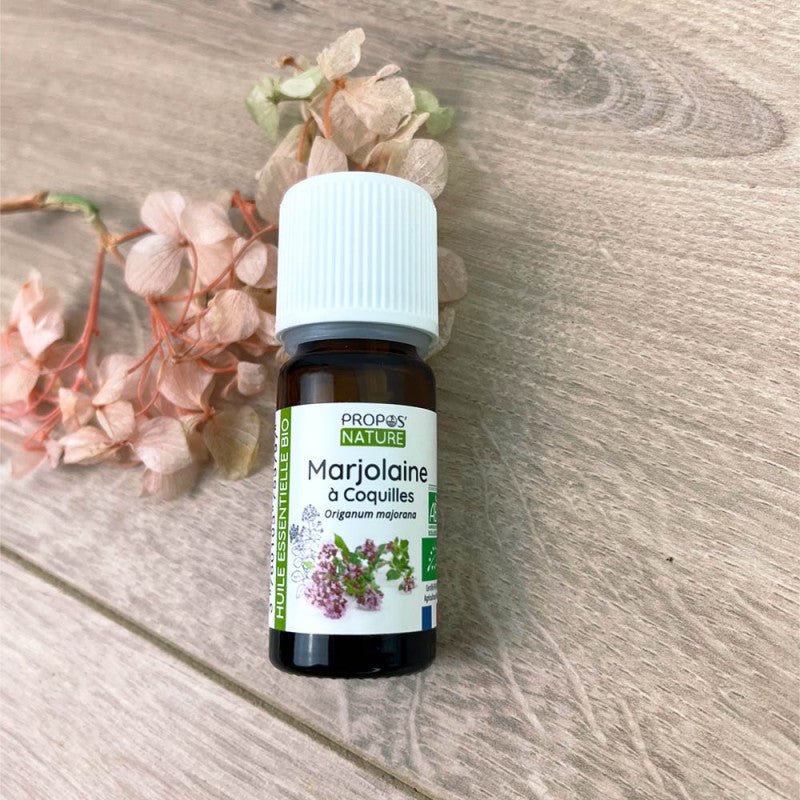
Marjoram
Origanum majorana
Supports: Relaxation, muscles
May support muscular relaxation and tension. Use with proper dilution.
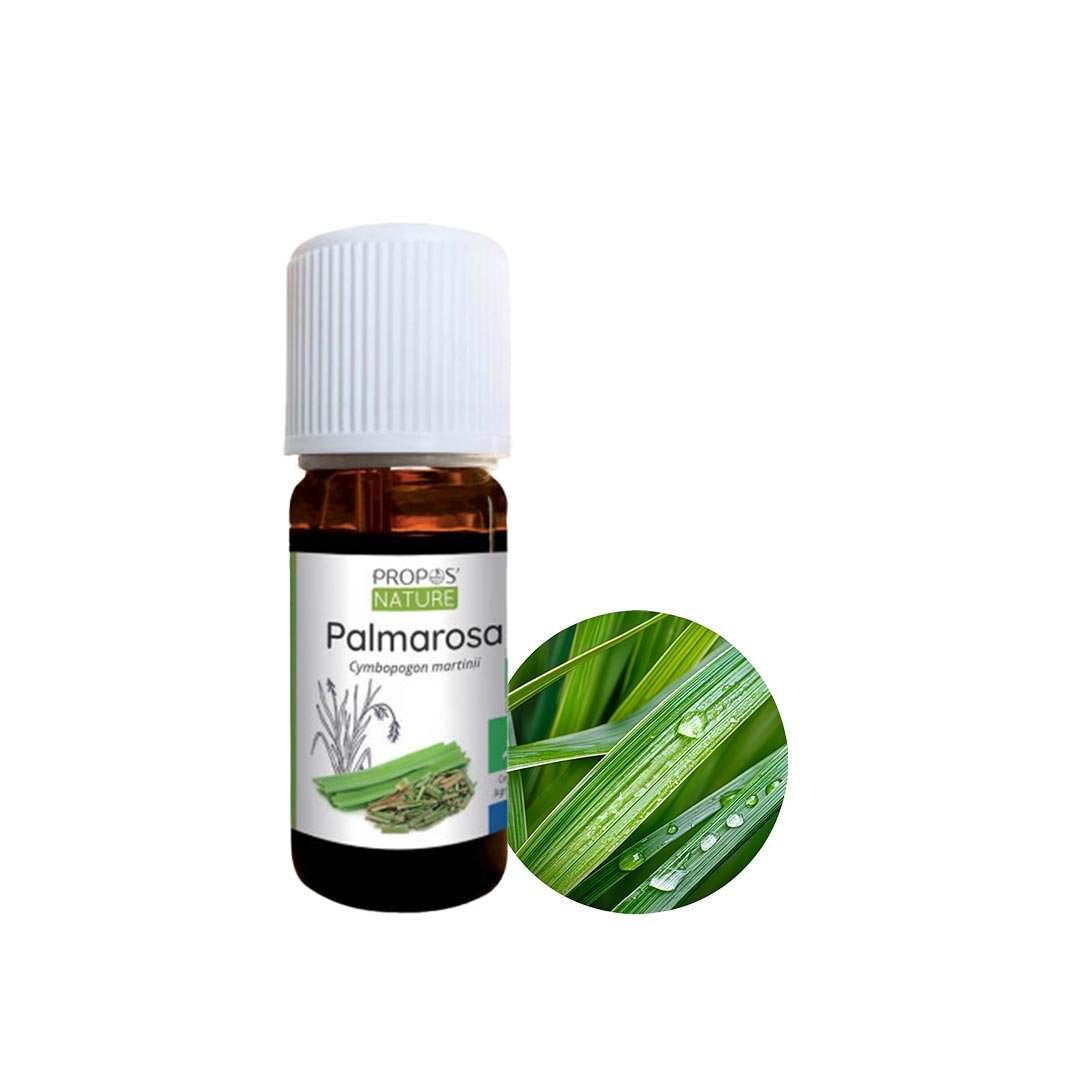
Palmarosa
Cymbopogon martinii
Supports: Skin, balance
Gentler than many oils, but still best used occasionally and diluted.
Patchouli
Pogostemon cablin
Supports: Skin, grounding
A rich oil. Use minimally and observe your cat’s response.
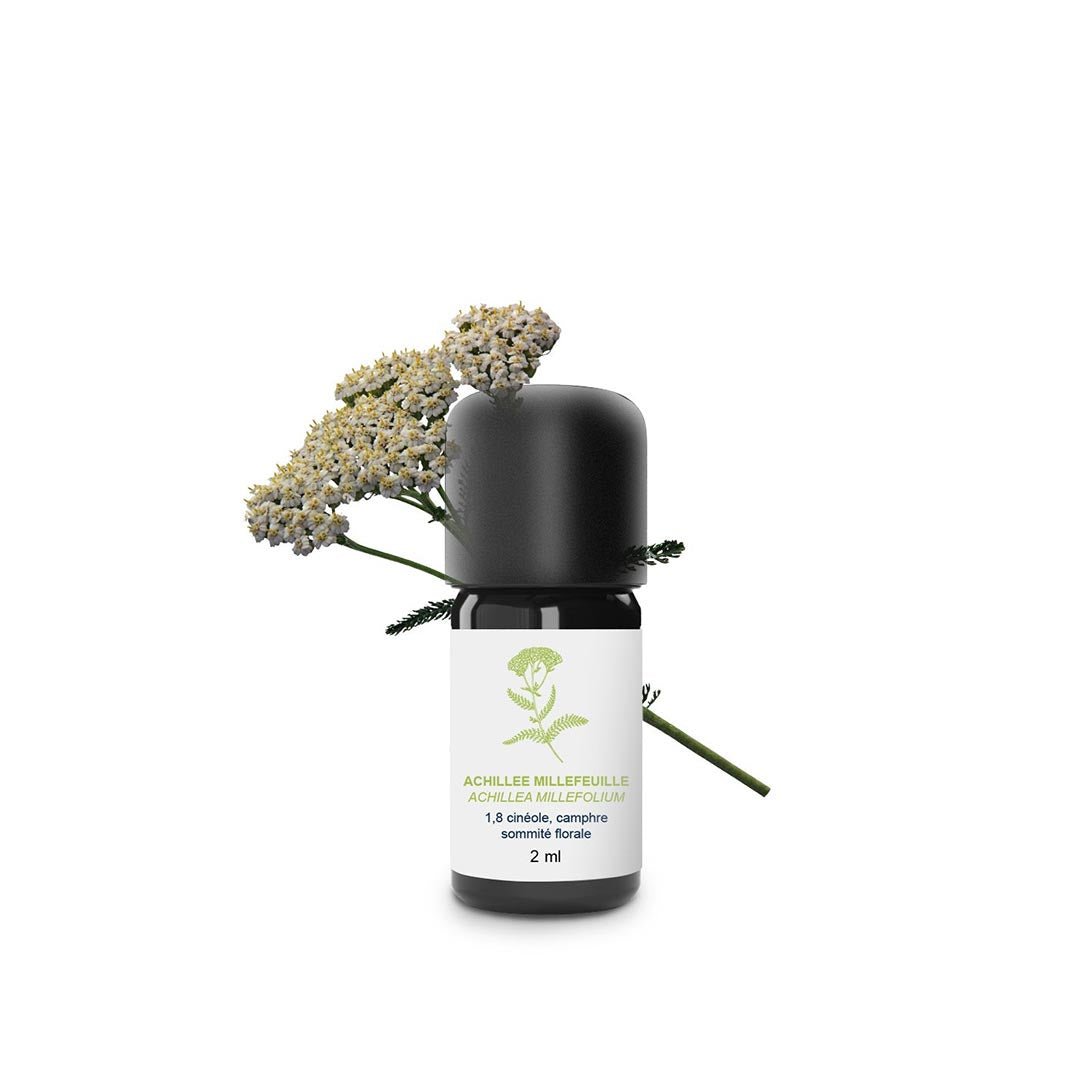
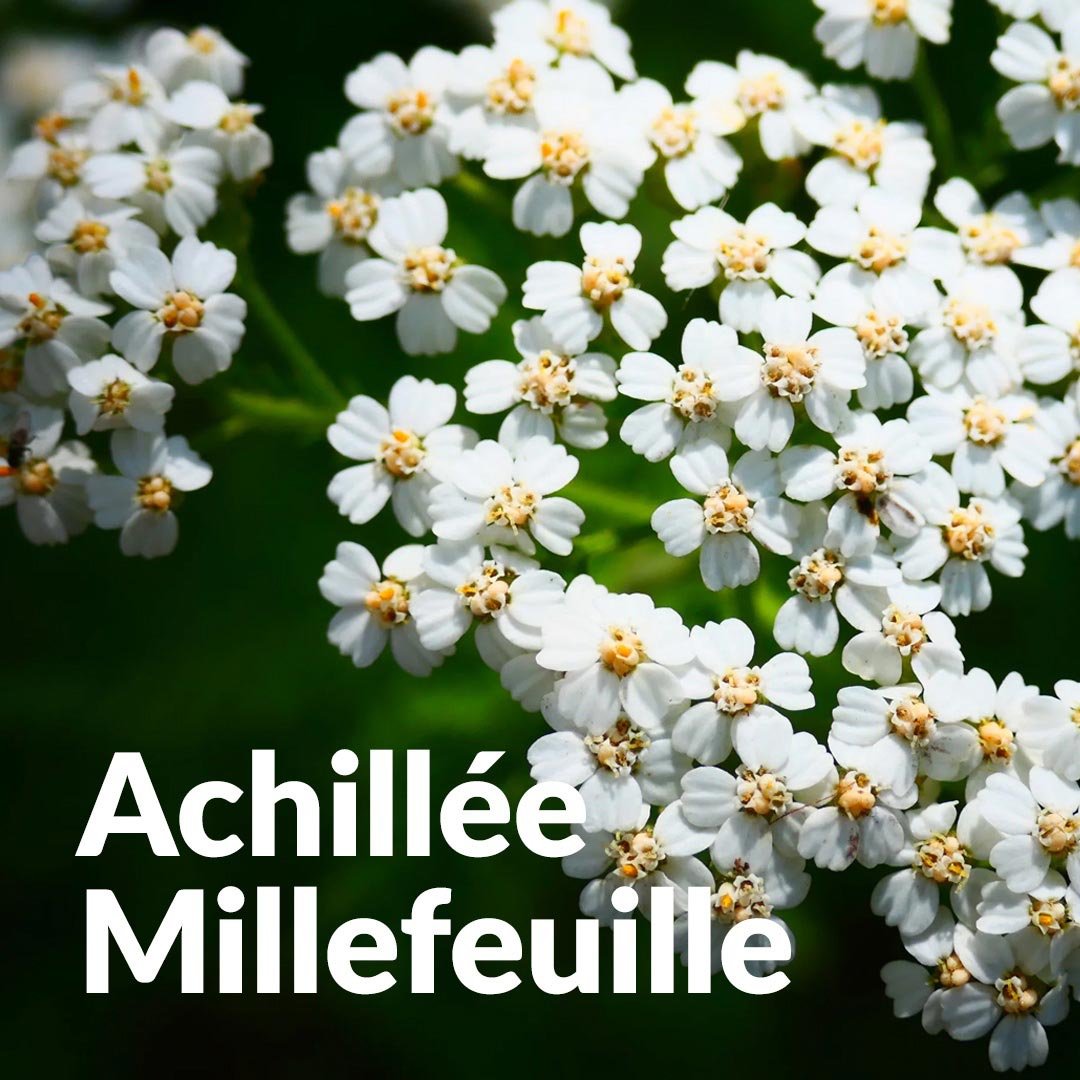
Yarrow
Achillea millefolium
Supports: Skin, inflammation
A potent oil. Use only in very low dilution.
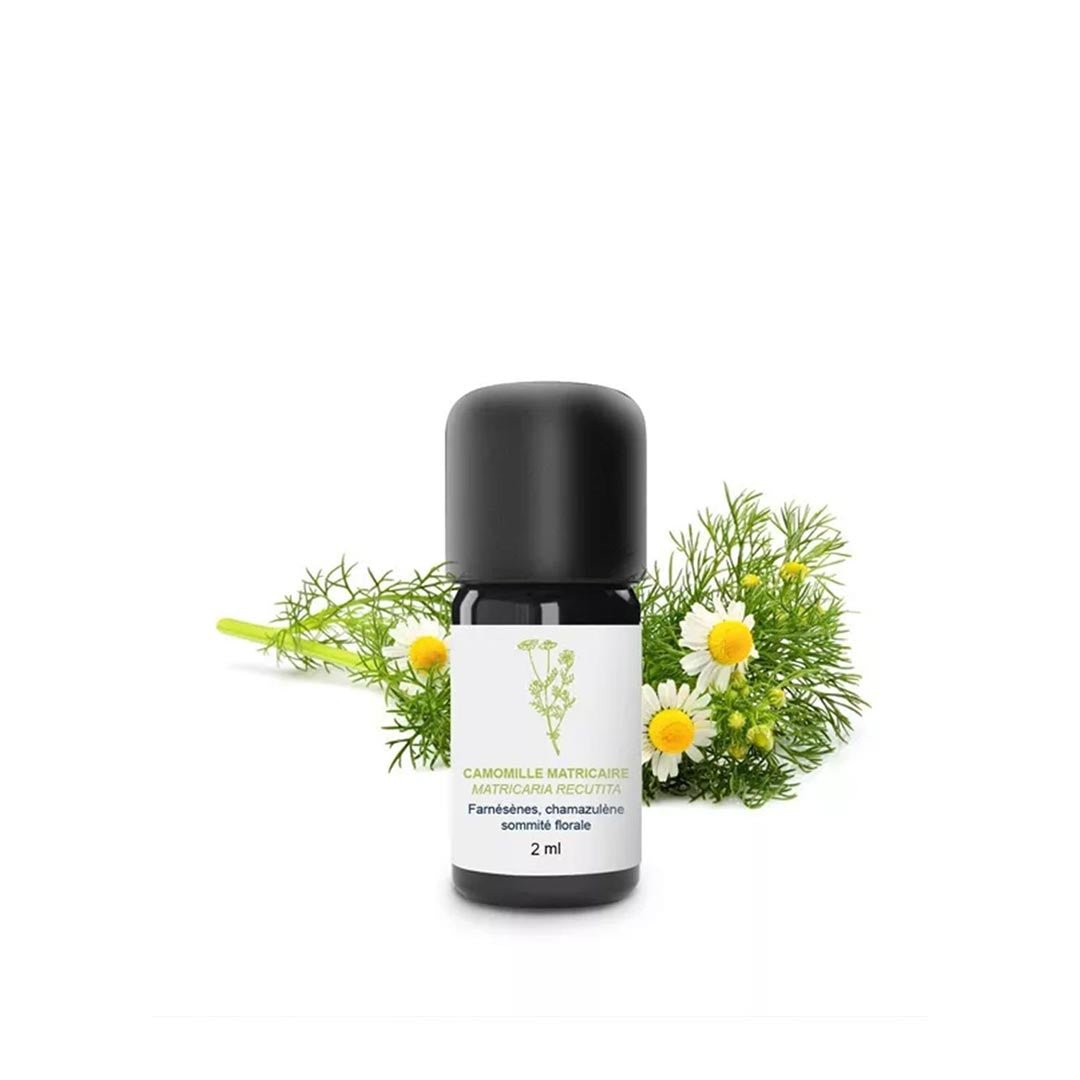
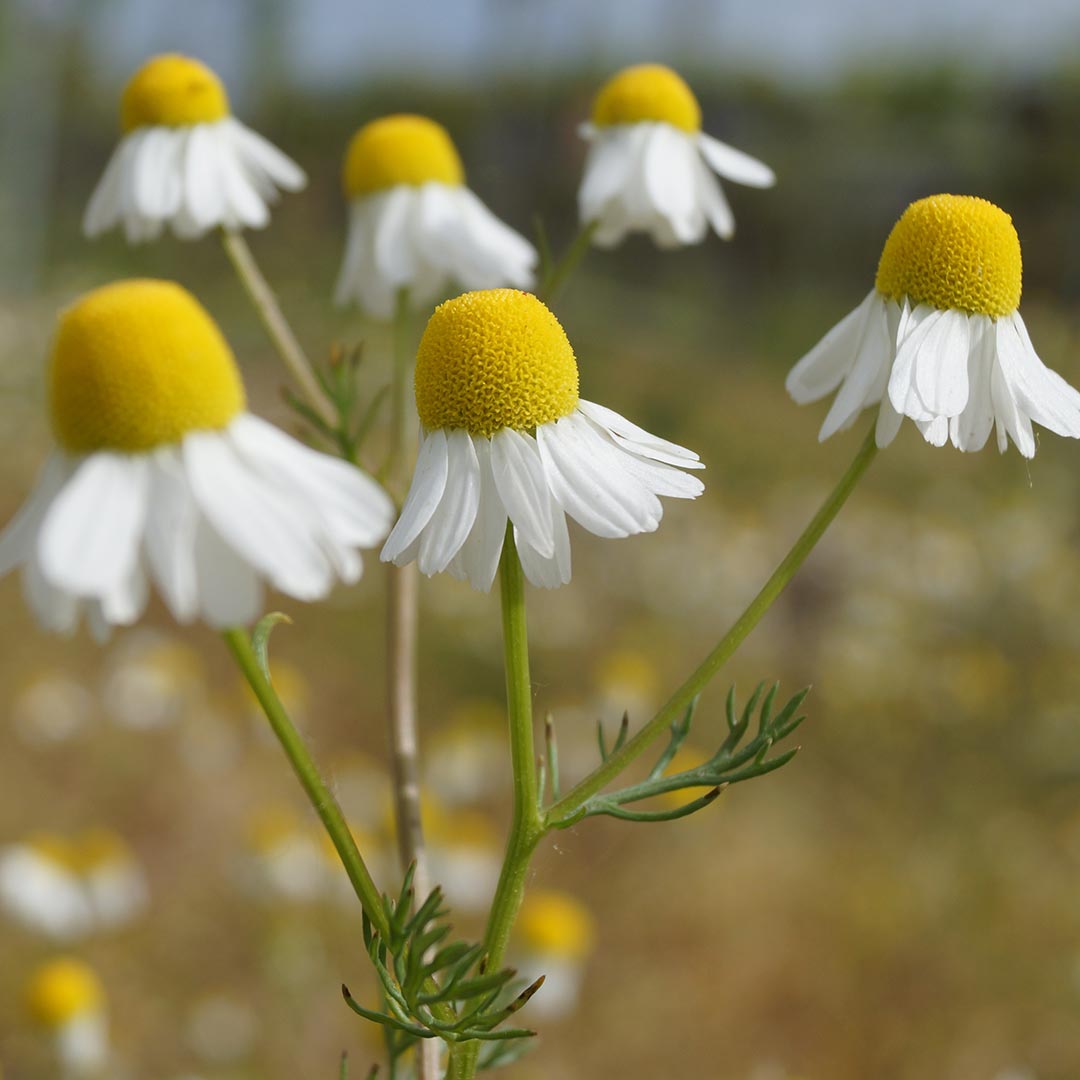
German Chamomile
Matricaria recutita
Supports: Skin, inflammation
More potent than Roman chamomile. Use with extra care.
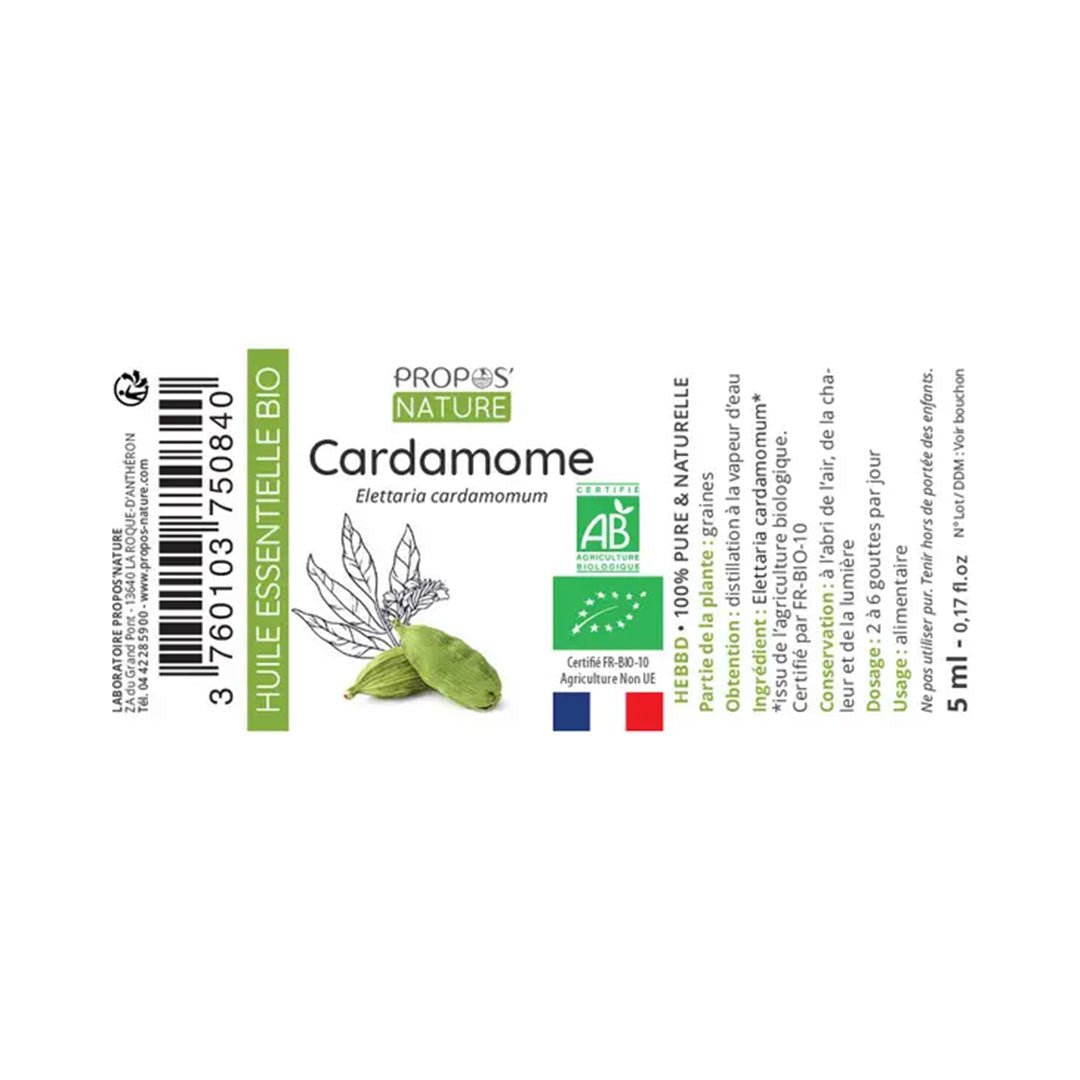
Cardamom
Elettaria cardamomum
Supports: Digestive comfort
Traditionally used for digestive imbalance. Use sparingly.
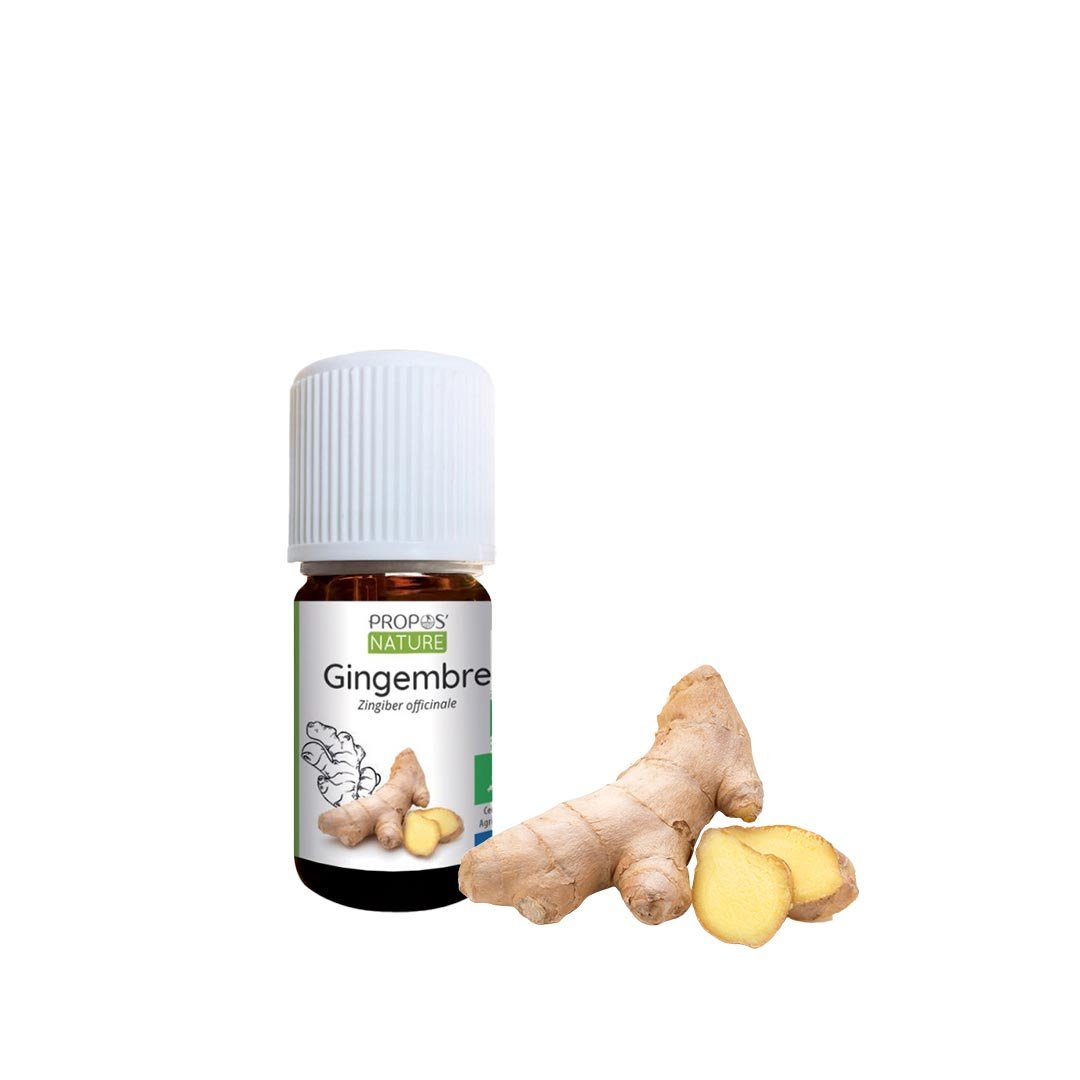
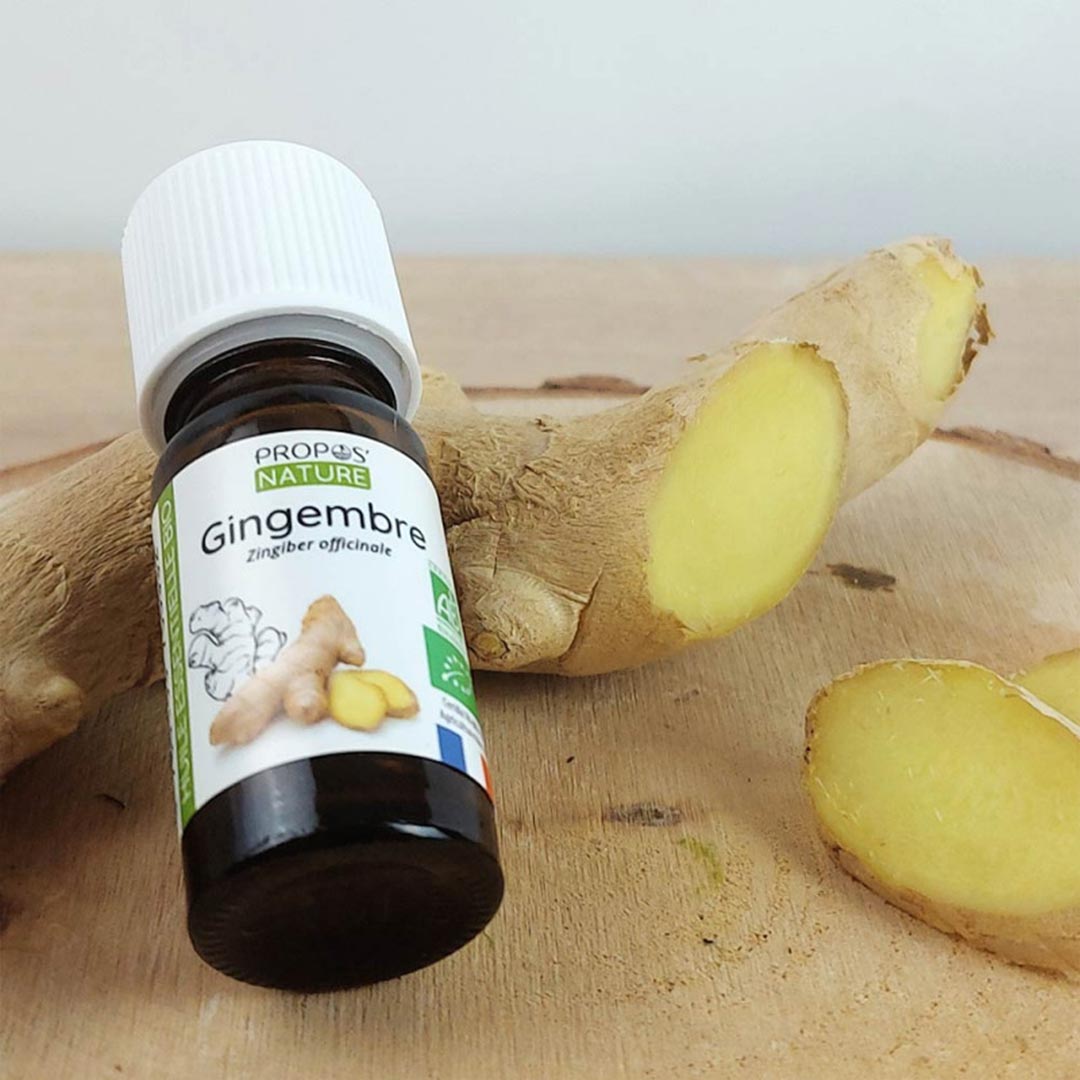
Ginger
Zingiber officinale
Supports: Digestion, joint comfort
A warming oil used when needed. Always use in very low dilution.
These oils are best reserved for occasional use. Always prioritise low dilution, gentle methods, and your cat’s natural response.




























Gentle Healing with Hydrosols
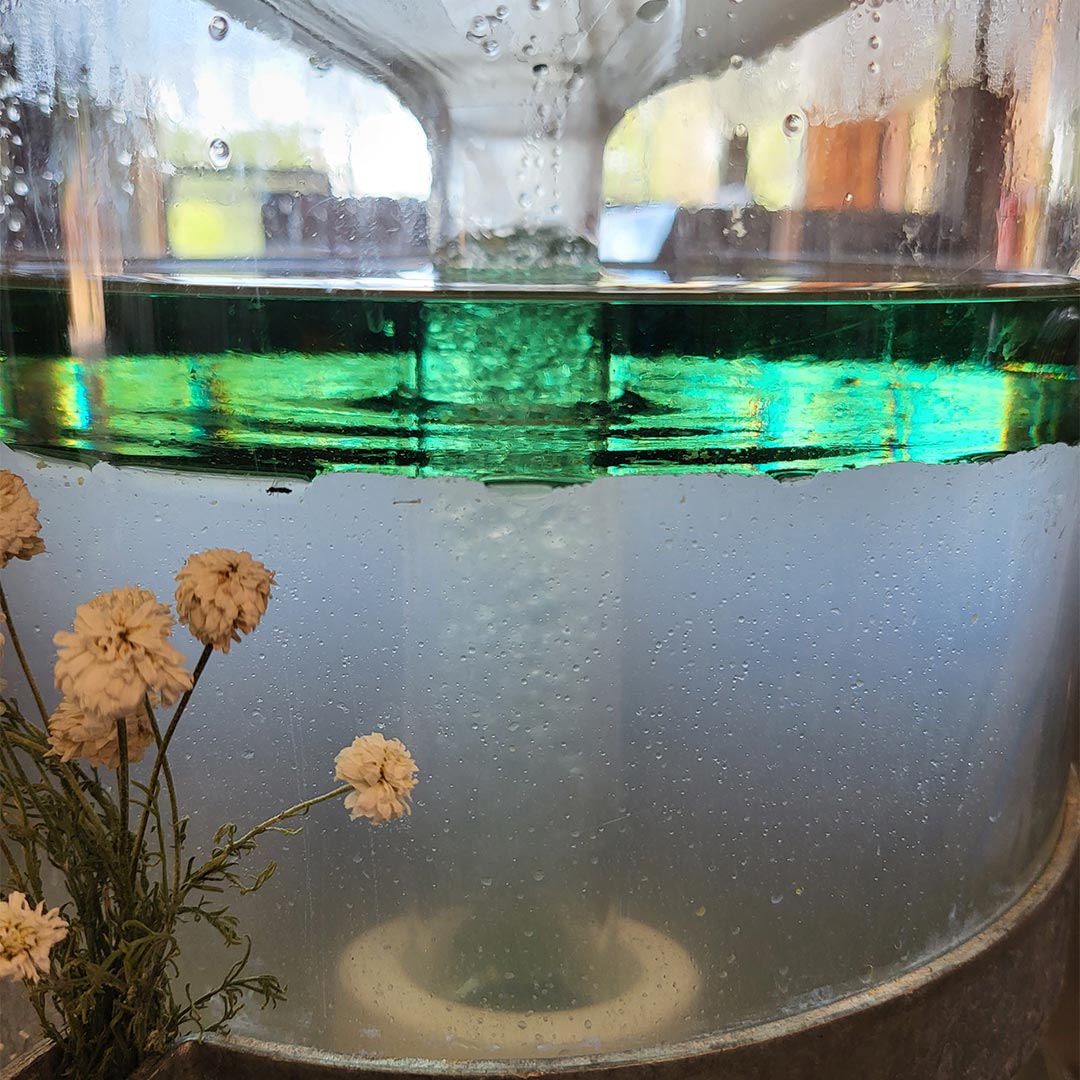
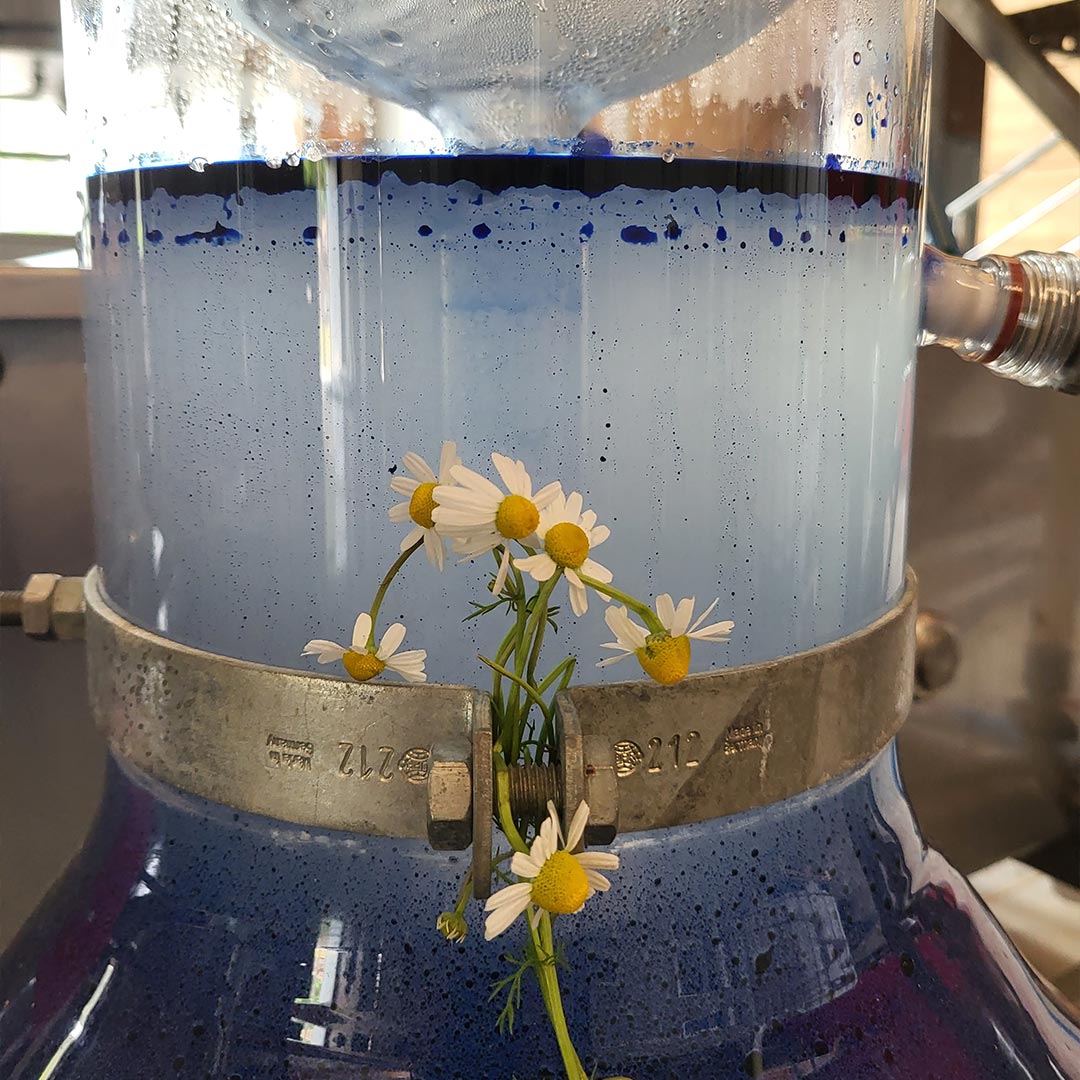
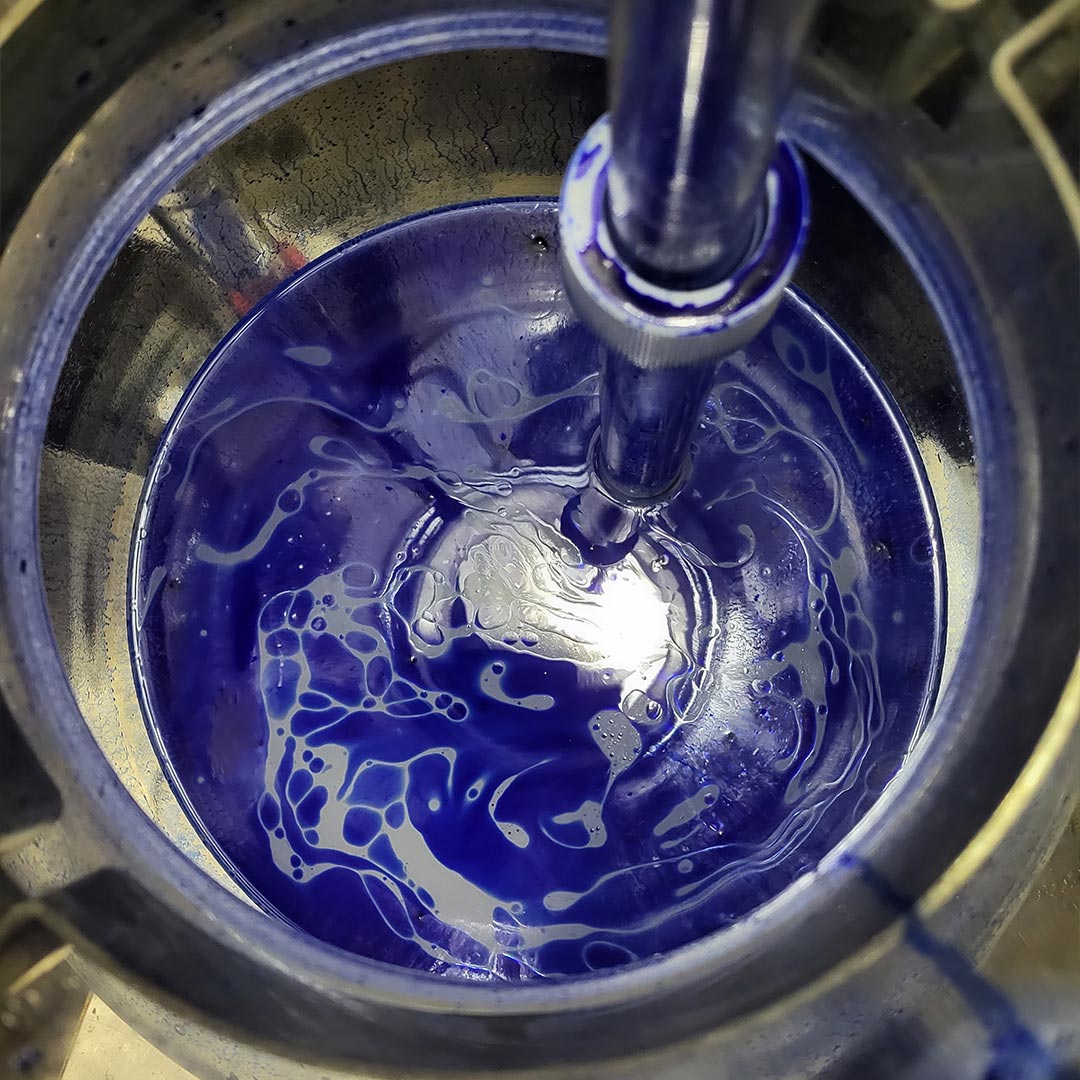
Hydrosols are nature’s gentle remedy, offering a soothing and effective way to support well-being—both for humans and our beloved pets. Unlike essential oils, hydrosols are water-based and easily absorbed by the body, making them a milder yet powerful alternative to herbs. They work quickly, bringing balance and harmony in a safe and natural way.
Hydrosols for Cats: A Safe and Soothing Choice
Many essential oils can be too strong for cats, but hydrosols offer a safe and gentle way to introduce plant-based support. Their water-soluble compounds are easily processed and excreted by the body, making them a wonderful tool for feline wellness.
You can add a few drops of a calming hydrosol to a bowl of water, allowing your cat to sniff or sip as she pleases. If your cat experiences stress when you're away, a relaxing hydrosol can provide comfort. For joint stiffness or discomfort, a touch of ginger hydrosol can bring soothing relief. In multi-cat households, bowls of diluted hydrosol placed around the home can help ease tension, allowing each cat to interact with it as needed.
For an even simpler method, spritz a little hydrosol into a water bowl, on your hands, or into the air and let your cat decide how to engage. Some cats may enjoy rubbing against your hands when misted with a hydrosol, absorbing the benefits energetically.
If you have a shy or withdrawn cat who prefers space, placing a bowl of hydrosol-infused water nearby can be a gentle way to encourage interaction without pressure. Just be sure to always offer a plain bowl of water alongside it, so your cat has the freedom to choose.
How to Dilute Hydrosols for Cats
To prepare a hydrosol for your cat, fill a small bowl or saucer with about 100ml of water. Add 3 to 4 drops of the selected hydrosol but do not stir - this allows your cat to choose their preferred intensity. They may opt to sniff the stronger aroma near the dispersing drops or drink from a milder area further away.
If your cat seems intrigued but looks back at the undiluted bottle after sniffing the bowl, they may want a slightly stronger concentration. In that case, you can add a few more drops, up to a maximum of 10 drops per 100ml of water.
Hydrosols for Skin and Home
Hydrosols are not just for emotional support - they’re also wonderful for skin and home care. Once diluted, they can be applied topically to soothe skin irritations, calm itchiness, or even repel pests. They also make an excellent natural air freshener that is safe for both you and your feline friends.
With their gentle healing touch, hydrosols are a beautiful way to nurture balance, whether you're supporting your own wellness or creating a tranquil, harmonious space for your pets.