
Fertility
Preparing for pregnancy is about more than one product or one nutrient. Fertility is influenced by many factors, and both female and male reproductive wellbeing form part of the picture.
At Elliotti, we take a holistic approach to this important stage of life. This collection brings together carefully selected botanicals, food supplements and natural products that may form part of a thoughtful preconception and wellbeing routine.
Nutrition, everyday habits, rest and emotional wellbeing can all be considered when preparing for pregnancy. You will also find products rooted in European herbal traditions and other holistic practices, allowing you to explore different approaches according to your individual needs and preferences.
Each product in this collection has its own purpose, ingredients and directions for use. Explore the individual product pages to learn more about what each product is, how it is traditionally or practically used, and how it may fit into your routine.
Preparing for pregnancy naturally
A preconception routine can begin well before pregnancy. Rather than focusing on a single product, it can be useful to look at everyday nutrition, lifestyle, rest and the environment around you.
A varied, nutrient-rich diet provides the nutritional foundation, with particular attention to nutrients such as zinc, vitamin D, vitamin E and essential fatty acids. Choosing organic foods where possible can also be part of a conscious approach to reducing unnecessary exposure to pesticides and other environmental substances.
Rest matters too. Persistent stress and insufficient sleep can affect many aspects of everyday wellbeing, so creating space for recovery, movement, time outdoors and restorative routines can be valuable when preparing for pregnancy.
And fertility is not solely a women's subject. Preconception is a shared stage, and the nutrition, lifestyle and general wellbeing of both partners deserve consideration.
Botanical traditions and fertility
Plants have also been part of reproductive and preconception traditions for generations. Different herbal systems use different plants and preparations, and their traditional roles can vary considerably.
At Elliotti, you will find several types of botanical products, including plant extracts, bud extracts, essential oils, hydrosols and botanical oils. They should not all be understood or used in the same way. Some are taken internally, while others are intended for aromatic, topical or ritual use.

Pregnancy can only occur during a relatively small fertile window in each menstrual cycle, centred around ovulation. Understanding your own cycle can therefore be one of the most useful places to begin when trying to conceive.
Ovulation usually happens once during a menstrual cycle, when an egg is released from the ovary. The days leading up to ovulation are particularly important because sperm can remain viable in the female reproductive tract for several days, while the egg has a much shorter lifespan after ovulation.
Rather than assuming that ovulation always occurs on day 14, it is more useful to become familiar with your own cycle. Cycle length varies from woman to woman and can also vary from one month to another.
Changes in cervical mucus, basal body temperature and ovulation tests are among the methods women commonly use to become more familiar with the timing of ovulation.
Preparing your body before pregnancy
Preconception is the period before pregnancy, and it is a valuable time to look at your everyday foundations.
A varied, nutrient-rich diet, sufficient rest, regular movement and attention to stress all form part of a holistic preconception routine. Traditional naturopathic approaches also place importance on reducing unnecessary exposure to tobacco, pesticides and other environmental substances.
Nutritional needs deserve particular attention during this stage. Nutrients including folate, zinc, iodine, vitamin D and essential fatty acids all have established roles in normal body functions, although their individual relevance and permitted claims depend on the nutrient and product.
The goal is not to create a “perfect” body before conception. It is to use the months before pregnancy as an opportunity to nourish yourself well and establish habits that can continue into pregnancy.
Fertility is not only about women
When pregnancy does not happen immediately, attention often falls on the woman. But conception involves two people.
Male reproductive health is part of the fertility picture too, which means preconception nutrition and lifestyle are relevant for both partners.
For couples preparing for pregnancy, a holistic approach therefore makes more sense when both partners participate rather than placing the entire responsibility on the woman.

Stress, sleep and the fertility journey
Trying to become pregnant can gradually turn something intimate into schedules, calculations and monthly anticipation.
Rest and emotional wellbeing therefore deserve a place in a preconception routine, not because a woman should be told to “just relax and you'll get pregnant”, but because sleep, recovery and stress management are important parts of overall wellbeing.
Simple routines such as regular sleep, time outdoors, gentle movement, breathing practices, meditation or other activities that genuinely help you unwind can become valuable anchors during this period.
What changes with age?
Female fertility naturally changes with age. Women are born with their lifetime supply of eggs, and both the number and quality of the remaining eggs gradually decline over time.
Fertility is generally highest in the twenties and early thirties. The decline becomes more noticeable from the mid-thirties and continues thereafter. This does not mean that fertility suddenly changes at a particular birthday, but it can mean that conception takes longer as we get older.
Age also influences the likelihood that an egg will have the correct number of chromosomes. This is one reason why the chances of pregnancy and live birth decrease with increasing maternal age, while the likelihood of miscarriage increases.
There is no single test that can tell a woman exactly how fertile she is. Tests of ovarian reserve can provide information about the remaining egg pool, but they cannot reliably predict whether an individual woman will conceive naturally.
From the mid-thirties onwards, time becomes a more important consideration. If pregnancy has not occurred after six months of regular unprotected sex from around the age of 35, fertility guidelines generally recommend seeking an evaluation rather than waiting a full year.
Age is important, but it is only one part of the fertility picture. Ovulation, menstrual cycle patterns, reproductive health, sperm health and individual circumstances all matter too.
How long does it normally take to become pregnant?
For some couples, pregnancy happens quickly. For others, it takes several months, even when there are no known fertility problems.
More than 8 in 10 couples where the woman is under 40 will conceive naturally within one year when having regular unprotected sex. Of those who do not conceive during the first year, around half will conceive during the second year.
The chance of conception is generally highest during the first few months of trying. Research suggests that approximately 80% of couples conceive within the first six months.
Regular sex throughout the cycle can be a simple approach. Having sex every two to three days means there is usually no need to identify the exact day of ovulation. For couples who prefer to follow the fertile window more closely, the highest chance of conception is around ovulation, particularly during the days leading up to it.
If pregnancy has not occurred immediately, it does not necessarily mean that something is wrong. Age, ovulation, sperm health and individual reproductive circumstances can all influence how long conception takes.
As a general guideline, a fertility evaluation is recommended after 12 months of trying when the woman is under 35, and after six months from age 35. An earlier evaluation can be appropriate when there is already a known reason to be concerned about fertility, such as irregular or absent periods, endometriosis or known male fertility issues.
Botanical traditions and fertility
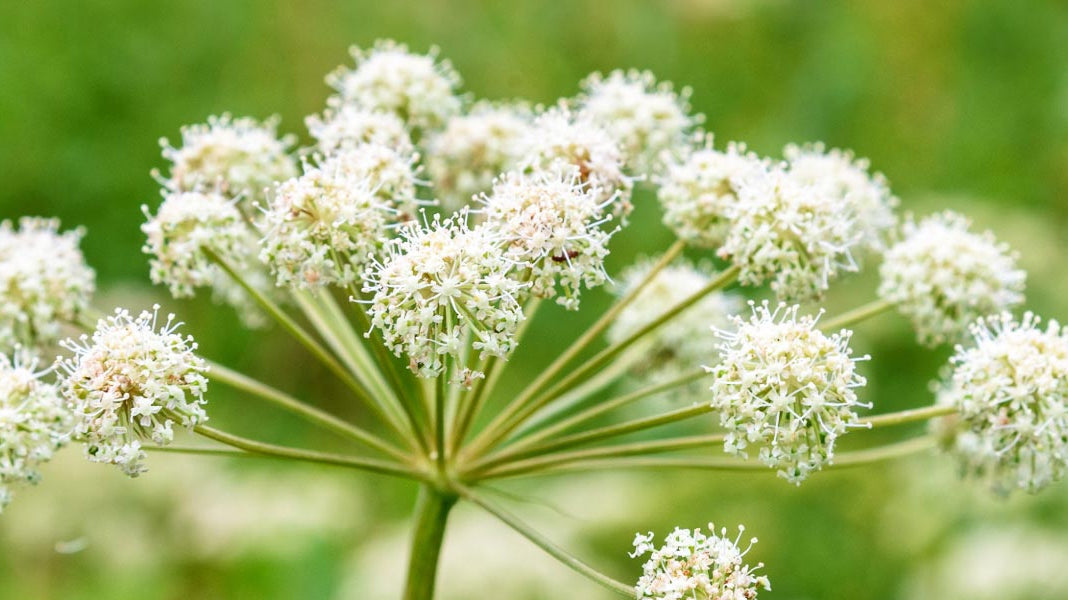
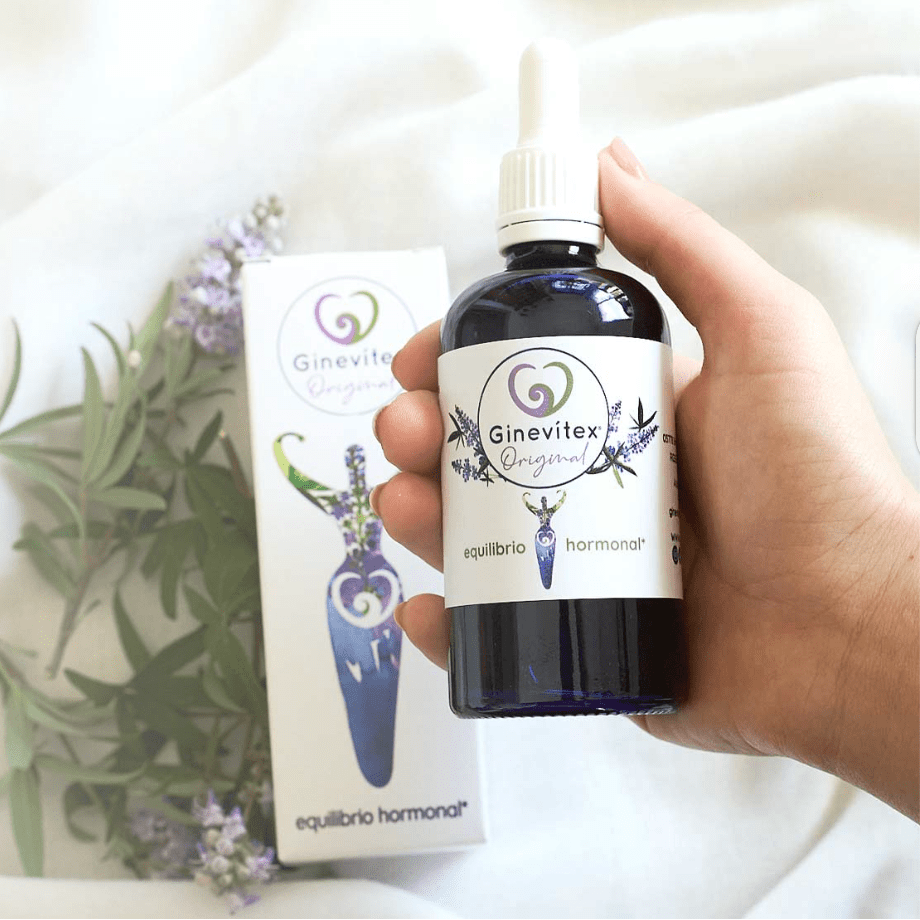
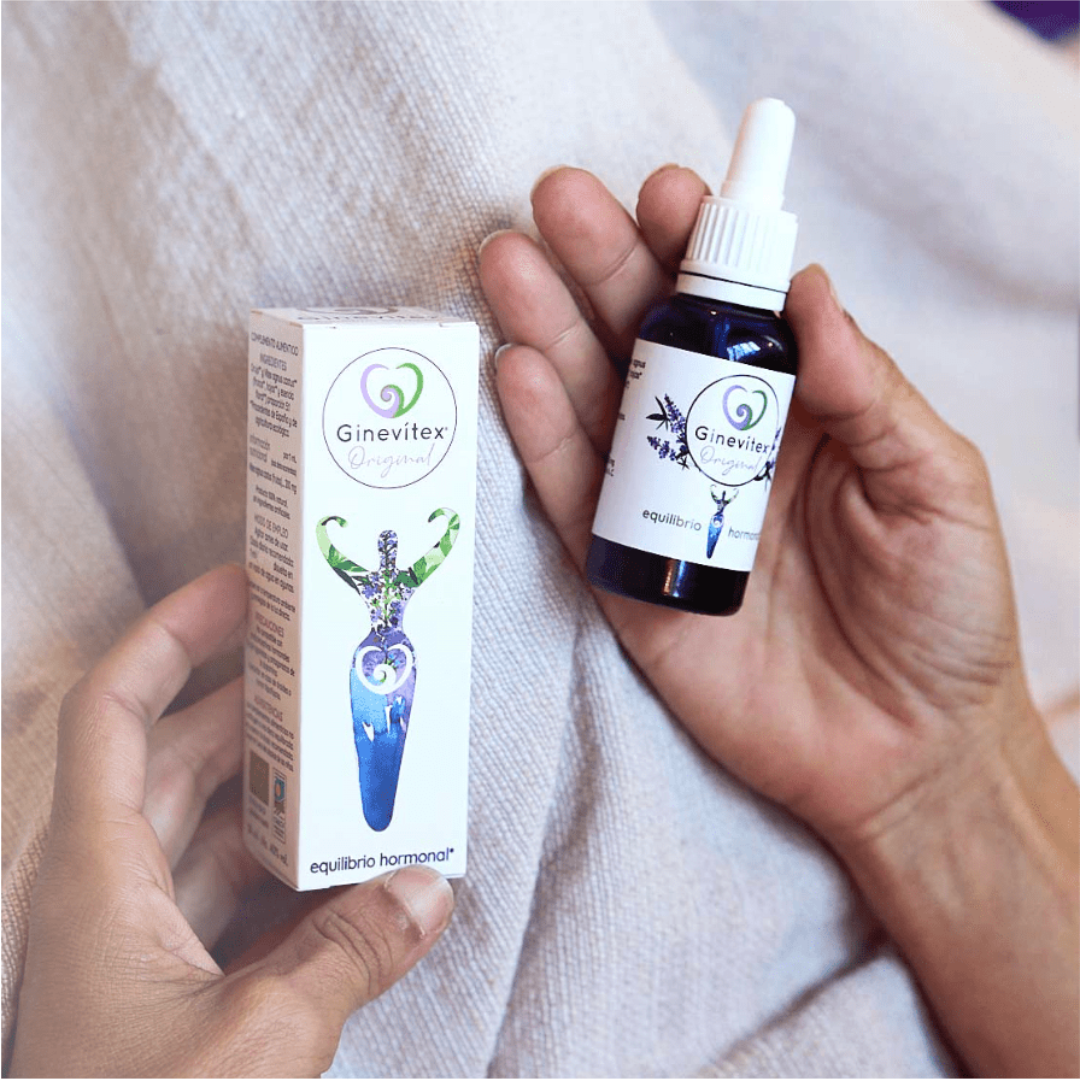
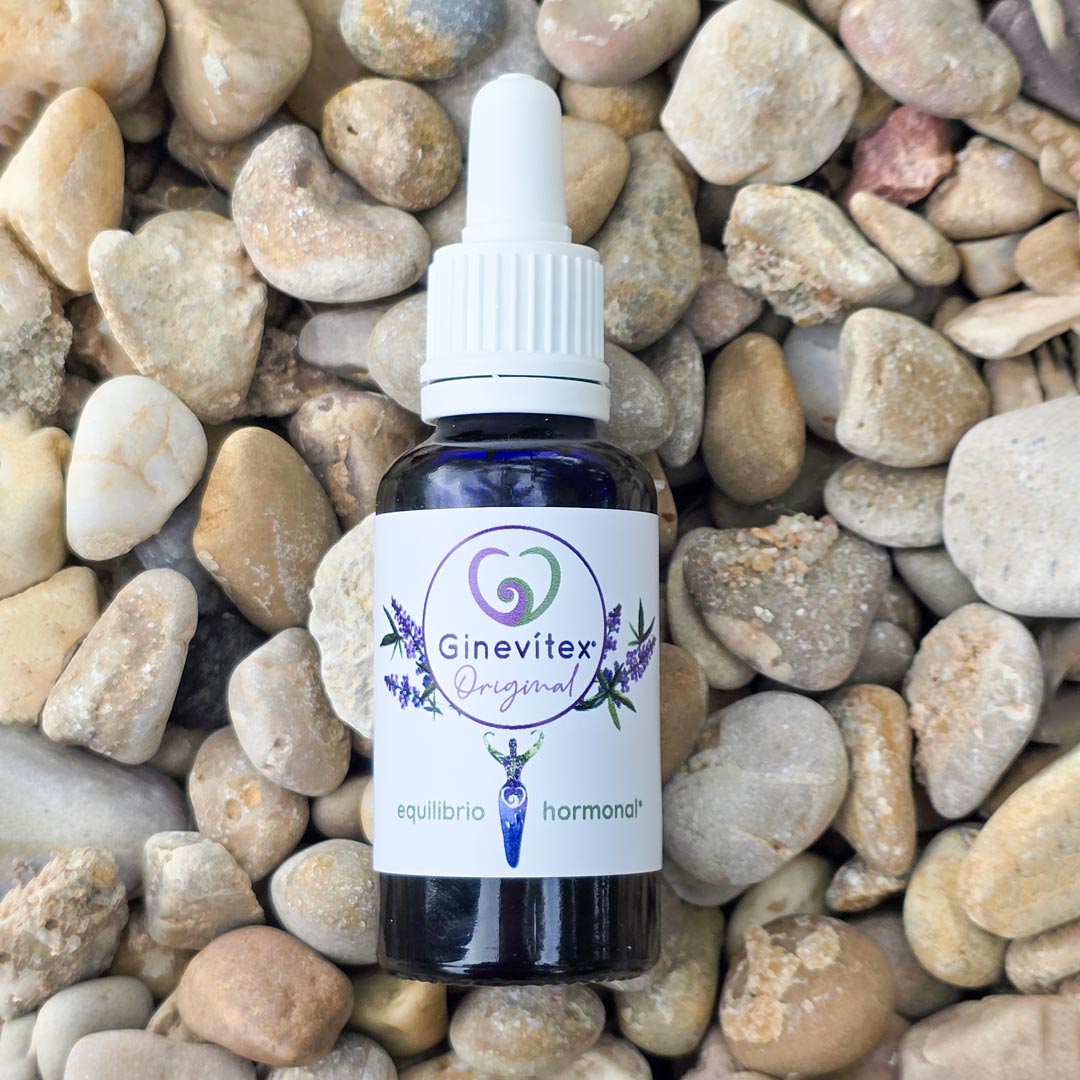
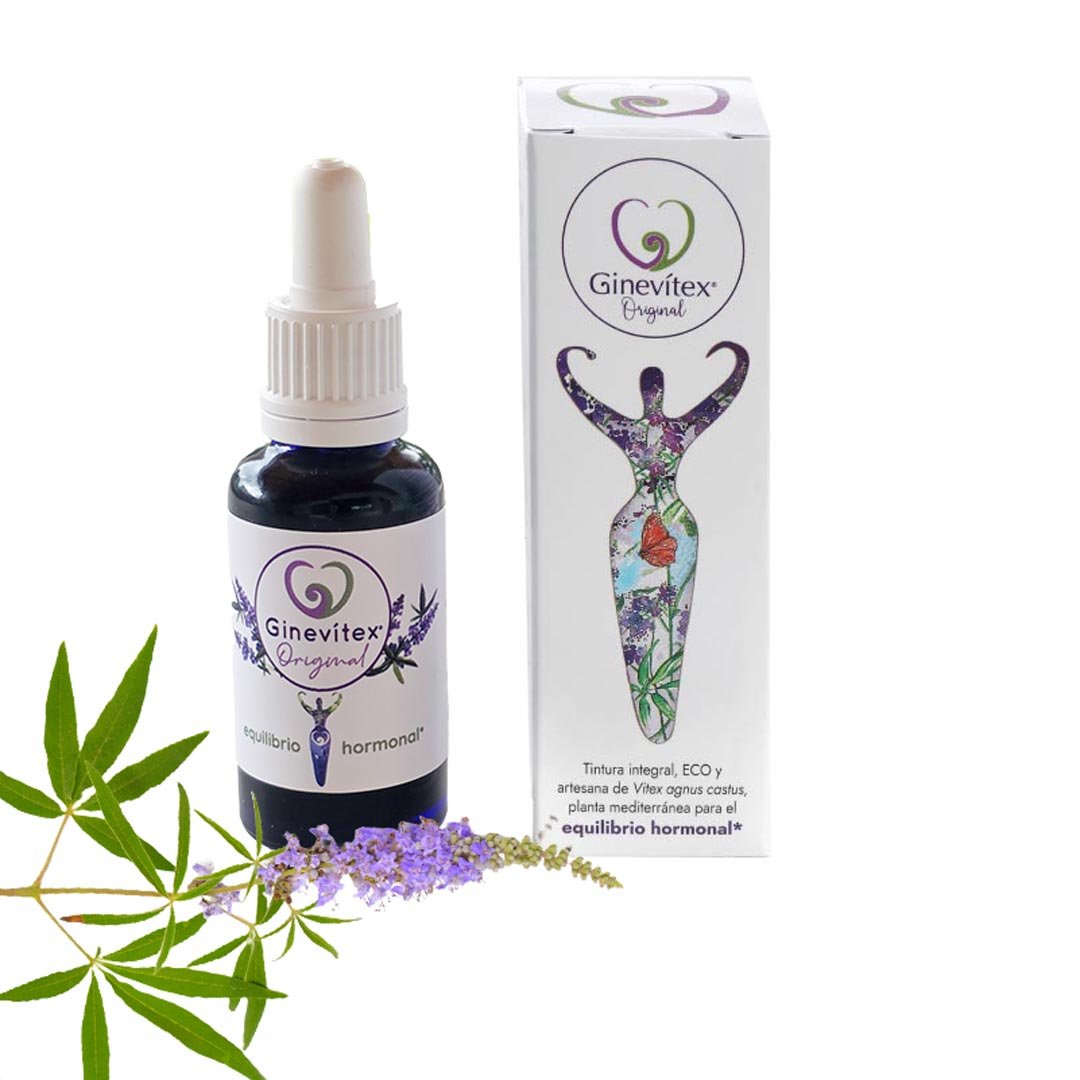
Plants have accompanied women through different stages of reproductive life for generations. European herbalism, gemmotherapy and other traditional systems each have their own approaches to the menstrual cycle, preconception and reproductive wellbeing.
Within these traditions, certain plants have become particularly associated with women's cycles and the period of preparing for pregnancy. Other botanicals have traditionally been explored in relation to male reproductive wellbeing, general vitality or as part of broader nutritional and lifestyle routines.
At Elliotti, we believe this traditional knowledge is worth preserving while being clear about the difference between traditional botanical use and an established health claim. A plant's historical or traditional association with fertility does not mean that it has been proven to increase the chance of becoming pregnant.
The preparation matters too. A plant extract taken internally is very different from an essential oil used aromatically, a hydrosol, a gemmotherapy extract or a botanical oil used on the skin. Each has its own composition, intended use and safety considerations.
This is why we encourage you to look beyond the name of the plant and understand the individual preparation. On each product page, you can learn more about what the product is, how it is used and the botanical tradition behind it.






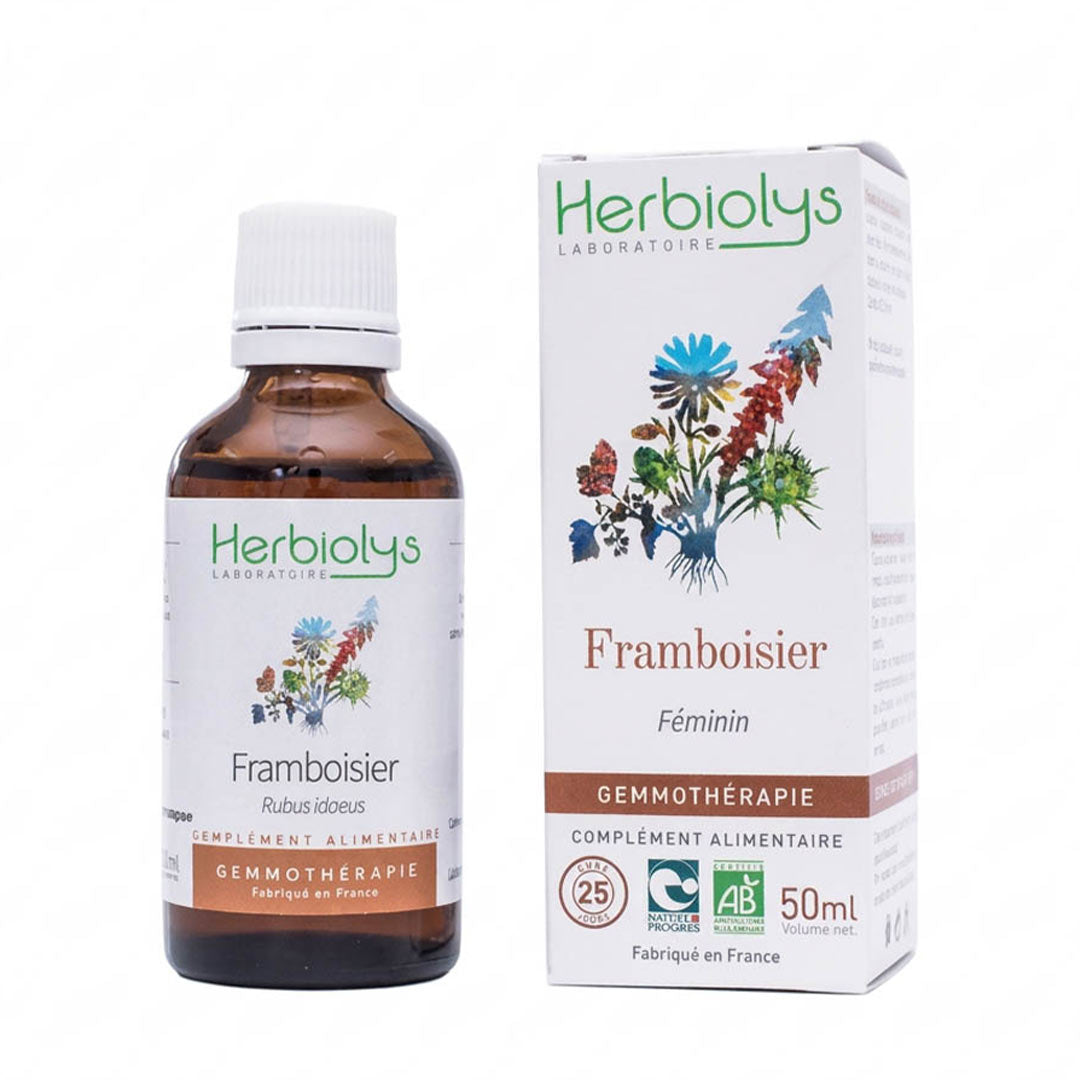
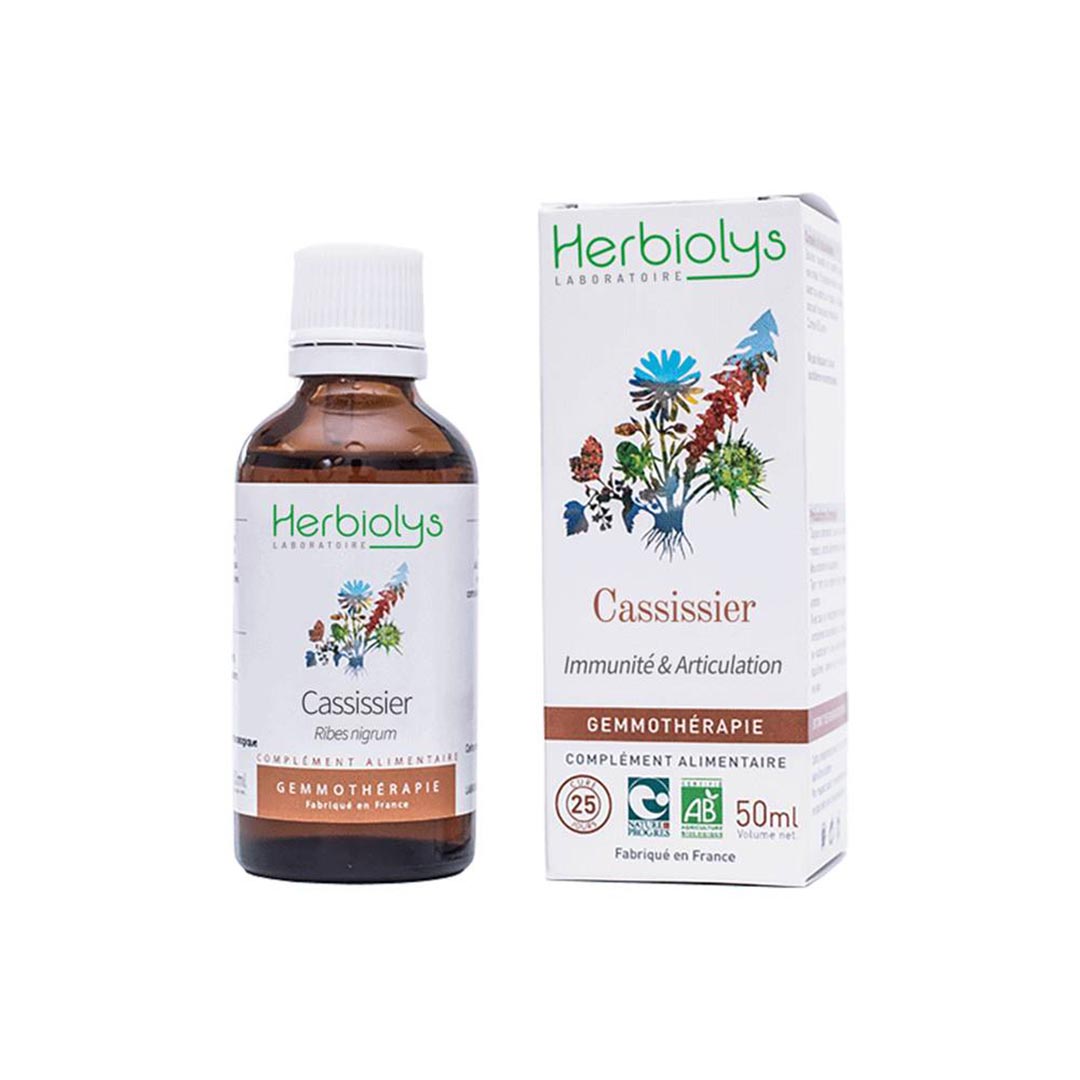

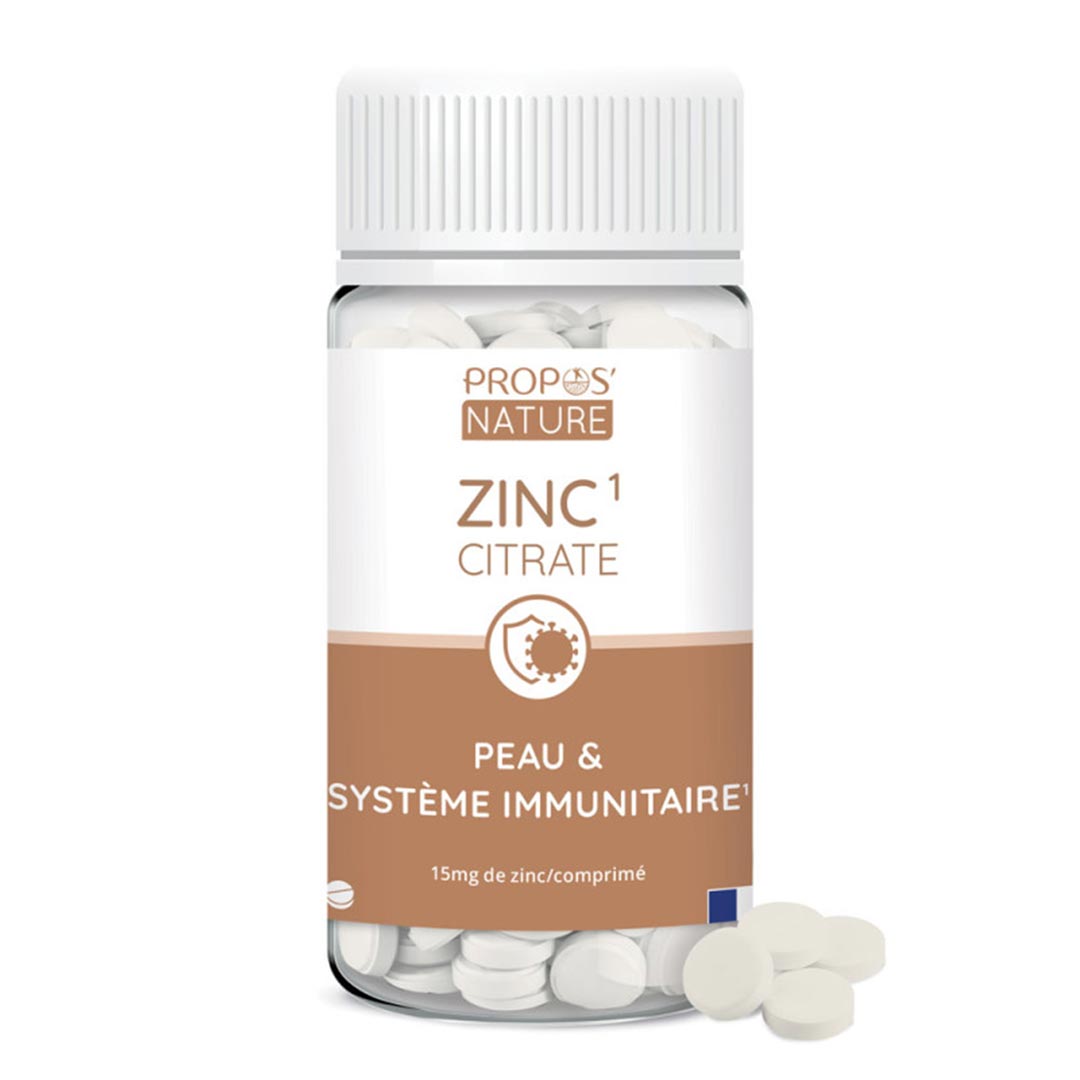
Choosing products for your preconception routine
There is no single preconception routine that suits everyone. The products in this collection have different purposes, and choosing between them begins with understanding what each one actually is.
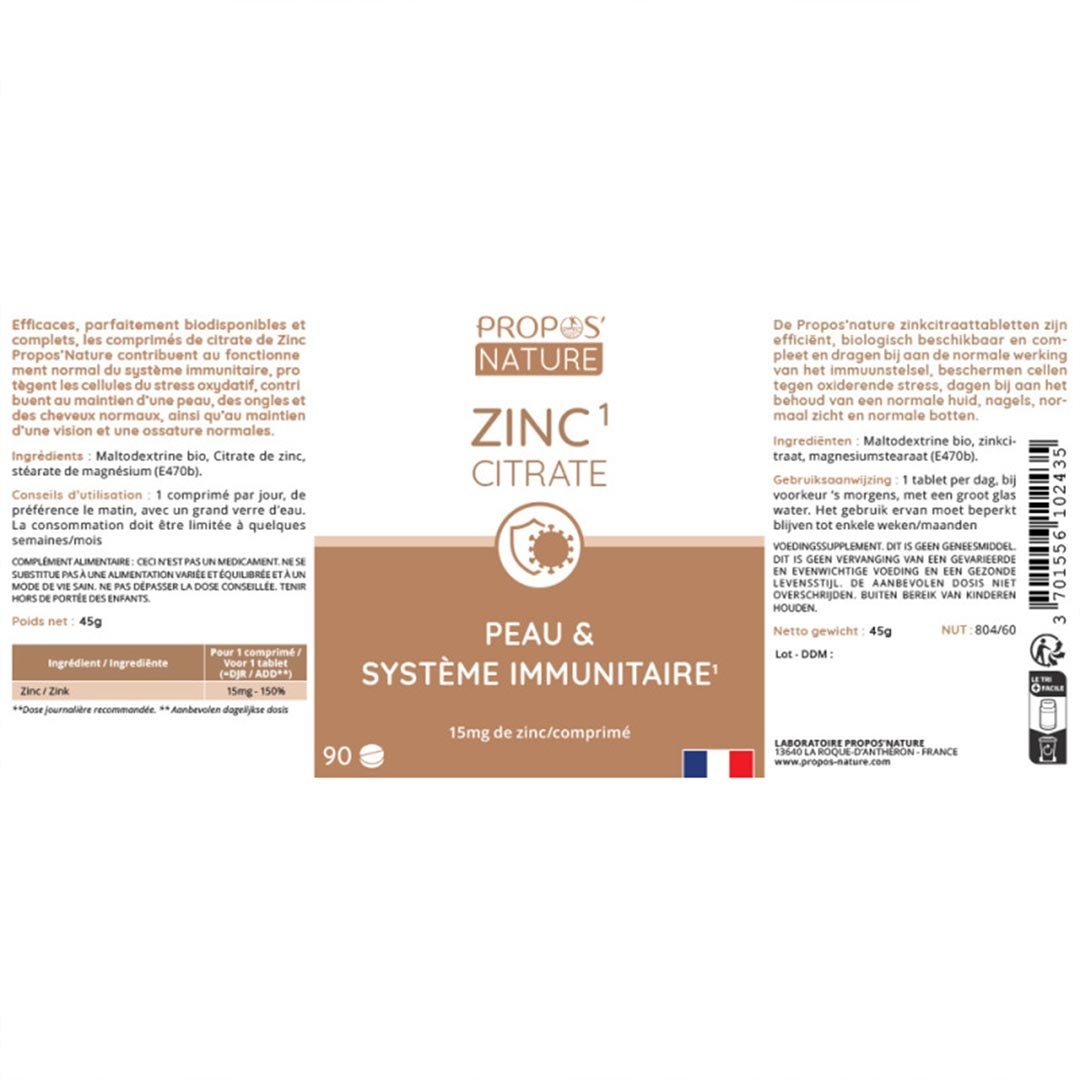
Nutritional supplements provide specific nutrients and should be chosen according to their nutritional composition and your individual needs.
Botanical foods and powders, such as maca, can be incorporated into everyday food and nutrition routines according to their directions for use.
Plant extracts offer a more concentrated way of working with botanicals and have their own traditions, compositions and recommended uses.
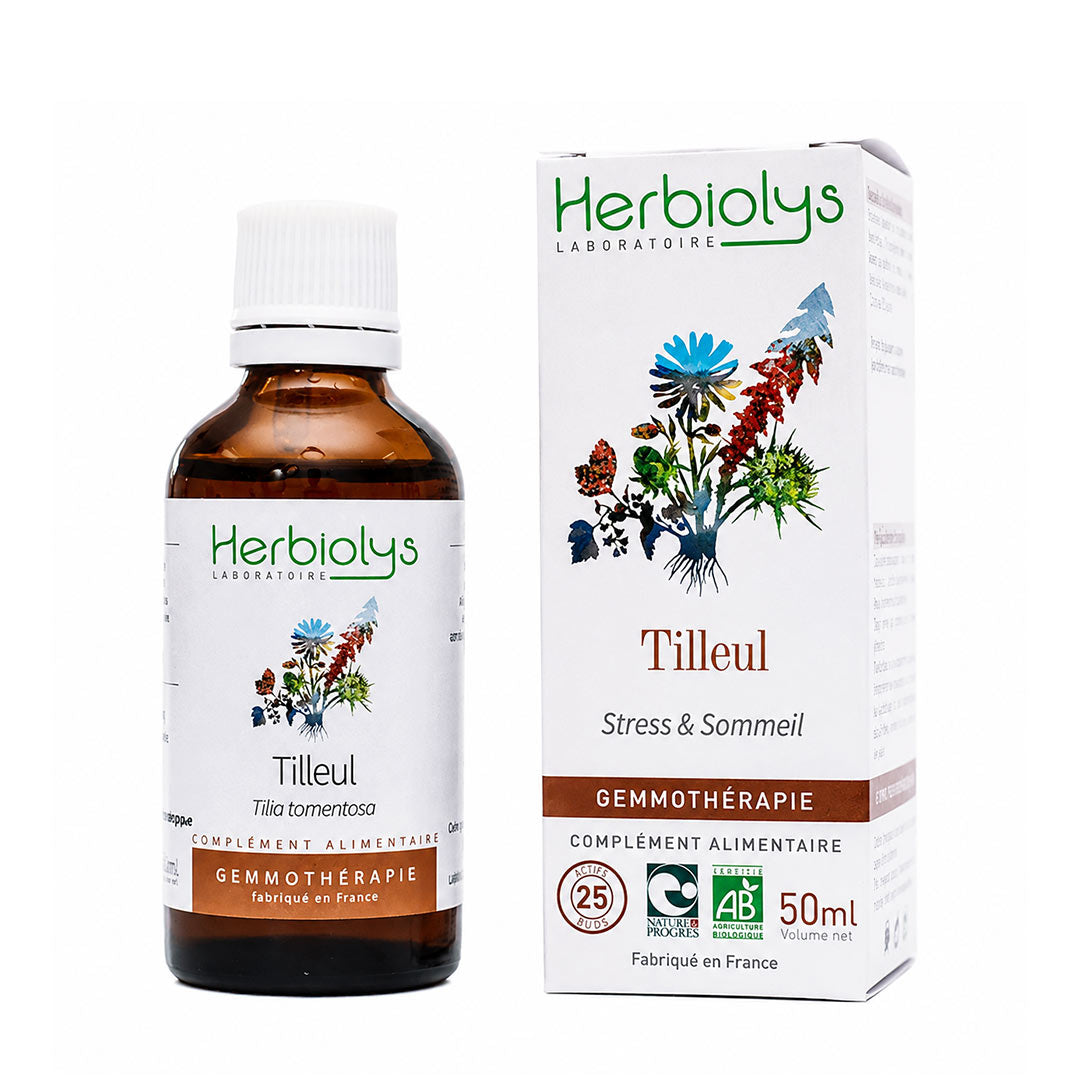
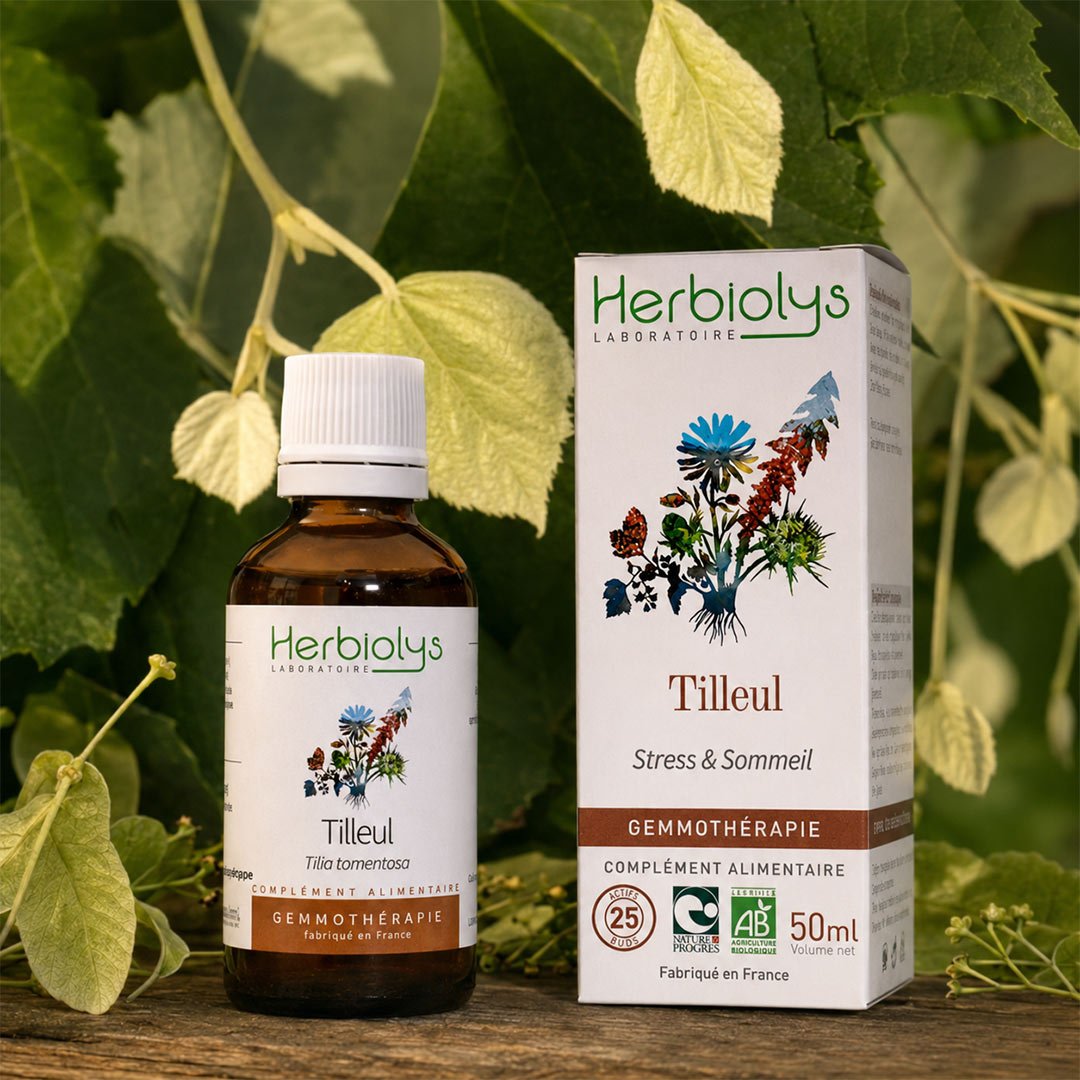
Gemmotherapy extracts are preparations made from fresh young plant tissues such as buds and young shoots. They form part of a distinct European botanical tradition and should be selected according to the individual plant and its traditional context.
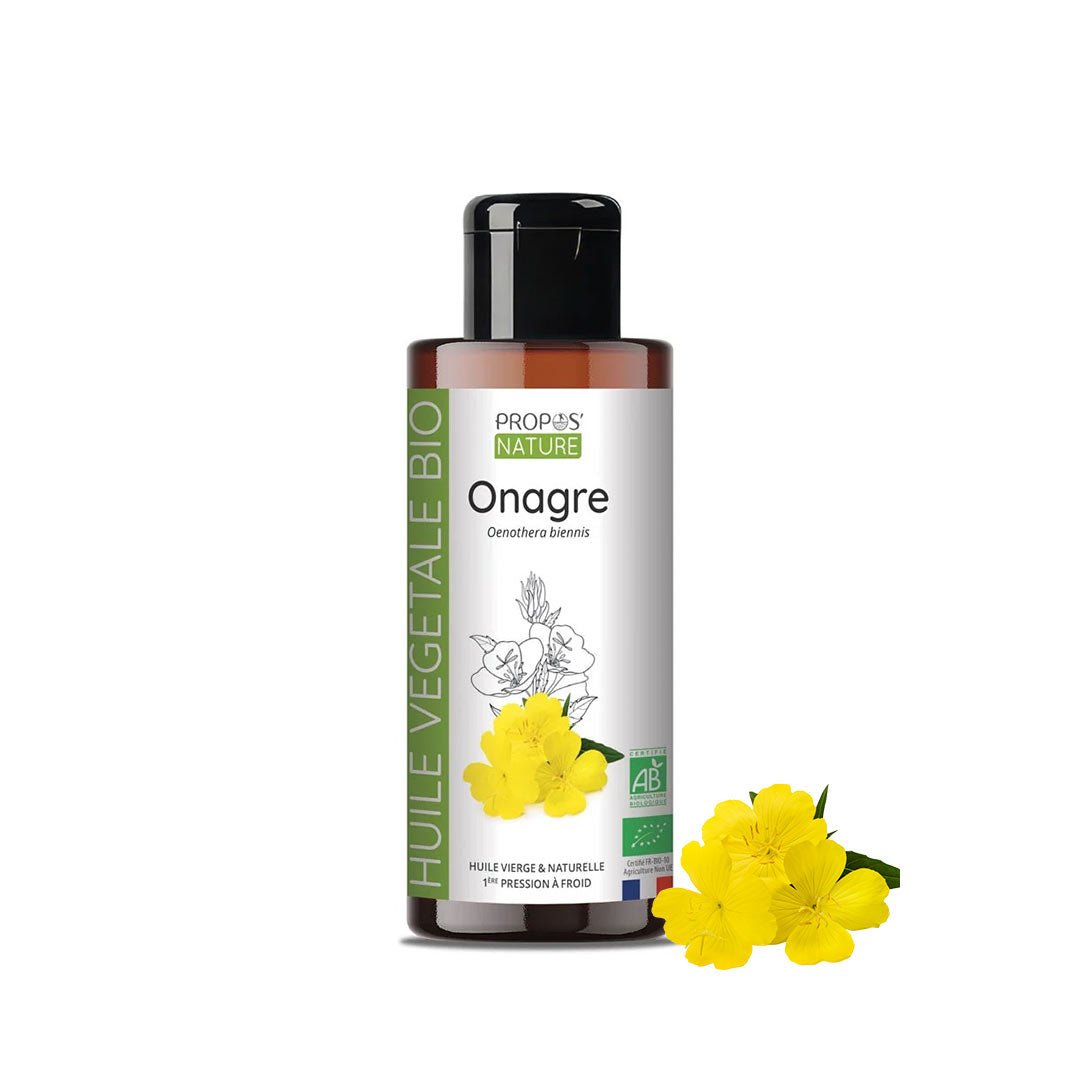
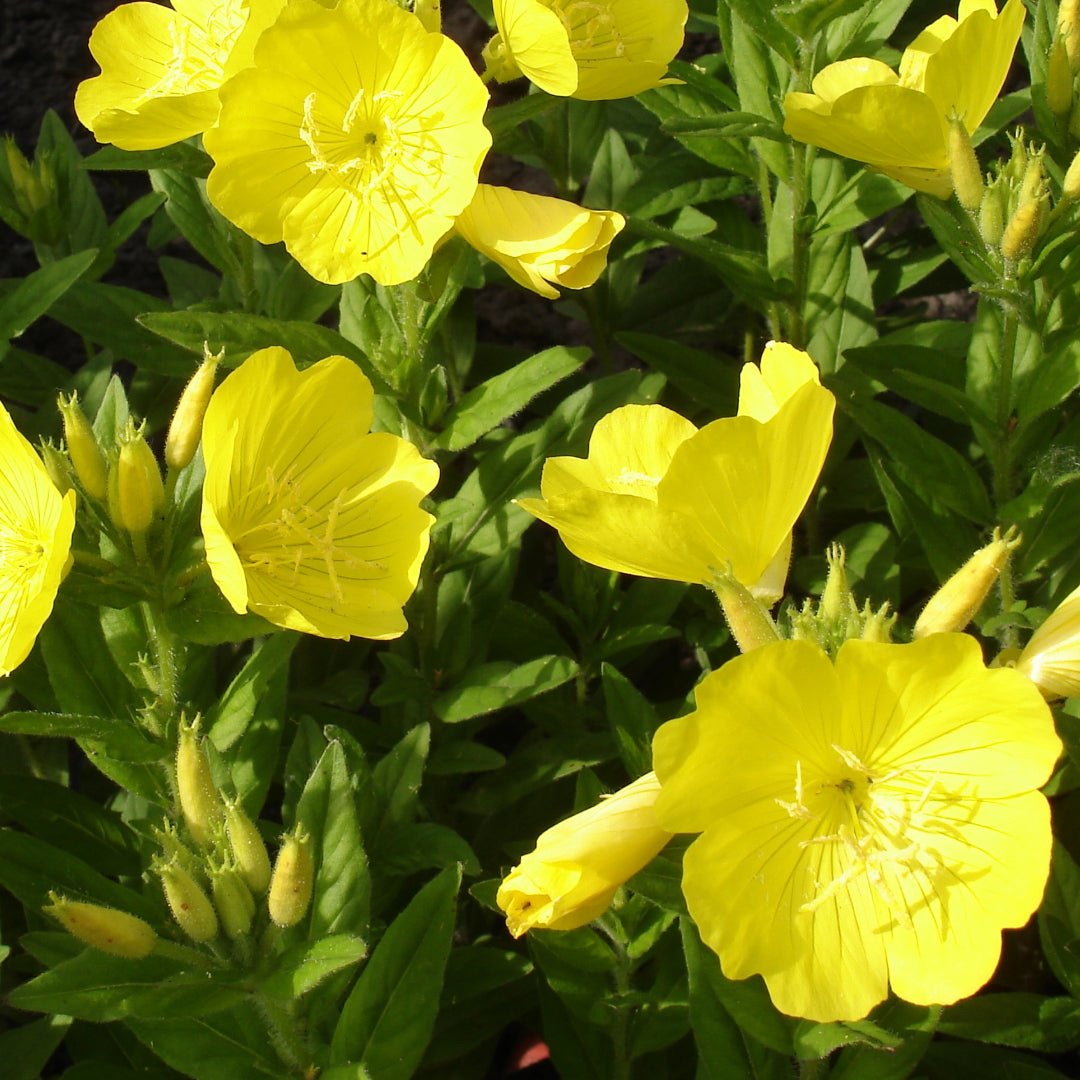
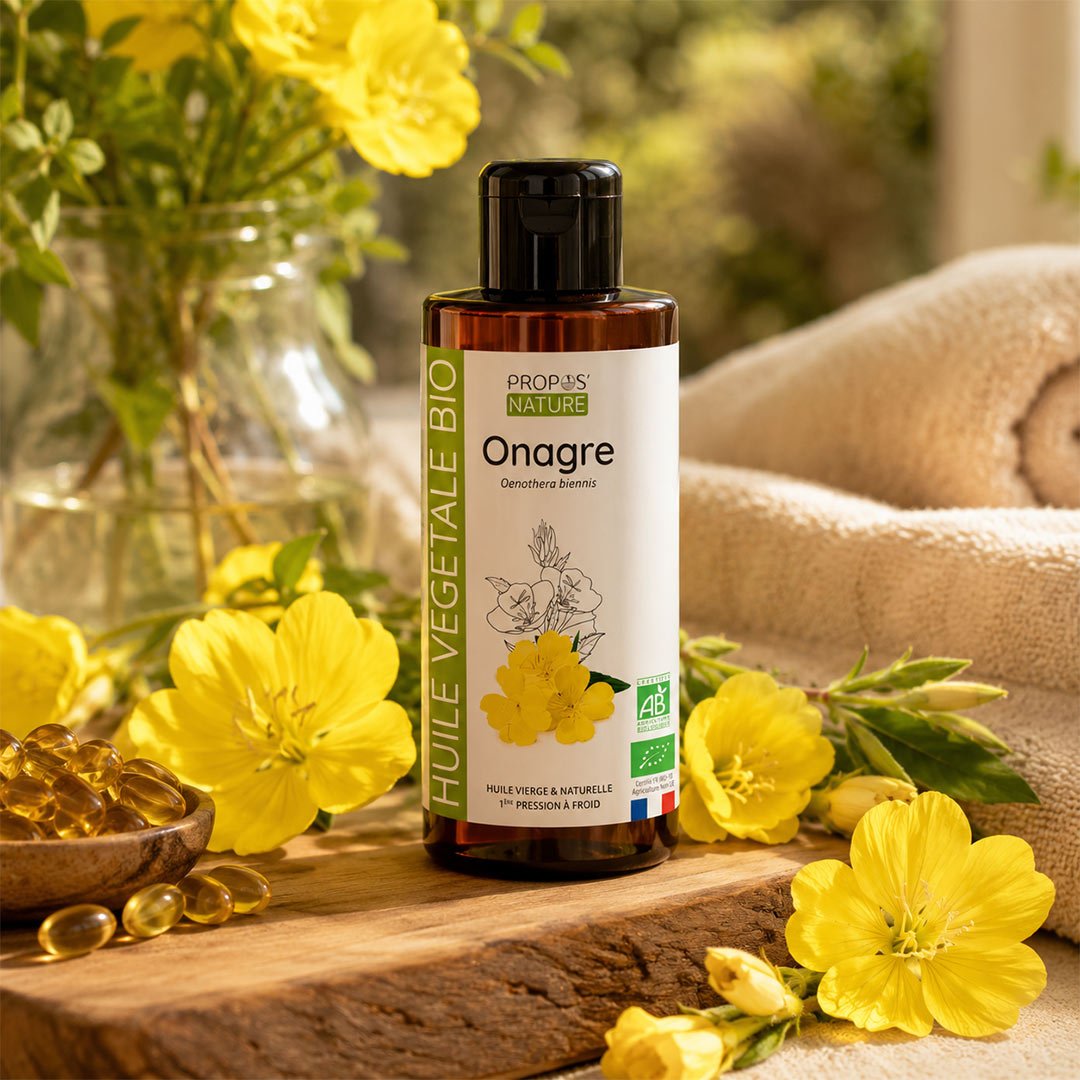
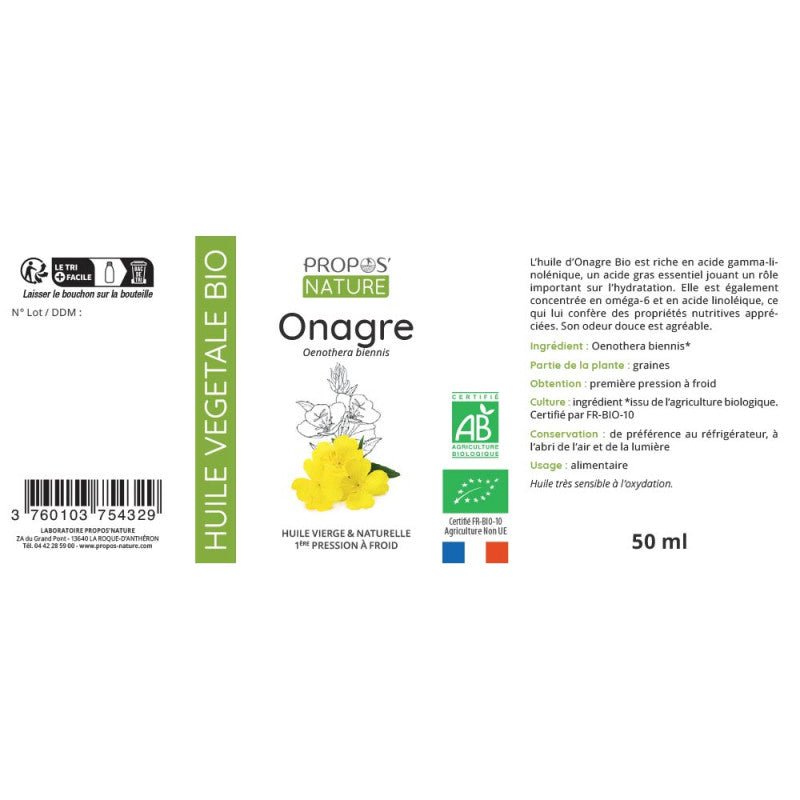
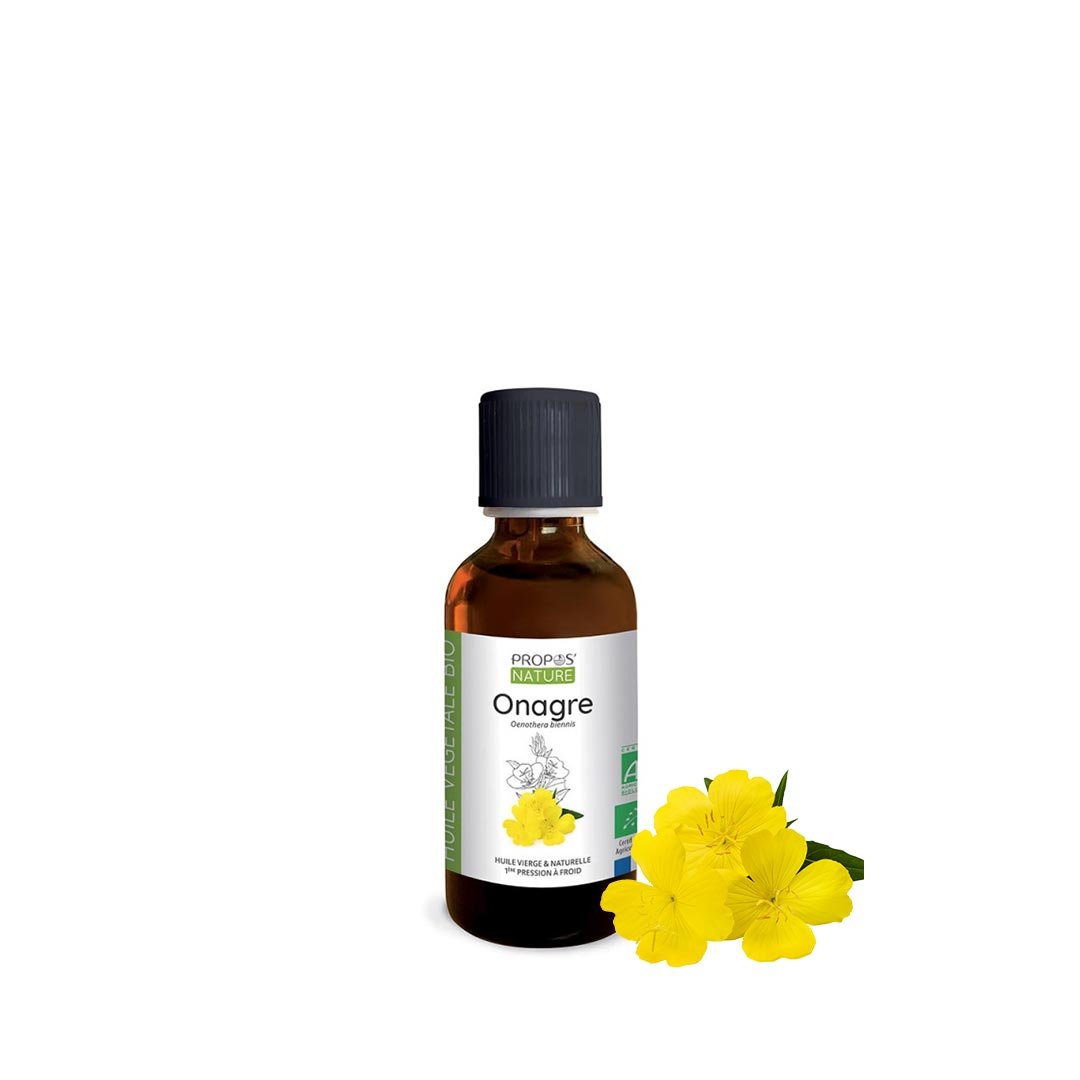
Botanical oils, such as evening primrose oil, have their own nutritional or topical uses depending on the individual product.
Rather than choosing a product simply because it is associated with fertility, take time to understand its ingredients, intended use and directions. The individual product pages provide more detailed guidance to help you decide what fits your own preconception routine.
FAQ
When should I start preparing for pregnancy?
There is no need to wait until you actively start trying to conceive. The months before pregnancy can be a useful time to look at nutrition, everyday habits, sleep and general wellbeing. It is also an opportunity to review any supplements, herbs or other natural products you are using and consider whether they remain appropriate when pregnancy begins.
Which nutrients are important when trying to conceive?
A varied and balanced diet provides the foundation for preconception nutrition. Certain nutrients deserve particular attention, including folate, iodine, vitamin D, zinc and essential fatty acids.
Folic acid is especially important. Women planning a pregnancy are generally advised to take 400 micrograms of folic acid daily before conception and during the first 12 weeks of pregnancy, unless they have been advised to take a different amount.
Does zinc support fertility?
Yes. Zinc has an authorised EU health claim stating that zinc contributes to normal fertility and reproduction. It also contributes to the maintenance of normal testosterone levels in the blood and to normal DNA synthesis.
This makes zinc particularly relevant when looking at preconception nutrition for both women and men.
How can I tell when I am ovulating?
Your fertile window centres around ovulation. Some women notice changes in cervical mucus around this time, while others track basal body temperature or use urinary ovulation tests.
Ovulation does not necessarily occur on day 14, so becoming familiar with your own cycle can be more useful than relying on a fixed calendar date.
How often should we have sex when trying to conceive?
Having regular sex every two to three days throughout the cycle is a simple approach and means you do not necessarily need to identify the exact day of ovulation.
If you are tracking your fertile window, the days leading up to and around ovulation are particularly relevant because sperm can survive for several days in the female reproductive tract.
Can I use herbs and botanical extracts while trying to conceive?
It depends on the individual plant, preparation and intended use. A botanical being traditionally associated with women's wellbeing or fertility does not automatically mean that it is suitable throughout preconception or pregnancy.
Check the directions and precautions for each individual product. Once pregnancy is suspected or confirmed, your botanical routine should be reviewed, as products appropriate before conception may not necessarily be appropriate during pregnancy.
Can essential oils be used while trying to conceive?
Essential oils can form part of an aromatic or personal wellbeing routine, but they should not be considered fertility treatments. Each essential oil also has its own directions, concentrations and precautions.
If pregnancy occurs, essential oil use should be reassessed for pregnancy rather than simply continuing the same routine.
Is fertility only about the woman?
No. Conception depends on both female and male reproductive factors. Sperm health is part of the fertility picture, so nutrition, lifestyle and general preconception wellbeing are relevant for both partners.
When should I seek help if I am not becoming pregnant?
As a general guideline, fertility evaluation is recommended after 12 months of regular unprotected sex when the woman is under 35, and after six months from around age 35.
It can be appropriate to seek advice earlier if there are already reasons for concern, such as very irregular or absent periods, known endometriosis or previous reproductive problems, or known concerns about male fertility.