

What is Ginevítex®?
Vitex agnus-castus is a distinctive Mediterranean botanical with a fascinating history stretching back thousands of years.
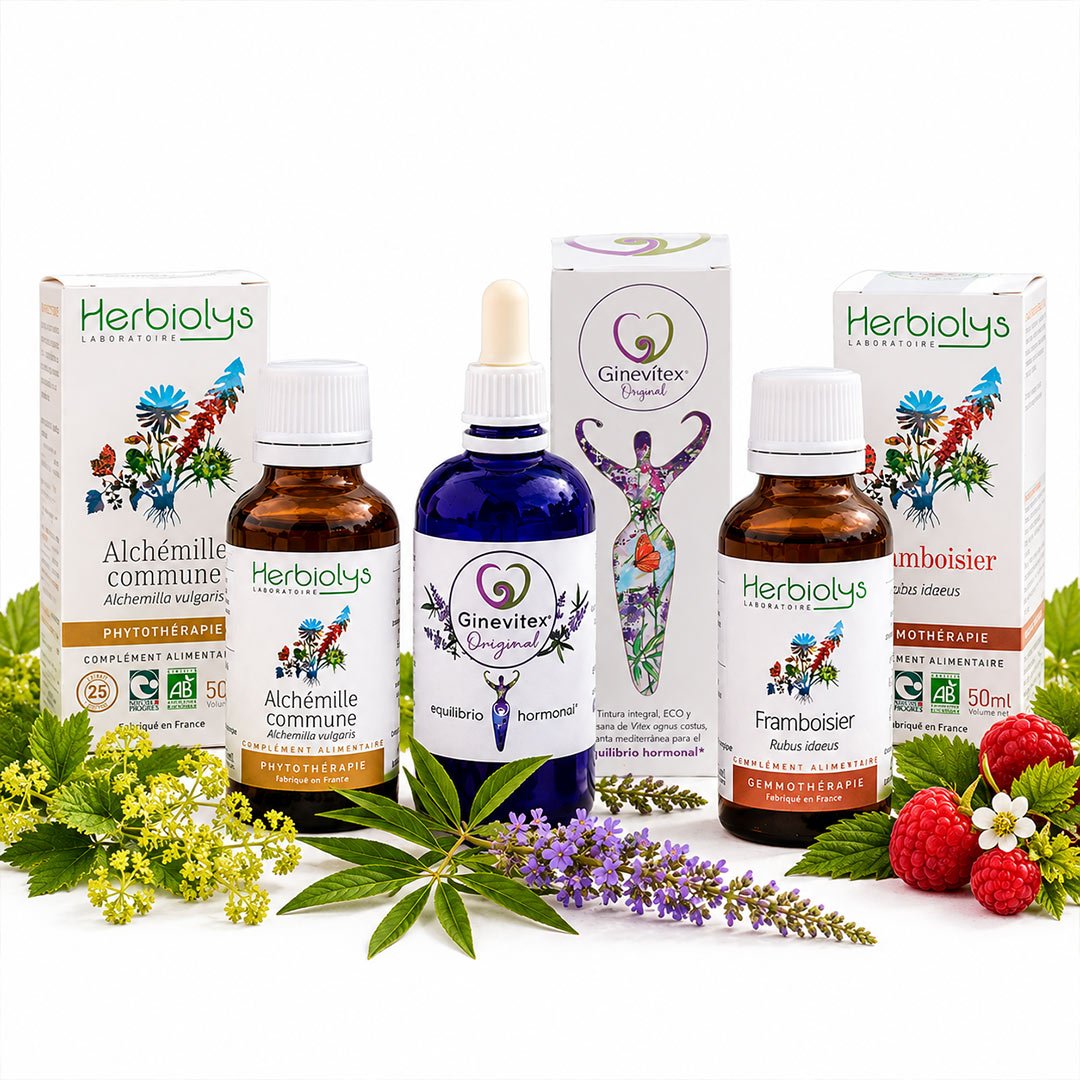
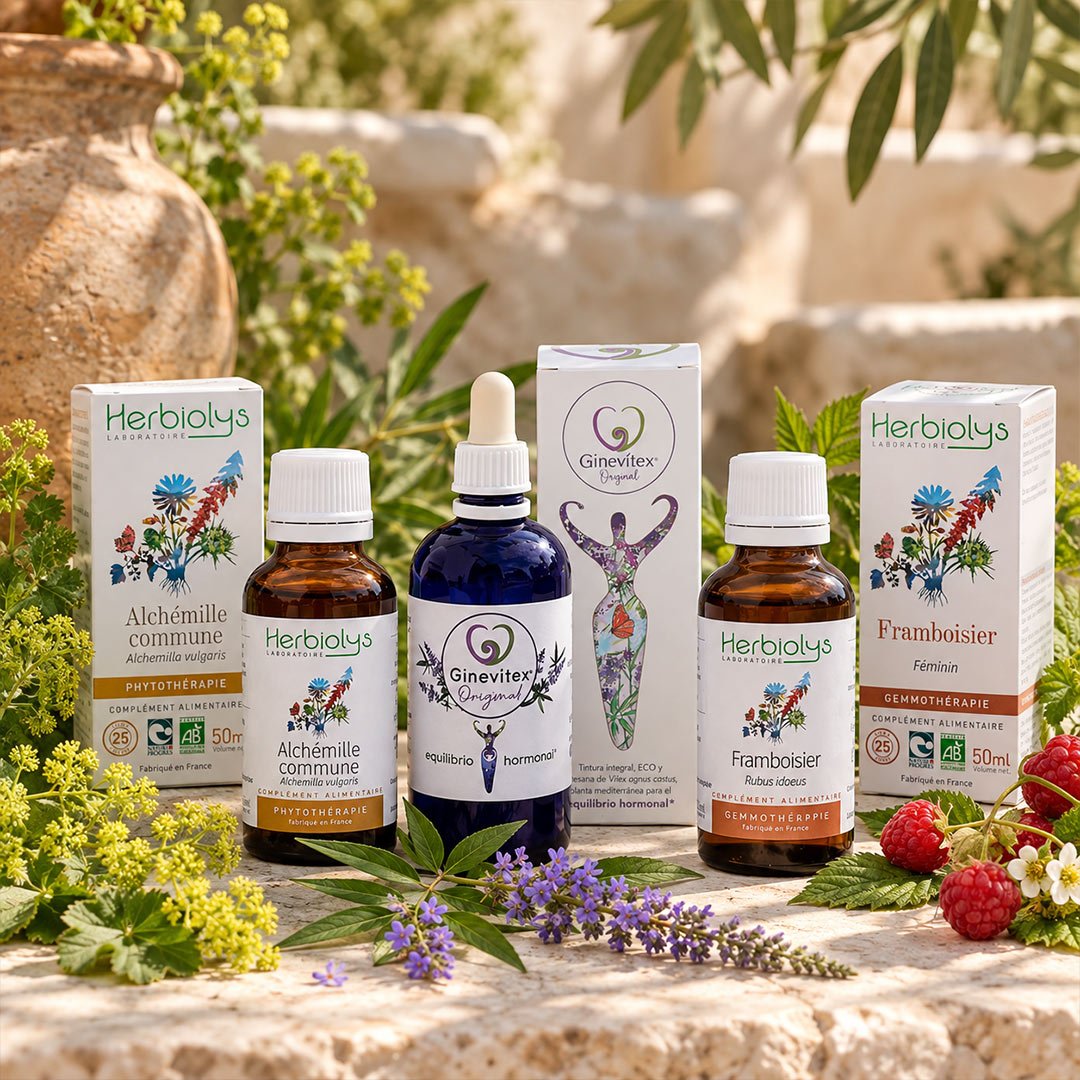
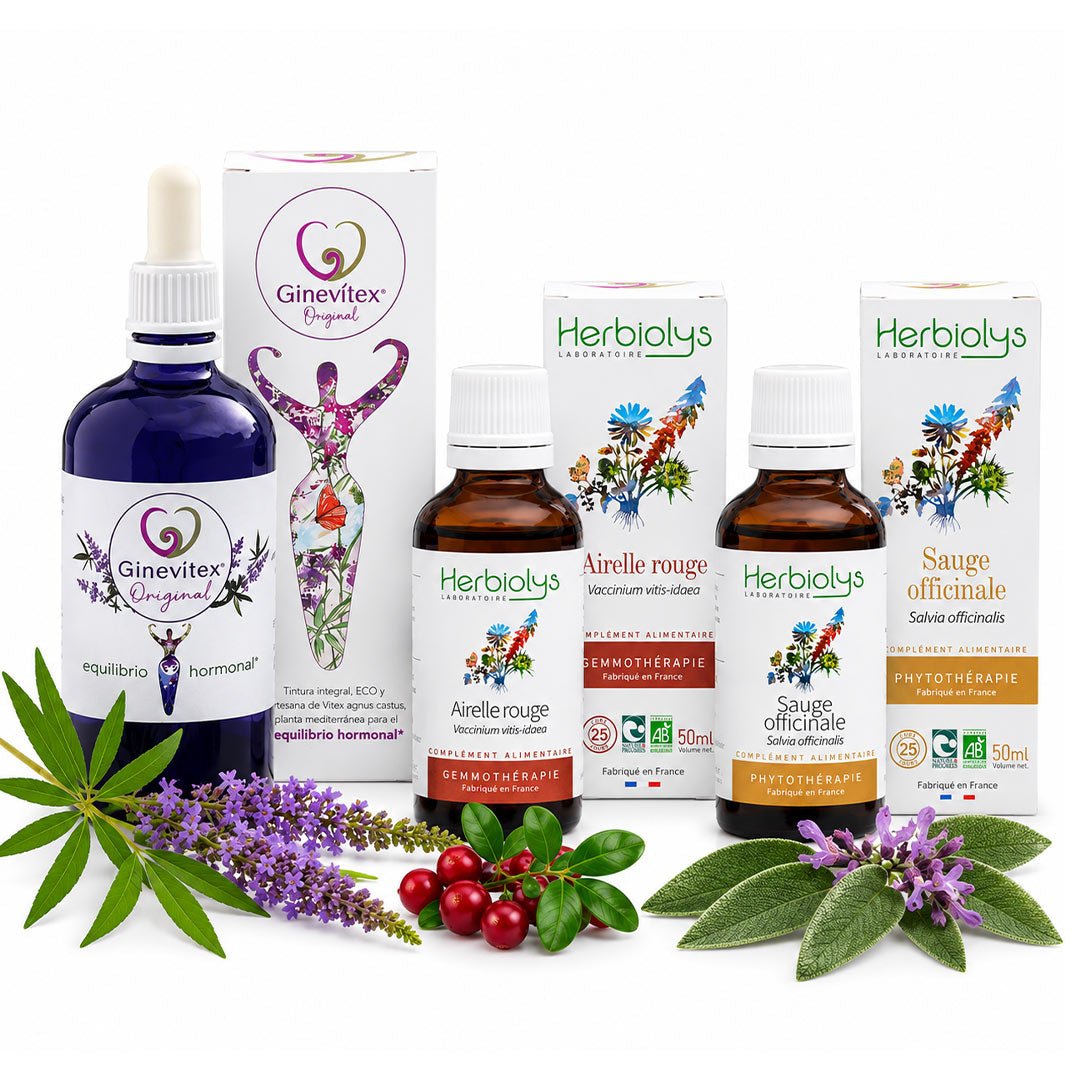
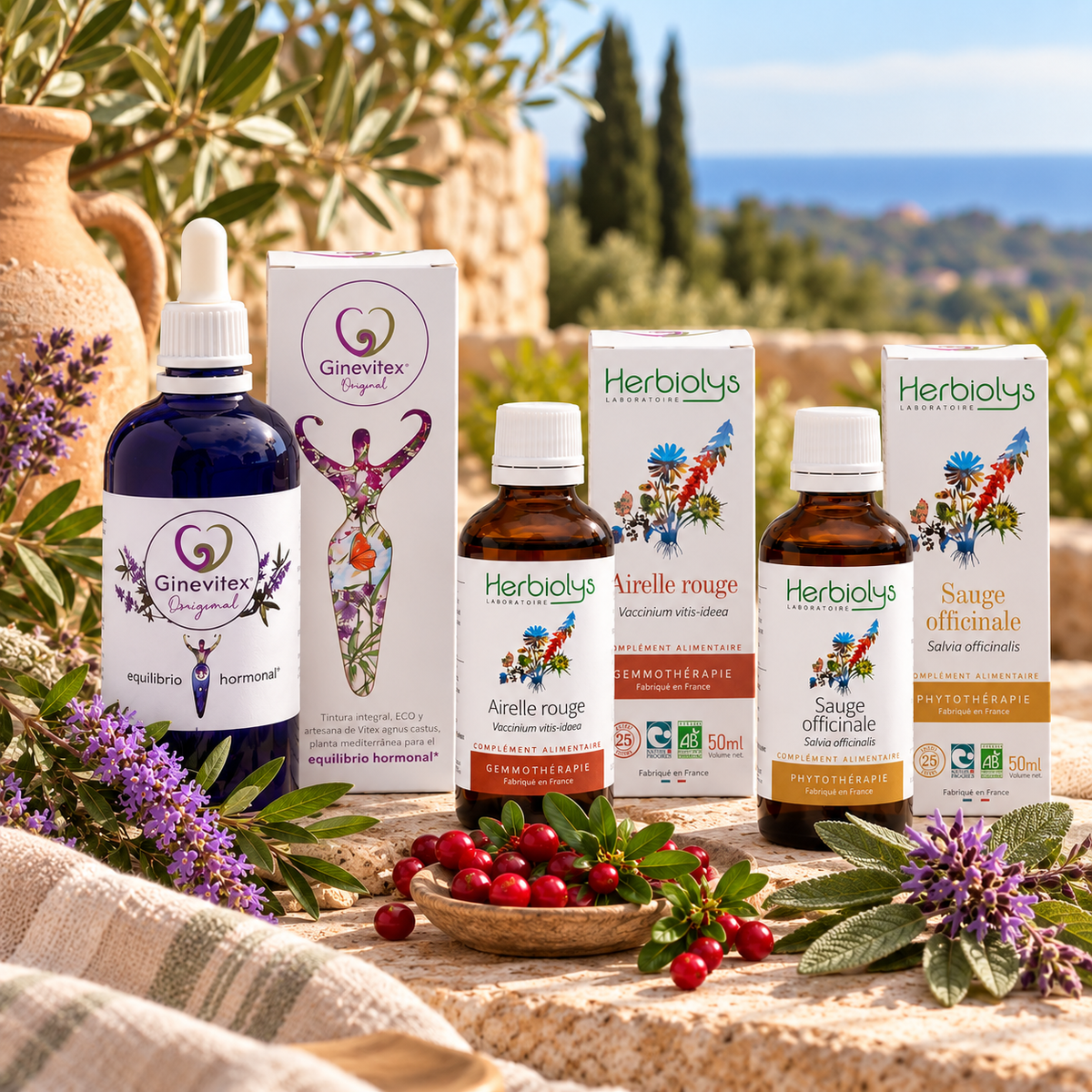
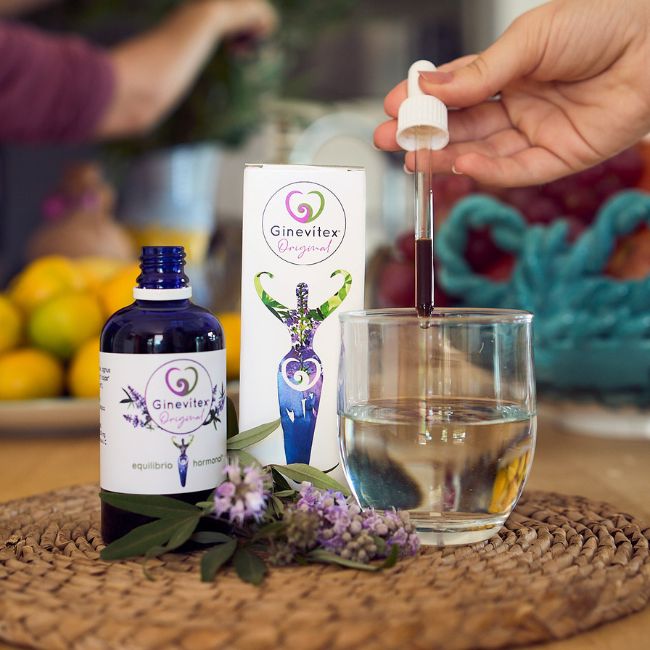
Ginevítex® brings this botanical tradition into a carefully produced organic liquid preparation made in Spain. The formula combines the fruits and leaves of Vitex agnus-castus with a flower essence, bringing together different parts of the plant in a concentrated 5:1 preparation.
Discover the story behind Ginevítex®, how it is made and what makes this botanical preparation unique.

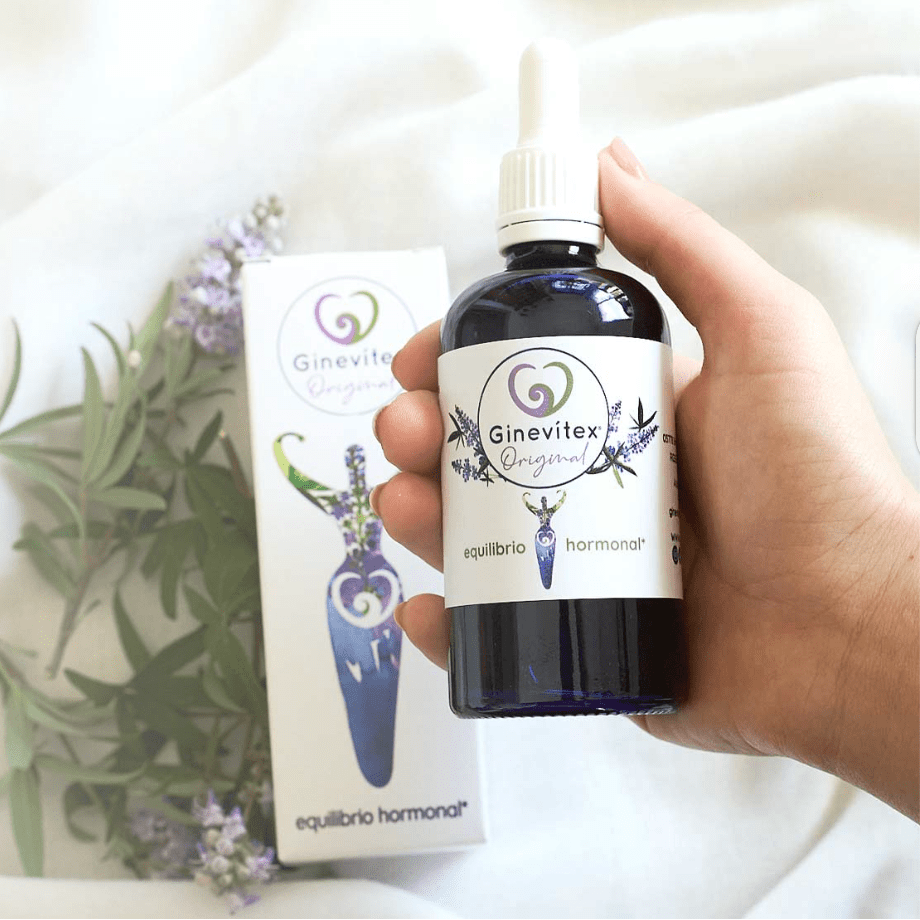


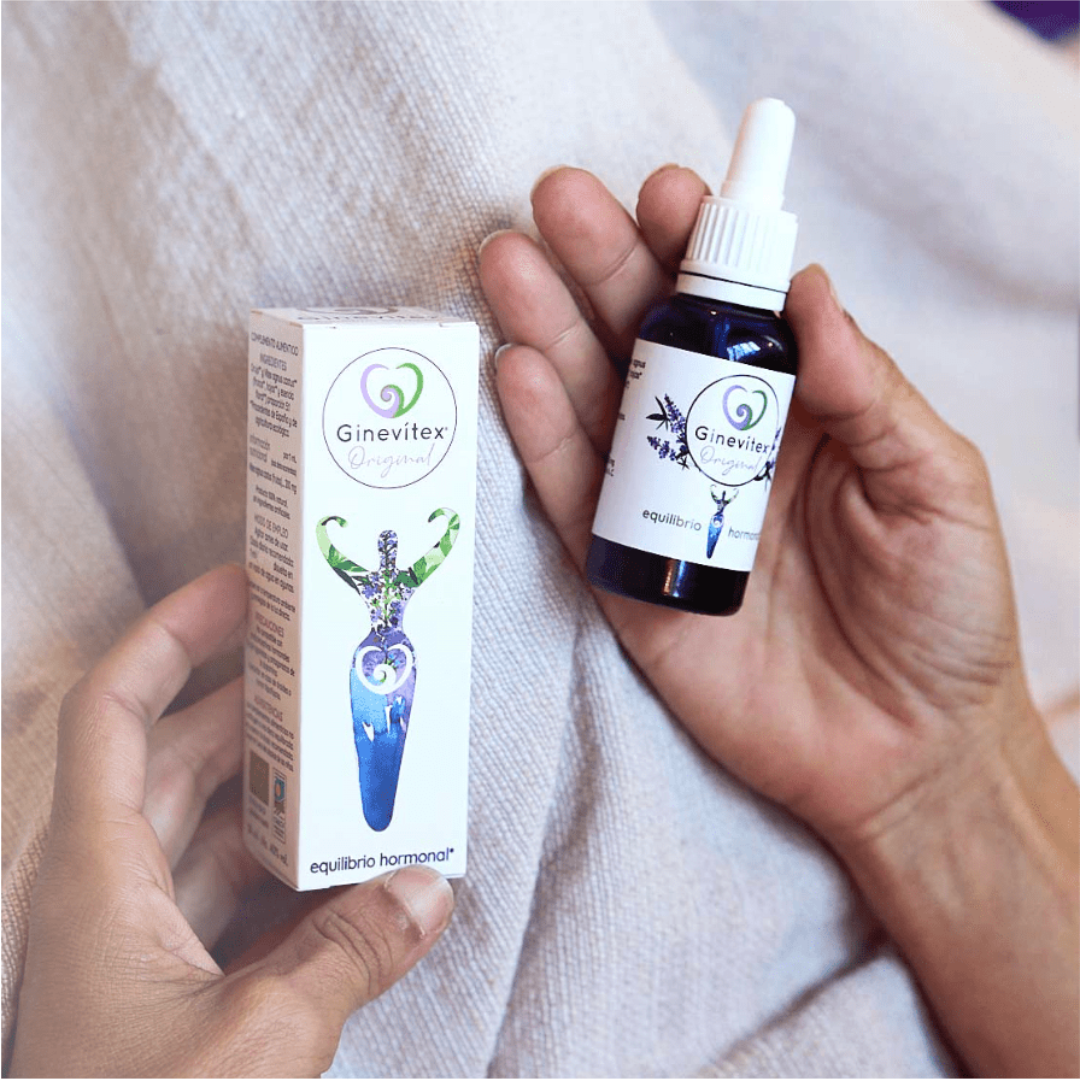
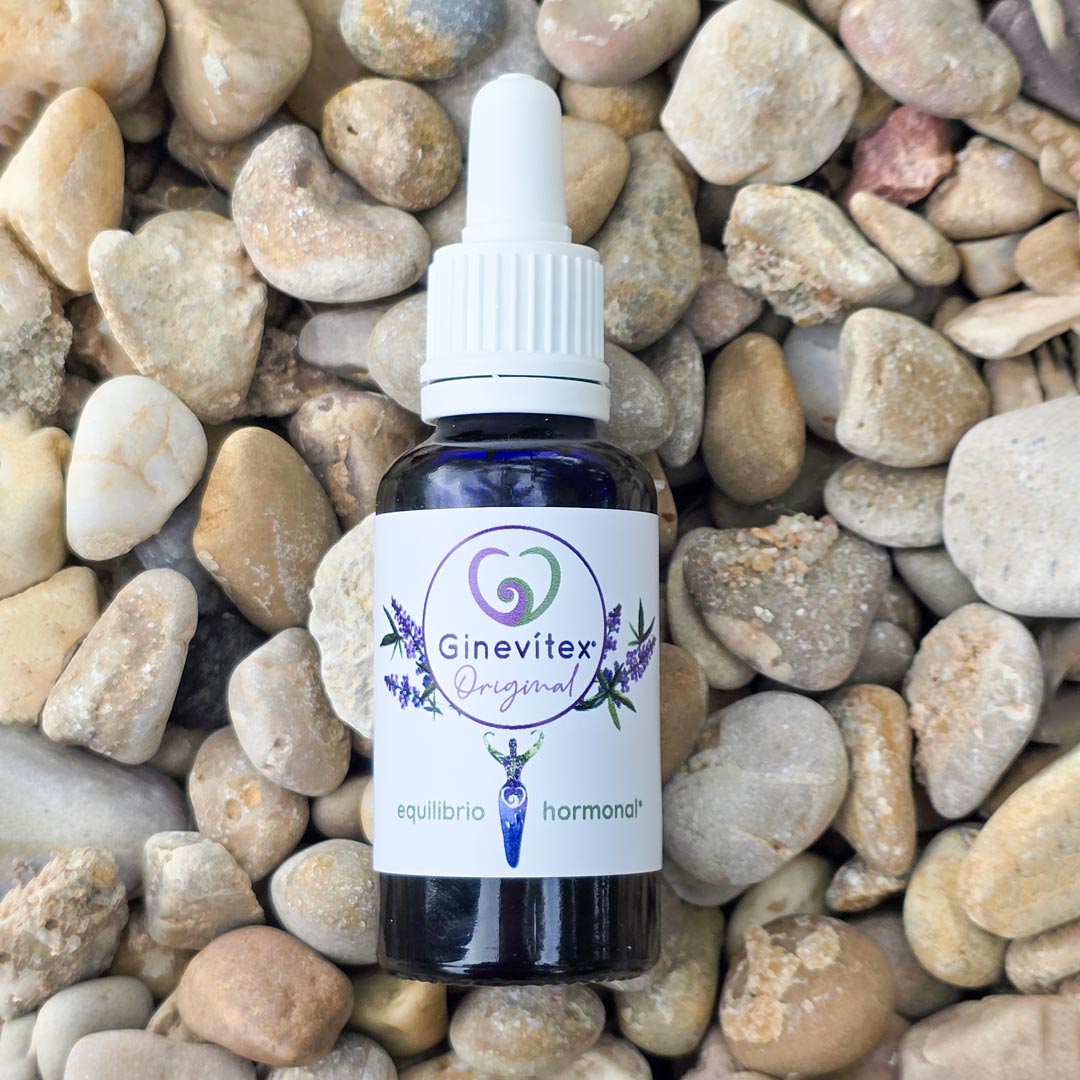
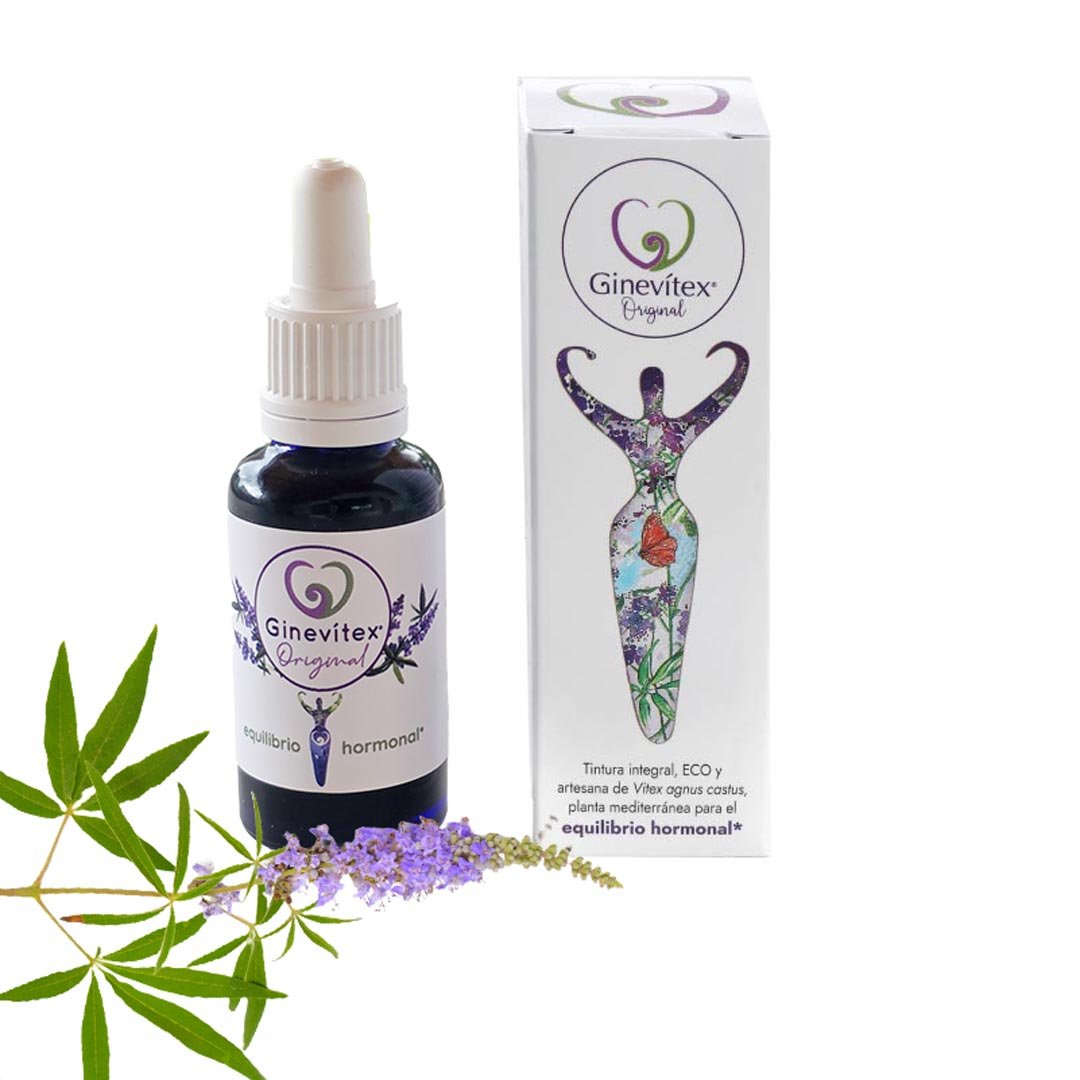


Discover what makes Ginevítex® unique
A distinctive organic Vitex preparation rooted in Mediterranean botanical tradition.
What makes Ginevítex® different?
- More than the fruit: Ginevítex® combines the fruits and leaves of Vitex agnus-castus with a specially prepared flower essence.
- Concentrated 5:1 preparation: Different parts of the plant are brought together in a concentrated liquid botanical preparation.
- Mediterranean origin: Vitex agnus-castus is a characteristic plant of the Mediterranean region with a long history in European botanical traditions.
- Organic ingredients: All agricultural ingredients used in Ginevítex® come from organic farming.
- Seasonal harvesting: The different parts of the plant are gathered according to their natural seasonal cycle.
- Produced in Spain: Ginevítex® is made in Spain using Spanish grape distillate and carefully selected botanical ingredients.


Meet Vitex agnus-castus
Vitex agnus-castus, also known as chaste tree or monk's pepper, is a distinctive shrub native to the Mediterranean region. It can grow several metres tall, with characteristic palmate leaves, violet-blue flowers and small aromatic fruits.
The plant has been part of Mediterranean culture for thousands of years. It was known in Ancient Greece and later became closely associated with European monastic traditions, giving rise to names such as chaste tree and monk's pepper.
Today, Vitex remains a fascinating botanical, valued not only for its long European heritage but also for the distinctive fruits, leaves and flowers that make up the plant.

Understanding the hormonal communication system

At the centre of the female reproductive hormone system is the pituitary gland, a small gland located at the base of the brain.
The pituitary produces hormones including luteinising hormone (LH) and follicle-stimulating hormone (FSH), which are involved in regulating ovarian function and the menstrual cycle. Prolactin, another hormone produced by the pituitary, has important functions related to reproduction and lactation.
Throughout the menstrual cycle, communication between the brain, pituitary gland and ovaries contributes to the changing patterns of hormones including oestrogen and progesterone.
This complex communication system is often referred to as the hypothalamic-pituitary-ovarian axis, or HPO axis.
Your menstrual cycle is a dynamic, ever-changing rhythm.
Throughout the month, communication between the brain, pituitary gland and ovaries contributes to the natural changes in hormones that characterise the different phases of the menstrual cycle.
Levels of hormones including oestrogen and progesterone rise and fall throughout the cycle, while LH and FSH play important roles in ovarian function and ovulation.
It is a complex and carefully coordinated process.
Changes in this hormonal rhythm can be associated with experiences such as:
- Premenstrual symptoms and changes in mood
- Changes in cycle length or regularity
- Breast tenderness
- Changes in skin
- Variations in energy
Hormonal patterns are individual and also change naturally throughout different stages of a woman's life.
The Key Hormones

Progesterone: its role in the cycle
Progesterone is an important reproductive hormone. Its levels rise naturally after ovulation during the second half of the menstrual cycle, known as the luteal phase.
Progesterone is produced primarily by the corpus luteum following ovulation and plays an important role in preparing the lining of the uterus for a possible pregnancy.
If pregnancy does not occur, progesterone levels fall towards the end of the cycle. This hormonal change is part of the process that leads to menstruation and the beginning of a new cycle.
Progesterone levels and patterns naturally change throughout a woman's reproductive life, including during perimenopause as the body gradually transitions towards menopause.

Oestrogen: its role in the cycle
Oestrogen is a group of hormones with important roles in the female reproductive system. During a typical menstrual cycle, oestrogen levels change considerably and generally rise during the first half of the cycle, known as the follicular phase.
Oestrogen is involved in the development of the ovarian follicle and the physiological processes leading towards ovulation. Its functions also extend beyond the reproductive system, with oestrogen receptors found in many tissues throughout the body.
After ovulation, oestrogen levels continue to fluctuate alongside progesterone as the cycle progresses through the luteal phase.
Oestrogen patterns naturally change throughout a woman's life. During perimenopause, hormone levels can fluctuate considerably before eventually declining as the body transitions into menopause.

Prolactin: its role in the reproductive system
Prolactin is a hormone produced by the pituitary gland. It is best known for its important role in breast development and milk production during pregnancy and after childbirth.
Prolactin secretion is regulated by the hypothalamus, with dopamine playing an important role in controlling its release from the pituitary gland.
Prolactin also interacts with the reproductive hormone system. When prolactin levels are unusually high outside pregnancy and breastfeeding, they can interfere with normal ovarian function and may be associated with changes in ovulation and the menstrual cycle.
Prolactin levels can vary naturally depending on factors such as pregnancy, breastfeeding, sleep and time of day.
FAQ about Ginevitex®
What is the flower essence in Ginevítex®?
Flowers are at the heart of the plant and have long held a special place in botanical and flower essence traditions. Their colours, fragrances and forms are distinctive expressions of each species. Vitex flowers, with their delicate shape and upward-reaching blossoms, are particularly beautiful.
To prepare the Vitex flower essence used in Ginevítex®, both white and pink flowers, together with violet-coloured blossoms, are carefully selected. Only small amounts are gathered to minimise disturbance to the plant and the pollinators that depend on it. Vitex flowers are particularly attractive to butterflies, bees and bumblebees.
The flower essence is prepared close to where the Vitex grows. The freshly gathered flowers are combined to create the mother flower essence using a solarisation process based on hydrosol made from fresh Vitex flowers and leaves, together with organic honey.
Once the preparation is complete, it is filtered and preserved using organic grape distillate that has been macerated, filtered and purified.
The result is the Vitex flower essence that forms one distinctive part of the Ginevítex® formula, alongside the extracts of the fruits and leaves.
What makes this process particularly special is the care taken to work with the plant while respecting its natural environment, seasonal cycle and importance to local pollinators.
How is the Ginevítex® mother tincture prepared?
The Ginevítex® formula includes a botanical mother tincture prepared using an artisanal organic grape distillate.
The base of the tincture is a 40% vol. organic grape distillate, traditionally produced from grape skins in copper stills after the grape juice has been separated for winemaking.
The preparation follows a distinctive process connected to the lunar cycle. On the day of the new moon, dried and crushed Vitex fruits and leaves are carefully placed in the grape distillate to macerate.
During the maceration period, the preparation is gently stirred every two days. As part of the producer's traditional preparation ritual, this is carried out with a healing intention and particular attention to the plant and the process.
After fifteen days, coinciding with the full moon, the mother tincture is filtered.
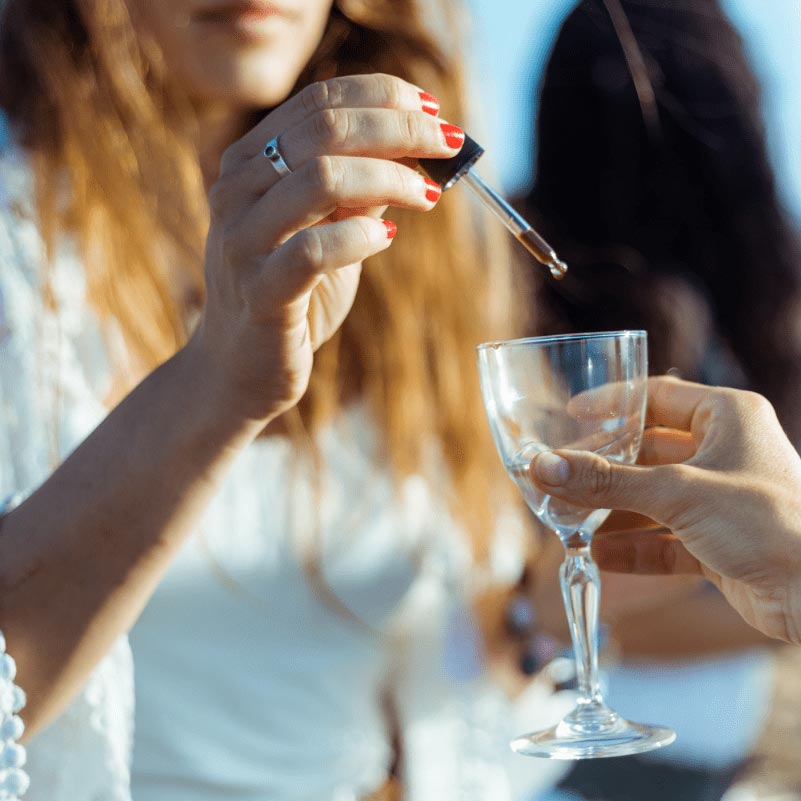
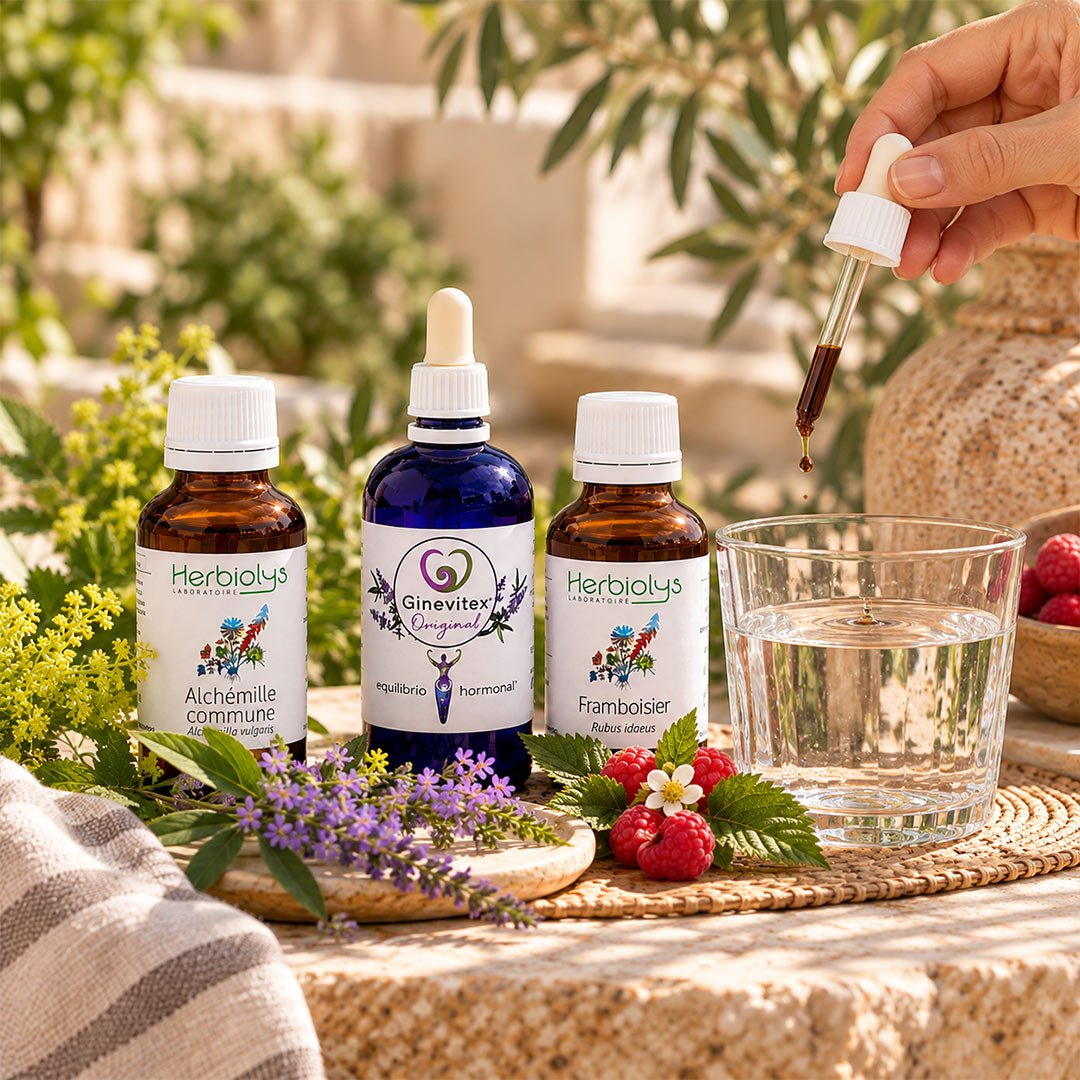
The finished Ginevítex® preparation is diluted in water before consumption according to the recommended daily amount.
Because Ginevítex® contains alcohol, it is not suitable for people who need or wish to avoid alcohol completely.
How is Ginevítex® prepared?
Ginevítex® is handcrafted with care following a distinctive preparation process inspired by the lunar cycle.
The botanical ingredients are macerated from the new moon to the full moon, following the rhythm traditionally used by the producer when preparing each batch.
The lunar cycle forms an important part of the philosophy behind Ginevítex®. Within this tradition, each batch is associated with the particular lunar and astrological moment in which it is prepared, giving every production its own symbolic astrological signature.
Throughout the process, particular emphasis is placed on handcraftsmanship, attention and intention. From preparing the botanical ingredients and maceration to stirring and filtering, the different stages are carried out manually and with conscious attention to the preparation.
This combination of botanical tradition, lunar rhythm and artisanal production is part of what makes Ginevítex® so distinctive.
What makes the Ginevítex® formula different?
Ginevítex® is based on a whole-plant approach to Vitex agnus-castus, bringing together several parts of the plant rather than focusing on a single isolated constituent.
Plants naturally contain a complex mixture of botanical compounds, and their composition varies between different parts of the plant and throughout the growing season.
For Ginevítex®, the different parts of Vitex are gathered according to their natural seasonal cycle: leaves in spring, flowers in summer and fruits in autumn.
These botanical materials are then brought together in the Ginevítex® preparation, combining the fruits and leaves with a specially prepared flower essence.
This seasonal, multi-part approach is central to the philosophy behind Ginevítex® and distinguishes the formula from preparations made exclusively from Vitex fruit or isolated constituents.
Why take Vitex in a liquid tincture?
Ginevítex® is prepared in the traditional liquid tincture format, using an organic grape distillate as the extraction medium for the botanical ingredients.
Unlike capsules containing a fixed amount per serving, the liquid format makes Ginevítex® easy to measure and dilute in water as part of your daily routine.
Many Vitex supplements are made using dried fruit or dry extracts and are presented in capsules or tablets. Ginevítex® takes a different approach by combining fruits and leaves with a specially prepared flower essence in one liquid botanical preparation.
The fruits, leaves and flowers are gathered at different stages of the plant's natural seasonal cycle before being brought together in the Ginevítex® formula.
Explore Women's Hormonal Health





Read more..

Causes of Hormonal Imbalances in PCOS
Several factors contribute to the development and maintenance of Polycystic Ovary Syndrome (PCOS), leading to hyperandrogenism and anovulation. The primary causes are: sedentary lifestyle, stress, and a high intake of refined carbohydrates.

Medicinal Plants Supporting PMS Pain
To support and help you during premenstrual periods, you can use medicinal plants either orally, in infusion, dry extract, tablets, or tincture:

Can Essential Oils Help with Infertility?
Each year women from all cultures and corners of the world try to get pregnant and fail, resorting to drug and often multiple in vitro fertilization (IVF) treatments in an attempt to conceive and have a much longed-for child of their own.
Natural Remedies to Ease Bloating with Hydrosols & Essential Oils
Discover how hydrosols, essential oils, and herbal teas can naturally ease bloating and digestive discomfort. This gentle approach supports your body holistically while creating soothing daily rituals that restore balance and calm.
Natural Aromatherapy Treatments for Vaginal Candida (Thrush)
Candida (thrush) can affect both women and men and can be passed between partners. Therefore, it’s important to treat both individuals if necessary. Here are three effective and natural methods using essential oils for addressing vaginal candida: