Myrrh Organic Essential Oil, 5ml

Regular price € 37,90

Certified Organic

Eco Cert - Cosmos Organic

The french flag - Made in France - Elliotti

Made in France

When you purchase an essential oil, I’ll send you an email with tips on how to use it.

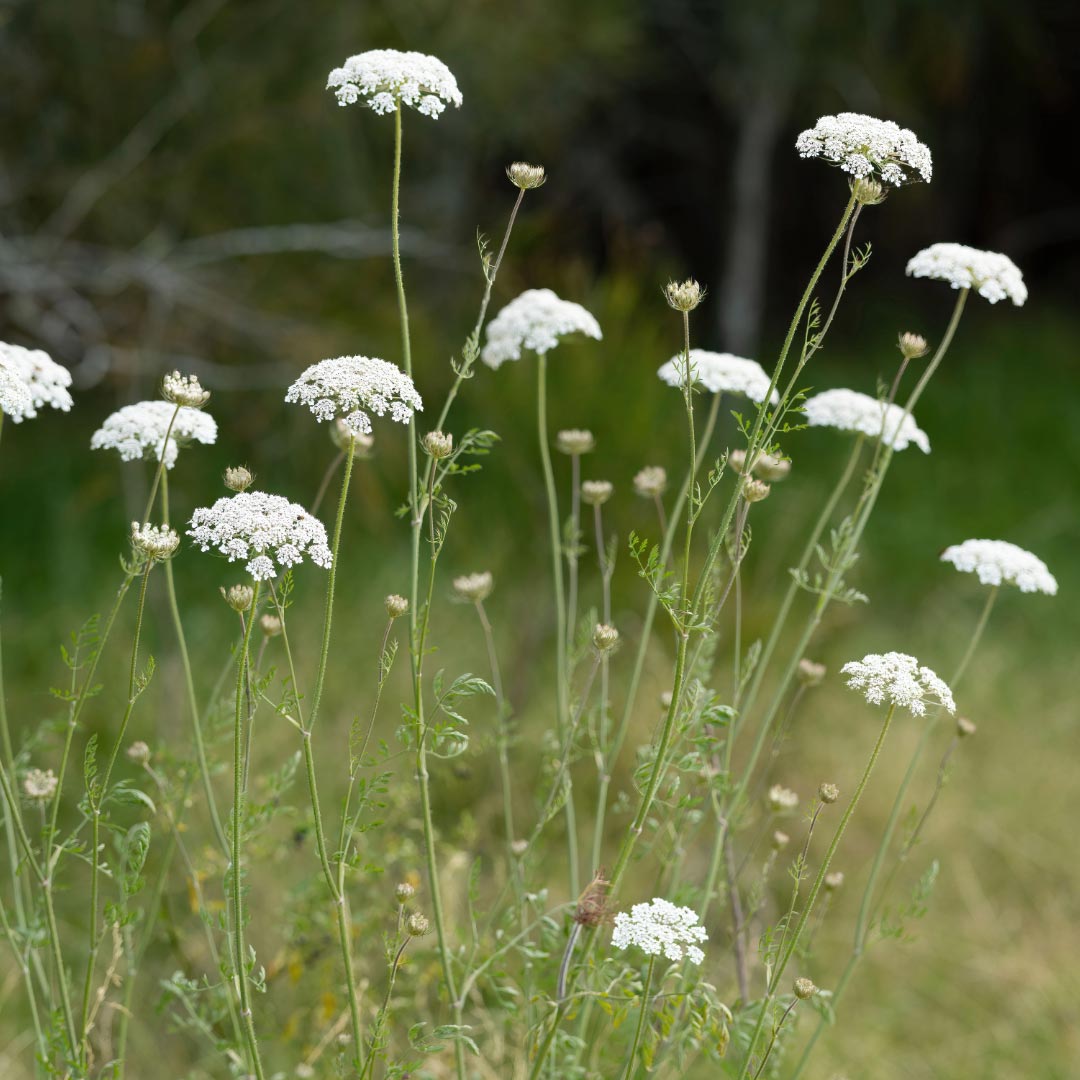
Myrrh is a small, thorny tree belonging to the Burseraceae family, native to arid regions of northeast Africa and parts of Arabia near the Red Sea. The tree typically grows up to a few metres in height, with small oval leaves and delicate white flowers. As the tree matures, its bark often becomes pale or whitish.

The essential oil is obtained from the oleoresin gum, which is released when careful incisions are made in the bark. A pale yellow liquid slowly seeps out and, upon contact with air, hardens into a brittle resin ranging in colour from yellow to deep reddish-brown. This resin is traditionally left to dry on the tree or collected and further cured before being steam distilled to produce the essential oil.

Somalia is recognised as one of the principal producing regions, alongside Ethiopia and Sudan. For centuries, myrrh resin has been traded across Africa, the Middle East, and Europe, prized both for its aroma and its cultural significance.

Since antiquity, myrrh has been revered across many civilisations. It was used by the ancient Egyptians in embalming rituals, sacred incense, perfumes, ointments, and traditional remedies. Archaeological findings have revealed myrrh resin in burial pots and tombs, highlighting its long-standing association with preservation, purification, and spiritual practice. Myrrh was also famously offered as a gift in ancient religious traditions and has remained listed in historical pharmacopoeias for centuries.

The aroma of Myrrh organic essential oil is warm, earthy, balsamic, and slightly smoky, with a deep, resinous character that feels grounding and contemplative. It blends beautifully with other resins, woods, spices, and gentle florals, making it a timeless ingredient in natural perfumery, aromatic rituals, and skincare formulations inspired by tradition.

A true botanical treasure, myrrh continues to connect modern aromatic practice with thousands of years of plant wisdom, ritual use, and respect for nature’s most precious resins.

More information

Botanical name : Commiphora myrrha

Botanical family : Burseraceae

Plant part used : Gum, Resin

Geographic origin : Somalia,

Chemotype : Curzerene, Furanoeudesma-1,3-diene

Method of production : Steam distillation process

SUPER POWERS
  • Anticatarrhal - helps to remove excess mucus from the body
  • Antifungal - prevents or kills fungus growth
  • Anti-inflammatory - reduces inflammation and swelling
  • Antimicrobial - antibacterial, antifungal, and antiviral properties. An antimicrobial kills microorganisms or inhibits their growth
  • Antiseptic - prevents or combats bacterial infection
  • Astringent - tightens the tissues, reduces fluid loss
  • Carminative - preventsor relieves flatulence; gas in the gastrointestinal tract
  • Cicatrizing - heals a wound by the formation of scar tissue
  • Expectorant - promotes the removal of mucus from the lungs, bronchi, and trachea
  • Mucolytic - helps fluidify mucus in the lungs, making it easier to cough up
  • Decongestant - used to relieve stuffy nose
  • Vulnerary - helps wounds to heal
Usage tips

One to two drops to flavor culinary preparations.
As an herbal tea: 1 to 2 drops in honey, diluted in a warm infusion.

PET SAFE

If this oil or blend is safe to Diffuse, it will be checked for Dog, Cat, or both underneath:

General Guidelines for Diffusing Around Pets:
  1. Diffusion Time: Limit diffusing sessions to 15-20 minutes.
  2. When trying a new essential oil, use 1-2 drops (in the diffuser) and observe how your dog or cat reacts.
  3. Ventilation: Keep the area well-ventilated.
  4. Observation: Always monitor pets for any signs of distress when diffusing essential oils.
Quality

- Certified Organic
- Certified Organic farming

Certification

At Ad Naturam, well-being and environmental respect go hand in hand. Their mission is guided by ecological ethics, fair trade, and uncompromising quality from source to bottle.

🌿 Short-Circuit Organic Agriculture

Pioneers in organic farming, committed to nature and people.

Over a hundred certified organic essential oils developed with full respect for the environment.

Direct sourcing from trusted distilling partners in France and worldwide - no intermediaries.

Support for fair prices, long-term partnerships, and sustainable development projects.

Products with full traceability, exceptional quality, and a reduced environmental footprint.

🤝 Ethical Commitments

No ingredients from chemical synthesis (no colorants, preservatives, or synthetic perfumes).

Exclusive use of non-GMO and certified organic ingredients whenever possible.

Ethical wild harvesting that protects ecosystems and biodiversity.

Priority given to ingredients from fair trade projects.

No animal testing on raw materials or finished products.

Simple, non-polluting manufacturing methods to ensure biodegradability and purity.

🌍 Fair For Life Certified

Ad Naturam holds the Fair For Life label, promoting respectful and transparent relationships from source to consumer.

A brand dedicated to protecting producers and building sustainable, human-centered supply chains.

🧪 Expertise from Planting to Bottle

Complete control of the production chain - from cultivation to bottling.

Long-term collaboration with producers to guarantee stable quality.

Rigorous quality control for every batch, ensuring purity, authenticity, and natural integrity.

Skin type
  • Aging skin
  • Dry skin
  • Sensitive
  • Blemished skin
  • Mature
Beneficial for these skin types

Aging skin – supports skin regeneration and helps maintain a smoother, more resilient appearance.

Dry skin – helps nourish, protect, and reduce the feeling of tightness and discomfort.

Sensitive skin – traditionally valued for its soothing and balancing properties when properly diluted.

Mature skin – supports elasticity and skin vitality, especially in long-term care rituals.

Also suitable for:

Blemished skin – helps keep skin clean and balanced while supporting natural repair processes.

Skin & hair issues
  • Acne
  • Athlete's foot
  • Bruises
  • Burns
  • Dermatitis
  • Dry skin
  • Eczema
  • Infections
  • Insect bites & stings
  • Psoriasis
  • Rashes
  • Scars
  • Wounds & ulcers
  • Wrinkles
  • Pimples
  • Itchiness
  • Flaky skin
  • Skin elasticity
Health issues
  • Fungal infections
  • Physical exhaustion
  • Poor circulation
  • Tooth & gum disease
  • Viral infections
  • Vascular health, good blood circulation and flow
  • Yeast infections
Respiratory issues
  • Colds & Flu
  • Bronchitis
  • Coughing
  • Sinusitis
  • Sore throat
  • Stuffy nose
Precautions for use

Keep out of reach of children. Do not use undiluted or diluted in water. Do not use without medical advice in children under 7 years of age, pregnant or breastfeeding women, people with seizures or epilepsy, the elderly, or people allergic or sensitive to essential oils.

Packaging & storage

- 5 ml blue glass bottle with dropper.
- Keep the bottle tightly closed in a cool, dark place.

A little history

Myrrh comes from trees of the Commiphora genus, native to the dry lands of northeast Africa and the Arabian Peninsula. Long before written medicine, people noticed something remarkable: when the bark was cut, the tree “bled” a fragrant resin that hardened into golden-brown tears. These resin drops were precious, portable, and potent - perfect for trade in a world without refrigeration or chemistry labs.

In ancient Egypt, Myrrh was indispensable. It was used in sacred incense, perfumes, ointments, and embalming practices. Egyptian texts describe it as a purifier and preserver, and jars of myrrh resin have been found in tombs, placed there to accompany the dead into the afterlife. It wasn’t just symbolic - it helped slow decay and mask odour, a very practical magic.

Across Mesopotamia and the Levant, Myrrh became a cornerstone of temple rituals. When burned, its smoke was believed to carry prayers upward, creating a bridge between the human and divine. This is why Myrrh, alongside Frankincense, became synonymous with sacred spaces, contemplation, and solemn rites.

In Greek and Roman medicine, physicians such as Hippocrates and Dioscorides recorded Myrrh for wounds, mouth care, skin conditions, and infections. Roman soldiers carried it for battlefield injuries, while healers used it for gums, ulcers, and slow-healing tissue. Its bitter, resinous nature made it a classic substance for “closing and restoring” damaged flesh.

Myrrh also moved along the Incense Route, one of the ancient world’s most valuable trade networks. Caravans transported it from Somalia, Ethiopia, and southern Arabia to Egypt, Greece, Rome, India, and China. At times, Myrrh was worth its weight in gold.

In biblical tradition, Myrrh is famously one of the three gifts offered at the birth of Jesus, often interpreted as a symbol of mortality, sacrifice, and the sacredness of the human body. This association cemented its role as a resin linked to both birth and death - beginnings and endings.

Across centuries and cultures, one theme stays constant: Myrrh is a resin of preservation, protection, and deep repair. Unlike bright, uplifting botanicals, it was never about speed or stimulation. Myrrh works slowly, grounding, sealing, and restoring - which is exactly why it has remained relevant from ancient temples to modern natural skincare.

Volume

5 ml

Immunity and prevention banner showing natures alleys for strengthening your immune system.

Strengthen Your Defenses Naturally

Immunity & Prevention

Discover nature’s most powerful allies - essential oils, hydrosols, superfoods, food supplements, and herbal remedies to protect, energize, and restore balance all year round.

Hi, I’m Susann!

I’m a holistic aromatherapist and naturopath, and I’m here to help you choose the best essential oils and natural products for your well-being - at no extra cost. Feel free to reach out with any questions or for personalized advice. I’m here to support you!

Send me an e-mail at susann@elliotti.com

Exclusive Guides

Exclusive Guide to Rosemary Essential Oil

Exclusive Guide to Marjoram Essential Oil
Exclusive Guide to Atlas Cedar Essential Oil

Exclusive Guide to Ravintsara Essential Oil

Exclusive Guide to Geranium Essential Oil
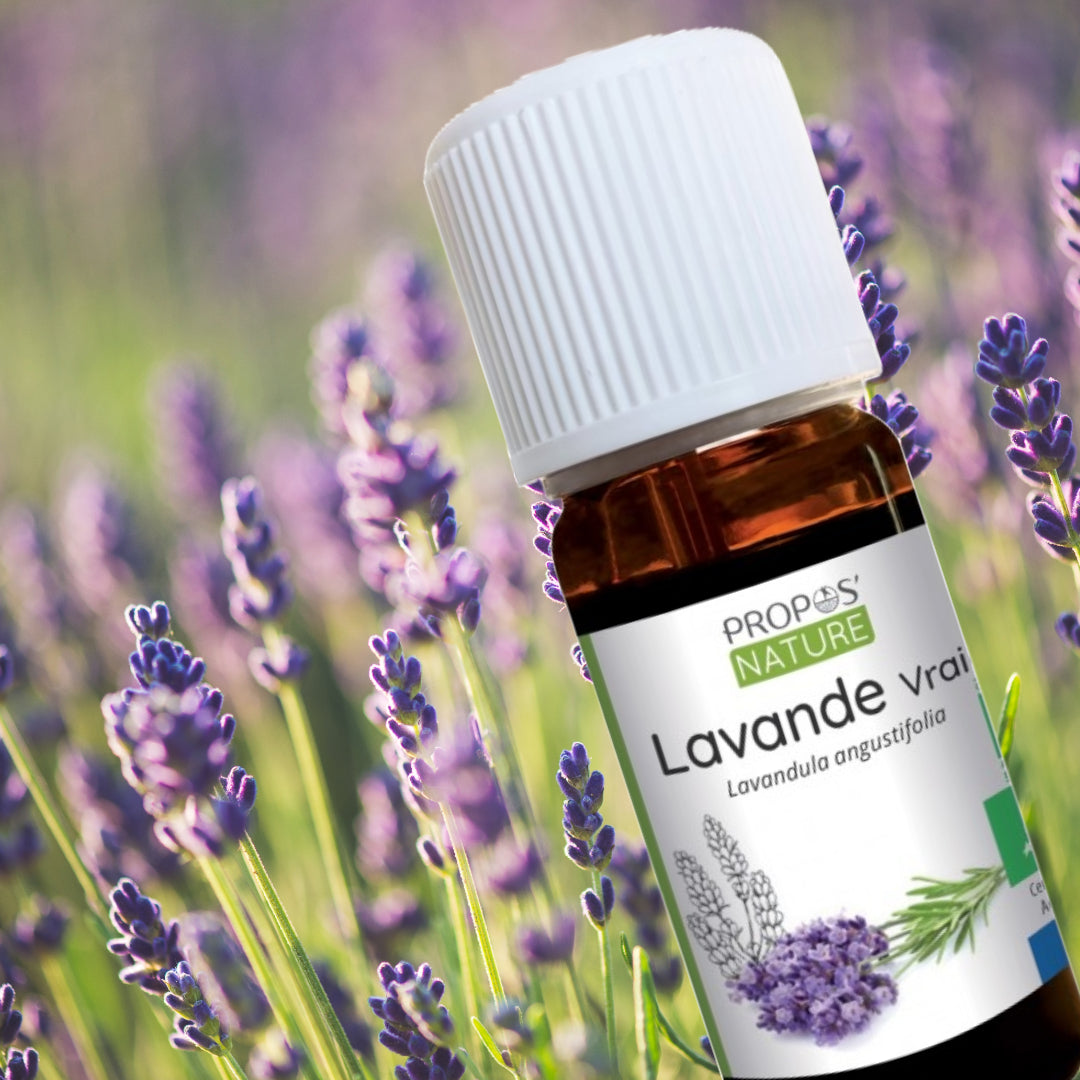
Exclusive Guide to Lavender Essential Oil
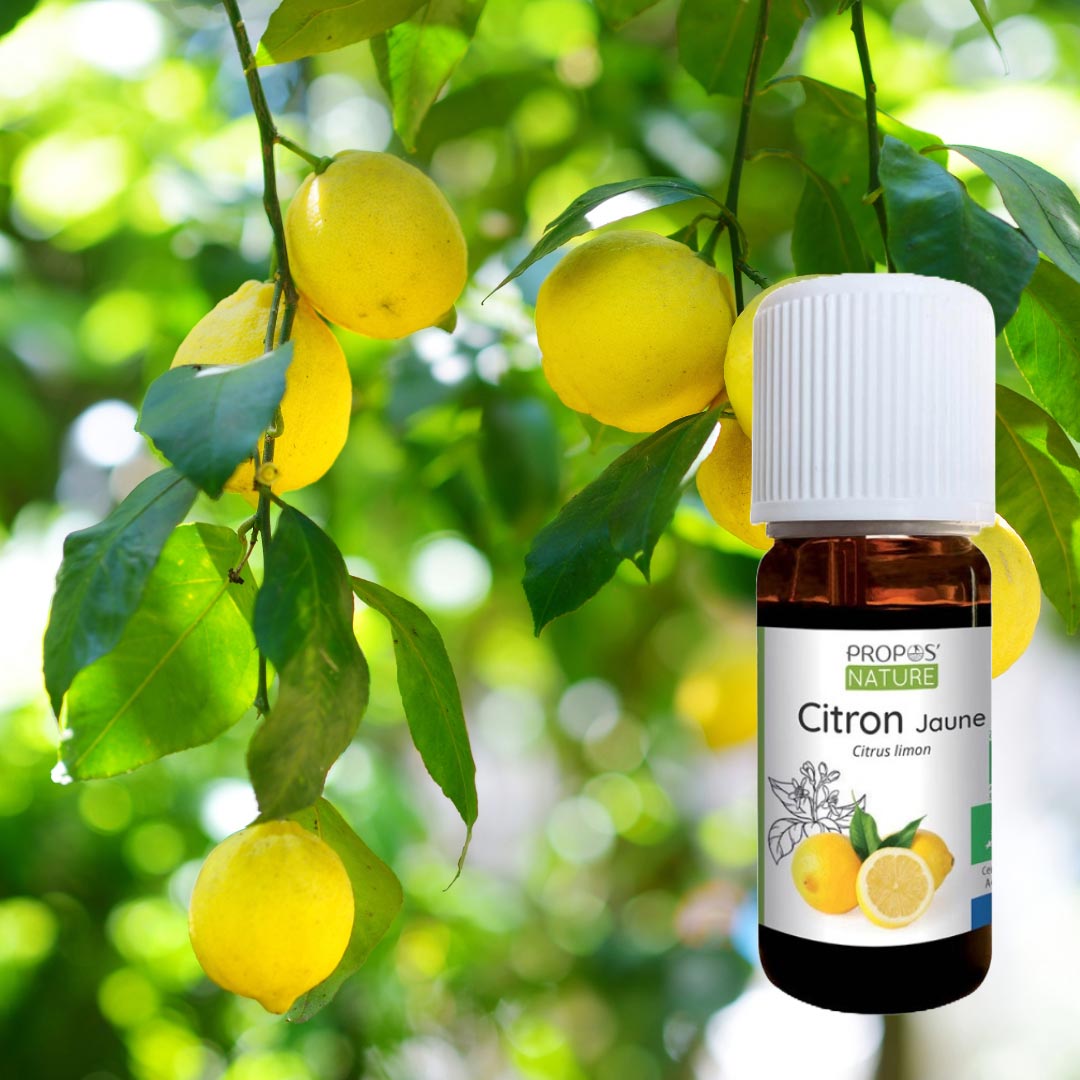
Exclusive Guide to Lemon Essential Oil
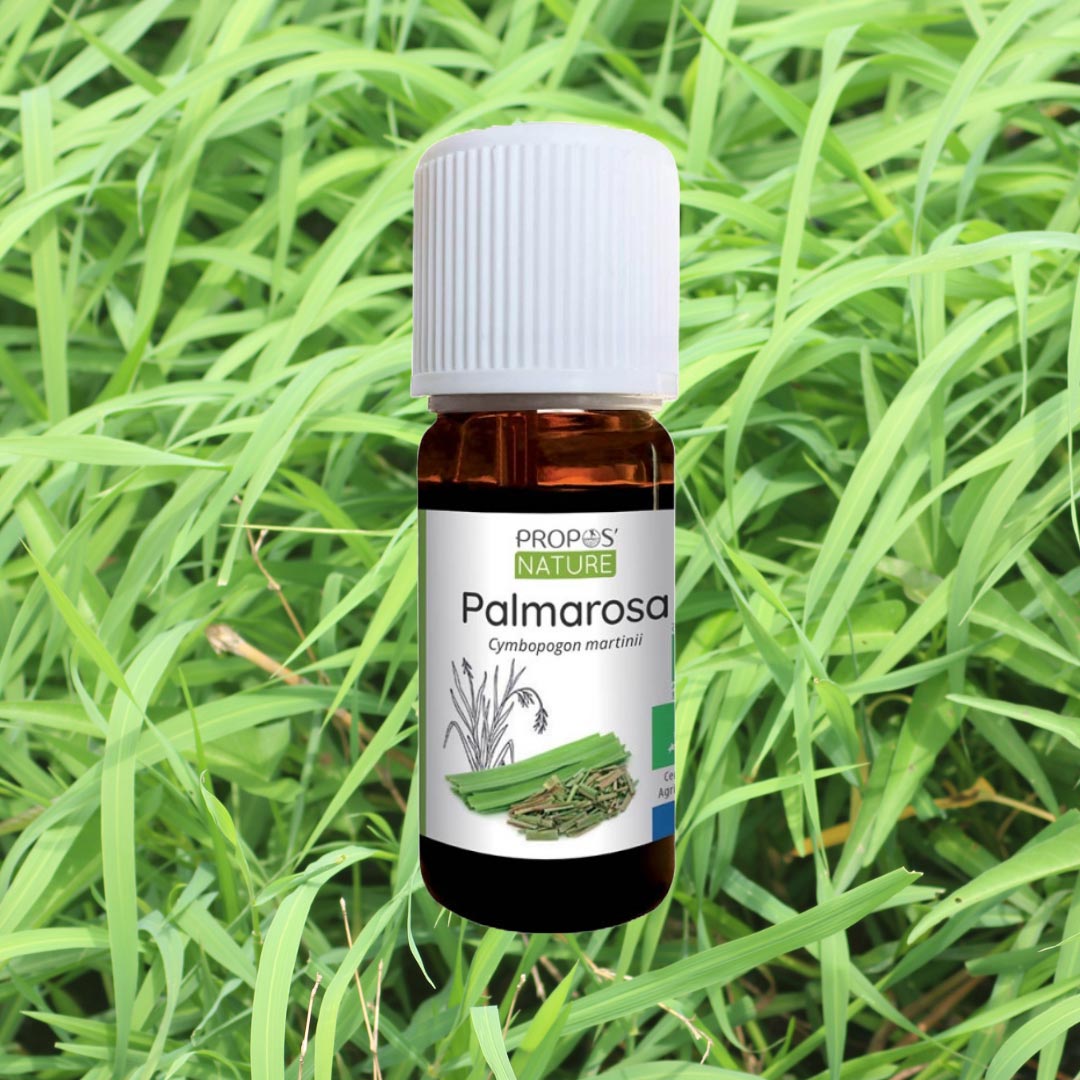
Exclusive Guide to Palmarosa Essential Oil
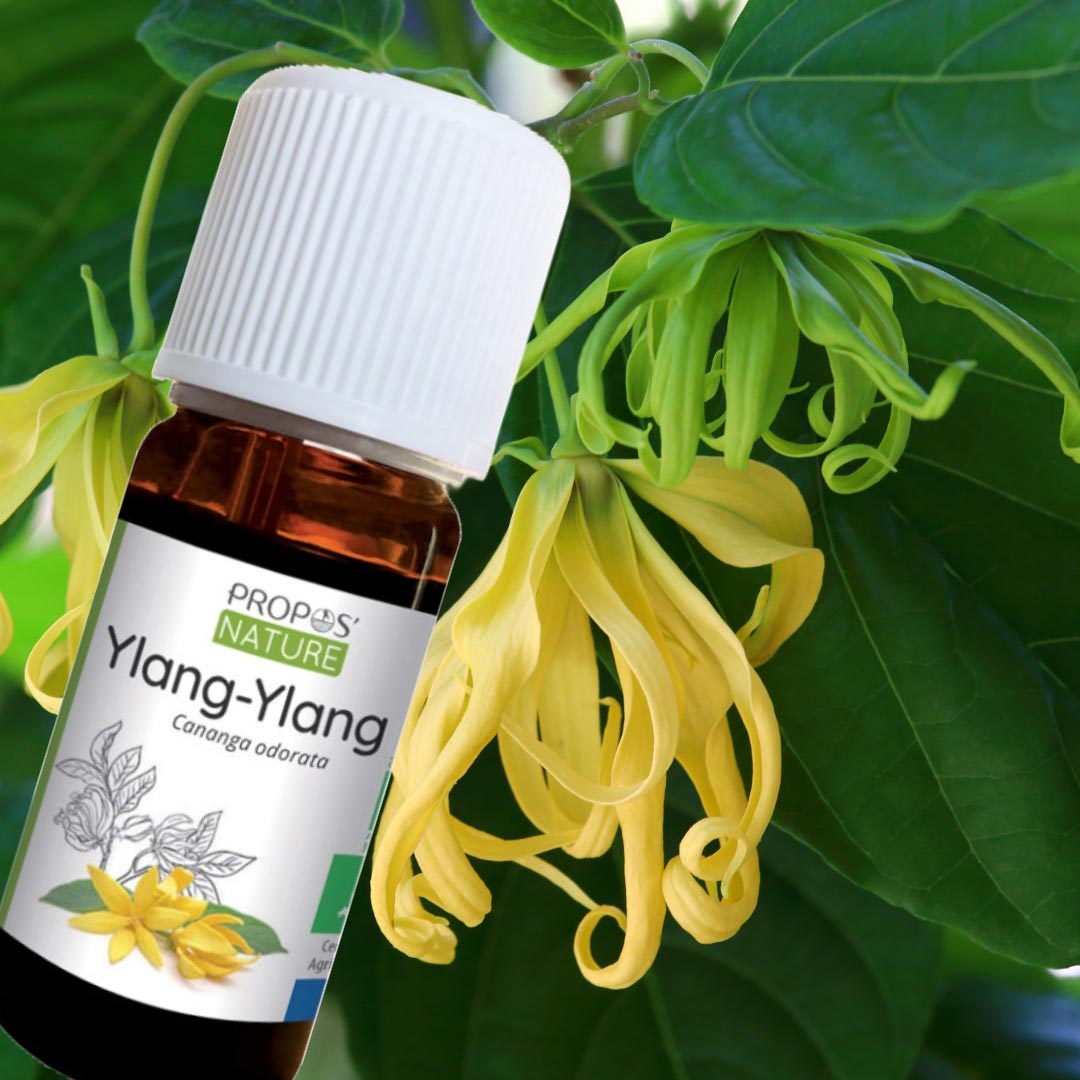
Exclusive Guide to Ylang Ylang Essential Oil
Exclusive Guide to Black Spruce
Exclusive Guide to Clary Sage Essential Oil
Exclusive Guide to Cinnamon Essential Oil
Exclusive Guide to Peppermint Essential Oil

Exclusive to Patchouli Essential Oil
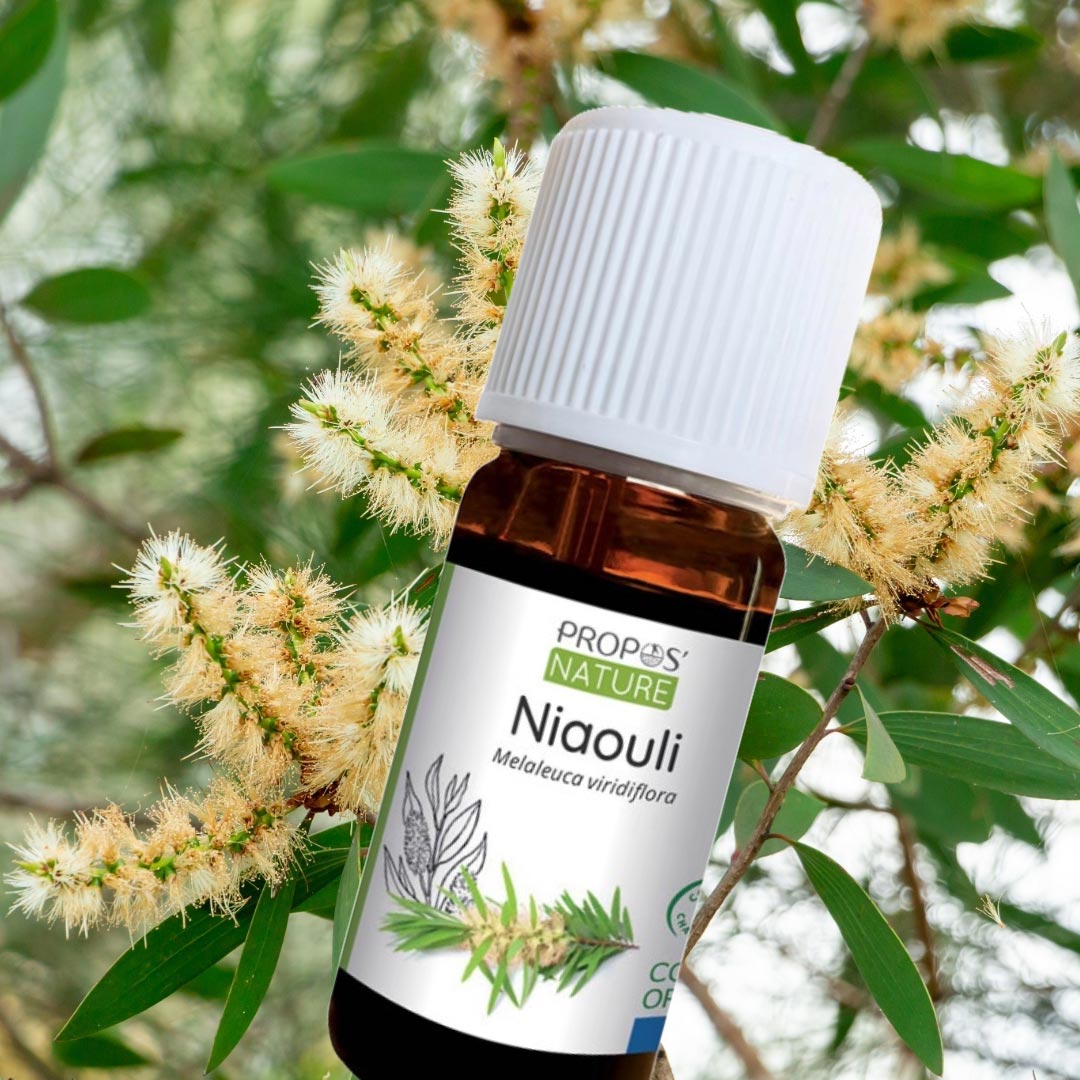
Exclusive Guide to Niaouli Essential Oil
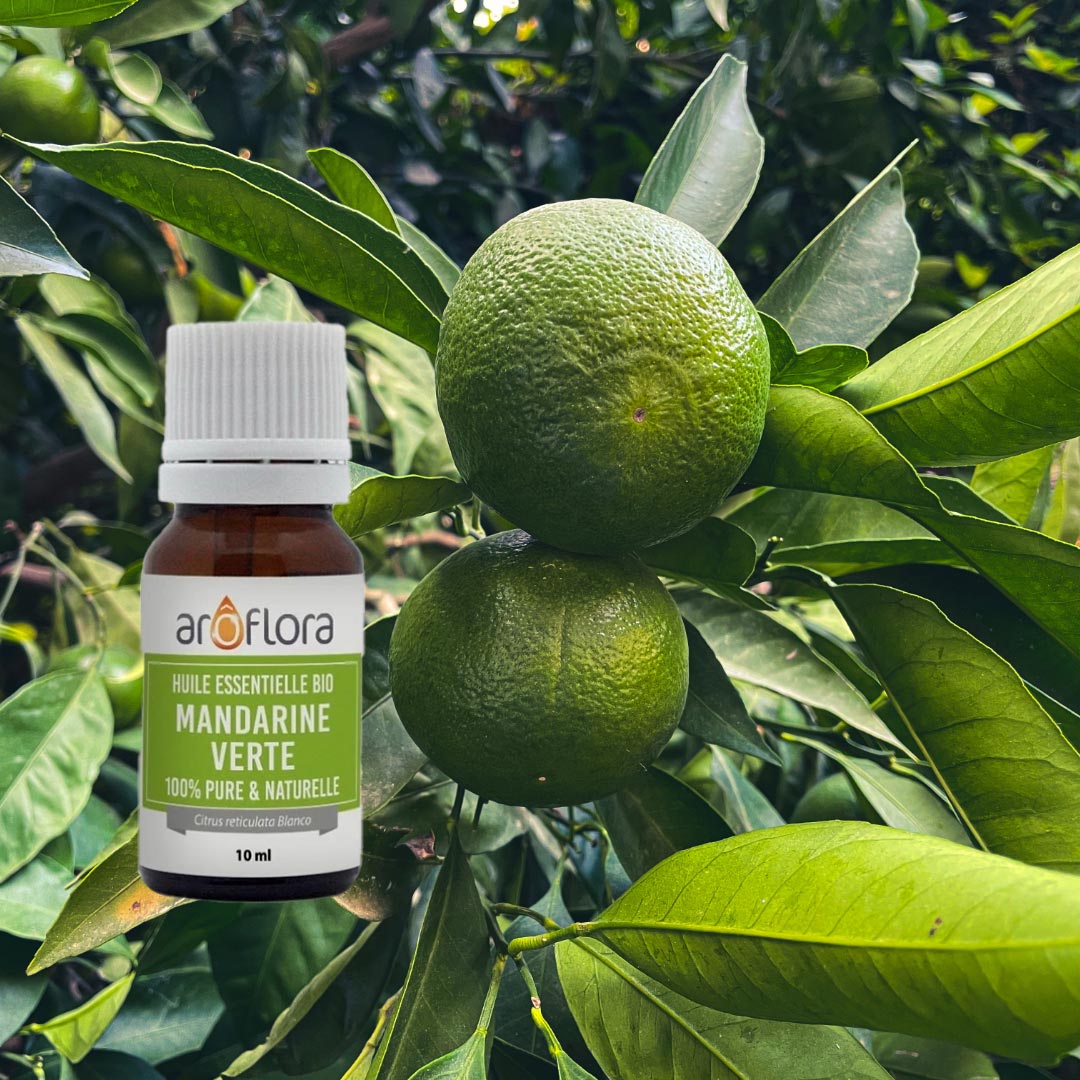
Exclusive Guide to Green Mandarin
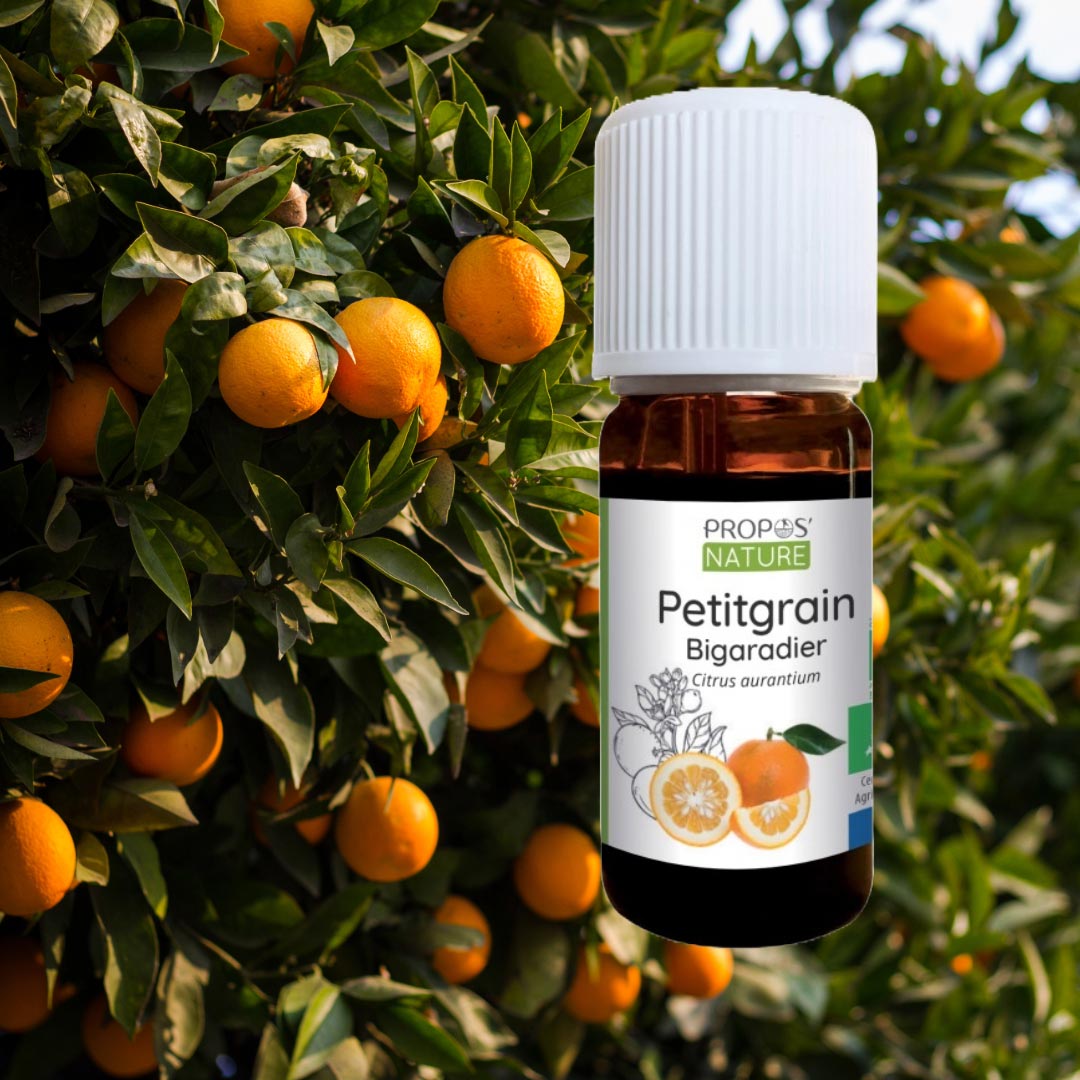
Exclusive Guide to Petitgrain Essential Oil
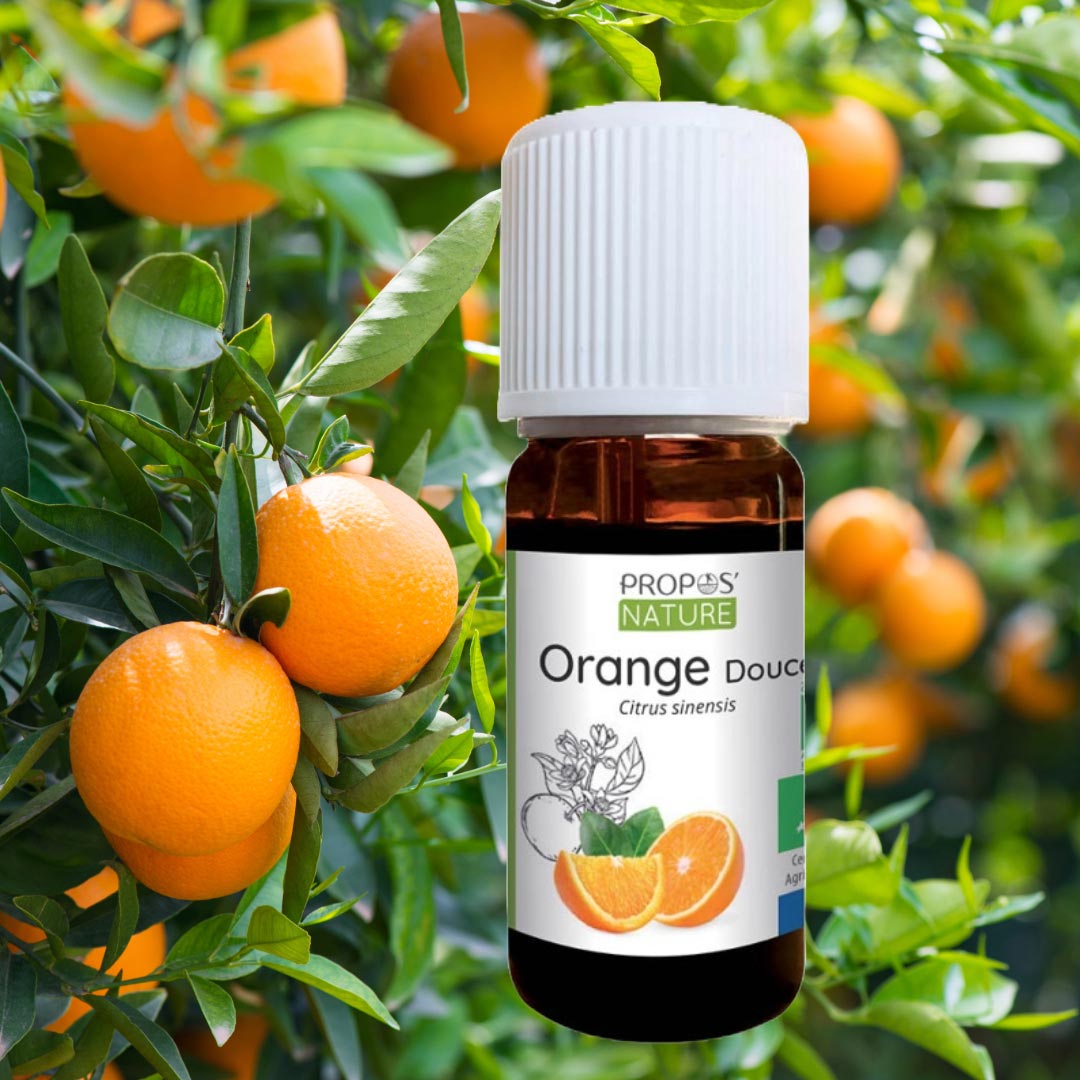
Benefits, Uses - Sweet Orange Essential Oil
Benefits, Uses - Eucalyptus Lemon
Benefits, Uses - Scots Pine Essential Oil