Shea Butter Organic, 100ml

Regular price € 9,50

Organic Farming

Certified Organic

The french flag - Made in France - Elliotti

Made in France

Immerse yourself in the deeply nourishing and protective qualities of Organic Shea Butter, sourced from the finest shea nuts in Burkina Faso, Africa. This luxurious butter is renowned for its rich texture and multitude of benefits for the skin and hair.

Product Features:

  • 100% Pure & Organic: Our Shea Butter is certified organic, ensuring it’s free from synthetic additives and pesticides, delivering pure, natural goodness.
  • Unrefined and Raw: Maintains all its natural vitamins and fatty acids, ensuring the highest quality butter with maximum benefits.
  • Rich and Creamy: Offers a dense, creamy texture that melts on contact with the skin, providing deep nourishment and hydration.

Benefits:

  • Intense Moisturization: Provides deep hydration, making it ideal for dry and sensitive skin, leaving it soft, smooth, and supple.
  • Rich in Vitamins: Packed with vitamins A and E, it nourishes and protects the skin, helping to reduce the appearance of fine lines and wrinkles.
  • Soothes and Heals: Known for its anti-inflammatory and healing properties, it helps to soothe and repair irritated or damaged skin, including conditions like eczema and psoriasis.
  • Protective Barrier: Forms a protective barrier on the skin to lock in moisture and shield against environmental stressors.

Usage:

  • Facial Care: Apply a small amount to clean skin as a rich moisturizer, particularly beneficial for dry and mature skin types.
  • Body Care: Use as a nourishing body butter, focusing on areas with dry or rough skin such as elbows, knees, and feet. It’s also perfect for use as a massage butter.
  • Hair Care: Apply to the scalp and hair as a deep conditioning treatment, or use a small amount on the ends to reduce split ends and add shine.
  • Lips and Hands: Excellent for chapped lips and dry hands, providing intense moisture and protection.

Embrace the deeply nourishing and protective properties of Organic Shea Butter from Burkina Faso. Suitable for all skin and hair types, this versatile butter offers a natural approach to beauty and wellness, enhancing your routine with its multitude of benefits.

Note: For external use only. 

Cosmetique BIO certification label

More information

Botanical name: Butyrospermum parkii

INCI name: Butyrospermum parkii butter

English name: Organic shea butter oil

Botanical family: Sapotaceae

Part of the plant: Sorted nuts

Method of production: The washed and dried nuts are crushed, roasted and ground until a thick paste is obtained. Immersion of this paste in boiling water will allow the butter to be separated from the other components of the almond and in particular the impurities. The product is then refined by heating, bleached and deodorized according to a natural process, without solvent intervention.

Origin of the plant: Africa / Burkina Faso

100% natural product, raw unrefined grade A Shea butter
Cosmetic quality
Manufactor: Laboratoire Propos' Nature (France) only favor small producers, artisans, and fair trade.

THE FRUIT OF A SAVANNAH TREE
Shea is a savannah tree that grows in Central and West Africa, in countries such as Nigeria, Senegal, and Burkina Faso. Its fruit contains a nut rich in fat which, when pressed, gives shea butter. This fat is essentially composed of oleic acid and stearic acid which give it undisputed moisturizing and nourishing properties. Its richness in unsaponifiable makes it an excellent soothing and protective agent for the skin.

Usage tips

Shea butter is a rich vegetal fat that must be gently melted before use. It melts easily with body heat or using a bain-marie (water bath). Once melted, it blends beautifully with vegetable oils, essential oils, and oil-soluble active ingredients.

🌿Key Cosmetic Actions

Shea butter is:
- Repairing and healing
- Anti-dehydrating
- Calming and soothing
- Nourishing and softening
- Emollient (protects and strengthens the skin barrier)
- Naturally UV protective (supportive, not a sunscreen)

🌿How to Use Shea Butter

1. As a Daily Skin Treatment

Best for dry, sensitive, irritated, or damaged skin.

How to apply
Warm a small amount between your palms and massage onto slightly damp skin.

Where
Face (very small amount), body, hands, feet, elbows, knees.

2. As a Nourishing Massage Base

Shea butter provides slip, warmth, and deep nourishment.

💚Basic Massage Blend
Shea butter: 30 g
Sweet Almond oil: 20 ml
Melt the shea butter gently, remove from heat, add the oil, mix well, and let cool until creamy.
Optional essential oils (max 1% for body):

Lavender fine: 6 drops (calming, repairing)
Geranium: 4 drops (skin balance, soothing)

3. Repairing Balm for Dry, Cracked or Irritated Skin

Ideal for chapped skin, hands, feet, elbows, minor irritations.

💚Repair Balm Recipe

Shea butter: 40 g
Calendula macerated oil: 10 ml
Optional essential oils (gentle):
Lavender fine: 6 drops
Helichrysum: 4 drops

Melt, blend, pour into a jar, allow to solidify.

Use 1–2 times daily.

4. Soothing Balm for Sensitive or Problem Skin

Supports skin prone to redness, irritation, or acne (used sparingly).

💚Soothing Face & Body Balm

Shea butter: 30 g
Jojoba oil: 15 ml
Nigella (Black Seed) oil: 5 ml

Optional essential oils:

Lavender fine: 4 drops
Tea Tree: 2 drops

Apply a very small amount to clean skin.

5. Lip Care – Protective & Healing

Excellent for dry, cracked lips.

💚Lip Balm Recipe

Shea butter: 20 g
Coconut oil: 10 g

Optional essential oil:

Sweet Orange: 1 drop (optional, for scent)

Pour into small containers and let set.

6. Hair Care – Nutrition, Strength & Shine

Shea butter helps seal moisture and protect hair fibers.

💚Hair Mask (Pre-shampoo)

Shea butter: 20 g
Argan oil: 10 ml

Melt and apply to lengths and ends.
Leave on 30–60 minutes, then shampoo.

Leave-in Tip
Rub a pea-sized amount between hands and smooth over dry ends only.

7. UV Supportive Care

Shea butter offers natural UV-supportive properties, helping calm skin after sun exposure.

💚After-Sun Soothing Balm

Shea butter: 40 g
Aloe vera oil (oil-soluble): 10 ml

Optional essential oils:

Lavender fine: 6 drops
Peppermint: 2 drops (cooling sensation)

Apply after sun exposure to calm and nourish the skin.

8. Use in Emulsions & Soaps

🌿Shea butter works well:
- As the fatty phase of emulsions
- In cold-process soaps for hardness, nourishment, and skin comfort

🌿Typical usage in formulations:
- Creams & lotions: 5–20%
- Balms & butters: 30–100%
- Soaps: 5–15%

🌿Practical Tips:
- Always melt gently, never overheat
- Stir well while cooling to avoid graininess
- A little goes a long way
- Suitable for all skin types, including sensitive skin

Skin type
  • Aging skin
  • Blemished skin
  • Dry skin
  • Normal skin
  • Oily skin
  • Sensitive
  • All skin types
  • Mature
Skin types

Shea butter works by strengthening the skin barrier, reducing water loss, and calming irritation. Rather than forcing change, it supports the skin’s natural repair and balance mechanisms, which is why it can suit many different skin types when used correctly.

Aging Skin

Shea butter is rich in natural fatty acids and unsaponifiable compounds that help maintain skin elasticity and suppleness. It protects the skin barrier, limits moisture loss, and supports smoother, more comfortable skin, helping aging skin look softer and more resilient over time.

Blemished Skin

When used in small amounts or blended with lighter oils, shea butter helps soothe inflammation and repair skin stressed by breakouts. It supports healing and reduces dryness or irritation often caused by cleansing or spot treatments, without aggressively stimulating the skin.

Dry Skin

Shea butter is exceptionally effective for dry skin. It deeply nourishes, locks in moisture, and restores the lipid barrier, relieving tightness, flaking, and discomfort. It also helps protect dry skin from environmental stress.

Normal Skin

For normal skin, shea butter helps maintain balance and softness. Used lightly, it preserves hydration, supports skin comfort, and protects against dehydration without disrupting the skin’s natural equilibrium.

Oily Skin

Shea butter can be beneficial for oily skin when applied sparingly and correctly. By reinforcing the skin barrier, it can help reduce dehydration-triggered overproduction of sebum. It is best used in blends or targeted areas rather than as a heavy, full-face application.

Sensitive Skin

Shea butter is especially valued for sensitive skin due to its calming and soothing properties. It helps reduce redness, irritation, and reactivity while strengthening the skin’s natural defense system. Its gentle nature makes it well tolerated, even on fragile skin.

All Skin Types

Because shea butter works with the skin rather than against it, it can suit all skin types. The key lies in dosage and formulation: pure and rich for dry skin, lighter blends for oily or blemish-prone skin, and simple formulas for sensitive skin.

Mature Skin

Mature skin often needs both comfort and protection. Shea butter nourishes, softens, and supports skin elasticity while protecting against moisture loss. It helps mature skin feel smoother, calmer, and more supported on a daily basis.

In essence: Shea butter adapts to the skin’s needs. Whether the skin lacks oil, moisture, comfort, or resilience, shea butter provides the structural support that allows the skin to function at its best.

Skin- and hair issue's
  • Dry skin
  • Flaky skin
  • Eczema
  • Dermatitis
  • Psoriasis
  • Rashes
  • Itchiness
  • Sunburned skin
  • Burns
  • Wounds & ulcers
  • Hives
Properties
  • Anti-inflammatory
  • Moisturizing
  • Protective
  • Protective against UV damage
  • Softening
  • Soothing
Nutrients
  • Vitamin A
  • Vitamin E
  • Vitamin F
  • Omega 9
Composition

Main polyunsaturated essential fatty acids:
linoleic acid (C18:2): 4 to 9%

Main monounsaturated fatty acids:
oleic acid (C18:1): 42 to 49%

Main saturated fatty acids:
palmitic acid (C16:0): 3 to 7%
stearic acid (C18:0): 40 to 47%

Unsaponifiable: 6 - 10%

Quality

Quality: 100% pure and natural deodorized butter, no additives or other ingredients are added in the butter, cosmetic quality

Cultivation: Organic, 100% of the ingredients come from organic farming. Controlled manufacturing process. Characteristics certified by Bureau Veritas Certification France, according to the I-305 standard available at www.bureauveritas.fr/besoin/certification-i-305 .

Appearance: Semi-solid butter

Colour: Creamy white, slightly yellow

Odour: Few odors, slight notes of almonds

Density: 0.90

Melting point: 30 to 35°C

Saponification index: 180-200

Oxidative potential: Not very sensitive to oxidation

A little History

Origins in West Africa

For thousands of years, communities in what are now Ghana, Burkina Faso, Mali, Nigeria, and Côte d’Ivoire have harvested shea nuts from trees that can live 200–300 years. The tree was never domesticated in the modern sense; it belongs to the land and regenerates naturally, making shea one of the earliest examples of sustainable wild harvesting.

The butter extracted from the nuts was known as “women’s gold.” Processing shea has traditionally been the domain of women, and it played a central role in economic independence, social bonds, and cultural transmission of knowledge from one generation to the next.

🌿Traditional Uses

Historically, shea butter was far more than skincare.

It was used:
- As a protective skin balm against sun, wind, and dry heat
- To heal wounds, burns, and cracked skin
- As a cooking fat, prized for its stability
- To protect babies’ skin
- In rituals, ceremonies, and traditional healing practices

Travelers crossing the Sahara carried shea butter to protect their skin from extreme climates, and it was traded along ancient caravan routes.

🌿Shea Butter and Royalty

Shea butter was valued even in ancient Egypt. Historical records suggest it was used in cosmetic preparations and as part of embalming rituals. Jars believed to contain shea butter were found in tombs, hinting at its importance for skin preservation and protection in life and afterlife.

🌿Arrival in the Western World

Europe became aware of shea butter during the 18th and 19th centuries through explorers and traders. However, it remained largely unknown outside Africa until the late 20th century, when the natural cosmetics movement began looking for plant-based alternatives to petroleum-derived ingredients.

Shea butter’s ability to protect, soften, and stabilize formulations quickly made it a staple in:
- Natural skincare
- Soap making
- Hair care
- Pharmaceutical ointments
- It is also used in food industries as a cocoa butter alternative due to its similar fatty acid profile.

🌿Shea Butter Today

Today, shea butter sits at the crossroads of ancestral knowledge and modern formulation science. While refined versions dominate mass-market cosmetics, traditionally processed or gently refined shea butter remains prized for its skin compatibility and reparative properties.

At its core, shea butter has not changed. It is still:
- Harvested by hand
- Processed with care
- Valued for protection, nourishment, and healing

What has changed is recognition. What was once local wisdom is now global, though its roots remain firmly planted in the red earth of West Africa.

Shea butter’s story is ultimately one of resilience - of trees, of women, and of a deep relationship between humans and plants that has endured for centuries.

Precautions for use

For those with nut sensitivity - May be allergenic, do a skin test prior to use.

Packaging & storage

- Store away from heat and light.
- Storage (DLUO): 1 year after opening
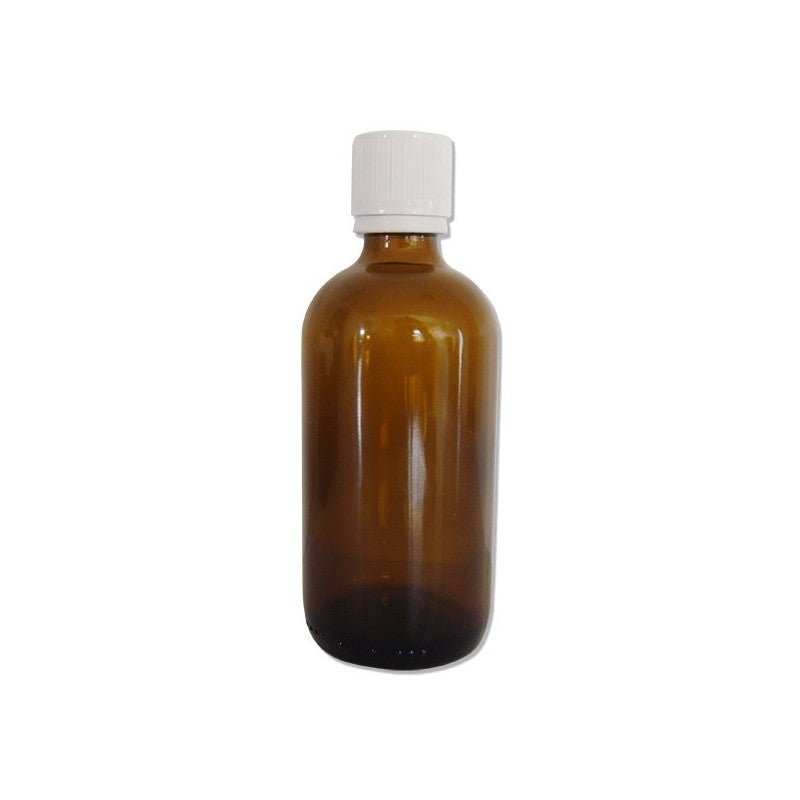
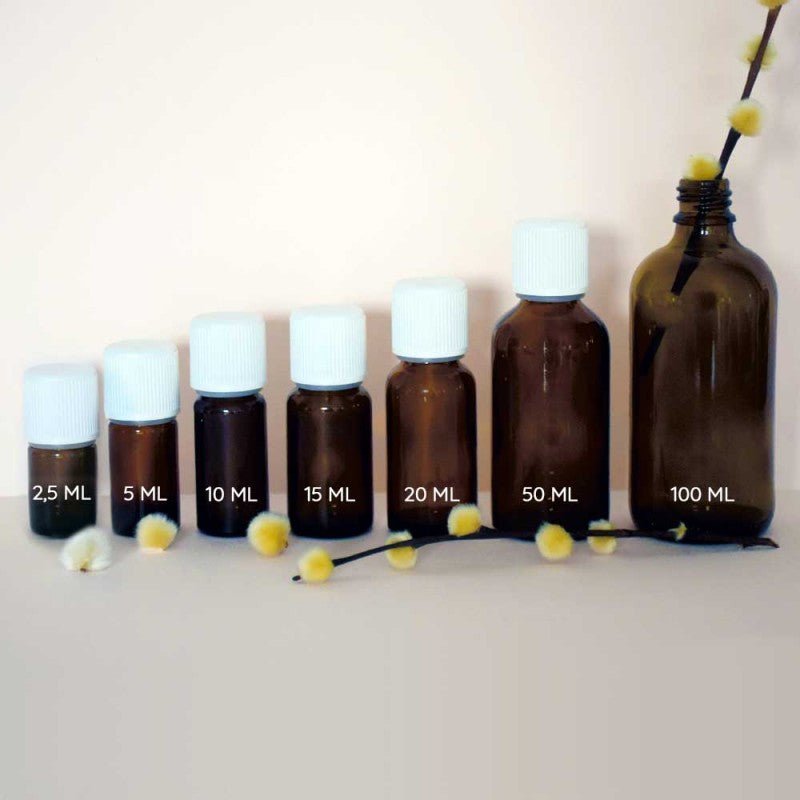
- Packaging: 100 ml PET plastic jar with protective seal and plastic cover

Volume

100 ml