
Understanding Your Immune System
Your immune system is your body's natural defence network. Rather than being a single organ, it is a highly coordinated system involving specialised cells, tissues, organs and chemical messengers that work together to recognise and respond to potential threats.
The body's first line of defence begins with physical barriers such as the skin and the mucous membranes of the respiratory and digestive tracts. Behind these barriers is the innate immune system, which responds quickly when something unfamiliar is detected. The adaptive immune system provides a more specialised response and can develop immunological memory, allowing the body to recognise certain pathogens it has encountered before.
Food First: Where Immune Nutrients Come From
Your immune system is active every day, whether you are aware of it or not. Immune cells are continually being produced and renewed, protective barriers need to be maintained, and an intricate network of cells and chemical messengers is constantly communicating throughout the body.
All of this requires energy and nutrients.
There is no single food that can “boost” the immune system. Instead, normal immune function depends on adequate nutrition as a whole. Protein and essential fatty acids matter, as do a surprisingly large number of vitamins and minerals.
Among the nutrients with established roles in normal immune function are vitamins A, B6, B12, C and D, folate, iron, copper, selenium and zinc.
A varied diet is therefore a sensible place to start.
Zinc is found in foods such as shellfish, meat, seeds, nuts, legumes and whole grains.
Selenium occurs in Brazil nuts, fish, seafood, eggs, meat and grains. An interesting detail about selenium is that the amount found in plant foods can vary considerably according to the soil in which they were grown.
Vitamin C is found in many fruits and vegetables, including citrus fruits, kiwi, berries, peppers, broccoli and other cruciferous vegetables.
Vitamin A is present in animal foods, while carrots, sweet potatoes, leafy greens and other colourful vegetables provide carotenoids, some of which the body can convert into vitamin A.
B vitamins and folate are distributed across many different foods, including leafy vegetables, legumes, whole grains, eggs, dairy products, meat and fish. Vitamin B12 occurs naturally mainly in foods of animal origin.
Iron comes from both animal and plant foods. Meat and seafood provide haem iron, while legumes, seeds, whole grains and leafy vegetables provide non-haem iron.
Copper is found in foods including nuts, seeds, shellfish, whole grains and cocoa.
This is one reason variety matters. A handful of seeds provides something different from a bowl of berries, leafy vegetables provide something different from eggs, and mushrooms have a very different nutritional and chemical profile from citrus fruit.
The aim is not to find the perfect “immune food”, but to give the body a broad nutritional foundation from which the immune system can do its normal work.
It is also worth distinguishing correcting a deficiency from simply taking more. If someone is deficient in an essential nutrient, restoring an adequate intake matters. But once requirements are met, taking increasingly large amounts does not necessarily create an increasingly effective immune system. More is not always better.
Antioxidants and Oxidative Stress
The word “antioxidant” appears everywhere in the wellness world, but what does it actually mean?
Our cells continuously produce reactive molecules, including reactive oxygen species (ROS), as part of normal metabolism. Immune cells also deliberately produce some of these molecules as part of immune signalling and defence.
So free radicals and reactive oxygen species are not simply “bad”.
Problems can arise when the production of reactive molecules exceeds the body's ability to regulate them. This imbalance is known as oxidative stress. Excessive oxidative stress can damage lipids, proteins and DNA.
The body therefore has its own sophisticated antioxidant defence systems. These include enzymes such as superoxide dismutase, catalase and glutathione peroxidase, together with compounds such as glutathione.
Nutrition is part of this system too.
Vitamins and minerals participate in antioxidant protection in different ways, while plants provide a vast range of naturally occurring compounds including polyphenols and carotenoids.
This is where eating a colourful and varied diet becomes interesting. Berries, herbs, spices, cocoa, vegetables, fruit and tea do not all provide the same compounds.
Green tea, for example, contains a characteristic group of polyphenols known as catechins. Matcha is made from finely ground green tea leaves, so rather than drinking only an infusion of the leaf, the whole powdered leaf is consumed.
The important idea is balance. Reactive oxygen species themselves participate in normal immune signalling and defence. The goal is not to eliminate them, but for the body's oxidant and antioxidant systems to remain appropriately regulated.
Hydration Matters Too
Water rarely gets mentioned alongside vitamins, minerals and botanicals, but adequate hydration is fundamental to normal physiology.
It is particularly interesting when we look at the body's first lines of defence.
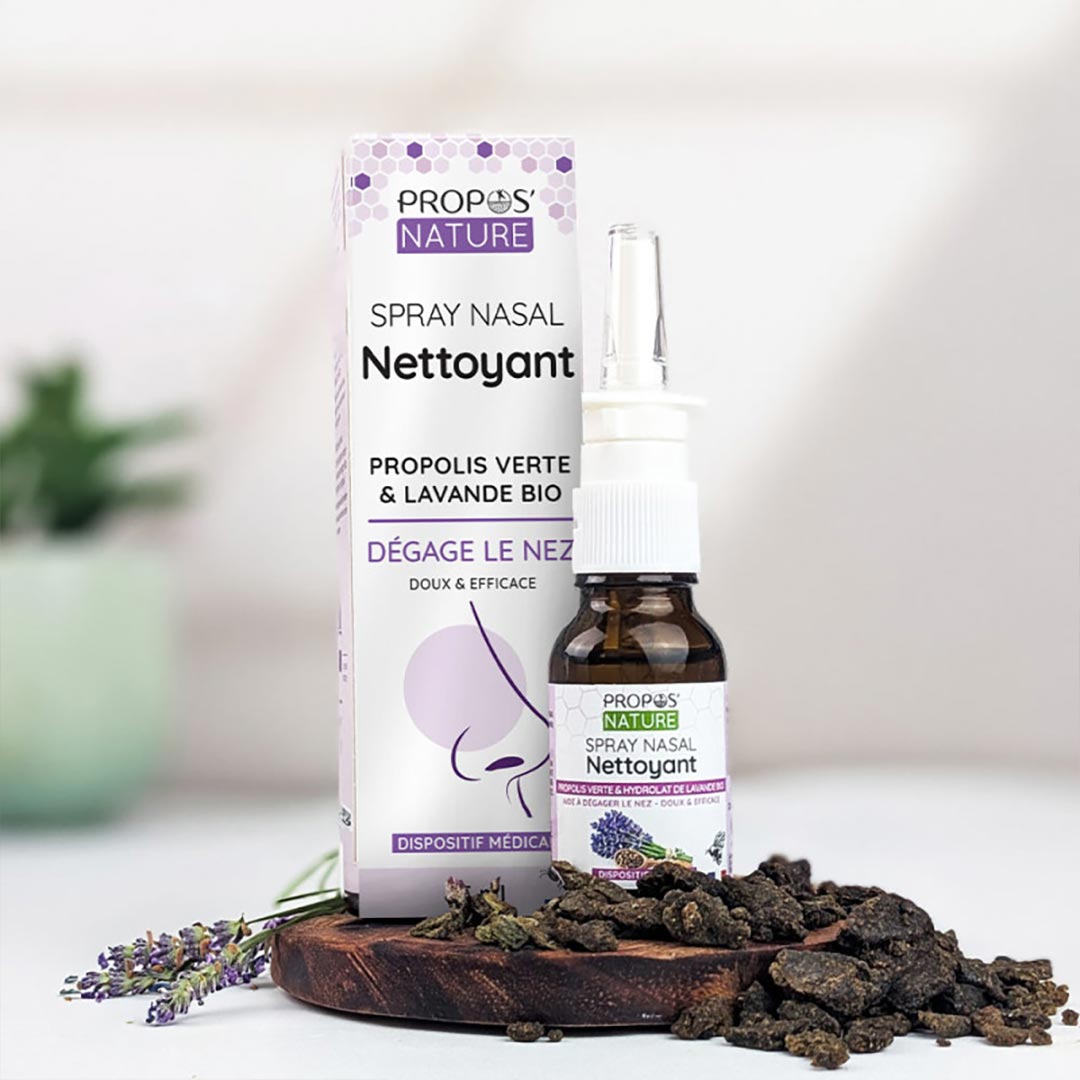
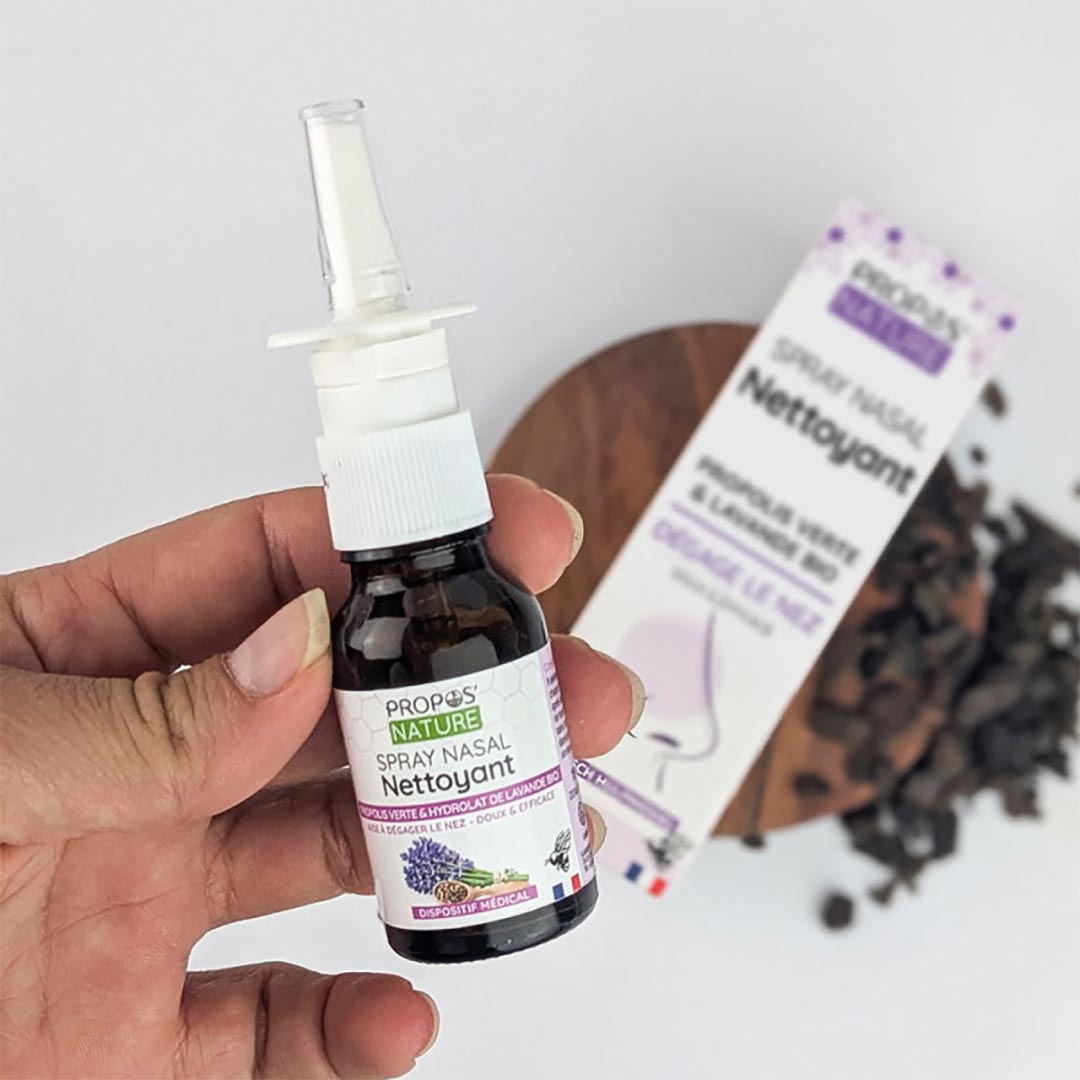
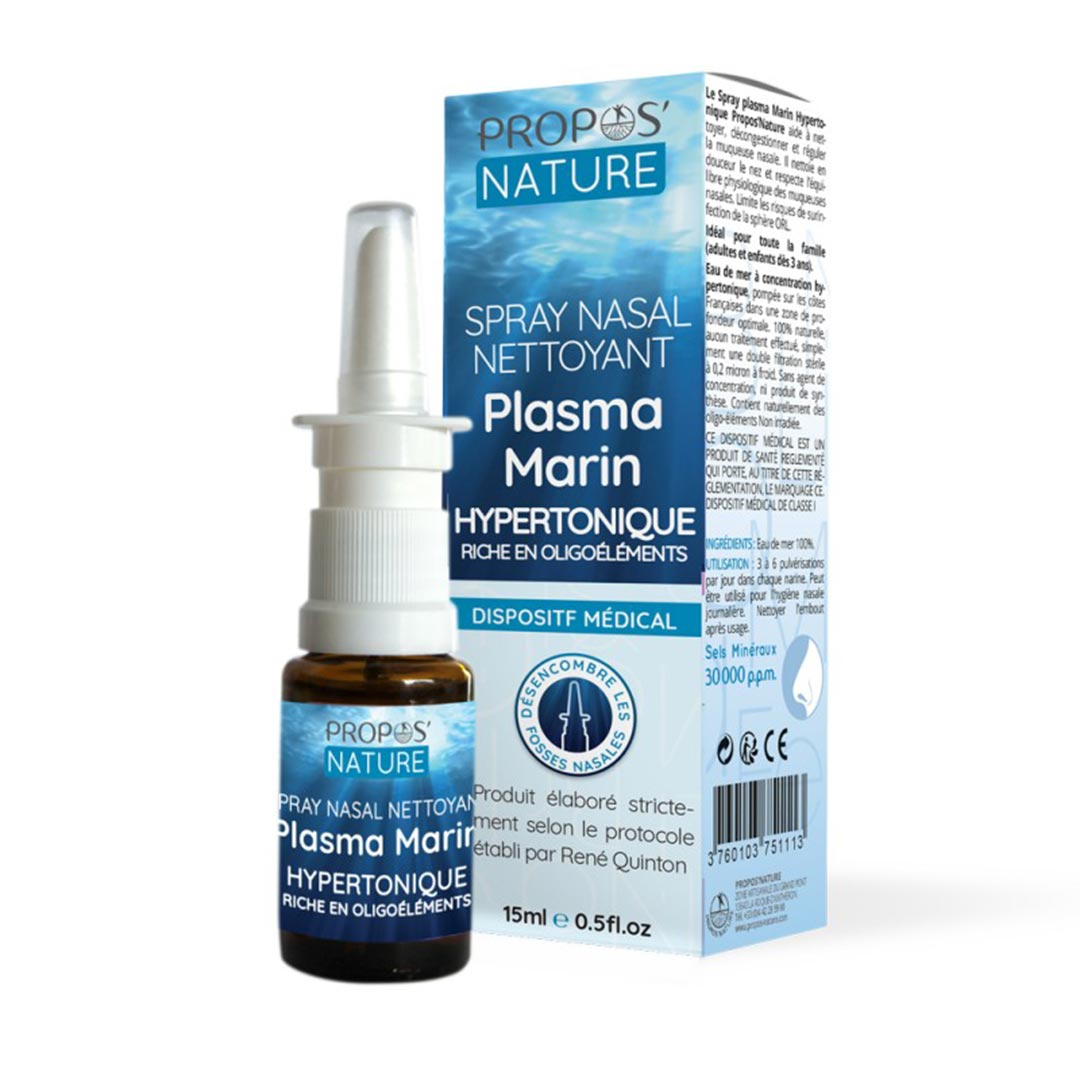
The surfaces of the nose, throat and respiratory tract are lined with specialised mucous membranes. In the airways, mucus helps trap inhaled particles and microorganisms. Beneath it, microscopic hair-like structures called cilia beat rhythmically, helping move mucus and trapped material along the respiratory tract.
This process is known as mucociliary clearance, and it is an important part of the respiratory system's innate defence.
For this system to work normally, the airway surface needs the right fluid environment. Mucus is largely water, and its hydration influences how effectively it can be transported by the cilia.
This gives us a rather different way of thinking about hydration. Drinking water is not an “immune booster”, but water is part of the basic physiological environment in which the body's protective barriers operate.
The nose and throat are therefore not simply places where we notice discomfort when something goes wrong. They are part of the interface between the body and the outside world.
Movement and the Immune System
Exercise and immunity have a more interesting relationship than the familiar phrase “exercise boosts your immune system” suggests.
When you exercise, immune cells respond.
Physical activity changes circulation, hormones and signalling molecules, and different populations of immune cells temporarily move between the blood and tissues. These changes are part of the body's normal response to physical activity.
Over time, regular moderate physical activity is associated with beneficial effects on immune regulation and overall health.
But intensity matters.
A walk, a cycle ride or a regular strength-training session does not place the same demands on the body as hours of strenuous endurance exercise. Very long or demanding exercise sessions create a much larger physiological stress response and can produce different short-term changes in immune activity.
This is another reason why thinking in terms of “boosting” immunity is misleading.
The immune system is dynamic. It responds to what we eat, how we move, whether we are resting or active, and what demands the body is facing at that particular moment.
Regular movement is part of that bigger picture.
Sleep, Stress and the Immune System
The immune system does not switch off when you go to sleep. In fact, immune activity follows distinct daily rhythms.
Sleep, the immune system and the body's circadian clock are closely connected. Different immune cells and signalling molecules change their activity across the 24-hour cycle, and sleep provides a different physiological environment from wakefulness.
Communication also works in both directions. The nervous system, endocrine system and immune system continually exchange signals.
This becomes particularly interesting when we look at stress.
A short-lived stress response and long-term psychological stress are not the same biological situation. Acute stress can temporarily redistribute immune cells and alter immune activity as the body prepares to respond to an immediate challenge.
Chronic stress is different. Persistent activation of stress-response systems, including signalling through the sympathetic nervous system and the hypothalamic-pituitary-adrenal axis, can alter immune regulation over time.
Sleep adds another layer. Research increasingly shows that disrupted or insufficient sleep is associated with changes in immune and inflammatory processes.
So supporting normal immune function is not simply a question of finding the right vitamin, herb or mushroom.
Food, sleep, movement, hydration, stress, the body's physical barriers and the immune system itself are interconnected.
That is why we prefer to think about immune health as a system rather than something that needs to be continually “boosted”.


How Your Body Defends Itself
Every day, your body is exposed to bacteria, viruses, and other microorganisms. Most of the time, you don’t even notice it - because your immune system is working quietly in the background.
When a pathogen tries to enter:
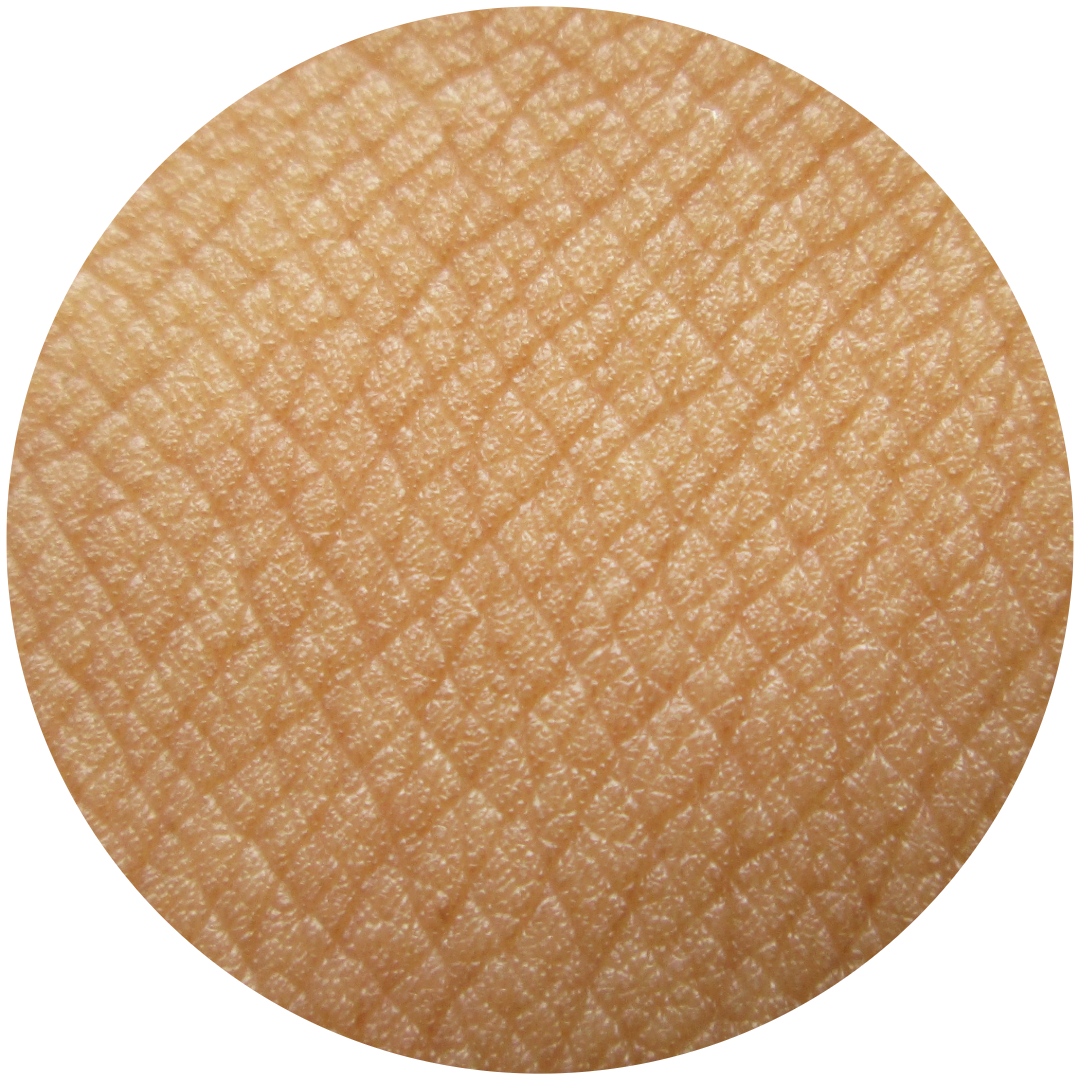
First Line of Defense – Barriers:
Your skin, mucous membranes, and protective fluids (like tears and saliva) act as physical shields.
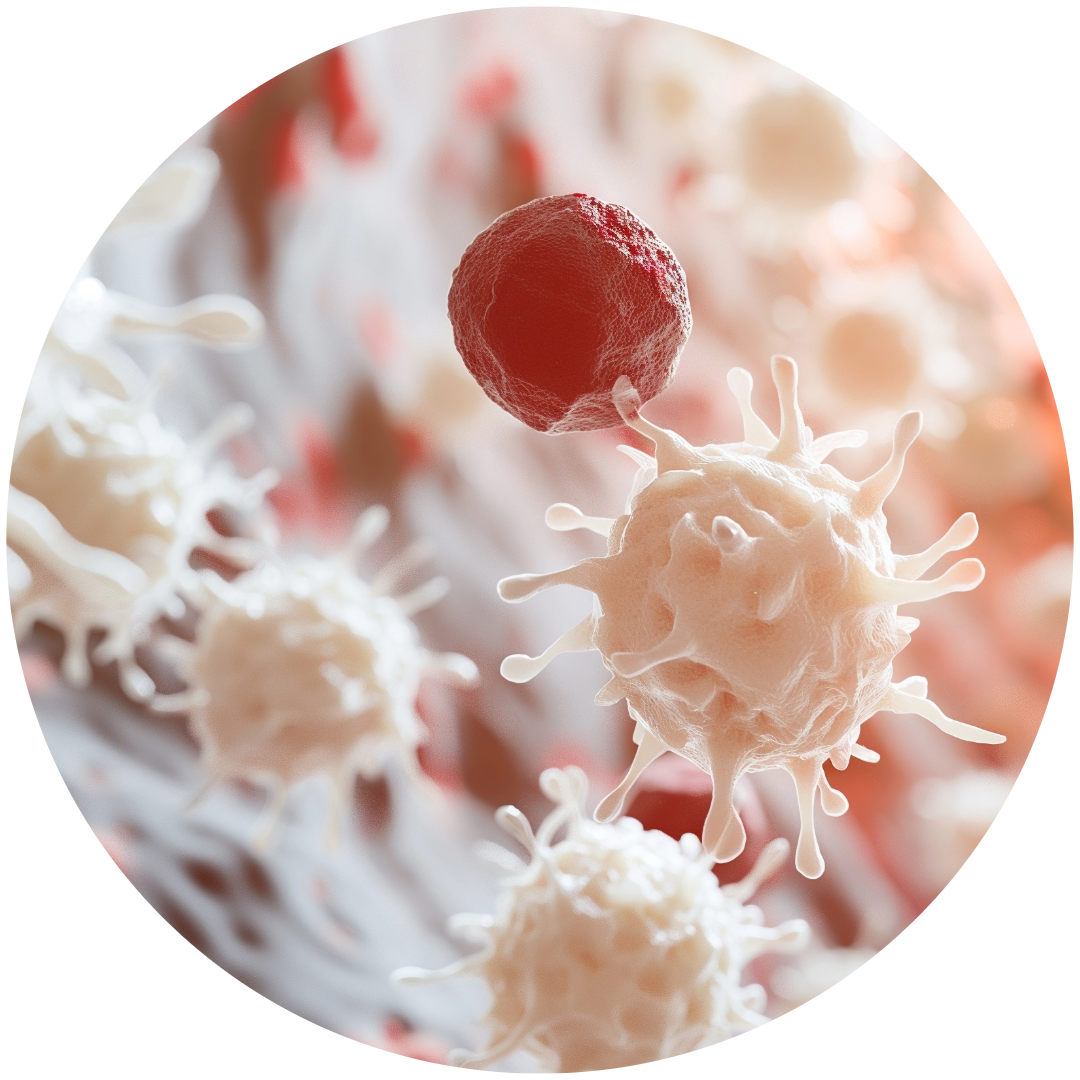
Second Line – Innate Immunity:
If something gets through, specialized cells (like white blood cells) immediately attack. This response is fast but not specific.
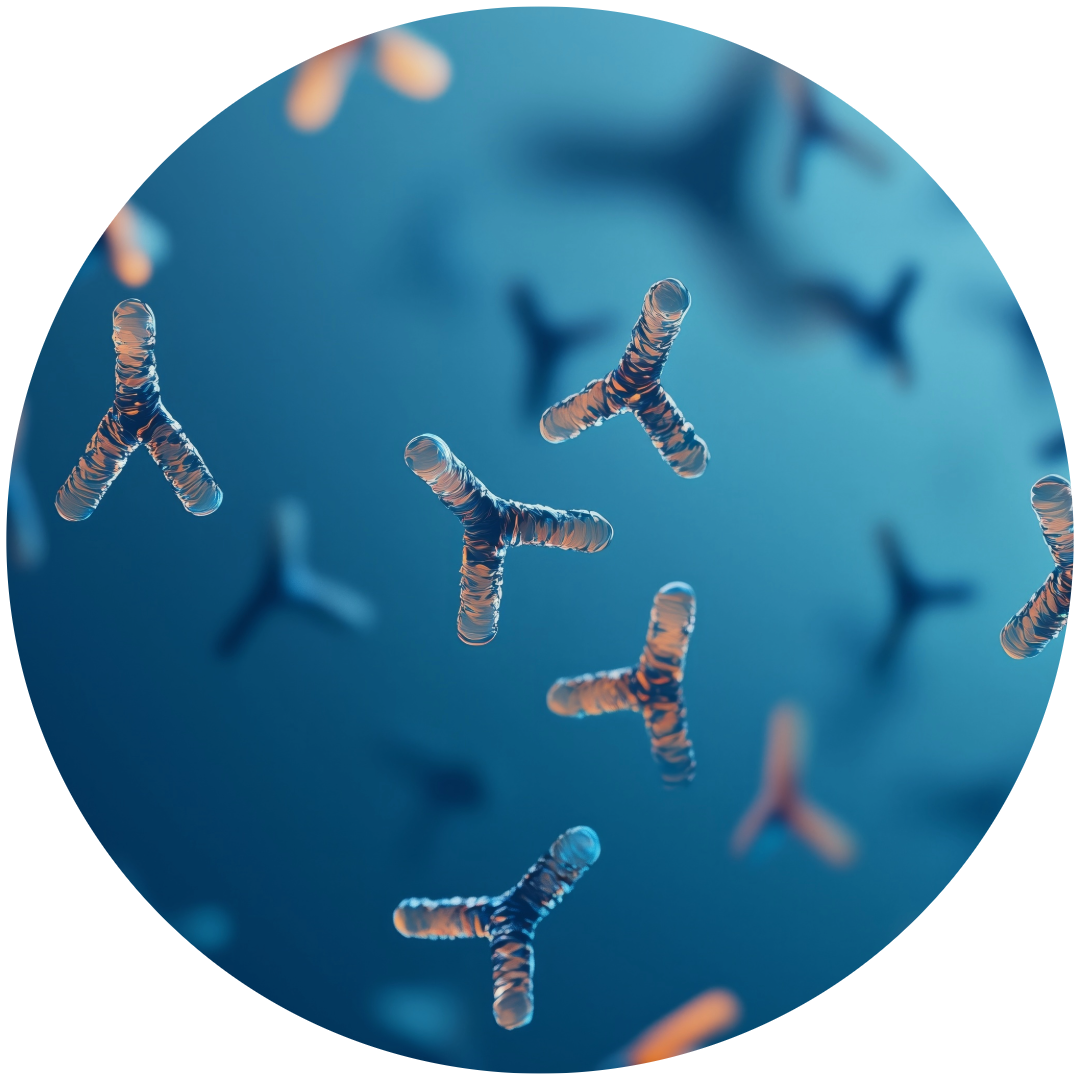
Third Line – Adaptive Immunity:
If the invader persists, your body creates targeted antibodies and remembers the pathogen. This “immune memory” means the next time your body meets the same virus or bacteria, it can fight it more quickly and effectively.
A healthy immune system is like a well-trained army: always on guard, fast to respond, and equipped with memory to protect you in the long run.
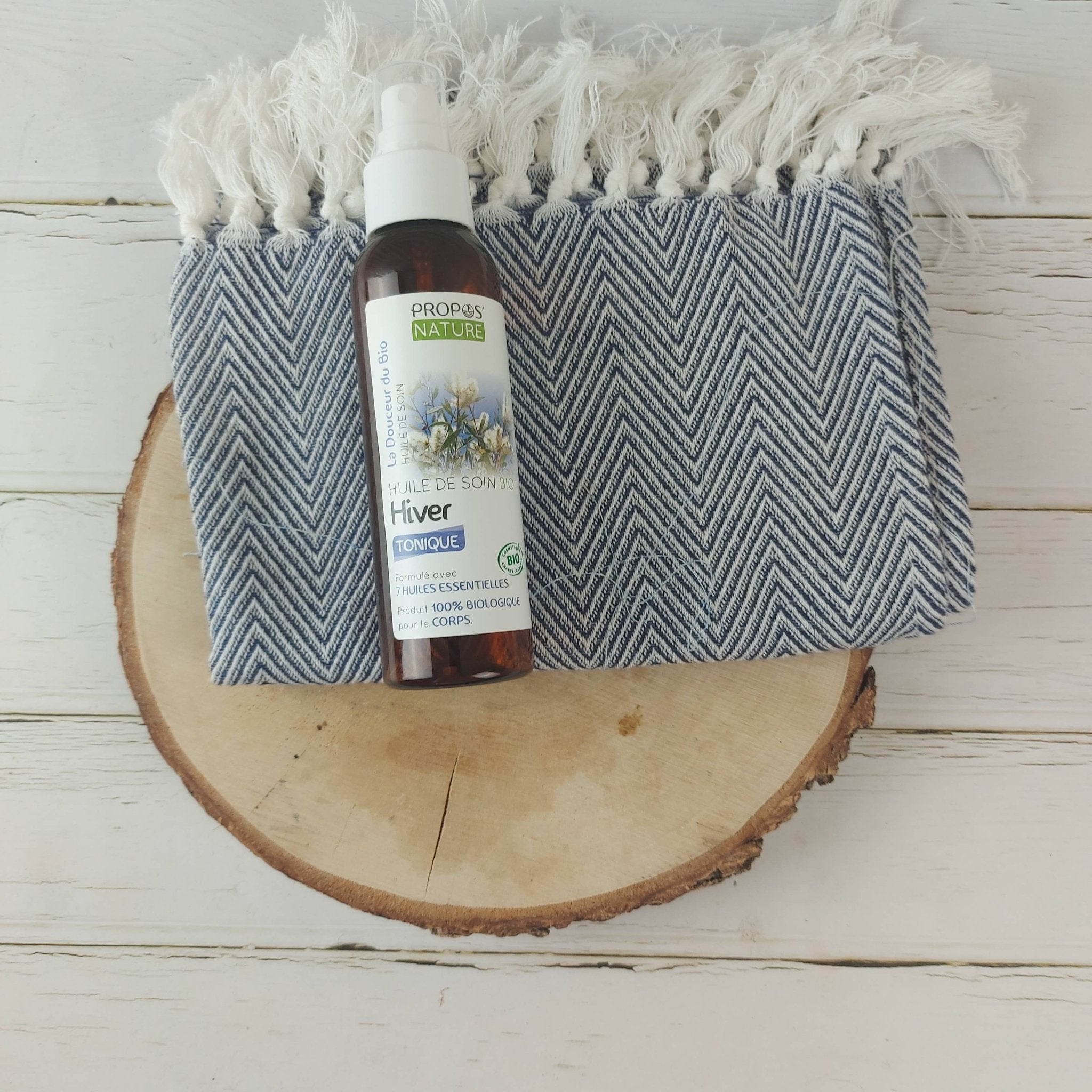
By nourishing your body with herbs, essential oils, hydrosols, superfoods, and vital nutrients, you strengthen each layer of this defense system - helping you stay resilient against daily challenges.


How Echinacea works in the Immune System
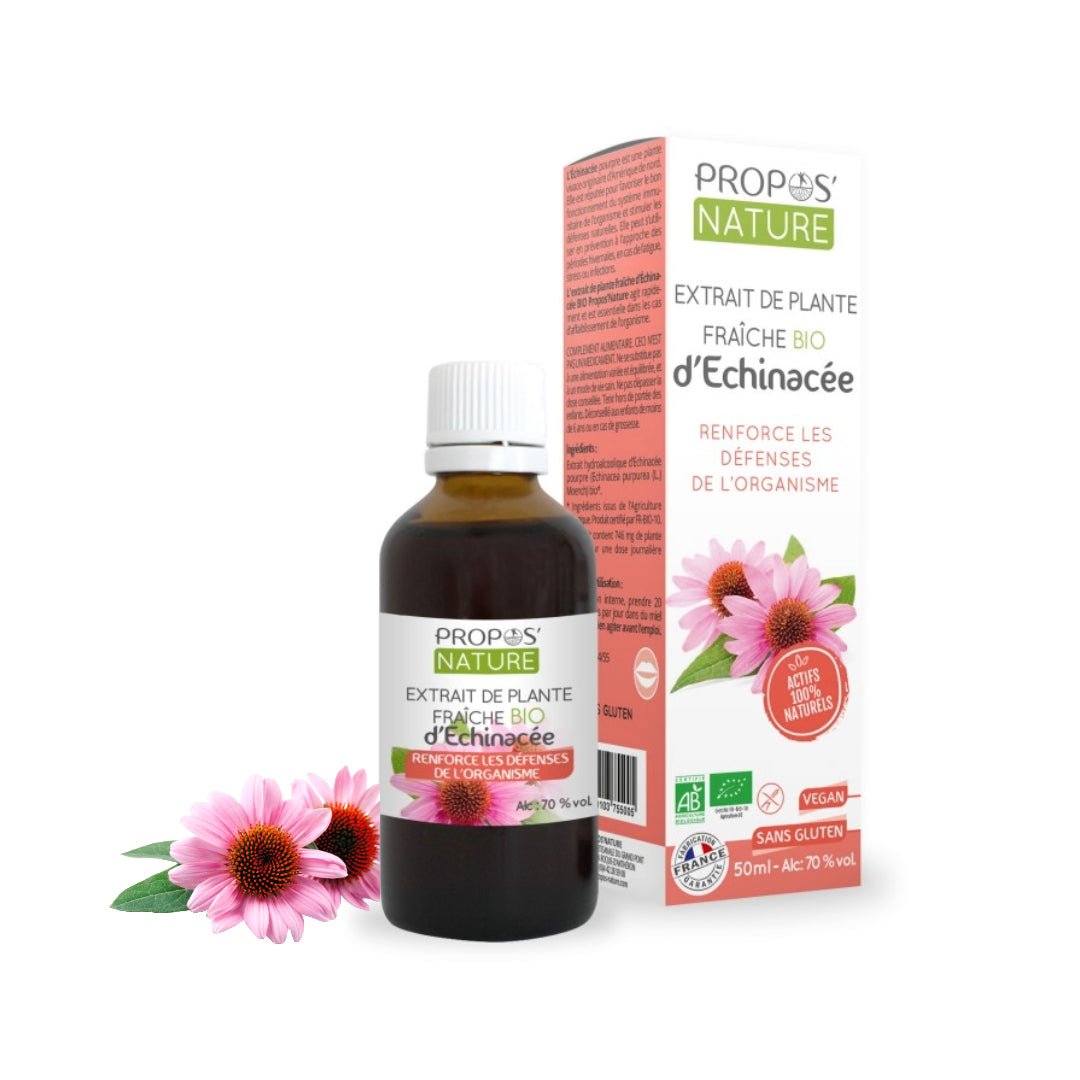
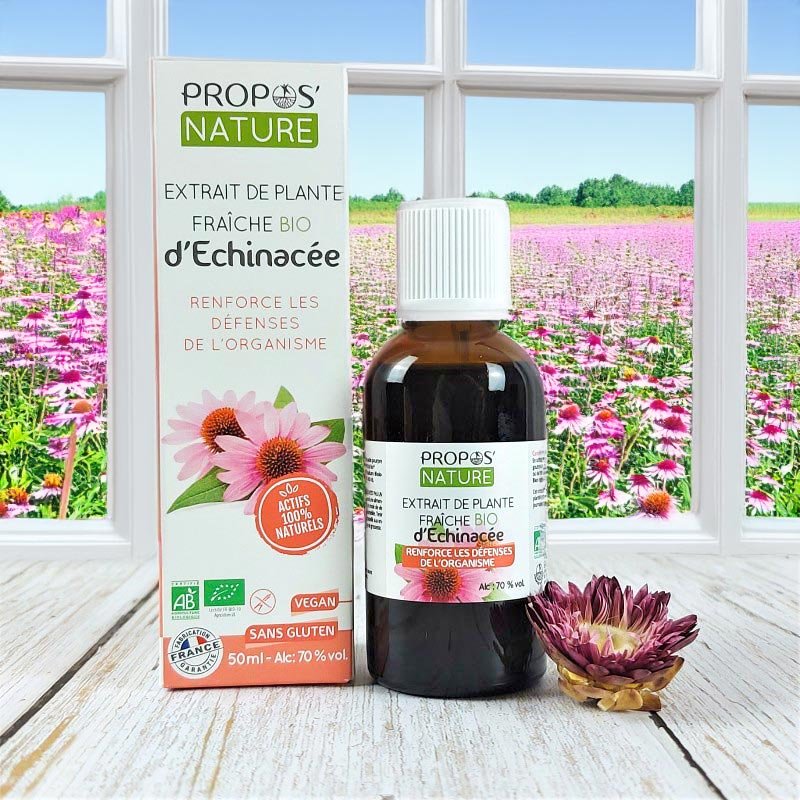
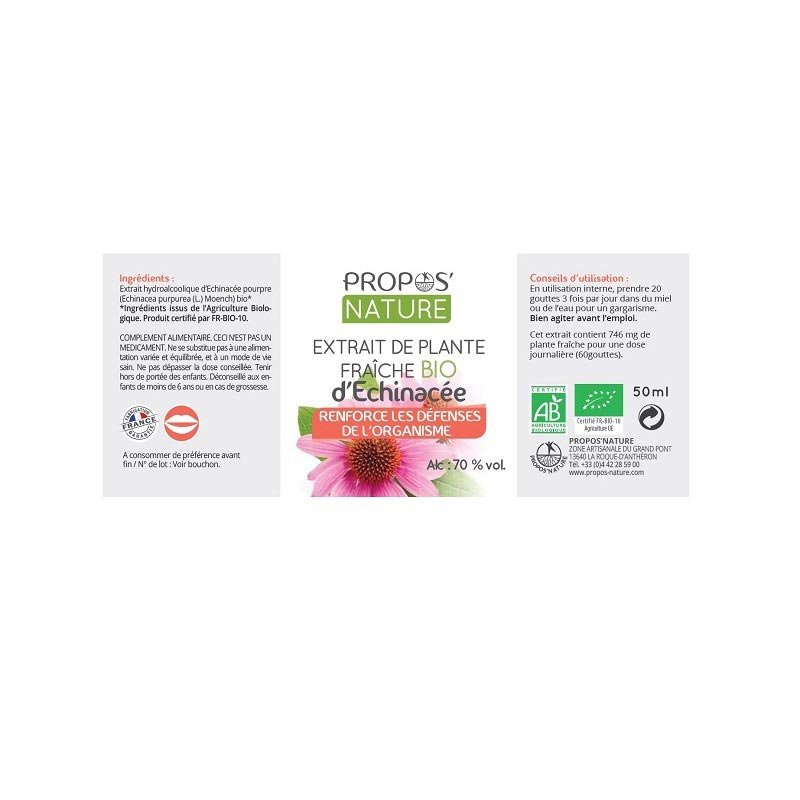
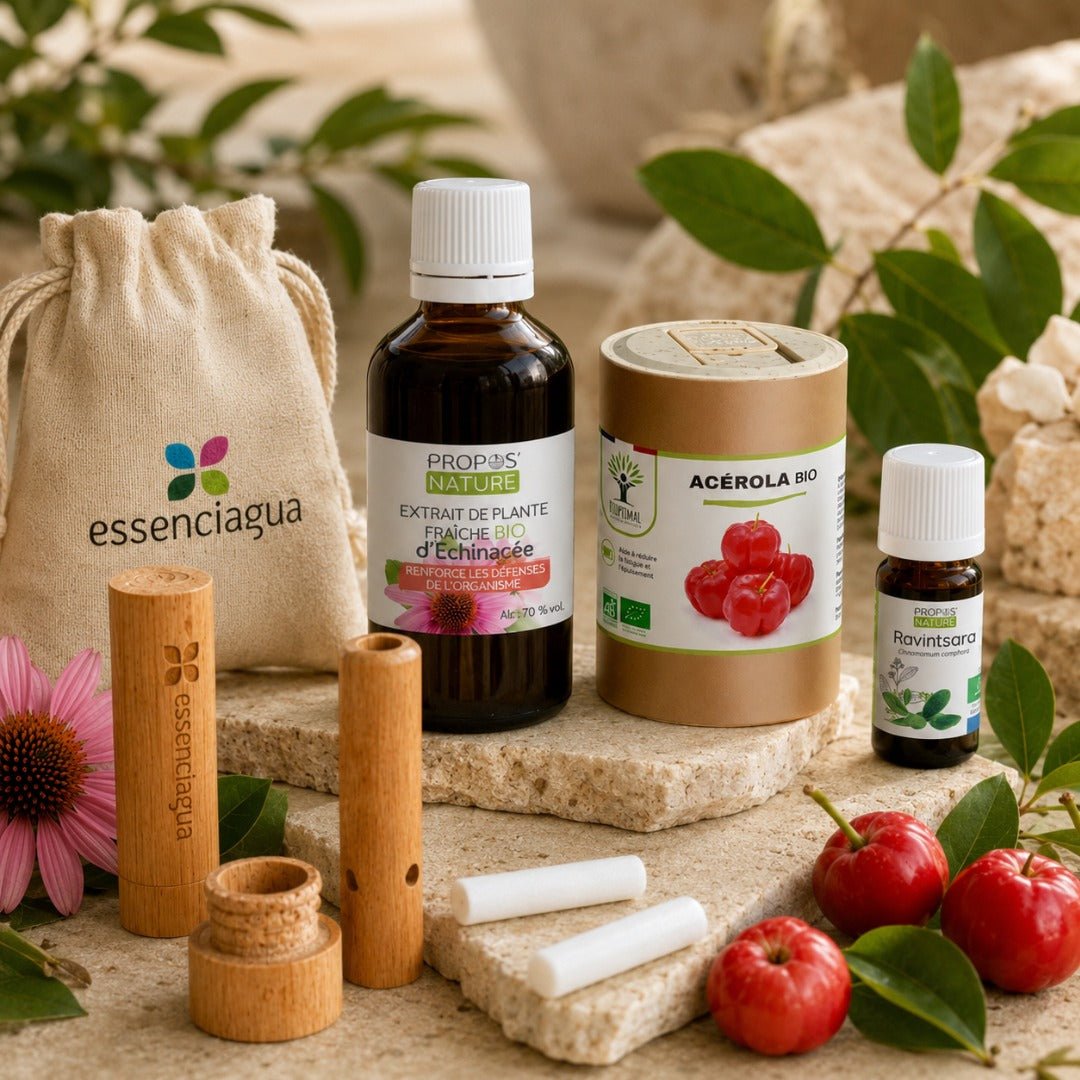
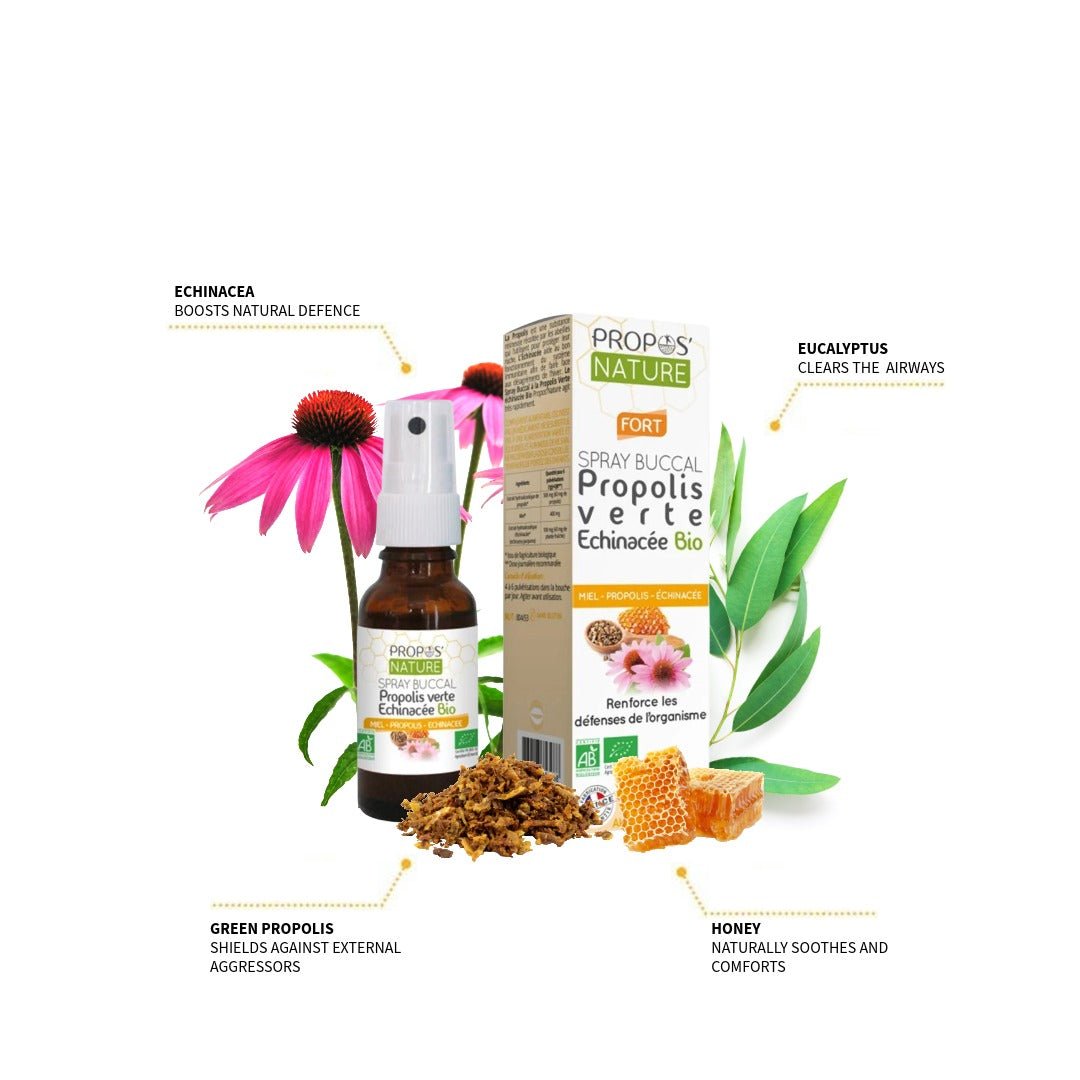
Echinacea is one of the best-researched immune plants. It stimulates the activity of white blood cells - the “soldiers” of your immune system - helping them detect and neutralize bacteria and viruses more efficiently. Studies also show that Echinacea increases the production of interferons, natural compounds that block viral replication. This means your body can react faster and shorten the duration of seasonal colds or flu.

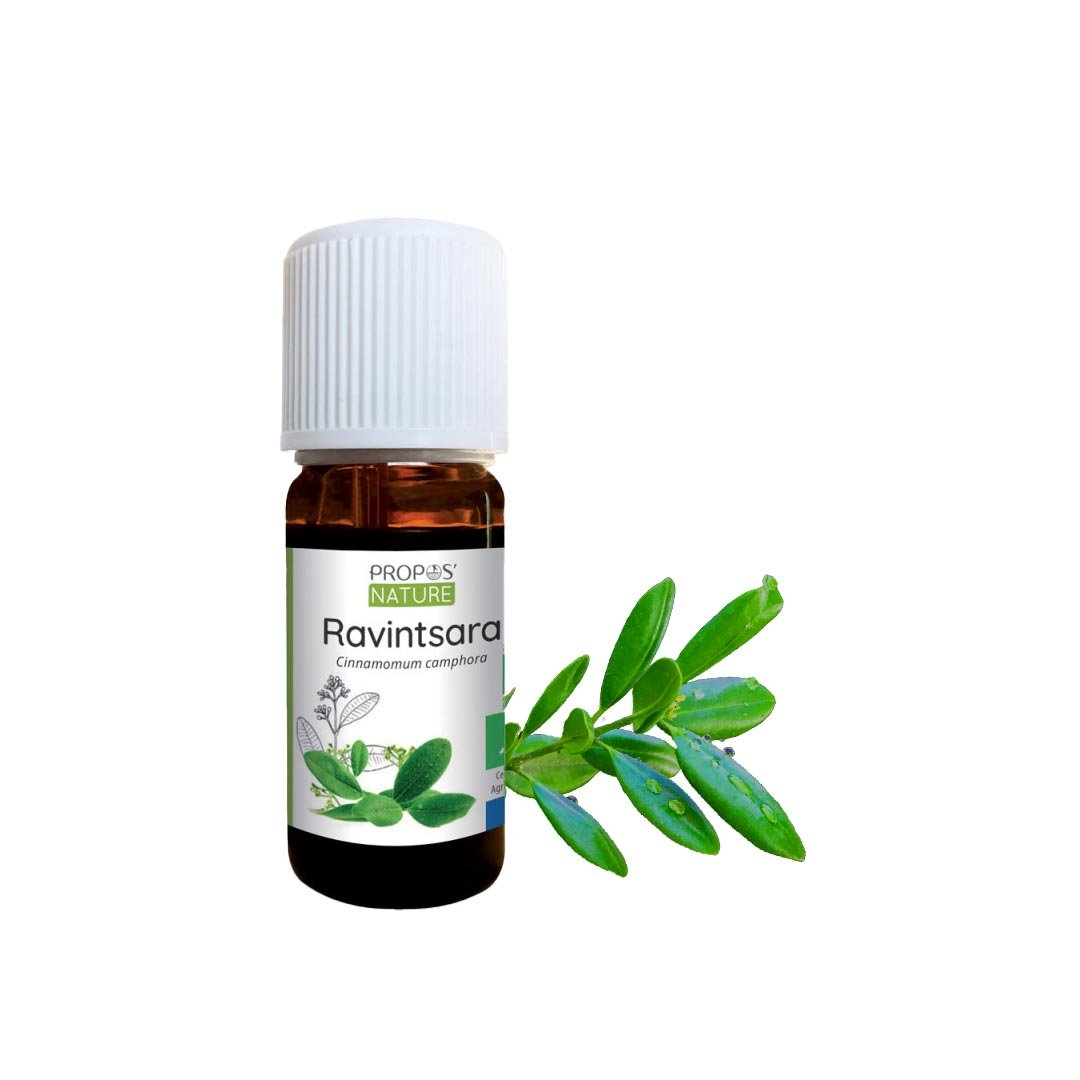
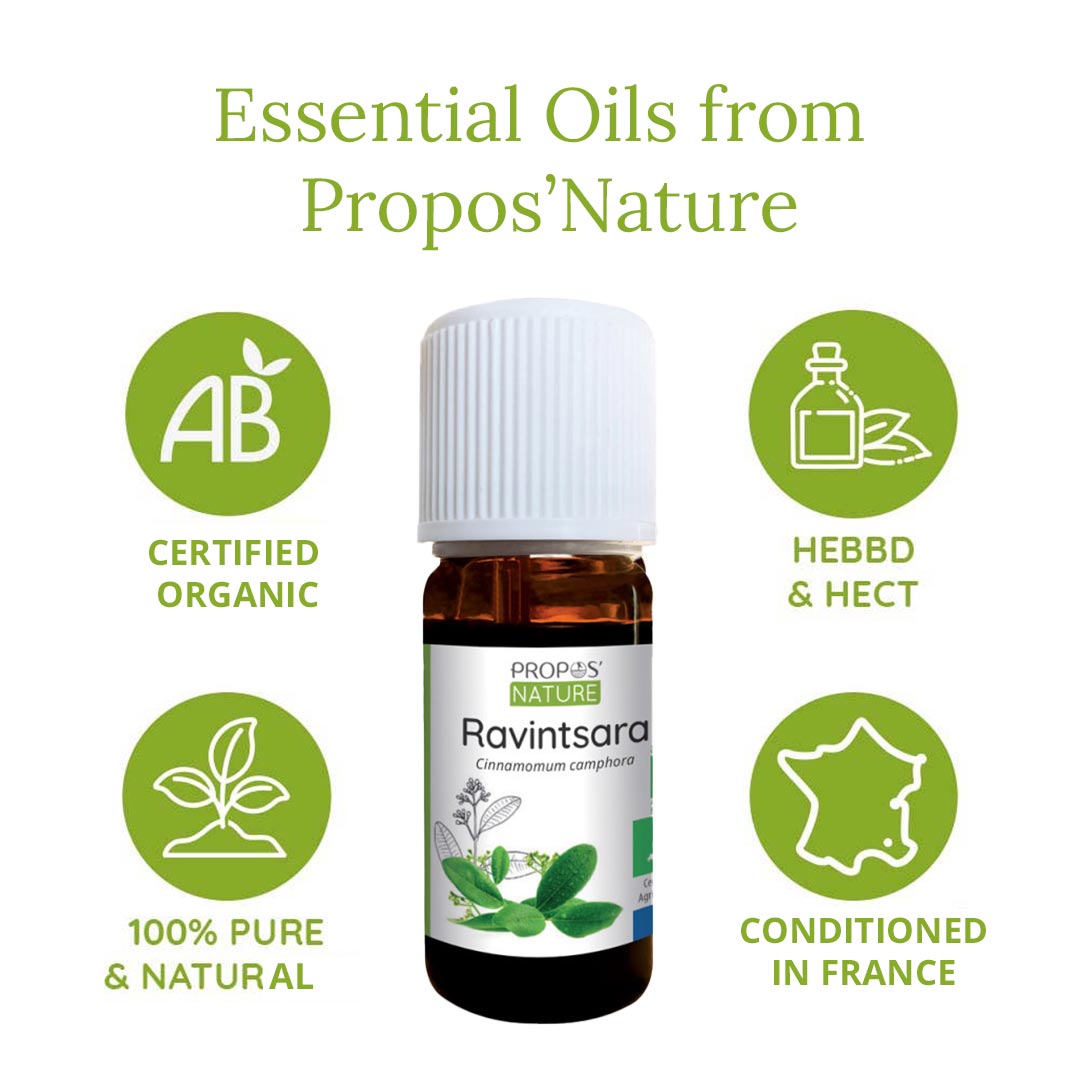
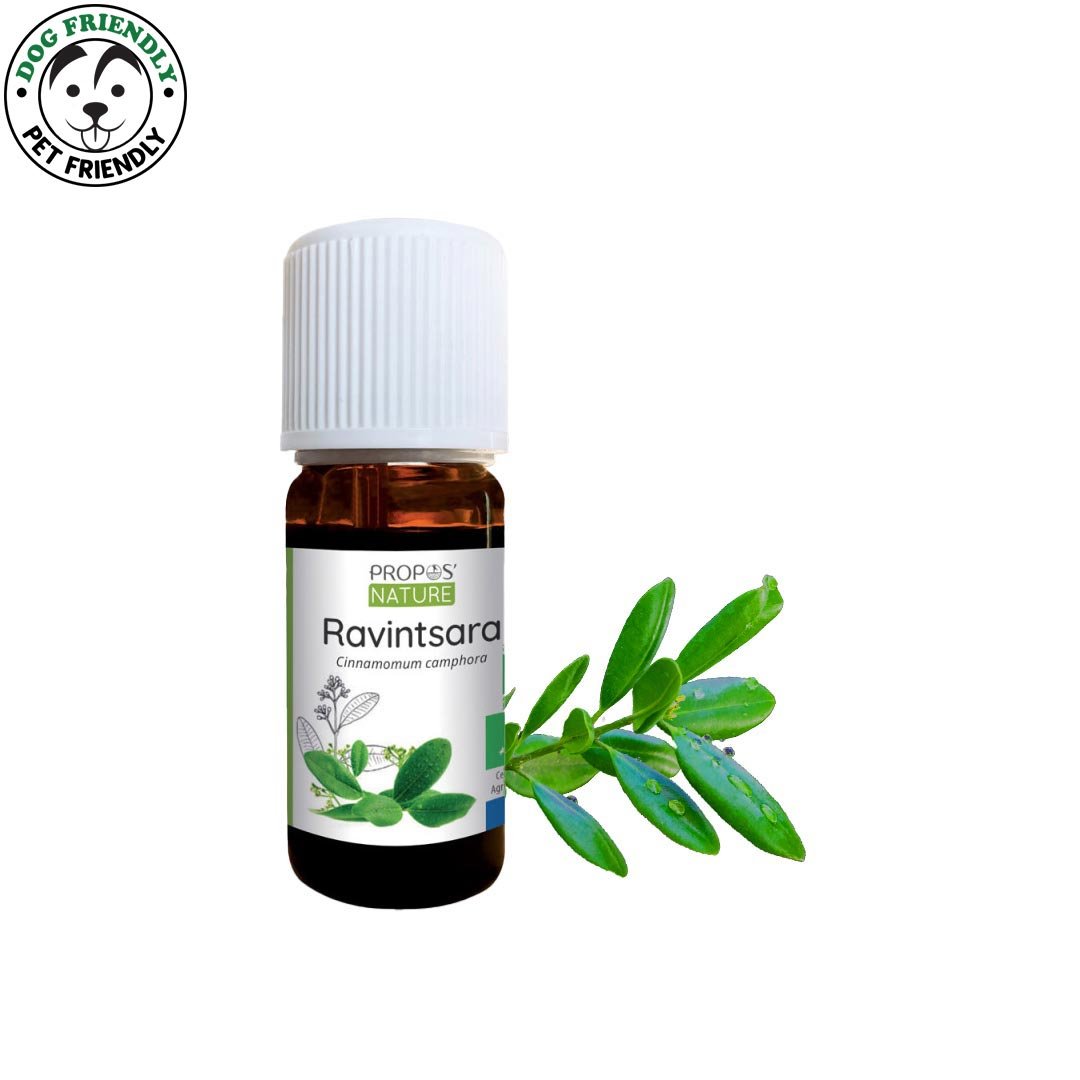
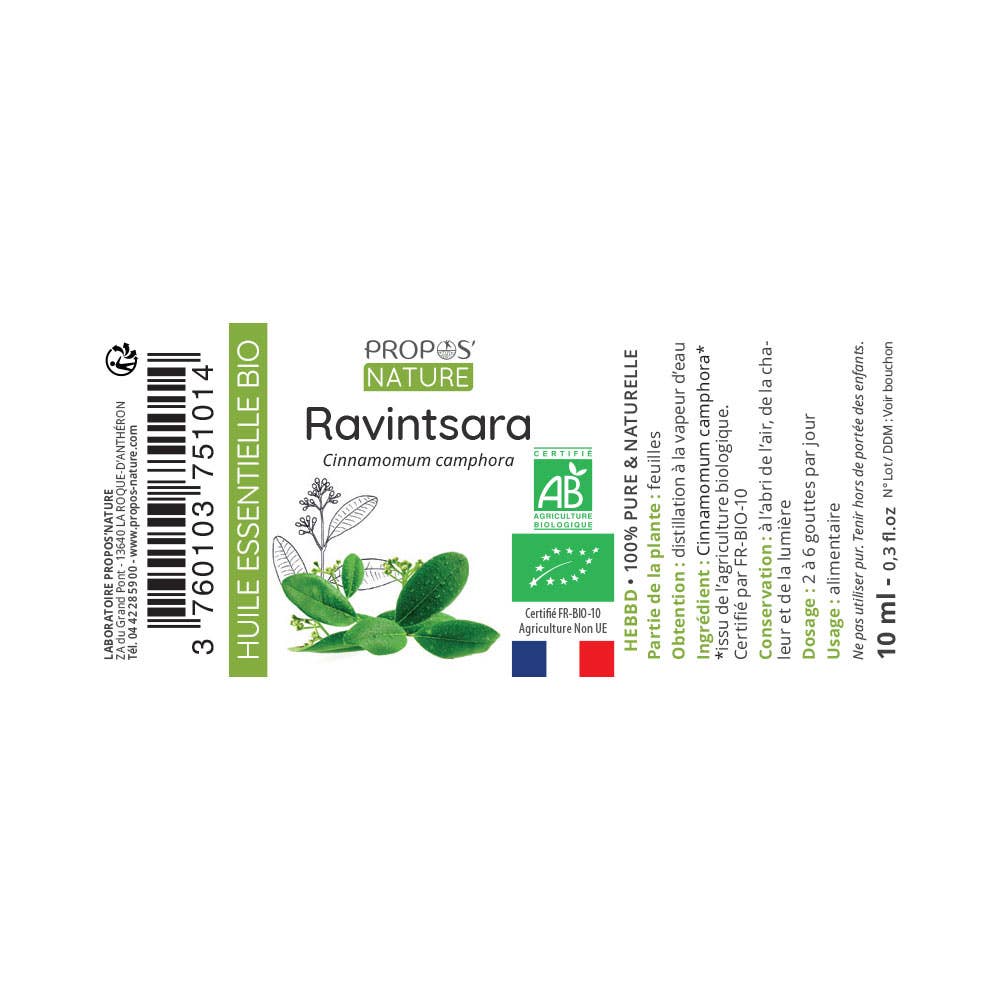
How Organic Ravintsara Essential Oil works in the Immune System
Ravintsara essential oil is often called “the oil of immunity.” It contains high levels of 1,8-cineole, a molecule with antiviral, antibacterial, and expectorant properties. Ravintsara not only helps your body fight viruses directly but also supports the respiratory system, making breathing easier during infections. Diffusing Ravintsara or applying it (diluted) can help create an environment that strengthens the body’s defenses and promotes recovery.
Together
When used side by side, Echinacea works internally to mobilize your immune cells, while Ravintsara works externally and internally to protect your airways and reduce viral activity. This makes them a powerful pair for both prevention and relief.
Other Essential Oils for the Immune System
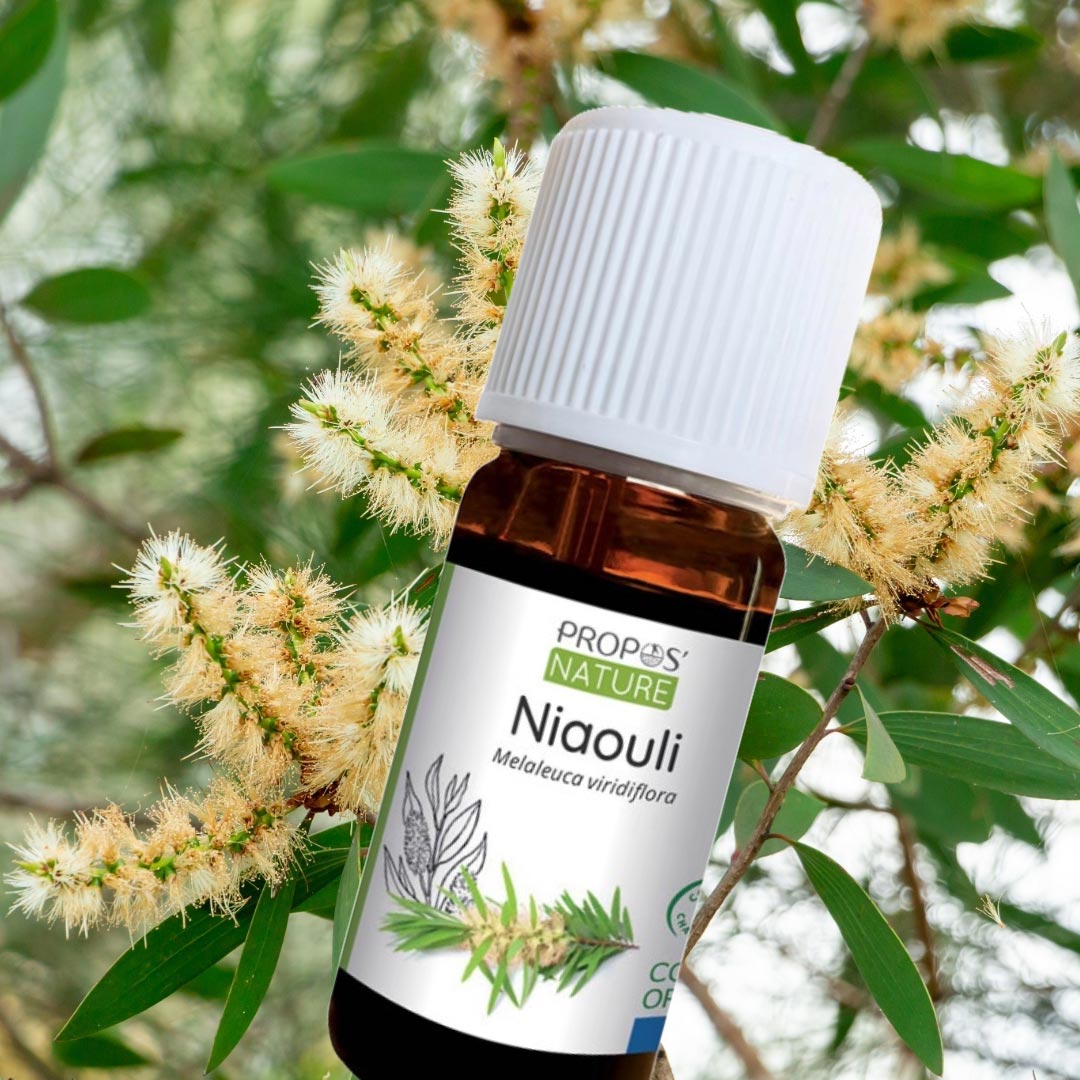
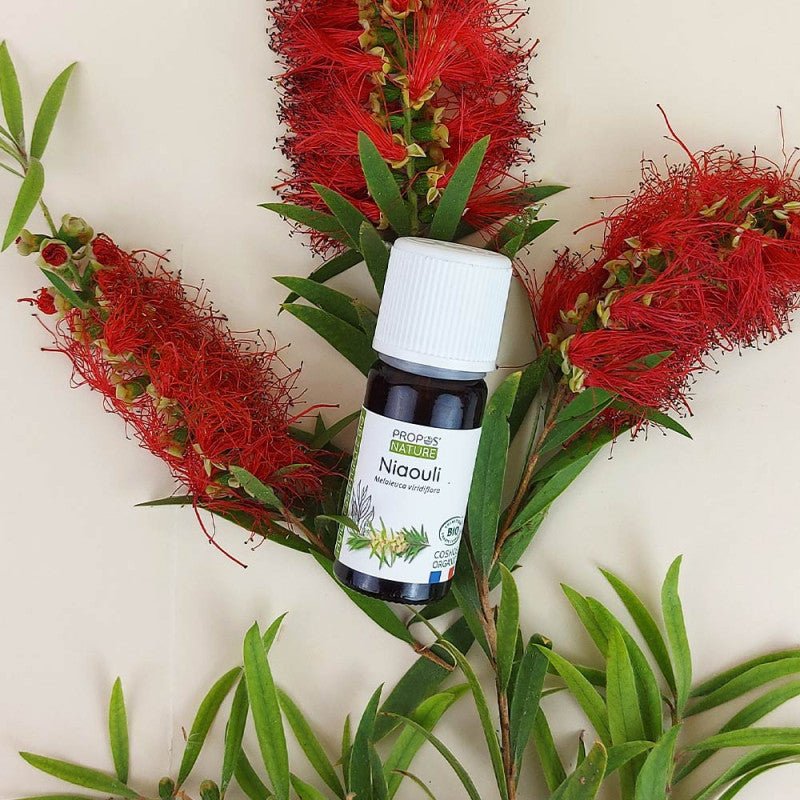
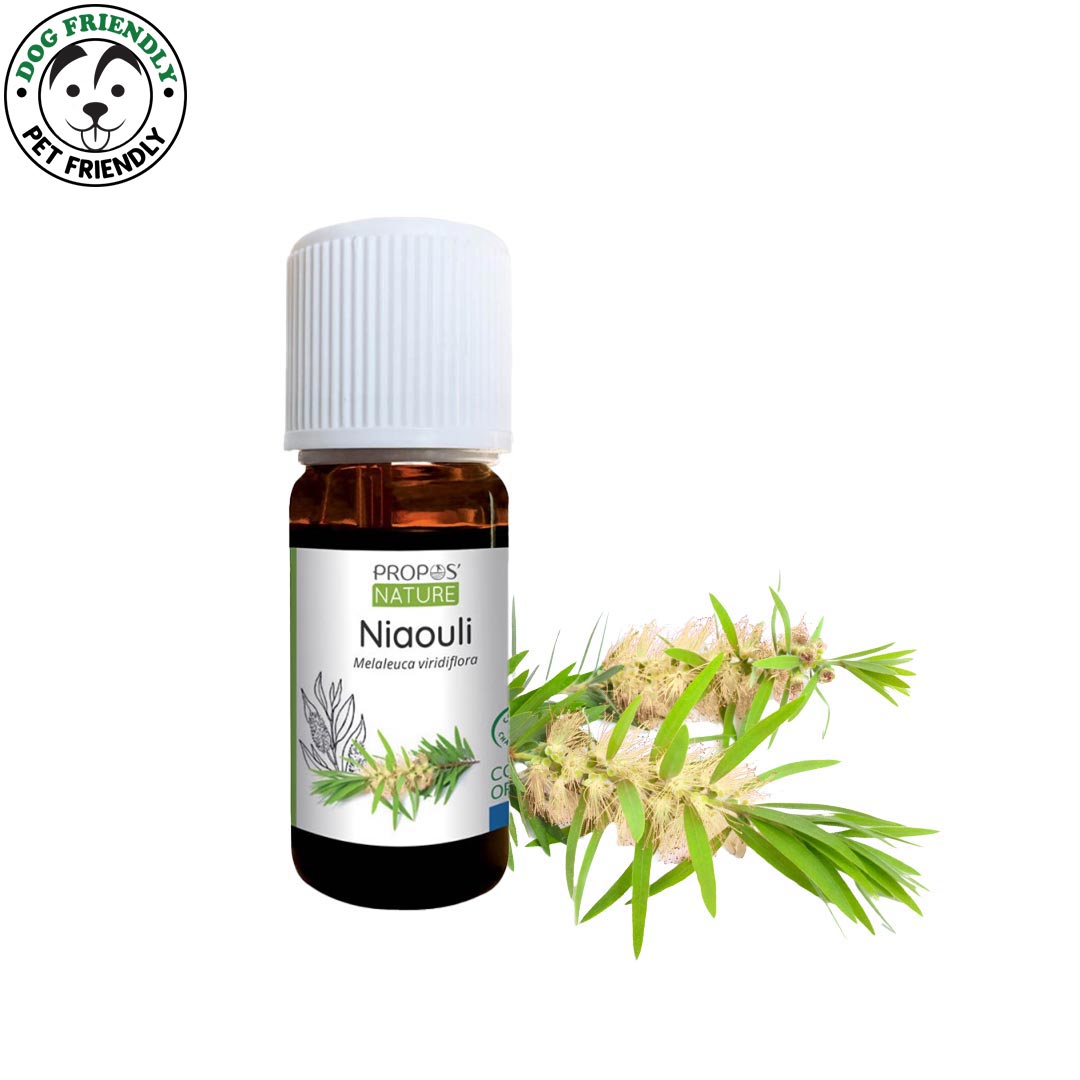
Organic Niaouli
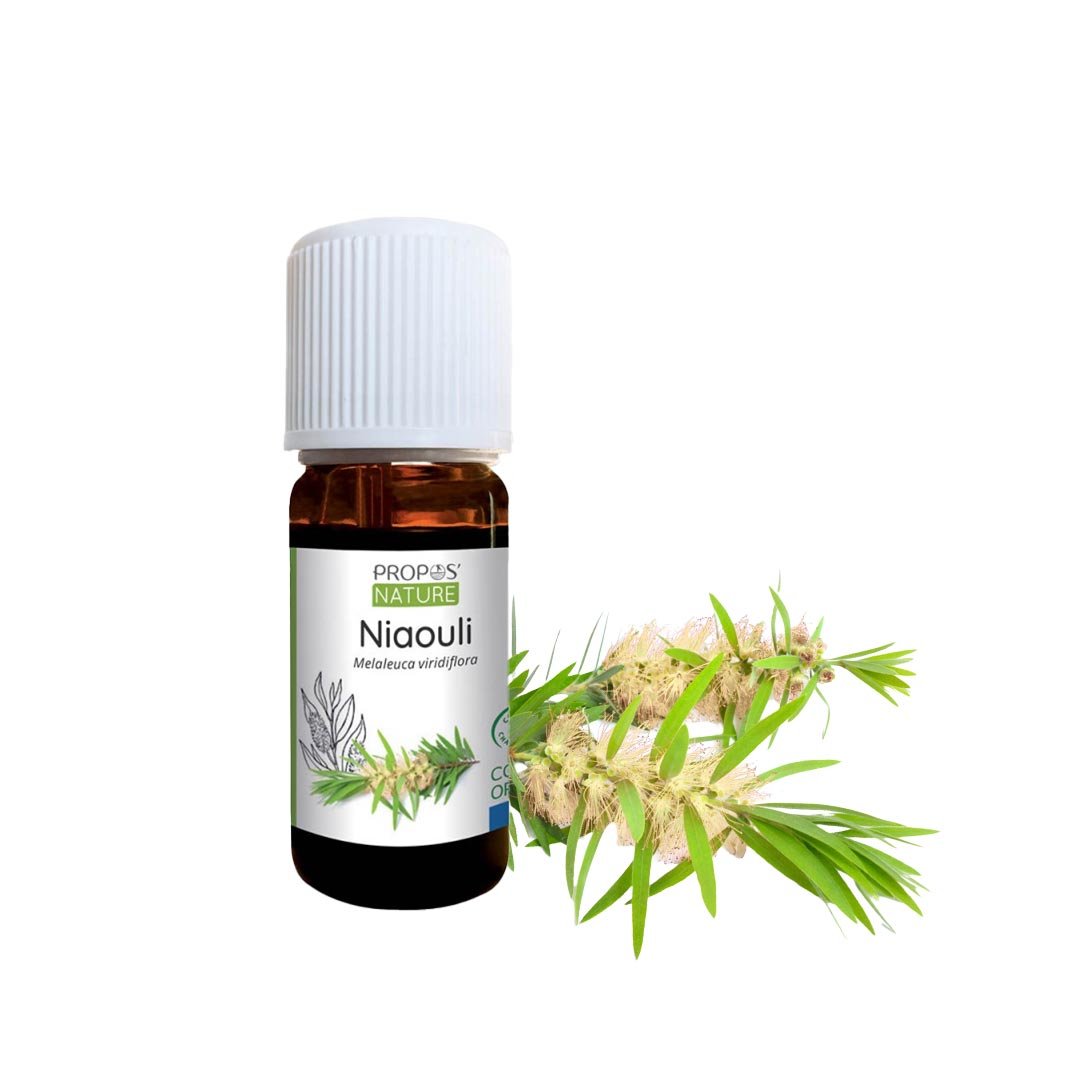
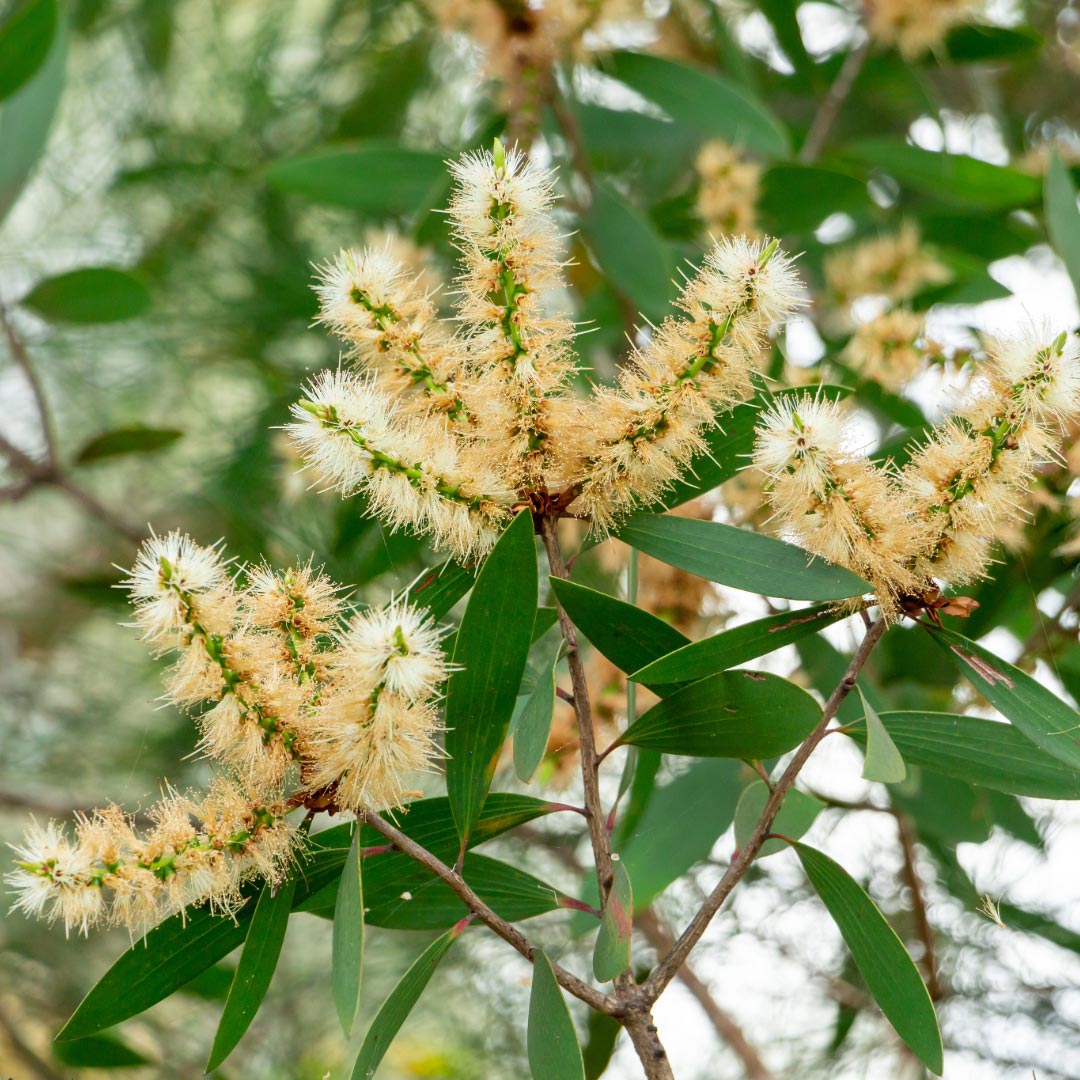
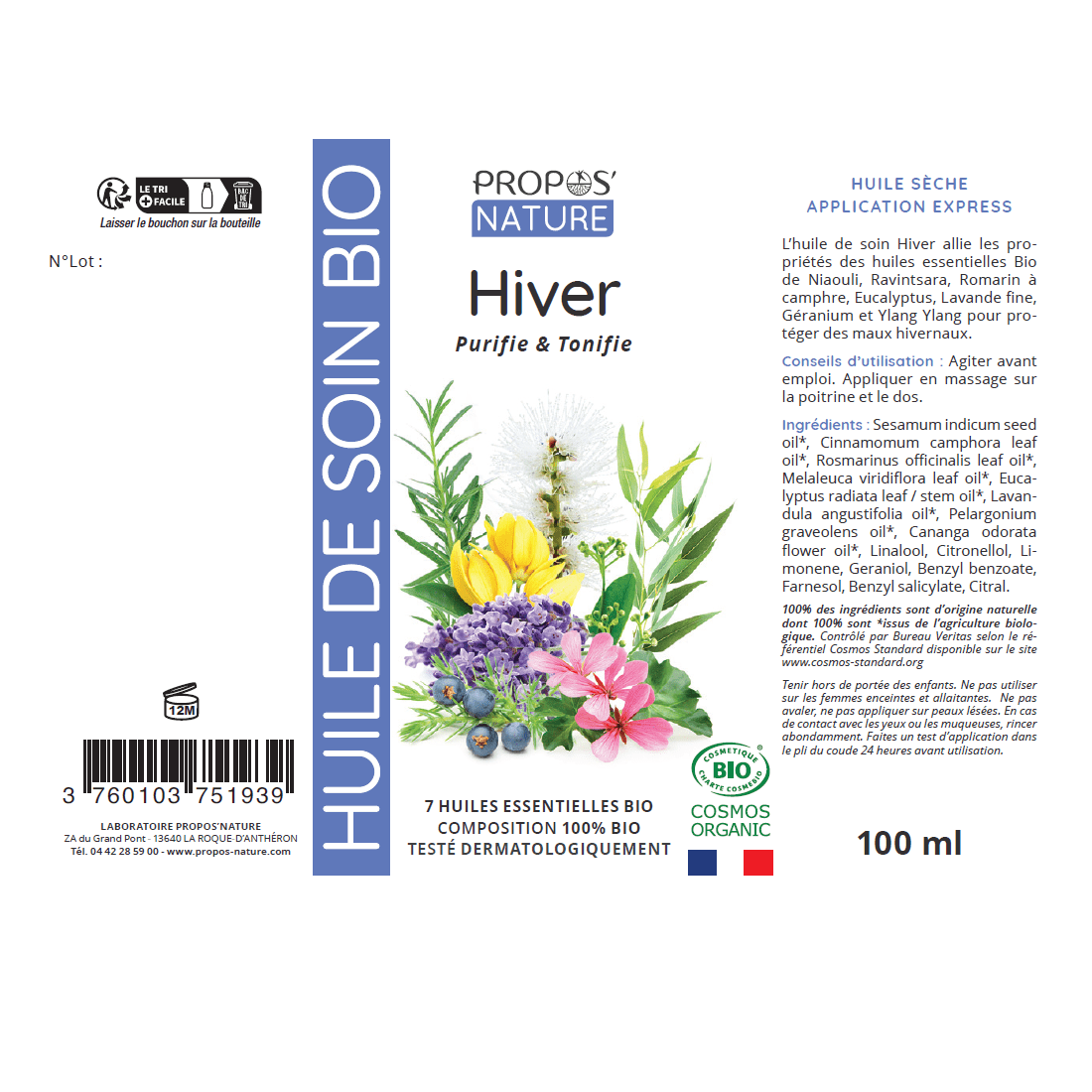
Gentle yet powerful, Niaouli clears the airways, stimulates immune defenses, and is ideal in blends for colds and flu.
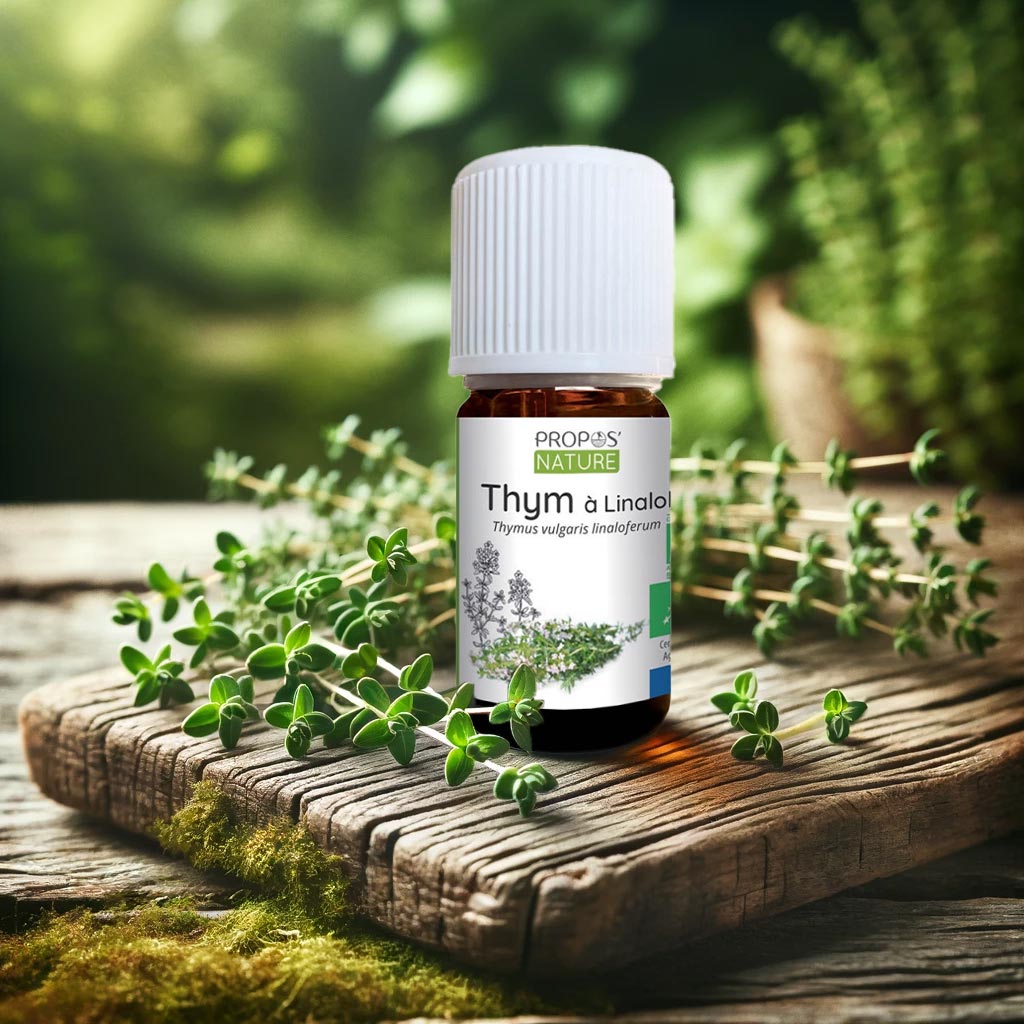
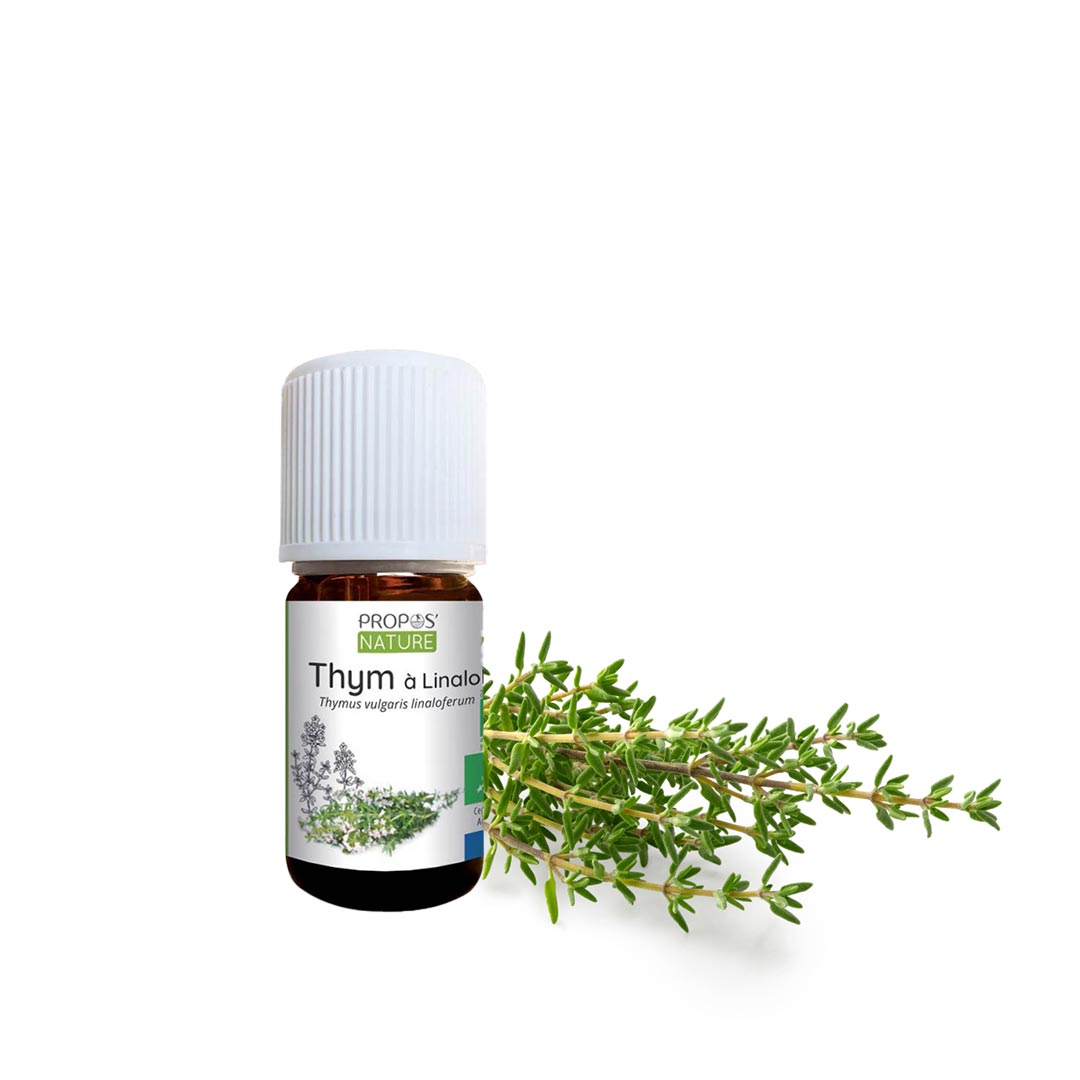
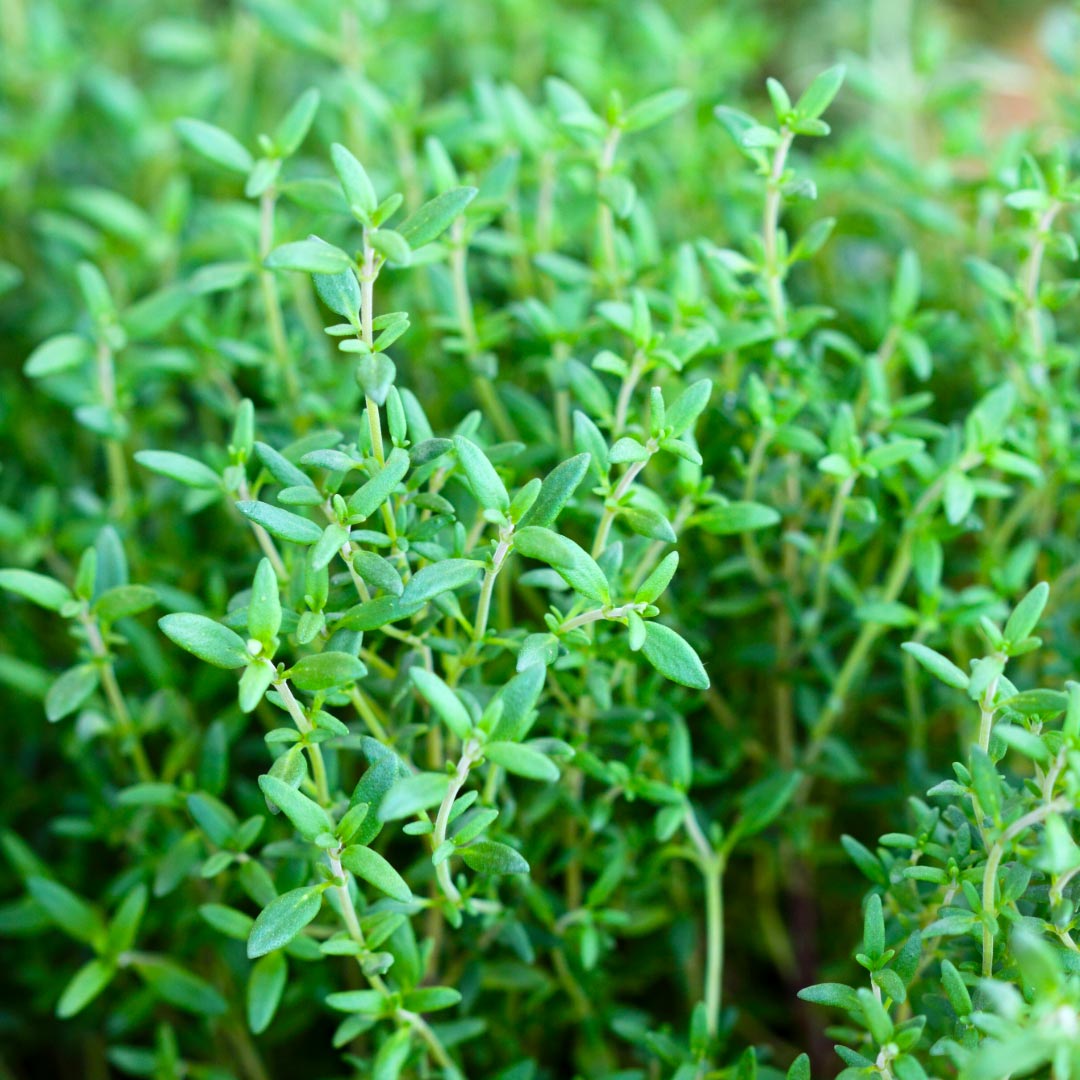
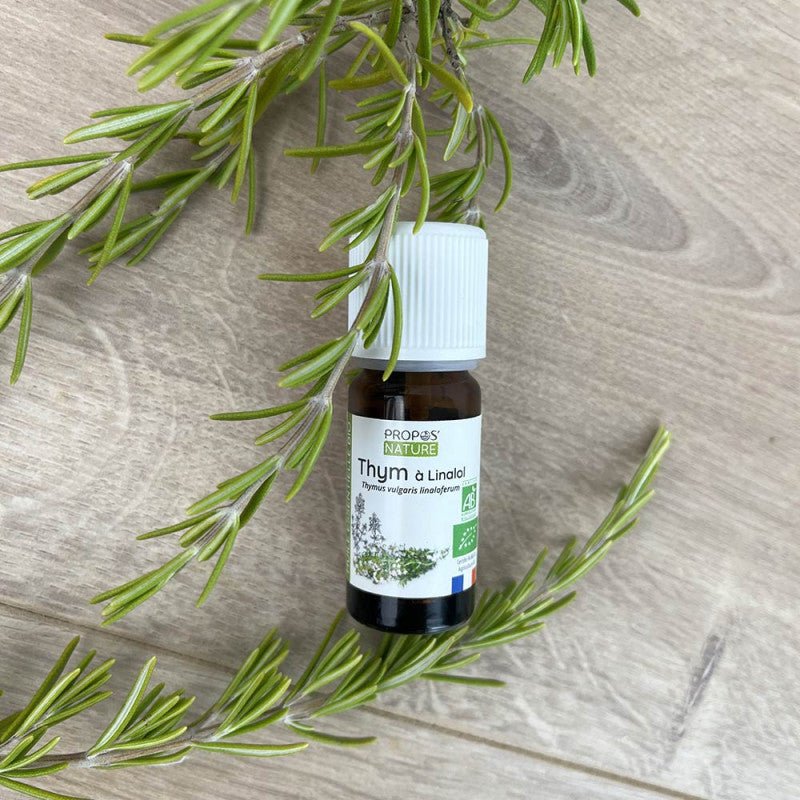
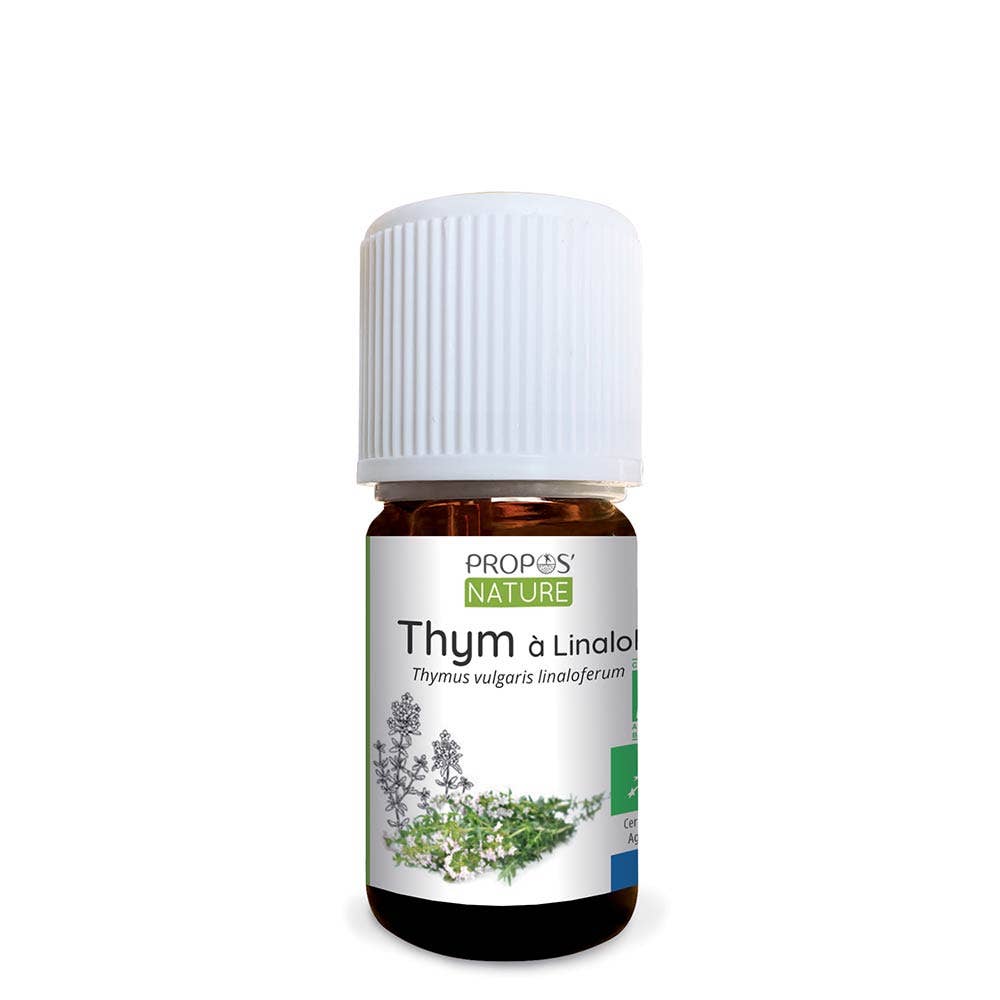
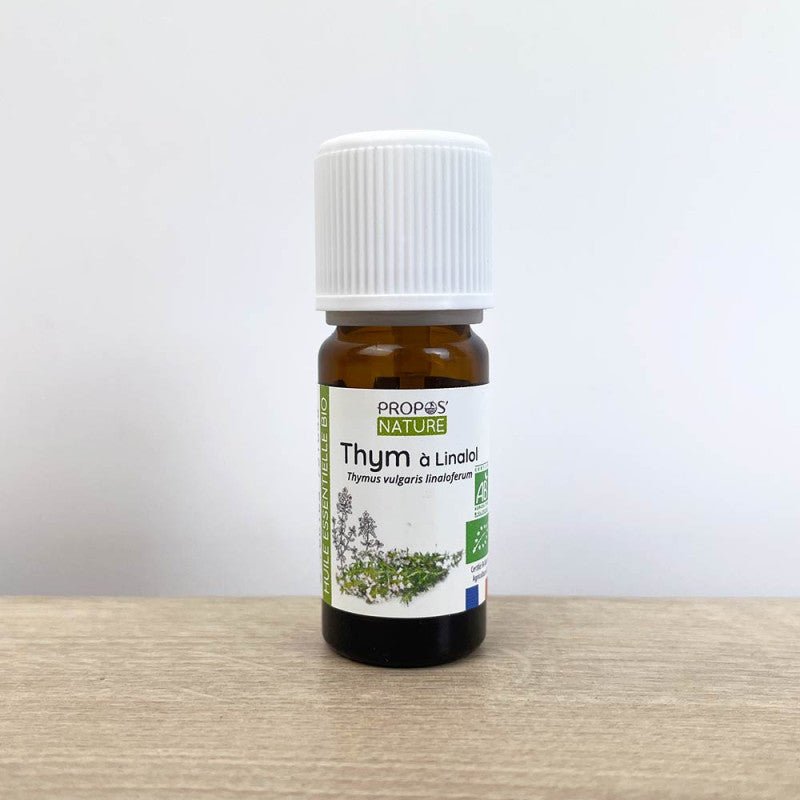
Organic Thyme Linalool
This mild chemotype of Thyme strengthens immune function while being gentler on the skin and mucous membranes than other thyme oils.
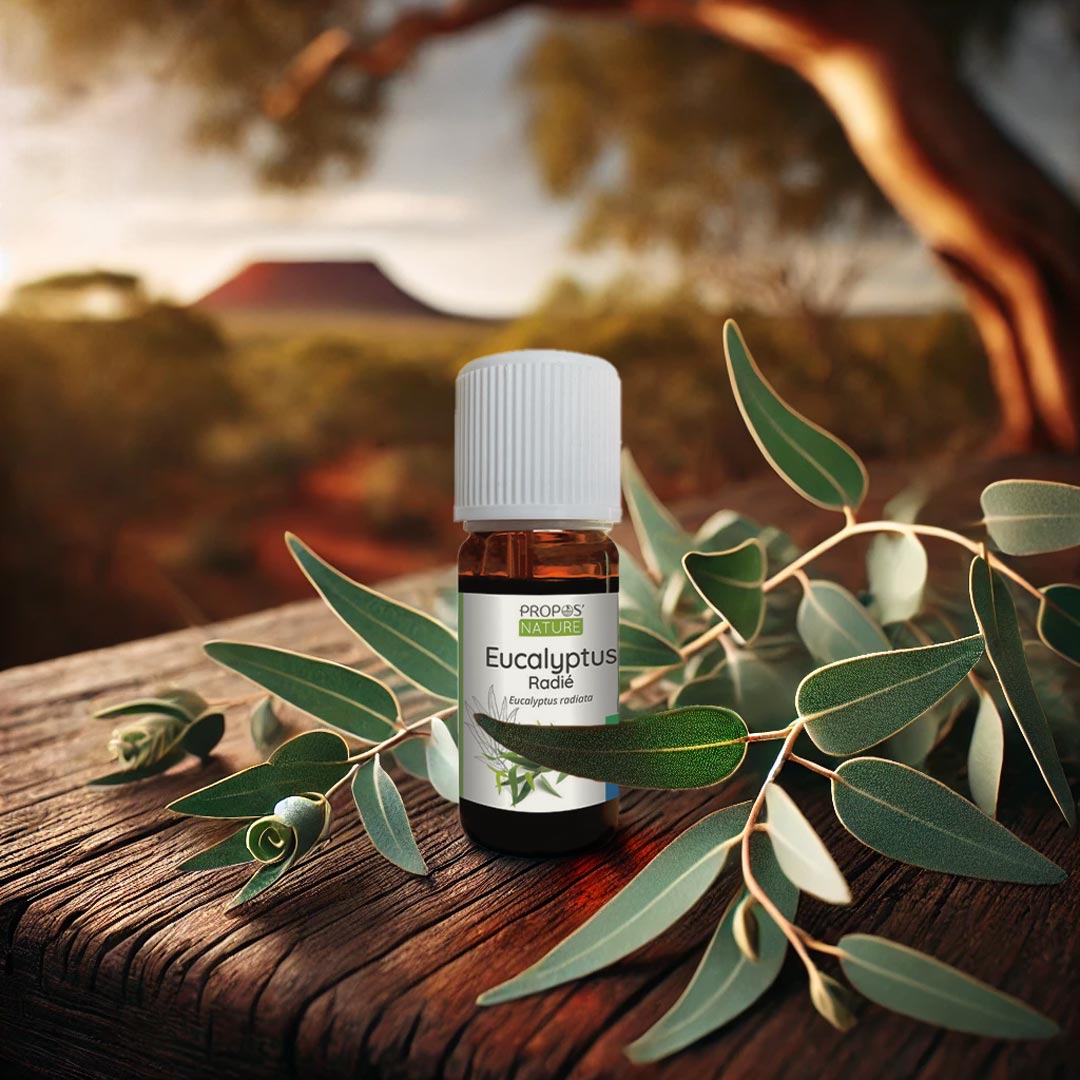
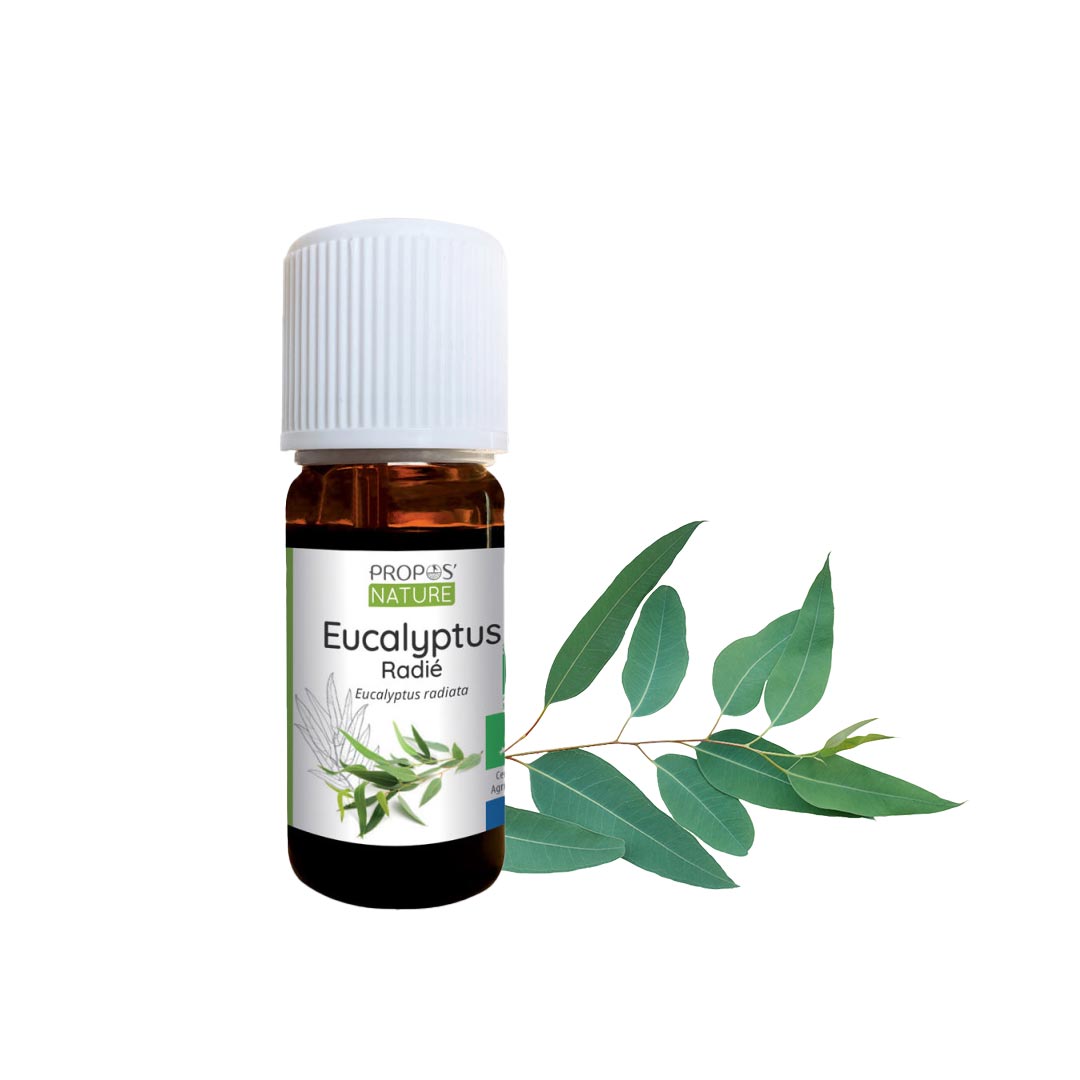
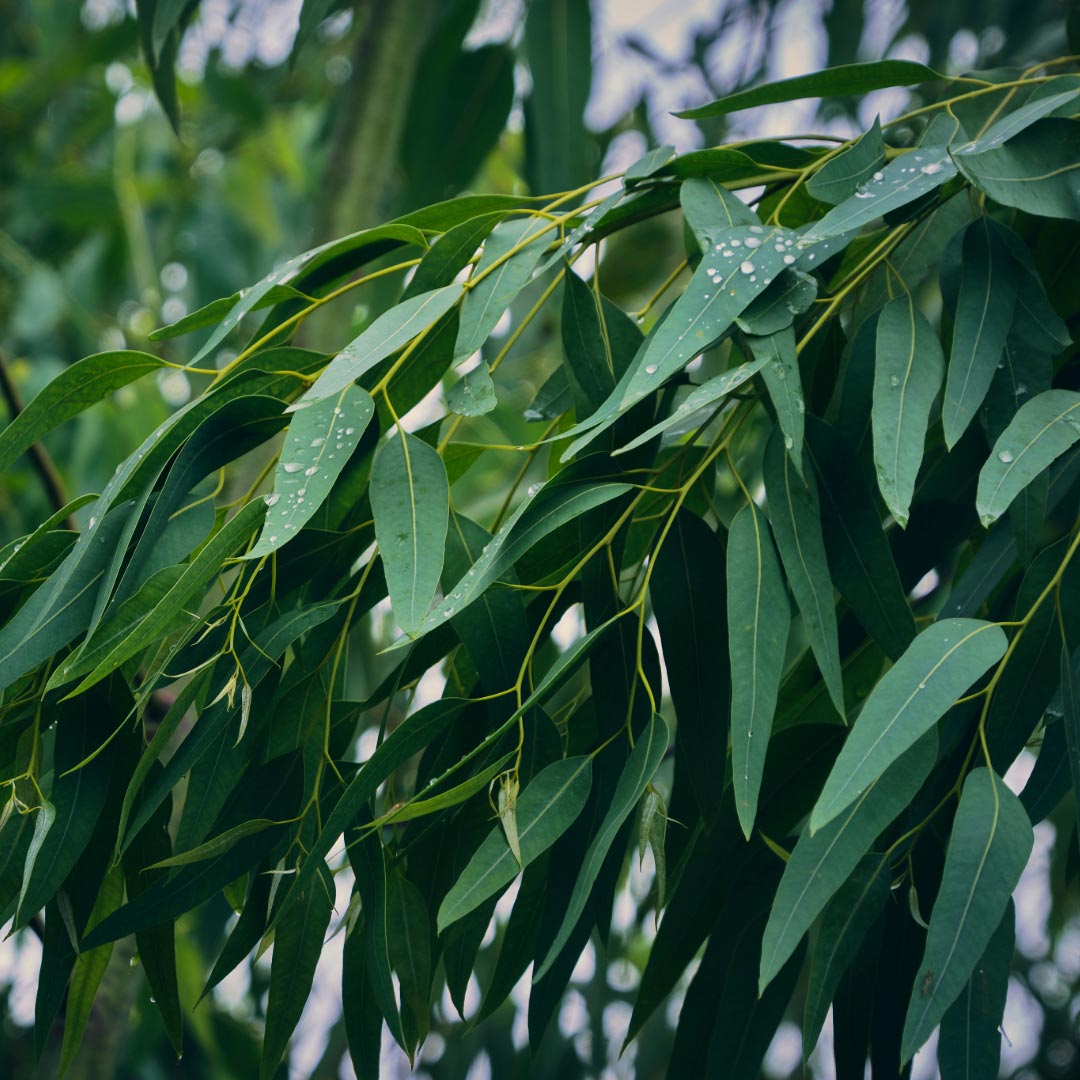
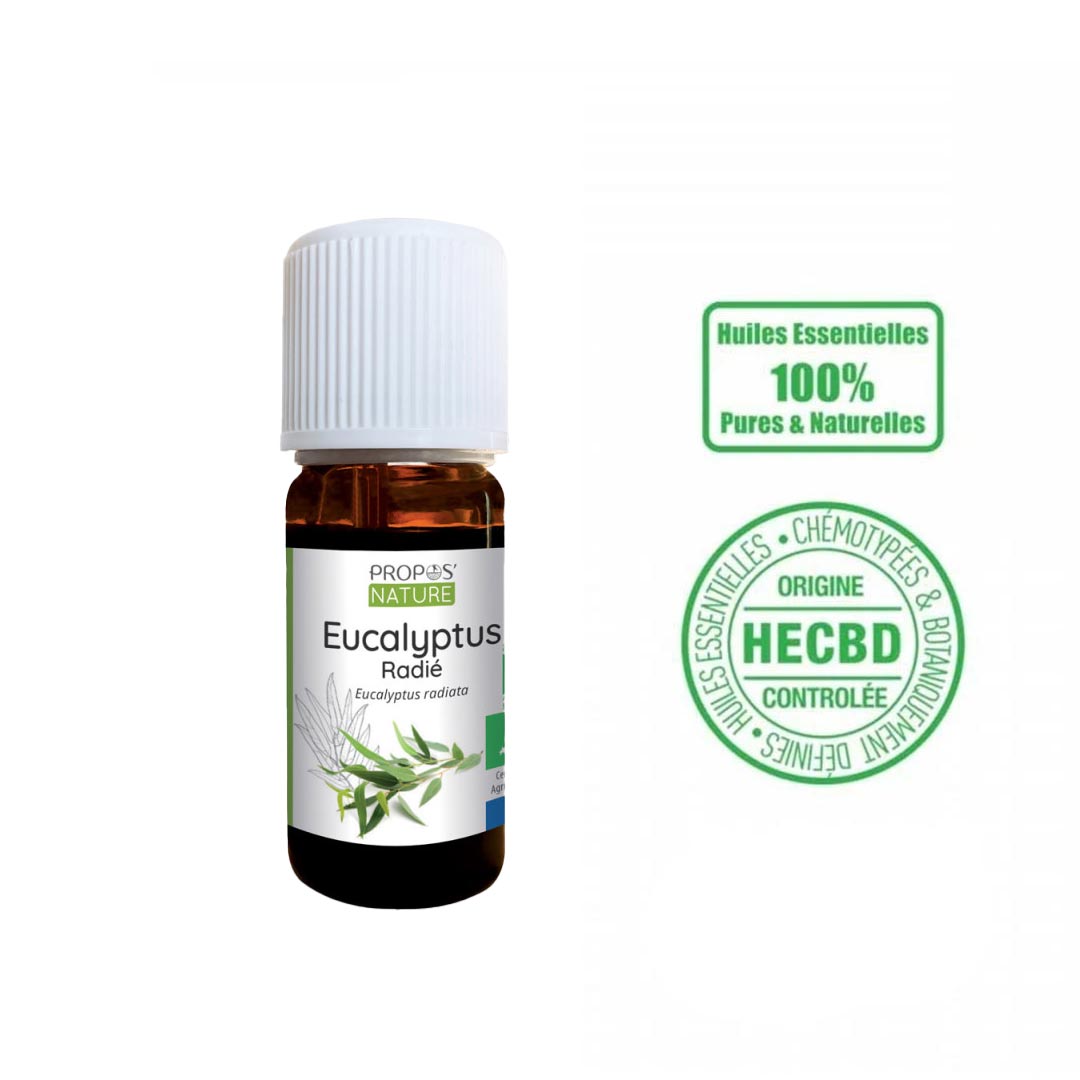
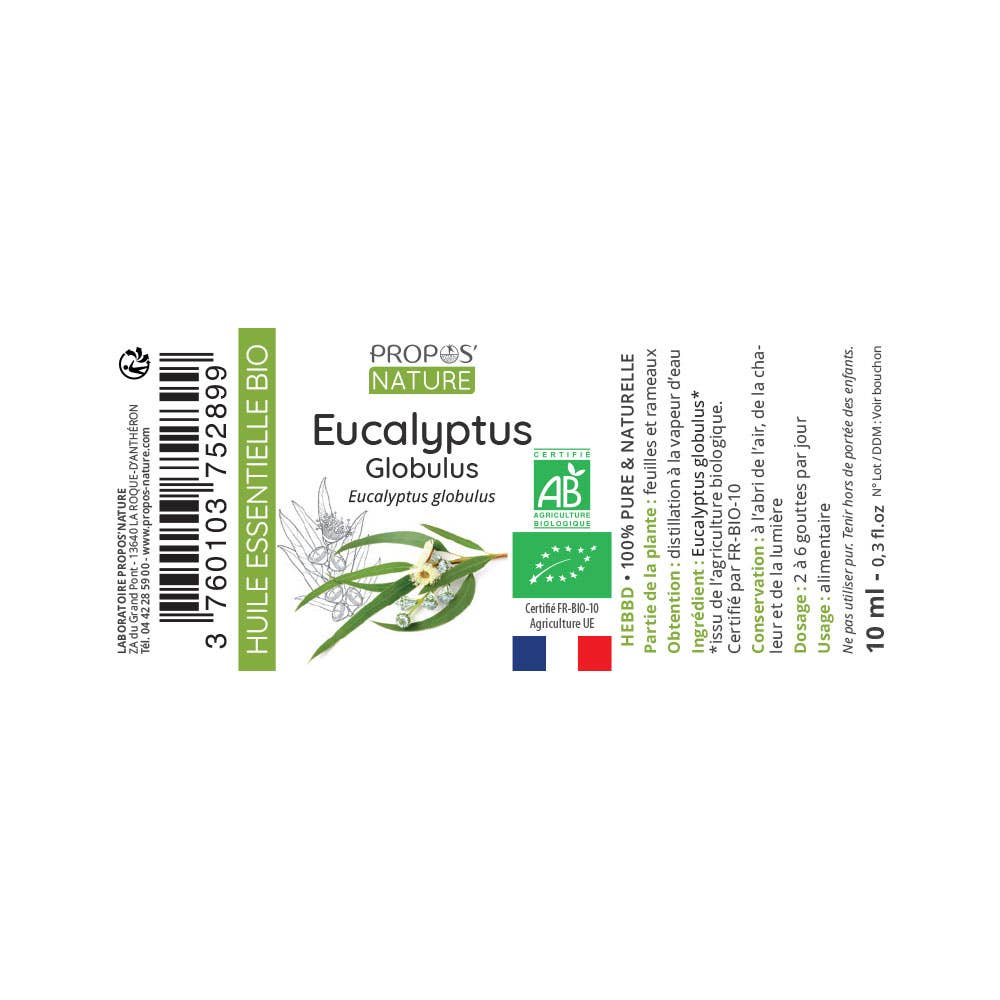
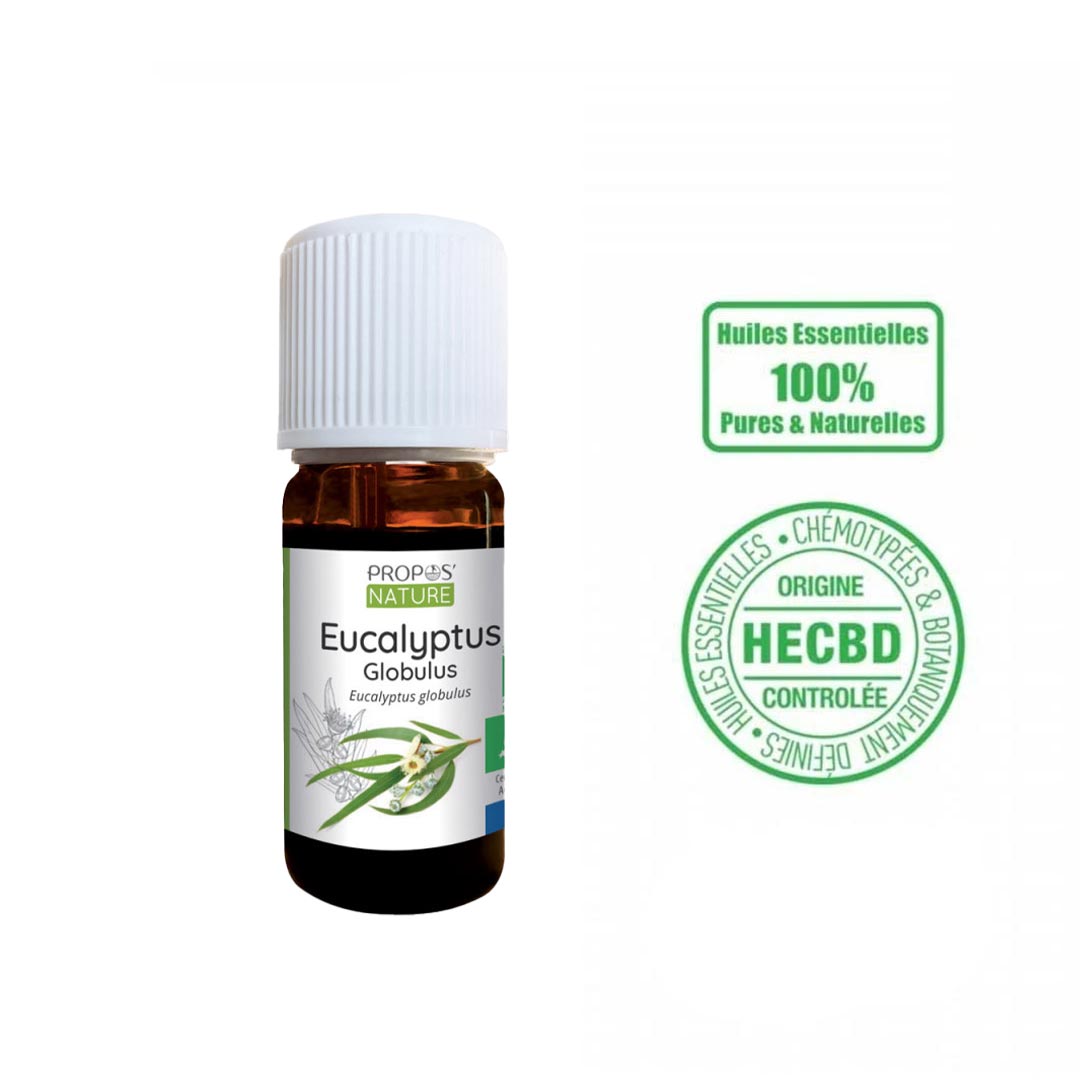
Organic Eucalyptus radiata
Refreshing and protective, Eucalyptus radiata helps fight viruses, clears congestion, and supports respiratory wellness.

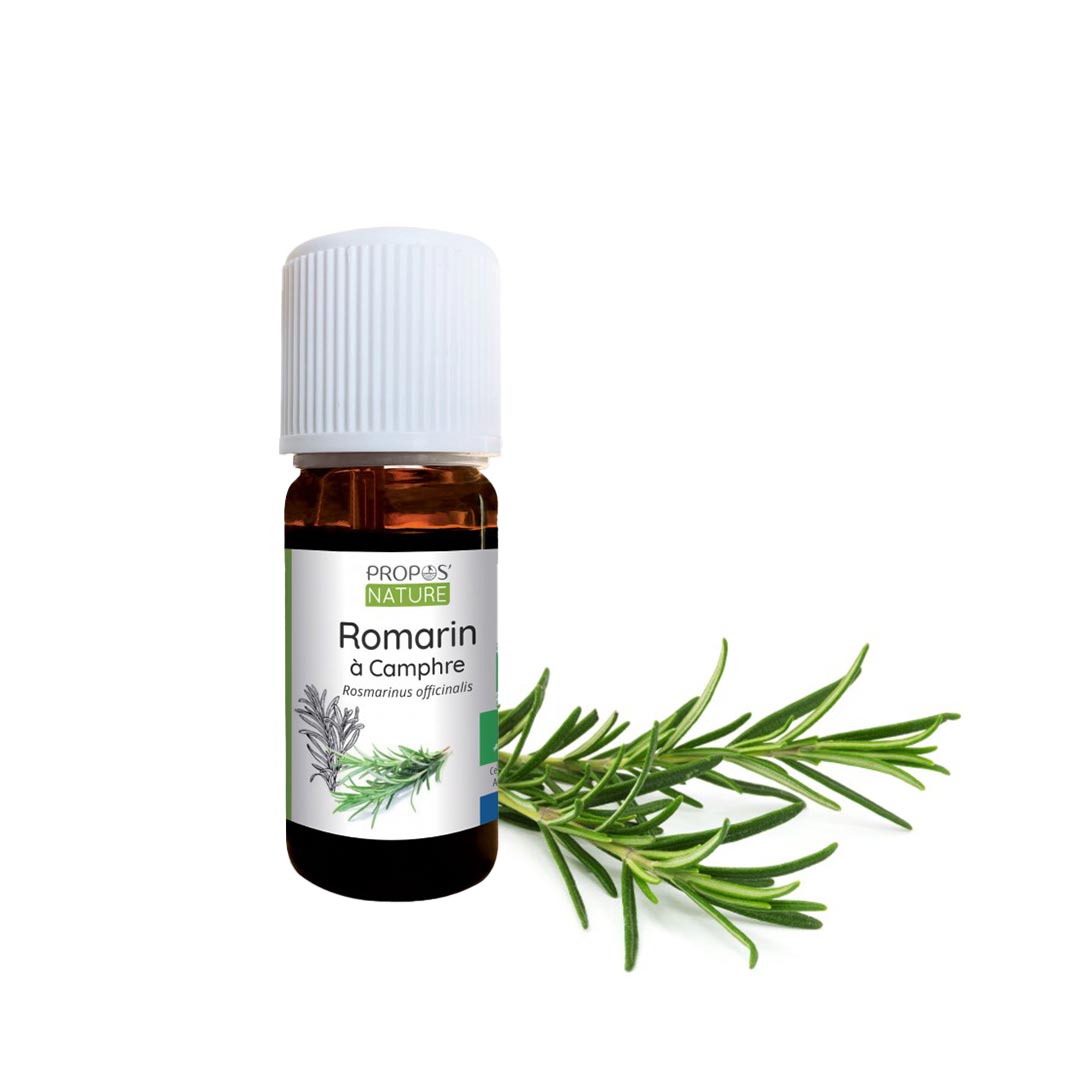
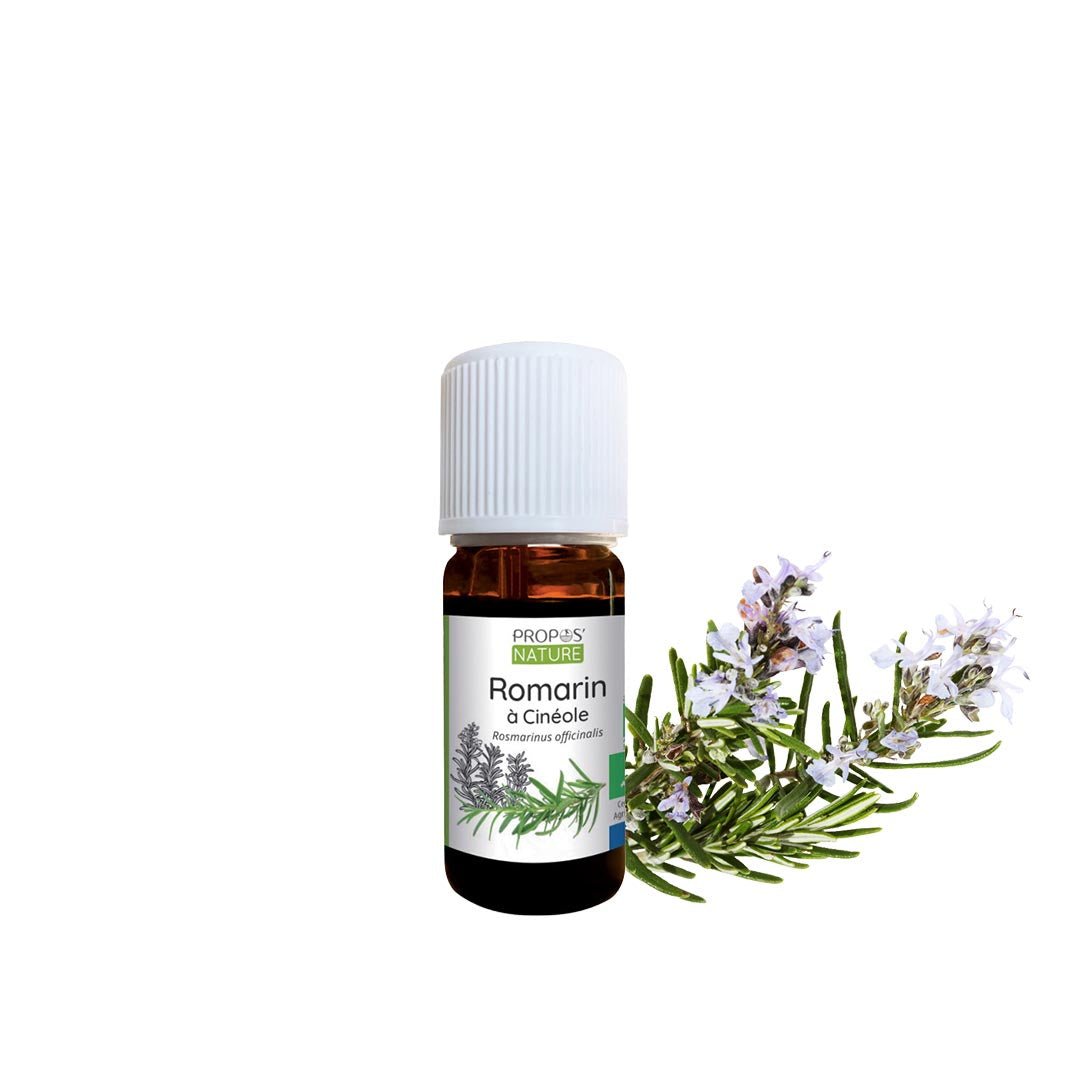
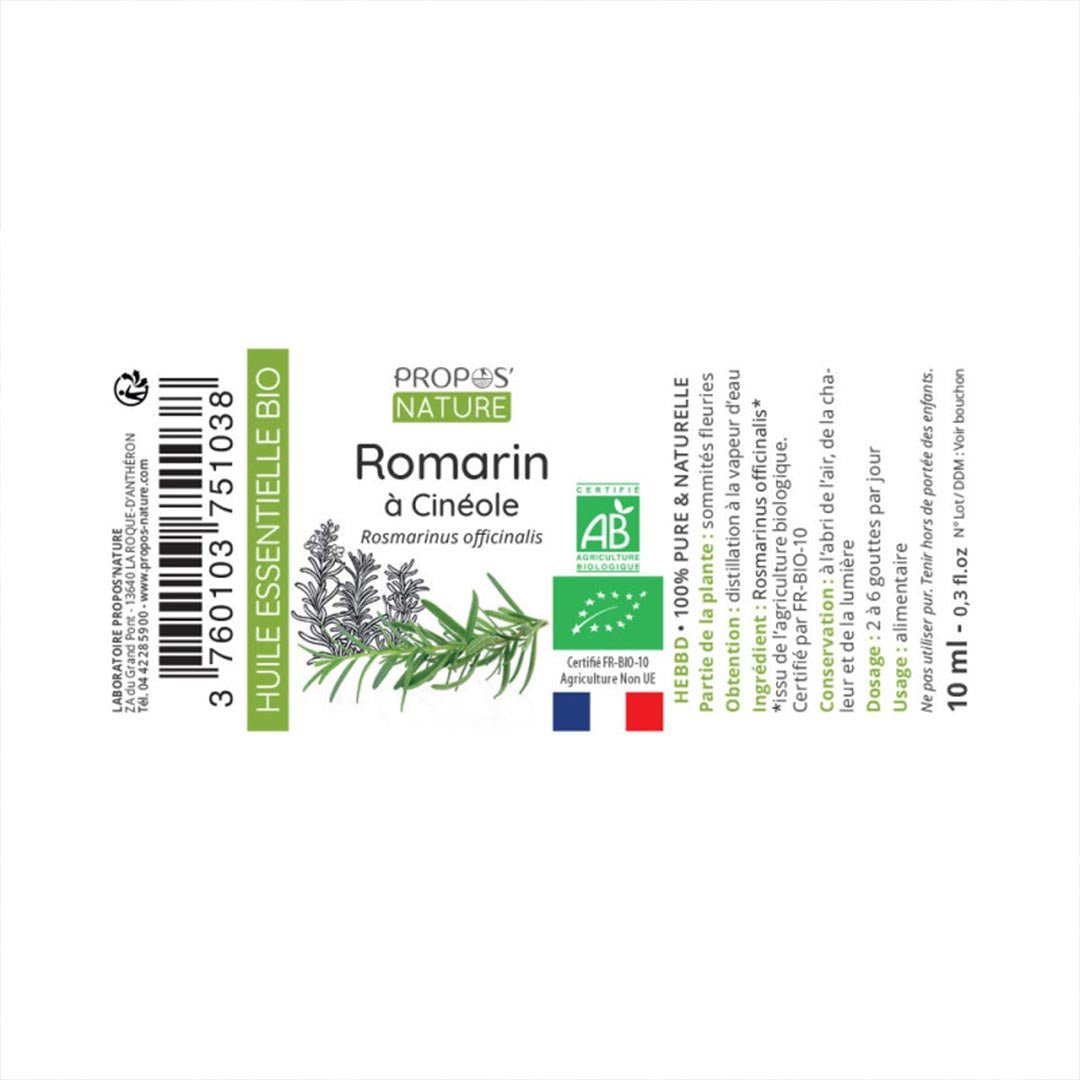
Organic Rosemary camphor
Energizing and fortifying, Rosemary camphor stimulates circulation, aids recovery, and boosts the body’s natural defenses.
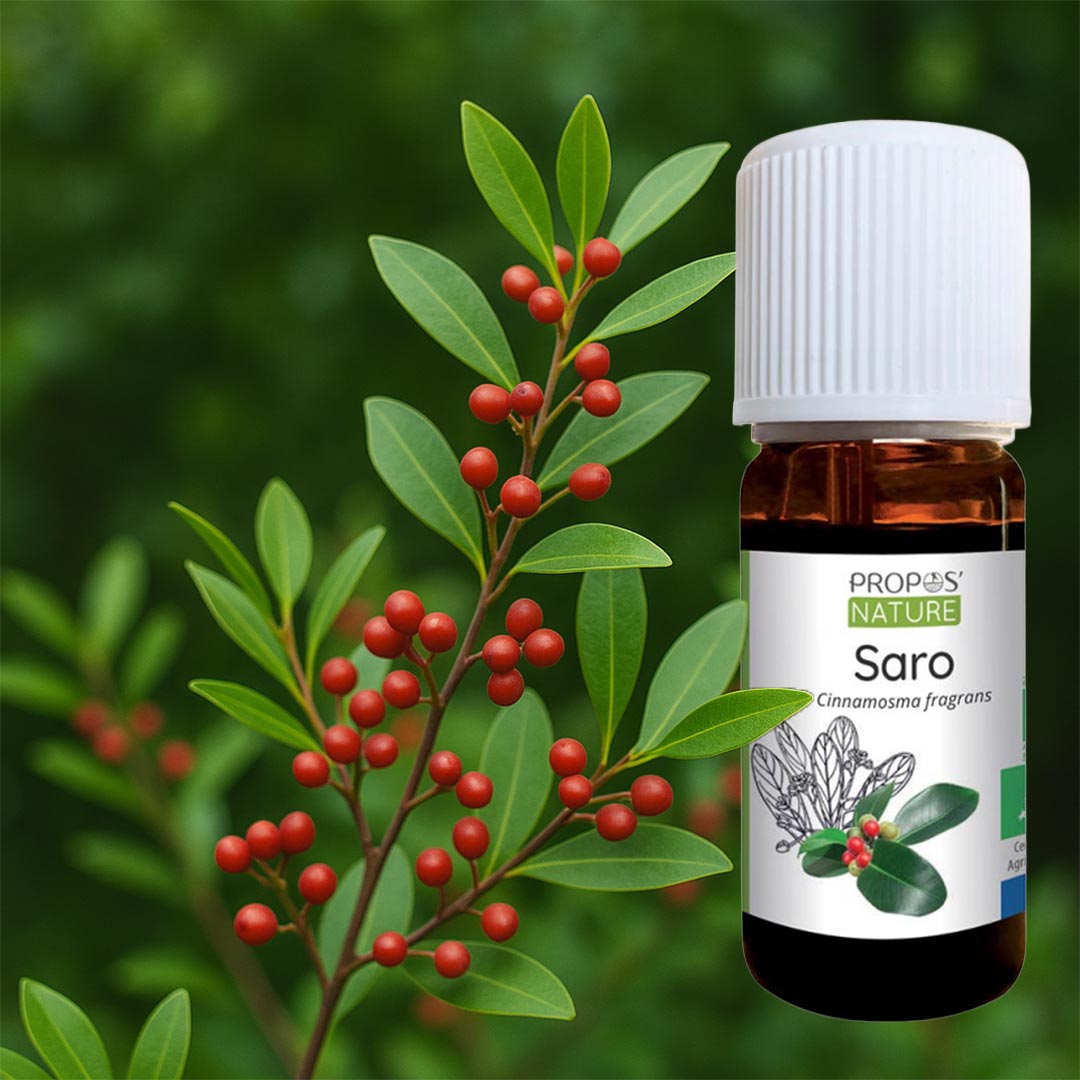
Organic Saro
Native to Madagascar, Saro is antiviral, antibacterial, and immune-stimulating. It is also uplifting and helps combat fatigue during illness.
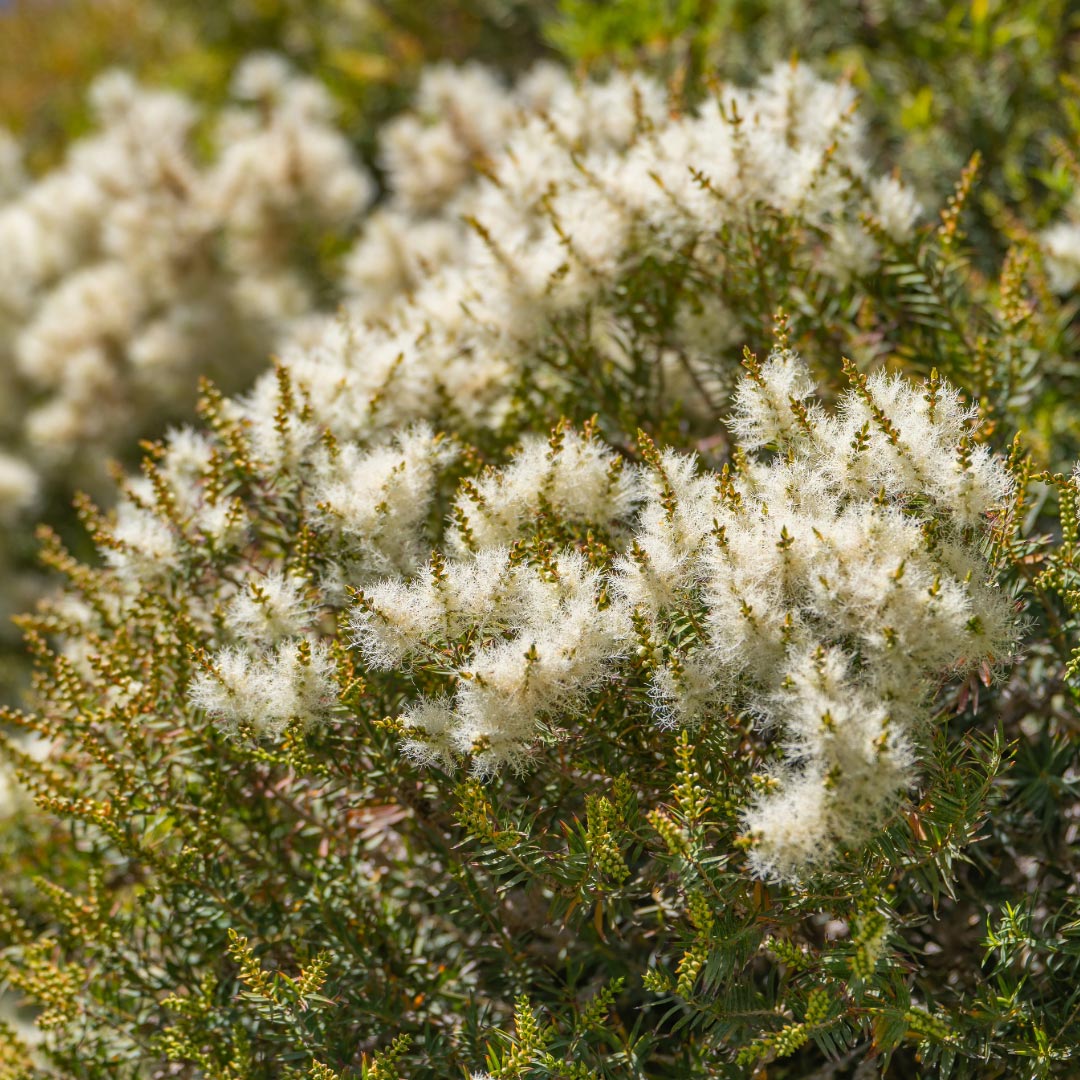
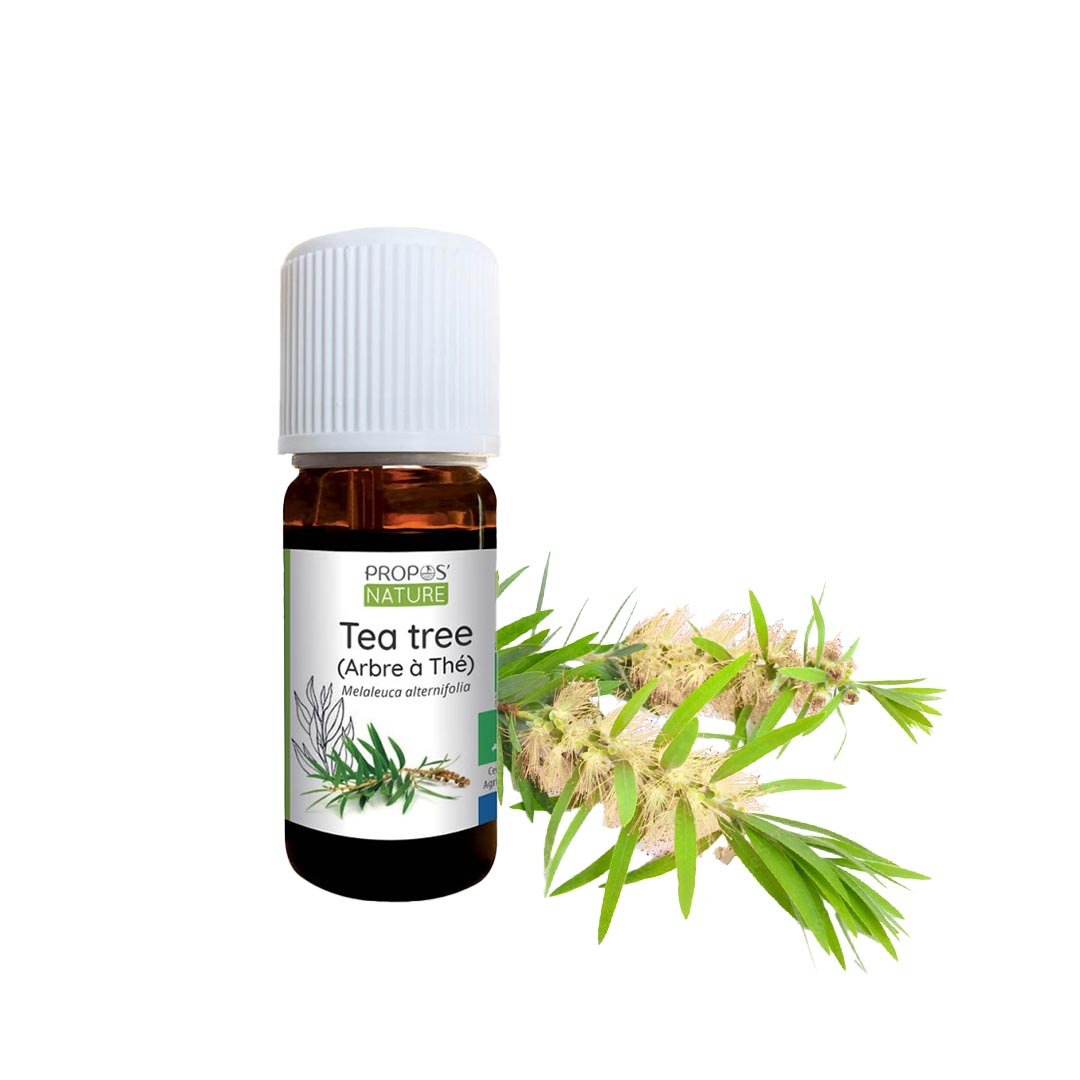
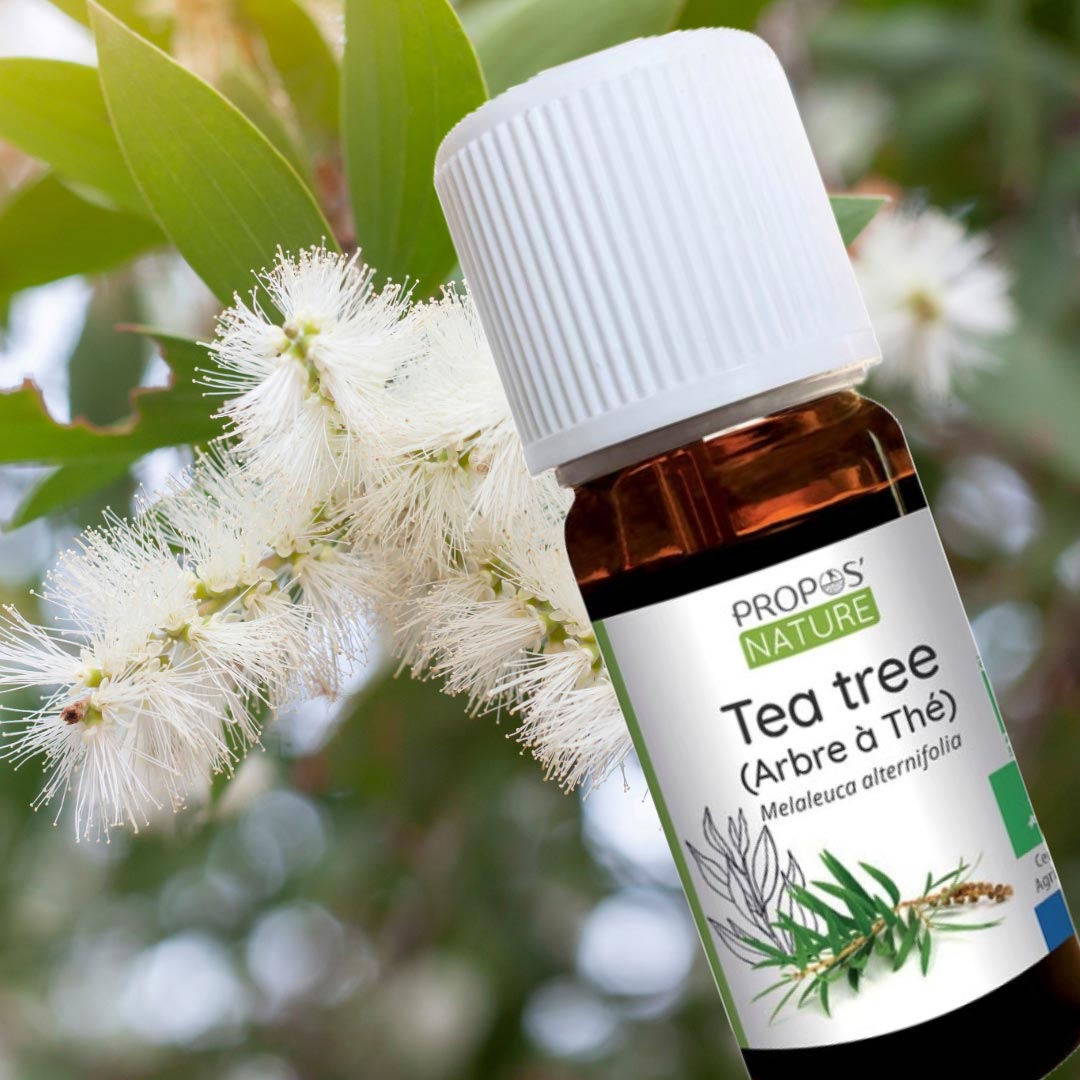
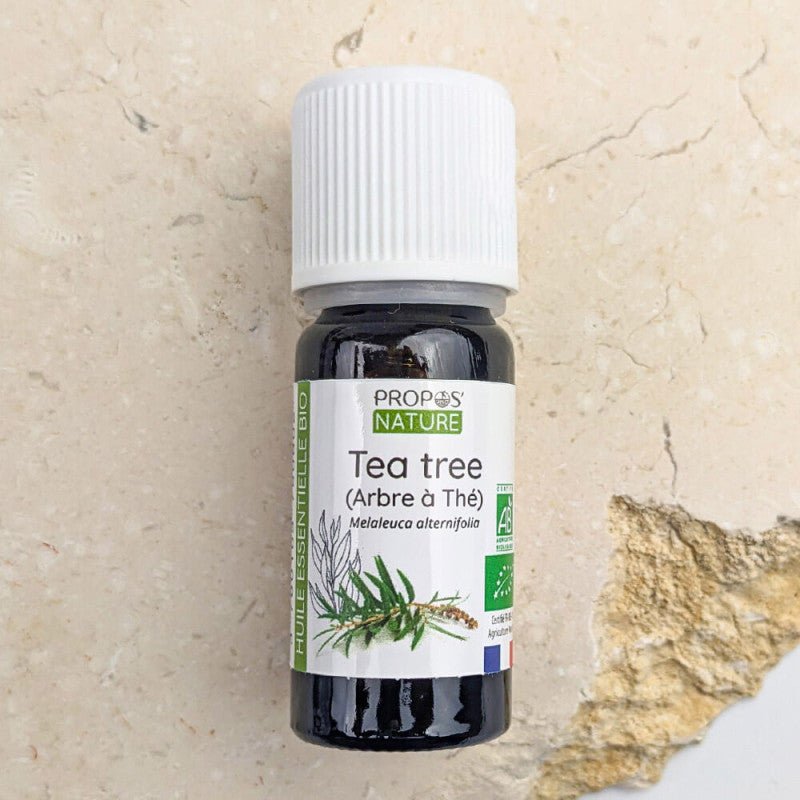
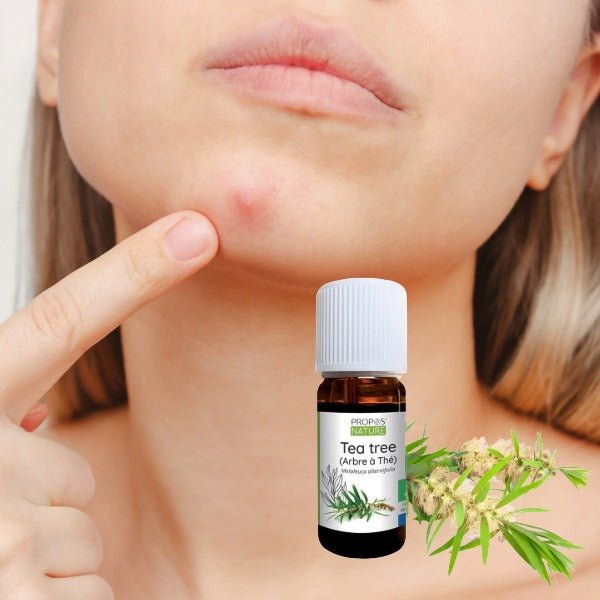
Organic Tea Tree Essential Oil
Did you know Tea Tree is like a natural shield? Its broad-spectrum antimicrobial power helps fight off bacteria and fungi while supporting skin and respiratory health.
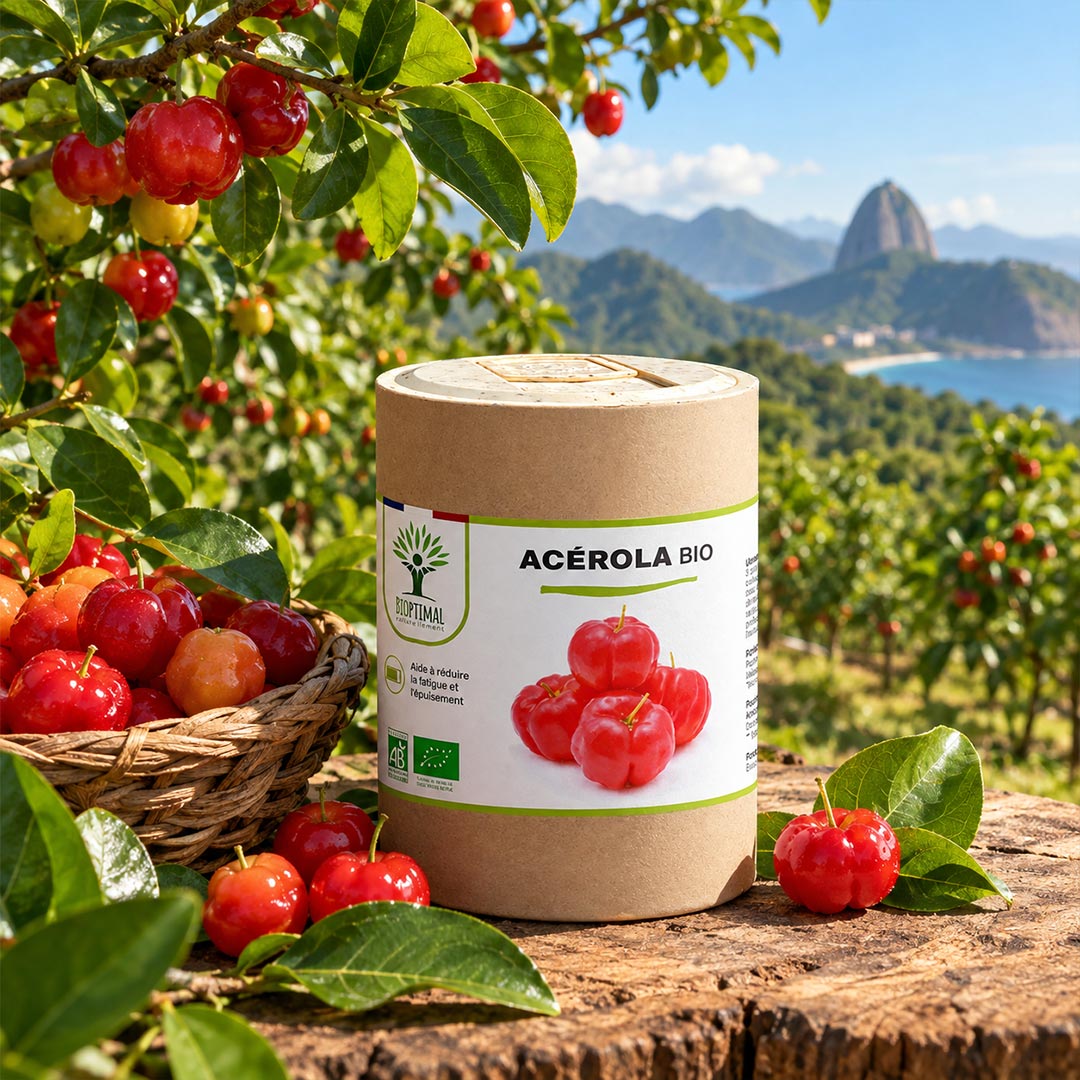

Acerola
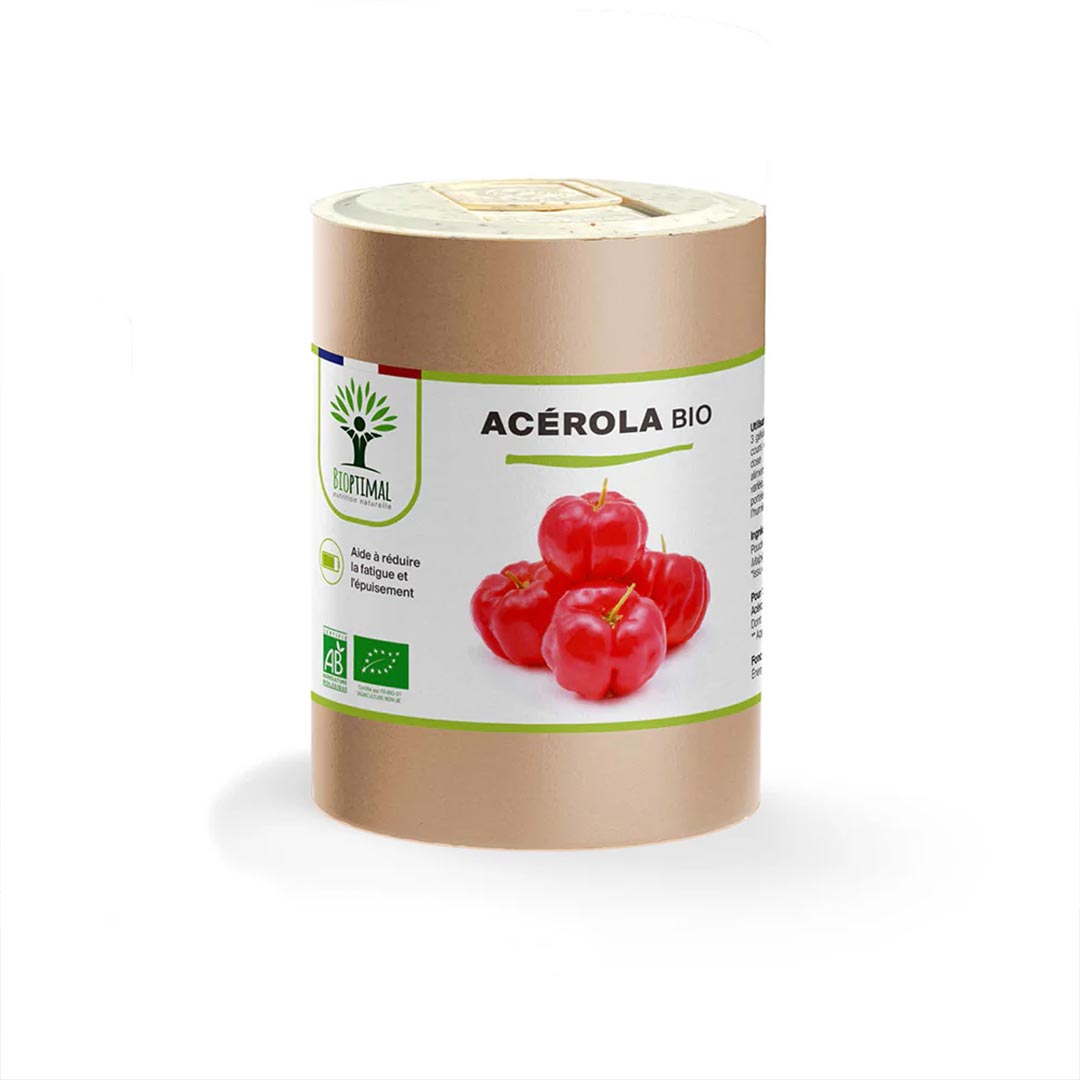
One of the richest natural sources of Vitamin C! Acerola berries deliver a powerful antioxidant boost that strengthens your immune response and helps reduce fatigue.
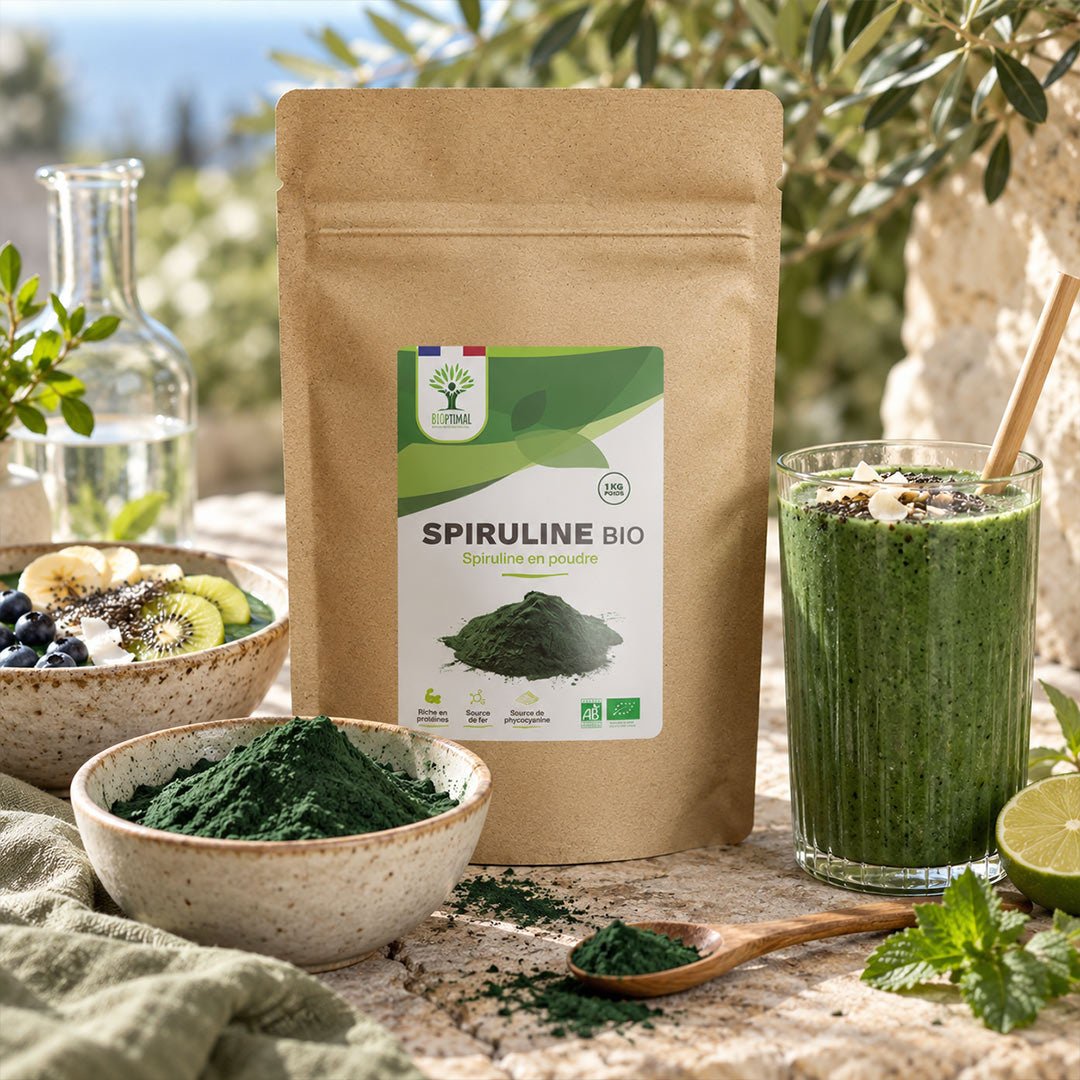

Organic Spirulina
This nutrient-dense algae is packed with protein, B-vitamins, iron, and antioxidants. Spirulina nourishes immune cells, boosts energy, and helps the body stay resilient.
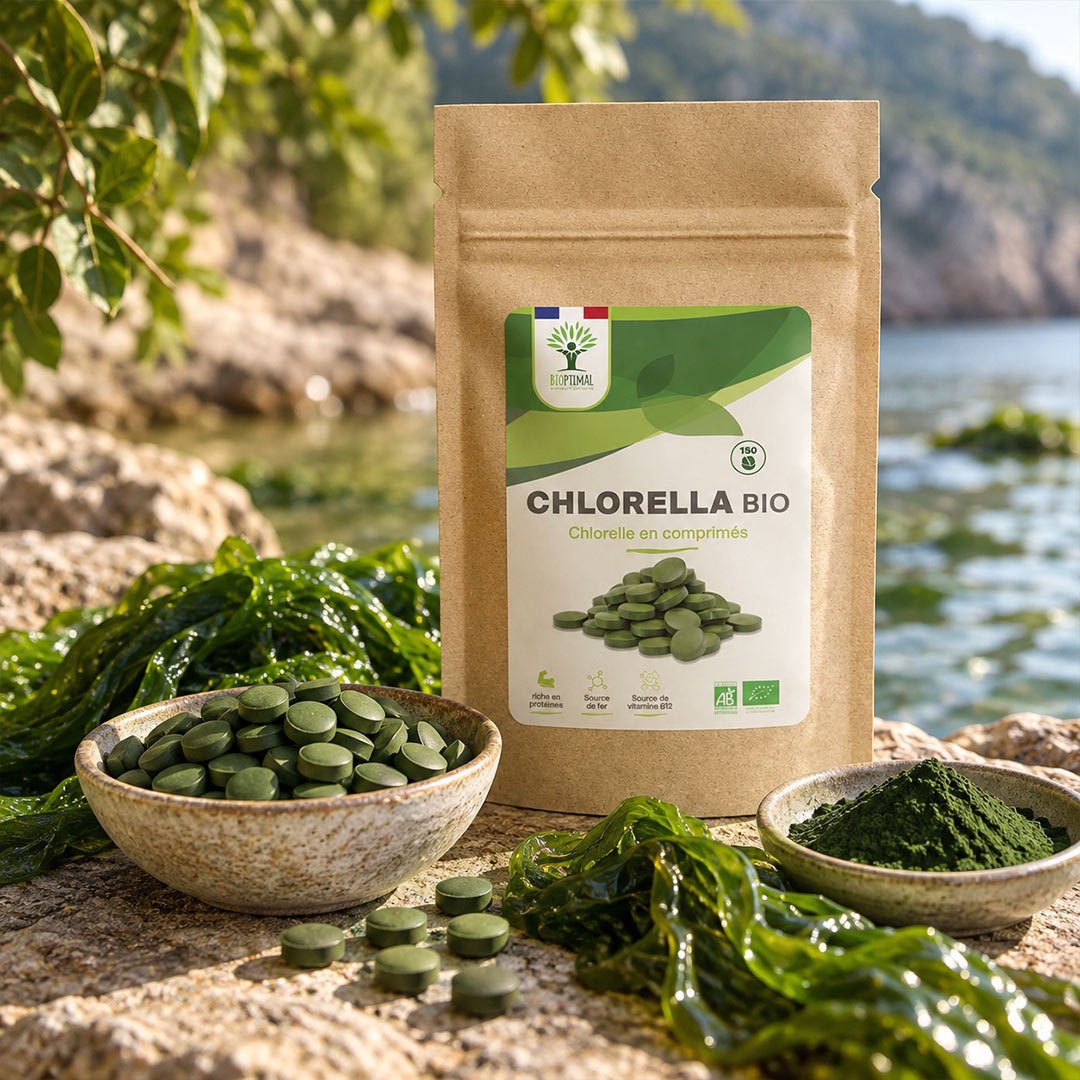

Organic Chlorella
Chlorella is rich in chlorophyll and minerals, supporting detoxification while fueling the immune system with essential micronutrients.

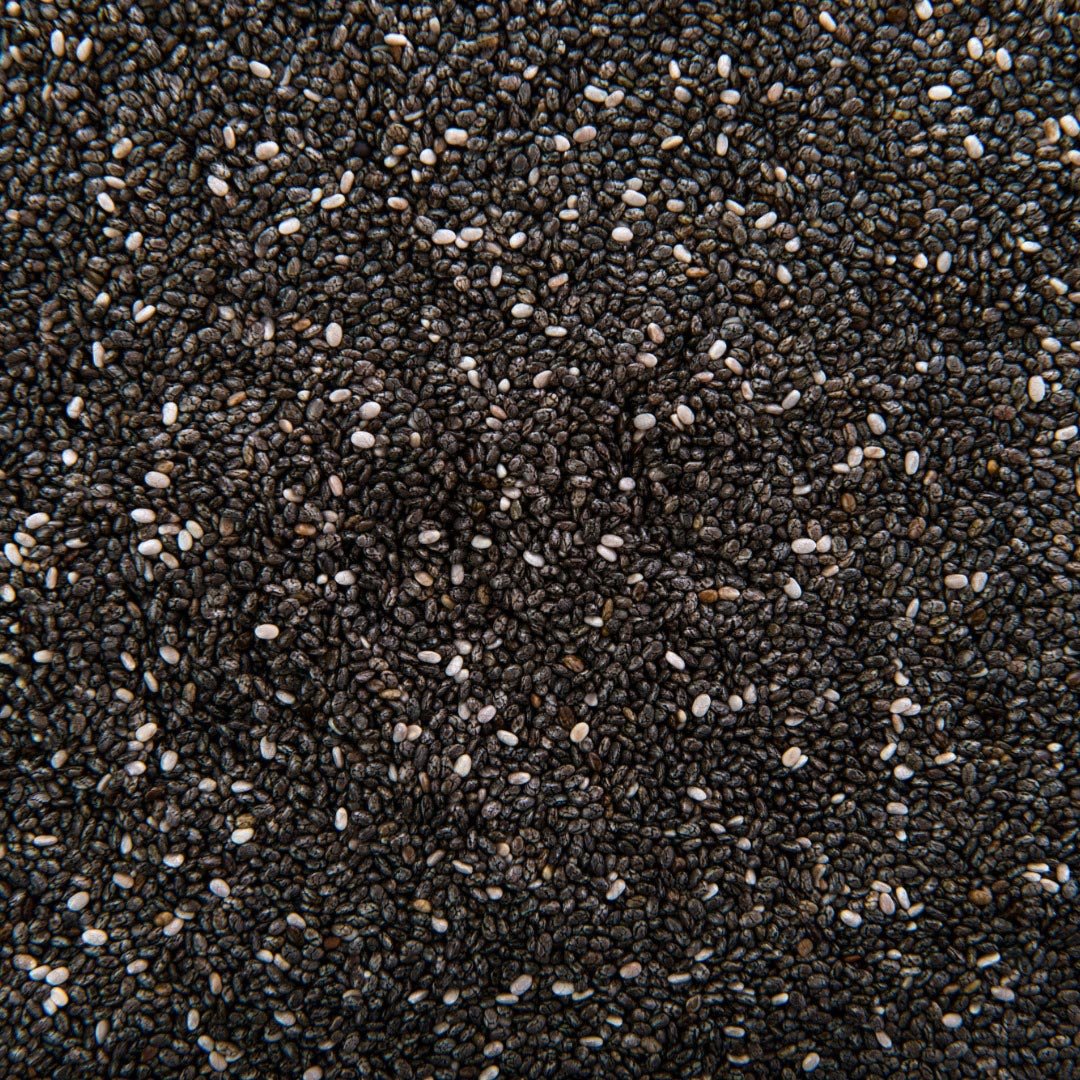
Organic Chia Seeds
Tiny but mighty! Chia is rich in omega-3 fatty acids, fiber, and minerals that help reduce inflammation and keep the immune system balanced.
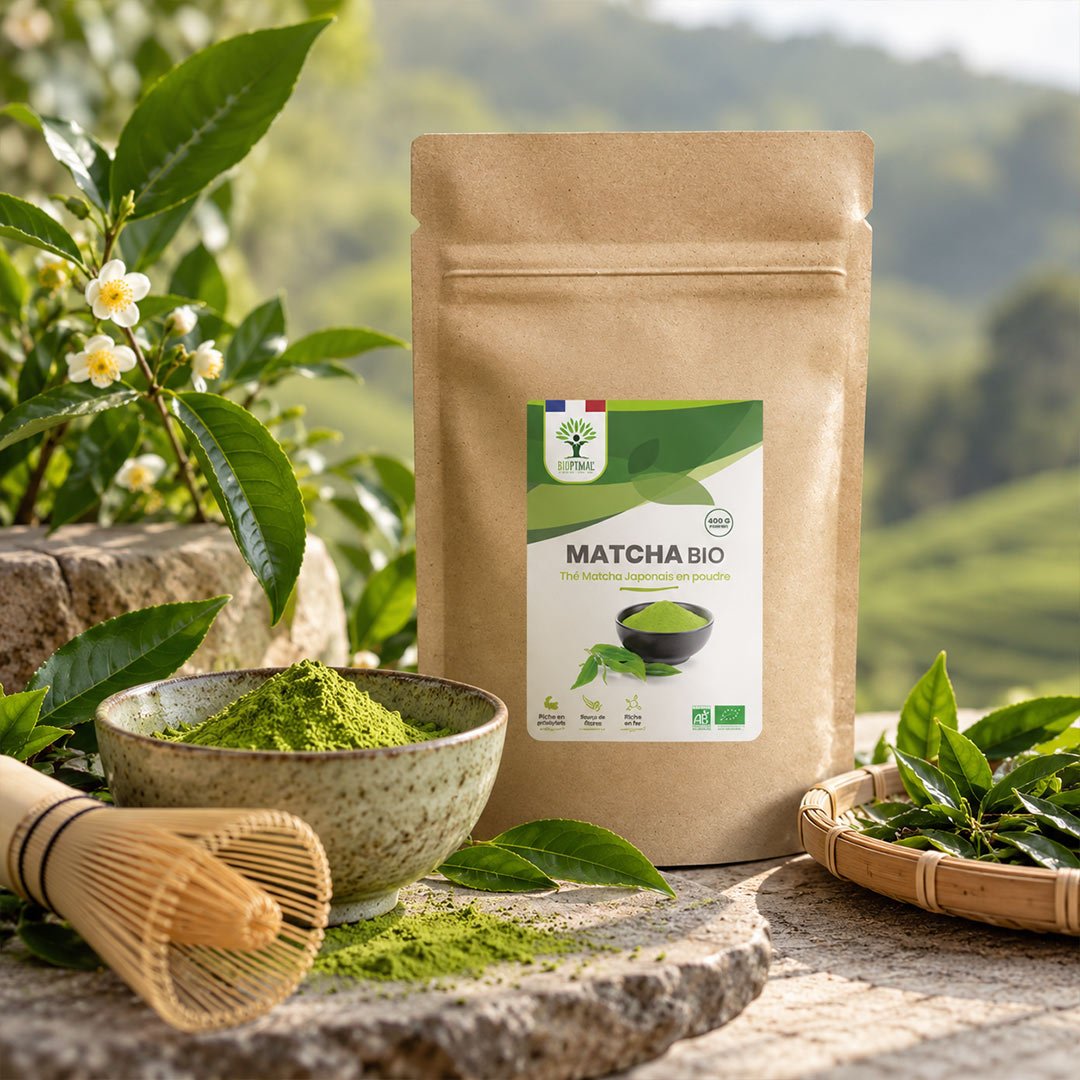

Organic Matcha
This vibrant green tea is loaded with antioxidants (catechins) that protect your cells from oxidative stress and strengthen natural defenses.
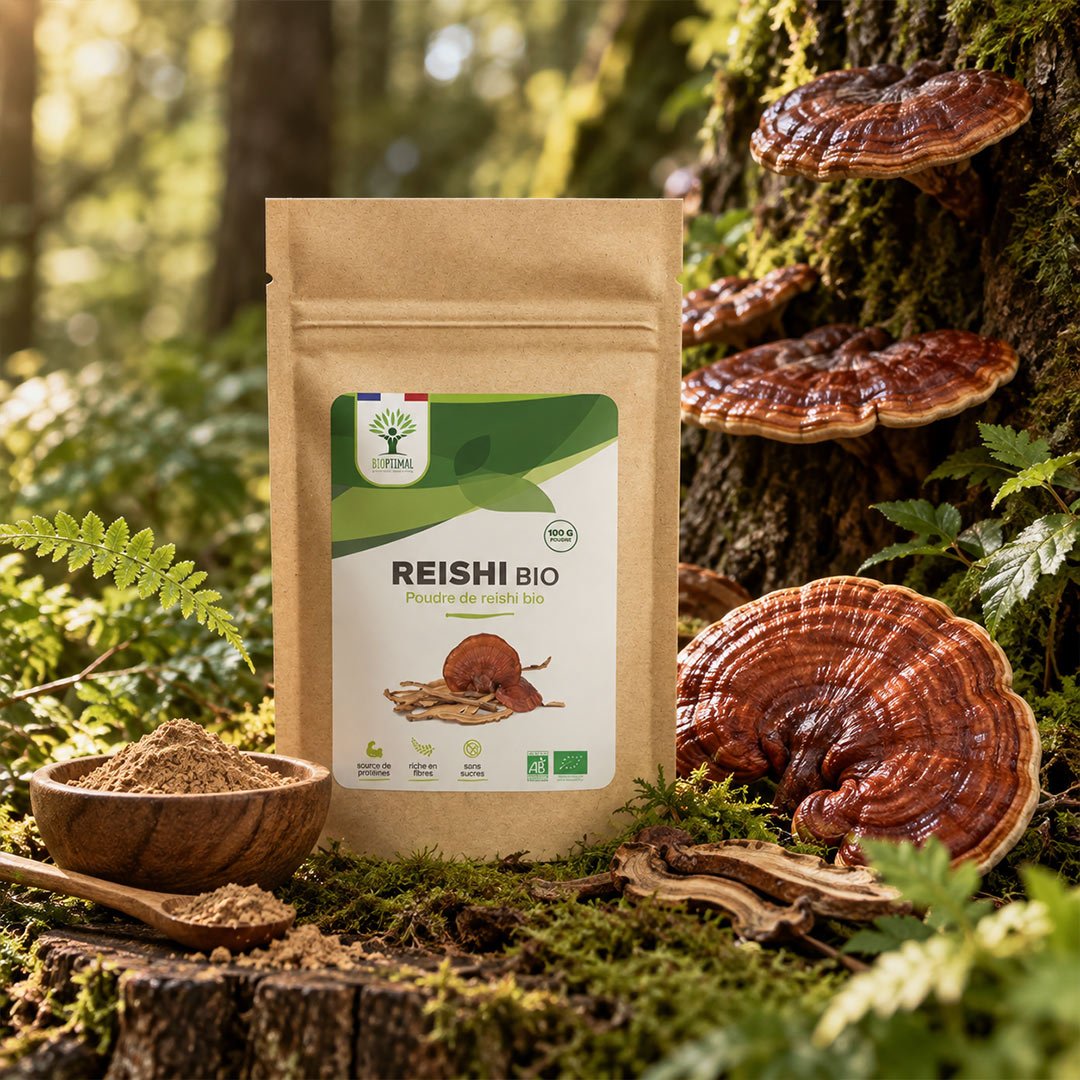

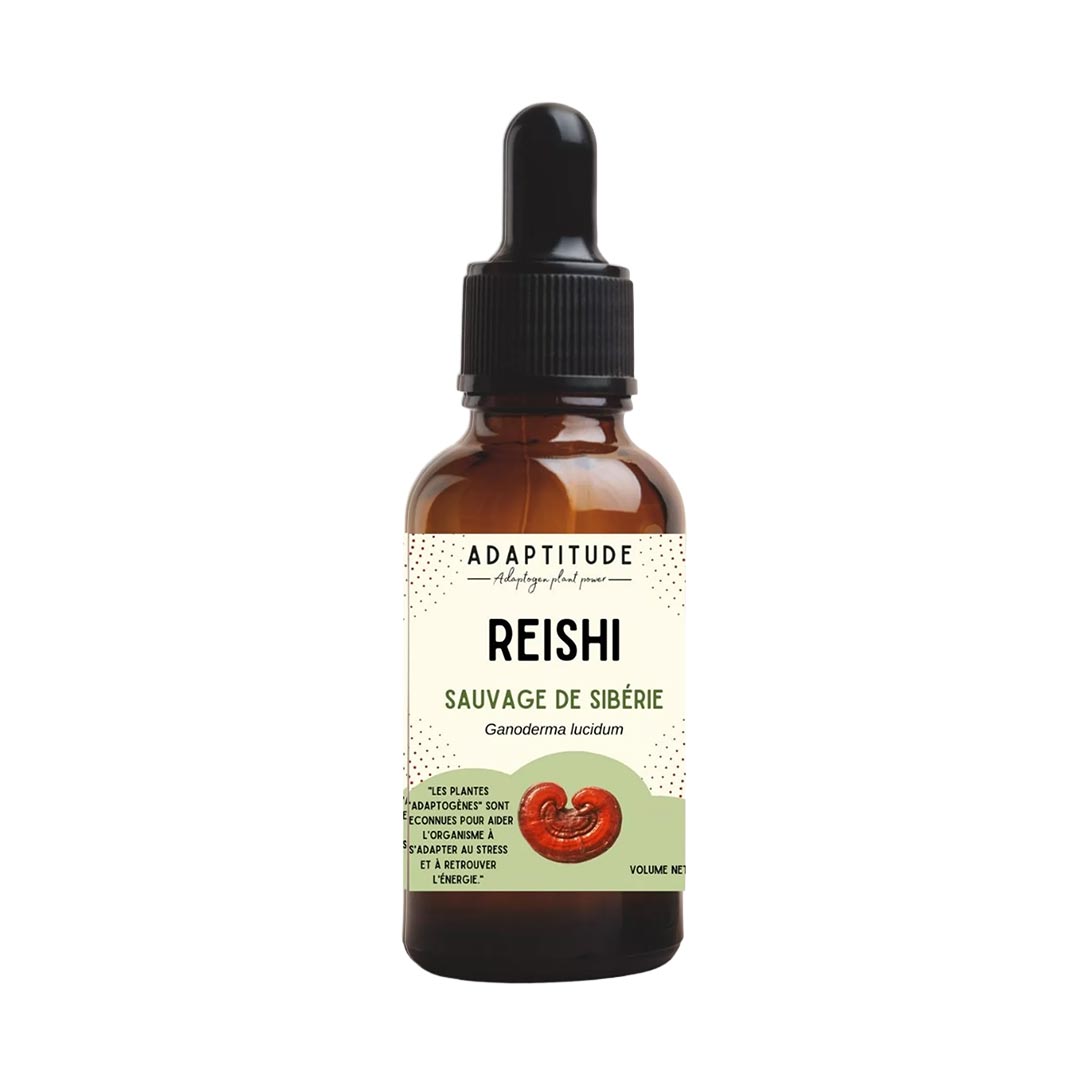
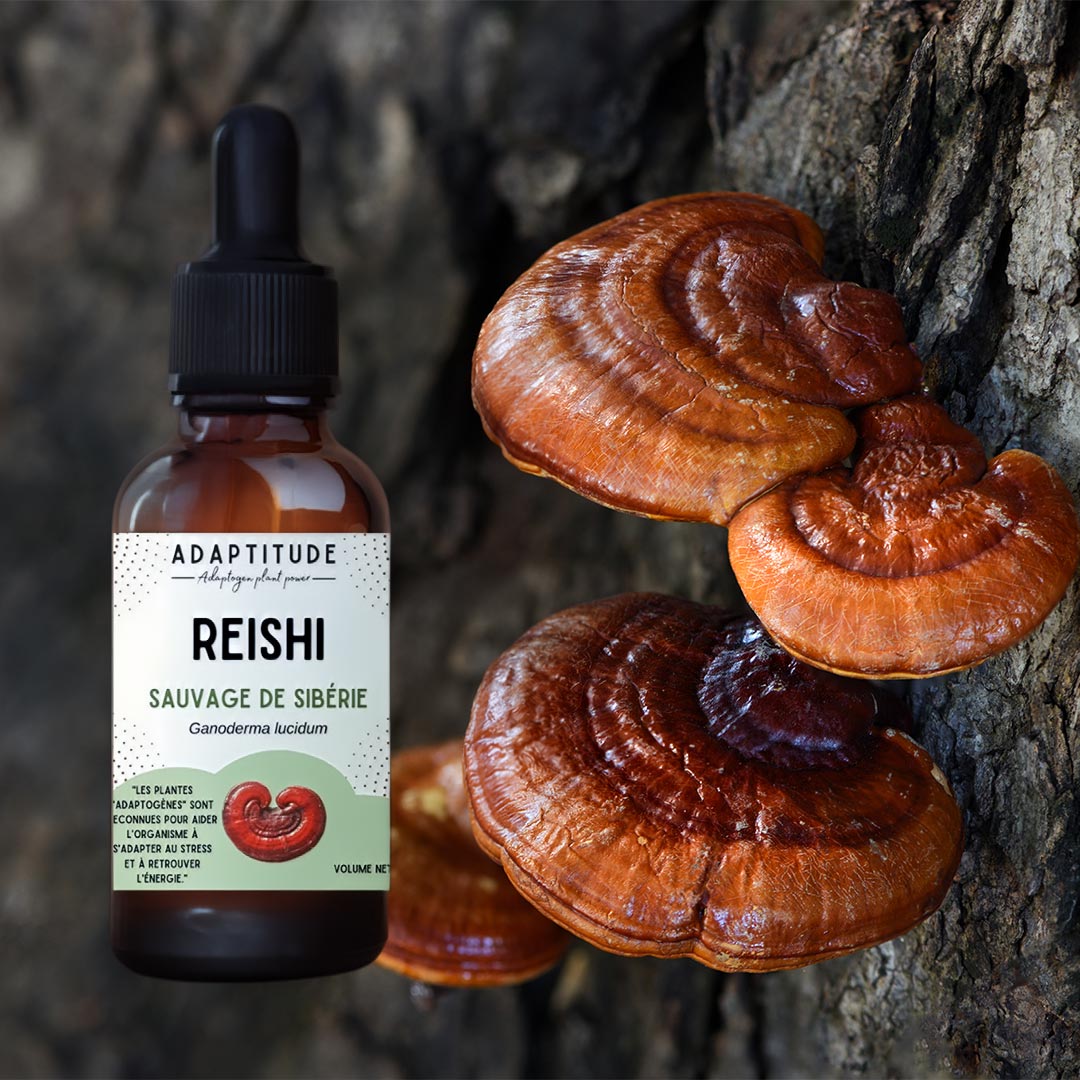
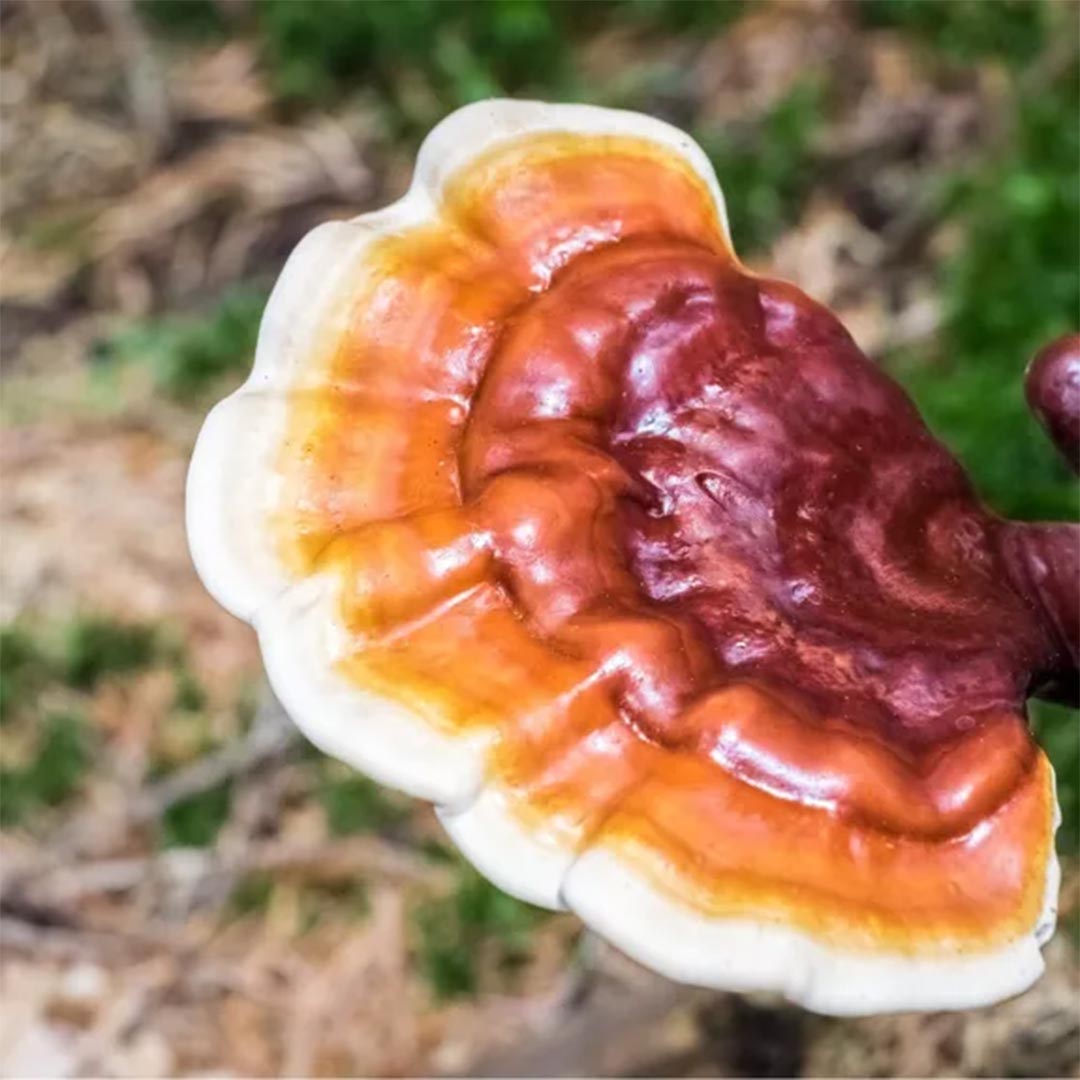
Organic Reishi Mushroom
Known as the “mushroom of immortality,” Reishi helps regulate immune activity, reduce stress, and promote overall vitality.
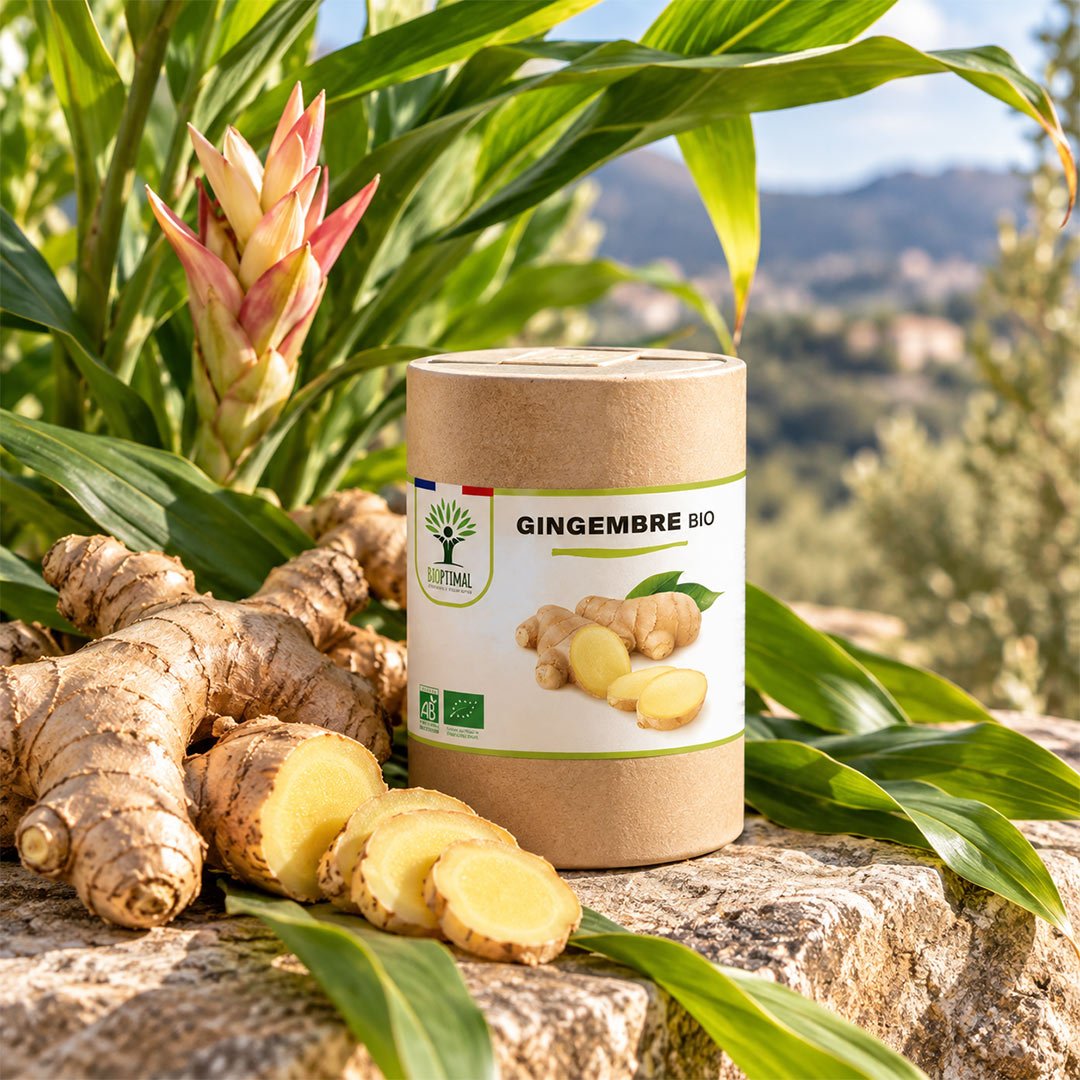

Organic Ginger
Warming and stimulating, Ginger supports circulation, digestion, and immune strength - a traditional ally against colds.
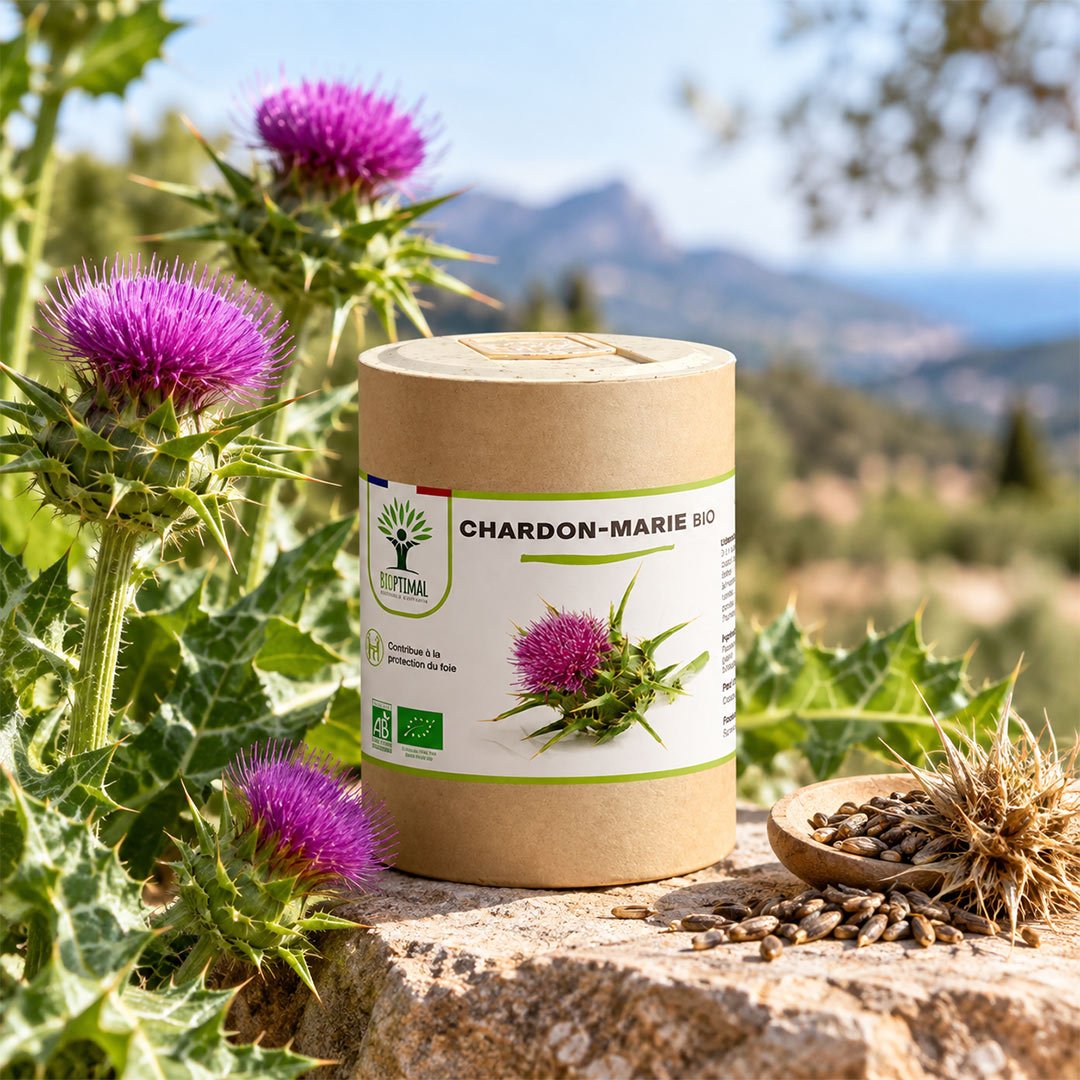
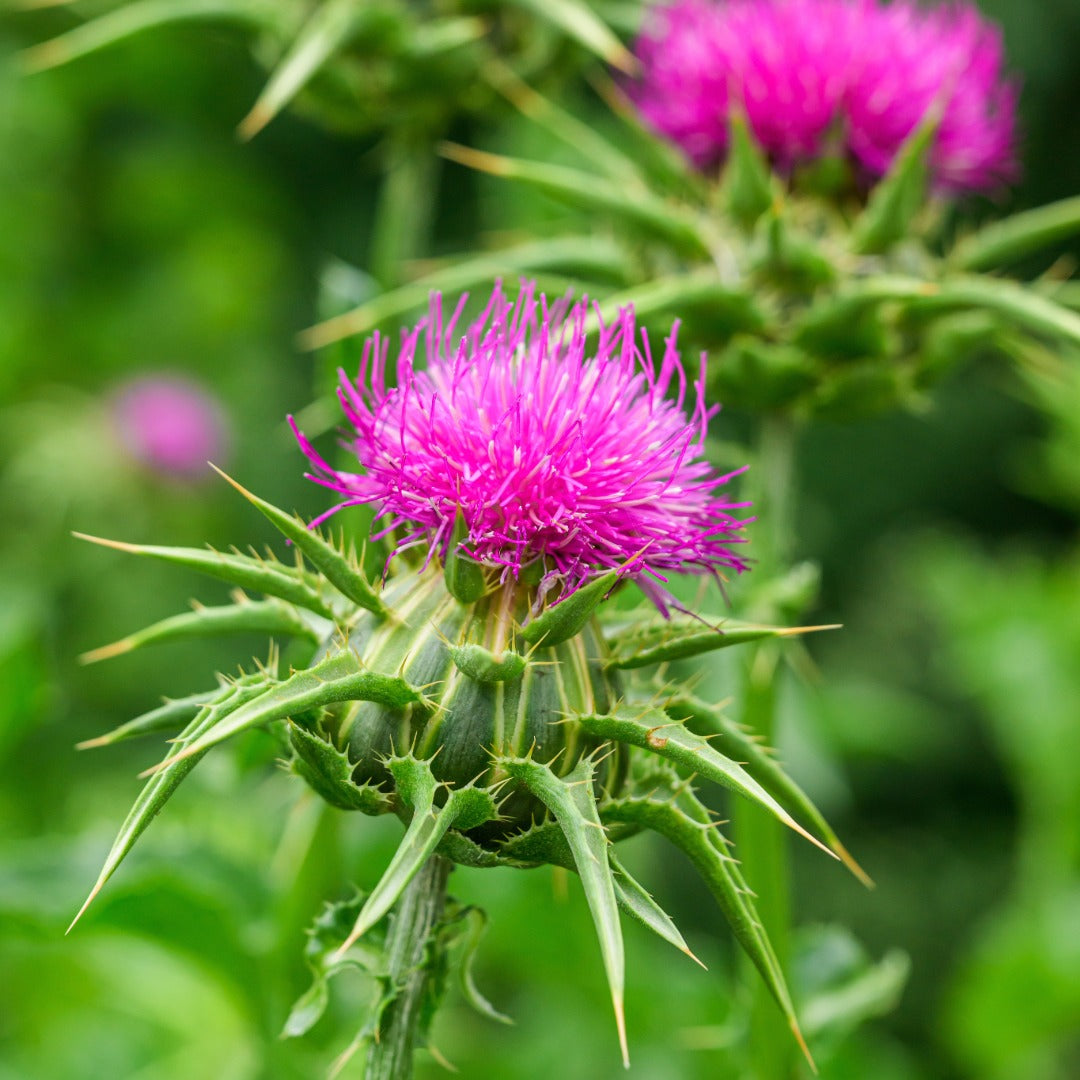
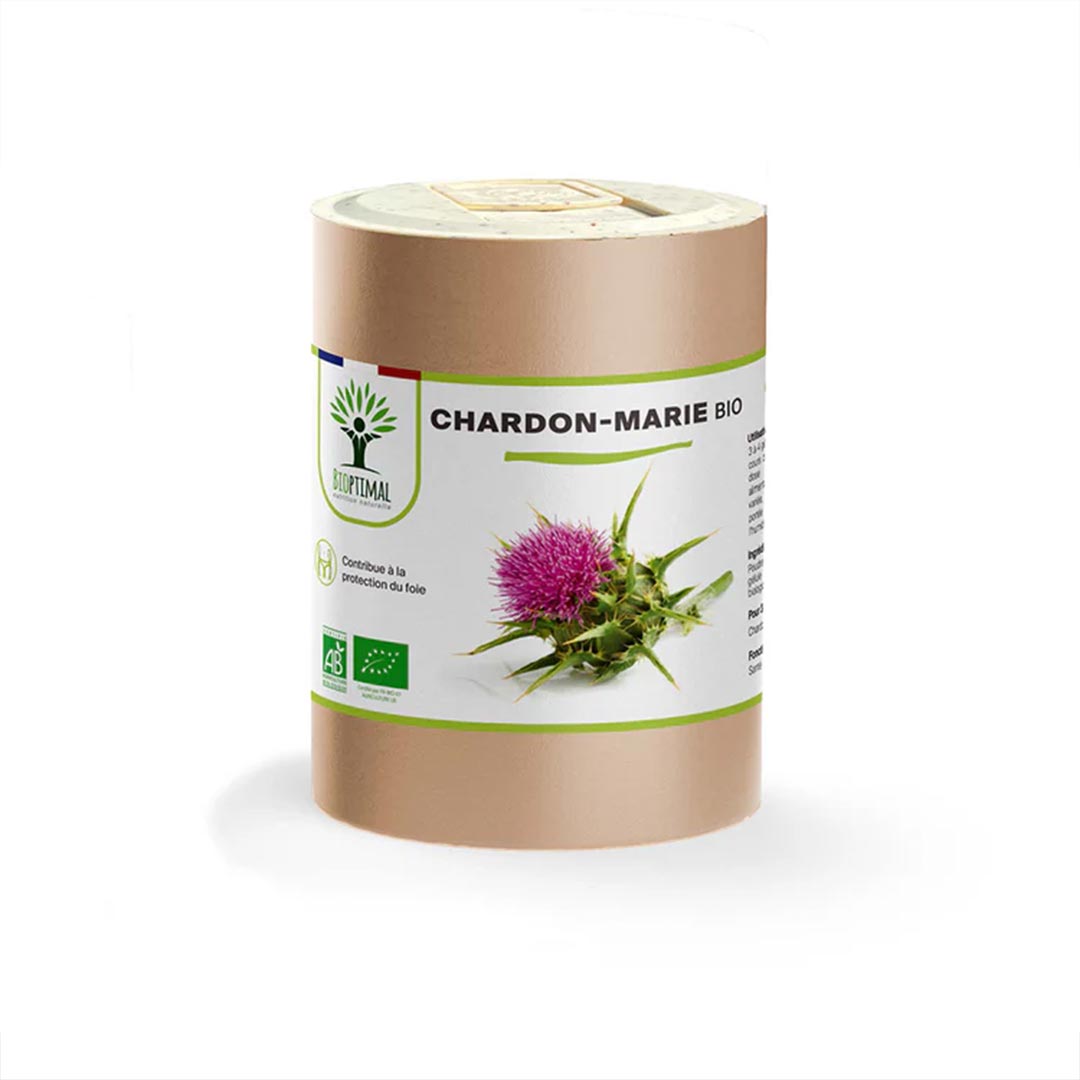
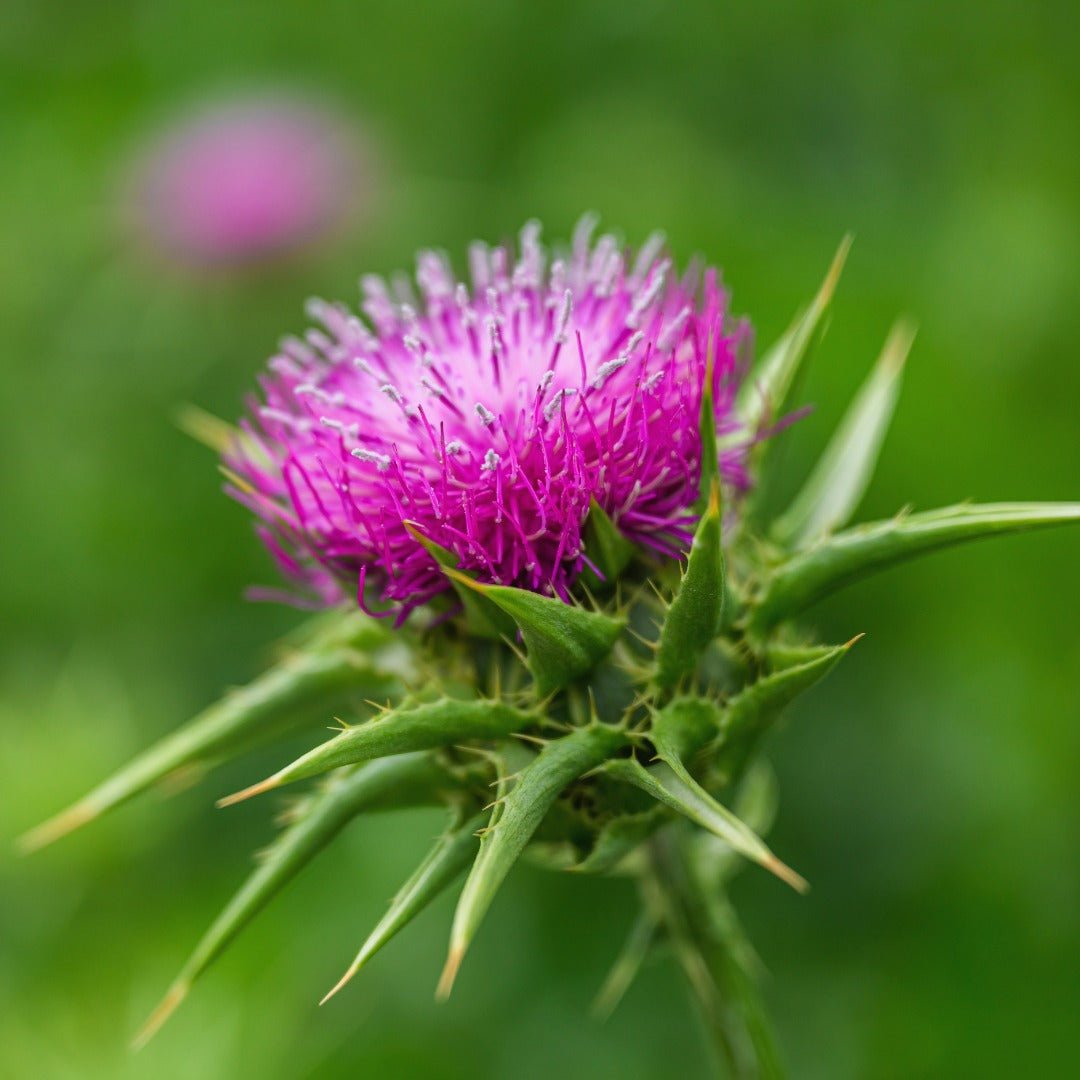
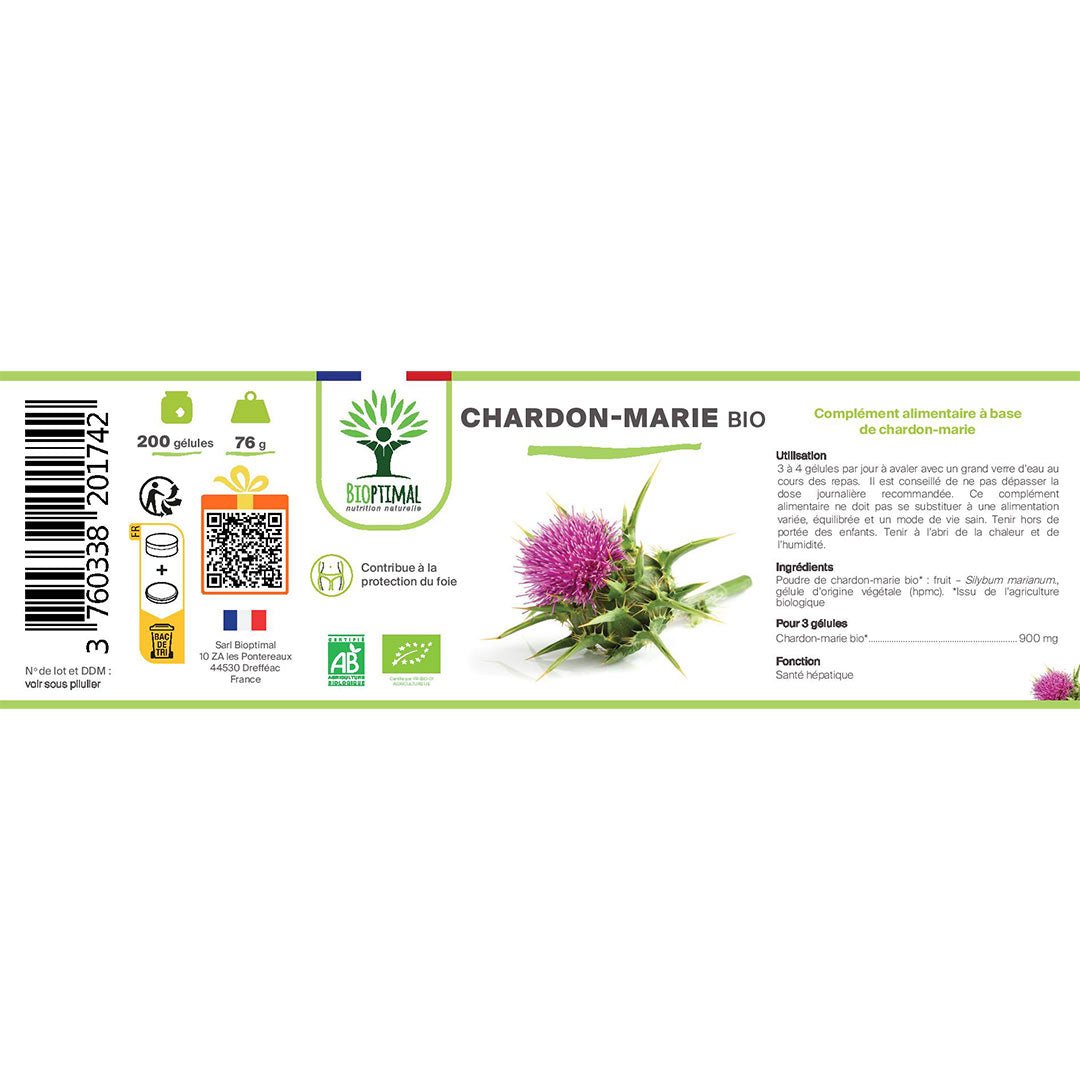
Organic Milk Thistle
Strong immunity starts with a healthy liver. Milk Thistle protects and regenerates liver cells, supporting detoxification and long-term vitality.


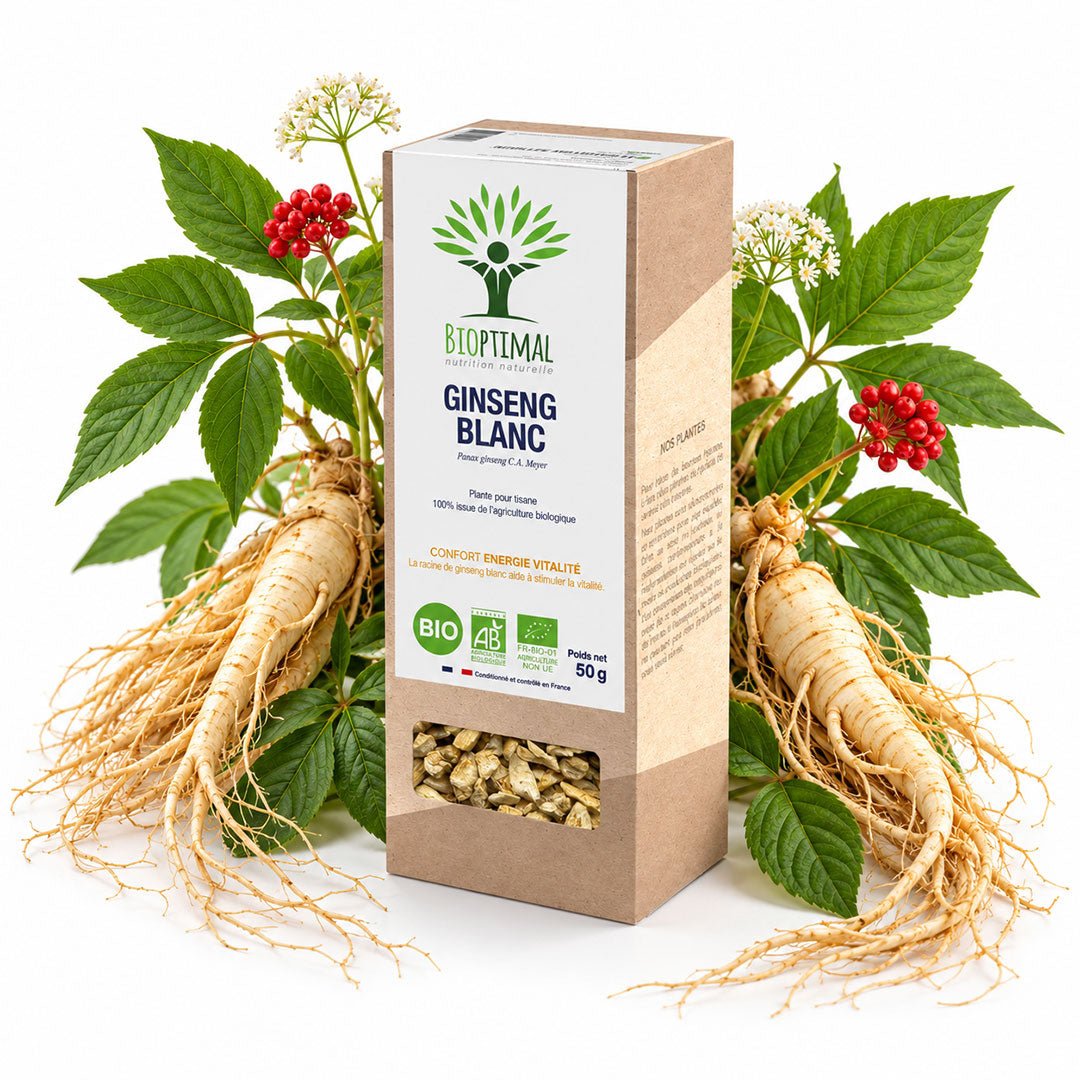
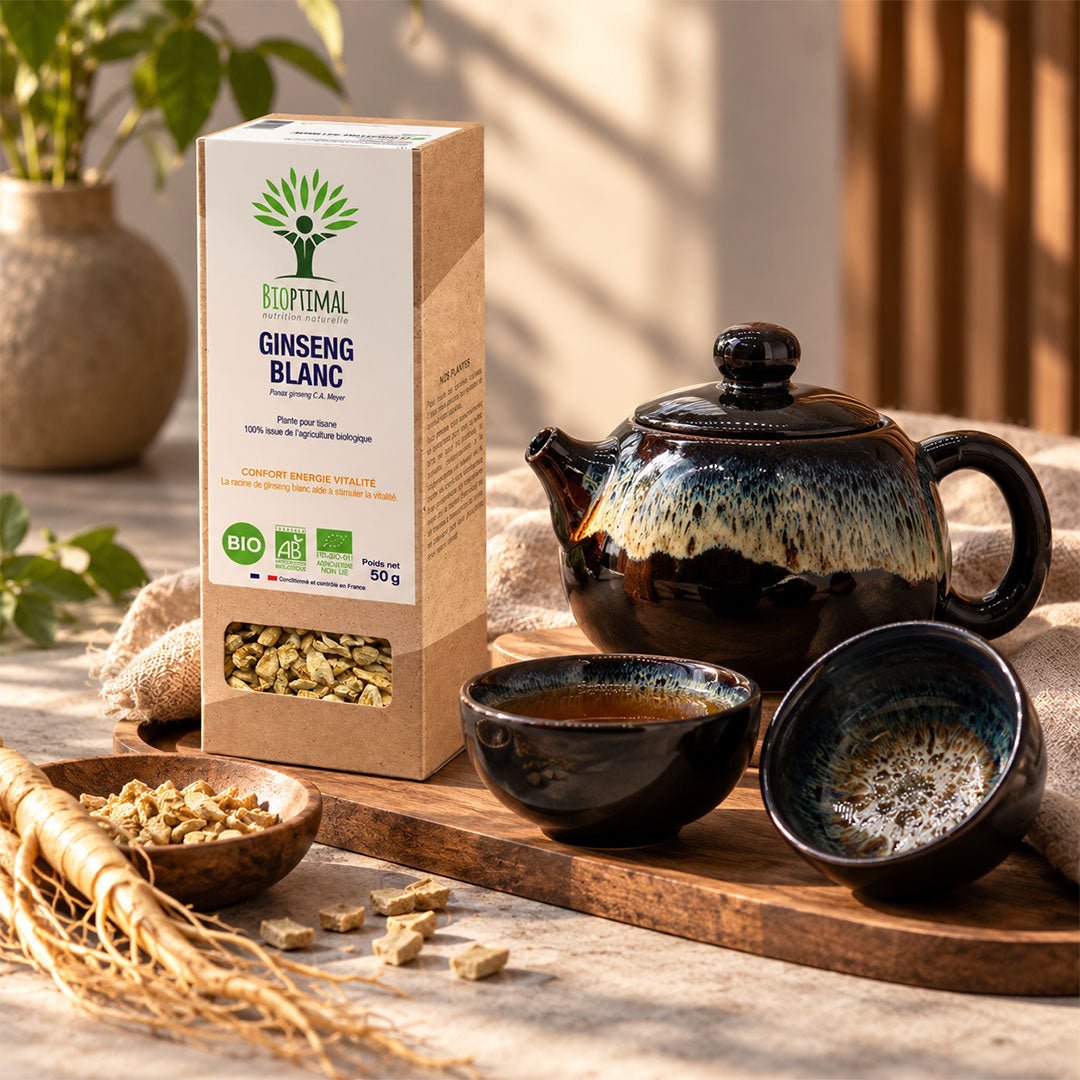
White Ginseng Infusion
White ginseng root has fortifying and invigorating properties. Traditionally recommended for tired or recovering individuals, it increases vitality, strengthens the body’s natural defenses, and promotes healthy immune function. Consumed as an infusion, it is an ideal ally for long-term resilience.


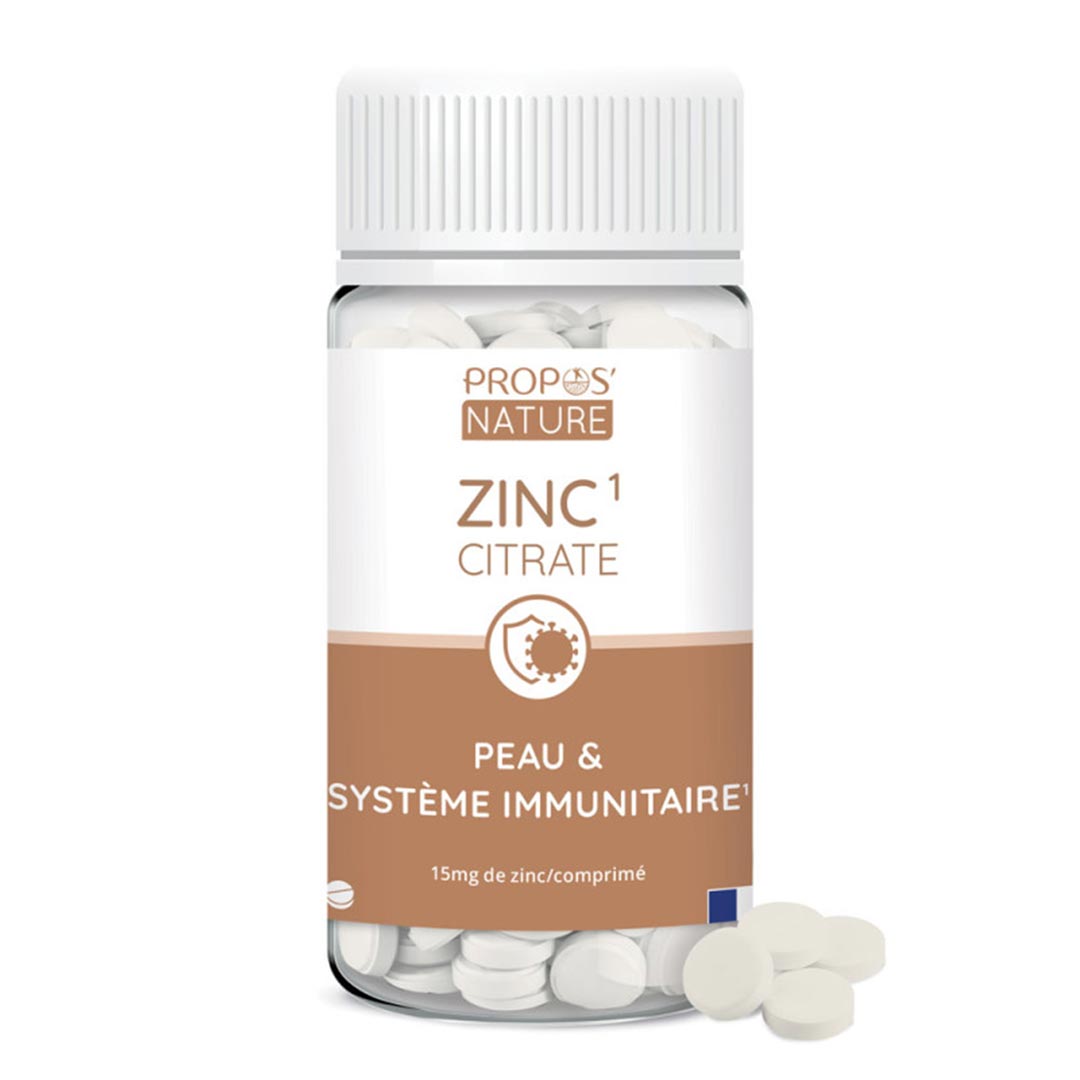
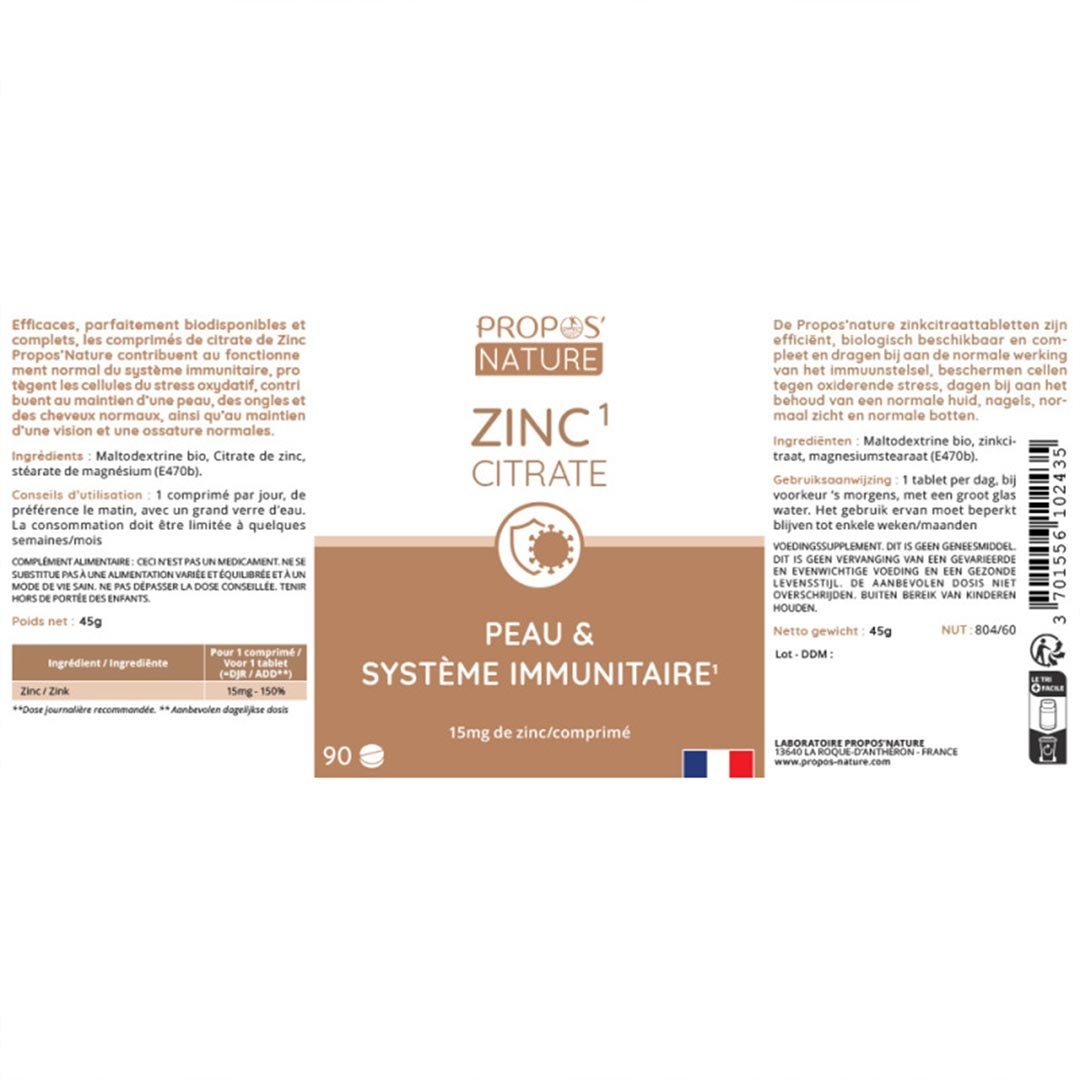
Zinc Citrate
Zinc is essential for immune cell function and wound healing. Many people are deficient - supplementation can make your defenses more effective.
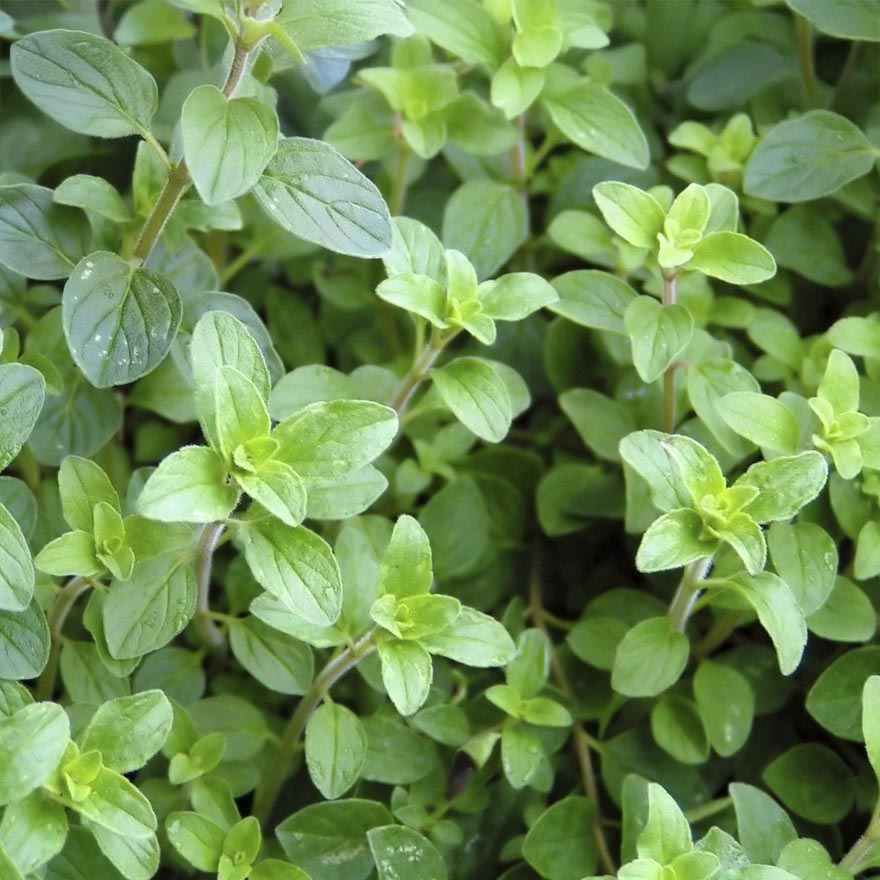
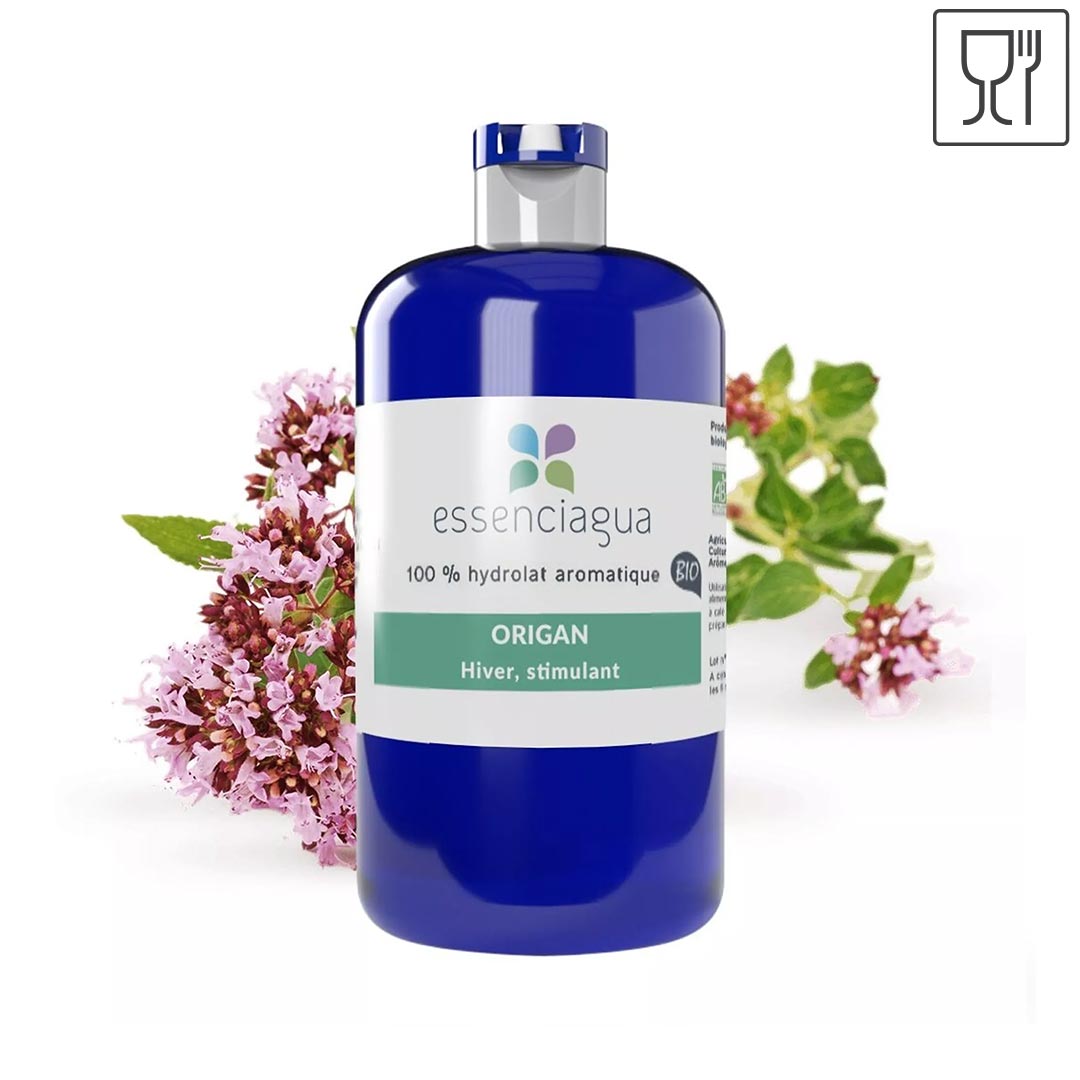
Organic Oregano Hydrosol
A gentle alternative to the strong essential oil, Oregano hydrosol supports the immune system, aids digestion, and helps the body resist seasonal infections.
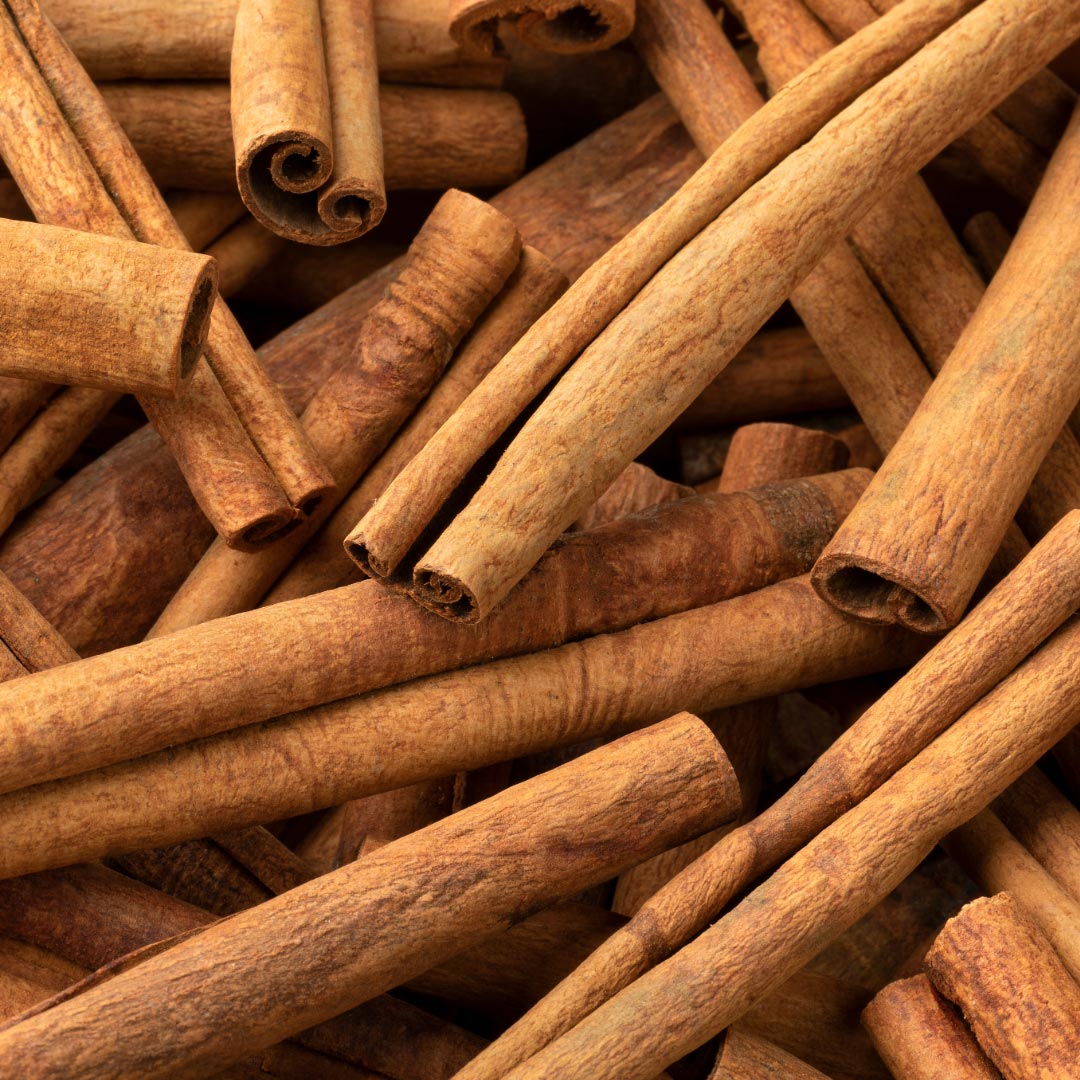
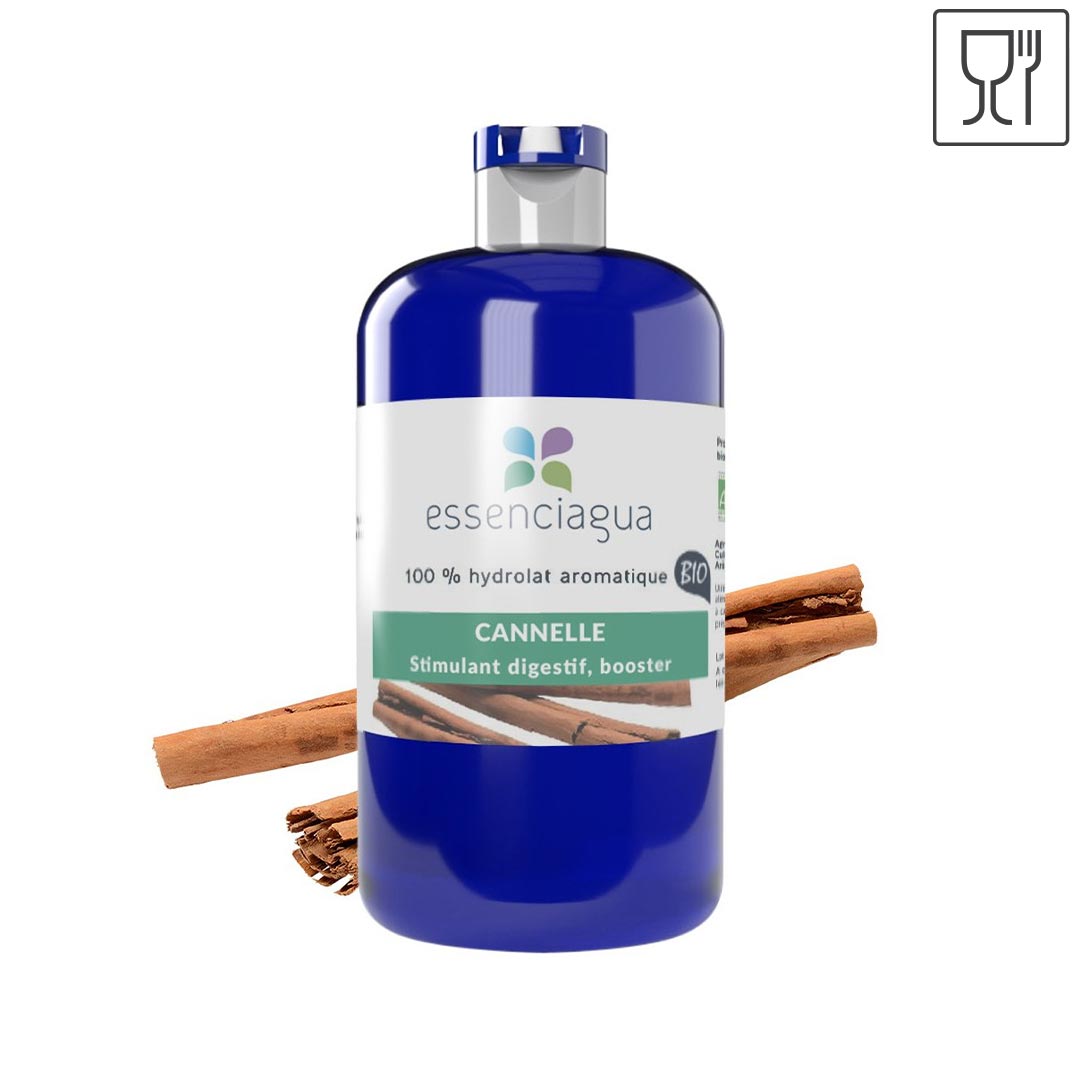
Organic Cinnamon Hydrosol
Warming and stimulating, Cinnamon hydrosol promotes circulation and provides mild antimicrobial benefits in a gentle, easy-to-use form.
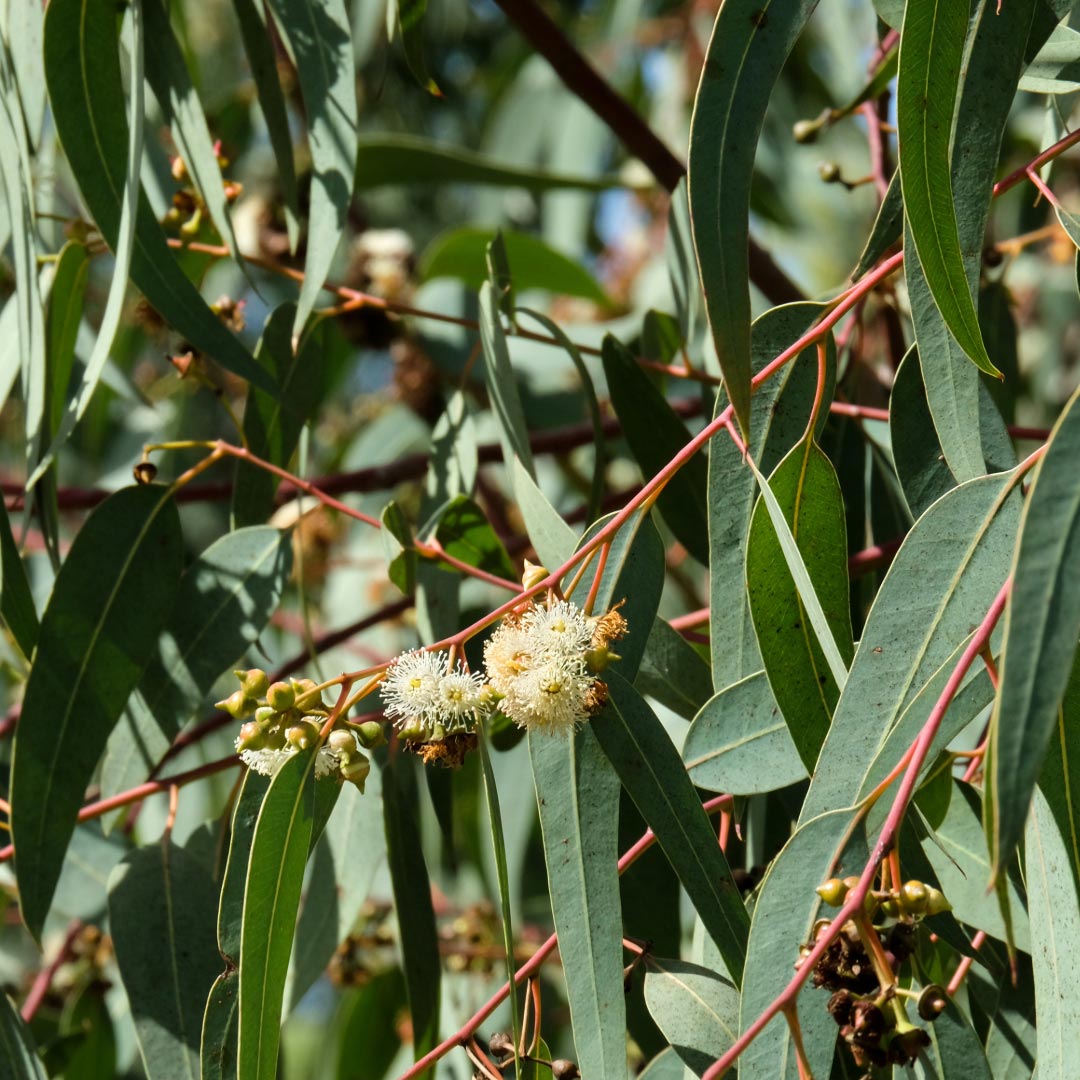
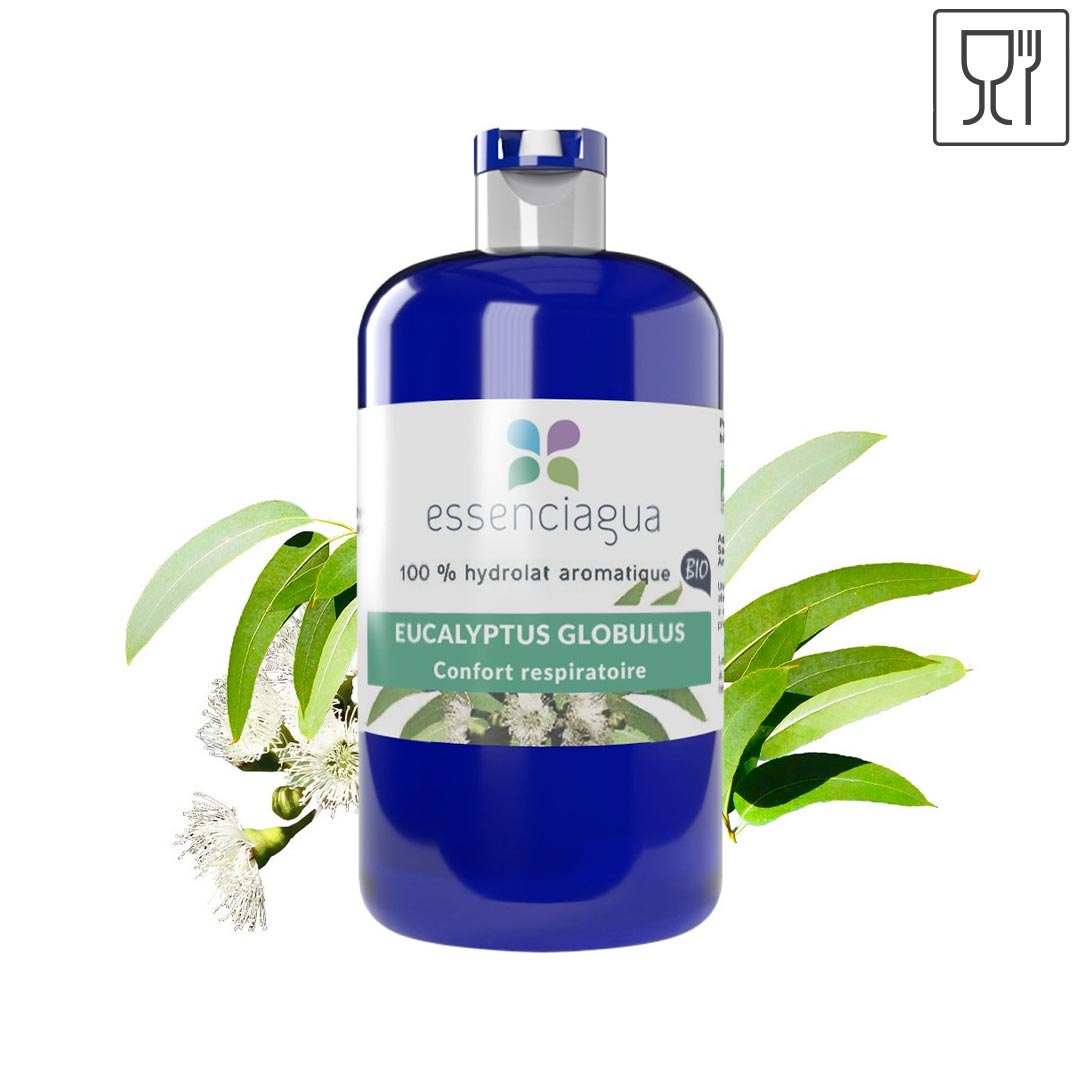
Organic Eucalyptus globulus Hydrosol
Refreshing and purifying, this hydrosol supports the respiratory system, clears the airways, and strengthens natural defenses.