
Aromaterapia para gatos
Nuestra gama de aromaterapia para gatos se crea con un profundo respeto por la sensibilidad felina.
Los gatos responden de manera diferente a los aceites esenciales, por eso cada producto se selecciona cuidadosamente, se formula con suavidad y se basa en botánicos adecuados para su fisiología única.
Con ingredientes orgánicos certificados, esta colección favorece la calma, el confort y el equilibrio de la piel mediante una aromaterapia de baja dosificación y cuidadosamente diseñada, siempre con el bienestar de tu gato en el centro.
What does your cat need?
If you are not sure where to begin, start with your cat’s current need. Choose one gentle direction, begin simply, and observe your cat’s response.
Stress & Anxiety
Skin & Recovery
General Calm & Balance
Breathing & Grounding
Emotional Sensitivity
Restlessness & Sleep
Start with one oil at a time, use low dilution, and let your cat’s behaviour guide the pace.






















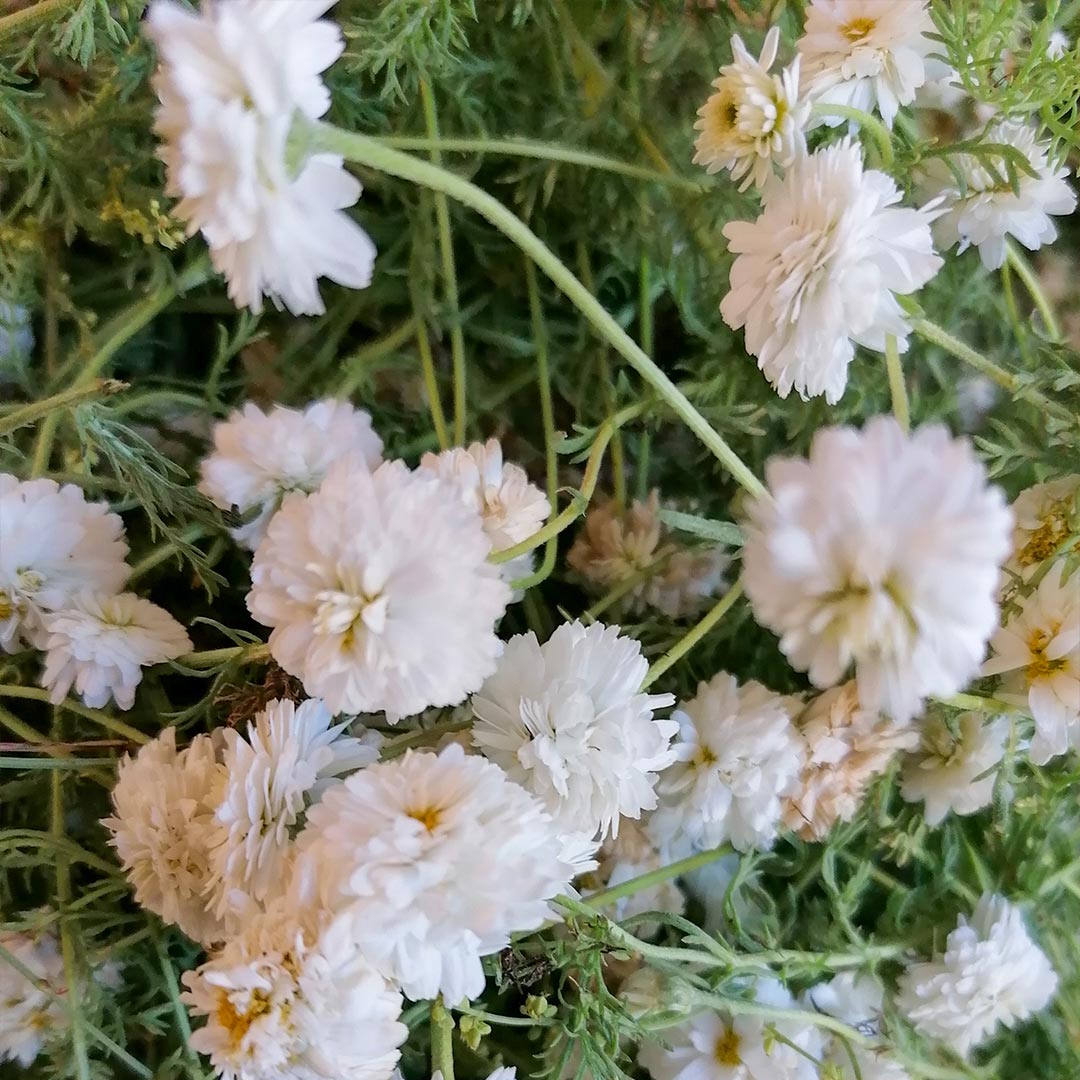
Cómo puede la aromaterapia apoyar a tu gato
Los gatos son seres increíblemente sensibles e intuitivos. Sus cuerpos, sentidos y metabolismo son muy diferentes a los nuestros, lo que significa que la aromaterapia debe abordarse con precisión, respeto y un profundo conocimiento.
Cuando se utiliza correctamente, la aromaterapia puede convertirse en una forma natural y muy eficaz de apoyar el equilibrio emocional de tu gato, la salud de su piel y su vitalidad general.
Por qué los Aceites esenciales afectan a los gatos de forma diferente
Los gatos procesan las sustancias de manera diferente a nivel bioquímico.
1. Metabolismo hepático
Los gatos carecen de enzimas clave necesarias para descomponer ciertos compuestos presentes en los aceites esenciales. Como resultado, estas sustancias pueden acumularse en el organismo en lugar de eliminarse de forma segura.
Esto significa:
- Sustancias que son inocuas para los humanos pueden acumularse en el organismo de un gato
- Incluso exposiciones pequeñas, repetidas con el tiempo, pueden volverse tóxicas
Esto es especialmente cierto en el caso de:
- Fenoles (p. ej., clavo, orégano)
- Cetonas (p. ej., salvia, quimiotipo alcanfor de romero)
- Limoneno (presente en los aceites cítricos)
2. Absorción cutánea
Los aceites esenciales se absorben rápidamente a través de la piel.
La piel de un gato es:
- Más fina
- Más permeable
Los aceites esenciales son lipofílicos (solubles en grasa), lo que significa que:
- Atraviesan la piel rápidamente
- Entran en el torrente sanguíneo con rapidez
Por eso, usarlos sin diluir no es solo “demasiado fuerte”: es biológicamente inapropiado.
3. Sensibilidad sensorial
Los gatos tienen un sentido del olfato muy desarrollado.
- Los aromas intensos pueden sobrecargar el sistema nervioso
- La exposición siempre debe ser voluntaria
- Los aromas intensos pueden desencadenar estrés, evitación o agitación
Por eso, la exposición basada en la elección (permitiendo que el gato se aleje) es esencial.
Un gato que se aleja está comunicándolo claramente.
Los beneficios de la aromaterapia para gatos
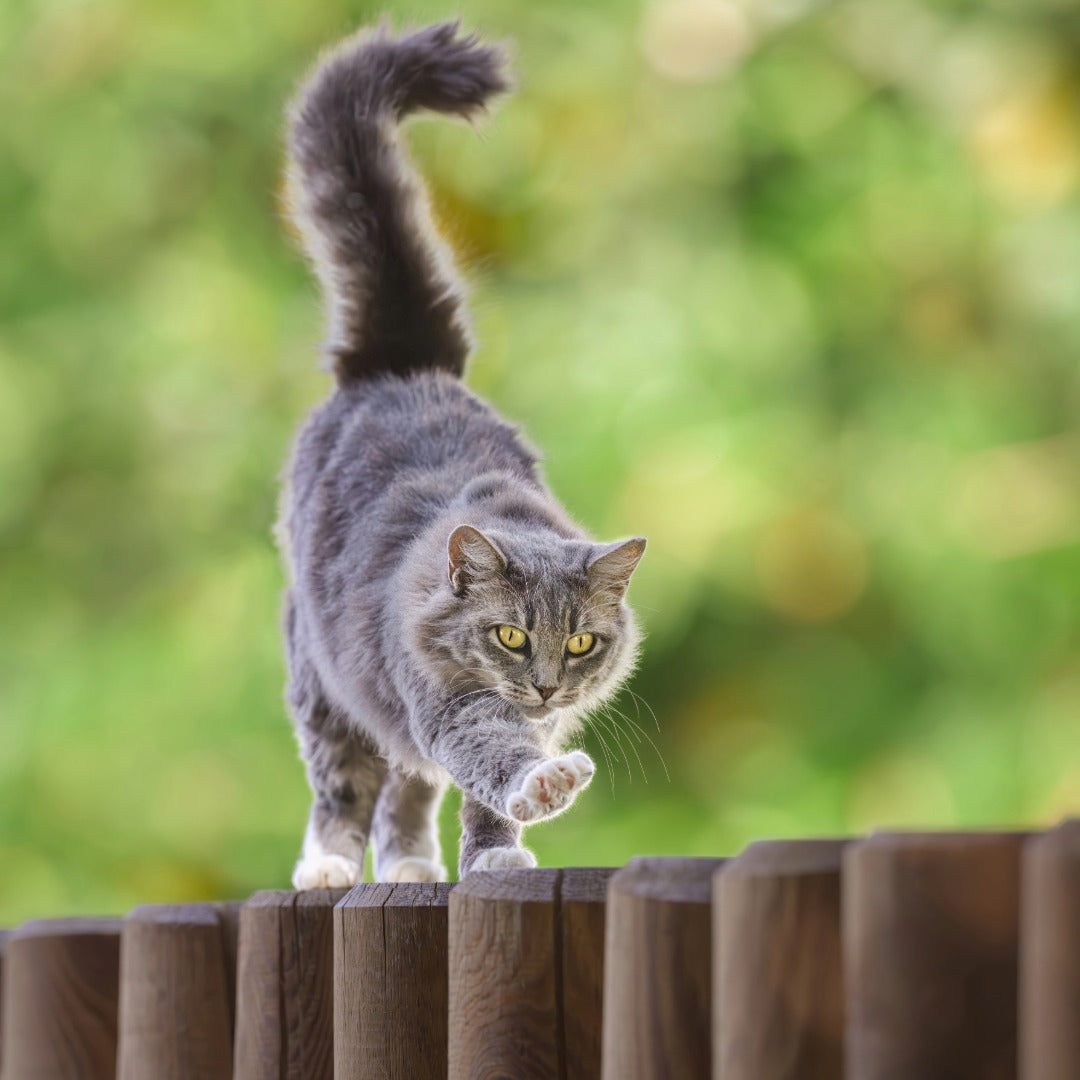
Apoyo físico
- Ayuda a calmar irritaciones cutáneas, heridas e infecciones leves
- Favorece el confort muscular y articular
- Ayuda a mantener el equilibrio respiratorio
- Aporta apoyo antiinflamatorio y antimicrobiano natural
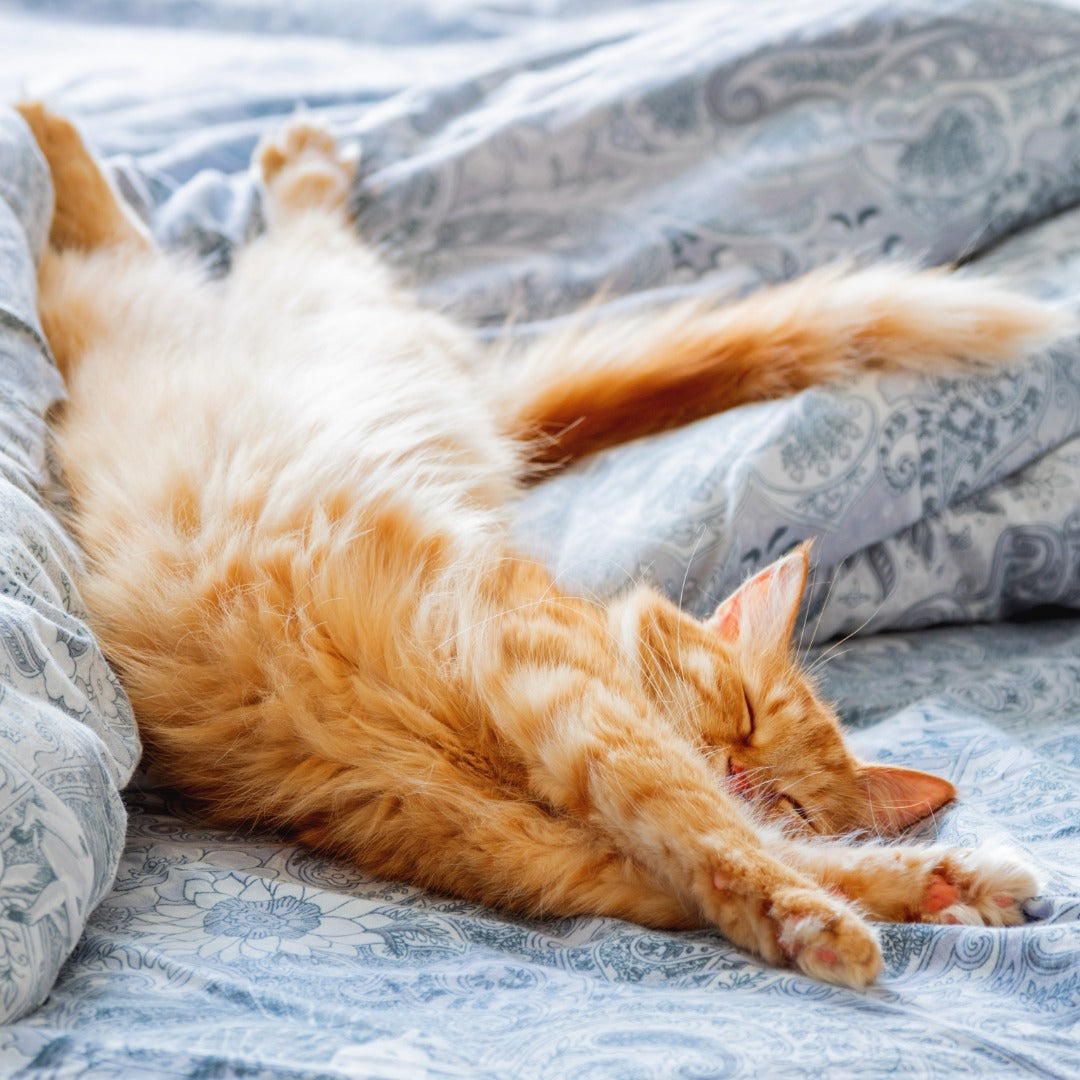
Apoyo emocional y del sistema nervioso
- Reduce el estrés, la ansiedad y el miedo
- Favorece la relajación y el sueño
- Ayuda durante transiciones, viajes o situaciones de estrés ambiental
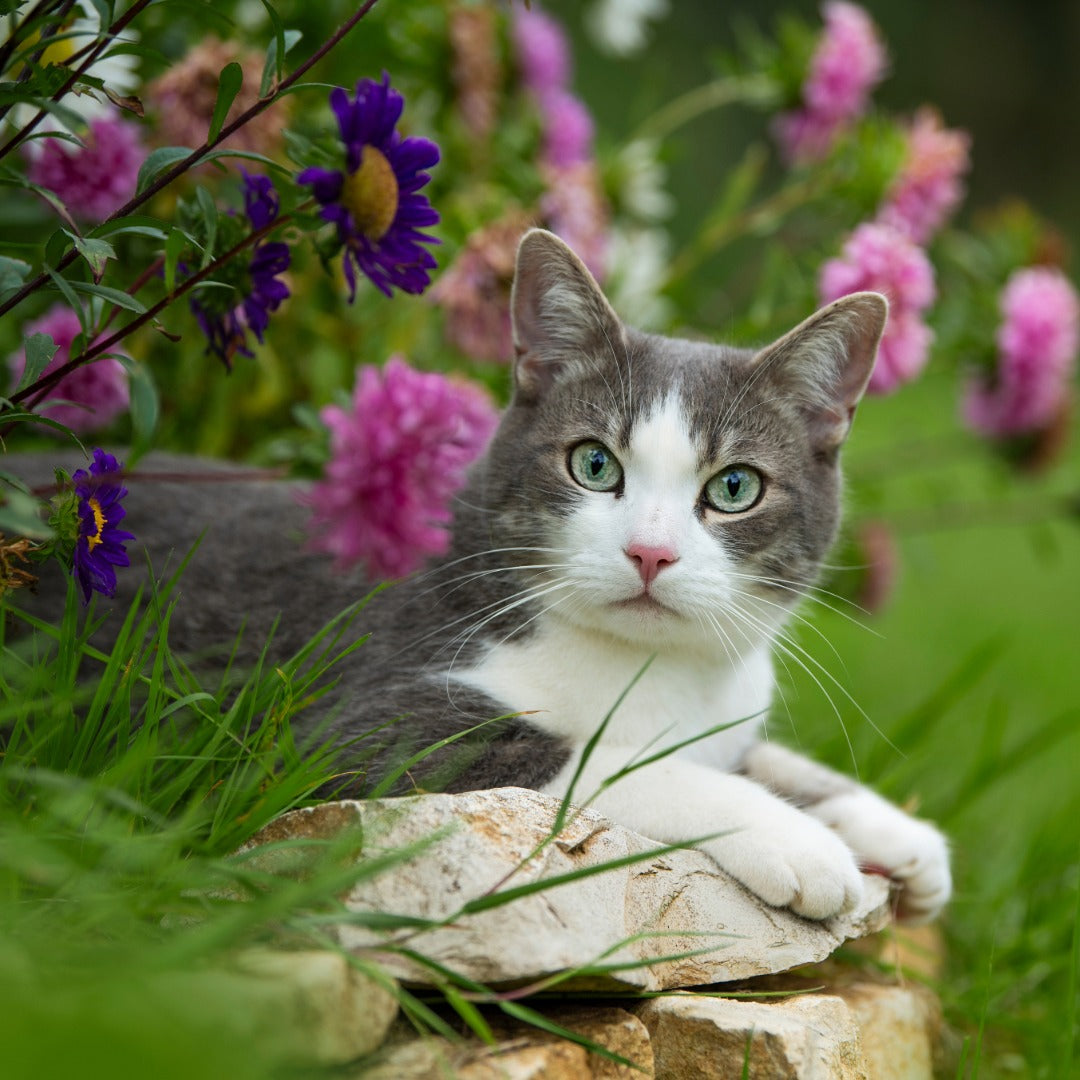
Vitalidad holística
- Apoya el sistema inmunitario
- Proporciona protección antioxidante
- Favorece el equilibrio general y el bienestar
- Los compuestos aromáticos influyen en el sistema límbico a través de la inhalación, lo que afecta directamente al estado de ánimo, la respuesta al estrés y el comportamiento.
Safe and Unsafe Essential Oils for Cats
Cats are far more sensitive to essential oils than humans and dogs. Their liver metabolism, delicate skin, and highly developed sense of smell mean that oil selection must be done with great care. Below you’ll find a practical overview of oils generally considered more suitable for cats, oils that require extra caution, and oils that should be avoided.
| Essential Oil | Latin Name | Status | Why |
|---|---|---|---|
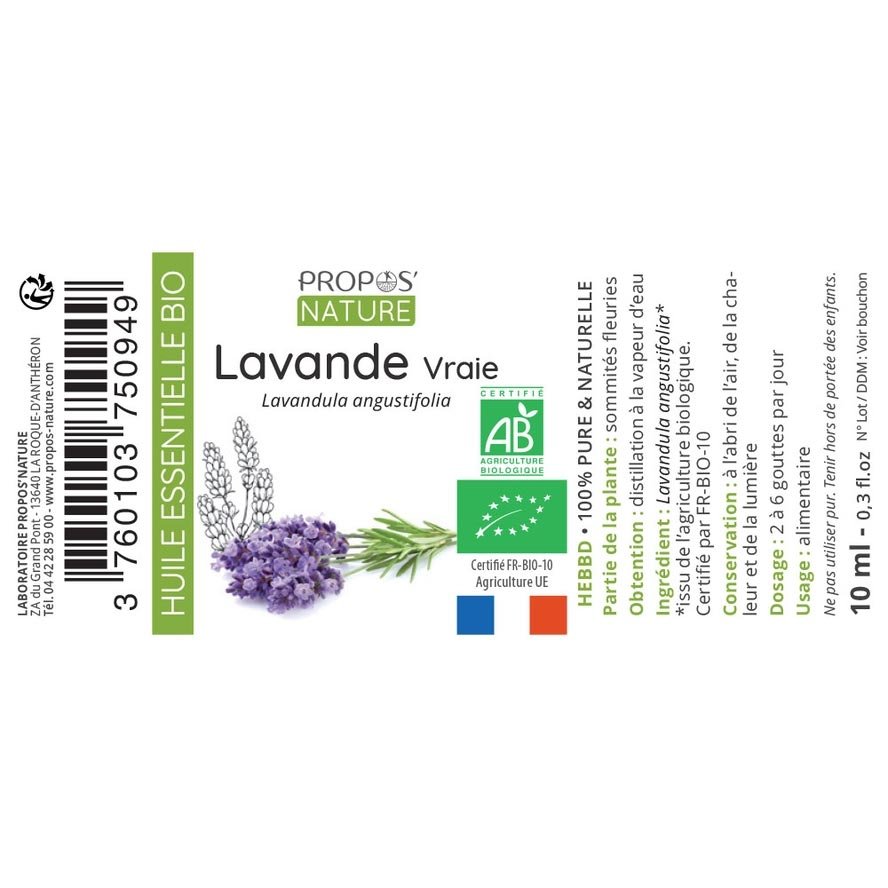
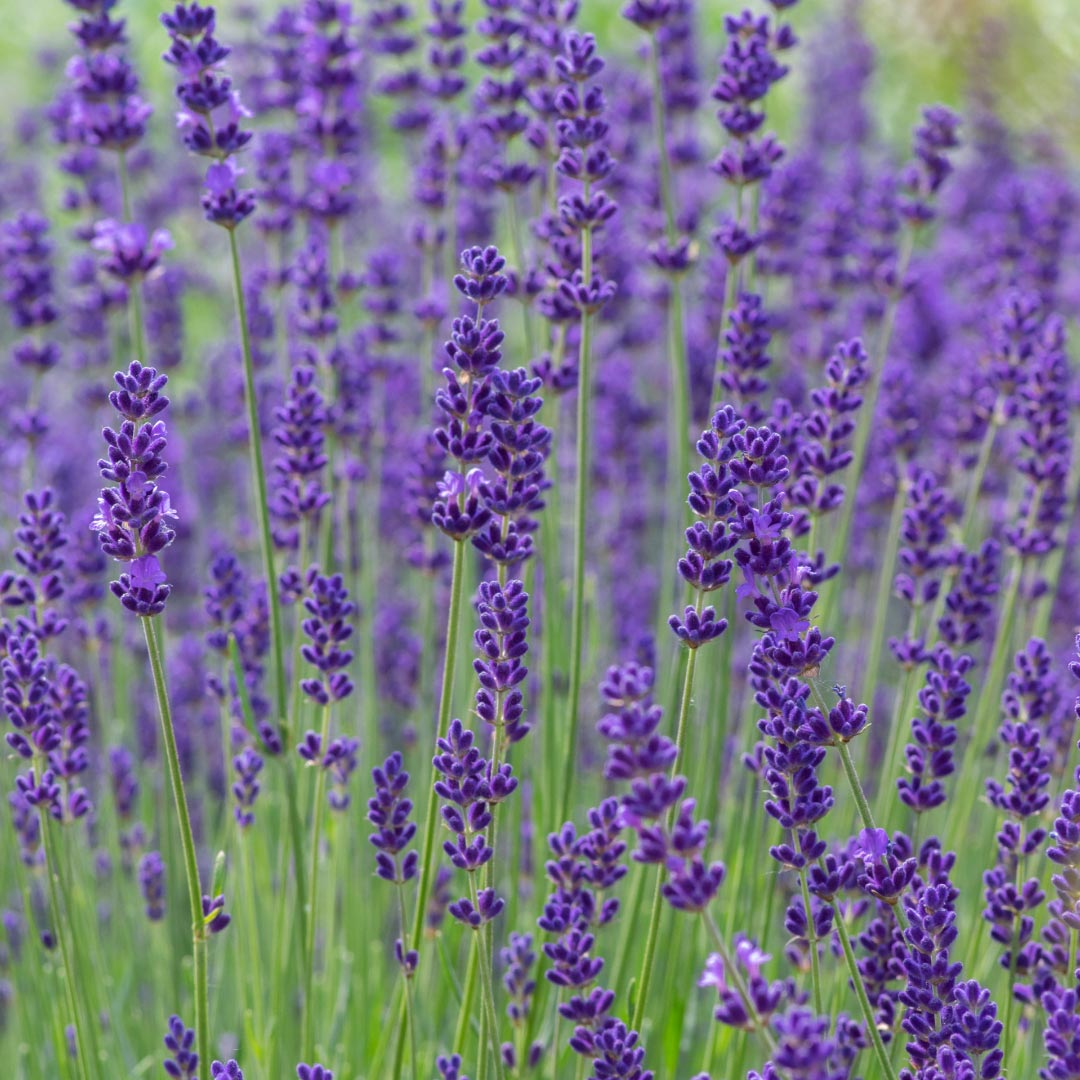
| Lavender | Lavandula angustifolia | Generally well tolerated | Gentle, calming, skin-supportive, and commonly used in feline aromatherapy when properly diluted. |
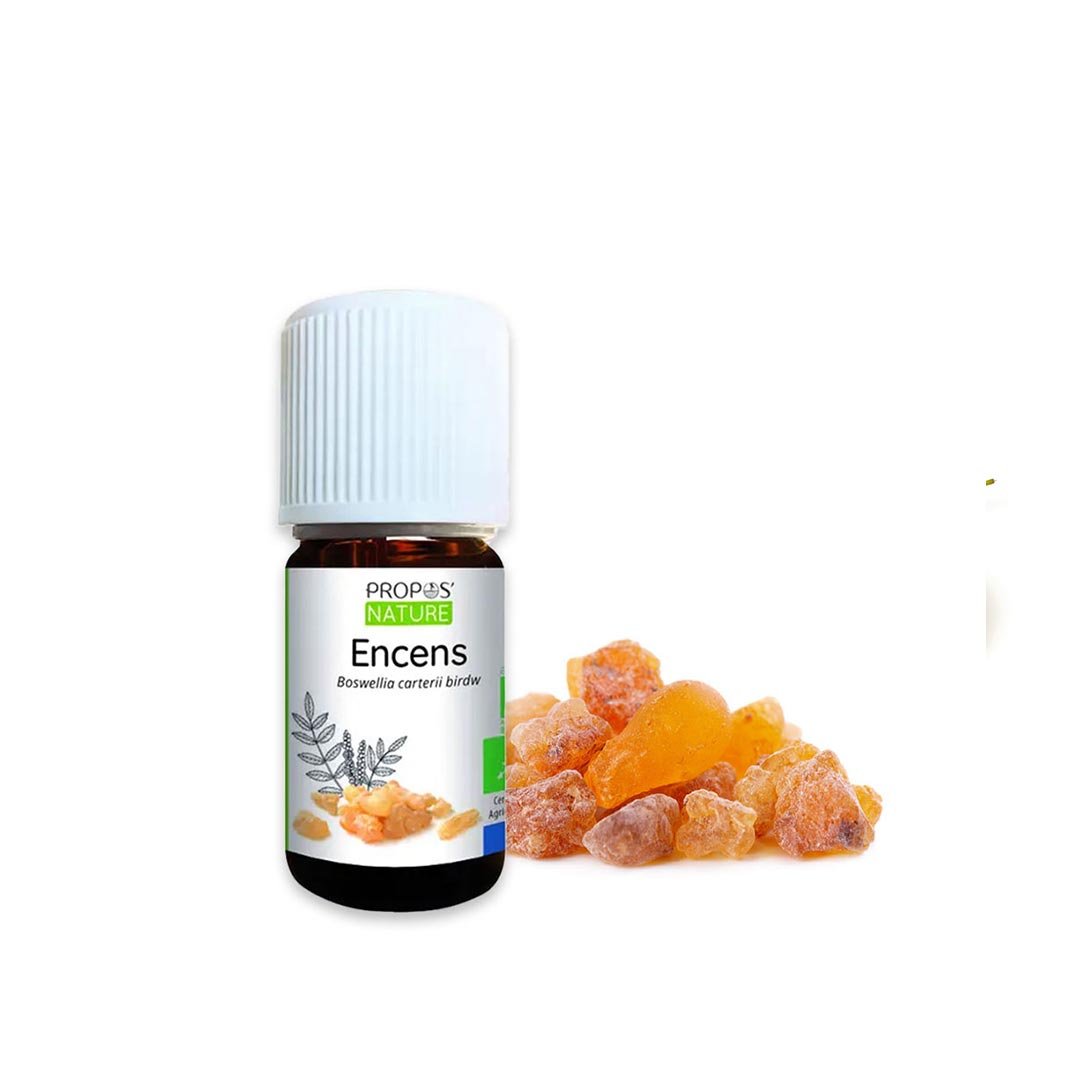
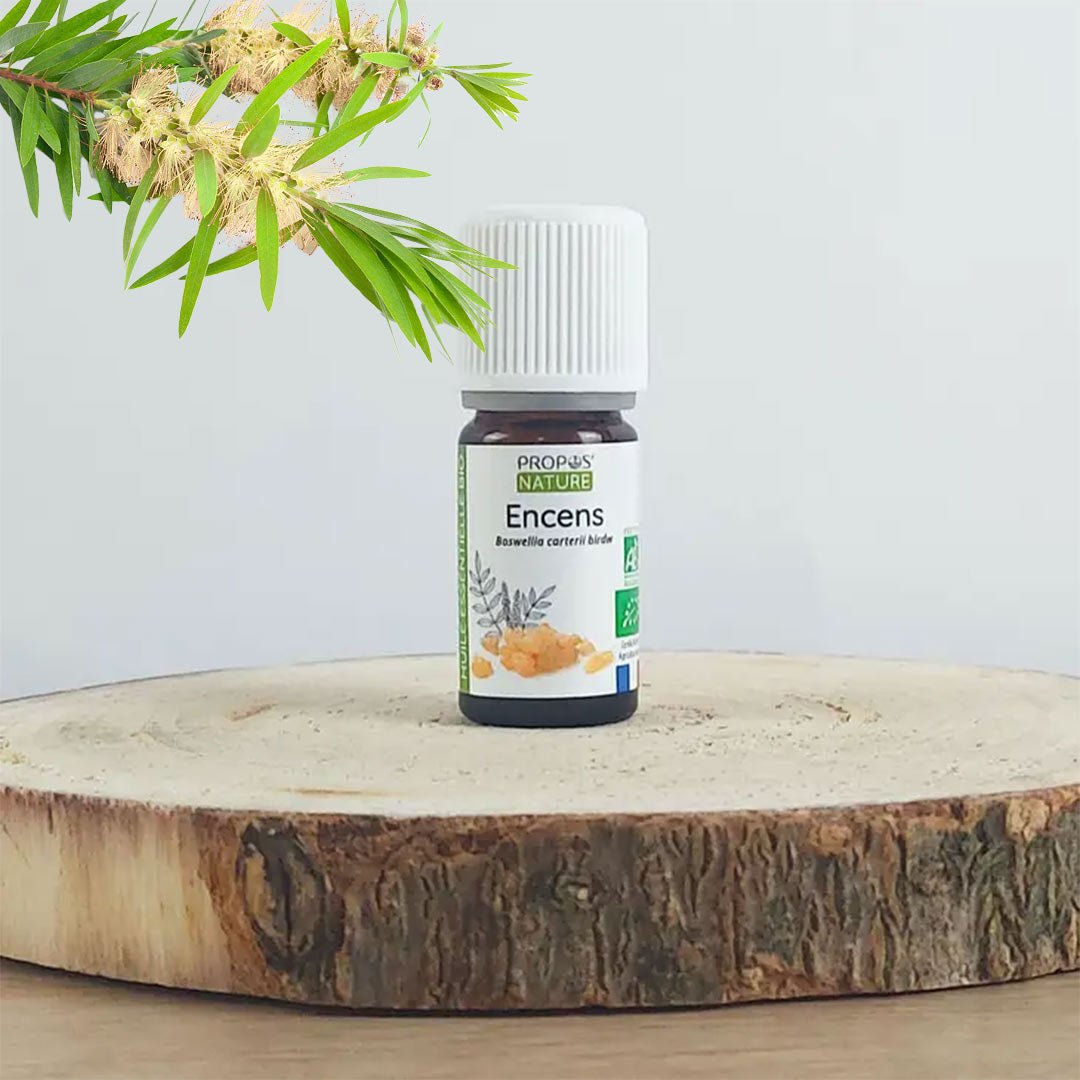
| Frankincense | Boswellia carteri | Generally well tolerated | Grounding, soothing, and commonly used for emotional and skin support. |
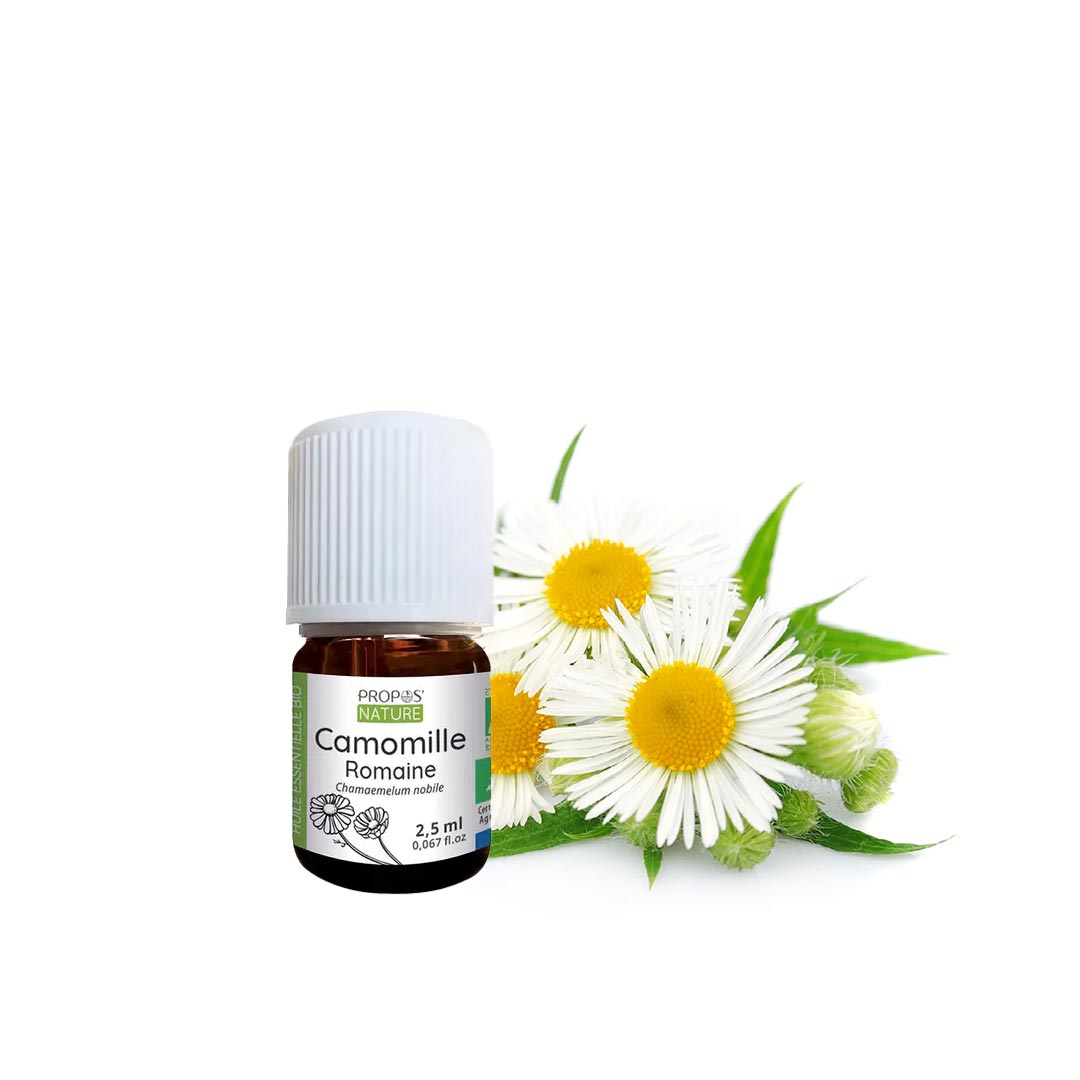
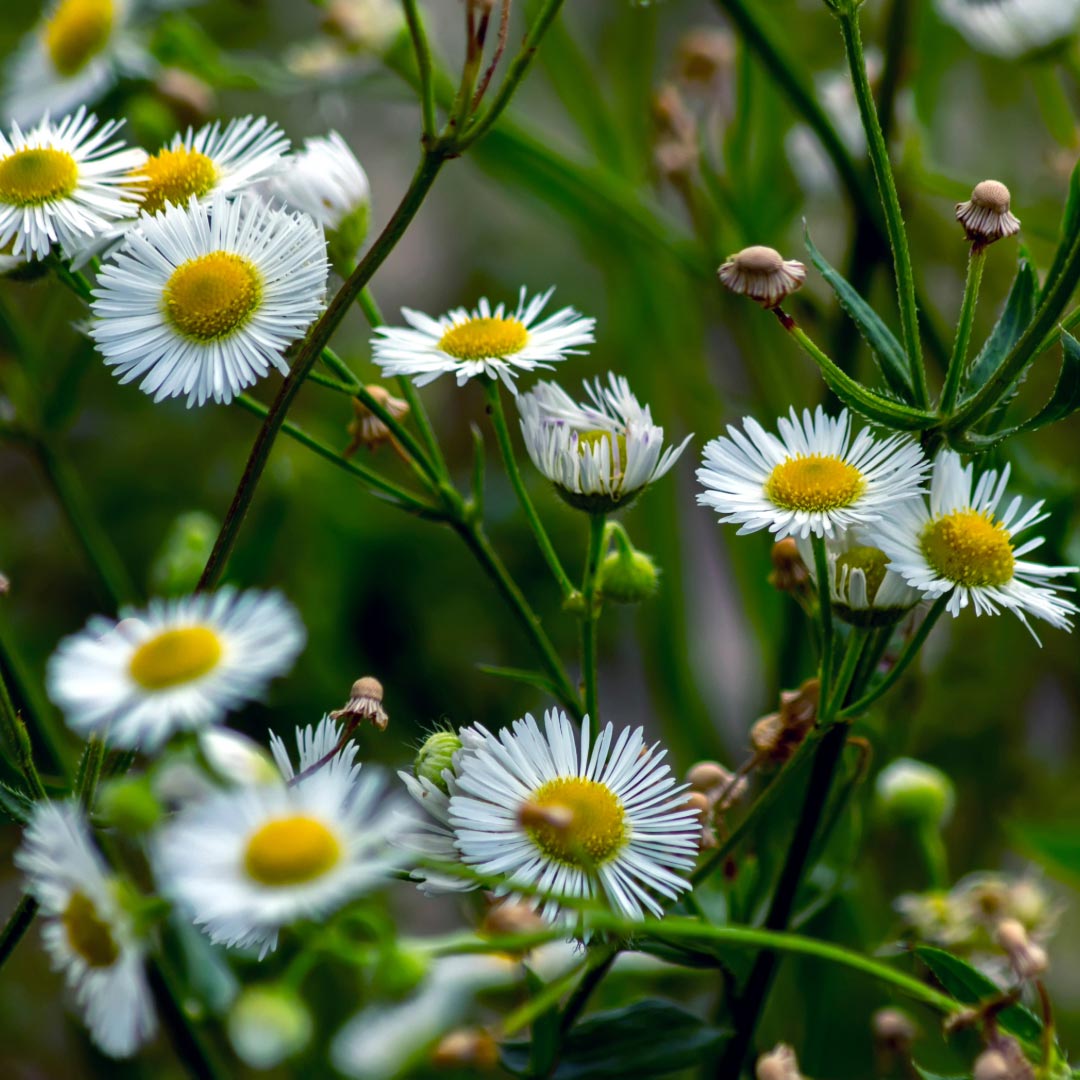
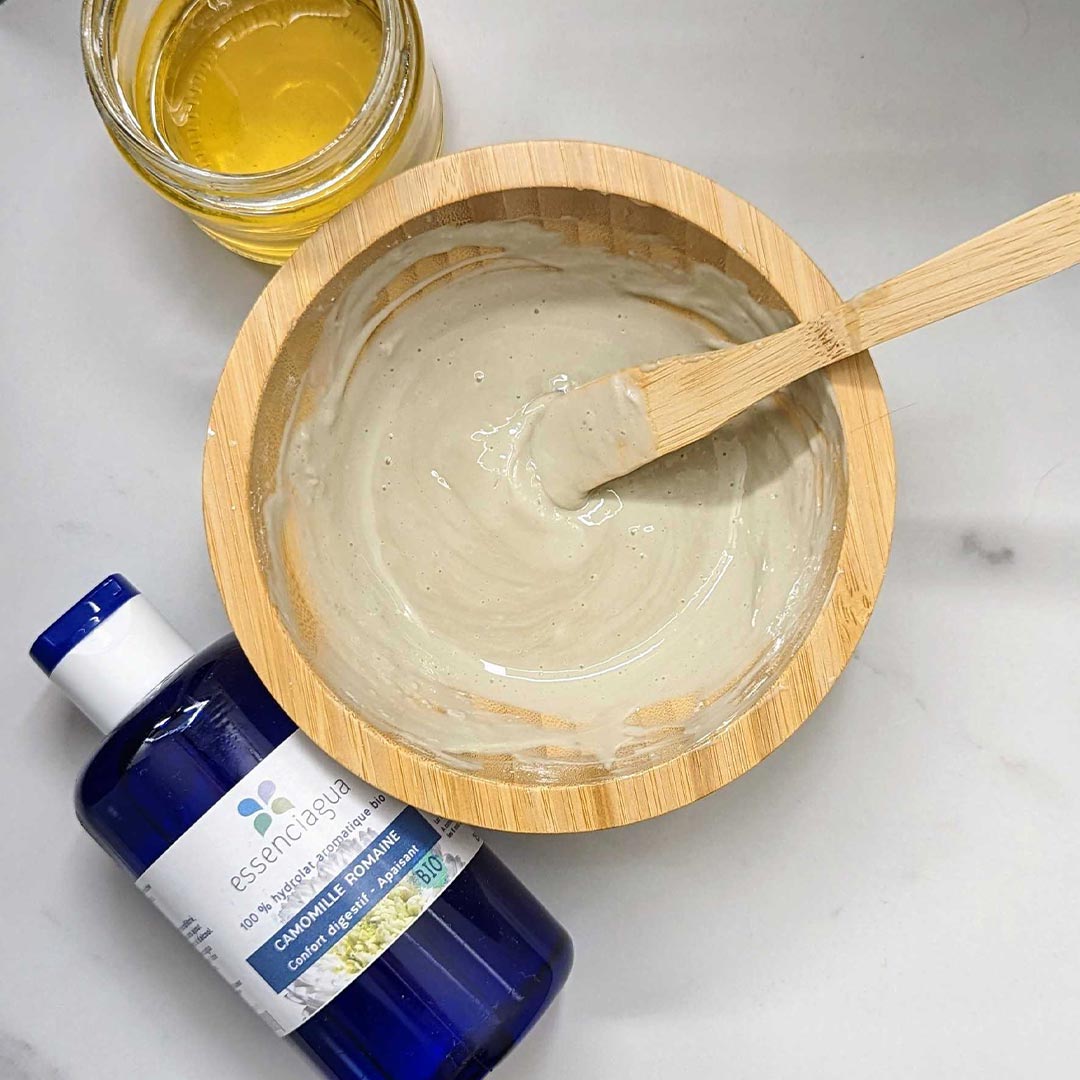
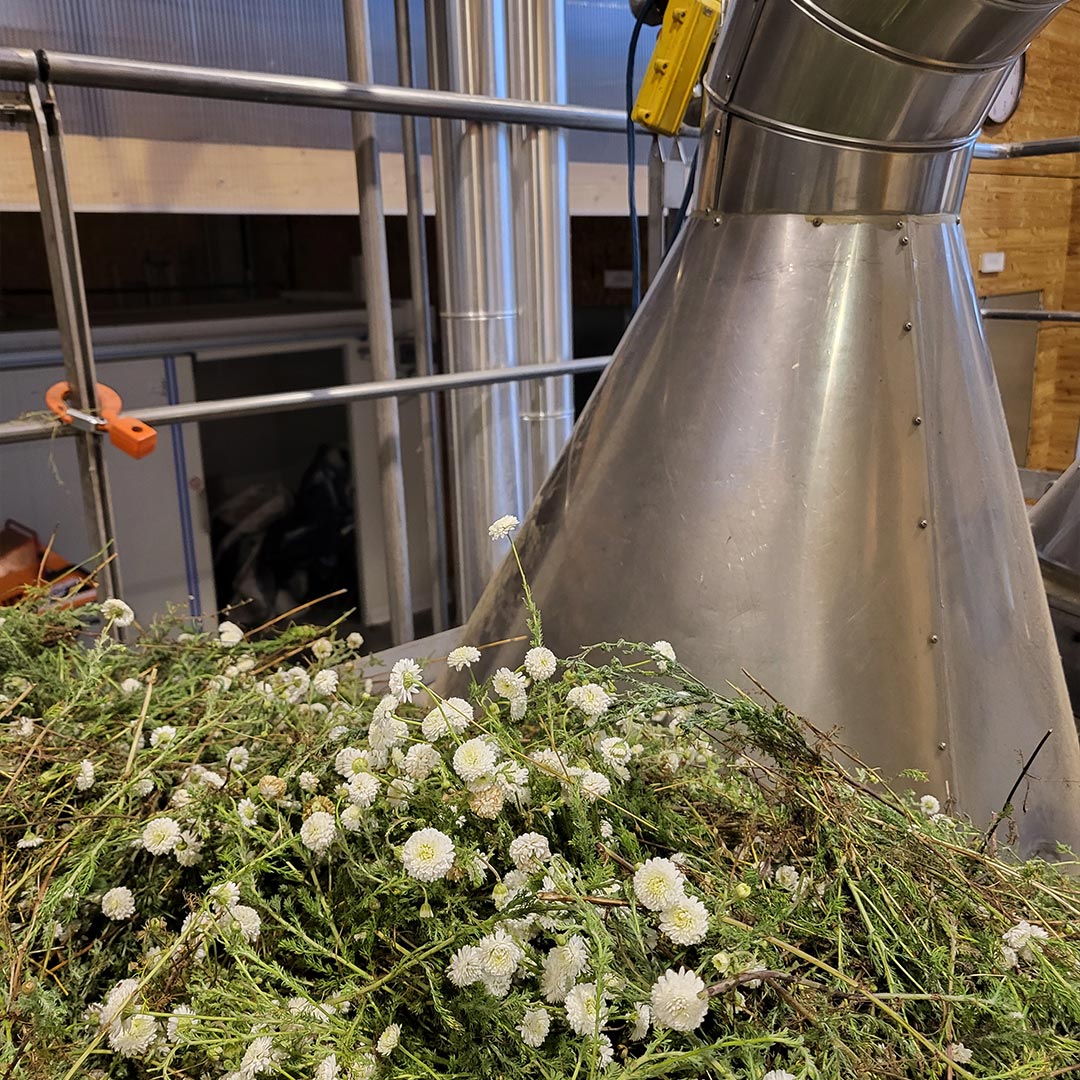
| Roman Chamomile | Chamaemelum nobile | Generally well tolerated | Traditionally valued for calming, fear, restlessness, and sensitive skin. |
| Geranium | Pelargonium graveolens | Generally well tolerated | Often used for emotional balance and gentle skin support. |
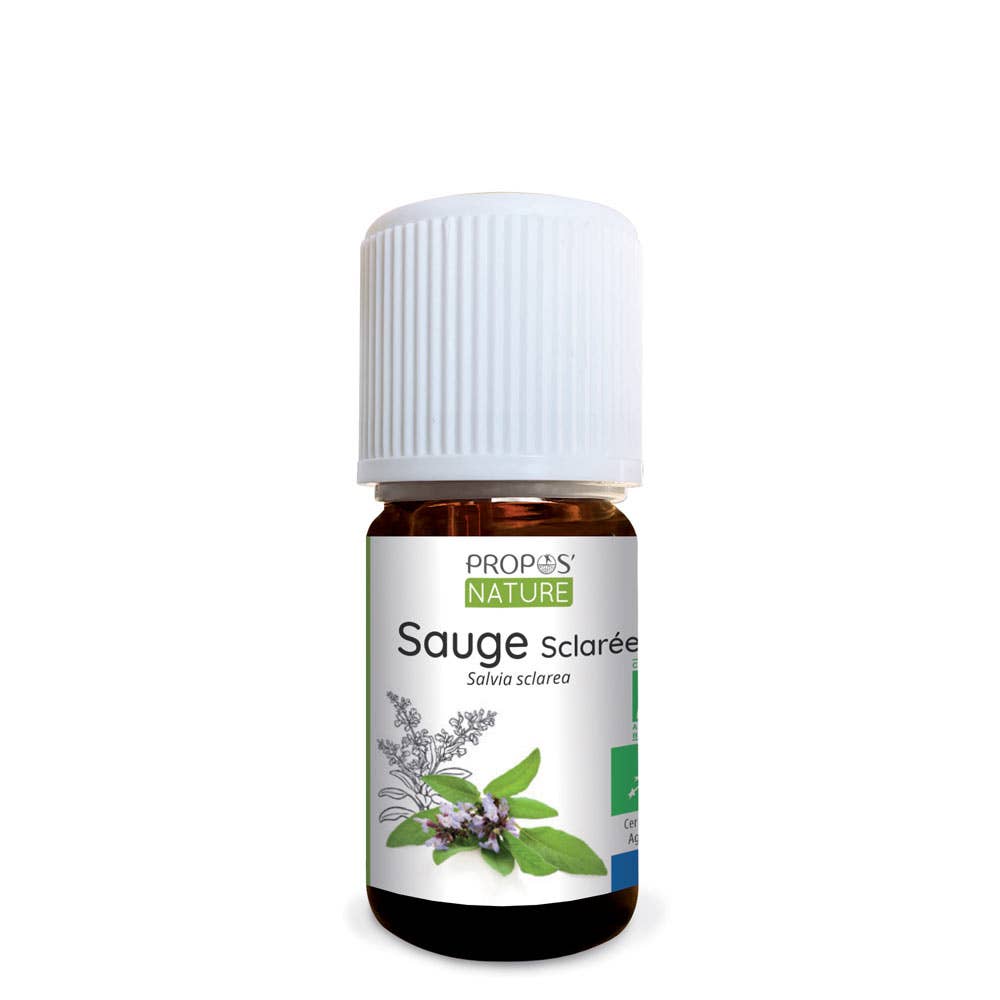
| Clary Sage | Salvia sclarea | Generally well tolerated | Balancing and calming when used sparingly and correctly diluted. |
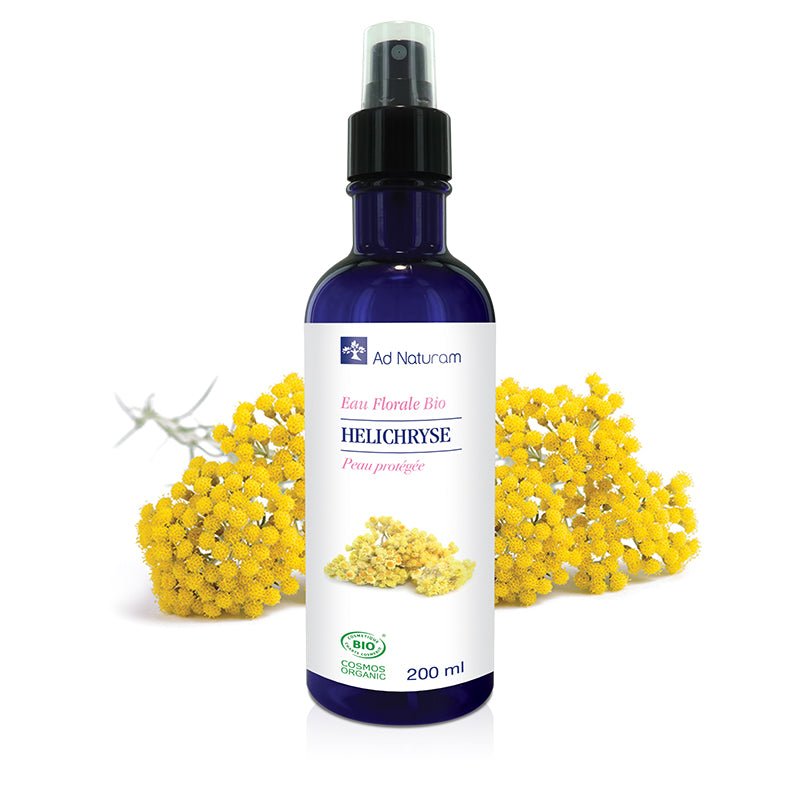
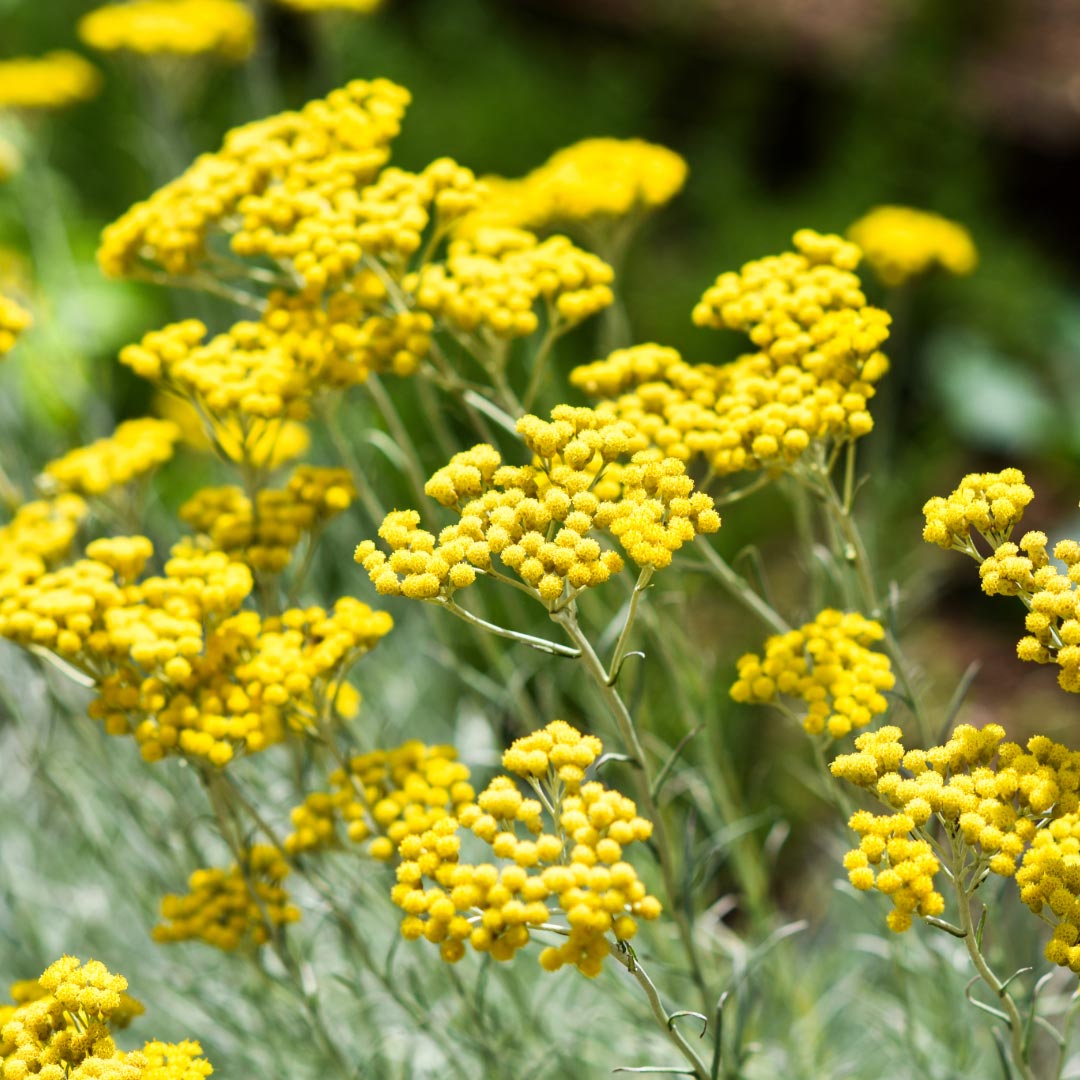
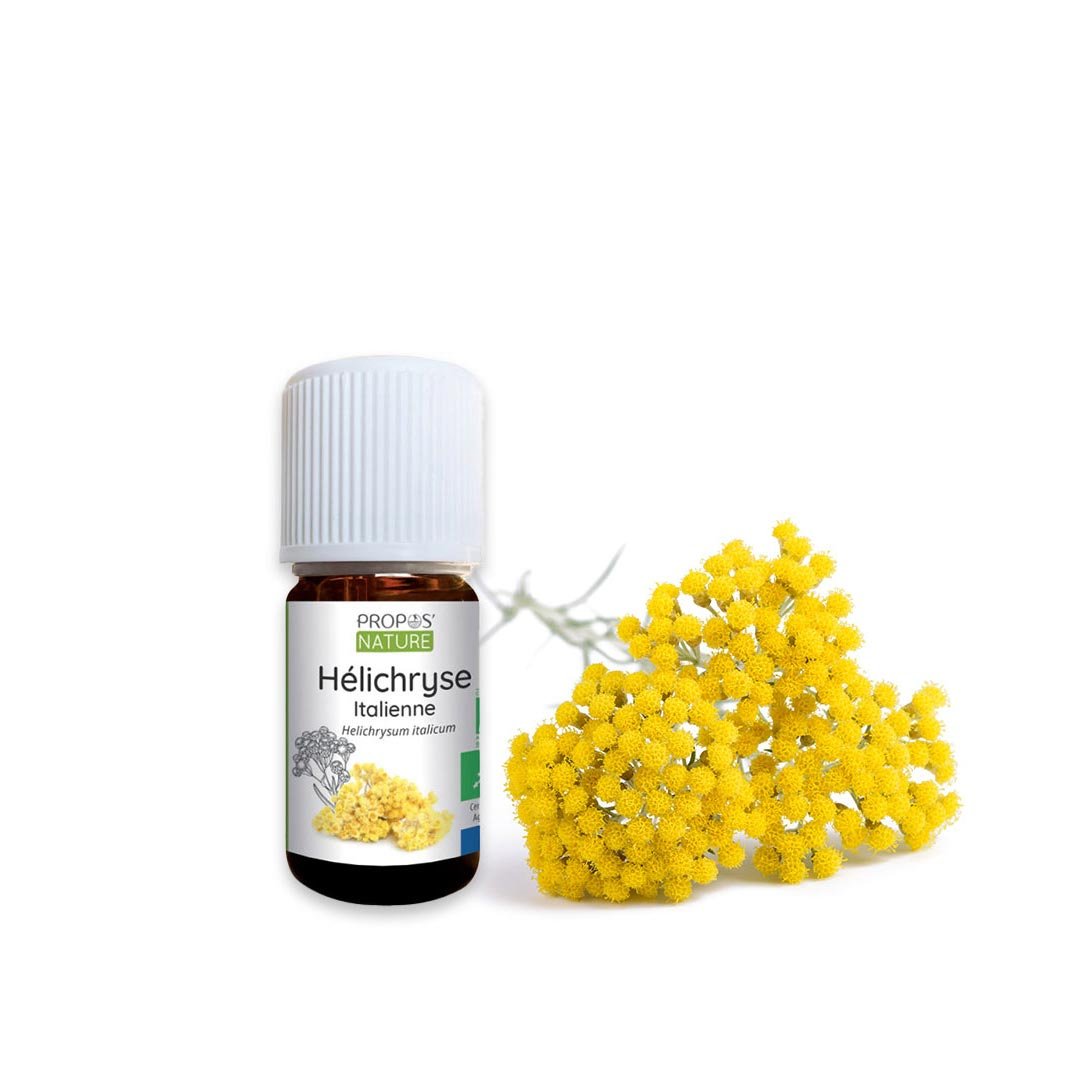
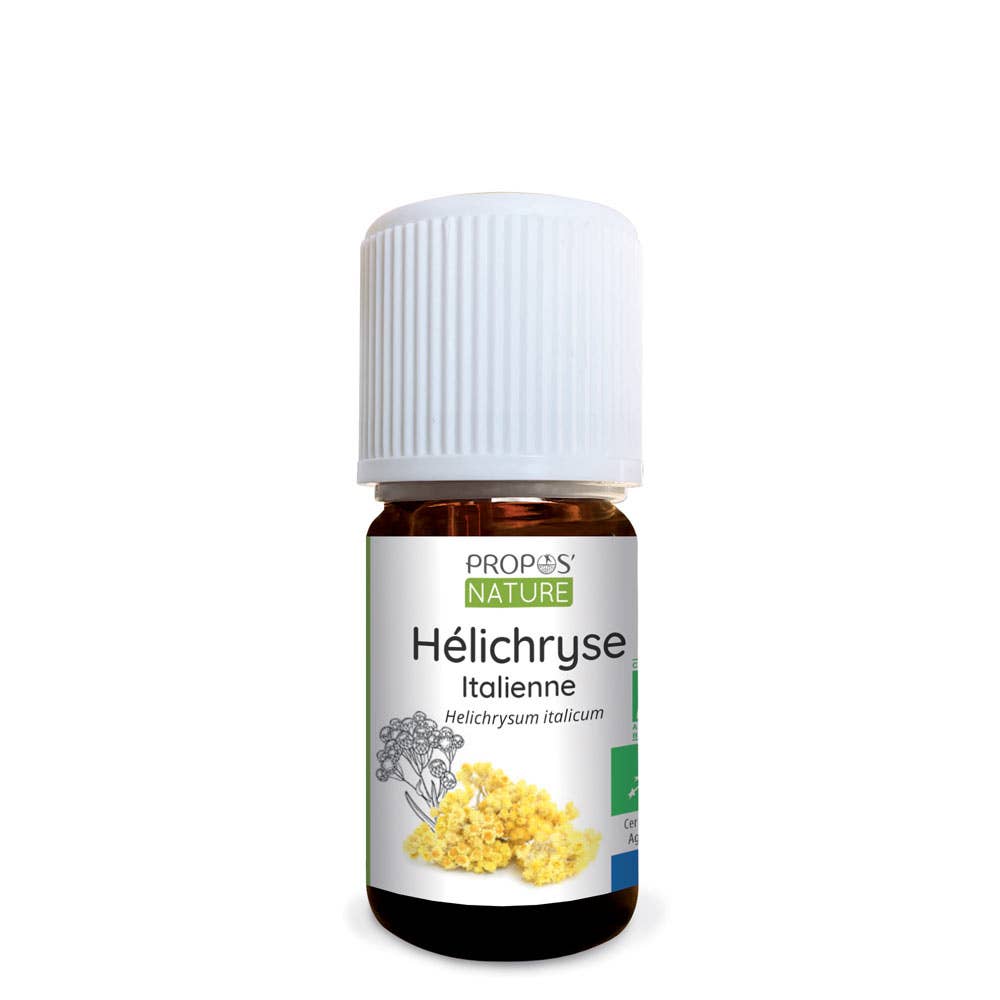
| Helichrysum | Helichrysum italicum | Generally well tolerated | Traditionally used for skin, nervous system support, and minor discomfort. |
| Valerian | Valeriana officinalis | Generally well tolerated | Traditionally used for relaxation, stress, and nervous tension. |
| Elemi | Canarium luzonicum | Generally well tolerated | Used for skin support and gentle restorative care. |
| Fir oils | Abies sibirica, Abies alba, Abies balsamea | Generally well tolerated | True fir oils are generally softer and less aggressive than sharper conifer oils. |
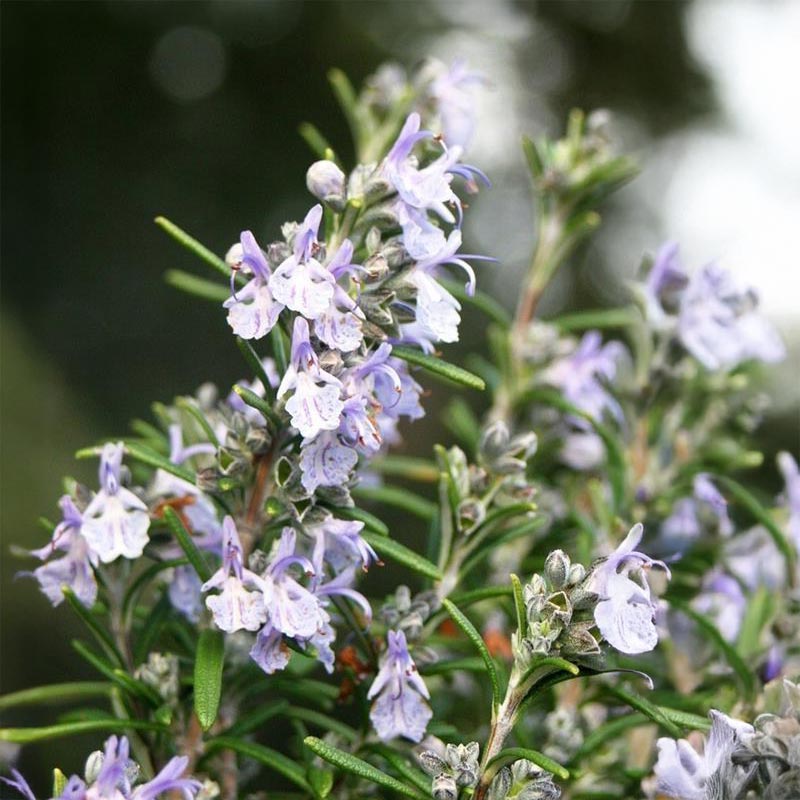
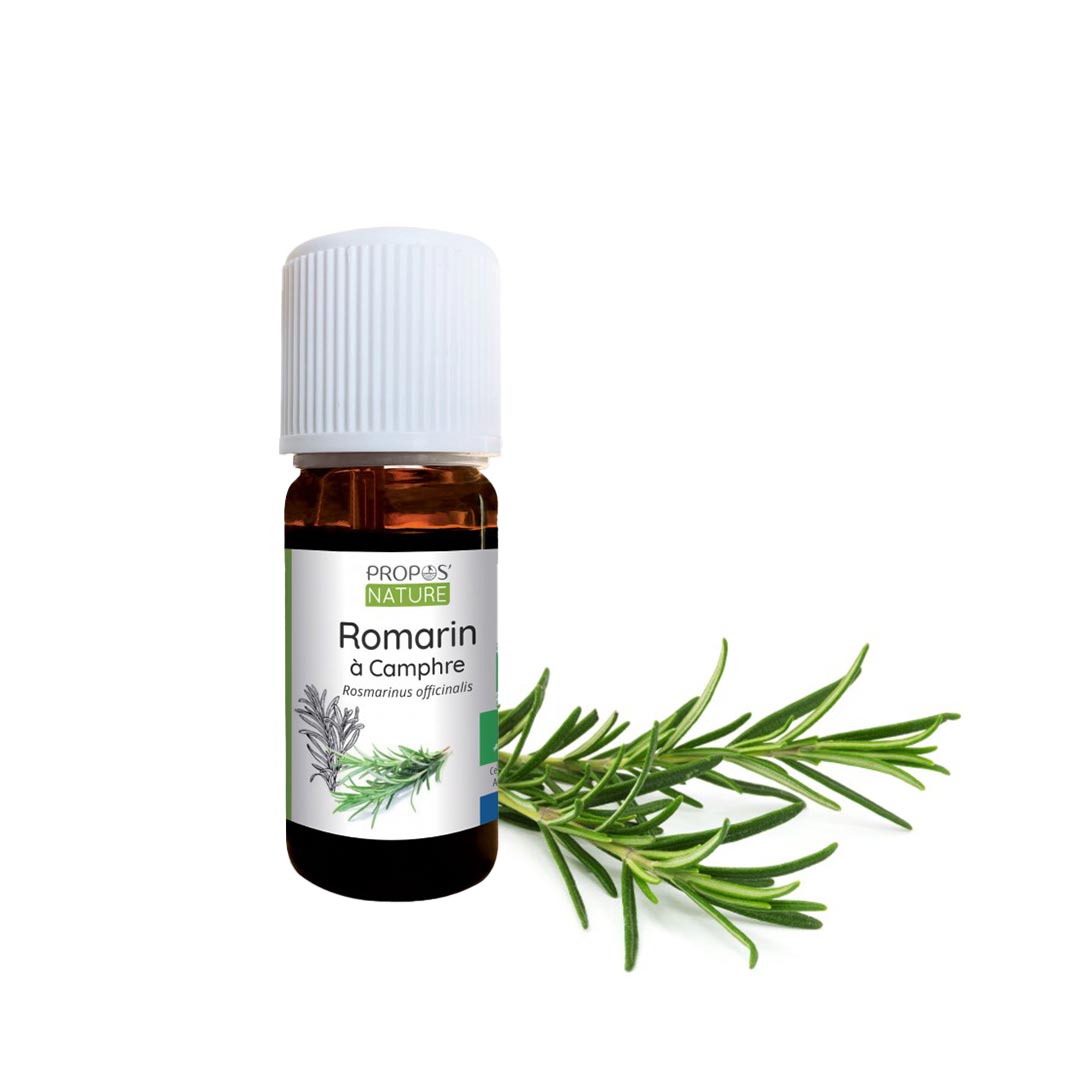
| Rosemary | Rosmarinus officinalis ct. cineole | Use with care | Chemotype matters. The cineole chemotype is milder than stronger rosemary types. Avoid casual use of rosemary ct. camphor. |
| Tea Tree | Melaleuca alternifolia | Avoid | Frequently associated with feline toxicity and not suitable for cats. |
| Lemon | Citrus limon | Avoid | Citrus oils contain limonene, which cats metabolise poorly. |
| Orange | Citrus sinensis | Avoid | Part of the citrus family and not considered suitable for feline use. |
| Bergamot | Citrus bergamia | Avoid | A citrus oil with constituents that are unsuitable for cats. |
| Lime | Citrus aurantiifolia | Avoid | A citrus oil that should be kept out of feline aromatherapy. |
| Tangerine / Mandarin | Citrus reticulata | Avoid | Also part of the citrus family and not suitable for cats. |
| Clove | Syzygium aromaticum | Avoid | High in phenols, which are too aggressive for feline metabolism. |
| Cinnamon (Cassia) | Cinnamomum cassia / Cinnamomum aromaticum | Avoid | Very strong and rich in compounds that cats do not tolerate well. |
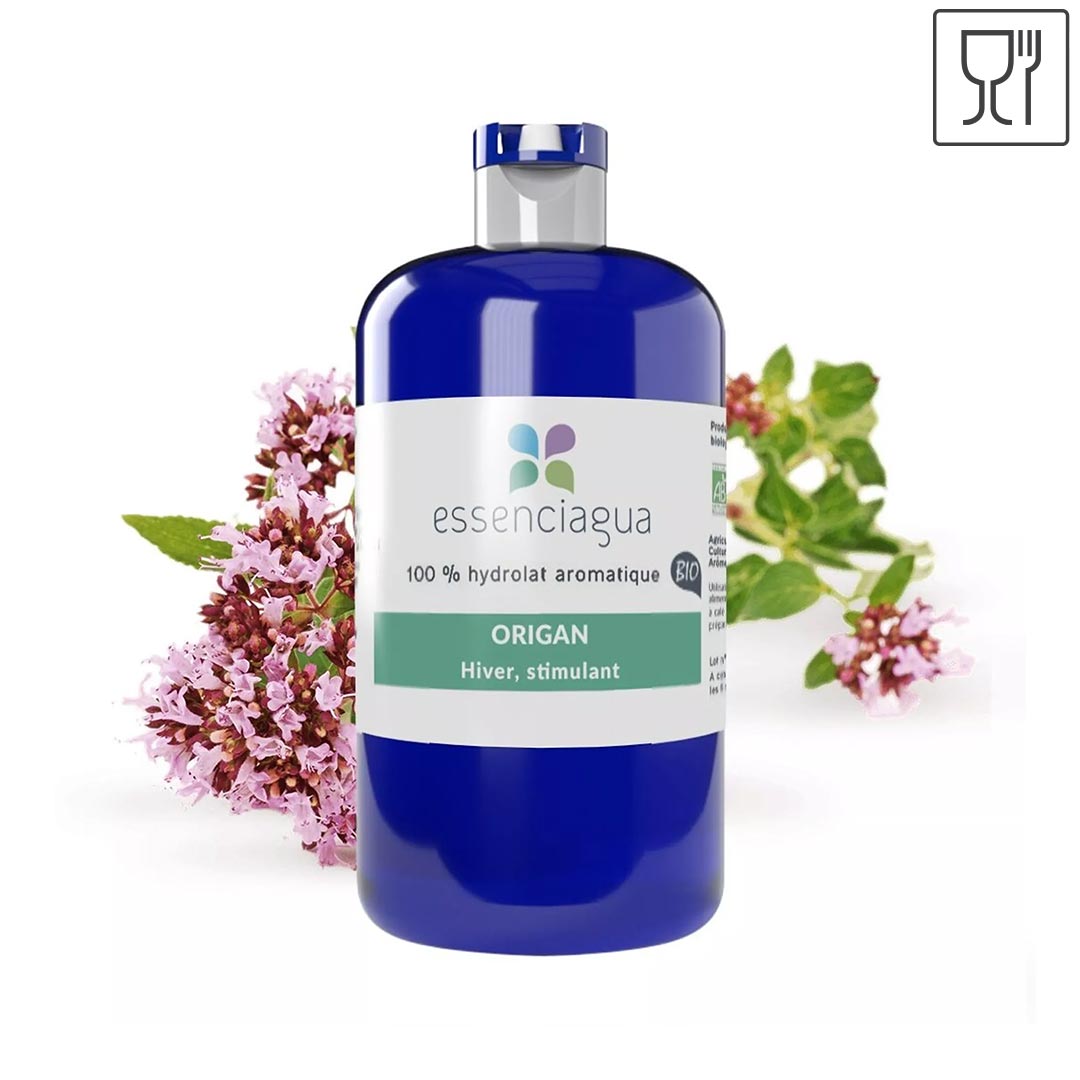
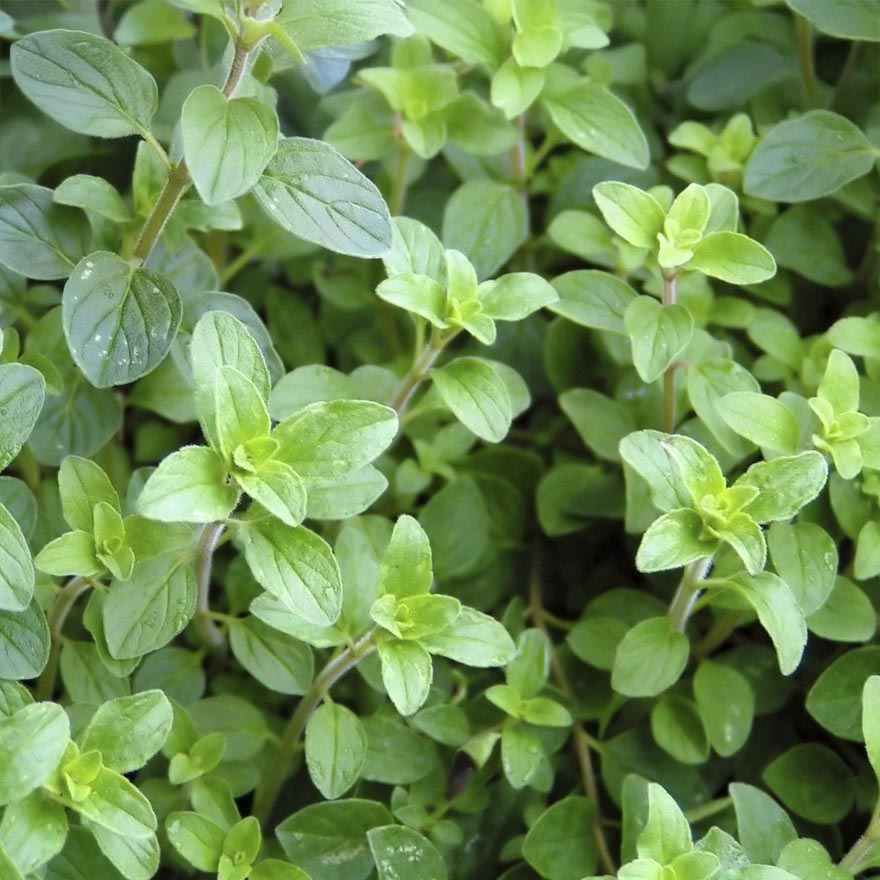
| Oregano | Origanum vulgare | Avoid | High in phenols and far too strong for cats. |
| Thyme | Thymus vulgaris | Avoid | Contains strong phenolic compounds that are unsuitable for cats. |
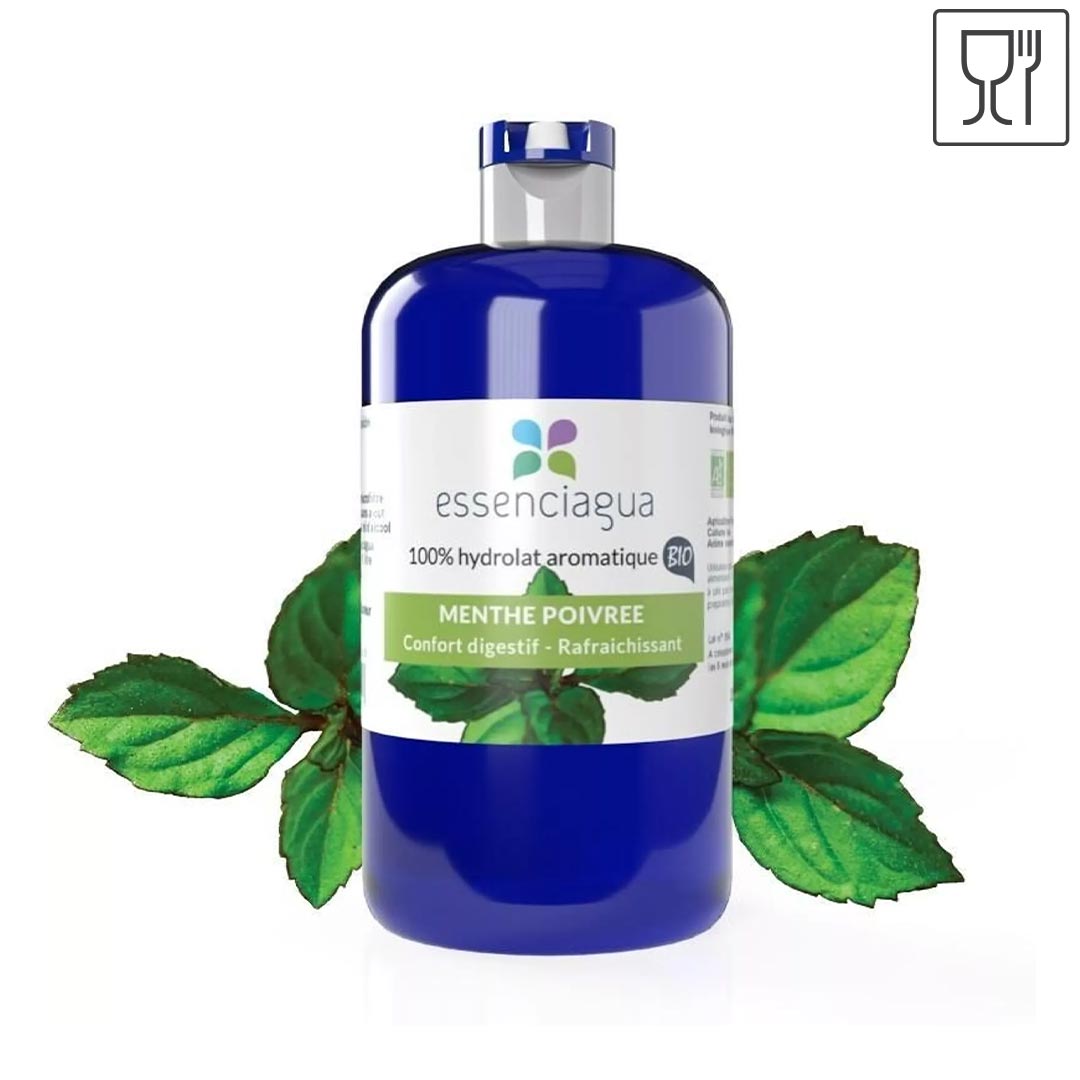
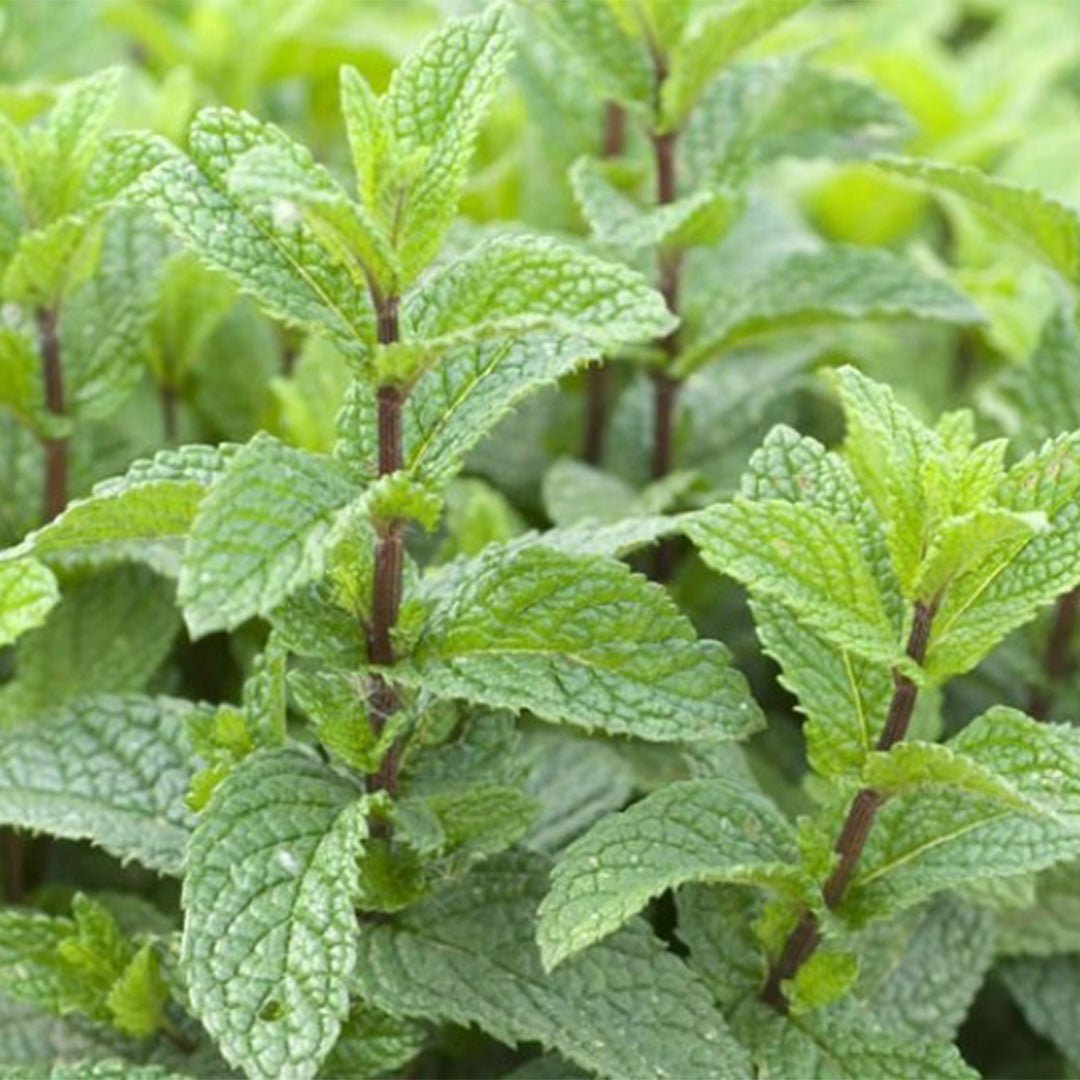
| Peppermint | Mentha × piperita | Avoid | Too stimulating and not considered appropriate for feline use. |
| Birch | Betula lenta | Avoid | A strong oil that should not be used with cats. |
| Wintergreen | Gaultheria procumbens | Avoid | Too strong and not compatible with safe feline aromatherapy practice. |
Important note on safe use
Cats are especially sensitive to essential oils high in phenols, ketones, and limonene. These compounds are more difficult for the feline liver to process.
Even oils generally considered safer should always be used with restraint, proper dilution, and careful observation of the cat’s response.
For very sensitive cats, hydrosols are often the gentler option.
How to Use Aromatherapy with Cats
Aromatherapy for cats requires a minimal and precise approach. Use low concentrations, observe your cat’s response, and prioritise gentle methods.
1. Diffusion
Primary method. Provides gentle exposure through inhalation without direct contact.
How to use
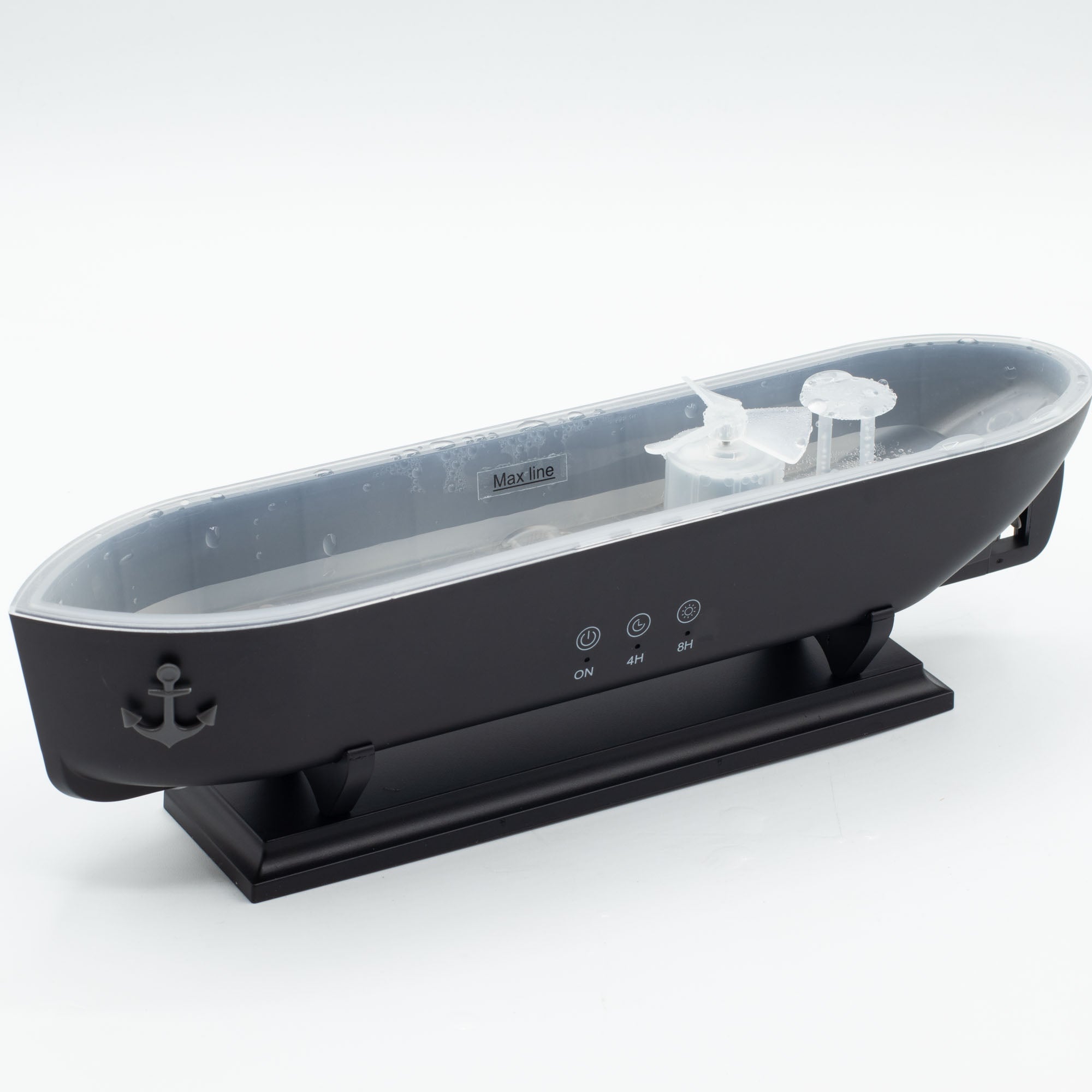
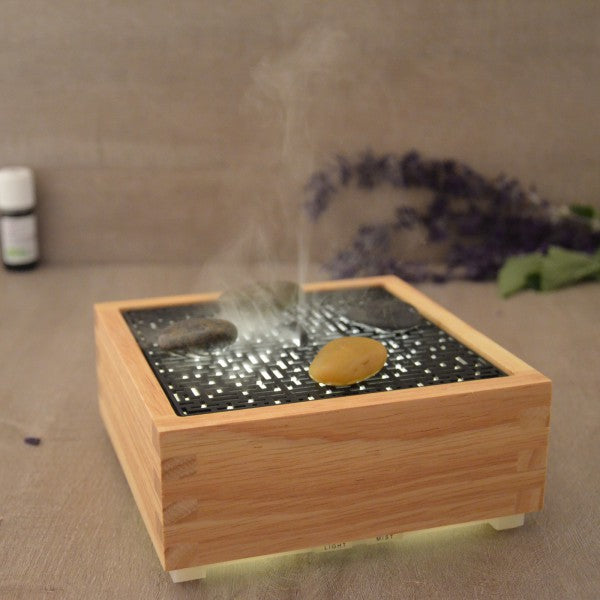
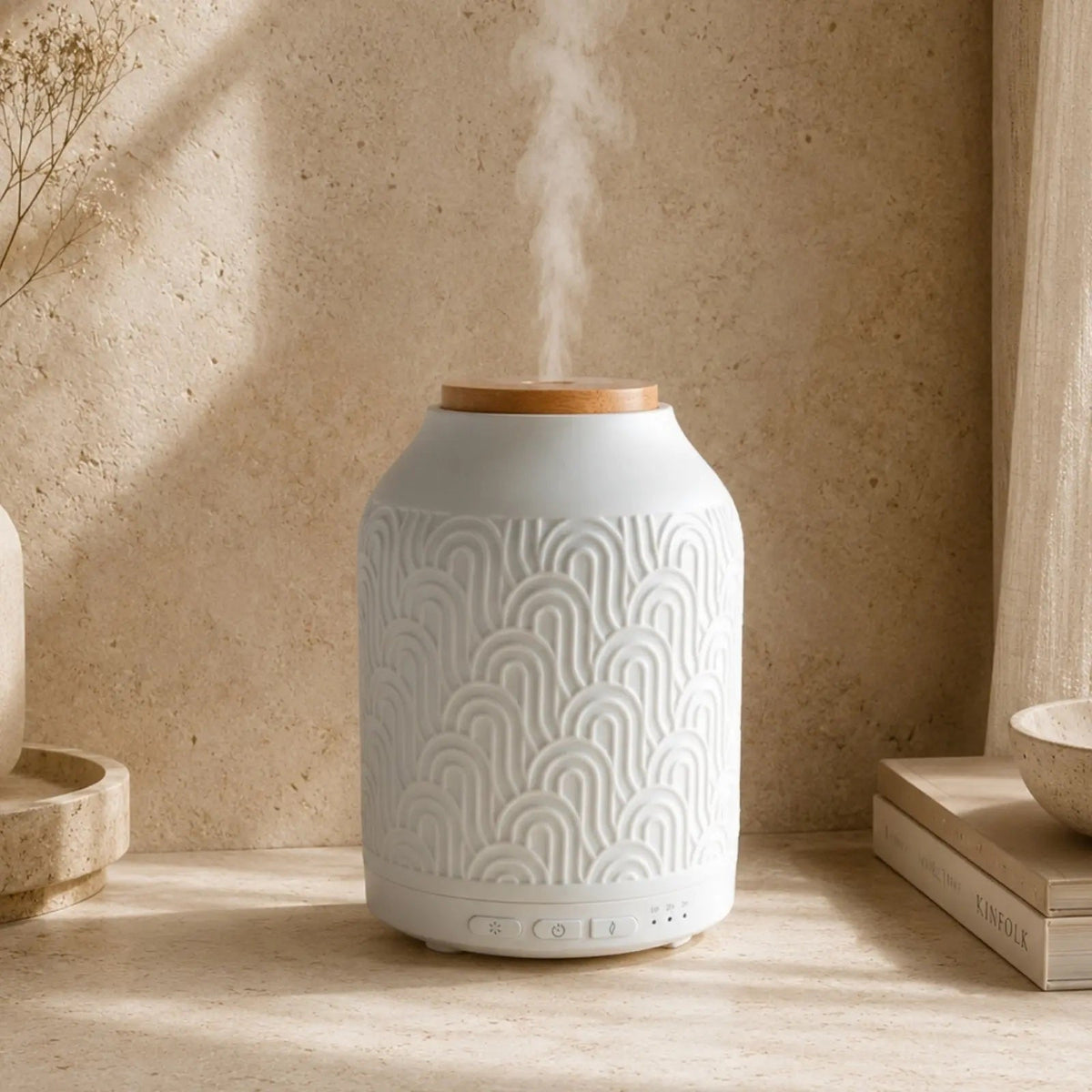
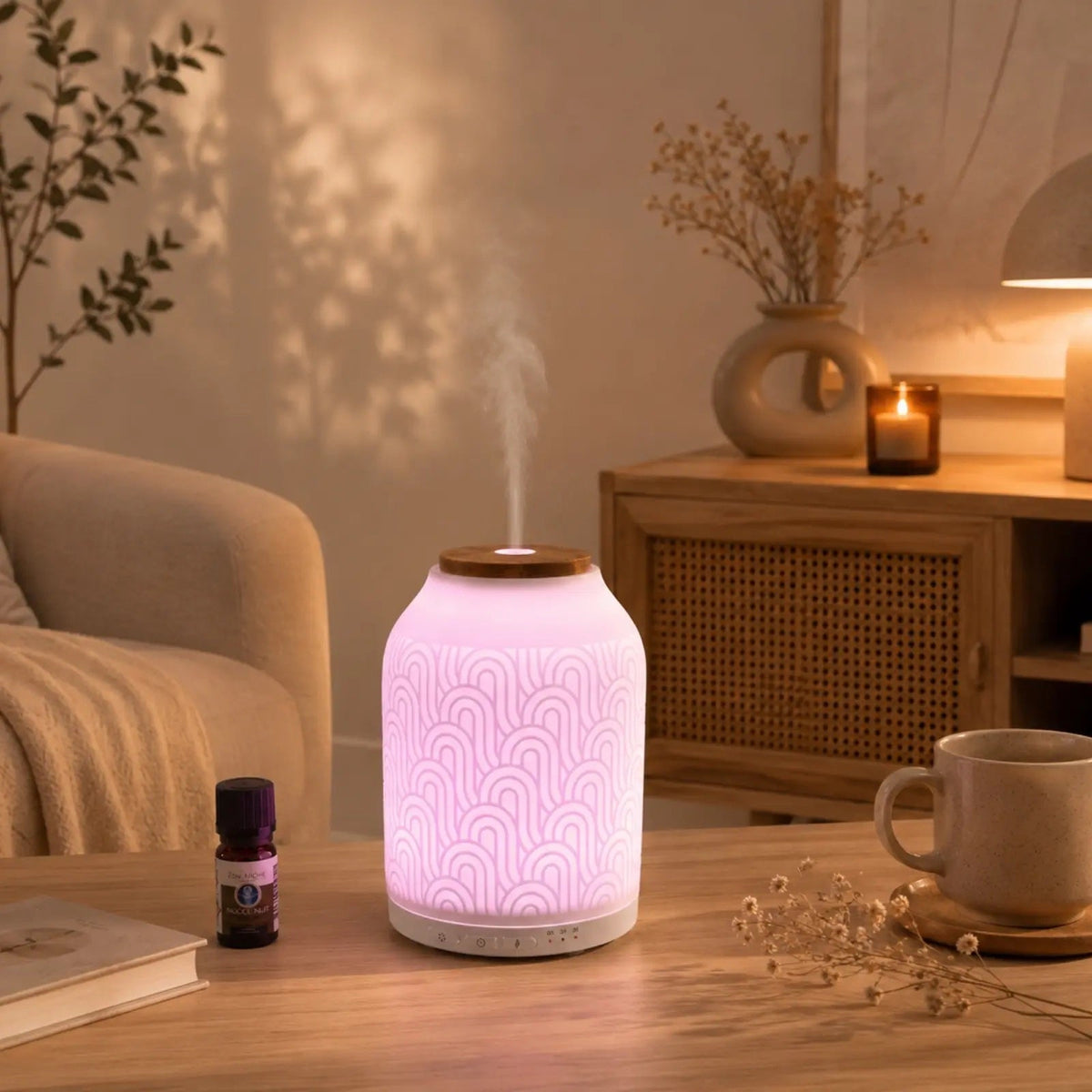
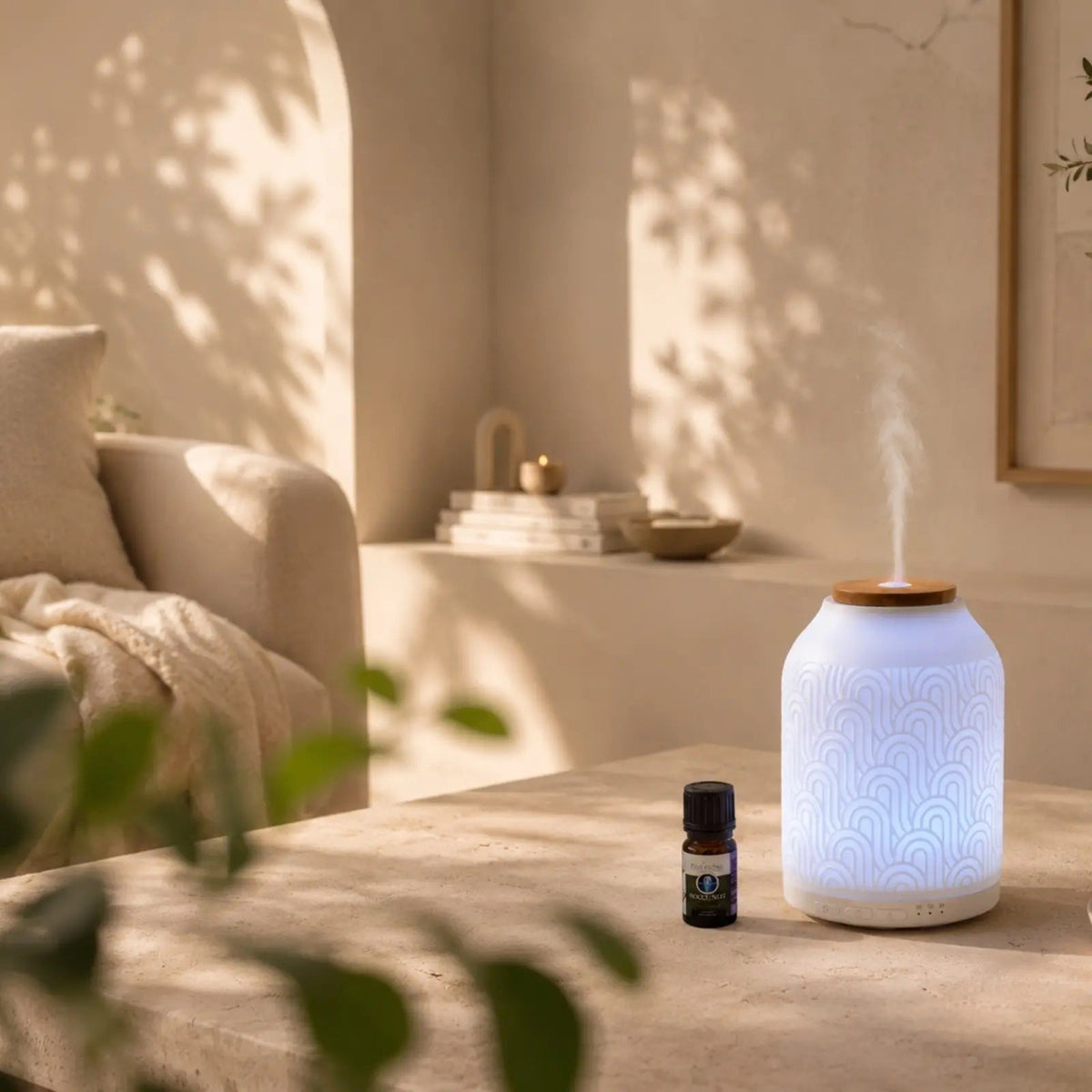
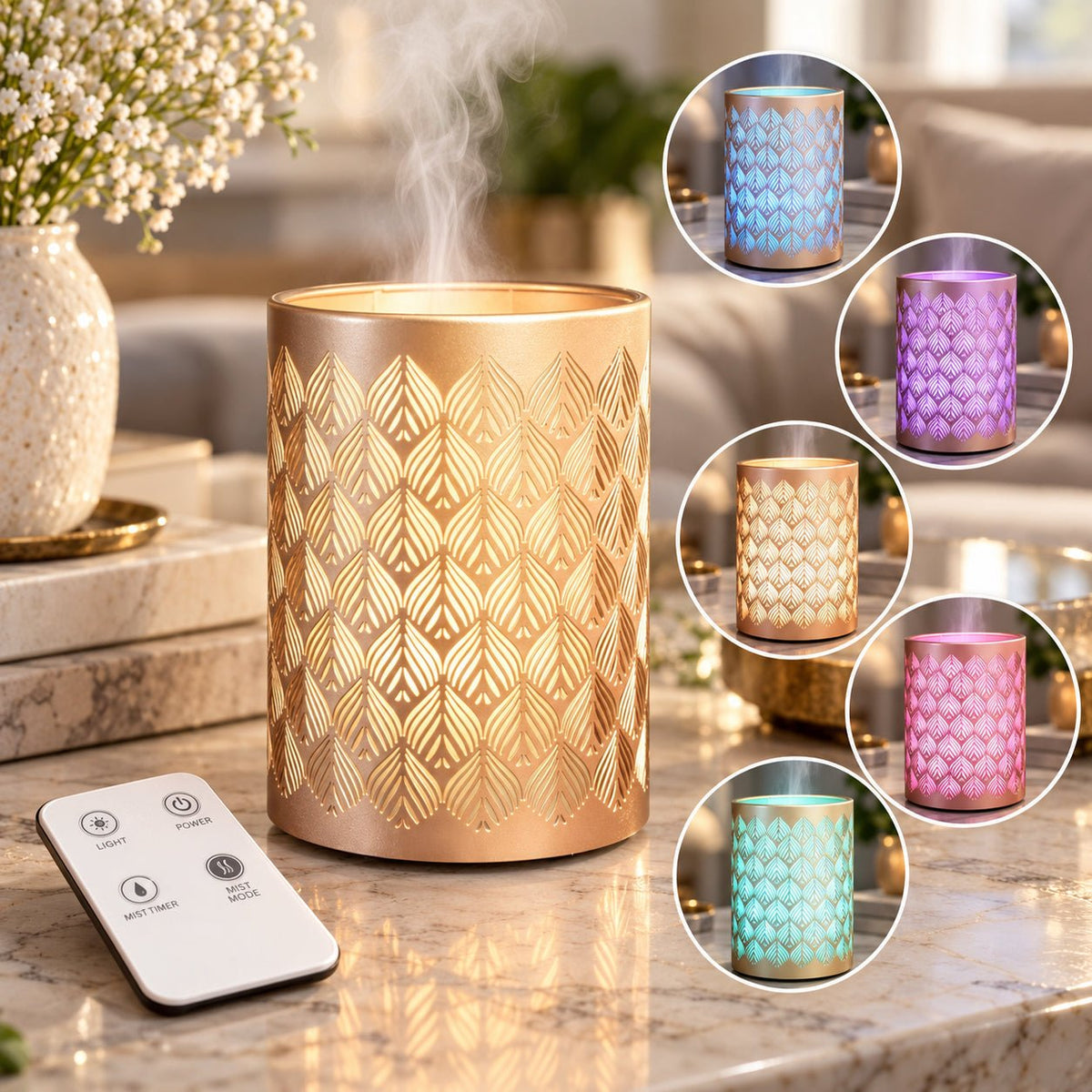
- Use a water-based diffuser (ultrasonic diffuser)
- For a 100 ml water tank: add 1 drop essential oil
- If well tolerated, you may use up to 2 drops
Best practice
- Diffuse for 10–20 minutes at a time
- Ensure good ventilation
- Always allow your cat to leave the room
Start with the lowest amount — cats respond best to subtle aromatic exposure.
2. Topical Application
Targeted use only. Always dilute before applying to the cat.
Precise dilution guideline
• 1 drop essential oil in 20 ml carrier oil (≈ 0.25%)
• For sensitive cats: 1 drop in 30–40 ml carrier oil
Suitable carrier oils
- Jojoba
- Coconut oil
- Olive oil
- Sweet almond oil
Apply to
- Spine
- Shoulders
- Base of the neck
Avoid face, paws, and sensitive areas.
3. Hydrosols
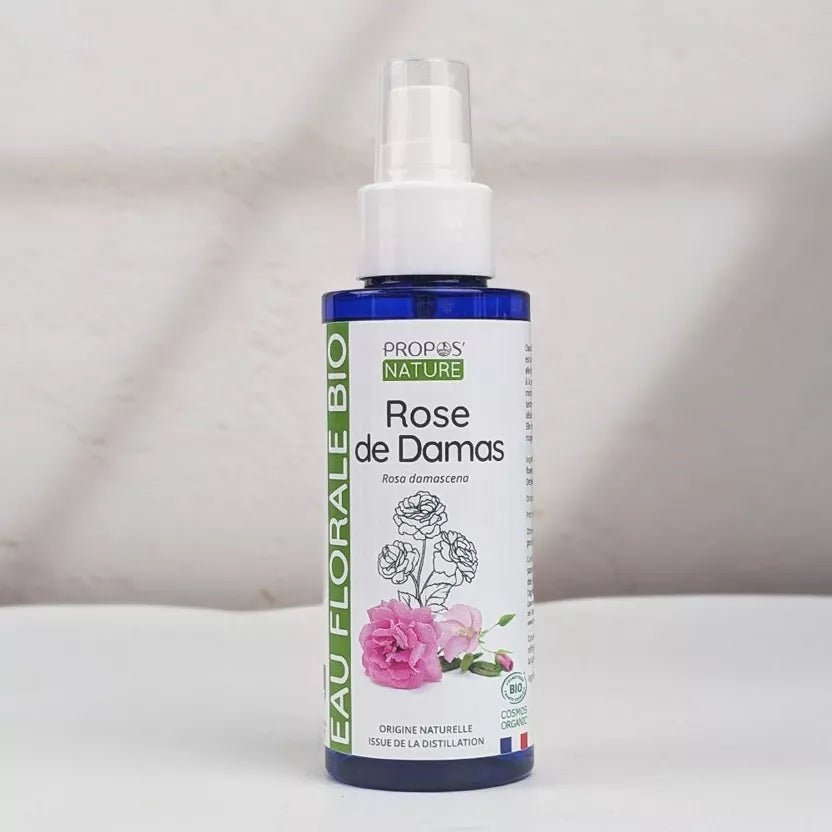
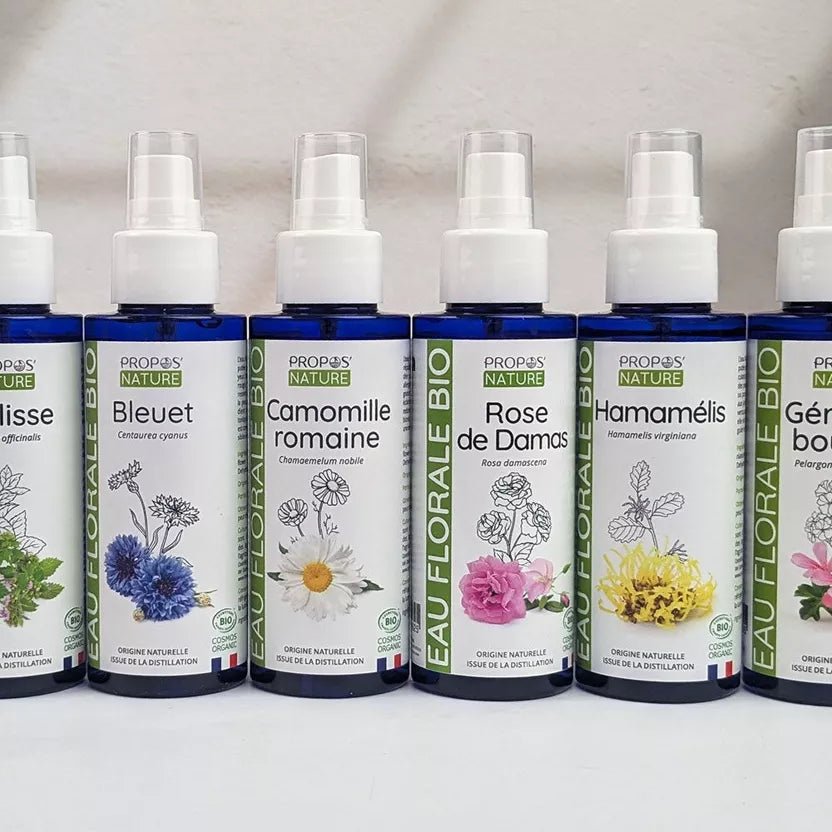
Preferred for sensitive cats. Hydrosols provide a much gentler aromatic approach and are often better tolerated than essential oils.
- Lower concentration of active compounds
- Water-based and well tolerated
- Suitable for regular and long-term use
Quality matters
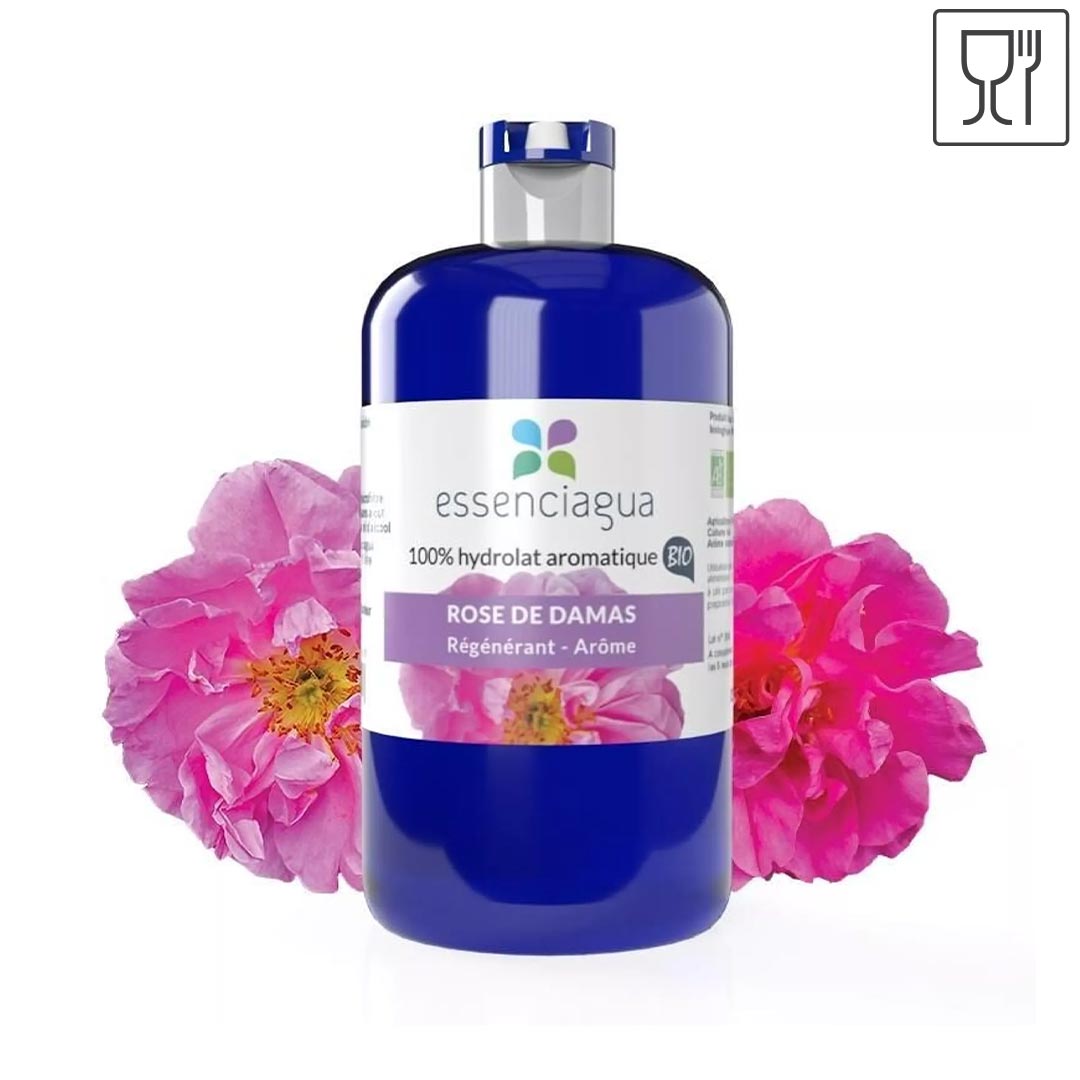
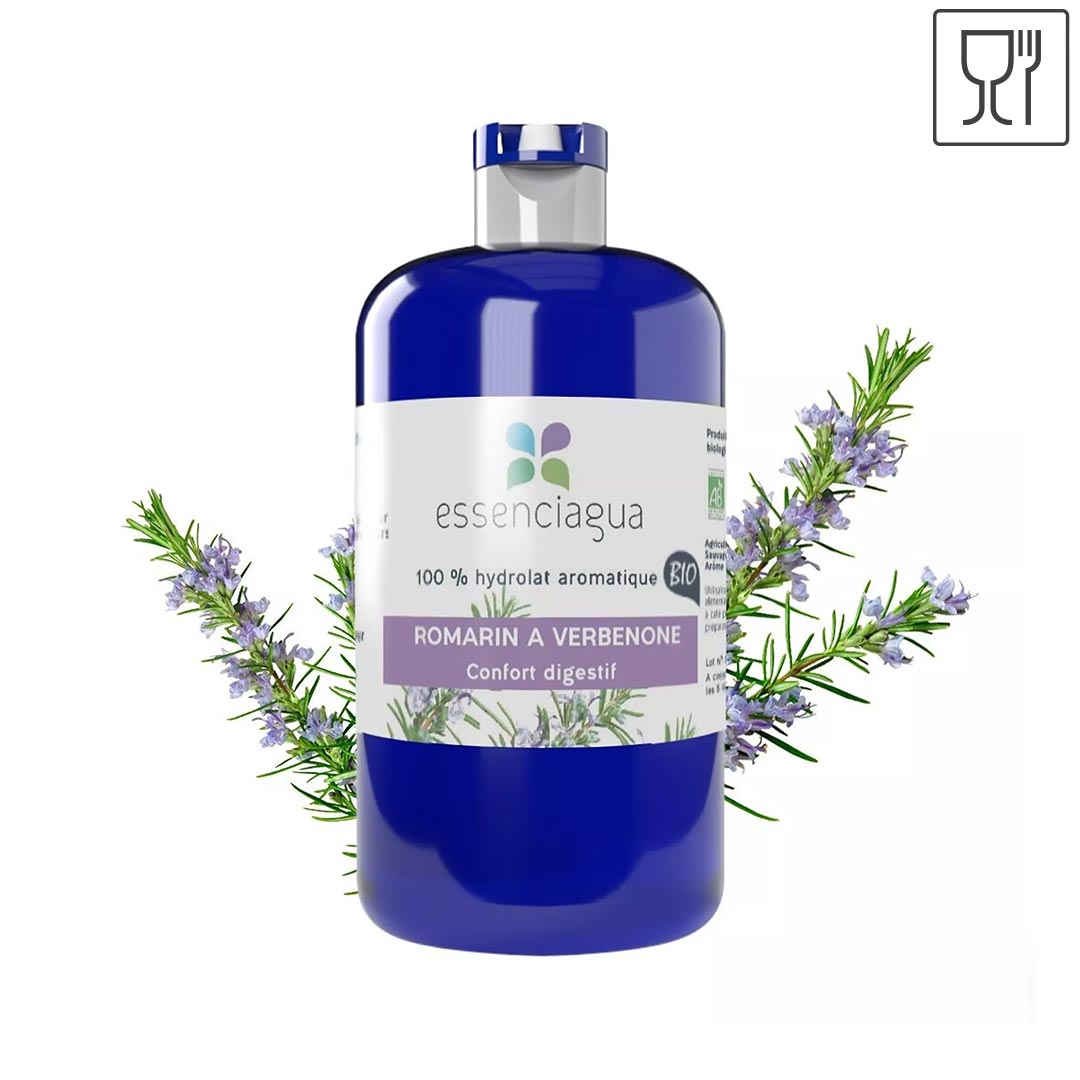
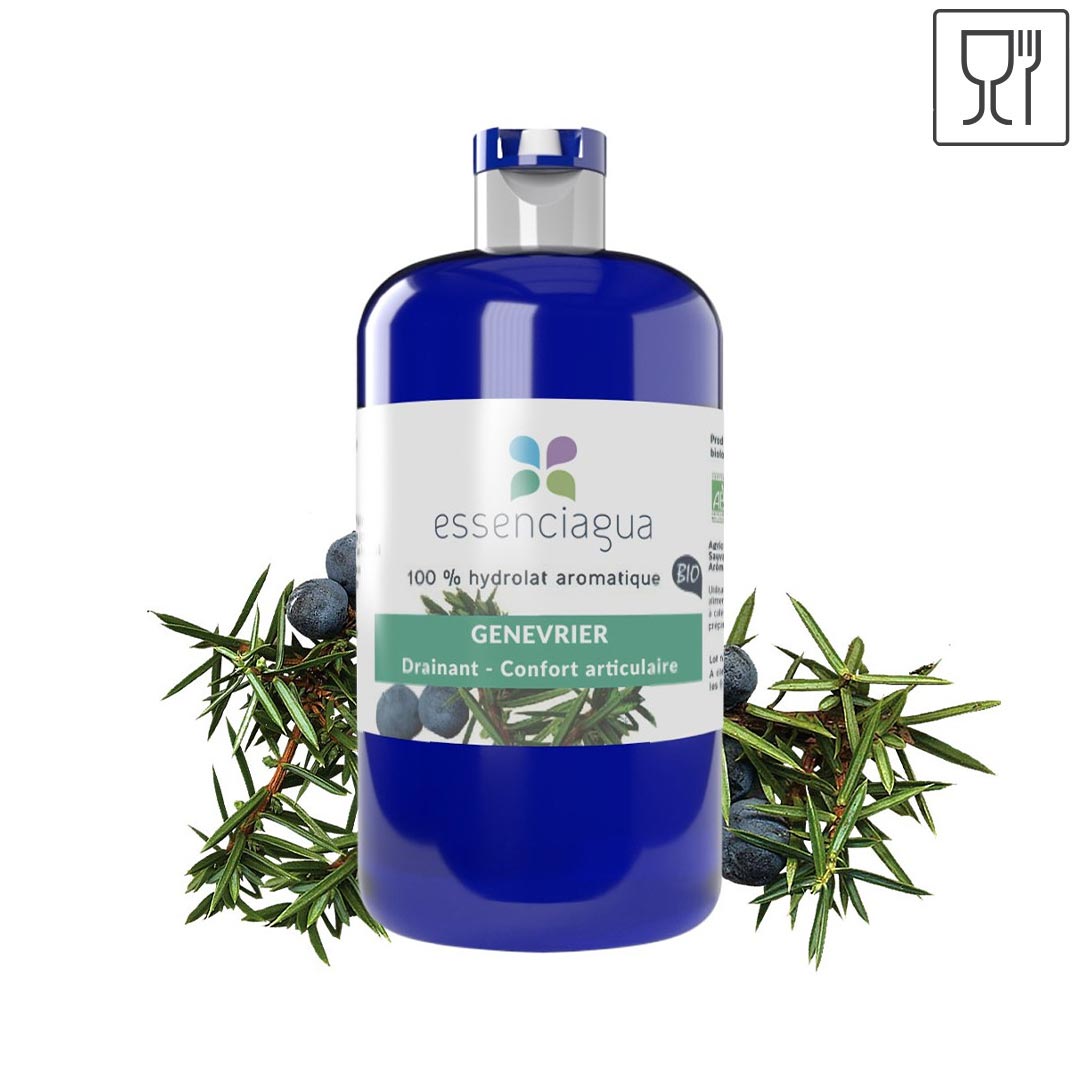
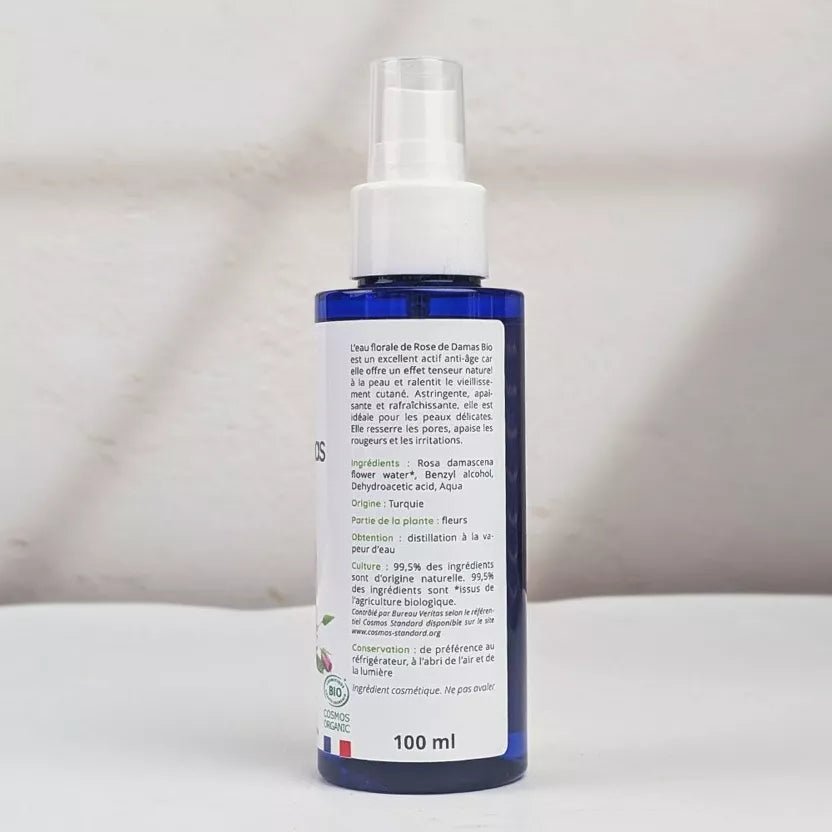
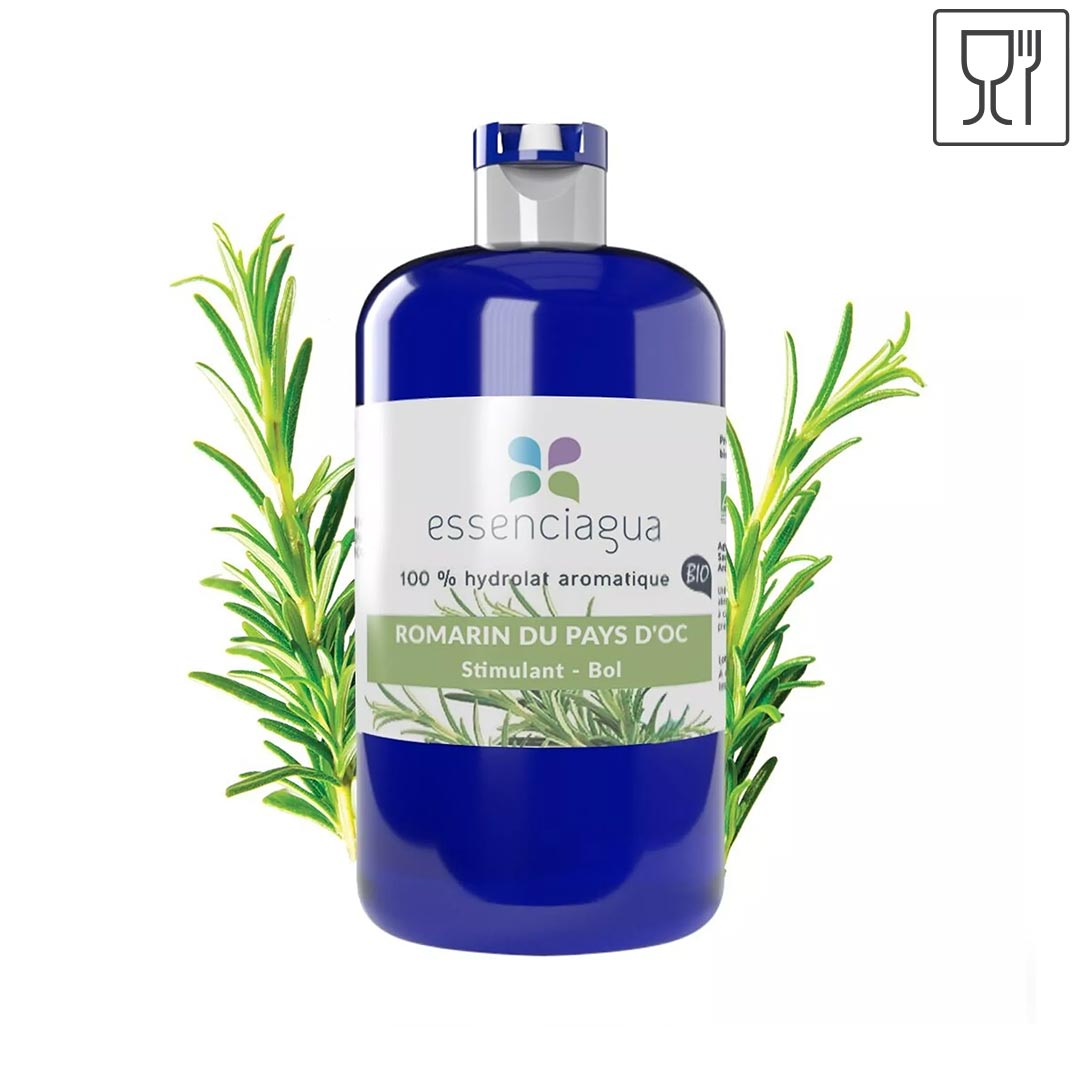
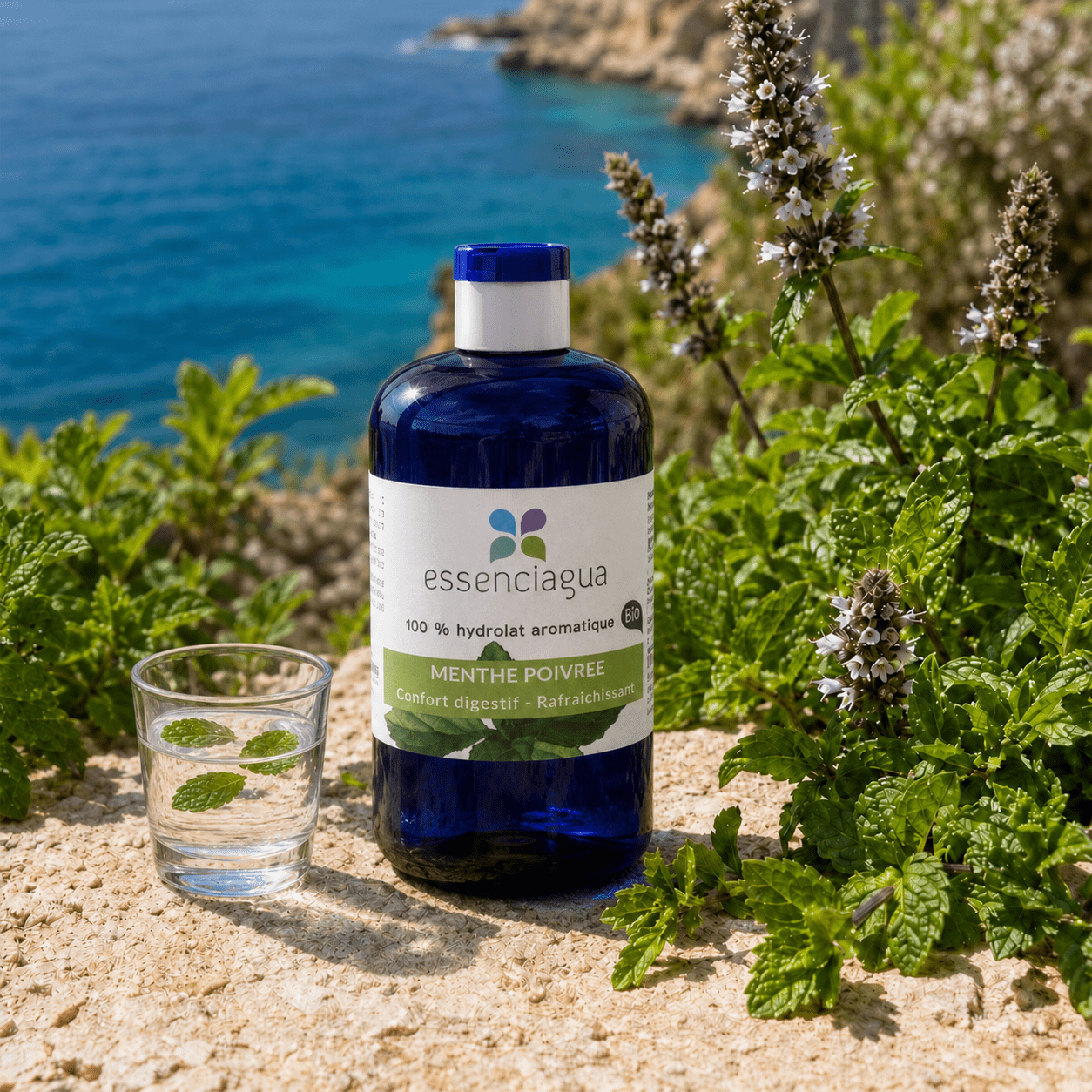
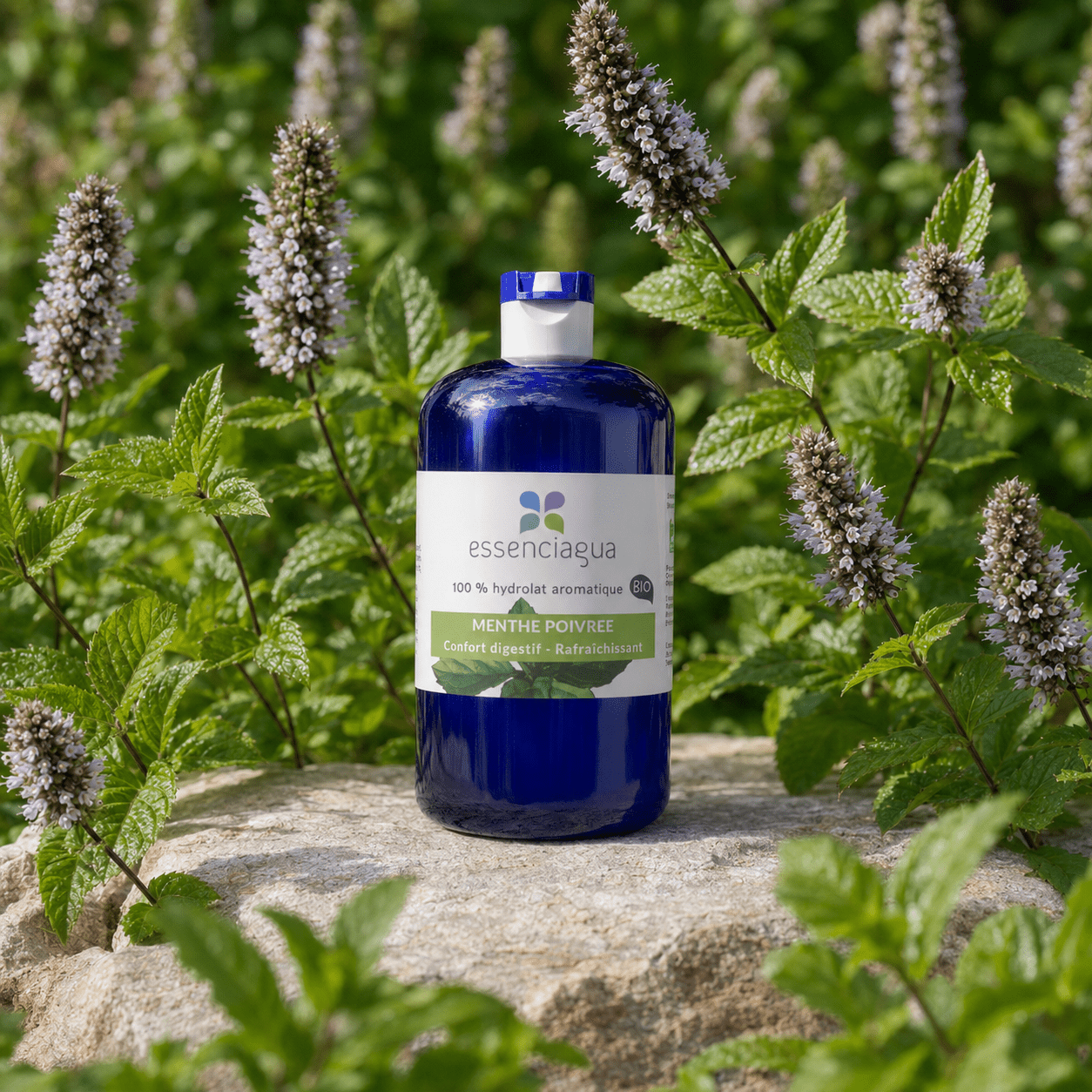
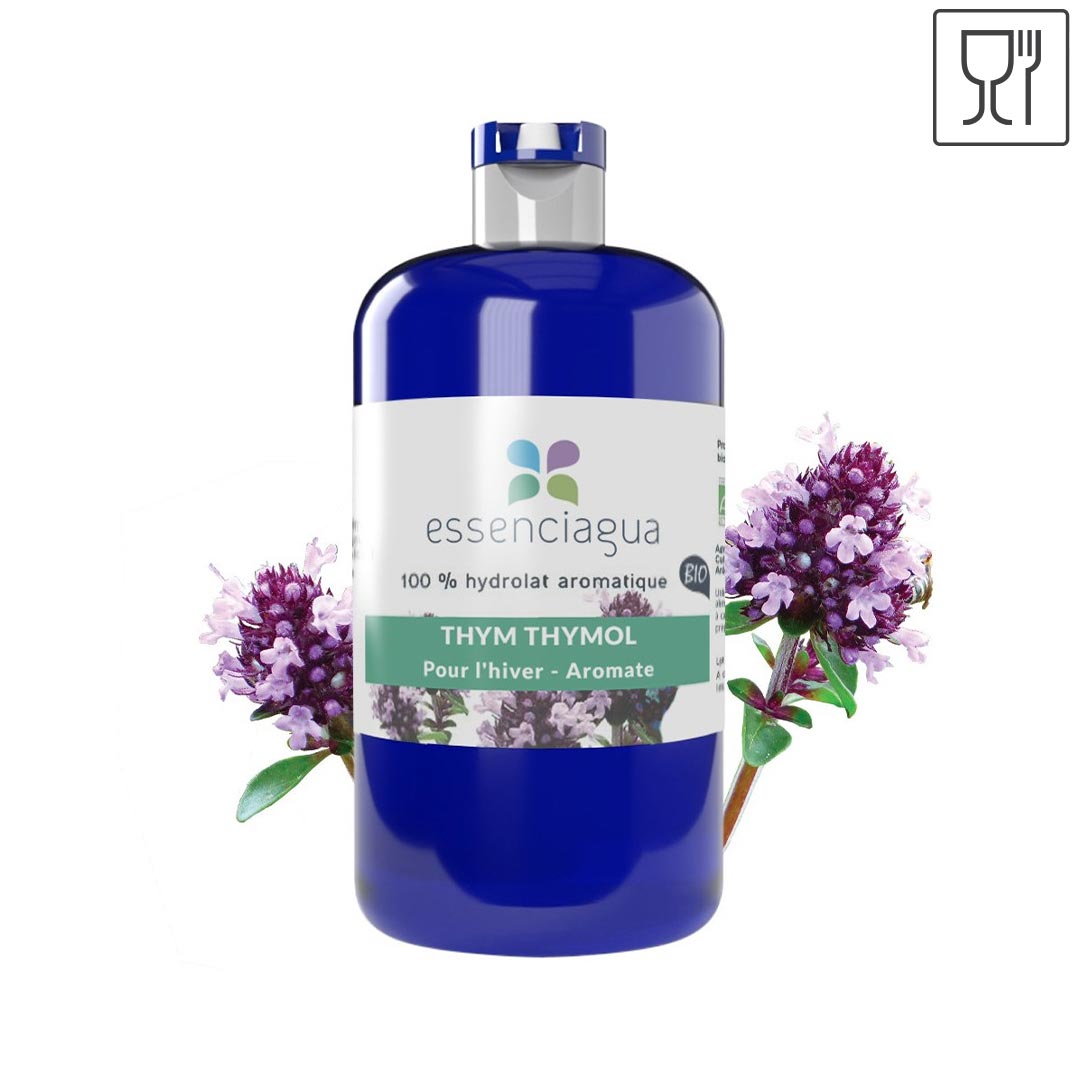
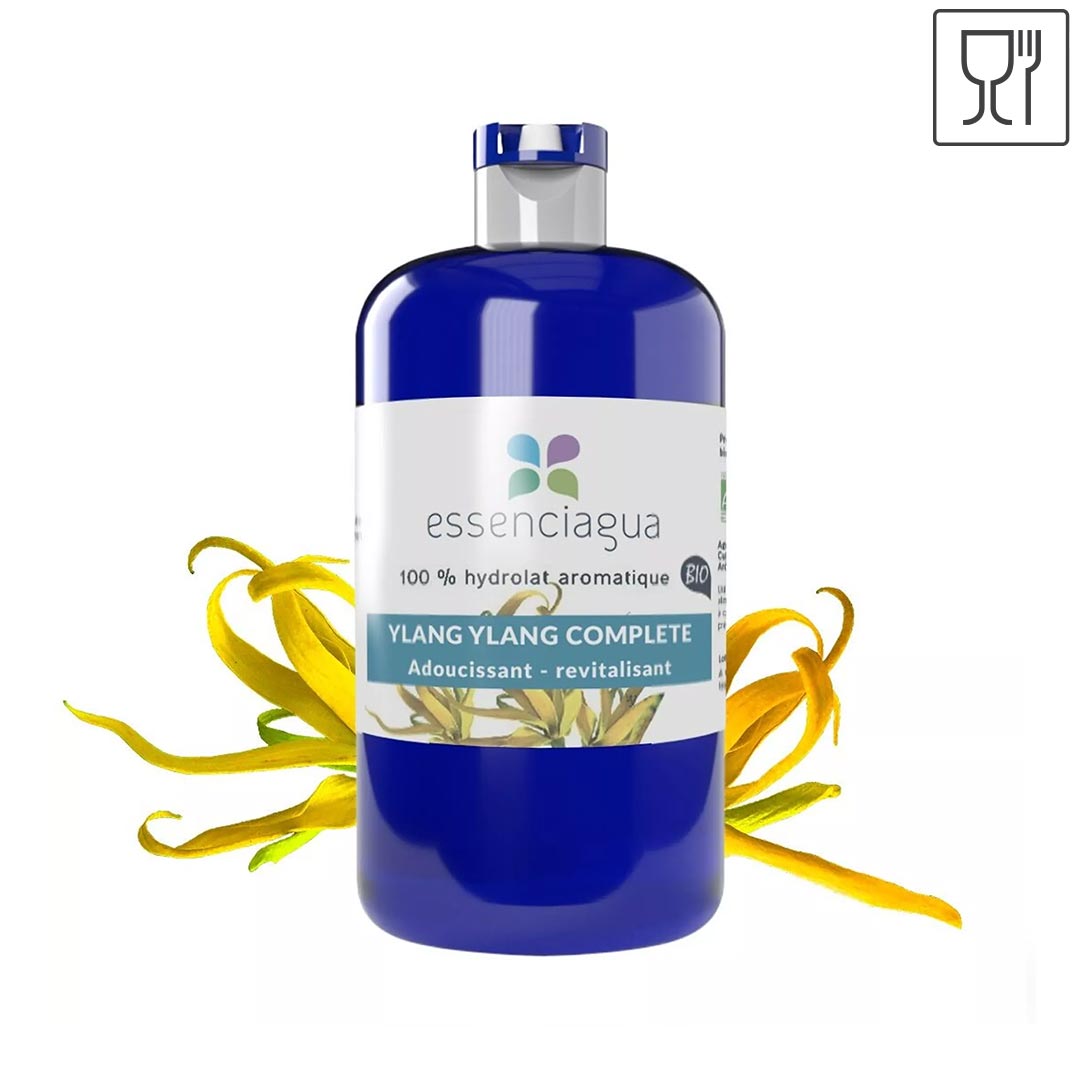
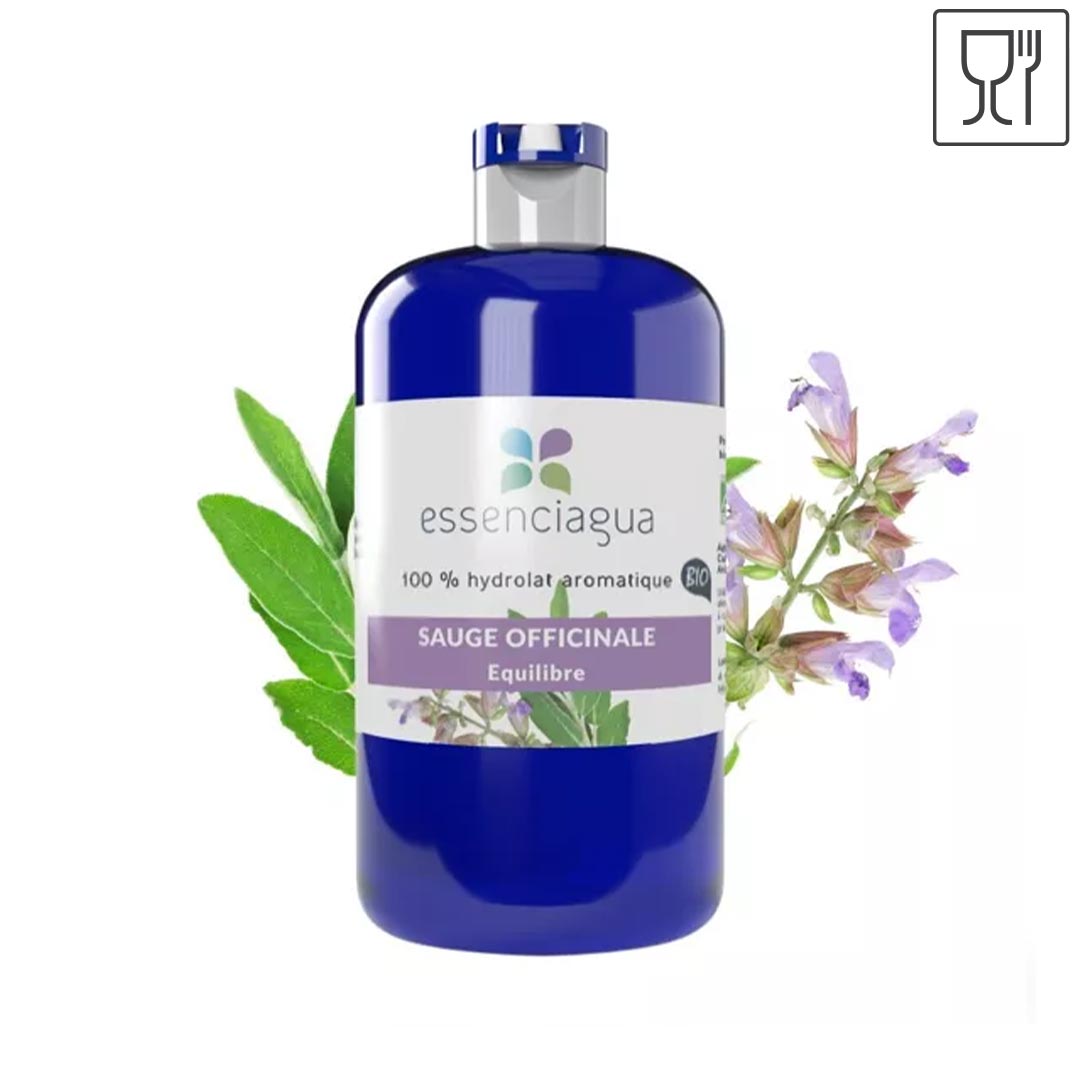
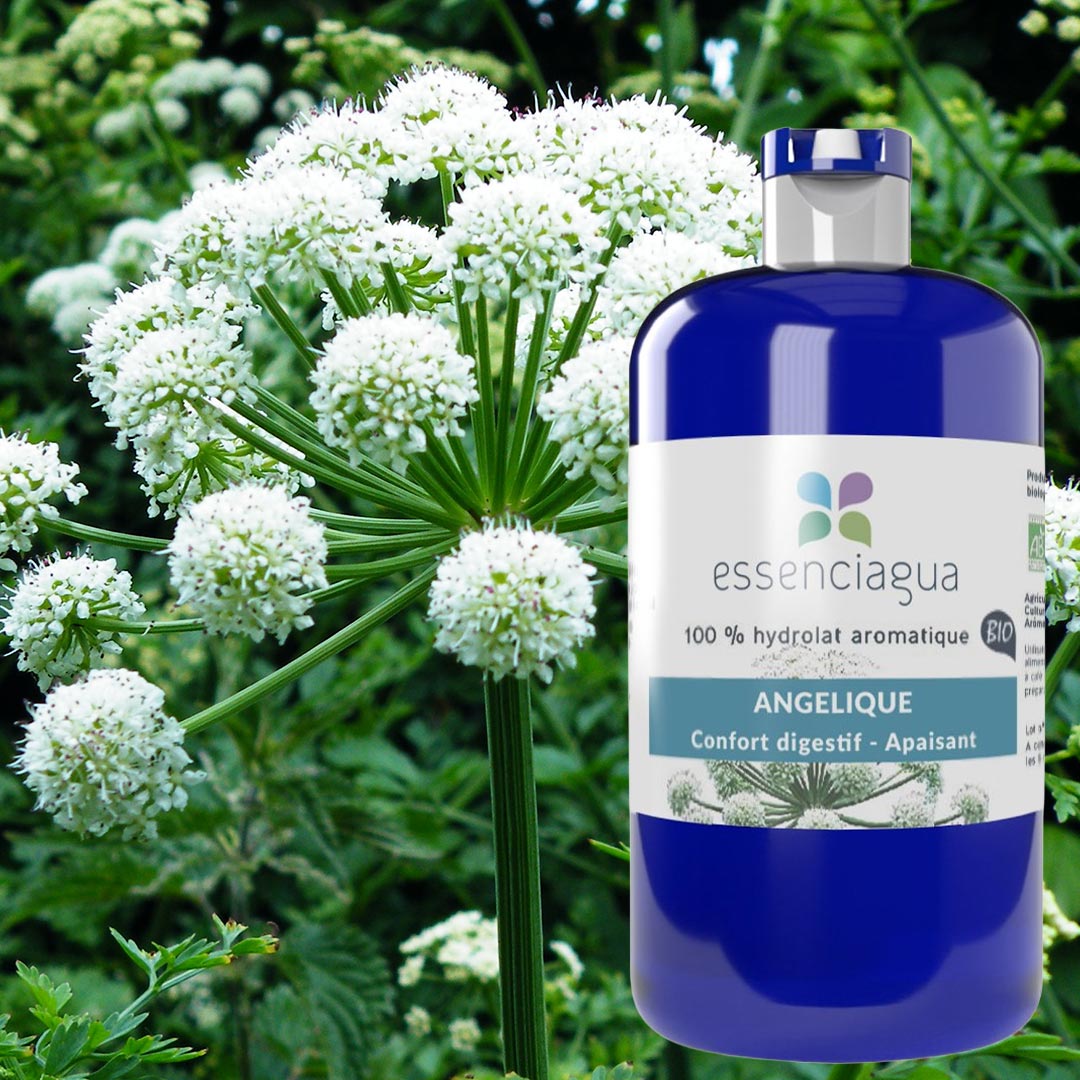
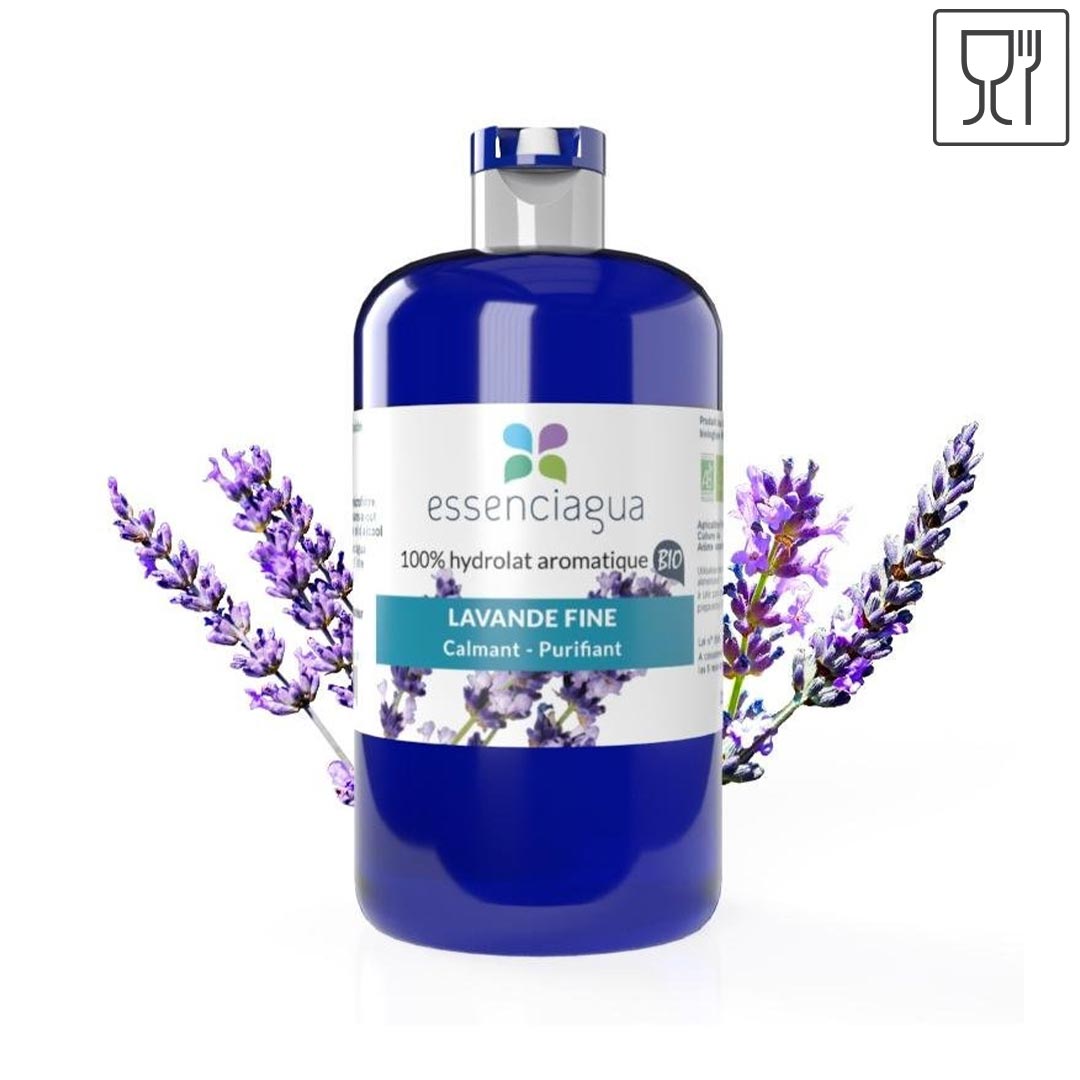
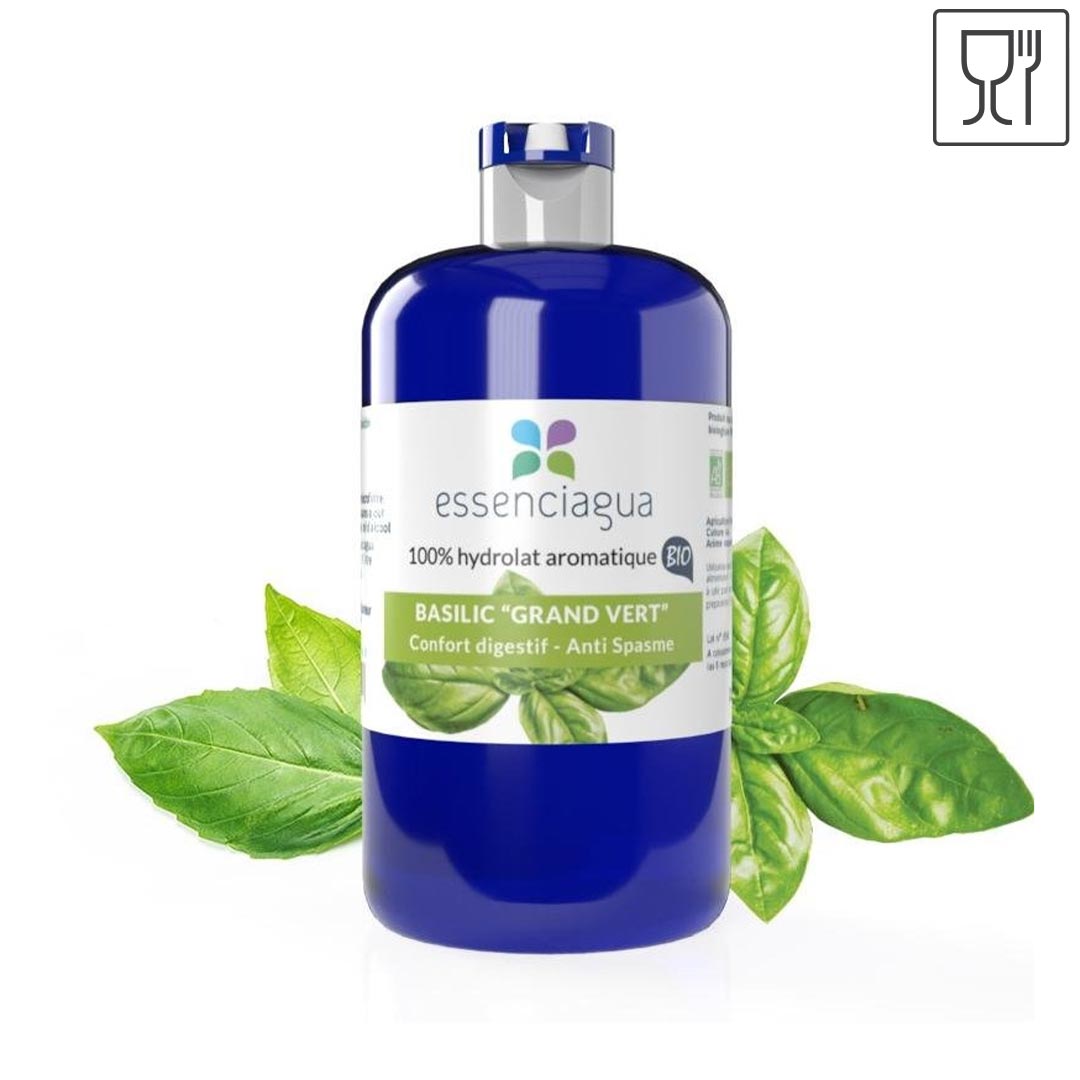
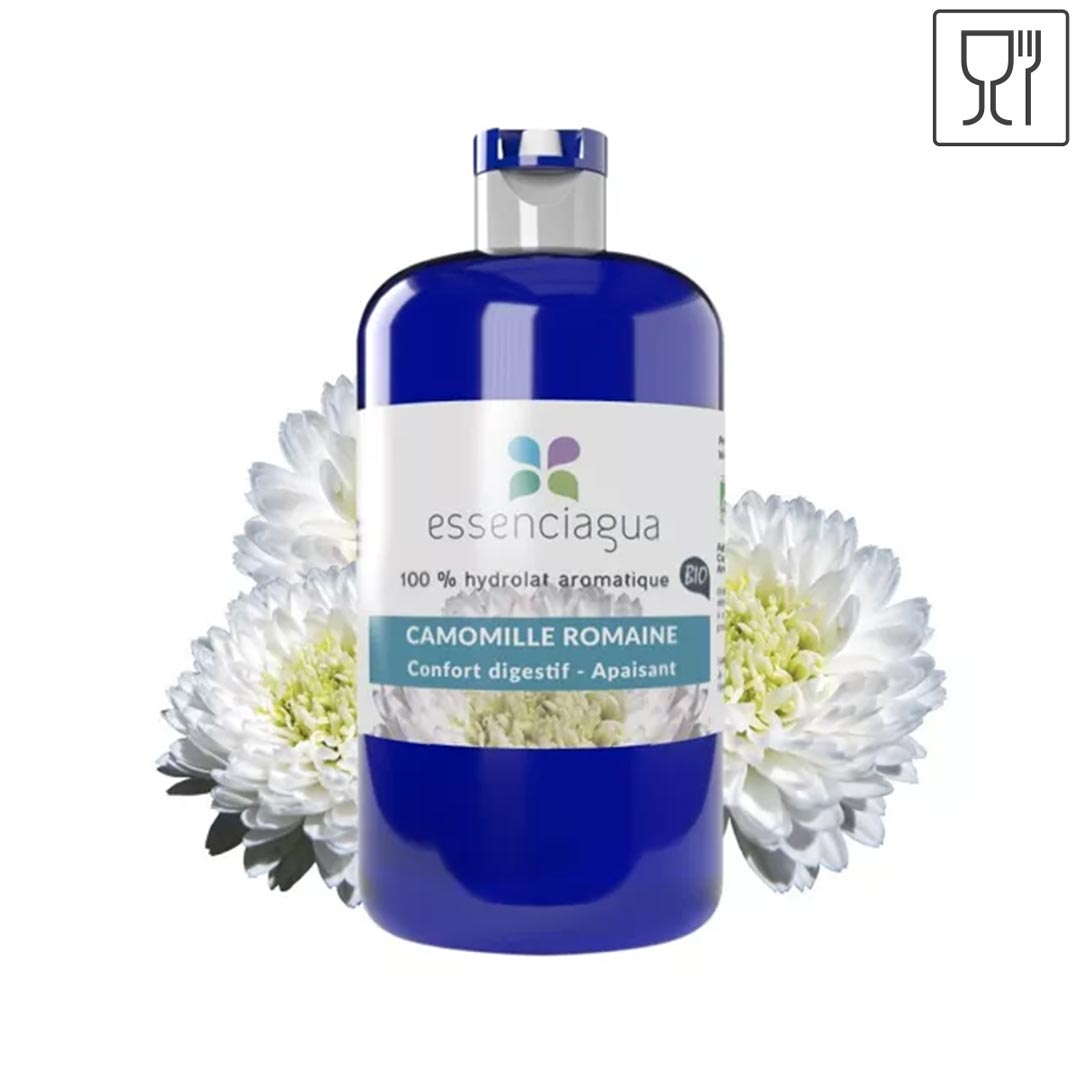
Use only certified organic, food-grade hydrosols (such as Essenciagua quality). Lower-grade hydrosols are not suitable for internal or regular use.
Ways to use hydrosols
- Lightly mist bedding, blankets, or resting areas
- Use in the environment for gentle aromatic support
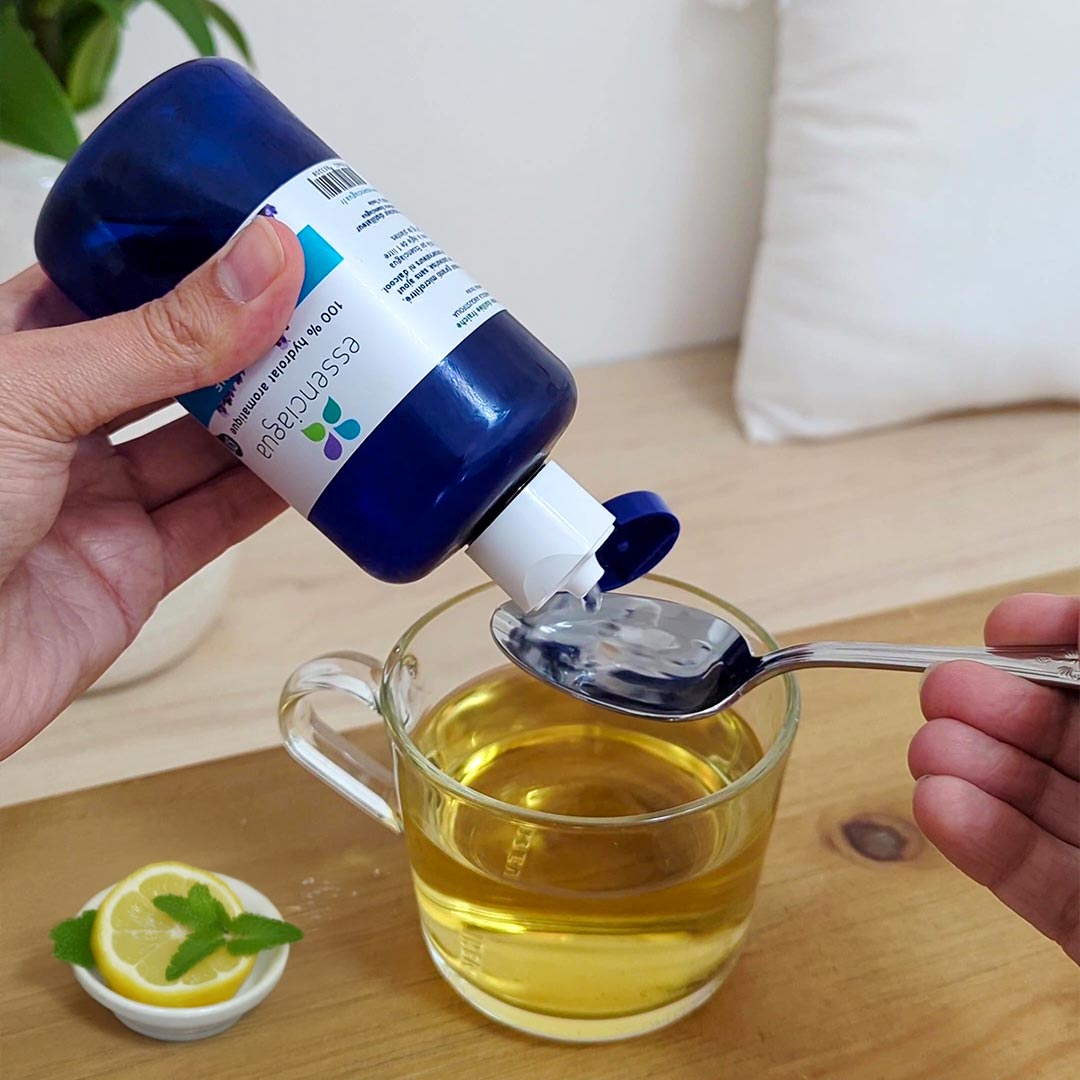
- Add a couple of drops to your cat’s water bowl
Many cats instinctively choose what they need — and avoid what they don’t.
4. Gentle Bonding Method
A subtle way to introduce aromatherapy while strengthening trust.
How to prepare
Dilute 1 drop of essential oil in 20–30 ml carrier oil.
How to apply
- Place one drop of the diluted blend into your hands
- Rub your hands together
- Gently stroke your cat
Less is more — the scent on your hands is enough.
Supports
- Emotional balance
- Trust and connection
- Nervous system calming

Método del cuenco con agua
- Añade un par de gotas a un cuenco de agua
- Proporciona siempre un segundo cuenco con agua fresca y sin aditivos
- Deja que tu gato elija libremente
Which Essential Oil for Your Cat?
Each essential oil has its own character and area of support. Below is a simple guide to oils commonly chosen for cats when used gently, correctly diluted, and with respect for feline sensitivity.
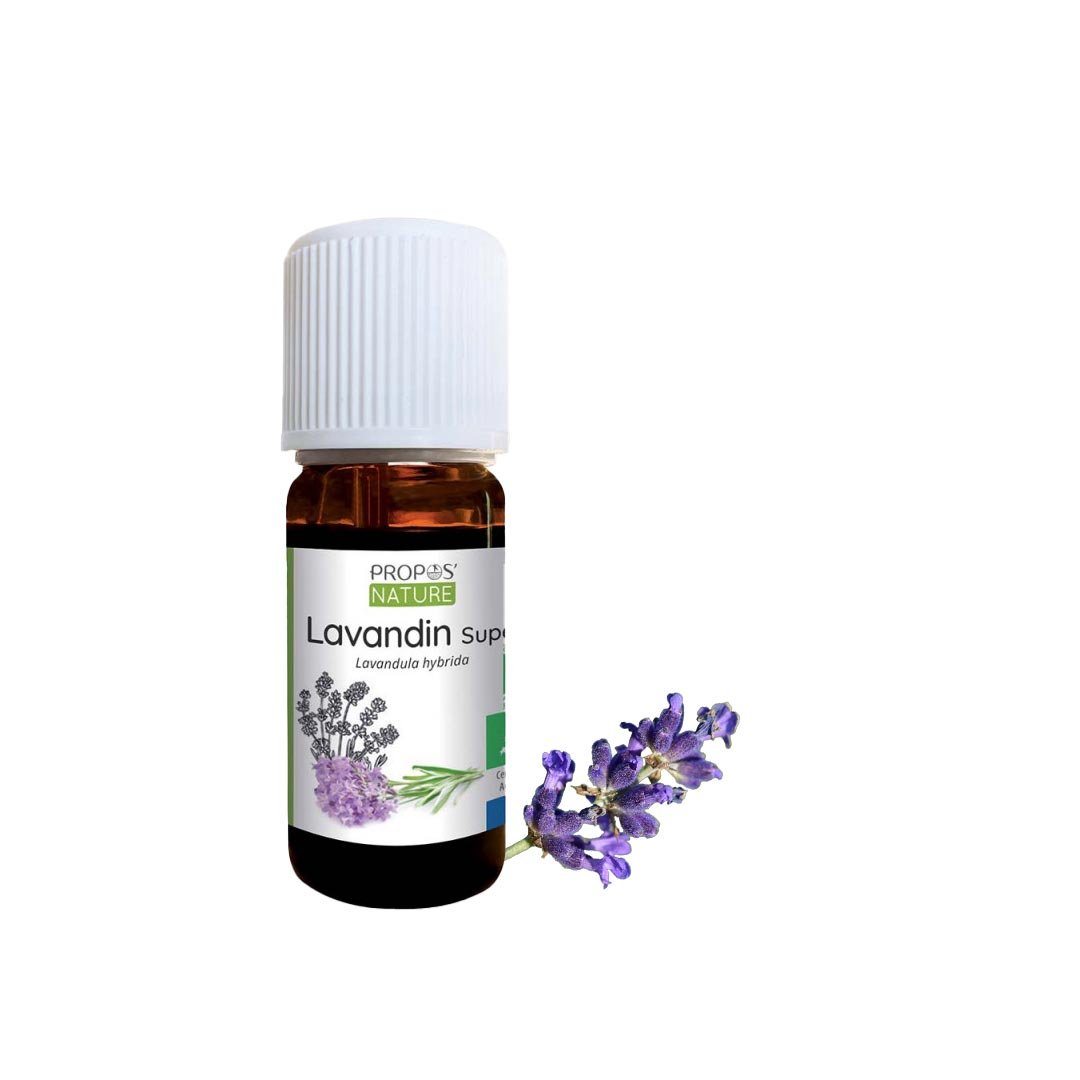
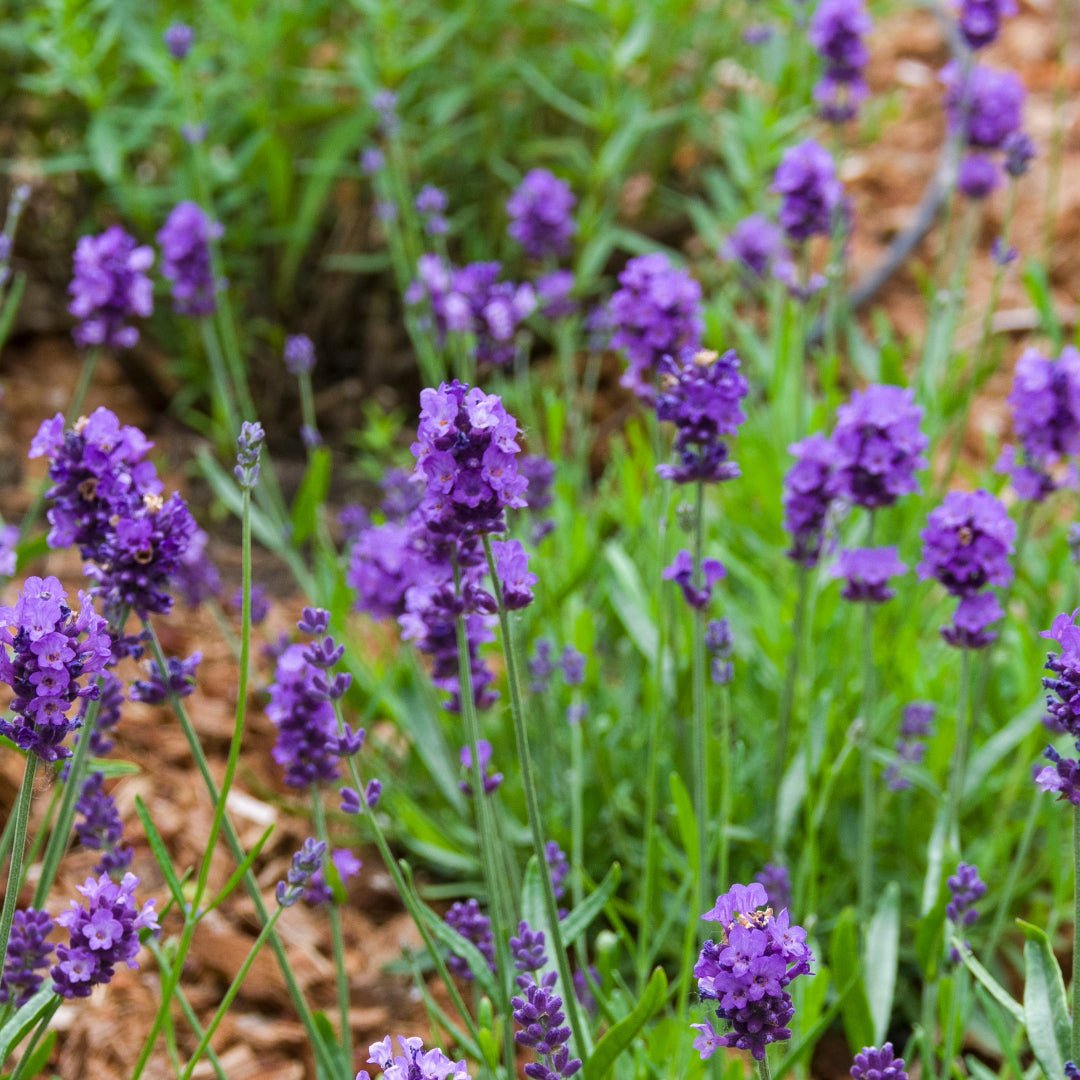
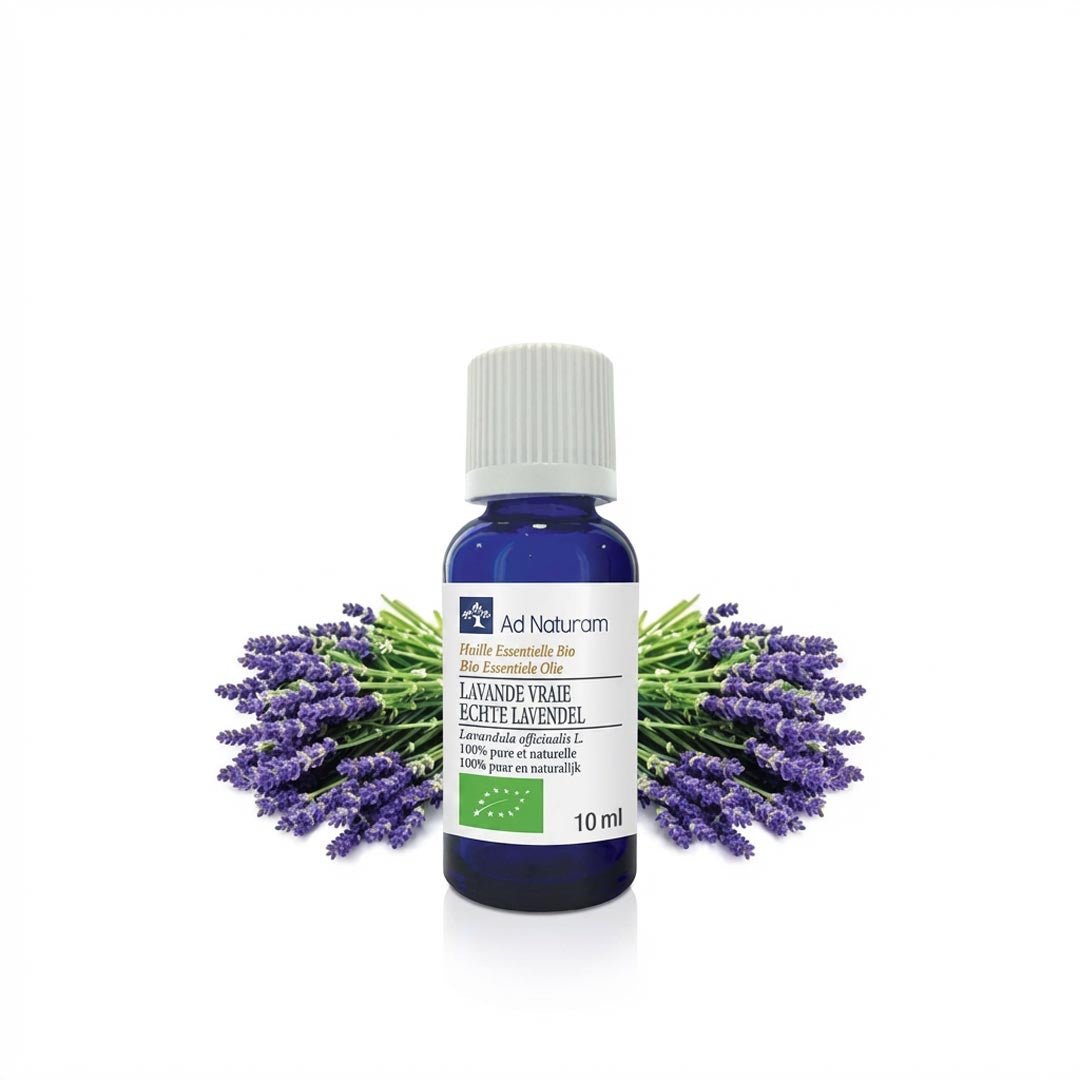
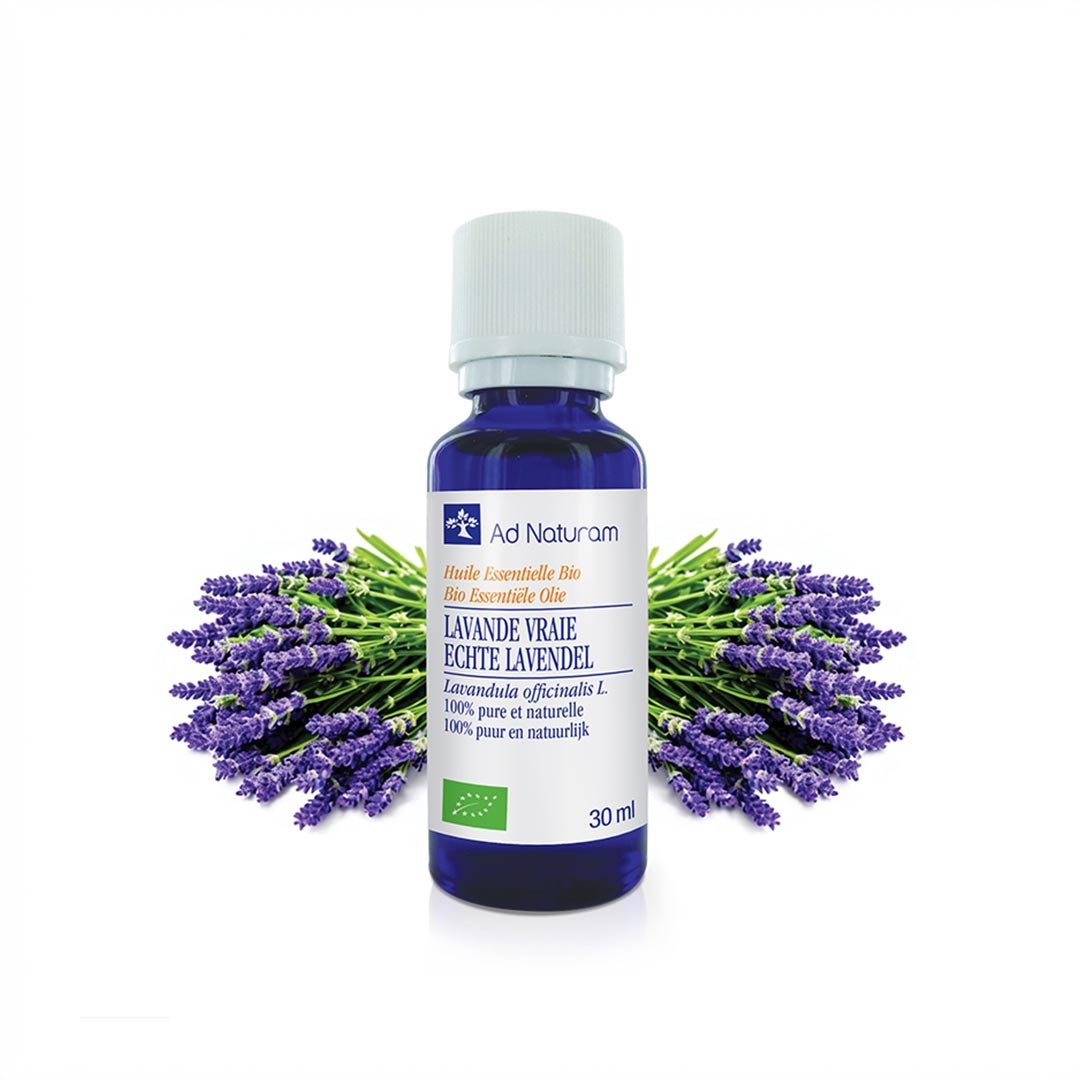
Lavender
Lavandula angustifolia
Supports: Calm, skin, relaxation
A gentle, versatile oil often used for stress, restlessness, skin irritation, and emotional comfort.
Frankincense
Boswellia carteri
Supports: Balance, skin, grounding
A grounding and soothing oil traditionally used to support emotional balance, skin care, and general resilience.
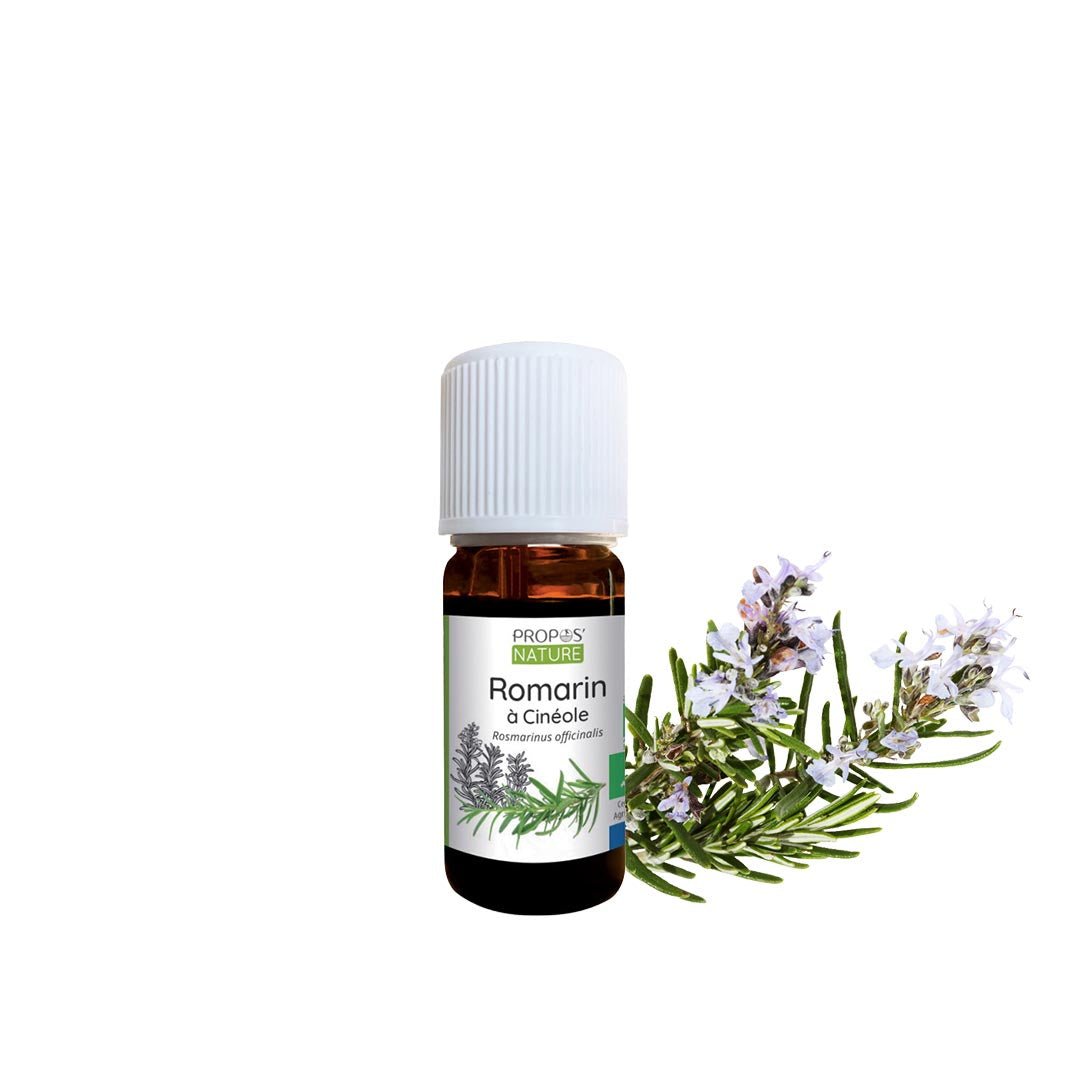
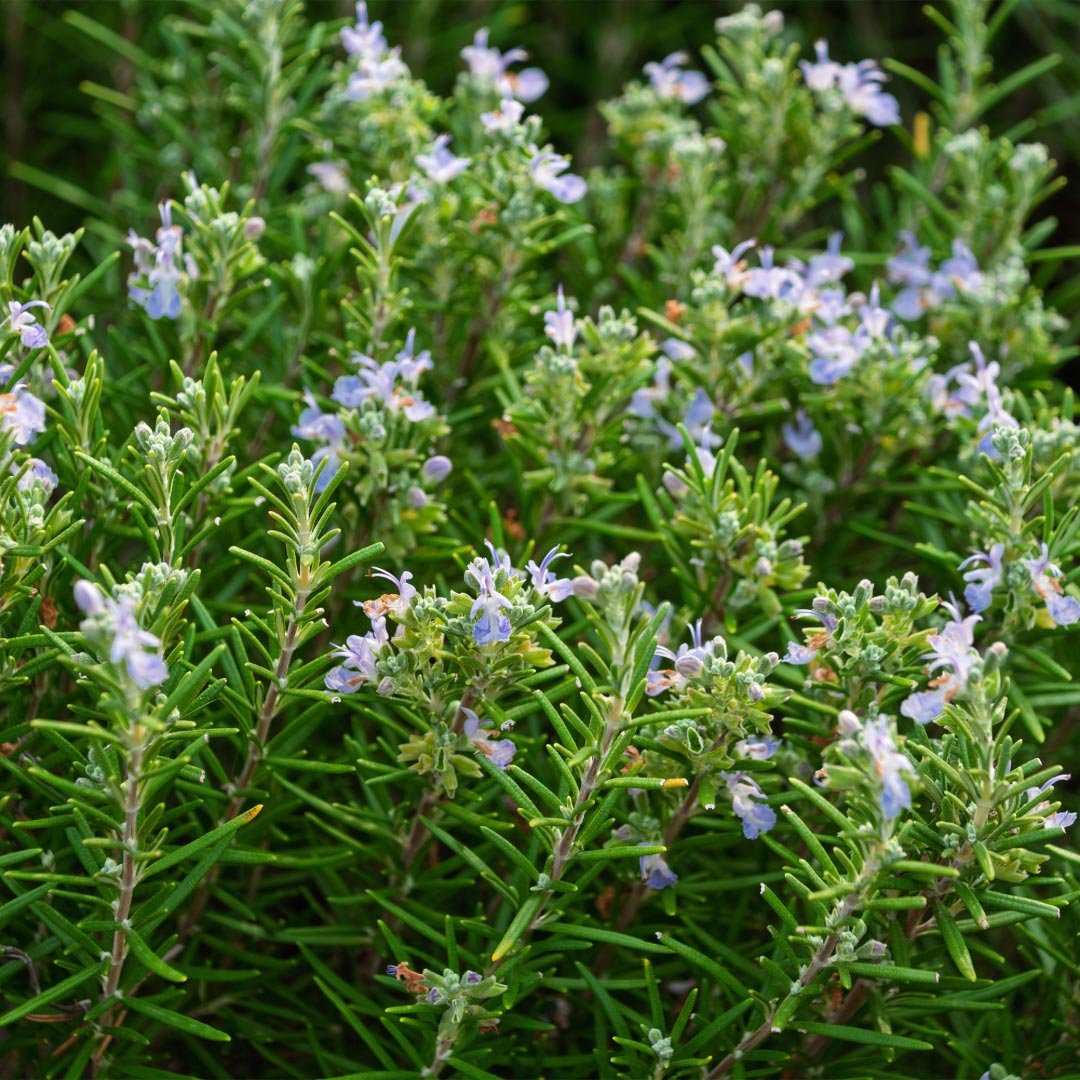
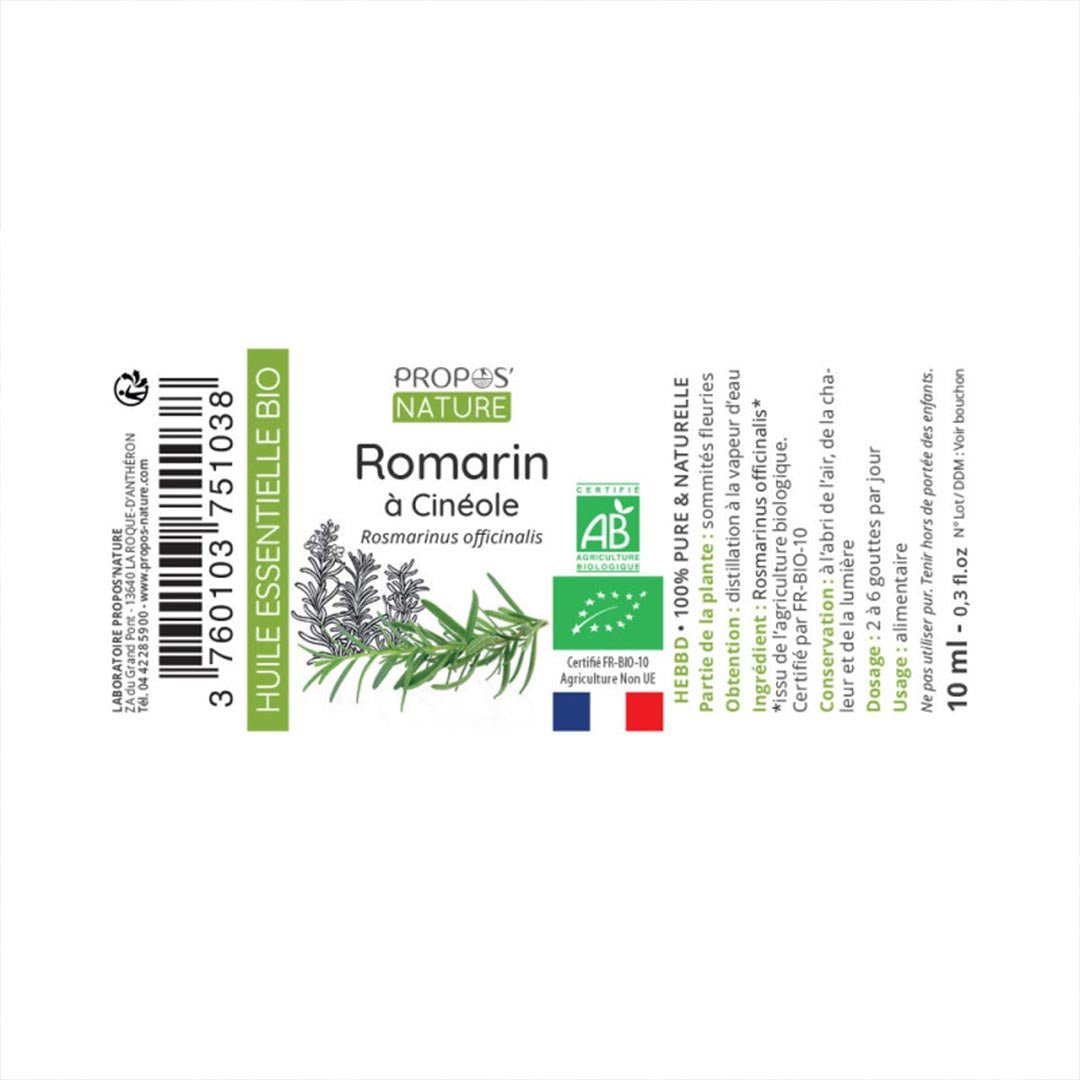
Rosemary ct. Cineole
Rosmarinus officinalis ct. cineole
Supports: Clarity, vitality
Chosen for its fresher, milder profile. Use cautiously and always well diluted, as chemotype matters.
Elemi
Canarium luzonicum
Supports: Skin, comfort, restoration
A resin oil traditionally appreciated for restorative skin care and gentle support for tired tissues.
Clary Sage
Salvia sclarea
Supports: Mood, stress, balance
A balancing oil used to support emotional steadiness, calm, and relaxation.
Geranium
Pelargonium graveolens
Supports: Emotional balance, reassurance
Often chosen to help calm nervous, unsettled cats and create a sense of reassurance.
Roman Chamomile
Chamaemelum nobile
Supports: Anxiety, skin, muscle comfort
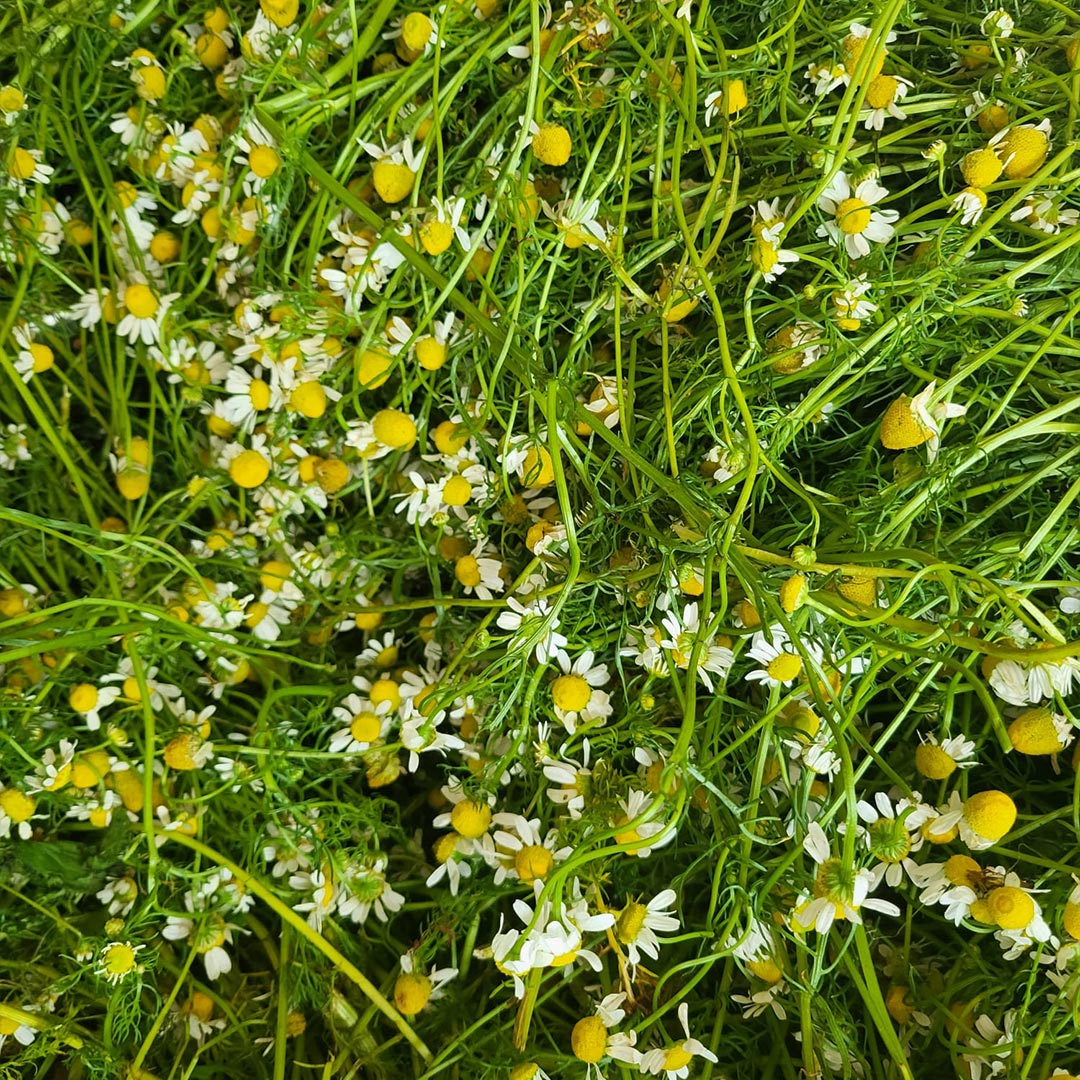
One of the best choices for sensitive, anxious, or emotionally reactive cats. Also gentle for skin and muscular comfort.
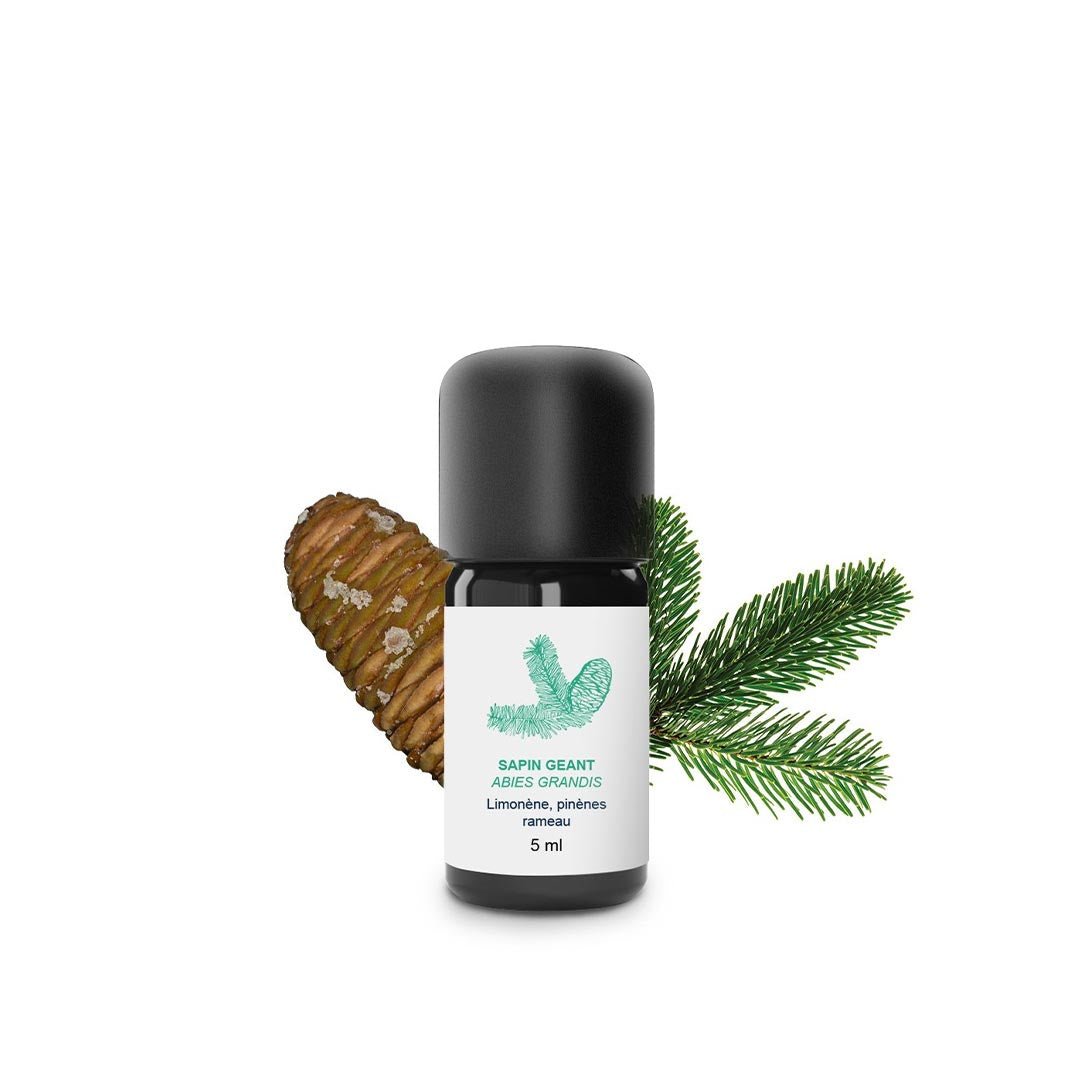
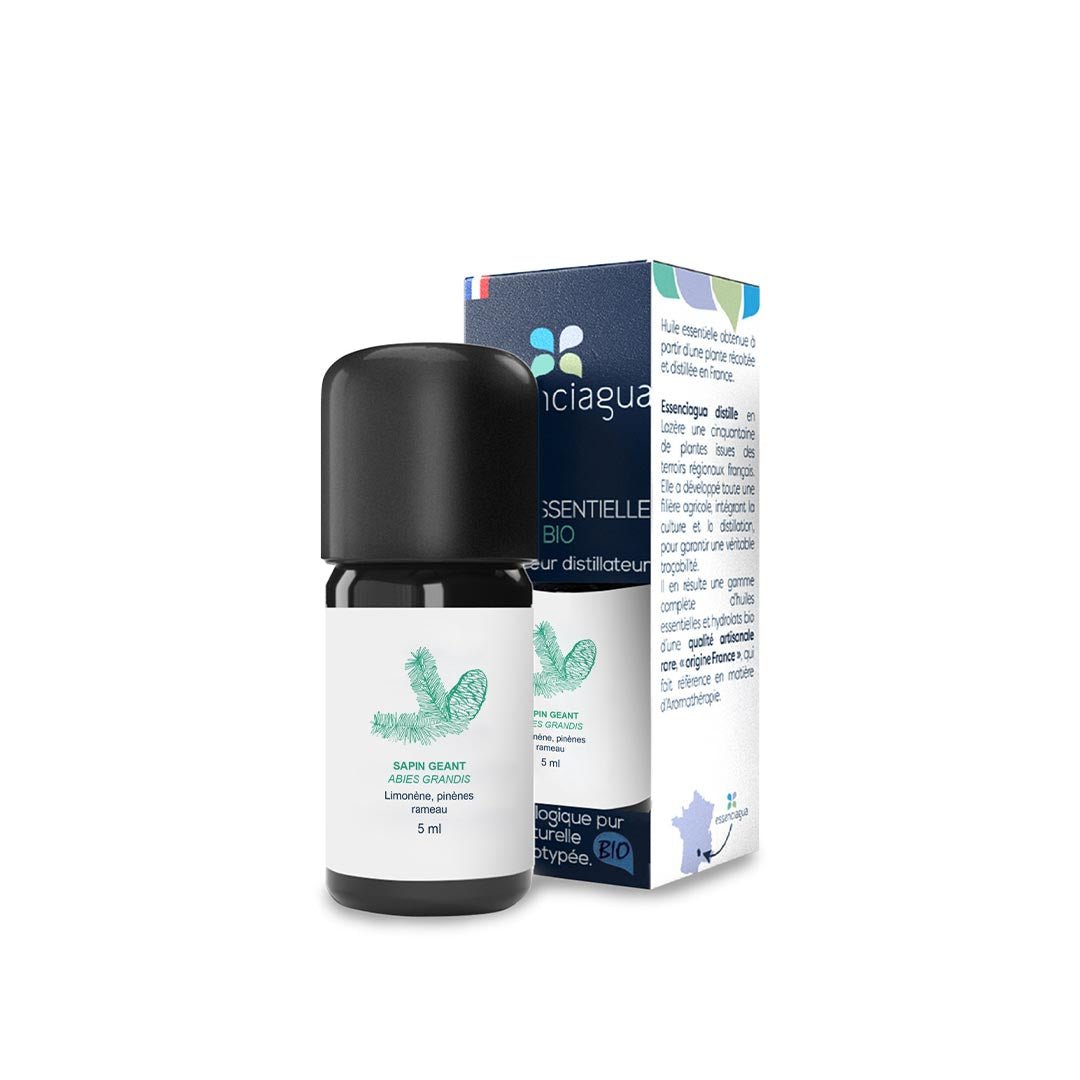
Fir (Grand Fir)
Abies grandis
Supports: Breathing, tension, grounding
A fresh, grounding conifer oil used for respiratory support, muscular tension, and a calm atmosphere.
Fir (Silver Fir)
Abies alba
Supports: Breathing, relaxation, grounding
Also known as Sapin Pectiné, this fir oil offers a softer aromatic profile, supporting calm breathing and a relaxed environment.
Valerian
Valeriana officinalis
Supports: Restlessness, sleep, anxiety
A deeply calming oil for cats needing stronger support for nervous tension, restlessness, or trauma-related stress.
Helichrysum
Helichrysum italicum
Supports: Skin, recovery, comfort
Known for restorative skin support and gentle help during recovery or minor physical discomfort.
Always use essential oils for cats with care: choose certified organic high-quality oils, dilute correctly, and let the cat’s response guide the method and amount used.


Essential Oils That Require Extra Care with Cats
Some essential oils can be used with cats in specific situations, but they require experience, higher dilution, and careful observation. These oils are not intended for regular or casual use.
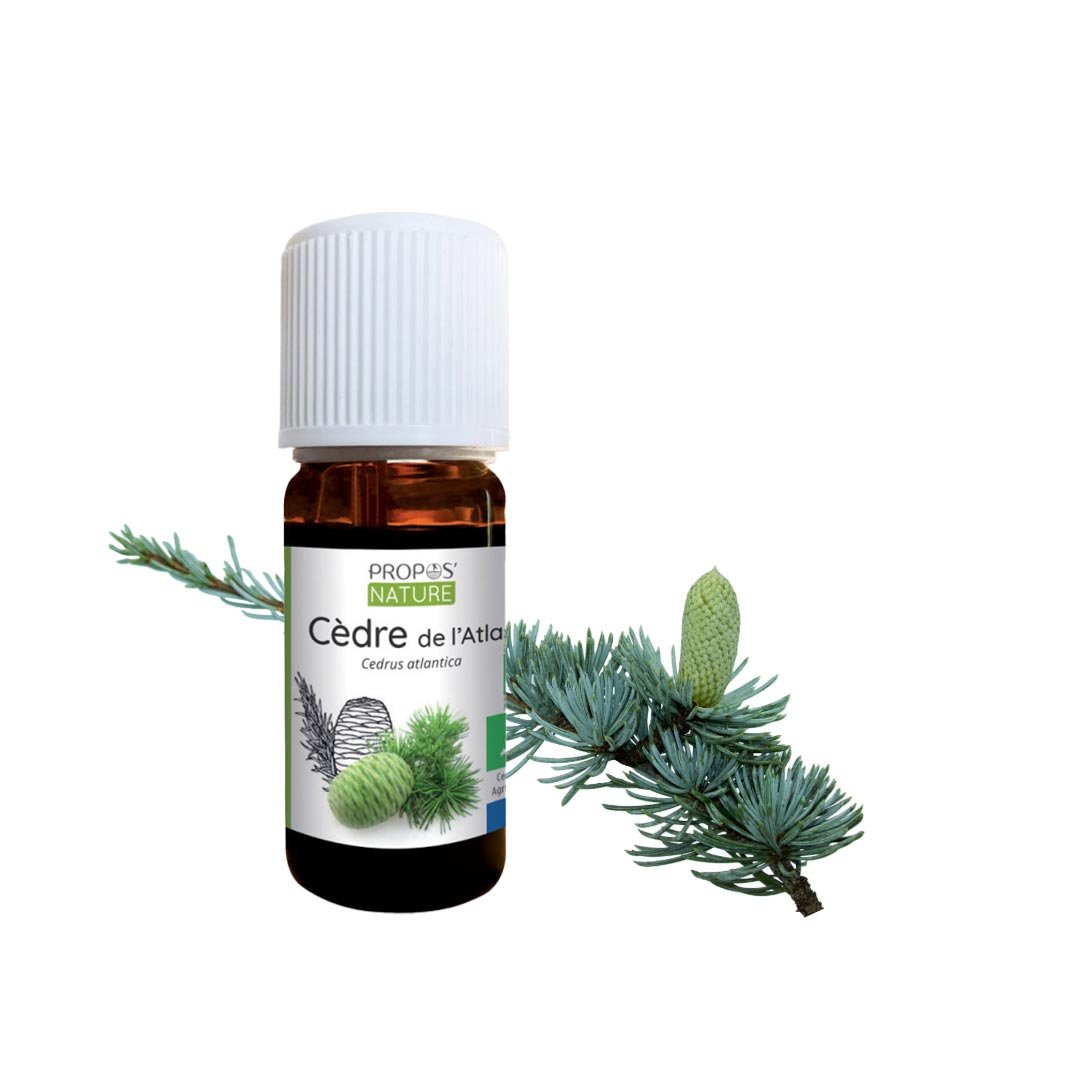
Atlas Cedarwood
Cedrus atlantica
Supports: Grounding, skin
May support skin balance and emotional grounding. Use sparingly and in low dilution.
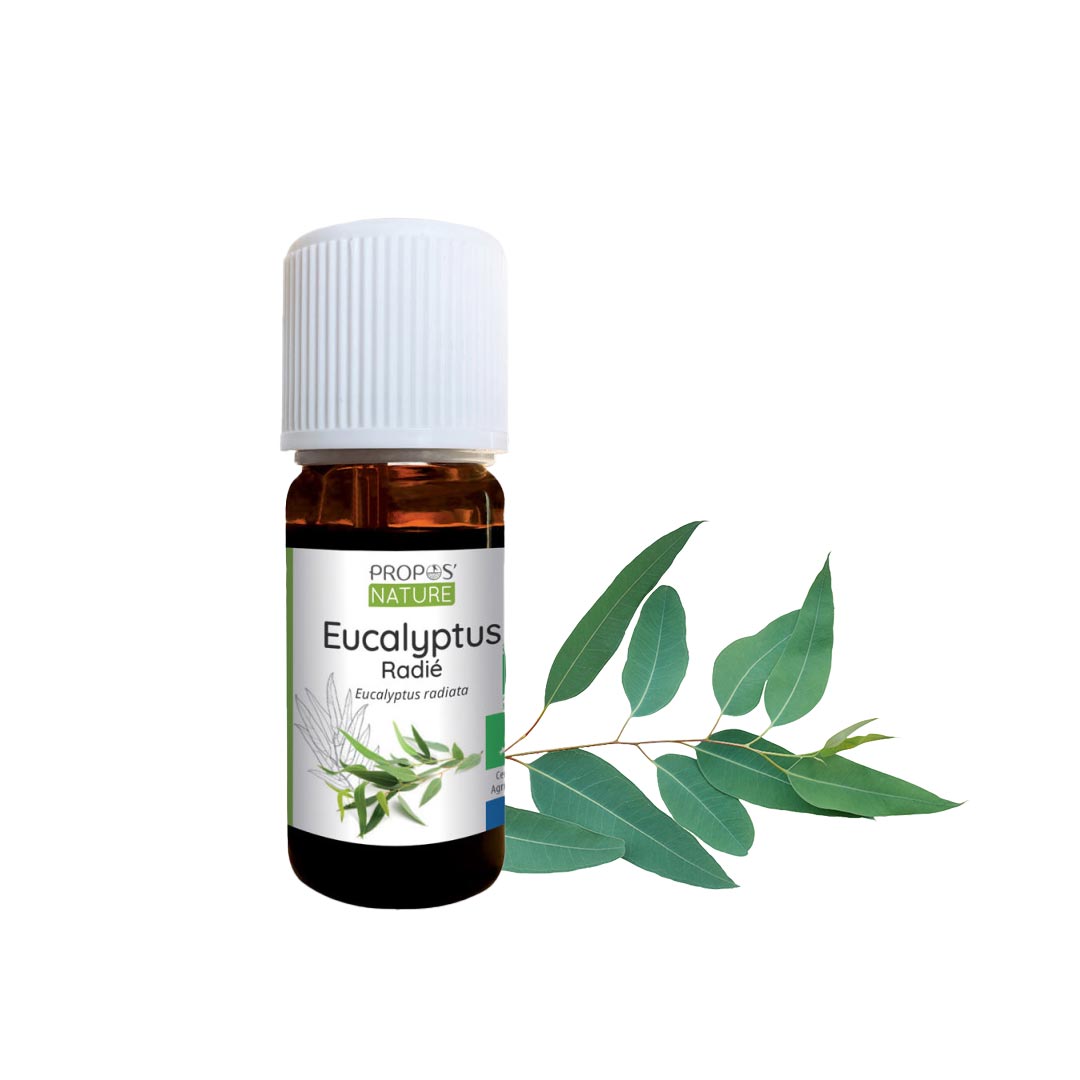
Eucalyptus Radiata
Eucalyptus radiata
Supports: Breathing
A milder eucalyptus type, but still requires cautious use and minimal exposure.
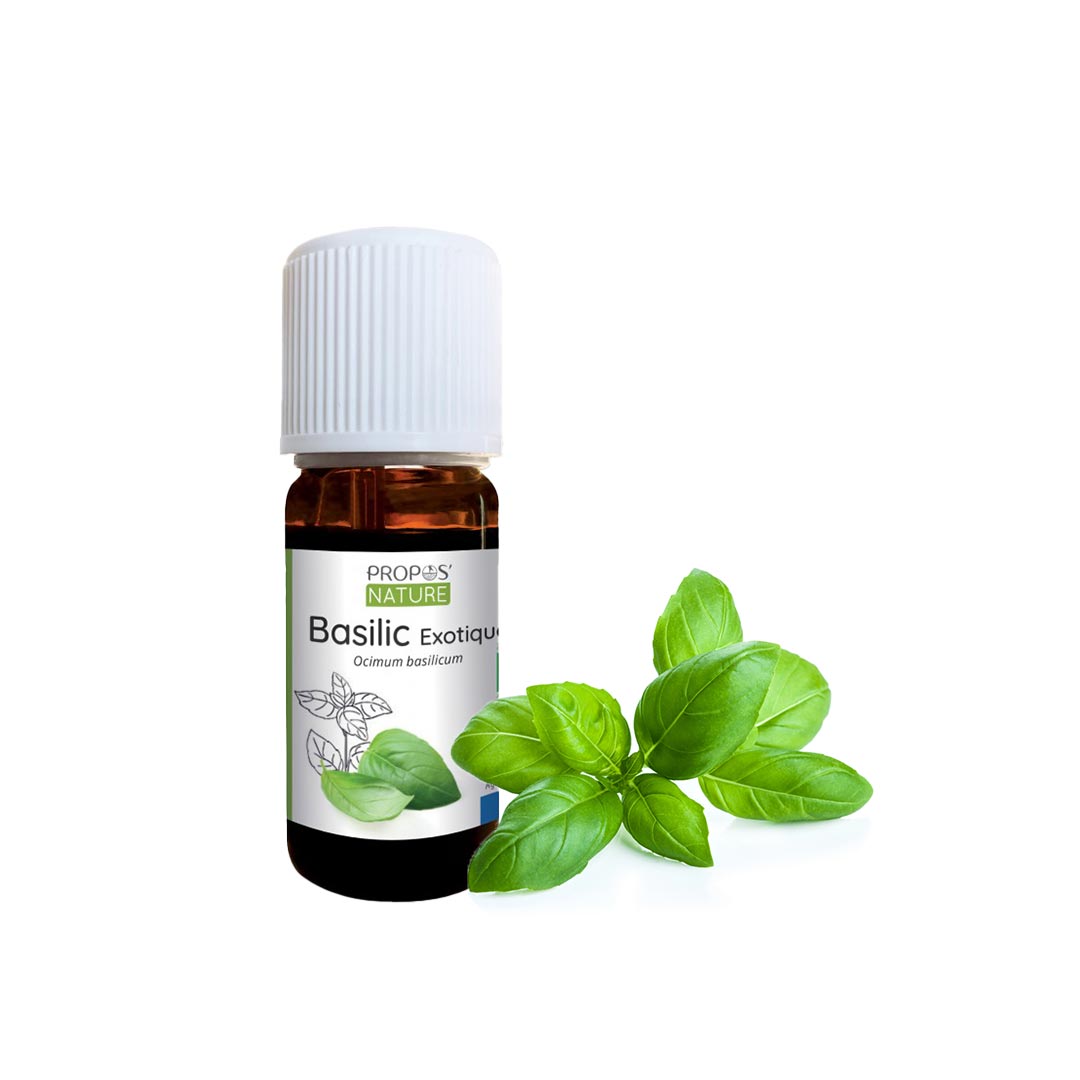
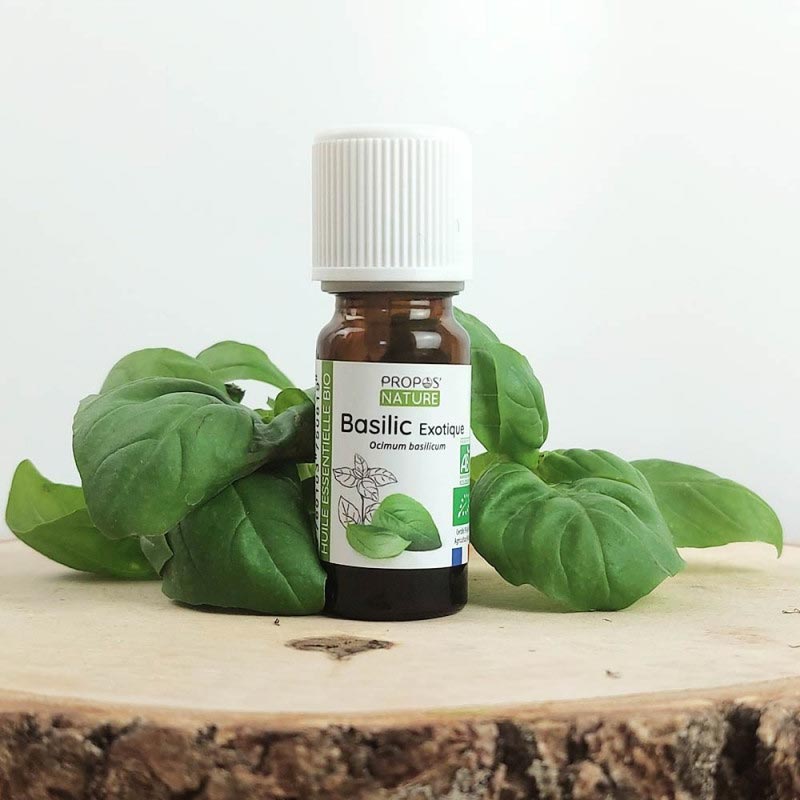
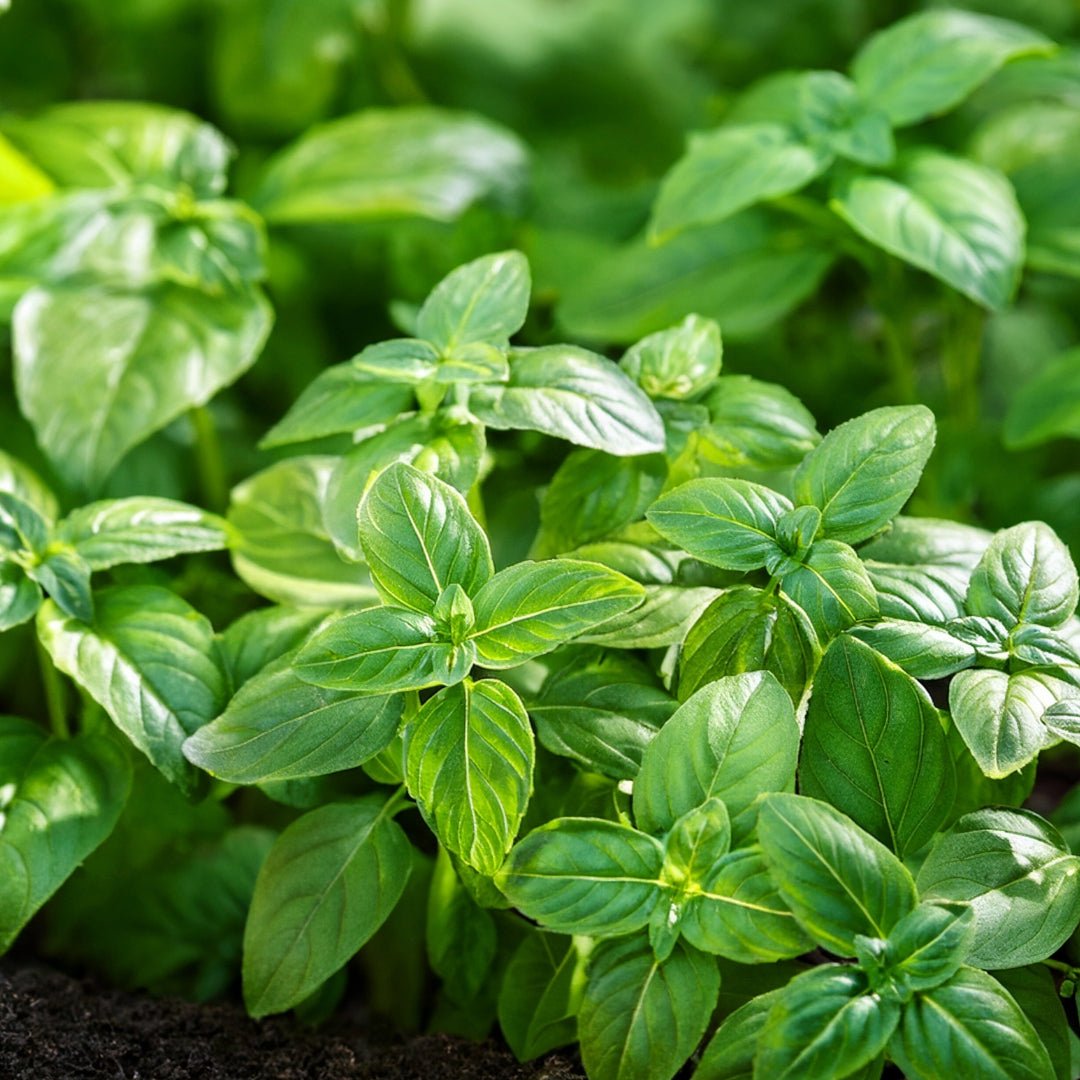
Sweet Basil
Ocimum basilicum
Supports: Digestive balance
Traditionally used for digestive support. Use occasionally and with care.
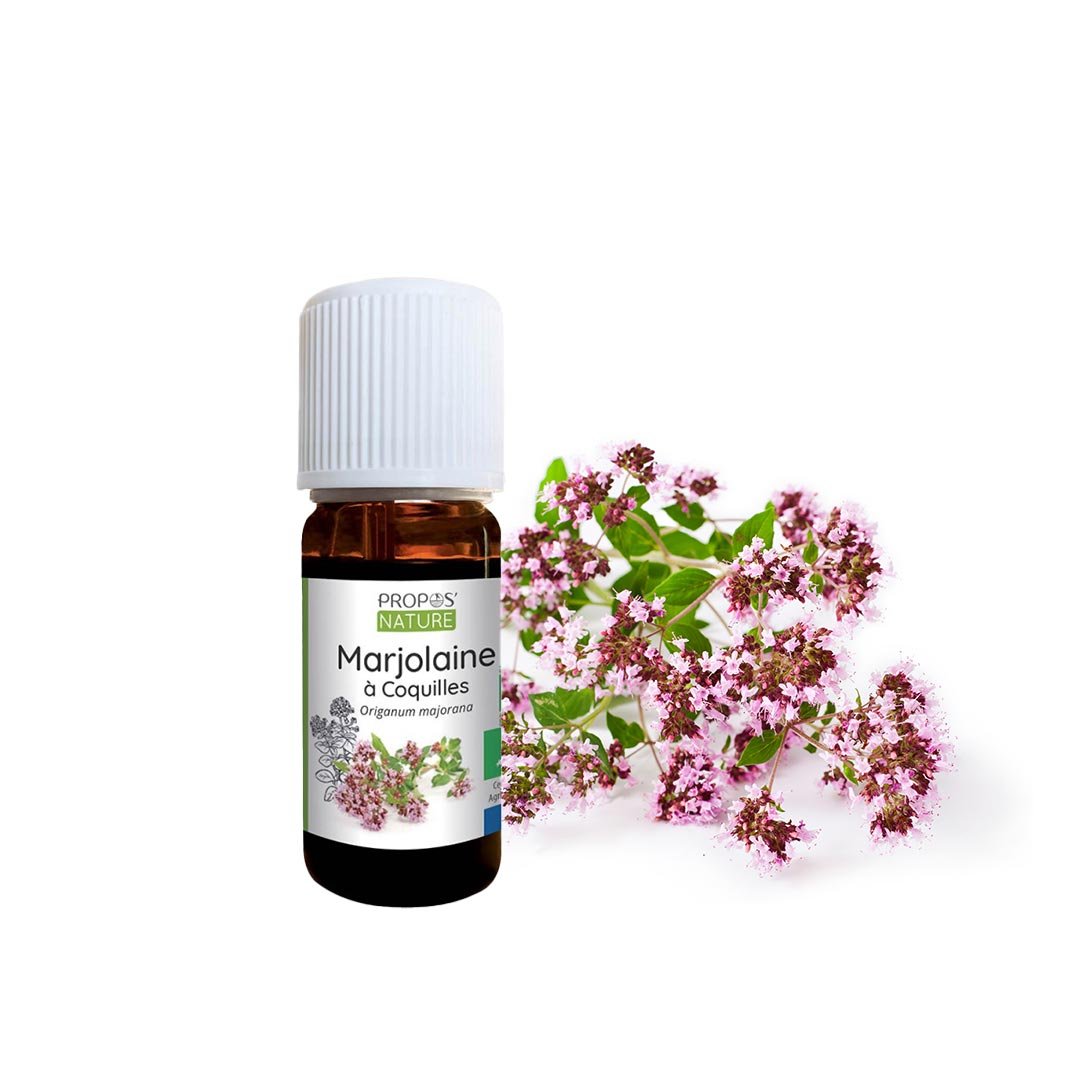
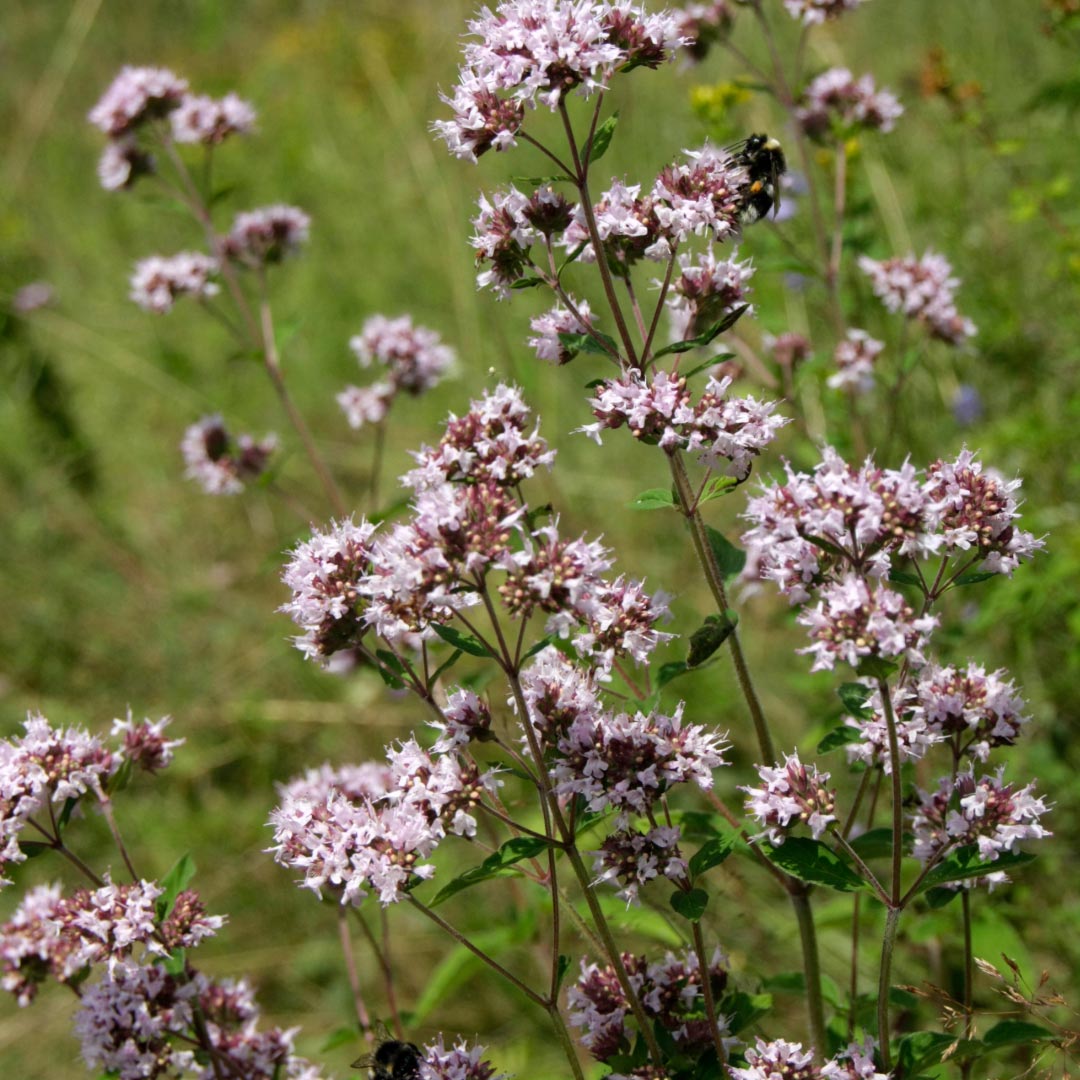
Marjoram
Origanum majorana
Supports: Relaxation, muscles
May support muscular relaxation and tension. Use with proper dilution.
Palmarosa
Cymbopogon martinii
Supports: Skin, balance
Gentler than many oils, but still best used occasionally and diluted.
Patchouli
Pogostemon cablin
Supports: Skin, grounding
A rich oil. Use minimally and observe your cat’s response.
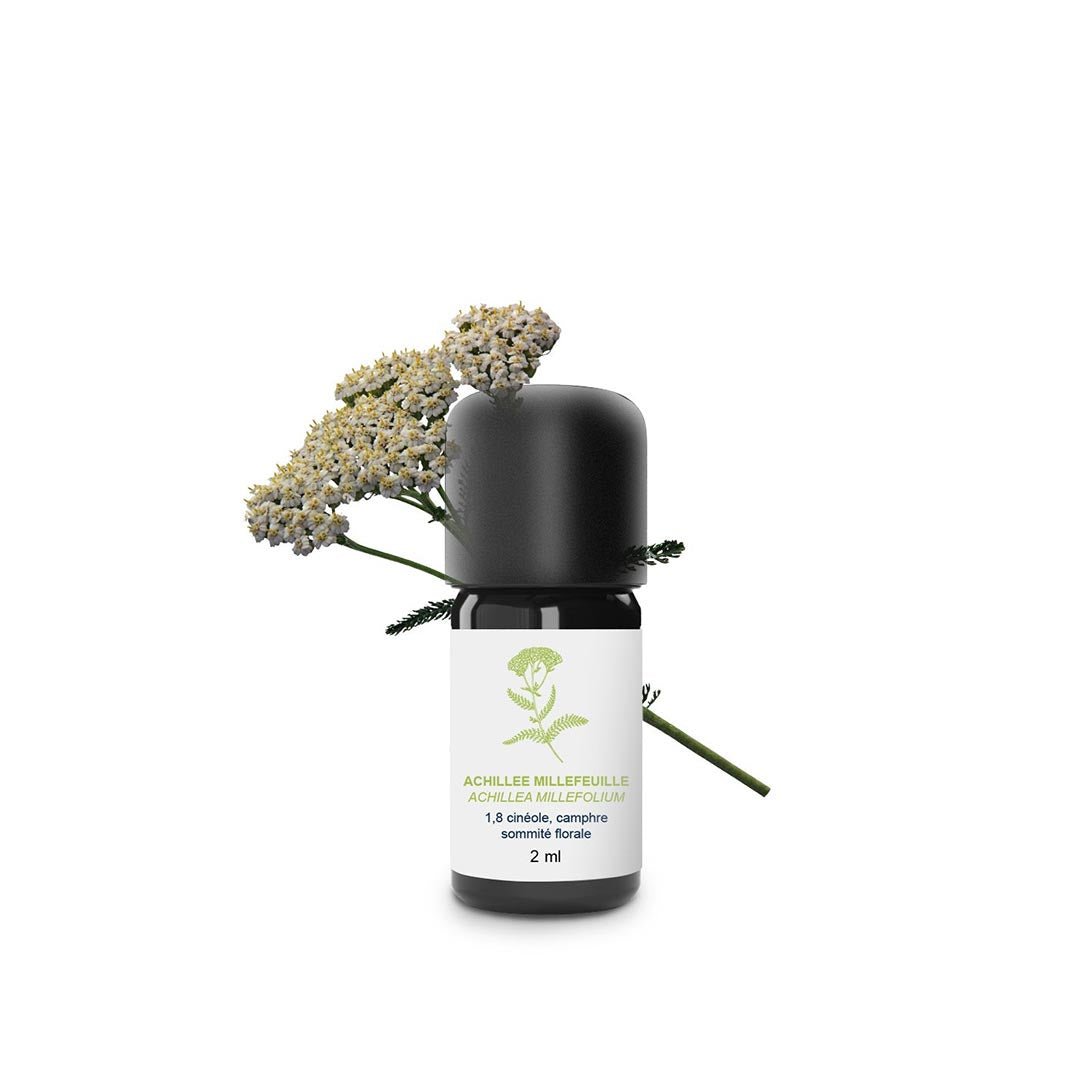
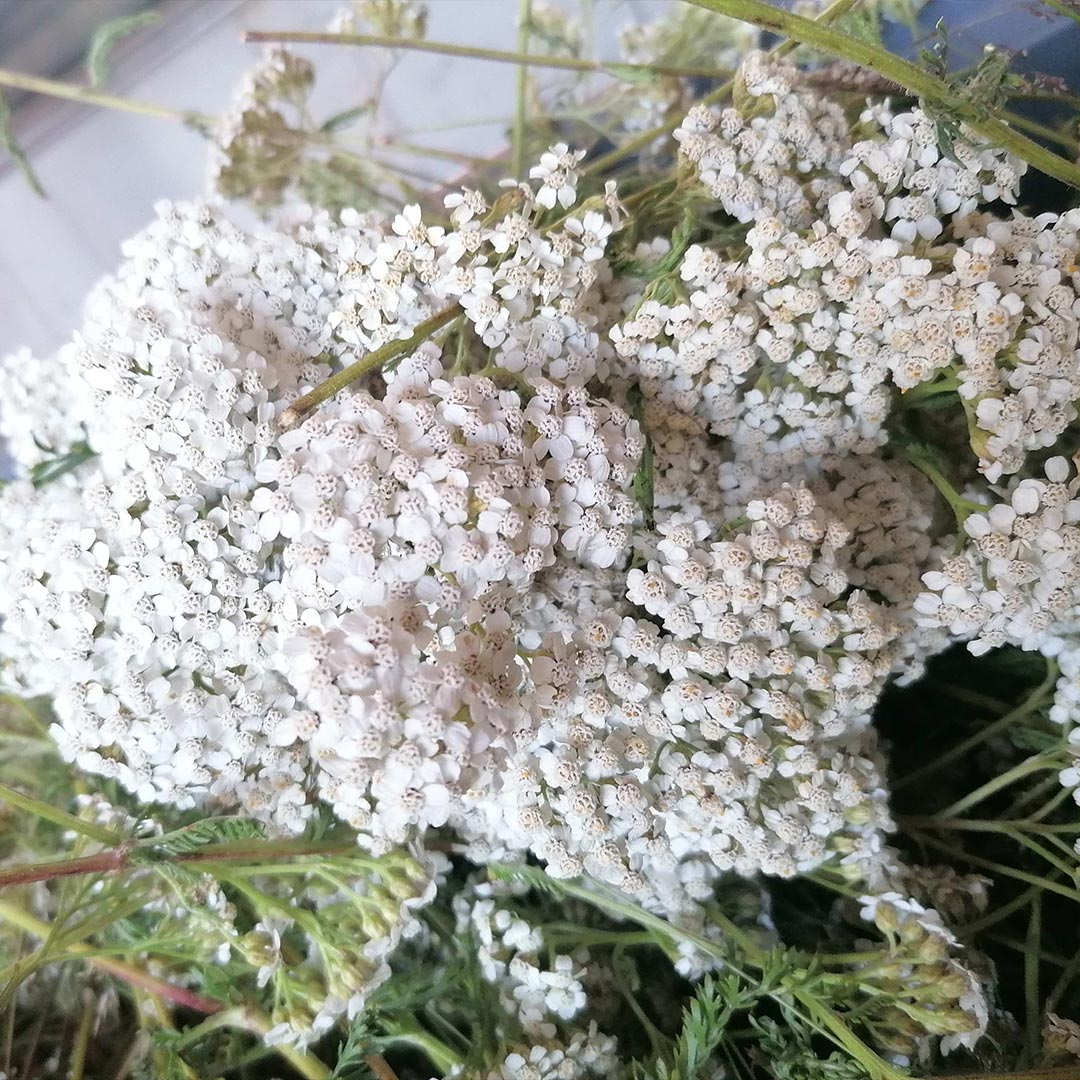
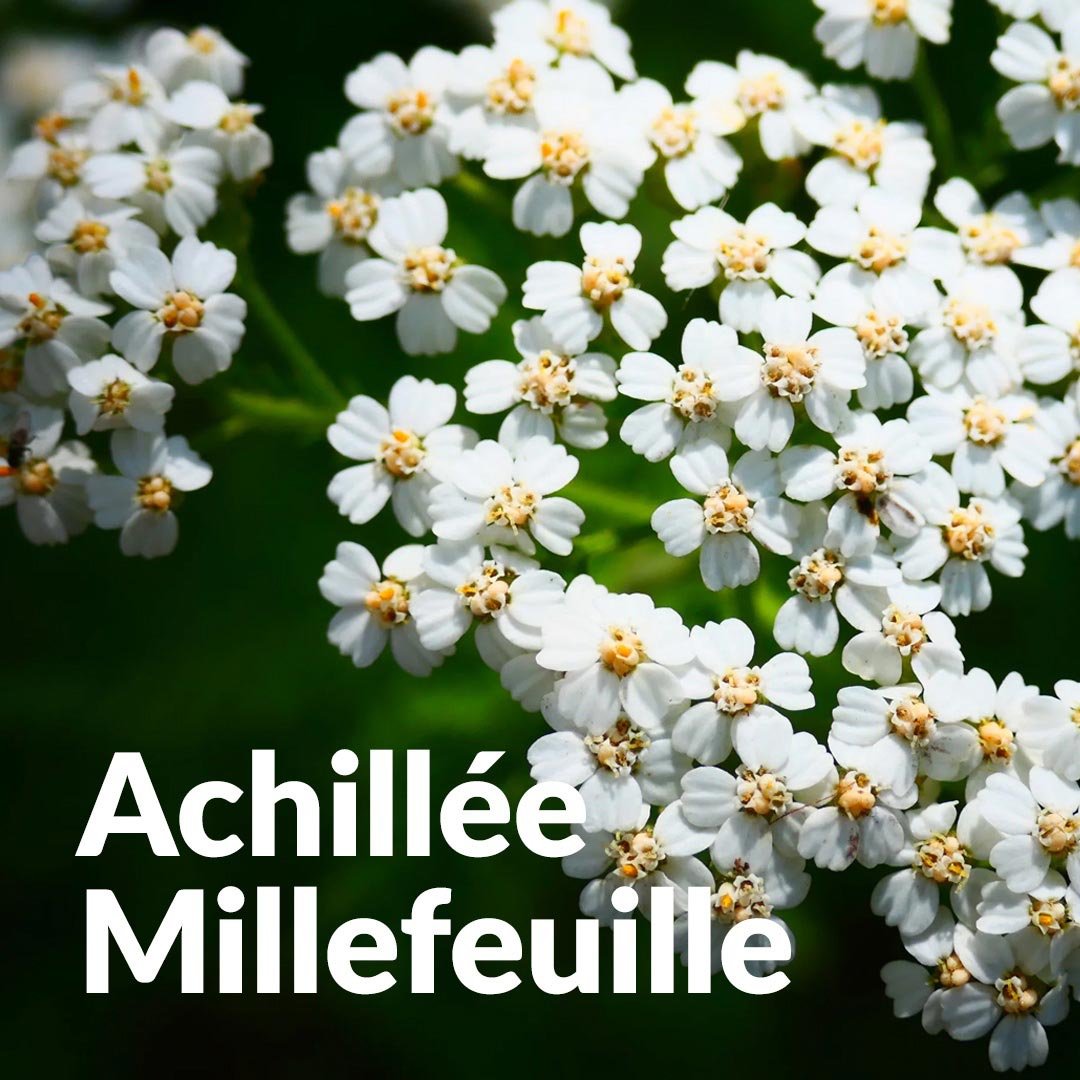
Yarrow
Achillea millefolium
Supports: Skin, inflammation
A potent oil. Use only in very low dilution.
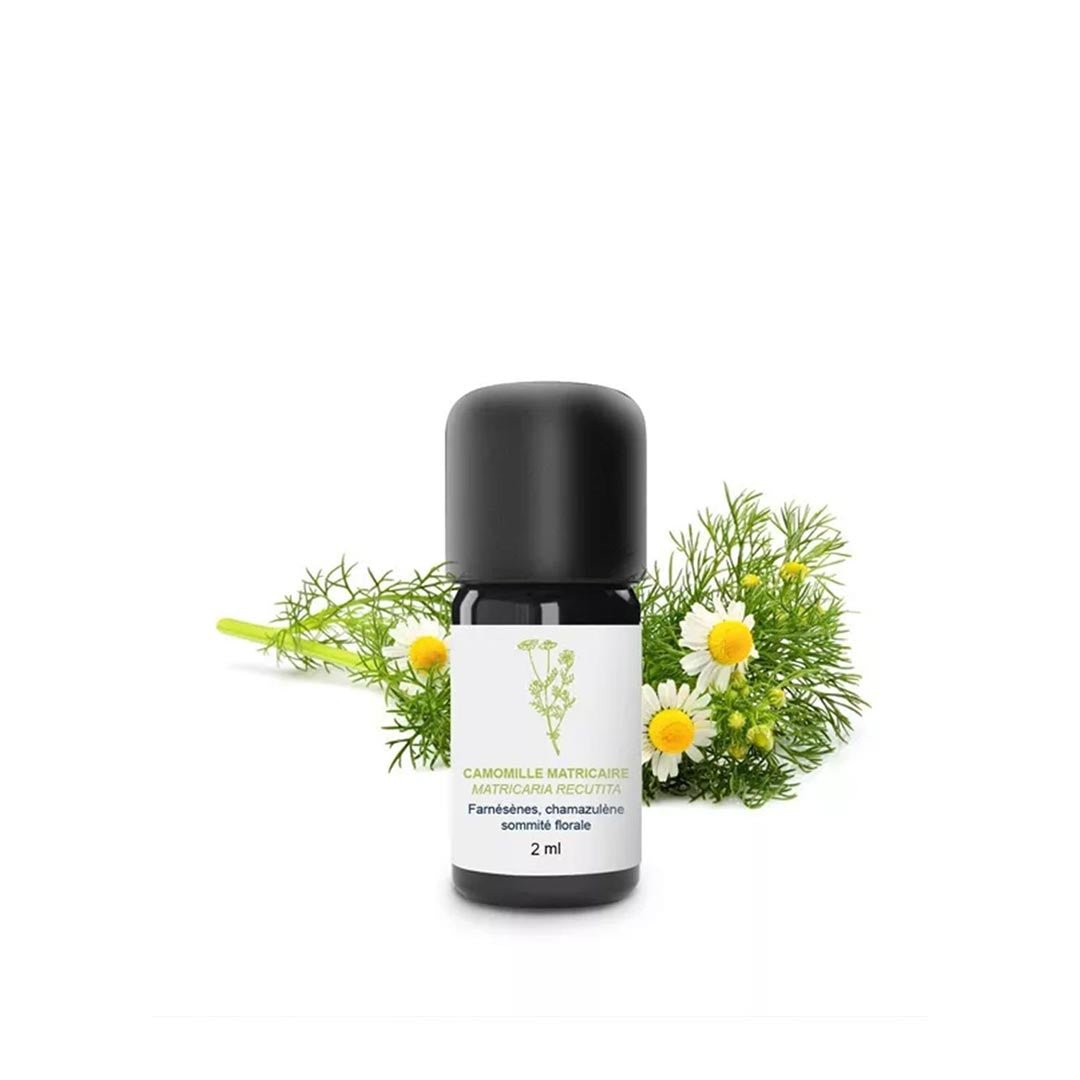
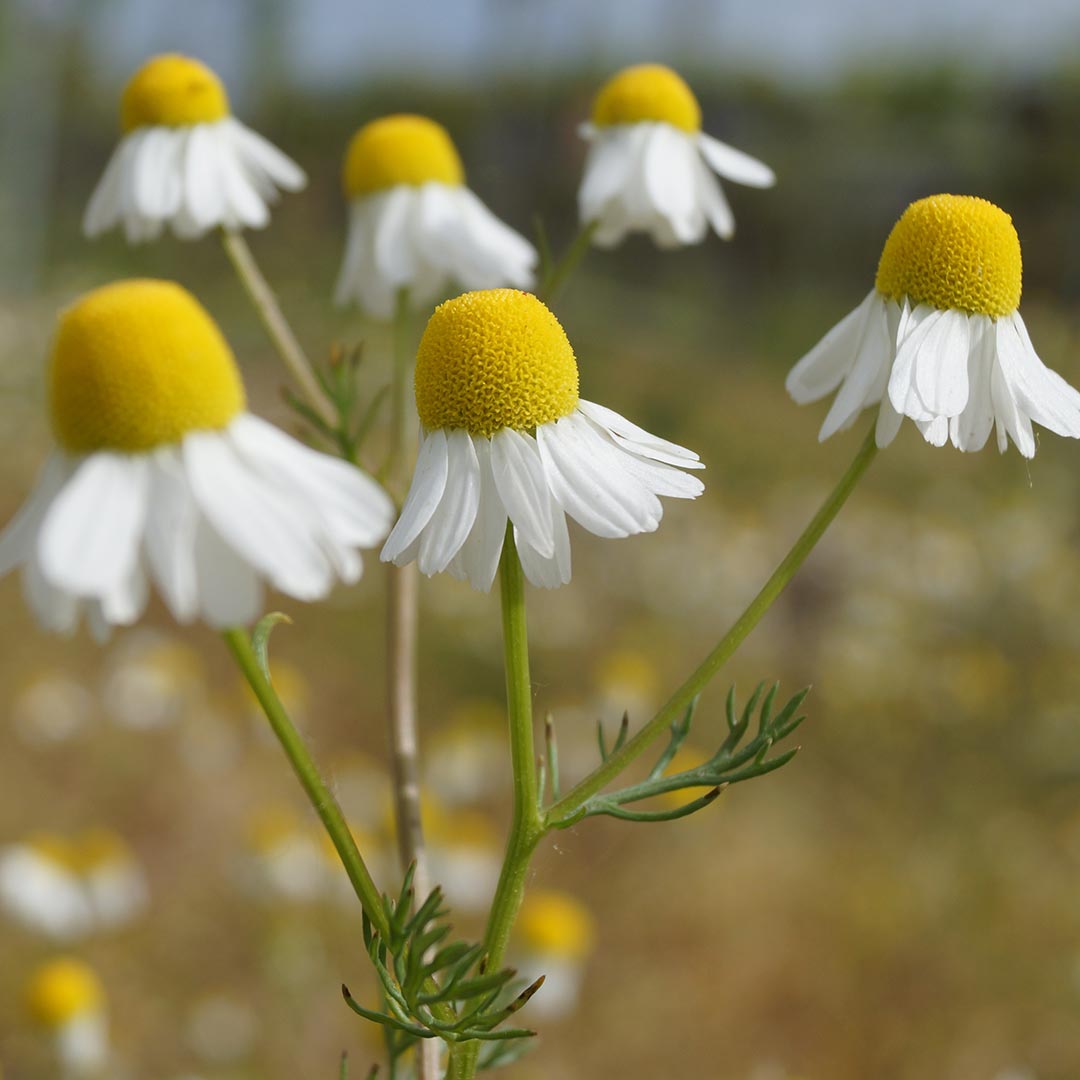
German Chamomile
Matricaria recutita
Supports: Skin, inflammation
More potent than Roman chamomile. Use with extra care.
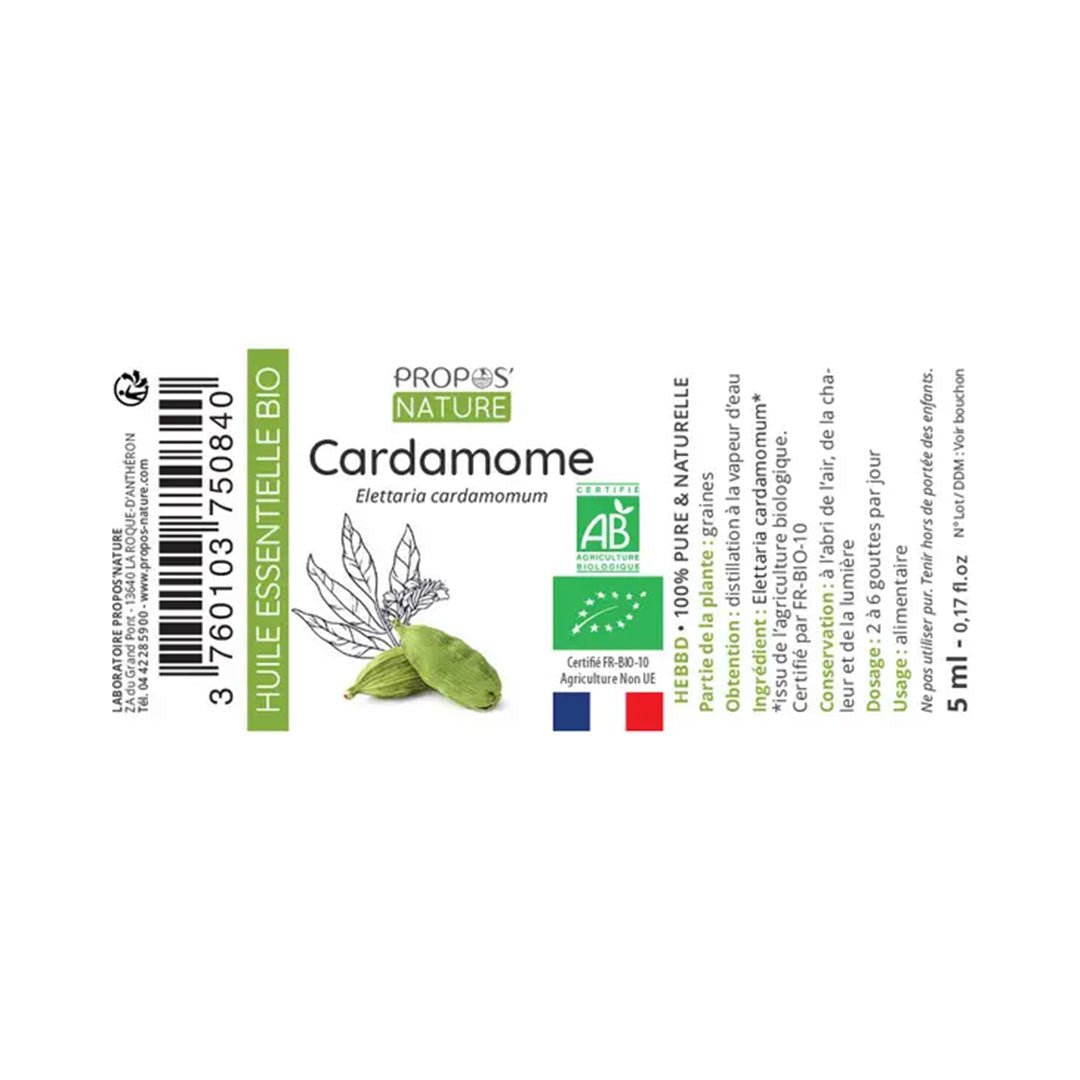
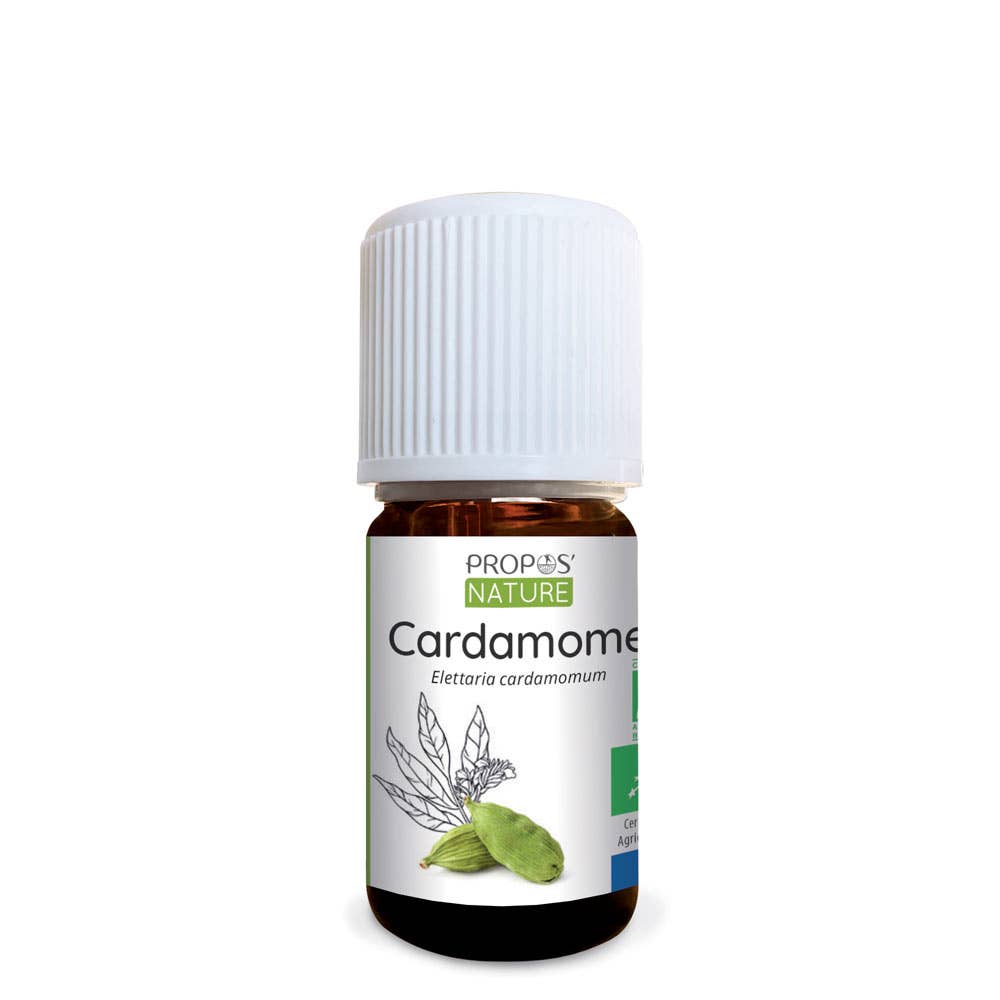
Cardamom
Elettaria cardamomum
Supports: Digestive comfort
Traditionally used for digestive imbalance. Use sparingly.
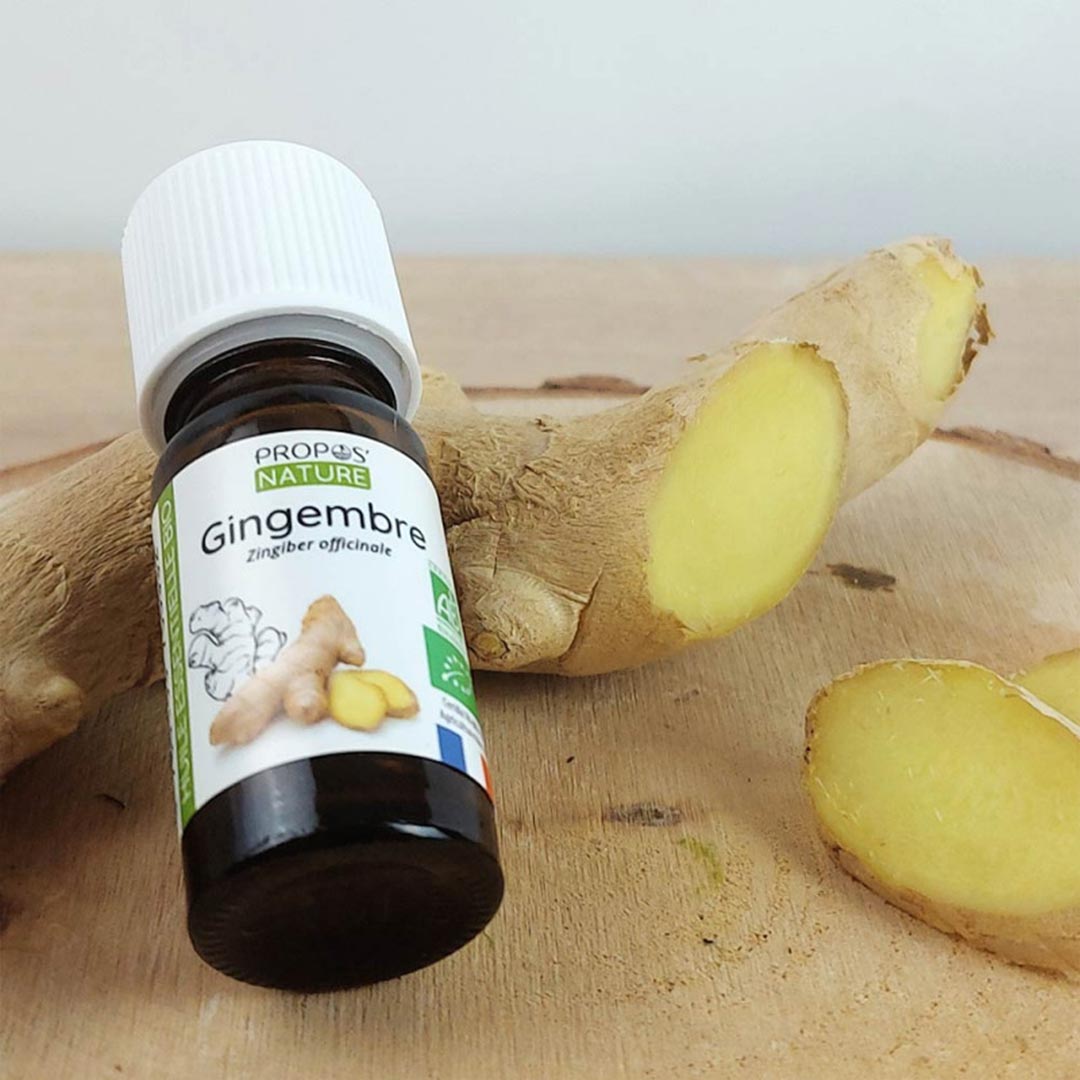
Ginger
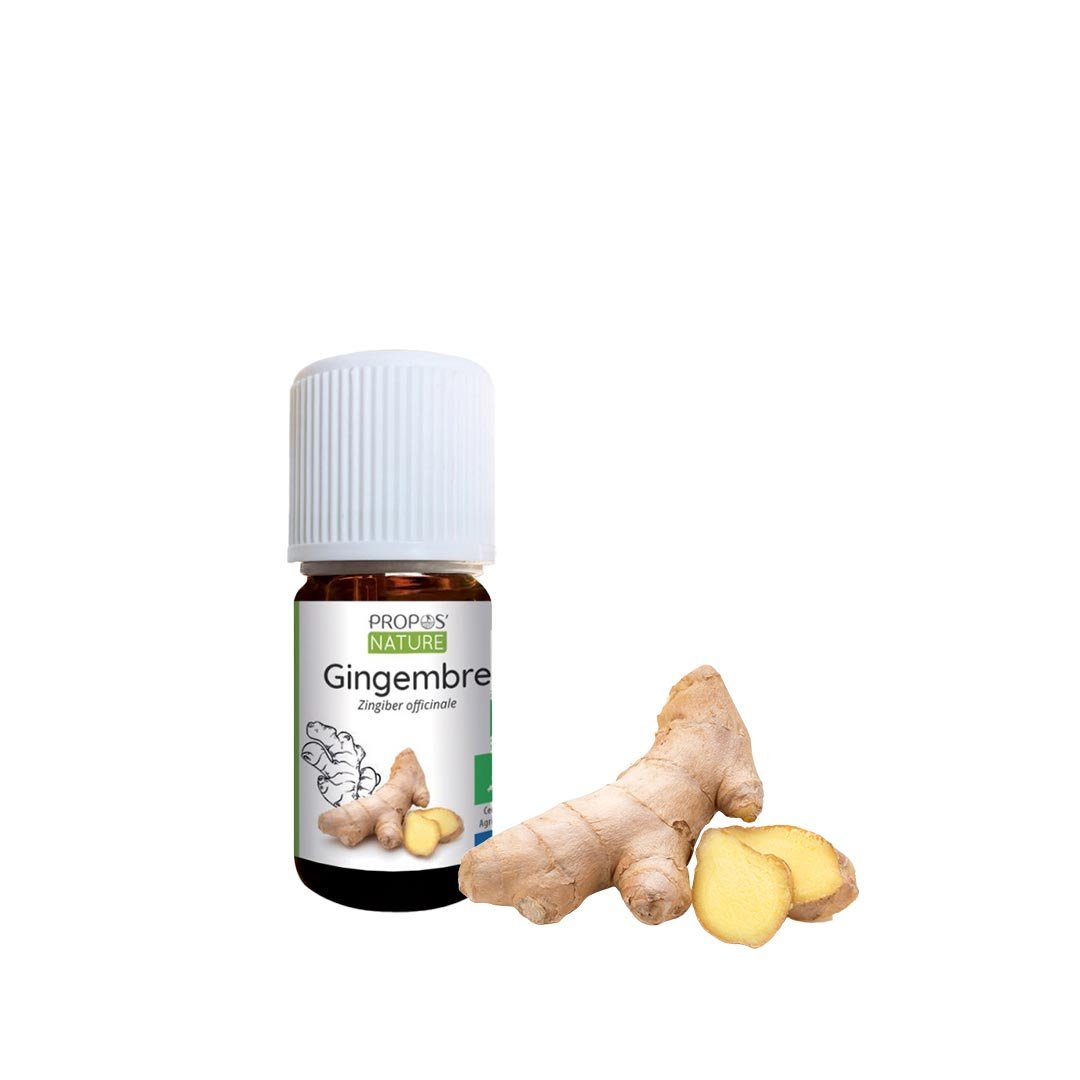
Zingiber officinale
Supports: Digestion, joint comfort
A warming oil used when needed. Always use in very low dilution.
These oils are best reserved for occasional use. Always prioritise low dilution, gentle methods, and your cat’s natural response.





























Curación suave con hidrosoles
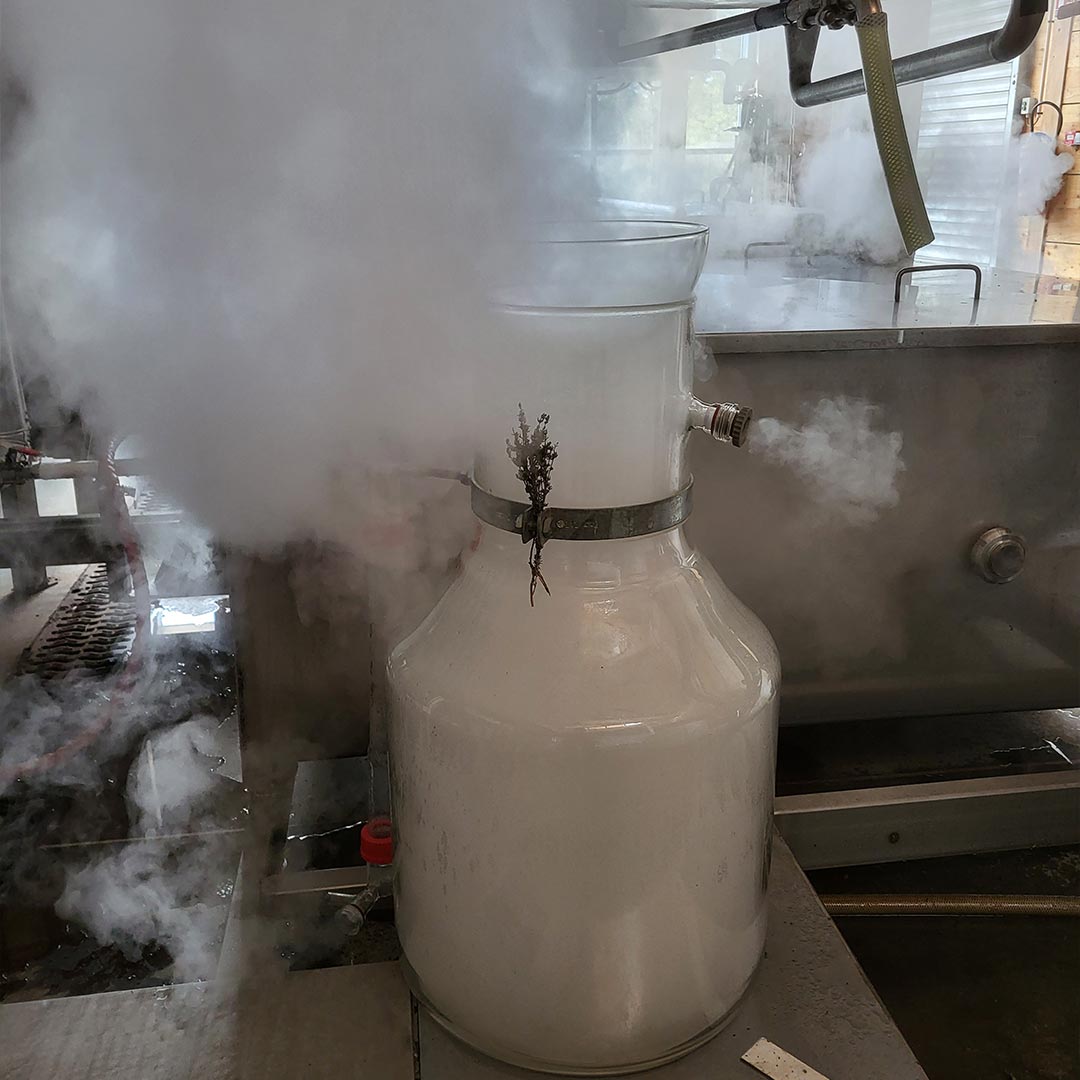
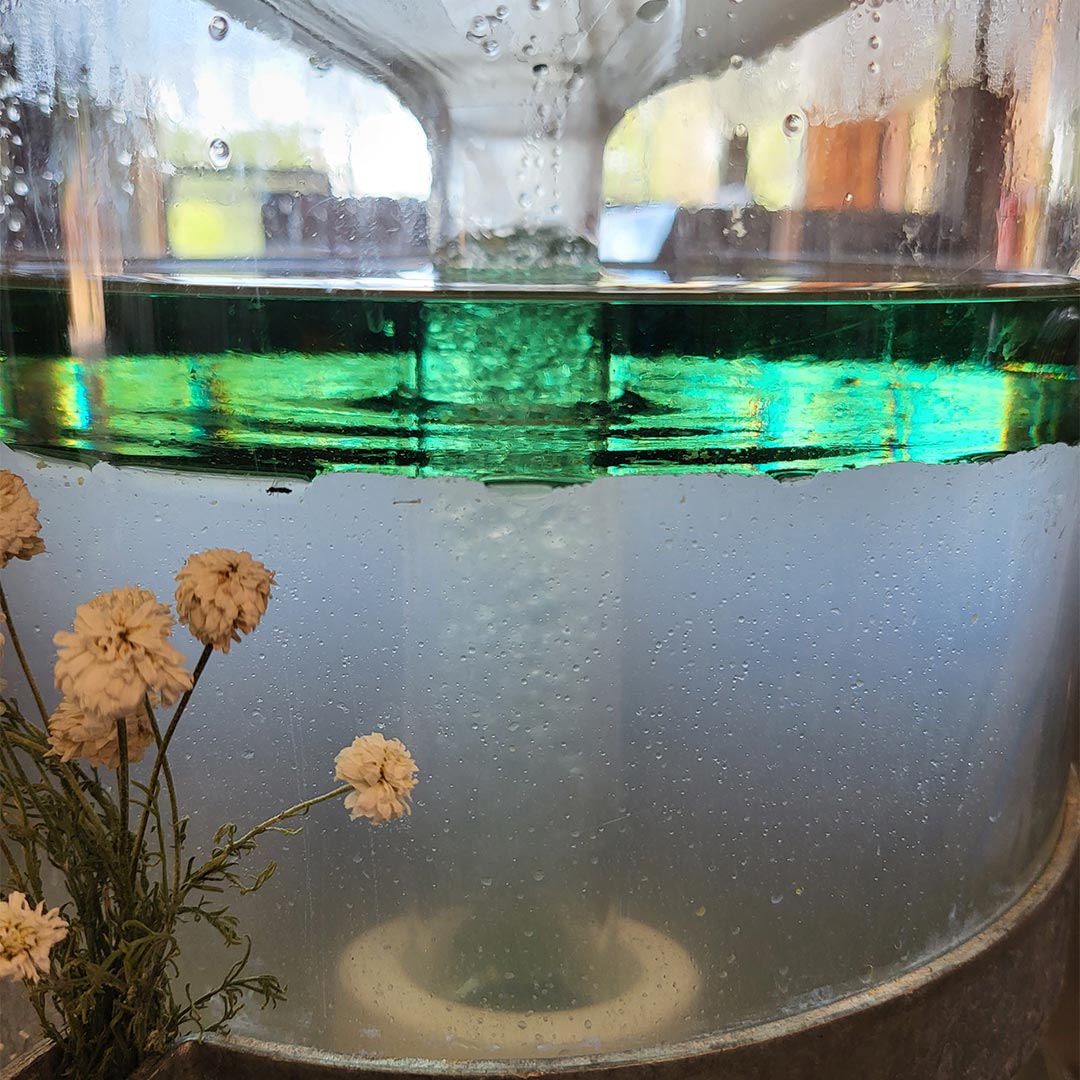
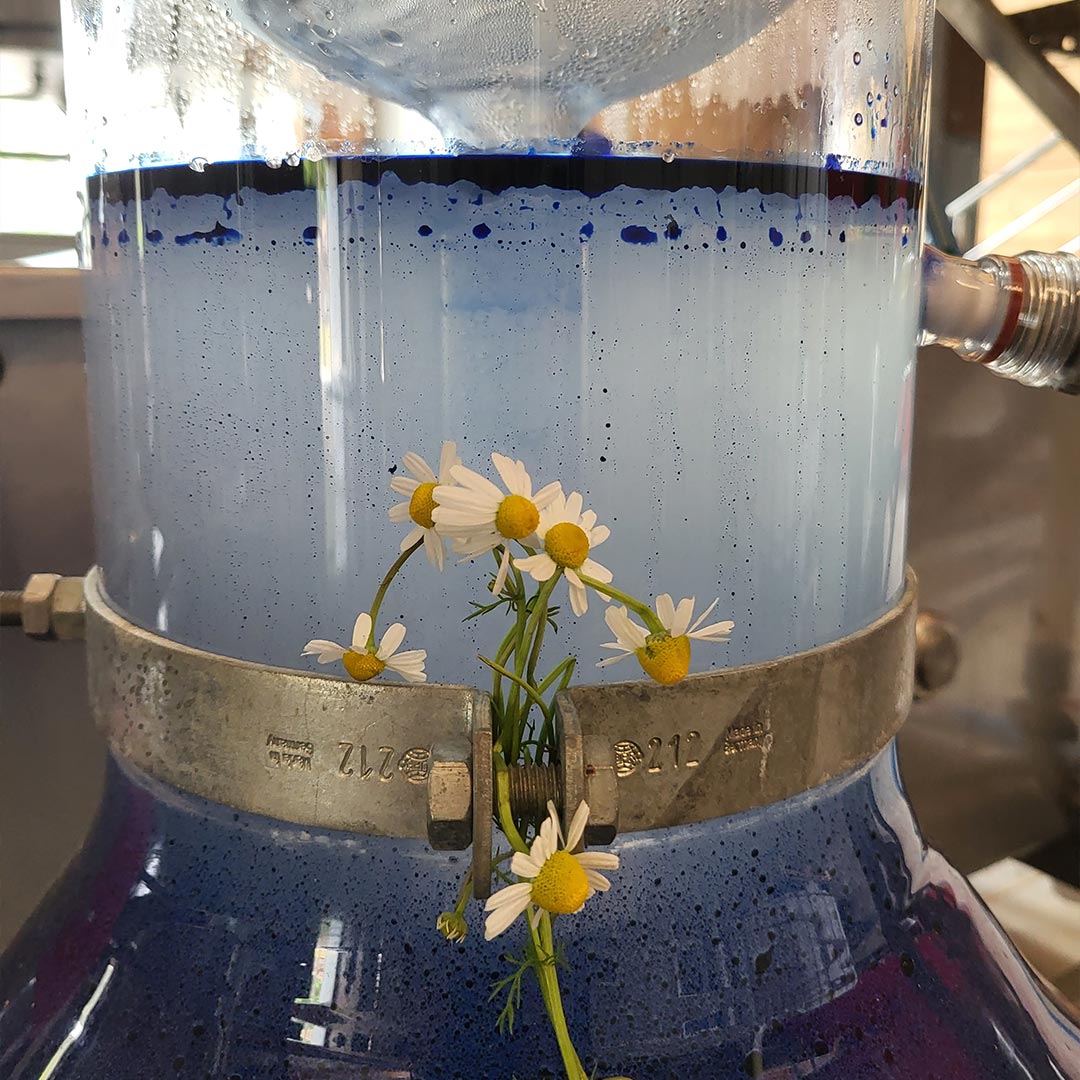
Los hidrolatos son el remedio suave de la naturaleza, ofreciendo una manera calmante y efectiva de apoyar el bienestar, tanto para los humanos como para nuestras queridas mascotas. A diferencia de los aceites esenciales, los hidrolatos son a base de agua y se absorben fácilmente por el cuerpo, convirtiéndolos en una alternativa más suave pero poderosa a las hierbas. Actúan rápidamente, trayendo equilibrio y armonía de una manera segura y natural.
Hidrolatos para Gatos: Una Opción Segura y Reconfortante
Muchos aceites esenciales pueden ser demasiado fuertes para los gatos, pero los hidrolatos ofrecen una manera segura y suave de introducir el apoyo a base de plantas. Sus compuestos solubles en agua son fácilmente procesados y excretados por el cuerpo, convirtiéndolos en una herramienta maravillosa para el bienestar felino.
Puedes añadir unas gotas de un hidrolato calmante a un cuenco de agua, permitiendo que tu gato lo huela o lo beba a su gusto. Si tu gato experimenta estrés cuando estás fuera, un hidrolato relajante puede proporcionar confort. Para la rigidez o malestar en las articulaciones, un toque de hidrolato de jengibre puede ofrecer un alivio reconfortante. En hogares con varios gatos, cuencos de hidrolato diluido colocados alrededor del hogar pueden ayudar a aliviar la tensión, permitiendo que cada gato interactúe con él según lo necesite.
Para un método aún más simple, rocía un poco de hidrolato en un cuenco de agua, en tus manos o en el aire y deja que tu gato decida cómo interactuar. A algunos gatos les puede gustar frotarse contra tus manos cuando están rociadas con un hidrolato, absorbiendo los beneficios energéticamente.
Si tienes un gato tímido o retraído que prefiere el espacio, colocar un cuenco de agua infusionada con hidrolato cerca puede ser una manera suave de fomentar la interacción sin presión. Solo asegúrate de ofrecer siempre un cuenco de agua simple junto a él, para que tu gato tenga la libertad de elegir.
Cómo Diluir Hidrolatos para Gatos
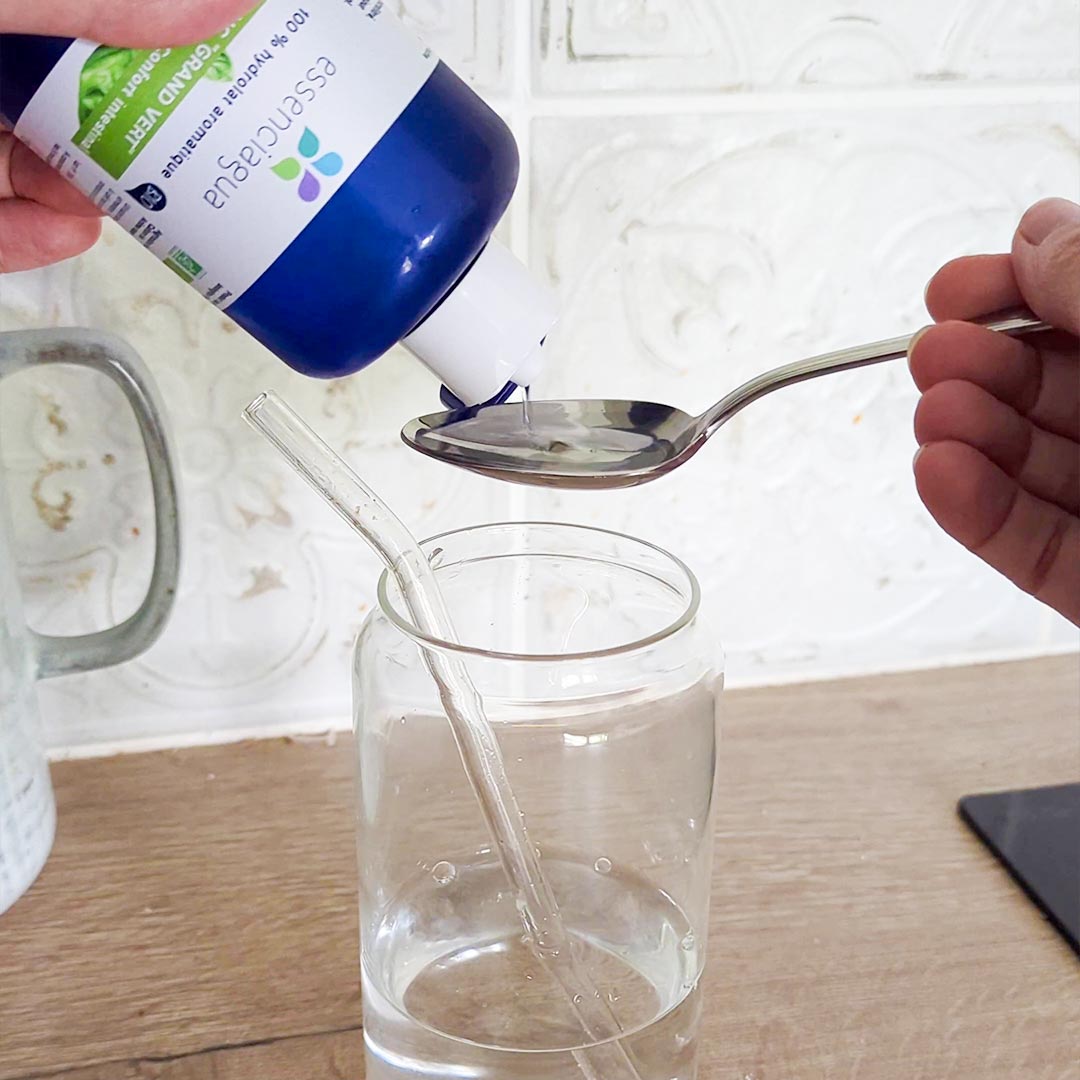
Para preparar un hidrolato para tu gato, llena un pequeño cuenco o platillo con unos 100 ml de agua. Añade de 3 a 4 gotas del hidrolato seleccionado pero no mezcles, esto permite que tu gato elija su intensidad preferida. Puede optar por olfatear el aroma más fuerte cerca de las gotas dispersas o beber de un área más suave más alejada.
Si tu gato parece intrigado pero mira de nuevo la botella sin diluir después de olfatear el cuenco, puede que quiera una concentración un poco más fuerte. En ese caso, puedes añadir unas gotas más, hasta un máximo de 10 gotas por cada 100 ml de agua.
Hidrolatos para la Piel y el Hogar
Los hidrolatos no son solo para apoyo emocional, también son maravillosos para el cuidado de la piel y el hogar. Una vez diluidos, se pueden aplicar tópicamente para calmar irritaciones de la piel, aliviar la picazón o incluso repeler plagas. También son un excelente ambientador natural que es seguro tanto para ti como para tus amigos felinos.
Con su suave toque curativo, los hidrolatos son una hermosa manera de fomentar el equilibrio, ya sea apoyando tu propio bienestar o creando un espacio tranquilo y armonioso para tus mascotas.