Pistachio Lentisk Organic Hydrosol, 250ml

Regular price € 16,90

Free Shipping
in Spain & Portugal
EU Shipping €6.90
Free from €59
Secure Payment
Safe & secure checkout

Organic Farming

Certified Organic

The french flag - Made in France - Elliotti

Made in France

Icon for food use - aromatherapy

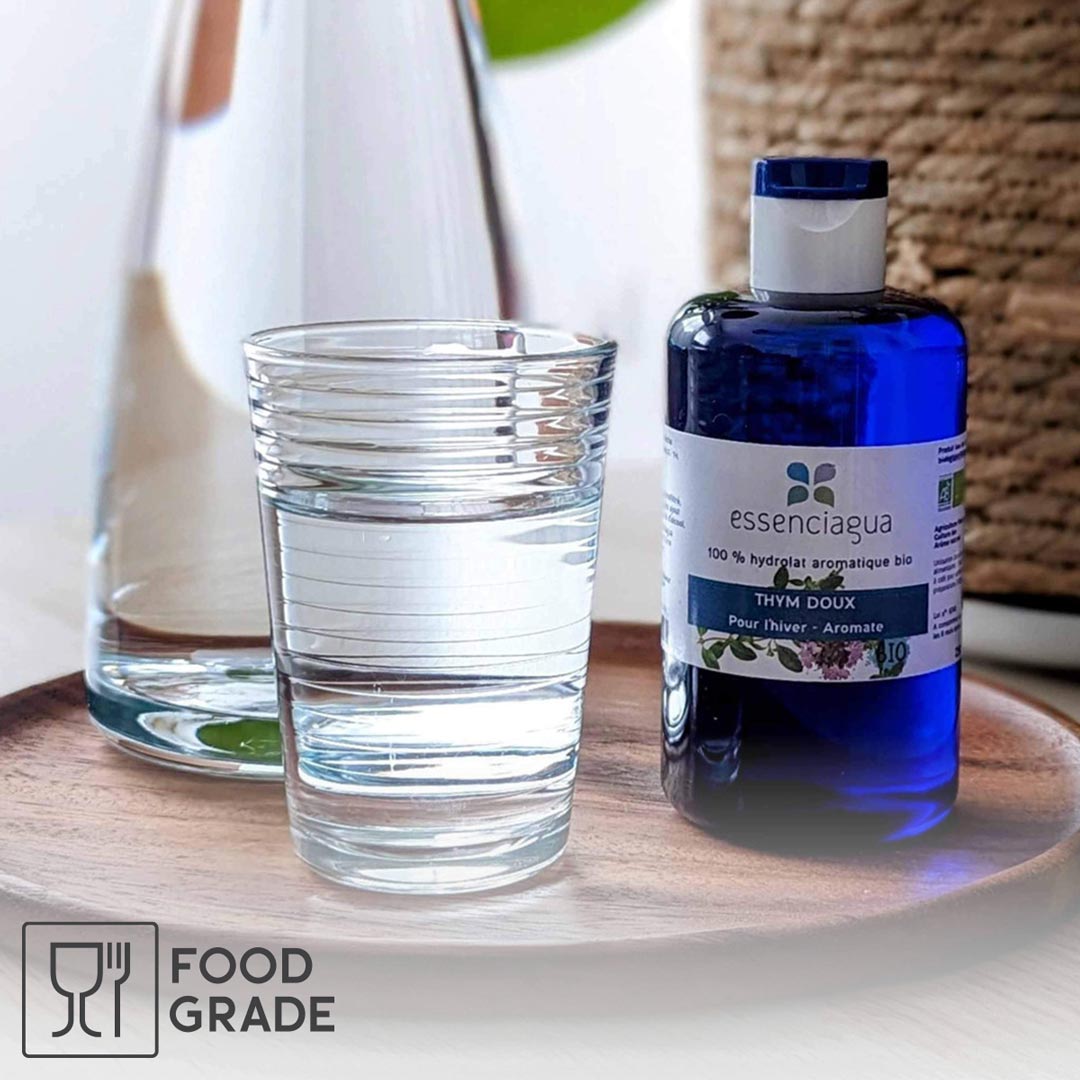
Food-grade - safe to add to drinks & food

Mediterranean Freshness for Skin & Body

Refresh your skin and give your legs a welcome moment of care with Pistachio Mastic Organic Hydrosol. Particularly inviting after a long day on your feet or during warm weather, this aromatic water brings a fresh botanical touch to facial and body care.

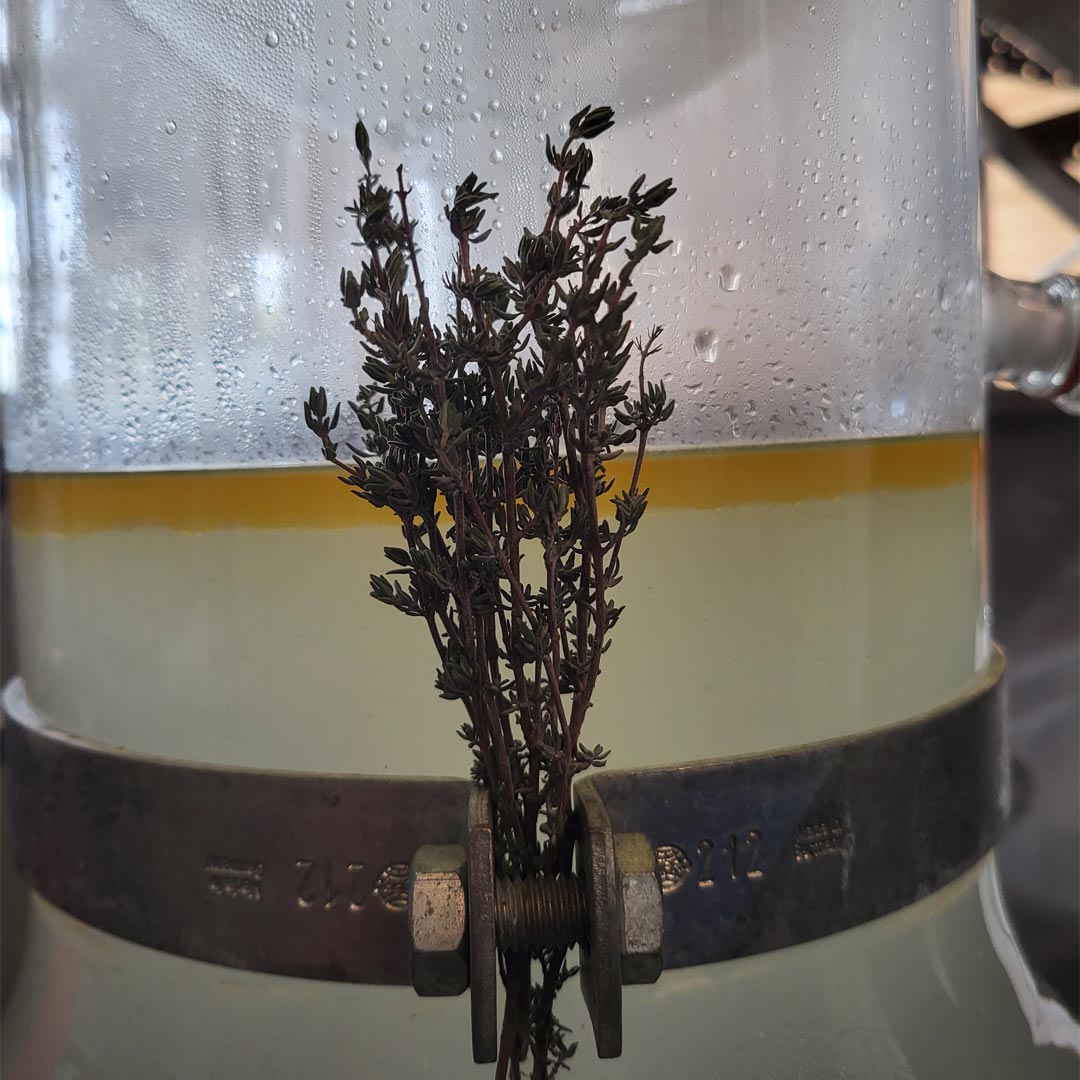
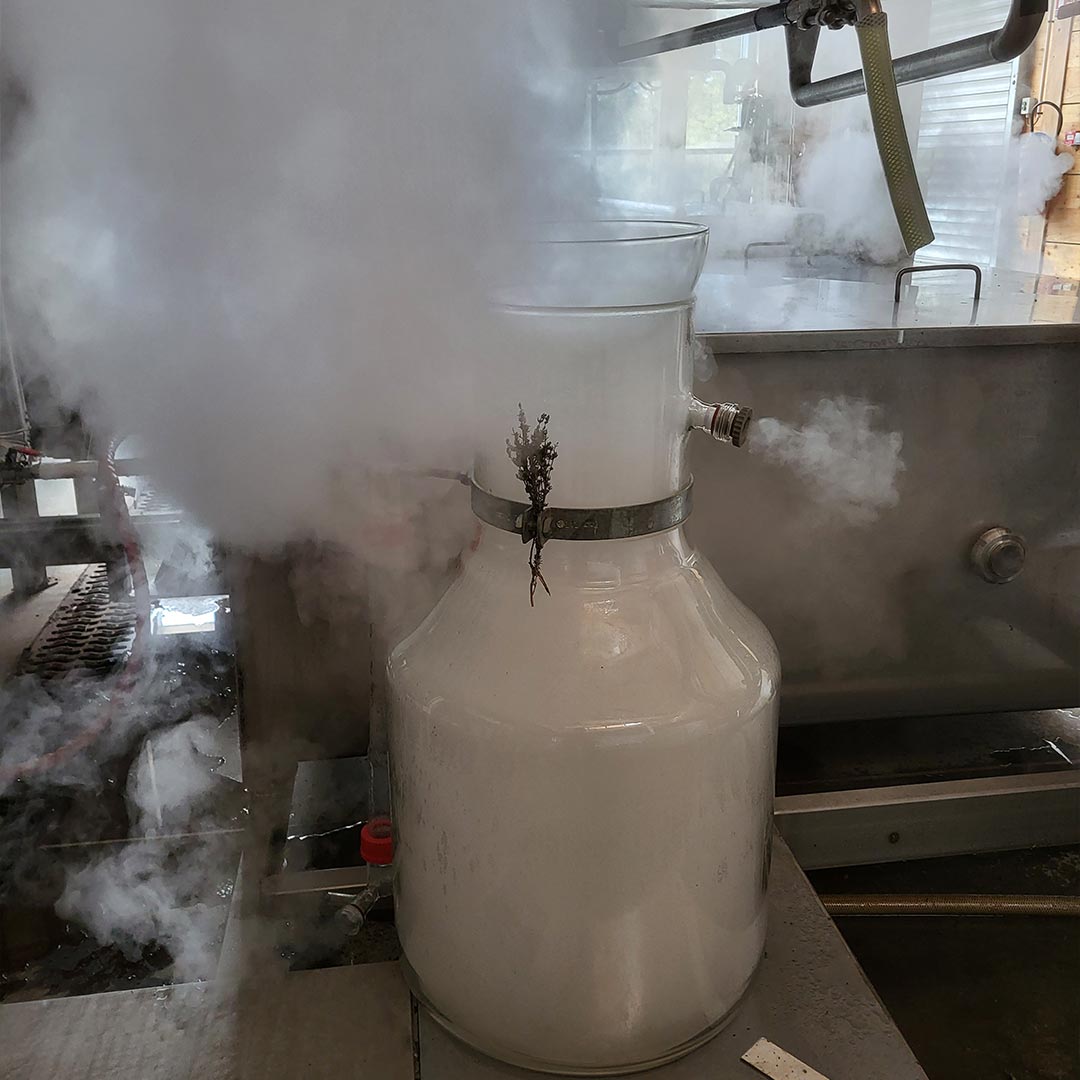
Steam-distilled from fresh organic branches harvested in Occitanie, France, it has a green, resinous aroma with lightly spicy notes. Choose it when you prefer Mediterranean herbal scents to sweeter floral waters.

Use it after cleansing as a facial toner, as a refreshing body mist or before applying your chosen body oil for a gentle leg massage. Its purifying and soothing qualities also make it interesting for blemish-prone skin.

This food-grade hydrosol can also be enjoyed diluted in water or explored as a natural flavouring in culinary preparations.

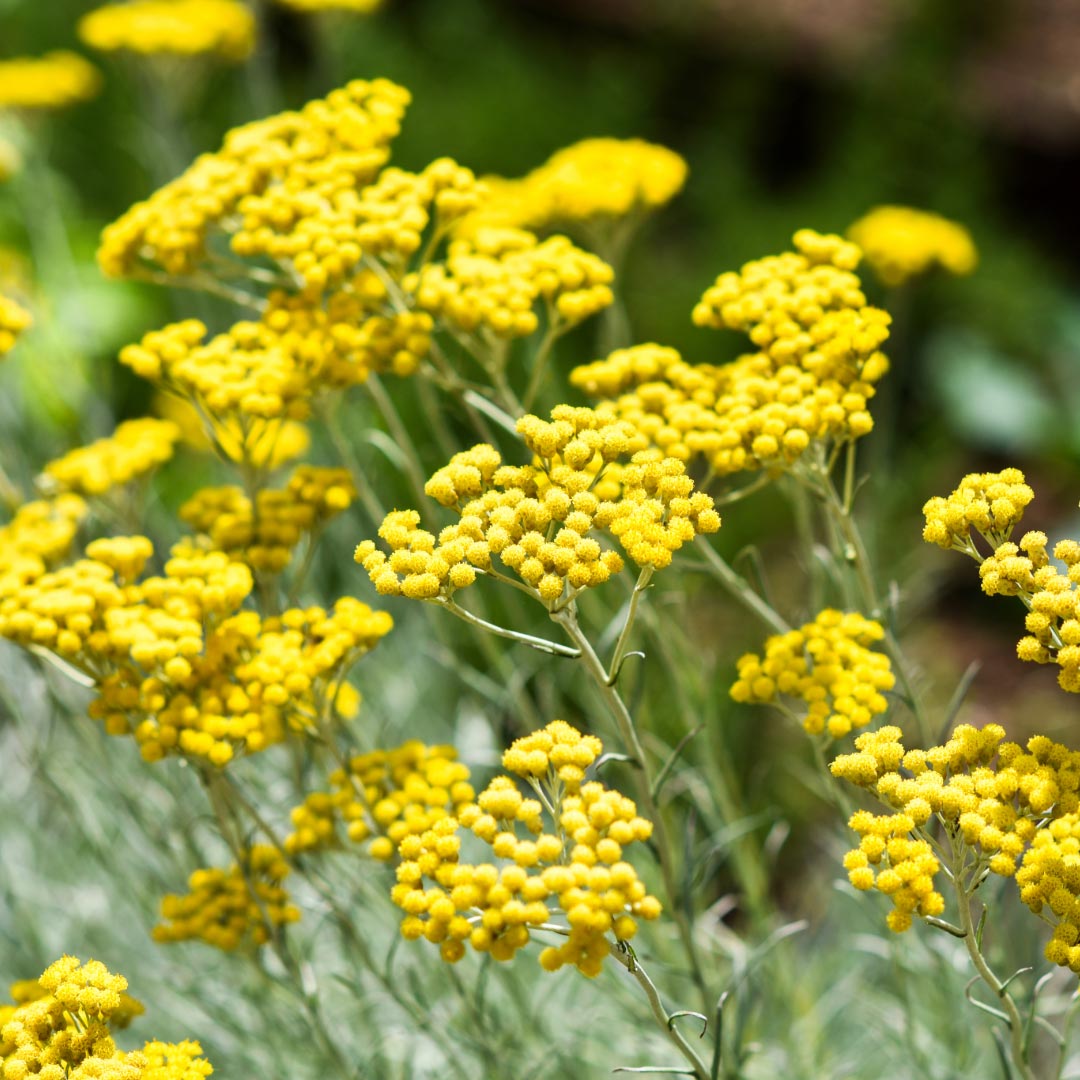
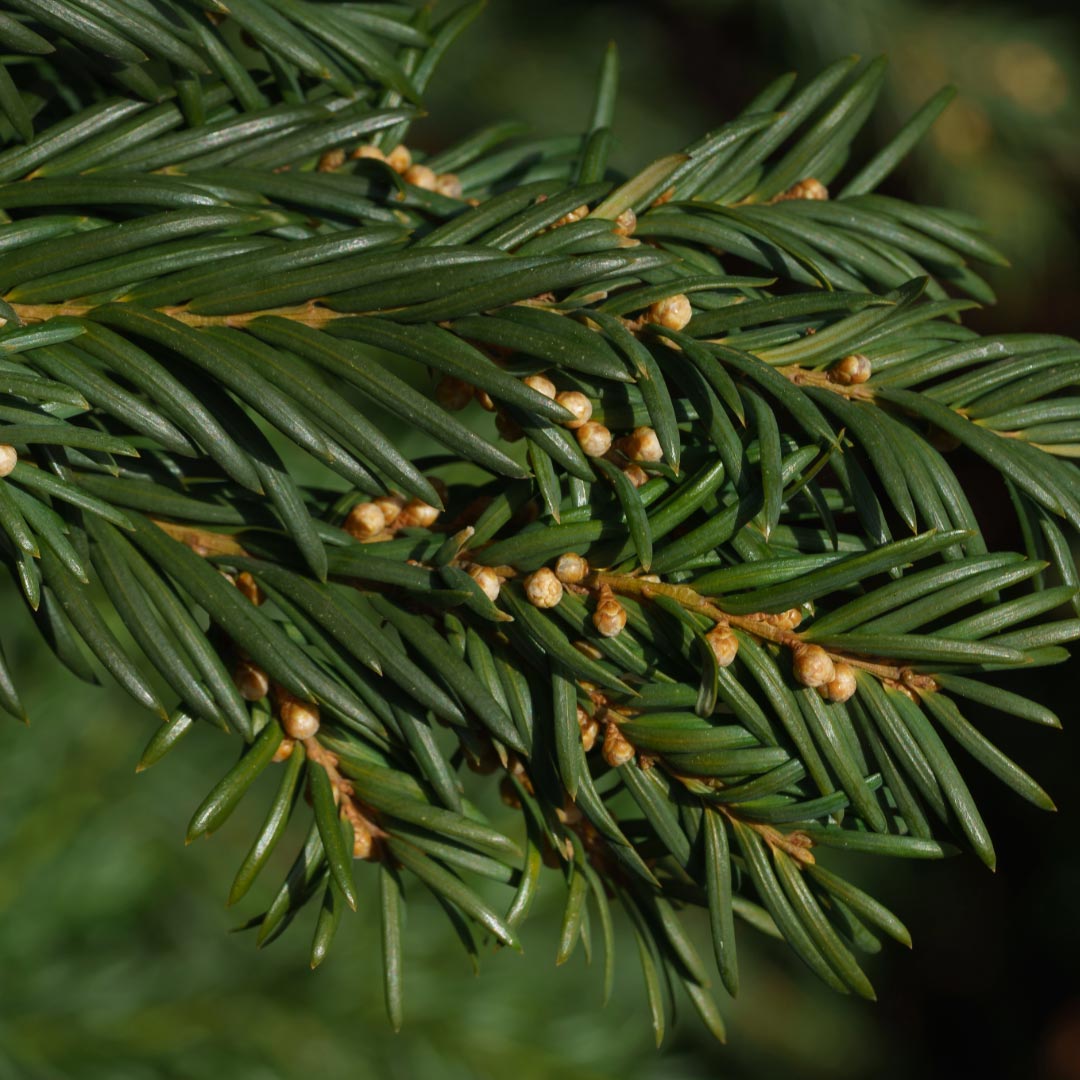
Despite its name, it is made from the branches of the mastic shrub, Pistacia lentiscus, rather than edible pistachio nuts. It offers a different way to discover this Mediterranean plant, whose aromatic resin has been treasured for generations.

Benefits

  • Refreshes the face, body and legs.

  • Tones the skin after cleansing.

  • Offers purifying and soothing skincare properties.

  • Provides a distinctive alternative to floral hydrosols.

  • Suitable for diluted use in drinks and culinary flavouring.

More information

Botanical name: Pistacia lentiscus L.
Common names: Mastic tree, lentisk, pistachio mastic
Plant family: Anacardiaceae
Plant part distilled: Fresh branches
Plant origin: Occitanie, France
Extraction method: Steam distillation
Volume: 250 ml

A Mediterranean Native

Mastic is an evergreen shrub native to the Mediterranean region. It is part of the characteristic vegetation of dry, sunlit landscapes, including those found in Spain and southern France.

Although related to the edible pistachio tree, Pistacia vera, it is a different species.

Artisan Distillation

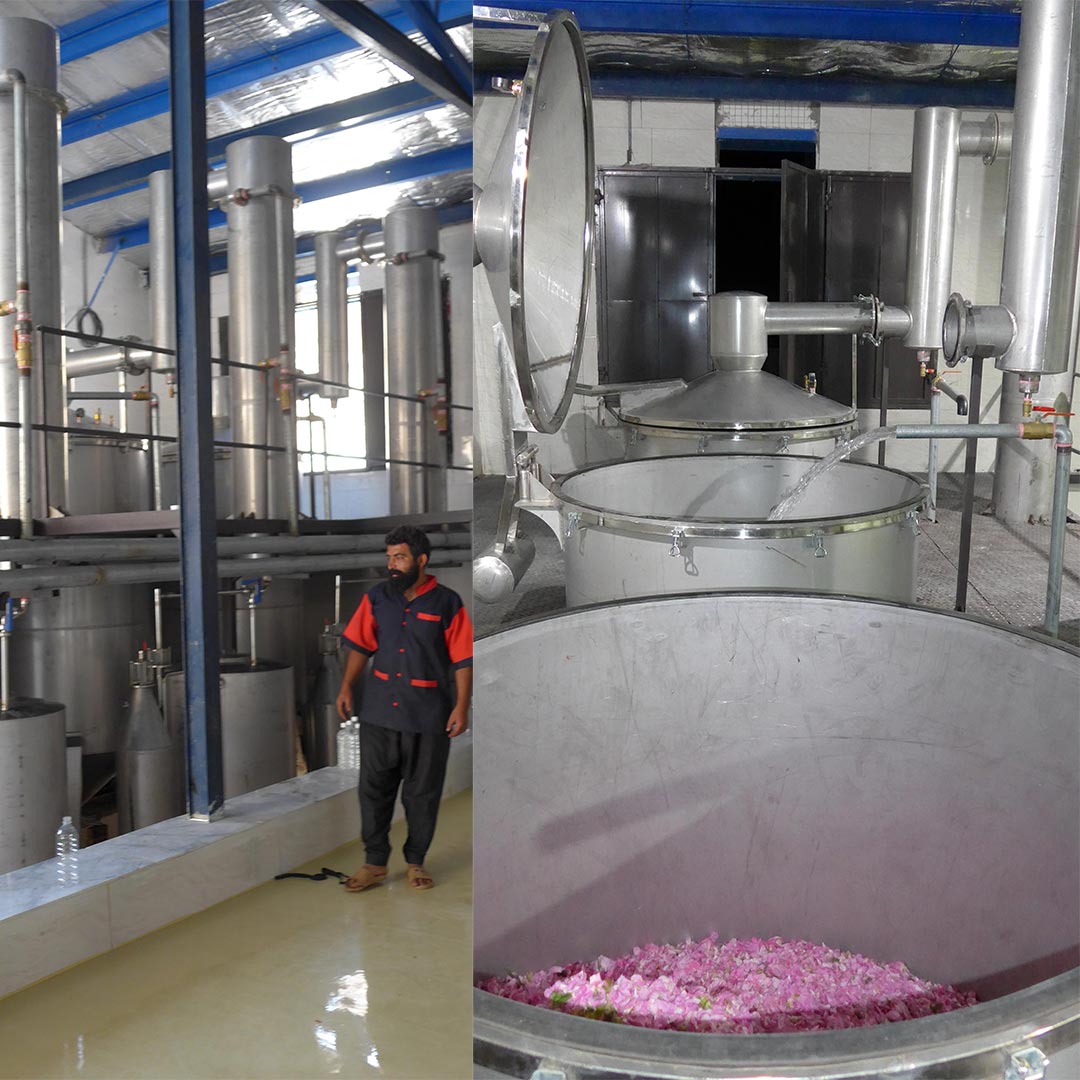
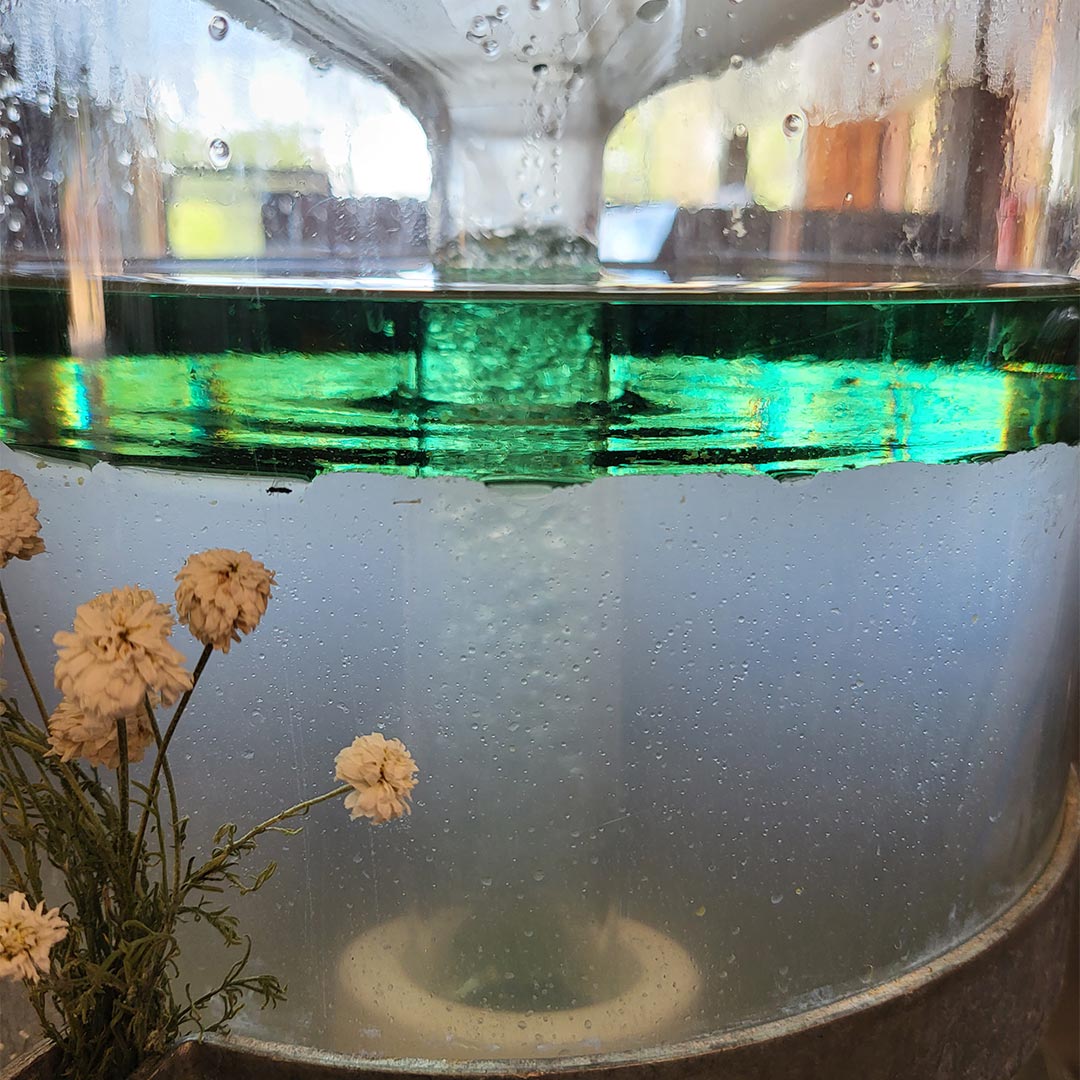
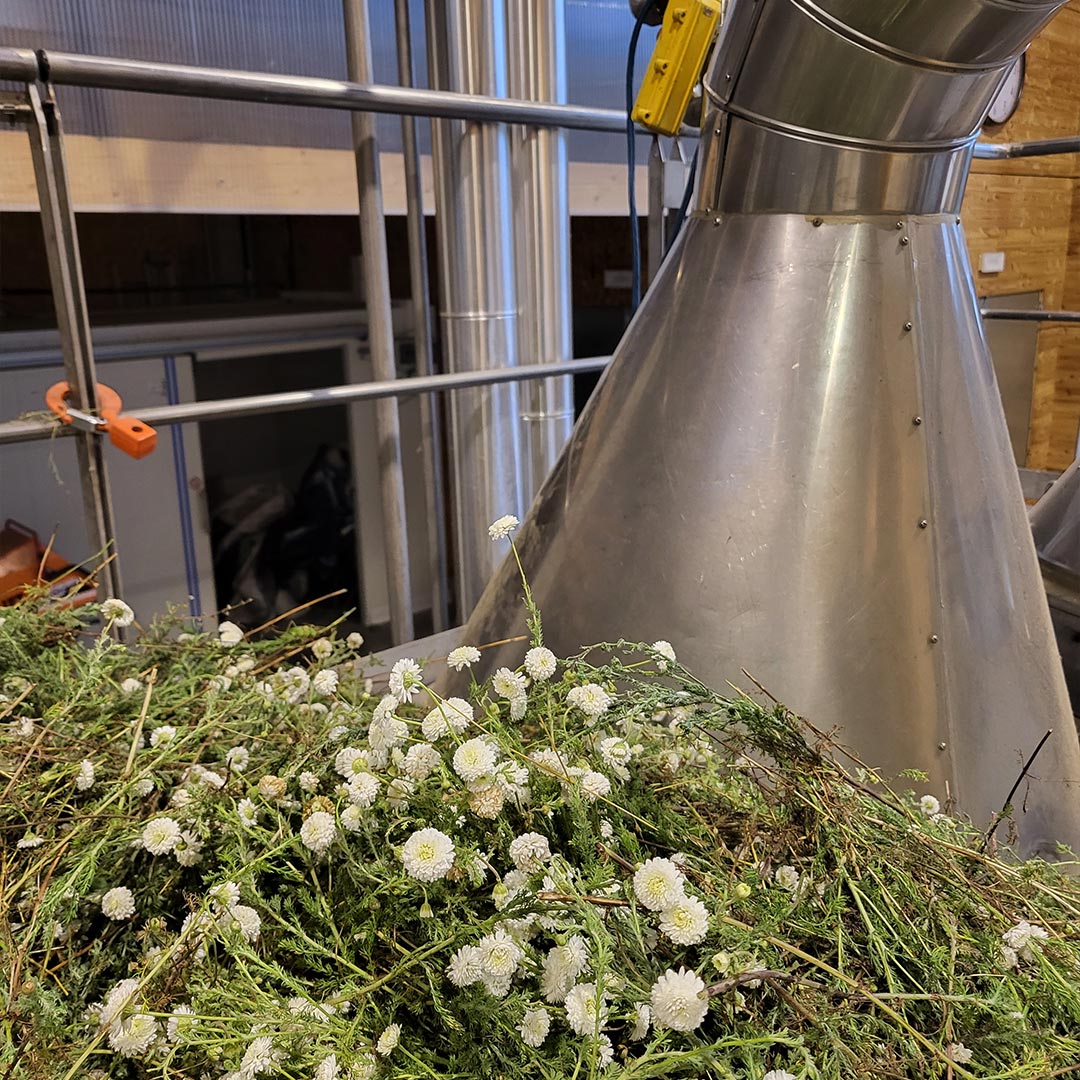
Essenciagua distils the freshly harvested branches in its own distillery in Lozère. Slow, low-pressure distillation uses spring water, with at least 1 kg of fresh plant material for each litre of hydrosol.

Hydrosol, Essential Oil & Mastic Resin

These are three different preparations from the same plant.

The hydrosol is the aromatic water collected during steam distillation. The essential oil is the much more concentrated aromatic oil separated during that process.

Mastic resin is the gum obtained from incisions in the bark. This hydrosol is distilled from branches, rather than made by dissolving mastic resin in water.

How would you like to use it?
  • Internal Use
  • Diffusion
  • Bath & Body
Usage tips

Refreshing leg care
Apply to the legs with a cotton pad or suitable spray attachment, particularly during warm weather or after prolonged standing. Follow with your chosen body oil and a gentle massage.

Facial toner
Apply after cleansing, then follow with your facial oil or moisturiser while the skin is still slightly damp.

Body mist
Use with a suitable spray attachment for a refreshing botanical mist after showering.

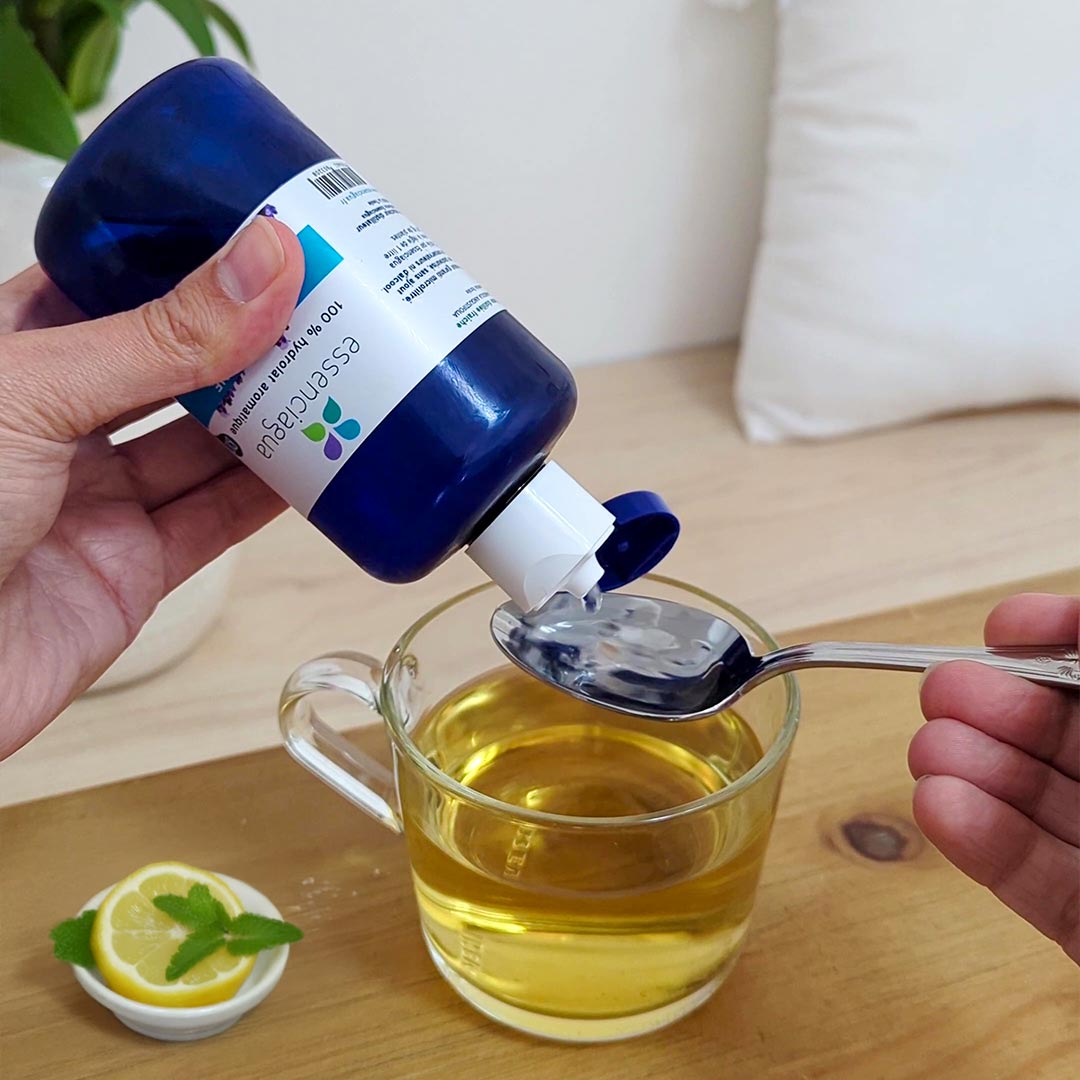
In drinking water
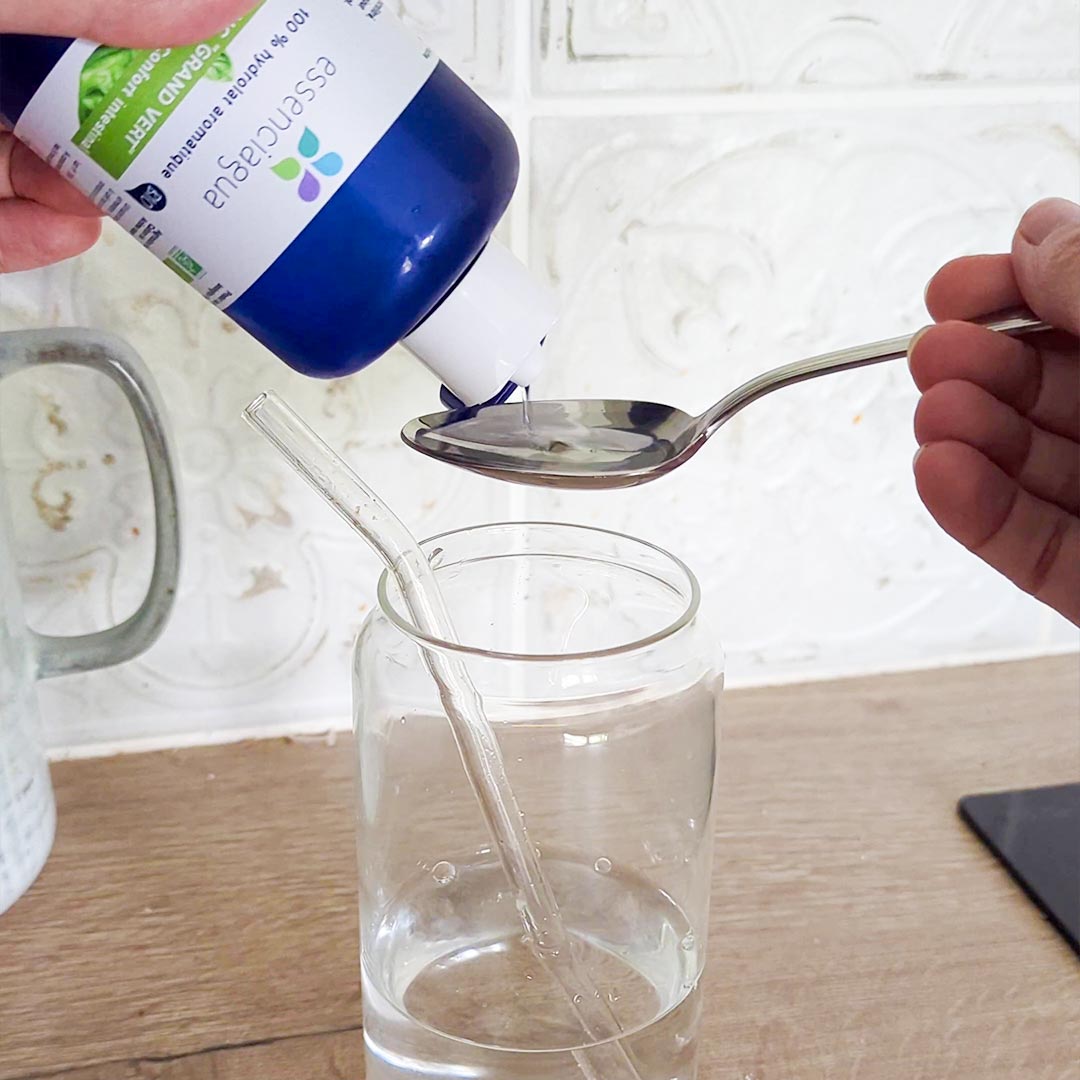
For adults, dilute 1–3 tablespoons in a large glass of water or your drinking-water bottle for the day.

In the kitchen
Explore as a natural aromatic ingredient in food and drinks. Begin with a small amount and adjust to taste.

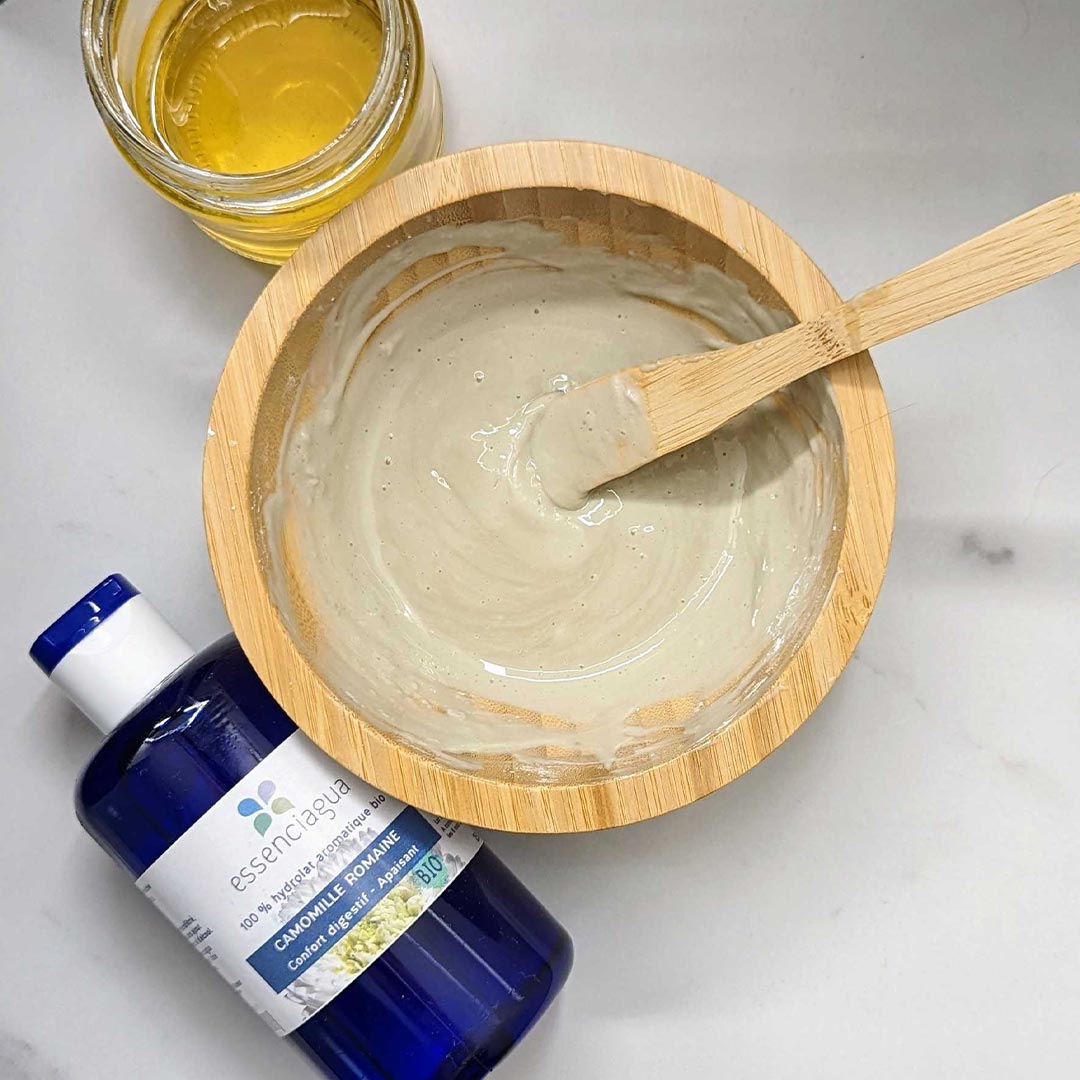
Homemade skincare
Use as the water-based ingredient in a freshly prepared clay mask. Mix only enough for one application.

Skin type
  • Oily Skin
  • Dry Skin
  • Normal Skin
  • Mature Skin
  • Combination Skin
Scent Family
  • Resinous & Balsamic
  • Herbal
Quality

Pure Organic Quality, Sustainably Packaged

Essenciagua hydrosols are crafted exclusively from plants grown through 100% organic methods and distilled fresh to capture their full essence. This process ensures the plant's natural water is present in the hydrosol, preserving its true properties and supporting long-lasting, natural preservation.

To deliver the highest quality, each hydrosol is made with a 1:1 plant-to-hydrosol ratio. For example, 250 grams of fresh plants are distilled to produce a 250 ml bottle, guaranteeing a rich concentration of water-soluble active ingredients and aromatic molecules.

Composition

100% pure organic Pistachio Mastic hydrosol (Pistacia lentiscus), steam-distilled from fresh branches in France.

No added alcohol, preservatives or other additives.

Certified organic

Precautions for use

For internal use, always dilute in water. Do not drink undiluted.

The drinking quantities provided are for adults.

Store in a cool place away from direct light. Refrigeration helps maintain a cool, stable storage temperature.

Keep the bottle tightly closed and handle the opening cleanly.

Follow the best-before date and any additional instructions on the bottle.

A little history

The mastic shrub has a long history in Mediterranean life, particularly through its fragrant resin. Known as mastic or mastiha, this gum was chewed in ancient Greece for oral hygiene and became an ingredient in confectionery and liqueurs.

On the Greek island of Chios, harvesting mastic developed into a distinctive way of life. Small incisions are made in the bark, allowing resin to emerge and harden into translucent “tears”. These are collected, cleaned and sorted by hand, using skills passed down through generations.

The work connects whole families and communities, with seasonal tasks ranging from winter pruning to summer harvesting. In 2014, UNESCO recognised the know-how of cultivating mastic on Chios as part of humanity’s intangible cultural heritage.

This history belongs to the resin and the communities who cultivate it. The hydrosol offers another preparation of the same plant: an aromatic water distilled from its fresh branches in France.

FAQ

🌿 Is this made from pistachio nuts?

No. It comes from the mastic shrub, Pistacia lentiscus. The familiar edible pistachio comes from a different species, Pistacia vera. This hydrosol is distilled from branches, not nuts.

🌿 Why choose it for leg care?

It makes a refreshing addition to a leg-care routine, especially in warm weather or after spending a long time standing. Apply before a gentle massage with your chosen body oil.

🌿 Can I drink it?

Yes. It is food-grade and suitable for internal use when diluted. For adults, add 1–3 tablespoons to a large glass of water or your drinking-water bottle for the day. Do not take it undiluted.

🌿 Can I use it on my face?

Yes. Apply after cleansing as a toner, then follow with your facial oil or moisturiser. It is particularly interesting for a skincare routine focused on blemish-prone skin.

🌿 Is it the same as mastic gum?

No. Mastic gum is resin collected from the bark. The hydrosol is aromatic water obtained by distilling the branches. They differ in composition and use.

🌿 Can I use it with a facial or body oil?

Yes. Apply the hydrosol first, followed by the oil while the skin is still slightly damp. There is no need to mix them together in the bottle.

🌿 How should I store it?

Keep it cool and away from direct light, with the cap tightly closed. Follow the best-before date and storage instructions on the bottle.

Packaging & storage

Keep your hydrosol in the refrigerator.

Essenciagua prioritizes sustainability in packaging by using recyclable PET bottles, free from phthalates and bisphenols. These bottles are lightweight, shock-resistant, UV-protective, and impermeable to aromatic molecules, making them a more eco-conscious alternative to glass for transport and production.

The secure, non-unscrewable caps ensure the hydrosols remain unopened and perfectly preserved until use.

Shelf Life of an Open Hydrosol (Refrigerated)
  • Typical Duration: Once opened and kept in the refrigerator, a hydrosol will generally keep well for 6 to 12 months. Some delicate hydrosols may start to lose their freshness earlier, while more stable ones (like Rose or Lavender) often last toward the longer end.
  • Storage Conditions: Always store in the refrigerator, tightly closed, away from light and heat. Avoid touching the inside of the cap or bottle opening to prevent contamination.
How to Tell if It’s Spoiled
  • Olfactory Test: A fresh hydrosol should have a clean, pleasant plant aroma.
  • Signs of Spoilage:

    - The aroma disappears or changes to sour, vinegary, or musty.

    - Cloudiness, sediment, or visible growth (mold/bacteria).

    - A sticky texture on the surface or inside the cap.

Practical Tip

Even if the hydrosol is technically within the safe shelf-life window, trust your senses, if it smells or looks “off,” it’s best not to use it on skin or internally. It can sometimes still be used for household cleaning purposes if only mildly altered in scent, but not for therapeutic or cosmetic use.

Volume

250ml

Essenciagua hydrosols are 100% organic and natural, without any chemical additives, with impeccable traceability and sourced from short supply chains. They are of food-grade quality, allowing for oral consumption!

Top 3 Benefits for using Hydrosols

1. Gentle and Safe for All Skin Types: Hydrosols are mild and non-irritating, making them suitable for even the most sensitive skin. They maintain the essence of the plant in a less concentrated form than essential oils, offering soothing, hydrating, and toning benefits without the risk of irritation.

2. Versatile Usage: Hydrosols can be used in a variety of ways - as facial toners, in aromatherapy, as linen sprays, for wound care, or as ingredients in homemade skincare products. Their versatility extends to culinary uses, where food-grade hydrosols can flavor drinks, desserts, and dishes.

3. Therapeutic Properties: Despite their mild nature, hydrosols possess therapeutic properties that can benefit the mind, body, and soul. Depending on the plant they are derived from, they can have anti-inflammatory, antiseptic, calming, or uplifting effects, among others, contributing to overall well-being.

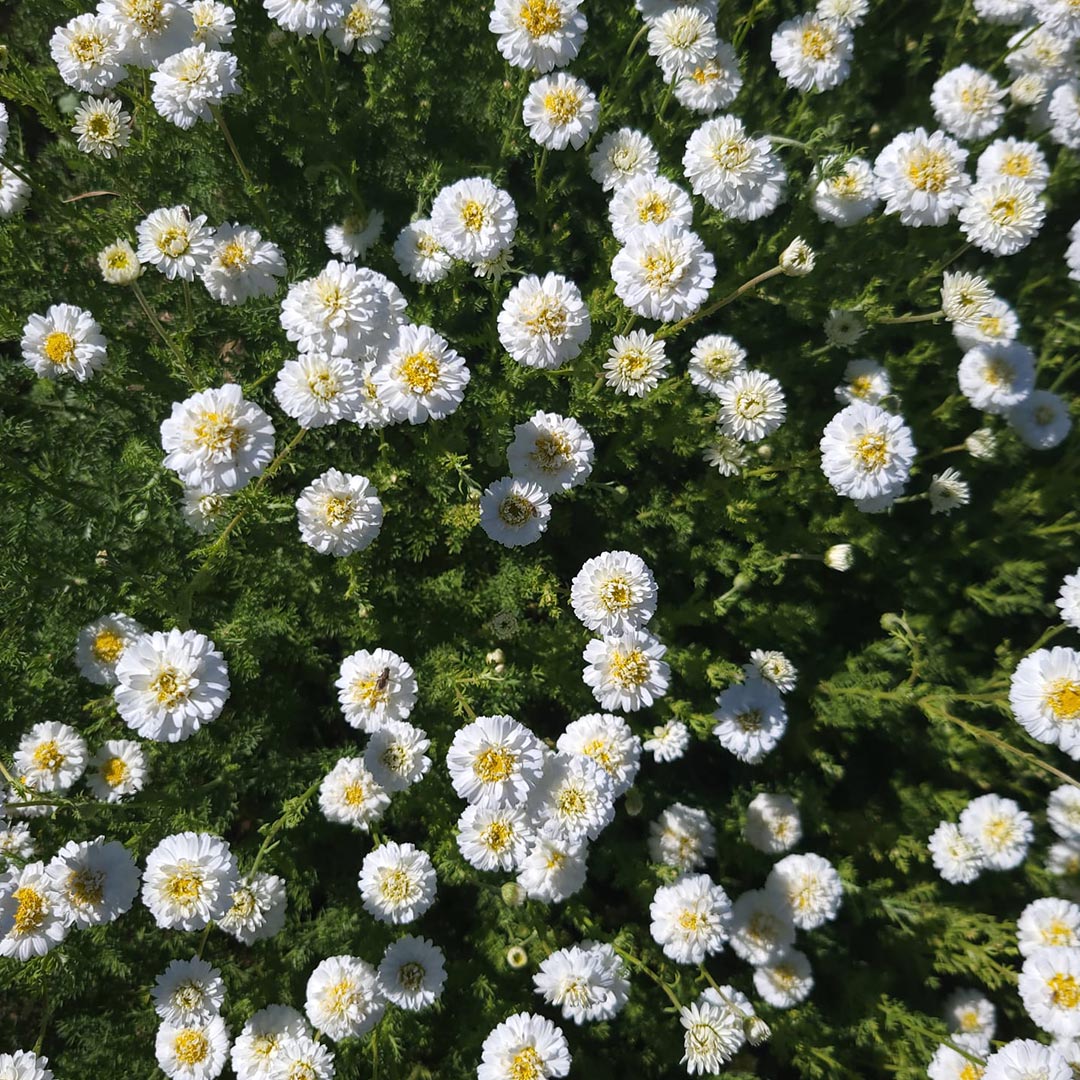
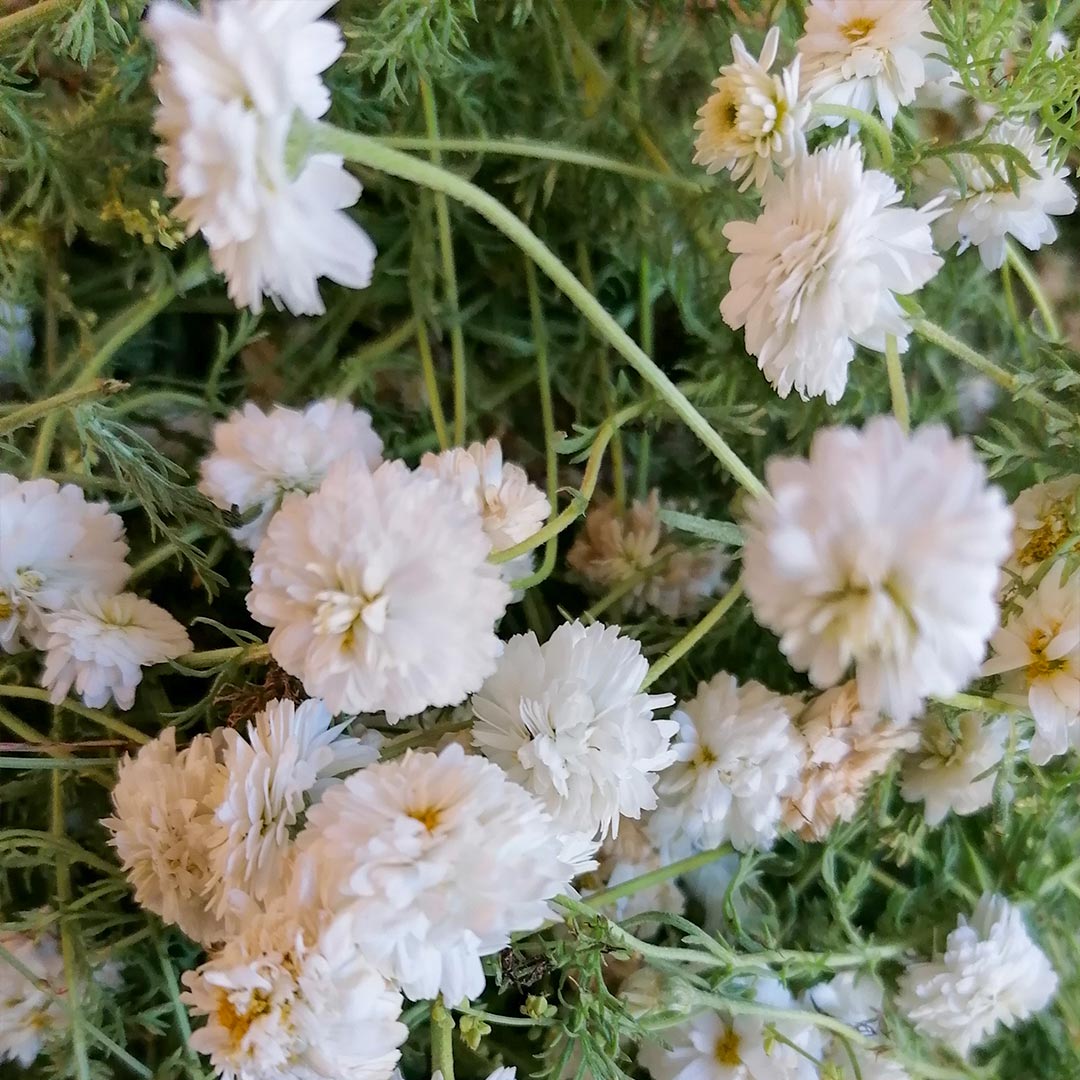
Chamomile flowers

Non-Toxic, Synthetic-Free - FOOD GRADE Hydrosols

How to use Hydrosols?

In Suzanne Catty's brilliant book "Hydrosols the Next Aromatherapy" she explains thoroughly all the benefits and the different ways of using hydrosols. I really recommend reading her book!
Here is what she writes:

"Hydrosols are mild but effective. They can be used undiluted without problems for most topical applications. In some ways you can treat them like water, for instance, to wash a cut or scrape, but it must be remembered that they differ from water in many ways. Hydrosols do contain some essential oils, so whichever one you use will contain some but not all of the properties of the oil, and you will receive some of the benefits that you would get if you used the respective oil.
Hydrosols have a very different pH than water; they are always either slightly acid, like lavender, or very acid, like rock rose. Rock rose, because of its extreme aciditity, is highly astringent and will constrict cells where it is applied. This means it is useful to stanch bleeding; it is also great for tightening pores and reducing wrinkles.

Lavender, with an almost neutral pH, may be better choice if a wound contains dirt or pus, since it can wash the debris out of the cut more easily, as the cells remain open and bleeding will help clean the wound."

Ways to use hydrosols

1. Spray undiluted hydrosols all over the body as a quick refresher, to cool the body temperature or stimulate circulation, to reduce the impact and damage of sun exposure, as a deodorant, or as a subtle perfume.

2. Use neat hydrosols to make your own wet wipes, for both adult and infant personal hygiene (Chamomile Roman is perfect for infants and kids)

3. Use as hand spray to prevent the spread of germs in cold season, or when you are traveling and are being exposed to far more germs than at home.

4. Treat skin conditions like eczema, dermatitis, psoriasis, and poison ivy. Use several small applications per day, the general rule would be no less than three and as many as twelve small localized applications per day, every day until symptoms resolve.

5. Hydrosols can greatly relieve the itching, pain, and redness of the skin in case of for instance eczema. They can slow down the flaking process and speed up the healing.

6. It is very important that you buy organic preservative-free hydrosols.